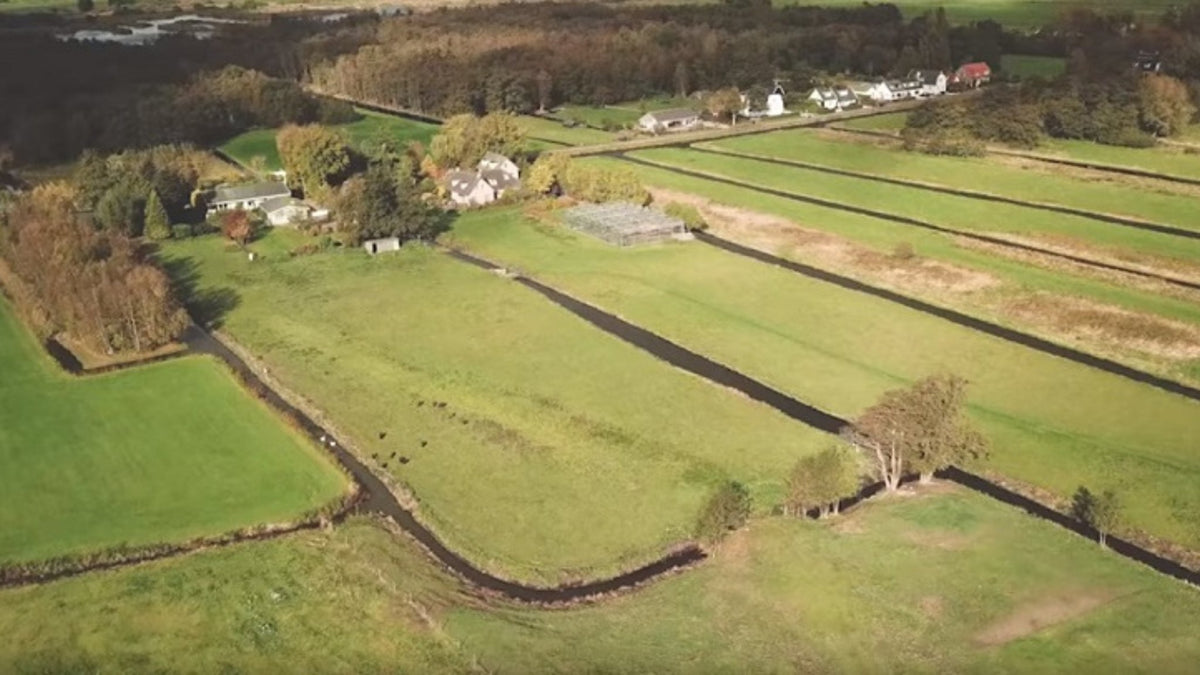










Like veins running through a body, countless small polder ditches criss-cross the landscape of West Flanders. They feed into larger polder canals, and a scattering of lakes dots the map. So much water, so many possibilities, and so many big fish – pike, zander and perch alike. It truly is a paradise, and above all a paradise for anglers. We've already taken you on a written journey from polder pike to the YPC18 duels in the Netherlands and into those very polder canals; now we continue our trip to Belgium, and guest author Marco Solar introduces West Flanders as an almost unknown predator-fishing paradise. Enjoy the read!
Predator Stronghold: The Province of West Flanders, Belgium
West Flanders, or West-Vlaanderen in Dutch, is a province on the Belgian coast with a stock of predators that is largely unknown, particularly among German anglers. The capital of West Flanders is Bruges, and the province has around 1.1 million inhabitants (as of January 2016). Alongside the built-up coastal towns and the communities further inland, West Flanders is home to unique polder landscapes with many outstanding predator waters. An unknown paradise, and one we're delighted to introduce to you.

The picturesque old town of West Flanders, with its impressive architecture and some surprisingly wide town canals crossed by bridges – perfect structure and all sorts of hot spots, particularly for perch.
In West Flanders people speak a West Flemish dialect of Dutch, as well as French, English and German. Fishing licences and local information leaflets for anglers are available everywhere in all four languages – very handy for making sure you fish by the rules. In general, German sport anglers and predator fishers are very welcome in Belgium. If you don't speak Dutch, you can always ask in your own language for the best spots and lures on the day.
Where Can You Fish in West Flanders?
If you look up West Flanders on a map, you can roughly define the region between the towns of De Panne, Avelgem and Knokke-Heist. The large canals running between Nieuwport, Ostend and Damme are immediately obvious. Along these major West Flanders canals lies a varied polder landscape with a wide choice of small to medium-sized polder canals. This is where the West Flemish predators live – but you'll also find them in the beautiful natural lakes and in the rivers further inland.

Especially towards the coast, the number of small polder ditches increases rapidly. Seemingly endless fishing territory with exceptionally good fish stocks.
Fishing Regulations
The regulations for sport anglers in West Flanders are very relaxed and thoroughly in keeping with a modern angler's mindset. Catch and release – with an official no-kill rule – is just one of many positive aspects of Belgian fishing law for predator anglers. For zander, for instance, there is both a minimum and a maximum size for retention: 45 cm and 75 cm respectively. Later in the article we'll explain where and how you can obtain Belgian fishing licences simply and affordably.
TIP:
If you'd like to purchase the Belgian fishing licence via the link above, simply click 'translate' in your browser to view the page in your own language. Follow the link that opens and fill in the order form. The linked page also contains plenty of additional information and useful tips.
Predator Facts for West Flanders
In 2010, West Flanders hosted the Snoektelmand – translated roughly as 'Month of the Pike Count'. The initiative was organised by the Vlaamse Roofvis Federatie, or VRF for short. Joris Willems, Vice President of the VRF, published the document below containing many interesting facts for all predator anglers. Today, nearly ten years on, the survey results read like a treasure map when you consider the average growth rates of pike, perch and zander. West Flanders is a gem for all sport anglers and a very good alternative to the Dutch polder waters, which can be heavily fished yet remain highly productive.
During the Snoektelmand, a total of 80 test anglers caught 130 pike in the waters of West Flanders within 568 hours on the bank. A large proportion of those catches came from public fishing waters accessible to every angler holding an official licence. A further sizeable portion was caught in private but publicly accessible fishing lakes. Ideal conditions for a (short) fishing holiday targeting predators in Belgium, just a few kilometres from the sea.

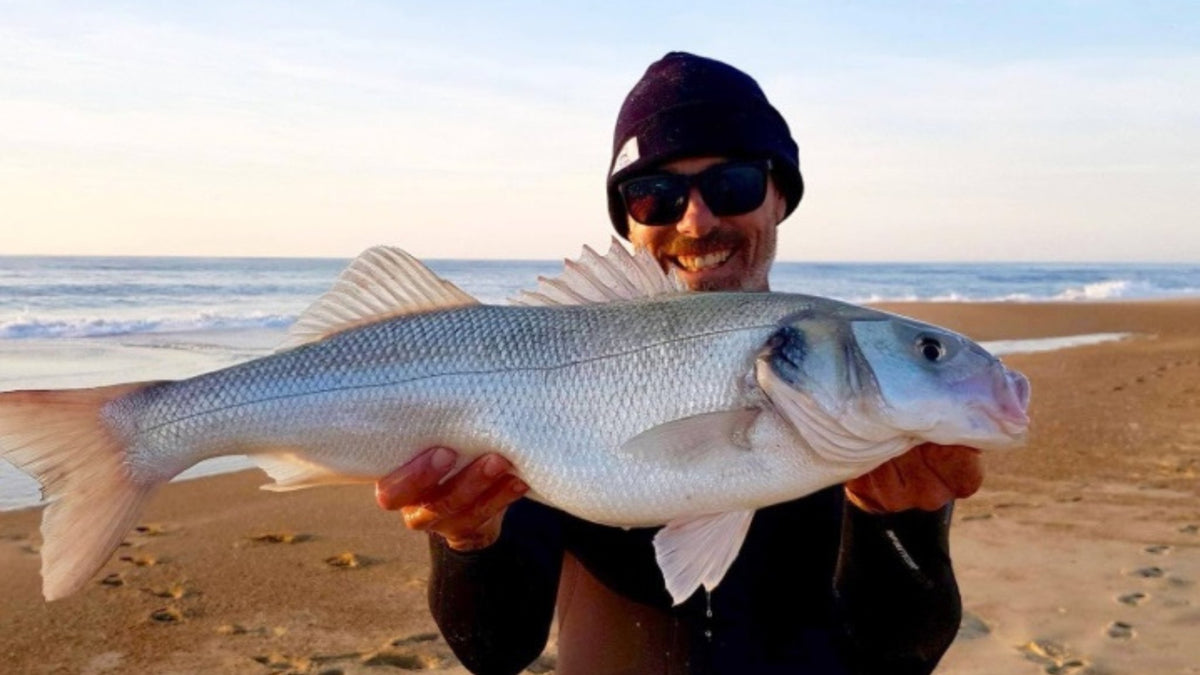
Nico tempted this polder pike from the Rodfather after a spectacular fight. It took a 14 cm LMAB KØFI Barsch in the Real Perch finish. Specimens like this are no rarity in the polder ditches.
Exceptionally Large Pike
The average length of all pike caught in the polder canals was 63.6 cm – a full 10 cm above the average for river pike. Among the 130 fish, four exceeded one metre. The largest measured 110 cm overall and could well be a potential record fish today. It was caught in a fishing lake close to a holiday park – just a little detail worth noting.
All pike caught were carefully measured and returned in good condition. There has always been an unwritten rule against removing large pike from their waters. Other predators are subject to catch limits, which has allowed healthy, strong populations to develop in the West Flemish fishing waters. Current catches show that the average size is rising and the fish are tending to grow bigger over time – a genuine success for everyone involved and a real insider's tip for predator fishing.
Predator Hot Spots in West Flanders
West Flanders offers anglers countless excellent spots on wonderfully varied waters for hunting big predators. To fish in West Flanders you need a freely available fishing licence. Here are some of the best spots for predator fishing – pike, zander and perch – with a focus on the polder canals. Most spots are easy to reach and freely accessible.

A selection of potential hot spots as reference points for anyone who hasn't yet had the chance to fish West Flanders. These tried-and-tested spots have been put together by our guest author Marco.
Oude Vaart
HOT SPOT #1 for predator fishing in West Flanders is the Oude Vaart through to the Koolhofvaart between Veurne and Nieuwport. Some big Flemish pike and perch have already been caught here. Further north near Gistel, the polder canals of Grootgeleed are always worth a try. The large connecting canal at Nieuwport produces plenty of big zander, though fewer pike and perch.
Ghent–Ostend Canal
HOT SPOT #2 – Right in the heart of West Flanders lies the Gent-Oostende Kanaal. Our second top tip for all predator fans and pike anglers. Below the dual carriageway towards Vijfwegen, the hot spots are at Wachtkom de Steger and de Kalte – a kind of turning basin and pumping system that regulates the surrounding polder canals.
Damse Vaart
HOT SPOT #3 takes us further north, where the canal forms the Damse Vaart: from Damme to the Dutch border at Sluis you'll find several more hot spots. The old trees lining the banks provide a natural windbreak, and the water is thick with large lily-pad fields. A paradise for anglers.
Roksemput
HOT SPOT #4 – We're not done yet. Another insider's tip, even among local predator anglers, is the Roksemput fishing lake near Jabbeke. The lake sits within a nature reserve and has only five pegs. Conditions here are at their best when you have the wind behind you and know how to work a drift float. This lets you drift your pike bait well out into the lake to reach the bigger fish. In the next section we'll go into more detail on the most effective techniques for predator fishing in West Flanders.
Fishing Techniques in Belgium
One important point about fishing techniques in West Flanders upfront: fishing with live baitfish is permitted here and officially allowed with the correct fishing licence.
Any experienced predator angler will spot the hot spots on a good water straight away. Sluices, bridges, lily-pad beds and other features all get the pulse racing. Do make sure, however, that you observe any exclusion zones around certain structures.
An important consideration on the waters closer to the coast: the salt content should be relatively low. Some canals – particularly the wider ones – have a direct connection to the North Sea. Here you'll see anglers catching flatfish and eel, but targeting pike is unlikely to be worth your while.
Tackle Tips
For lure fishing or bait fishing for predators, a good spinning rod and a suitable reel are essential. Very dedicated anglers carry a separate rod for each target species. For a first trip or a short predator-fishing holiday, a rod up to 2.70 m, a fixed spool reel loaded with 0.35 mm line and the appropriate leader will get you started. A good landing net for safely banking your fish is an absolute must.
Lures and Methods
In West Flanders you can work most waters through several layers of the water column. That means a good selection of surface lures as well as soft lures, for example for drop shotting, and big baits for the deeper layers all deserve a place in your tackle bag. Whether you prefer to work your spot from top to bottom or the other way around is entirely up to you – it varies from angler to angler, and both approaches work.
Unlike in many other countries, West Flanders – as mentioned above – allows you to fish with live baitfish for the big predators. For this you should choose a high-quality leader material, as you may well be bringing some seriously large fish to the bank. Presenting your baitfish beneath a drifting or static float rig is a very effective approach. When fishing live bait, a good pair of unhooking pliers is absolutely essential.
Fishing Licences for West Flanders
You can buy your Belgian fishing licence for the West Flanders region online or at any local post office. There are three different fishing licences to choose from. Here you'll find more information about the various Belgian fishing licences for predator anglers. A permit for the private predator fishing lakes is available on site – as a rule, a fishery warden comes round to collect payment from anglers each morning. Below is an overview of the three available licences, each valid for one calendar year.
 Junior Fishing Licence
Young anglers up to their 17th birthday fish in West Flanders with an affordable junior fishing licence. No German fishing licence is required to obtain one. It's a great opportunity for young people and children to get into sport fishing without any major barriers. The cost is just €5 for a full year!
Small Fishing Licence for West Flanders
The small, or standard fishing licence, is an excellent option for tourists and yet another reason why Belgium stands out as a top fishing destination. It costs just €13 per year, and comes with a mandatory 100% catch and release rule.
Large Fishing Licence for West Flanders
With the large fishing licence, the so-called groot visverlof, at €48 per year, all of Flanders is open to you at any time. You may fish with live baitfish and keep up to five at your peg. The licence also permits boat fishing on all public waters – the ideal choice for anyone who wants to fish the Flemish waters more regularly and more intensively for predators.
Overview of Belgian Fishing Licences
Licence |
No. of Rods |
Night Fishing |
Boat |
Live Baitfish |
No Kill |
Price / Year |
Junior Fishing Licence |
2 |
Yes |
Yes |
No |
Mandatory |
€5 |
Licence (Small) |
2 |
No |
No |
No |
Mandatory |
€13 |
Licence (Large) |
2 |
Yes |
Yes |
Yes |
Voluntary |
€48 |
Summary
West Flanders – a Belgian province that more than repays the trip and stands as an outstanding predator-fishing destination. Countless waters, a wide range of possibilities and a predator to suit every preference. Visiting anglers and those on a short break are always welcome, the licences are very fairly priced, and alongside the fishing you can enjoy breathtaking countryside. If you're a fan of polder fishing and fancy venturing beyond the Dutch border, West Flanders is a predator paradise you really shouldn't miss.
We wish you all tight lines and tight corners on your next adventure – tight lines! If you enjoyed this article, have something to add or share, or perhaps want to offer some constructive feedback, let us know in the comments below.
We're always grateful for feedback and love to grow from the observations of sharp-eyed readers. We hope this article has given you a small taste of fishing in Belgium and we'd love to hear about your own experiences in West Flanders – feel free to share a catch photo if this piece inspires you to make the trip.