










Spine Rig
The spine rig imitates a wounded or dying baitfish with remarkable realism - darting about uncontrollably before sinking back to the bottom in a lifeless, helpless drop. An open invitation for any perch to seize what looks like an easy meal.


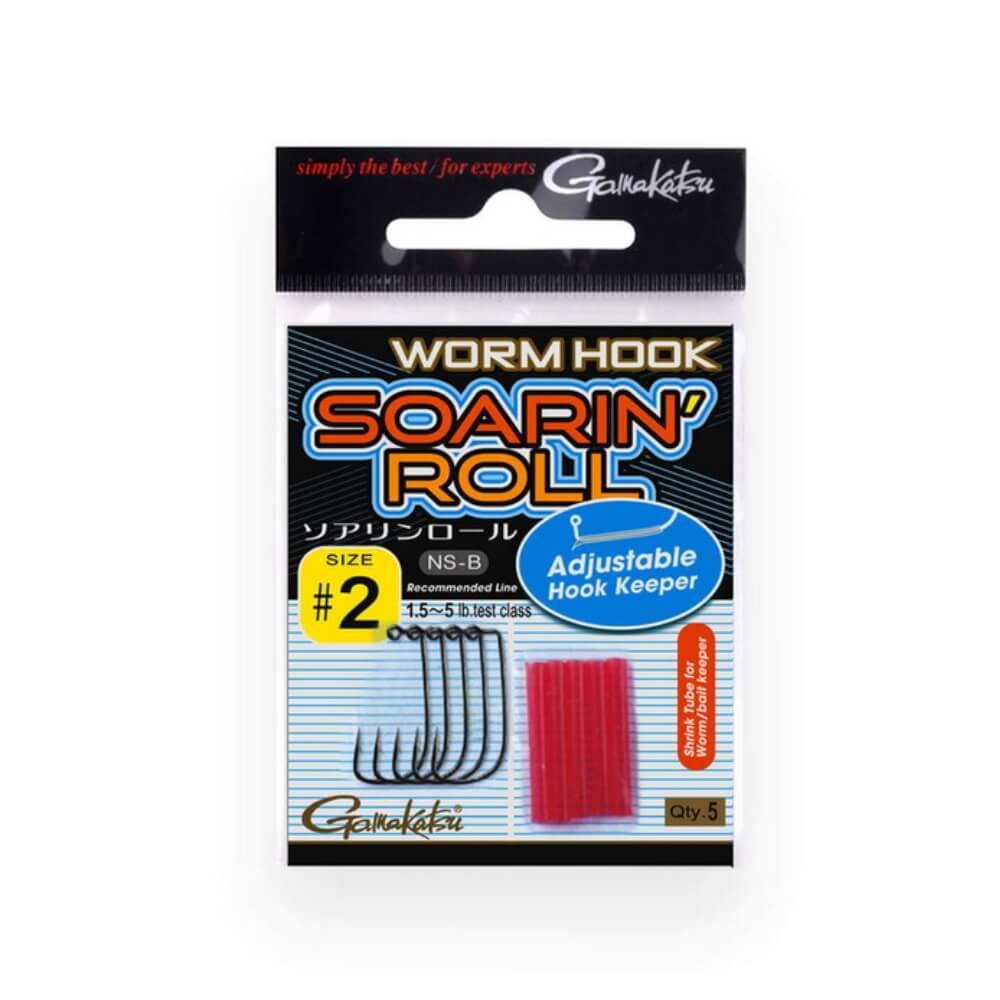
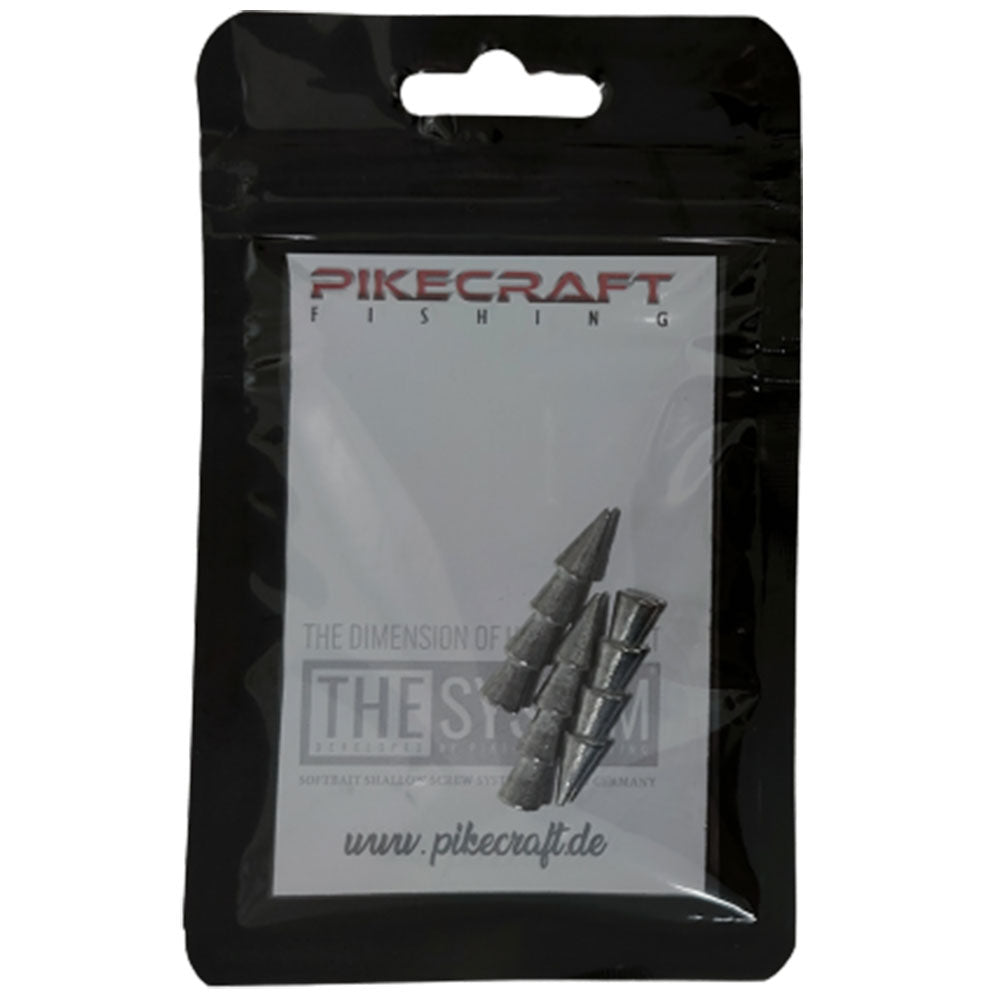

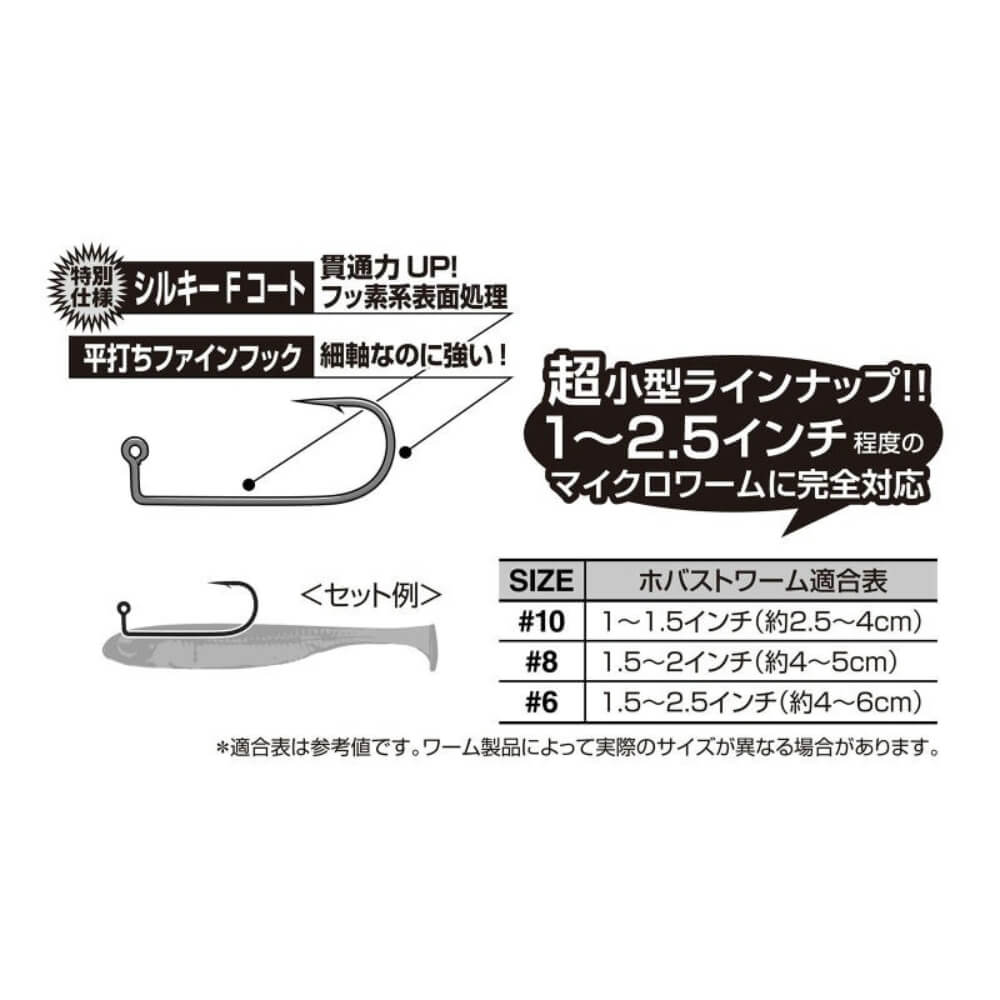

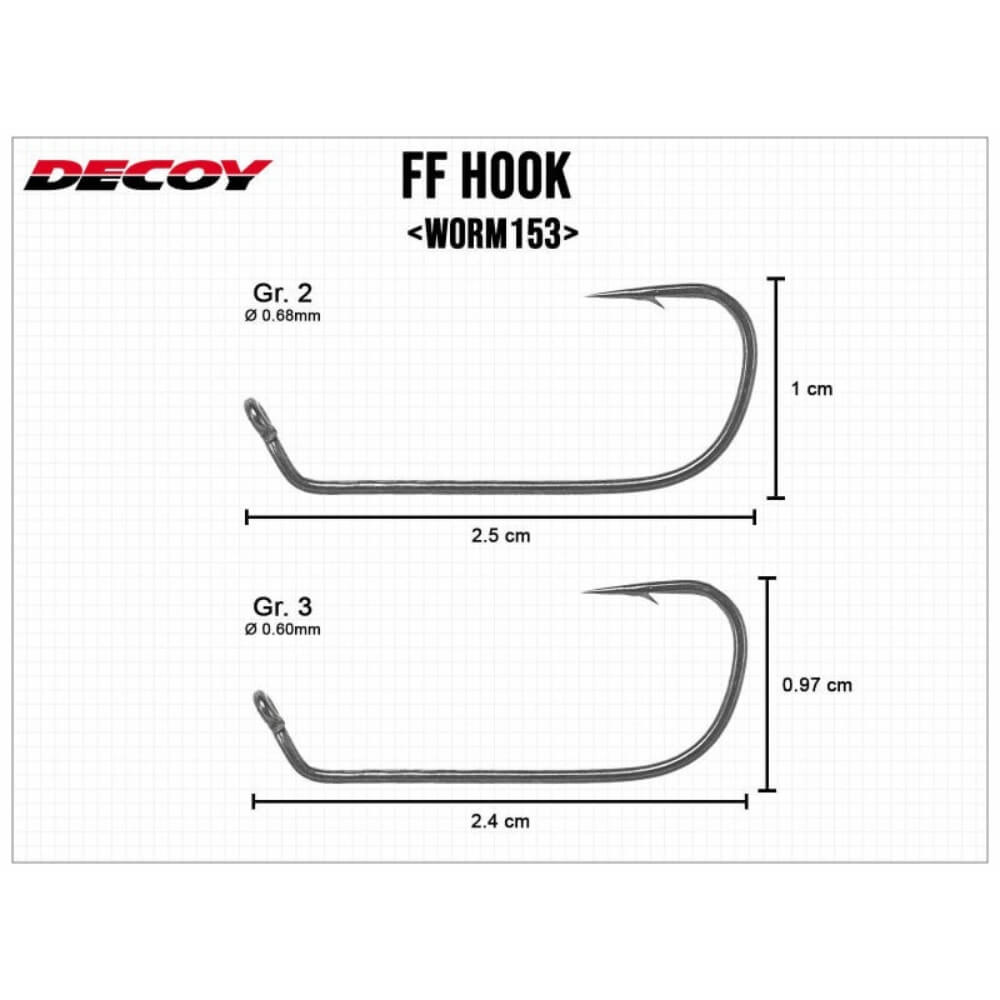

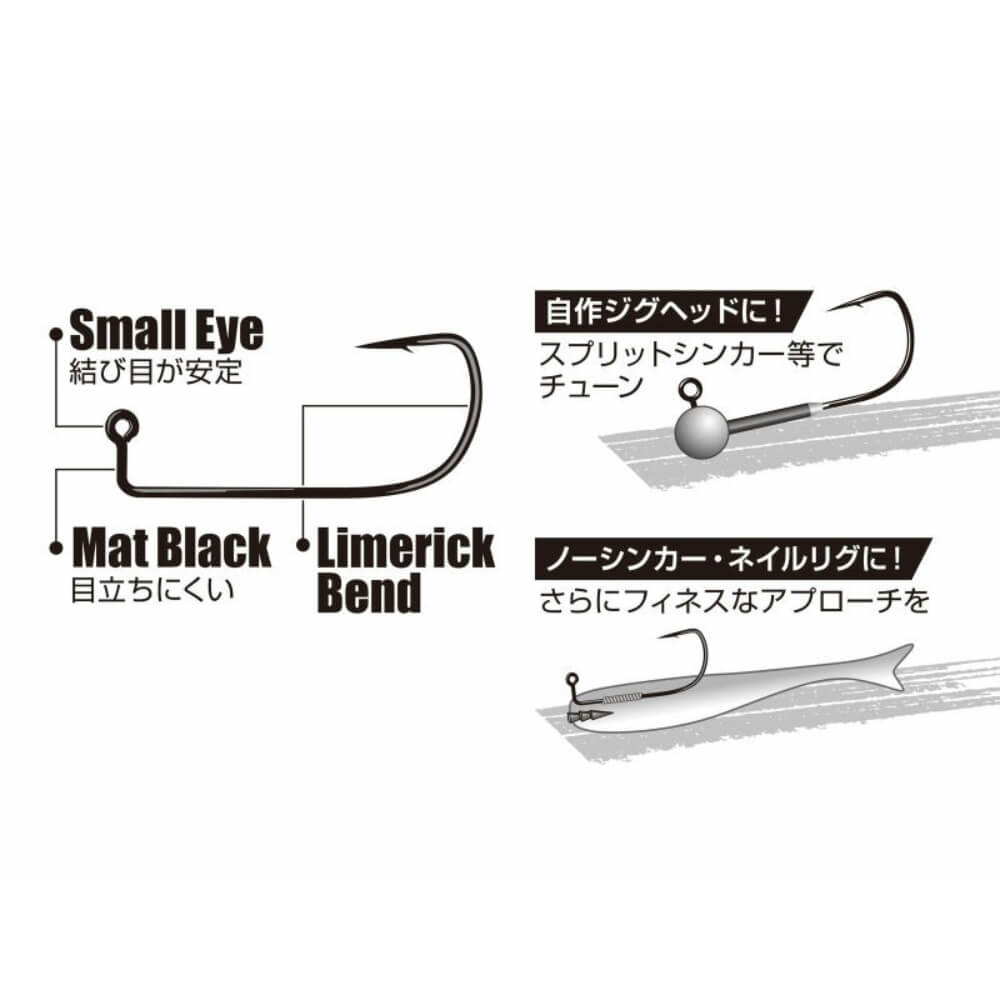


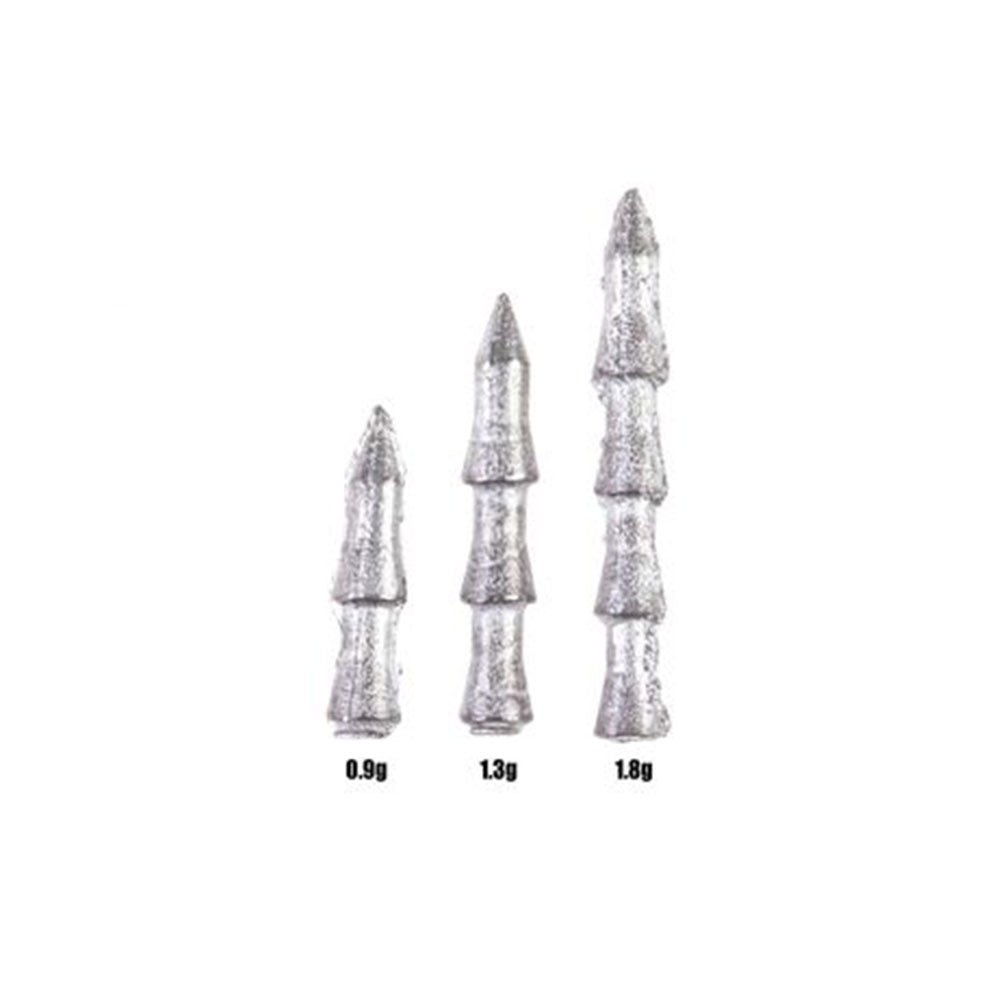
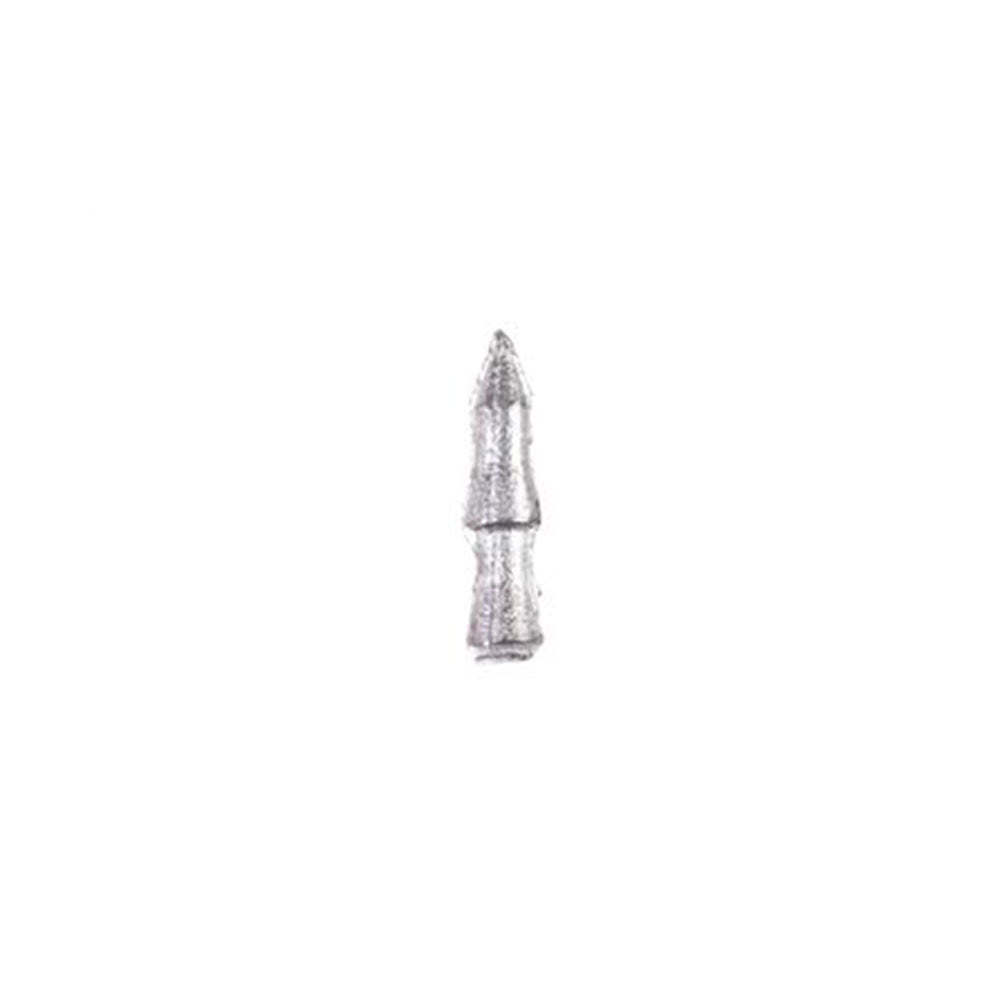
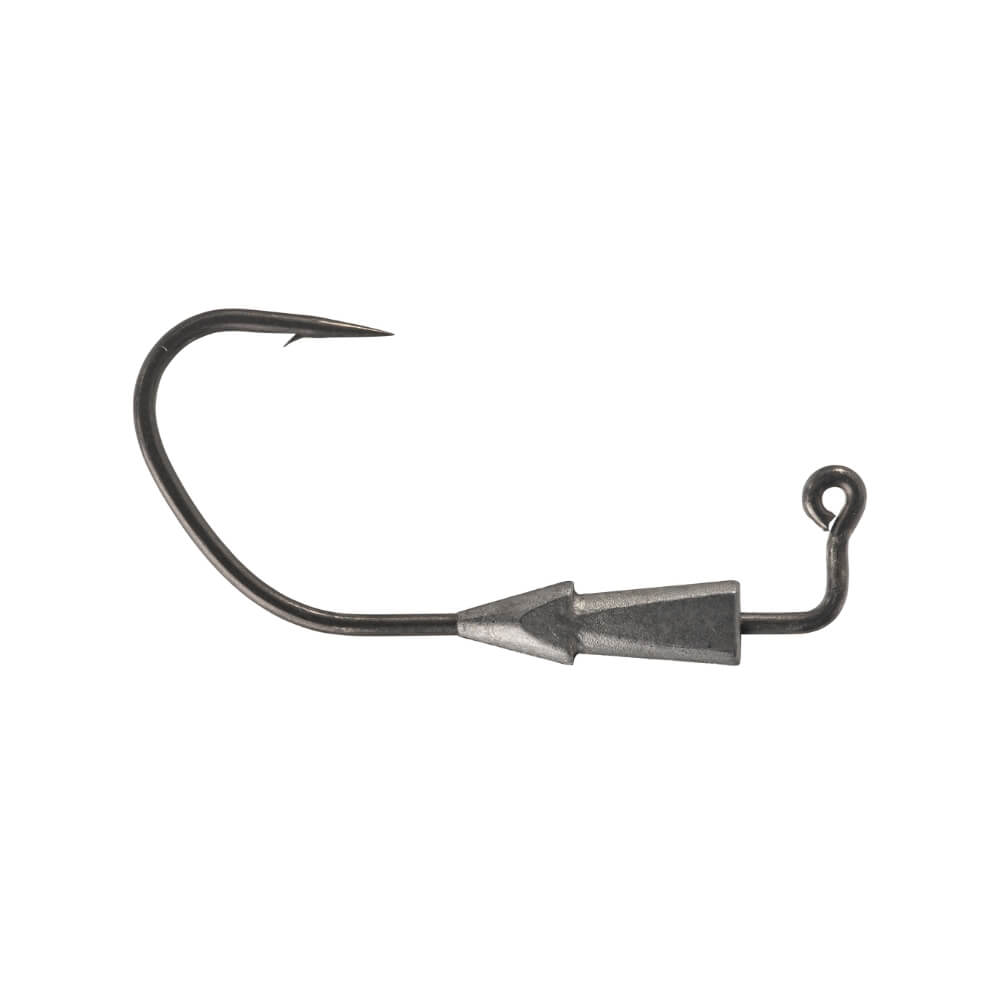
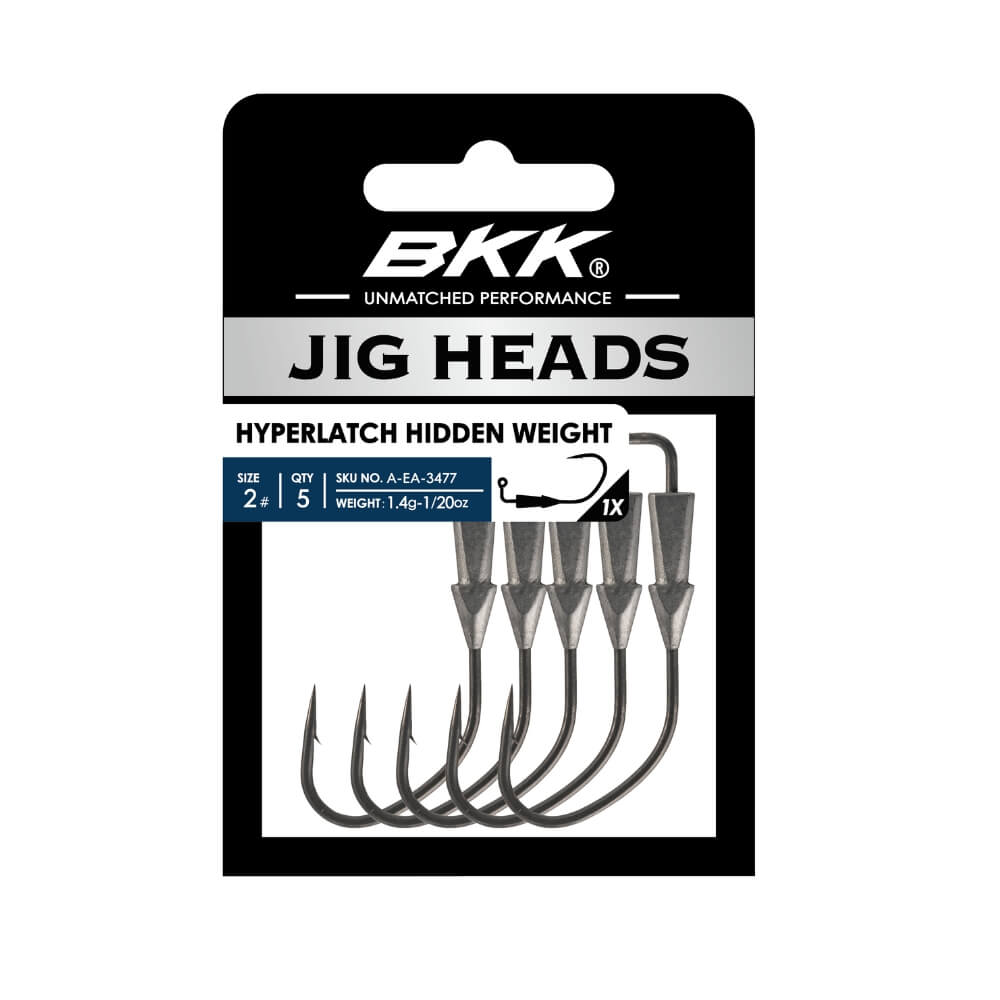
<h2>What Is the Spine Rig?</h2><p>The spine rig is not really a conventional rig at all. Its construction is straightforward: a <strong>specialist hook</strong> onto which a soft lure is mounted in a specific way, plus a <em>nail sinker</em> - and that is the whole rig.</p><h2>Easy Prey in Every Sense</h2><p><em>Spine</em> can mean either backbone or spike - and, as it happens, both meanings apply here. The spine rig is one of the lightest finesse rigs around, made up of just a handful of components. The specialist spine hook is anchored in the part of the soft lure where the <strong>backbone of a small fish</strong> would naturally sit. At the same time, the nail sinker could equally be read as a spike. More important than word origins, though, is how well this rig actually catches fish.</p><h3>Components of the Spine Rig</h3><strong>These are the parts you need for a spine rig:</strong><ul><li>Spine hook</li><li>Nail sinker</li><li>Pintail soft lure (V-tail works too)</li></ul><h3>Where Does the Spine Rig Work Best?</h3><p>The spine rig excels when used vertically from a boat or alongside sheet pilings, where the lure spins enticingly on the spot. It shoots a few centimetres in an erratic burst, then <strong>sinks weightlessly</strong> to the bottom during the pause - just like a dying fish. That combination imitates easy, defenceless prey that no predator can ignore. Bank fishing with the spine rig is also viable, though getting the rig - which weighs only a few grams - out to distance demands even finer tackle than from a boat. Nail sinkers between 0.4 g and 2.2 g are the norm, keeping the <strong>total lure weight</strong> to barely 3.5 g. A sensitive ultralight rod is therefore the right tool for fishing the spine rig.</p><p>Only darting soft lures are suitable - pintails or V-tails - because any kind of paddle tail kills the action you are after. The rubber compound should also be on the firmer side. Lure sizes between 2 and 3.5 inch have proved optimal. How to position the spine hook and nail sinker inside the soft lure is shown in the video below. There are two approaches: the standard method, with the hook anchored along the back of the lure, and rigged wacky style, with the hook exiting from the side, which gives the lure even more movement. Both are demonstrated in the video.</p><p>Work the whole rig with the lightest possible twitches through the rod tip.</p><p><iframe frameborder="0" src="https://www.youtube.com/embed/P8_kxy9wH6w" width="560" height="315" allowfullscreen=""></iframe></p>