









One-Piece Rods
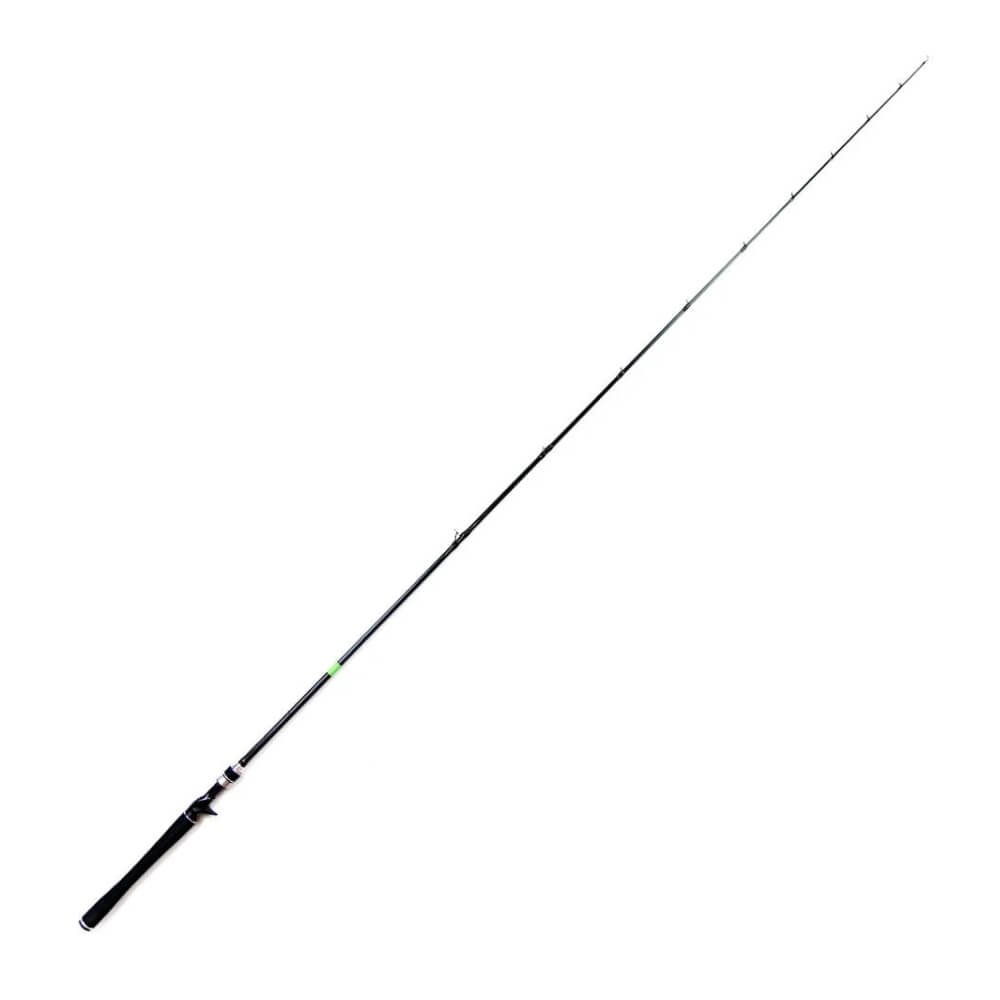
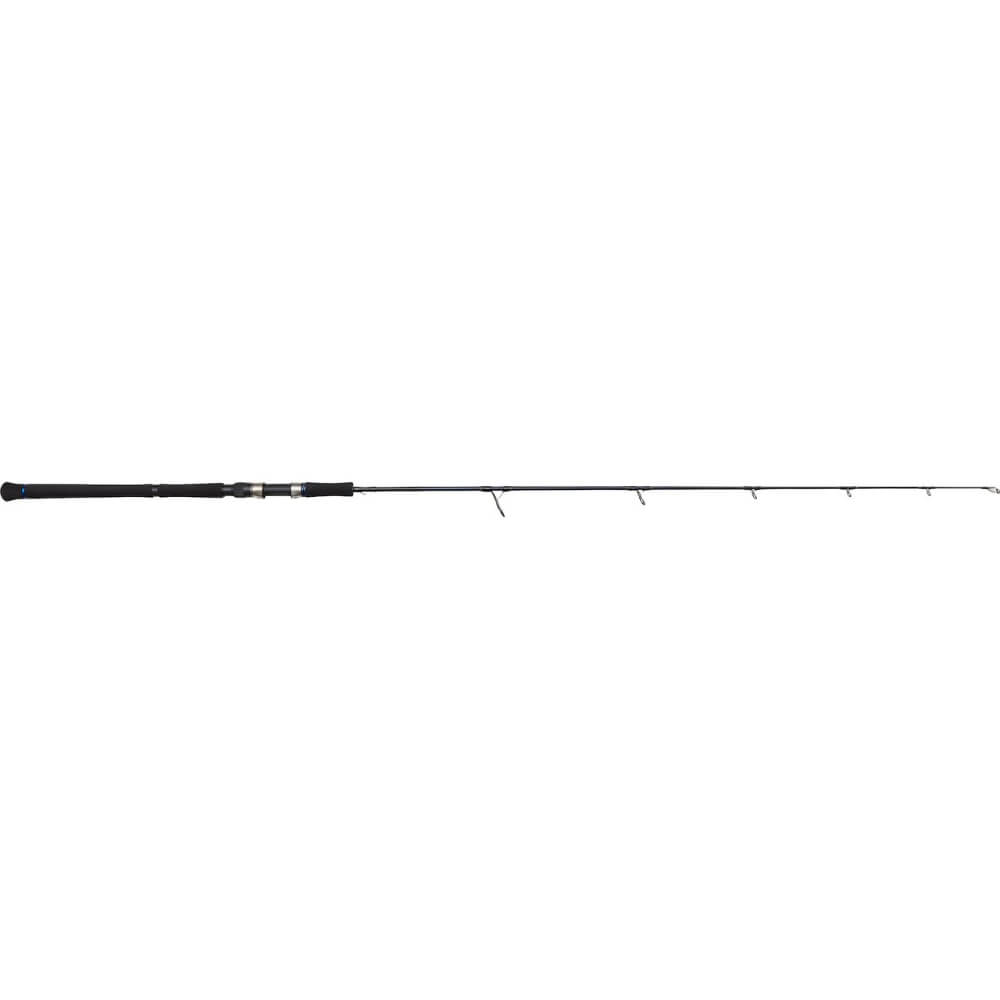
Here you will find our selection of rods, which includes one-piece models.





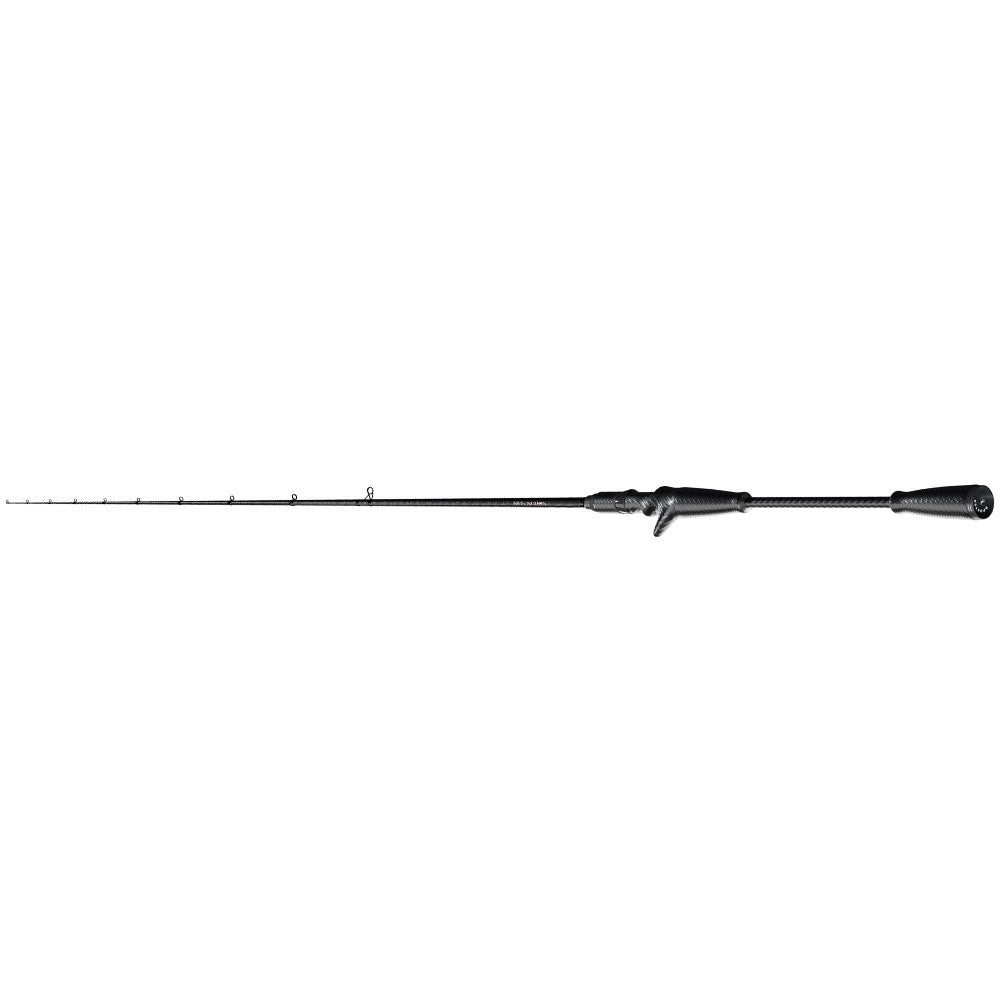


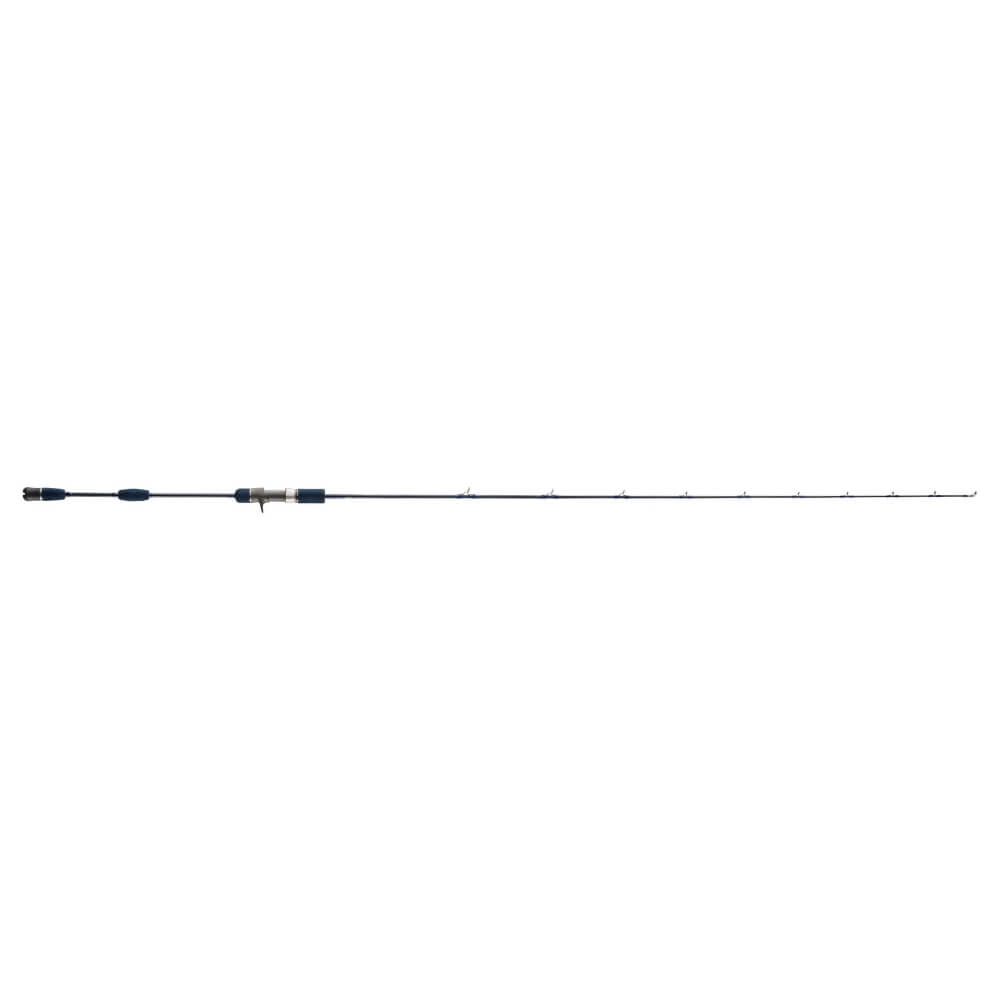


<h3>Advantages of One-Piece Rods</h3>
<ul>
<li><strong>Better sensitivity</strong>: One-piece rods have no joints between sections that could dampen the transmission of vibrations. As a result, they tend to be more sensitive and allow for more precise bite detection.</li>
<li><strong>Stability and performance</strong>: Thanks to their single-section construction, one-piece rods are generally more stable and deliver better performance when casting and working a lure. They are less prone to deformation or breakage at connection points.</li>
<li><strong>Ready to fish straight away</strong>: One-piece rods require no assembly, which saves time and means you can start fishing immediately.</li>
<li><strong>Less weight</strong>: Without additional connection pieces, one-piece rods are often lighter and easier to swing, which is particularly beneficial during long sessions.</li>
</ul>
<h3>Disadvantages of One-Piece Rods</h3>
<ul>
<li><strong>Transport and storage</strong>: Due to their length, one-piece rods can be more difficult to transport and require more space for storage, particularly in vehicles or boats.</li>
<li><strong>Cost and versatility</strong>: Their construction can make one-piece rods more expensive. They may also not offer the versatility of multi-piece rods, which are available in various lengths and actions to suit different needs.</li>
<li><strong>Protection from damage</strong>: A one-piece design makes the rod more susceptible to damage, especially when transporting or storing it in confined spaces.</li>
<li><strong>Adapting to specific requirements</strong>: For certain fishing techniques or specialist conditions, multi-piece rods may be better suited, as they offer greater flexibility in terms of length and transport.</li>
</ul>
<p>Overall, one-piece rods offer superior sensitivity and performance, particularly for demanding fishing techniques. They are ideal for anglers who value direct control and responsiveness, while multi-piece rods remain a good alternative where more flexible transport and storage options are needed. The choice between the two comes down to individual requirements, fishing techniques and personal preference.</p>