










Travel Rods
Travel rods stand out for their exceptionally compact pack size. Modern travel rods are multi-piece plug-in rods - and with them, you can catch fish anywhere in the world.


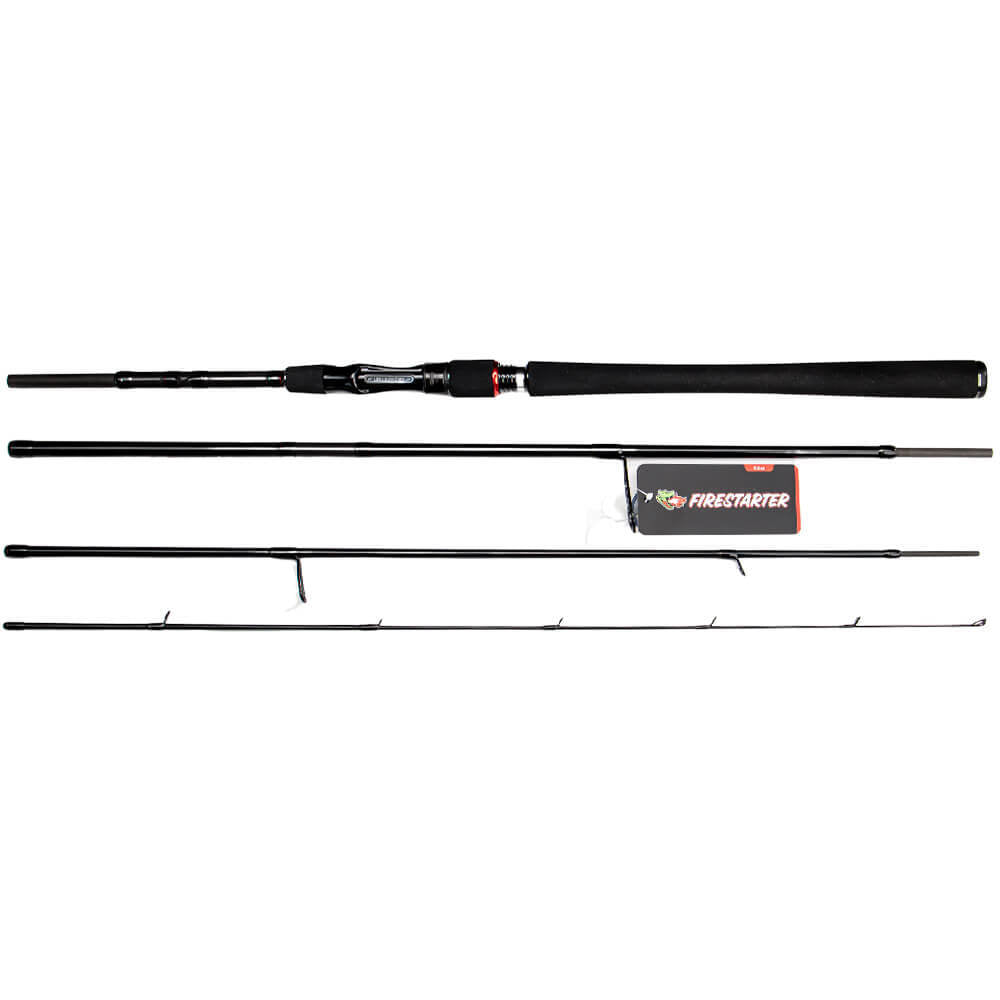

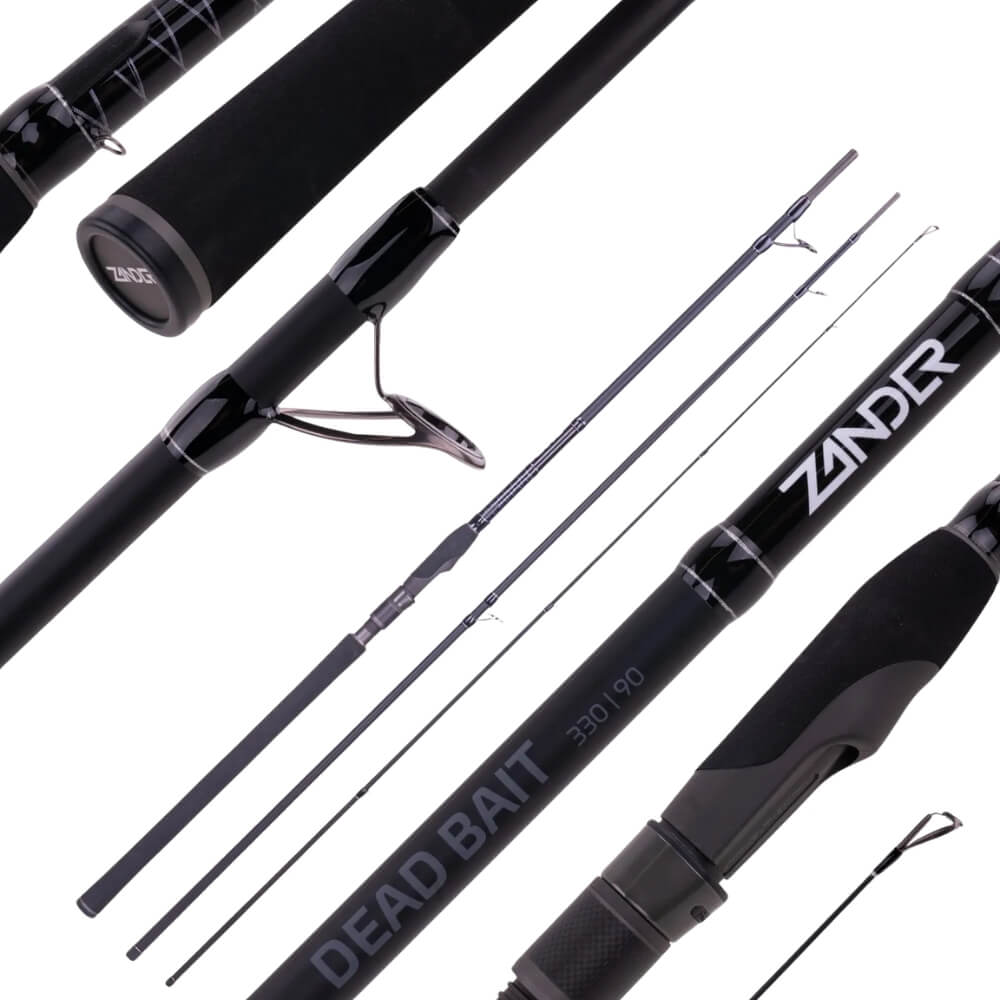
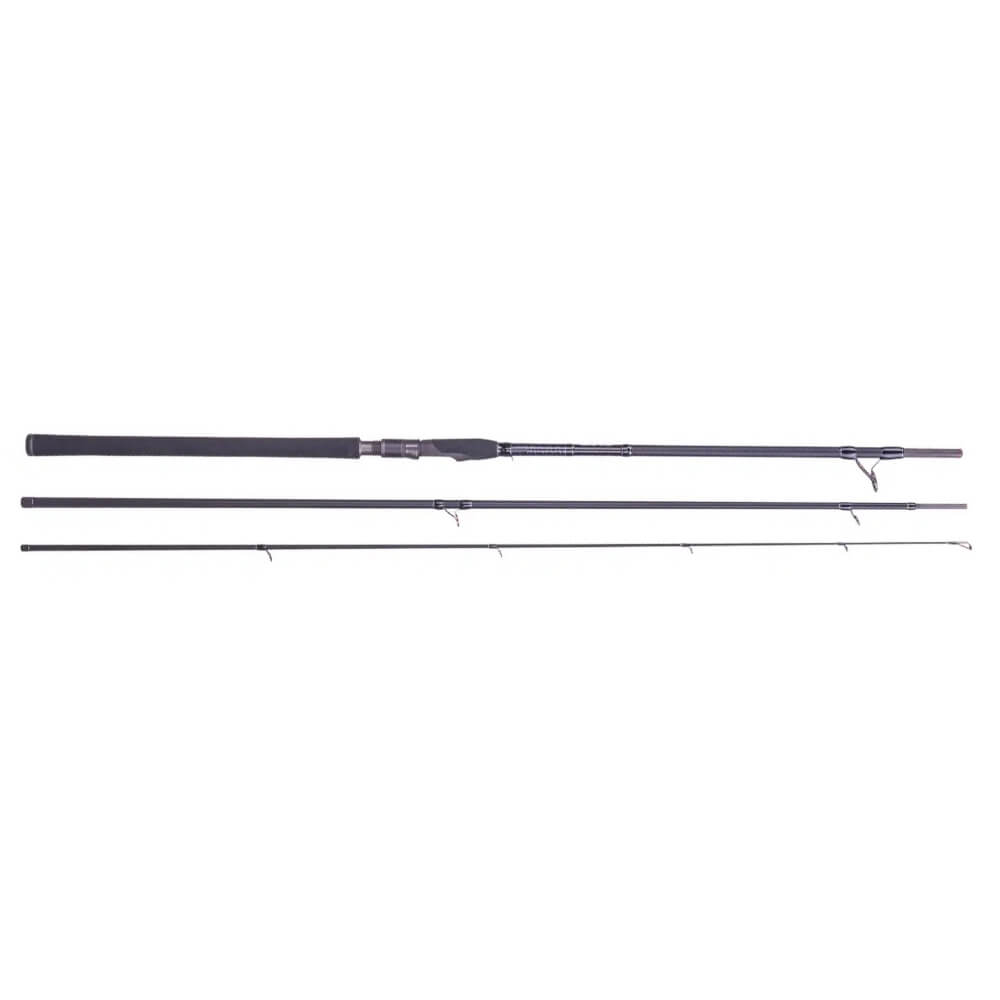

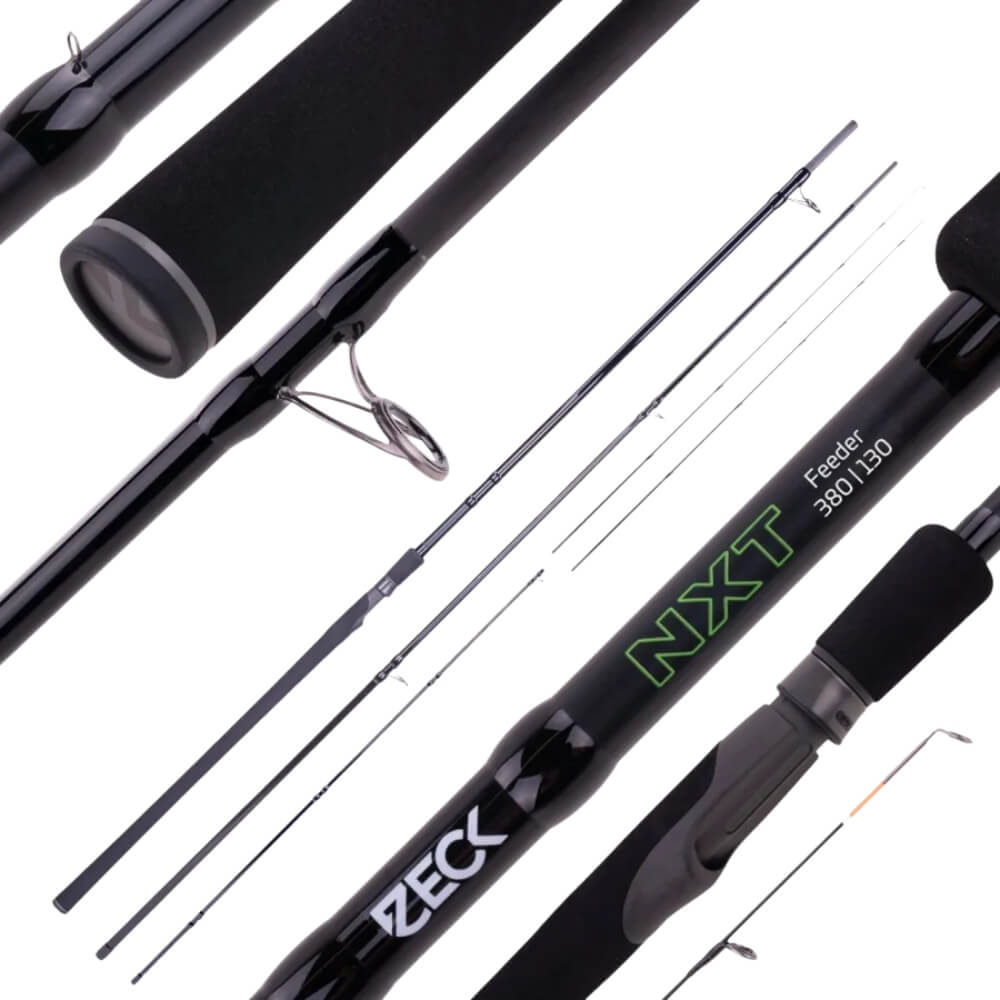


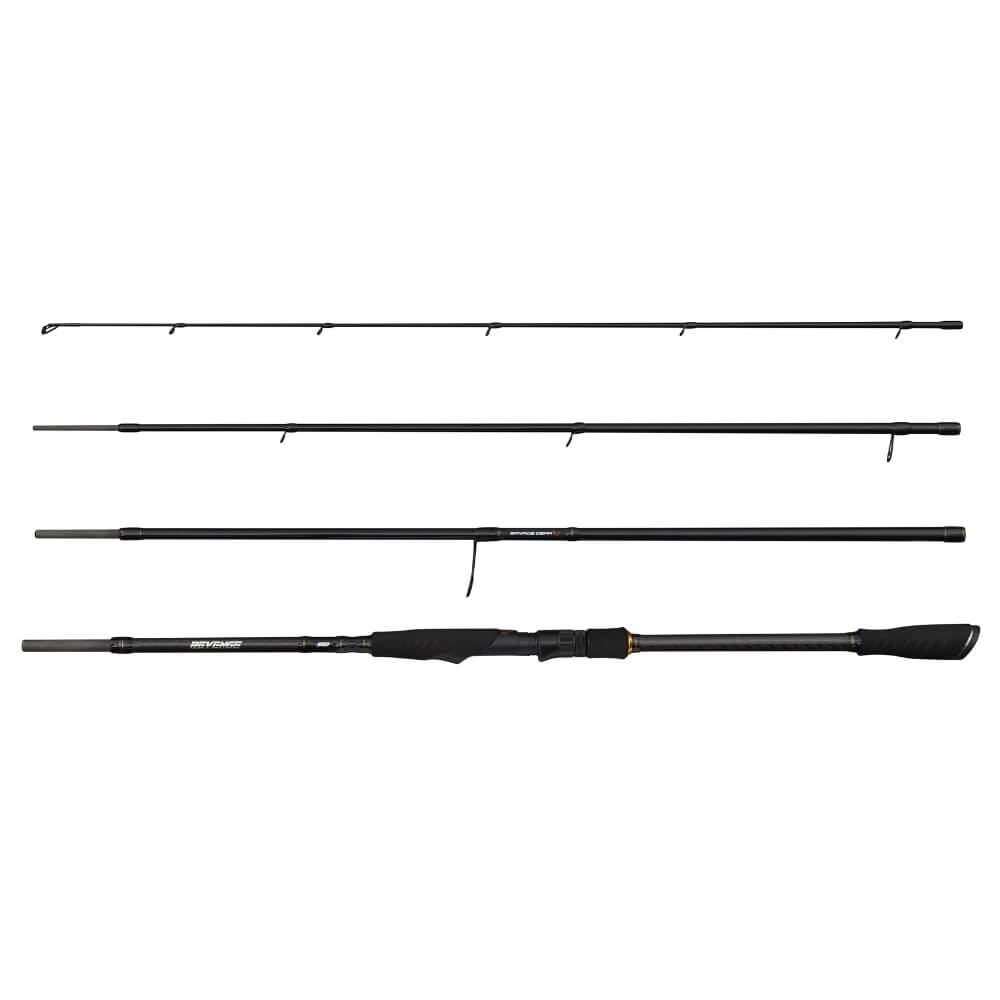


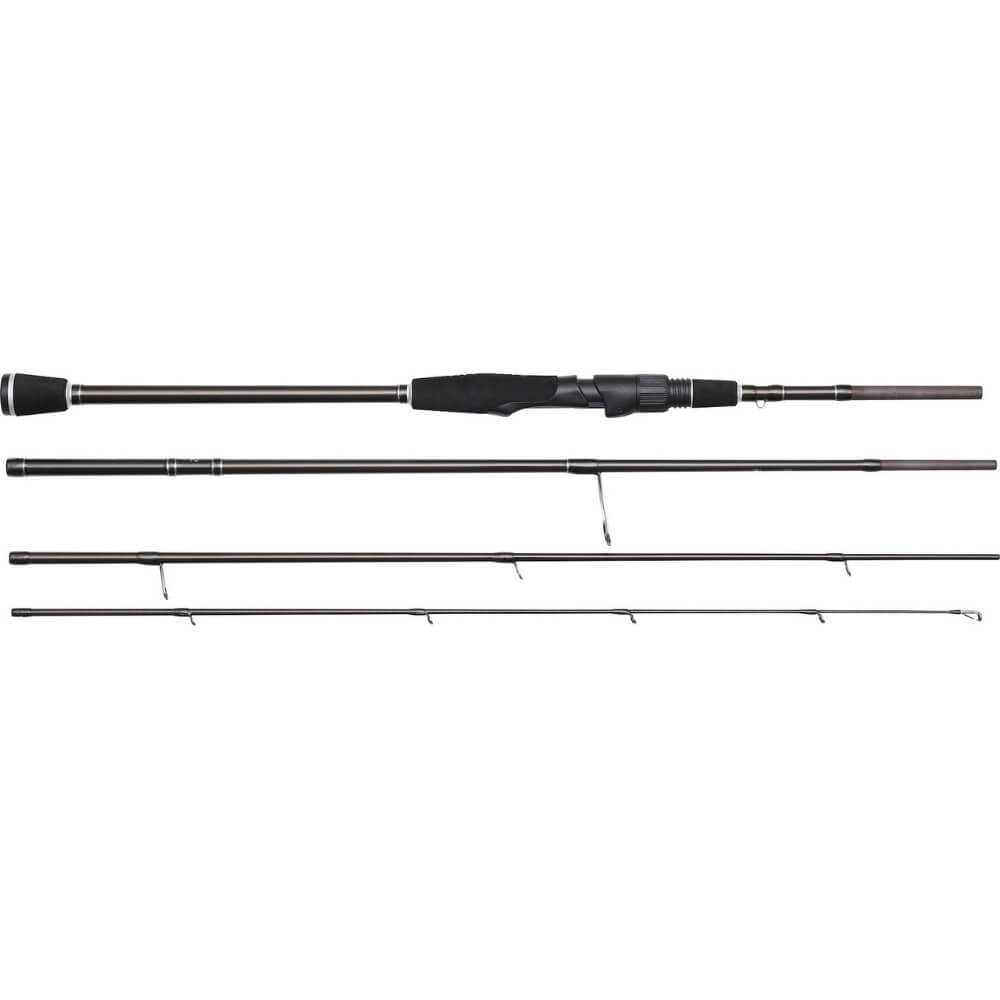


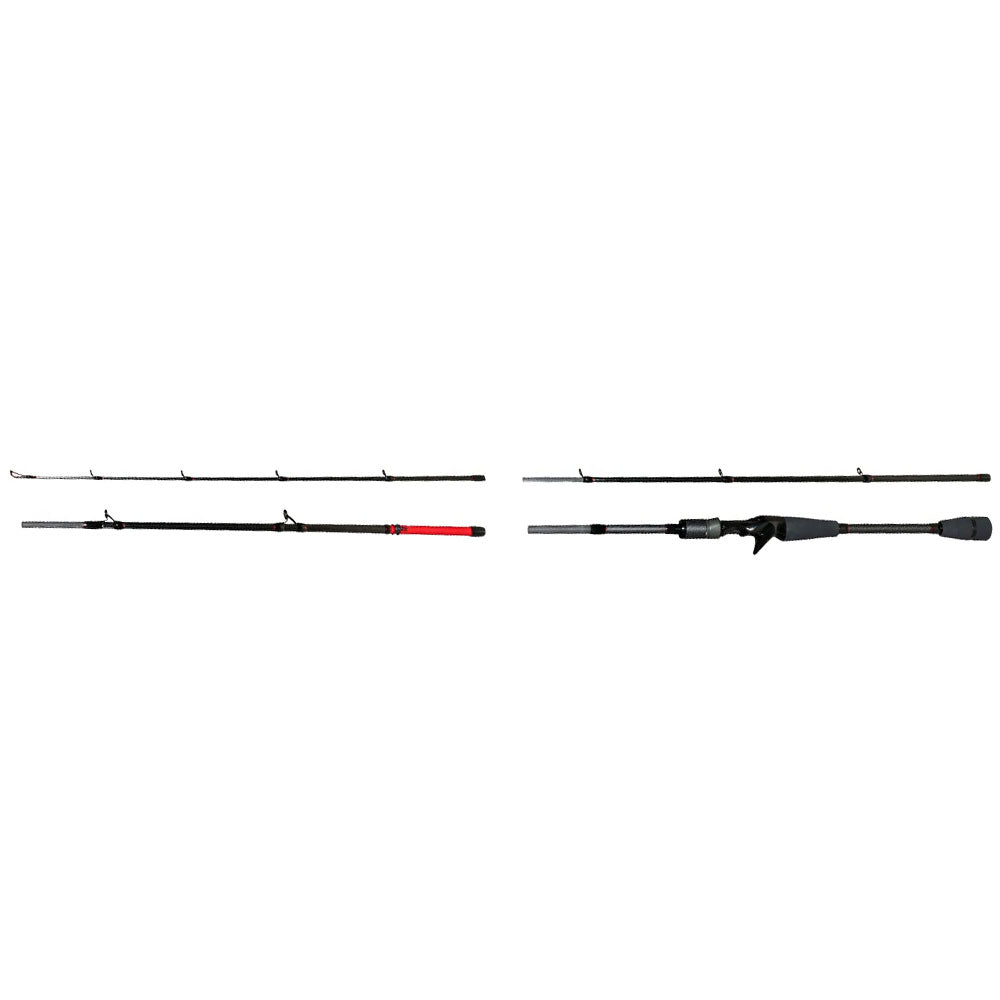


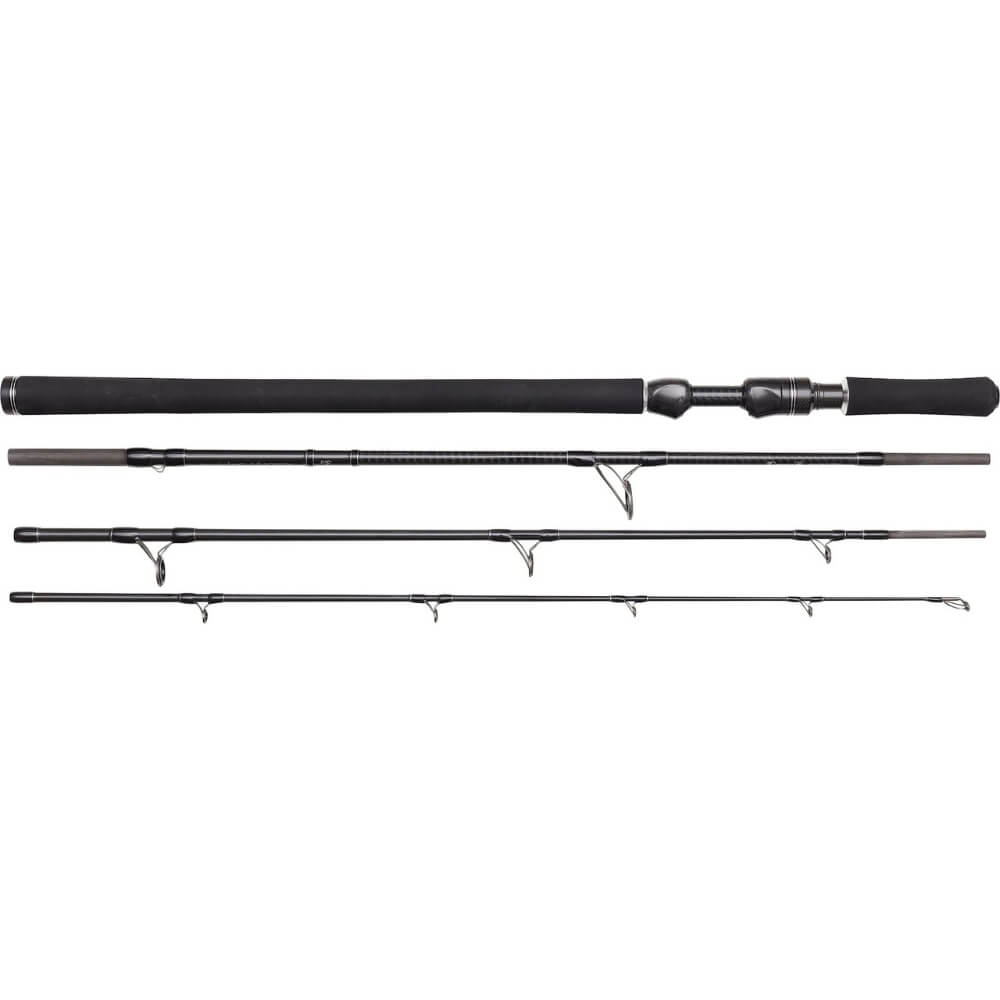


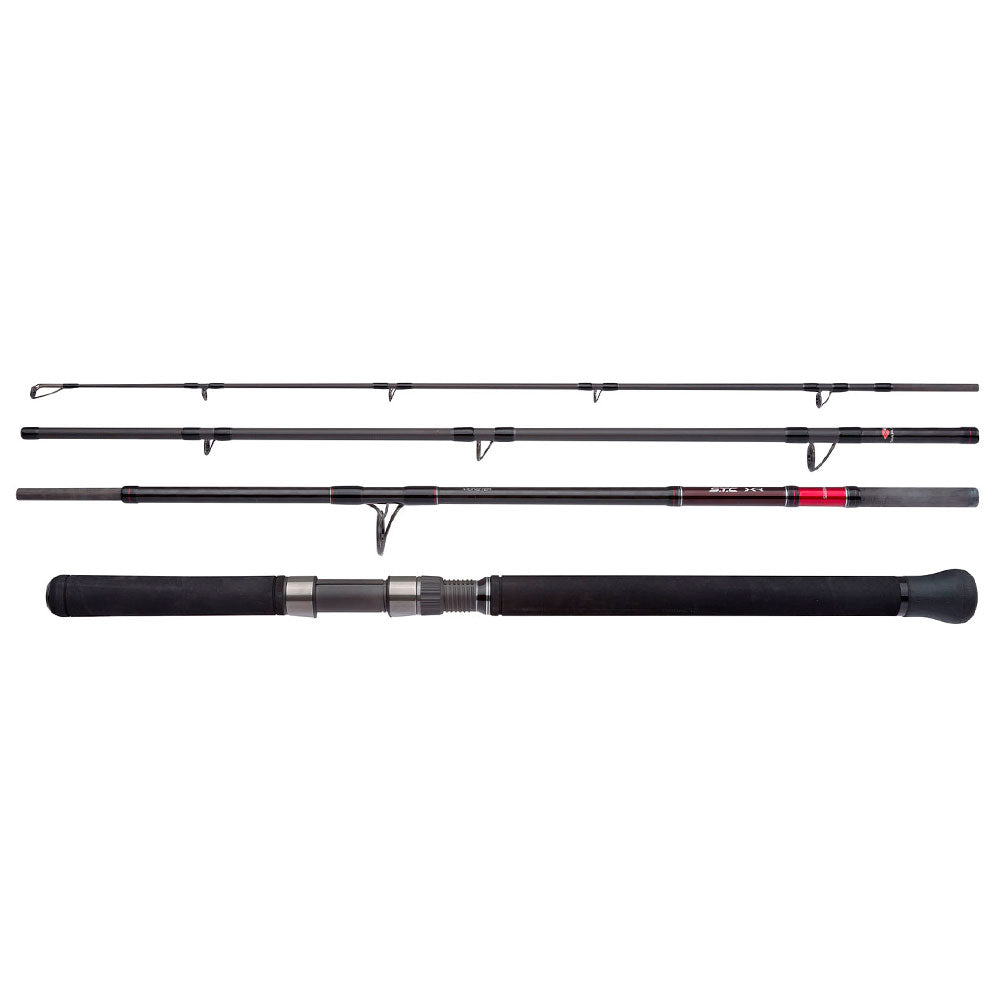

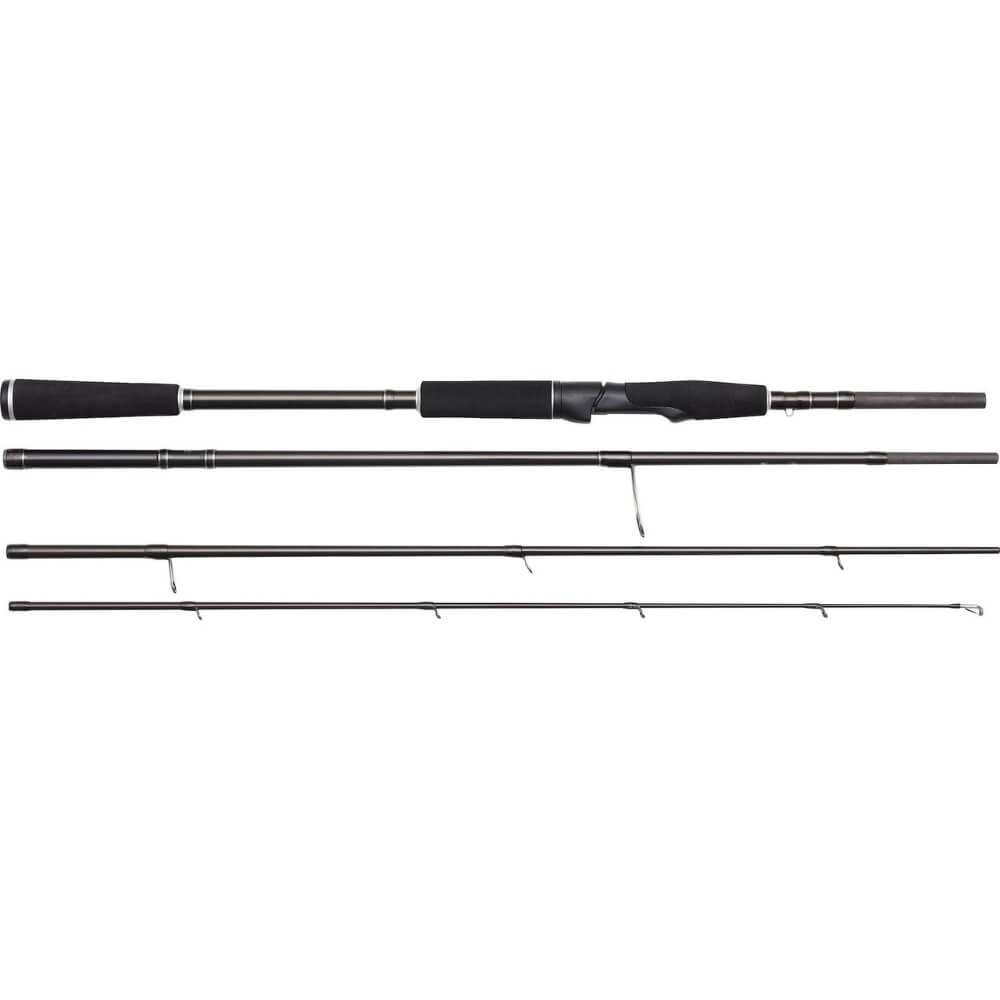




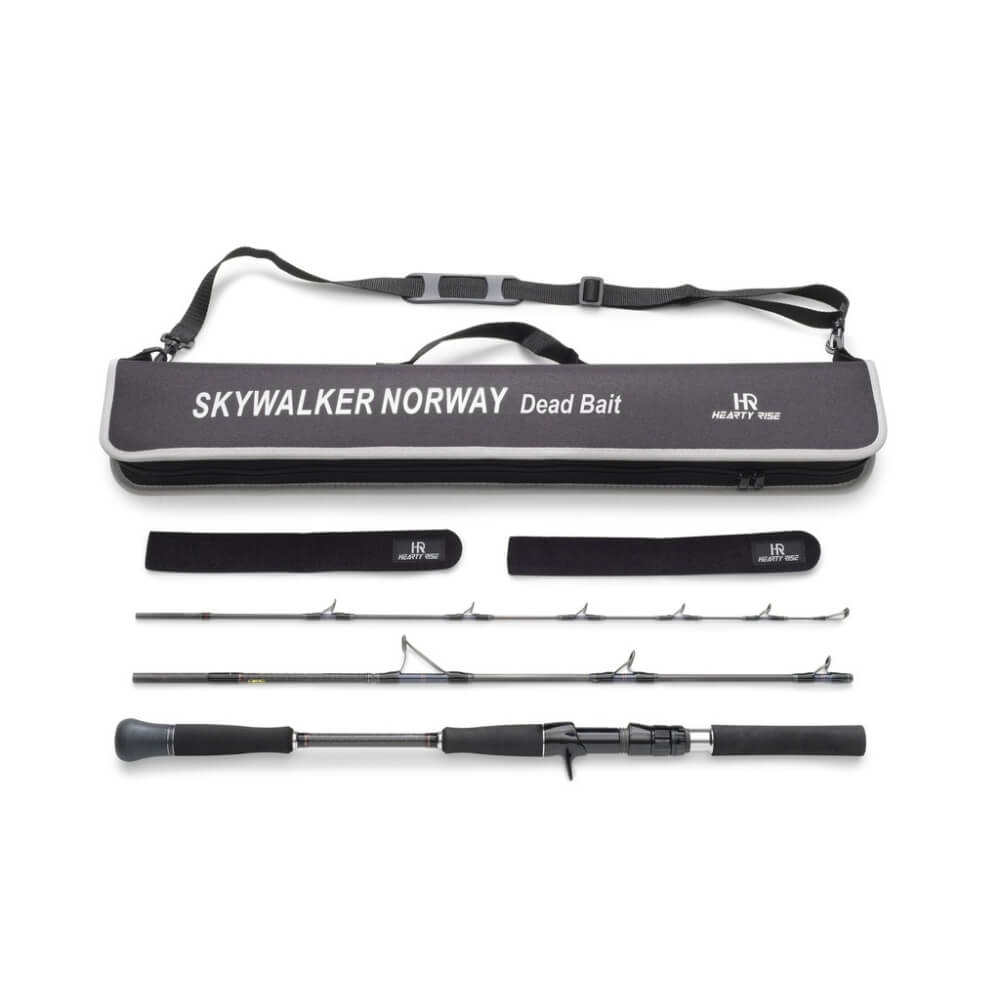

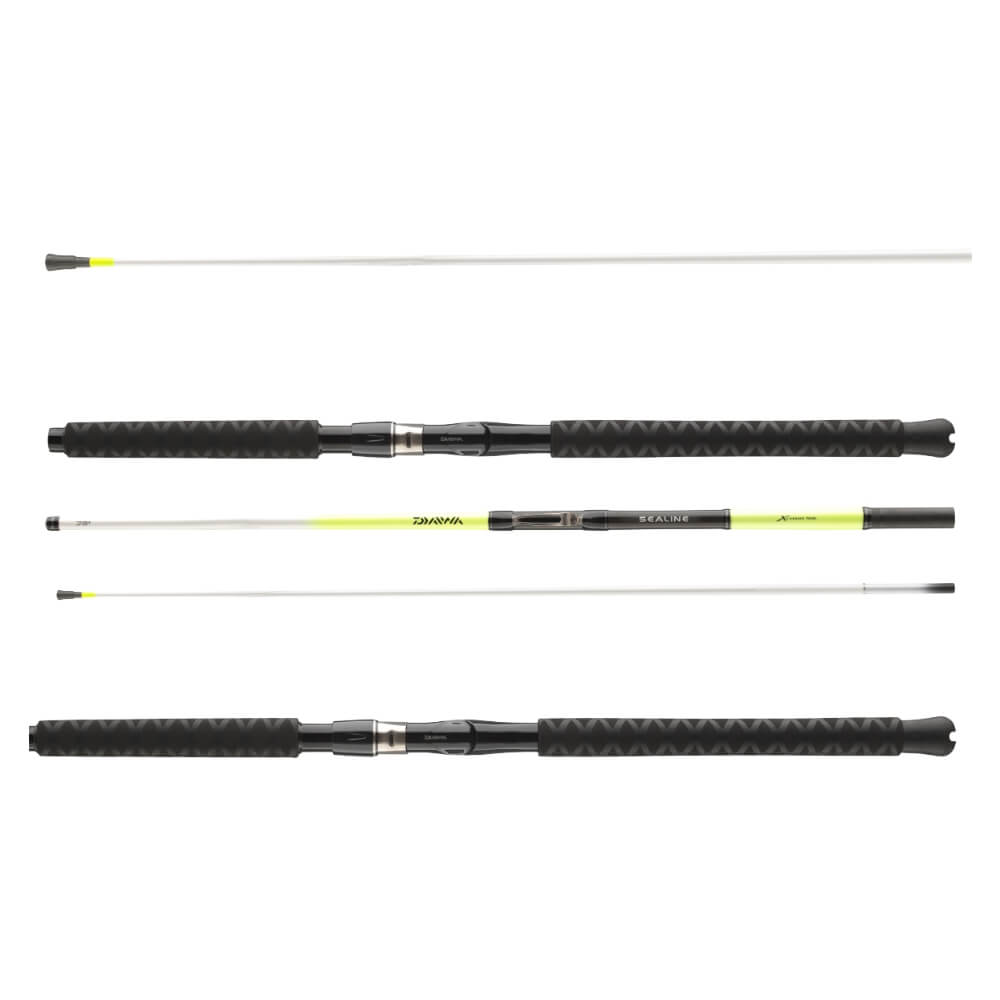

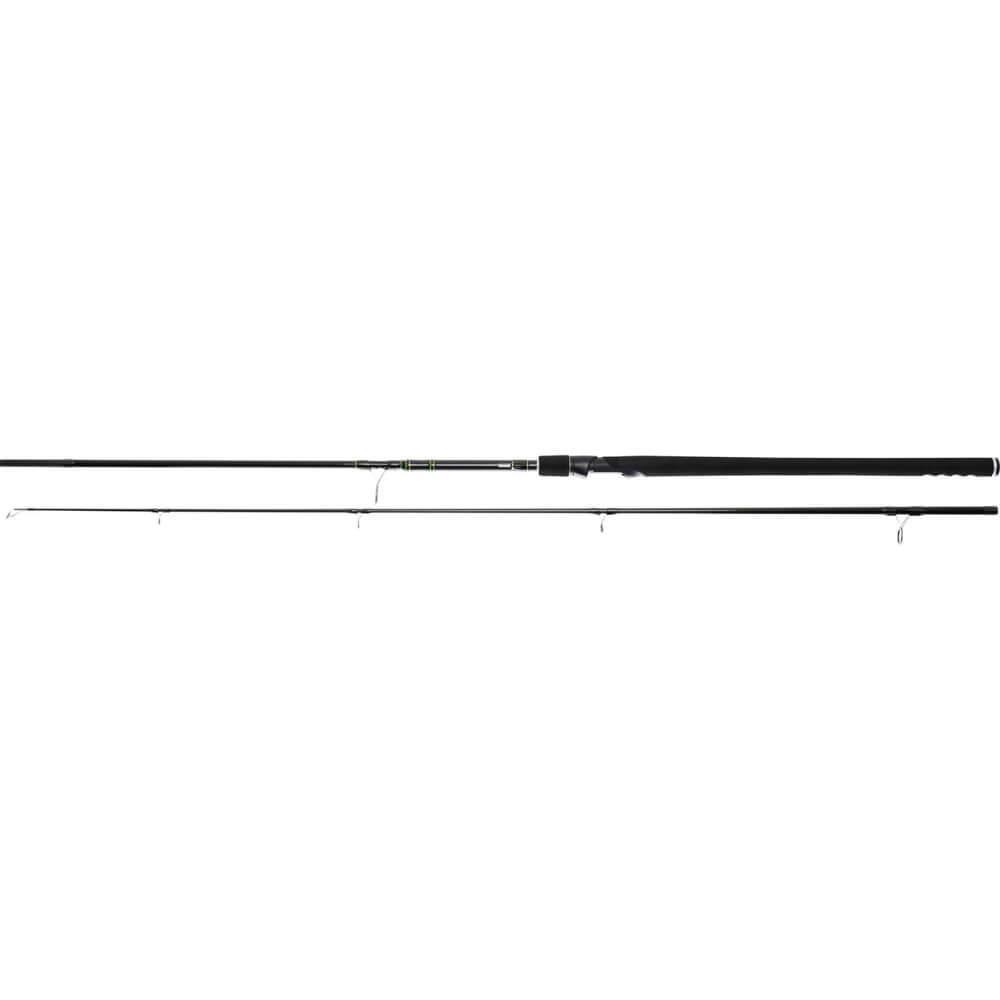
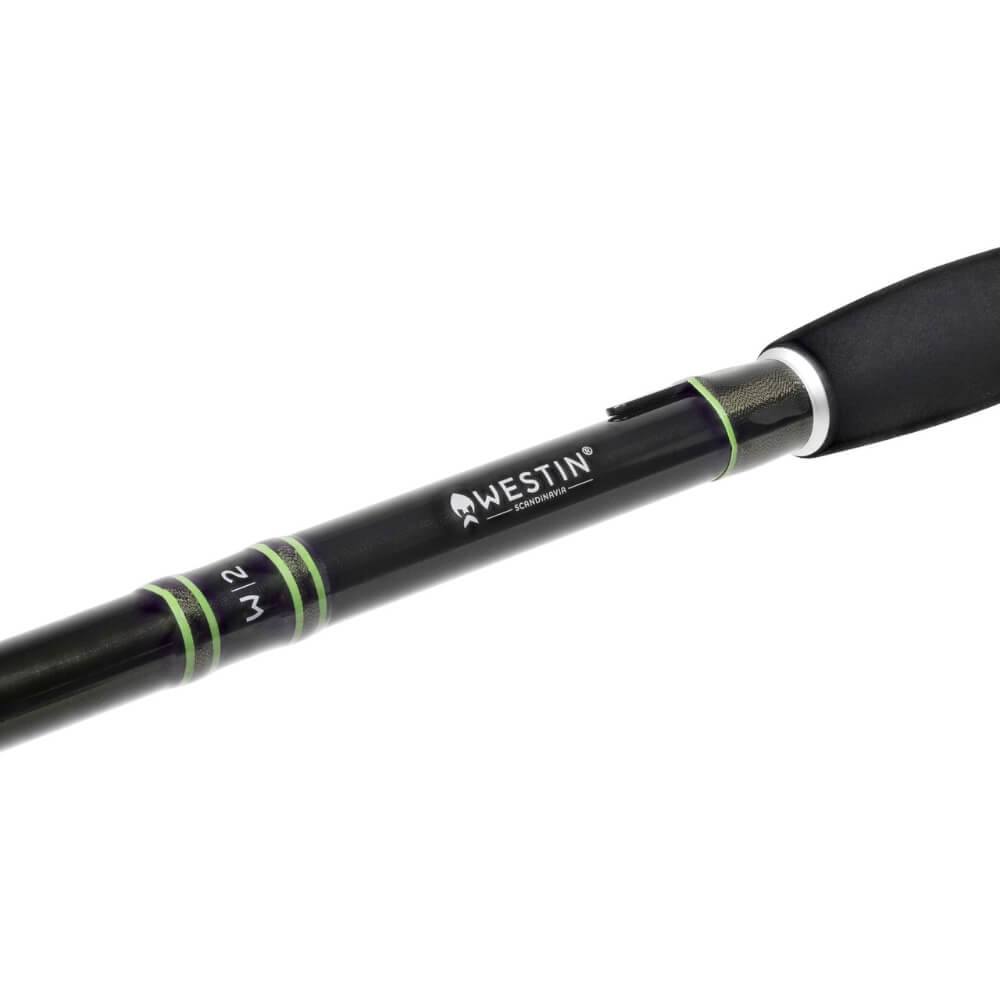
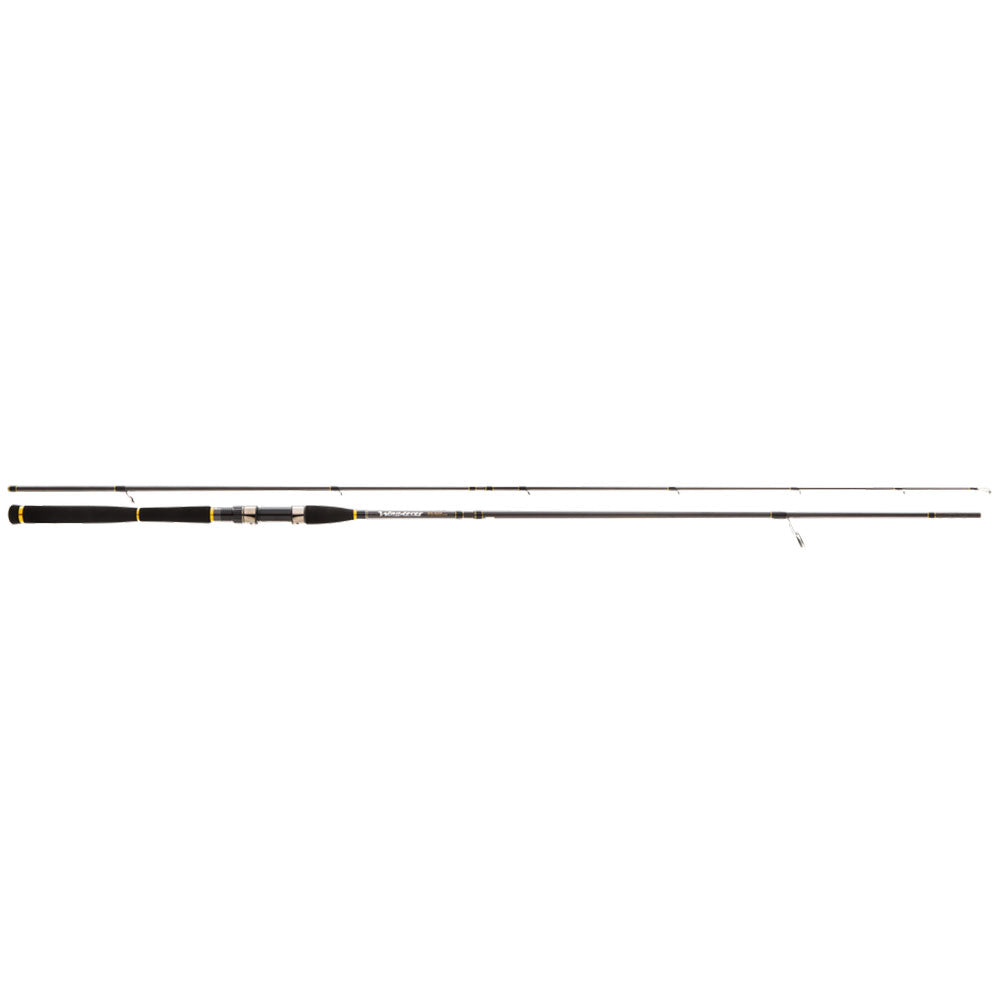


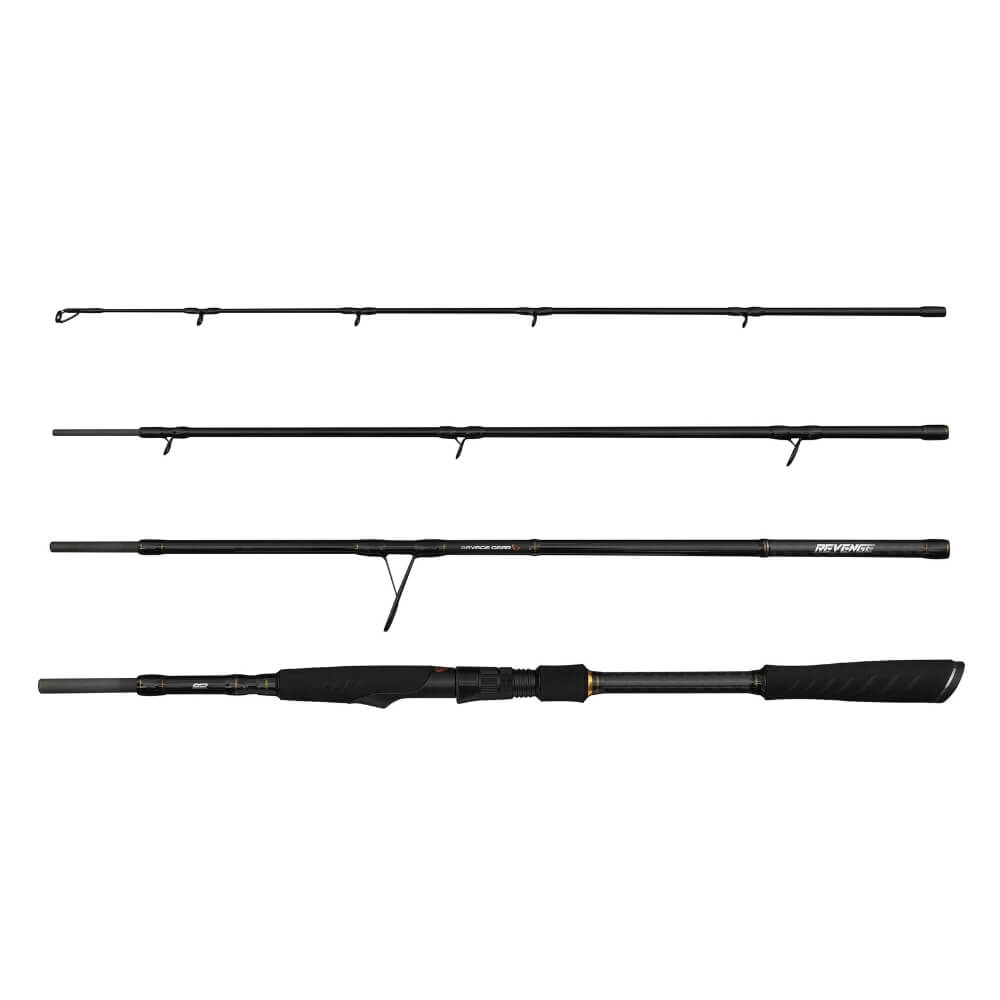
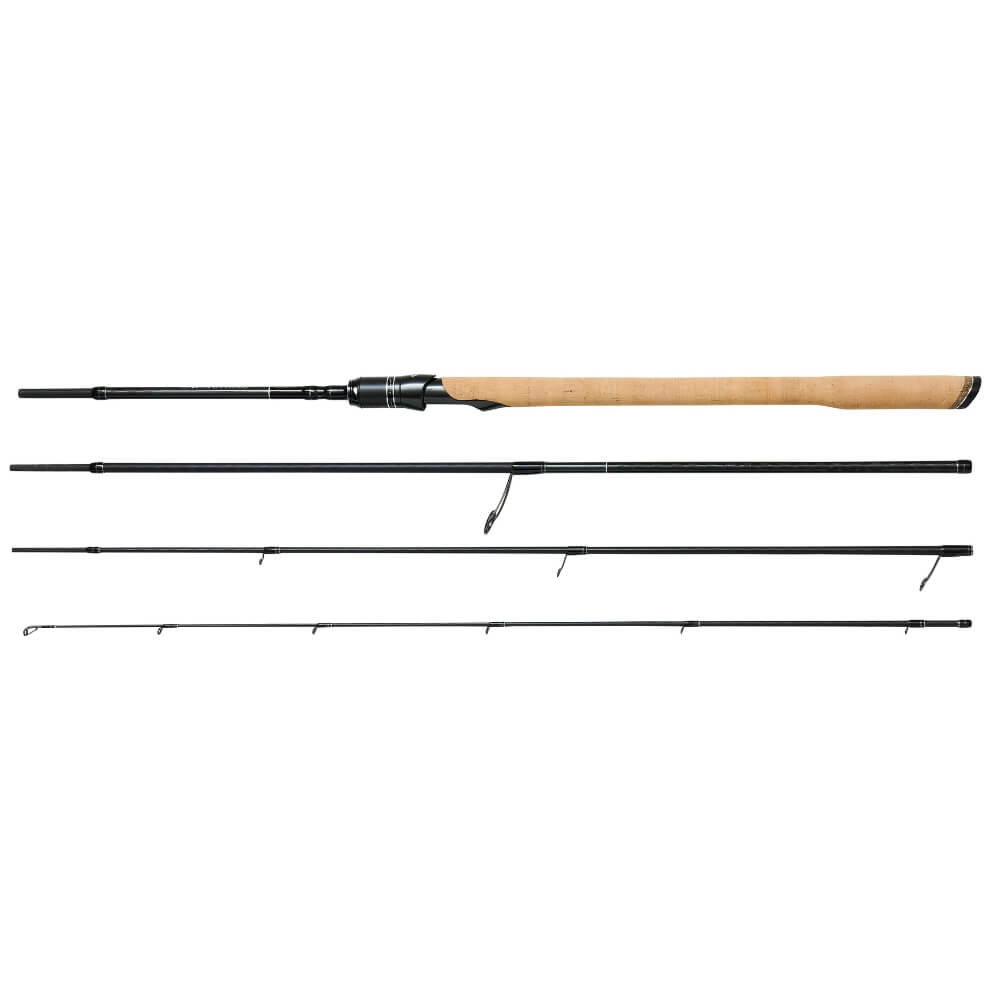


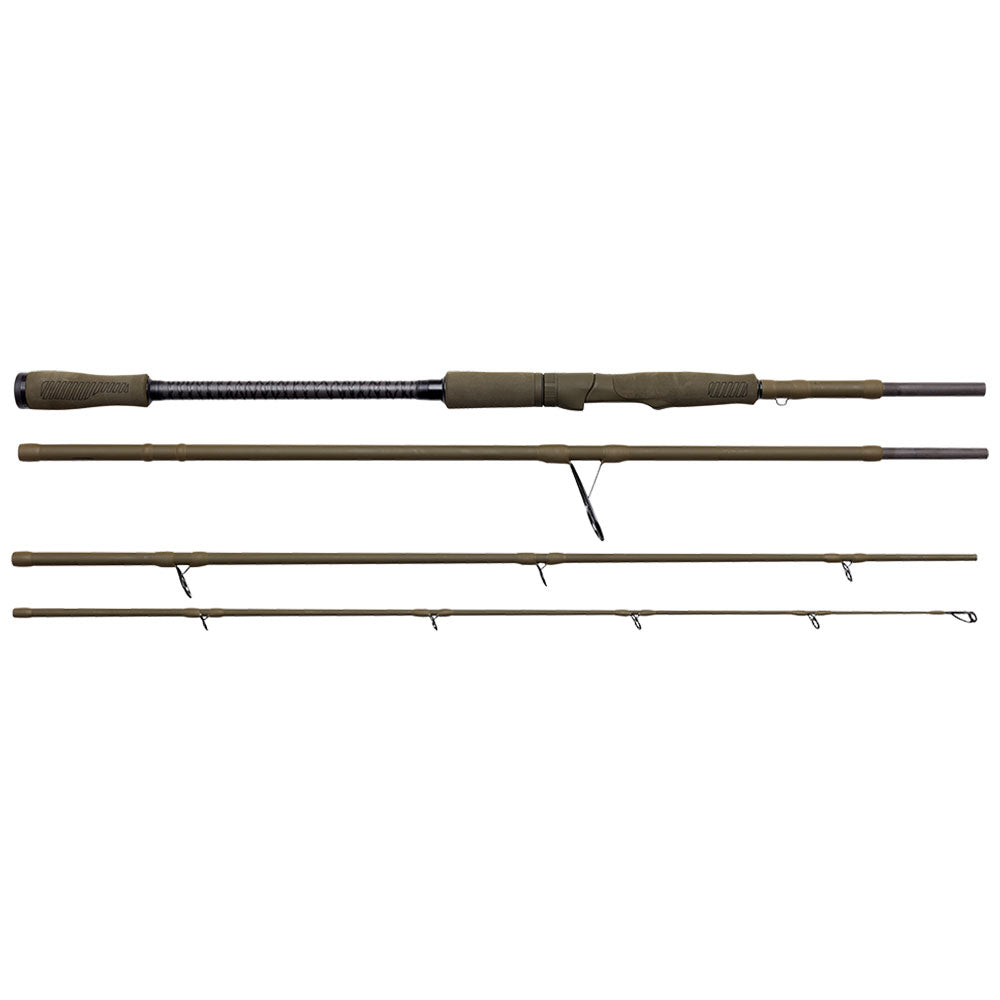


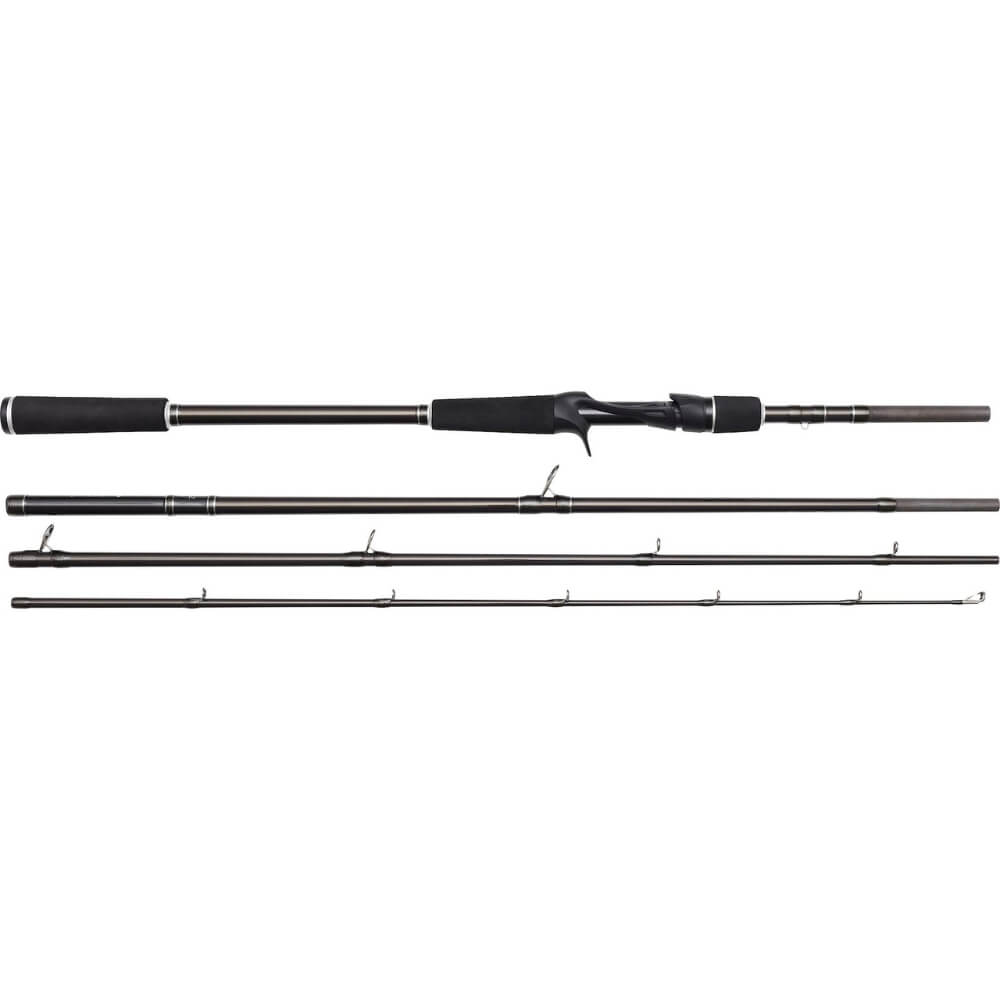

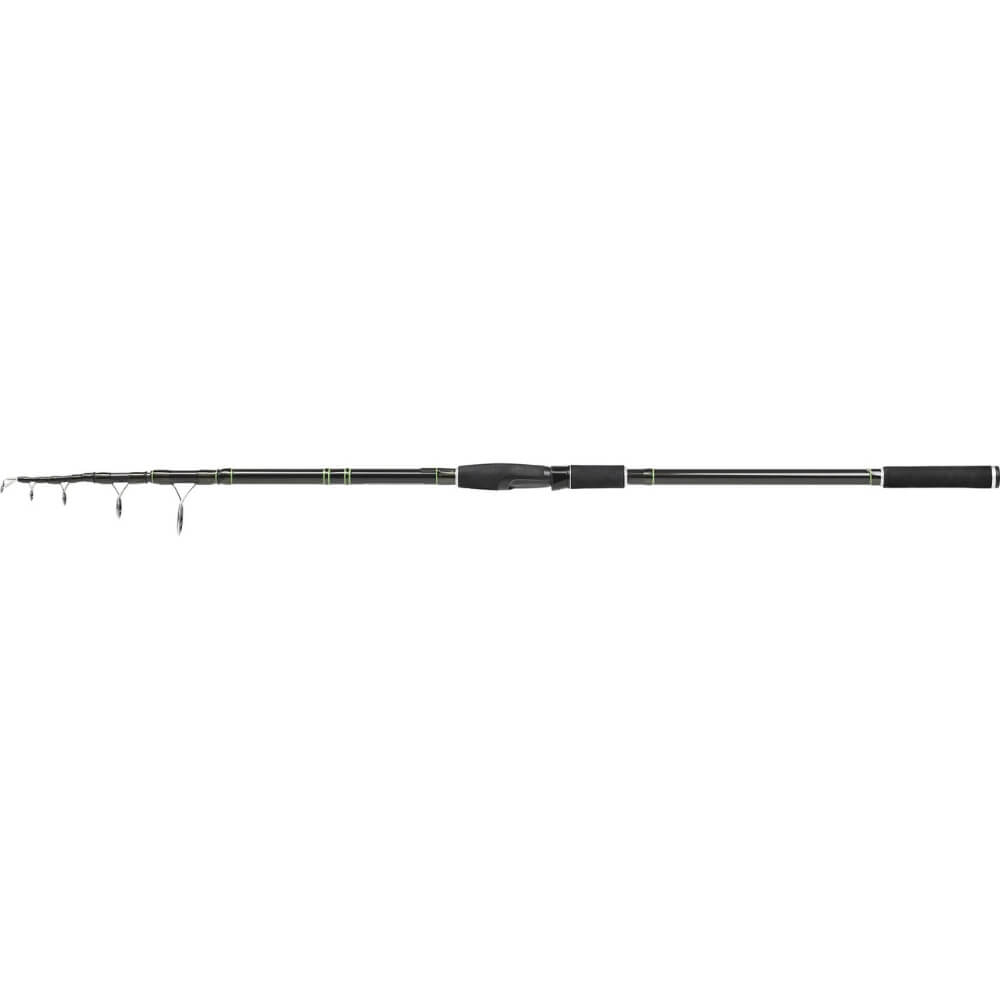
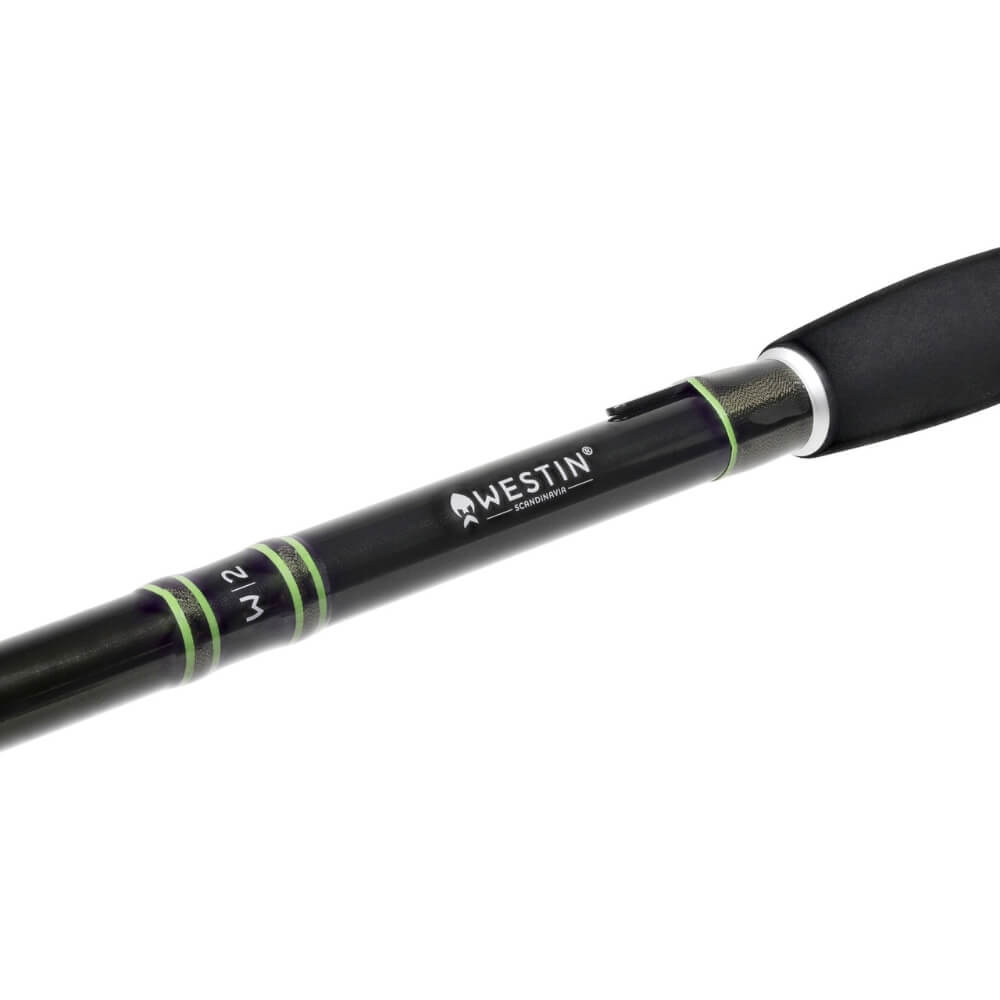




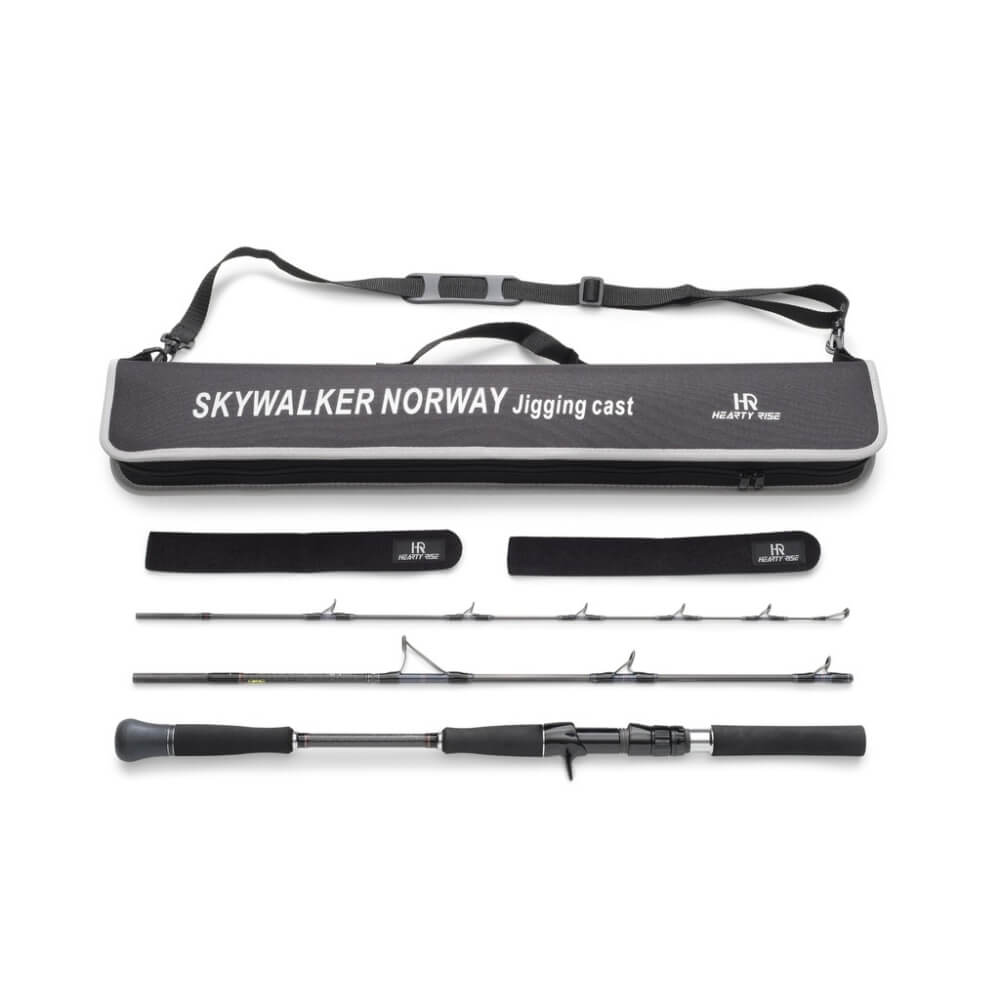


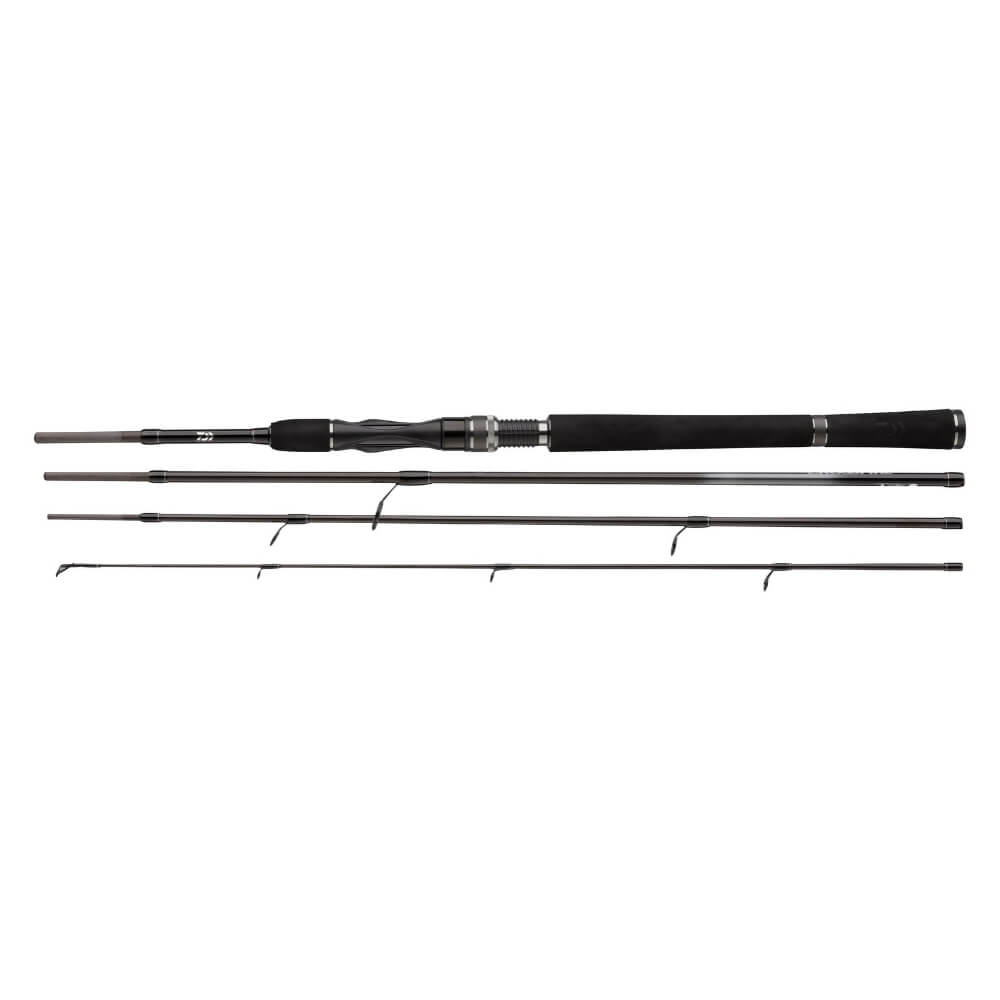

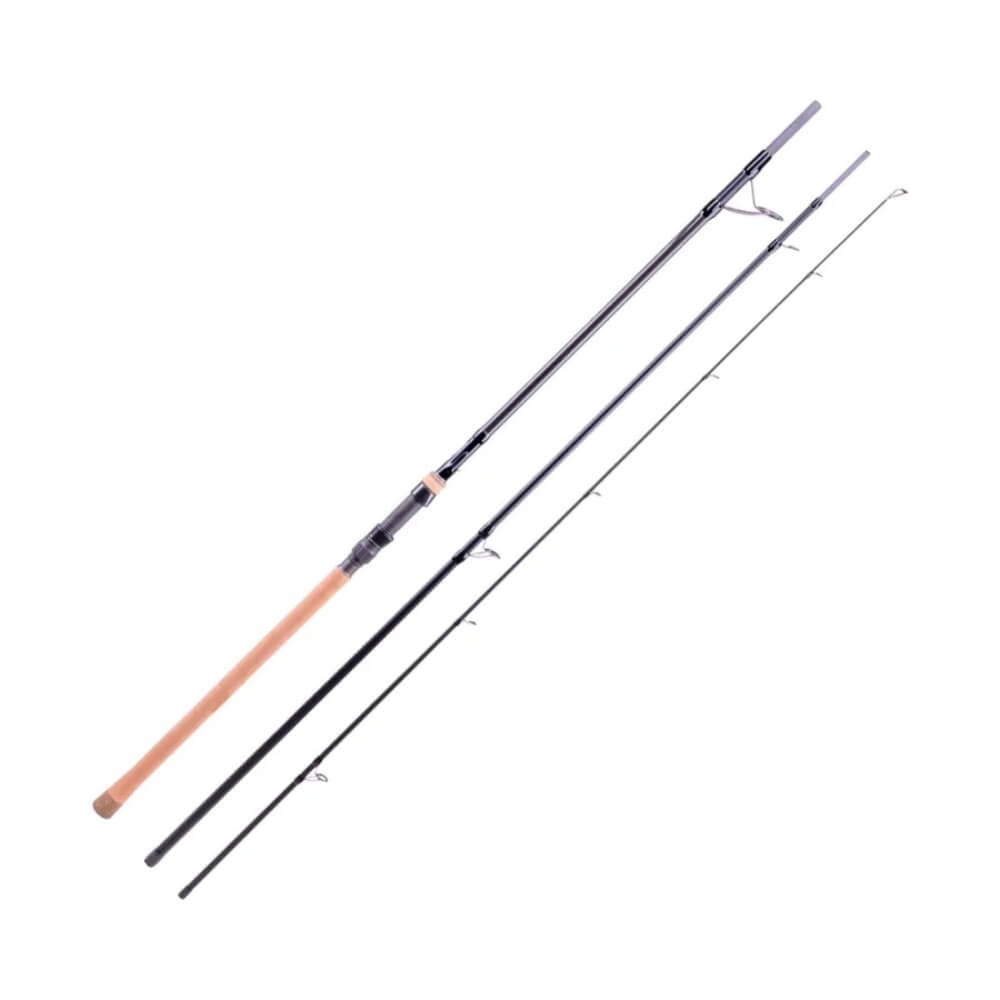

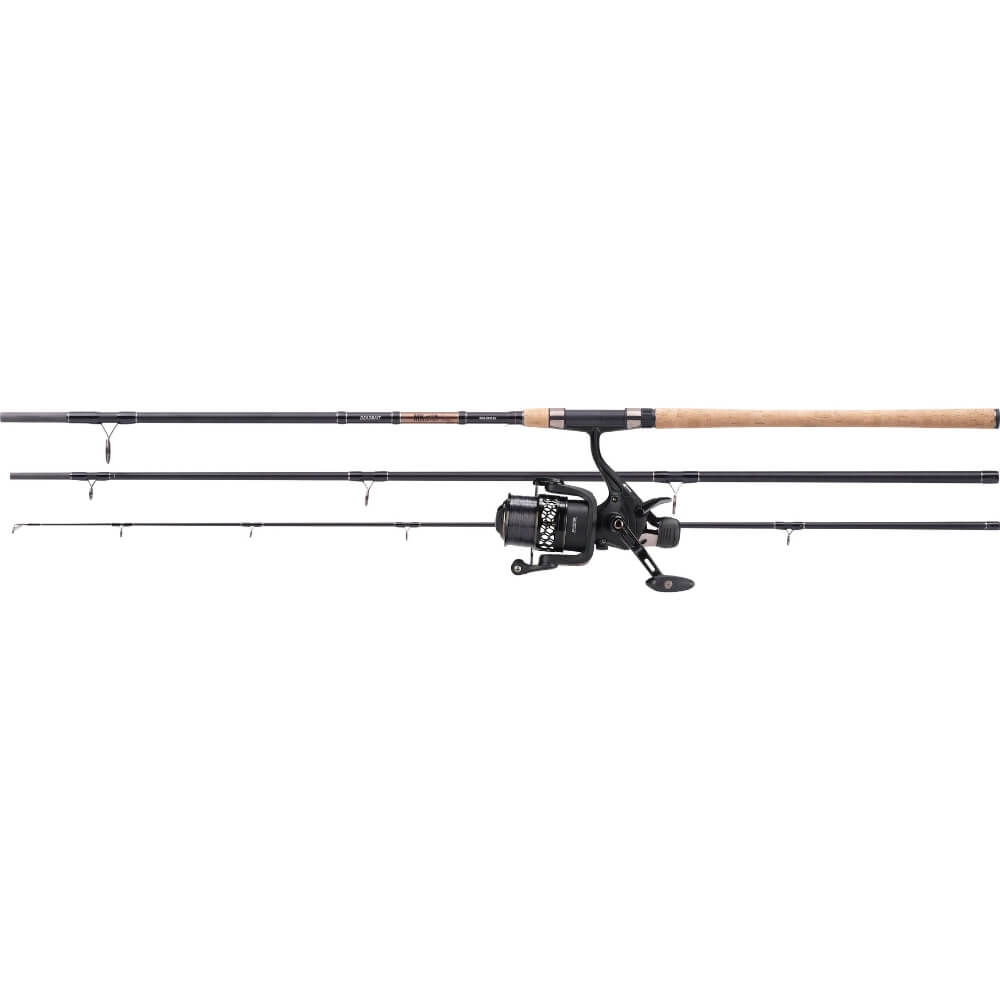
<h2>Buying Guide for Travel Rods</h2><p>In an increasingly connected world, fishing has become a pursuit for globetrotters. Understandably so, since there are fascinating waters to explore on virtually every corner of the planet.</p><p>The problem is that you cannot always hire decent tackle at your destination, and if you have invested serious money in a fishing trip, you need to be able to rely on your own gear - the last thing you want is to be stuck without a rod on day two.<br>One option is to transport a full-length rod in a rod tube. Depending on the airline, however, this can be expensive or simply not permitted. Oversized luggage also has a habit of going missing, leaving you standing at your dream spot with nothing to fish with.</p><p>For this reason, a number of manufacturers have offered travel rods for various applications for many years now - and the range keeps growing.</p><p><img src="https://cdn.shopify.com/s/files/1/0548/9197/0669/files/STC-ML-MH-Spinning-250-210.jpg" alt="Steckverbindungen"></p><p>Travel rods are defined above all by their short pack size, which allows them to be transported in a suitable suitcase to your destination without any difficulty. Common transport lengths for travel rods fall between 50 and 80 centimetres, achieved through a multi-piece blank construction, sometimes including split handles, or through a telescopic build.</p><p>You might assume that a multi-piece construction brings problems - loss of action, fragility or added weight. Not so. Fly rod makers have demonstrated for decades that rods built in four or more pieces can compete comfortably with two-piece or even one-piece rods. That said, there are a few things worth bearing in mind when choosing your travel rod.</p><p>The following sections will help you find the right one.</p><p><img src="https://cdn.shopify.com/s/files/1/0548/9197/0669/files/STC-ML-MH-Spinning-250-210aC0bJAbHOGcLt.jpg" alt="Reiserute"></p><h3>The Right Length for Your Travel Rod</h3><p>The ideal length depends largely on what you intend to fish for. Fortunately, the lengths available are barely different from those of two-piece equivalents. Spinning rods are available in lengths between 200 and 275 centimetres, and boat rods cover the usual range of 180 to 240 centimetres.</p><p>There are also popper rods for tropical saltwater fishing in appropriate lengths of 240 to 275 centimetres.</p><p>If you are travelling with a rucksack, need to keep luggage light, are not sure what you will encounter and can only take one rod, a medium spinning rod of around 240 centimetres is a solid all-round choice that covers a wide range of fishing situations.</p><h3>Plug-In or Telescopic</h3><p>Just as with standard rods, plug-in travel rods are preferable to telescopic ones in terms of action and weight. That said, if you want to be ready to cast immediately and prefer to carry the rod ready-assembled, a telescopic travel rod is a practical alternative.</p><h3>The Joints</h3><p>Rod joints can be constructed in several ways. There are spigot joints, over-ferrule joints and push-in connections - but which is right for a travel rod?</p><p>Push-in connections are best suited to the connection between the handle section and the blank on asymmetrically divided rods. You will often find them on travel boat rods at the point where the handle transitions into the first blank section. For additional joints, however, the blank diameter reduces quite sharply from one section to the next, which limits this type to handle connections on travel rods. Over-ferrule joints are strong and stable, but the blank diameter increases at each joint before tapering again, which makes constructing a travel rod around them more complex.</p><p>The most suitable connection type for travel rods is therefore the spigot joint. When well executed, spigots have relatively little effect on the action, and the rod remains pleasingly slim overall.</p><p><img src="https://cdn.shopify.com/s/files/1/0548/9197/0669/files/STC-ML-MH-Spinning-250-210U6ALHawzuzZXC.jpg" alt="Rutenring"></p><h3>The Rings</h3><p>Even if your travel rod sees less use than the rods you fish at home, quality guides are still essential. When you head to the tropics or into saltwater and expect hard-fighting fish to make long runs, you need low friction, heat dissipation, robustness and resistance to saltwater.<br>Stainless steel or titanium frames with SIC, SIN, zirconium or Alconite inserts provide the reliability and performance you need.</p><p>Anti-tangle guides are also a real advantage on travel rods. You will recognise them by designations such as <em>Anti-Tangle Guides</em>, CC, Coil-Control, K-Guides or KR-Guides. They prevent wind knots during the cast and can also protect against line breakage and lost fish during unexpected runs.</p><h3>Rod Action</h3><p>Travel rods should not have a tip action. To handle as wide a range of tasks as possible, a fast but progressive through-action is a far better choice. With this you can cast and work a wide variety of lure types.<br>If the blank also transmits feedback well, you will find it equally capable for fishing soft lures and surface lures.</p><p>A progressive, fast action also gives you a considerable advantage when playing hard-fighting tropical predators.</p><p><img src="https://cdn.shopify.com/s/files/1/0548/9197/0669/files/quantum-4street-rod-case.jpg" alt="Rutencase"></p><h3>The Blank</h3><p>The trend continues towards lighter and lighter rods built from the highest-modulus carbon fibre with as little resin content as possible.<br>What is desirable in a <strong>zander rod</strong> is not necessarily first choice for a travel rod.<br>High-modulus lightweight blanks are more susceptible to breakage and absorb knocks and impacts on boats and during travel far less well.</p><p>A travel rod blank should therefore be built from tougher carbon composites with a higher resin content and can also benefit from a generous lacquer finish on the blank and at the guides. This adds minimal weight but makes the rod noticeably more robust and longer-lasting. Even with these materials it is perfectly possible to build a light rod with excellent feedback.</p><h3>Tube or No Tube - That Is the Question</h3><p>Many travel rods are supplied with a rod tube or hard case, and this is a genuine buying point. Even inside a suitcase, rods have to withstand the rough handling that luggage receives at airports, and carrying a rod strapped to the side of a rucksack also puts it at risk - an additional tube or hard case offers meaningful protection.</p><p>You can of course make your own arrangements, but having the right protection from the outset is far better than needing it and not having it, so it is a real bonus when a rod arrives with suitable packaging included.</p>