










⭐ Top rated




⭐ Top rated


⭐ Top rated


Save 40%
Clearance
⭐ Top rated
💚 Lead-free

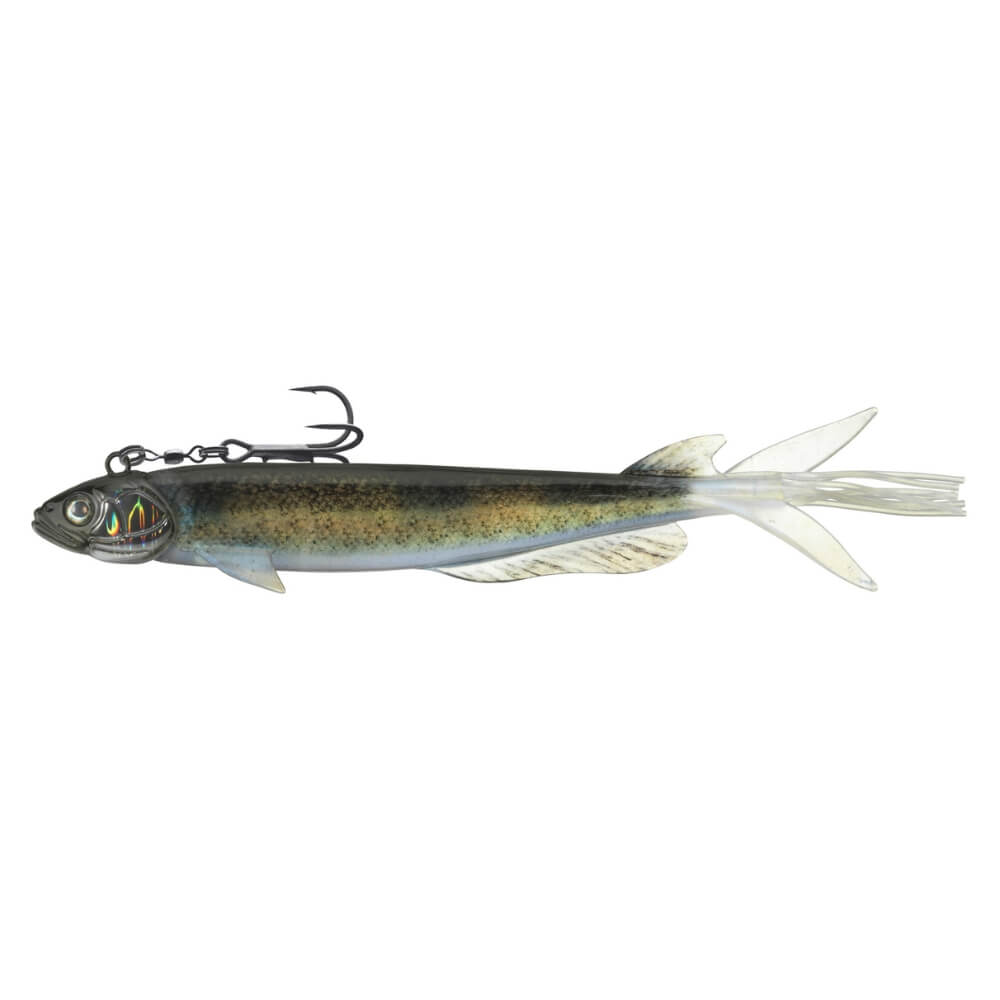
✨ Variant restocked


🤩 New variant


⭐ Top rated


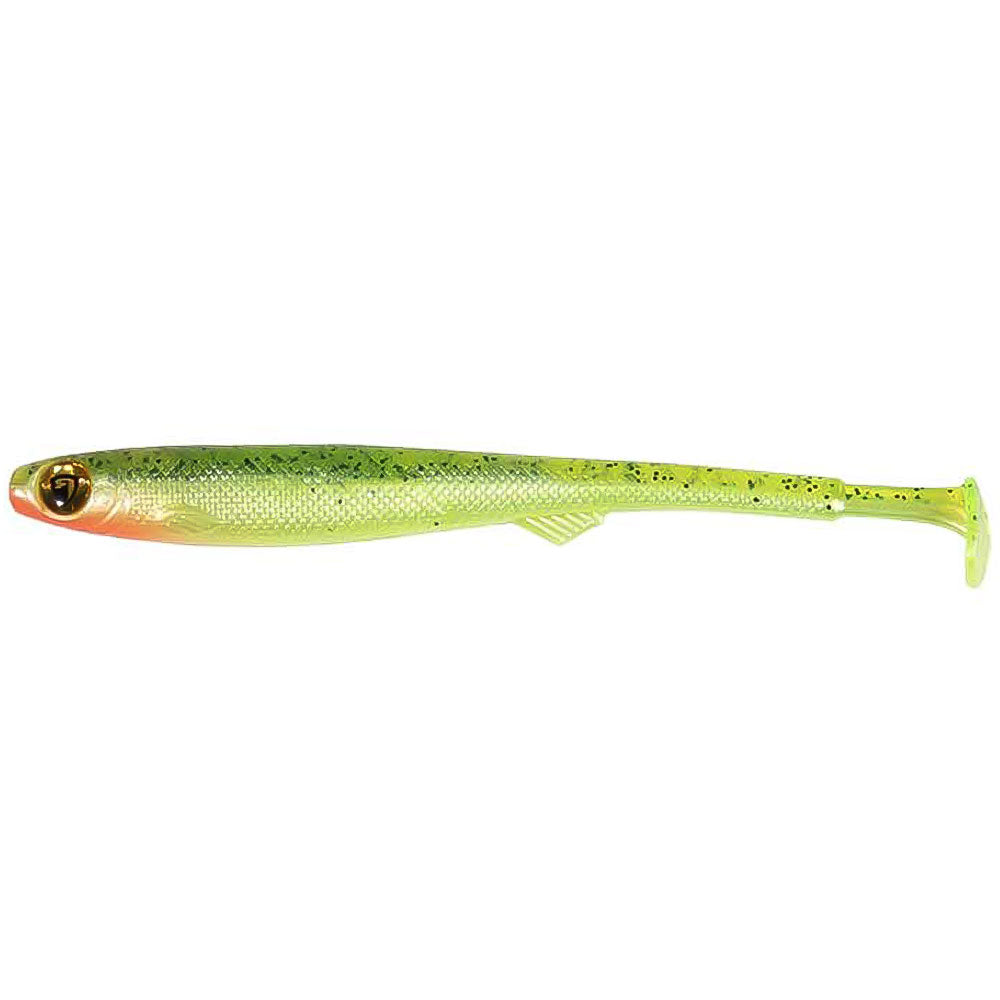


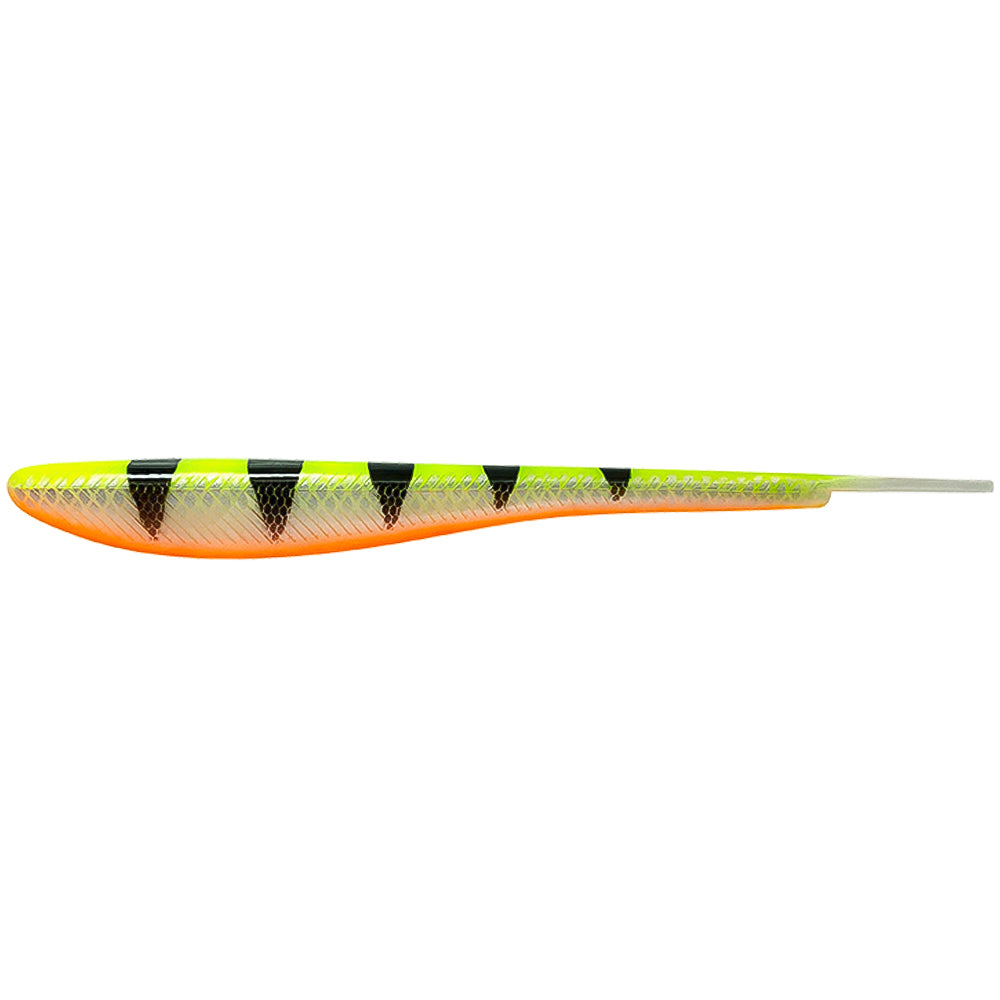
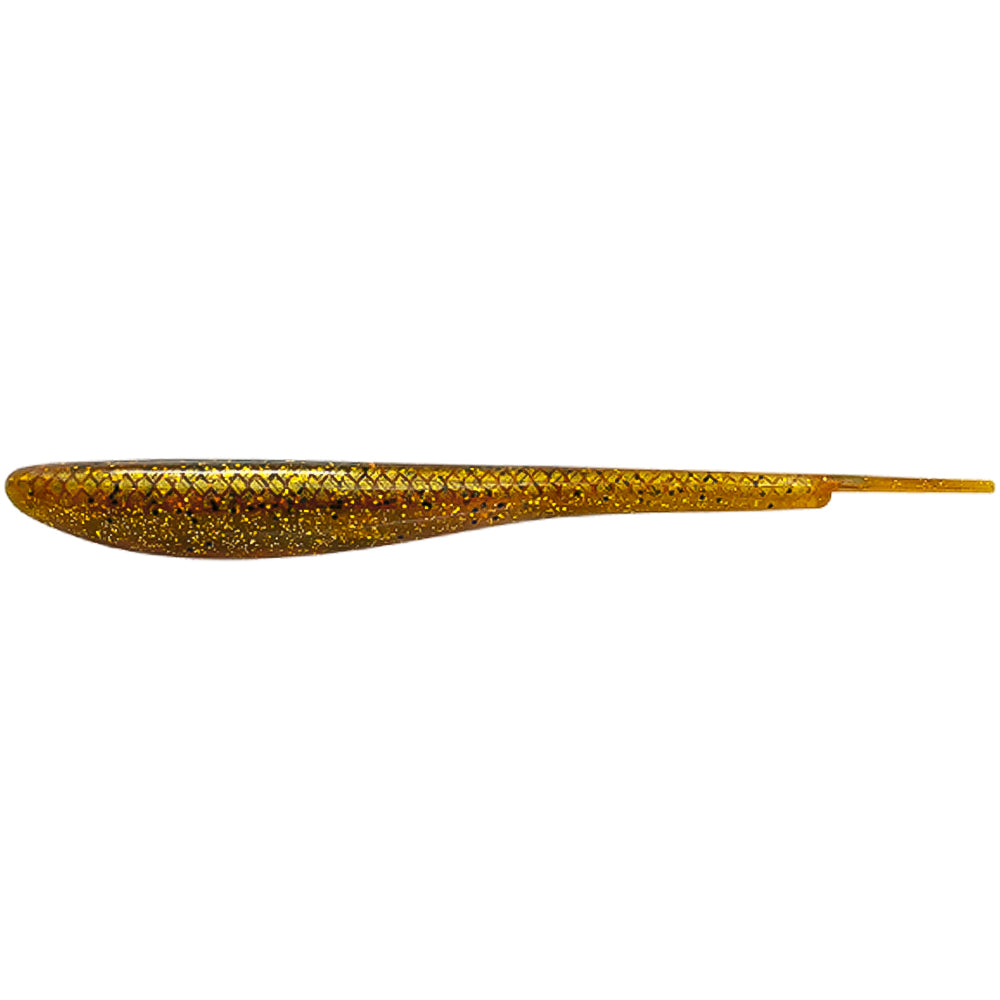






🤩 New variant
💥 NEW

Sold out

Sold out🤩 New variant
Sold out🤩 New variant

Sold out

Frequently asked questions
In pelagic fishing, fish located in open water are found using a fish finder and then targeted vertically beneath the boat with soft lures and jig heads. Ideally, you can watch the fish's reaction on the fish finder in real time.
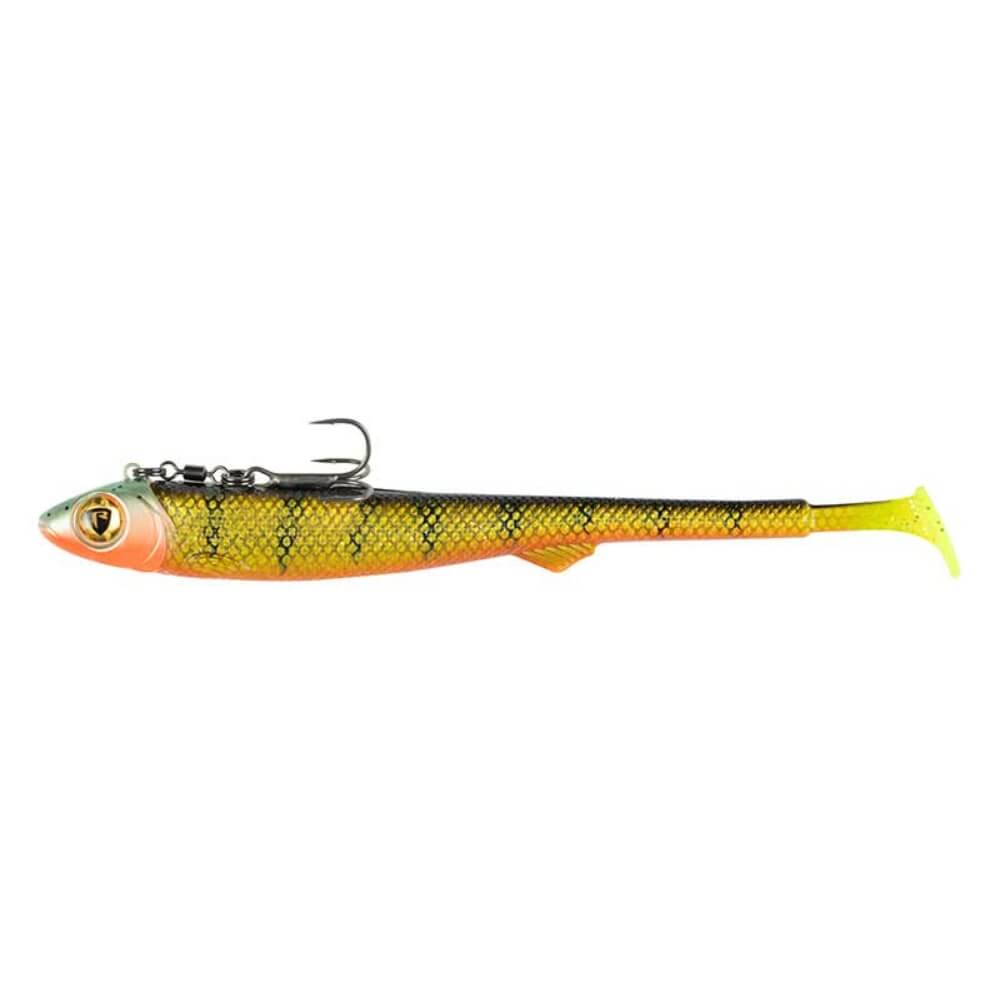
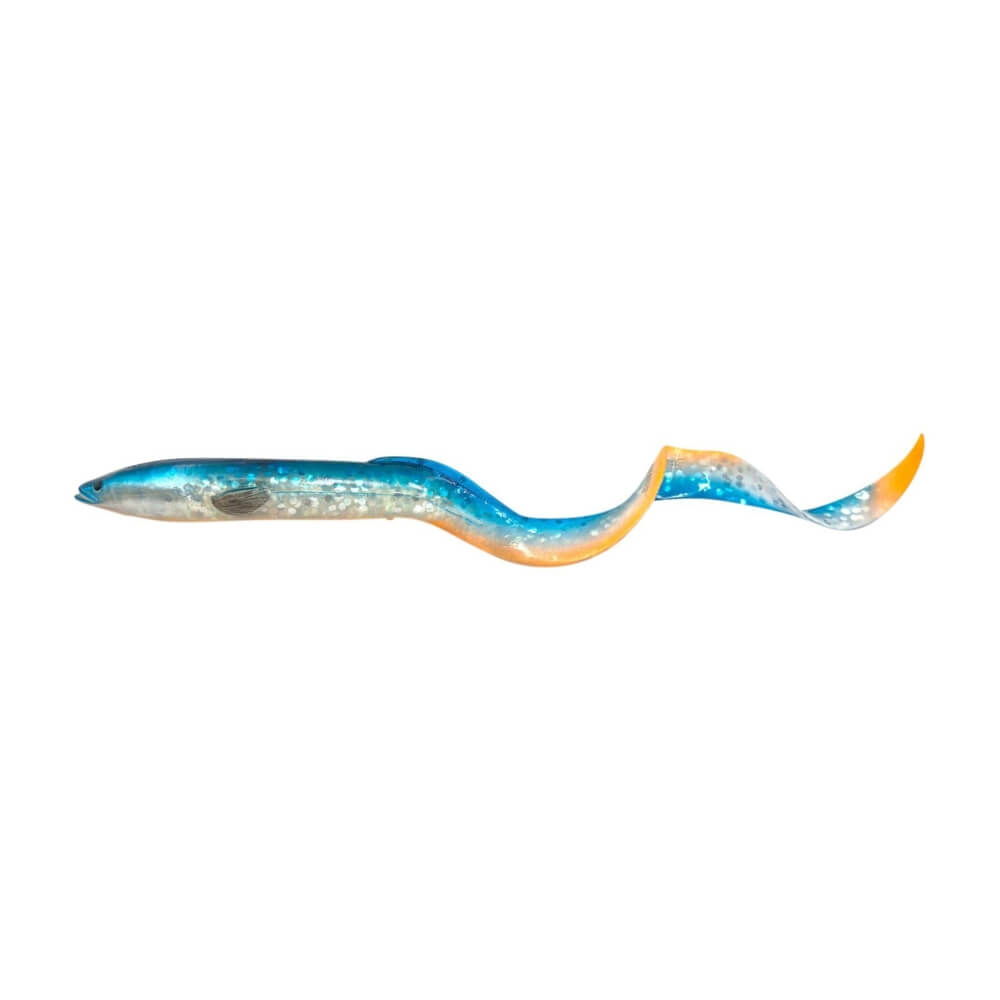
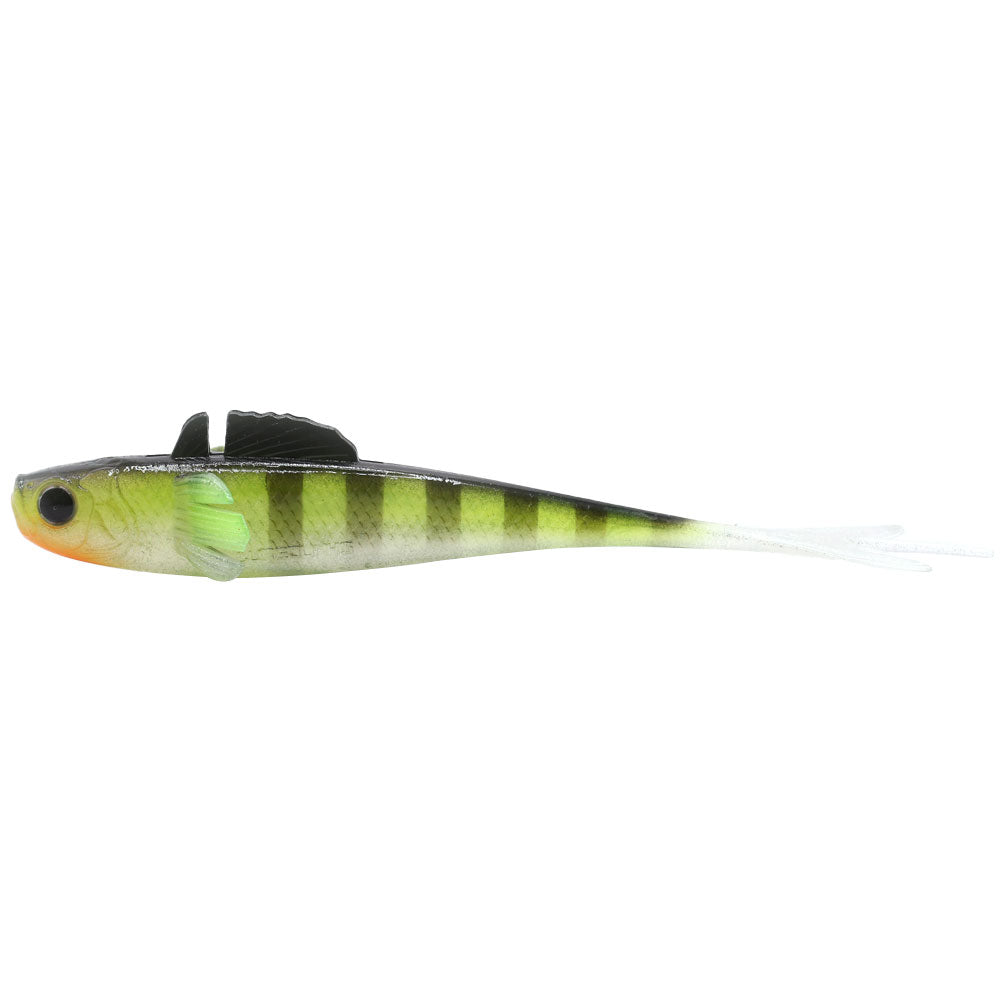
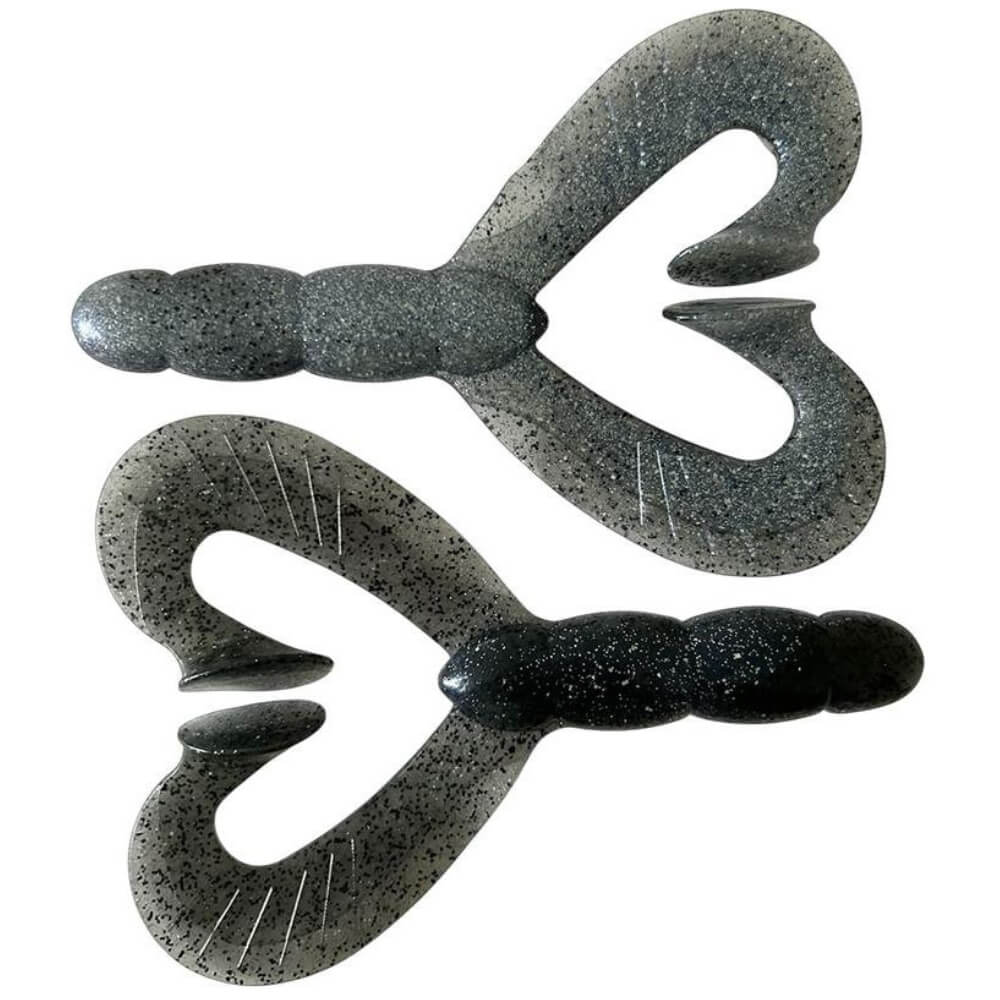
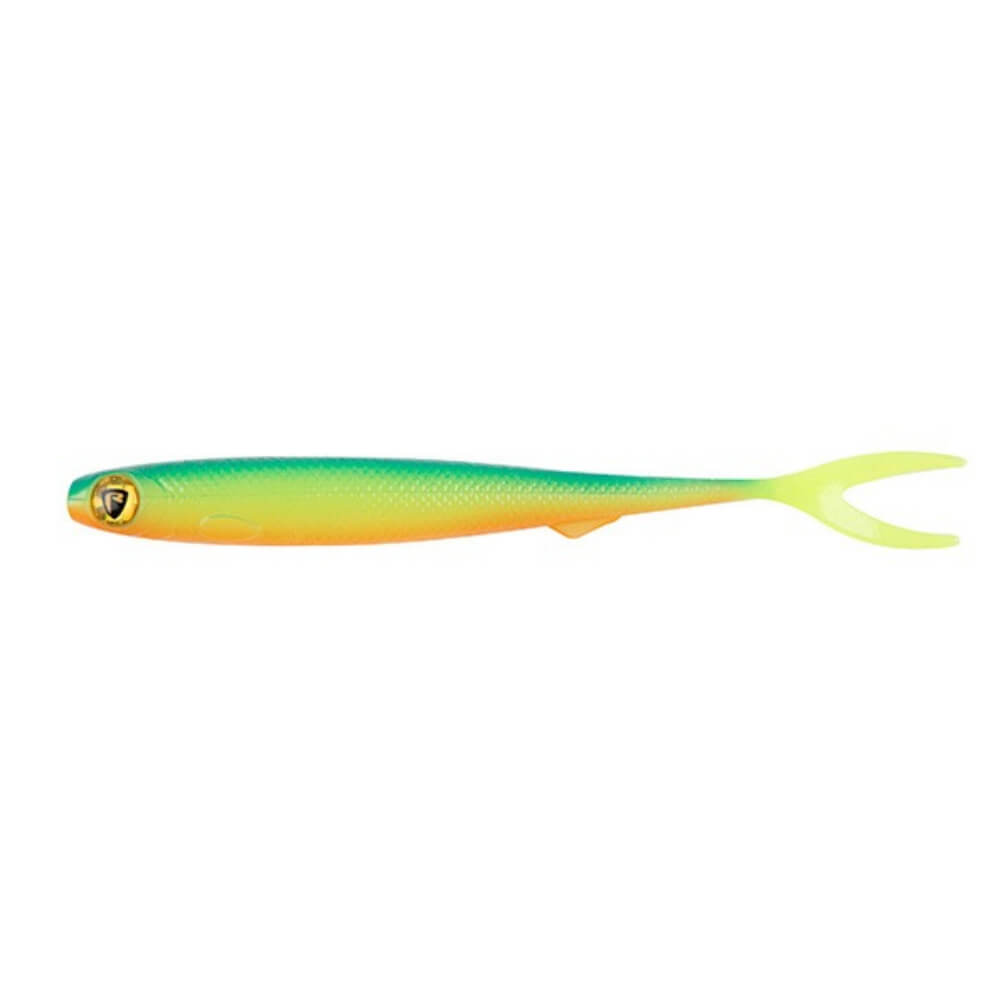
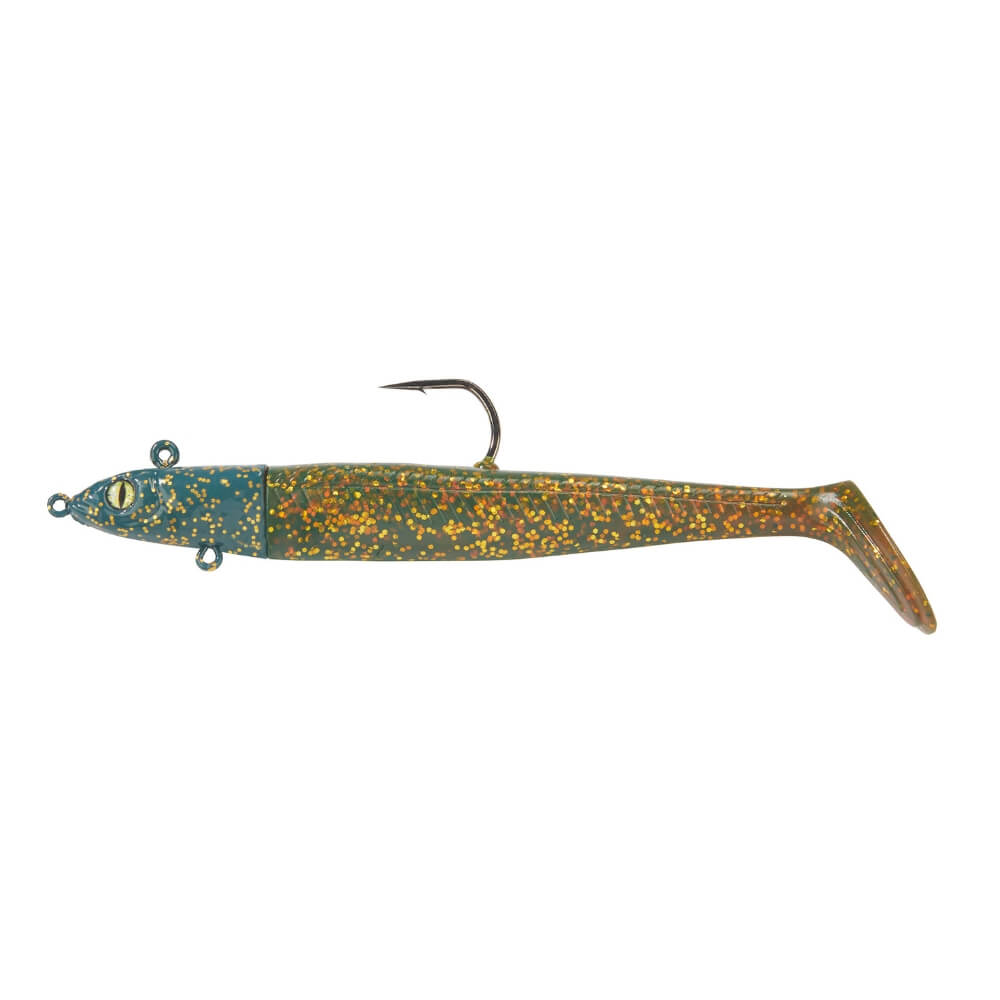
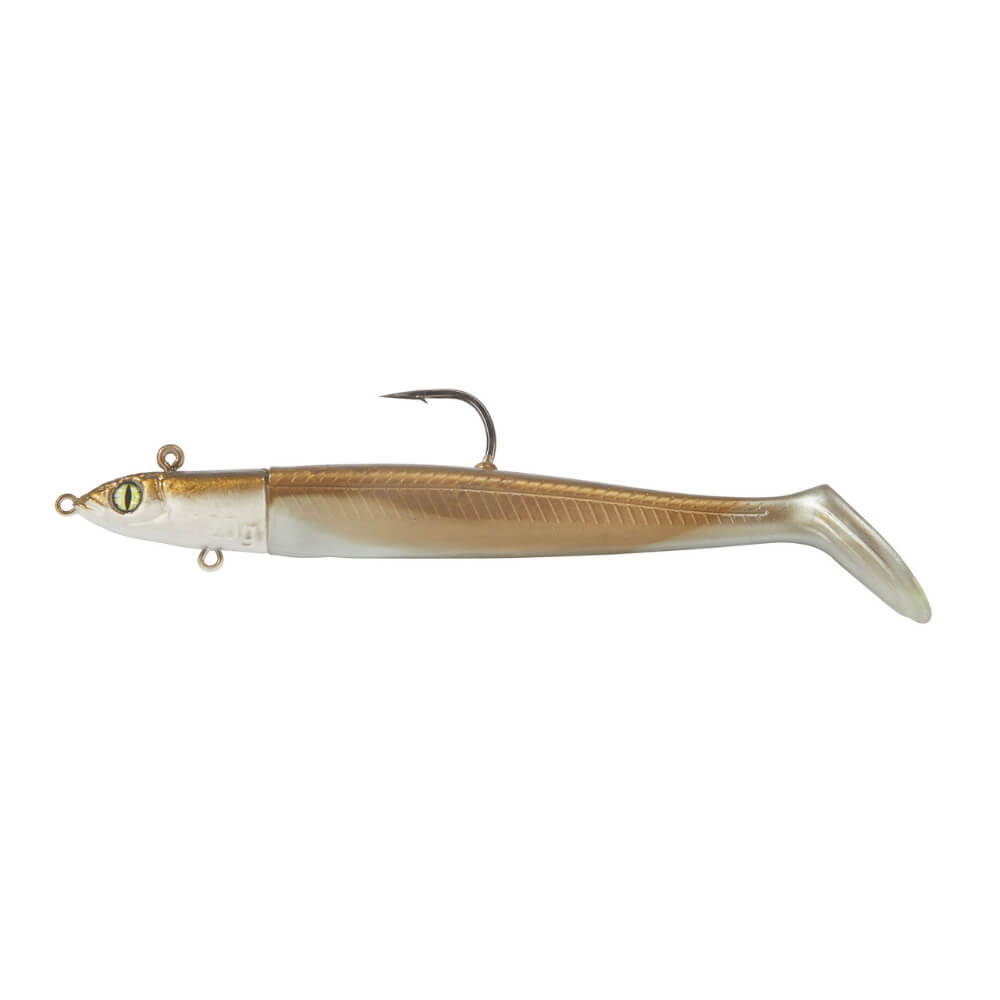
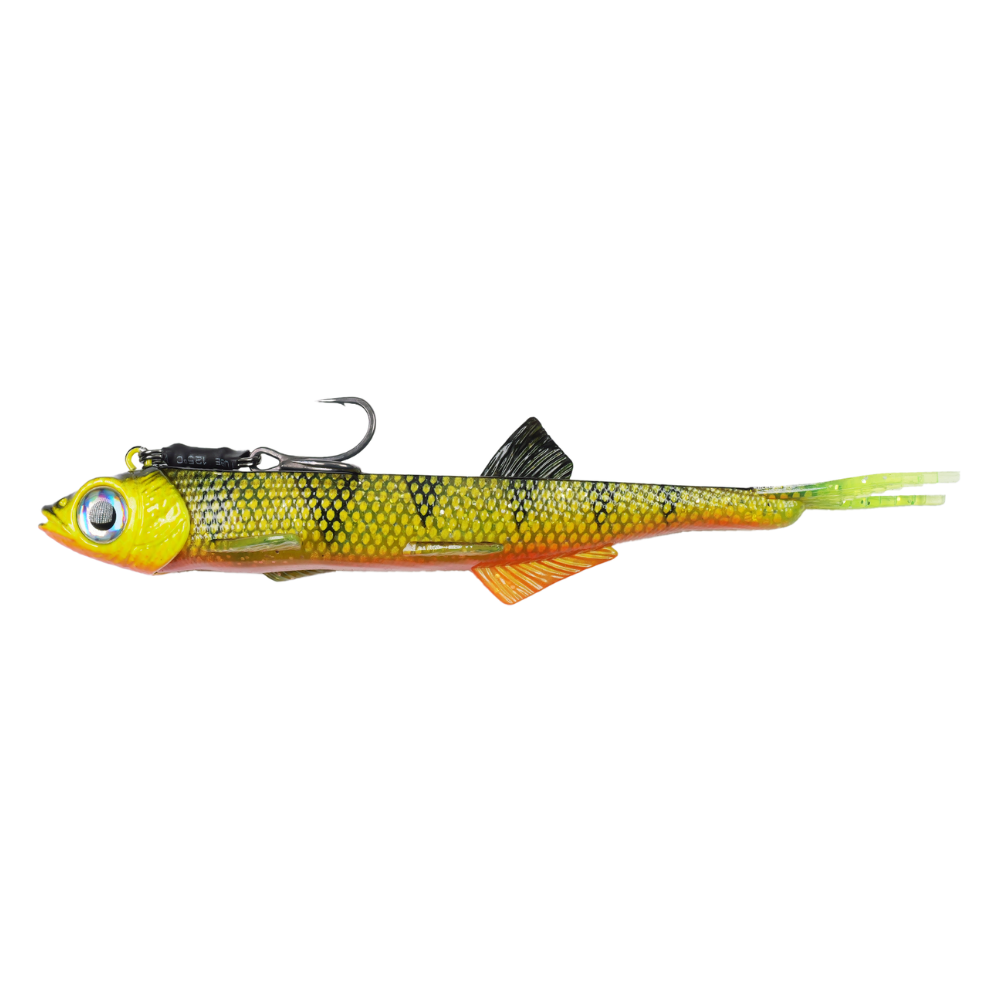
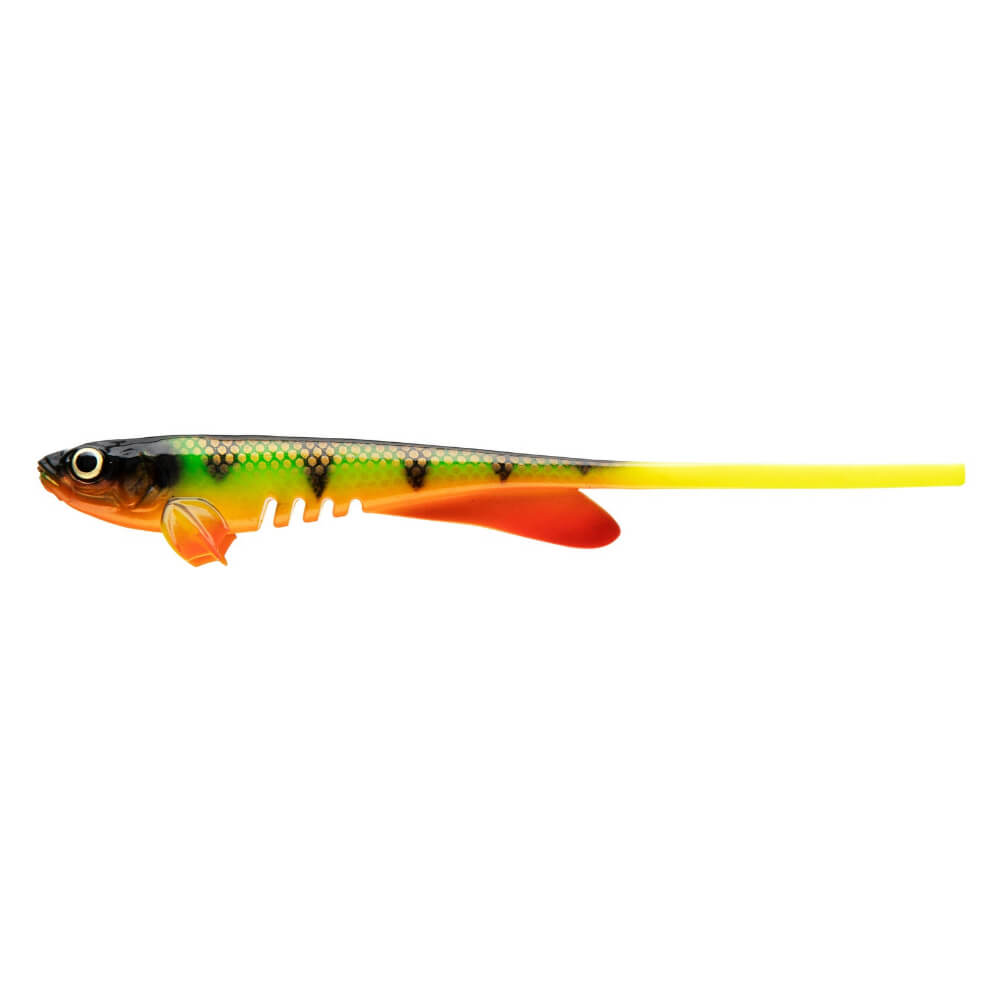
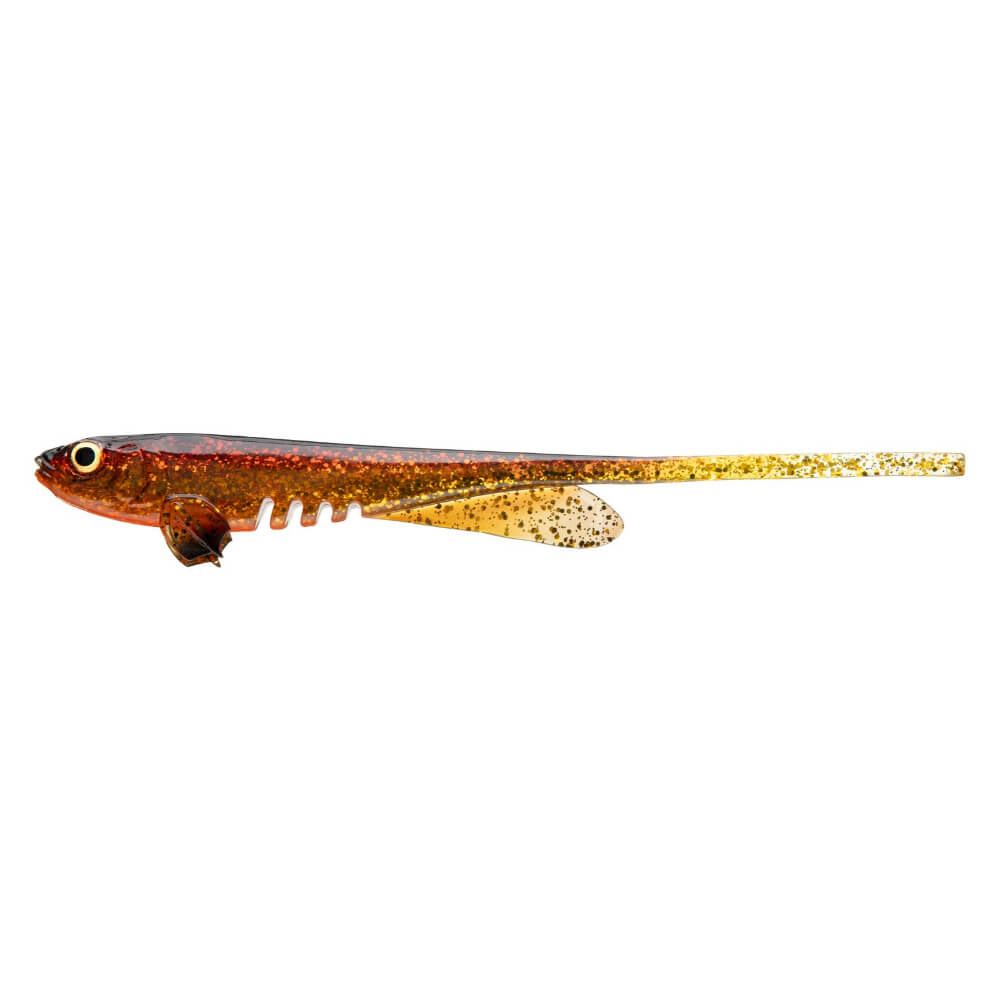
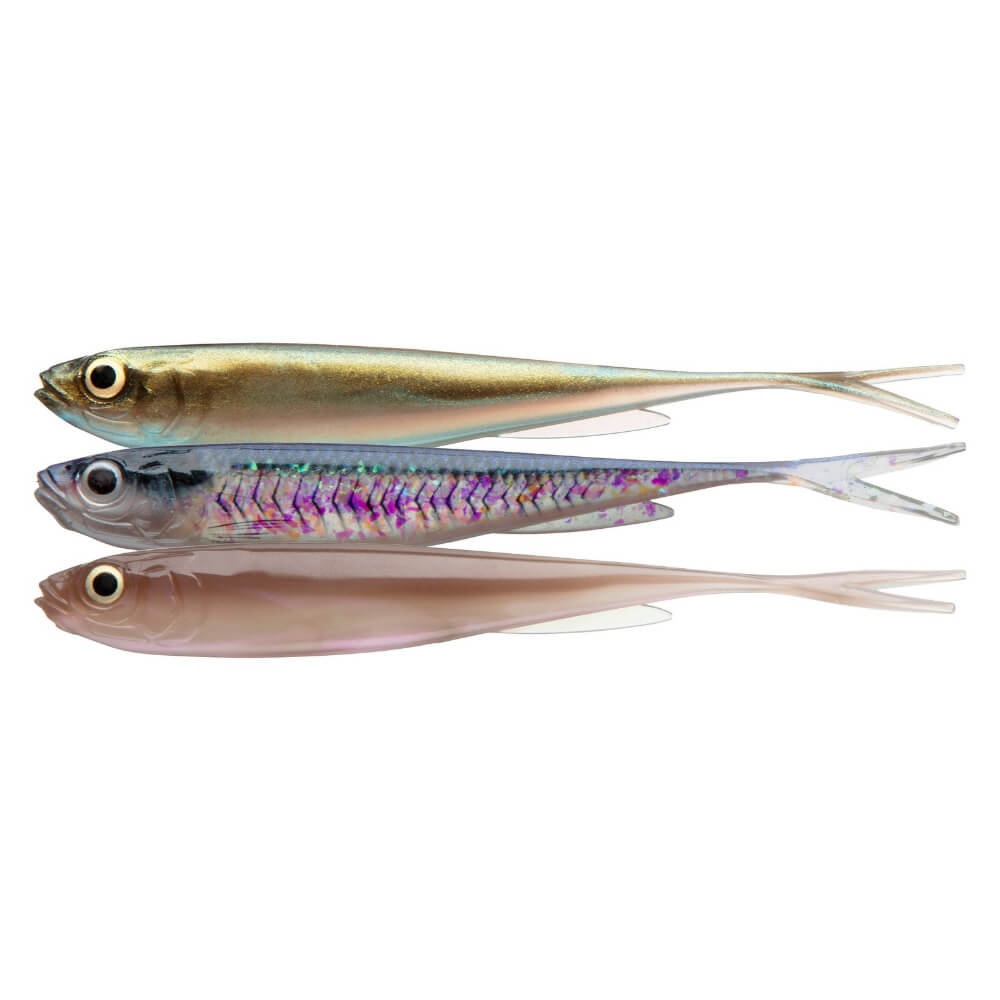
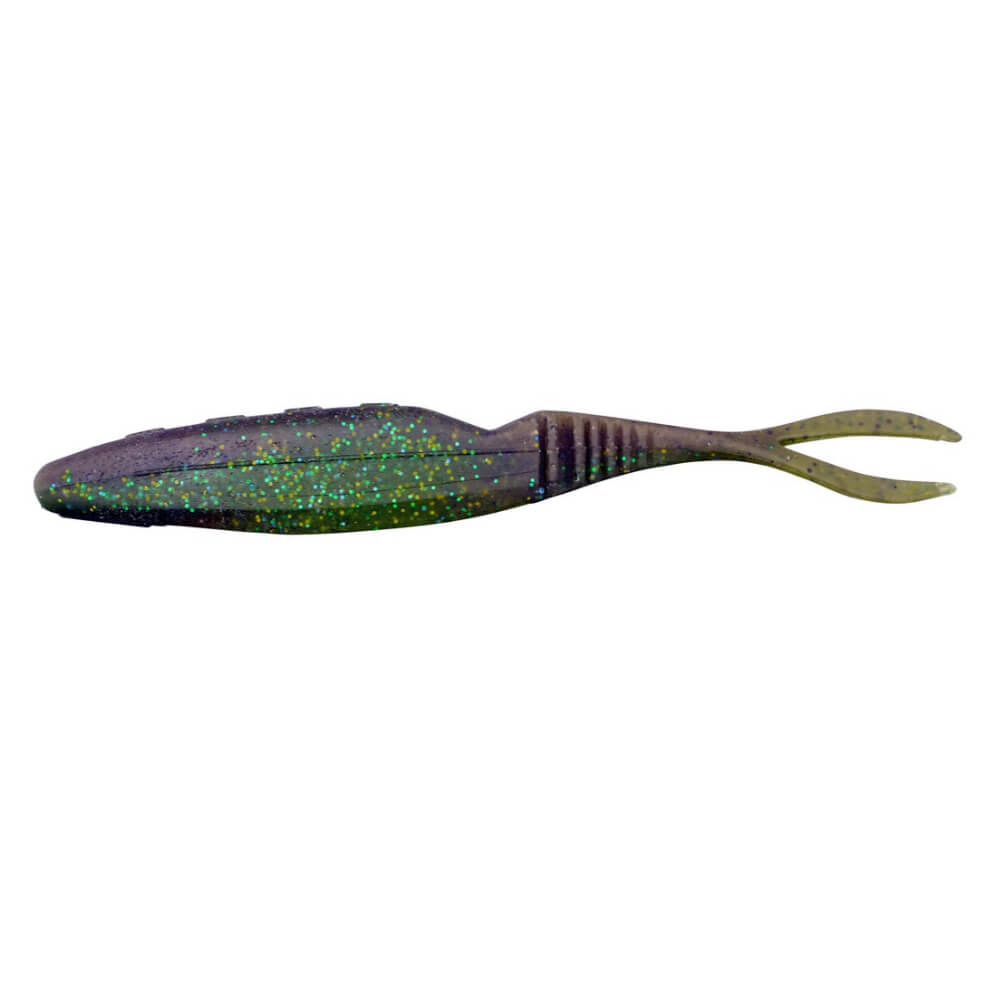
These lures tend to be fairly large, with a pintail or V-tail and very little inherent action. On the right jig head, they should hang as horizontally as possible in the water. Natural details such as fins and eyes are a definite advantage.
The main target species are zander, pike and wels catfish.
Natural colours are the go-to choice in most situations. Fish have plenty of time to inspect a suspended lure closely, so realistic patterns tend to do the convincing. In very coloured water, something a little brighter can pay off.
Powerful vertical jigging rods are the obvious choice, but they need to handle jig head weights of 50 to 60 g comfortably. Light jerkbait rods are also used frequently.