










Zander Rods
In this category you will find rods well suited for targeting zander.


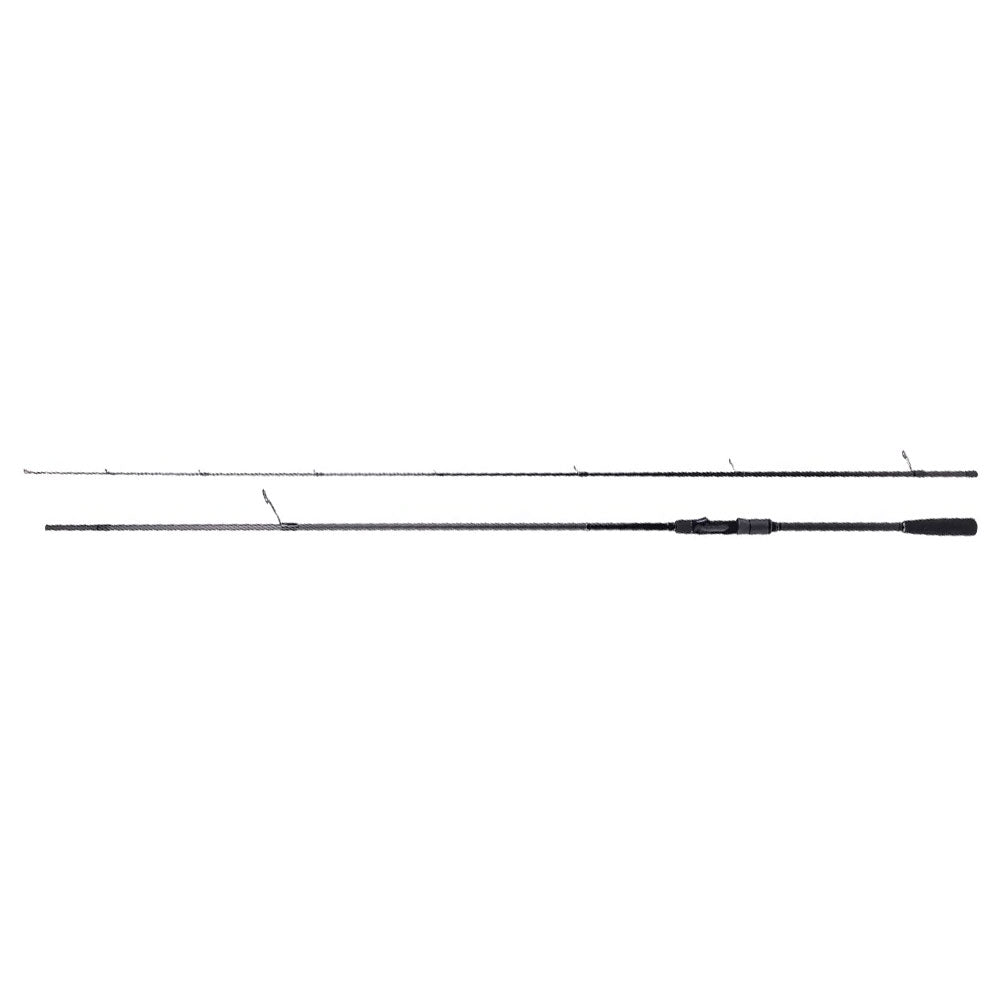


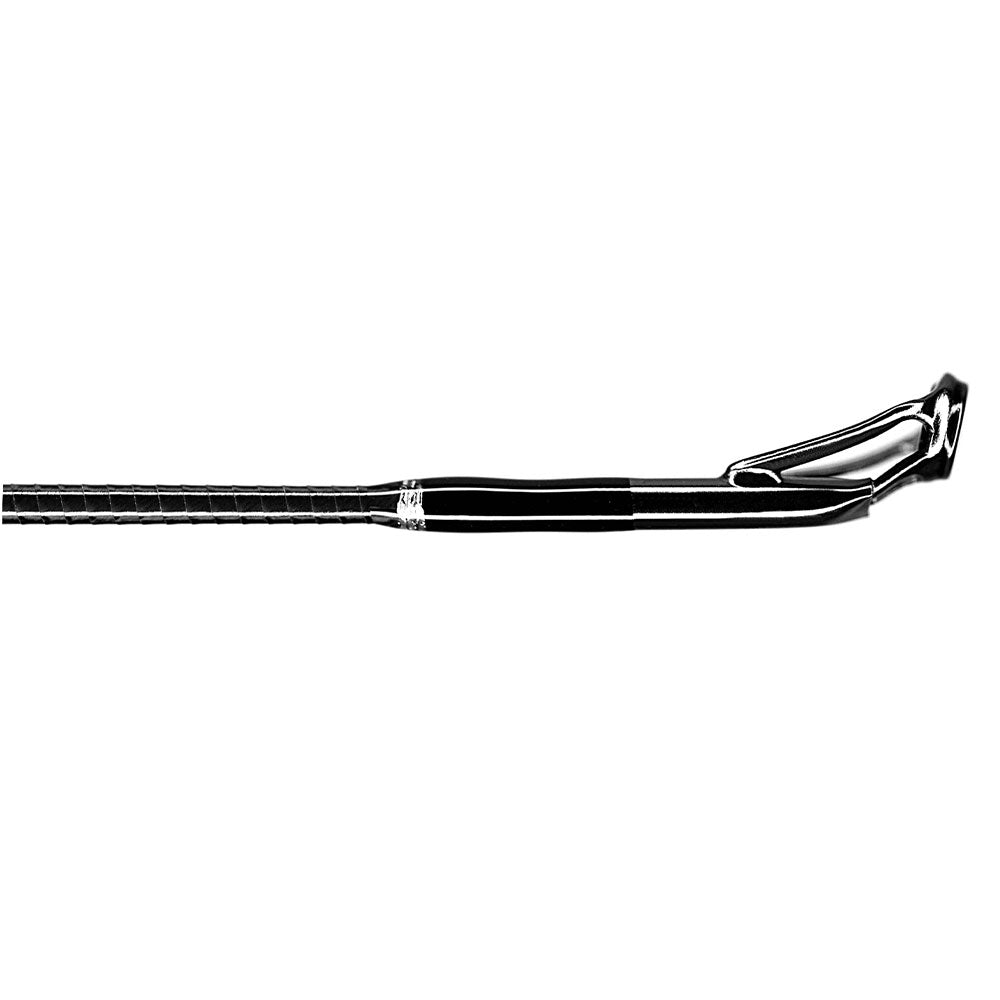


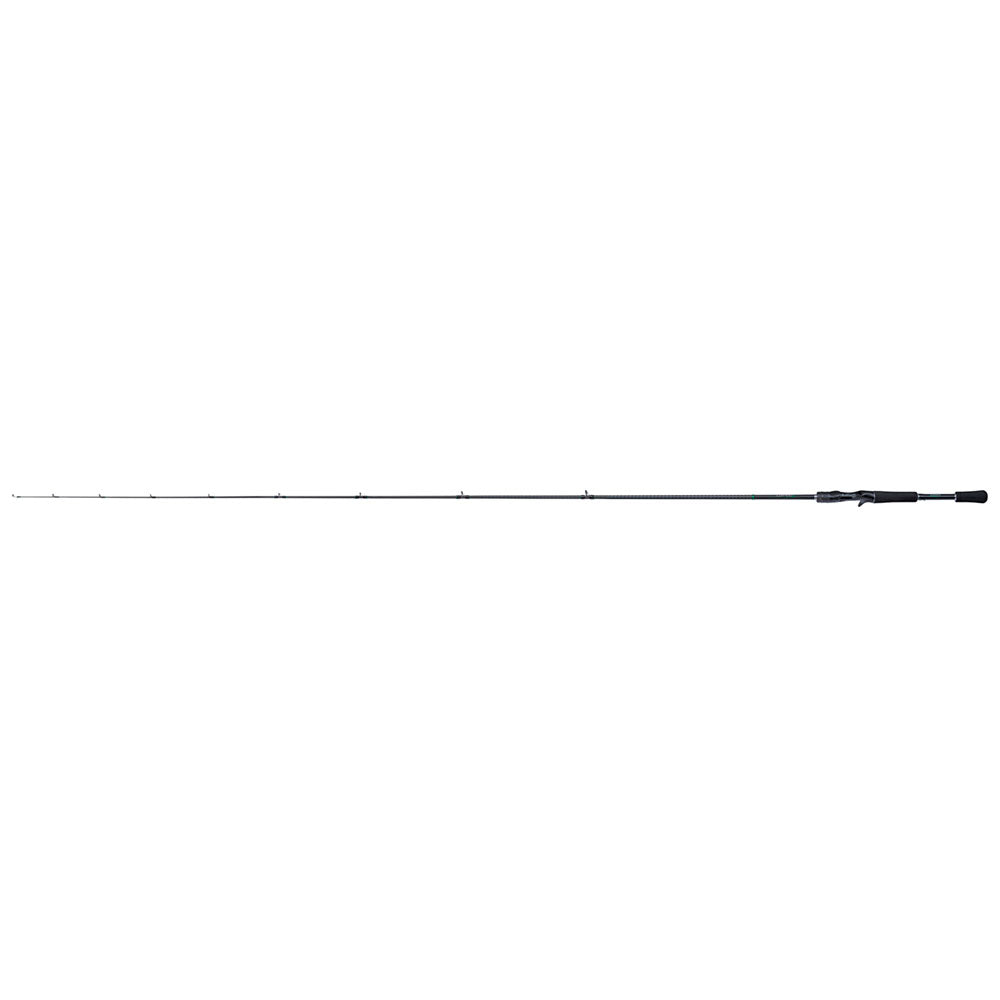

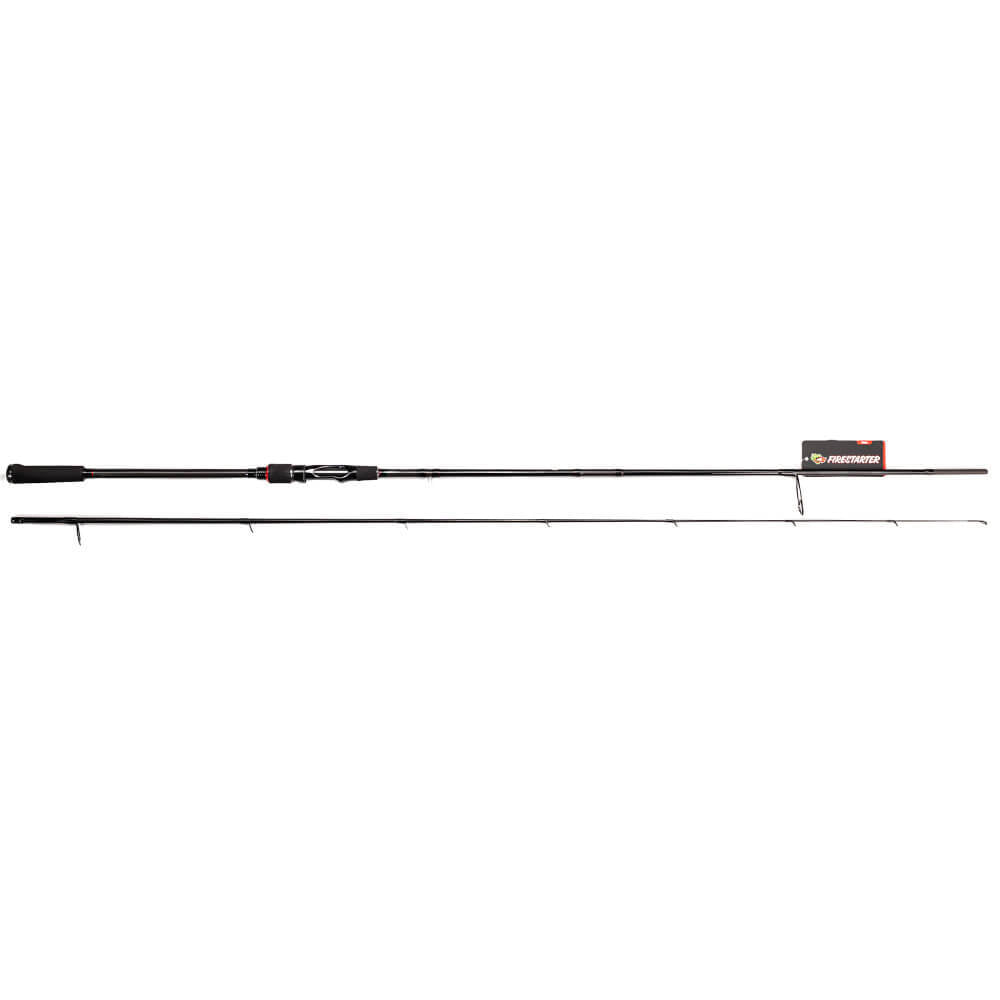


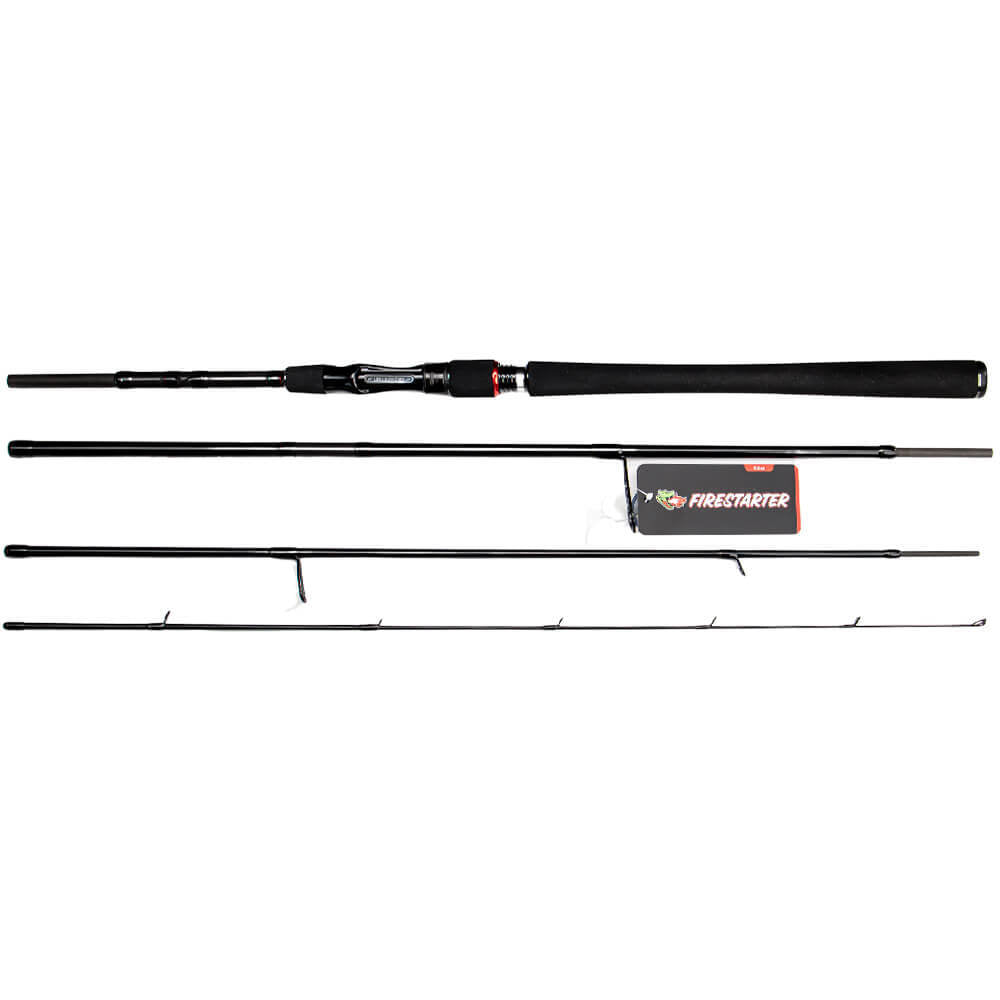

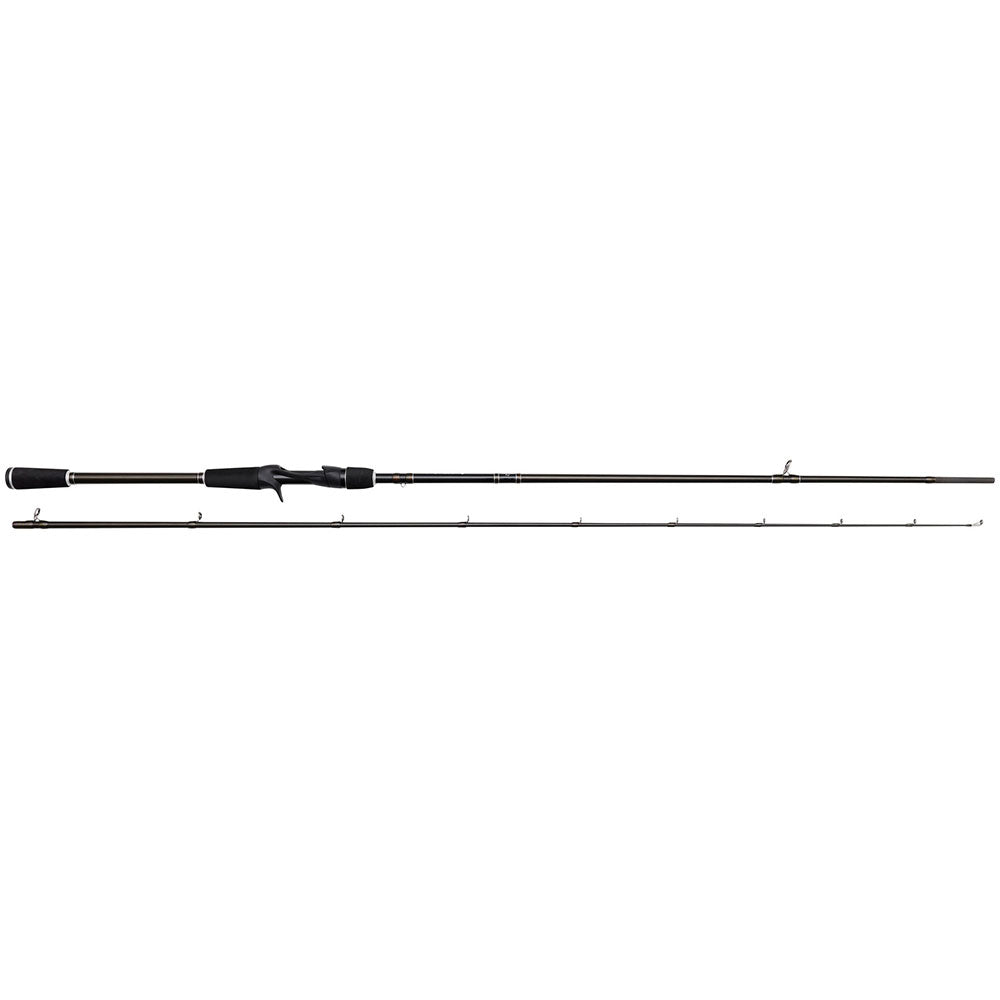


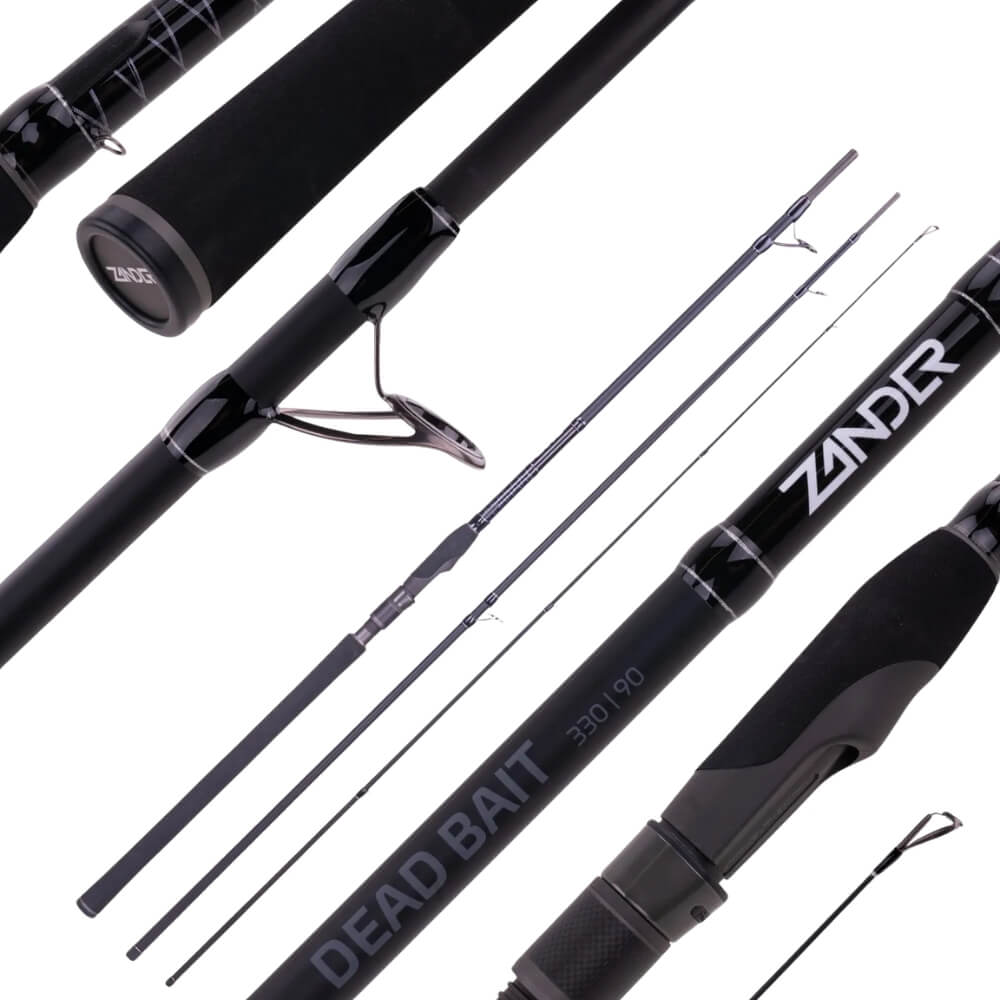
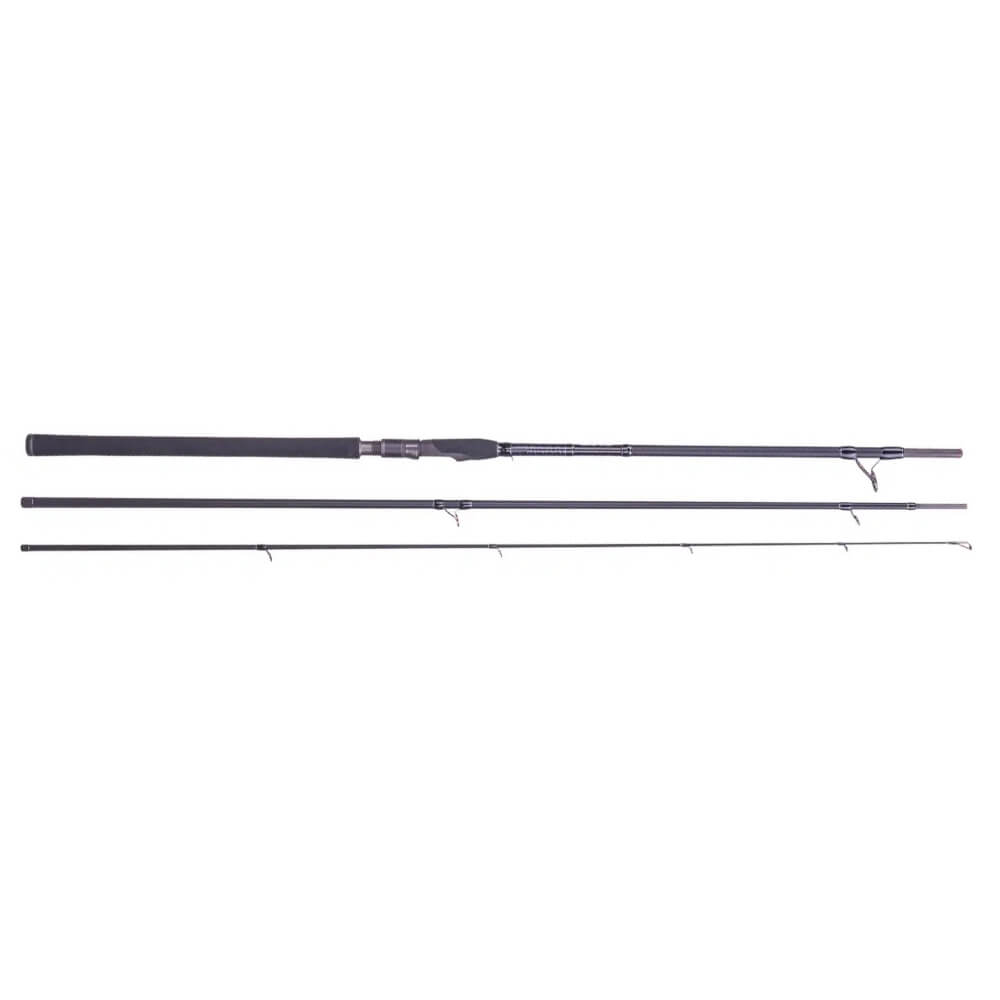
<h2>Buying Guide for Zander Rods</h2><p><img style="float: right;" src="https://cdn.shopify.com/s/files/1/0548/9197/0669/files/bullseye-jig-whip-270X0giud.jpg" alt="Jigwhip"></p><p>Finding the right zander rod can be a journey in itself - not unlike the trek along a rock-armoured bank to reach your favourite spots.</p><p>The sheer number of rods that could potentially work for this purpose makes narrowing down the choice anything but straightforward. So what defines a proper zander rod, and how do you spot one?</p><p>The sections below aim to answer that question as thoroughly as possible and help you settle on the rod that suits you best.</p><h3>How Long Should a Zander Rod Be?</h3><p>As so often, the answer depends on where and how you fish. If you are fishing from the bank most or all of the time, a slightly longer rod is a reasonable choice. If you are primarily on the boat, shorter rods are significantly better suited.</p><p>For bank fishing - particularly from rock-armoured banks - rods of 275 centimetres or longer are often recommended to gain casting distance and reduce snags on the stonework. In practice, however, the real-world difference between a 240 centimetre rod and a 275 centimetre rod is small enough that there is rarely a compelling reason to go longer than 240 centimetres.</p><p>These slightly shorter rods are less prone to tip heaviness, are <strong>a little more manageable and lighter overall</strong>, and often deliver better feedback because there is less blank to absorb the signal. That said, some anglers simply feel better equipped with a 250 or 275 centimetre rod, and personal preference plays a real role here. Thanks to modern materials, even the longer options are becoming progressively lighter and better balanced.</p><p>If you spend most of your time on the boat and rarely fish from the bank, look at rods between 200 and 230 centimetres. These offer the best feedback, effortless handling and fast-paced fishing, and they also give you a clear advantage when netting fish from the boat.</p><h3>The Blank</h3><p><img style="float: right;" src="https://cdn.shopify.com/s/files/1/0548/9197/0669/files/bullseye-jig-whip-270-20-5075OredYLVvgqh.jpg" alt="Jigwhip_Rute"></p><p>Because zander fishing means working soft lures in the vast majority of cases, a zander rod must deliver the best possible feedback and should have a strong recovery rate.</p><p>For this reason, rods labelled <em>Extra-Fast</em> are a common choice. That term describes the taper and action of the blank rather than its recovery speed. A strongly tapered blank typically produces a tip action (<em>Extra-Fast</em>), meaning the rod works mainly in the tip and the upper third of the blank.</p><p>This action is generally suitable for zander fishing provided it comes with a fast recovery rate - that is, the rod springs back to straight as quickly as possible after being loaded.</p><p>Because these rods stiffen up quickly beyond the first third of the blank, however, they carry a higher risk of losing lightly hooked fish during the fight.</p><p>A better choice is a <strong>rod with the best possible recovery rate</strong> that moves into at least a semi-parabolic action during the fight - what would be classed as <em>fast</em> rather than extra-fast. Recovery rate determines sensitivity and bite detection; during the fight, these rods offer more security against hook pulls. Ultimately, personal preference matters a great deal here too.</p><p>For zander fishing, rods built from <strong>high-modulus carbon with a low resin content</strong> are generally preferable, as they are lighter, stiffer and give the best possible feedback. Pay attention to the manufacturer's blank specification: rods using 30t carbon or above are frequently well suited to zander fishing.</p><p>A zander rod should also be as well balanced as possible, since you will be fishing with the tip raised for most of the session - a tip-heavy rod makes that uncomfortable very quickly.</p><h3>The Guides on Your Zander Rod</h3><p>Because braid is used almost without exception when targeting zander, the guides fitted to the rod need to be of the highest quality.</p><p><strong>The following guide manufacturers guarantee reliable performance with braid:</strong></p><ul><li>Fuji</li><li>Seaguide</li><li>Recoil</li><li>Pacific Bay</li></ul><p>In most cases the guides fitted to a rod are listed in the product description. You will also find a label on almost every rod identifying the guide manufacturer.</p><p><img src="https://cdn.shopify.com/s/files/1/0548/9197/0669/files/Bullseye-Tip-Whip-215-Ruten.jpg" alt="Rutenring"></p><p>Many rod manufacturers now also fit very good proprietary guides on their own rods.</p><p>The insert material should be SIC, SIN, Alconite, zirconium or similar, as these materials provide excellent heat dissipation and minimal friction.</p><p>The frame design also matters on a zander rod. Because you are casting continuously with a spinning rod, look for guides built to an <em>Anti-Tangle</em> or <em>Coil-Control</em> design. These reliably reduce wind knots during the cast and make fishing considerably more comfortable.</p><p>As for guide count, zander rods should carry more guides rather than fewer, and they should be on the smaller side. More, smaller guides keep the line closer to the blank, making the rod feel considerably more direct. Bites transmit better and strikes are more effective because the line has less room to flex between guides.</p><p>As a rough guide, a zander rod between 200 and 240 centimetres should have approximately 8-10 guides, and the individual ring sizes should not be too large.</p><h3>The Handle and Reel Seat</h3><p>Zander rods should have a relatively short handle. A long rear grip gets in the way when jigging and working the lure - it is a hindrance rather than a help. Ideally, the end of the rod should sit roughly in the region of your elbow. If the rod will be used mainly from a boat or even a float tube, an even shorter handle is perfectly appropriate.</p><p>The reel seat should ideally allow direct contact with the blank, so that bite signals pass through as unfiltered as possible. Whether this is achieved with a <strong>short foregrip or a cut-out in the reel seat</strong> makes no practical difference.</p><p><img src="https://cdn.shopify.com/s/files/1/0548/9197/0669/files/tailwalk-del-sol-s672mhXntT.jpg" alt="Griff bei der Zanderrute"></p>