<h2>Buying Guide for Fishing Lures</h2>
<p>While most non-anglers still picture a worm, maggot or baitfish when lures come up - and those baits still have their place - the past few decades have seen a flood of artificial lures in an enormous variety of shapes, colours, sizes and materials establish themselves in the scene. But which lures actually catch fish? Which colour, shape and size is right in which situation?</p>
<p>First and foremost, the lure should <strong>match the current prey available to your target species</strong> and imitate it in both size and colour. Even then, the options are almost endless, so you need to be equipped for different depth zones, visibility conditions and water temperatures. Because choosing the right lure is - alongside picking the right spot - one of the key factors that determines whether your session succeeds or fails, here is a summary of the main lure categories, their applications and the predators they target. For more detail, you will find further information within each individual category.</p>
<h2>Metal Lures</h2>
<h3>Spoons</h3>
<p>Even before the first wooden lures went into mass production, Dr Alexander Behm from Kiel patented the <strong>spoon</strong> in 1931 - a more or less concave, oval piece of (polished) metal that forms the basis of this lure type. That original design has changed little to this day and is currently enjoying a revival in the trout scene. Spoons can be worked in a variety of ways, animated via the rod tip or by varying the retrieve speed; <strong>their tumbling action imitates an injured fish</strong>. Wider models are mostly used for pike or wels catfish, while narrow spoons are primarily used for salmonids.</p>
<p><img src="https://cdn.shopify.com/s/files/1/0548/9197/0669/files/Hansen-Fight-Meerforellenblinker-15-00g-Pink-Pig.jpg" alt="Blinker für Meerforellen" width="334" height="86"></p>
<h4>Where and When to Use Spoons</h4>
<table><tbody><tr><td><p><strong>Running Depth</strong></p></td><td><p><strong>Main Target Species</strong></p></td><td><p><strong>Season</strong></p></td><td><p><strong>Water</strong></p></td></tr><tr><td>Mid-water, down to approx. 5 m depending on size and weight</td><td>Perch, trout, salmon, asp, pike and wels catfish</td><td>All seasons, depending on retrieve speed</td><td>All</td></tr></tbody></table>
<h4>Spinners</h4>
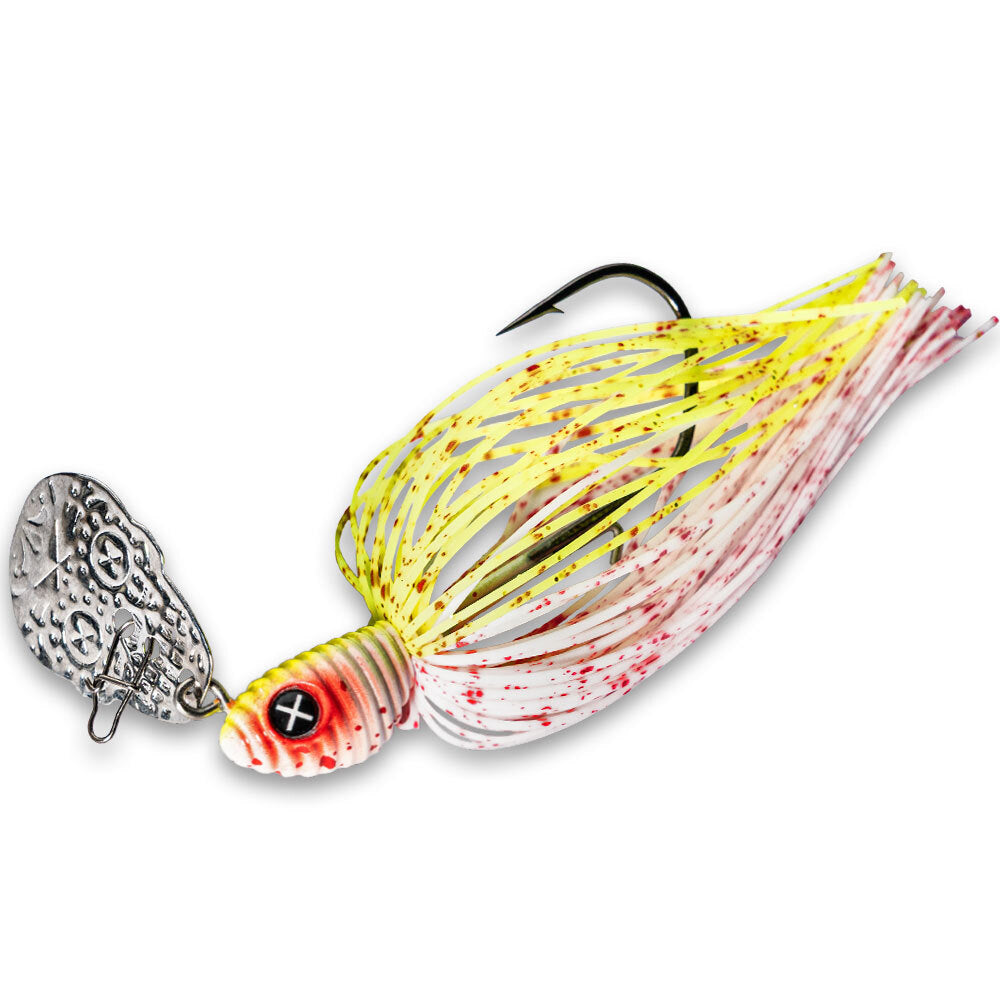
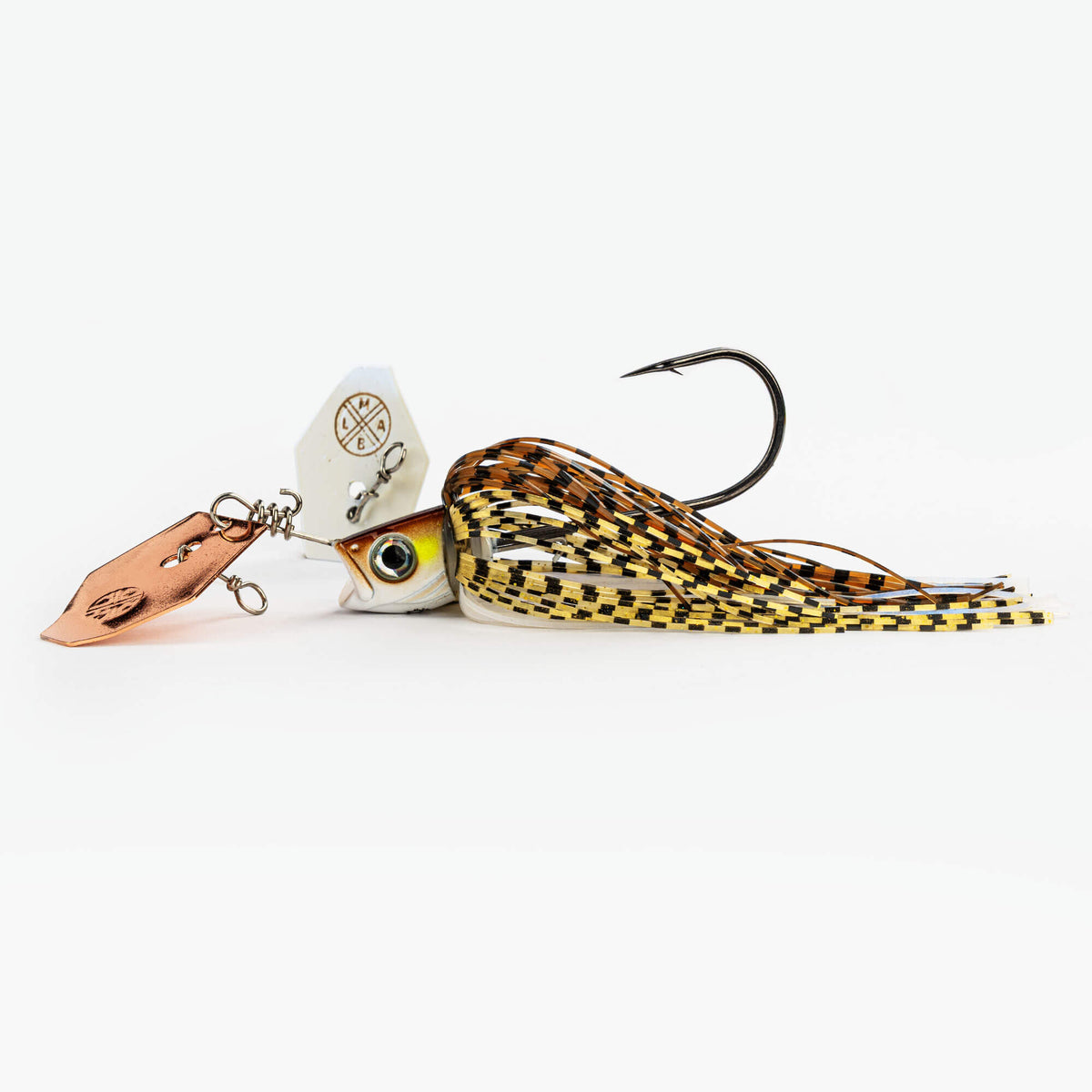
<p>The spinner is another true classic that still catches fish to this day. The spinner, <strong>in which a metal blade rotates around an axis under tension</strong>, really comes into its own when water pressure is needed and you want to provoke reaction bites - predators detect the spinner primarily through their lateral line. The rotating blades also offer a visual trigger, and under direct sunlight, reflective finishes flash in a particularly enticing way.</p>
<p>The spinnerbait, which has developed this principle further and arrived from the USA, can also be used in weedy waters. As well as its typically twin spinner blades, it features a jig-style single hook that allows the combination with a soft lure.</p>
<p><img src="https://cdn.shopify.com/s/files/1/0548/9197/0669/files/Savage-Gear-Da-Bush-Spinnerbait-White-Silver-Holo-Flame.jpg" alt="Spinnerbait" width="249" height="199"></p>
<h4>Where and When to Use Spinners</h4>
<table><tbody><tr><td><p><strong>Running Depth</strong></p></td><td><p><strong>Main Target Species</strong></p></td><td><p><strong>Season</strong></p></td><td><p><strong>Water</strong></p></td></tr><tr><td>Mid-water and just above the bottom, approx. 0.5 to 3 m depending on lure weight</td><td>Perch, trout, salmon, asp, pike</td><td>All seasons, though most effective in warmer water</td><td>Wide, rounded blades suit still waters, while narrow blades also perform well in current</td></tr></tbody></table>
<h2>Soft Lures: Softbaits</h2>
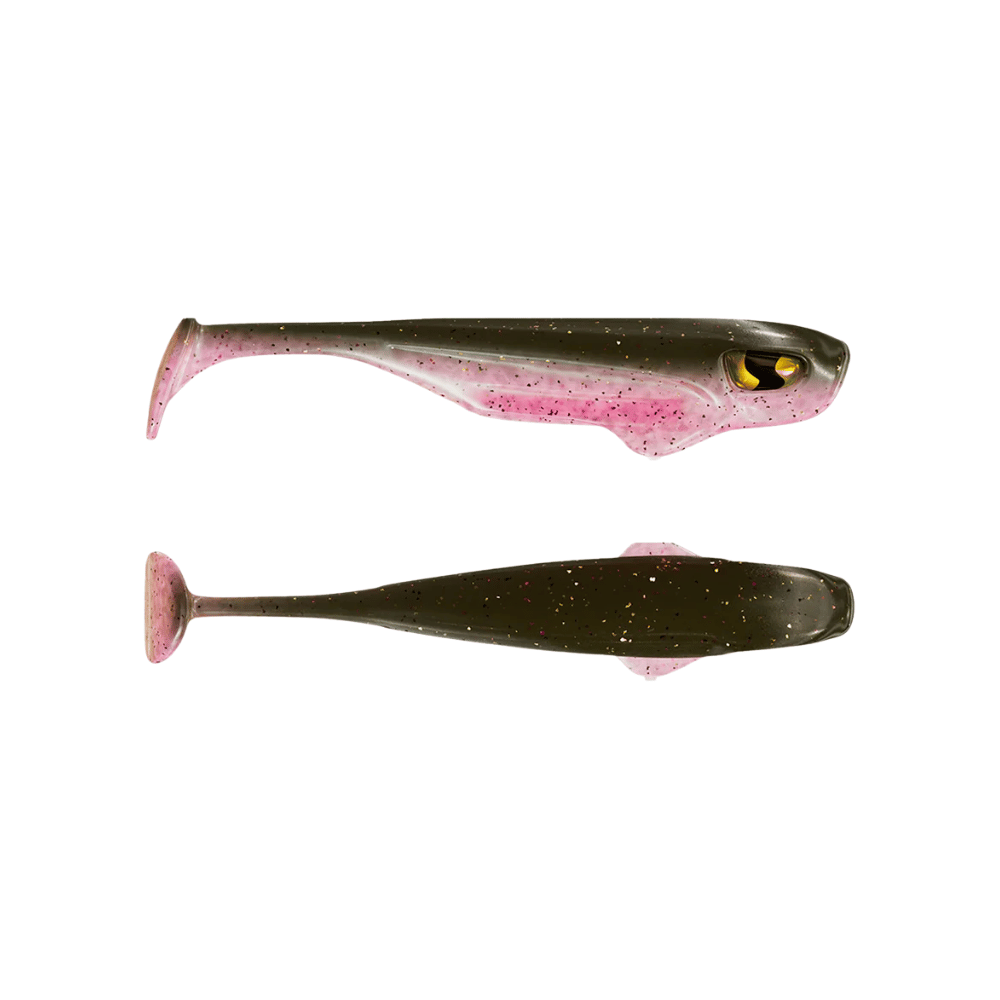
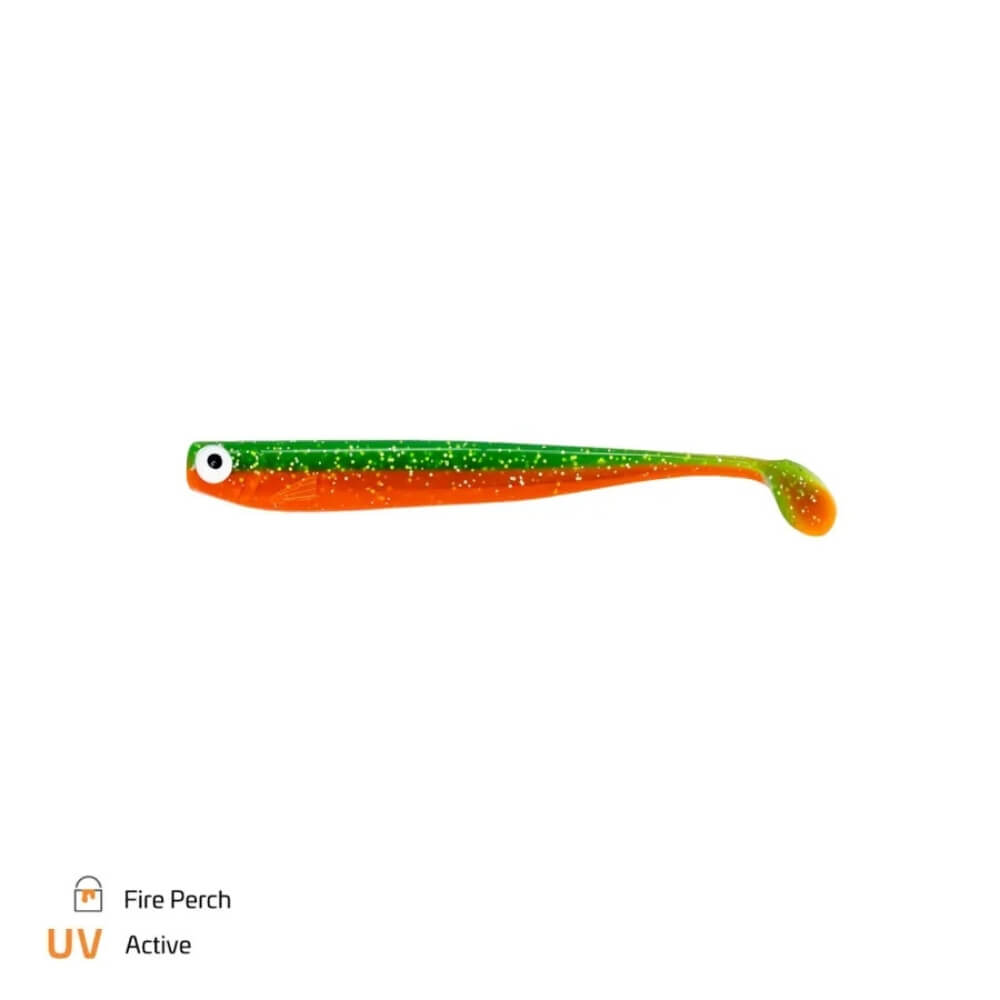
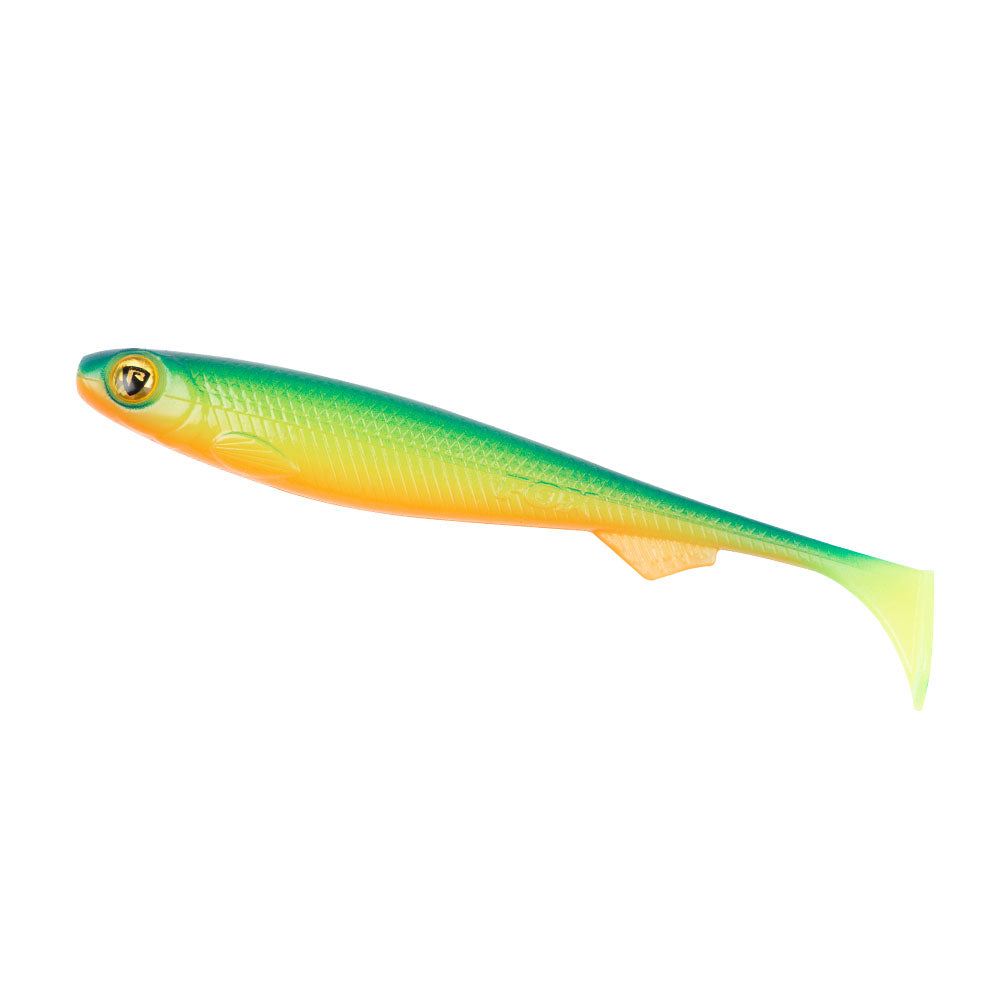
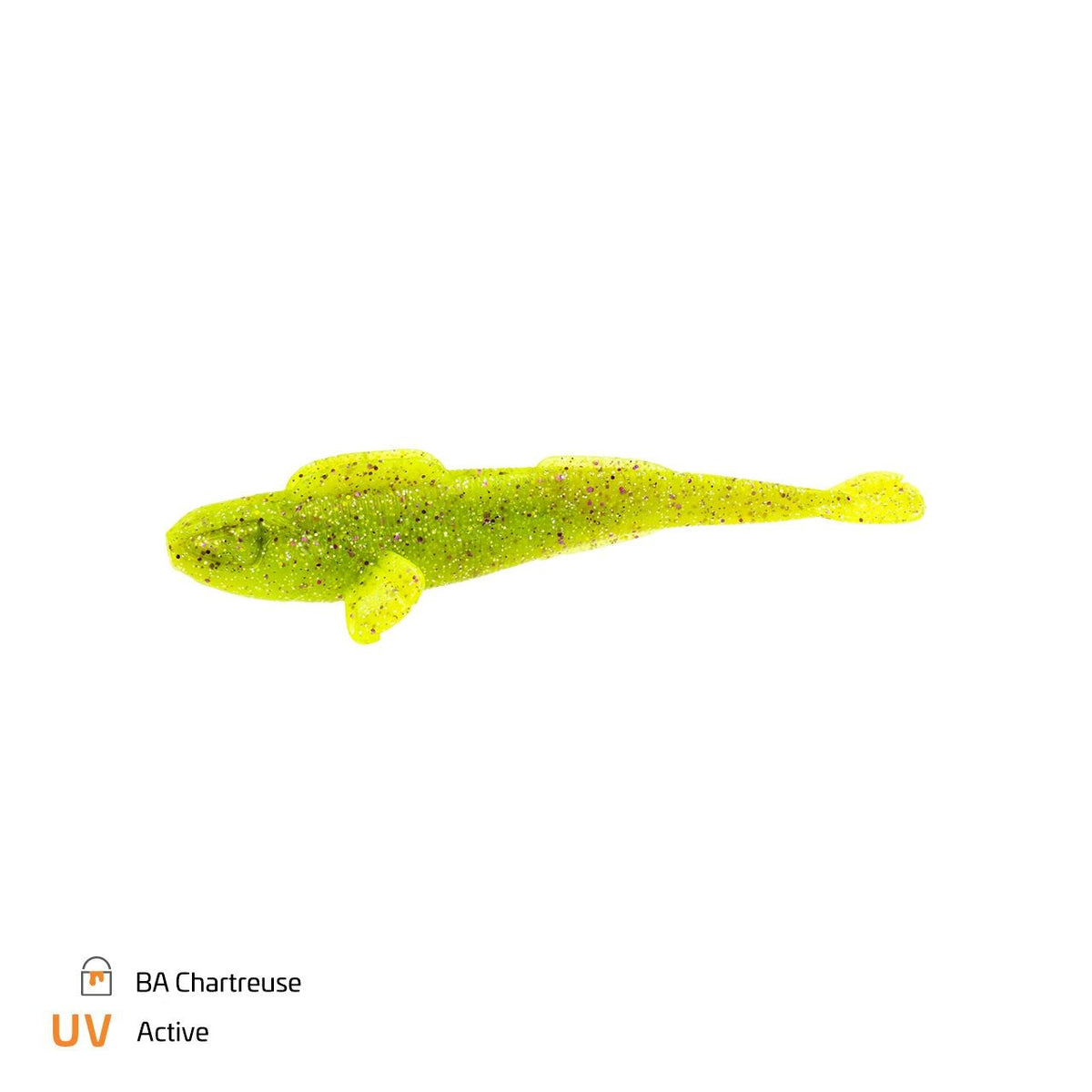
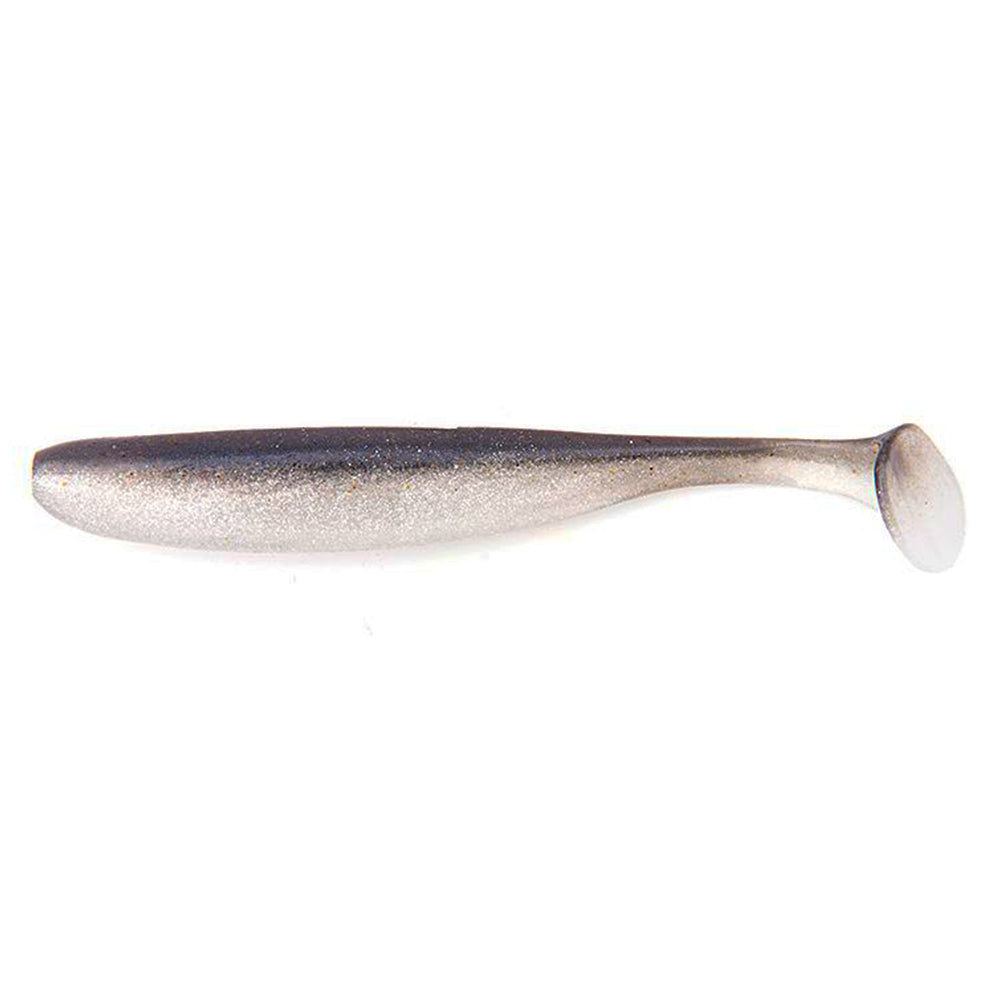
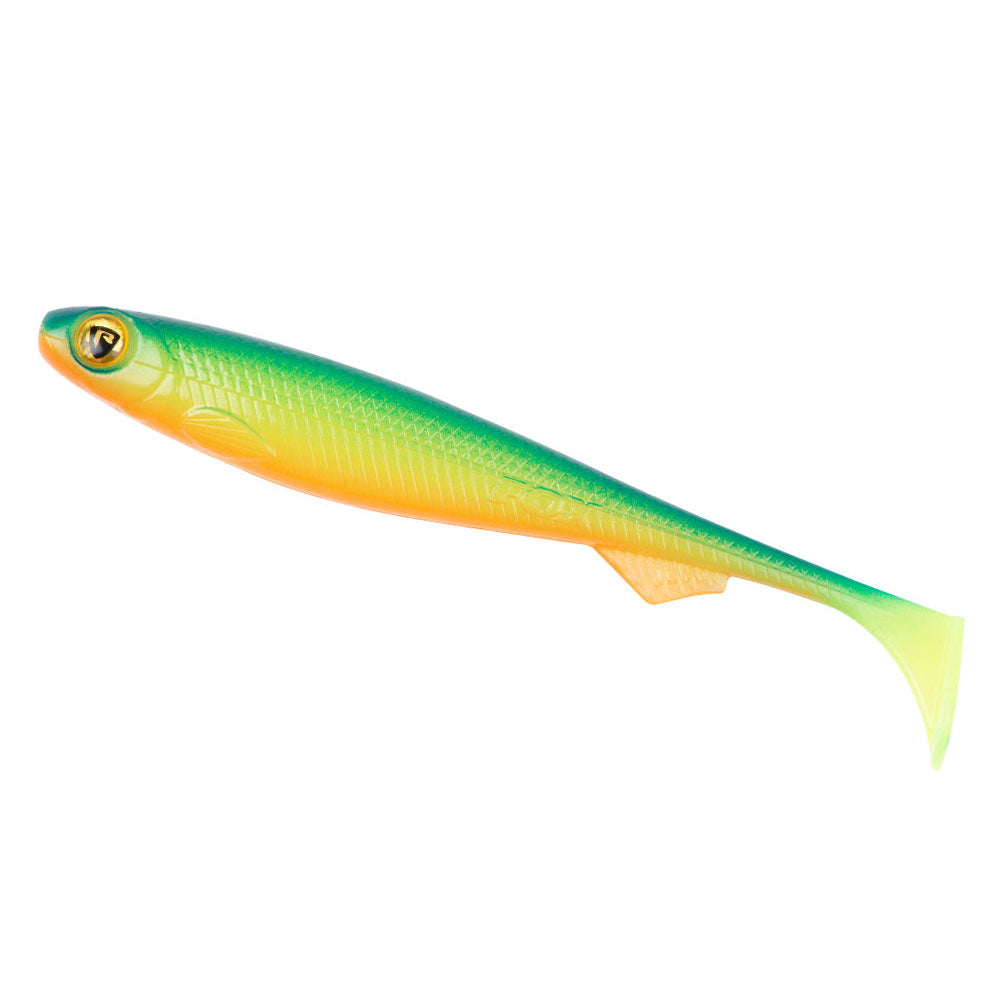
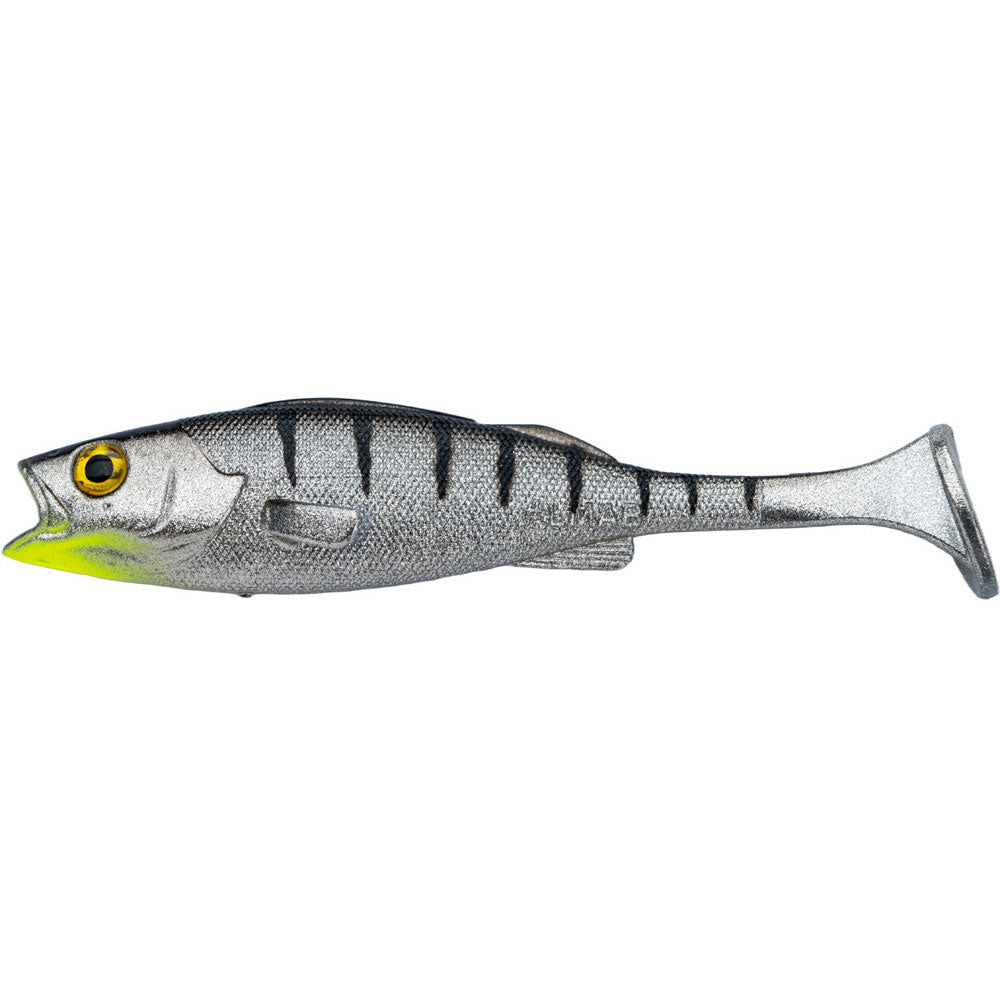
<p>Soft plastic lures have their roots in the late 1950s, when the first small plastic worms were used for fishing. Thanks to enormous advances in materials and production techniques, soft lures have <strong>become the most versatile category of artificial lures</strong> and cover almost the entire spectrum of possible fishing conditions.</p>
<h3>Key Advantages of Softbaits</h3>
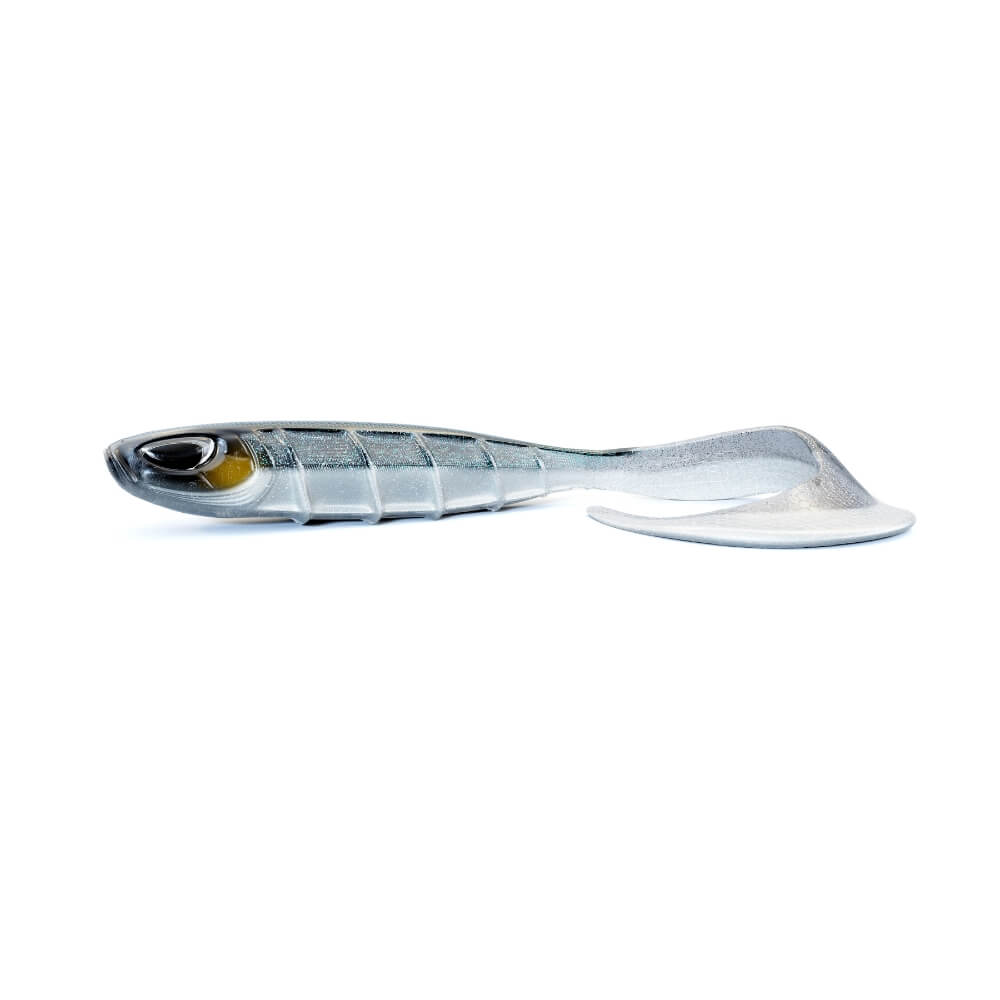
<p>Materials and production are comparatively affordable, so you can build a broad range of variants without significant cost. Beyond that, most soft lures can be <strong>rigged on a wide variety of rigs</strong> and presented at any depth in the water column. On top of that, state-of-the-art 3D scanning, features such as attractants and salt, as well as moulded-in glitter particles (flakes) or foils, make it possible to fool even the most cautious predators in crystal-clear water.</p>
<p><img src="https://cdn.shopify.com/s/files/1/0548/9197/0669/files/drunk-bait-8-cm-action-shad-gummi-koeder-magenbitter-manni.jpg" alt="Drunk Bait Gummiköder" width="246" height="195"></p>
<h3>Choosing & Using Softbaits</h3>
<p>The table below gives you a simplified overview of soft lures. More detailed information can be found in each individual subcategory of our shop.</p>
<h3>Application Overview for Selected Softbaits</h3>
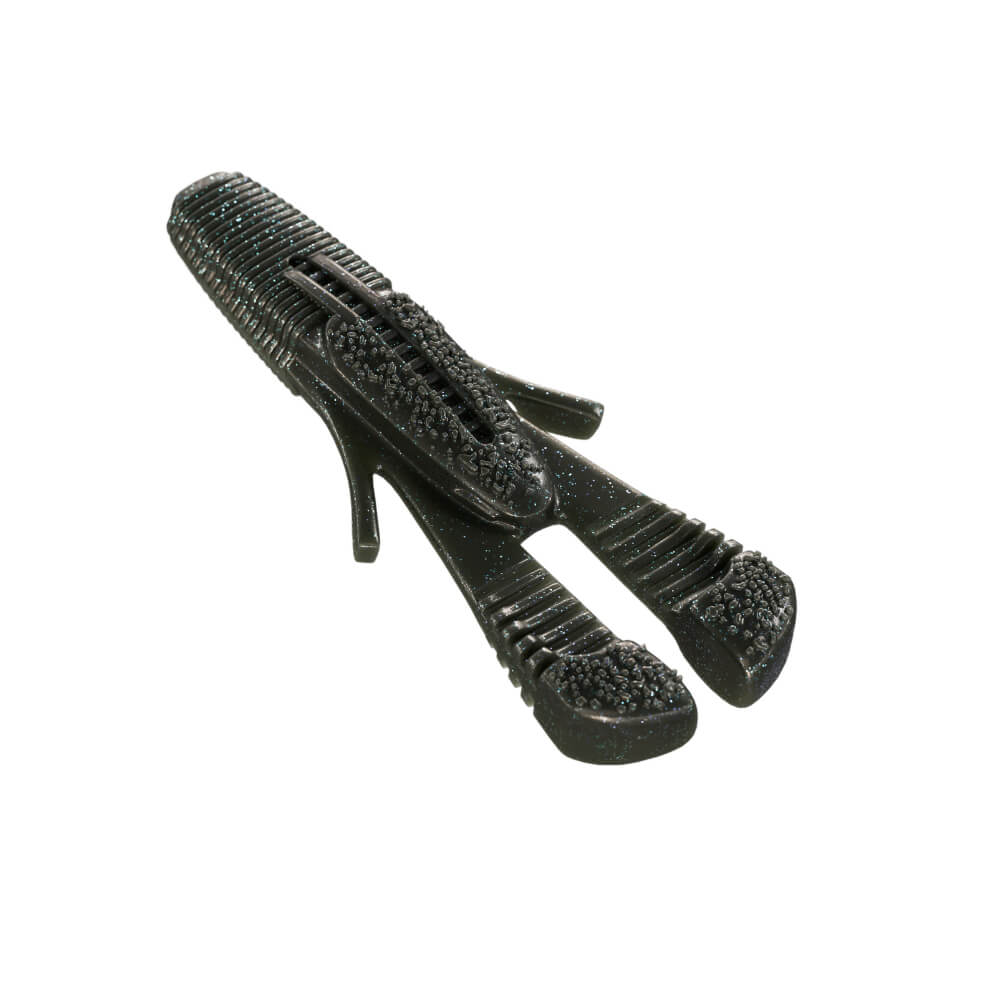
<table><tbody><tr><td><p><strong>Lure Type</strong></p></td><td><p><strong>Running Depth</strong></p></td><td><p><strong>Main Target Species</strong></p></td><td><p><strong>Season</strong></p></td></tr><tr><td><p>Shad</p></td><td><p>Variable, depending on jig head weight and technique</p></td><td><p>All predators, depending on lure size</p></td><td><p>All</p></td></tr><tr><td><p>Craw</p></td><td><p>Bottom</p></td><td><p>Mainly perch and zander</p></td><td><p>Mainly late summer and autumn</p></td></tr><tr><td><p>Worm</p></td><td><p>Bottom</p></td><td><p>Mainly perch and largemouth bass, also trout</p></td><td><p>Mainly spring and summer</p></td></tr><tr><td><p>Curly tail grub</p></td><td><p>Mid-water and bottom</p></td><td><p>Perch, pike, zander, trout, wels catfish</p></td><td><p>All</p></td></tr><tr><td><p>Frogs</p></td><td><p>Surface or just below</p></td><td><p>Pike, wels catfish</p></td><td><p>Mainly summer</p></td></tr><tr><td><p>Creature baits</p></td><td><p>Bottom, surface</p></td><td><p>Perch, trout</p></td><td><p>Mainly summer</p></td></tr></tbody></table>
<h2>Hard Lures</h2>
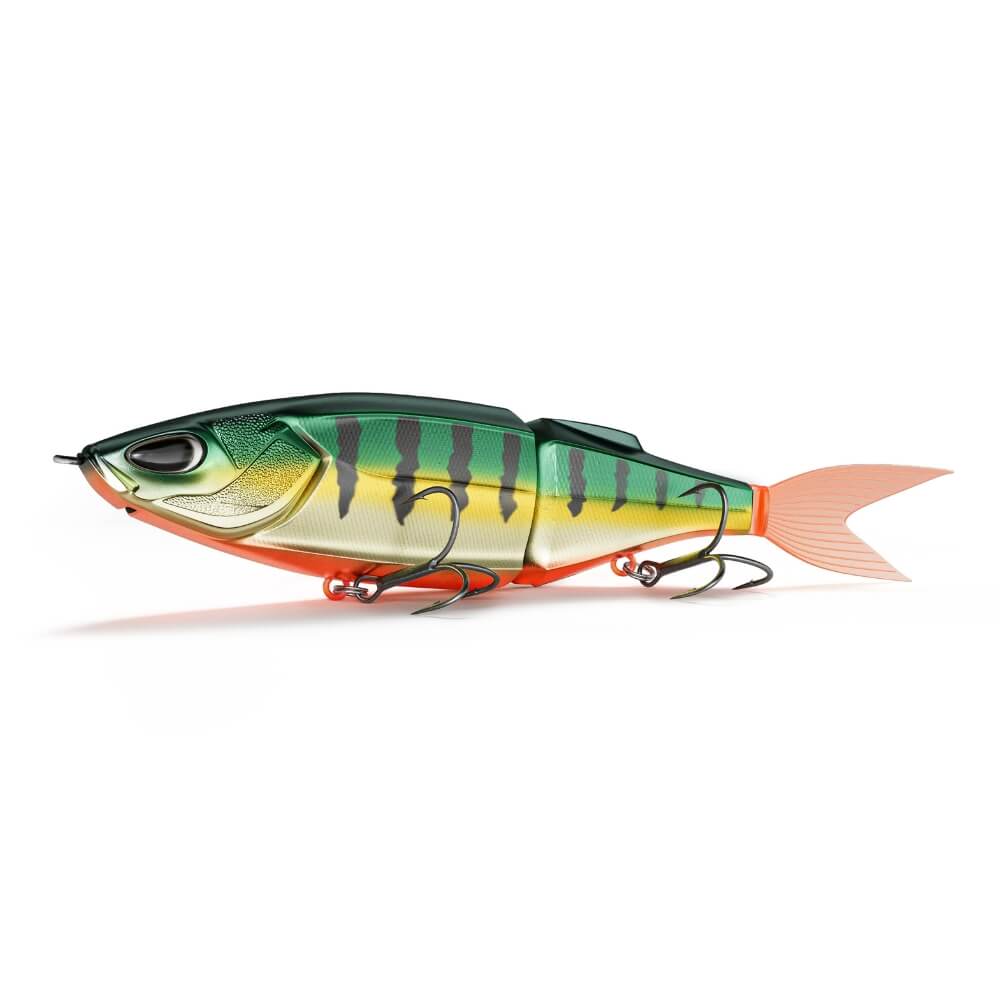
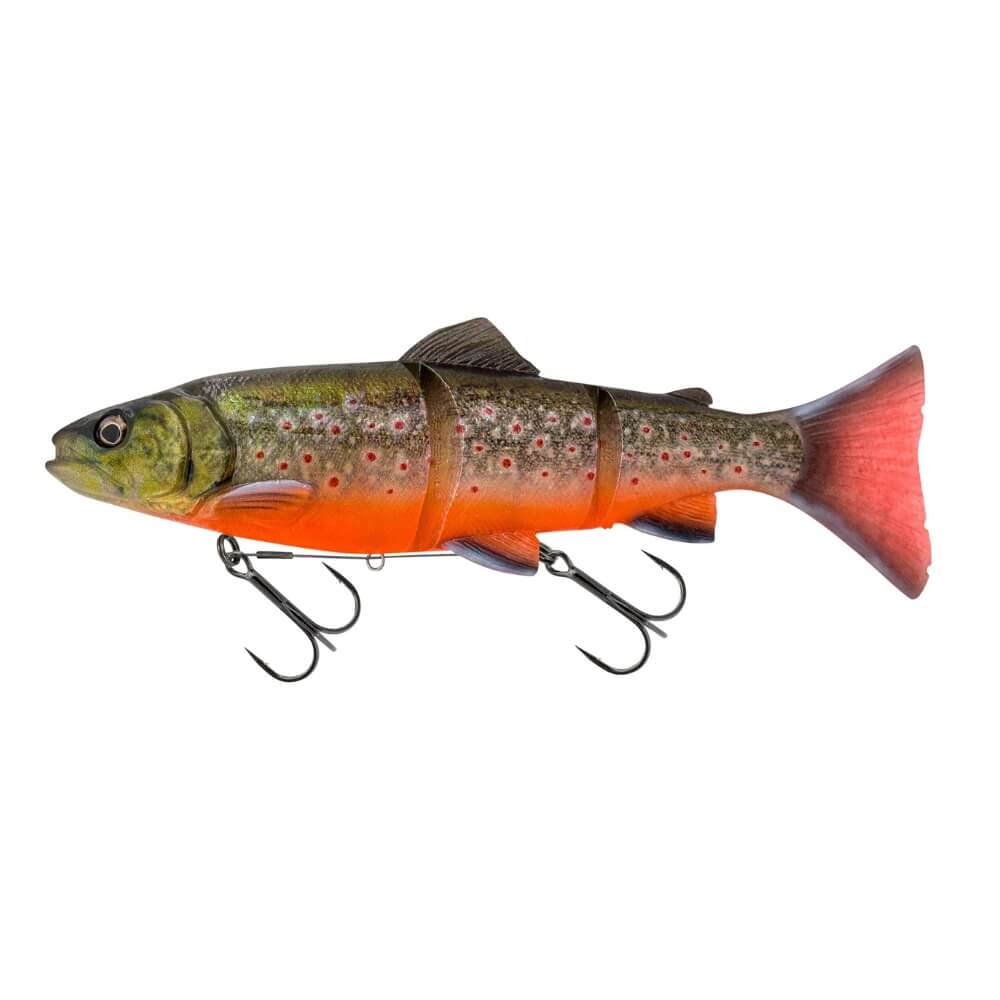
<p>Hard lures also form a diverse group within the world of artificial lures and were originally made predominantly from balsa wood. Today, plastic plays the dominant role here too, offering unlimited design possibilities - metal also features in some models. Most hard lures may seem expensive at first glance, but quality models deliver <strong>consistent, reliable running behaviour in all conditions</strong> and, thanks to their largely defined running depths, can be presented in very specific layers of the water column - regardless of retrieve speed.</p>
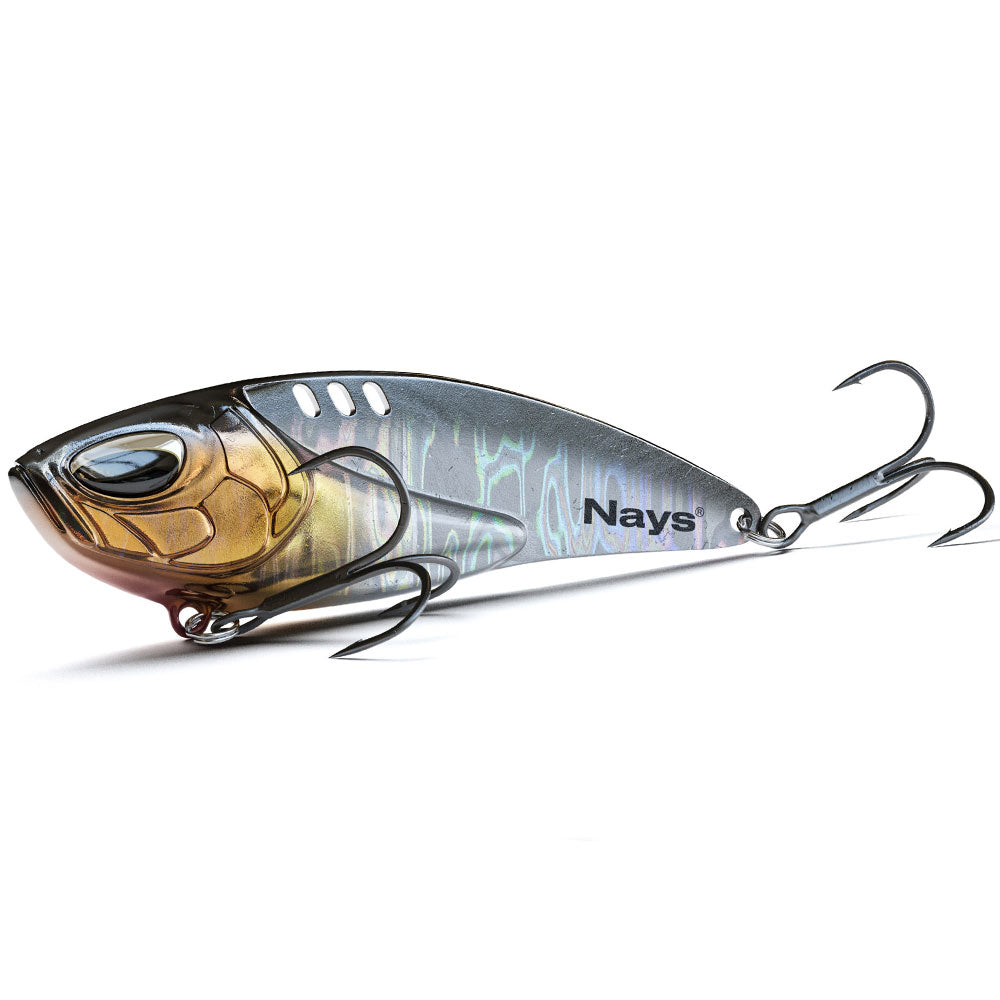
<p>While most anglers are already familiar with types such as plugs or jerkbaits, there are now many other established hard lure styles, including hybrid lures made from a mix of hard and soft plastic, propbaits for the surface, and vibration baits that can also be fished vertically. Here, too, a summary overview follows - for more detail, see the relevant subcategory.</p>
<p> <img src="https://cdn.shopify.com/s/files/1/0548/9197/0669/files/duo-realis-crank-m65-8a-prism-gill.png" alt="Crankbait: Hardbait" width="273" height="102"></p>
<h3>Application Overview for Selected Hard Lures</h3>
<table><tbody><tr><td><p><strong>Lure Type</strong></p></td><td><p><strong>Running Depth / Application</strong></p></td><td><p><strong>Main Target Species</strong></p></td><td><p><strong>Season</strong></p></td></tr><tr><td>Crankbait</td><td>Search lure, fixed depth range depending on bill</td><td>All predators, depending on lure size</td><td>Mainly warmer water</td></tr><tr><td>Swimbait</td><td>Mid-water, usually defined sink rate or bill</td><td>Mainly pike and zander</td><td>All</td></tr><tr><td>Stickbait</td><td>Water surface or just below</td><td>Mainly pike, perch, asp</td><td>Mainly spring and summer</td></tr><tr><td>Popper</td><td>Surface</td><td>Perch, pike, wels catfish</td><td>Mainly late spring and summer</td></tr><tr><td>Propbait</td><td>Surface</td><td>Pike, perch, wels catfish</td><td>Mainly late spring and summer</td></tr><tr><td>Plug</td><td>Fixed depth range depending on bill</td><td>All predators, depending on lure size</td><td>All</td></tr><tr><td>Vibration bait</td><td>All depths, vertical or horizontal</td><td>All predators, depending on lure size</td><td>All</td></tr><tr><td>Jerkbait</td><td>Mid-water, 0.5-3 m</td><td>Mainly pike</td><td>All</td></tr><tr><td>Hybrid lure</td><td>Model-dependent, usually mid-water</td><td>Mainly pike</td><td>All</td></tr></tbody></table>