<h2>Guide to Chatterbaits</h2>
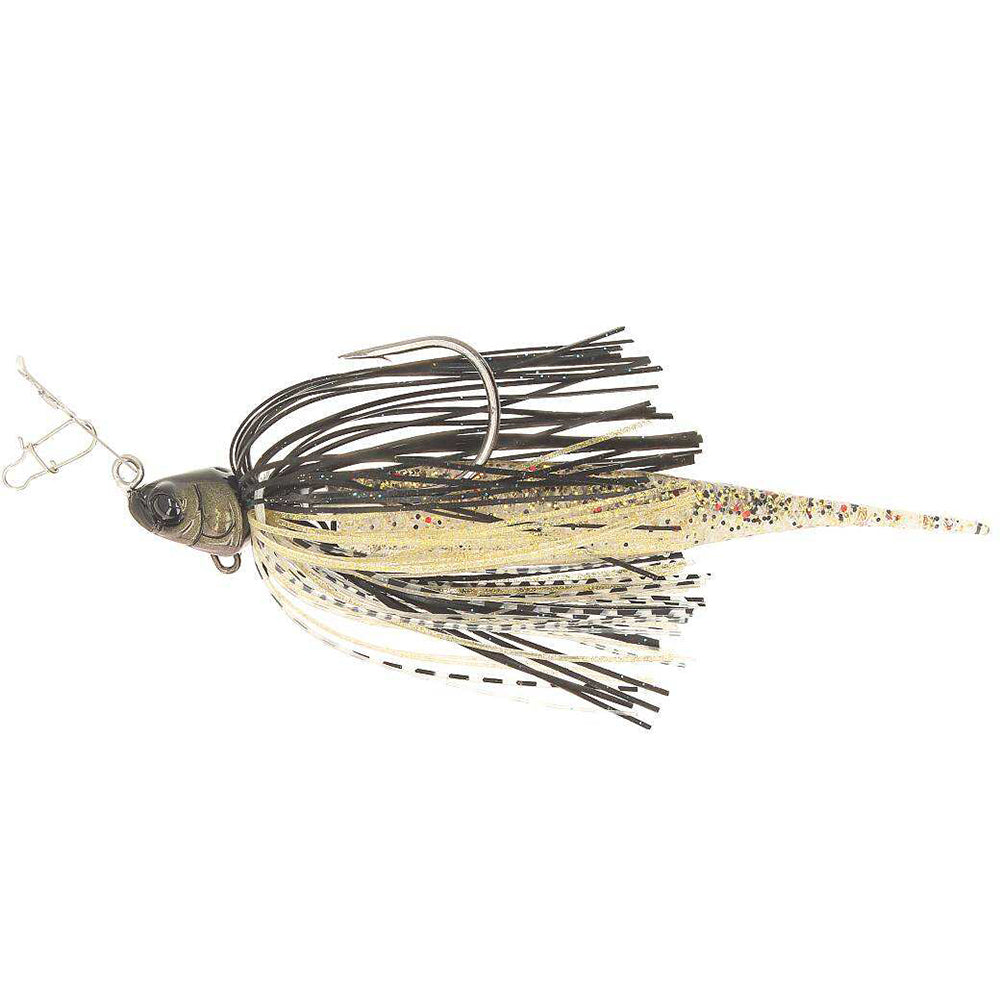
<p>It is not possible to say exactly when the first fish was caught on a chatterbait. A widely cited account comes from the <em>Bass Anglers Sportsman Society (B.A.S.S.)</em>. Research leads to the <em>B.A.S.S.</em> homepage, where a blog post from 10 March 2014 covers the subject of chatterbaits. It explains that this highly successful lure was developed by <em>Ronny Davis</em> and Ron Davis, a father-and-son team, and first sold in 2004. In 2006, <em>RAD Lures</em> reached an agreement, and since then the original has been produced and distributed by Z-Man.</p>
<h2>The Components of a Chatterbait</h2>
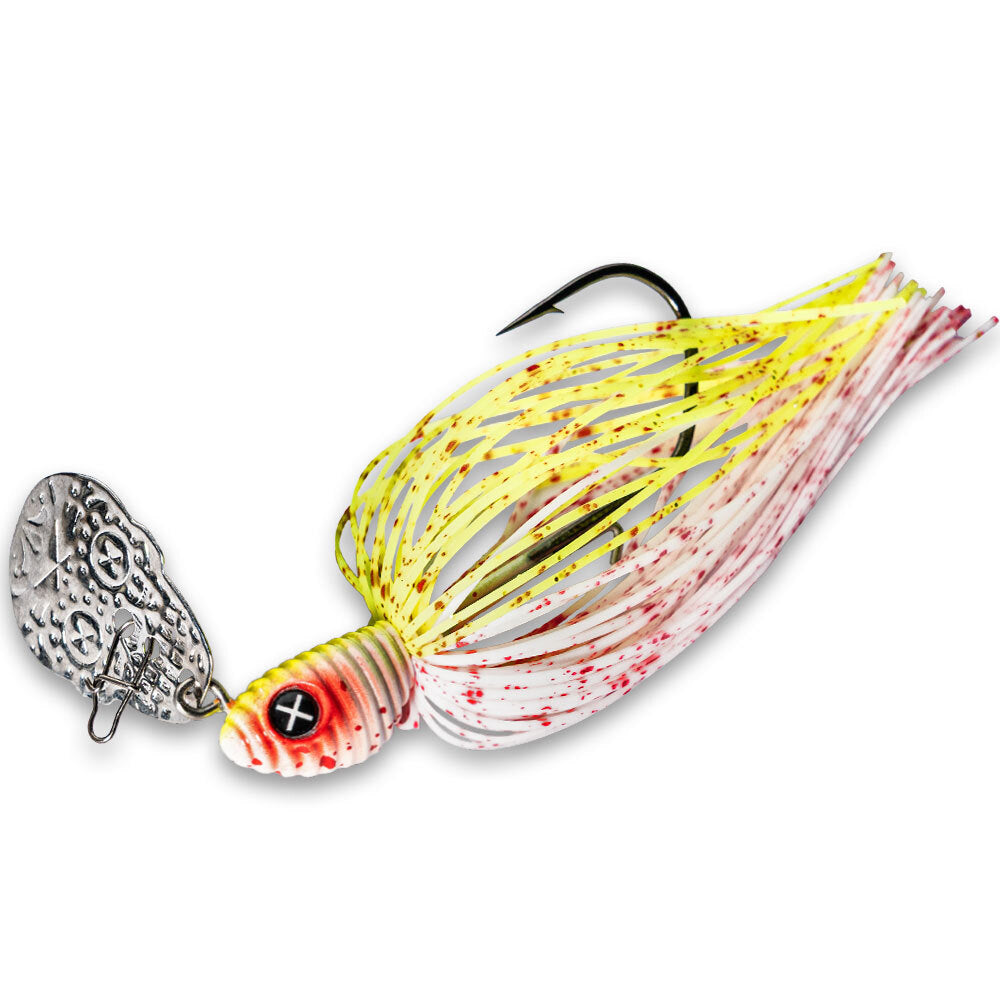
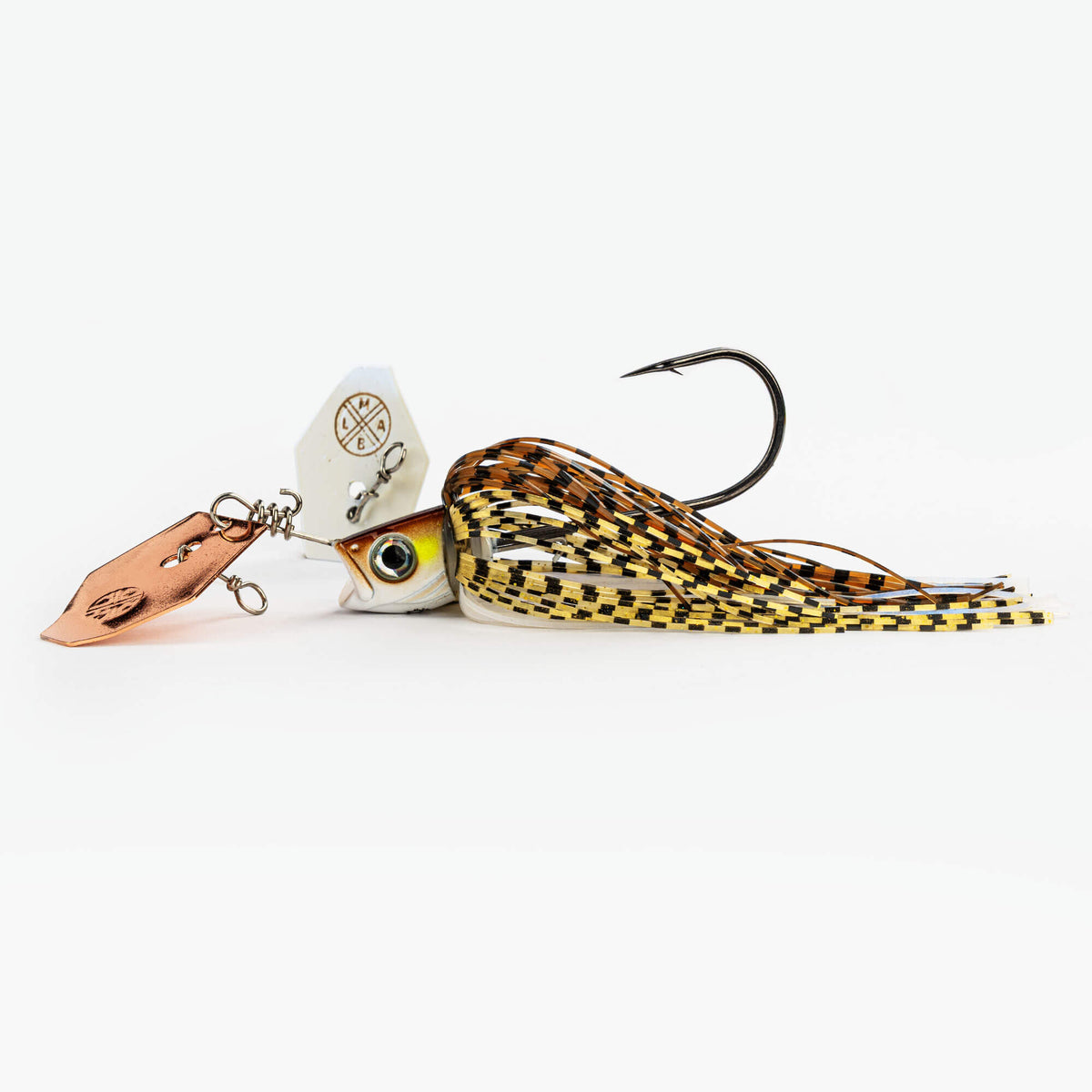
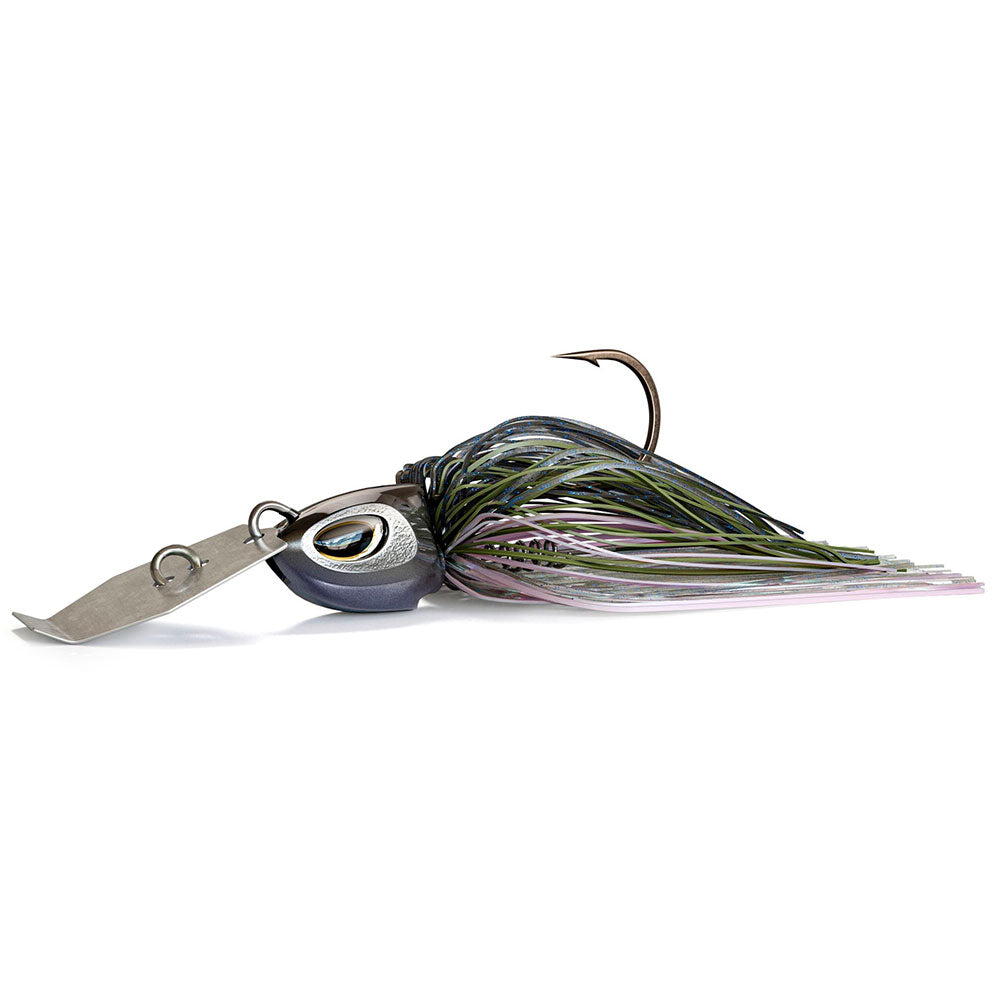
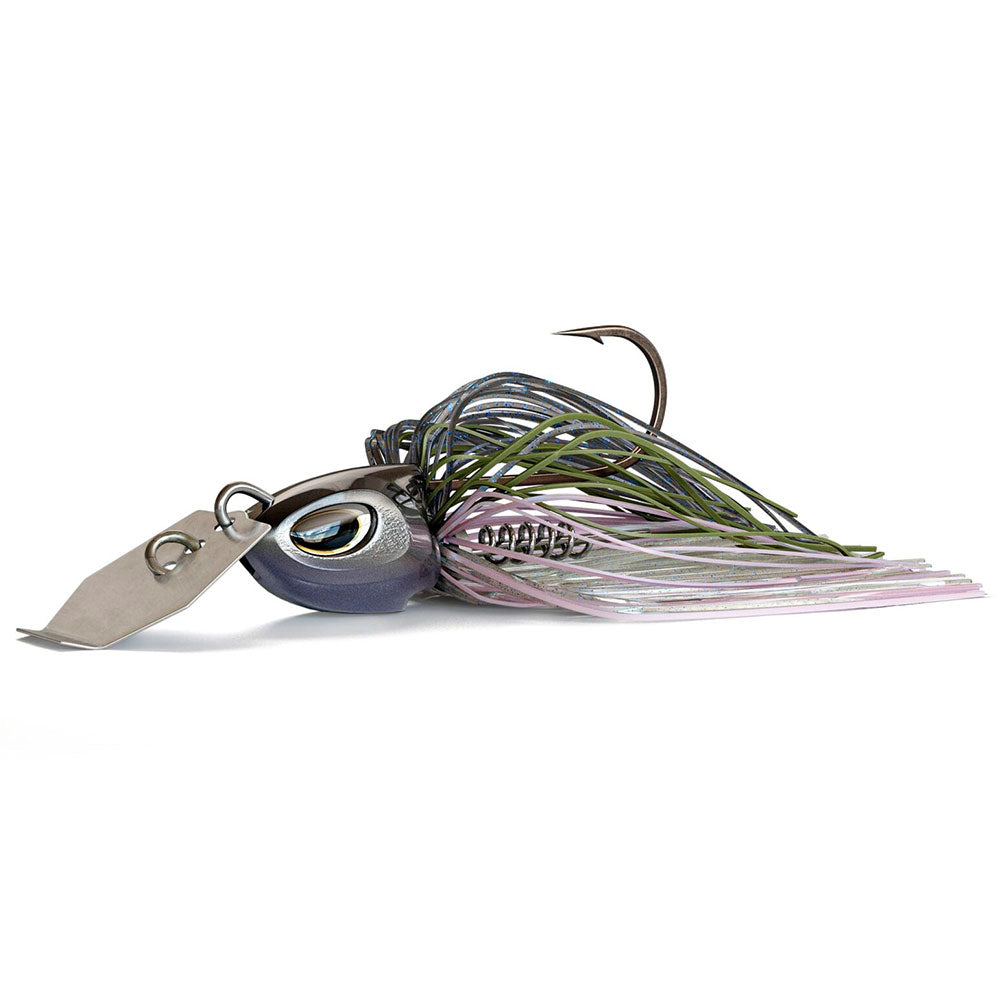
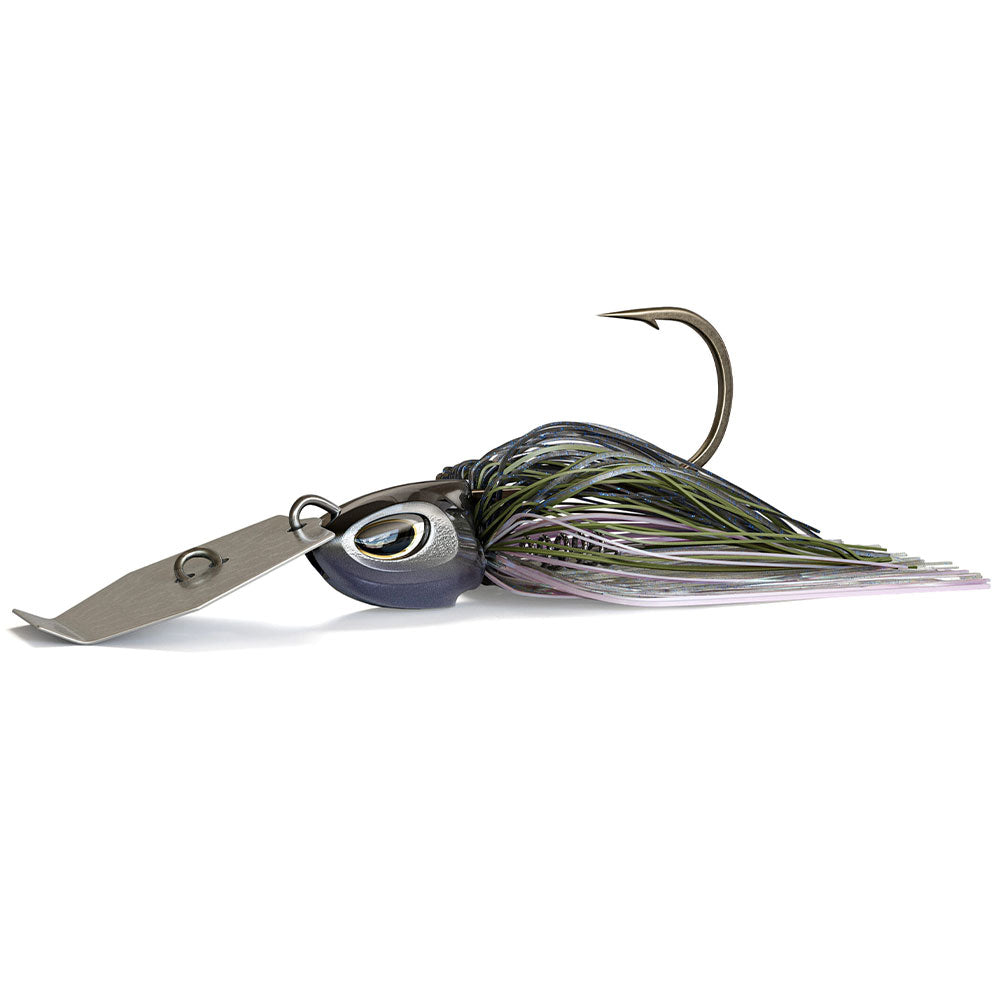
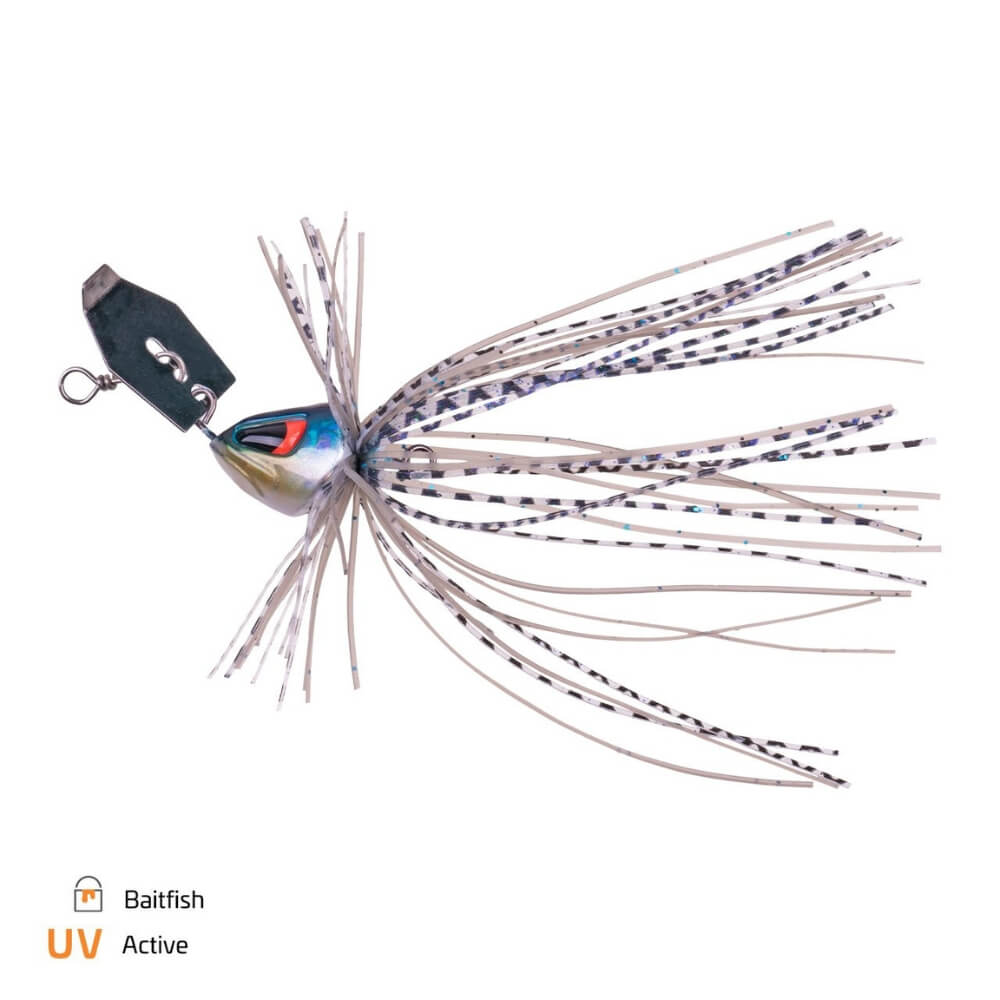
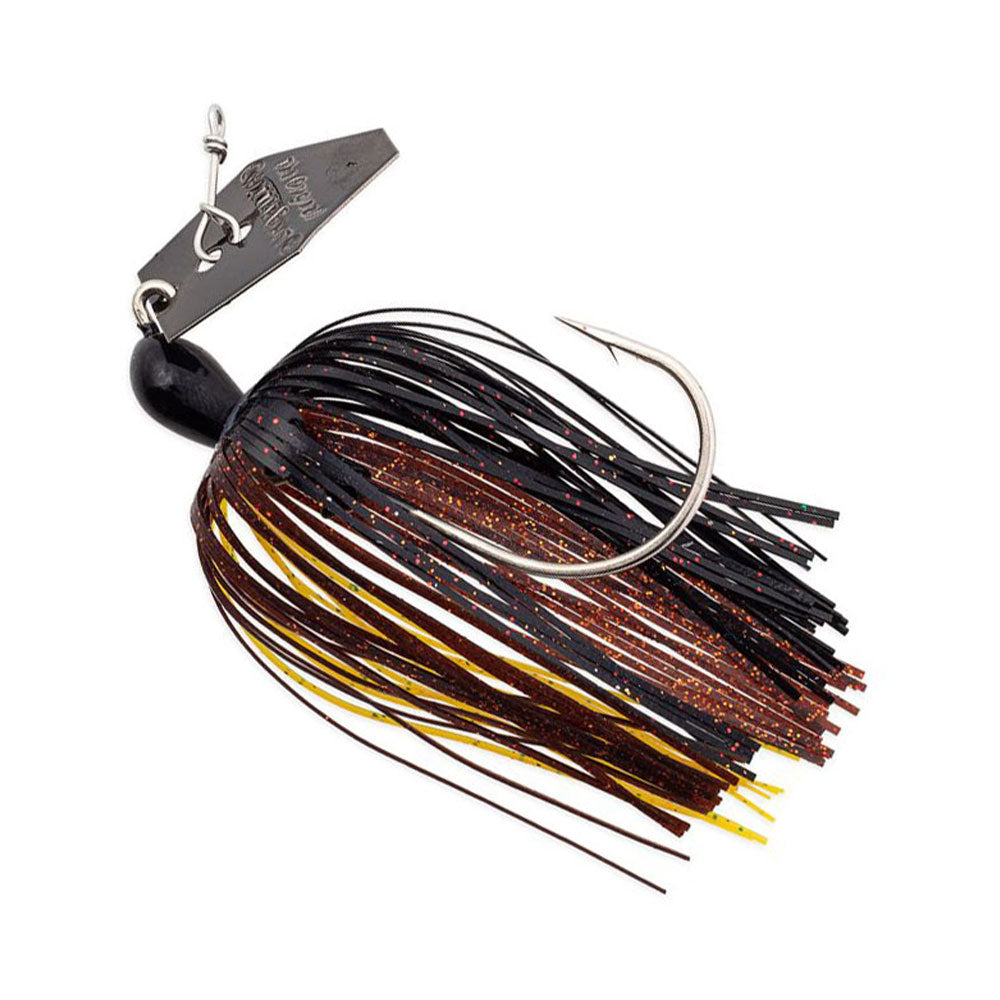
<p>There are now many comparable lures to the original chatterbait. In terms of basic construction, however, all these vibration baits share the same five elements:</p>
<p><img src="https://cdn.shopify.com/s/files/1/0548/9197/0669/files/Chatterbait-Elemente.jpg" alt="Chatterbait-Elemente" width="251" height="182"></p>
<h3>Blade</h3>
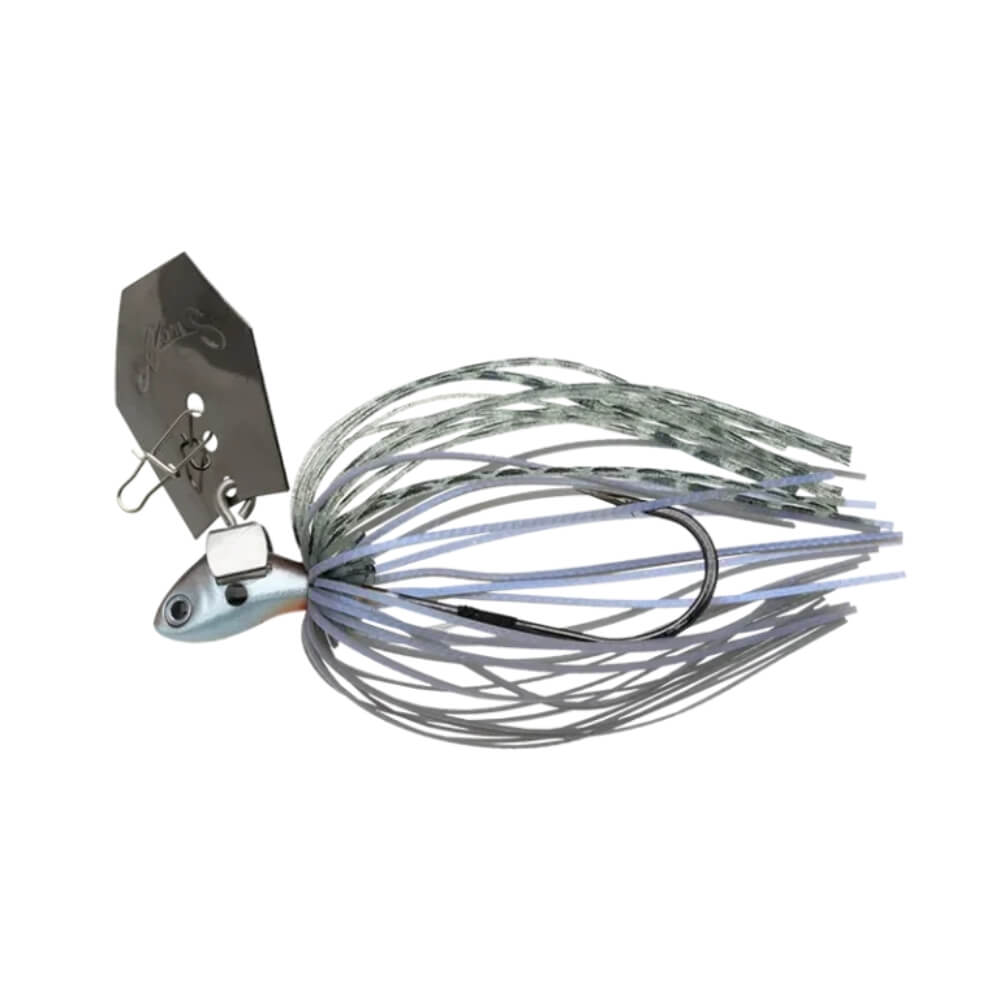
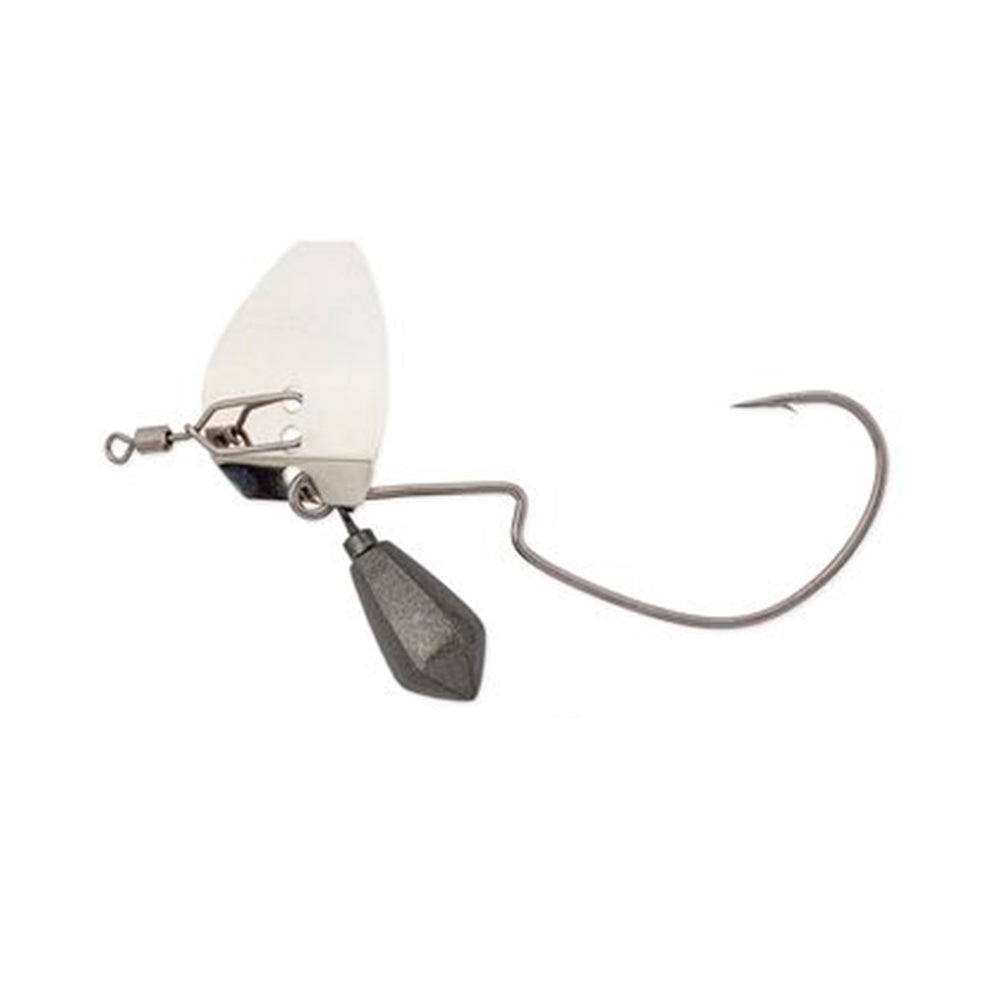
<p>The defining feature of every chatterbait is a small metal plate mounted in front of a skirted jig head. The first prototypes and the original run from <em>Rod Lures</em> were hexagonal and covered with a mirror foil.</p>
<p><img src="https://cdn.shopify.com/s/files/1/0548/9197/0669/files/Chatterbait-Blade-2.jpg" alt="Chatterbait Blade" width="156" height="156"></p>
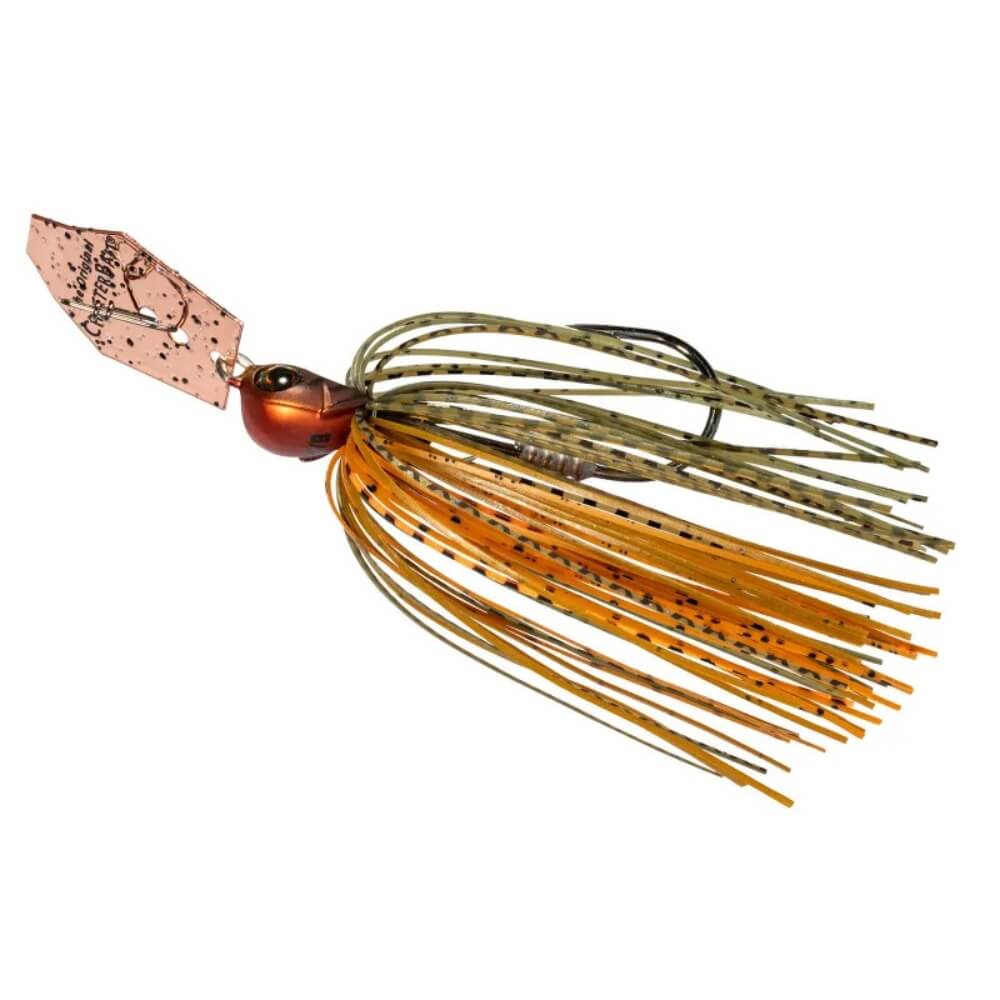
<p>This hexagon flutters during the retrieve, generating both pressure waves and light reflections. Over the following years, many blade variations were developed, each with small details such as a matt finish or small holes for additional turbulence.</p>
<h3>Snap</h3>
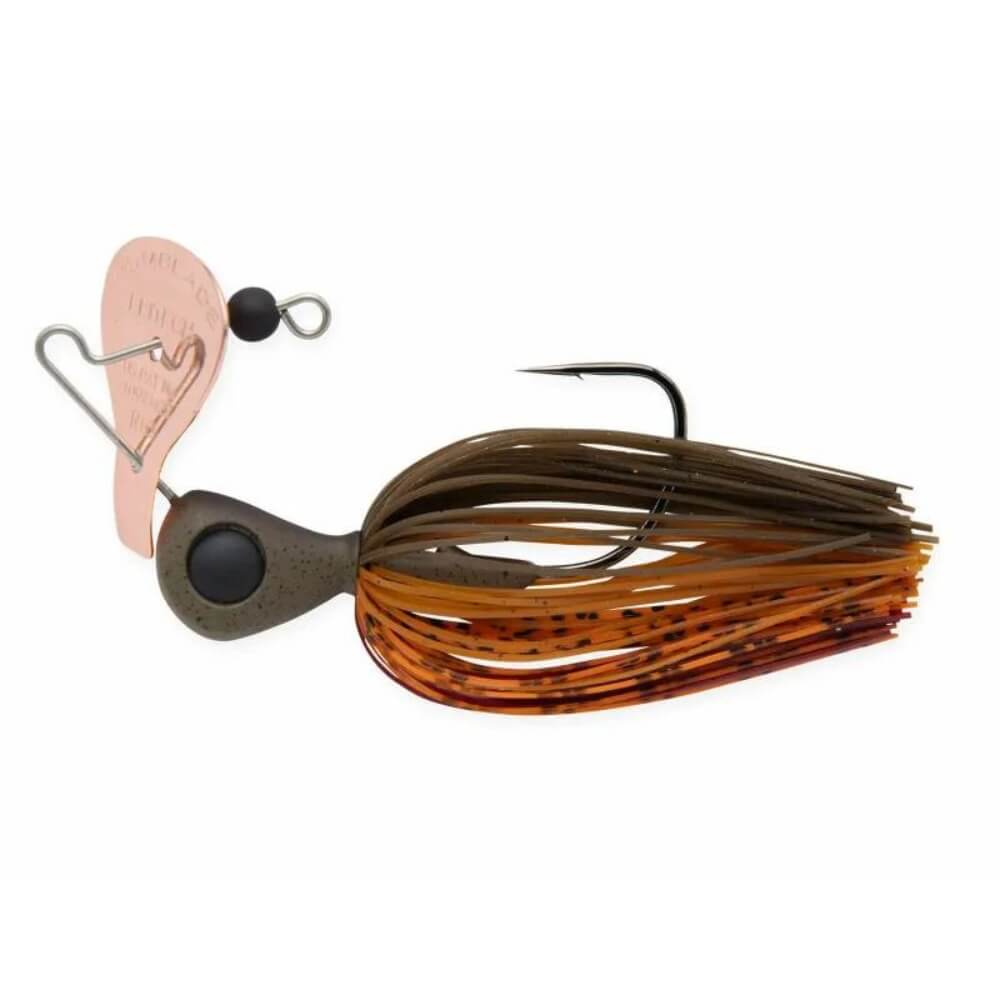
<p>The snap can be swapped on all models and adjusted to suit your needs. You should make sure the distance between the eyelets and the bend of the snap is correct - otherwise the blade cannot move freely and may even jam.</p>
<p><img src="https://cdn.shopify.com/s/files/1/0548/9197/0669/files/Chatterbait-Blade-1.jpg" alt="Chatterbait-Blade" width="132" height="132"></p>
<h3>Jig Head</h3>
<p>The jig head is usually made from <strong>lead</strong> or <strong>tungsten</strong>. The range of shapes and colour variants seems almost endless.</p>
<p>There is the classic <em>round head</em>, <em>banana jigs</em>, <em>cover jig heads</em>, and entirely new forms with large eyes.</p>
<h3>Skirt and Hook</h3>
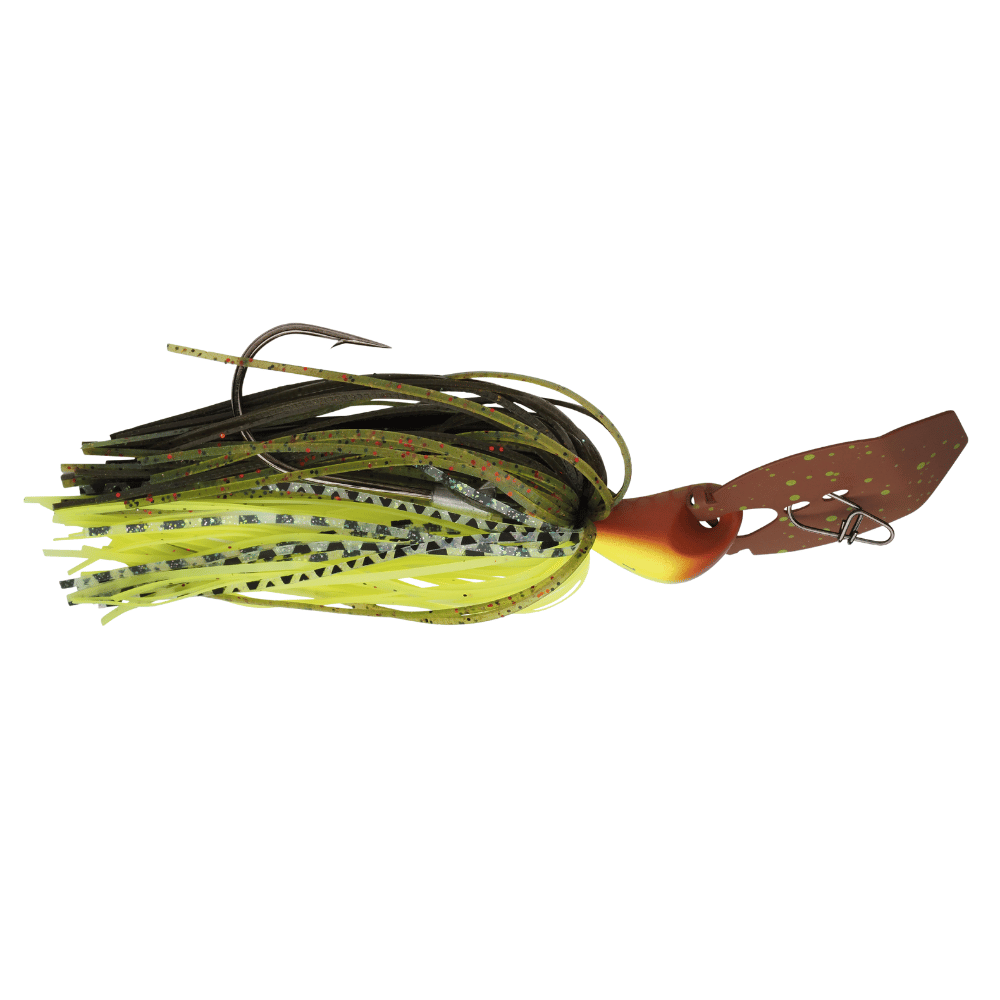
<p>The skirt typically consists of several silicone strands in different colours and lengths, fixed to the shaft just behind the head. In the water, the colourful skirt opens up and pulses in and out during the retrieve, creating a voluminous, almost lava-lamp-like action. The strands also help conceal the hook.</p>
<p><img src="https://cdn.shopify.com/s/files/1/0548/9197/0669/files/Chatterbait-Skirt.jpg" alt="Chatterbait-Skirt" width="192" height="96"></p>
<h2>Retrieve Techniques and Running Characteristics</h2>
<p>Fishing a chatterbait is relatively straightforward. You can simply wind it back steadily with the blade working in front - a technique sometimes called <em>straight winding</em>. Varying the speed with short pauses gives the lure a brief sinking phase, which makes it easier for predators to fix their target before striking. Adding light twitches makes the action more aggressive. Because of its sinking behaviour, and depending on current and lure weight, it is also possible to cover different water columns in a given water.</p>
<p style="text-align: center;"><iframe frameborder="0" src="https://www.youtube.com/embed/0IkXRo_xvg0" width="560" height="315" allowfullscreen=""></iframe></p>
<h2>Which Fish Can You Catch on a Chatterbait?</h2>
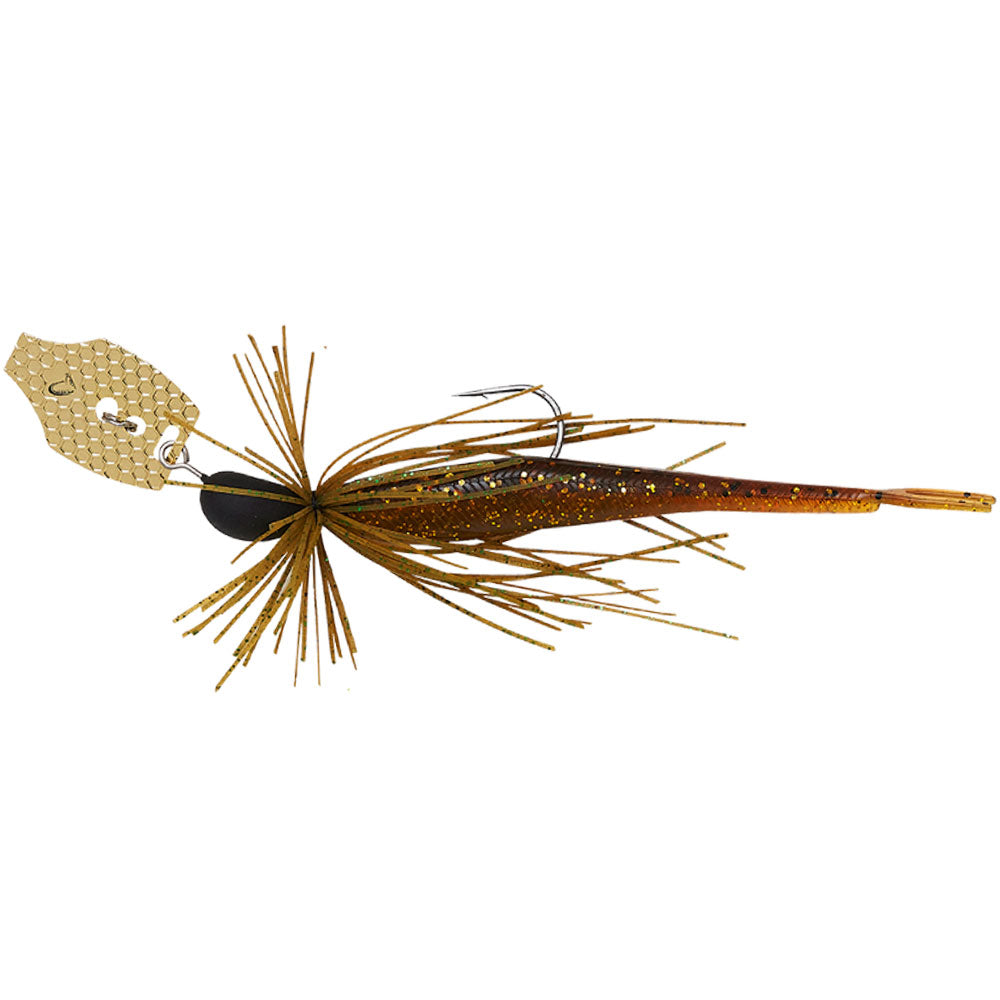
<p>The chatterbait was originally developed for fishing largemouth bass and black bass. This hard-hitting lure can be fitted with a trailer for extra attraction, which perch find particularly appealing. Pike, especially on larger and heavier chatterbaits from around 20 g upwards, are far from rare. This lure is particularly well suited to the warmer months of the year when fish are very active. During periods of reduced fish metabolism - the winter months - fishing with this metal lure is not recommended, as predators tend to be passive at that time of year and avoid expending energy on chasing prey.</p>
<h2>The Chatterbait in Brief</h2>
<p>The chatterbait is a weighted hook or jig head combined with a fringed skirt and a metal blade at the front. It is ideal for covering large areas of water and working different depths. The pressure waves from the blade and the movement of the skirt appeal to both the eyes and the lateral line of predators. In lighter weights of up to 7 g it is a great choice for perch, while versions up to 45 g, paired with a <strong>wire trace</strong>, are well suited to targeting pike specifically.</p>