










Rod Bags
Whether you need to store your rods or transport them safely, a good rod bag is the best way to make sure your valuable rods and reels stay in one piece. Browse a selection of models below.
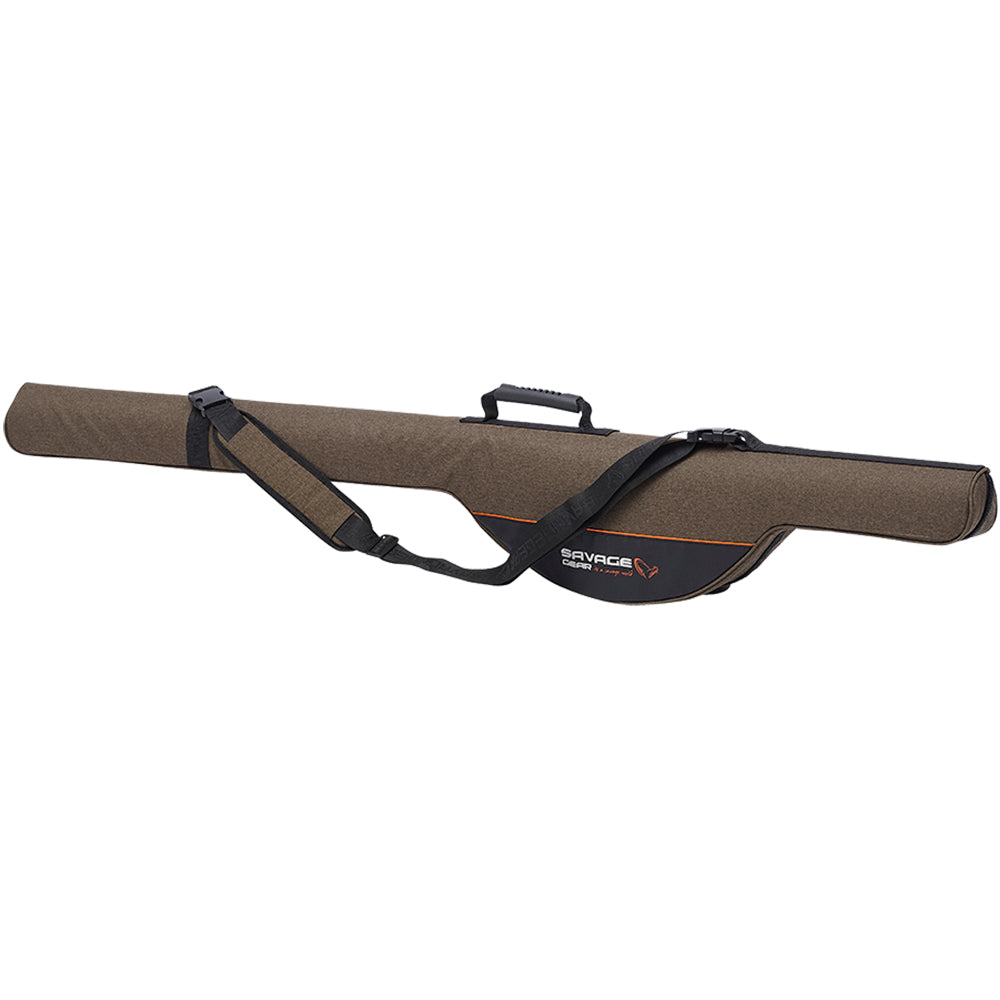


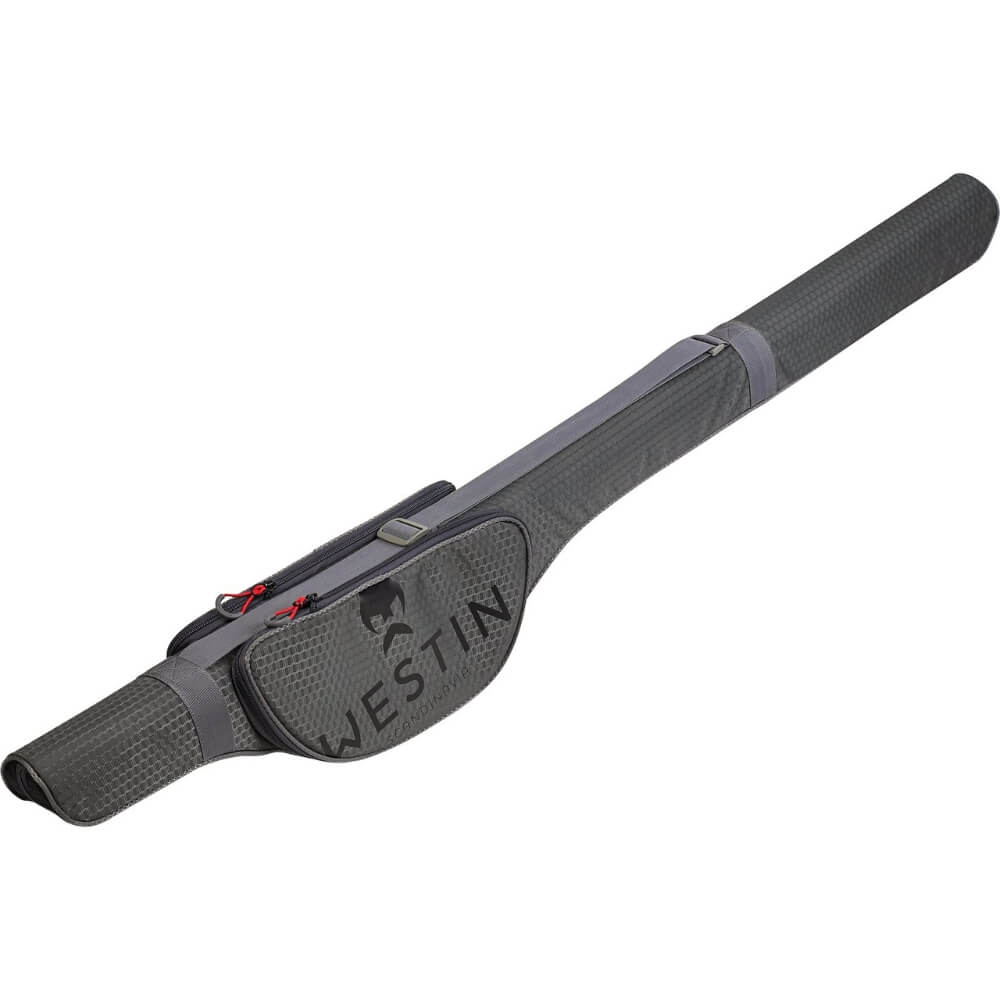


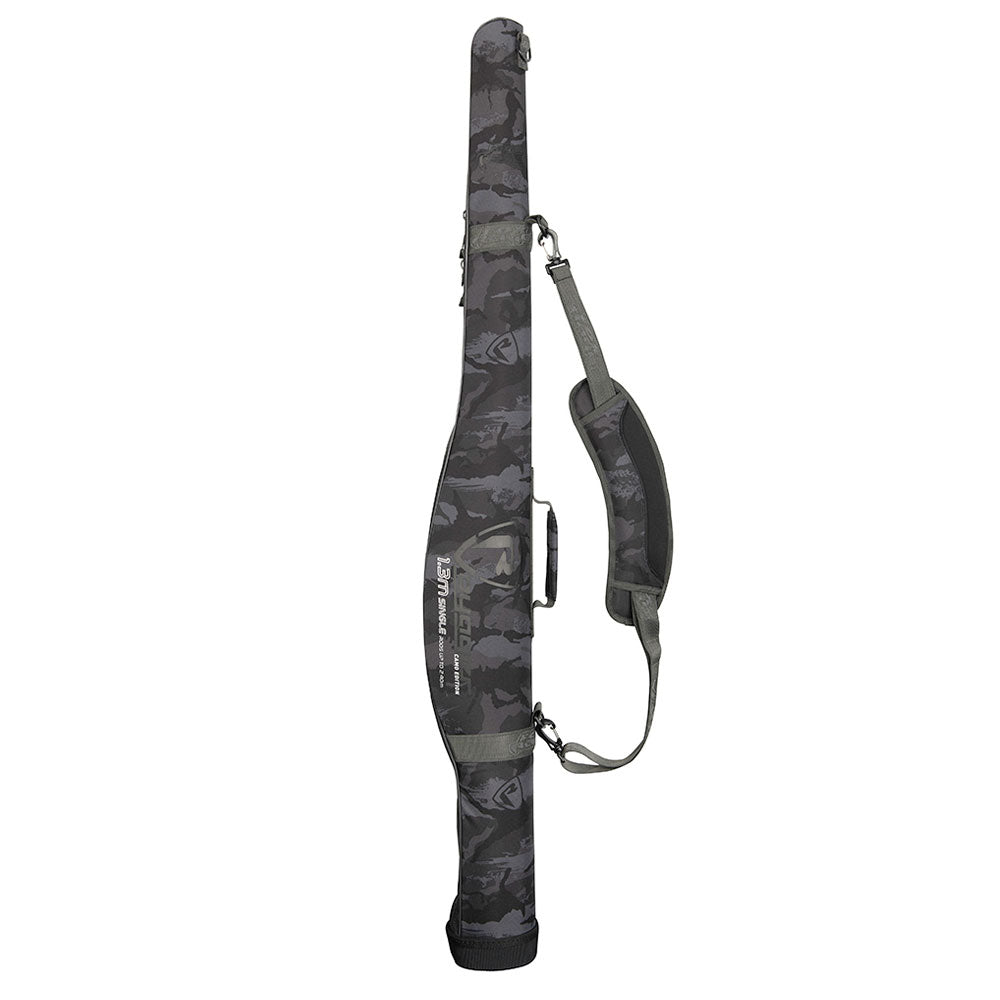


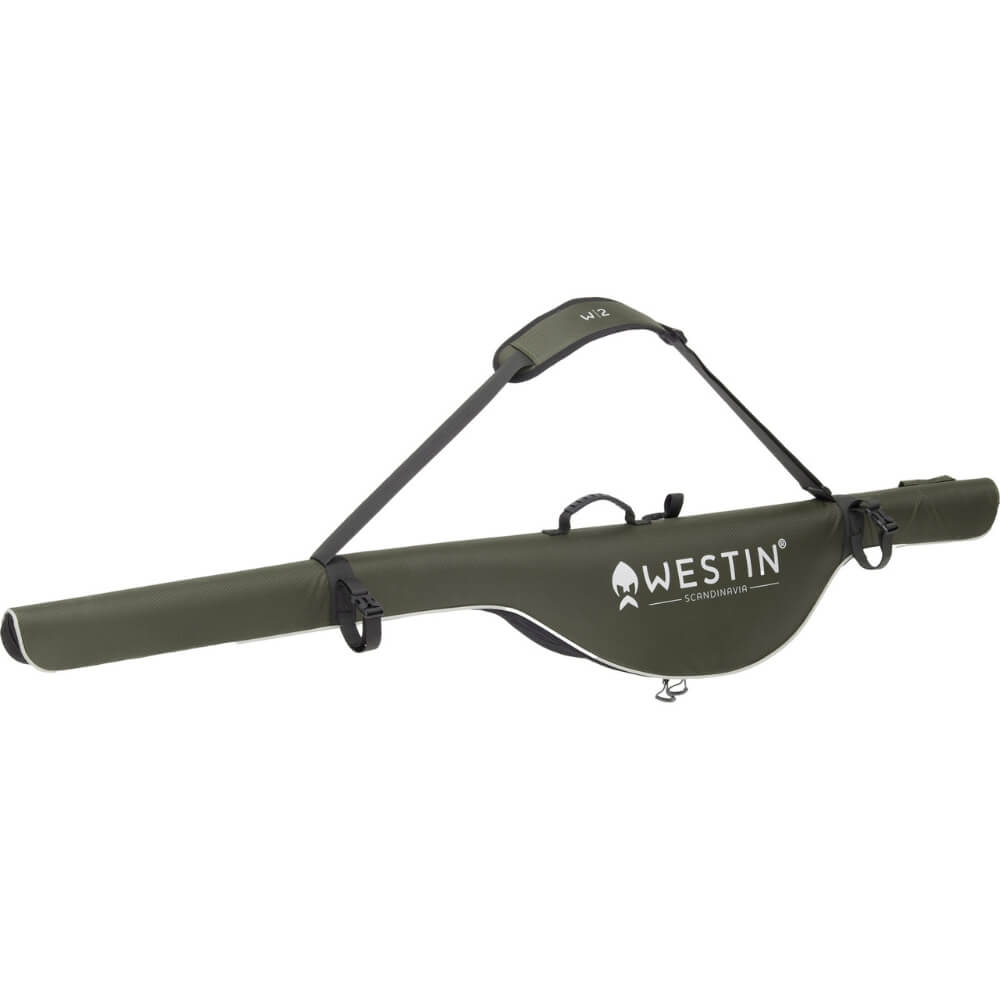


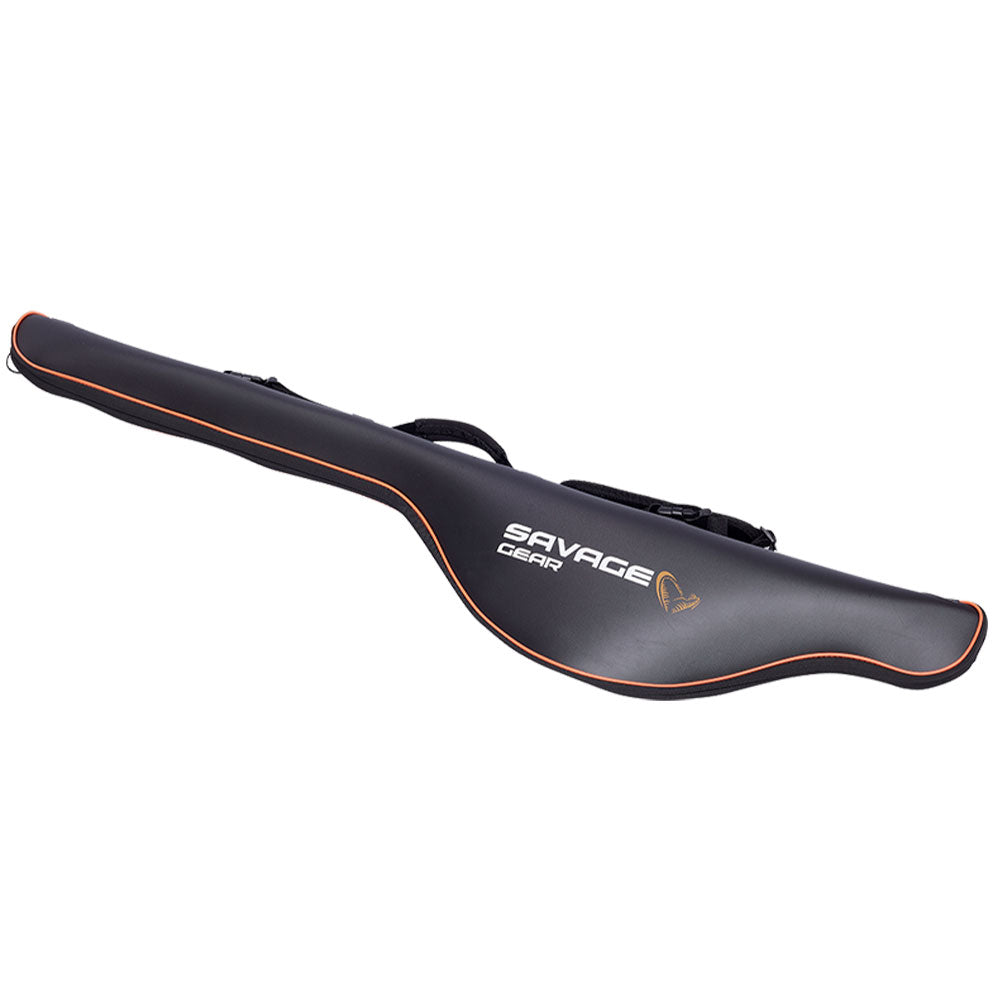
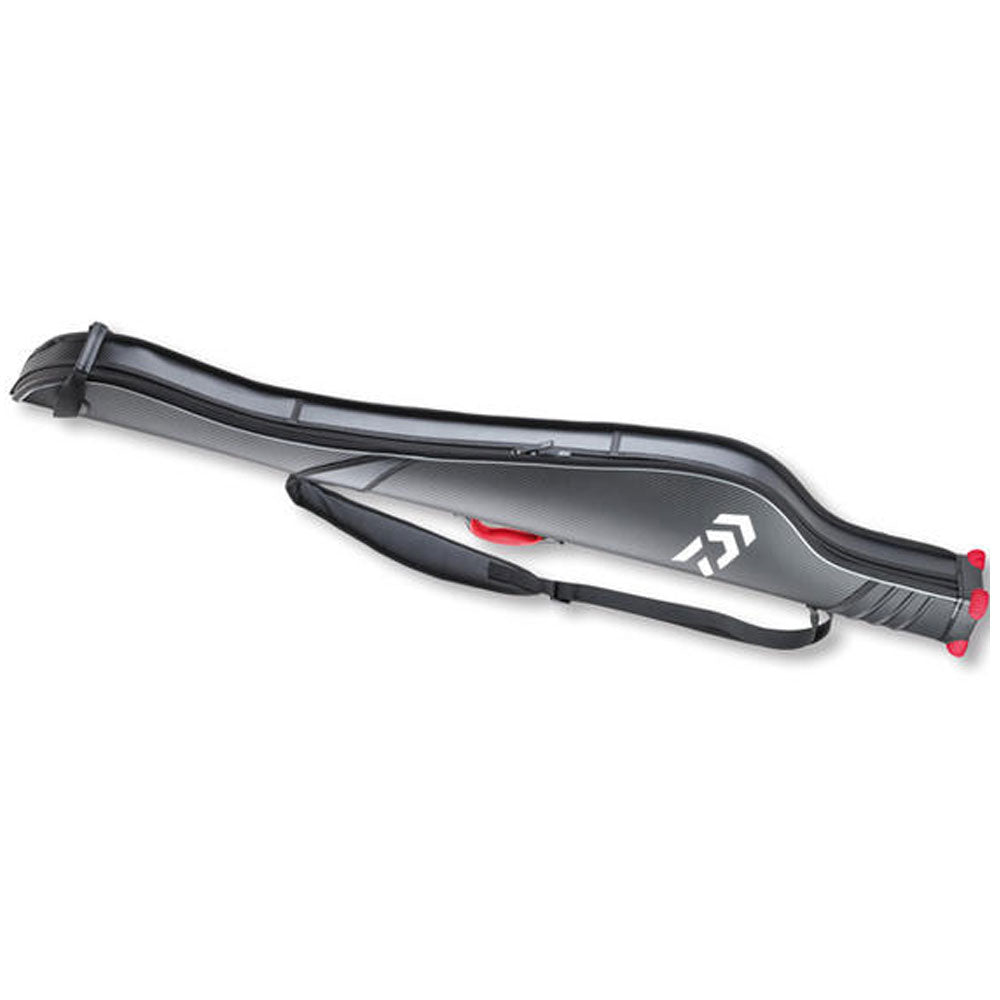


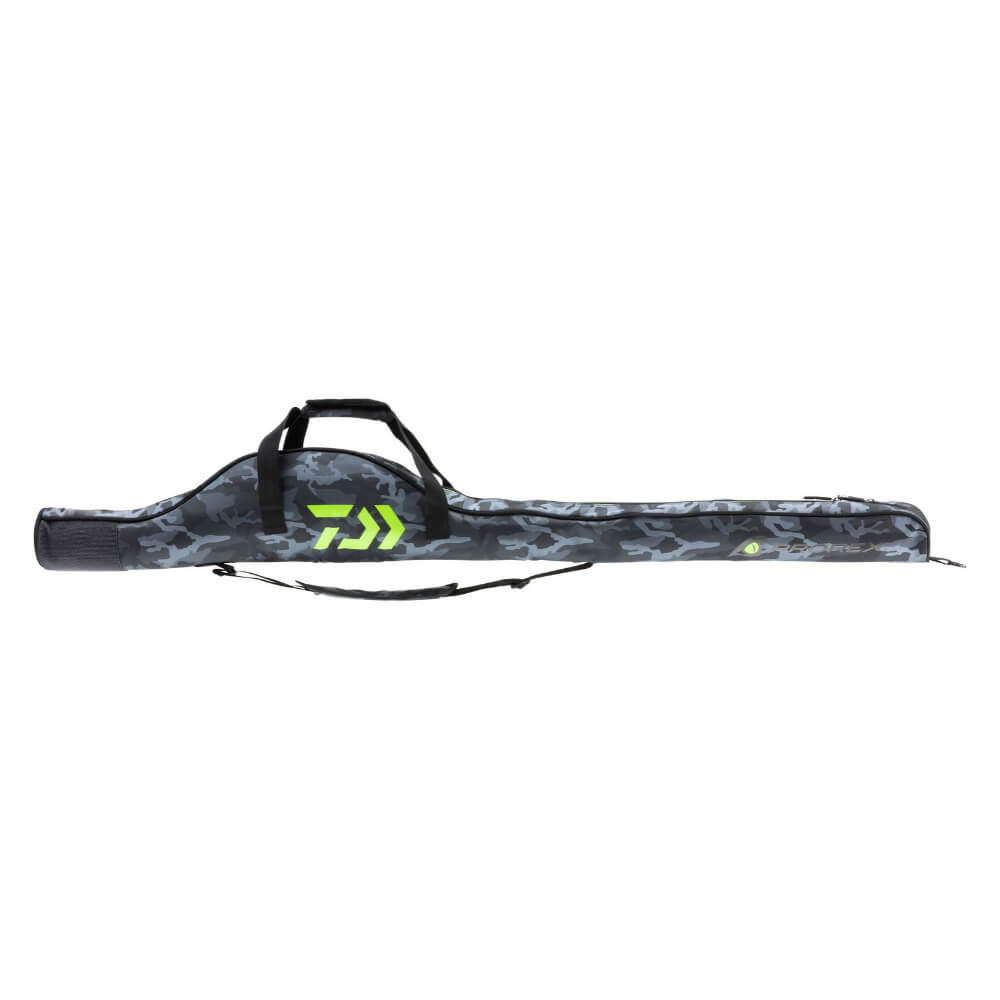

<h2>Rod Bag Buying Guide</h2><p>Rod bags are a great asset for anyone heading to the water with multiple rods, especially if you travel <strong>by bike or public transport</strong>. They also make a lot of sense when there is a <strong>long walk from the car park to the water</strong>.</p><h3>Benefits of Rod Bags</h3><p>A rod bag lets you carry several rods compactly on your back or over your shoulder, keeping your <strong>hands free for other gear</strong>. At the same time, it protects your rods from tangles, scratches and other damage. For this to work, the bag needs to suit the rods you are carrying. The best rod bag in the world is useless if the rod tips are poking out the end and snap off at the first opportunity.</p><p>It is worth taking a close look at your rods before buying. What is the transport length? What size are the largest rings? How many rods do you want to fit in the bag? And do you want to carry them <strong>with the reel already mounted</strong>? These are all questions worth settling before you buy.</p><h3>Choosing the Right Length</h3><p>This is arguably the most important factor: the <strong>length of the rod bag</strong>. It should be around 1 to 2 cm longer than the <strong>transport length of the longest rod</strong> you plan to carry. That small margin matters - it lets the <strong>zips</strong> close smoothly without snagging any tip rings. That said, the bag should not be significantly longer than necessary, as the top end may fold over, which can cause <strong>tip breakage</strong>. When carrying rods of different lengths, always measure against the longest one. With bags that are <strong>reinforced</strong> along their full length, shorter rods can be transported without any risk of the bag folding.</p><h3>Carrying Multiple Rods</h3><p>There are bags designed <strong>for different numbers of rods</strong>. Some have fully separate compartments, with each rod <strong>accessible through its own zip</strong>; others have dividers within a shared compartment.</p><p>You should never put two rods in the same compartment without a divider between them, as they will scratch each other.</p><p>Some rod bags have built-in tubes <strong>to protect the rods from breakage</strong>. Others are simply padded, which offers less protection but is perfectly adequate for many anglers.</p><h3>What to Look for When Buying</h3><p>The zips should be good quality to ensure the bag lasts. They should also be reasonably resistant to dirt and grime, so they still run smoothly after the bag has been sitting in <strong>bankside mud</strong>.</p><p>The carrying system deserves attention too. Several rods with reels can add up to a fair bit of weight, so the strap should be well padded and, ideally, adjustable in length. That way the bag will not dig into your shoulder or keep sliding off <strong>on the way to the spot</strong>. A rubberised strap surface can go a long way to preventing the latter.</p><p>Some rod bags also feature <strong>additional storage pockets</strong> for landing nets, rod rests and similar accessories. Whether you need these is entirely up to you.</p><h2>Rod Bag Key Facts</h2><ul><li>Choose the right length</li><li>Consider how many rod compartments you need</li><li>Look for good-quality zips</li><li>Padded carrying strap</li><li>Optional reinforcement for maximum rod protection</li><li>Additional storage pockets</li></ul>