










⭐ Top rated

⭐ Top rated
✨ Variant restocked
⭐ Top rated
💚 Lead-free

✨ Variant restocked

✨ Variant restocked
💫 Back in stock




✨ Variant restocked

💚 Lead-free



Save 12%
💚 Lead-free

Save 22%
💚 Lead-free


💚 Lead-free

💚 Lead-free


💚 Lead-free
🤩 New variant



Save 21%

Sold out

Sold out💚 Lead-free
Sold out🤩 New variant
Sold out🤩 New variant
Sold out🤩 New variant

Frequently asked questions
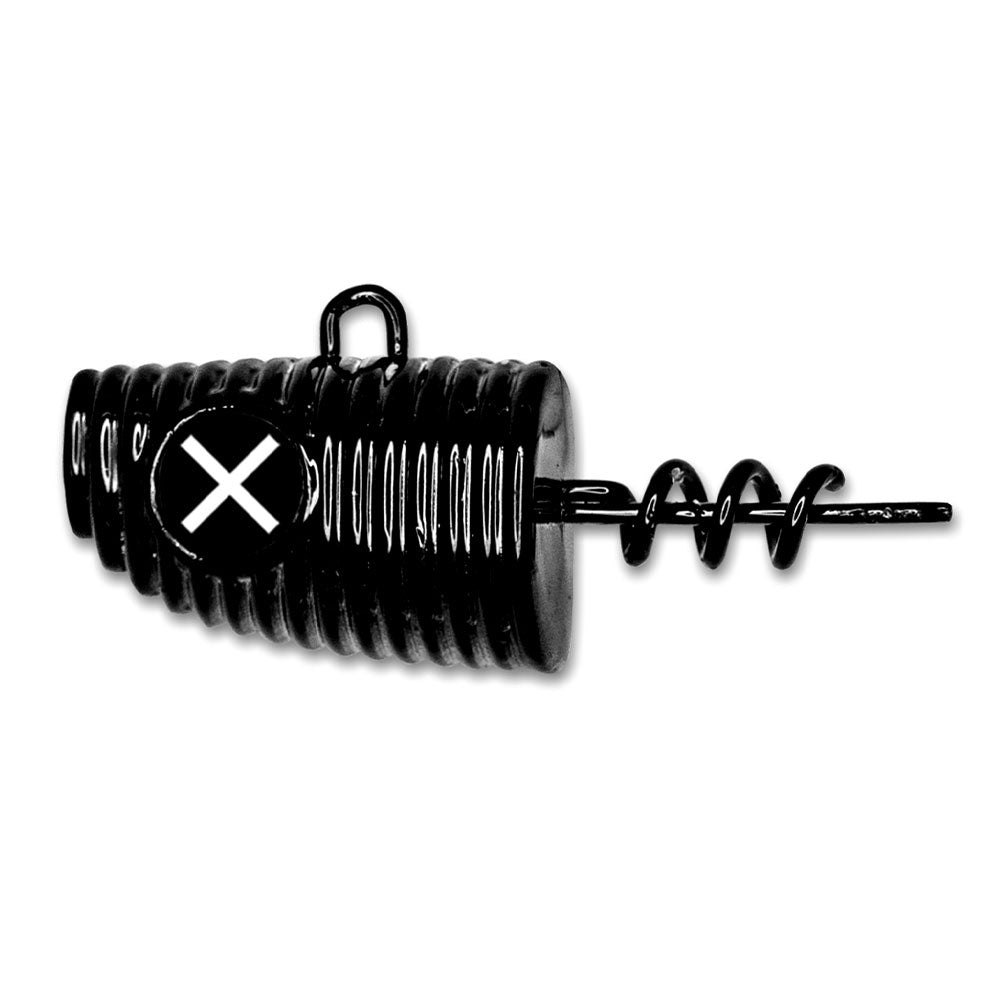
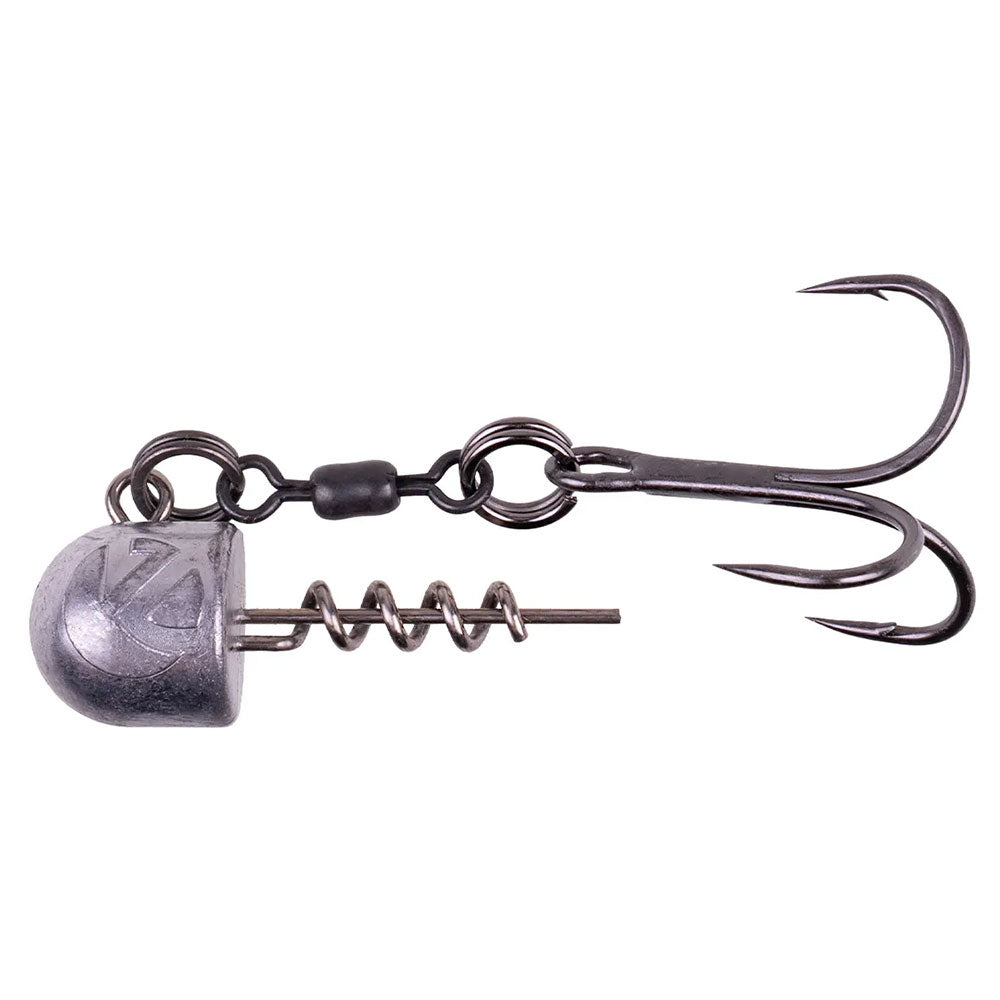
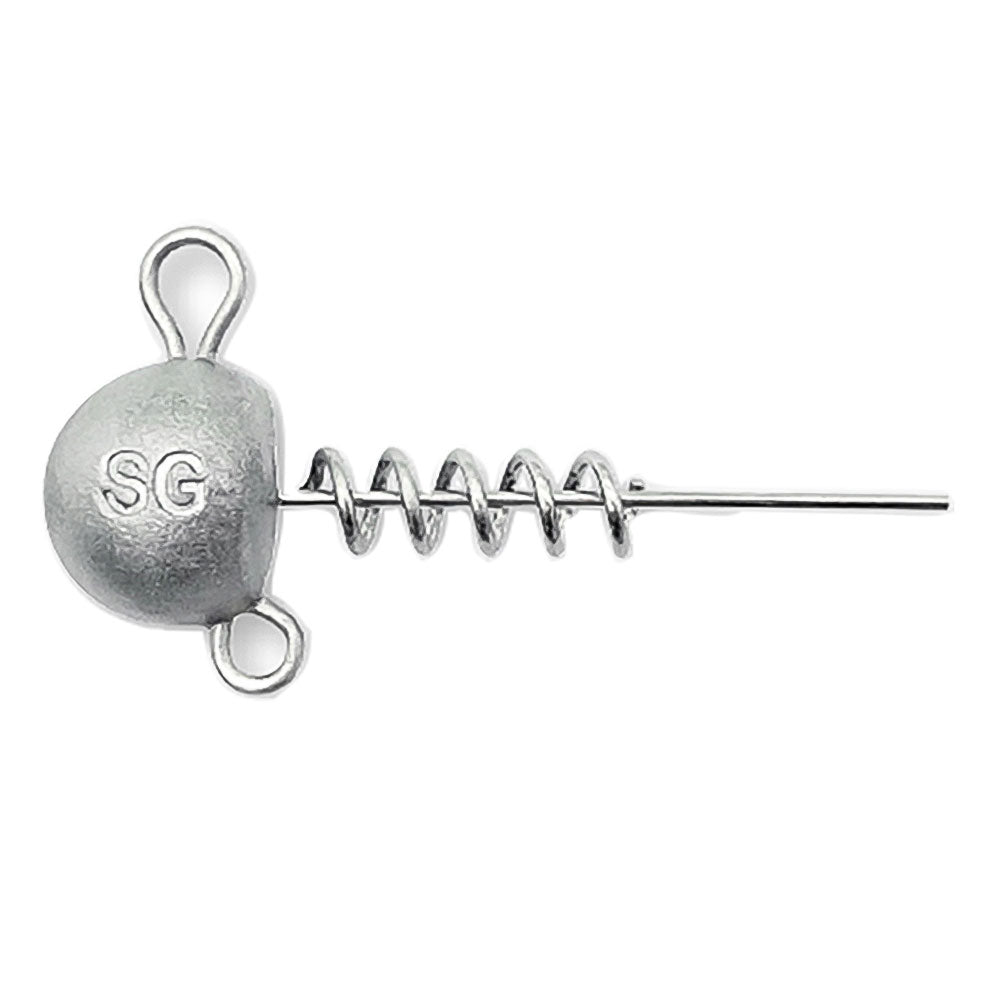
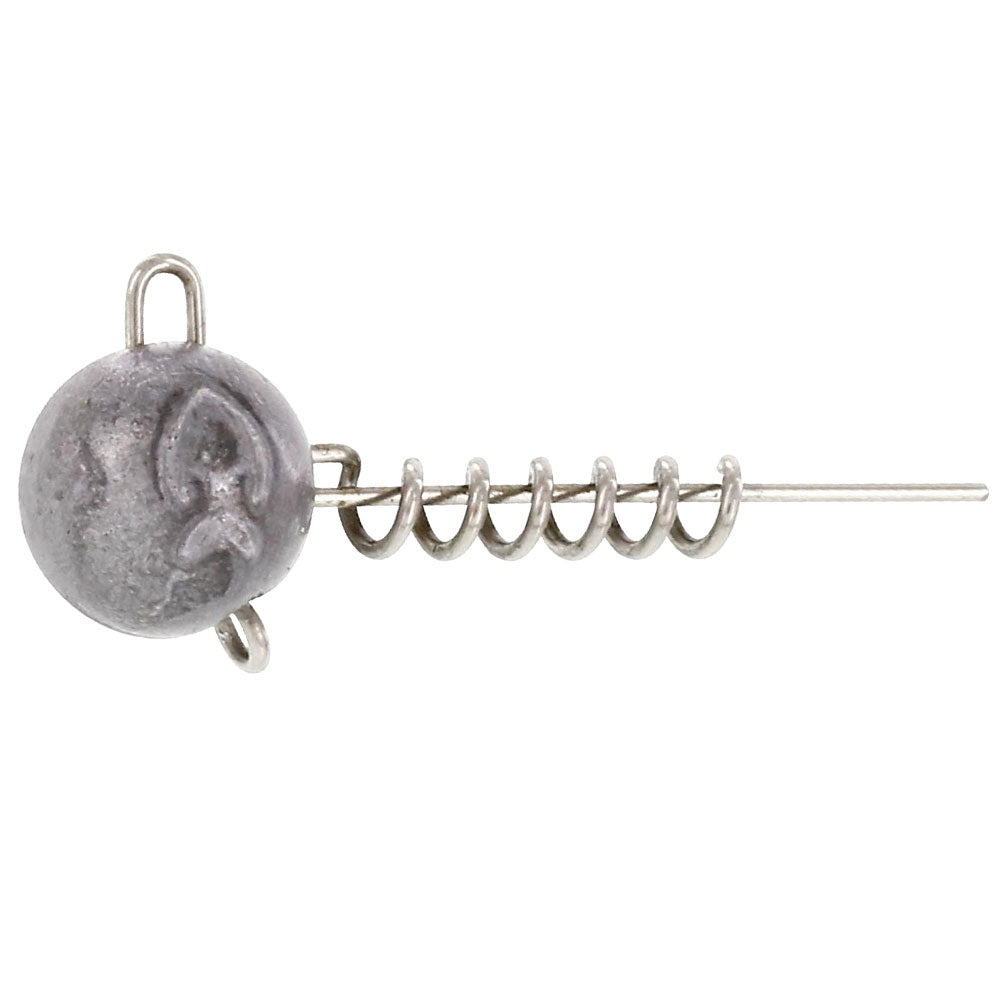
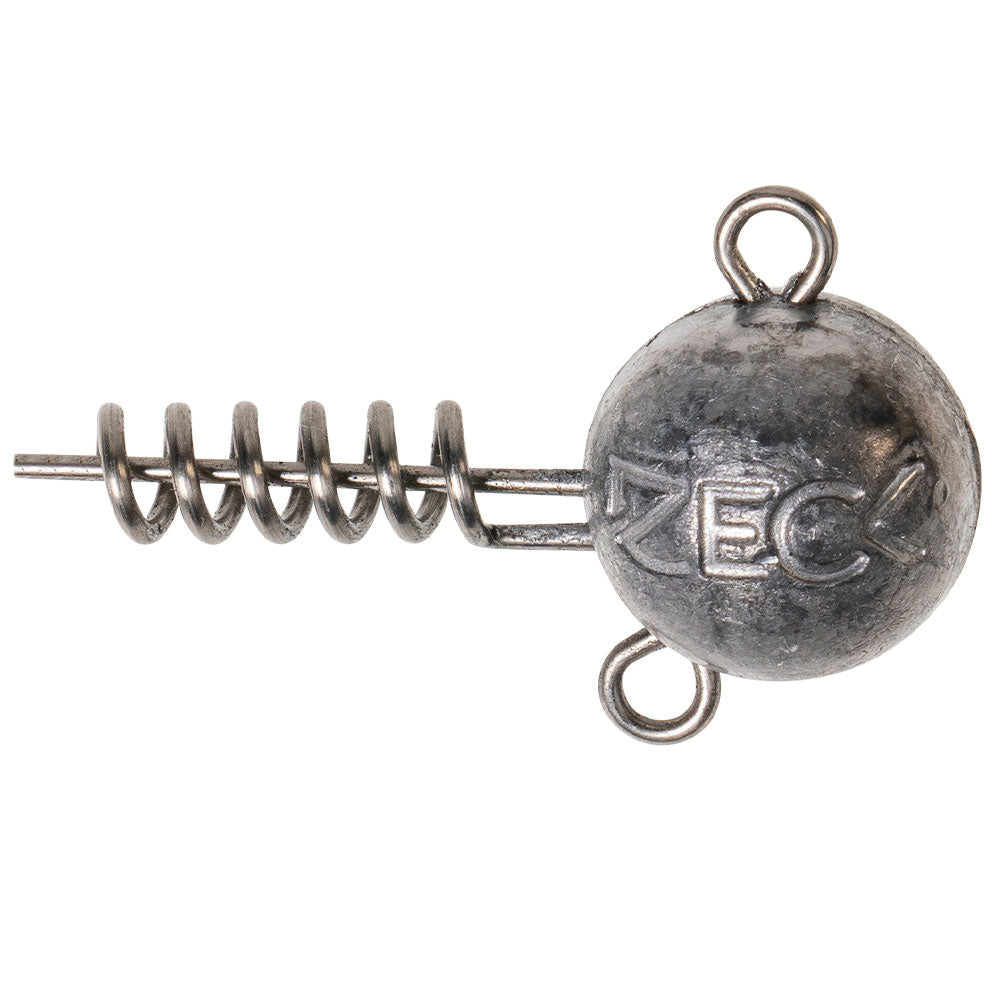
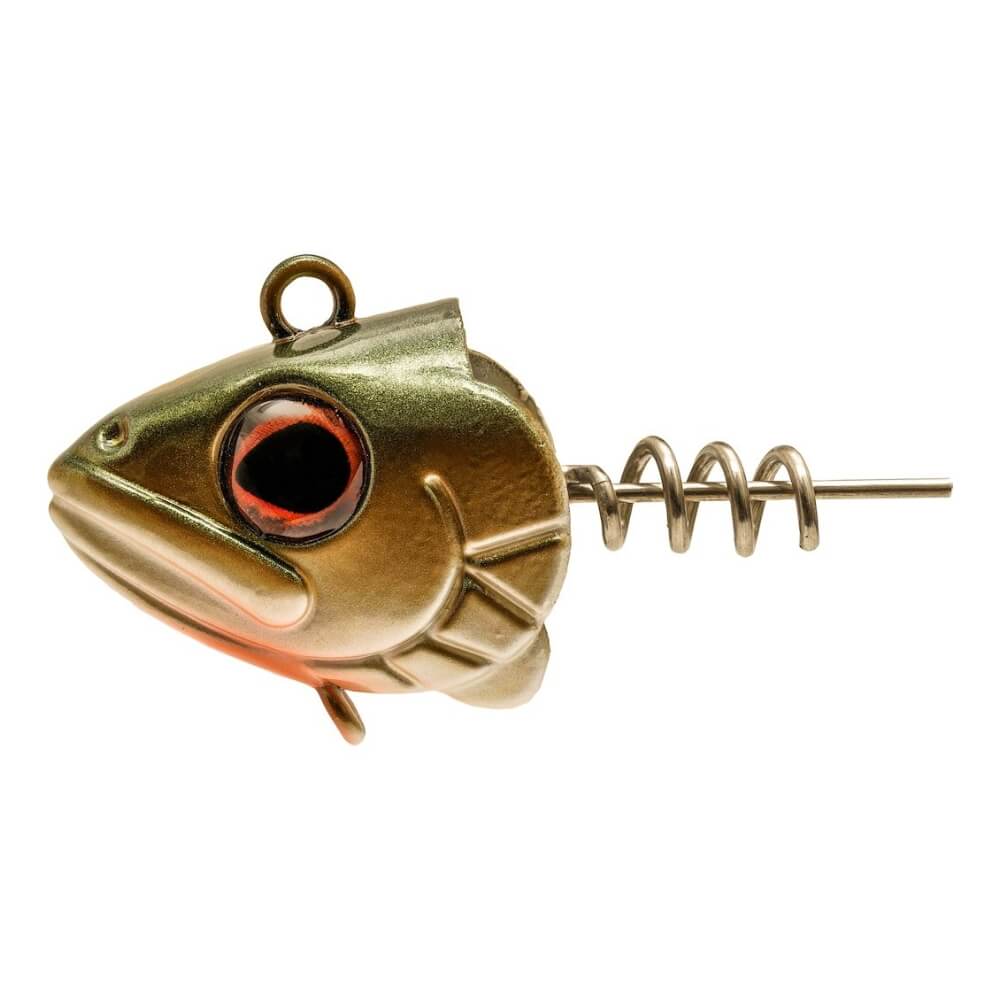
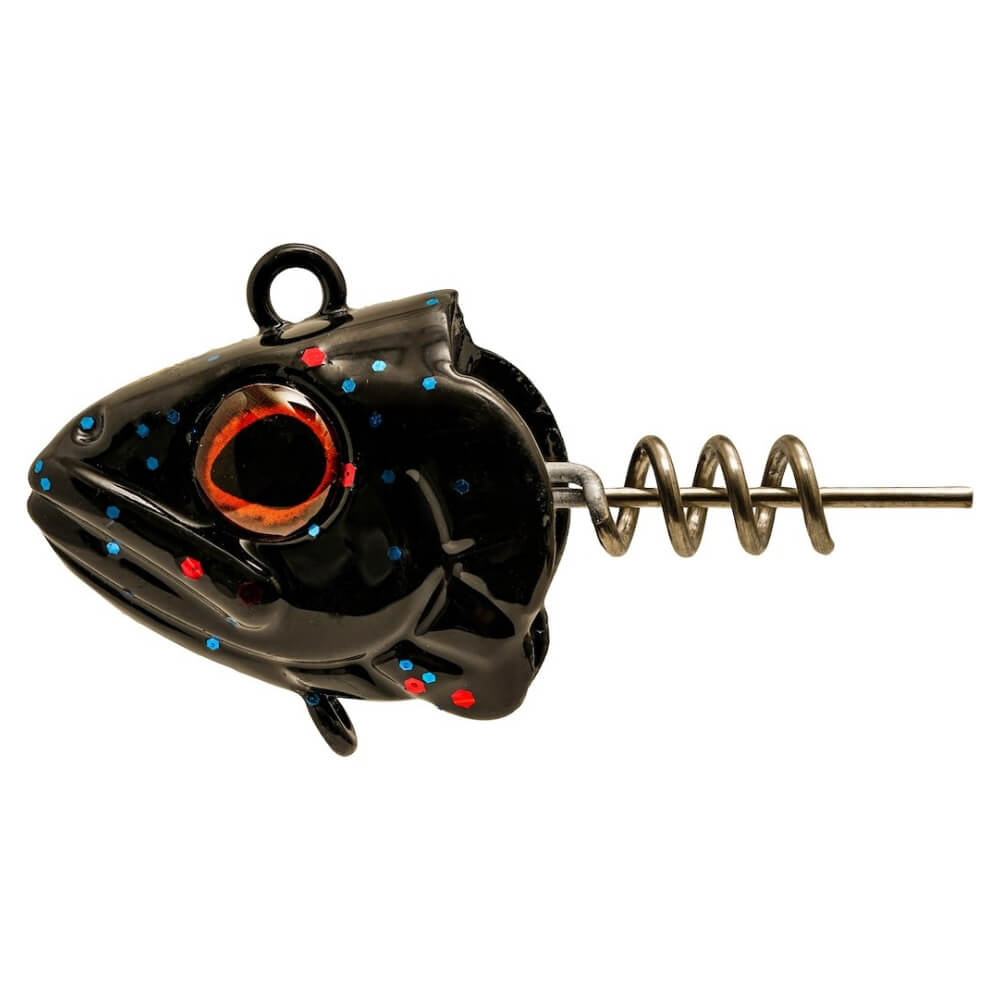
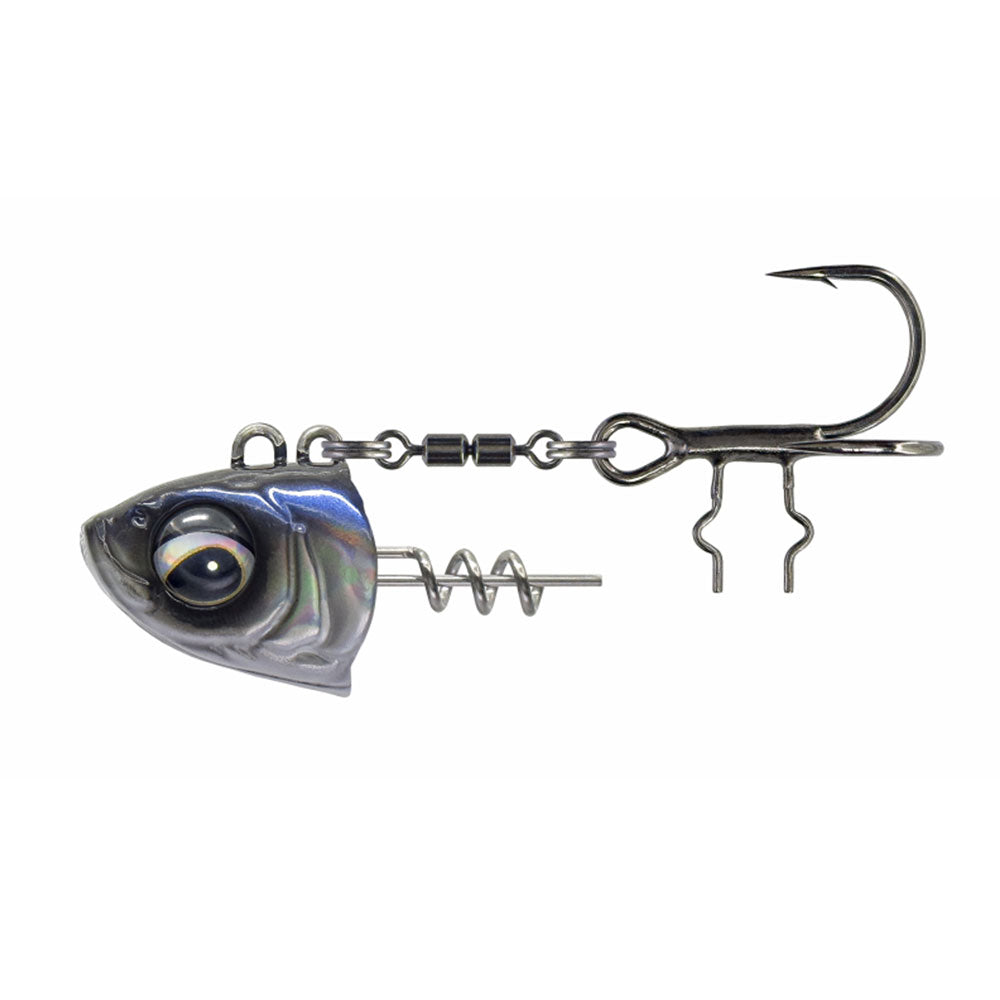
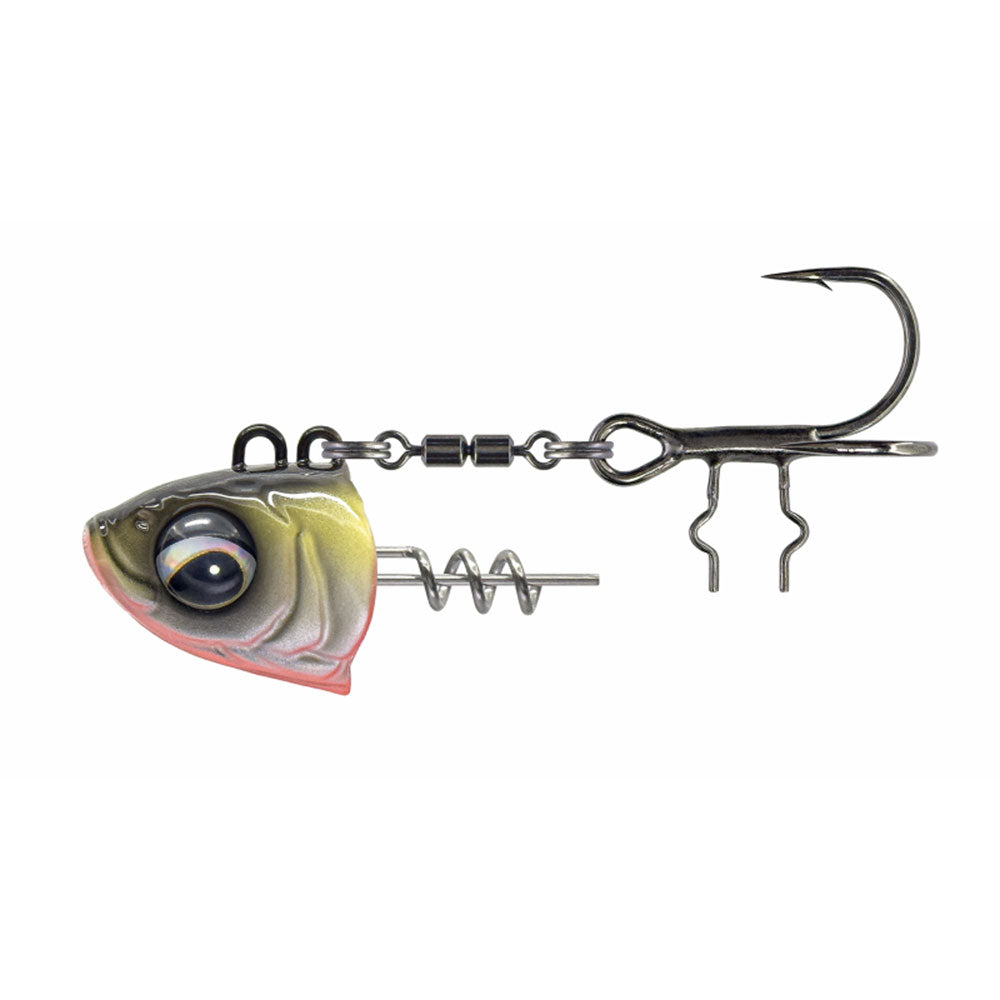
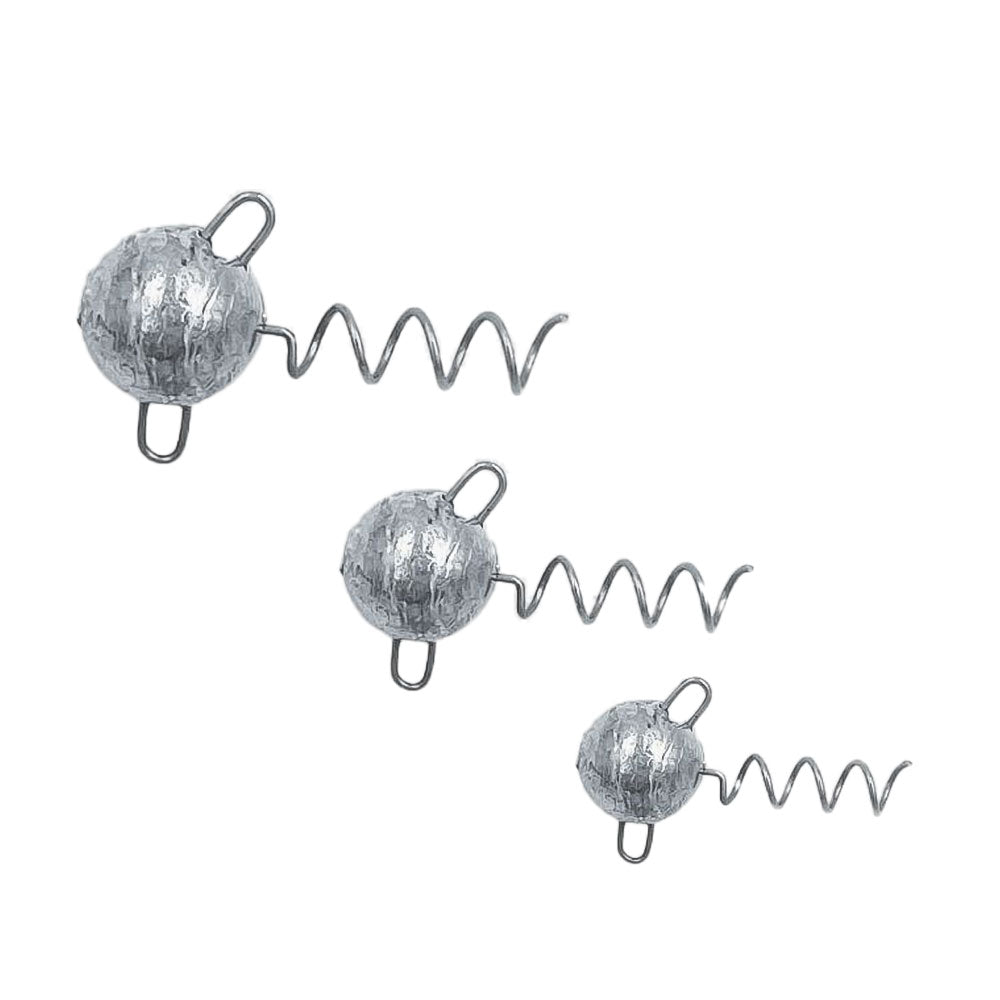
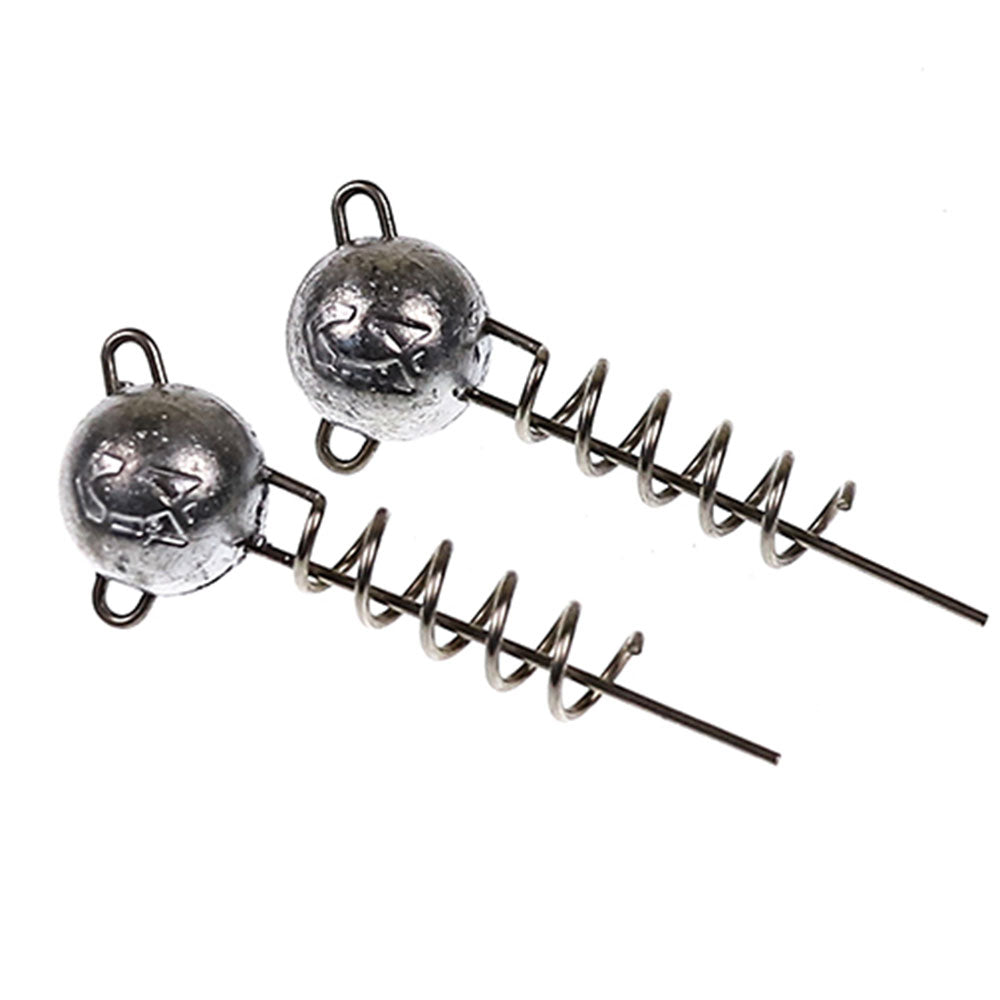
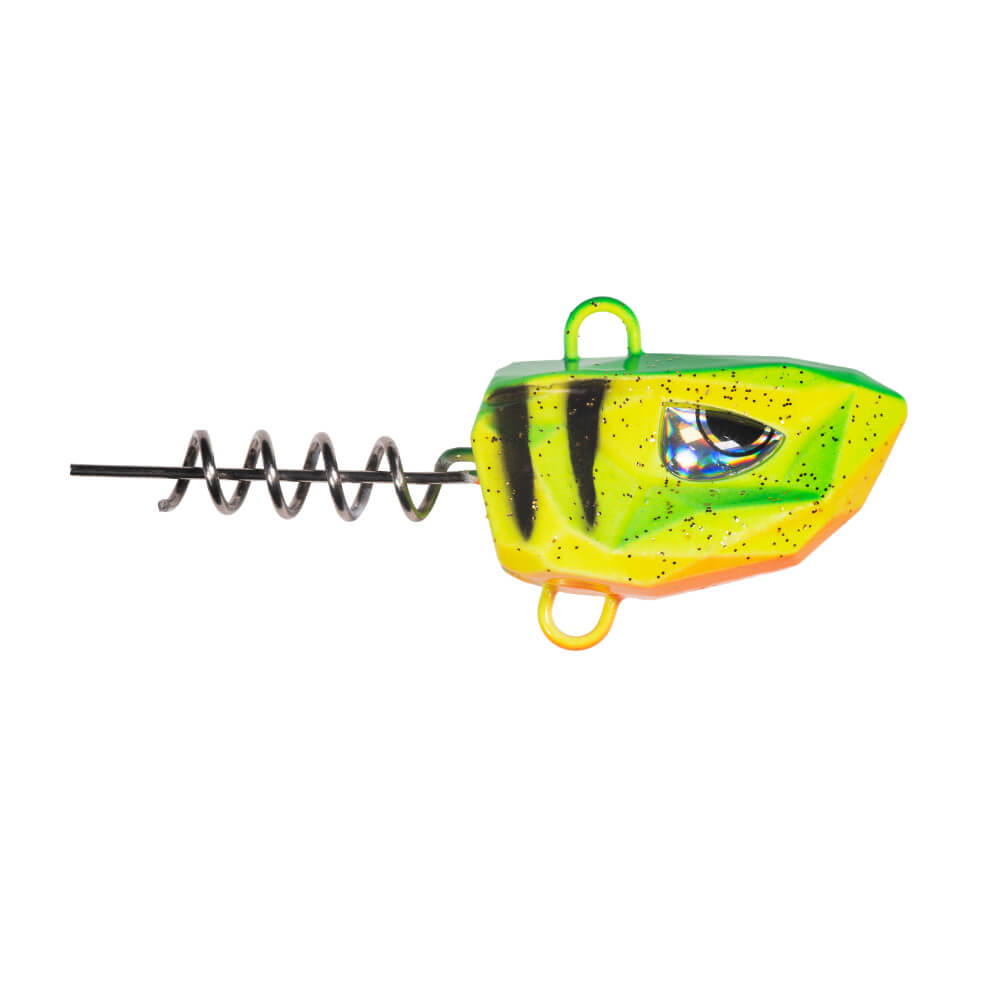
The weight and hook are separate from each other. This makes rigging much easier with large lures. If a hook becomes blunt, only that hook needs replacing. The soft lure's action is not restricted, and the lure tends to last longer.
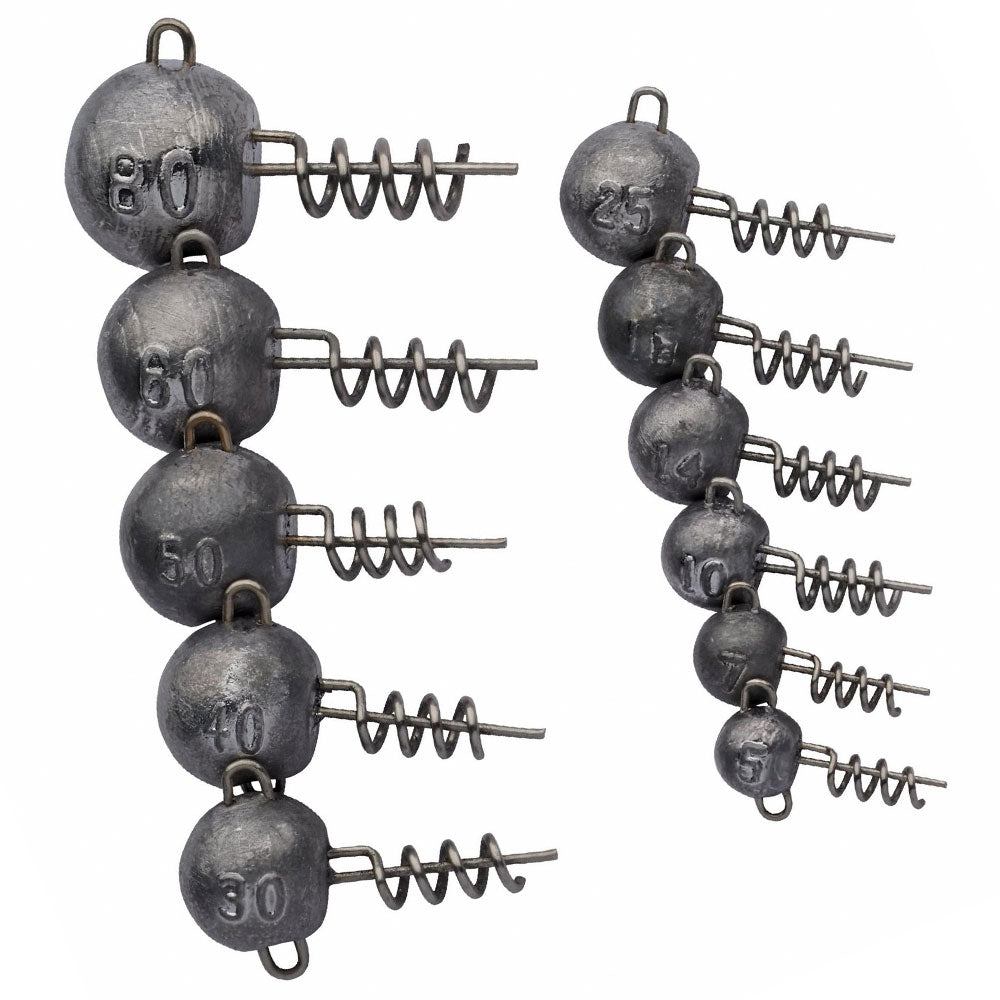
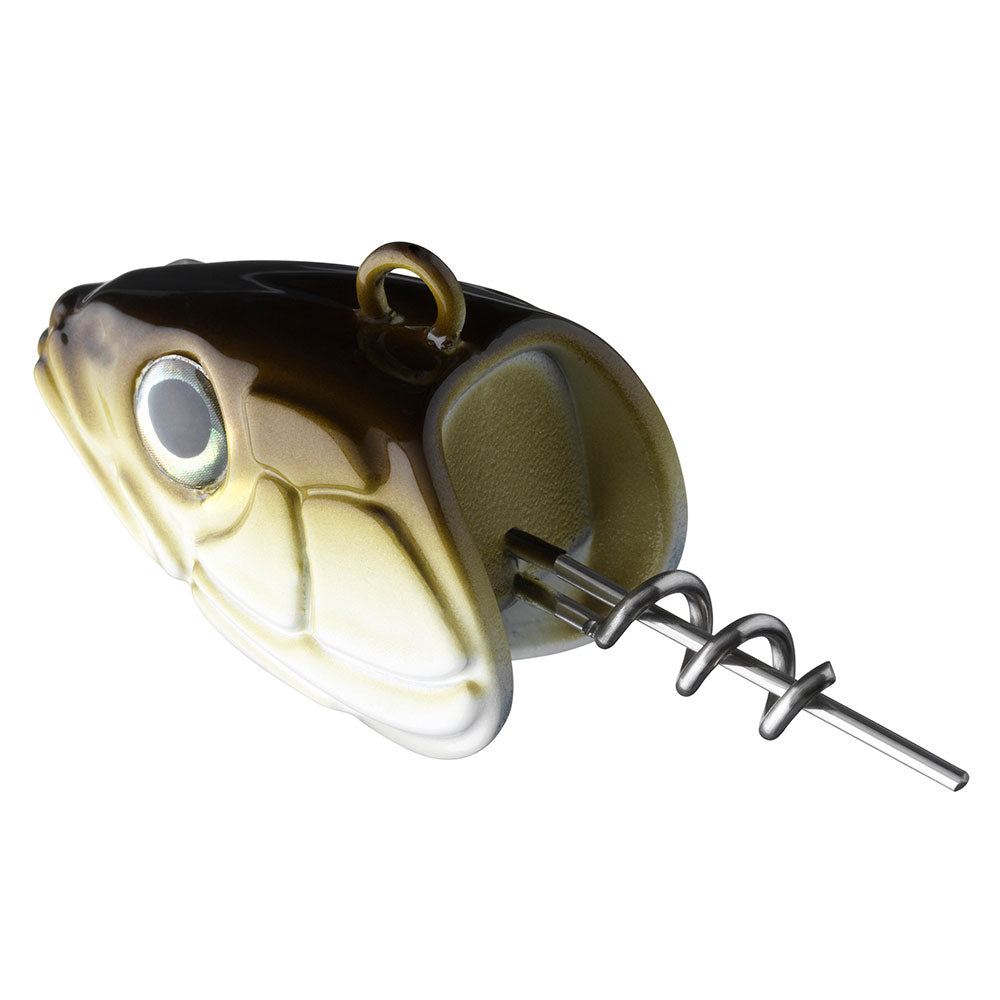
The coil should be the right size for the lure you are using. Coils that are too small tend to pull out of large, heavy lures. Coils that are too large will significantly impair the action of small soft lures or damage them during insertion.
It is a centring pin. It helps you find the correct position for screwing in and makes it easier to insert the coil straight.
Yes - there are heads optimised for linear retrieves and others that are the right shape for vertical jigging. The key factors are the weight distribution within the head and the position of the eyelets.