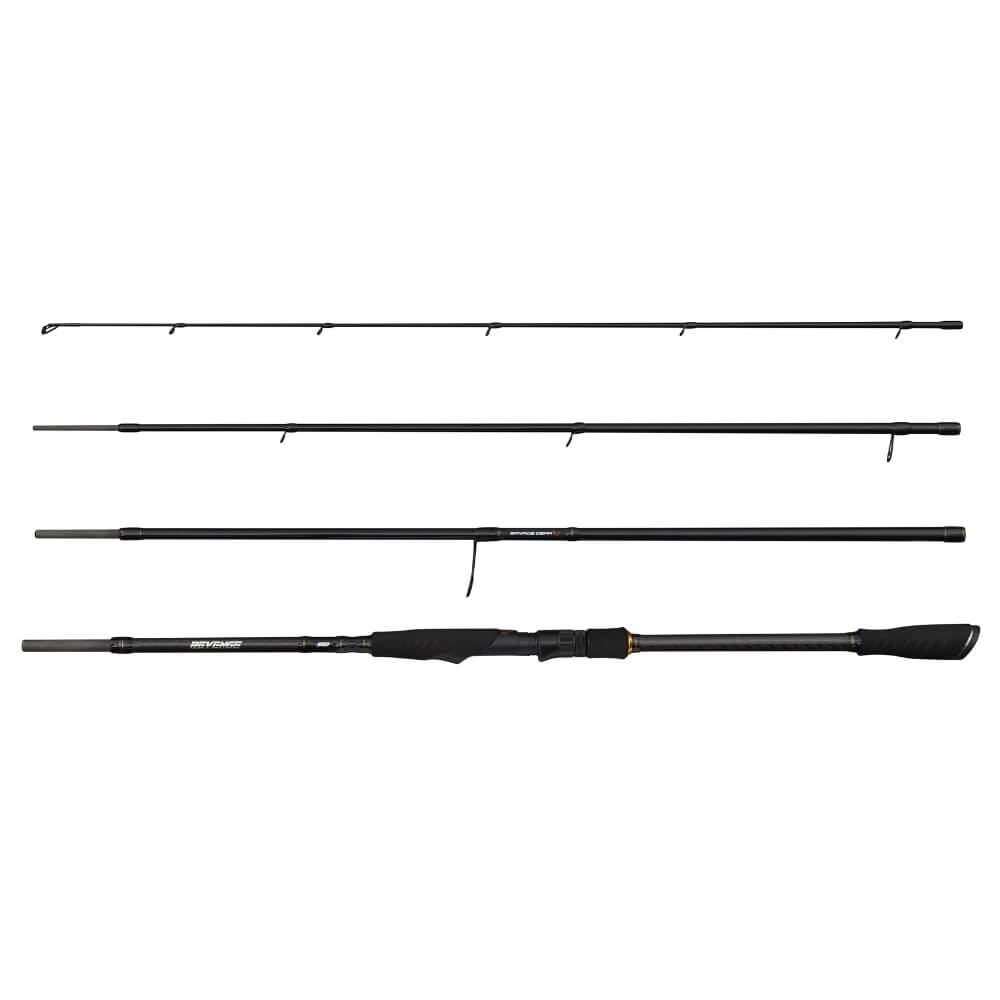
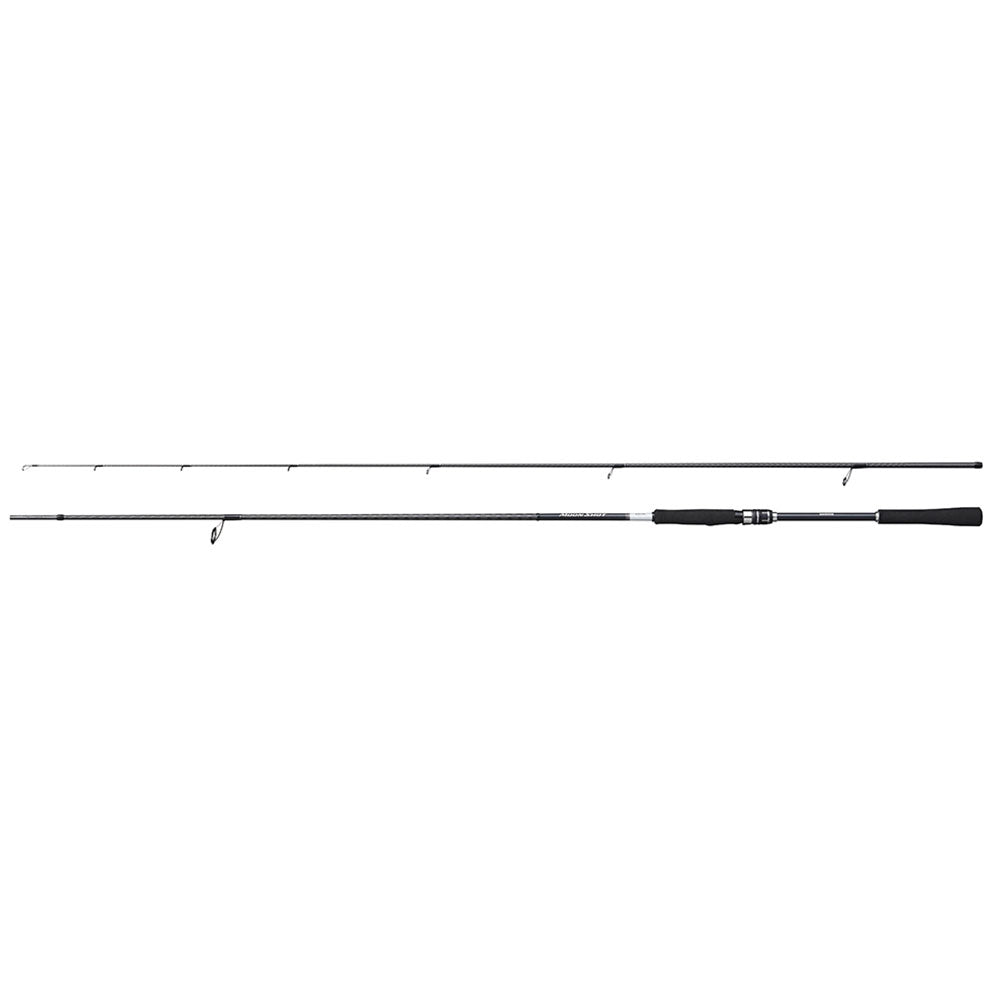
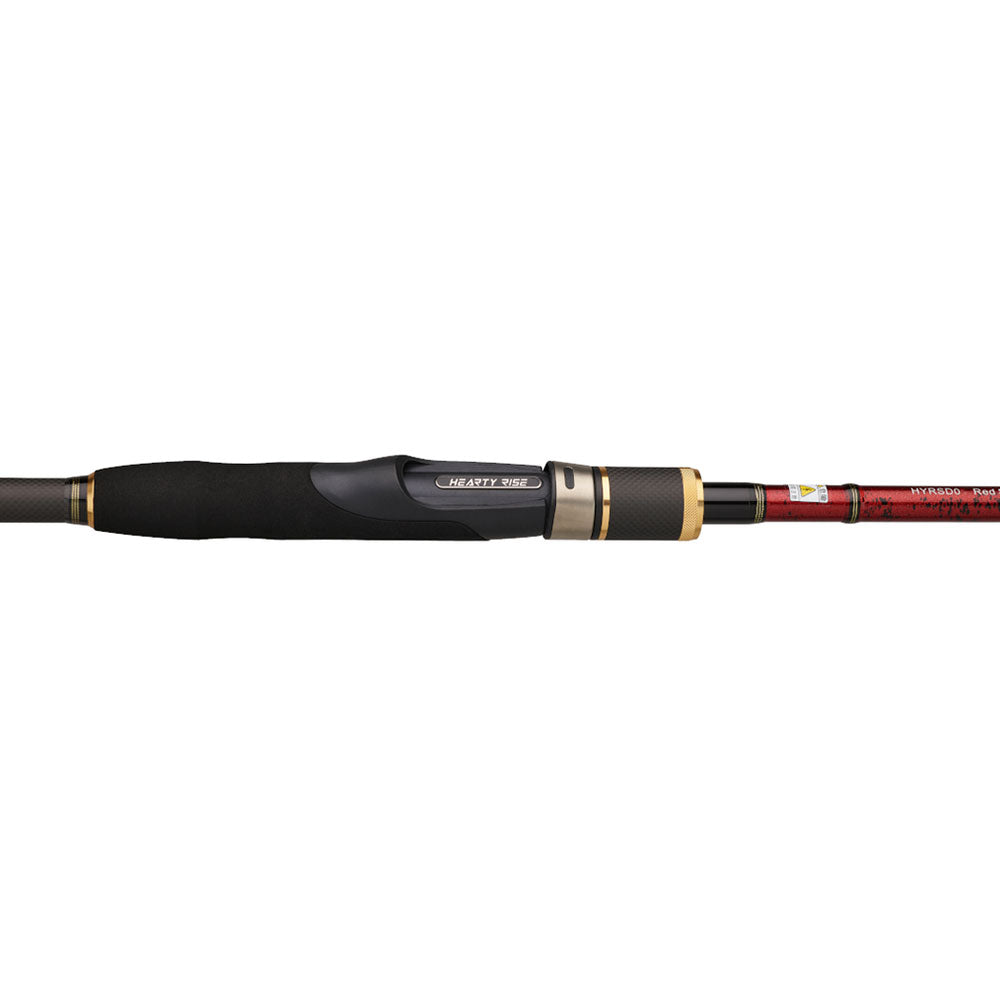
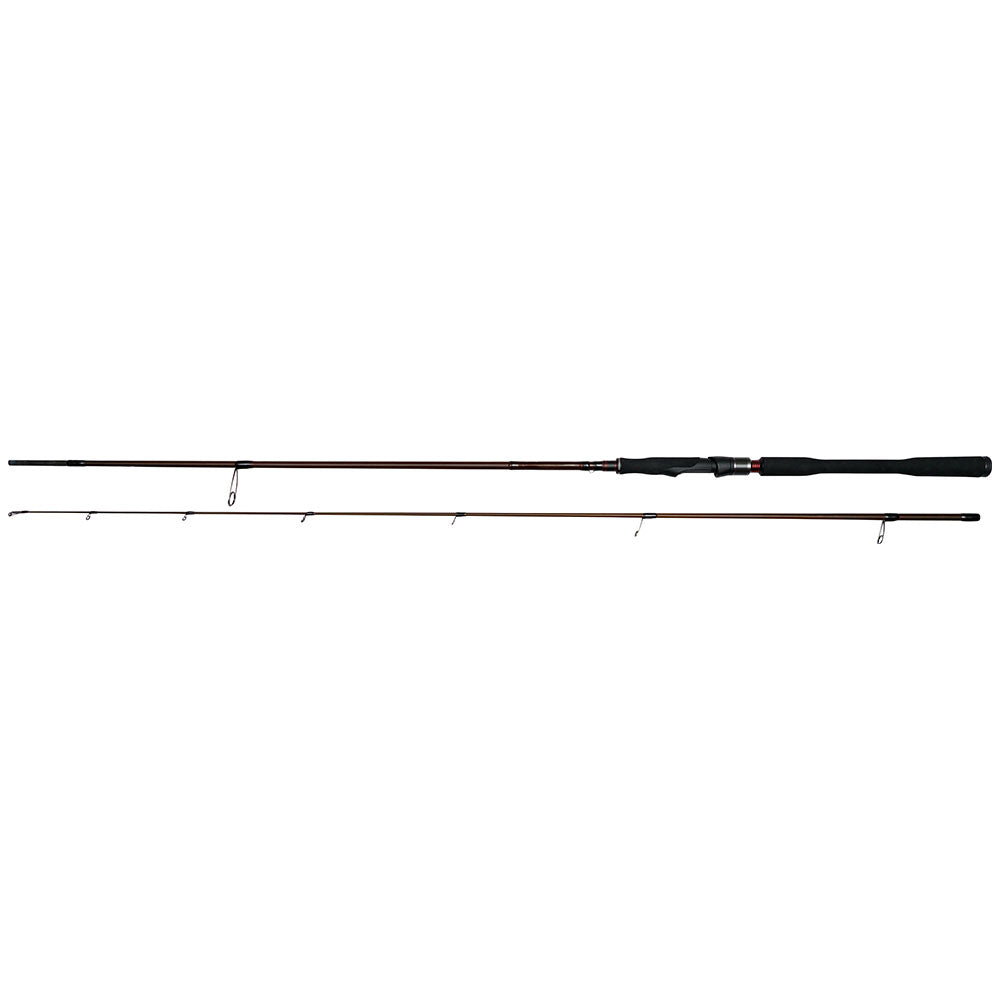
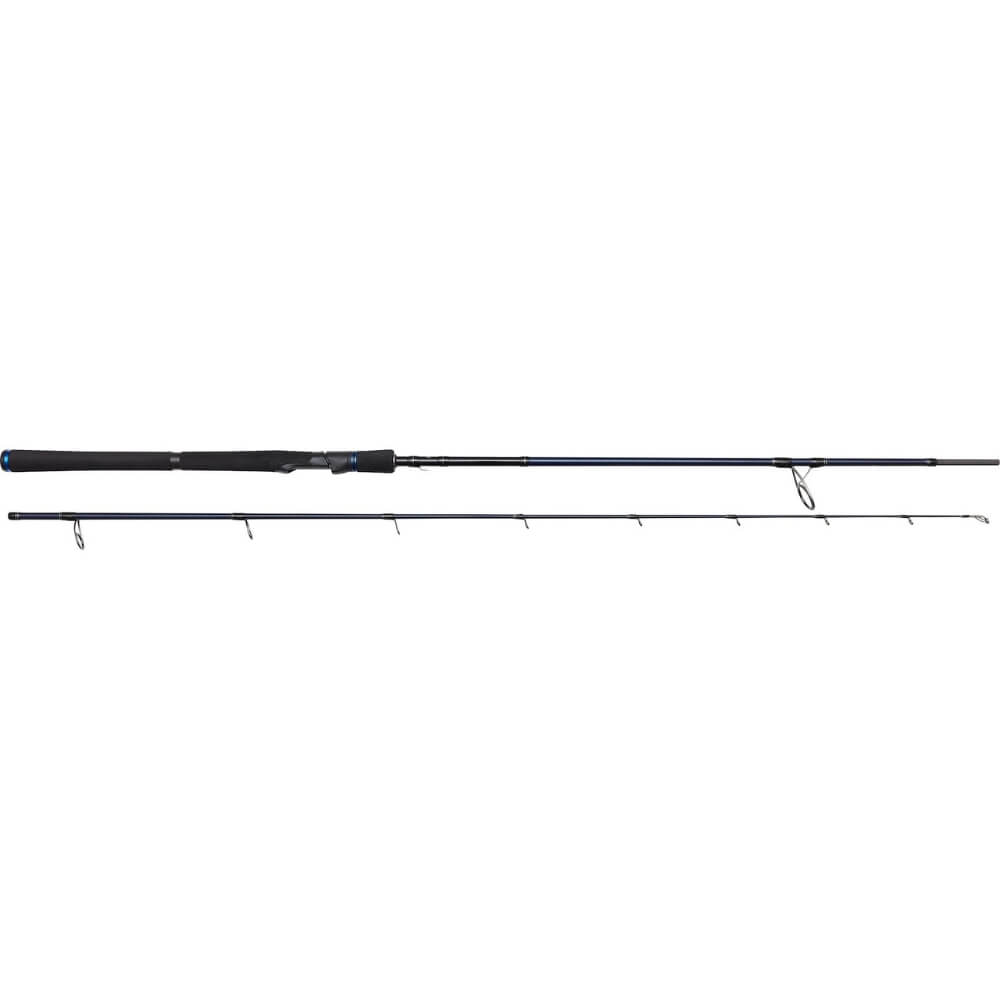
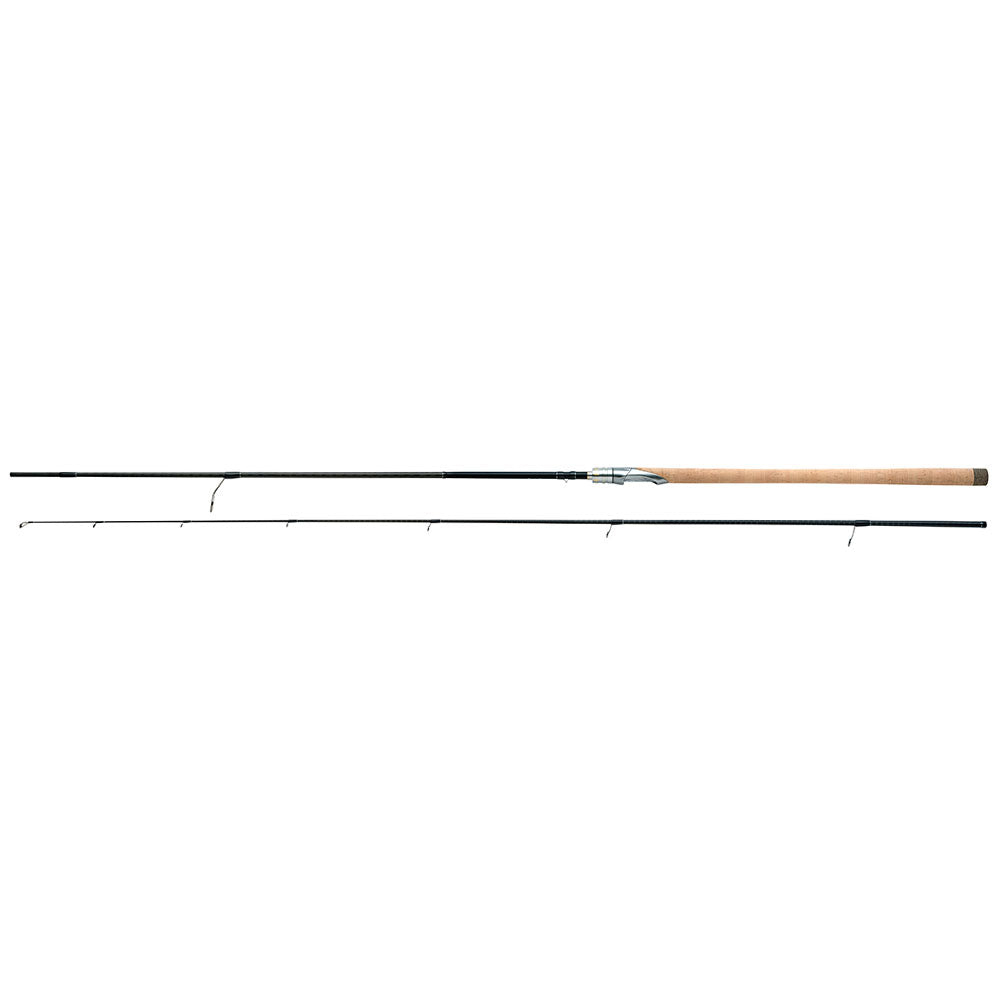
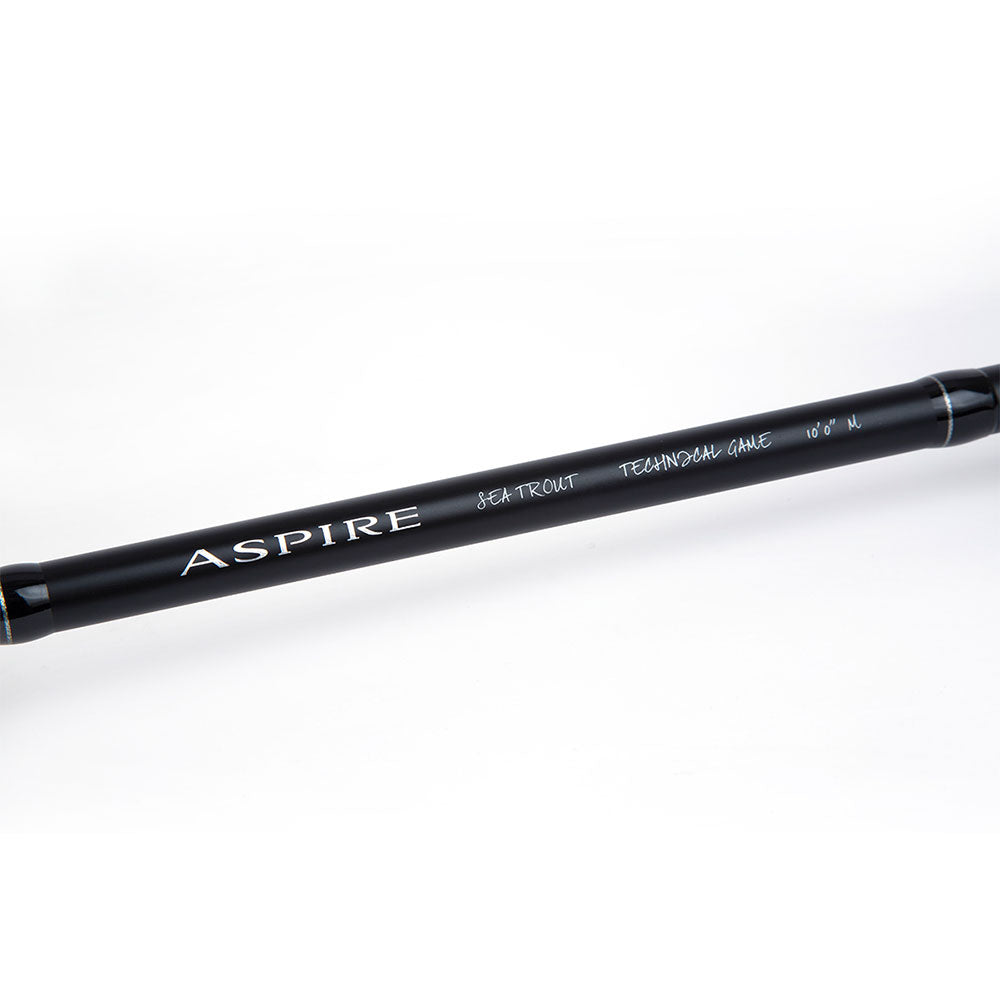
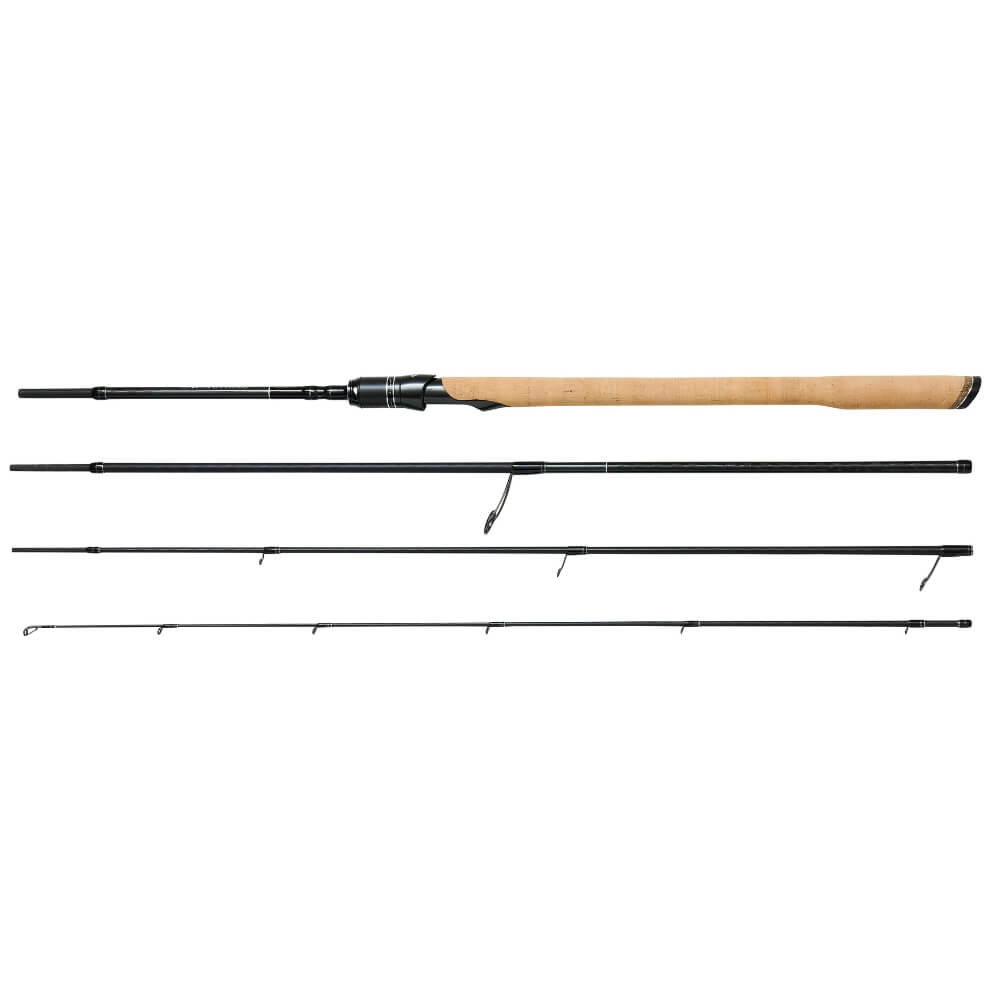
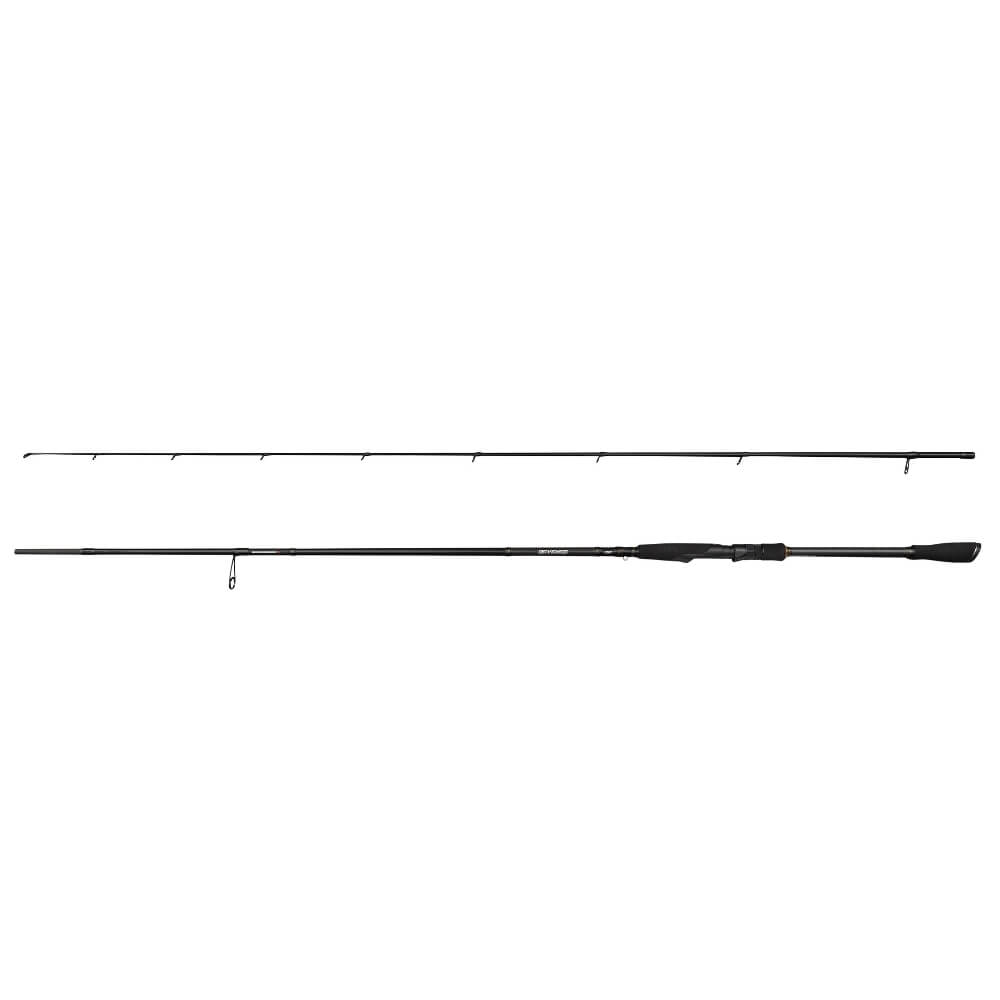
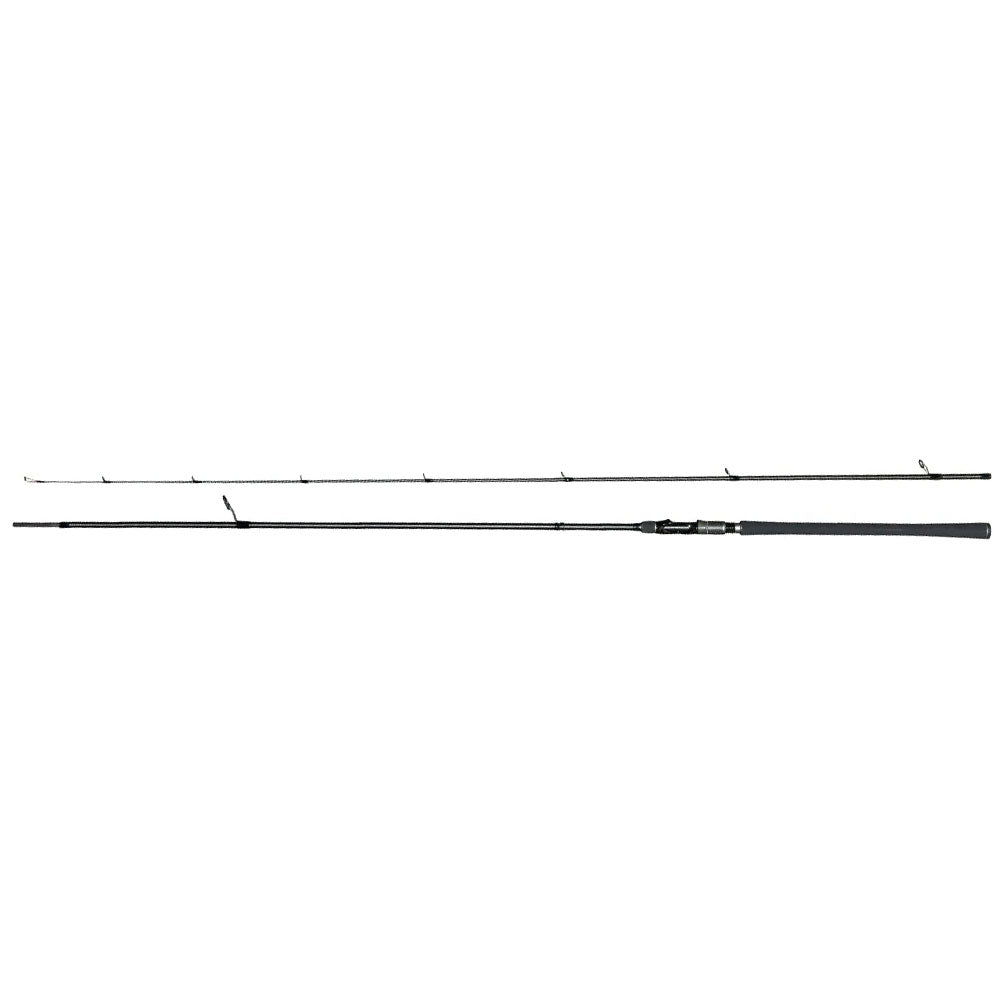
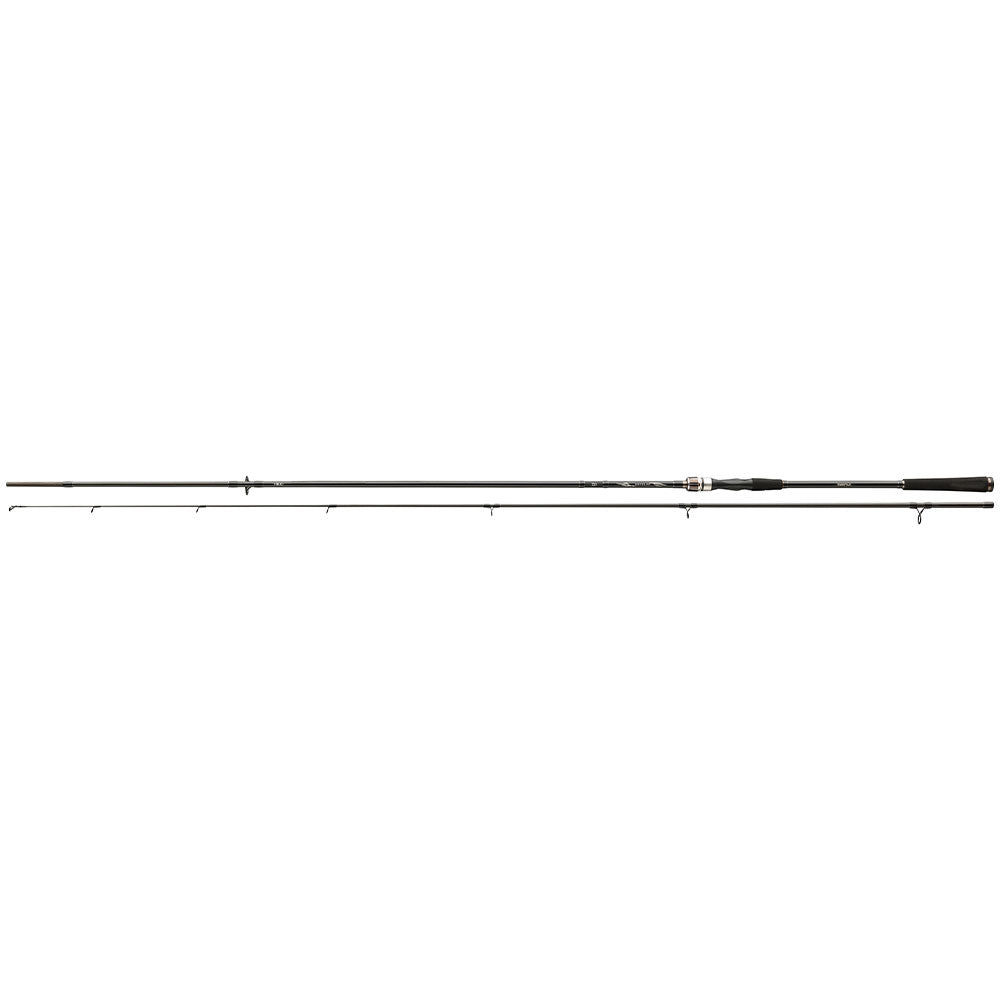
<h2>Buying Guide for Sea Trout Rods</h2><p><strong>Sea trout rods</strong> need to meet certain requirements if your pursuit of the <strong>silver torpedoes</strong> is to be a successful one. With a bit of luck you can catch a sea trout on almost any rod, but if you fish the coast regularly, a dedicated sea trout rod is the right investment. The following sections give you the key information and tips you need to choose the right one.</p><h2>Spinning Rod or Baitcaster?</h2><p>In this case the answer is fairly clear. On the coast you often need to cast long distances in windy conditions. While some specialists manage this with a baitcaster, the average angler will find a spinning rod with a matching <strong>fixed spool reel</strong> considerably more straightforward and less stressful to use. A spinning rod is therefore the better choice over a baitcasting rod for this kind of fishing.</p><h2>The Right Guides for a Sea Trout Rod</h2><p>First of all, every component of the rod should be <strong>resistant to brackish and salt water</strong>, since sea trout live in the sea. To get long-lasting enjoyment from your sea trout rod, the <strong>guide frames should be made from stainless steel or titanium</strong>, so nothing rusts even after years of use.</p><p>Guides matter for another reason too. Faced with the vast expanses of water you encounter on the coast, long casts give you real confidence - even if the sea trout often ends up biting right at your feet. A well-arranged <strong>guide layout</strong>, the correct guide sizes and very smooth guide inserts all help here. It is worth looking for <strong>quality guides</strong> from <em>Fuji</em> or <em>Seaguide</em> when choosing a sea trout rod.</p><h2>The Right Blank and Action for a Sea Trout Rod</h2><p>The <strong>blank</strong> should not hold back long casts and needs to load up properly. The action of a <strong>sea trout rod</strong> should differ from that of a zander rod, even when the casting weights are similar. A sea trout rod works best with a <strong>semi-parabolic action</strong> that loads through the entire blank during the cast - this is what gets even lighter spoons out to the horizon.</p><p>This <strong>through-bending curve</strong> brings another important advantage. Sea trout are wild and powerful fighters that often leap clear of the water during the fight. <strong>Rods with a through-action</strong> provide the best cushioning effect here. Head shakes and jumps are absorbed cleanly, and your chances of getting that silver fish into the <strong>landing net</strong> increase sharply. With rods that are too stiff and have too much backbone, fish regularly come off during the fight.</p><p>The handle section can be a little longer than on a zander rod, giving you better leverage during the cast. This makes it easier to maintain consistent casting distance throughout a long day on the water, and the rod tends to be less tip-heavy as a result, which makes fishing over extended periods noticeably more comfortable.</p><h2>The Right Length for a Sea Trout Rod</h2><p>Rod length is a topic anglers disagree on. In the past, very long rods over three metres were favoured for casting distance, but this is no longer necessary. Modern carbon fibre technology means shorter rods now cast significantly further, and they are much easier to handle over a long day on the water. Only those who regularly fish with <strong>Sbirolinos</strong> should still reach for longer rods. For everyone else, we recommend light rods between 240 and 290 cm, and the trend is actually towards the shorter end of that range. Some anglers are now fishing very successfully with <strong>spoon rods</strong> and extremely light spoons - though this is clearly the extreme case, and landing a large sea trout then sometimes comes down to luck.</p><h2>The Right Casting Weight</h2><p>The casting weight of an <strong>all-round sea trout rod</strong> should be around 30 g. This allows you to cast and work the typical <strong>lure weights</strong> between 10 and 25 g with ease.</p><p><strong>Handle material</strong> is a matter of personal taste. Whether you prefer <strong>cork or EVA</strong> makes little real difference - what matters is that the rod sits comfortably in your hand on cold and damp days, since sea trout fishing takes place largely in the colder months of the year.</p><h2>A Quick Tip on Sea Trout Rods</h2><p>Most good sea trout rods also make excellent <strong>asp rods</strong>. If you only visit the coast occasionally but have a large <strong>river with a healthy asp population</strong> on your doorstep, a sea trout rod lets you cover both situations with a single rod.</p>