


Imitations at PikeandPerch.eu

Imitations

Here you'll find imitations of real living creatures. These lures are detailed replicas of their natural counterparts and move in a convincingly lifelike way.

6 products
Sort by
Sort by
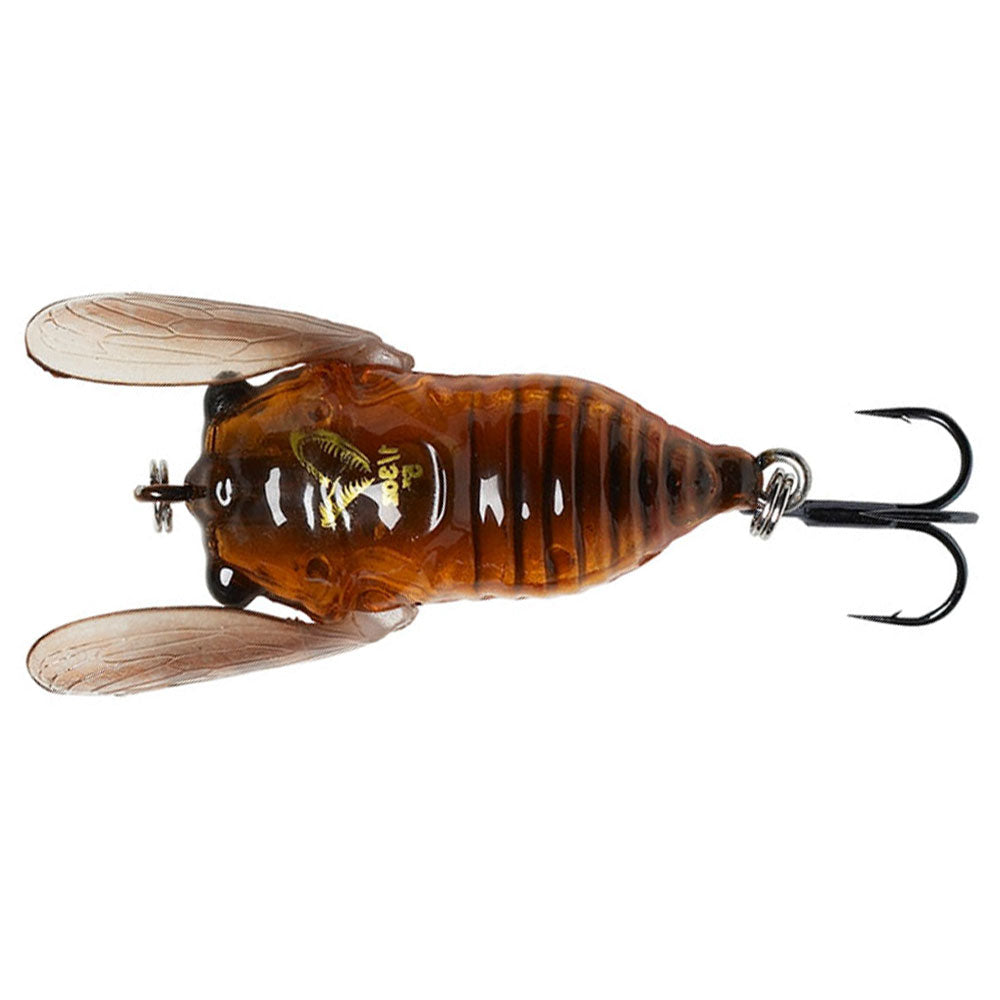
Savage Gear 3D Cicada 3.3 cm / 3.5 g at PikeandPerch.eu Savage Gear 3D Cicada 3.3 cm / 3.5 g at PikeandPerch.eu
Savage Gear
3D Cicada 3.3 cm / 3.5 g
Sale price€8,99

3 variants

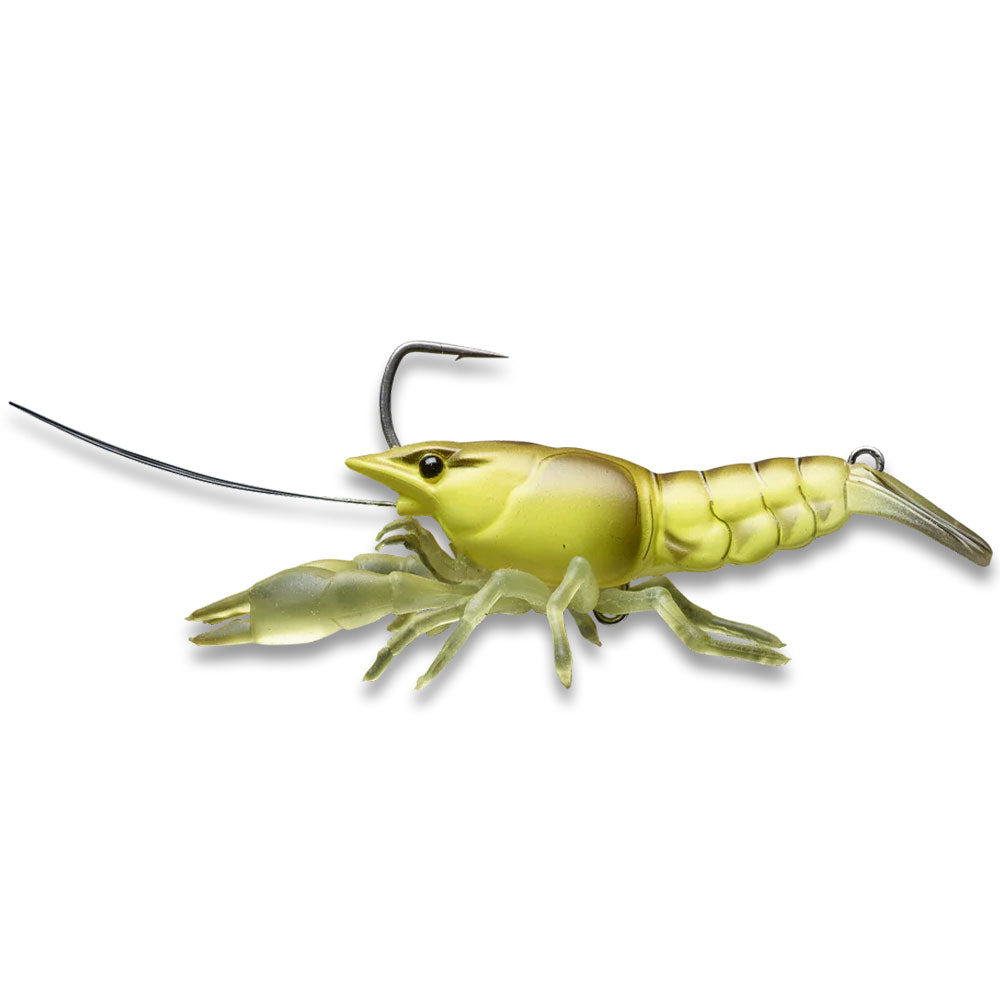
Live Target Live Craw Finesse Bait at PikeandPerch.eu Live Target Live Craw Finesse Bait at PikeandPerch.eu
Live Target
Live Craw Finesse Bait
Sale priceFrom €11,99

12 variants

Jackall Chubby Bug 35 at PikeandPerch.eu Jackall Chubby Bug 35 at PikeandPerch.eu
Jackall
Chubby Bug 35
Sale price€19,99

5 variants

Megabass Tiny Siglett 3 cm / 2.7 g at PikeandPerch.eu
Sold out
Illex Momouse at PikeandPerch.eu Illex Momouse at PikeandPerch.eu
Illex
Momouse
Sale priceFrom €19,95

4 variants

Sold out
Illex Suisen at PikeandPerch.eu Illex Suisen at PikeandPerch.eu
Illex
Suisen
Sale priceFrom €25,95

5 variants

<h2>Buying Guide for Imitations</h2><p>Lures are not always modelled on <strong>natural creatures</strong>. In most situations, many predators respond to specific trigger stimuli, attractor colours or movement patterns. However, there are also <strong>highly selective predators</strong> that study their intended prey very carefully before committing. These include insect-feeders in particular, such as chub and brown trout.</p><p>These <strong>fussy characters</strong> are best won over with the most true-to-life replicas of their natural food possible - and that usually means insect imitations.</p><p>There are of course <strong>highly realistic soft lures</strong> and <strong>hard lures in fish designs</strong> too, but insects, their larvae and frogs tend to be reproduced most naturally of all.</p><p>Once you have one of these <strong>imitations</strong> in the box, <strong>exceptionally exciting fishing</strong> is almost guaranteed, because fish take <strong>insect imitations and frogs</strong> from the surface in the vast majority of cases - meaning you see the take happen right in front of you. It's important to hold back on the strike until the fish has taken the lure fully. The tension of the moment often causes anglers to strike too early, pulling the lure straight back out of the fish's mouth. <strong>Missed takes</strong> are part of lure fishing, of course. The greatest advantage of imitations is their realistic appearance. All fish, even the most experienced and wary, have to eat. When an imitation is indistinguishable from the real thing, even the most cautious predators will often commit. This means that even specimen fish that ignore every other lure will frequently fall for a well-made imitation.</p><p>It's always worth carrying a few of these <strong>lifelike temptations</strong> in the box.</p>

Frequently asked questions

Imitations are accurate replicas of their natural counterparts and ideally move in the same way too. They don't rely on attractor colours or exaggerated stimuli - instead they tempt predators purely through their natural appearance.
Frogs and insects are the most common subjects. By now, though, you'll also find snakes, rats, mice, ducks and much more besides.
Chub and trout are prime targets when fishing imitations. That said, many other predators will also take them - and even some non-predatory species, primarily on insect imitations.
No - imitations can generally be fished on any light spinning rod or baitcasting rod. Only large imitations of ducks and rats call for heavier tackle.
Quite simply, when their natural counterparts are active. In summer, for example, when large numbers of land insects fall from bankside vegetation into the water, predators are keyed in on them and will often take confidently.