










⭐ Top rated
🔥 Trending now
🤩 New variant
🏆 Bestseller


⭐ Top rated
🔥 Trending now
✨ Variant restocked
🏆 Bestseller

Save 17%
⭐ Top rated
🏆 Bestseller


🔥 Trending now
🏆 Bestseller
💥 NEW


Save 16%
⭐ Top rated


⭐ Top rated
🔥 Trending now
✨ Variant restocked


Save 15%
⭐ Top rated
🔥 Trending now
✨ Variant restocked


✨ Variant restocked


⭐ Top rated
💚 Lead-free


Save 22%
⭐ Top rated
🏆 Bestseller



✨ Variant restocked


✨ Variant restocked

Save 31%



Save 20%
✨ Variant restocked




✨ Variant restocked


Save 42%
💚 Lead-free
💥 NEW


✨ Variant restocked

Save 15%
💚 Lead-free

Save 27%
⭐ Top rated
✨ Variant restocked



✨ Variant restocked


Save 44%


⭐ Top rated


Save 40%
💚 Lead-free


Save 44%

💚 Lead-free


Save 30%
🤩 New variant
Save 11%
⭐ Top rated


💫 Back in stock
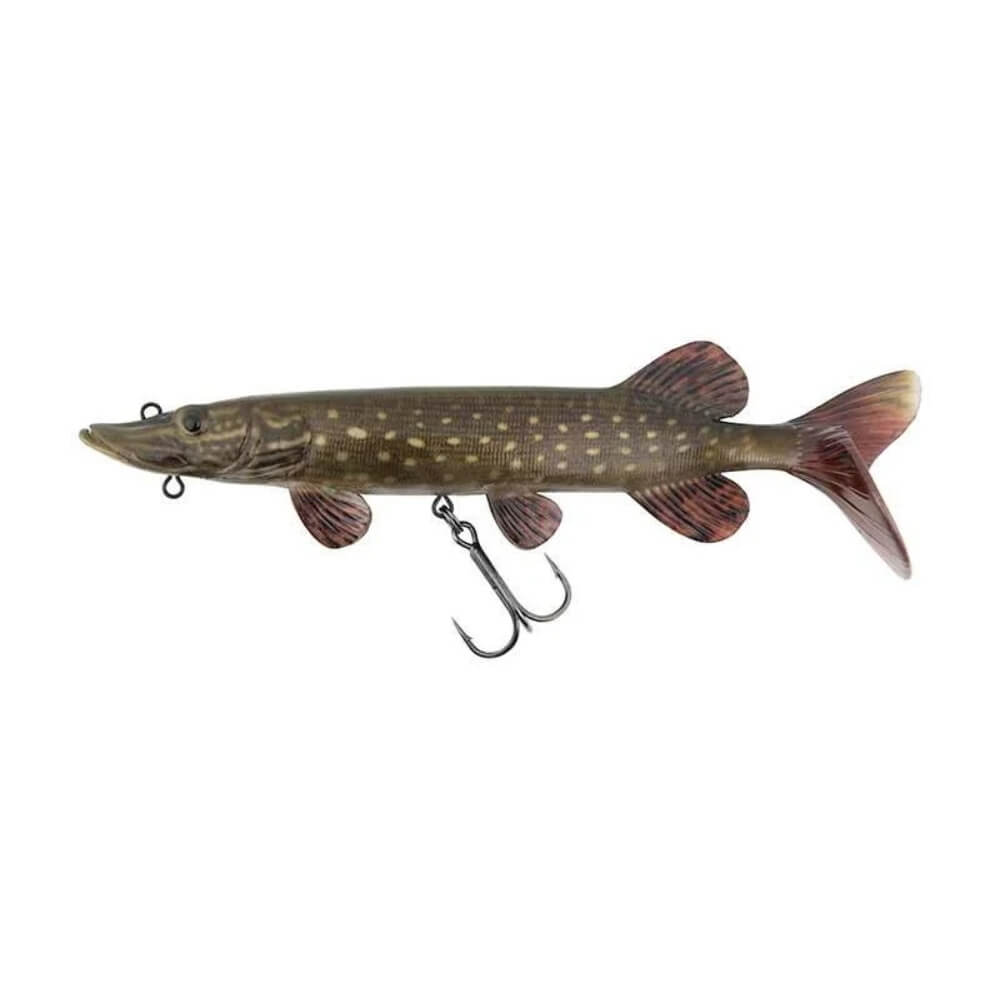

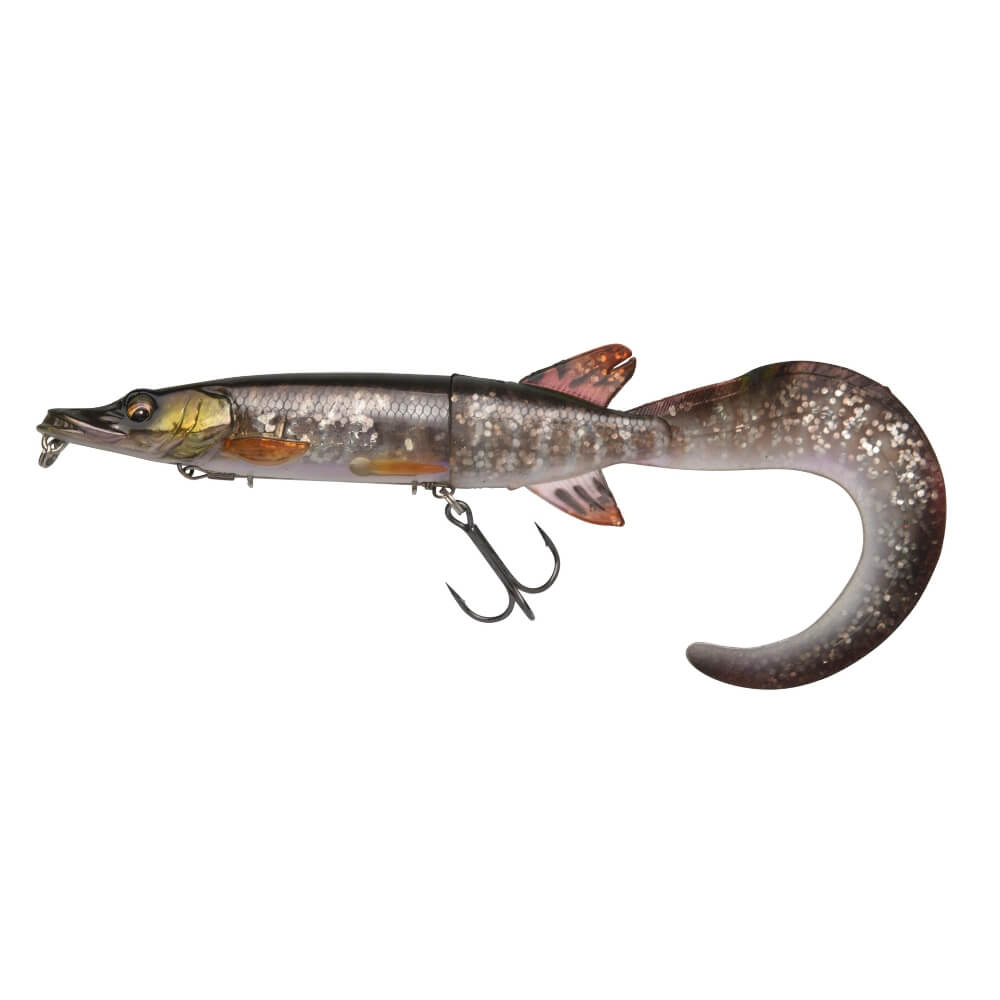
Save 16%
💚 Lead-free
🤩 New variant


Sold out💚 Lead-free


⭐ Top rated


Save 35%


Save 11%
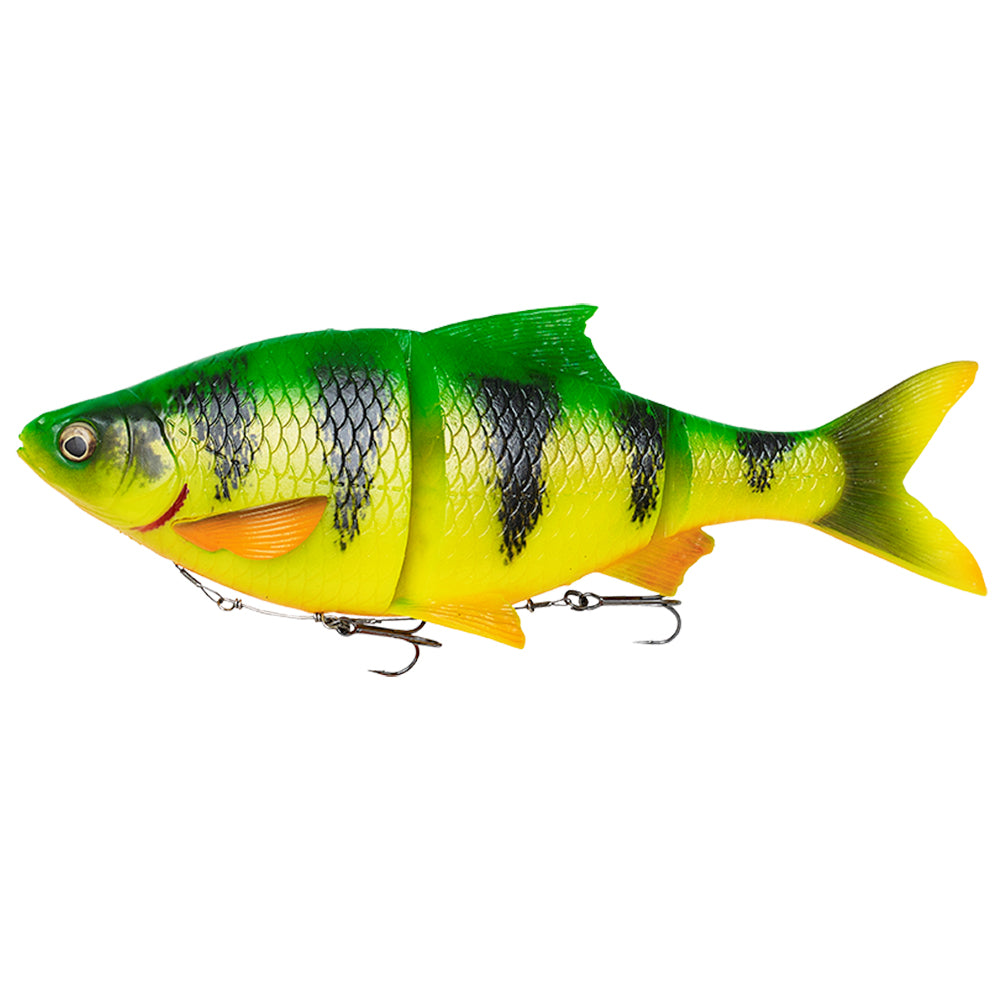


Save 40%
✨ Variant restocked

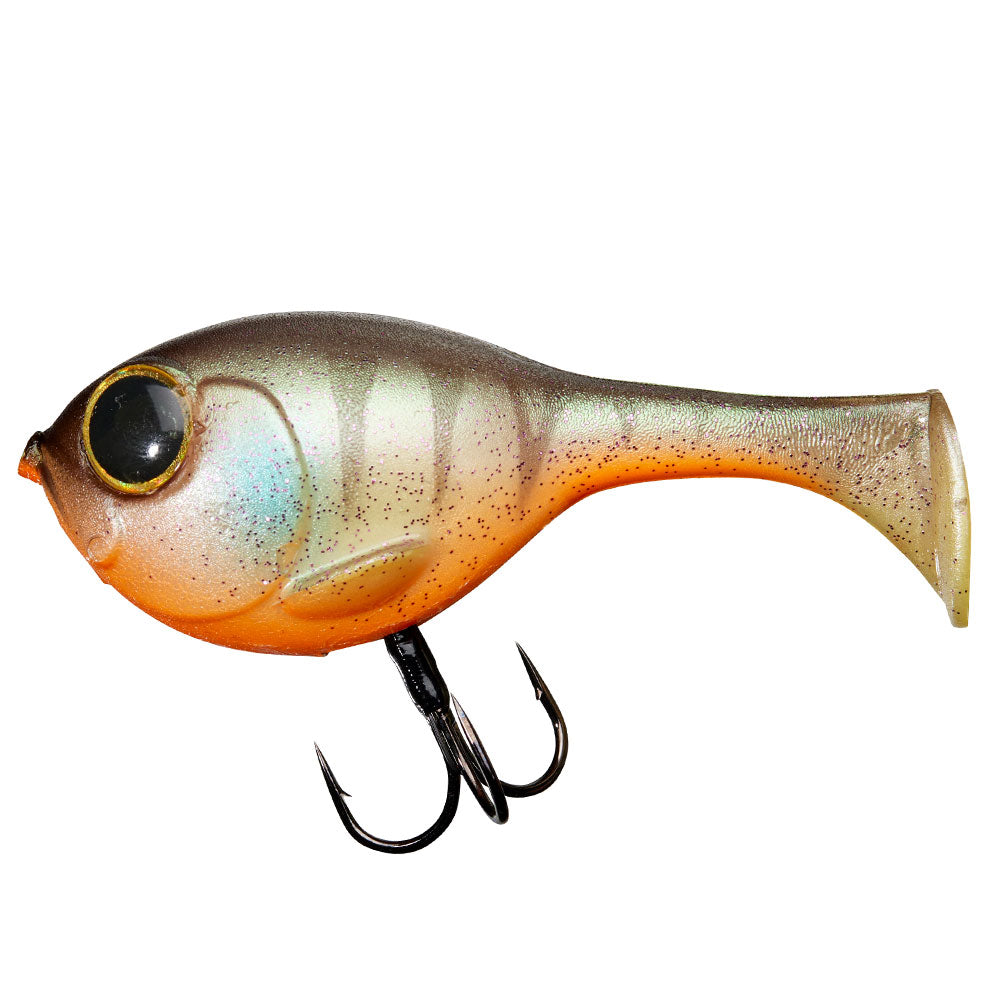

💚 Lead-free

Frequently asked questions
Yes, there are! They come in a range of materials - hard plastic, wood, soft plastic, hybrid constructions and solid-body designs. With or without a diving lip. There is the right swimbait on the market for every situation.
You can use them all year round. They are always worth a try, especially when pike are holding shallow.
Pike above all. But wels catfish and the occasional big zander are also happy to take a swimbait.
A stiff rod with sufficient casting weight, as many swimbaits are heavy. Pike-proof leader material, a suitably strong main line and a robust reel.
Yes, absolutely. They are very well suited to trolling. The sinking variants in particular, as well as those with diving lips, can be presented at a precise depth and shown off perfectly at a constant trolling speed.
Of course! These lures are easy to work and are often simply retrieved steadily after casting.