










Leader Material
Everything you need to build your leaders exactly the way you want them is right here. Even the smallest detail can make the difference between a fish and a blank.















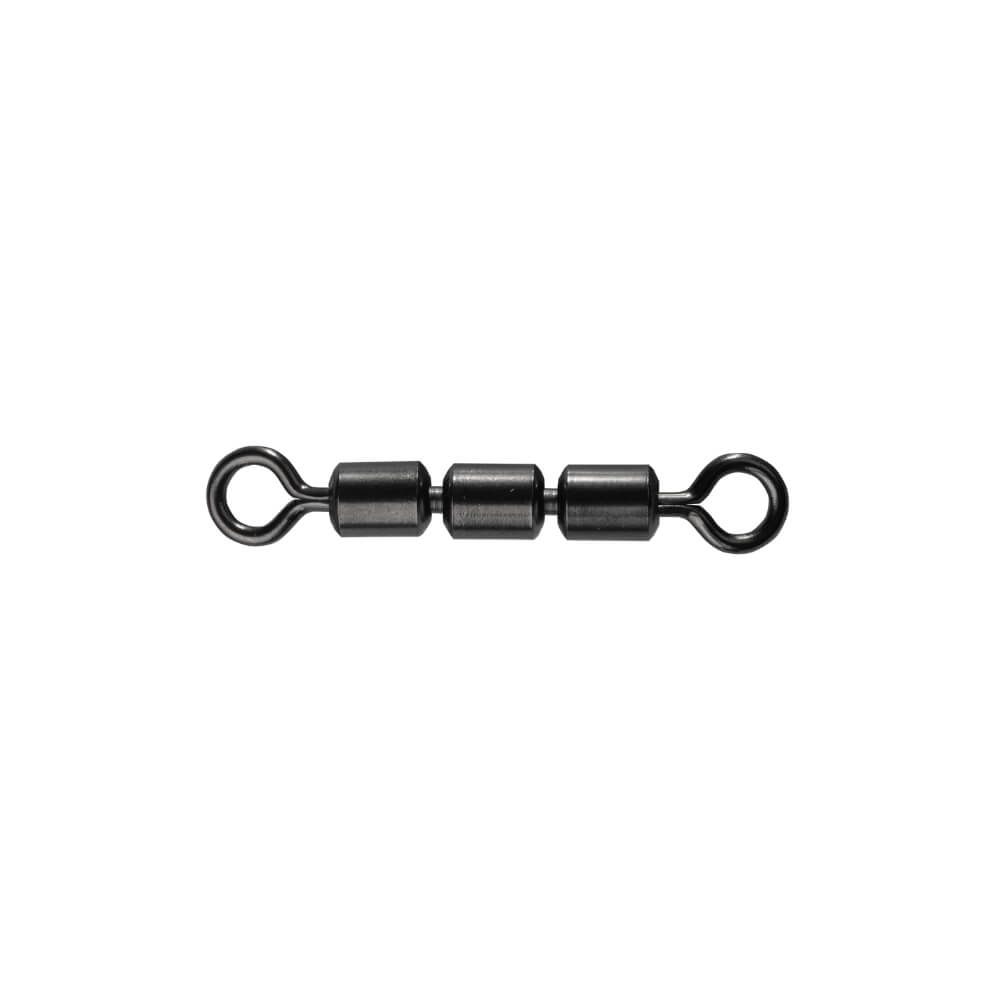


3 variants


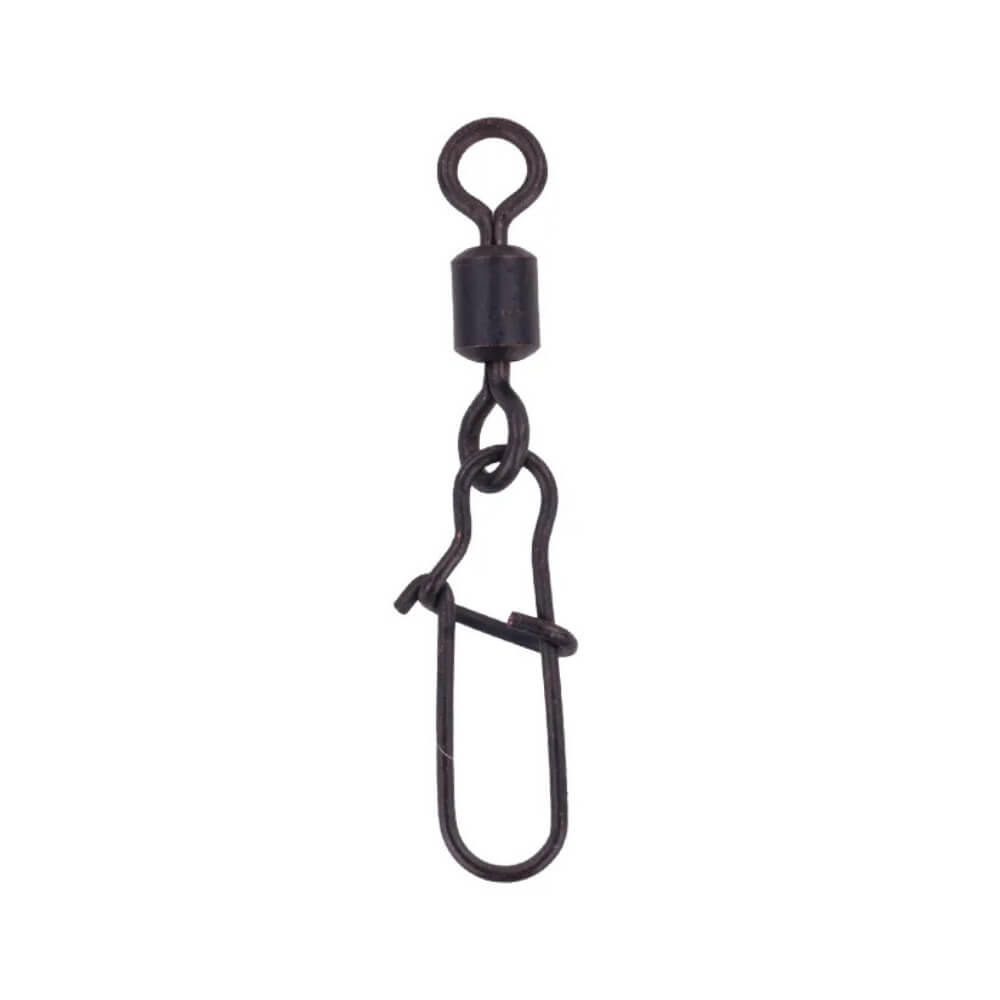

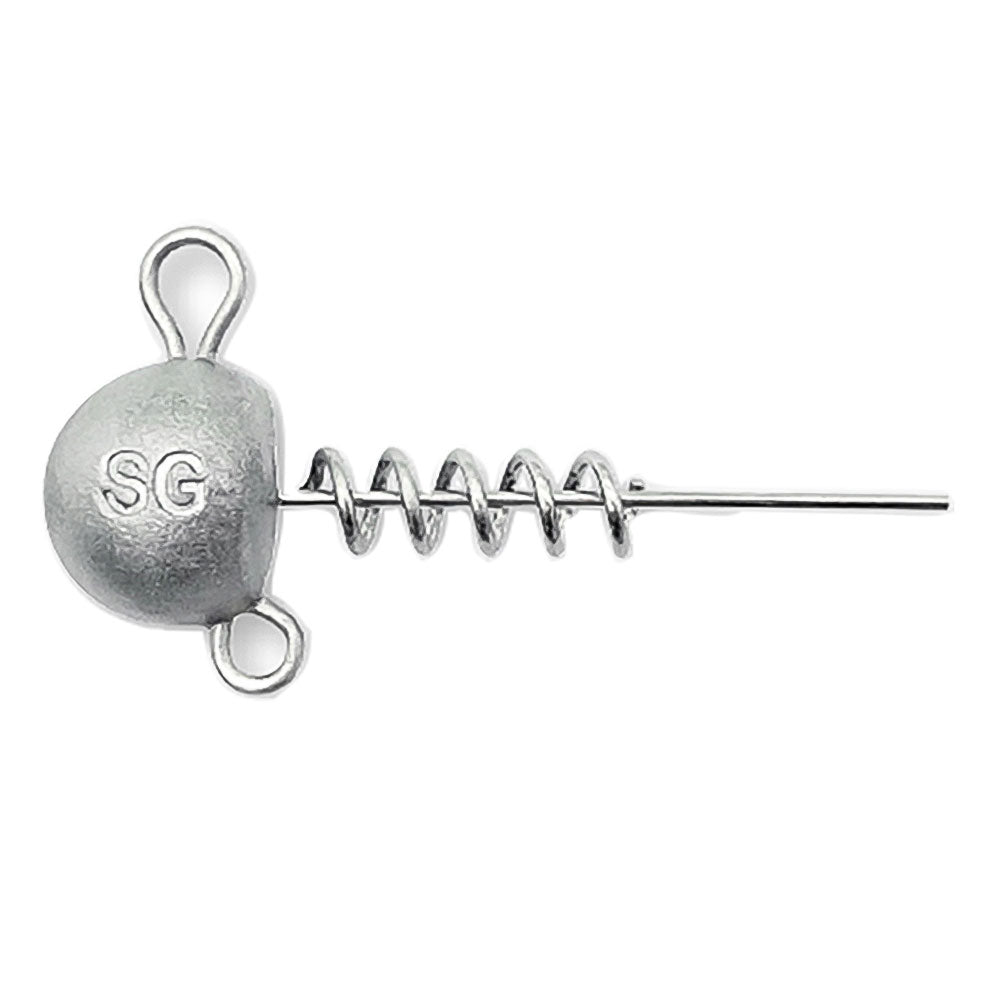


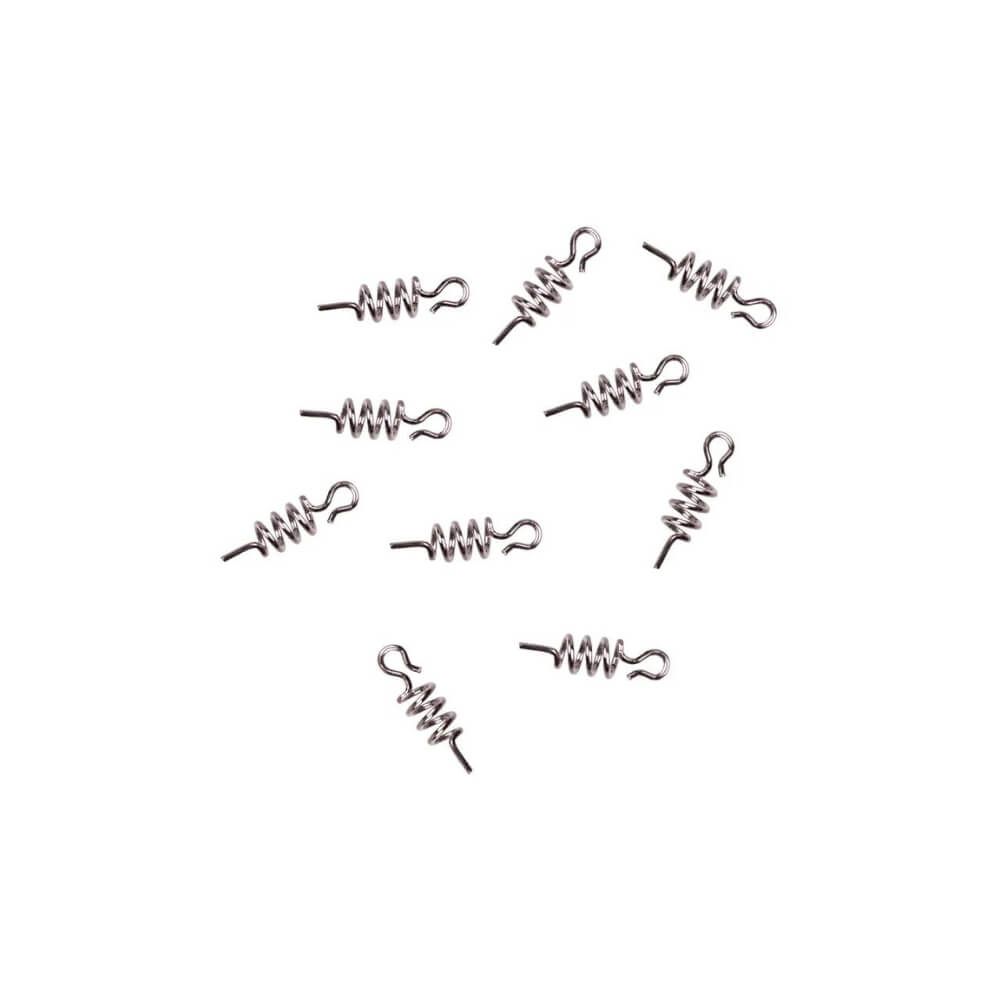

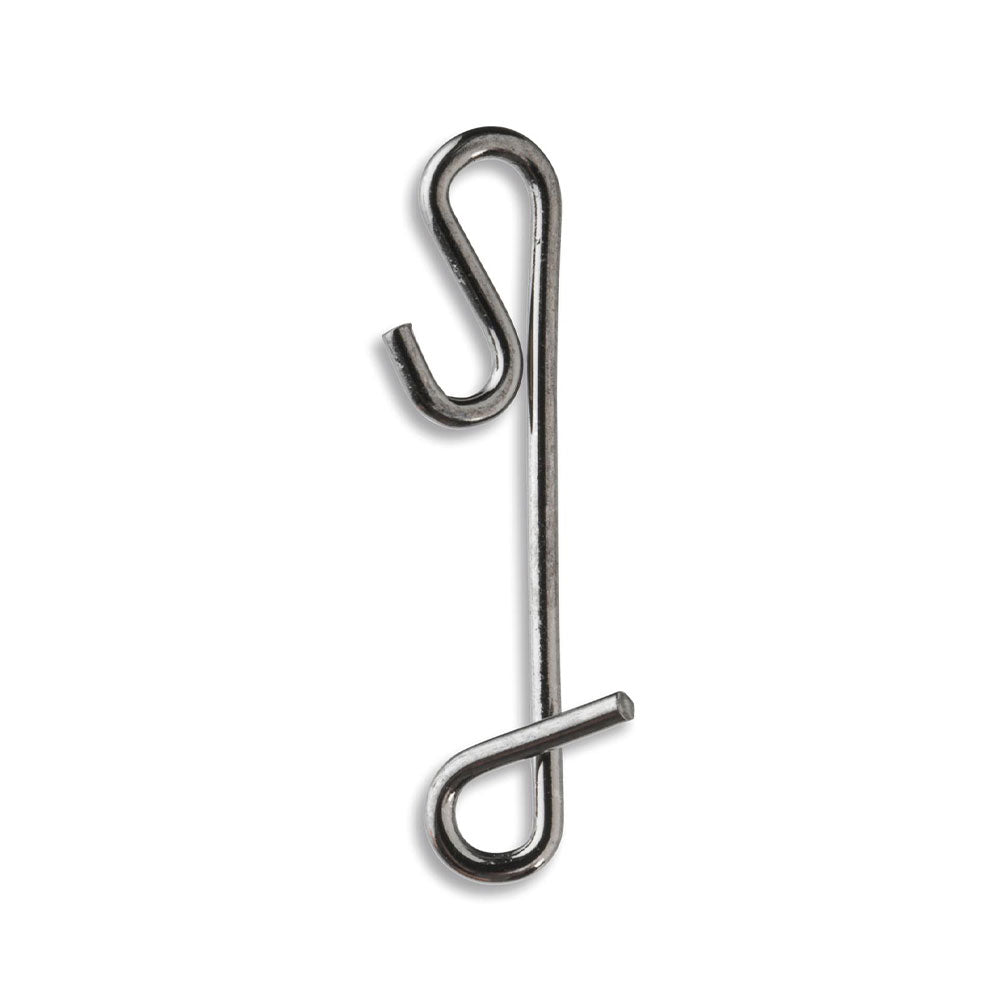

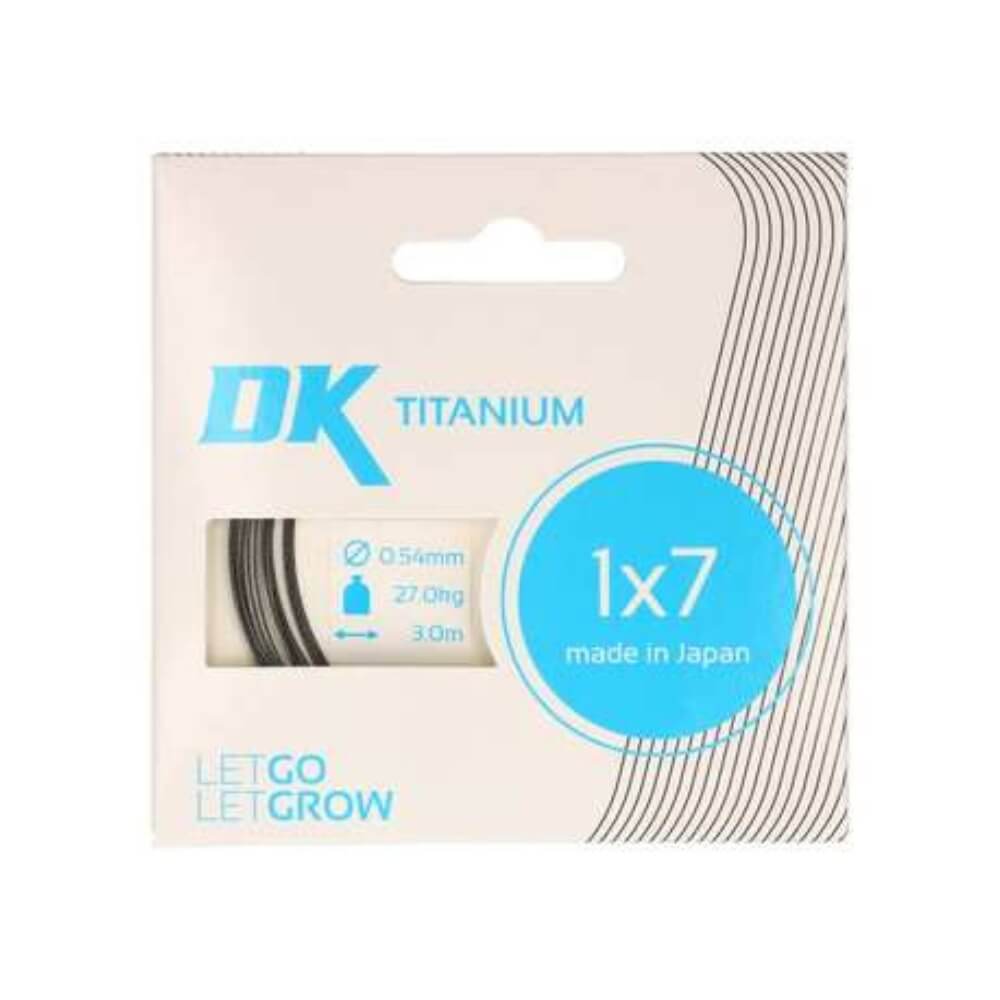
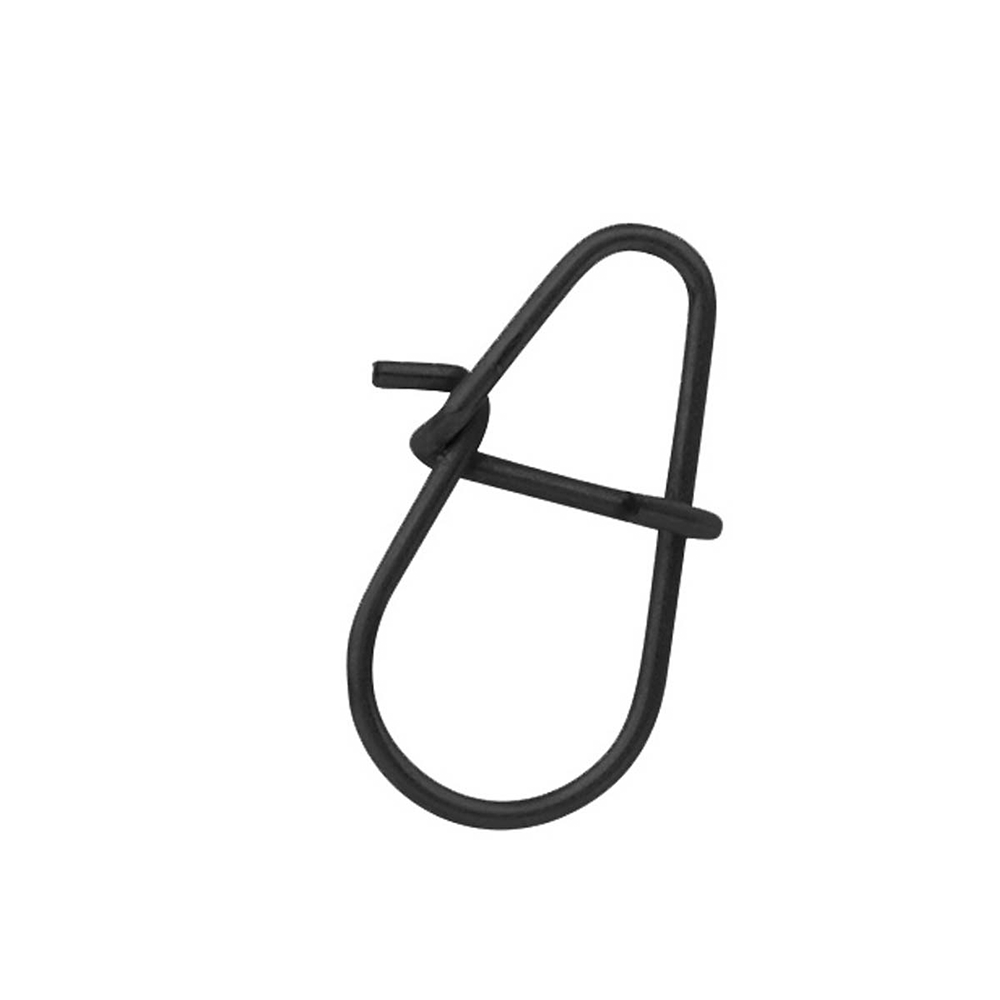


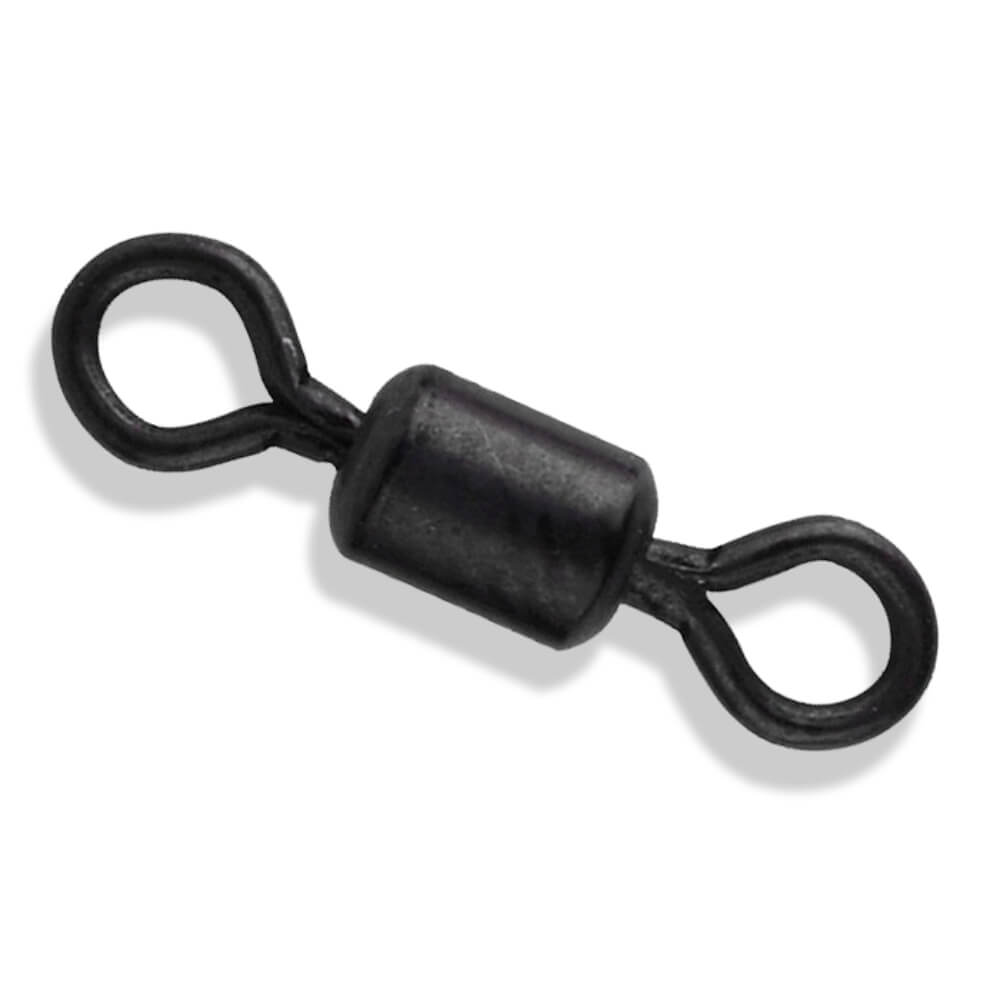

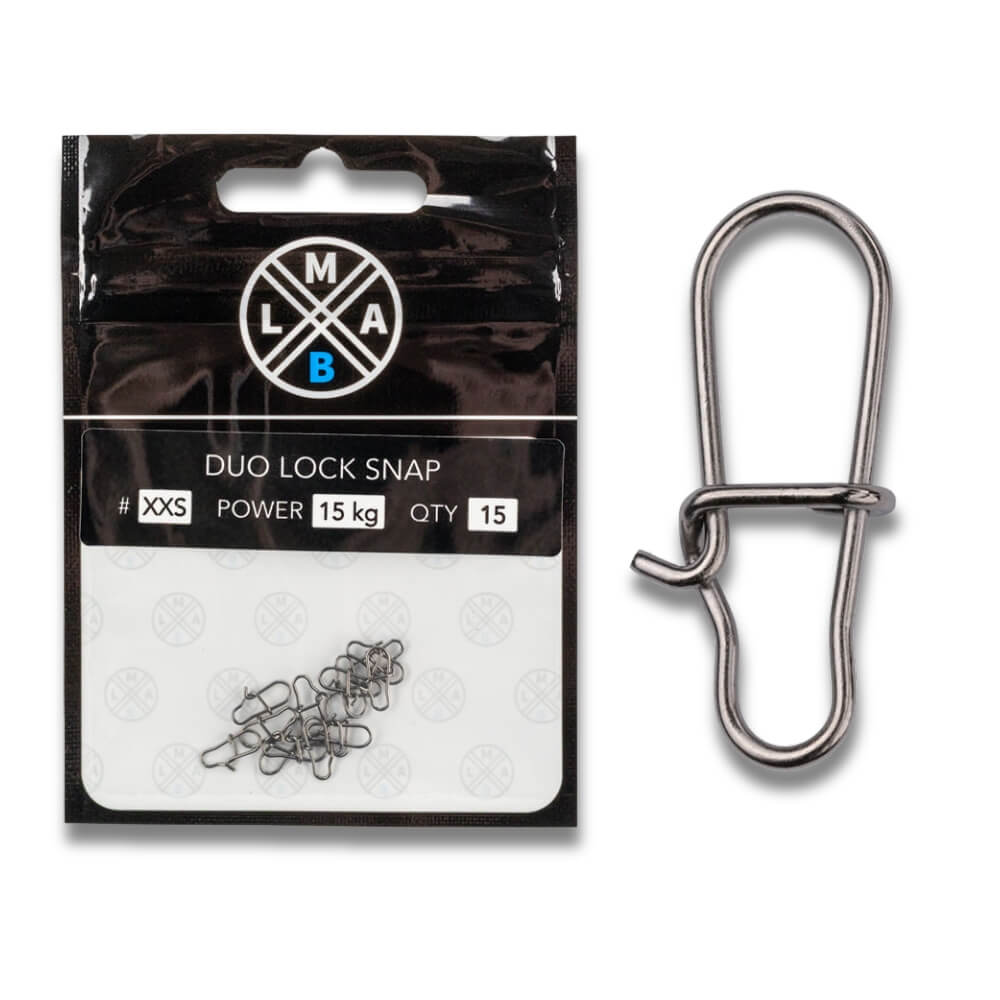
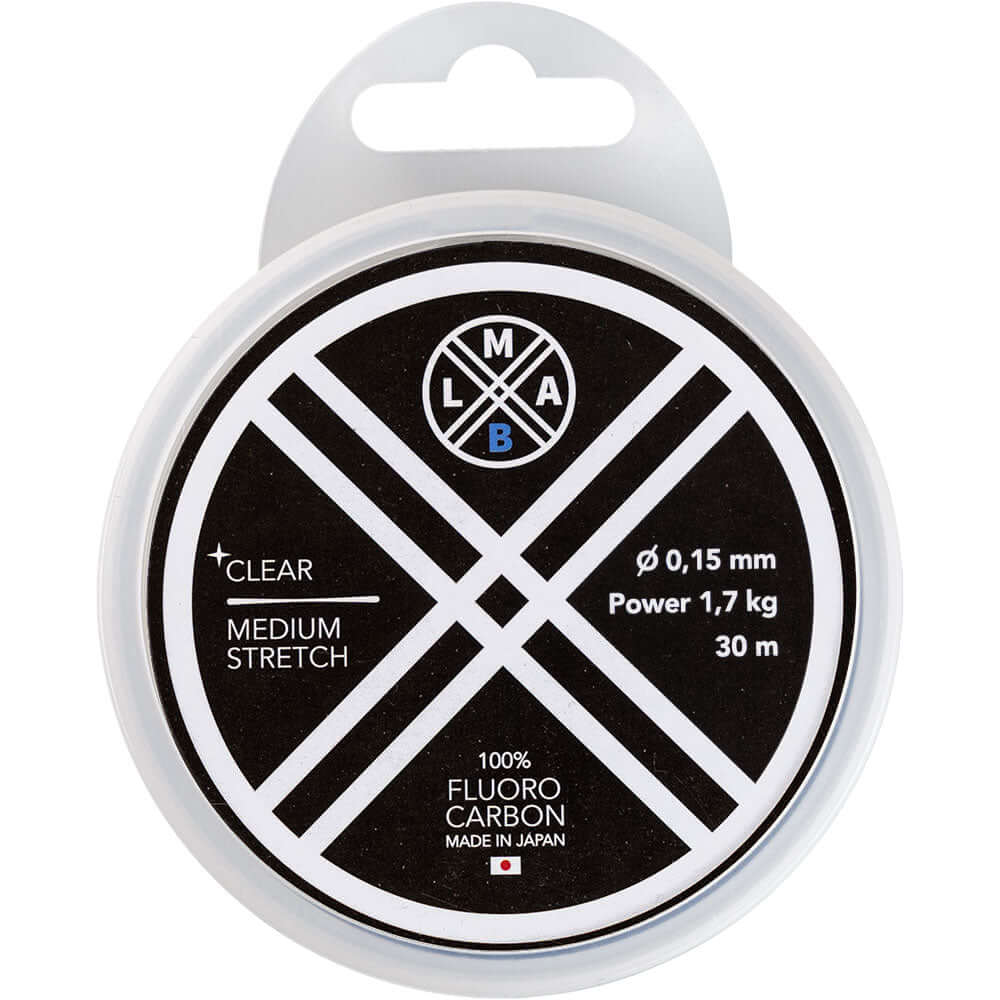
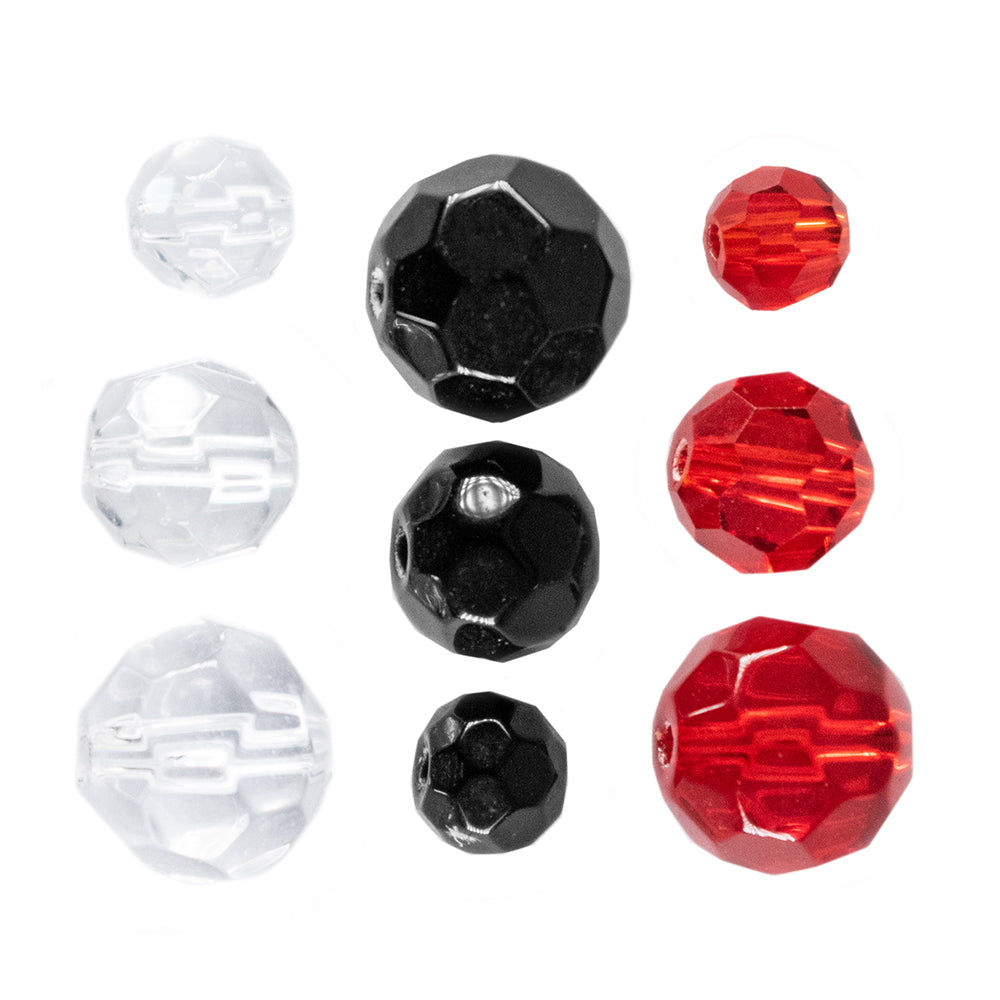
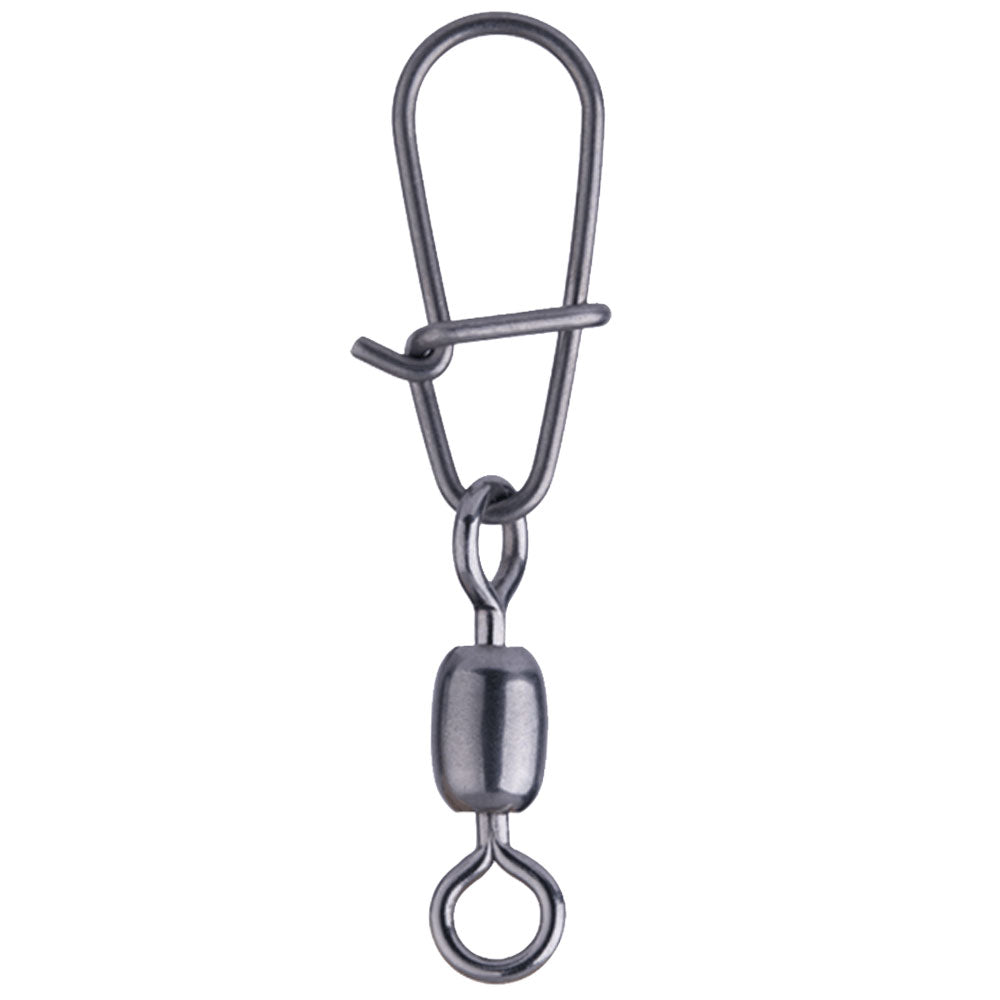
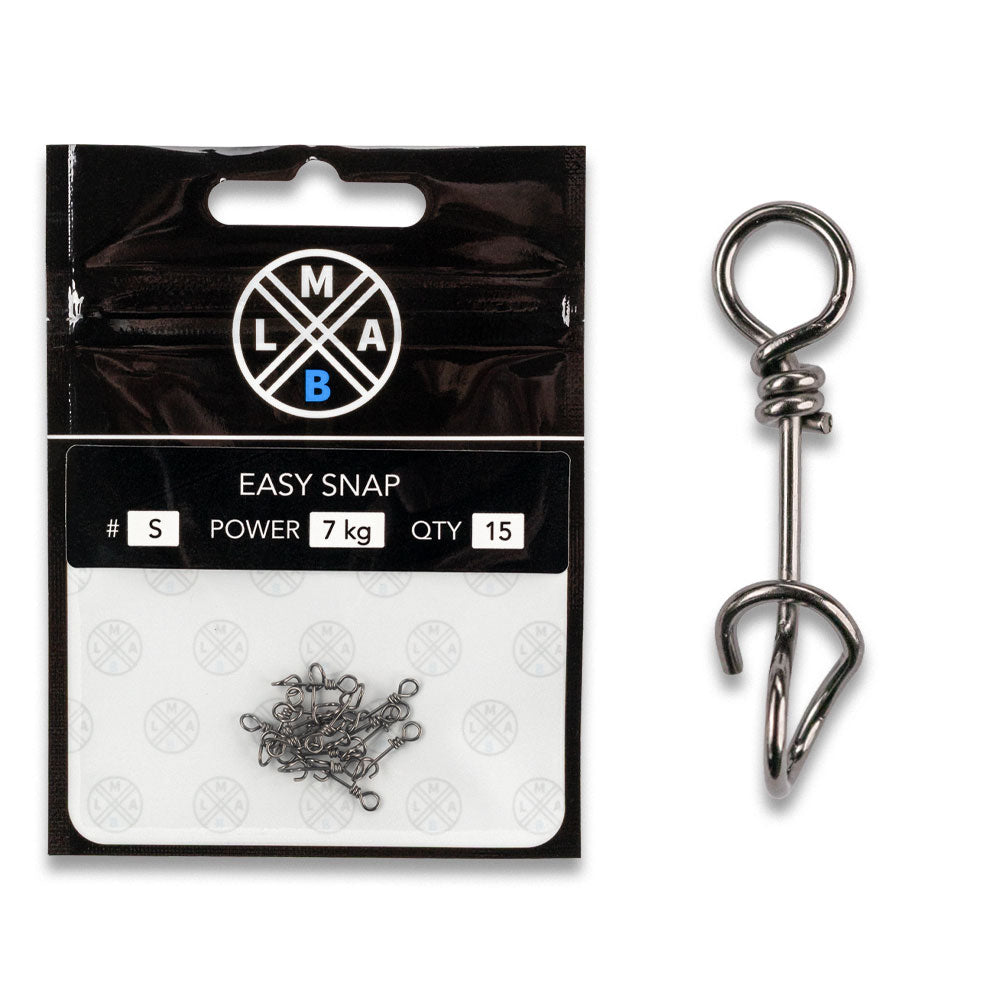
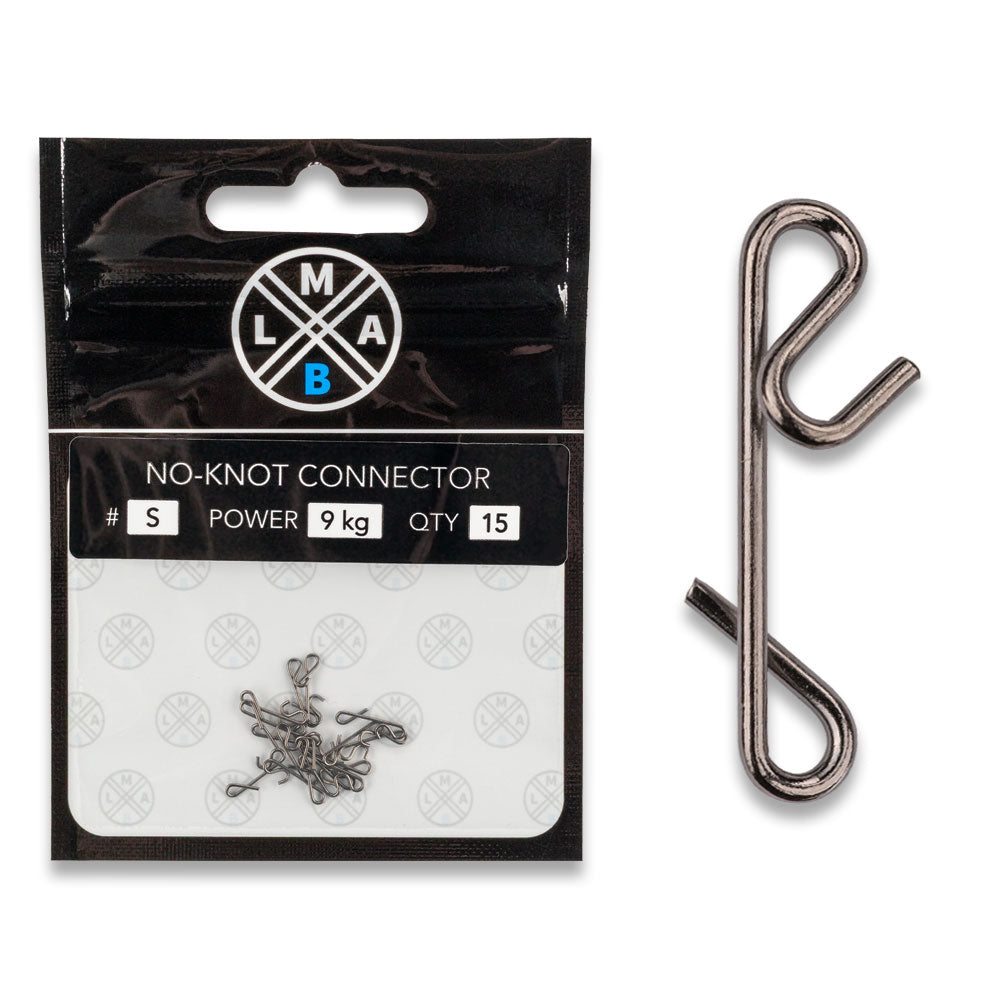
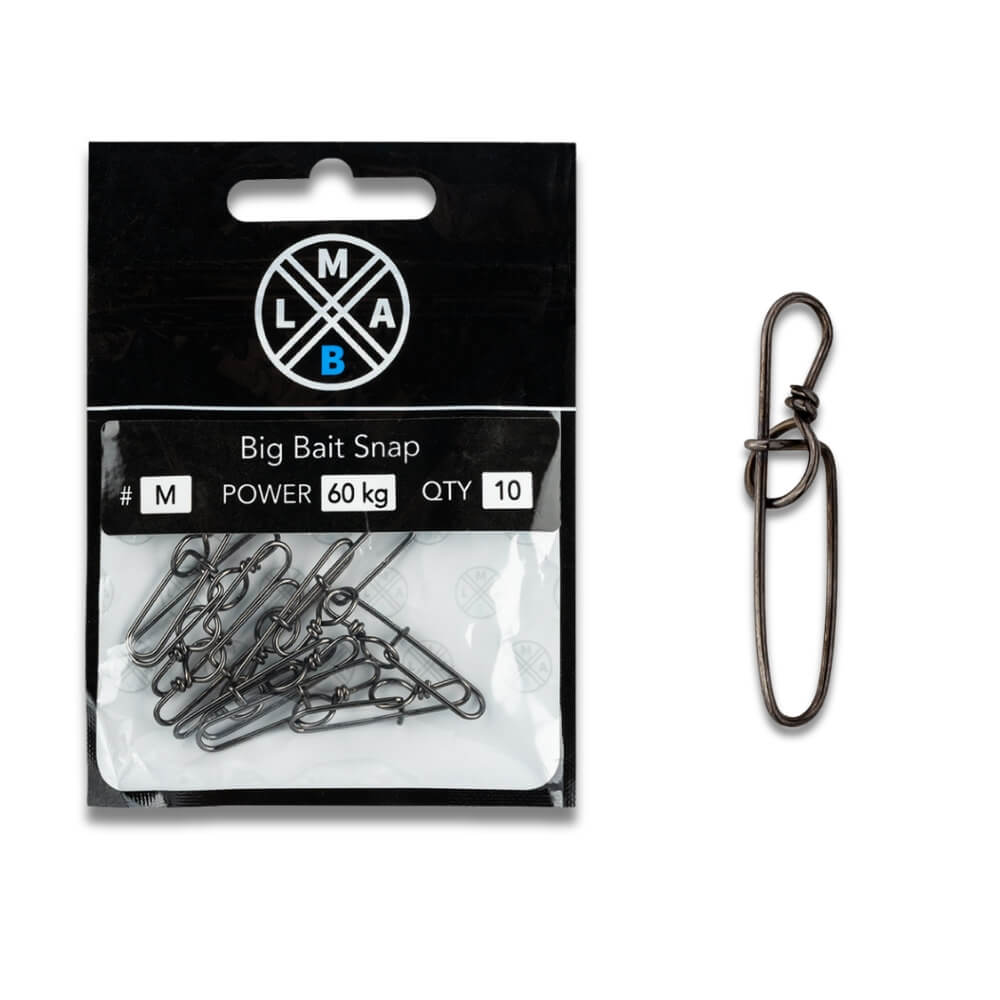
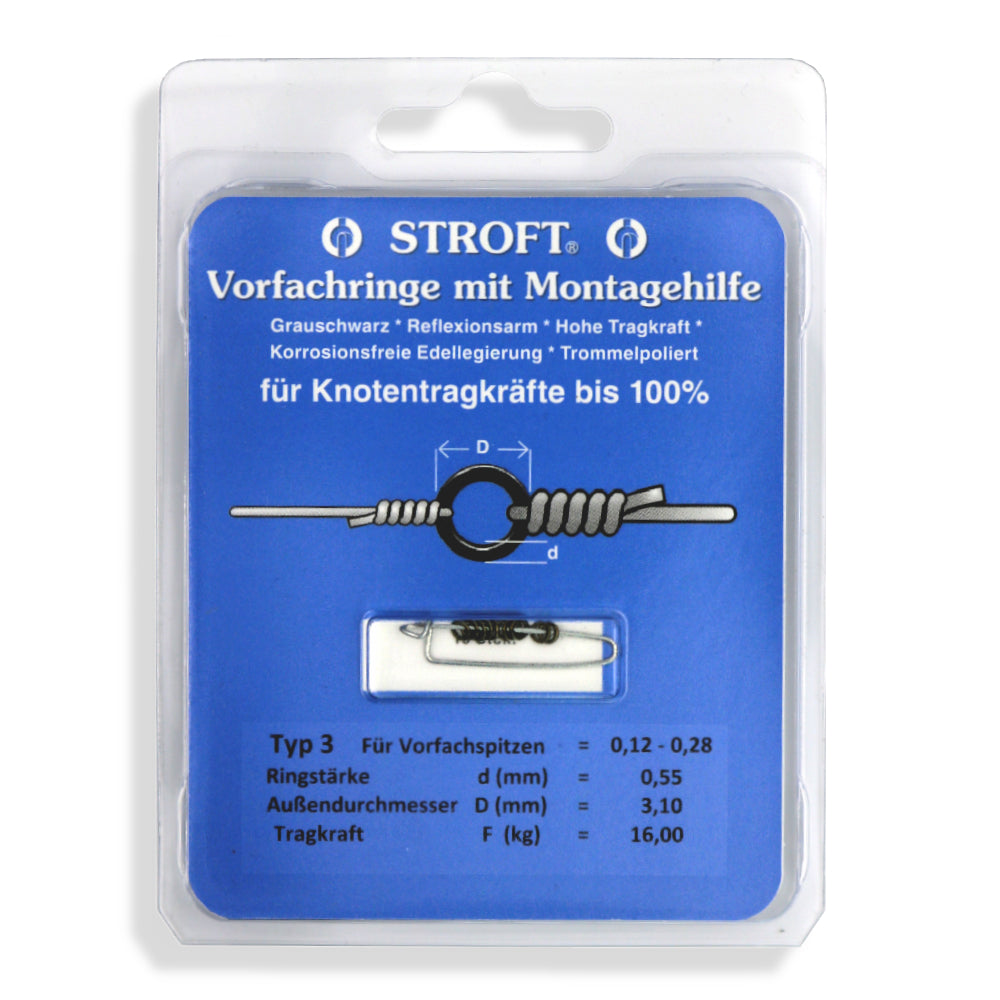
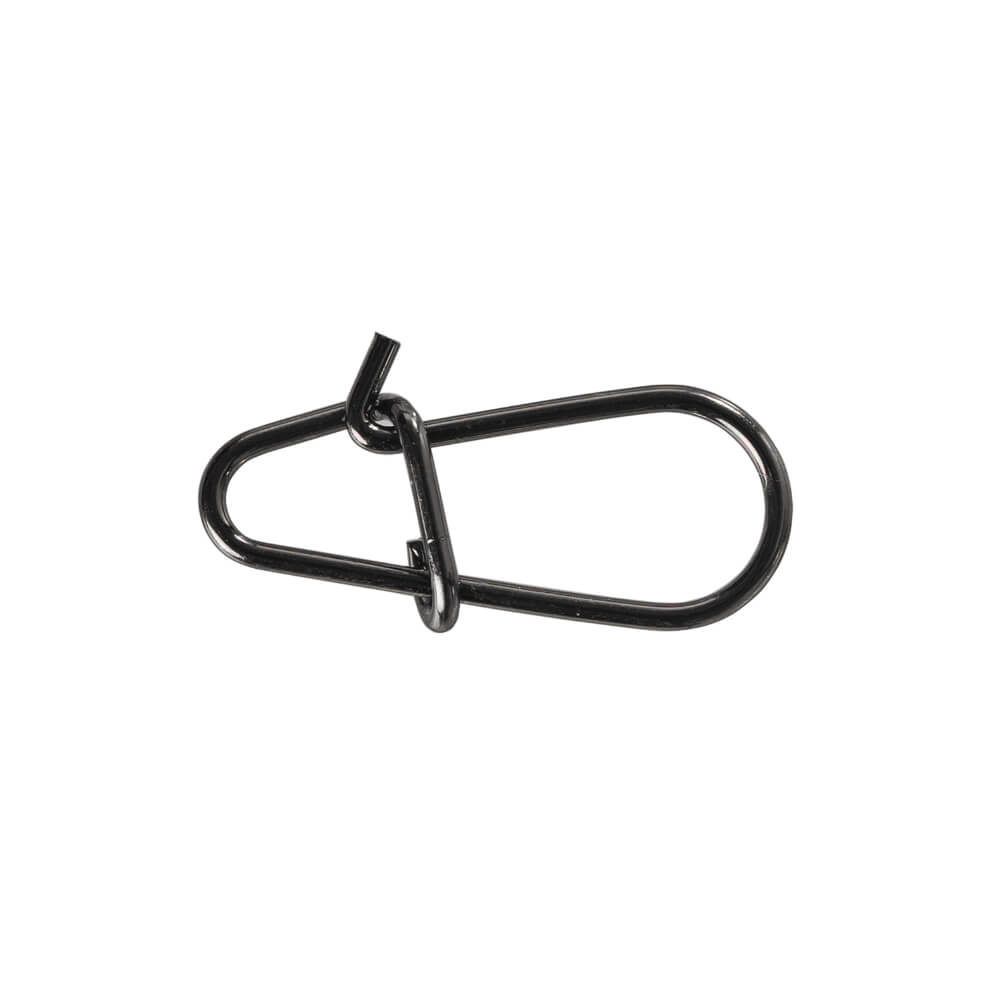
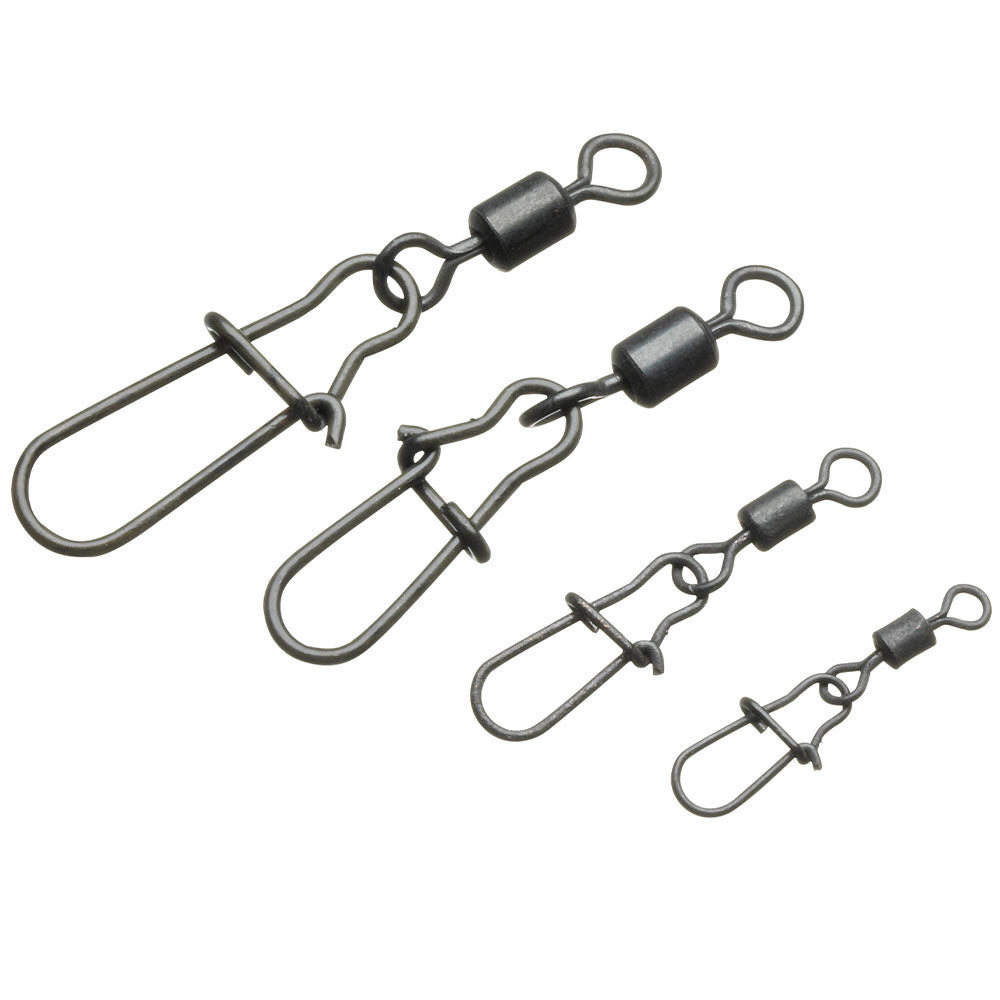
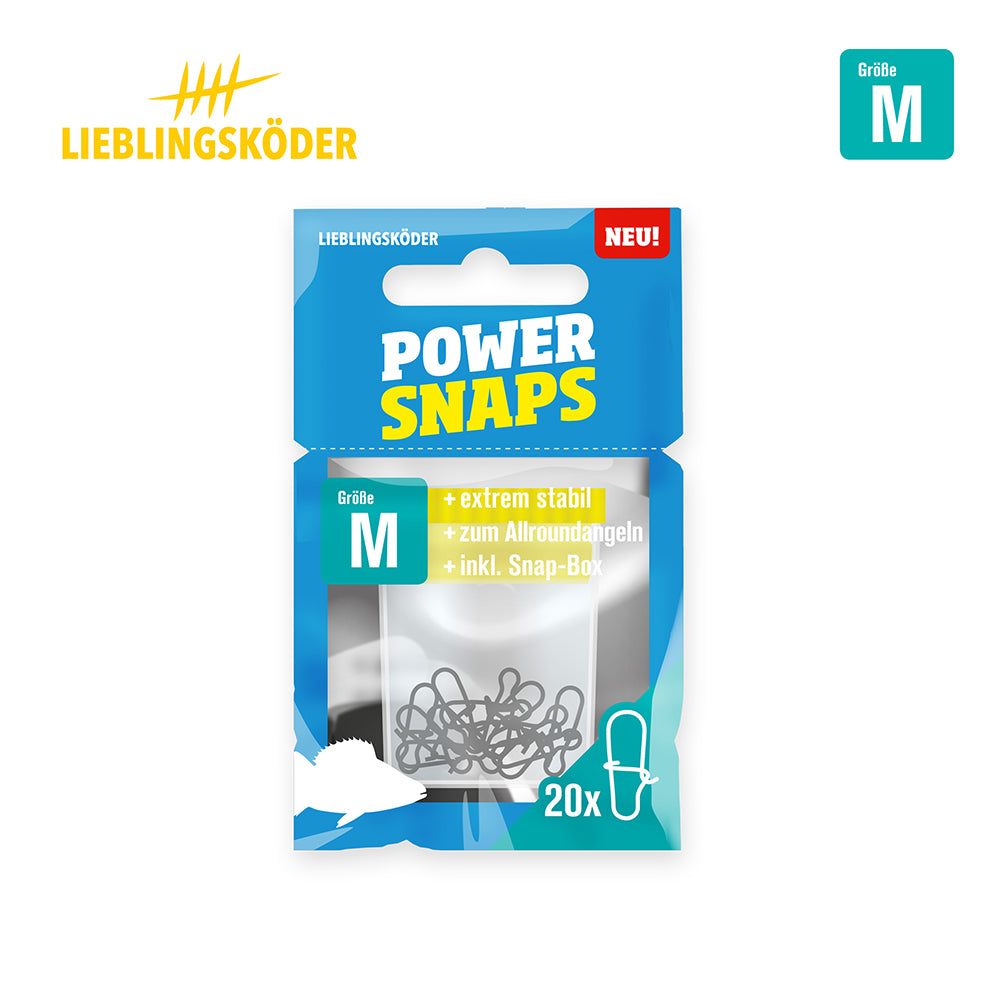
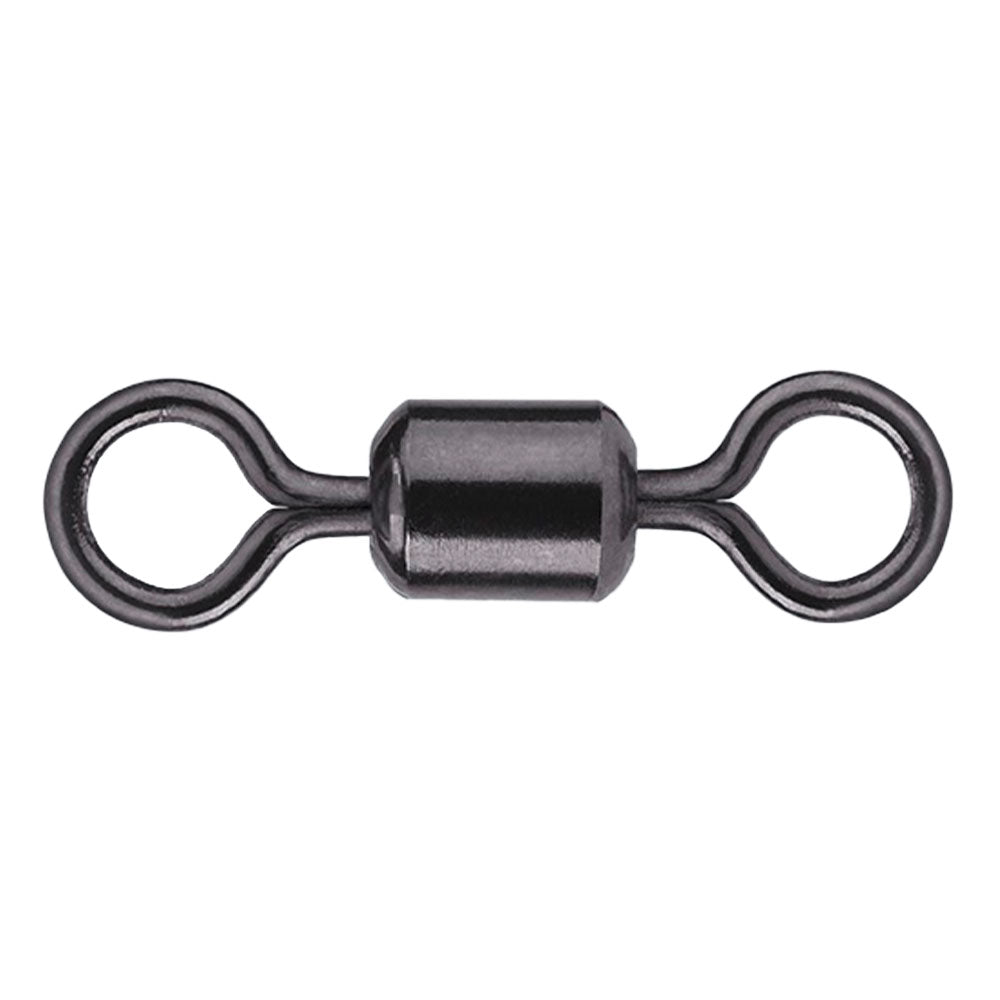
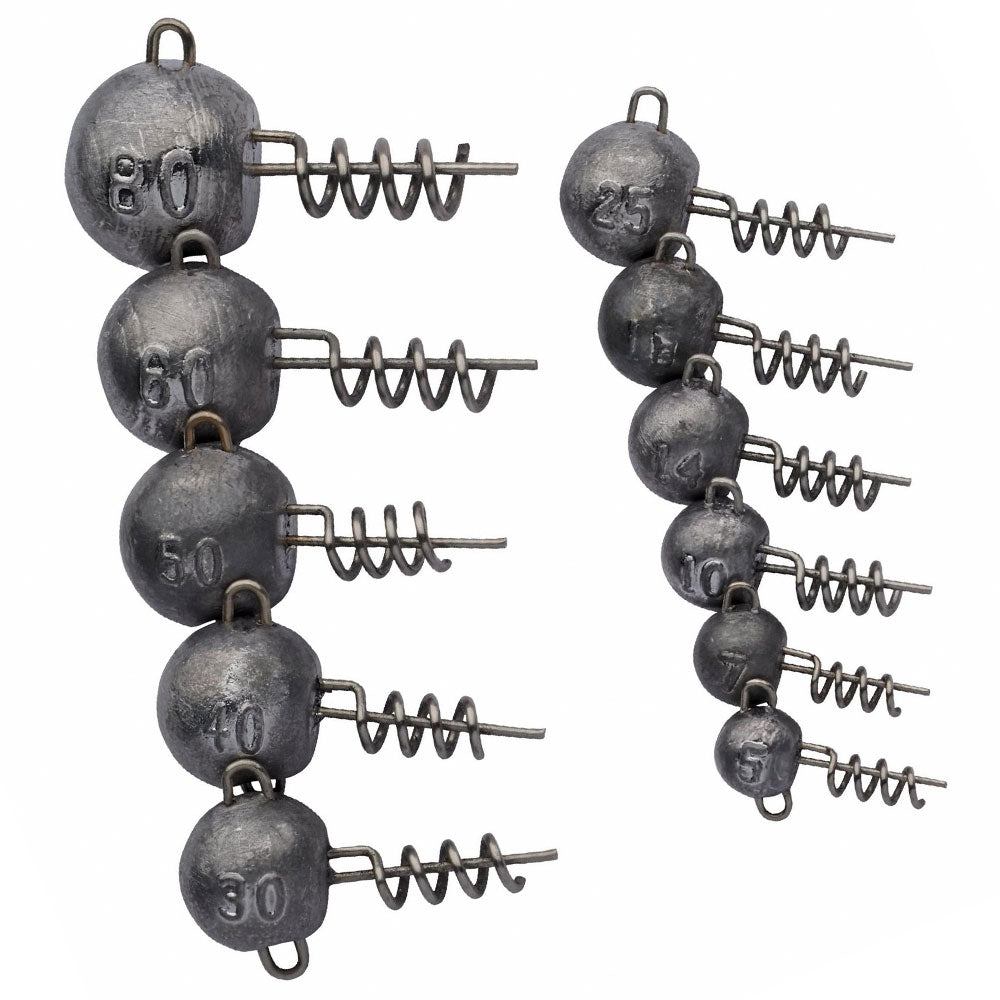
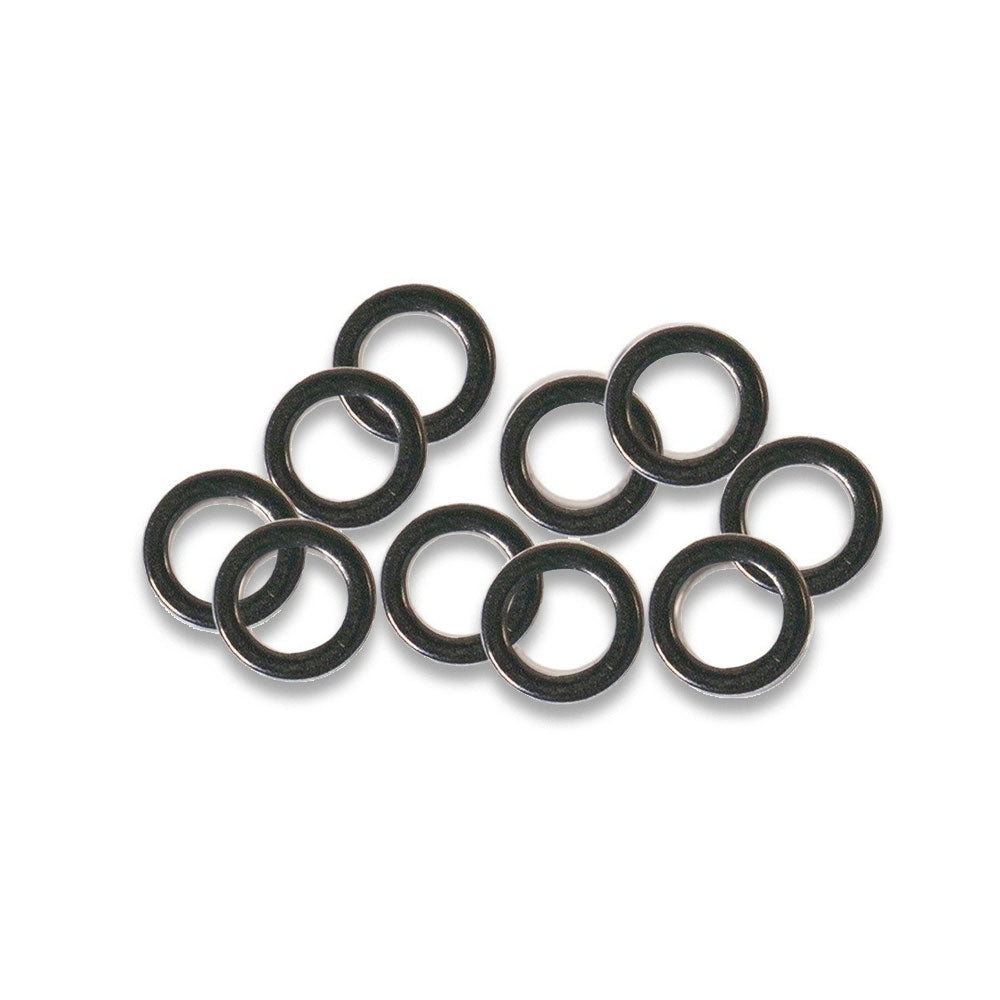
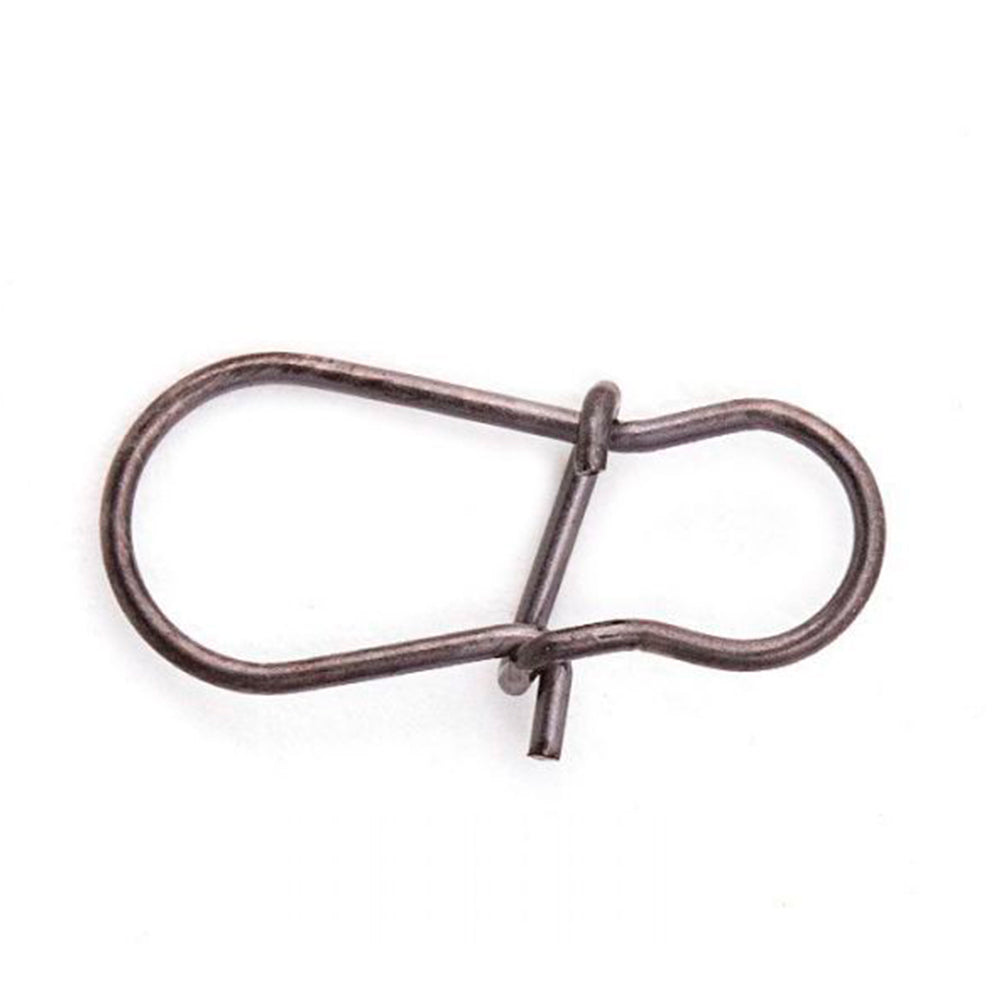
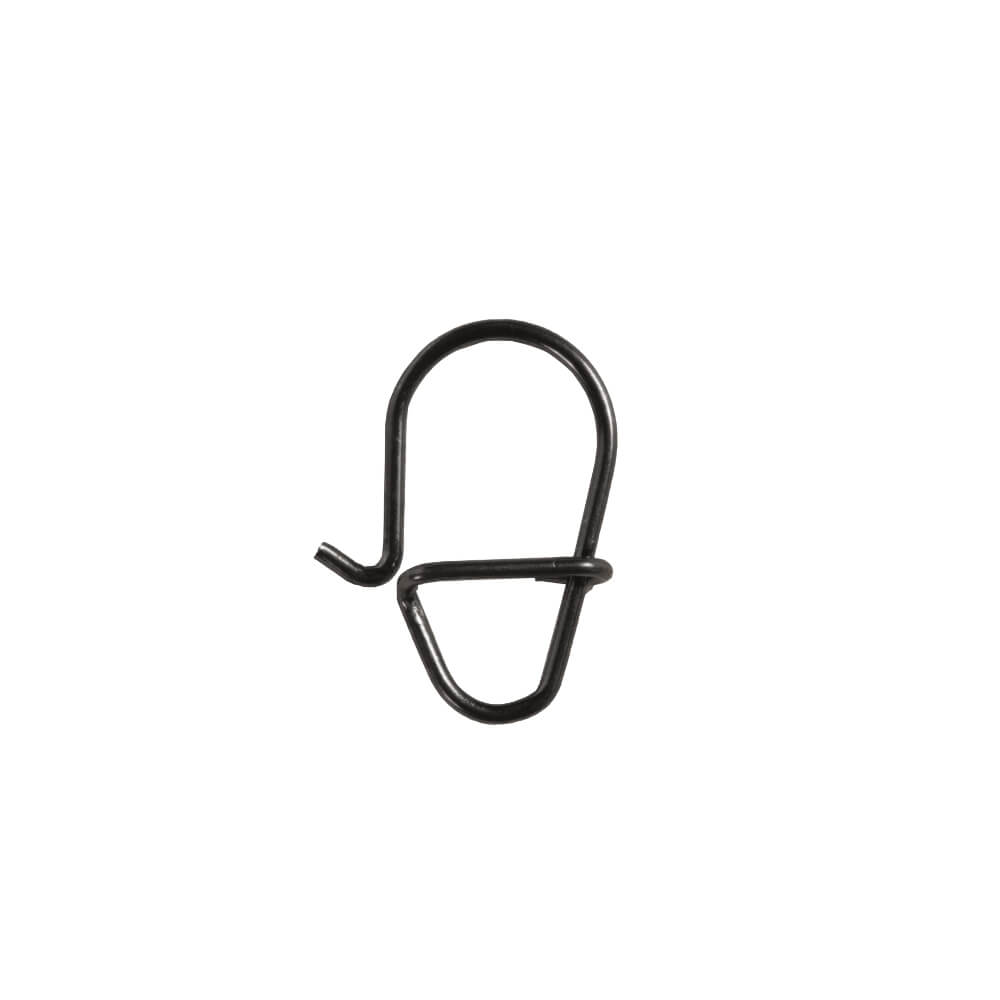
<h2>Information on Leader Material</h2><p>Leaders have become an essential part of modern angling. In many European countries, <strong>braid</strong> is the dominant main line choice - and for good reason. It offers <strong>high breaking strain at a thin diameter</strong> and keeps you in direct contact with the lure thanks to minimal stretch. However, braid has one significant weakness that makes a leader absolutely necessary: it has very poor abrasion resistance. The moment braid comes into contact with rocks, mussels or a predator's teeth, it can part almost instantly. That is why a range of different leader materials and set-ups exists - to protect the main line and to present the lure as naturally as possible.</p><p>Ready-made leaders are of course available in large quantities and varieties, but many anglers prefer to tailor their leaders to their own specific requirements or simply trust their own rigging skills. For that reason, every individual component is also available separately, so you can build custom leaders to your own exact specifications.</p><p>The following guide starts at the lure end and works through the various components you can use when building your own leaders.</p><h3>Lure Attachment</h3><p>A lure attachment allows you to change lures quickly and efficiently. There are several ways to do this. The most widely used is the <strong>snap</strong>, which consists of wire and closes via a small hook mechanism. Snaps come in a wide range of designs, and unfortunately also in very different qualities. As a general rule, avoid anything that incorporates bent metal plates - these cheap versions pull open under minimal load and are completely unsuitable for lure fishing. Smaller models made from <strong>thick, springy wire</strong> are the better choice, as they combine high breaking strain with low lever forces. The minor downside is that they can be tricky to open with cold, numb fingers - but that small inconvenience is well worth it for the fish of your dreams. Zander and pike have extremely powerful jaws and can straighten a weak snap in an instant if they catch it at the wrong angle. Many manufacturers state breaking strains, so look for models that offer the best balance of size and strength.</p><p>Alongside snaps, there are also various designs of <strong>fast-attach connectors</strong>. These are usually made from a spirally wound wire into which the lure is twisted. Many hold up to very high loads and are a solid alternative to snaps. They also do not need to be opened to attach a lure, which is a real advantage in cold weather. The downside is that lures with very large or very thick line eyes can cause problems, and using an oversized fast-attach to accommodate them is rarely a sensible solution - in those cases, a conventional snap or an alternative attachment style is the better option.</p><p>For hard-fighting species, a combination of a <strong>heavy-duty swivel and split ring</strong> for lure attachment has proved very effective. This set-up is particularly relevant for sea anglers and big bait pike anglers.</p><h3>Leader Line</h3><p>The material you choose depends entirely on the application. When targeting species with sharp teeth, only a <strong>bite-resistant leader line</strong> is suitable. Wire is the most reliable option here.</p><p>Wire leader line is available in several constructions. The simplest is a <strong>1x7 wire</strong>, made from seven individual strands twisted together. These leaders are very bite-resistant but tend to kink and curl relatively quickly and feel somewhat stiff. They still work very well for predator leaders, though they do need replacing more frequently. A more refined option is <strong>49-strand wire</strong>, made up of 7x7 individual wires. It is more supple than the 1x7 material, resists kinking for longer, and gives the lure a little more movement. Between these two sits the <strong>1x19 construction</strong>, which falls somewhere in the middle in terms of flexibility and stiffness.</p><p>All of the above are available <strong>coated or uncoated</strong>. Nylon-coated wire is considerably stiffer but also more resistant to kinking. It can also be crimped with heat when building leaders, which is not possible with uncoated wire.</p><p>Another option is leader material made from <strong>titanium</strong> - or more precisely, a nickel-titanium alloy. This material is extremely supple and springs back to its original shape after bending. As a result, titanium leaders are completely kink-free and will only fail under the most extreme loads. It can be tied with conventional knots, making it possible to build very discreet leaders with minimal components, even on the bank. Titanium is available as a <strong>monofilament wire and in a 1x7 construction</strong>. It is noticeably more expensive than steel, but its superior properties and much longer lifespan - when handled correctly - put the higher initial cost into perspective. Sharp edges must be avoided, as they can cause undetected breaks; aside from that, the material has clear advantages over steel.</p><p><strong>Fluorocarbon</strong> is also largely pike-proof above a certain diameter - as a rough guide, you should use a minimum of 0.90 mm. Where you simply need resistance against mussels or rocky bottoms, a much thinner diameter is sufficient. Beyond pike fishing and sea applications, fluorocarbon is an excellent general-purpose leader material for predators with few or no teeth. It has low stretch, is virtually invisible underwater, and sinks. Combined with its strong abrasion resistance, it offers near-ideal properties for predator leaders.</p><p>If all you need is a low-visibility buffer between coloured braid and your lure, and abrasion resistance is not a priority, <strong>mono</strong> also works well as leader material. When fishing surface lures, you also need a <strong>floating</strong> leader, for which monofilament nylon is well suited. Hard mono is available in a relatively bite-resistant version that can also be used as a pike leader from around 1 mm diameter upwards - though if you are fishing a sinking lure anyway, fluorocarbon is the better choice.</p><p>It is also worth briefly mentioning that wels catfish anglers often turn to <strong>Kevlar</strong> for their leader material. Kevlar resists the fine brush-like teeth of catfish very effectively while remaining extremely supple. Outside of catfish fishing, it sees little use, as more suitable materials exist for other target species.</p><h3>Swivel or Leader Ring</h3><p>There are several ways to connect a leader to the main line. The most material-efficient is to tie the leader directly to the main line using a suitable knot - the Albright knot, the FG knot, the Bobbin knot, the Slim Beauty and many others all work well here. These connections can be excellent, but they do require practice to tie reliably. A <strong>swivel or leader ring</strong> is the more straightforward alternative. If you are fishing rotating lures such as spinners or spoons, or targeting wels catfish and other species that roll during the fight, a small but strong swivel at the leader end is a sensible choice. For situations where neither the lure nor the species is likely to rotate, a small <strong>leader ring</strong> is a more discreet option.</p><p>If you are unsure which to use, a small swivel with a high breaking strain covers all eventualities.</p><h3>Crimps</h3><p>Some leader materials can be knotted without difficulty; others require <strong>crimps</strong> for secure connections. Crimps should never have sharp edges and must always match the diameter of the leader wire being used - bearing in mind whether the wire will pass through the crimp two or three times. Keep the crimp as small as possible so that the wire strands cannot cross inside it and become damaged when compressed. It is equally important to make sure all the crimping points of your pliers cover the full length of the crimp, otherwise the ends of the sleeve get compressed independently and create weak points. Fluorocarbon should be knotted wherever possible; if crimping is necessary, <strong>double crimps</strong> are the better option.</p><h3>Split Rings</h3><p><strong>Split rings</strong> are a topic that deserves care. On one hand they are extremely practical; on the other, quality matters enormously. Poor-quality split rings bend open easily and can fail during the build itself. Good-quality split rings, by contrast, offer very high breaking strains and are ideal for use directly on lures or in shallow rigs.</p><h3>Further Small Components</h3><p>Beyond these main components, there is a wide range of optional small parts available - beads, rubber beads, stops, shallow screws and much more. Whether and how best to incorporate these into your leader, and what to watch out for, is covered in the relevant information on individual rigs.</p>