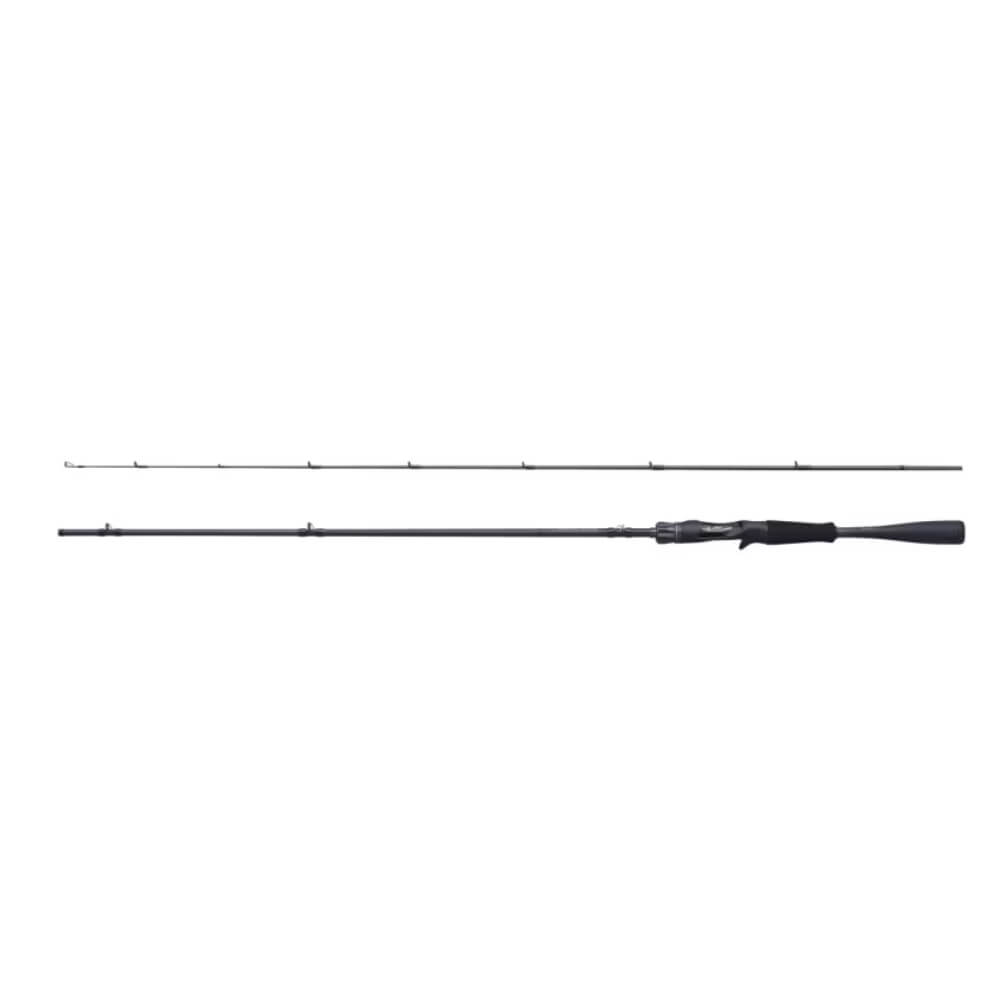
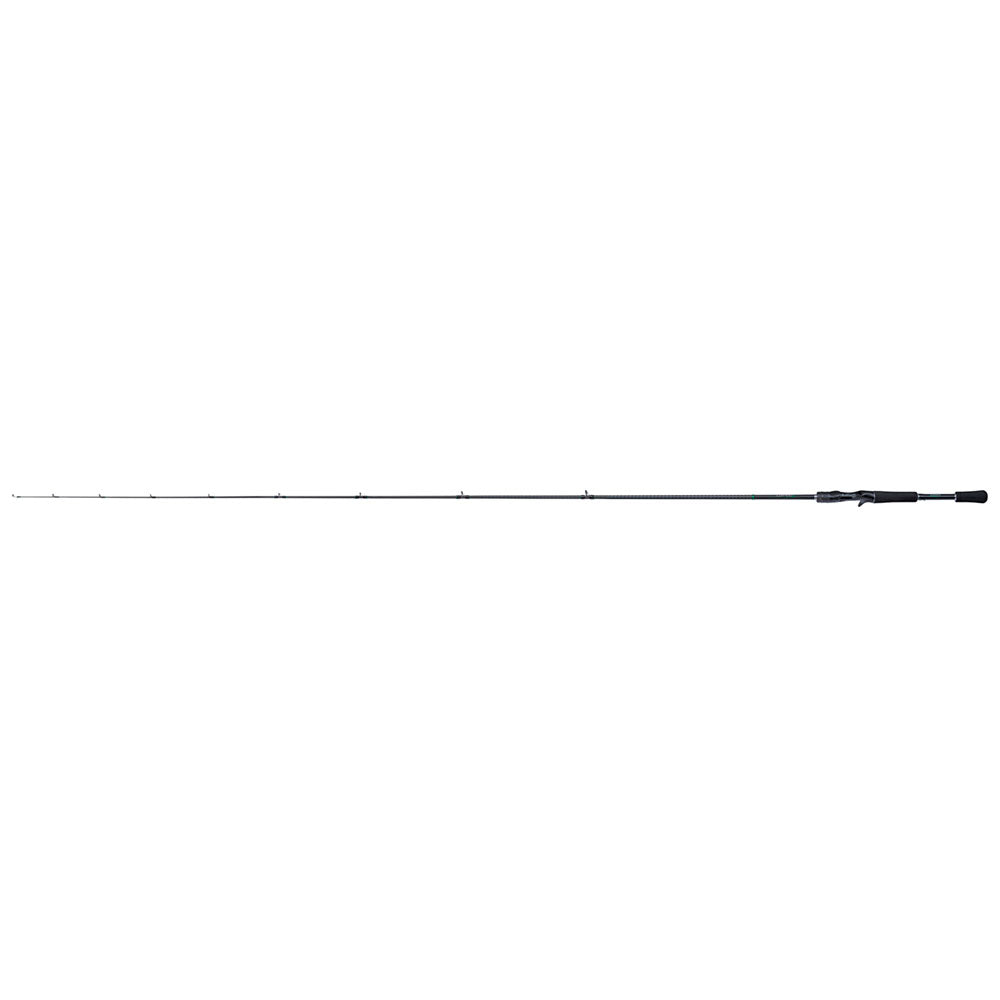
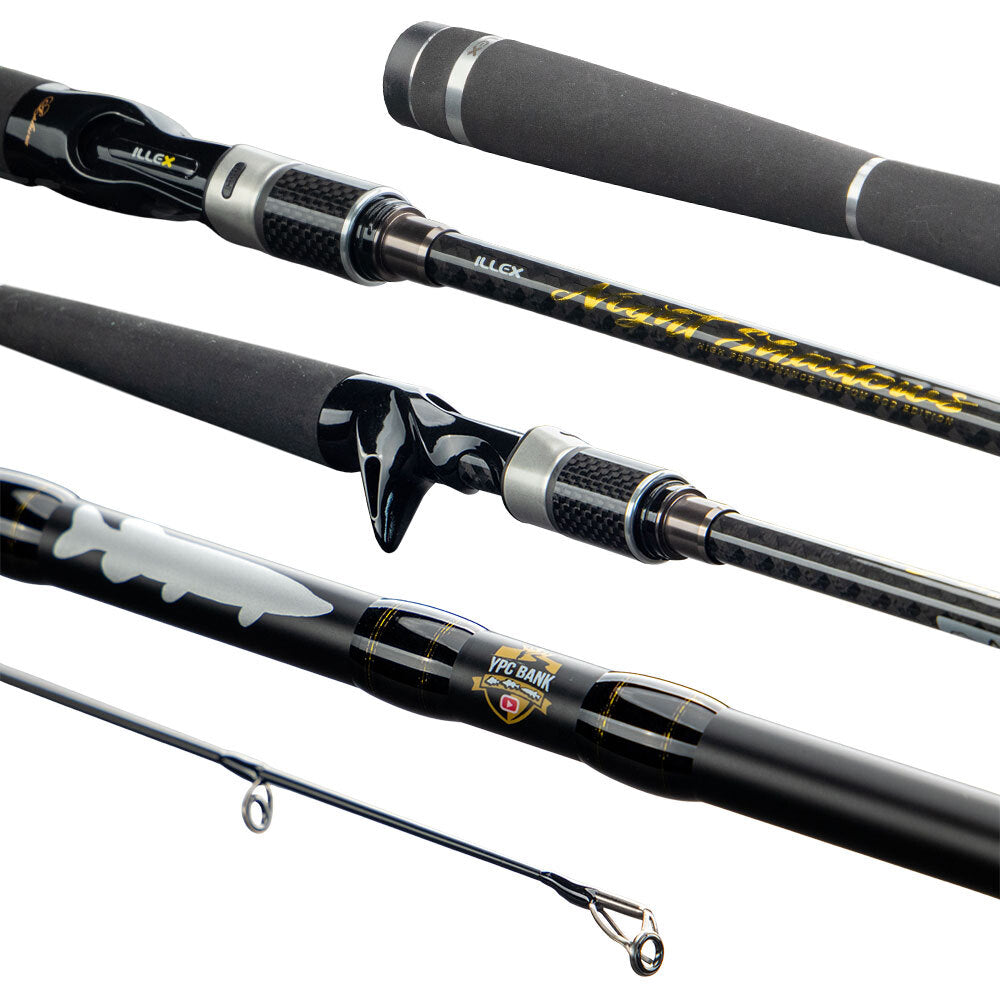
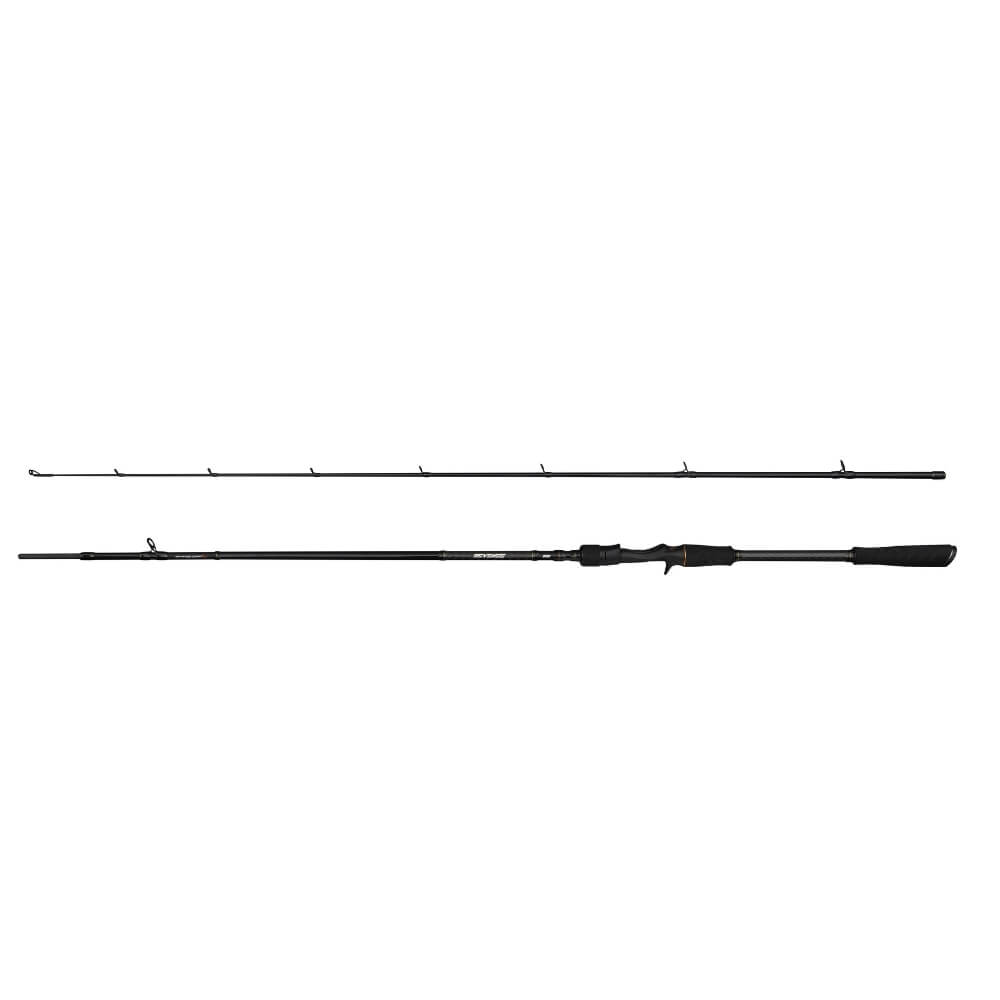
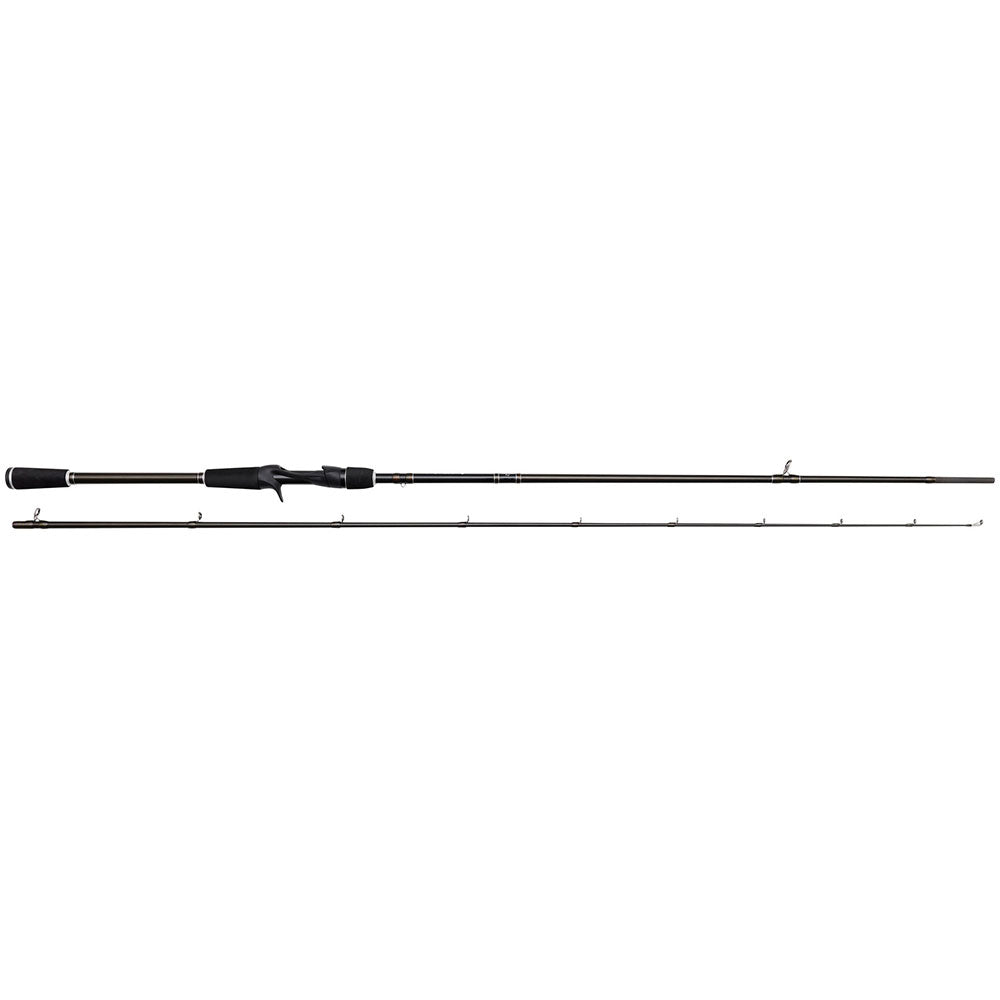
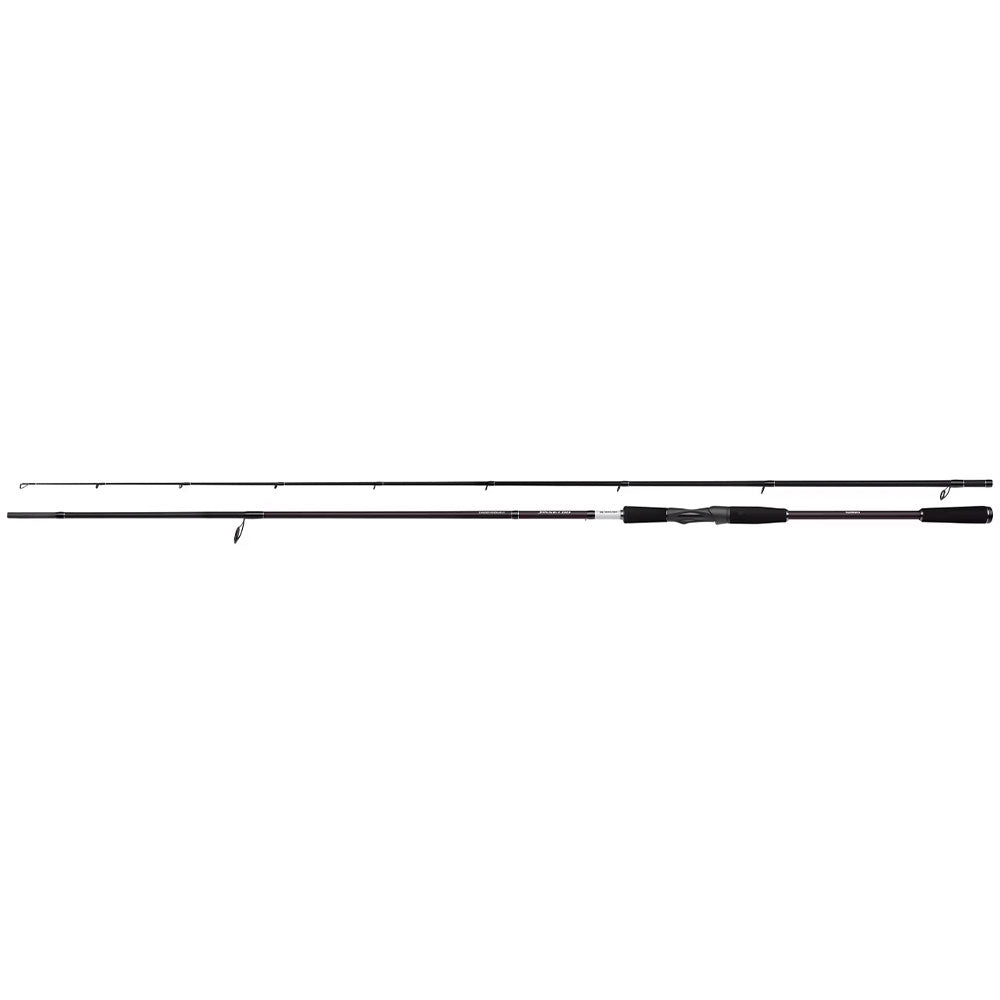
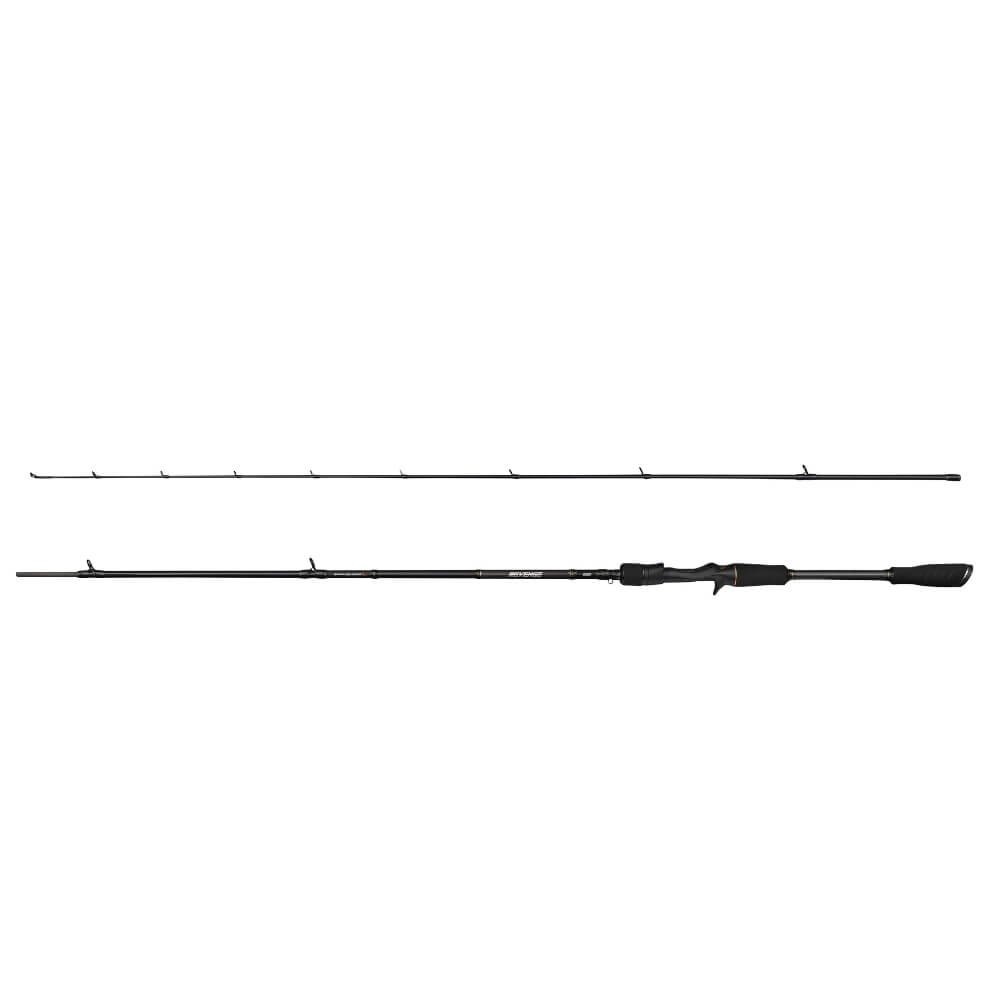
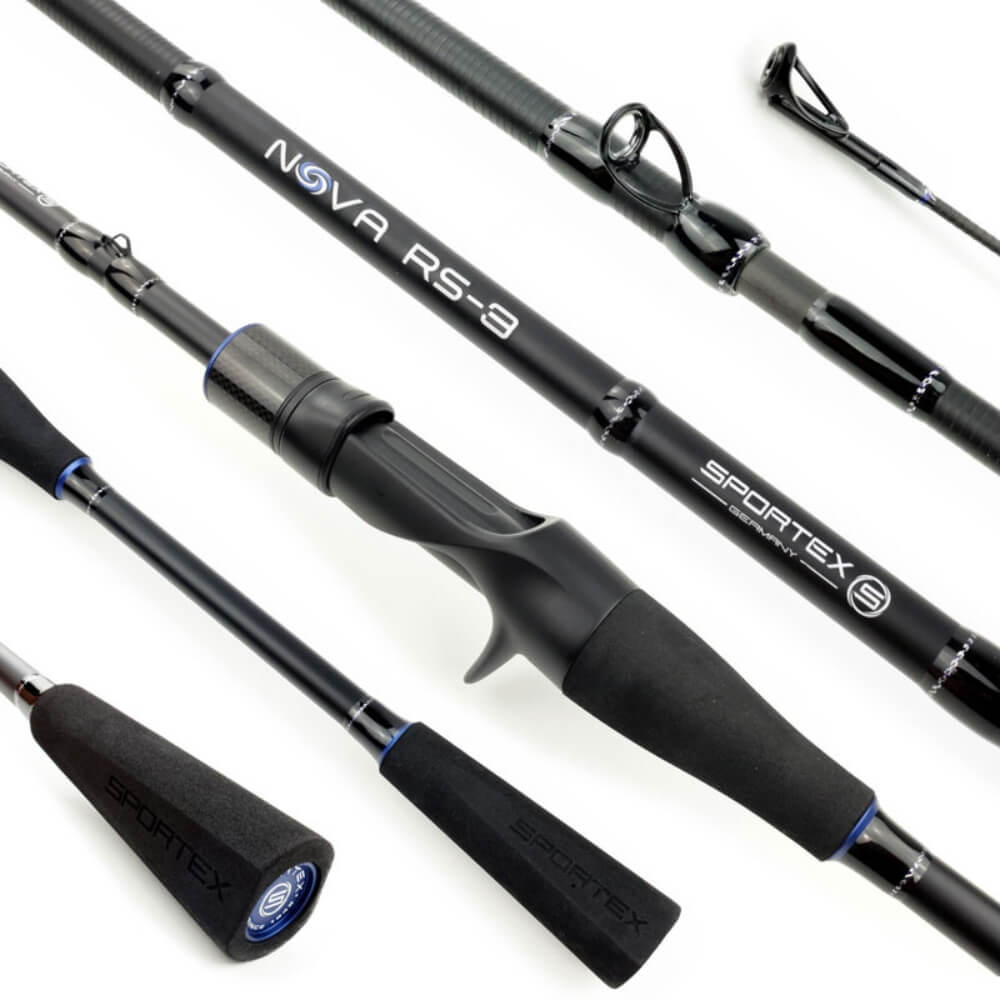
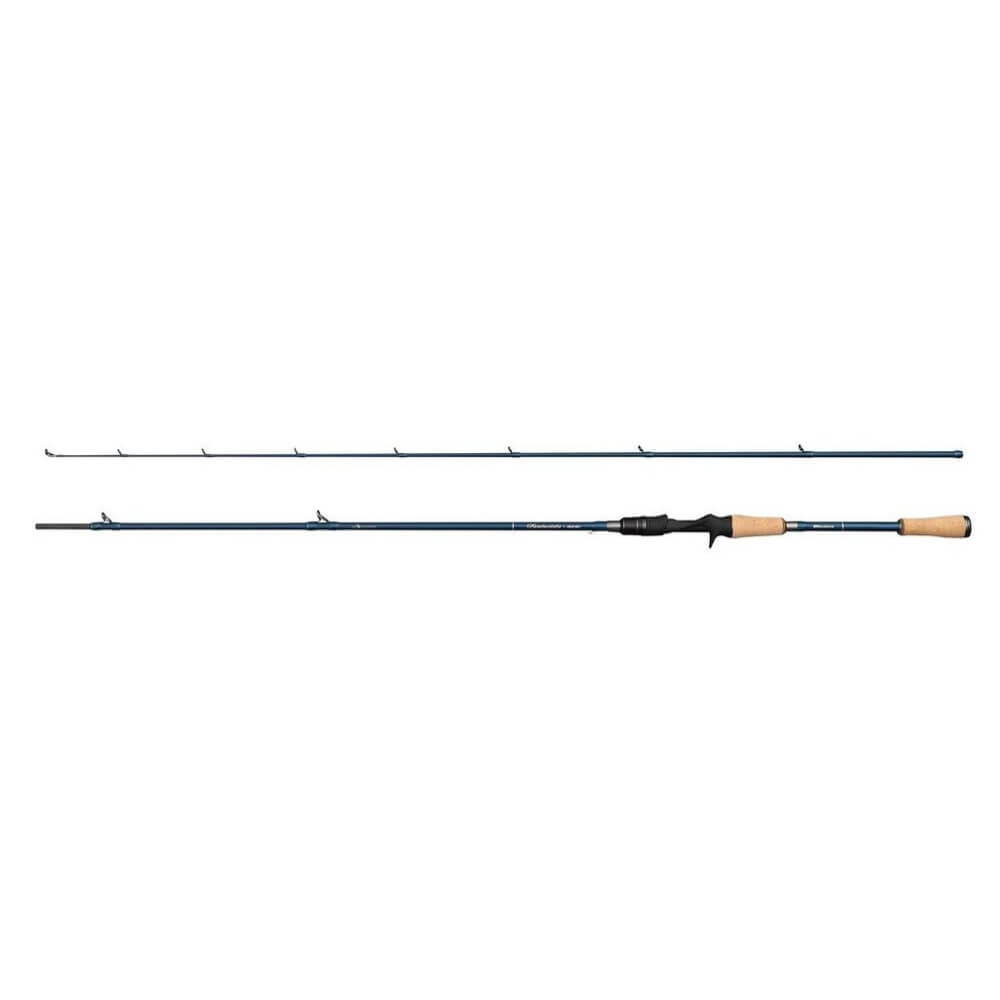
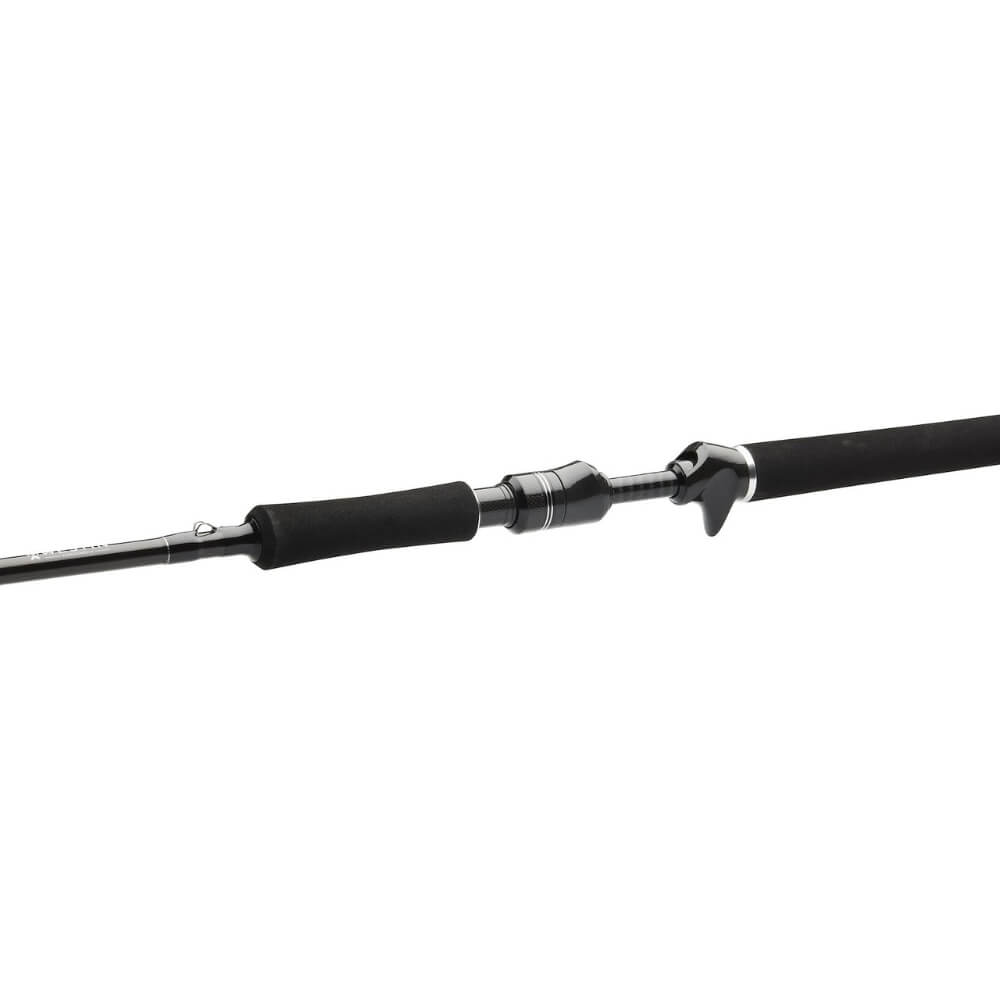
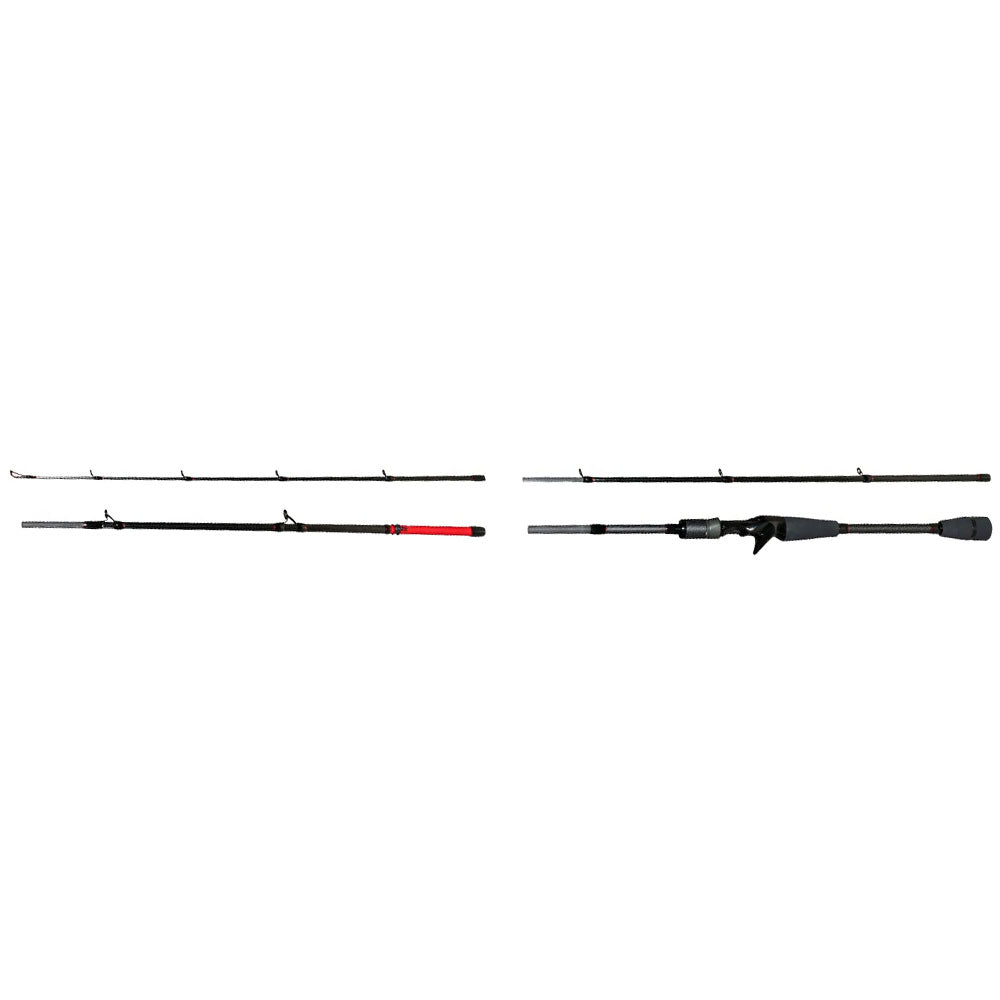
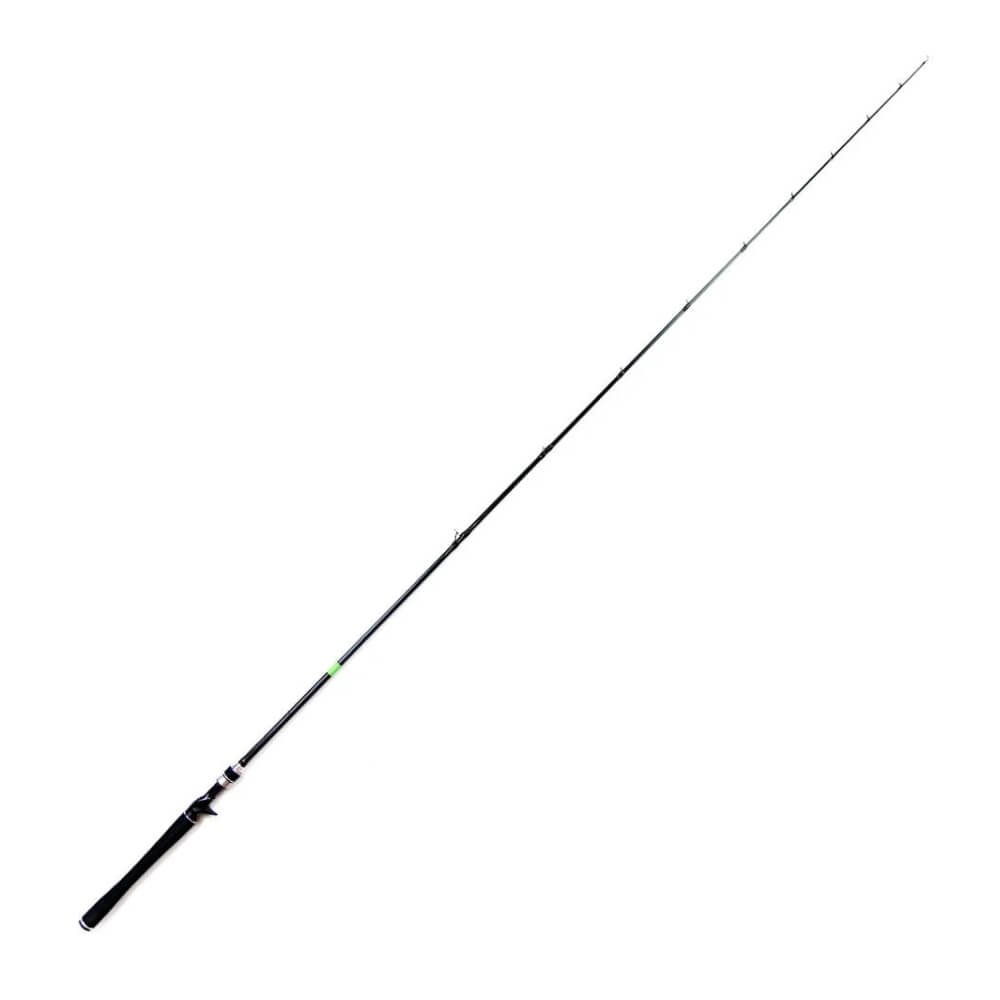
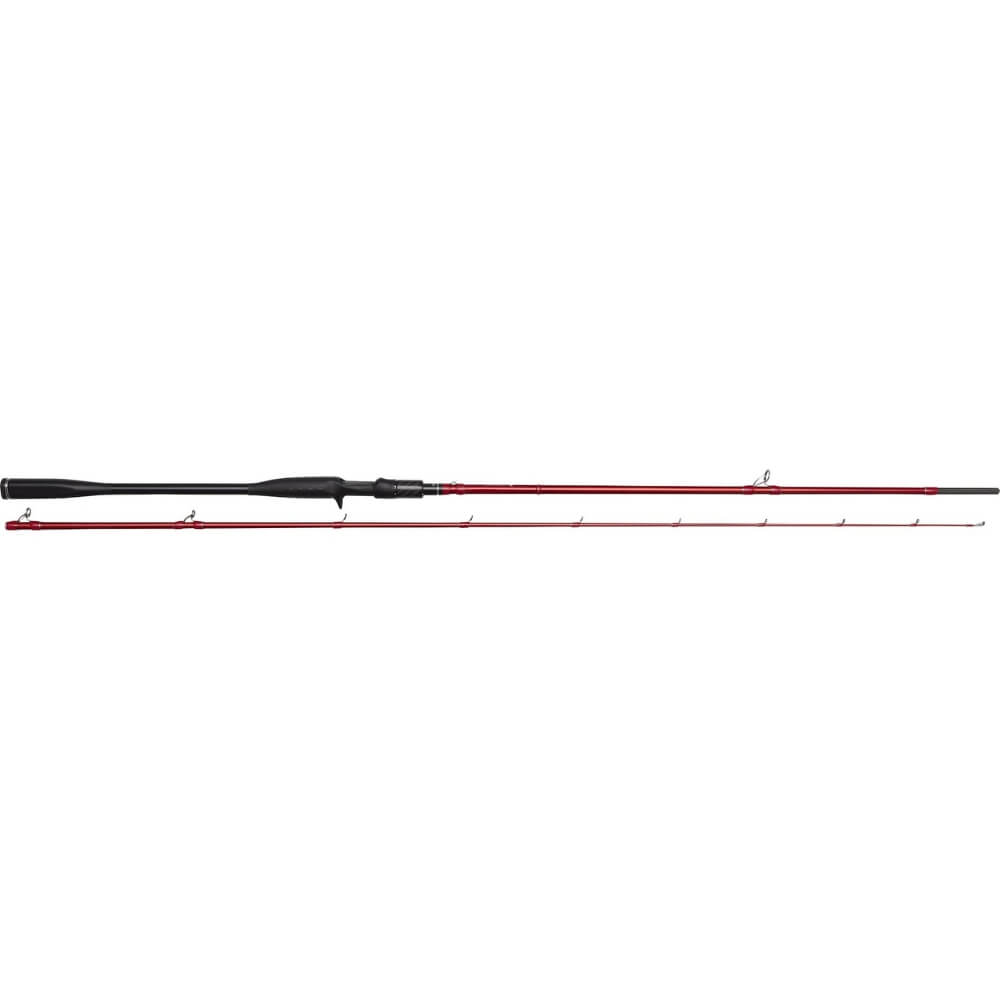
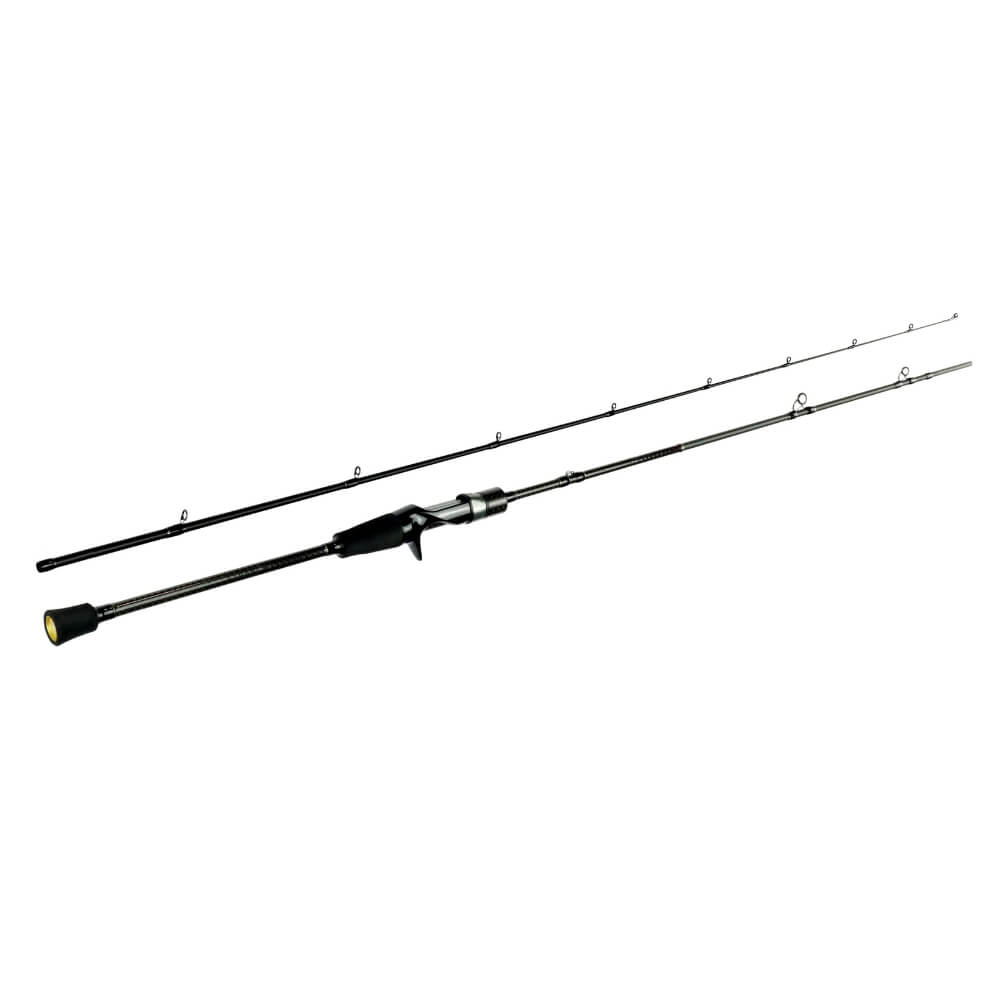
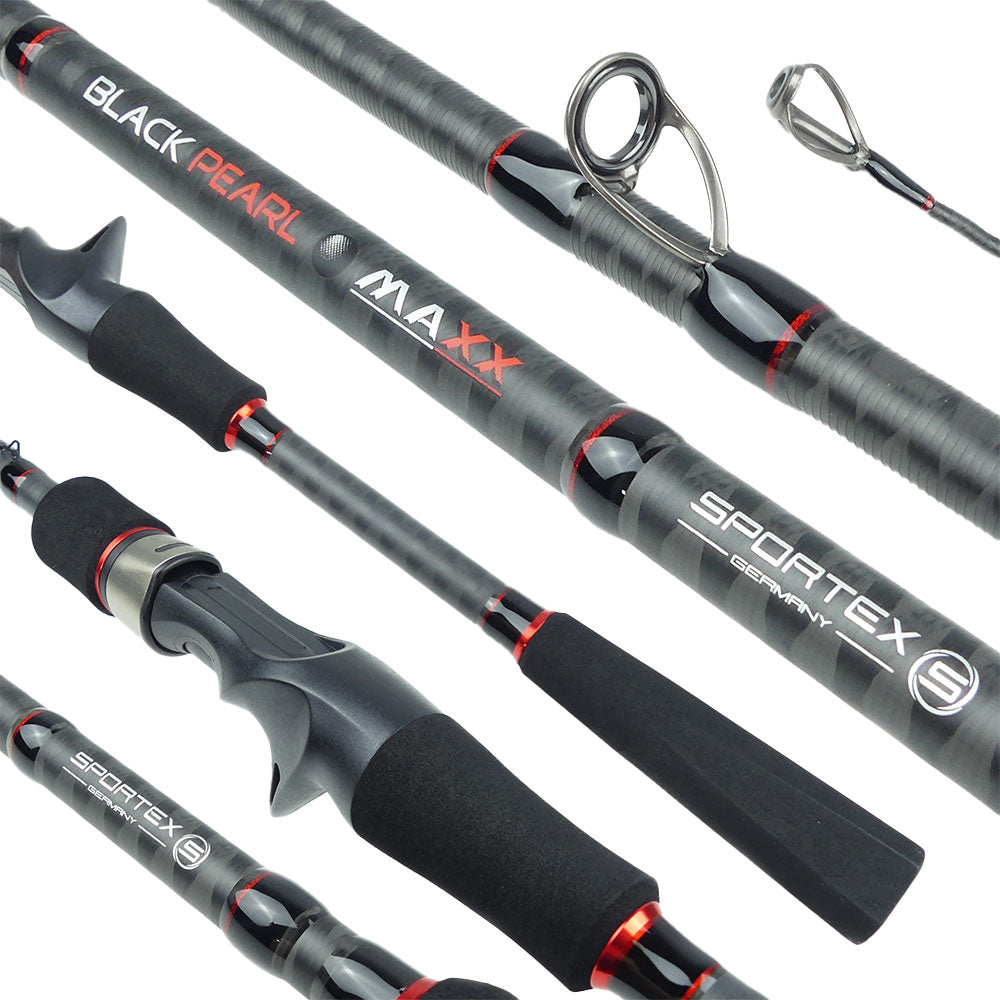
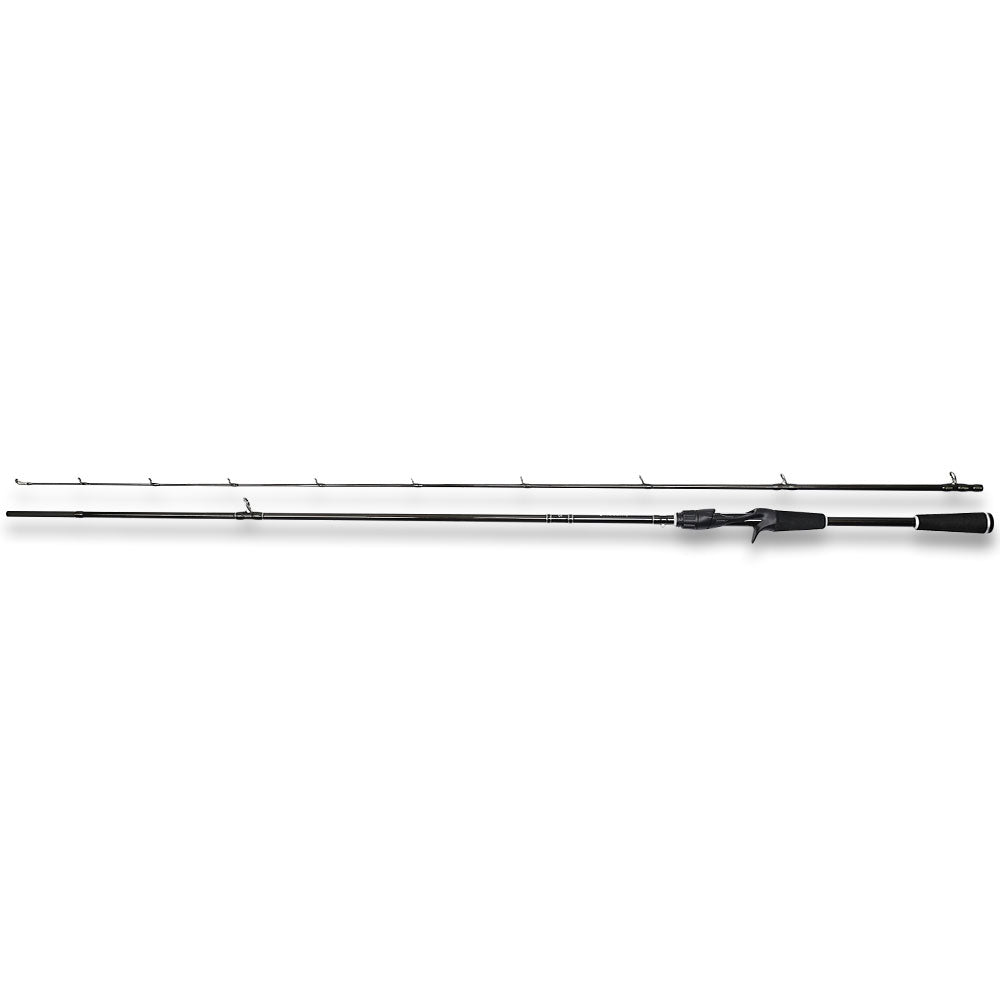
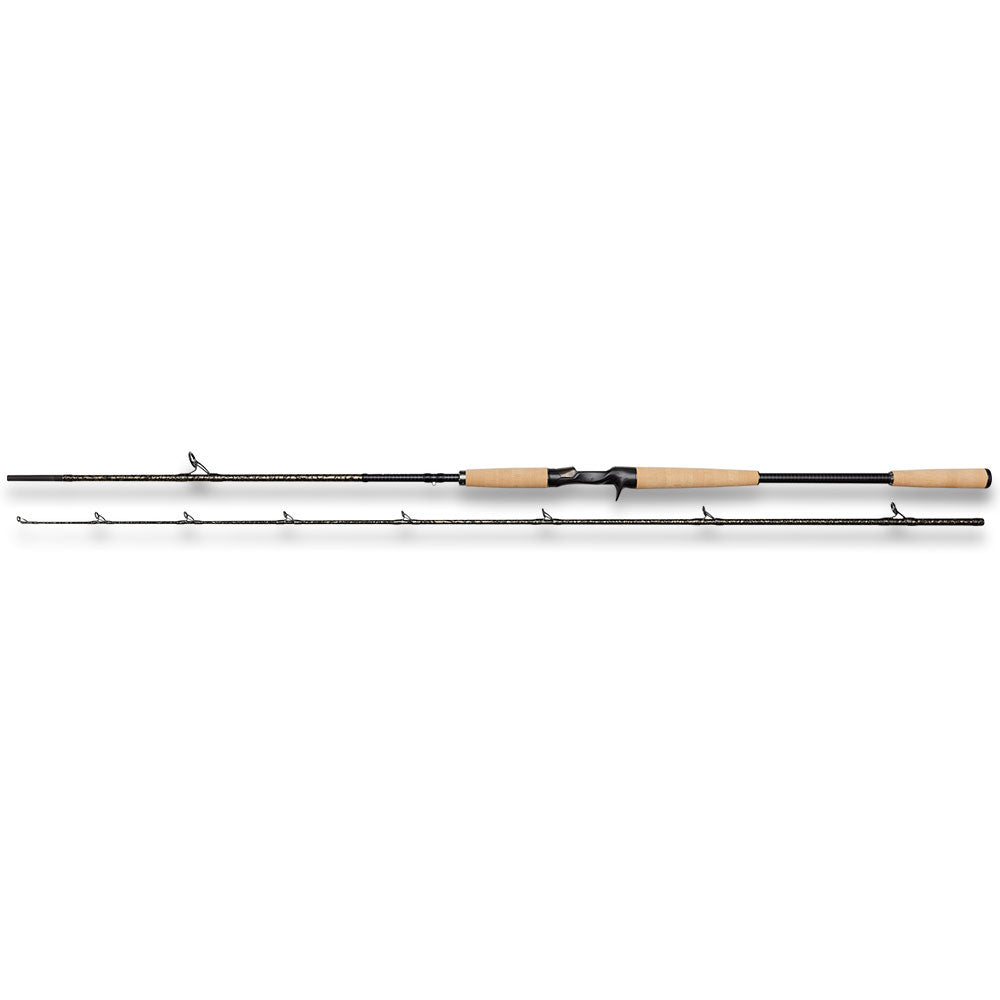
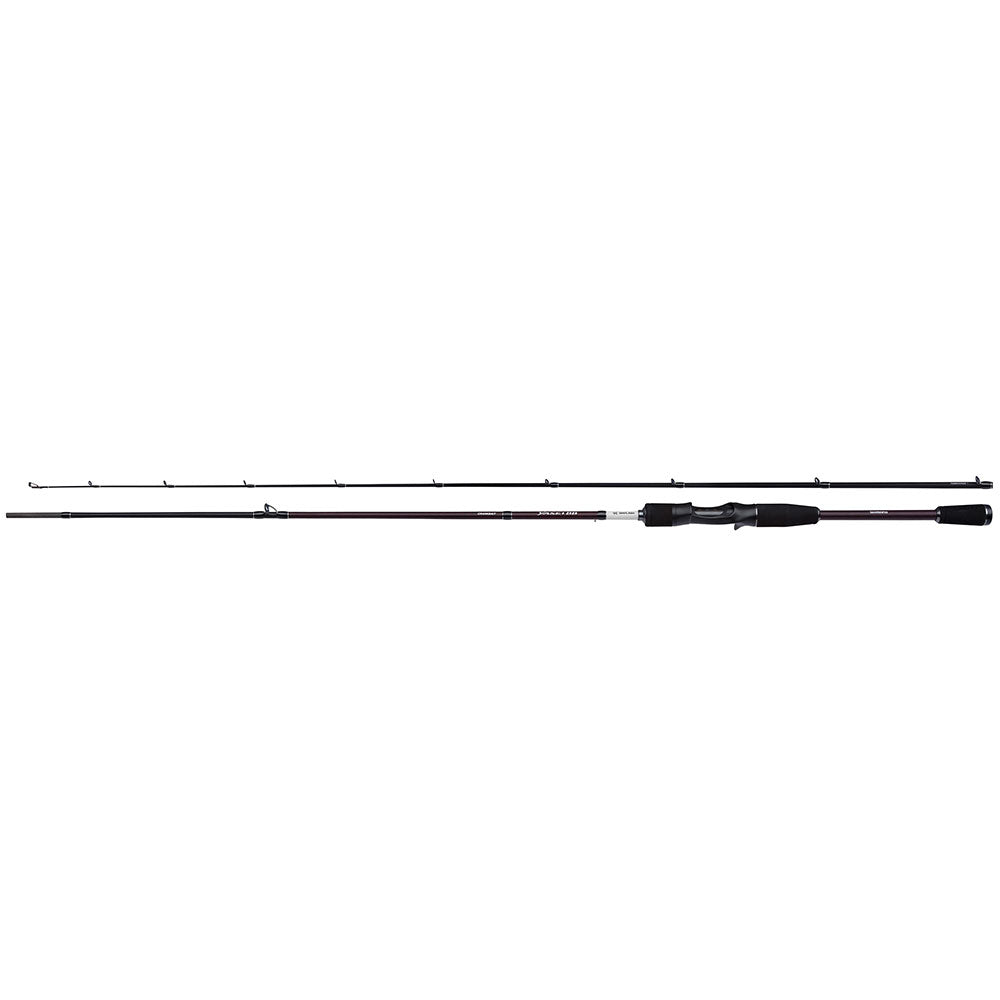
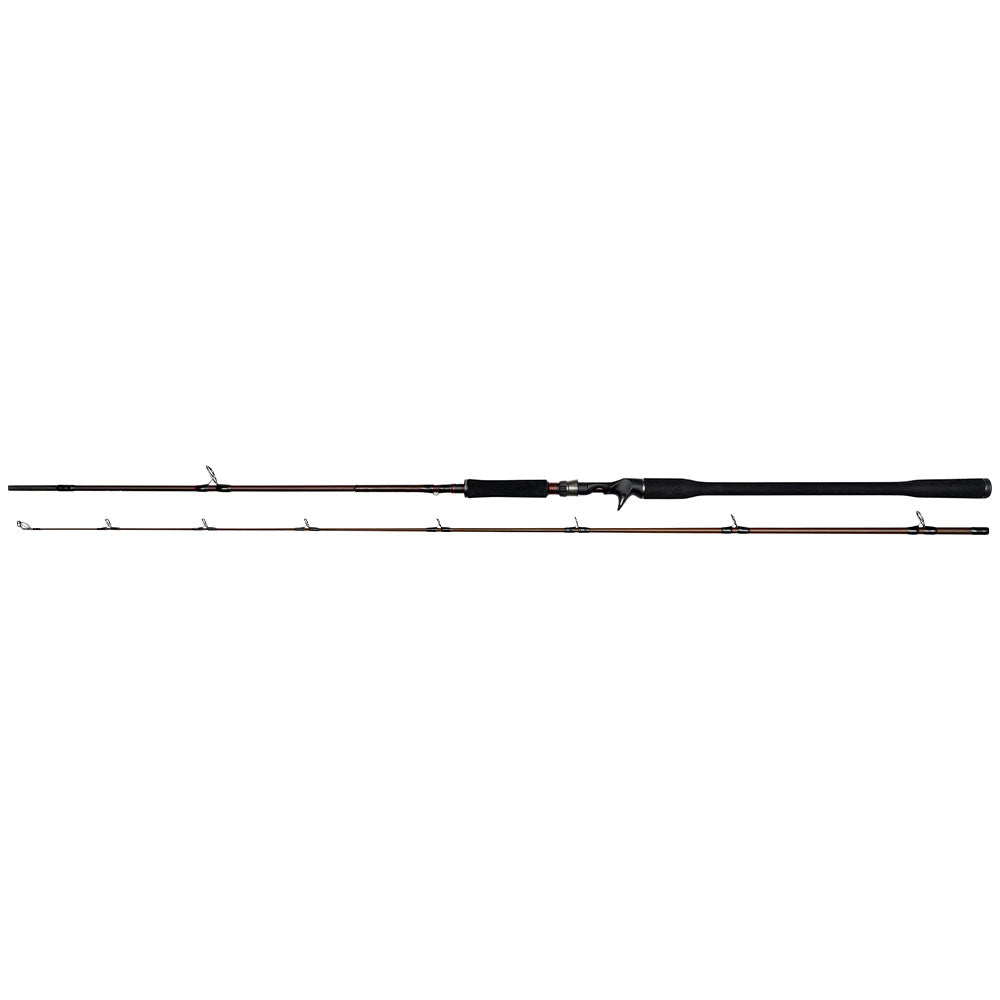
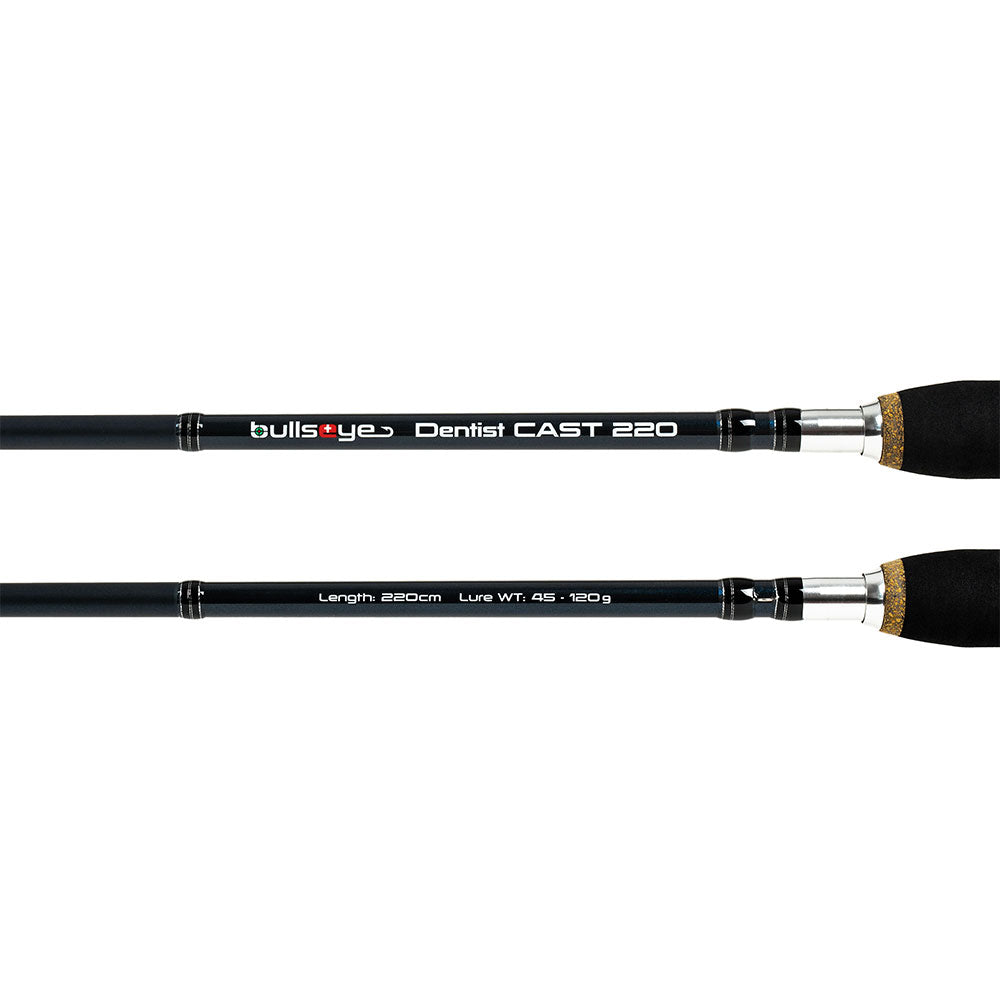
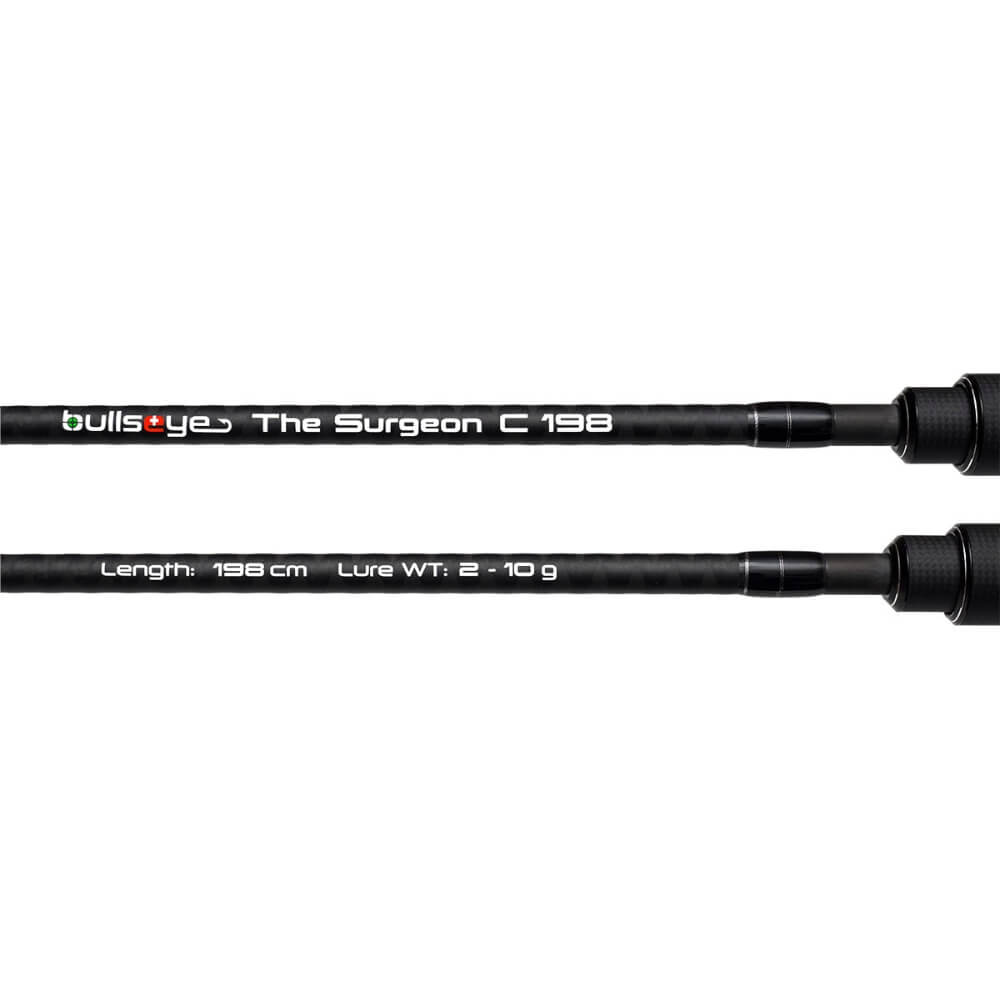
<h2>Buying Guide for Casting Rods</h2><p>A casting rod shares the core components of any spinning rod: blank, guides, grip and reel seat. However, there are significant differences in the guides and reel seat compared to spinning rods built for the fixed spool reel. The blank action and bend curve can also be quite specific.</p><p>The following sections explain those differences and help you choose the right casting rod.</p><h3>The Casting Rod Blank</h3><p>Because of how a baitcaster works mechanically, the casting stroke must differ from that used with a spinning rod. Whipping movements that work well with a spinning rod will quickly cause an unravellable tangle on a baitcaster spool, so casts must be executed with a smoother, more flowing motion. This affects how the blank loads and needs to be taken into account in the rod's construction.</p><p><img src="https://cdn.shopify.com/s/files/1/0548/9197/0669/files/Lew-s-Custom-Speed-Spool-SL.jpg" alt="Baitcasterolle"></p><p>During the cast, the spool of the <strong>baitcaster</strong> must be brought into rotation evenly to prevent an overrun. As a result, casting rod blanks typically cover a narrower casting weight range than spinning rods and need to be matched more precisely to the reel being used. They are, in general, more specialised and less versatile than their fixed spool counterparts. When the combination is right, though, fishing with a casting rod delivers a level of precision, speed and enjoyment that a fixed spool setup can rarely match. It is no coincidence that largemouth bass anglers - for whom speed and casting accuracy in competition are paramount - overwhelmingly prefer casting rods.</p><h3>Casting Weight</h3><p>As already touched on, casting rods tend to have a fairly narrow casting weight range. Owing to their American origins, casting weight is usually stated in ounces (oz). The table below helps you convert ounce ratings into grams.</p><table><tbody><tr><td><strong>Ounce</strong></td><td><strong>Gram</strong></td></tr><tr><td>1/32 oz</td><td>0.8 g</td></tr><tr><td>1/16 oz</td><td>1.7 g</td></tr><tr><td>1/8 oz</td><td>3.5 g</td></tr><tr><td>1/4 oz</td><td>7 g</td></tr><tr><td>3/8 oz</td><td>10 g</td></tr><tr><td>1/2 oz</td><td>14 g</td></tr><tr><td>3/4 oz</td><td>21 g</td></tr><tr><td>1 oz</td><td>28 g</td></tr><tr><td>1 1/2 oz</td><td>42 g</td></tr><tr><td>2 oz</td><td>56 g</td></tr><tr><td>3 oz</td><td>84 g</td></tr><tr><td>4 oz</td><td>112 g</td></tr></tbody></table><h3>The Rod Grip</h3><p>Because the baitcaster sits on top of the rod and does not have the extended reel foot of a fixed spool reel, there is no natural grip support during the cast. For this reason, casting rods are fitted with a small extension on the grip known as the trigger. It sits between your fingers and prevents the rod from slipping out of your hand during the cast, while also making the casting motion easier to execute.</p><p><img src="https://cdn.shopify.com/s/files/1/0548/9197/0669/files/Triggergriff.jpg" alt="Triggergriff"></p><p>Triggers vary considerably in size and shape and will not necessarily suit every hand. The trigger grip therefore plays a major role in choosing the rod that is right for you.<br>The rest of the grip, as with all spinning rods, comes down largely to personal preference. Whether you favour cork or EVA (Duplon) is mostly a matter of aesthetics - both materials are well suited to rod grips.</p><p><img src="https://cdn.shopify.com/s/files/1/0548/9197/0669/files/Baitcasterrute-Bullseye-The.jpg" alt="Rutenringe"></p><h3>The Guide Setup on a Casting Rod</h3><p>As already mentioned, this is where one of the key differences from a spinning rod lies. Because the reel sits on top of the rod, the guides also run along the top of the blank, carrying the line along the upper side. If the guide layout were identical to that of a spinning rod, the line would contact the blank, which under load can cause the line to cut into the blank and damage it. Spinning rods also tend to use tall guide feet to keep the line as far from the blank as possible, allowing the line to uncoil freely during the cast.</p><p>On a casting rod, the line runs straight and relatively flat from the reel, so that distance is not only unnecessary but actually counterproductive - excessive height above the blank would create a tipping moment, causing the rod to roll to one side under load.</p><p>For this reason, casting rods ideally use a large number of relatively small guides, spaced closely together along the blank with short feet. This keeps the line clear of the blank even under a heavy bend and allows the rod's action to be used to its full potential.</p><p>There is also the option of a so-called <strong>Spiral Guide System</strong>, in which the first three or four guides (counting from the reel) rotate progressively around the blank, bringing the line underneath the rod. From that point all the way to the tip, the line then runs below the blank, just as it does on a fixed spool rod.</p><p>This not only eliminates any contact between line and blank entirely, it also removes the tipping moment that is otherwise normal with casting rods. The arrangement may look unfamiliar at first glance, but it does not interfere with casting and offers considerable advantages in use. Rods intended for vertical jigging in particular benefit enormously from a <strong>Spiral Guide System</strong> in terms of handling.</p><p>Guide quality deserves careful attention on a casting rod too. Given the large number of guides involved, lighter guide types make particular sense, as heavier guides can quickly add up to noticeable tip-heaviness.</p><h3>Rod Length</h3><p>Because of how they are handled, casting rods are generally shorter than spinning rods. Most models sit at around two metres, making them especially well suited to twitching, jerking and any other technique where the rod tip is held towards the water surface. They are also an excellent choice for boat fishing and for precise, light fishing from the bank.</p><p>As with casting weight, rod length is usually stated in the American convention - in feet (ft). One foot equals 30.48 centimetres, so a seven-foot rod works out at approximately 210 cm. You can always convert the stated rod lengths from feet to centimetres using that figure.</p><p>Alongside the widely used shorter rods, there are of course longer specialist options. Swimbait rods for throwing large, heavy lures are typically built at 240 to 250 cm to make casting <strong>big baits</strong> easier. Some models at this length are also available for salmon fishing and jigging from the bank, giving a little extra distance on the cast and improving lure control in the current.</p><p>If you do a lot of bank fishing for zander and still want to use a baitcaster, a rod around eight feet is well worth considering.</p><p>If you are still looking for the right casting rod combo, make sure you watch the video by Johannes Dietel:</p><p><iframe frameborder="0" src="https://www.youtube.com/embed/f4o7TTh2SoU" width="560" height="315" allowfullscreen=""></iframe></p>