










⭐ Top rated
🔥 Trending now
🏆 Bestseller

⭐ Top rated
🔥 Trending now
💚 Lead-free
🏆 Bestseller


⭐ Top rated
🔥 Trending now
💚 Lead-free
🏆 Bestseller


⭐ Top rated
🔥 Trending now
💚 Lead-free
🏆 Bestseller

🏆 Bestseller

💚 Lead-free
🏆 Bestseller



⭐ Top rated
💚 Lead-free
🏆 Bestseller


💚 Lead-free

⭐ Top rated

⭐ Top rated

💚 Lead-free
✨ Variant restocked
💚 Lead-free
⭐ Top rated
💚 Lead-free

💚 Lead-free

💫 Back in stock

💚 Lead-free


⭐ Top rated

⭐ Top rated


💫 Back in stock


✨ Variant restocked

✨ Variant restocked
💚 Lead-free
✨ Variant restocked

💚 Lead-free

💚 Lead-free

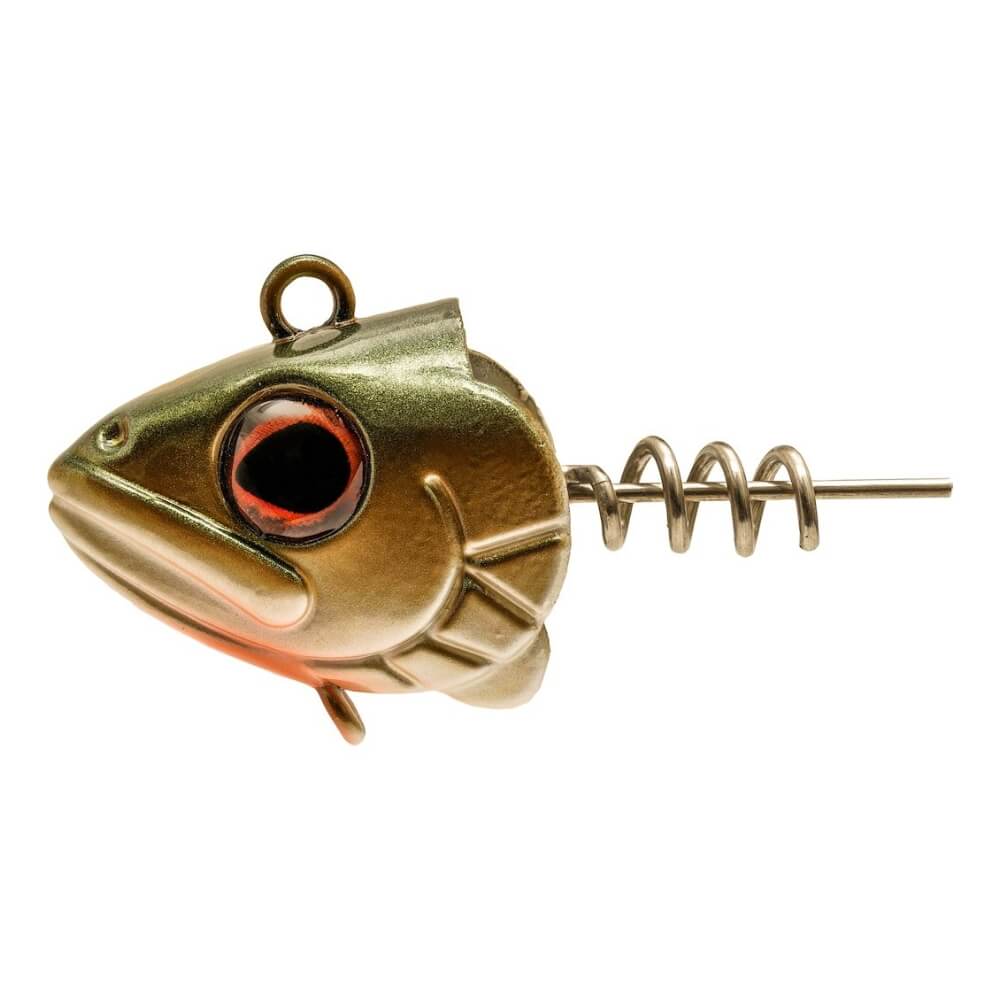
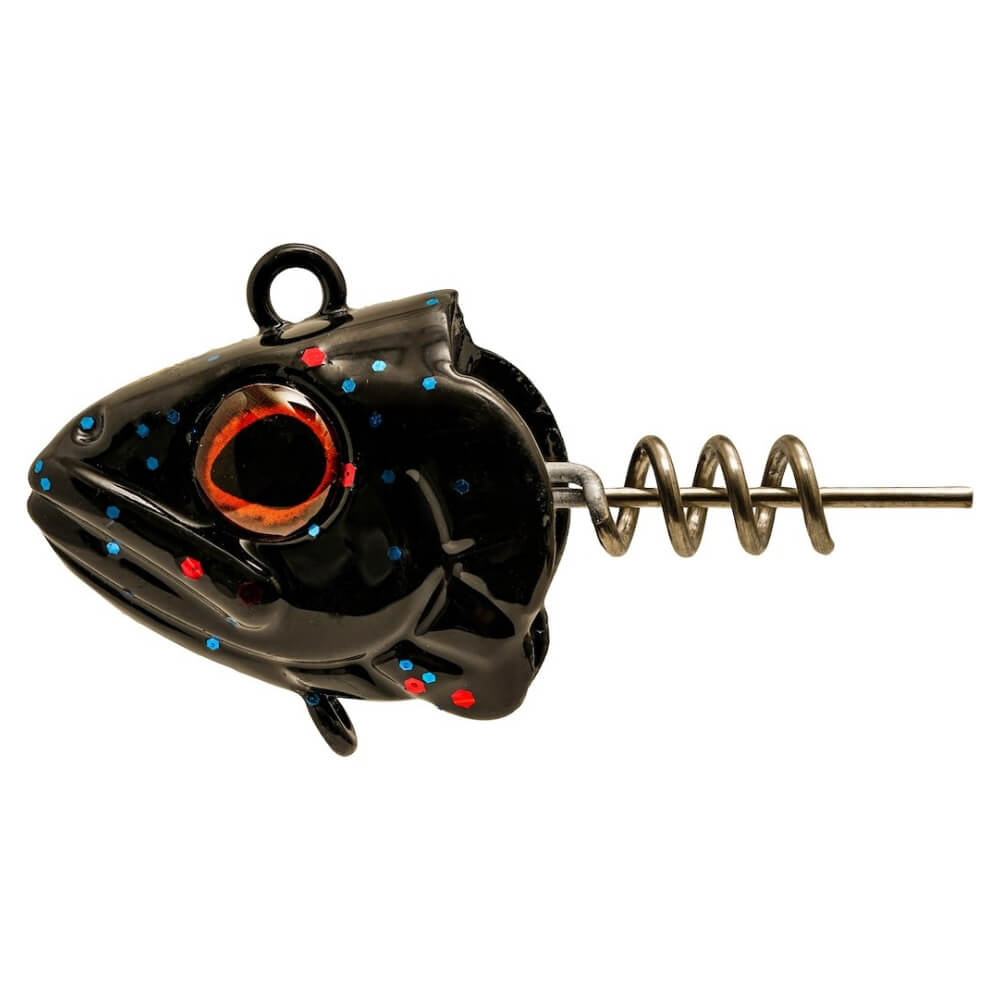
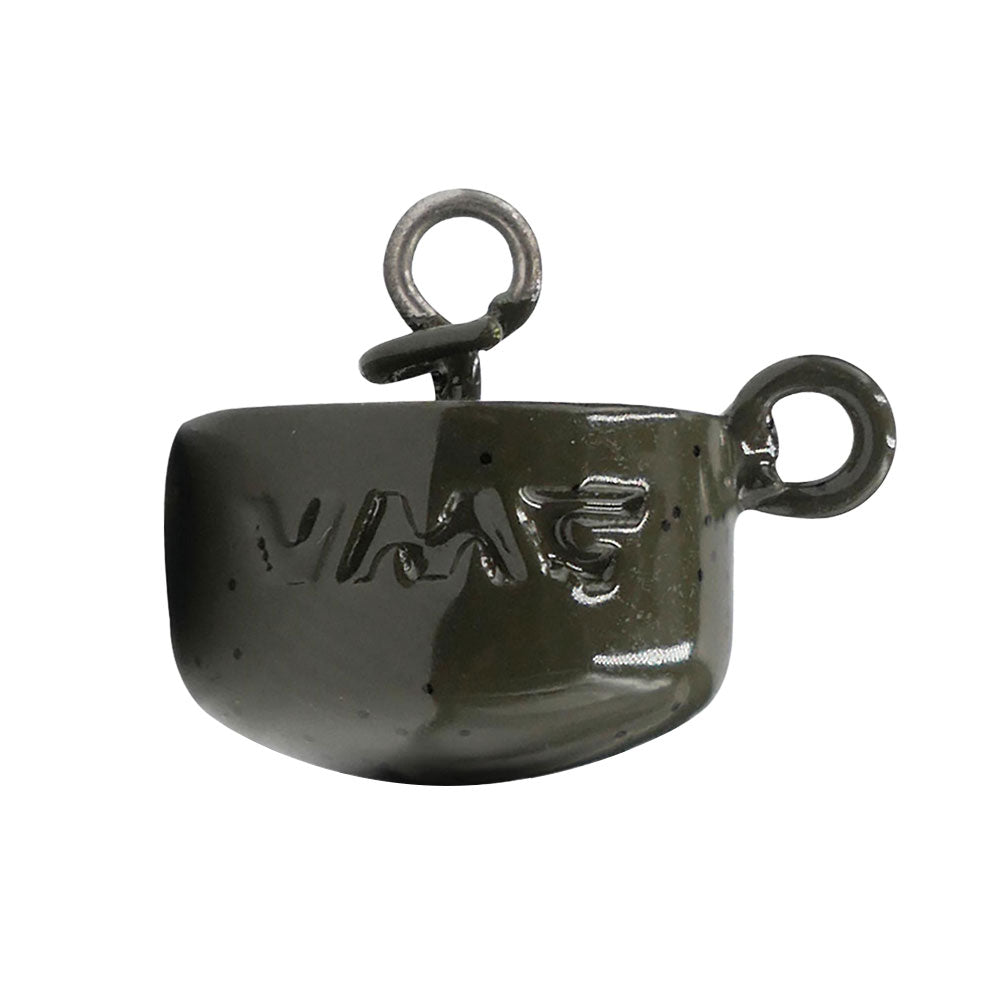
💫 Back in stock

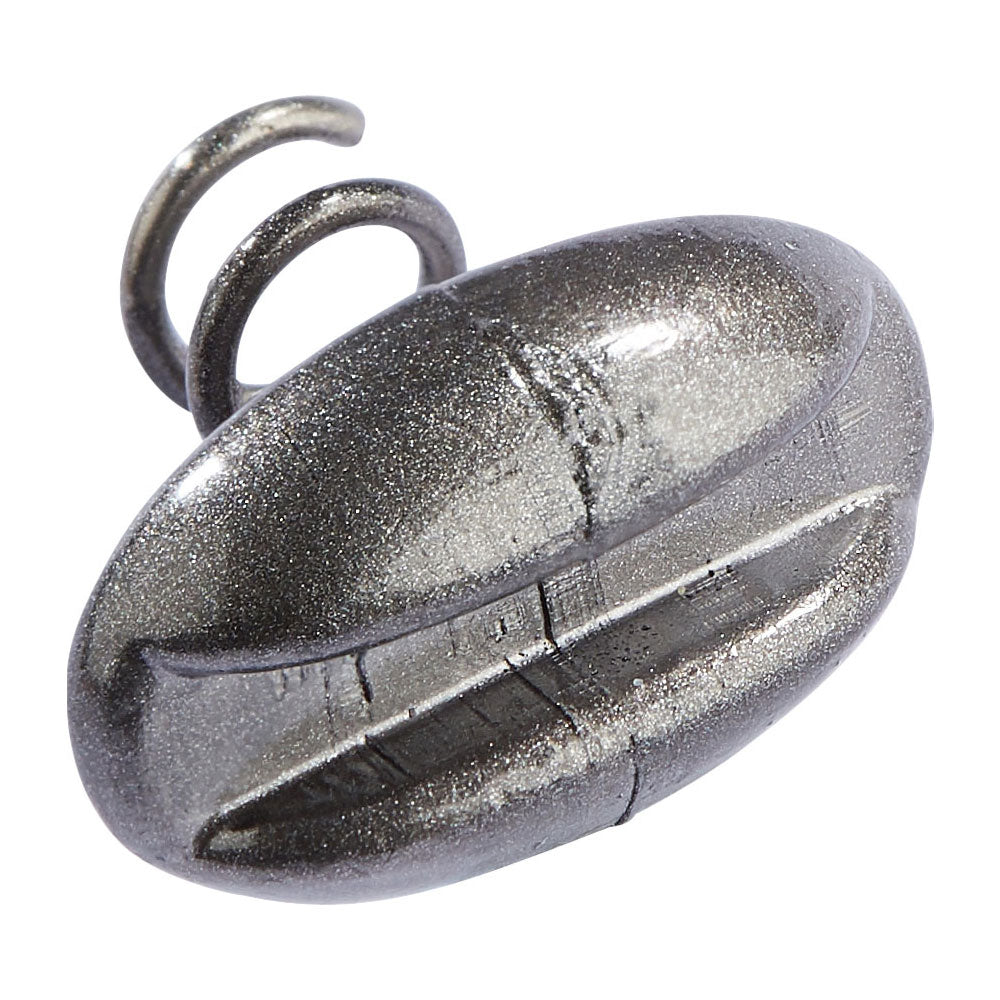
💚 Lead-free


💚 Lead-free


💚 Lead-free

💚 Lead-free




💚 Lead-free



✨ Variant restocked
Frequently asked questions
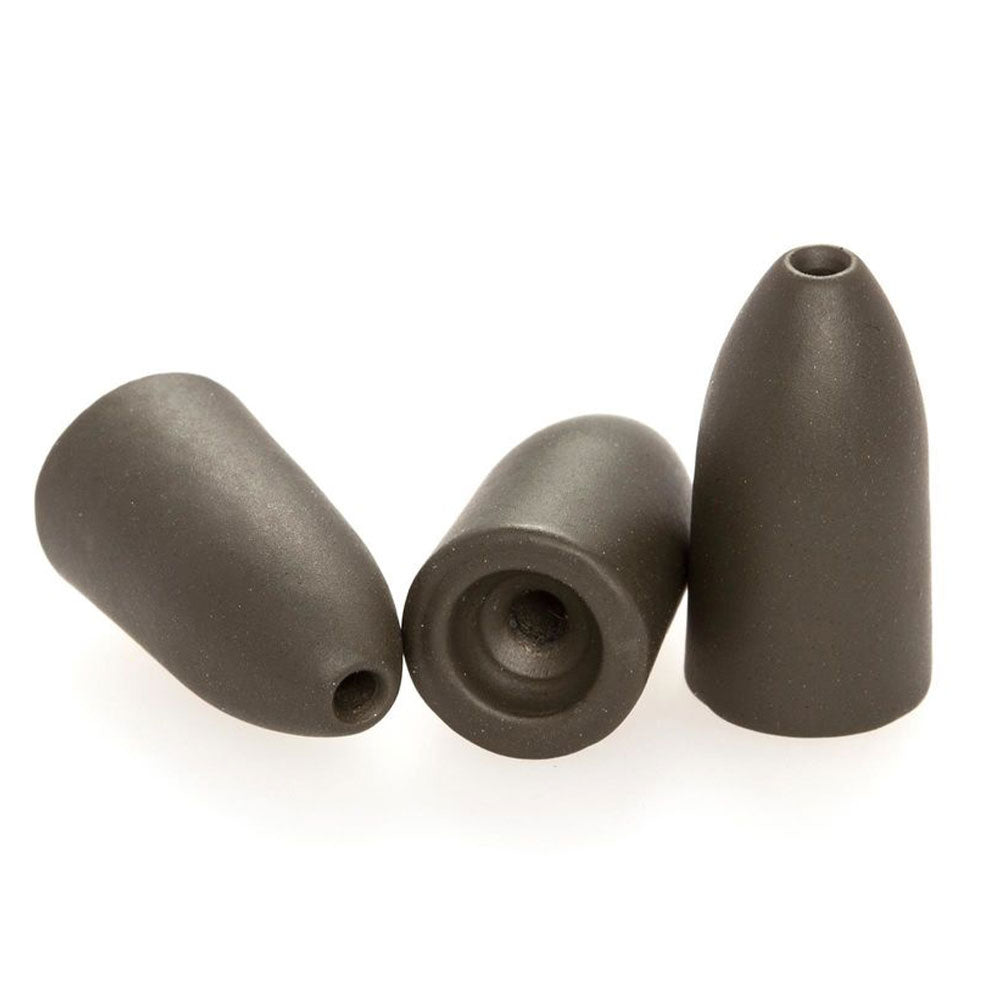
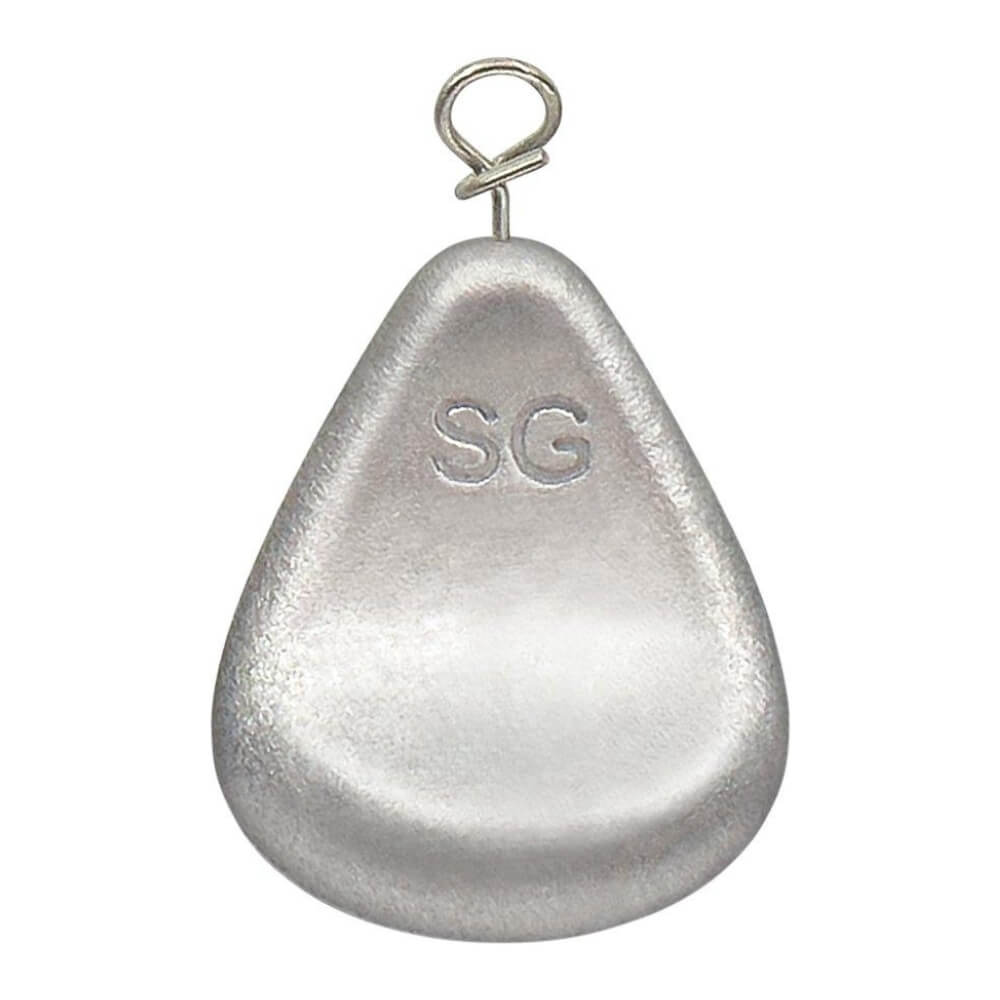
Weights are available in lead, steel, brass, zinc alloys and tungsten.
In terms of properties, tungsten is the clear choice. It has the highest density, it is the hardest, and it can be used in a variety of forms - moulded tungsten putty is one example.
At the moment, it remains a free choice in Germany. Lead has not been banned there. In the Netherlands and Denmark, as well as several other neighbouring countries, lead is already prohibited.
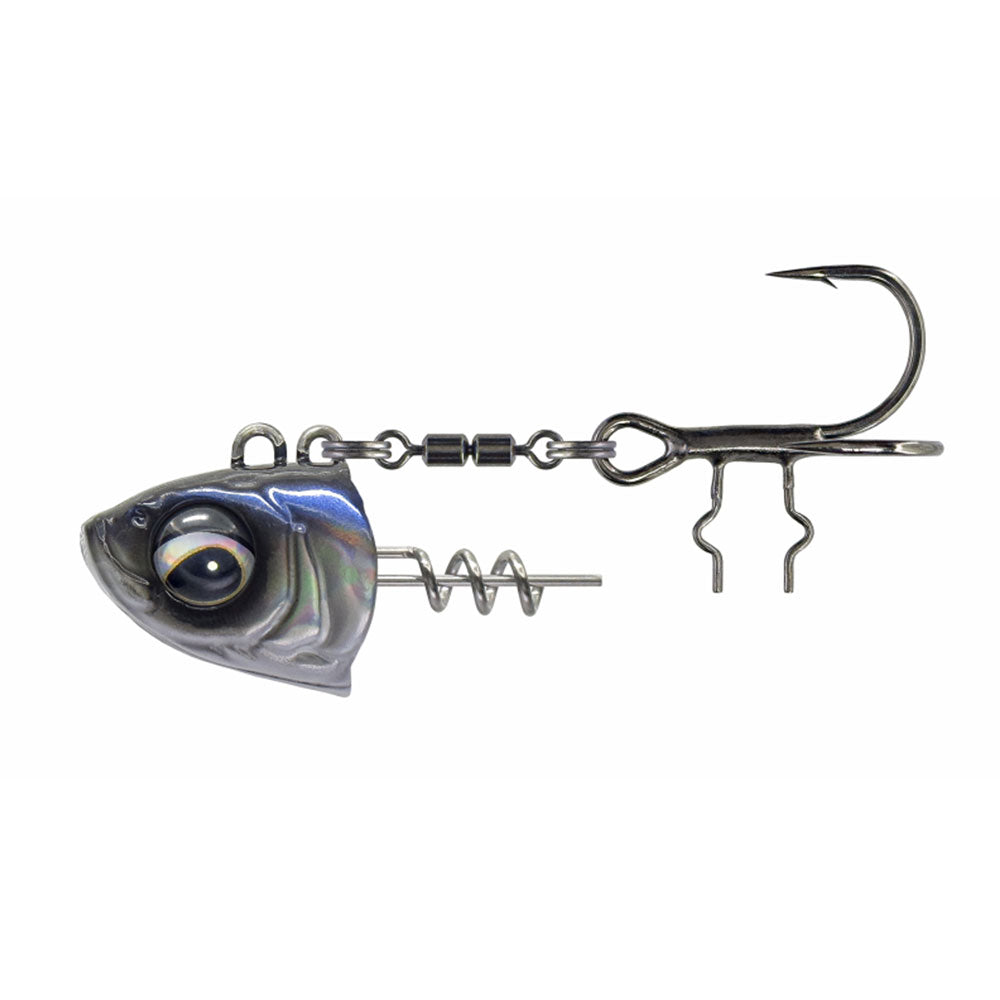
A clear yes. Across every characteristic, they offer nothing but advantages over lead heads. They sink faster, are smaller at the same weight, and give better feedback about the bottom structure. The only downside is that they are more expensive.