










Reels
Find the right reel quickly: fixed spool reel, baitcaster or multiplier.


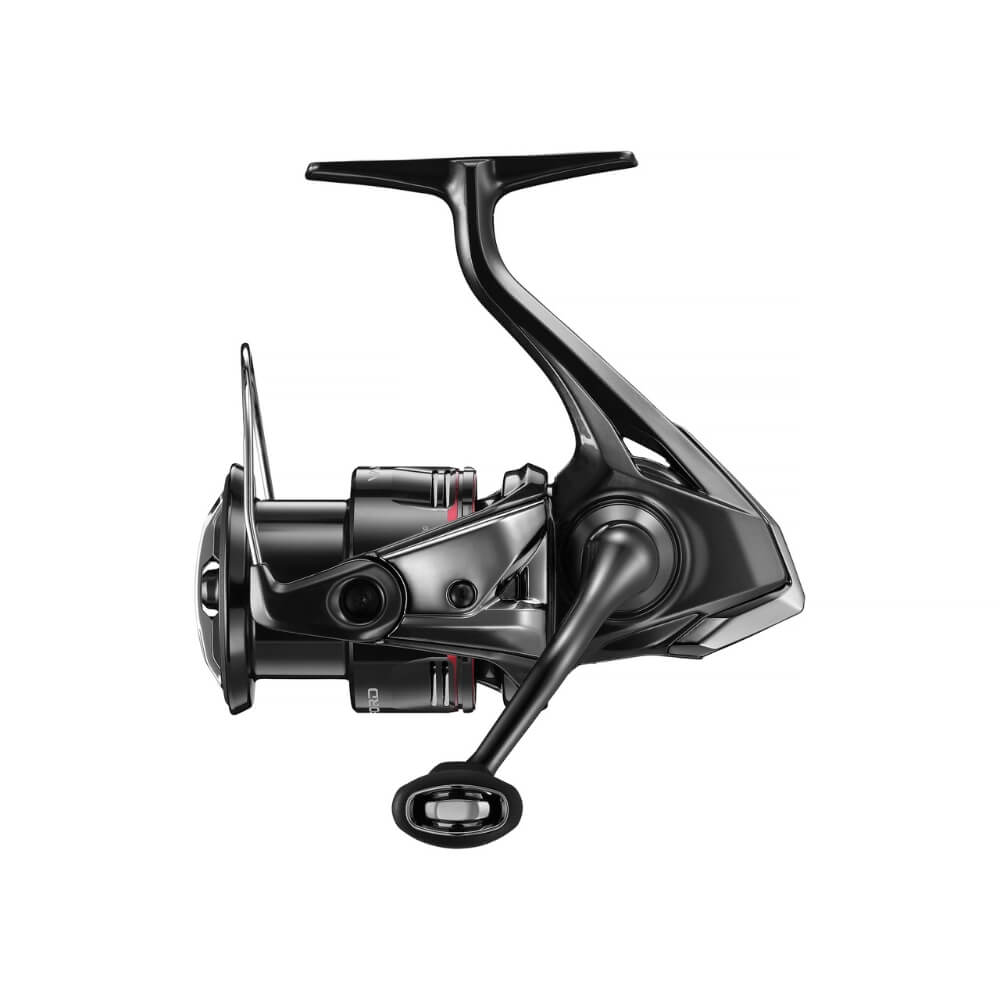


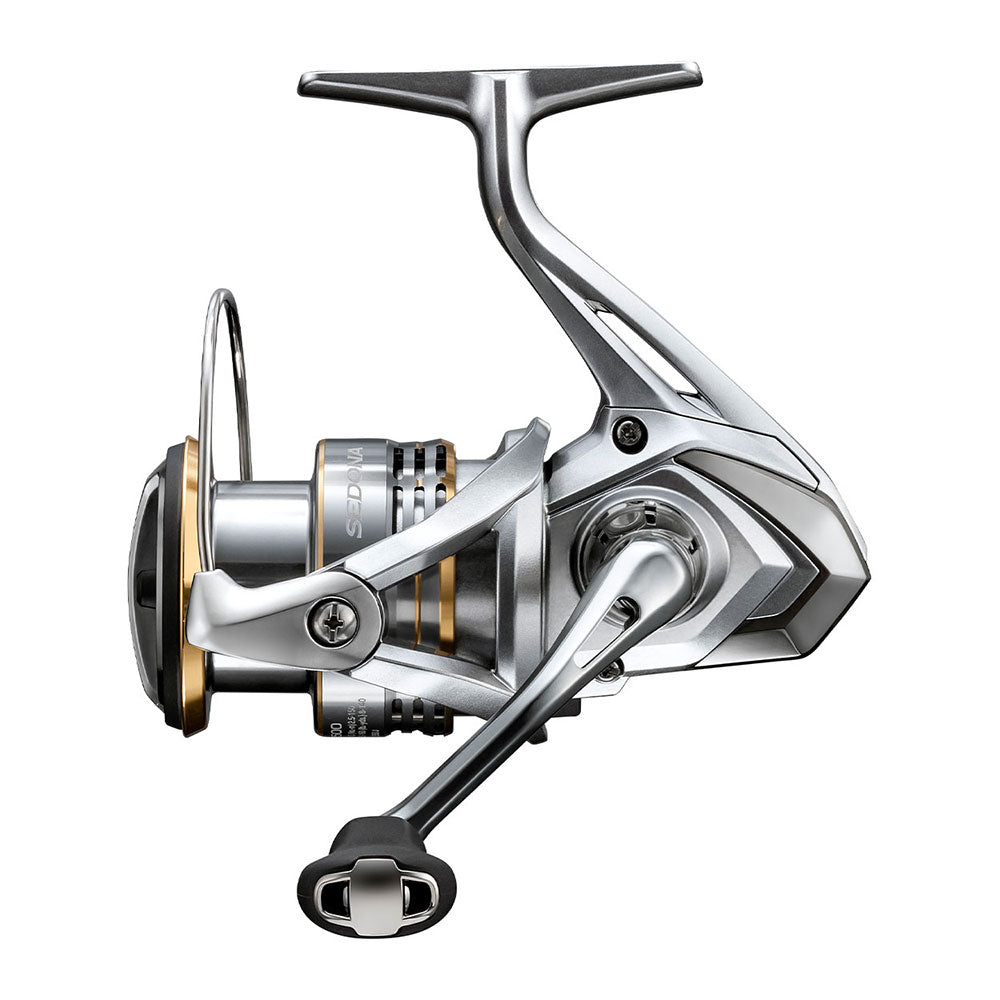
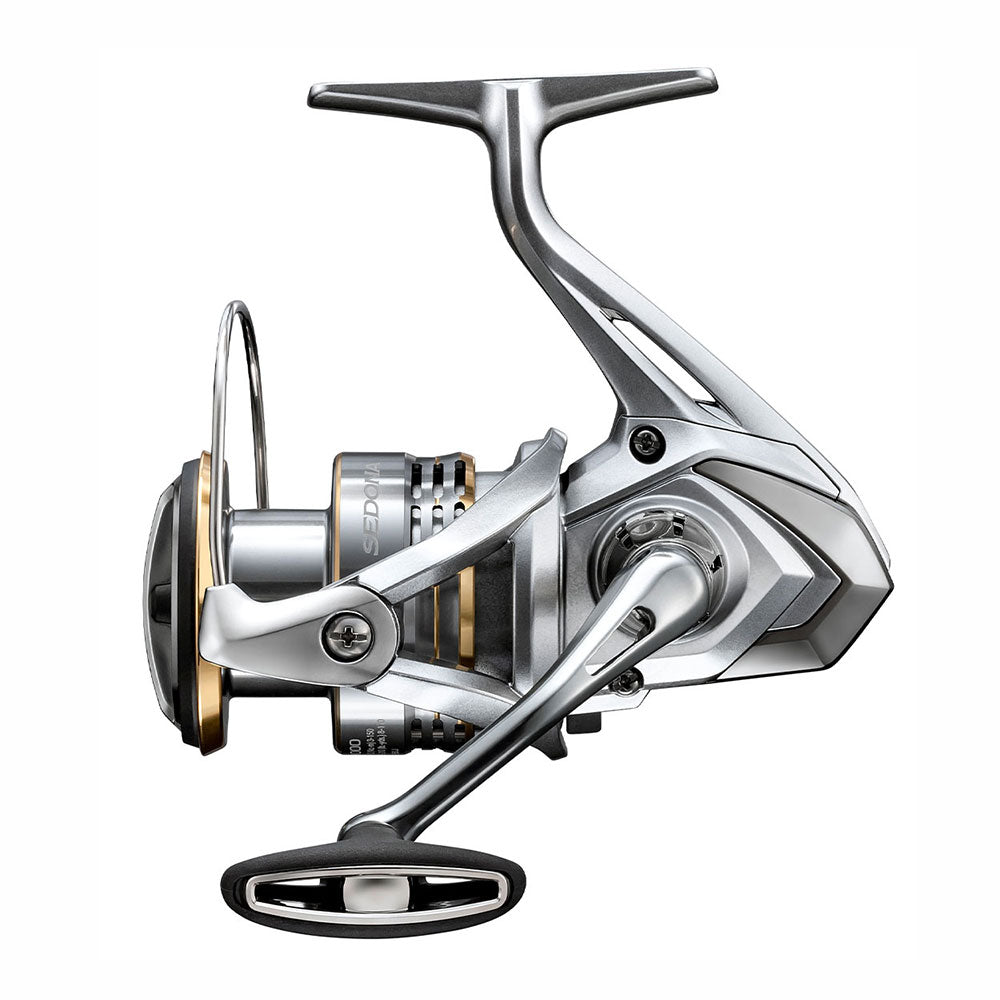


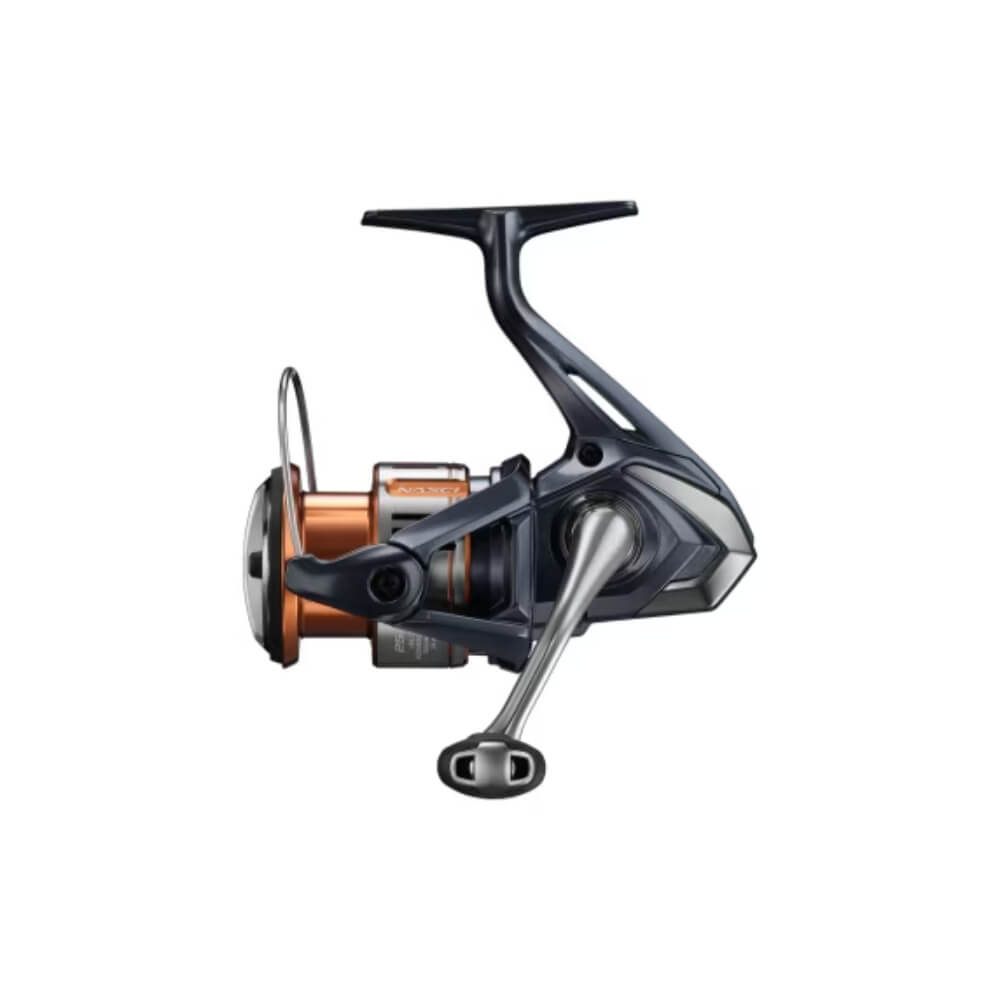
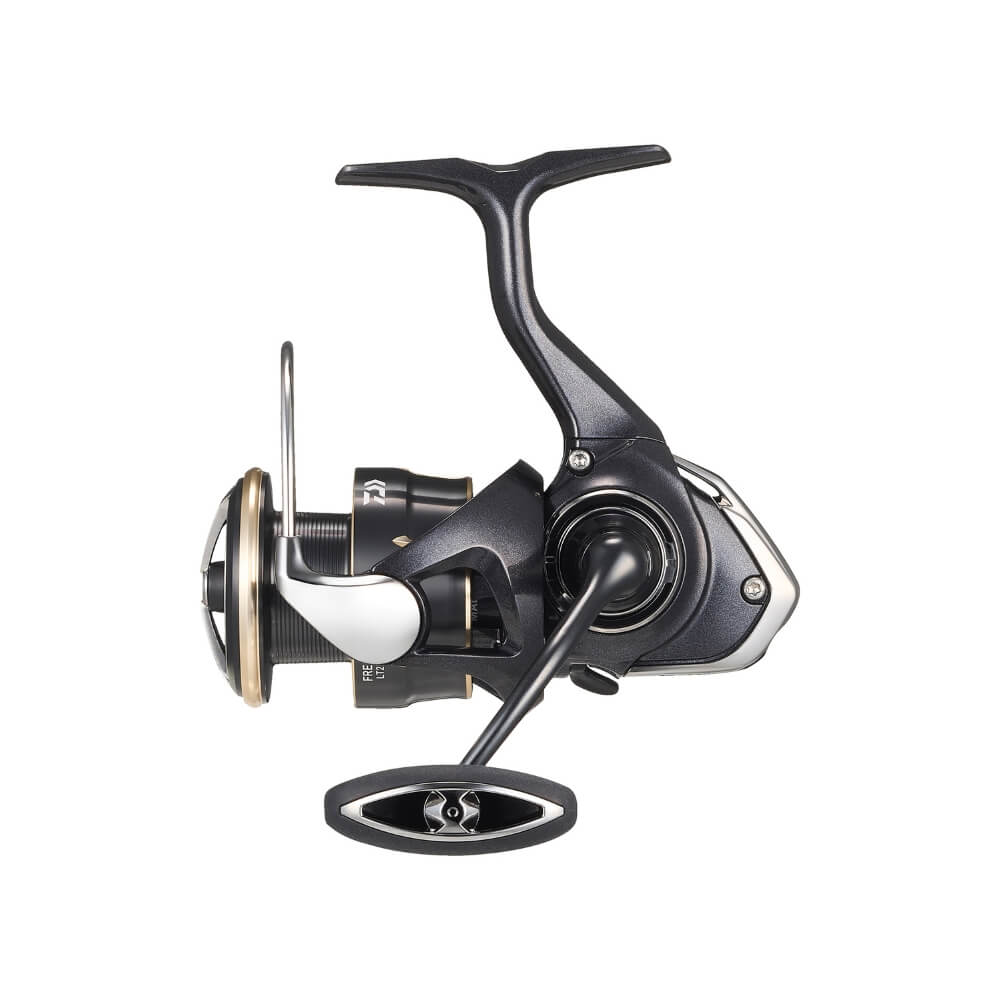


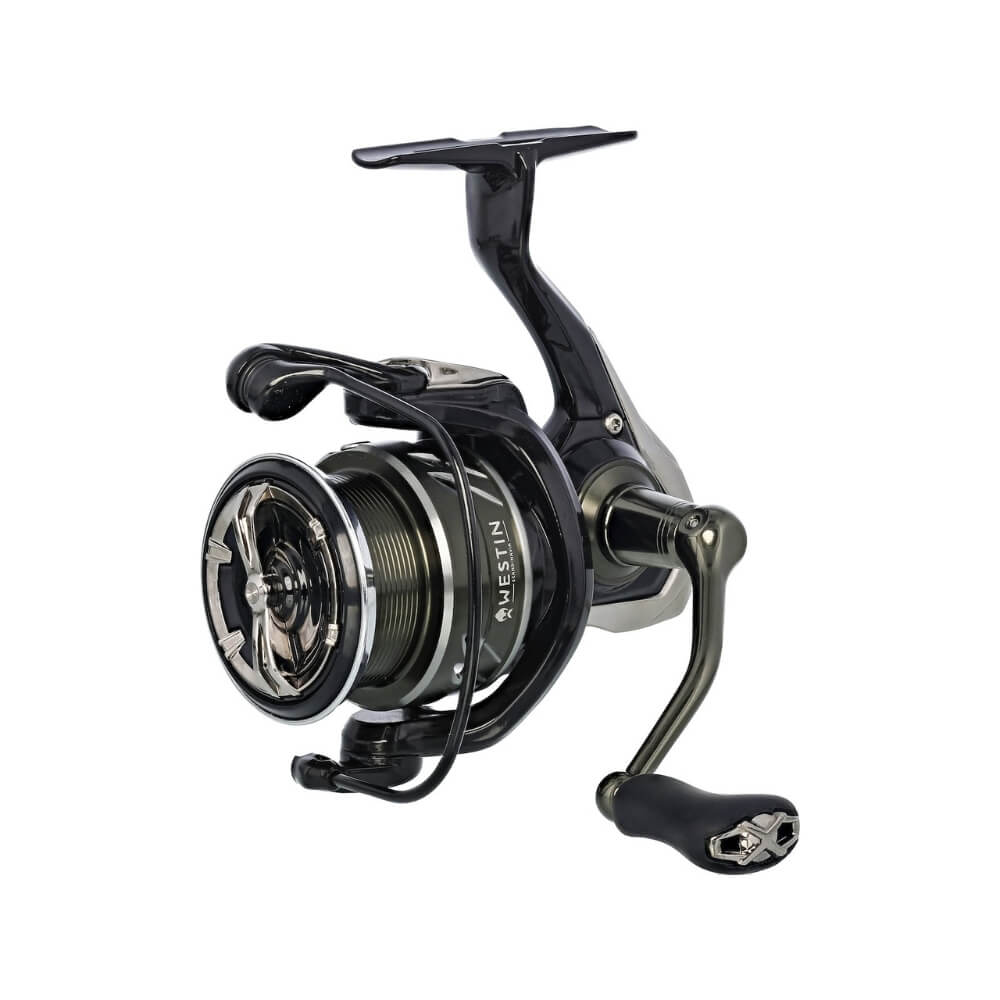


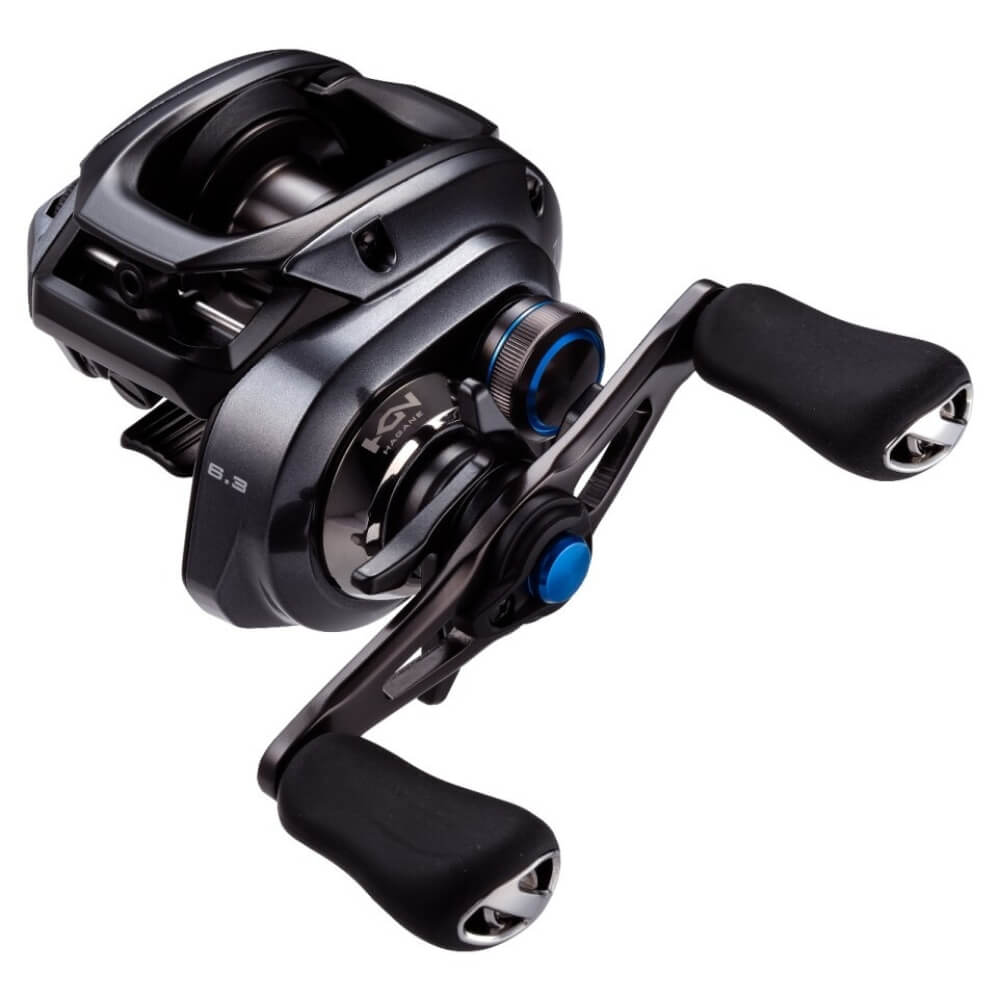

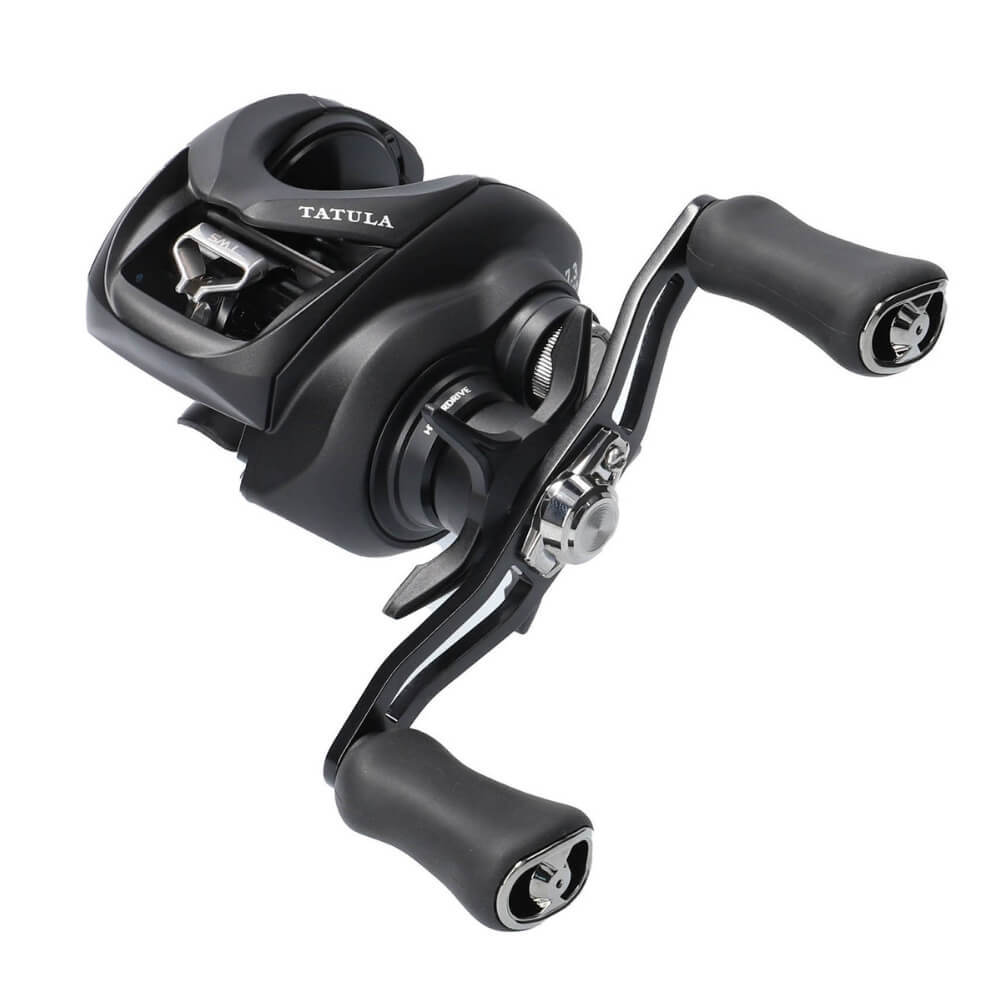
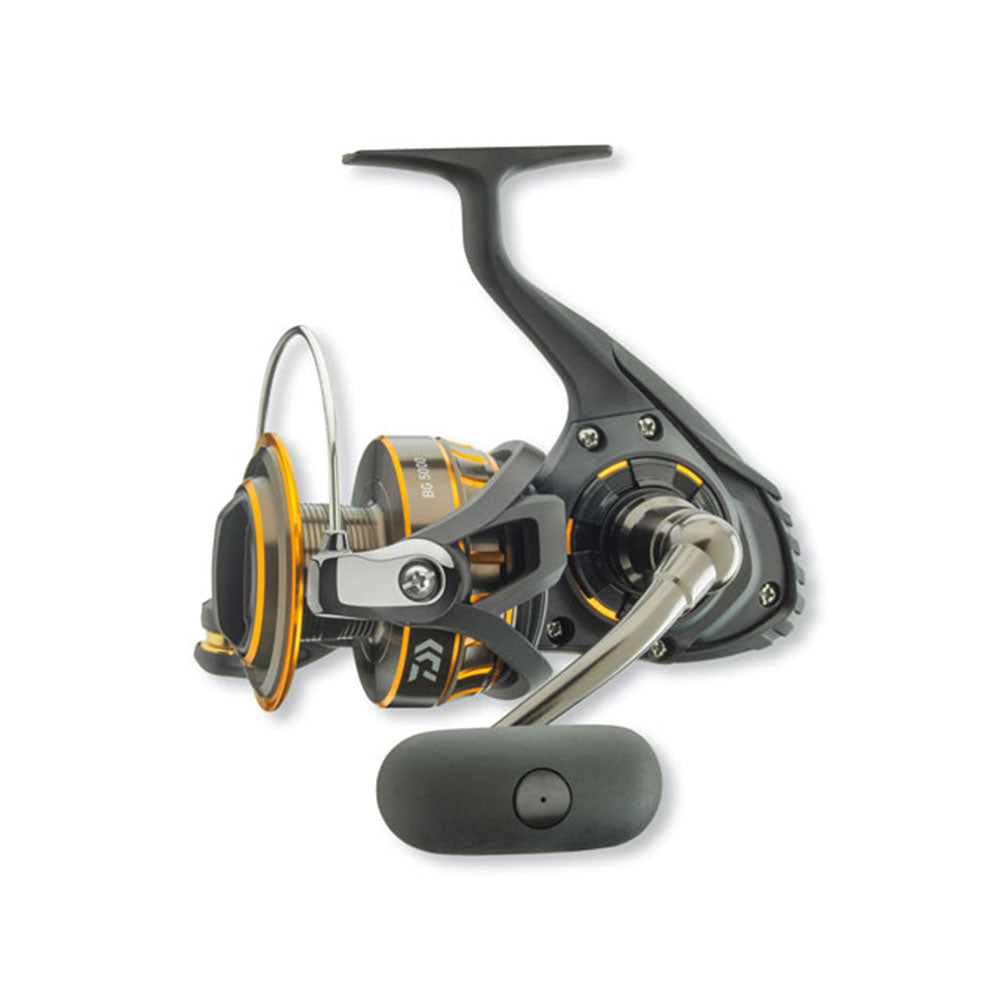

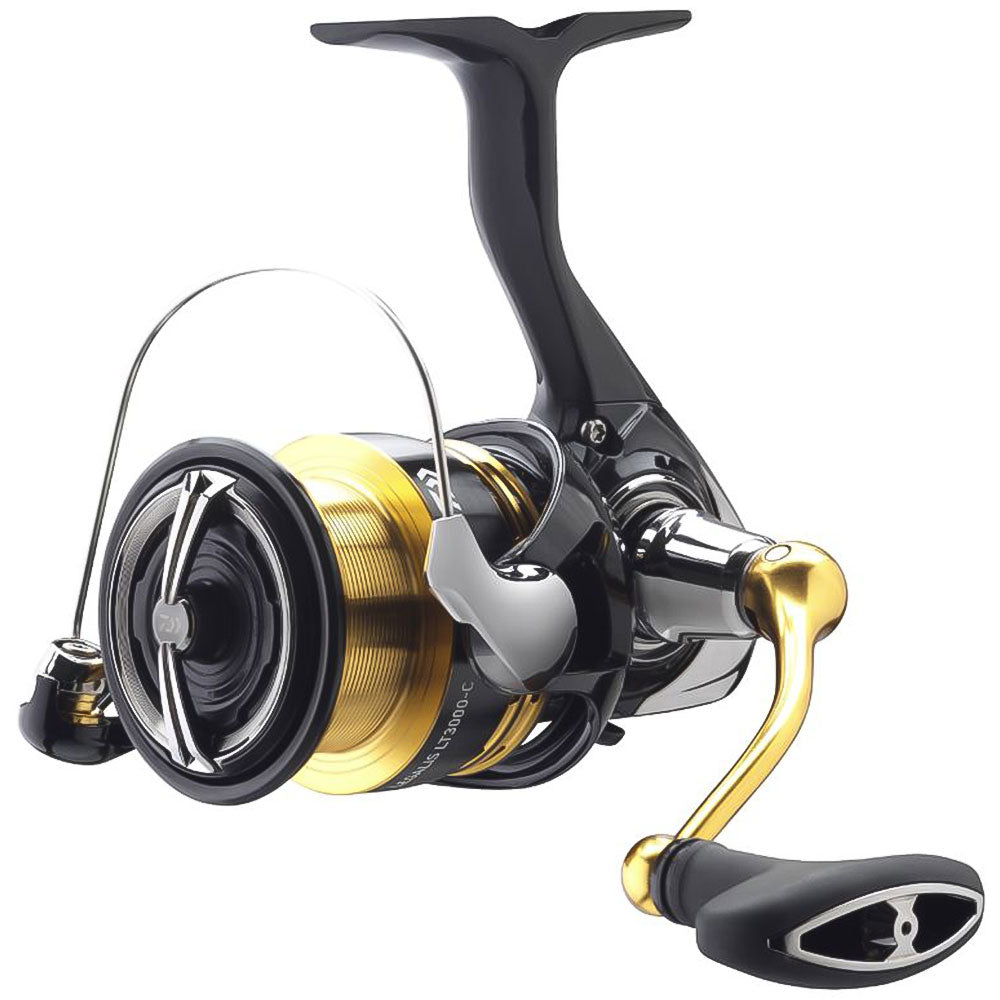


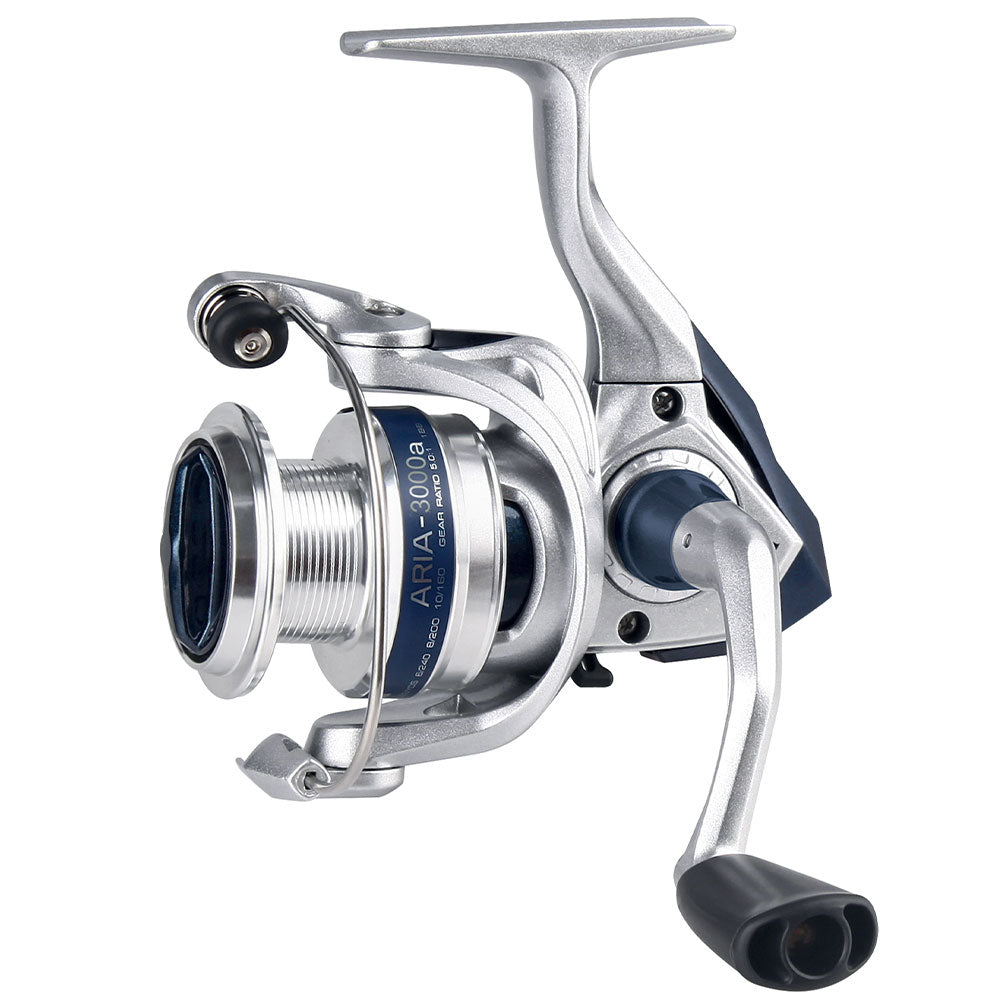


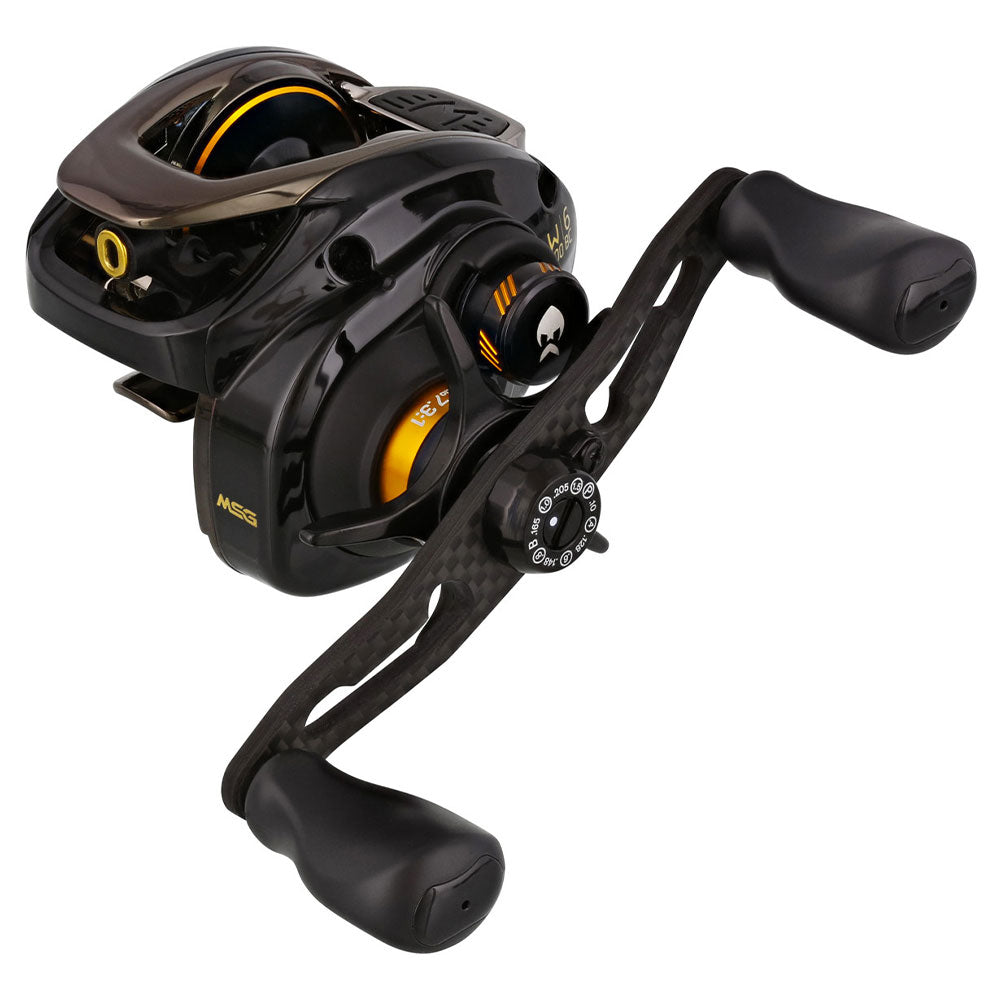


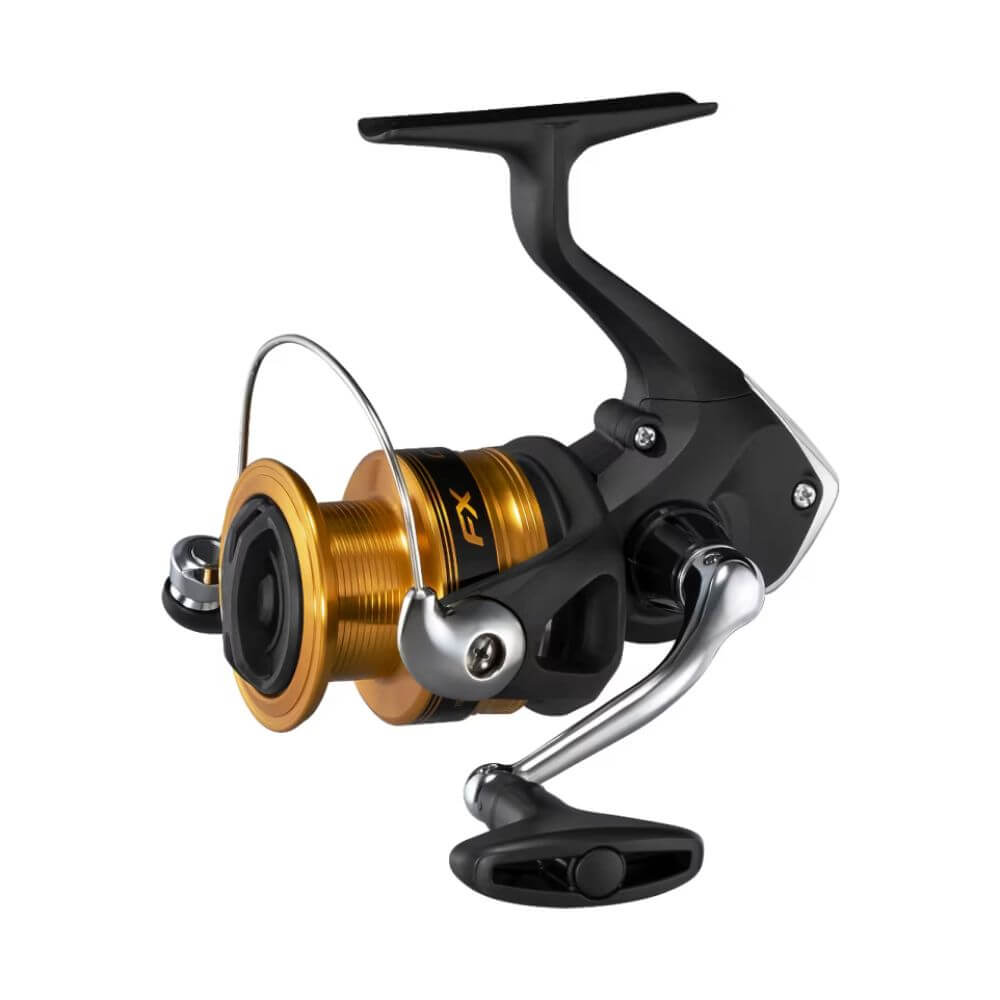

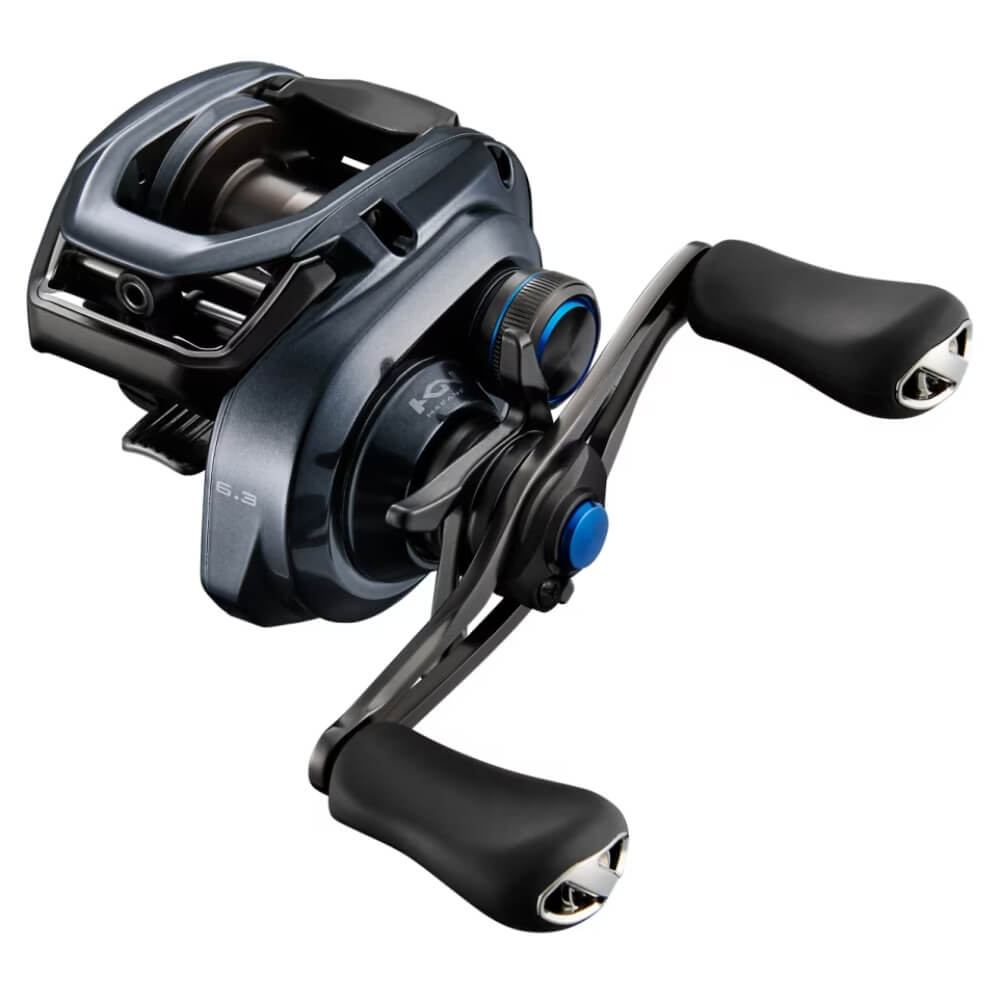


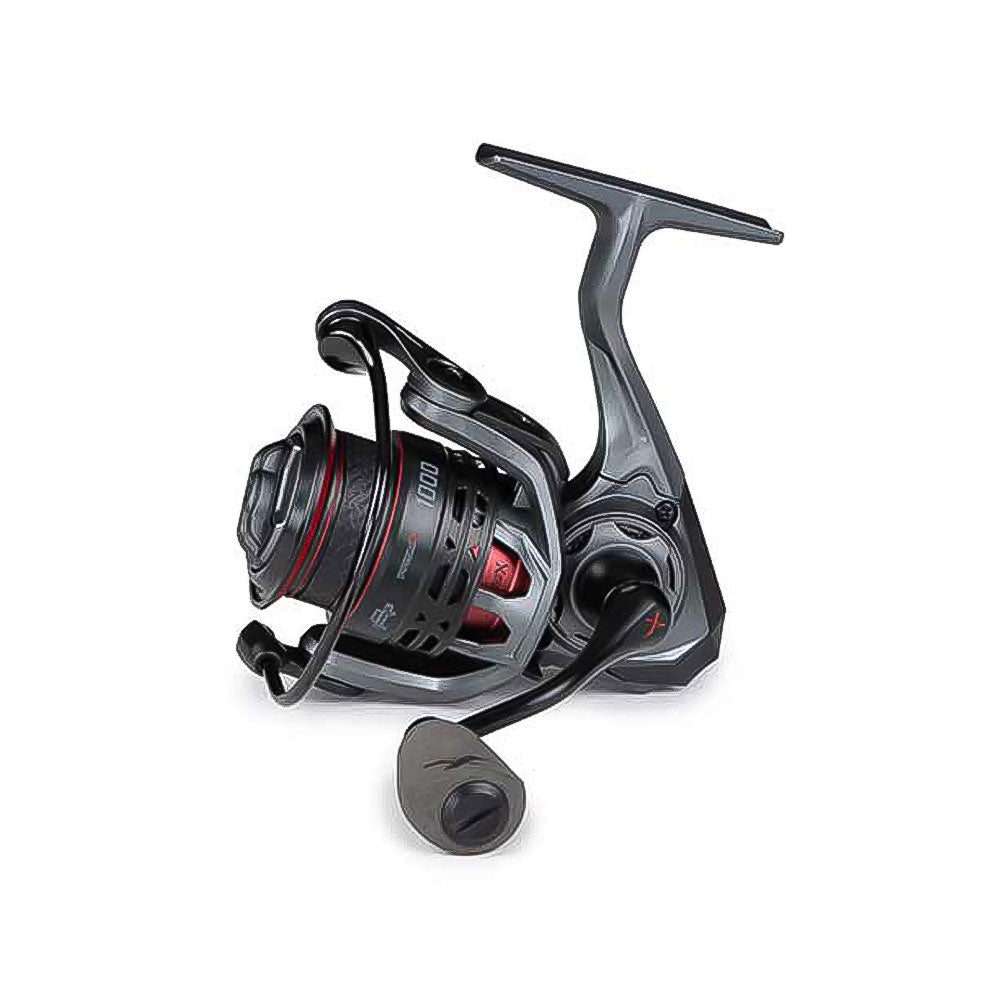

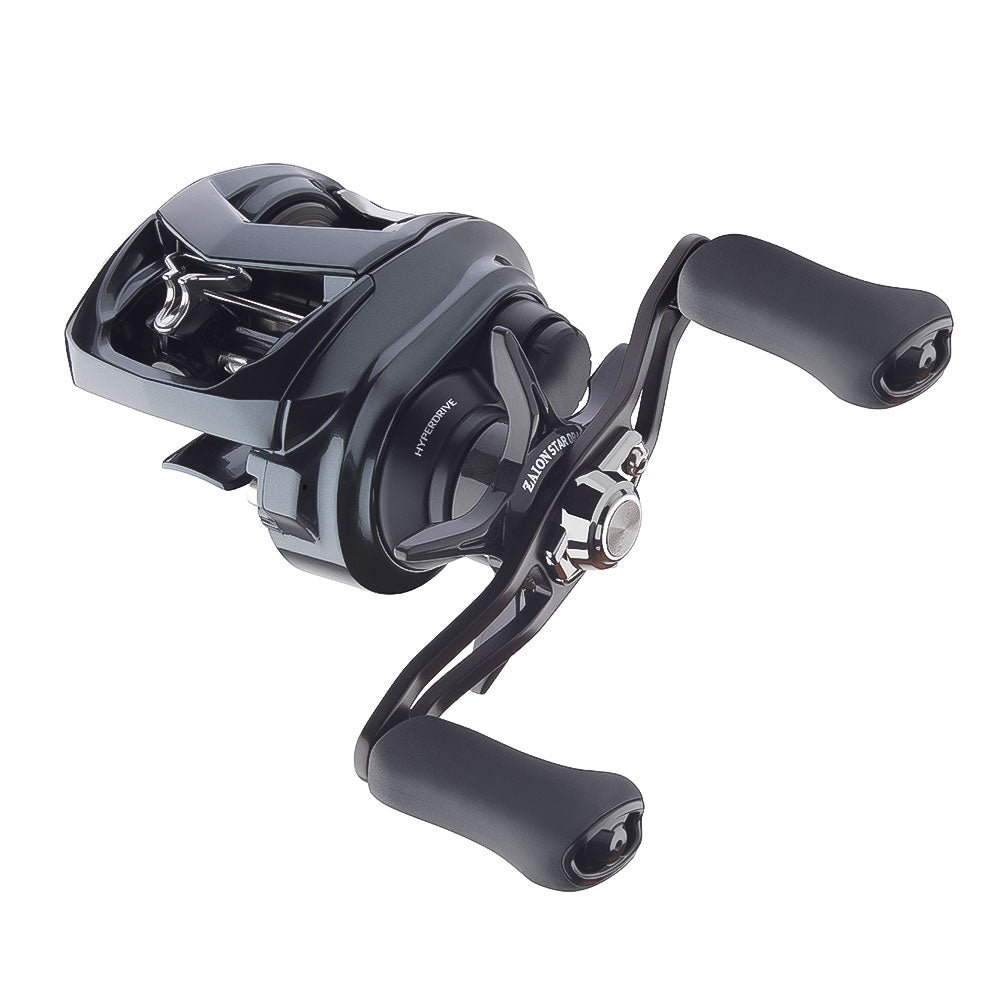


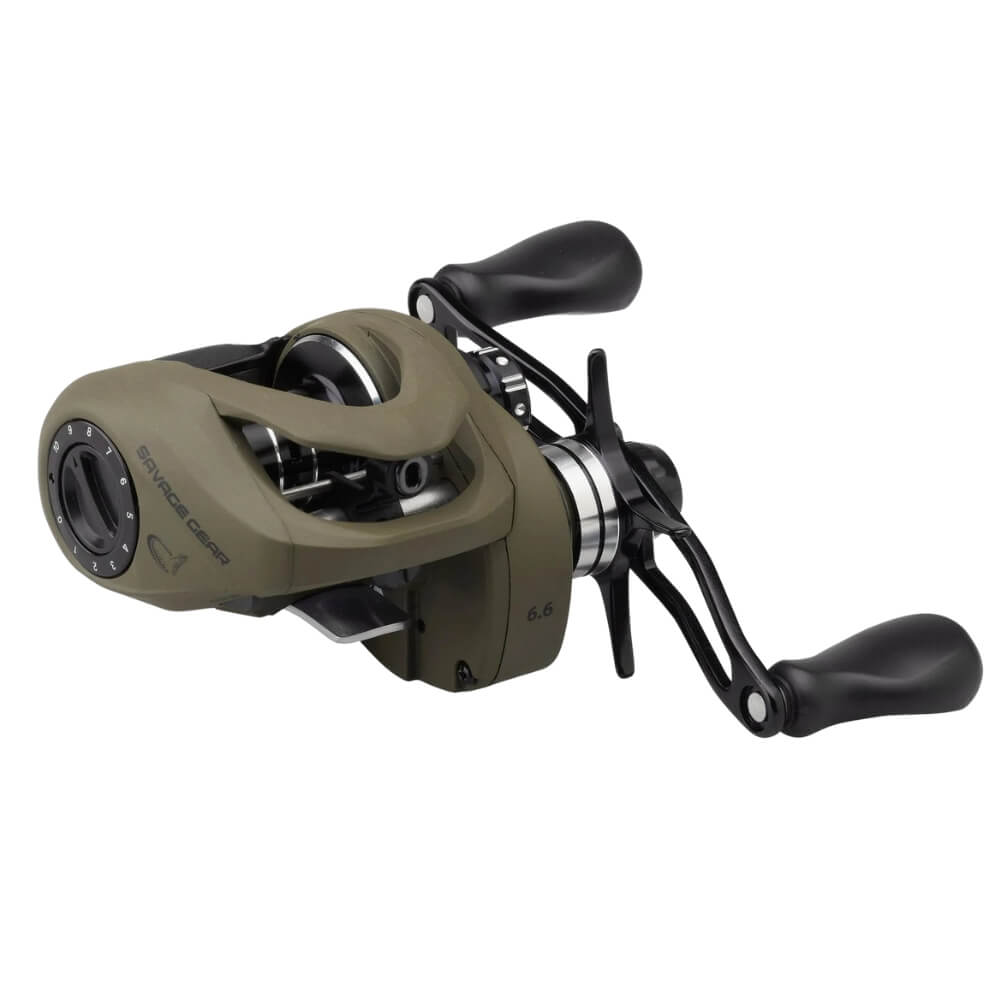

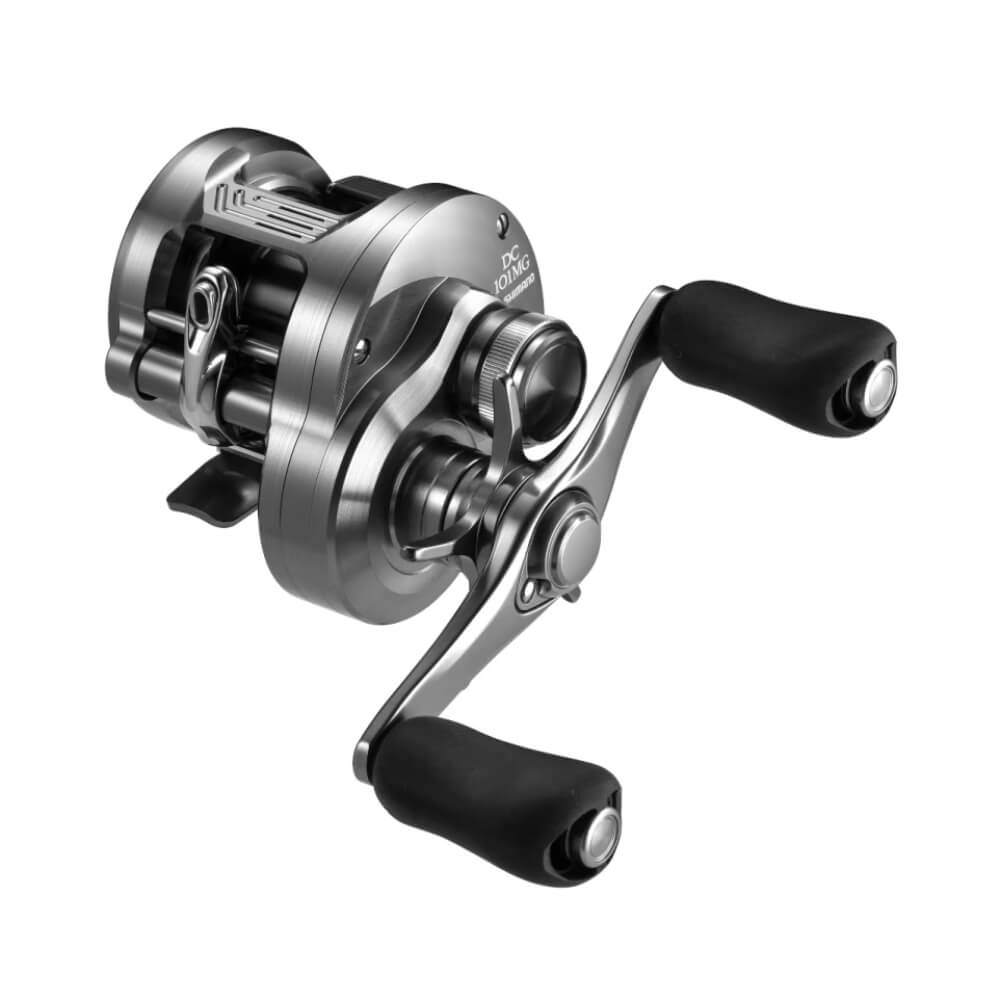

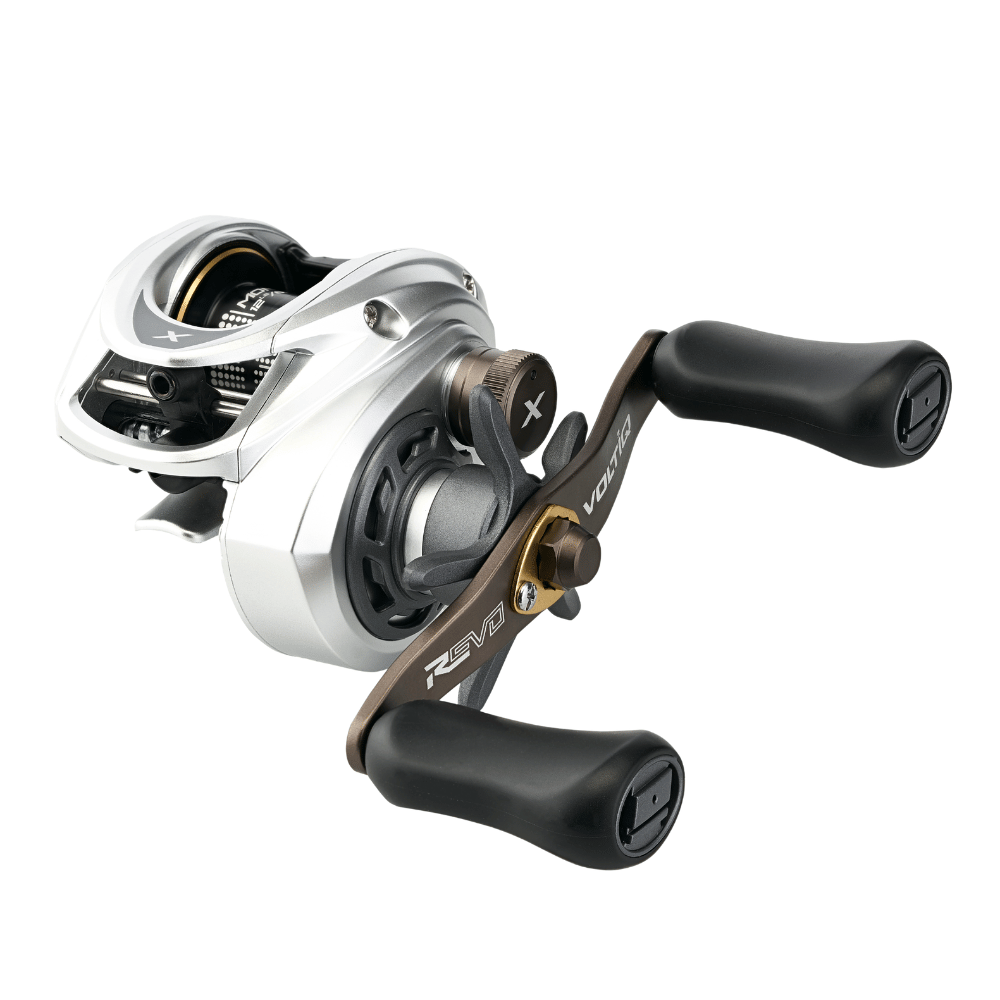


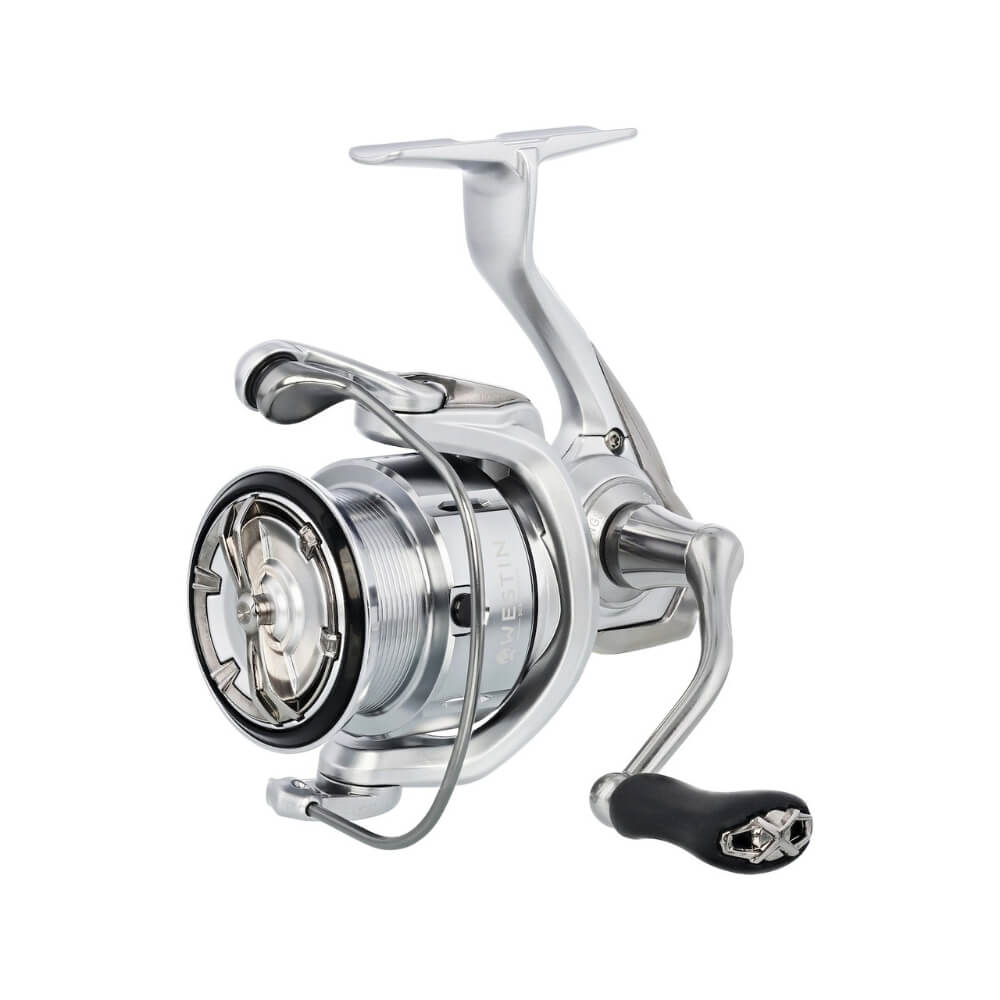

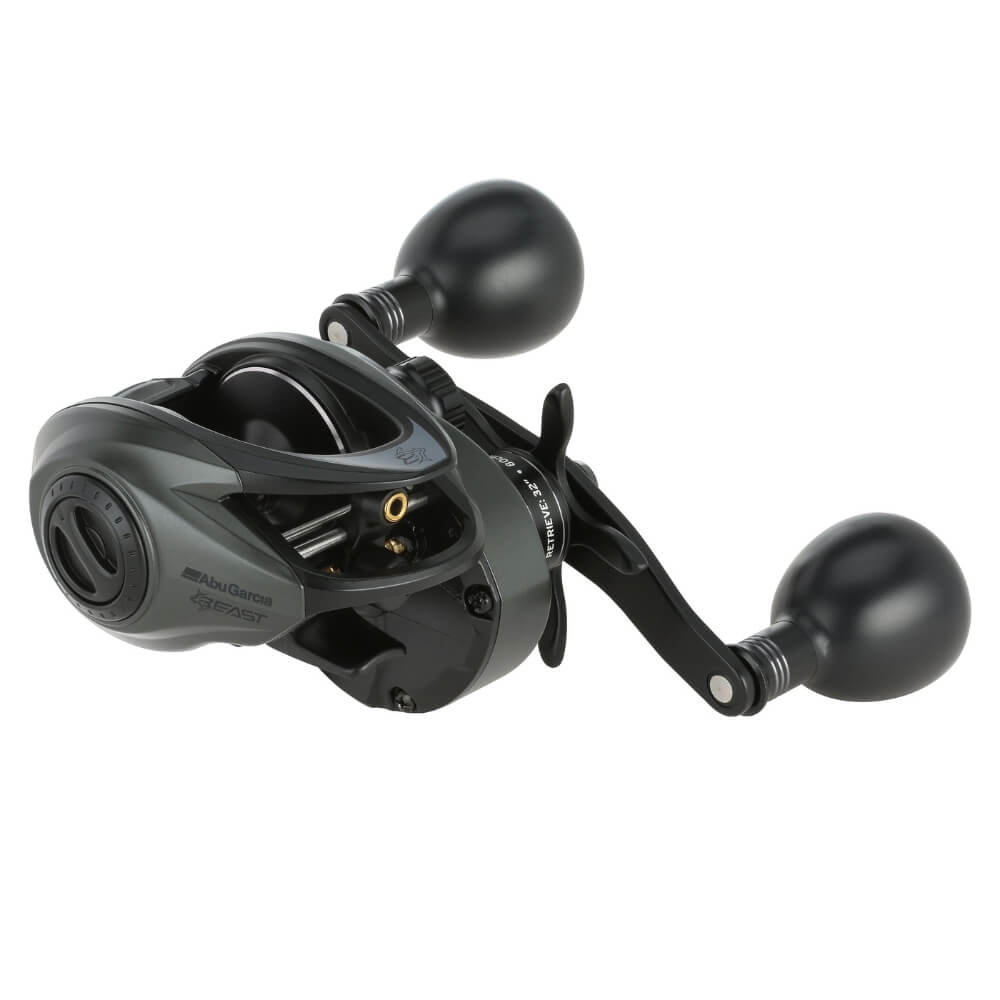

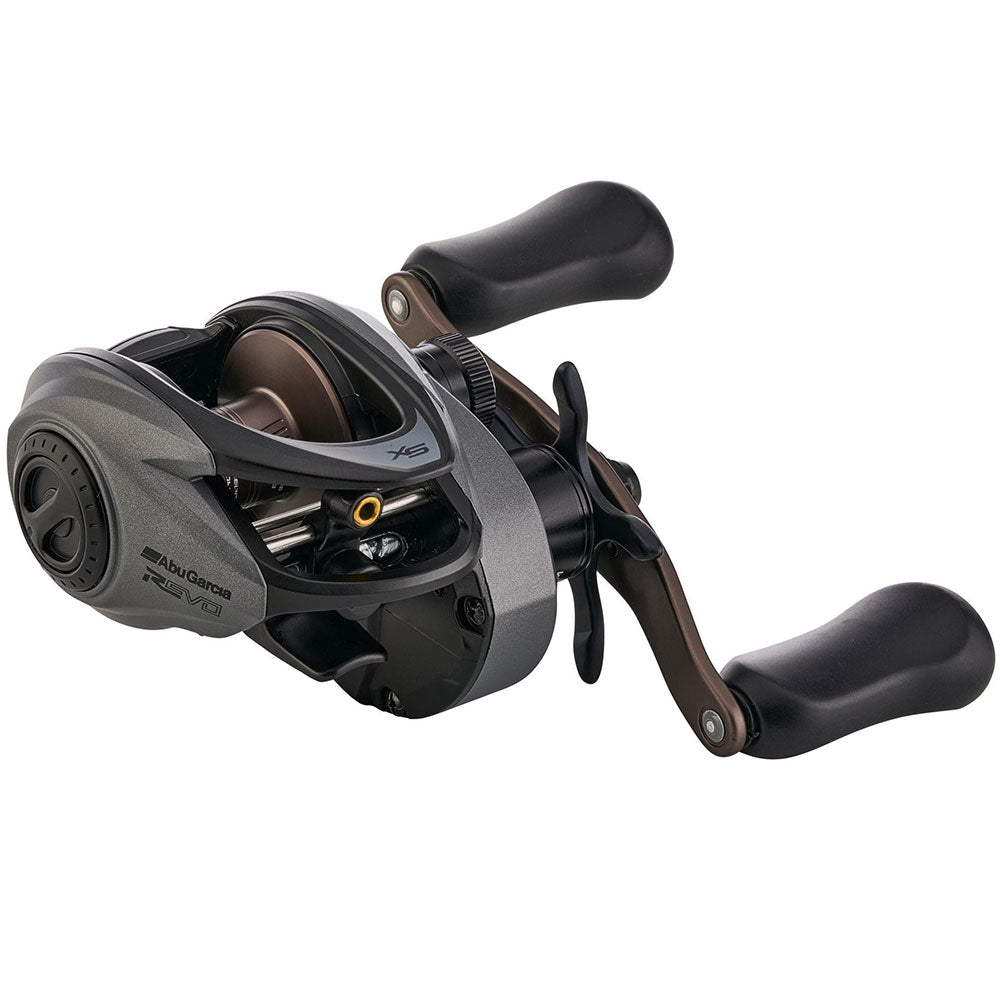

<h2>Buying Guide for Fishing Reels</h2><p>For most fishing techniques, the reel is one of the central pieces of your tackle. Setting aside pole fishing and the lightest fly fishing, the reel plays a crucial role in modern angling. Casting, covering huge distances, absorbing takes, animating lures, stopping fish and bringing them to the bank - your reel handles all of these tasks. That demands certain key properties and a level of quality if you want to fish successfully and enjoy your tackle for a long time. Different fishing methods place completely different demands on a reel, too. Surf anglers need different reels from lure anglers, and fly reels differ fundamentally from all other types.</p><p>It is worth noting that reels range from very affordable entry-level models right through to extremely expensive high-end options. As so often, the sensible middle ground is usually the right choice. A high-end reel is not always necessary, even though these models offer tremendous enjoyment and tend to be very durable. That said, even if you only fish occasionally, it is worth insisting on a minimum level of quality, because a poor-quality reel can quickly take the fun out of this wonderful hobby.</p><p>In the sections below we look at the construction and suitability of the various reel types for different fishing methods, along with useful tips to help you choose the right reel.</p><h3>The Different Reel Types</h3><p>As mentioned above, there are different reels for different purposes. The table below gives you a brief overview:</p><p><table><tbody><tr><td><p><strong>Reel type</strong></p></td><td><p><strong>Application</strong></p></td></tr><tr><td><p>Fly reel</p></td><td><p>Fly fishing</p></td></tr><tr><td><p>Baitrunner reel</p></td><td><p>Carp fishing, sea fishing, static fishing, trout fishing</p></td></tr><tr><td><p>Fixed spool reel</p></td><td><p>Lure fishing, carp fishing, static fishing, bottom fishing, sea fishing, wels catfish fishing</p></td></tr><tr><td><p>Multiplier reel</p></td><td><p>Sea fishing, heavy predator fishing</p></td></tr><tr><td><p>Baitcaster</p></td><td><p>Lure fishing</p></td></tr><tr><td><p>Distance reel</p></td><td><p>Surf fishing, carp fishing</p></td></tr><tr><td><p>Closed-face reel</p></td><td><p>Lure fishing, static fishing</p></td></tr><tr><td><p>Centrepin reel</p></td><td><p>Fishing for non-predatory species and drift fishing on rivers</p></td></tr></tbody></table></p><h3>Fixed Spool Reel</h3><img src="https://cdn.shopify.com/s/files/1/0548/9197/0669/files/epixor-2.jpg" alt="Stationärrolle" width="200" height="200"><p>The fixed spool reel is probably the most widely used and versatile reel type of all. It has a stationary spool that sits parallel to the rod axis and does not rotate with the retrieve - which is exactly where the name <em>fixed spool</em> comes from. Line is wound onto the spool by a rotating rotor via a line roller. As the rotor turns, the spool axis moves up and down within the reel body to distribute line as evenly as possible across the spool. The spool itself only rotates when line is pulled off against the drag.</p><p>Because line flows off the spool almost without resistance when the bail arm is open, fixed spool reels can cast lures of almost any weight class a long distance, provided you match them to the right rod.</p><h4>Fixed Spool Reel Size</h4><p>Fixed spool reels come in a wide range of sizes, from featherlight mini reels right up to heavy-duty models built for big-fish work. Whereas fixed spool reels were once considered less robust than multipliers, there are now models capable of handling hard-fighting saltwater predators such as tuna, sailfish or giant trevally. Components made from high-strength aluminium, titanium or stainless steel make this possible without compromise.</p><p>Reel weights have also been reduced steadily, to the point where a modern mid-sized fixed spool reel weighs just around 200 g.</p><h4>Fixed Spool Reel Drag</h4><p>Fixed spool reels can be fitted with a front drag, a rear drag or a combination of both. Around 15 years ago, rear-drag reels were very fashionable and widely available, but today virtually only front-drag models are found on the market.</p><p>Front-drag systems offer several advantages - more direct braking action, larger drag washers and a simpler construction - and are therefore preferable to rear-drag reels.</p><h4><strong>Line Lay on Fixed Spool Reels</strong></h4><p>Key qualities of a fixed spool reel are perfect line lay - essential if you want to use modern braid - a smooth, effortless retrieve and a well-functioning, slip-free drag.</p><p>You should also pay close attention to how much play there is in the gearing and handle, because this is firstly a sign of tight manufacturing tolerances and therefore an indicator of quality, and secondly it will only increase over time. A reel that already has a lot of play straight out of the box will lose its appeal relatively quickly.</p><h4><strong>Ball Bearings in Fixed Spool Reels</strong></h4><p>The number of ball bearings fitted is not necessarily the deciding factor, as long as at least 4 quality bearings are positioned at the most critical points. Please also refer to the section on spinning reels further below.</p><p>Because of how the fixed spool reel works, it is important to fill the spool to within approximately 1 mm of the spool lip. This minimises friction as the line leaves the spool, which increases your casting distance and makes the drag perform more consistently.</p><p><strong>Gear Ratio on Fixed Spool Reels</strong></p><p>Fixed spool reels always have a gear ratio, meaning the rotor completes several turns for each single turn of the handle. This increases retrieve speed considerably. Gear ratios range from a relatively slow 3.8:1 right up to a rapid 7.0:1. Bear in mind that a faster gear ratio increases the amount of line taken in per crank, but it also requires more effort to turn the handle. Before you buy, think about which retrieve speeds make sense for your style of fishing. Reels with gear ratios between 4.7:1 and 6.0:1 suit virtually every fishing technique and can be considered true all-rounders.</p><h3>Multiplier Reel</h3><img src="https://cdn.shopify.com/s/files/1/0548/9197/0669/files/multirolle-am-beispiel-der-calcutta-conquest-301.jpg" alt="Multirolle" width="200" height="200"><p>The multiplier reel is distinguished by a rotating spool that sits perpendicular to the rod axis.</p><p>This construction makes it extremely robust, but casting requires a degree of practice, because the spool is set into rotation during the cast and can overrun, leading to the dreaded bird's nest and line tangles. Once you have found the right brake setting and mastered a smooth casting stroke, however, multipliers are capable of extraordinary distances. Most existing casting records have been set - and continue to be set - with multiplier reels, though this remains a specialist discipline. Multipliers are most commonly used for heavy sea fishing, where their strengths - robustness, easy line release and precise line control - really come into their own. They are available with and without a level wind. For lighter and faster fishing a level wind is a real advantage; for heavy work it can be a weak point, so larger multipliers are generally better purchased without one.</p><p>Multipliers can be equipped with either a star drag, where braking force is adjusted via a star-shaped wheel at the handle, or a lever drag, where braking force is set by a lever on the body. The lever drag produces higher braking forces but is slightly more difficult to operate on a casting reel and can also be harder to set precisely.</p><p>Like fixed spool reels, multipliers have a gear ratio, so the spool rotates more than once per handle turn, increasing retrieve speed.</p><h3>Baitcaster</h3><img src="https://cdn.shopify.com/s/files/1/0548/9197/0669/files/baitcaster.jpg" alt="Baitcasterrolle" width="200" height="200"><p>The baitcaster is a specialised version of the multiplier reel. These compact, mostly low-profile reels are designed for casting lures and above all for lure fishing. Like the multiplier, the baitcaster spool sits perpendicular to the rod axis, but baitcasters always have a level wind and are built with an extremely light spool to allow lighter lures to be cast. The thumb bar for line release sits centrally on the reel, enabling a comfortable grip and very fast fishing - which also makes the baitcaster the tackle of choice for largemouth bass anglers and competition anglers.</p><p>By design, certain baitcasters are only suited to lures within a specific weight range. This range is determined primarily by spool weight and the quality of the spool bearings. For very light lures the spool must be ultralight and fitted with the finest low-friction bearings to spin up fast enough to launch these lightweights any distance. For this reason, baitcasters for the lightest fishing tend to be a more costly investment. Once you have made that step and spent time casting the reel in, though, the enjoyment factor and the precision and speed it brings to your fishing are hard to match.</p><p>Like the fixed spool reel and the multiplier, baitcasters also feature a gear ratio.</p><h3>Baitrunner Reel</h3><img src="https://cdn.shopify.com/s/files/1/0548/9197/0669/files/freilaufrolle.jpg" alt="Freilaufrolle" width="200" height="200"><p>A baitrunner reel is a specialised version of the fixed spool reel that allows you to engage a second brake via a lever, with its own independently adjustable braking force. This lets you set the line resistance anywhere from very light to medium-heavy, ensuring that a fish can pull line freely after taking the bait during carp fishing or other static methods. After one turn of the handle the main drag engages again automatically, which makes operation as simple as possible for carp fishing.</p><p>Models with a front-positioned main drag are preferable to those with a rear drag, as they deliver more braking power and a smoother, more consistent drag performance.</p><p>Baitrunner reels come in many different sizes. The smallest models are excellent for trout fishing, while large models have enough power and line capacity to cover distance fishing for carp and predators.</p><p>Baitrunner reels are also popular for trolling, as deploying line works in a similar straightforward way to multiplier reels.</p><p>For sea fishing in Norway, baitrunners have grown increasingly popular among anglers who find multipliers less comfortable to use, and they have become a genuine alternative worth taking seriously.</p><h3>Distance Reel</h3><p>Distance reels are fixed spool reels with an oversized spool and often a very large line capacity. Their large spool diameter allows extreme casting distances, while their line capacity supports fishing at extreme range. Some carp anglers now fish at distances of up to 400 m. Of course no rod on earth can cast that far, but the line capacity of so-called big-pit reels allows rigs to be placed at those distances by boat, while still leaving a healthy amount of line in reserve on the spool.</p><p>Particularly important on these reels is the line lay, which must be very even to ensure a smooth, friction-free line release.</p><h3>Closed-Face Reel</h3><p>Closed-face reels have become very rare and are now hard to find. The spool is enclosed within a housing and line release is triggered by a thumb button, much like a baitcaster. They are extremely simple to operate, and because the spool is protected by the housing the reel can be set down or even retrieved through grass or reeds without the rotor picking up long stalks.</p><p>This made closed-face reels very popular with children, beginners and for night fishing for eel and similar species.</p><p>With a few exceptions, however, the drag performance, casting distance and handle quality of closed-face reels leave a great deal to be desired, which is why this reel type has largely fallen out of use.</p><h3>Fly Reel</h3><p>Fly reels are designed specifically for fly fishing and built to handle and store the thick fly lines the method demands. The spool axis runs perpendicular to the rod axis and fly reels normally have no gear ratio as such, but a so-called <em>direct drive system</em>. This means that, unlike almost all other reels, the spool makes just one revolution per turn of the handle and line retrieve is relatively slow. Since much of the fighting in fly fishing is done by hand-lining, this is perfectly adequate.</p><p>Older fly reels typically had little more than a click-and-pawl check to prevent overrun. Modern fly reels, by contrast, are in most cases fitted with a sealed high-performance drag that allows you to play hard-fighting fish via the reel with confidence.</p><p>Fly reels are very light and are sized according to line classes, making it easy to match the reel to your rod and line. A size 7-9 reel, for example, will take a #8 fly line plus approximately 150-200 m of backing. Used with lighter or heavier lines it will take correspondingly more or less backing.</p><p>For lighter fishing up to class #5, many anglers play fish entirely by hand, which means a more affordable model can be sufficient, as the reel is often little more than a line store in these situations. When targeting harder-fighting fish, you should still invest in a quality lightweight fly reel with a very good drag.</p><h3>Centrepin Reel</h3><p>These specialist reels have one purpose only: drift fishing for non-predatory species on running water. They are built around an extremely free-running spool that sits perpendicular to the rod axis. Spool diameter is usually large to allow adequate line take-up without a gear ratio.</p><p>The spool must run so freely that the pull of the rig in the current releases line directly without too much braking resistance.</p><p>A drag system is rarely found on centrepin reels. In some cases there is at least a click mechanism to act as a check during the fight.</p><p>Centrepin reels are used with match or Bologna rods. Casting is virtually impossible with these reels, but given their purpose, it is not needed either.</p>