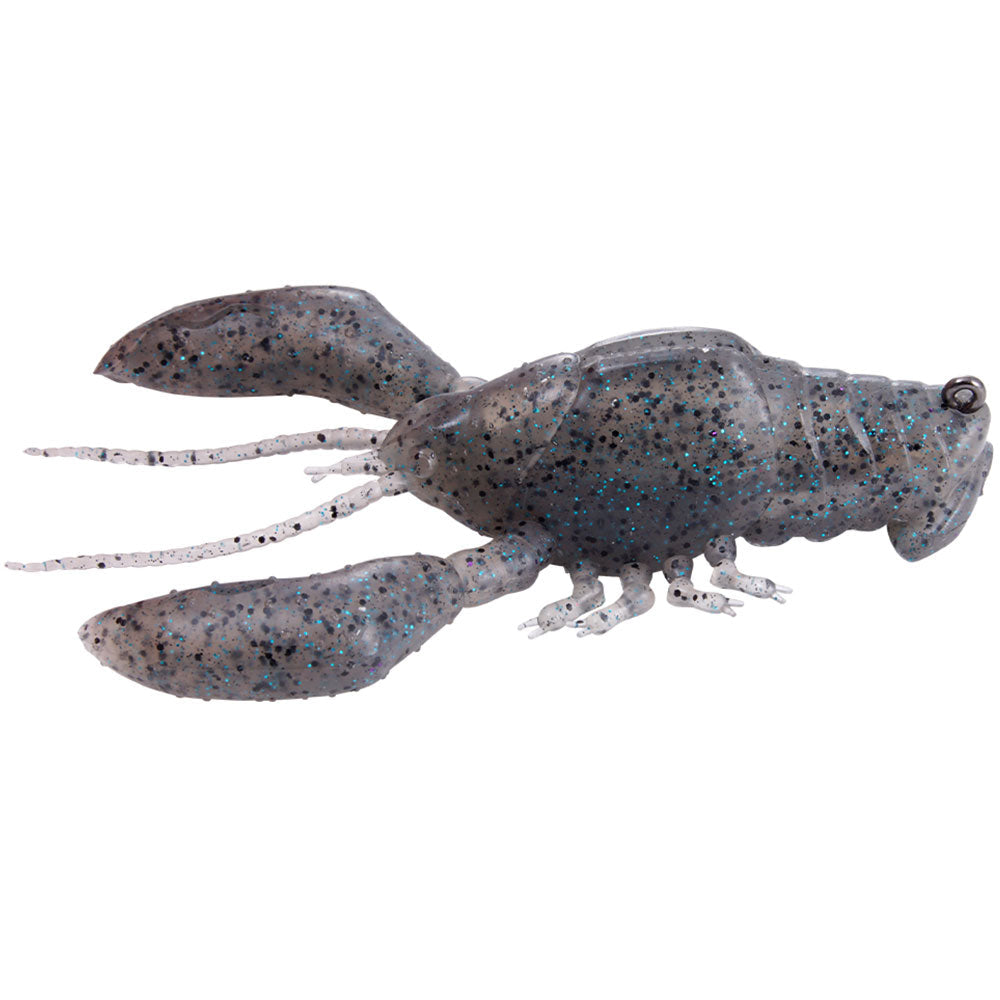
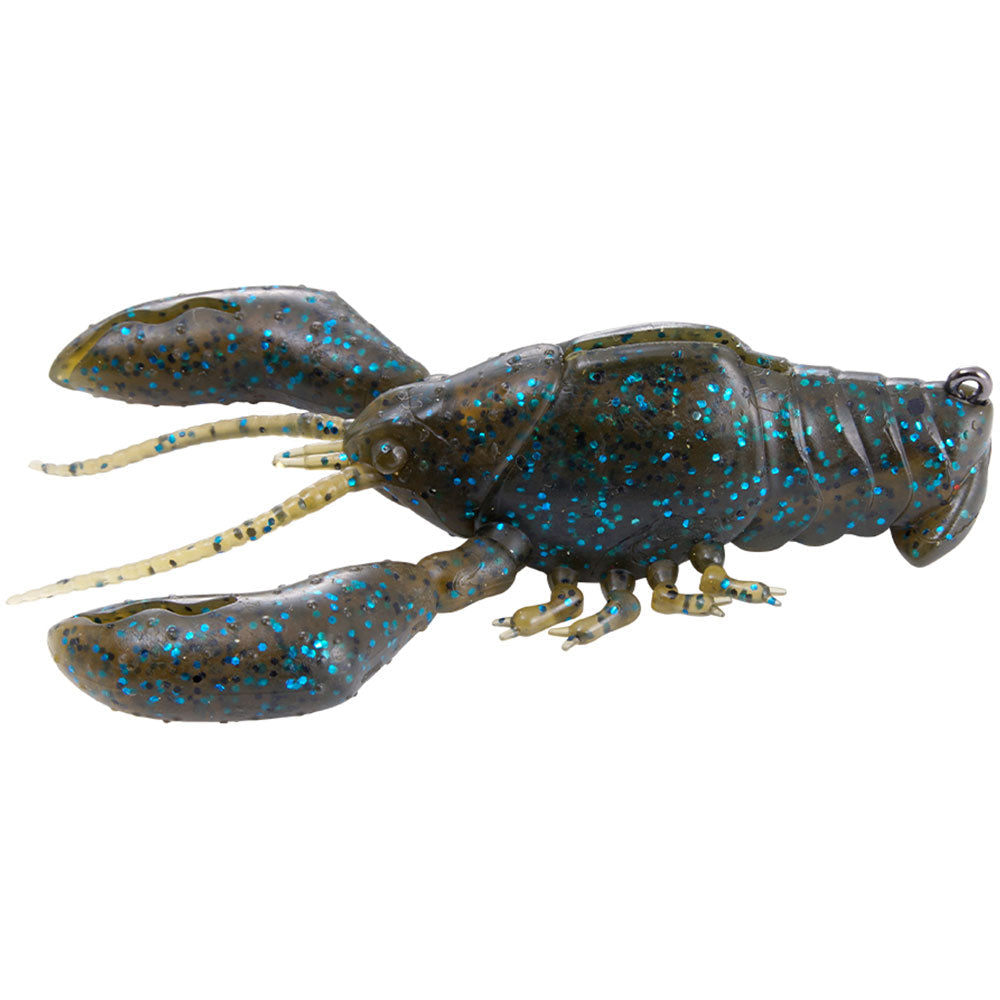
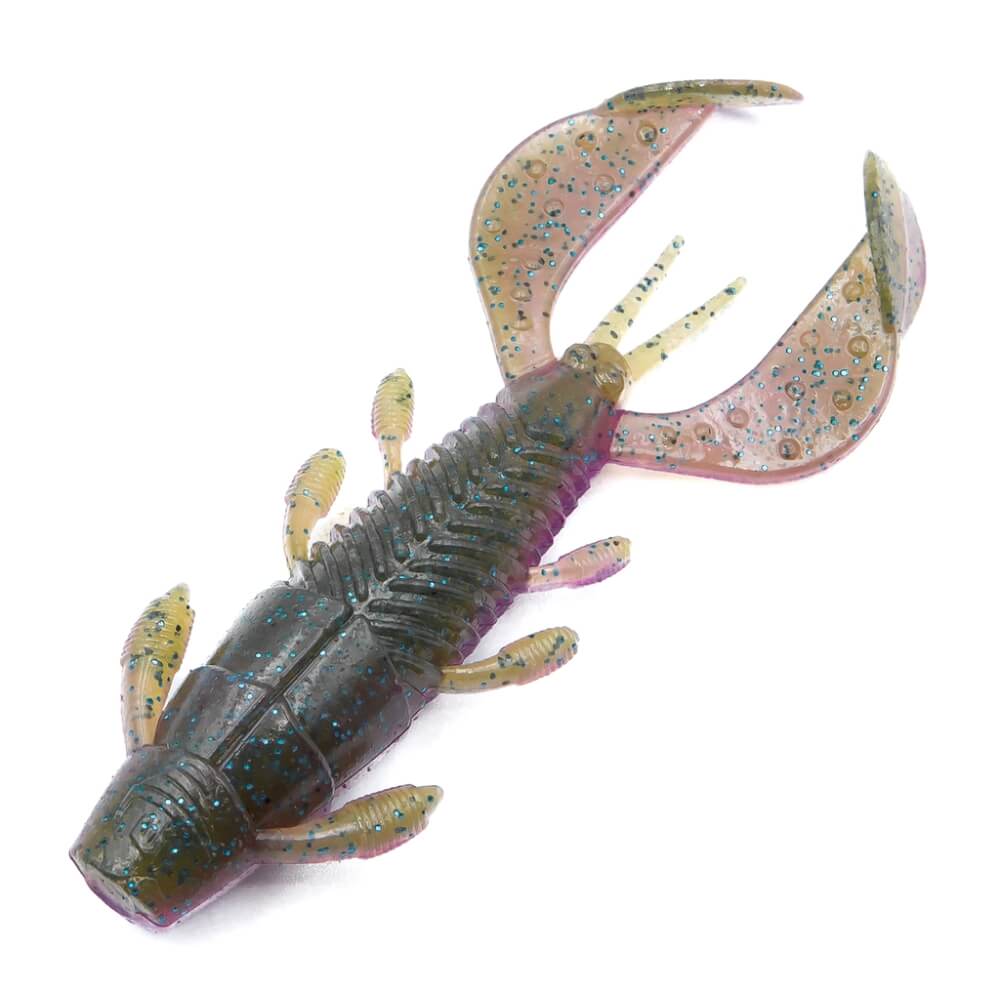
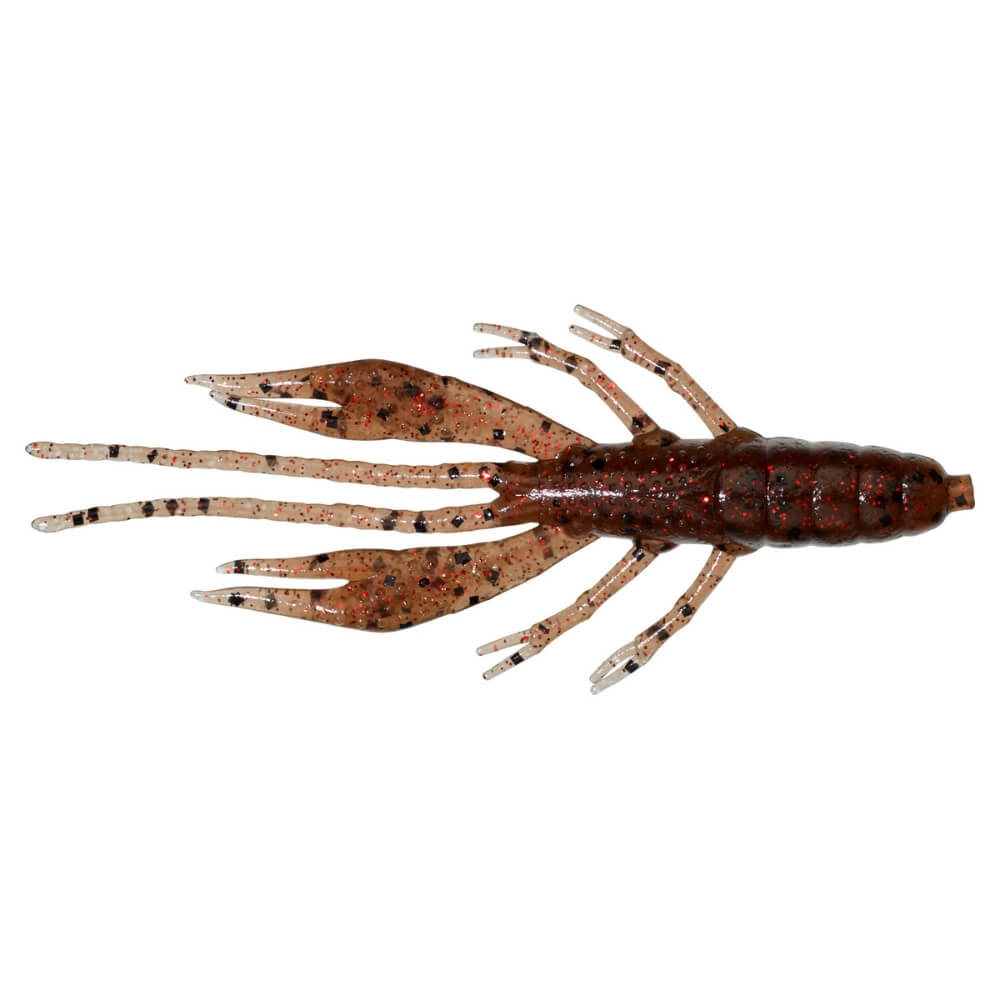
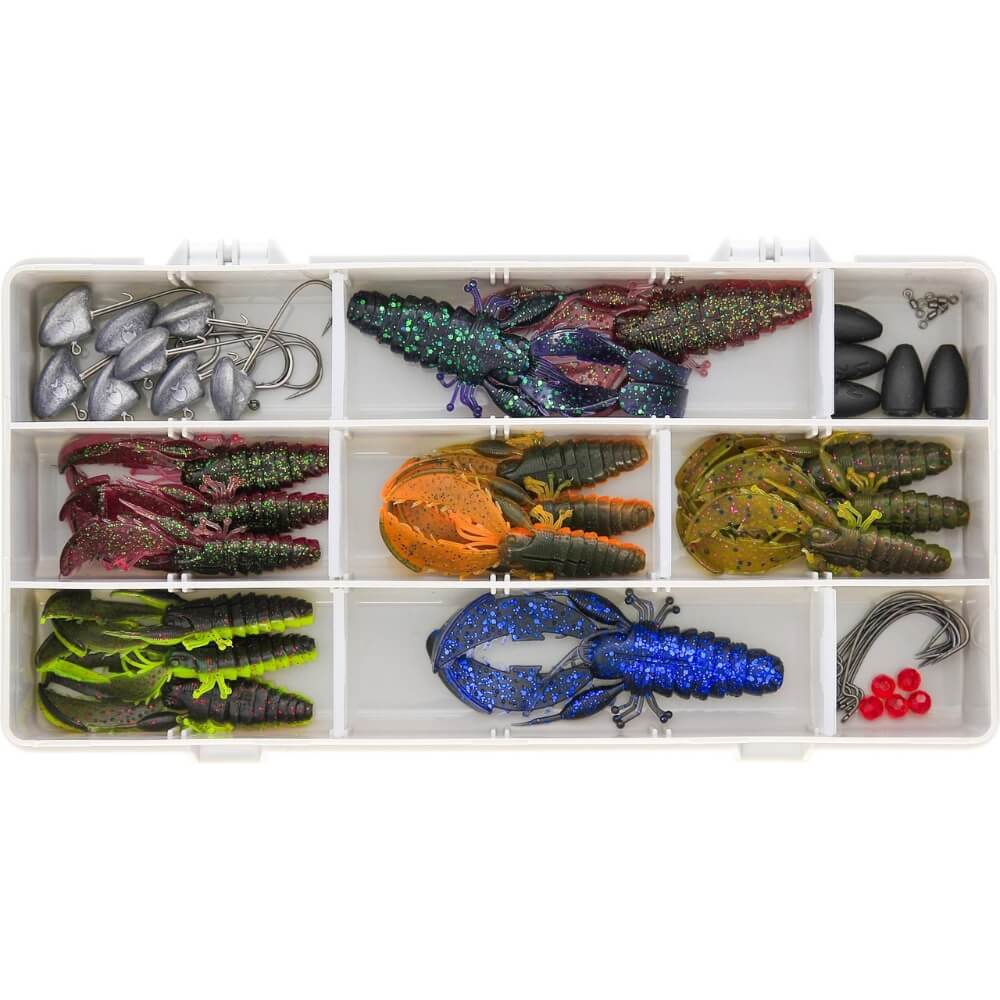
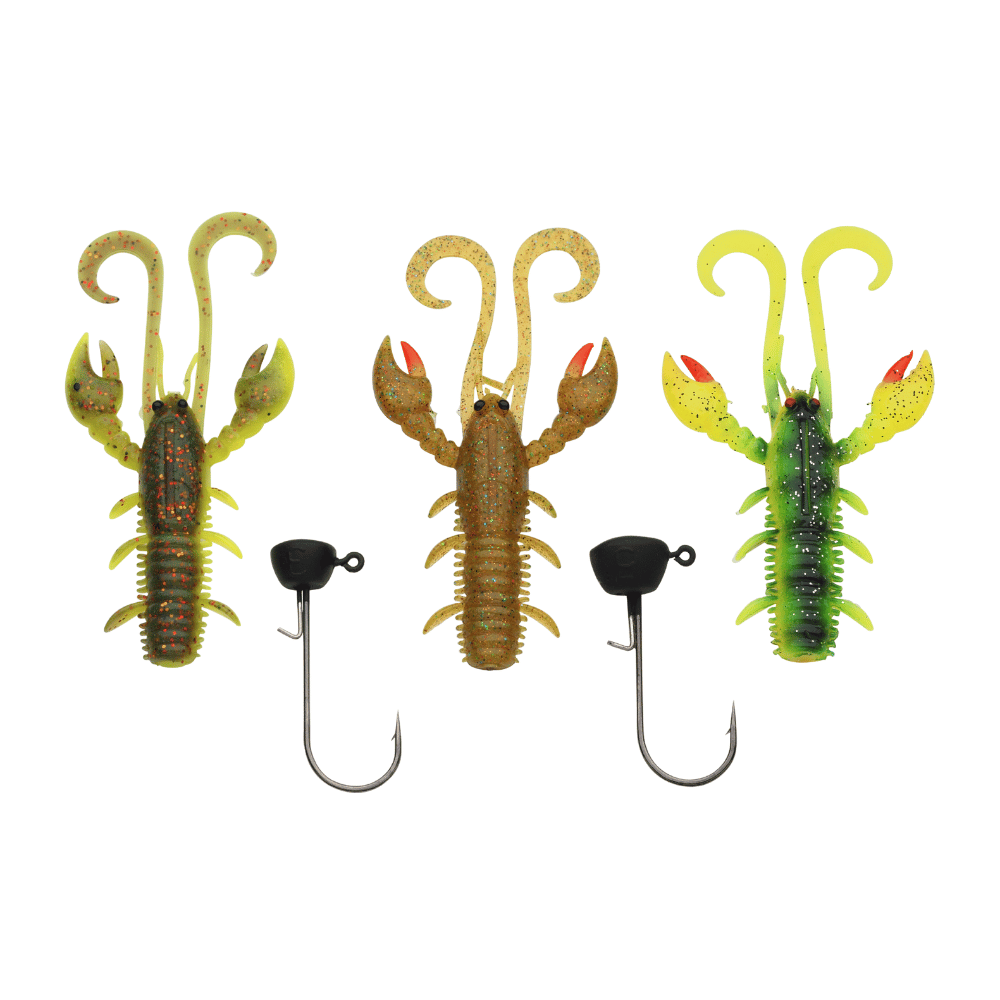
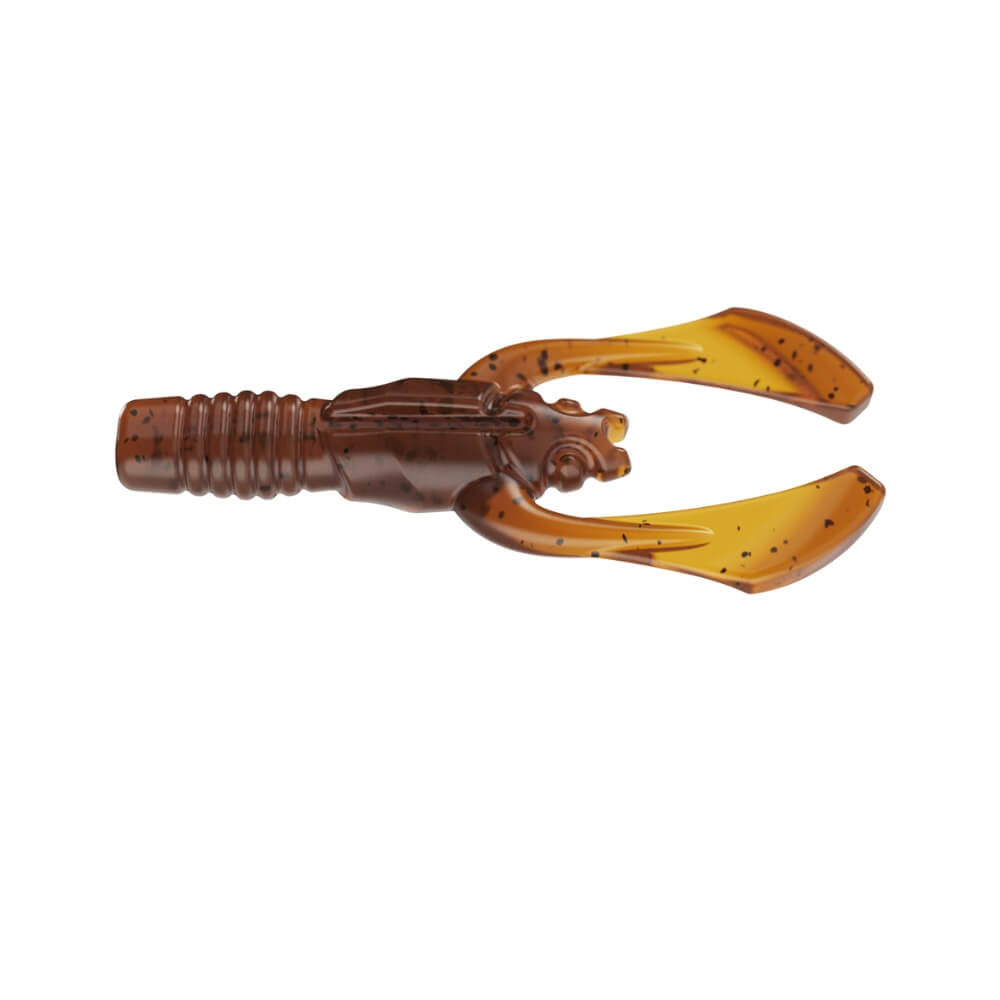
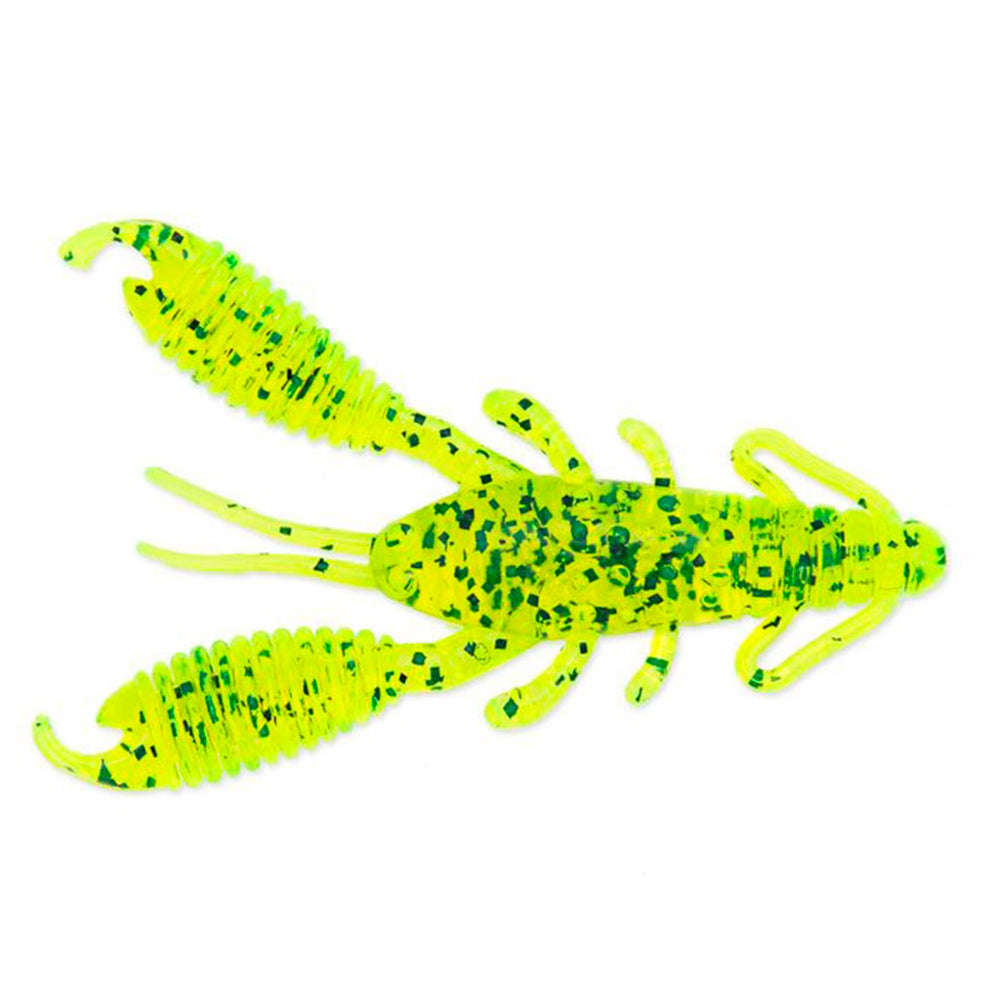
<h2>Buying Guide: Soft Craws</h2><p>Naturally healthy waters of good ecological quality are home to native noble crayfish, but various species of crustacean can be found in almost every other freshwater body too. The unfortunately persistent poor water quality in many European rivers and lakes has allowed species such as the American signal crayfish to establish themselves and spread rapidly. Inland shipping has also triggered a genuine invasion of the well-known Chinese mitten crab, which has been at home in many waterways for over 100 years and even migrates into connected still waters.</p><p>These ecologically damaging developments have not gone unnoticed on the menu of our predators. Crayfish are a valued protein source for pike, zander and perch in particular, and feature regularly in their diet. At certain times these fish seem to respond to nothing else. Most salmonid species and largemouth bass can also be drawn out very effectively with craw imitations.</p><h2>The Basics</h2><p>Rubber craw imitations are <strong>soft lures modelled more or less closely on their natural counterparts</strong>. They consist of an elongated body with various leg and claw appendages. It is above all the claws that create the action underwater and are designed to fool predators. No matter which craw imitation from the range you choose - they are all capable of catching fish. <strong>Natural colour patterns</strong> tend to be particularly effective, as craws are generally worked slowly and rely on lifelike imitation to deceive. That said, there are always situations where a striking, unnatural colour is needed - at dusk or in heavily <strong>coloured water</strong>, for example. Those are the moments for fluorescent colours.</p><p><img src="https://cdn.shopify.com/s/files/1/0548/9197/0669/files/finesse-filet-craw-red-craw.jpg" alt="Roter Gummikrebs" width="278" height="278"><img src="https://cdn.shopify.com/s/files/1/0548/9197/0669/files/finesse-filet-craw-real-craw.jpg" alt="Krebs Köder" width="261" height="261"></p><p><em>From outlandish to impressively lifelike: craws are true predator magnets!</em></p><p>Crayfish are most active in the evening hours, when they move into shallower margins to feed. At those times you can fish a soft craw with real confidence. There are also water-dependent periods in summer when crayfish shed their shells to grow a new, larger one. During this time they are soft-bodied and known as <strong>soft-shell crayfish</strong> - easy pickings for every predator. If you manage to hit this window on your home water, the sessions can be extraordinary. Make a note of the approximate timing so you can be ready for it again the following year.</p><h2>Retrieves and Rigs</h2><p>There are two basic styles of retrieve that bring success. The first is to imitate the natural escape movement of a crayfish: short, sharp bursts close to the bottom with brief pauses in between, executed either via the rod or the reel. The second approach imitates an unsuspecting crayfish crawling slowly across the lakebed - the lure is animated very gently and inched along in small stages. Many different rigs suit both styles. The choice of rig with craws comes down largely to personal preference and the situation at hand. Here is a brief selection of the options available:</p><ul><li><strong>Jig head</strong>: The classic choice for presenting craws close to the bottom on snag-free ground. For extra attraction or fishing in cover, skirted jigs are the first choice.</li><li><strong>Texas rig</strong>: Particularly well suited to fishing in snaggy areas. The Texas rig also mimics the clicking sounds of a real crayfish.</li><li><strong>Carolina rig</strong>: The best option when you want a slow sink rate despite using a heavy weight.</li><li><strong>Drop shot</strong>: When you want to work a spot with real patience and precision, drop shotting is the right alternative.</li></ul>