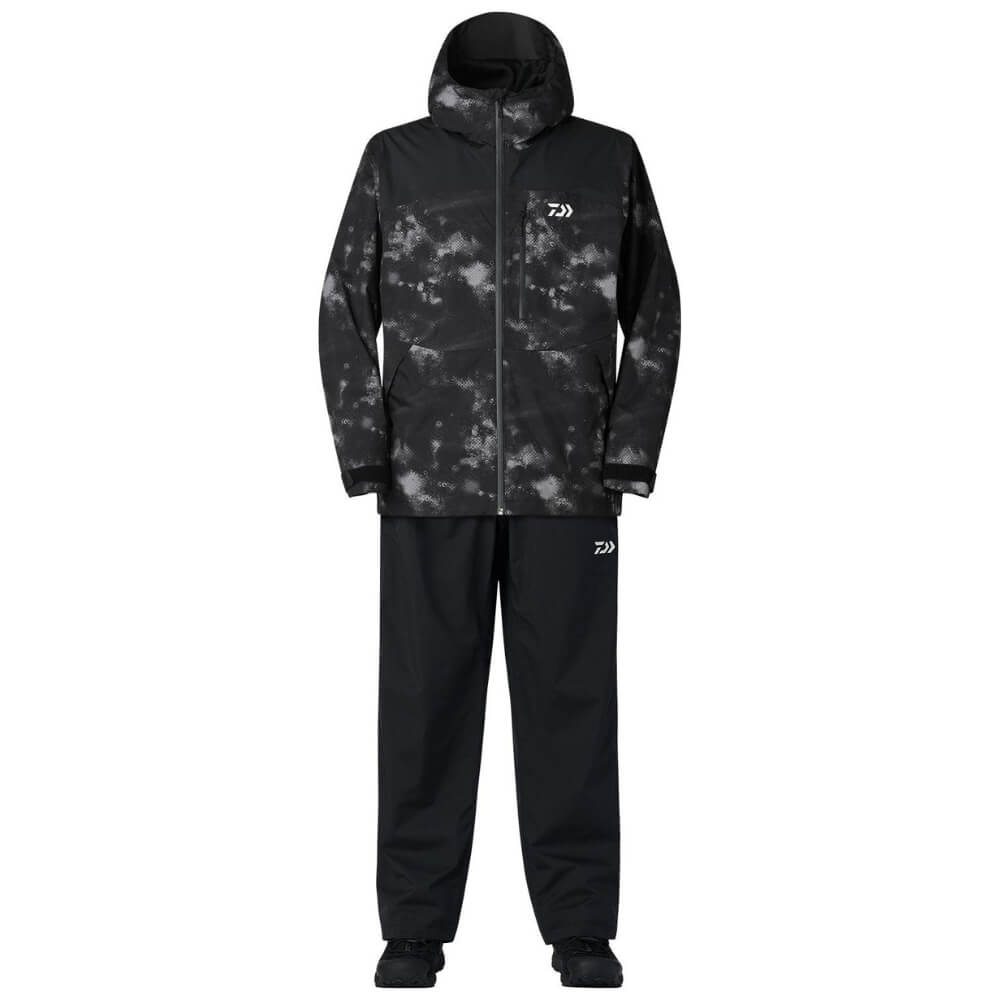
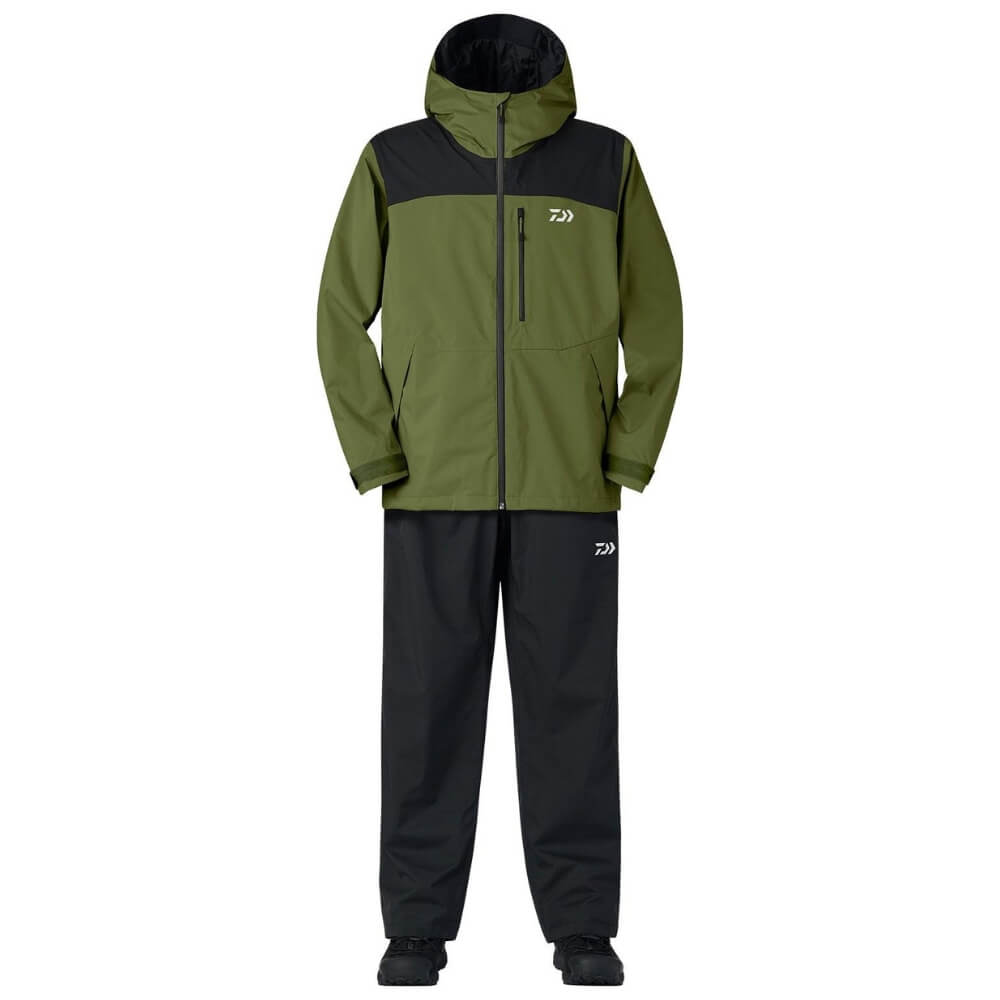
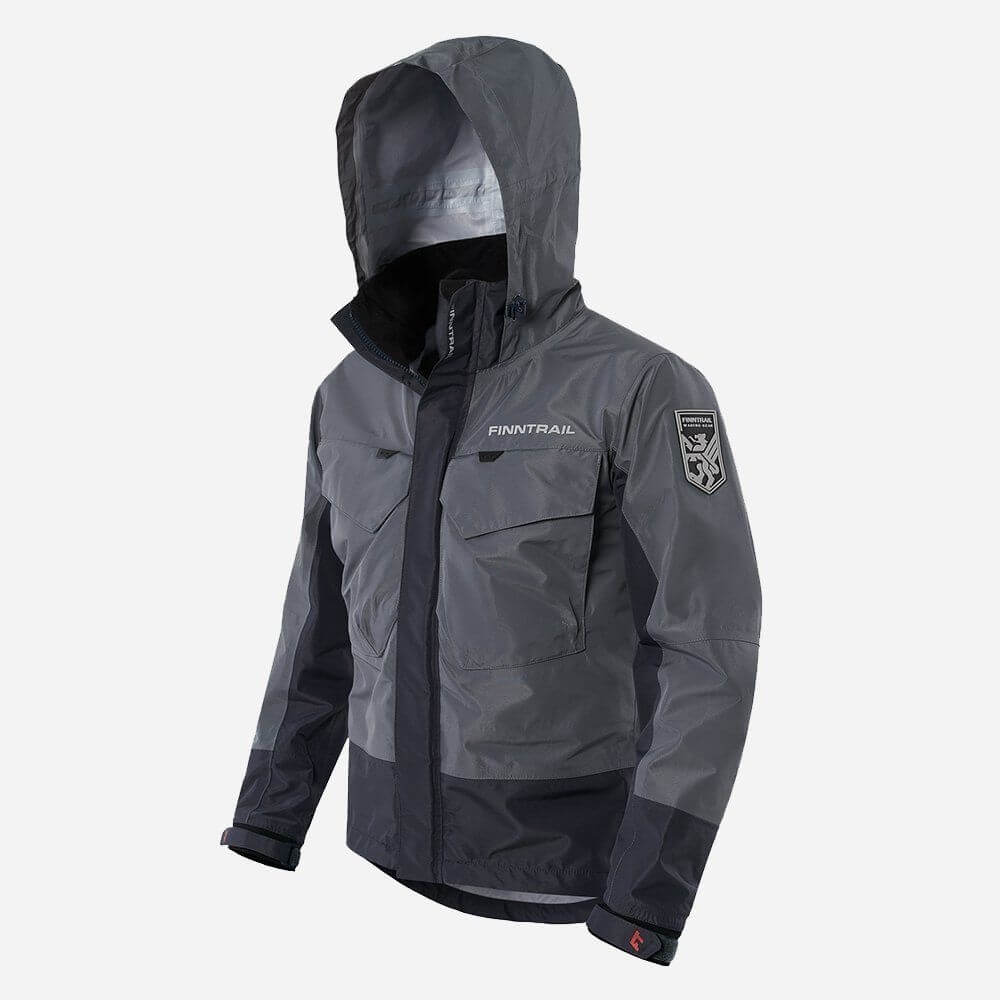
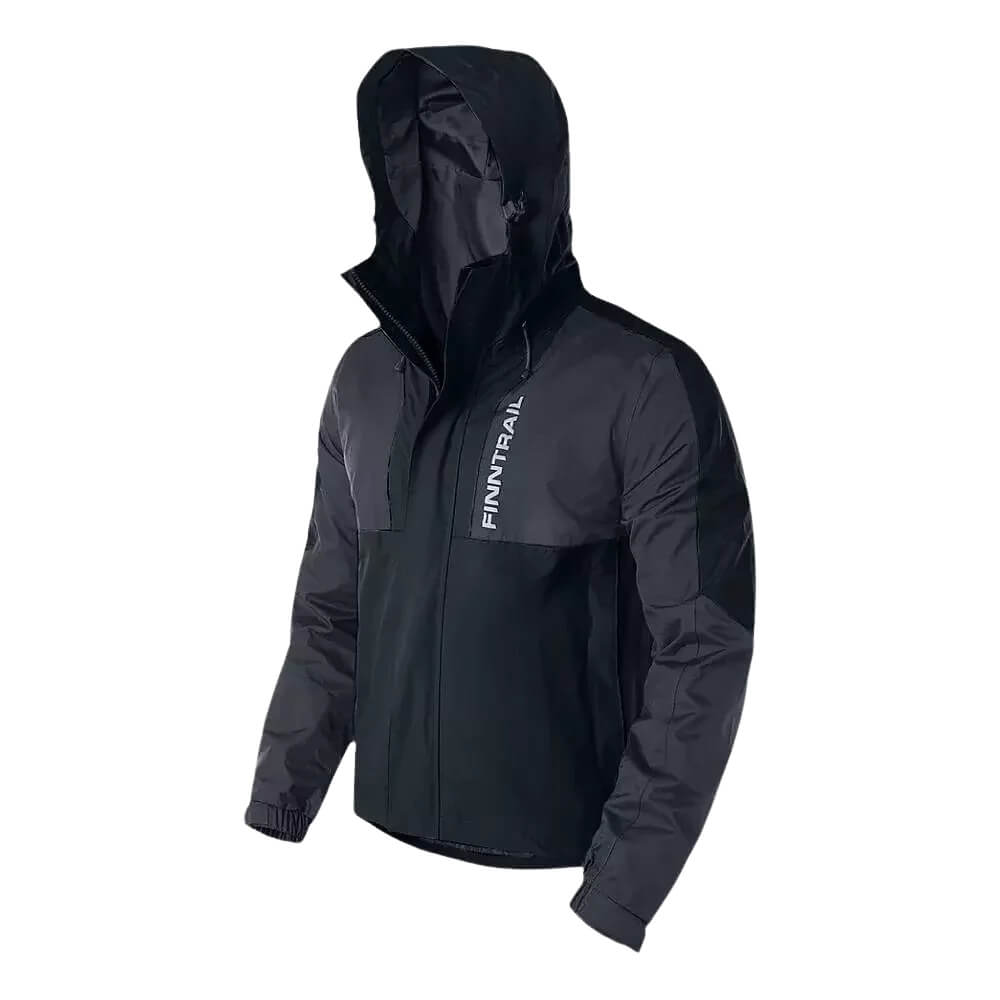
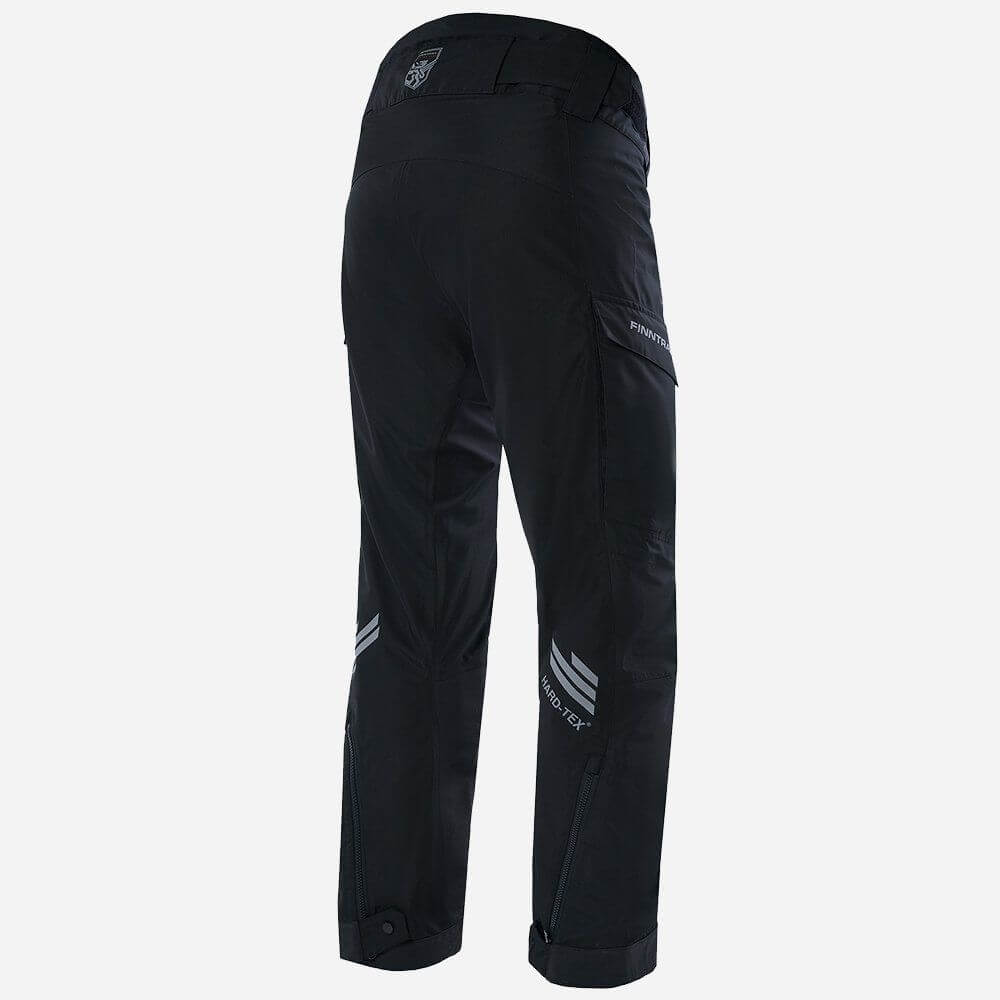
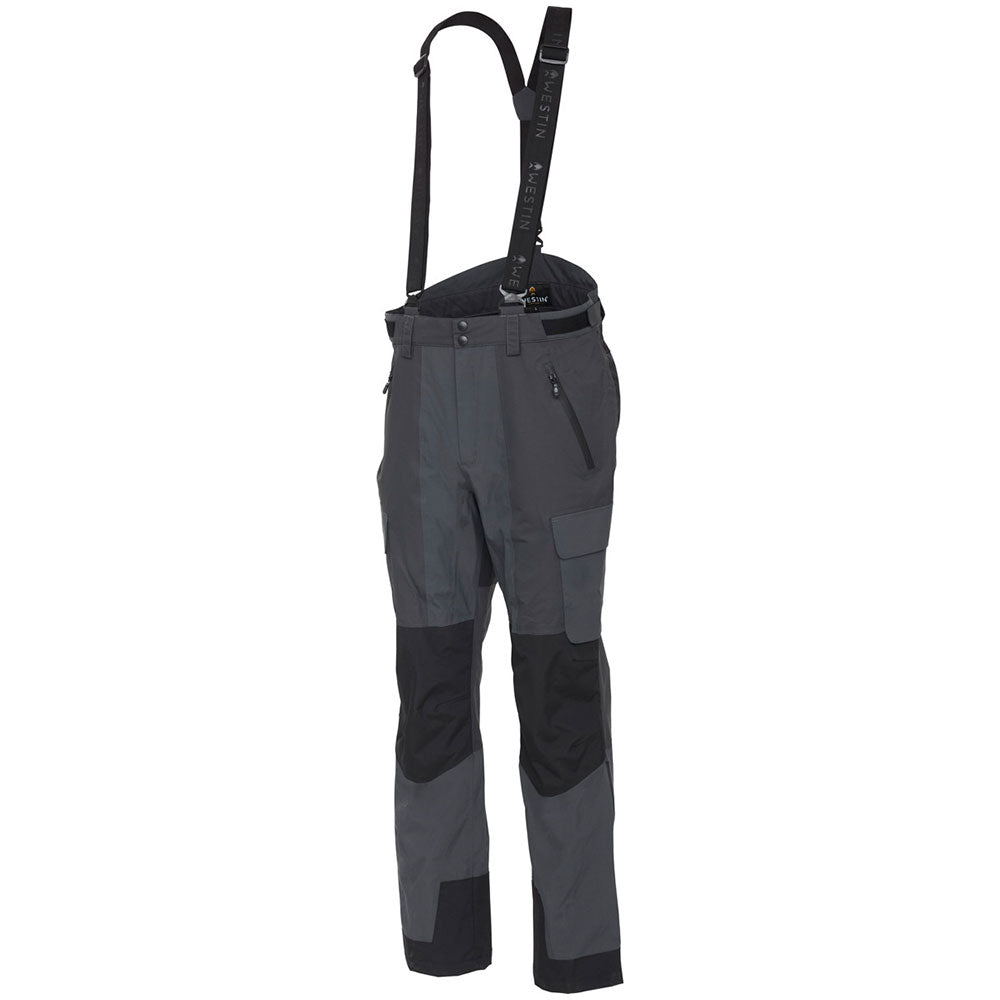
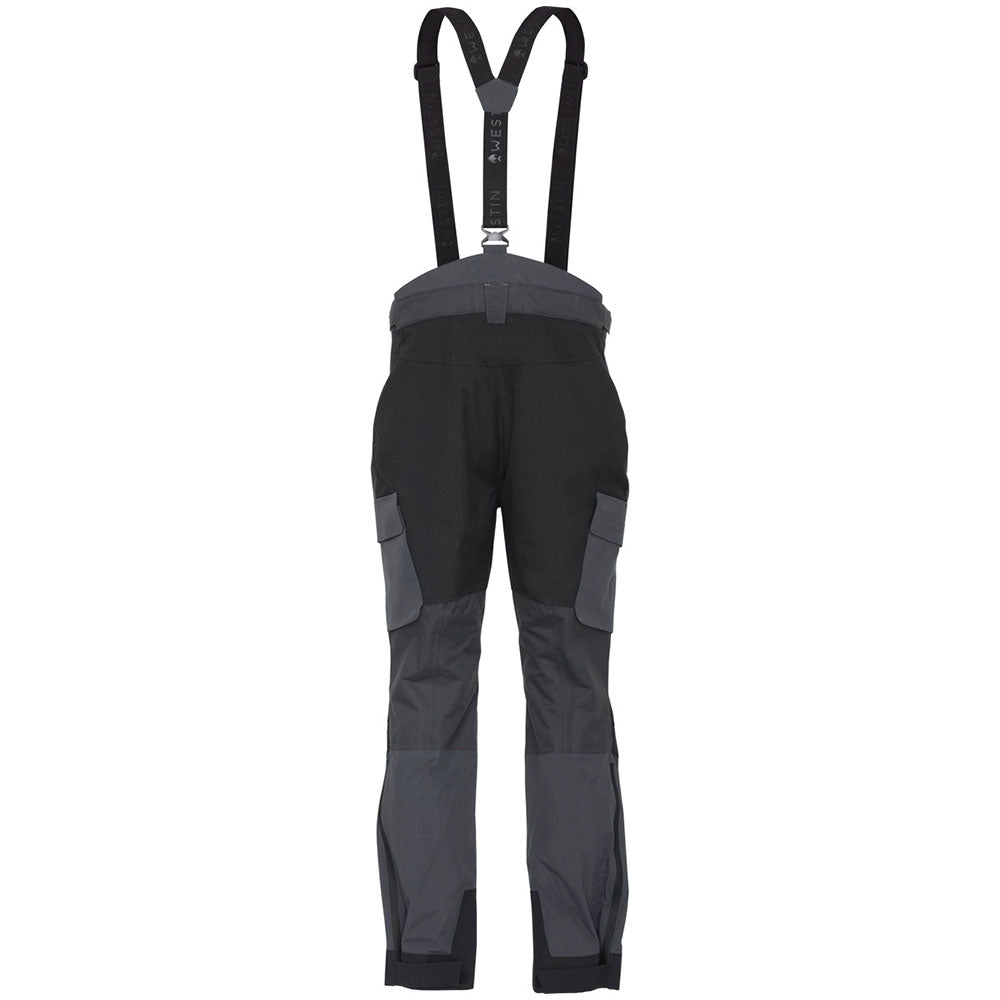
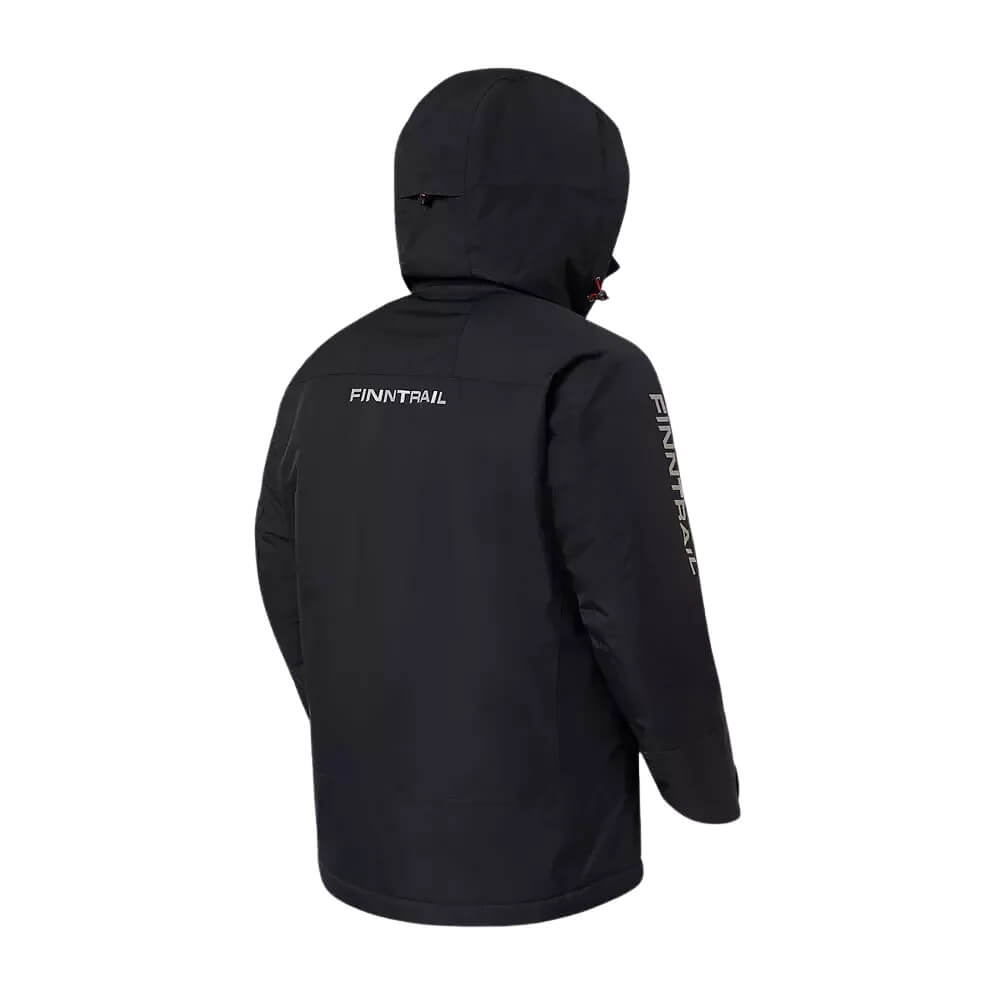
<p>Rain is not all the same. A brief shower or a bit of drizzle might be bearable even in ordinary fishing clothes. Heavy or persistent rain is a different matter entirely - without proper rainwear, you'll end up cold, soaked and heading home far earlier than planned. In cold weather especially, wet clothing causes you to lose heat much faster than you'd expect, and there's a real risk of hypothermia or at the very least a serious chill. None of that needs to happen. The market now offers an enormous range of rain jackets, trousers and full suits to suit every need. There's something for every budget too, though it pays to think carefully about what you actually need before you buy.</p>
<h2>Something to Throw on Quickly</h2>
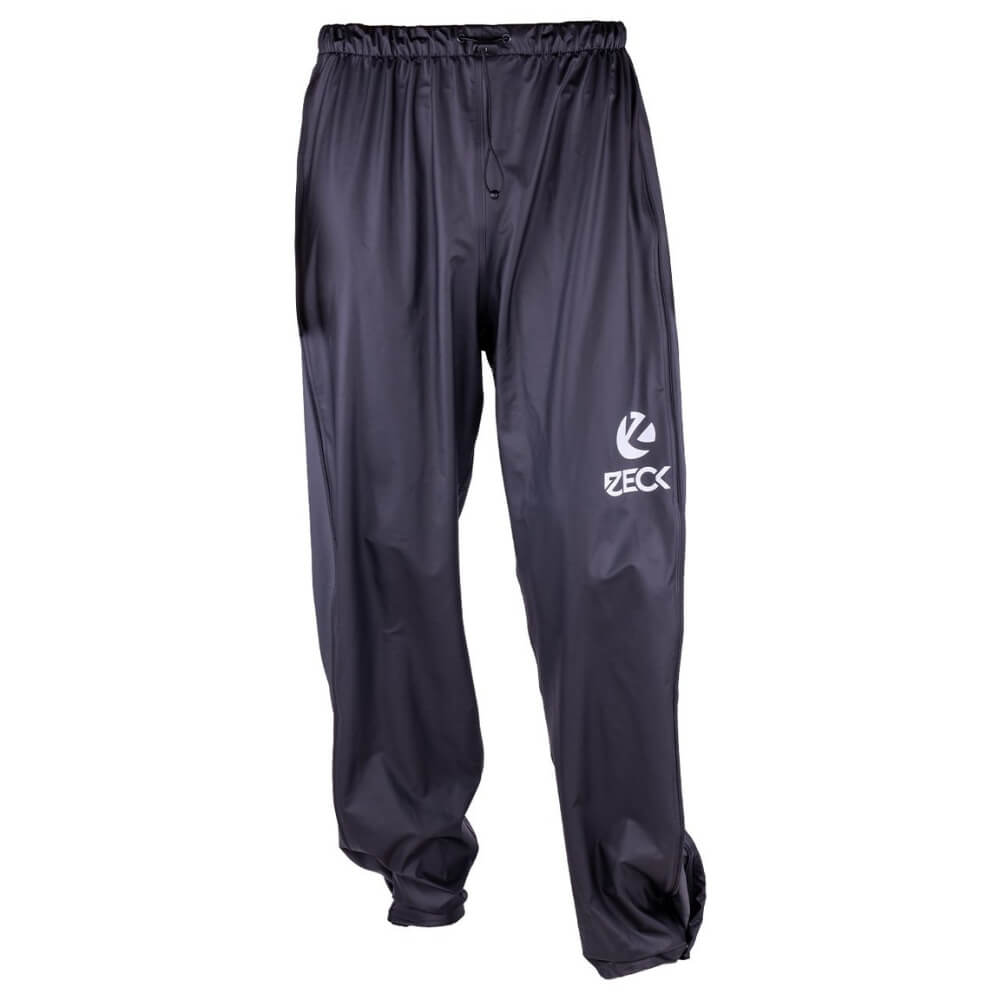
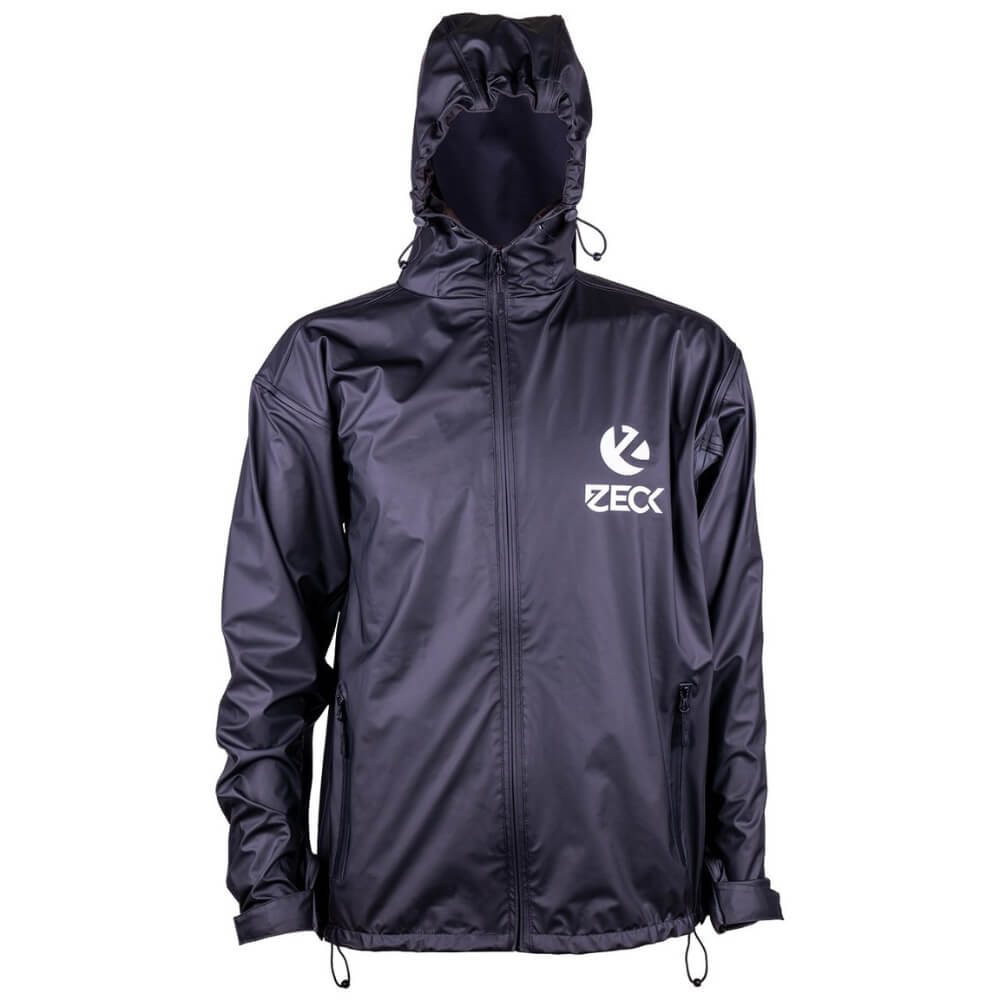
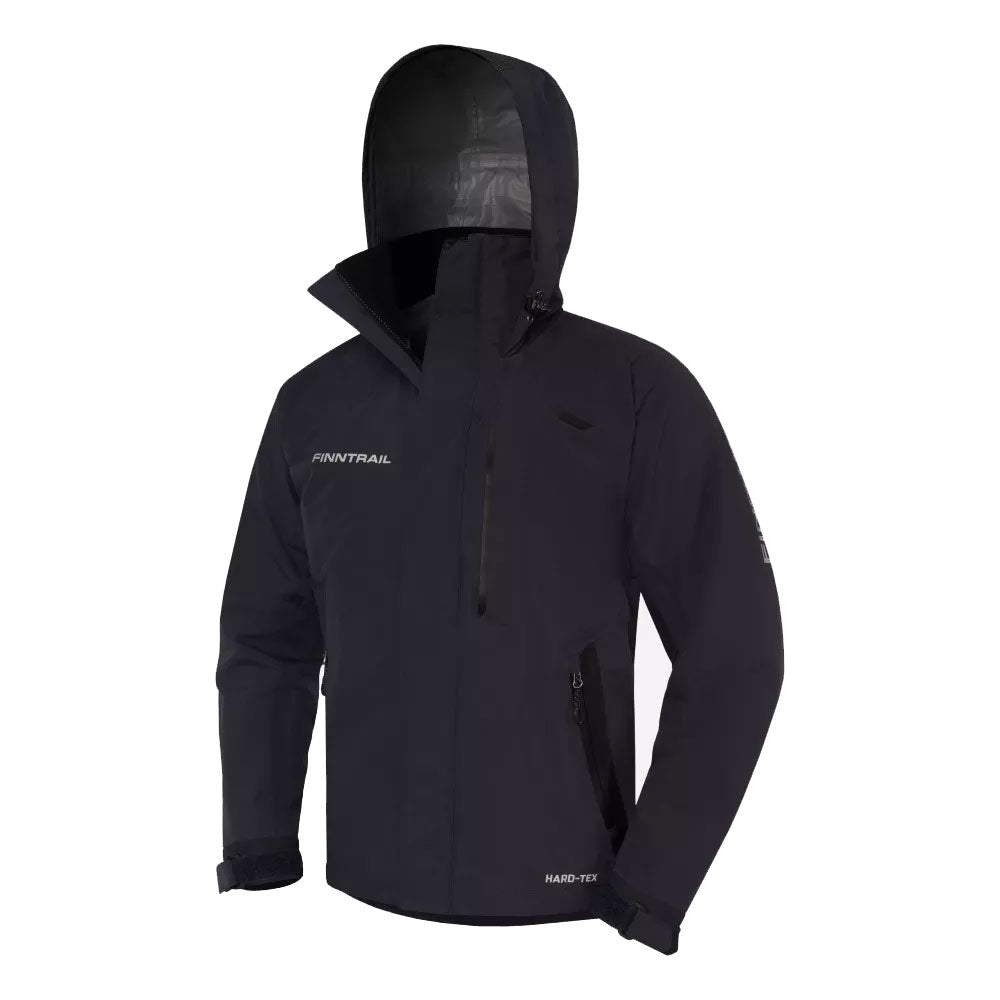
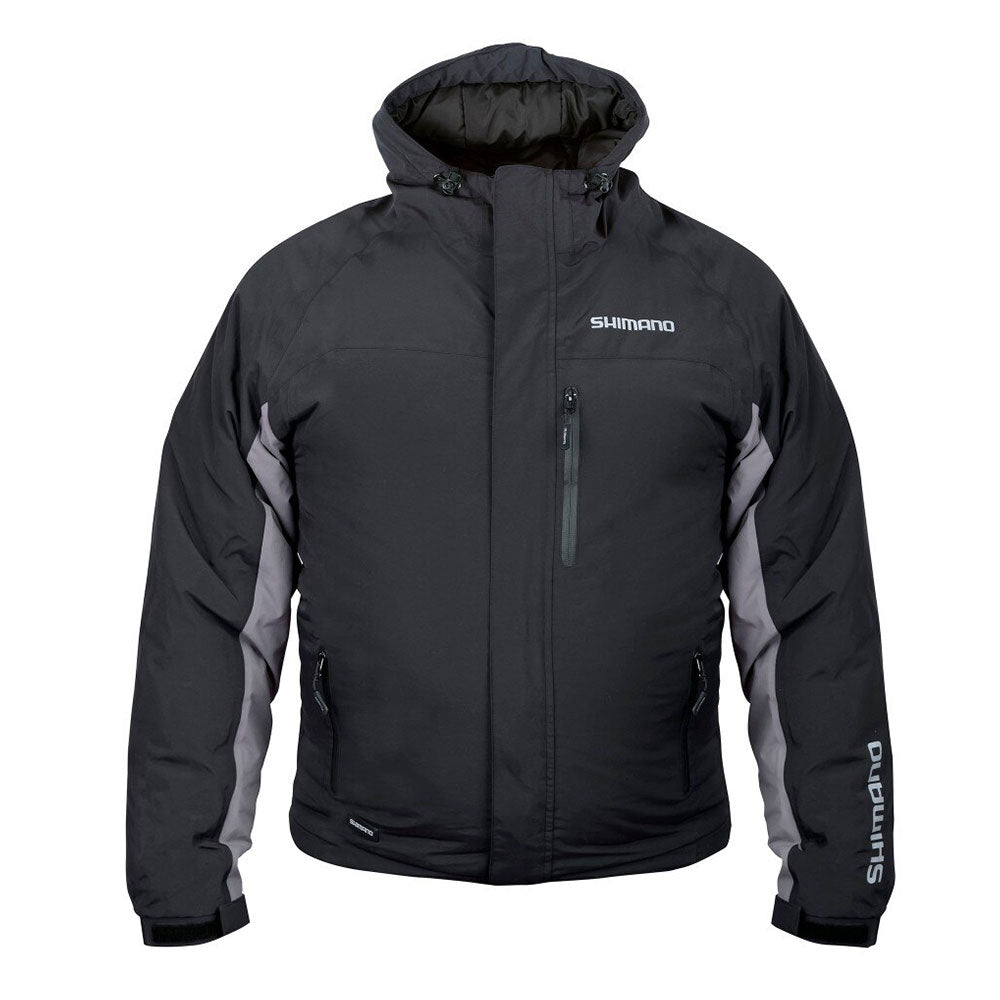
<p>For brief showers, there are lightweight jackets and trousers designed to be pulled on over your existing clothing. These often pack down very small and stow easily with your tackle. The downside is that many aren't up to heavy rain or extended wear - they either soak through too quickly or lack breathability to the point where you're soaking in sweat instead of rain. An exception here is thin jackets made from two-layer Gore-Tex fabric. Despite being lightweight, they hold out against rain for a long time and remain highly breathable. They do come at a price for something you might just want to throw on in a hurry, though.</p>
<h2>Clothing for Heavy Rain</h2>
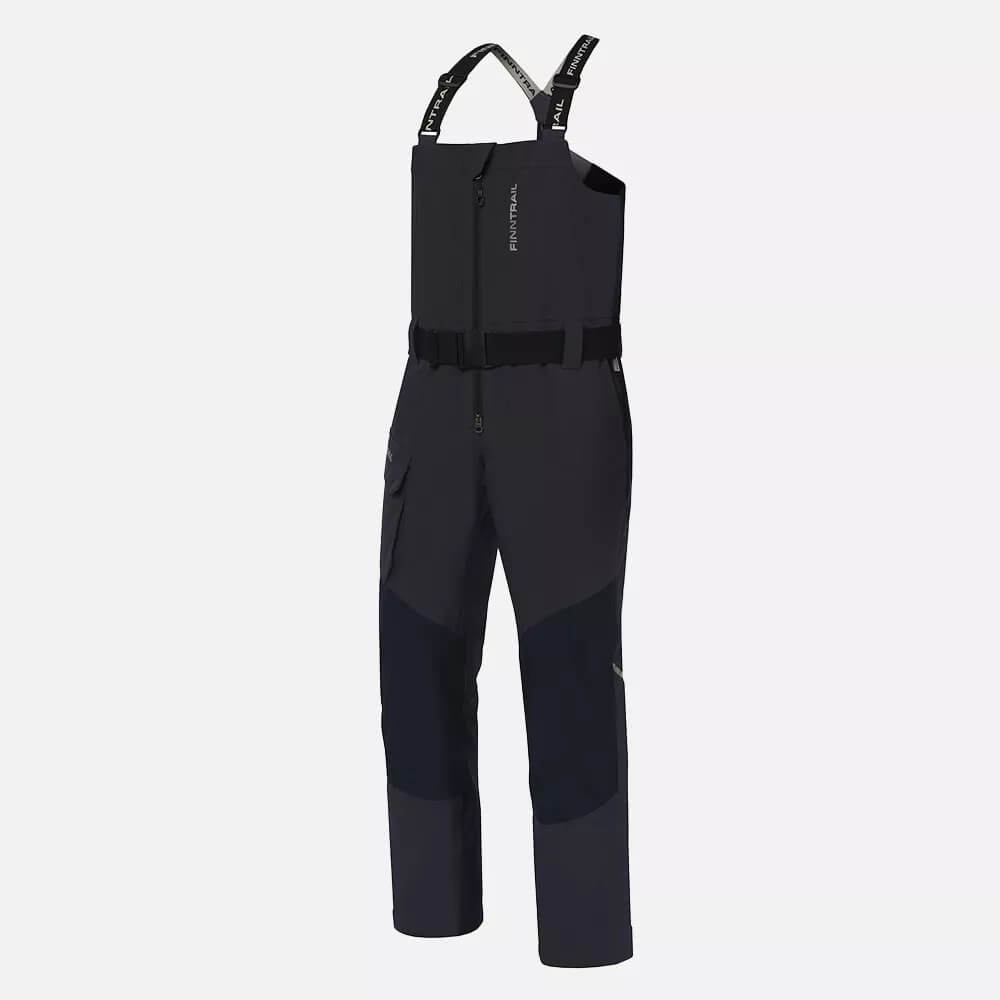
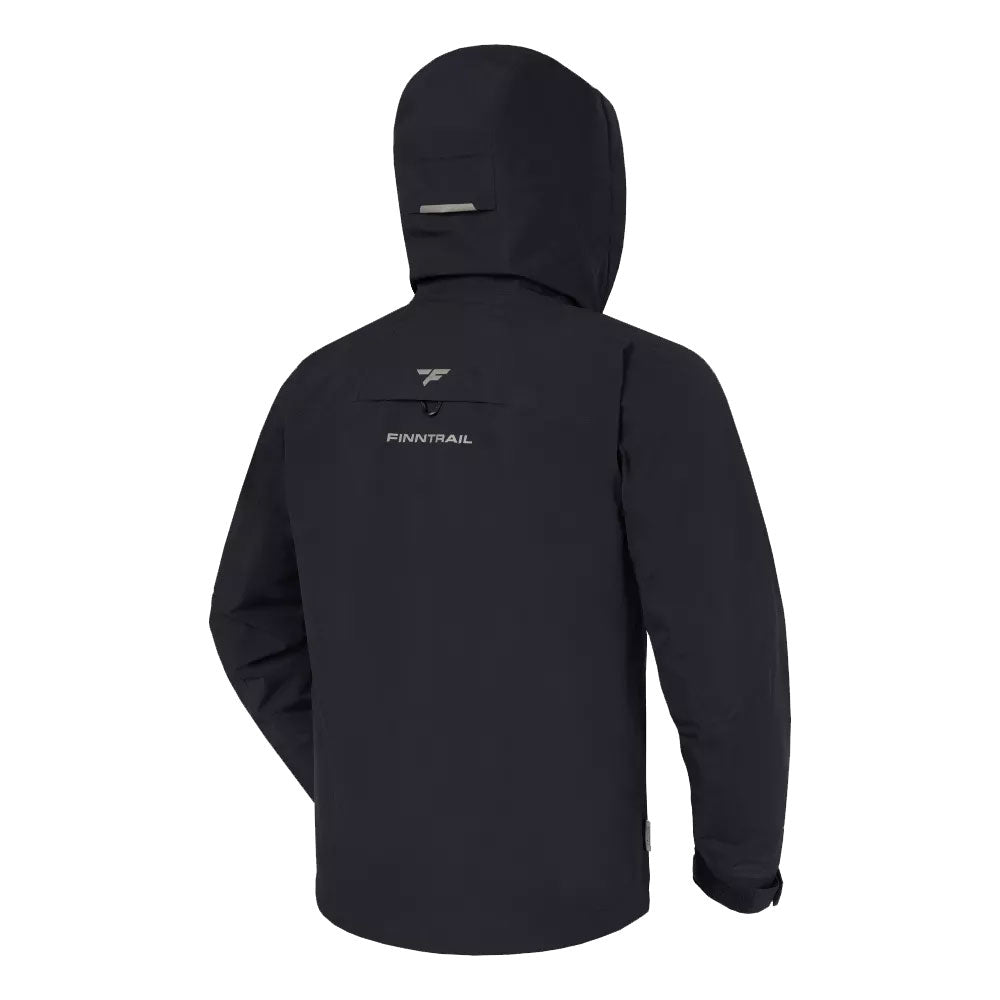
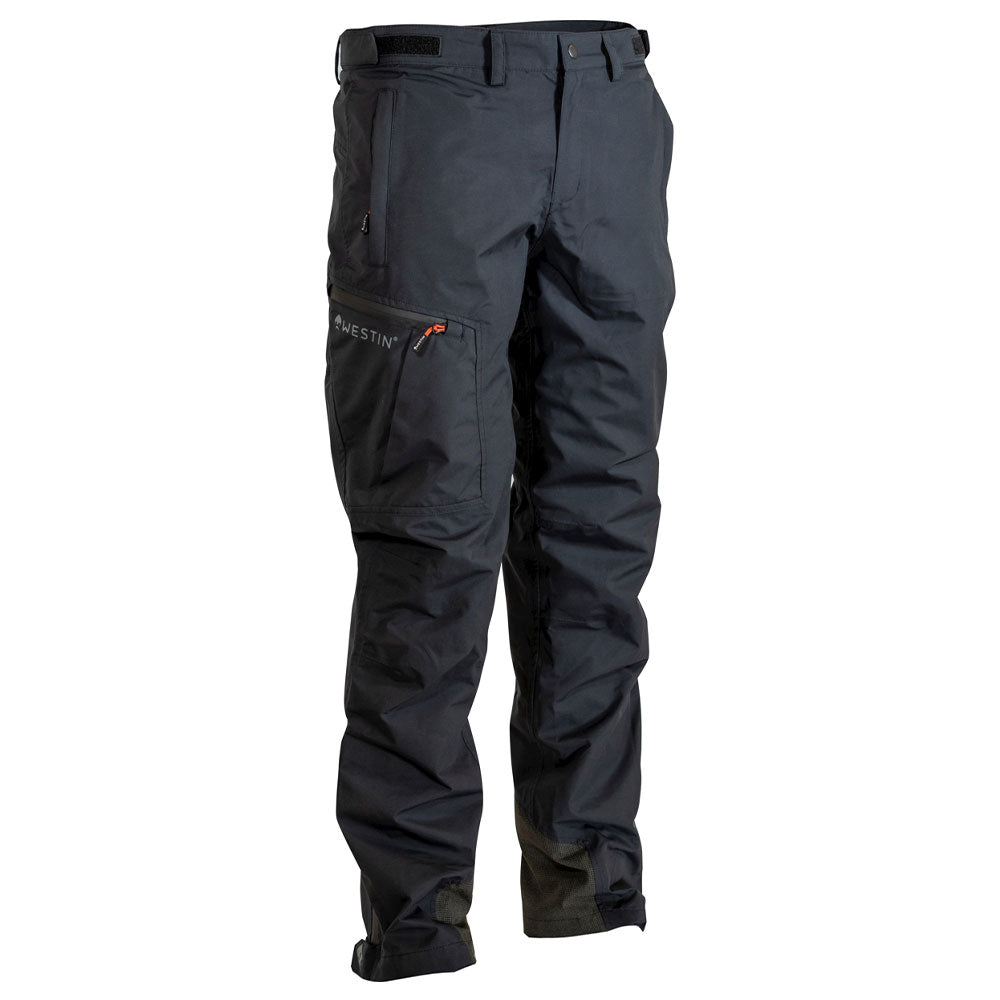
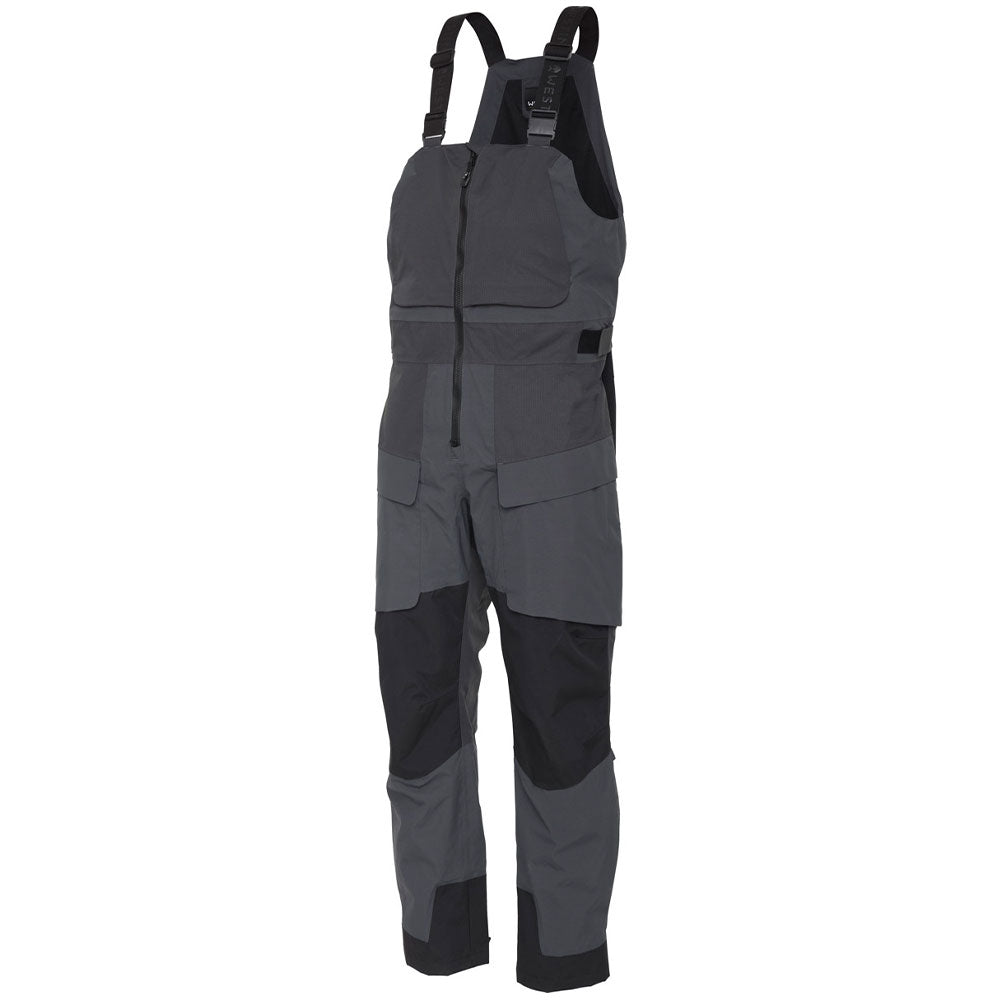
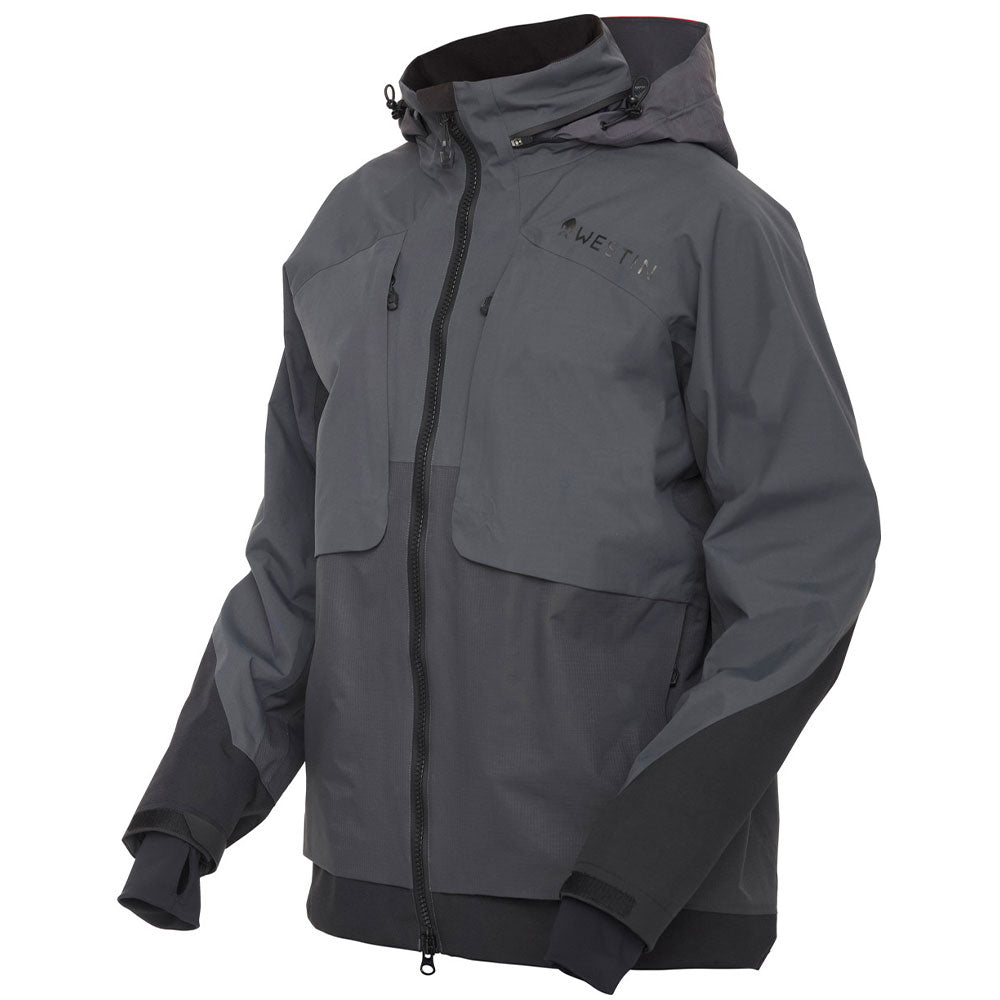
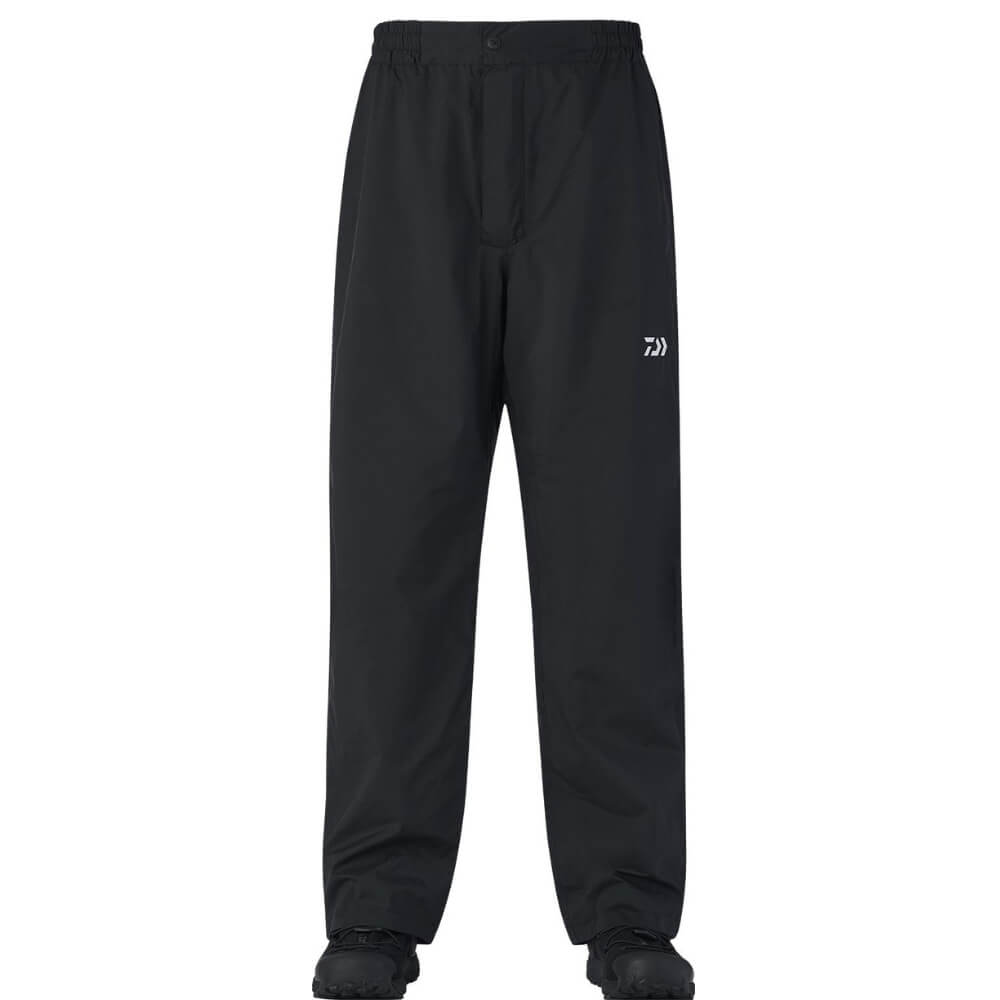
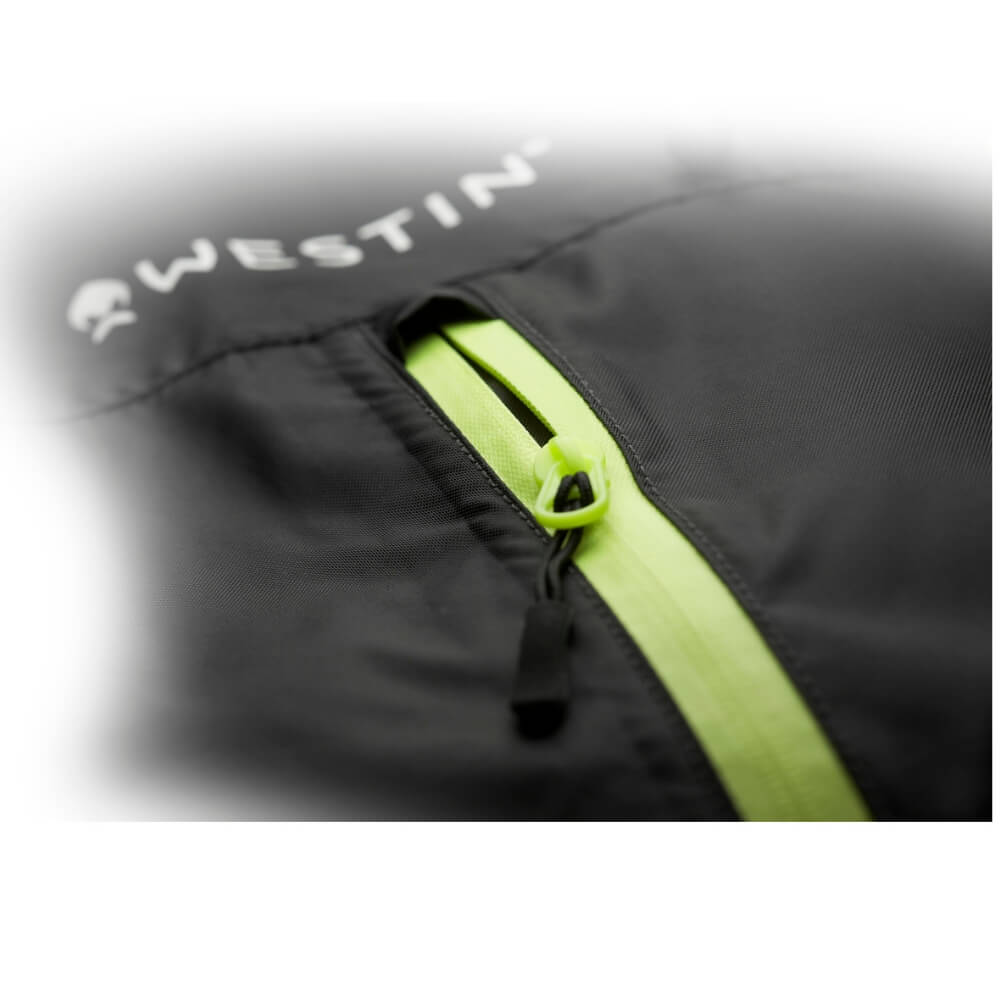
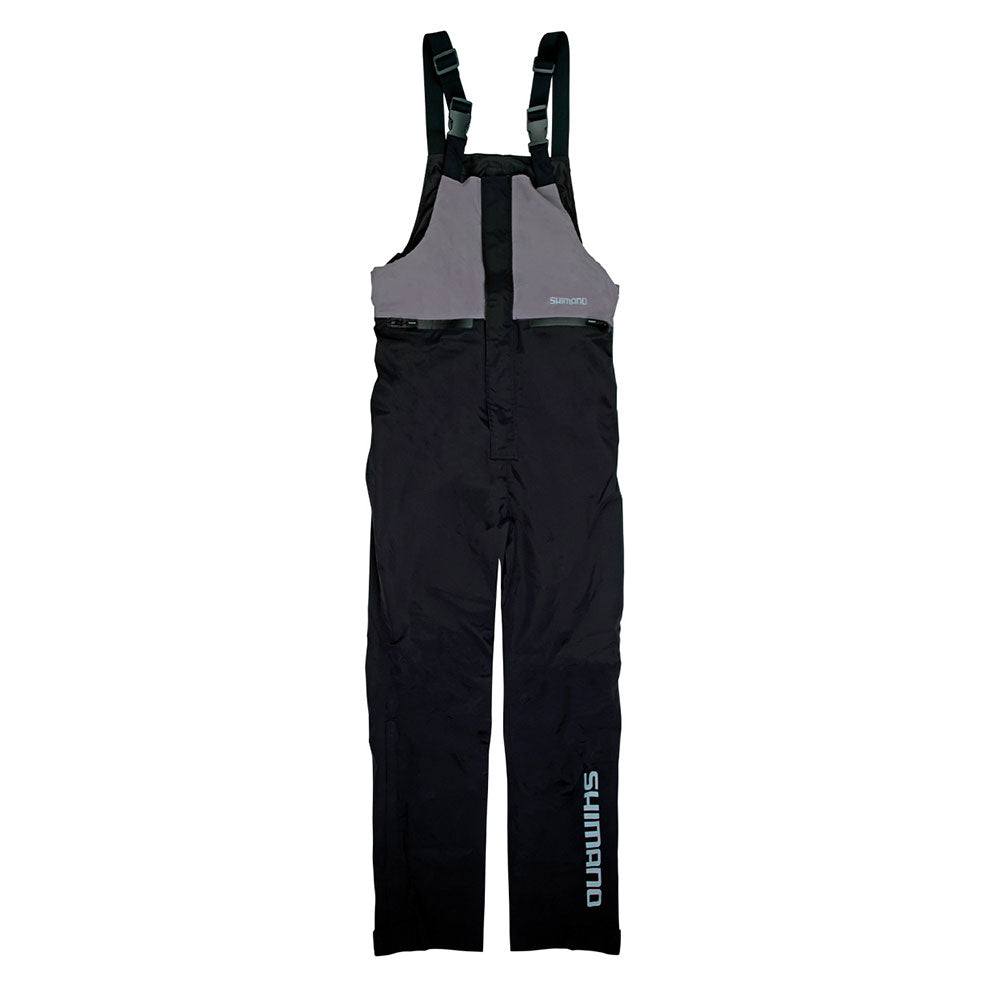
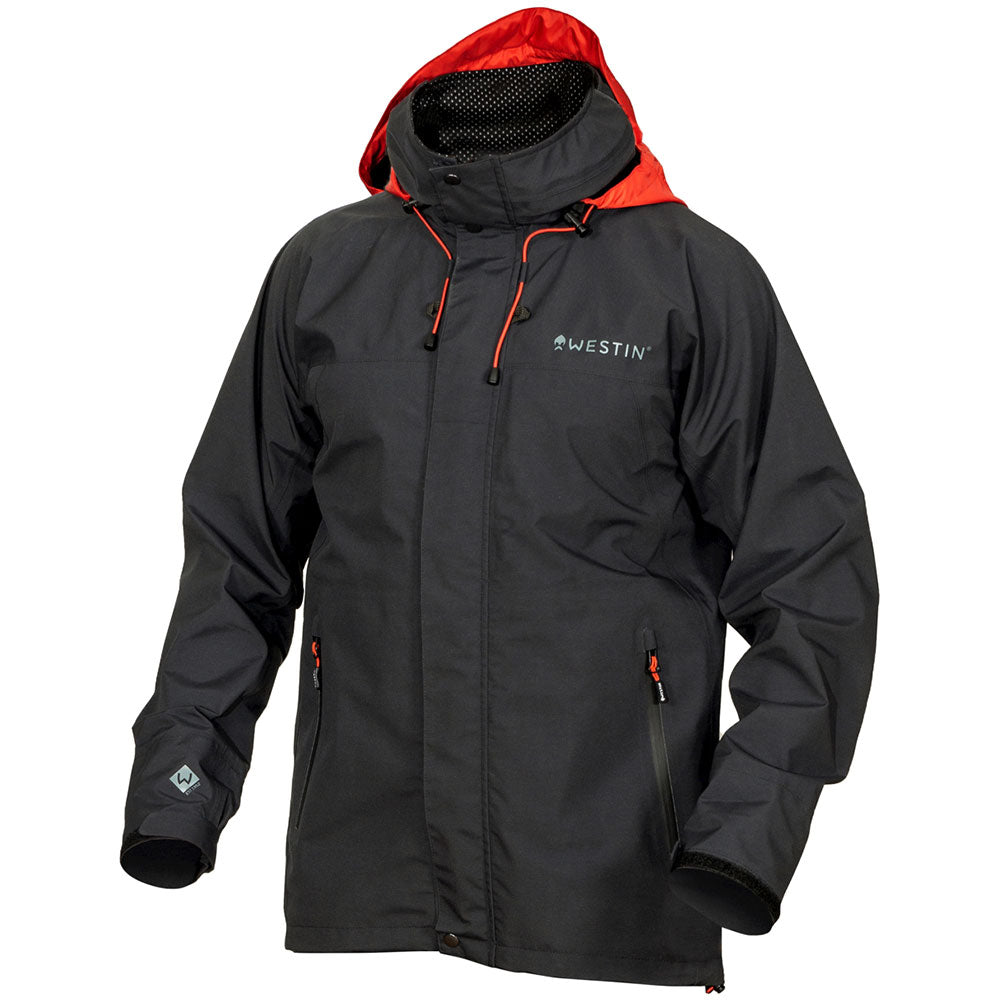
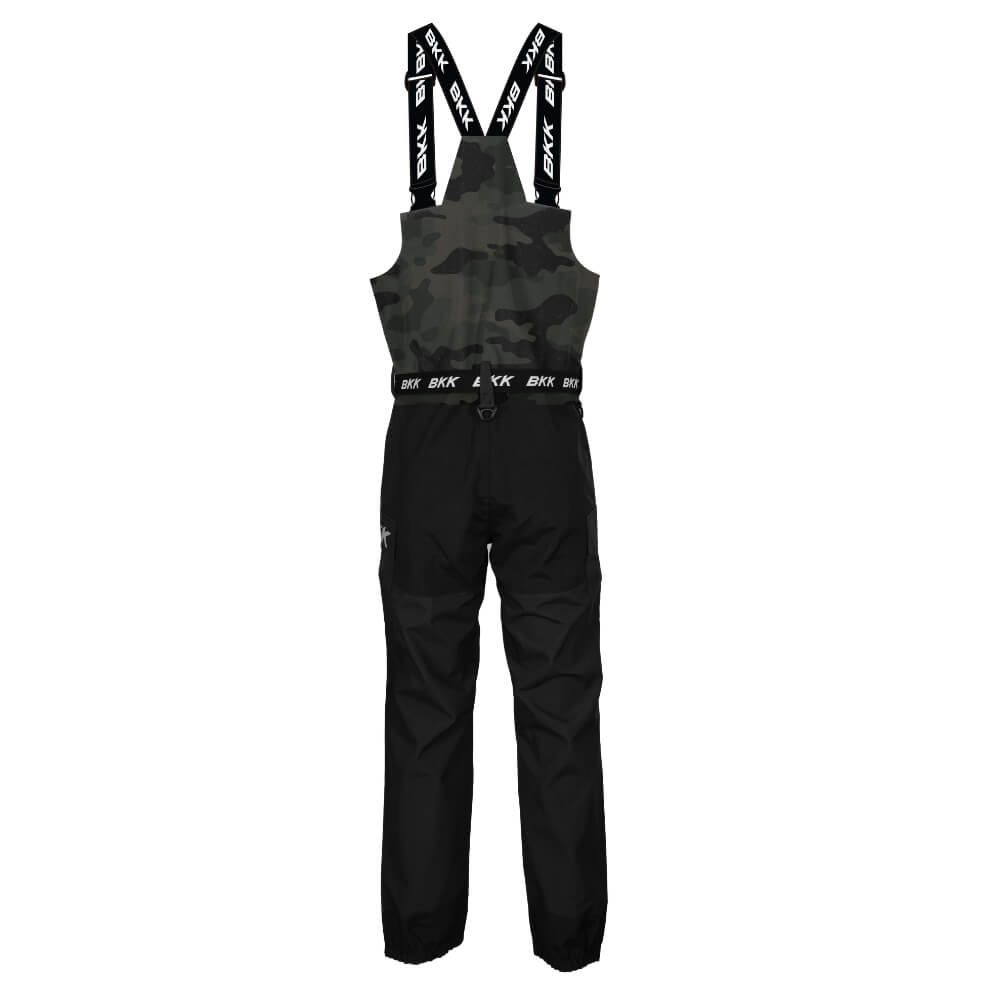
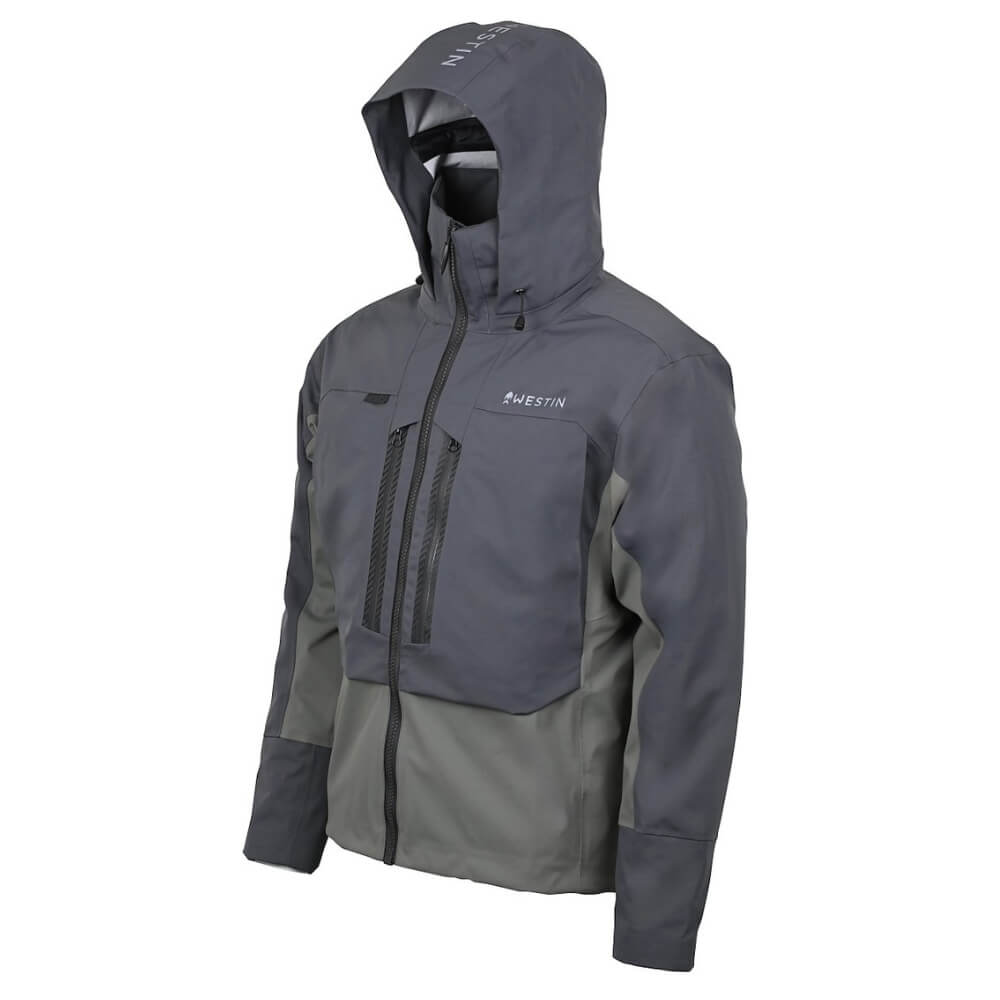
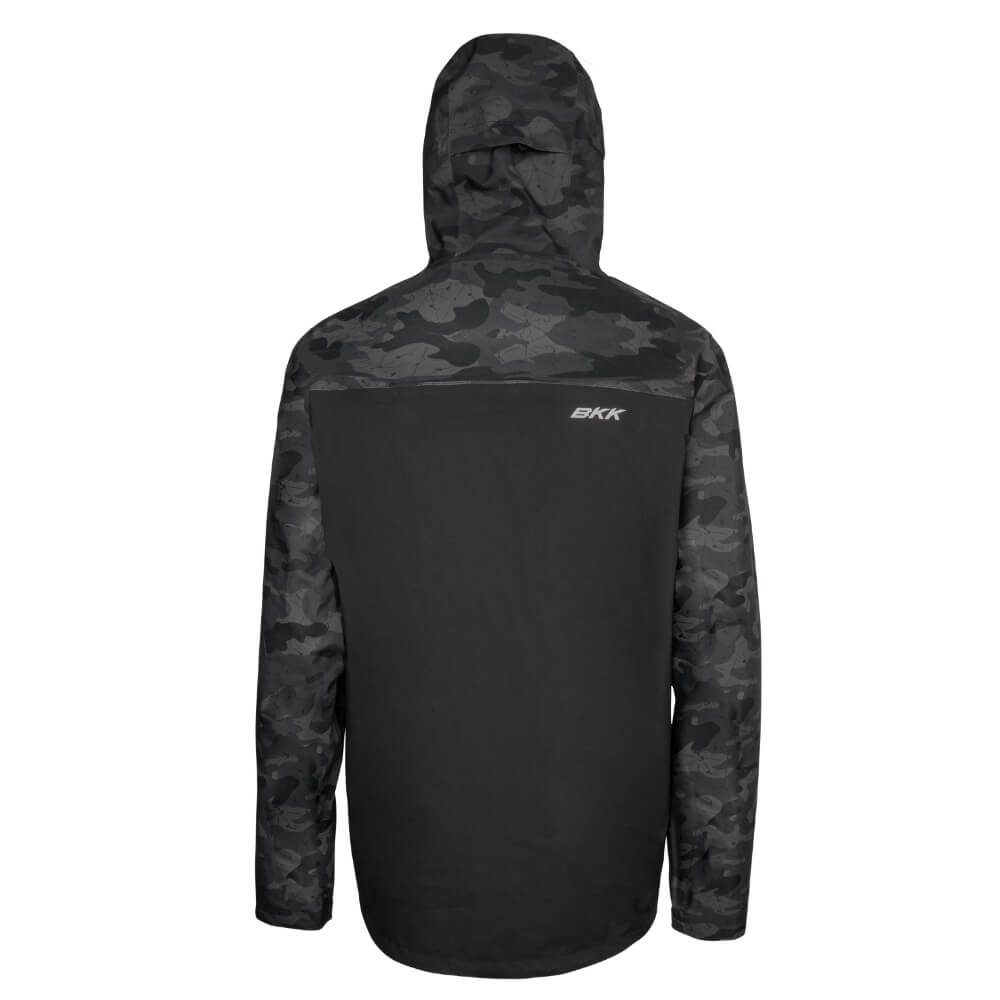
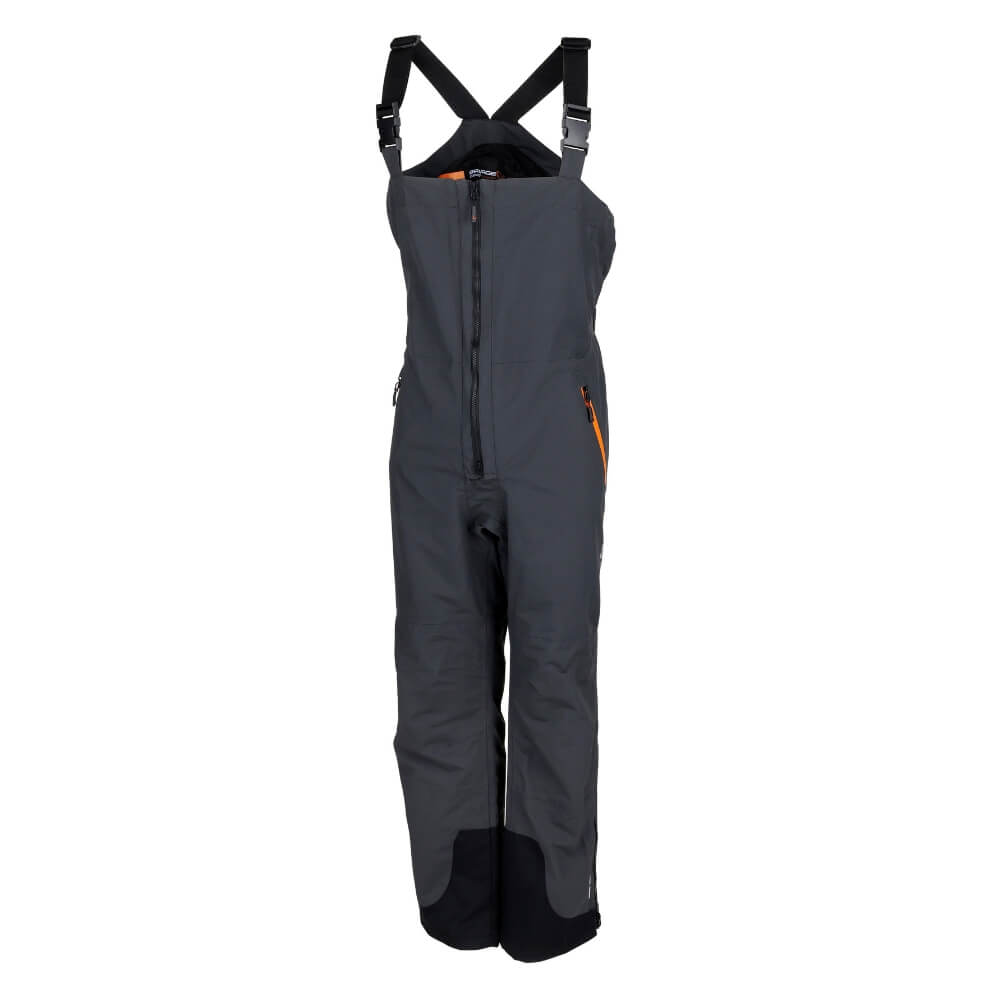
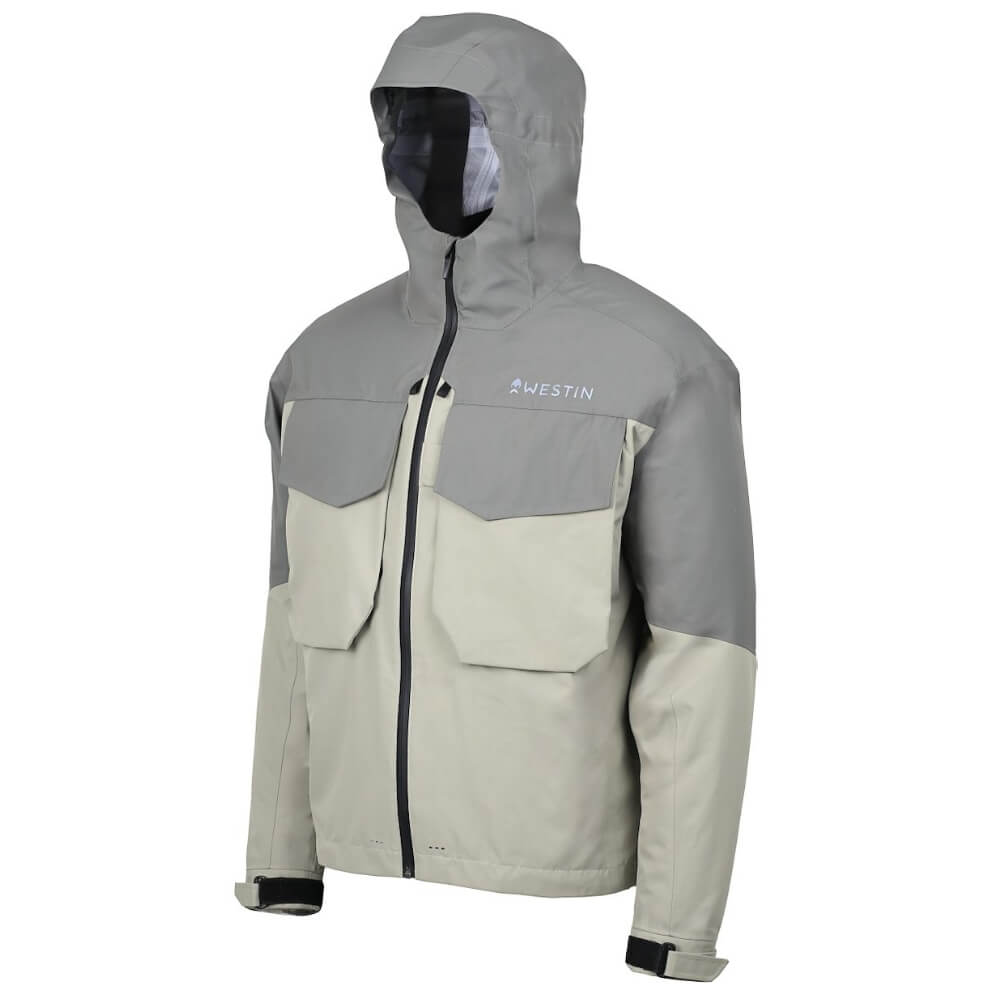
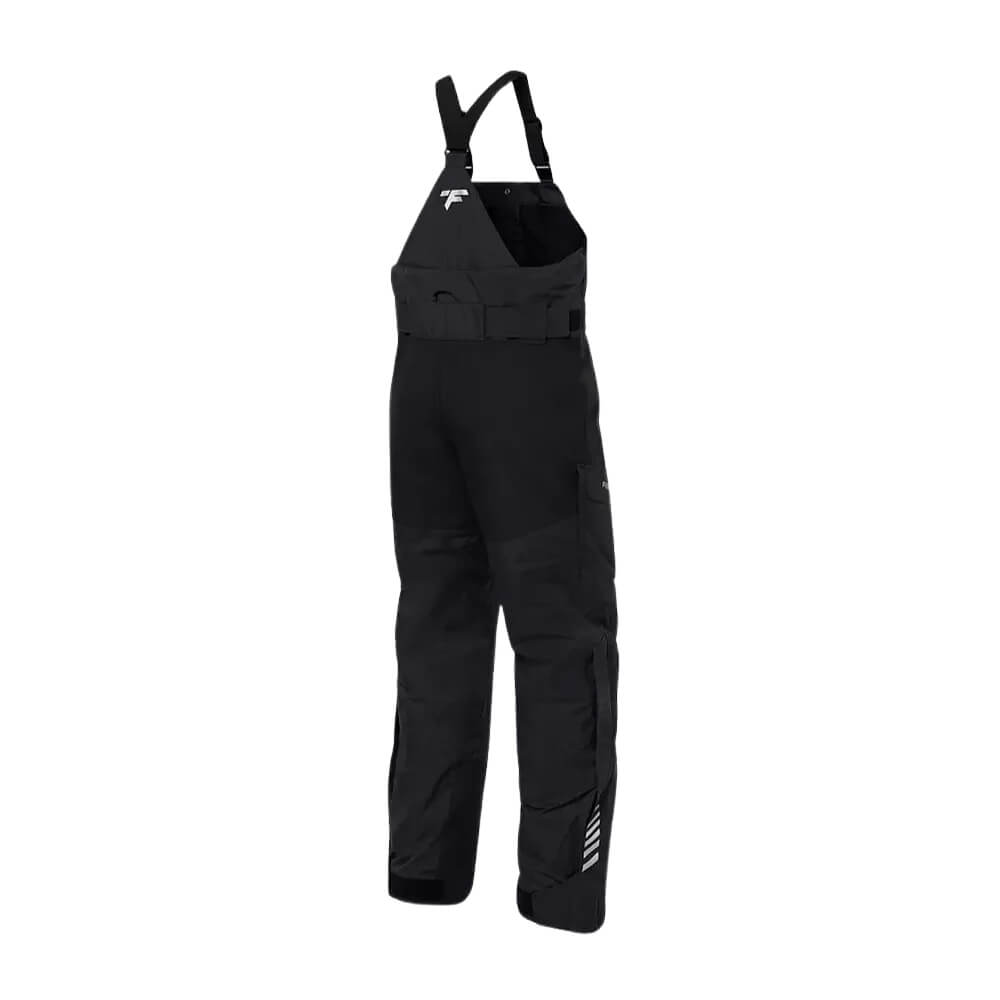
<p>If you want to stay genuinely dry in even the heaviest downpours, a high-quality full rain suit is the only real option. Sealed seams, waterproof and covered zips, waterproof pockets, bib-and-brace trousers and waterproof cuffs at the sleeves are all essential. Breathability is equally important, unless you want to spend the day steaming in your own heat. For this kind of use, outdoor, sailing or specialist fishing clothing made from Gore-Tex or similar materials is the first choice.</p>
<h2>Water Column: the Measure of Waterproofness</h2>
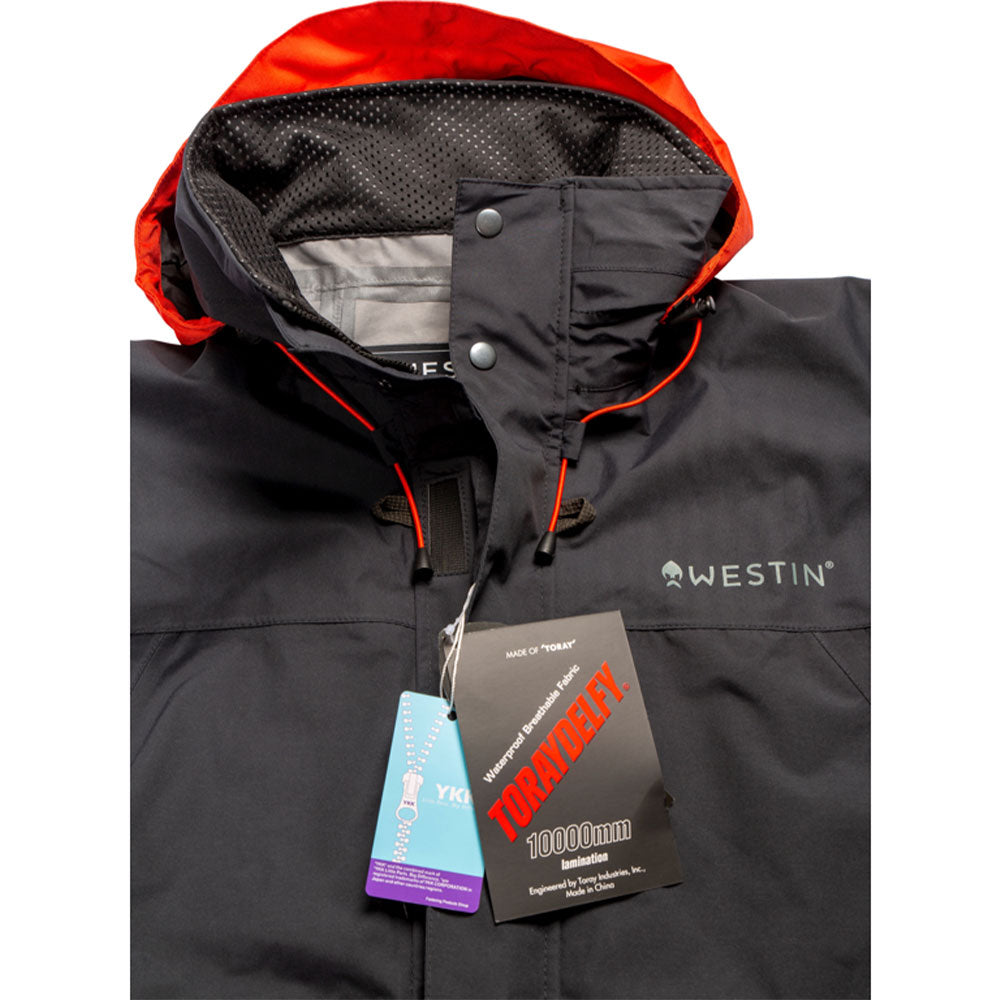
<p>Most rainwear carries a water column rating. The technical details behind how this figure is derived matter less than what it actually tells you. Budget rainwear typically has a water column of around 5,000 mm - enough to survive a light shower, but only just.</p>
<p>Solid rainwear suited to prolonged rain sits at 8,000 to 10,000 mm. Bank anglers will generally stay dry for a good while in this range. If you're regularly out on a boat and can't simply retreat when the weather turns - or if you're also dealing with waves and spray - you'll want to go higher still. Sailing and fishing clothing rated at 20,000 to 28,000 mm is what you need here. At this level, cuffs, pockets and collars are usually fully sealed as well, so you stay dry even in the toughest conditions.</p>
<h2>Breathability</h2>
<p>As already touched on, breathability varies just as much as waterproof ratings across different garments. The full range is covered, from fully sealed to highly ventilated. Numerical breathability figures do appear sometimes, though they shouldn't be taken as the whole story. Breathability depends heavily on the conditions outside. When it's raining hard and the air feels close to 100% humidity, no fabric can wick moisture effectively - you need a moisture gradient from inside to outside for that to happen. Breathability matters most when you're wearing the garment all day and moving around a lot. In those conditions, whenever the rain eases off, moisture is carried away from your body reliably and you stay comfortable.</p>
<h2>Getting the Right Size</h2>
<p>Rainwear usually provides no insulation. Add in the cooling effect of evaporation and you'll quickly wish you had a warm layer underneath. It makes sense to size up so there's room for a fleece or thermal top beneath the shell.</p>
<h2>Price: How Much Does Good Rainwear for Anglers Cost?</h2>
<p>Good functional clothing costs money. But comfort over a long day on the bank is absolutely decisive, so it's worth thinking carefully about the level of protection you actually need rather than going straight for the cheapest option. After all, the only thing that should be getting wet when you're fishing is the fish - not you.</p>