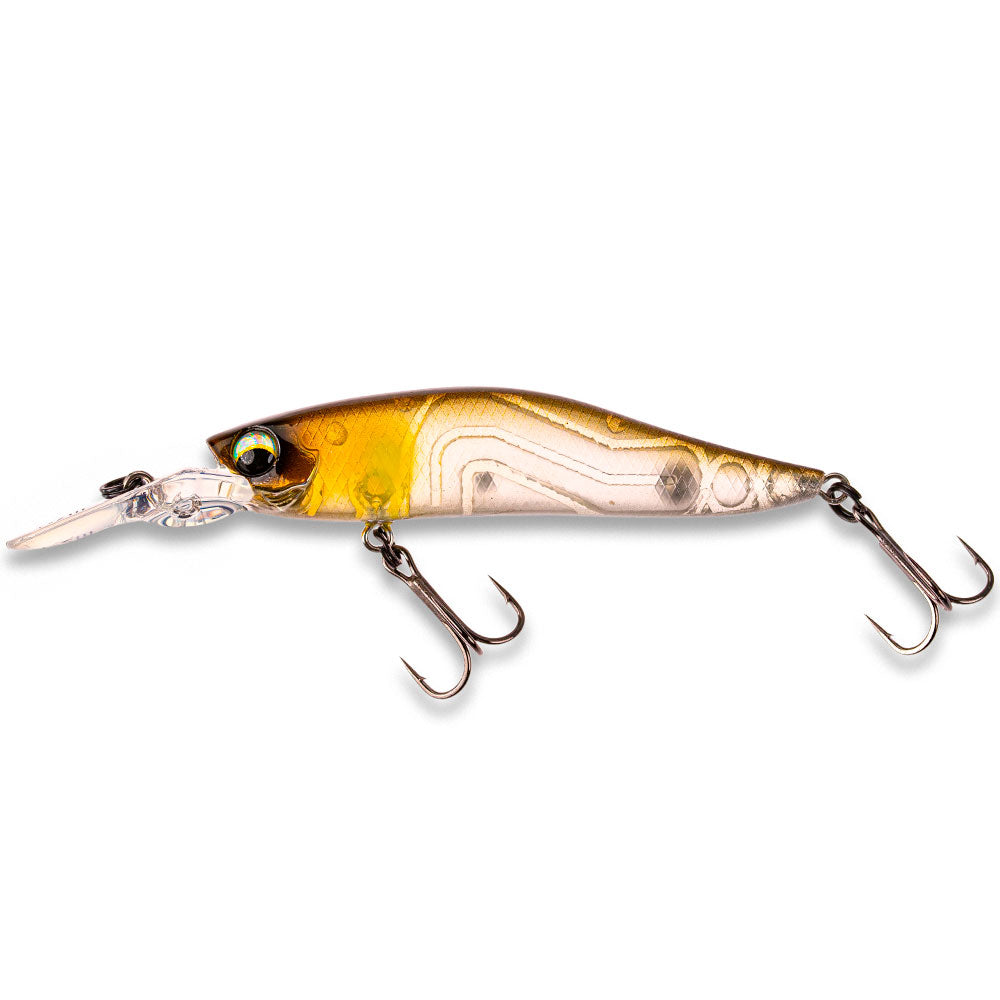
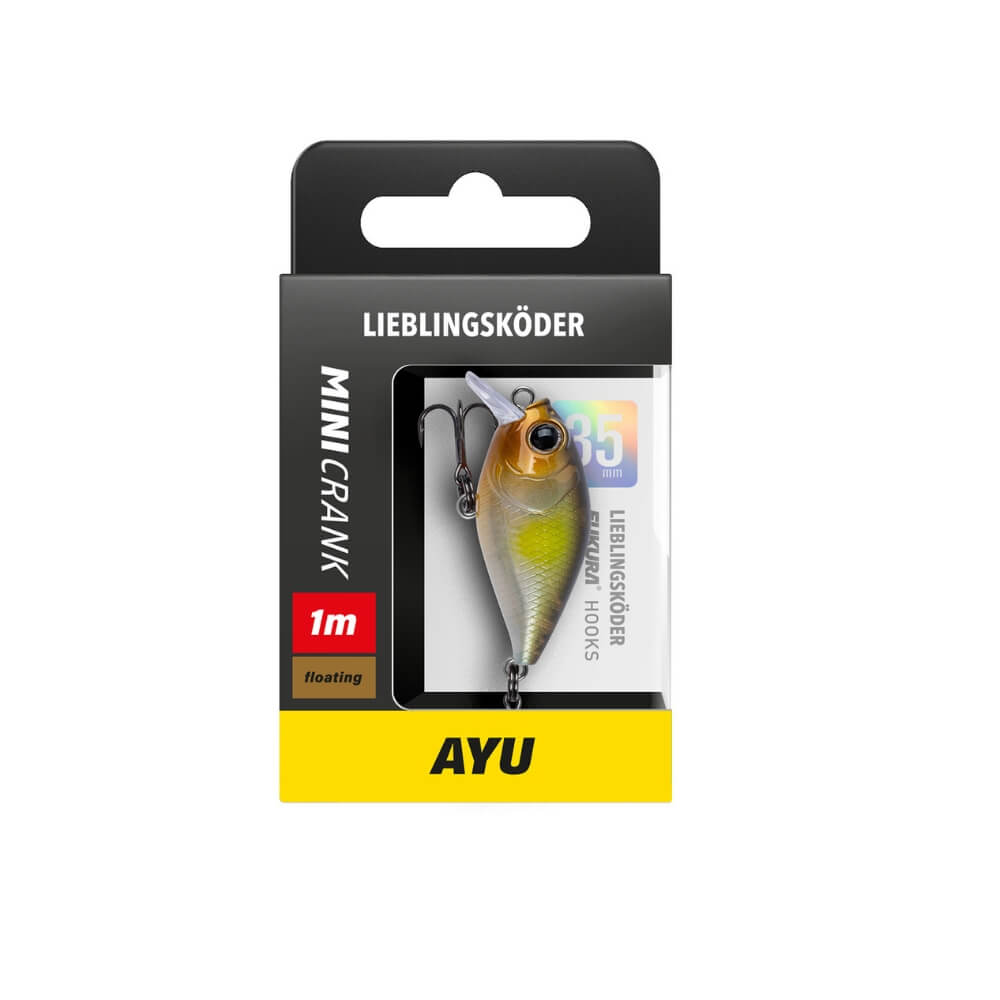
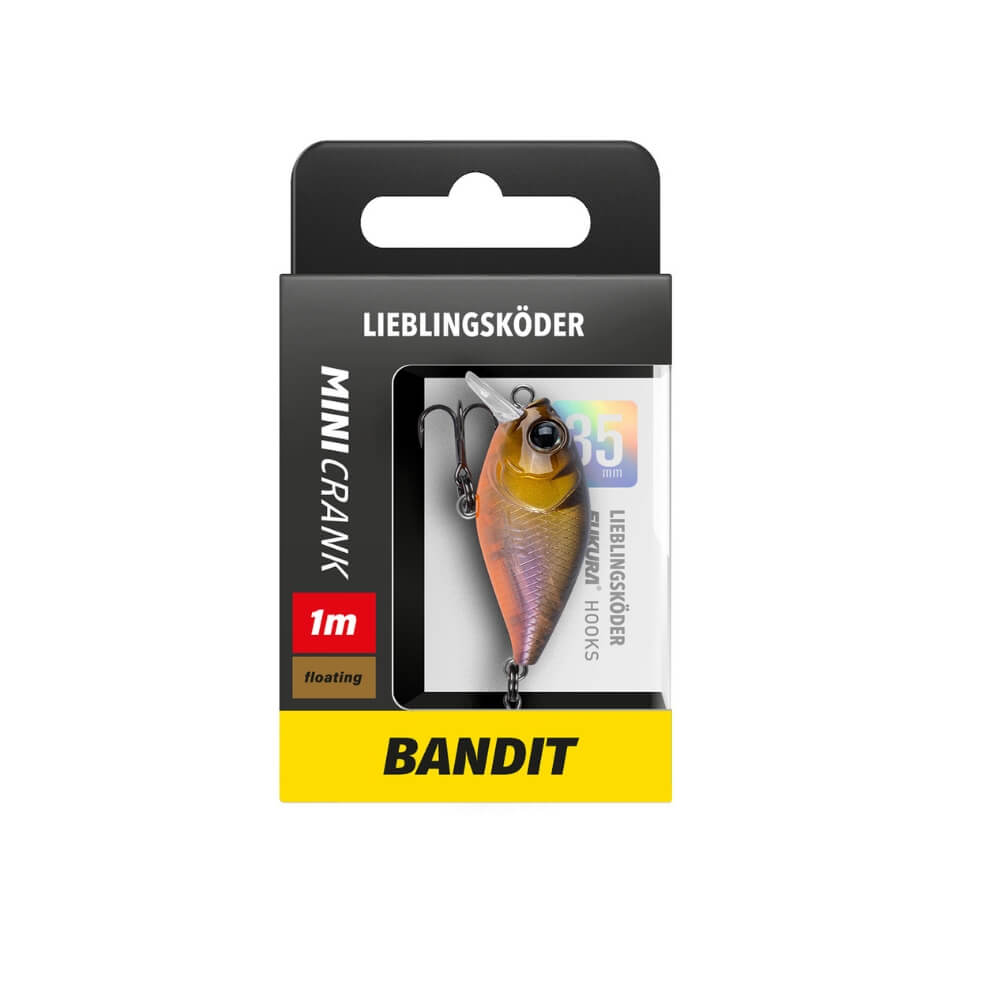
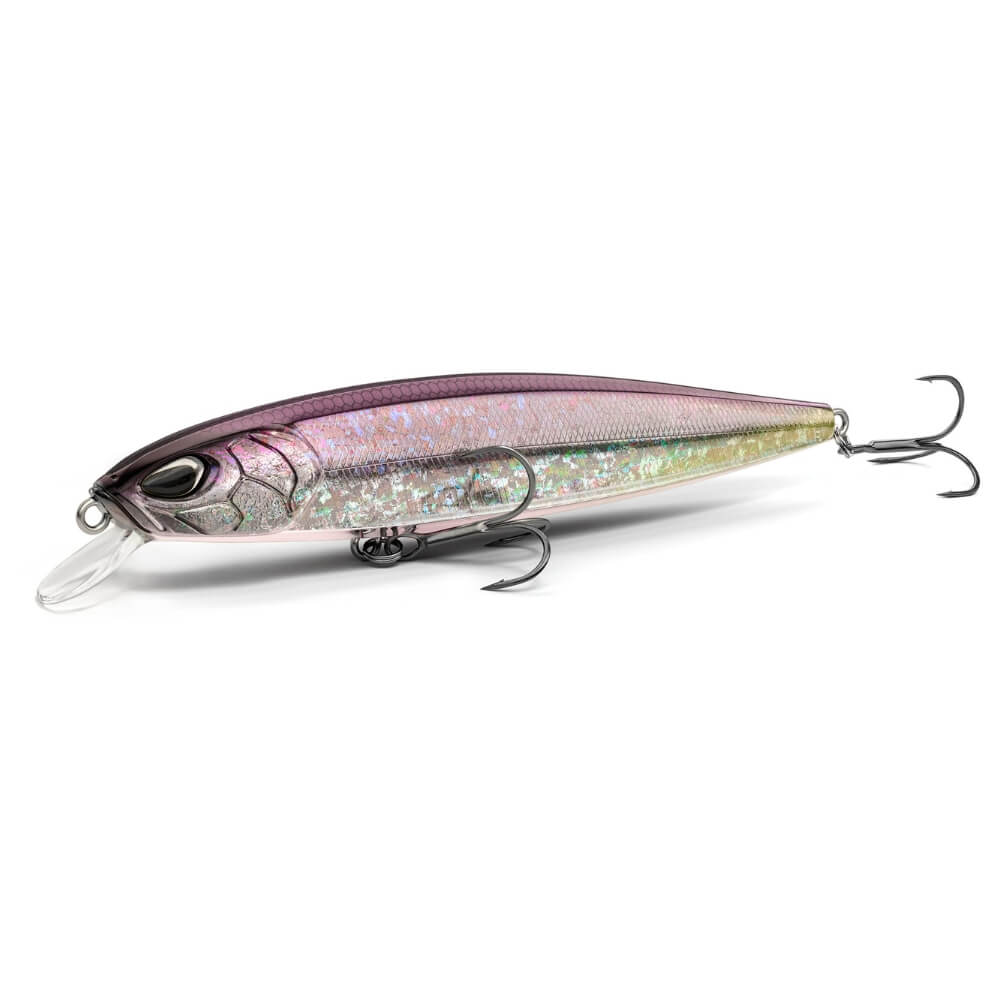
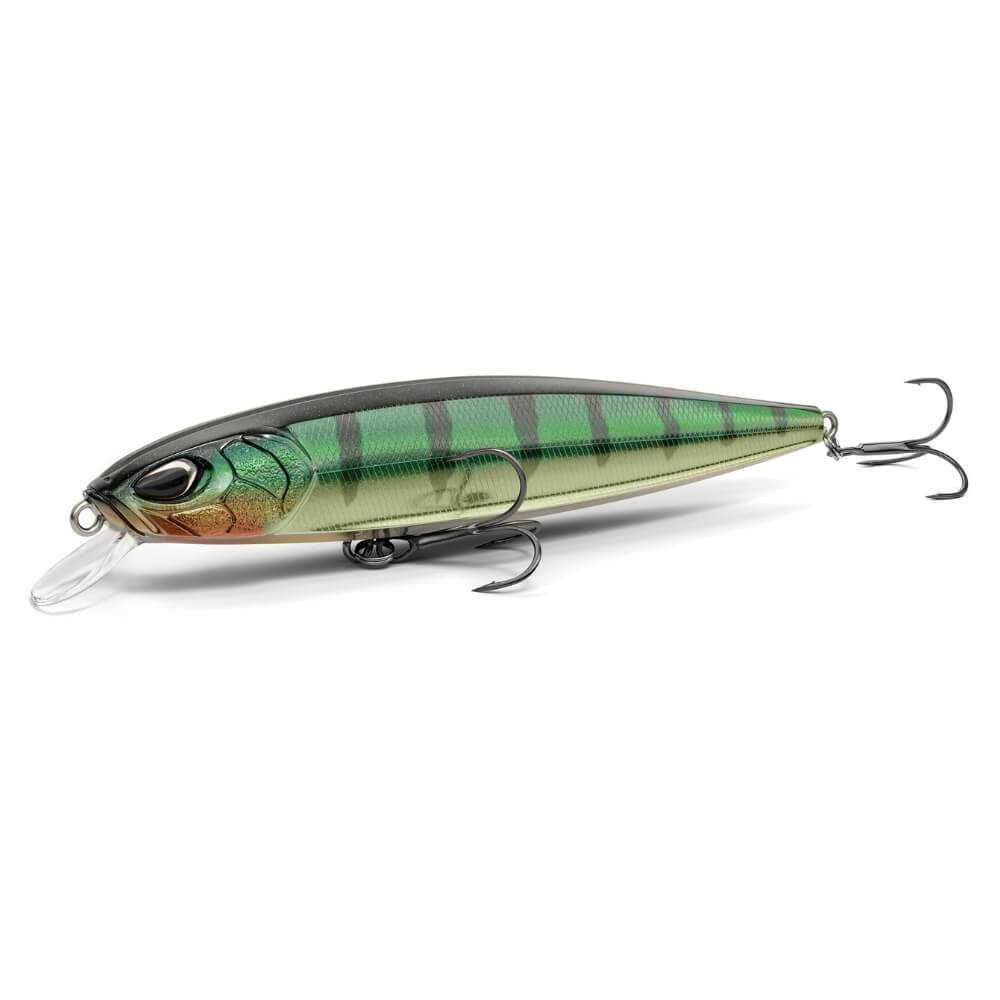
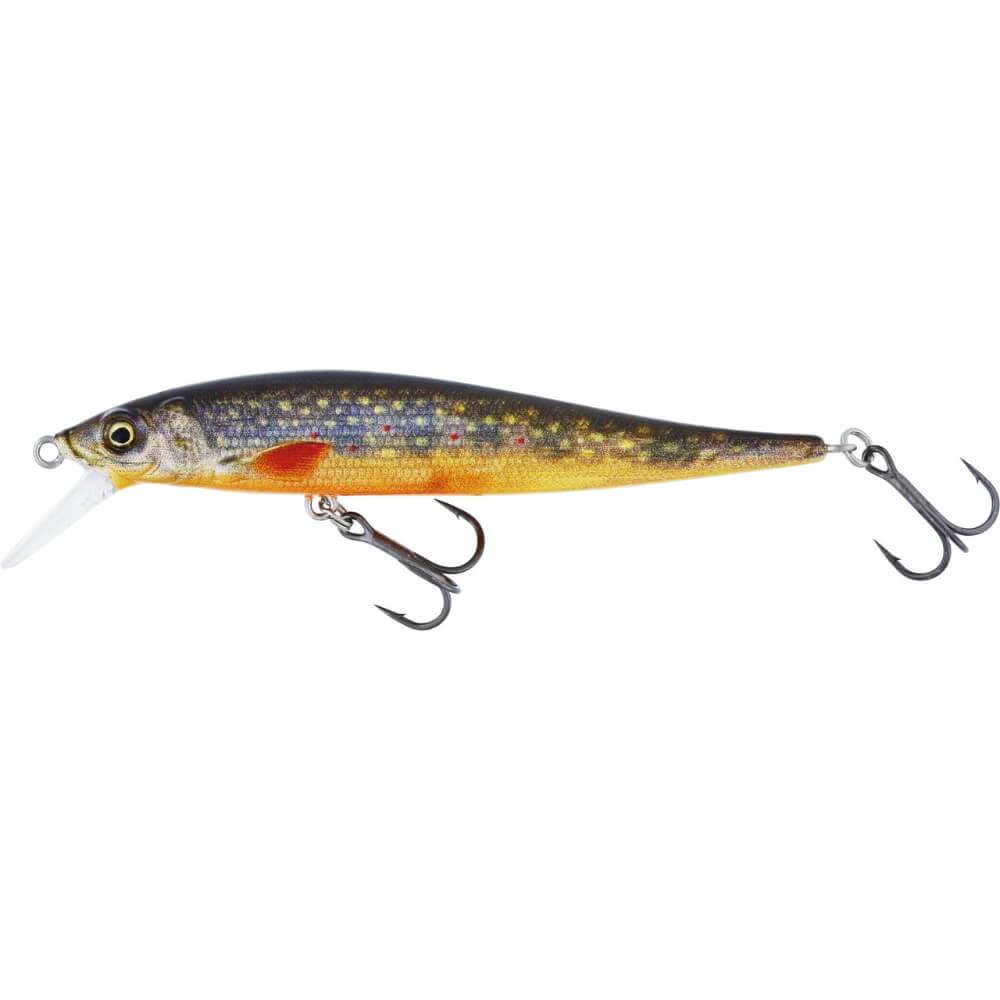
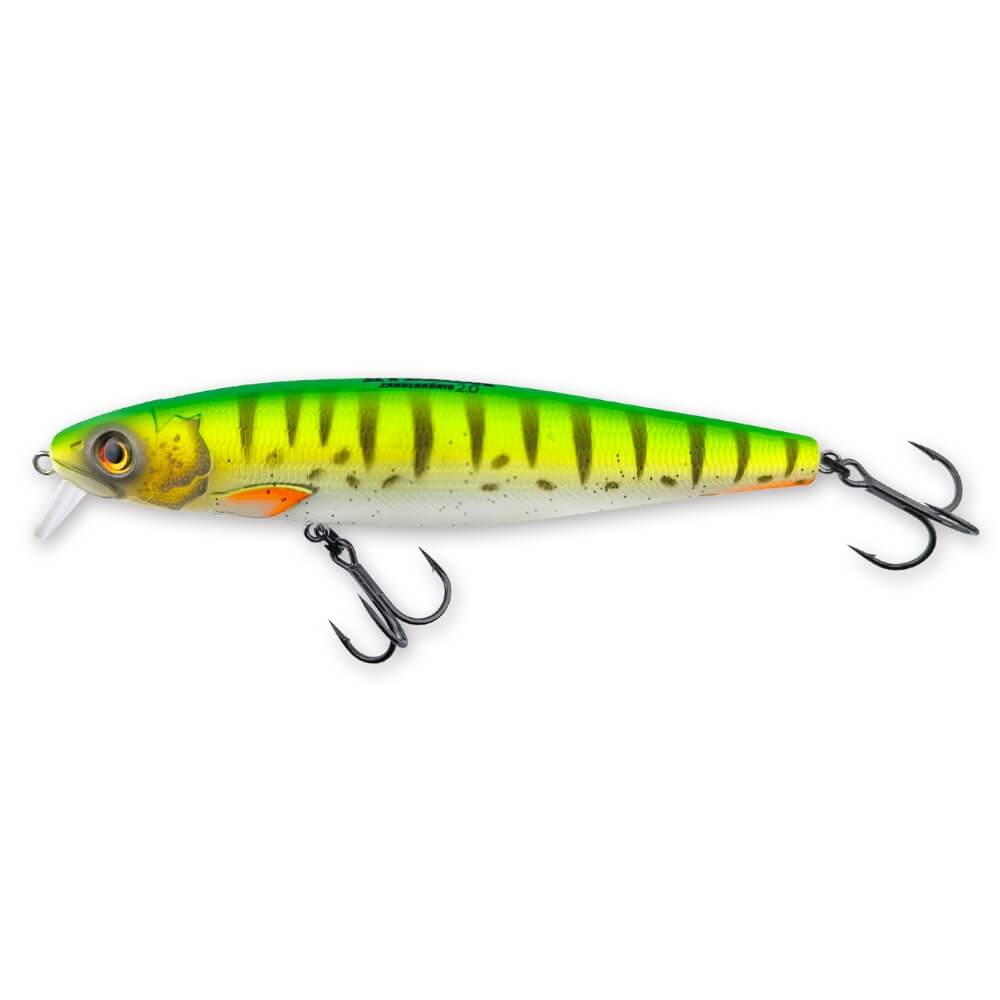
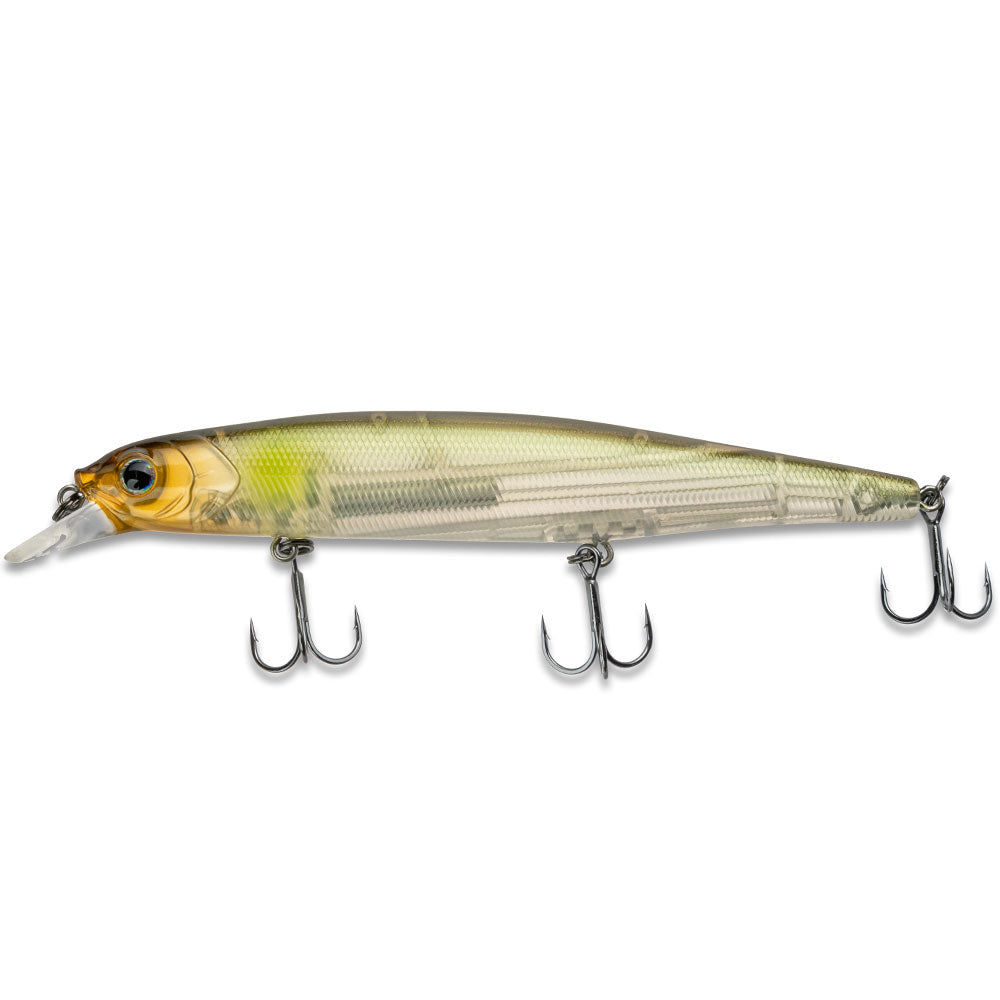
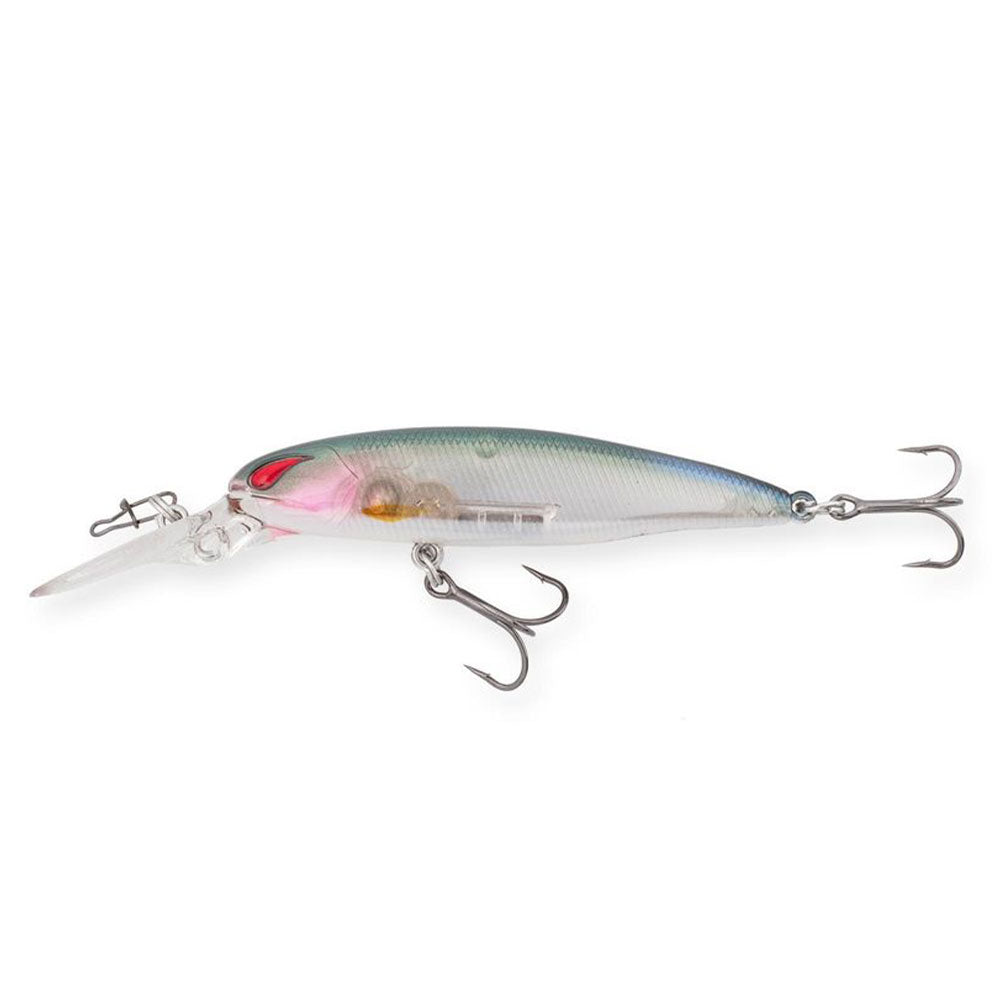
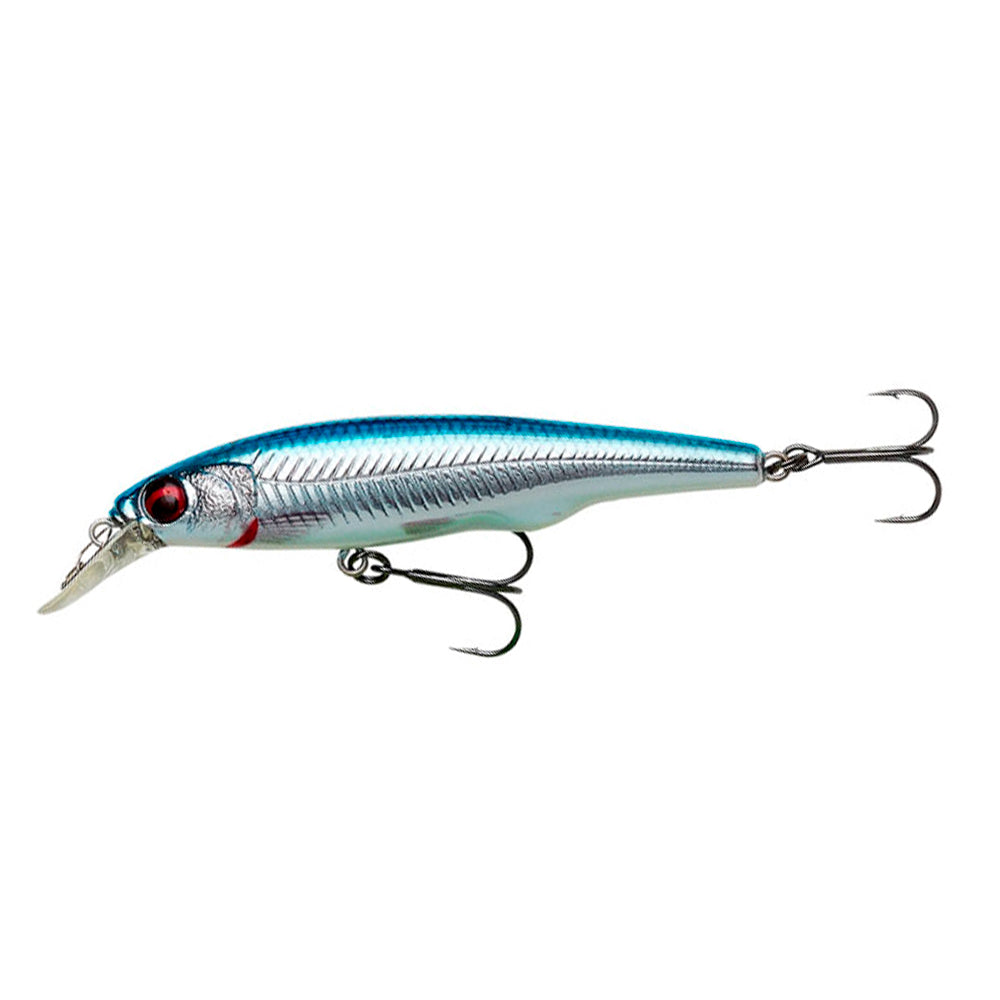
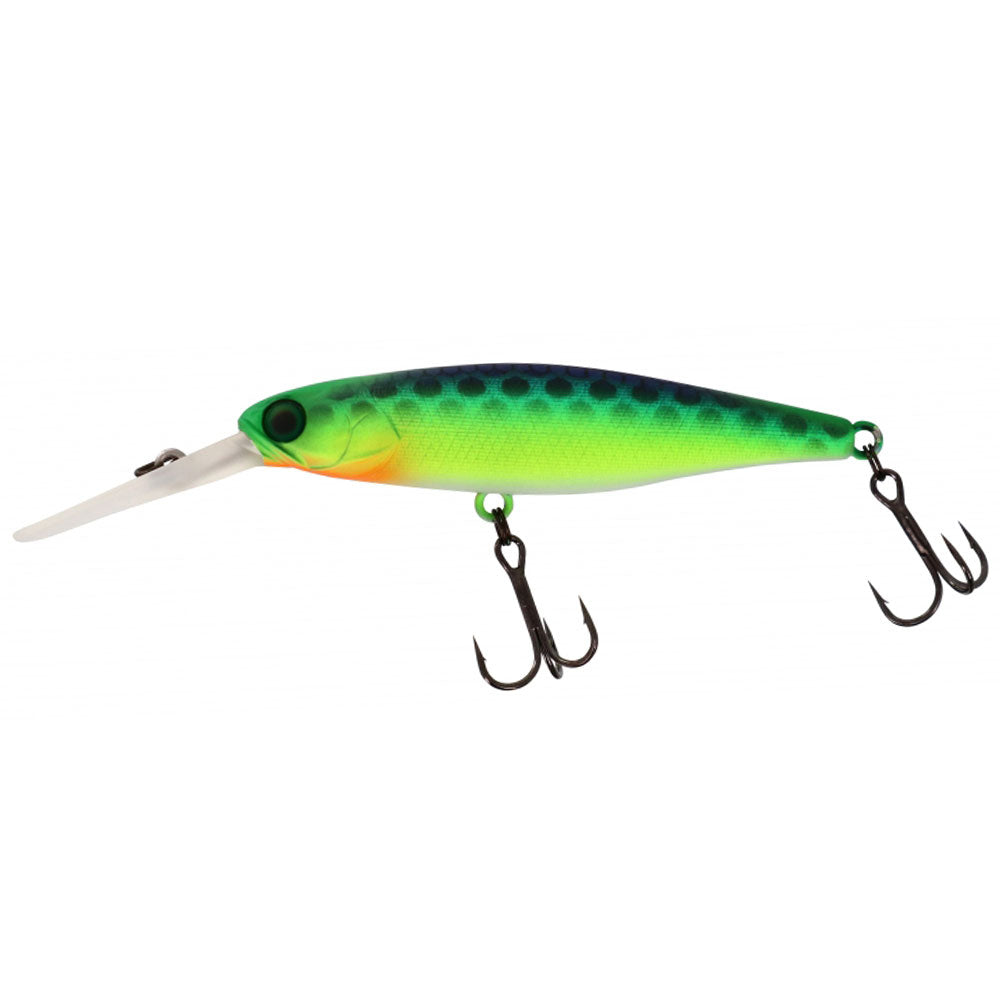
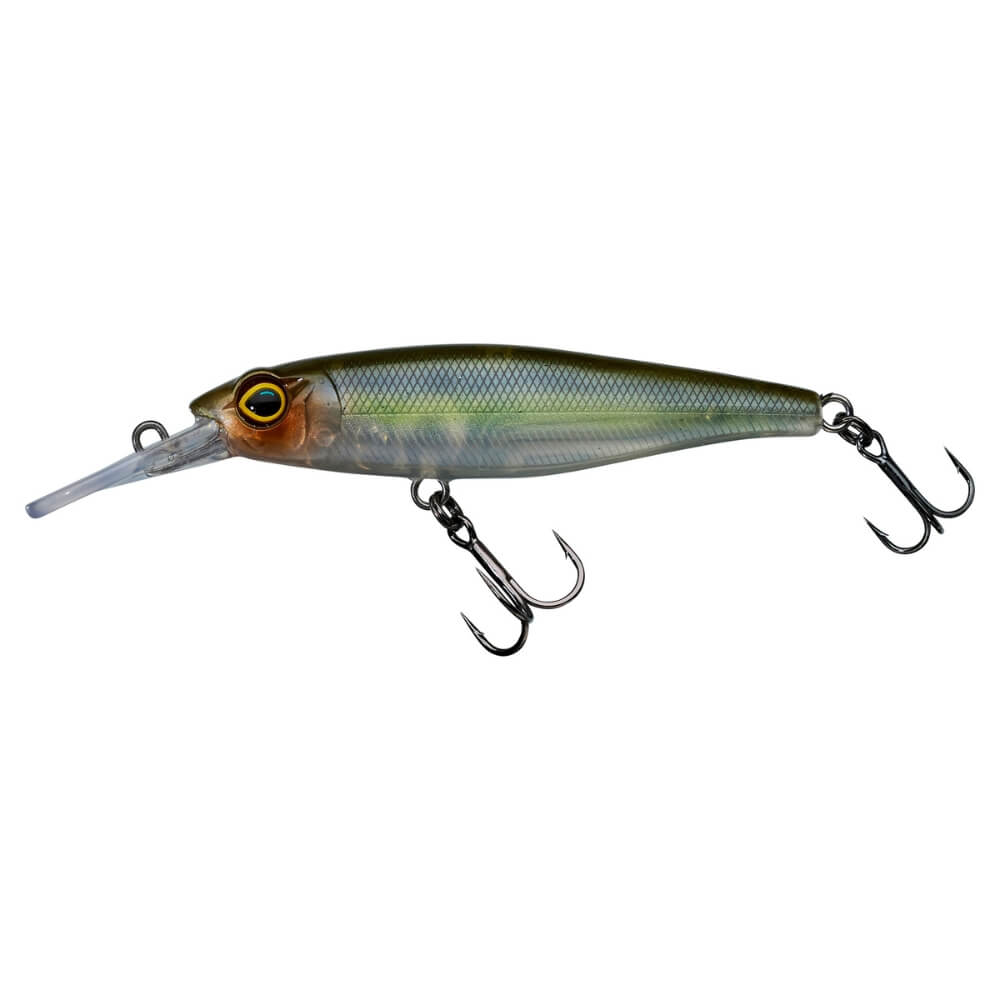
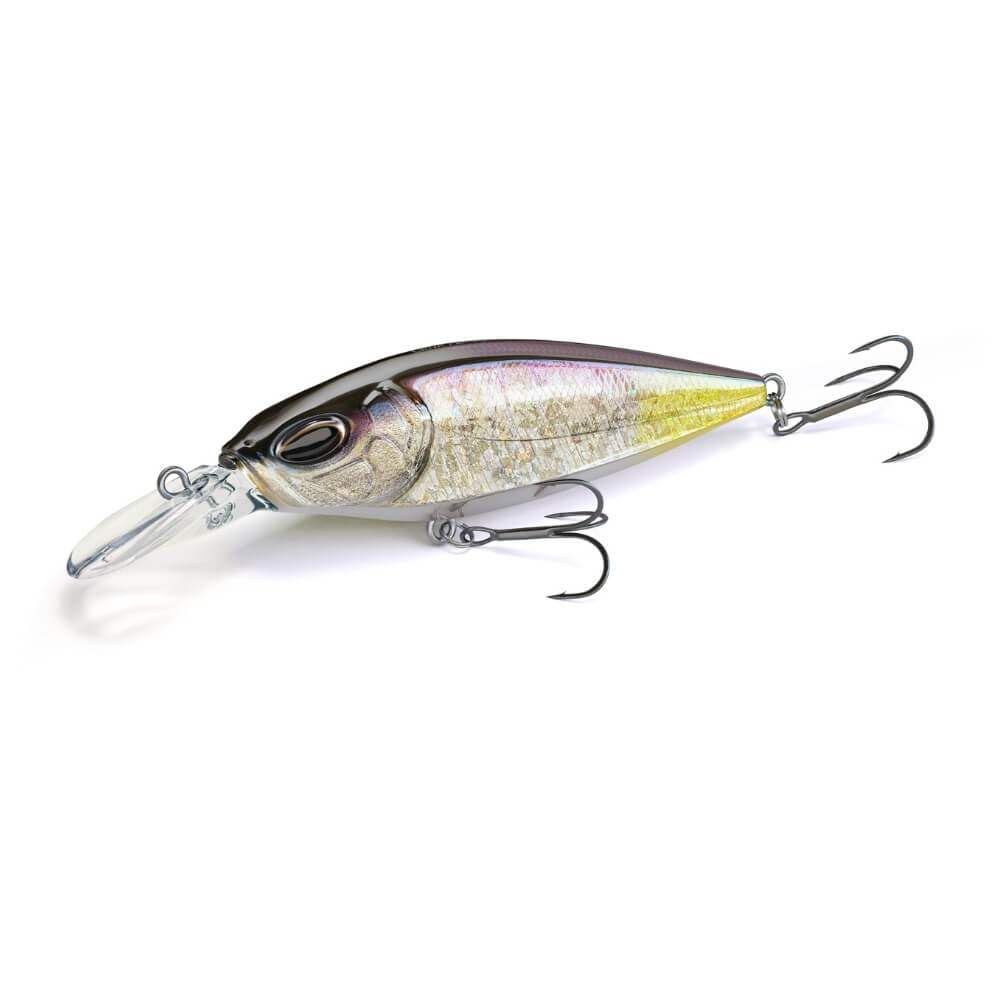
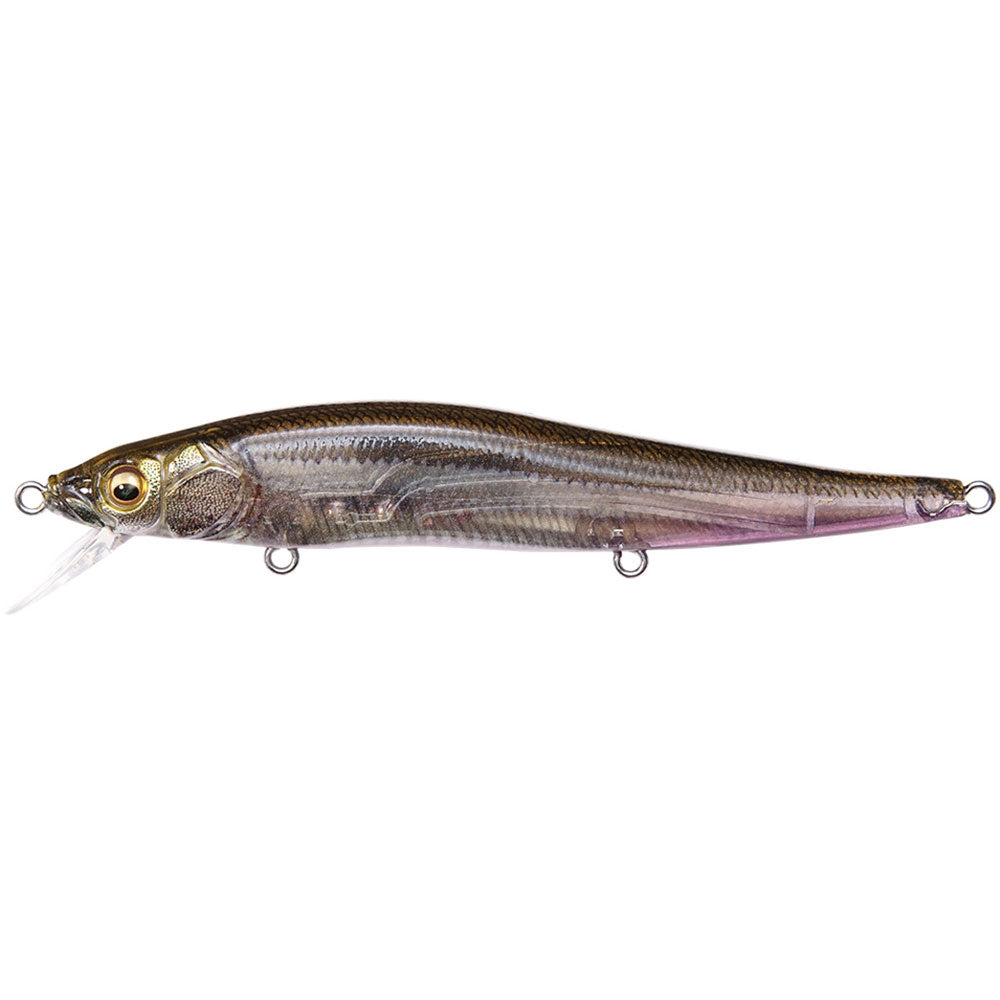
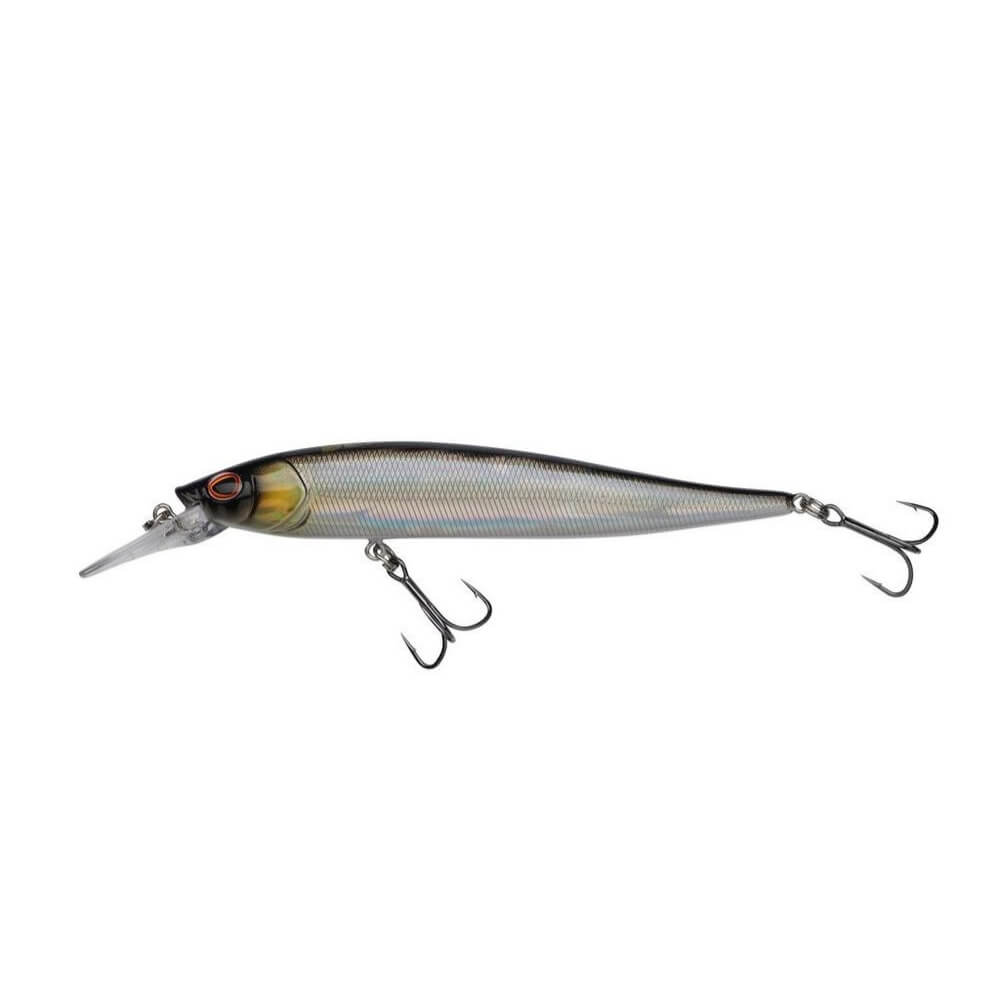
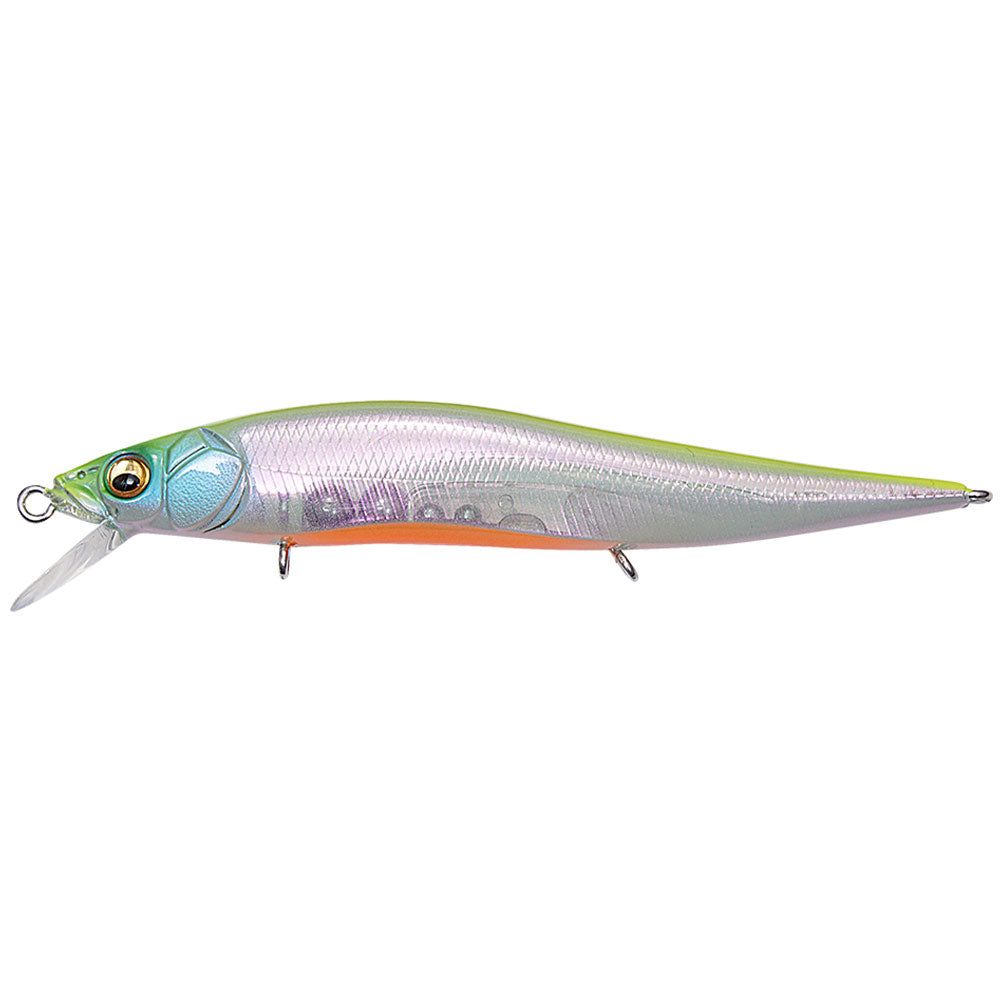
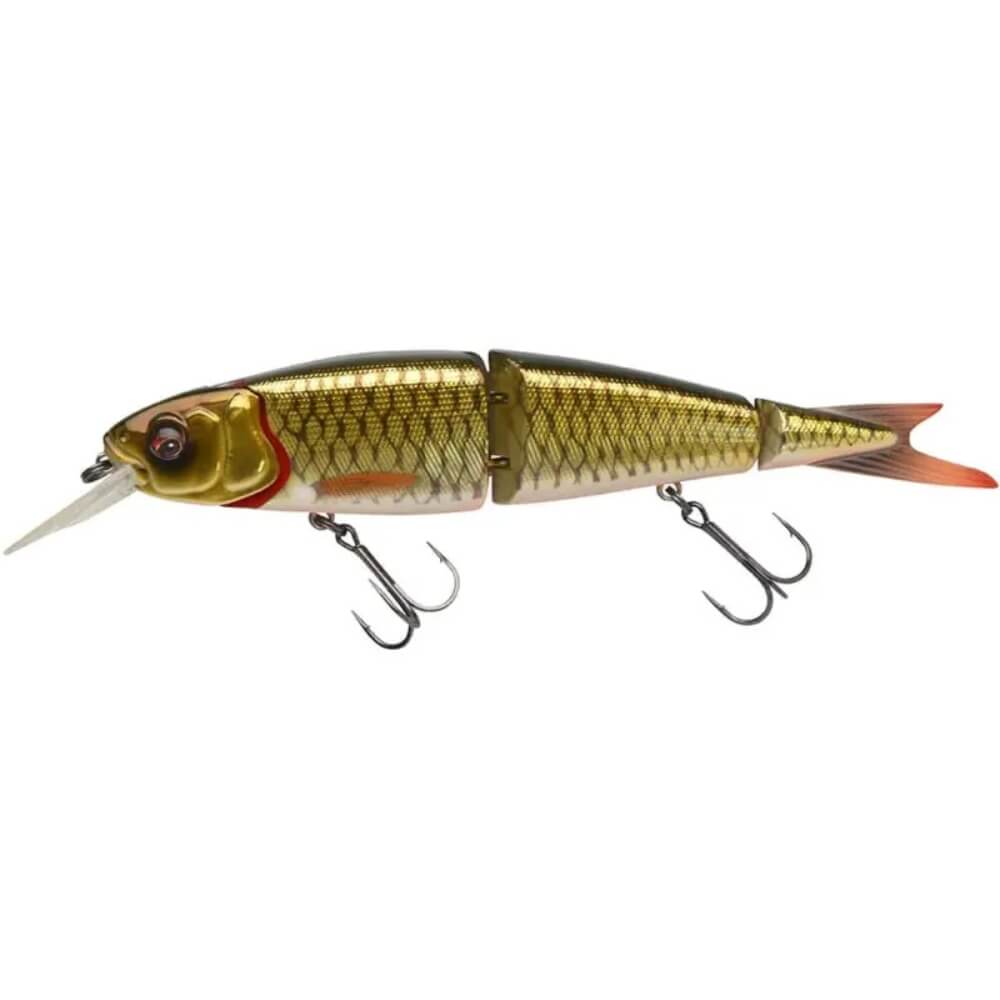
<h2>Buying Guide: Plugs</h2><p>Plugs are the best-known category within the world of <strong>hard lures</strong>. They are made from wood, metal and - above all - plastic, and cover almost the entire range of predator fishing situations. The name comes from the English verb <em>to wobble</em>, describing a swaying, rolling or rocking movement - and that is precisely what these lures do.</p><h2>Construction and Variants</h2><p>Plugs are built in one, two or even more sections and normally feature a <strong>diving lip</strong>. Body shapes range from long, straight or curved minnow profiles and realistic baitfish bodies through to the short, rounded shape of a <strong>crankbait</strong>. The same variety applies to colour: from plain base colours through natural baitfish patterns to bold, imaginative designs. These are often combined with reflective foils or particles, and some plugs are even hand-painted. Many plugs are designed to trigger so-called reaction strikes, which means ultra-realistic shapes or colours are often not required. Otherwise, match your colour choice to the conditions: in clear water, natural patterns tend to work best, while coloured water or sluggish fish can call for bright shock colours. Jet-black lures, on the other hand, are a top choice in the dark.</p><p><img src="https://cdn.shopify.com/s/files/1/0548/9197/0669/files/Rapala-BX-Minnow-7cm-perchZpmVPXJ2ioNx4.jpg" alt="Wobbler" width="298" height="298"></p><p>Which colour, shape and plug type makes sense depends on several factors. Since plugs are not always cheap and quality plays a particularly important role here, choose carefully. We only offer plugs that we know run reliably and, above all, catch fish. To help you find the right lure, here are a few guidelines:</p><h2>Plug Terminology</h2><p>A quick overview of the most common abbreviations and technical terms will help you understand at a glance what a plug is designed for - often revealed in the name itself:</p><p><strong>Buoyancy</strong>:</p><ul><li><strong>Floating</strong>: Describes models that float. Without forward motion they rise and sit at the surface (abbreviation: F, FL).</li><li><strong>Suspending</strong>: These lures hold their depth during a pause in the retrieve, sometimes indefinitely (abbreviation: SP).</li><li><strong>Sinking</strong>: Sinking plugs drop slowly without forward motion, letting you work them at your chosen depth (abbreviation: S or SS).</li></ul><p><strong>Running Depth</strong>:</p><ul><li><strong>Shallow Runner</strong>: If you see SR or SSR in the name, the plug typically runs shallower than 1.5 m. You can also recognise it by a short, steeply angled diving lip.</li><li><strong>Medium Runner</strong>: The letters MR indicate a medium runner, capable of reaching depths of up to 3.5 or 4 metres. The diving lip is somewhat longer and usually only slightly angled downwards.</li><li><strong>Deep Runner</strong>: Deep or Super Deep Divers (DD or D) often run deeper than 4 metres, and some models can reach as much as 10 metres. The diving lip sits almost flat against the body and can be as long and as wide as the plug itself.</li></ul><p>Where running depths are stated, these generally refer to the lure cast out and retrieved at a moderate pace. Whether a stated depth is reached depends on various factors: with a lot of line out - for example when <strong>trolling</strong> - add roughly 25 % to the stated depth. Very thick line slows the dive and can result in a run up to 10 % shallower than stated. This can also occur with some thin braids, as these have a slight tendency to float. A handy trick is to write the running depths directly on your plugs with a waterproof marker.</p><p>The <strong>lure length</strong> is typically shown as a number representing the length in mm. Slim models are also frequently called minnows - which simply refers to a small baitfish.</p><h2>Presentation and Applications</h2><p>Depending on the model and how it is designed to work, plugs can be presented in very different ways. All of them are ultimately suitable for <strong>trolling</strong>, but when casting there are several options: while small <strong>crankbaits</strong> only need to be wound in steadily to be effective and cover large areas of water, slim suspending models are particularly well suited to twitching. This means working the lure with short, sharp flicks of the wrist so that it darts to the side. After these twitches, always allow a short pause - this is usually when the bite comes. During the pause, take up any slack line and try to maintain contact with the lure without actually retrieving it. Twitchbaits can of course be retrieved monotonously and will still catch fish, but twitching is how you unlock their full potential.</p><p>Since the target species for plugs covers virtually all predators, here are a few broad guidelines for the most important ones:</p><ul><li><strong>Pike</strong>: In spring and summer even the smallest crankbaits can tempt big pike, but as the season progresses a genuine big bait can be worth reaching for. Pike generally respond well to lures with a rolling action that flanks attractively in the water. In coloured water, bulkier body shapes are preferable, as they generate stronger pressure waves.</li><li><strong>Perch</strong>: Lures up to around 10 cm work well on perch across a wide range of venues. A pronounced wobbling action - where the lure breaks out wide - tends to appeal to perch. They respond particularly well to twitchbaits, as they favour an erratic, darting retrieve.</li><li><strong>Zander</strong>: Slim, shallow-running plugs in the 9-13 cm range are excellent choices when zander move onto rocky structures in the evenings and at night. During the day, classic deep divers are usually more effective at tempting these fish.</li><li><strong>Asp</strong>: Slim, shallow-running plugs of high quality are especially important here. The treble hooks need to be extremely strong, and an asp plug must also run stably at high speed. A sinuous, rolling wobbling action is often the key to success.</li></ul><p><strong>Here Johannes Dietel shows you how to fish plugs successfully for big perch</strong></p><iframe frameborder="0" src="https://www.youtube.com/embed/yzxFId3p8NY?start=490" width="560" height="315" allowfullscreen=""></iframe>