










Polarised Glasses
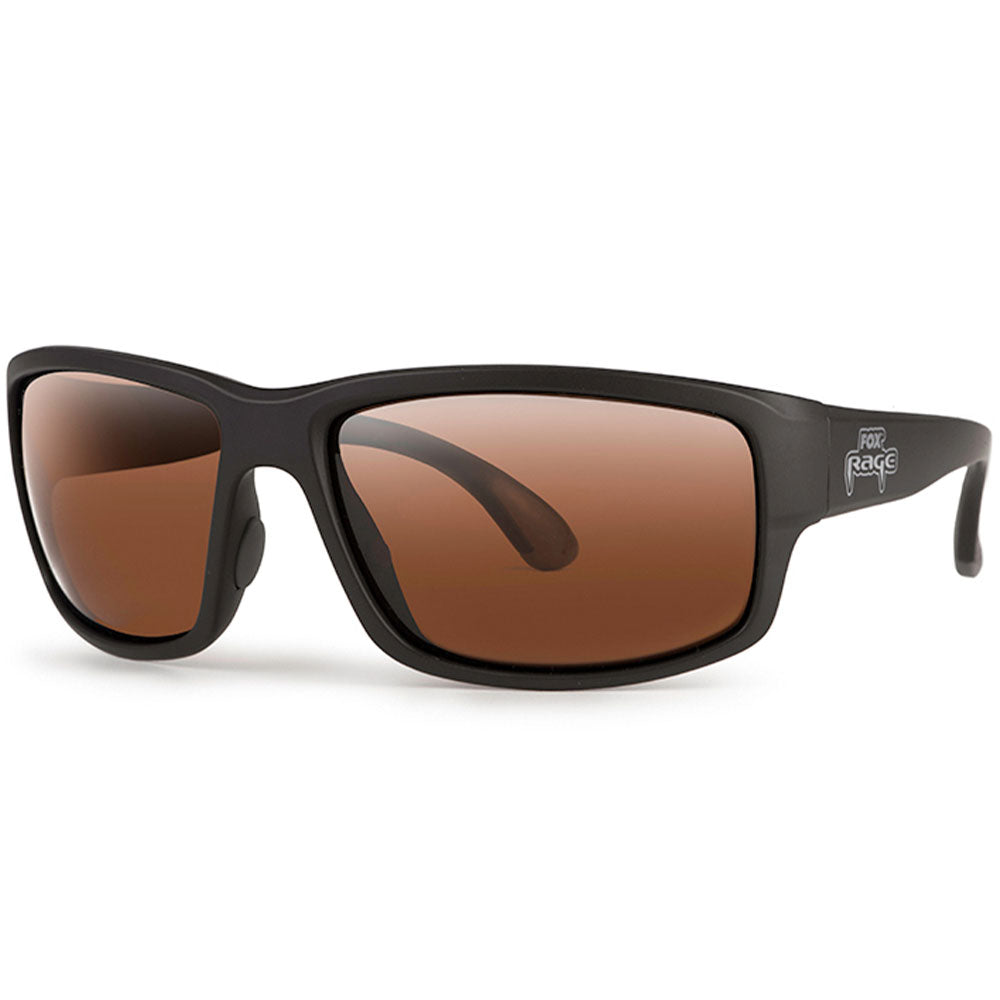
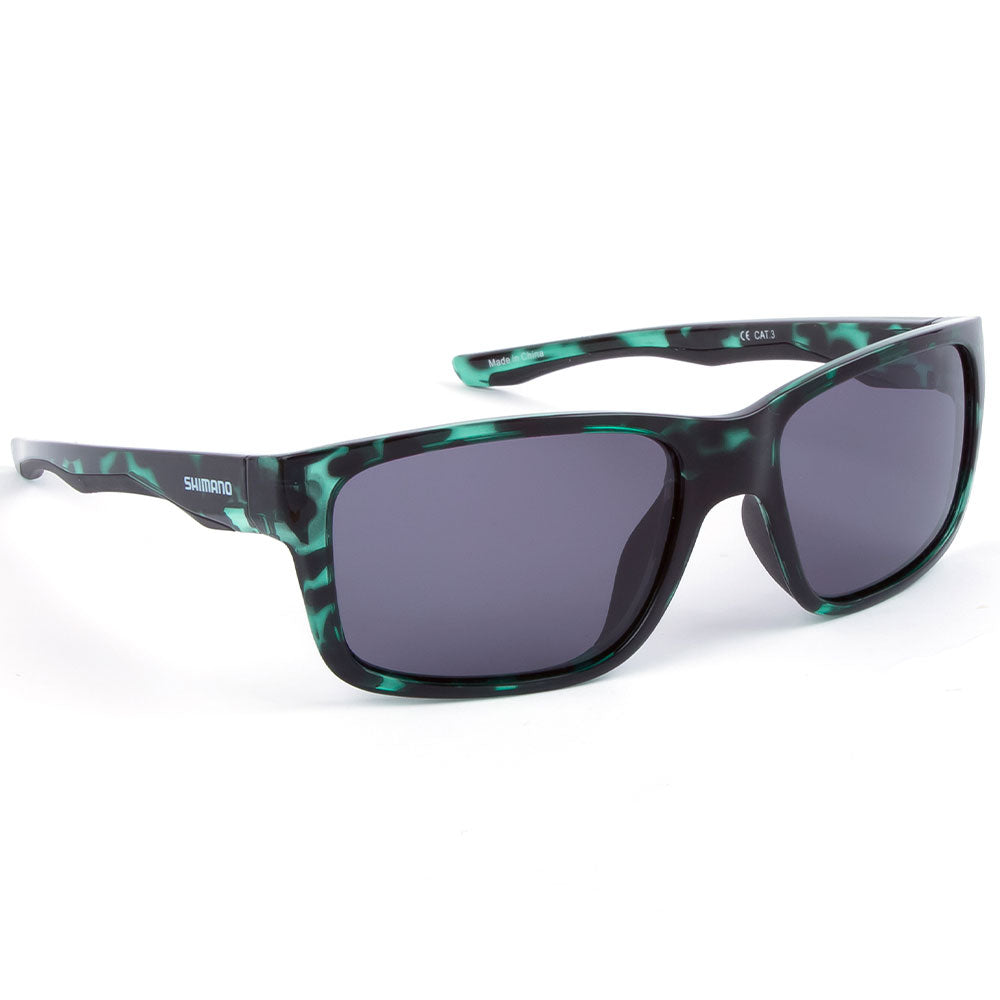
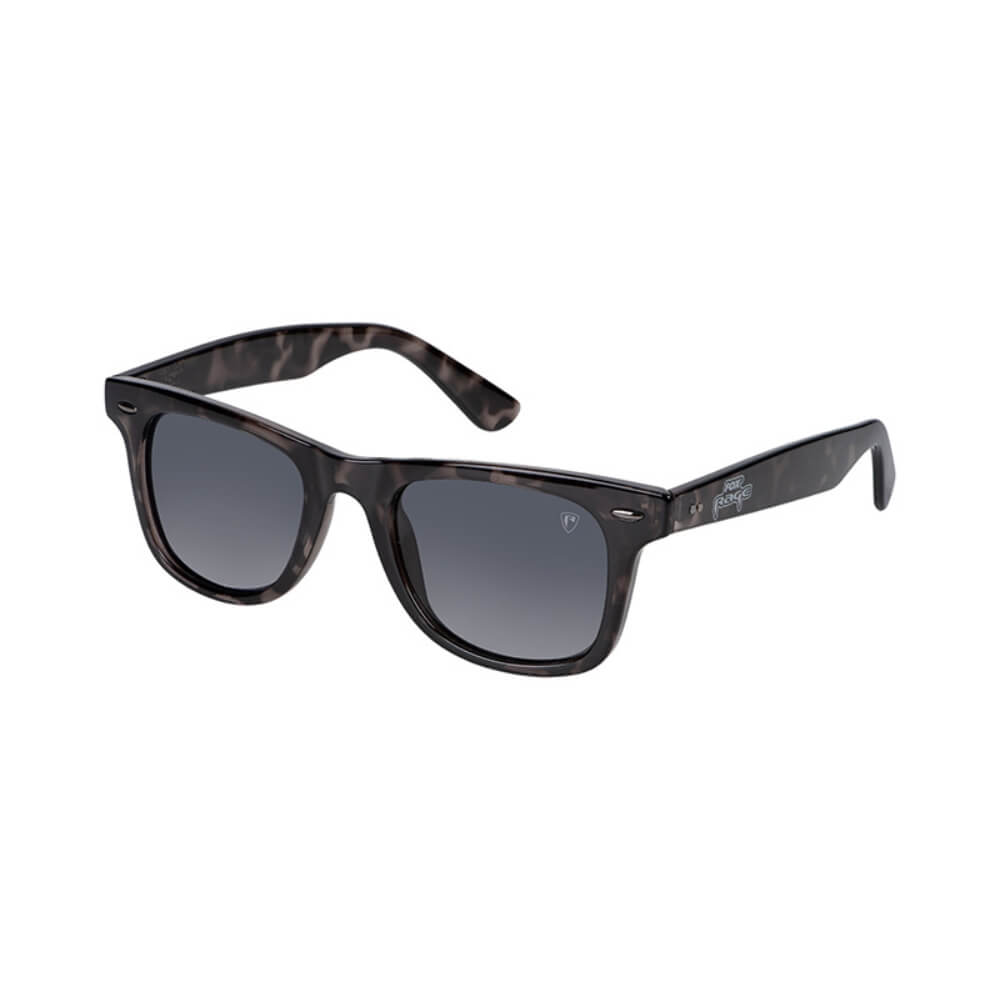
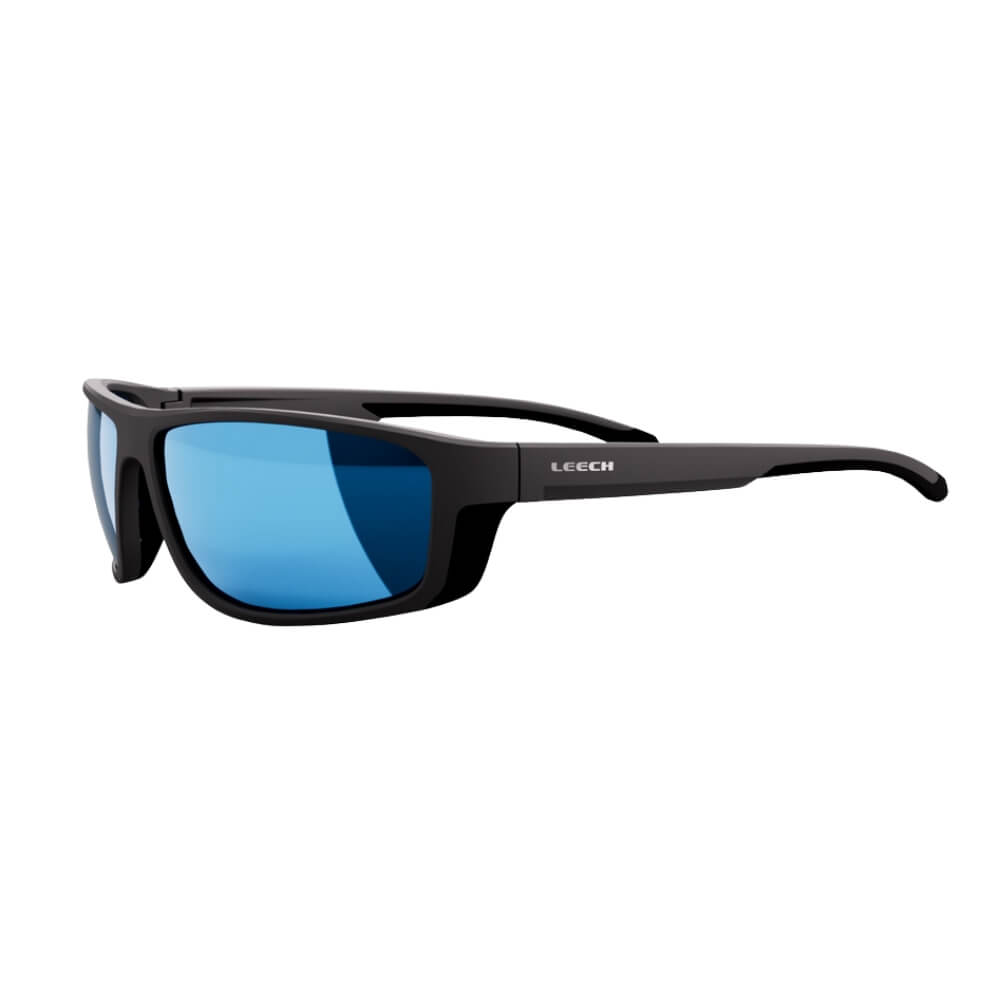
Not just stylish and modern, but genuinely practical: with polarised glasses you can see what is happening beneath the water surface.


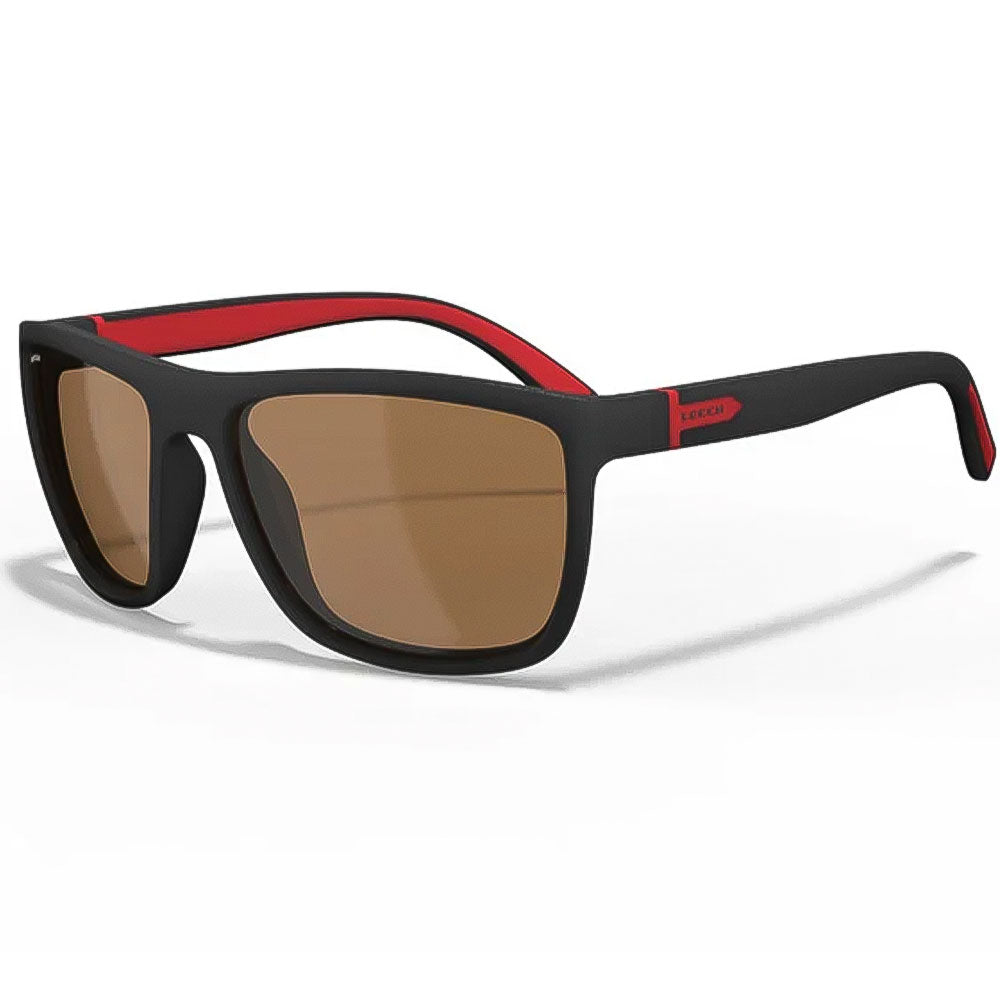

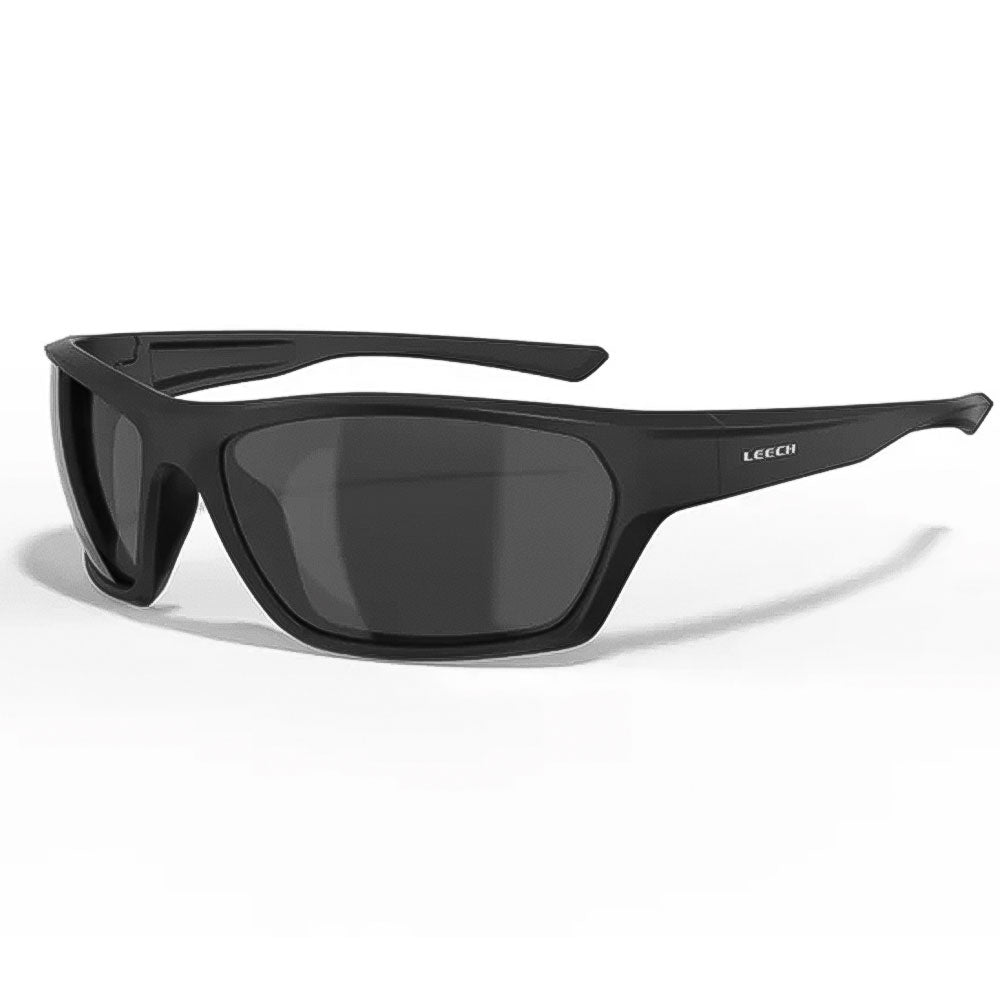

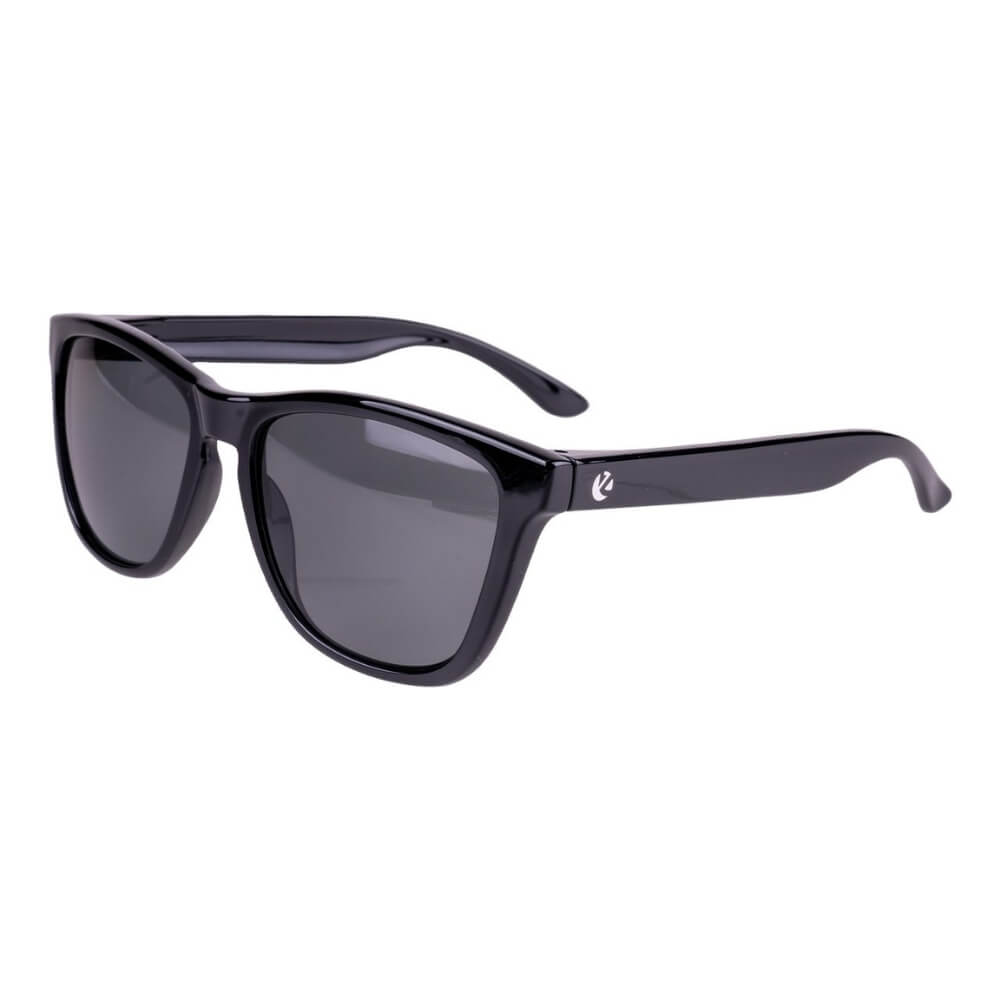

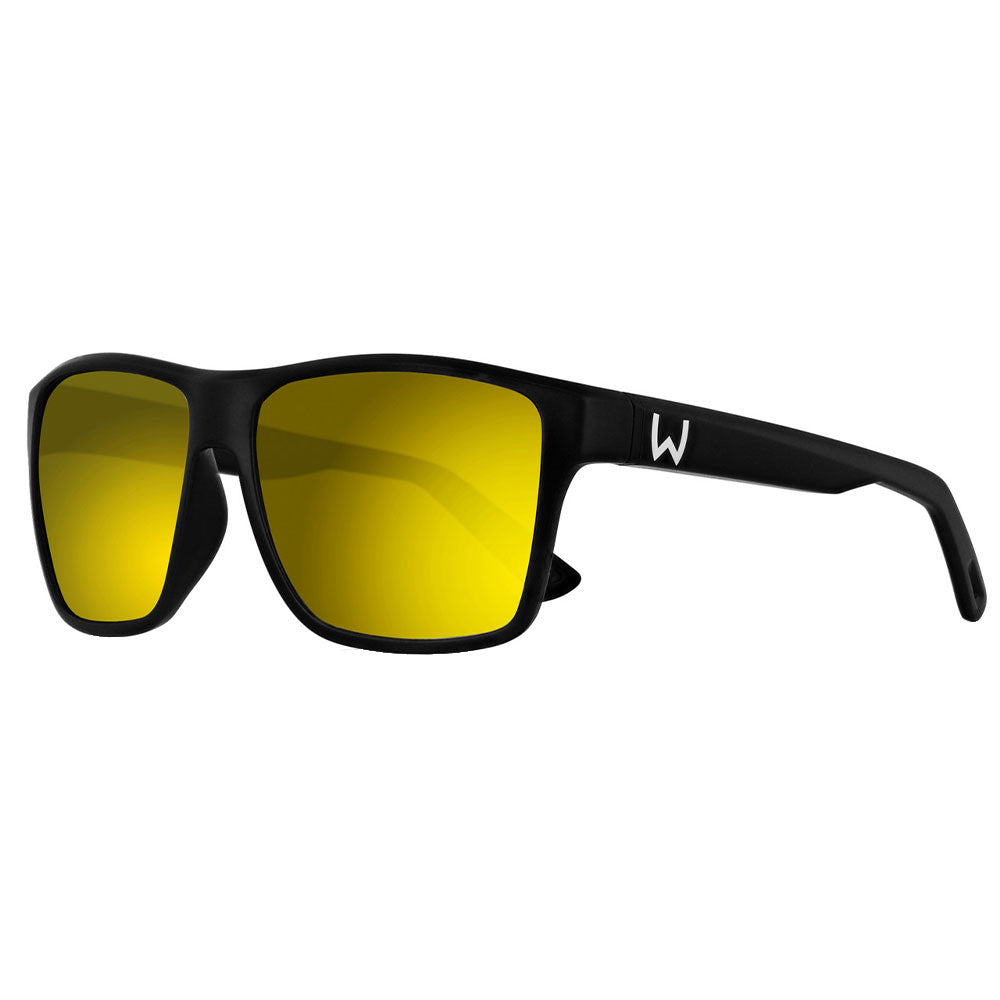


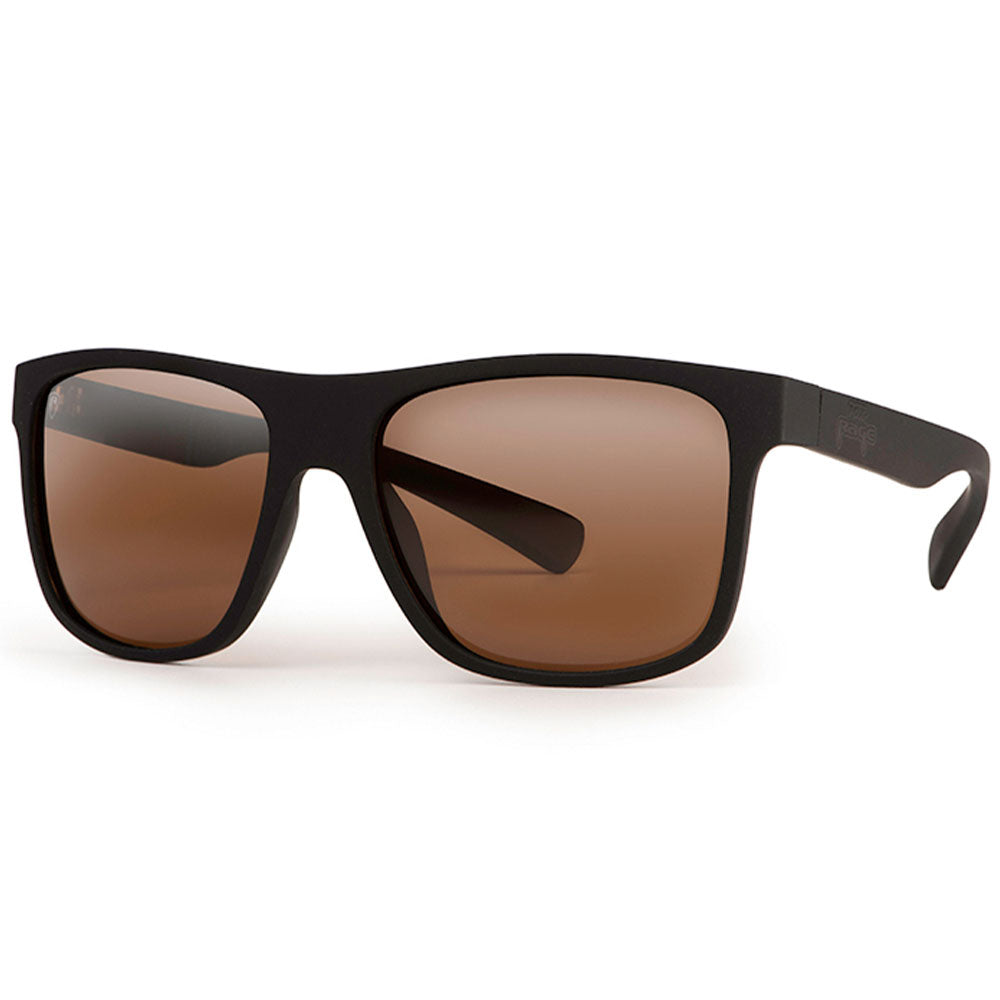


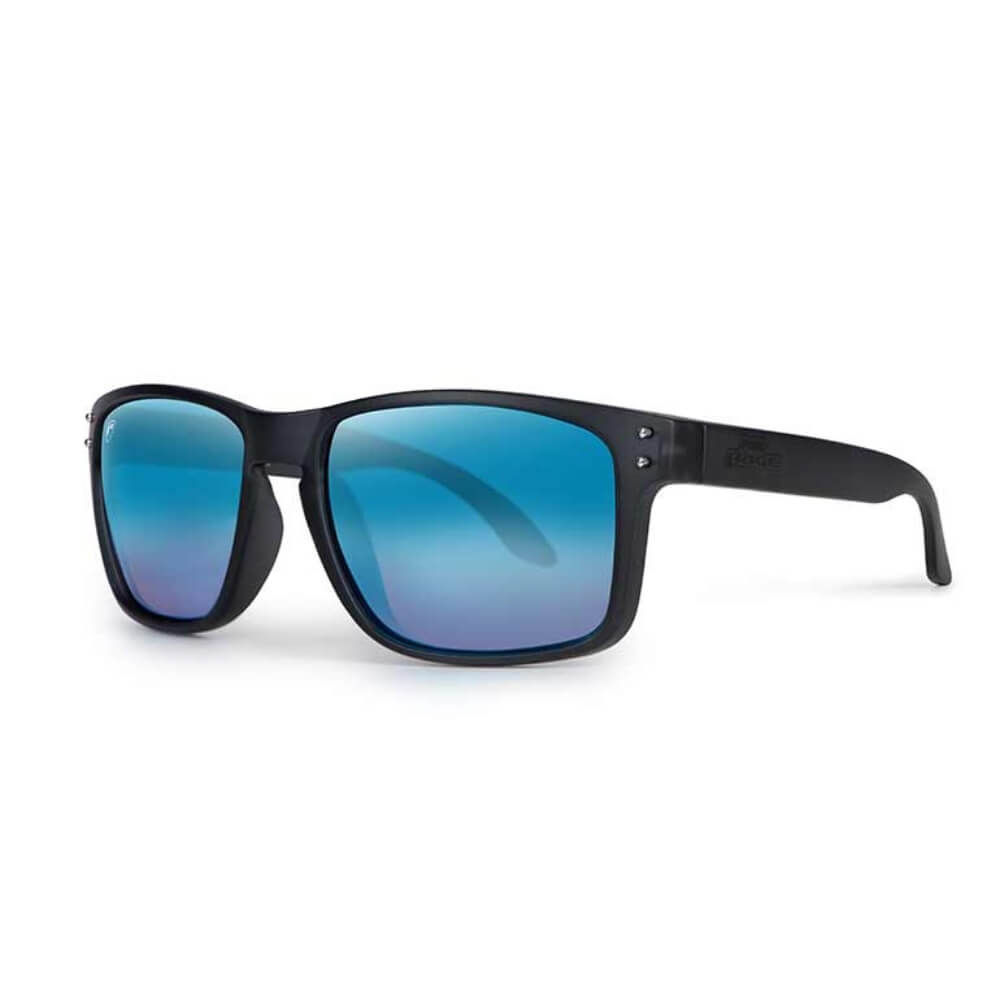

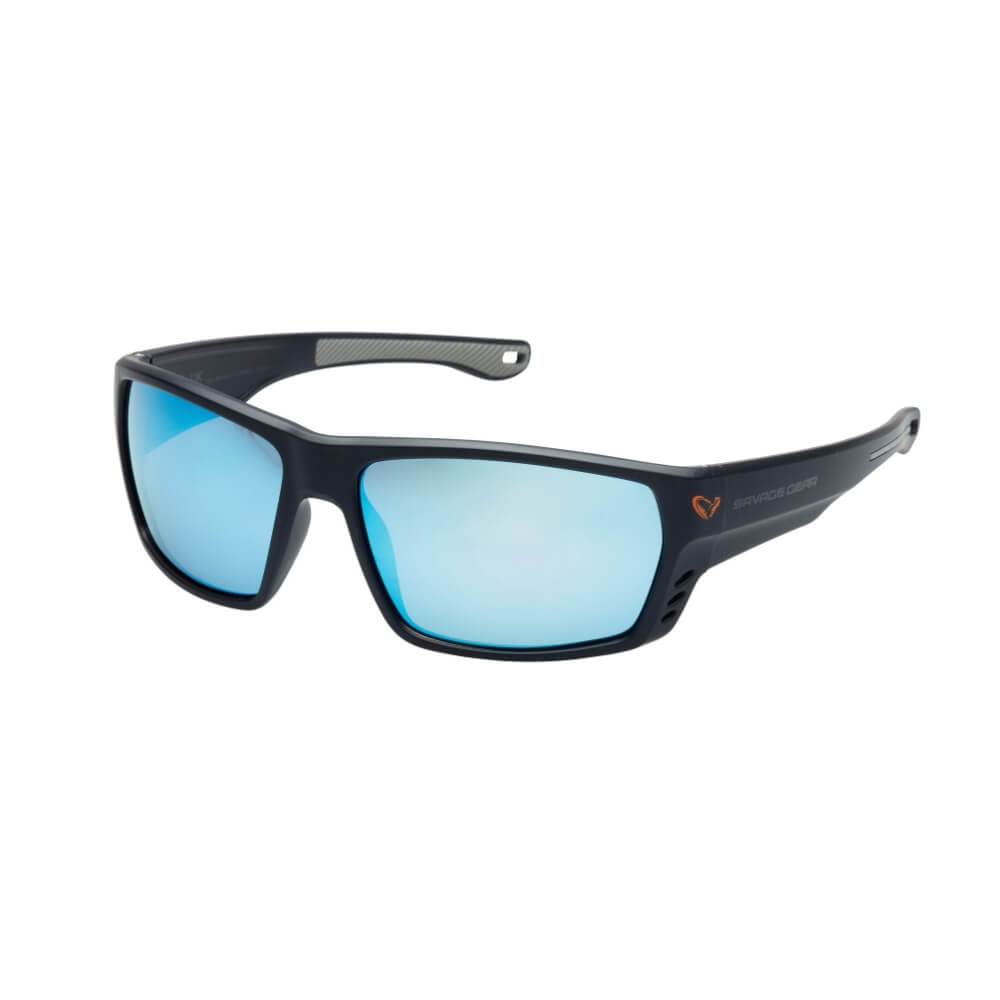


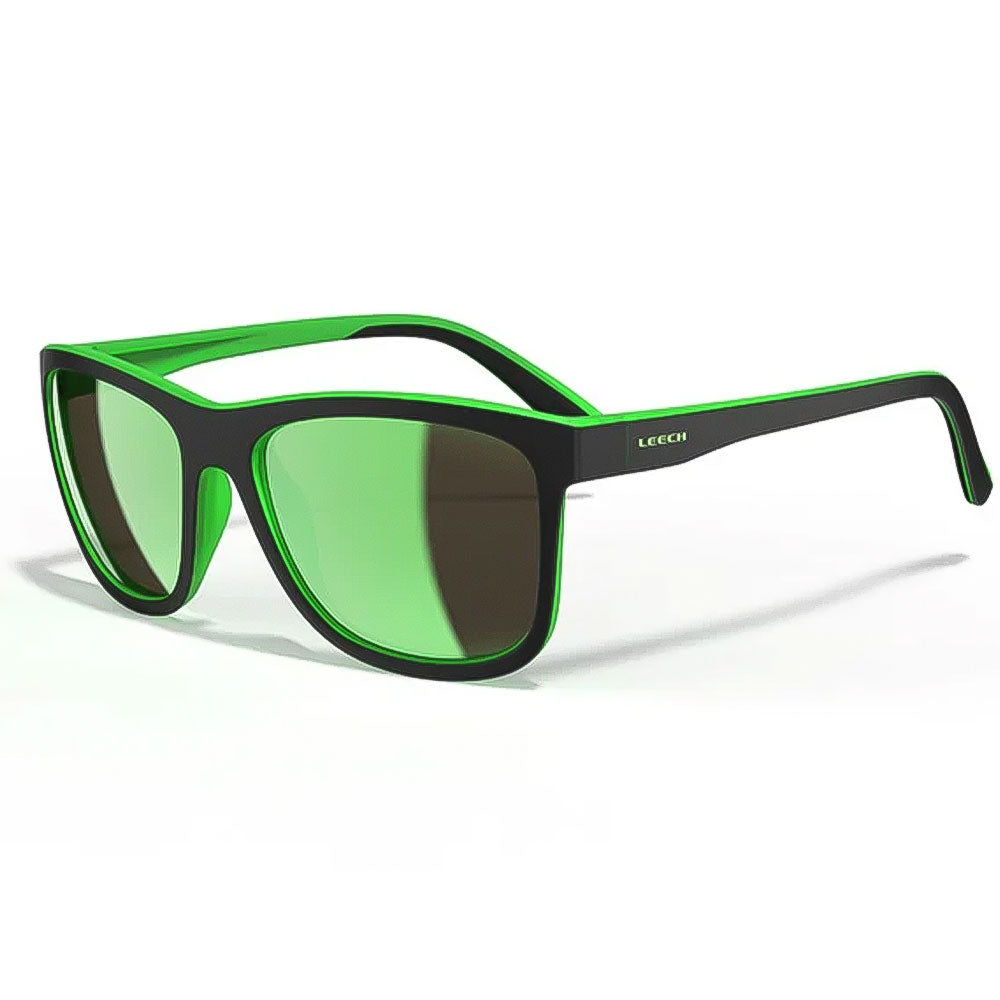









7 variants


9 variants






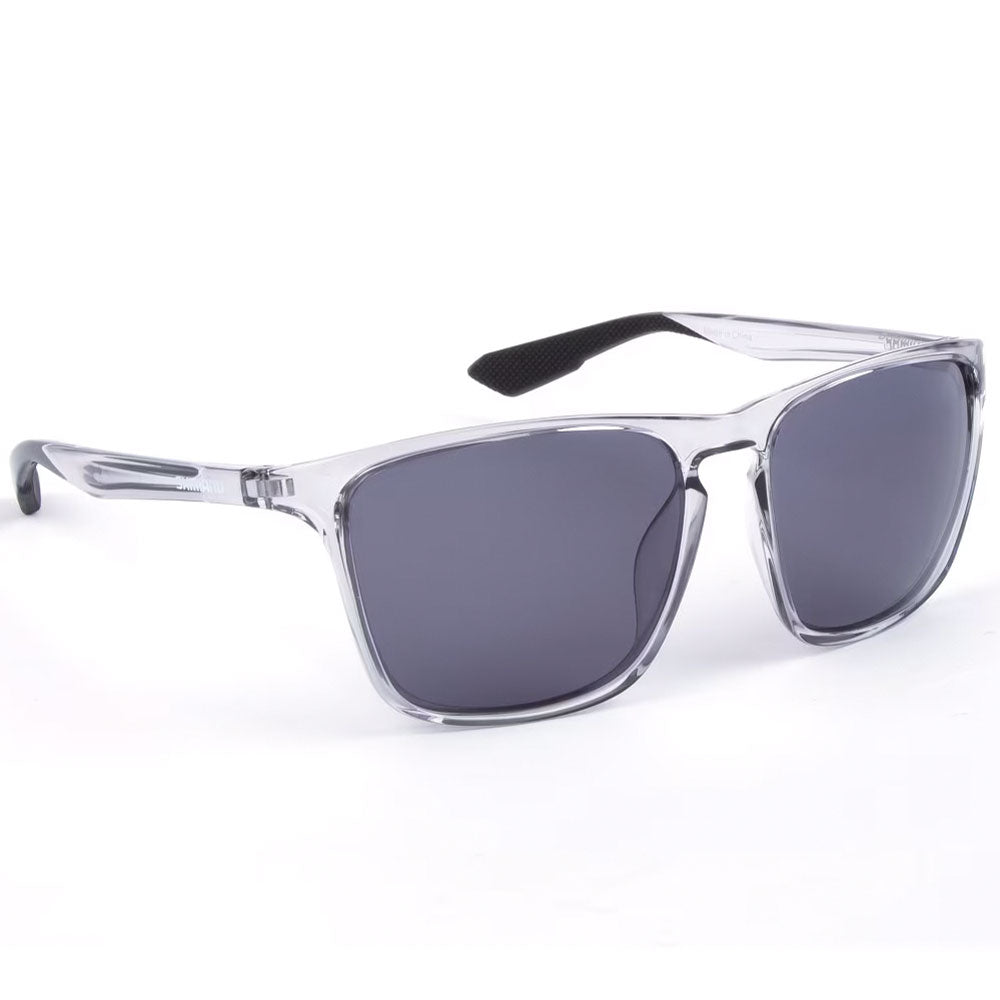


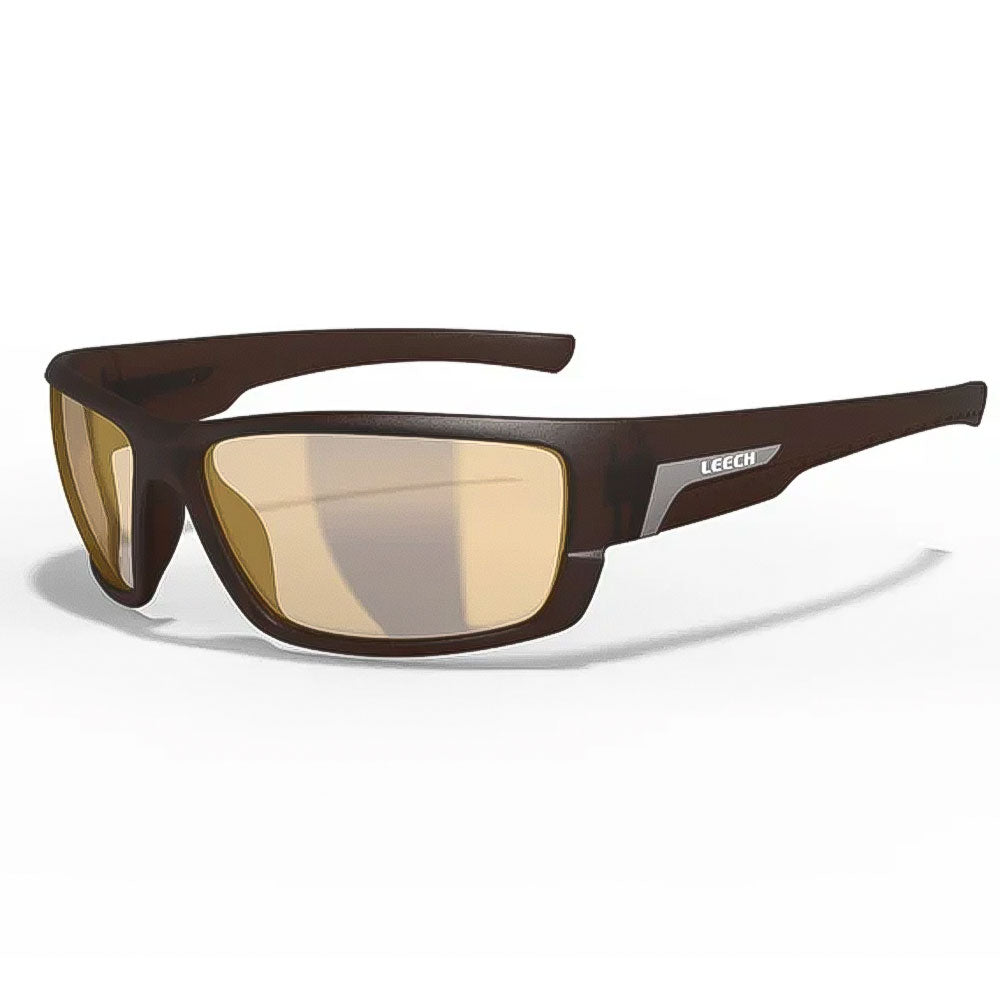

<h2>Buying Guide for Polarised Glasses</h2>
<p>Having a clear view makes a big difference in many situations in life - and nowhere is this more true than when fishing, particularly when fly fishing. Wherever you need to <em>spot</em> fish or fish by sight, being able to see what is going on beneath the water surface without restriction is essential.</p>
<p>Depending on the angle of the sun, however, that view can be badly disrupted by glare on the water surface, making fish and underwater structures difficult or impossible to make out.</p>
<p>That is where a good pair of polarised glasses comes in. How they work and what to look for is explained in the sections below.</p>
<h3>How Does Polarisation Work?</h3>
<p>Without going too deep into the physics: visible light consists of waves oscillating in many different directions. The combination of all these directions causes reflections on non-metallic surfaces such as water. A polarising filter only allows light oscillating in certain directions to pass through, which removes a large part of those reflections. The effect is most clearly demonstrated by holding two polarising filters - for example two pairs of polarised glasses - in front of each other and gradually rotating one against the other. Less and less light comes through until, at a 90-degree angle, the lens goes completely dark.</p>
<p>It is also worth knowing that phone screens, tablets and some fish finders can only be read through polarised glasses at certain angles, appearing dark from others - a clear illustration of how the polarising effect works.</p>
<p>The polarising performance of polarised glasses is not always equally strong. Contrast can also suffer, and poor-quality polarising lenses may have optical distortion. Good polarised glasses combine the best possible optical clarity with the strongest possible polarisation, regardless of lens colour.</p>
<h3>Choosing the Right Lens Colour</h3>
<p>Polarised glasses come in a wide range of lens colours. These are not merely a matter of style or personal taste - in practical use, different colours deliver different results under different conditions.</p>
<ul>
<li>In <strong>small, heavily overgrown rivers with low light, or in the evening with little remaining light</strong> - as well as on overcast days - the lenses <strong>must not darken too much</strong>. <strong>Yellow and pink lenses</strong> perform best here. Yellow lenses even enhance contrast and act as a low-light amplifier.</li>
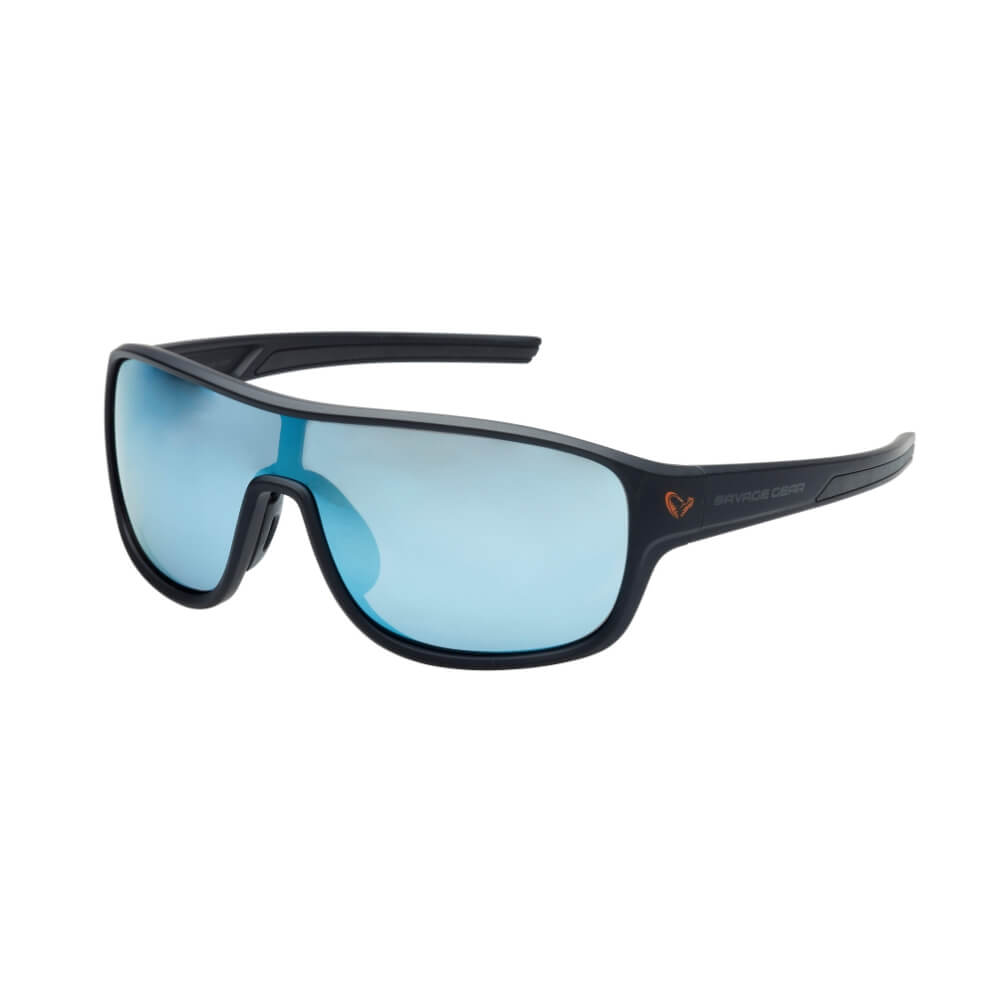
<li>On <strong>open water or when fishing tropical flats</strong>, you need strongly darkening lenses, ideally mirrored. In blue water, <strong>blue or grey lenses</strong> are the right choice. In green or shallow water, greenish lenses produce better results.</li>
<li>Brown lenses deliver the best results when you are <strong>fishing in clear rivers during the day in bright sunshine</strong>.</li>
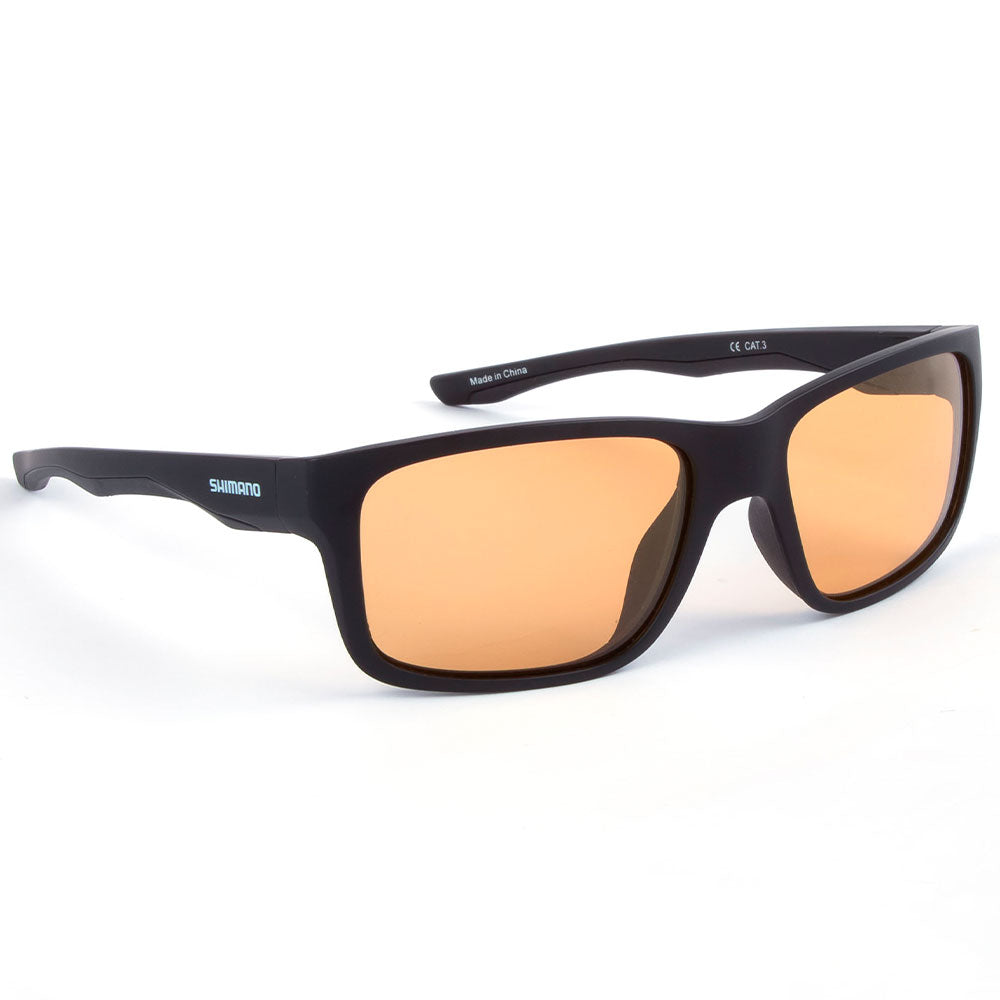
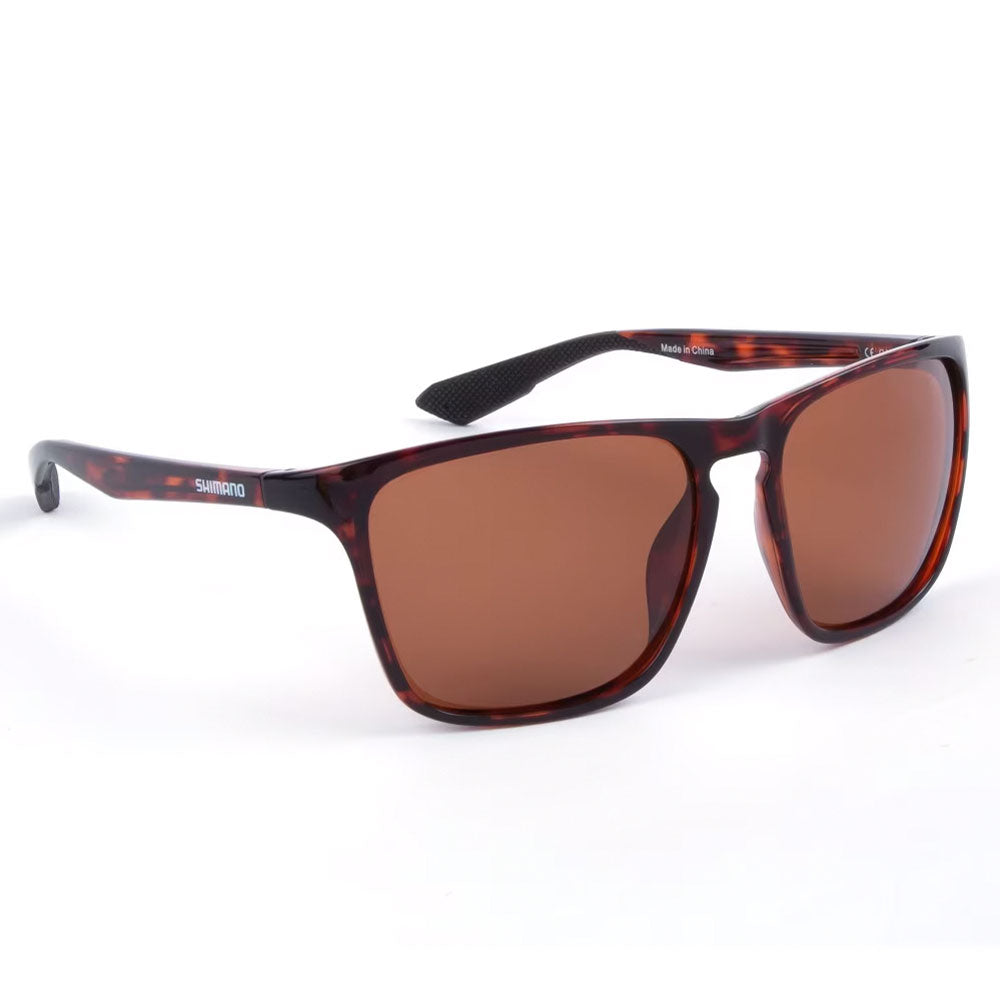
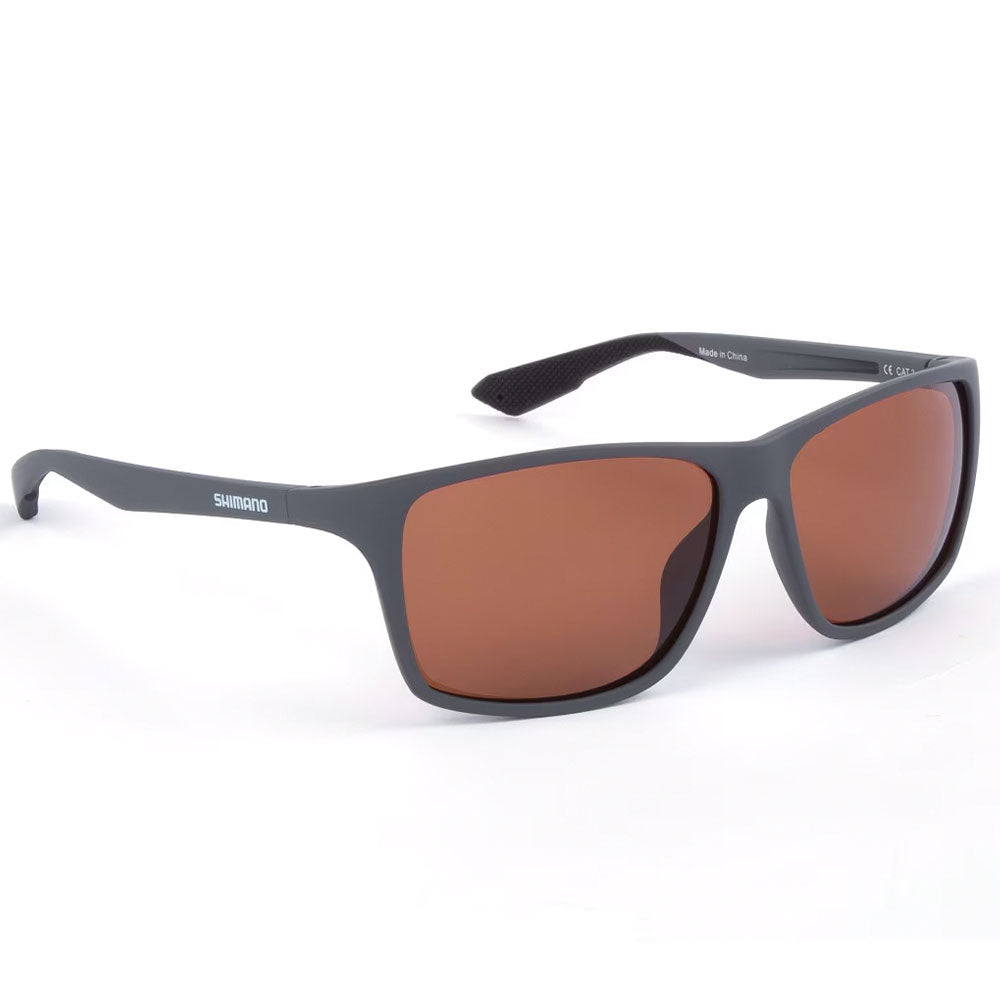
<li>The <strong>all-round</strong> options are copper, bronze or amber lenses. They perform well across all conditions.</li>
</ul>
<p>Since good polarised glasses are not cheap, occasional anglers or those watching their spending would do well to pick one of these three lens colours - copper, bronze or amber.</p>
<p>Those who want to cover every condition optimally should bear in mind that they will need at least 3 pairs of polarised glasses to do so.<br>Then again, sunglasses are also a style item, and most people own 3 or 4 pairs of ordinary sunglasses anyway.</p>
<p>Another versatile option is glasses with <strong>photochromic lenses</strong>. These automatically adjust their tint based on the available light, darkening in bright conditions and lightening when light levels drop. Combined with copper-coloured lenses, you have a pair that works well in almost any situation. That said, a photochromic pair can easily cost three times as much as a non-photochromic one, so the idea of owning a second and third pair should not be dismissed entirely. A polarised glass can get lost, and a second pair in a less-than-ideal lens colour is always better than nothing.</p>
<h3>Choosing the Right Lens Material</h3>
<p>Polarised glasses are made with lenses from a range of materials. <strong>Glass lenses</strong> offer the best optical performance, but they are more expensive and relatively heavy, which can become uncomfortable over a full day of active fishing.<br>Most glasses are made from various polycarbonate compounds, known as optical plastics. These are lightweight and impact-resistant, which is particularly important for fly fishers, since the glasses also provide eye protection against stray tungsten nymphs.</p>
<p>Polycarbonate lenses vary in quality. They differ in their layered construction, optical clarity and scratch resistance. Anyone who wants to enjoy their polarised glasses for a long time would do well to invest a little more in a more scratch-resistant model.</p>
<p>Some manufacturers also equip their lenses with <strong>oleophobic and hydrophobic coatings</strong>, which repel grease and moisture - a real advantage in practical use.</p>
<h3>Frame Shape</h3>
<p>Frame shape is of course partly a matter of style, but it also serves an important functional purpose. Your polarised glasses should sit as close to your face as possible to prevent stray light entering from the sides, which would otherwise reduce the polarising effect and cause unwanted glare. The glasses should also be as lightweight as possible and comfortable to wear, since - unlike ordinary sunglasses - you will rarely take them off during a full day on the water.</p>
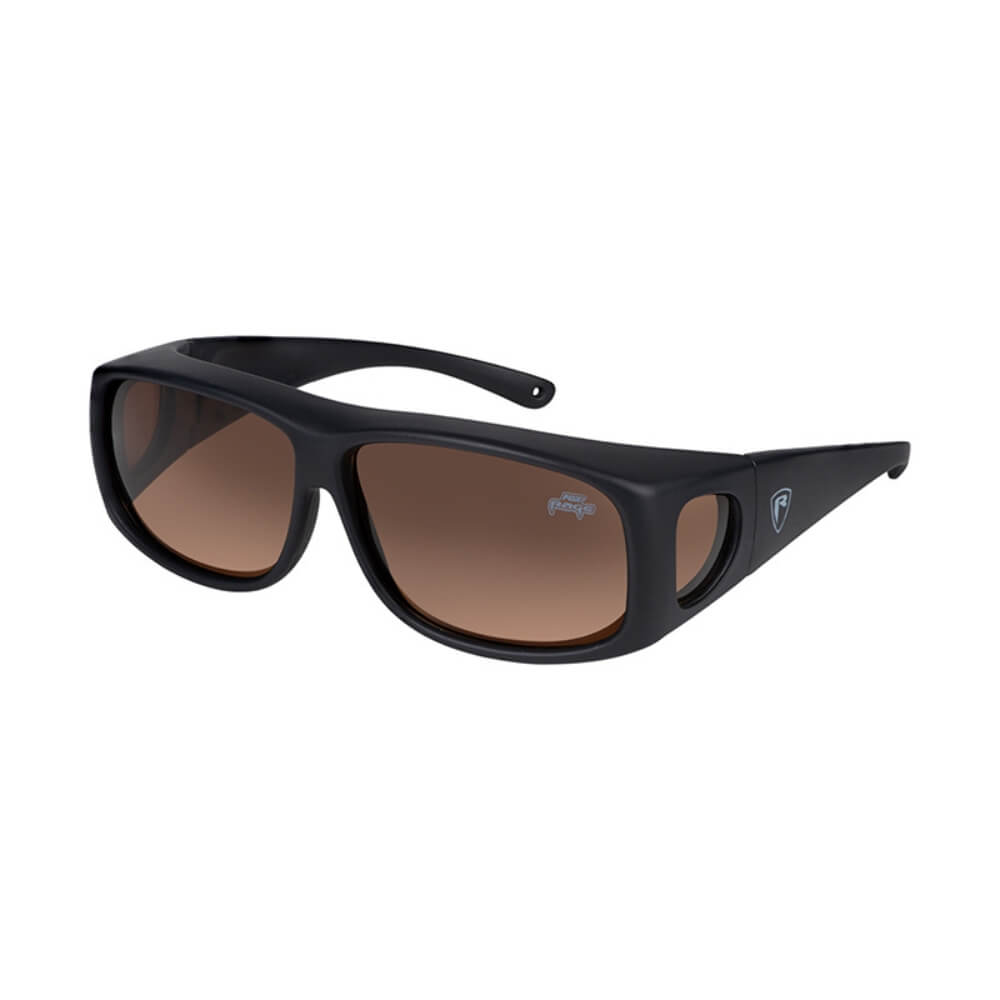
<p>For those who wear prescription glasses, so-called <em>Fit-Over</em> glasses are available, designed to be worn over a regular pair. Clip-on polarising attachments that fix directly onto existing glasses are also an option.<br>Some manufacturers also offer their polarised glasses with prescription lenses, which is probably the most comfortable solution for those with visual impairments.</p>
<h3>Accessories for Polarised Glasses</h3>
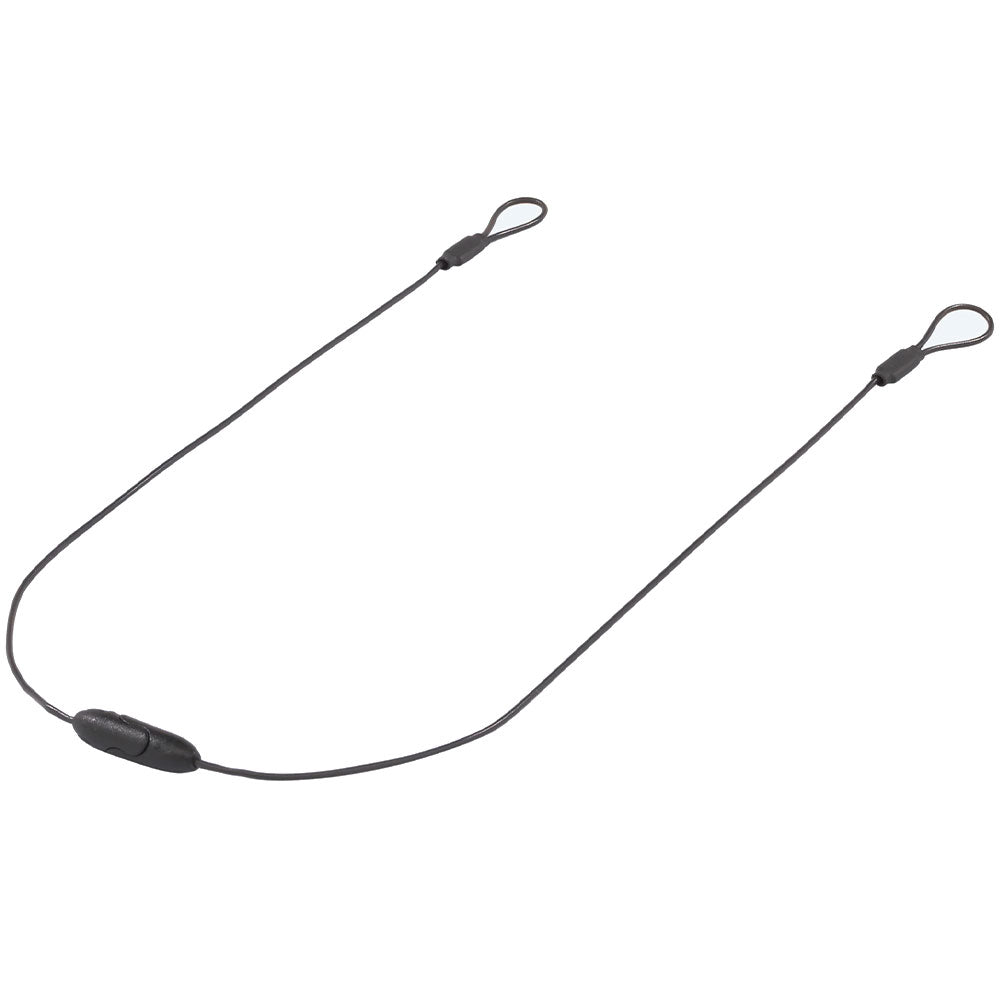
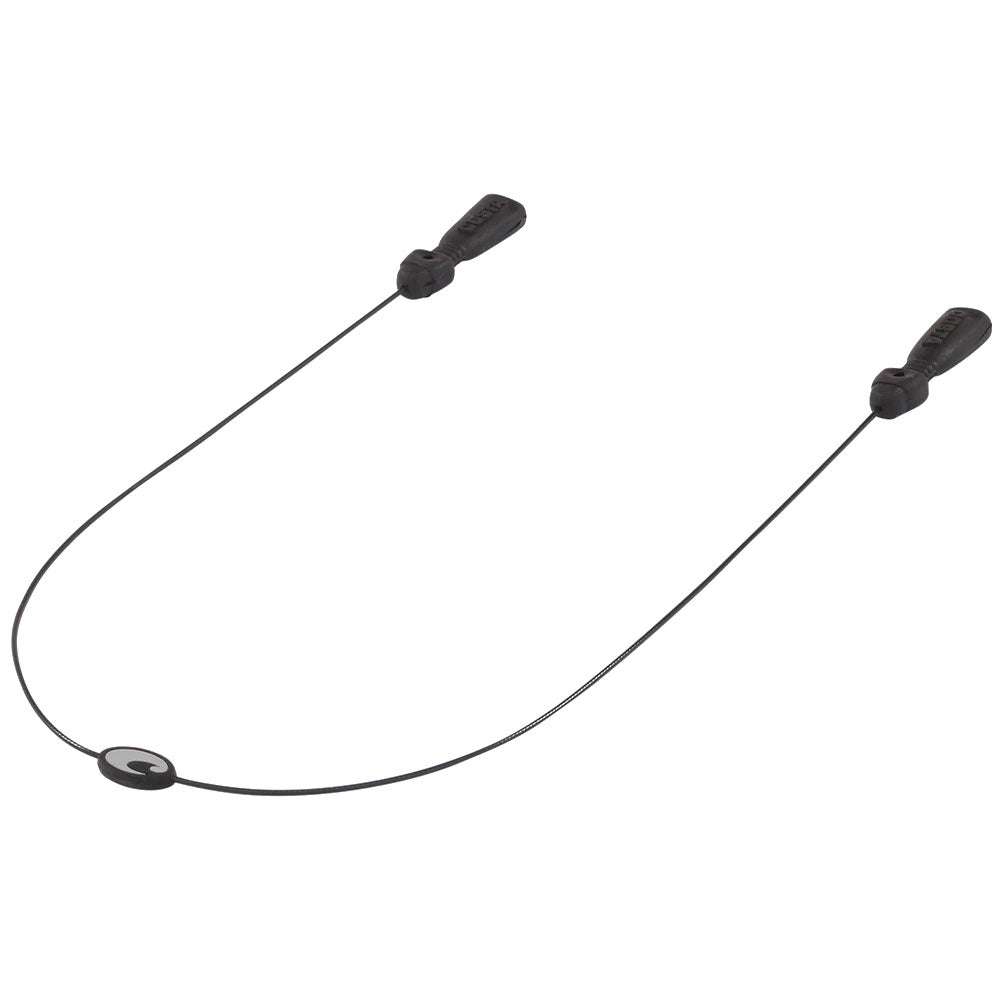
<p>Polarised glasses are an investment. To make sure yours don't end up at the bottom of the lake in the heat of the moment, it is worth thinking about a retaining cord. These are also available in floating versions, which means your glasses will stay on the surface even if they go overboard.</p>