









Ultralight Rods
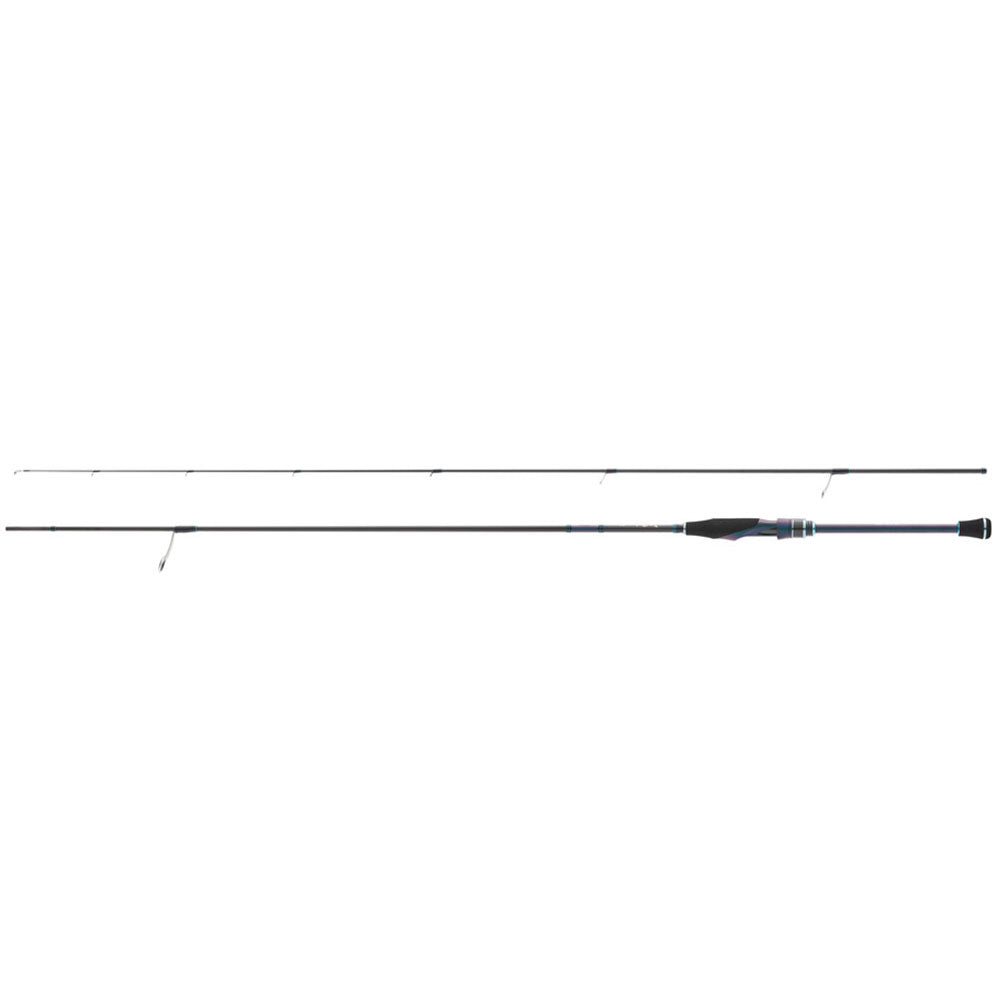
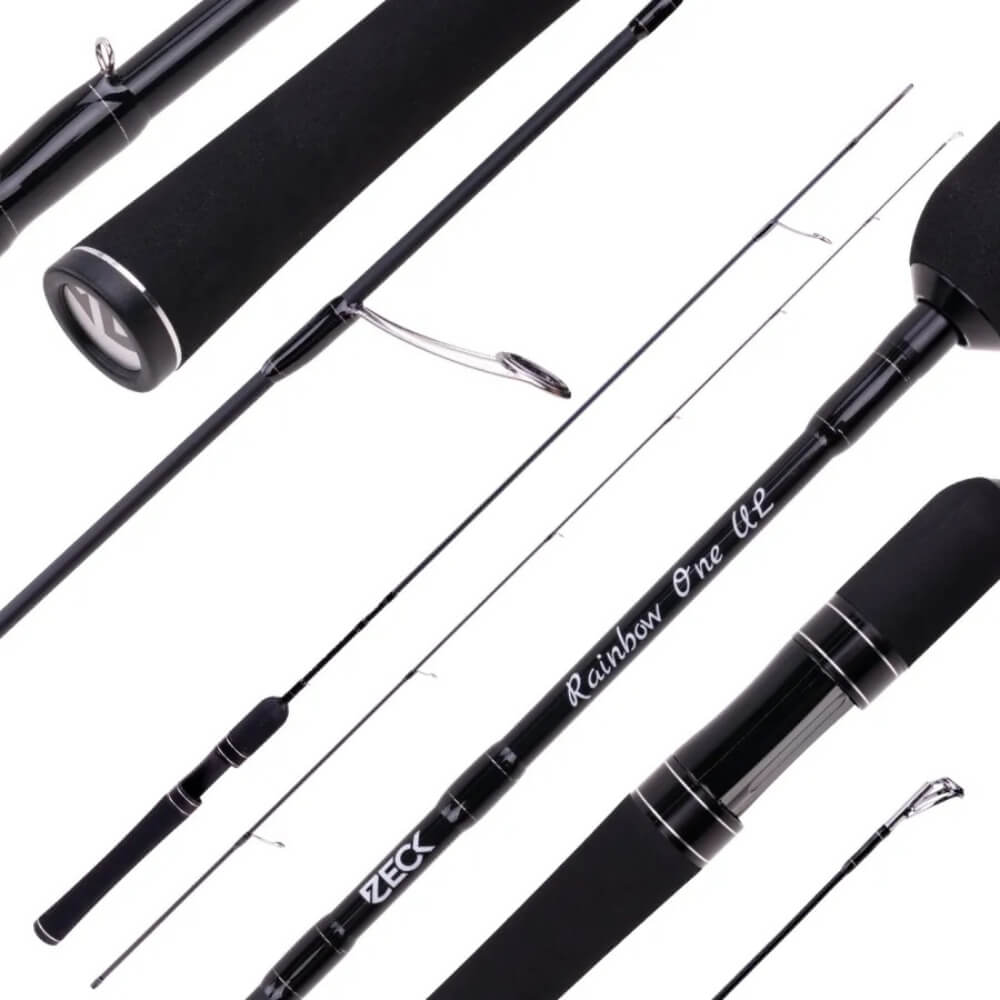
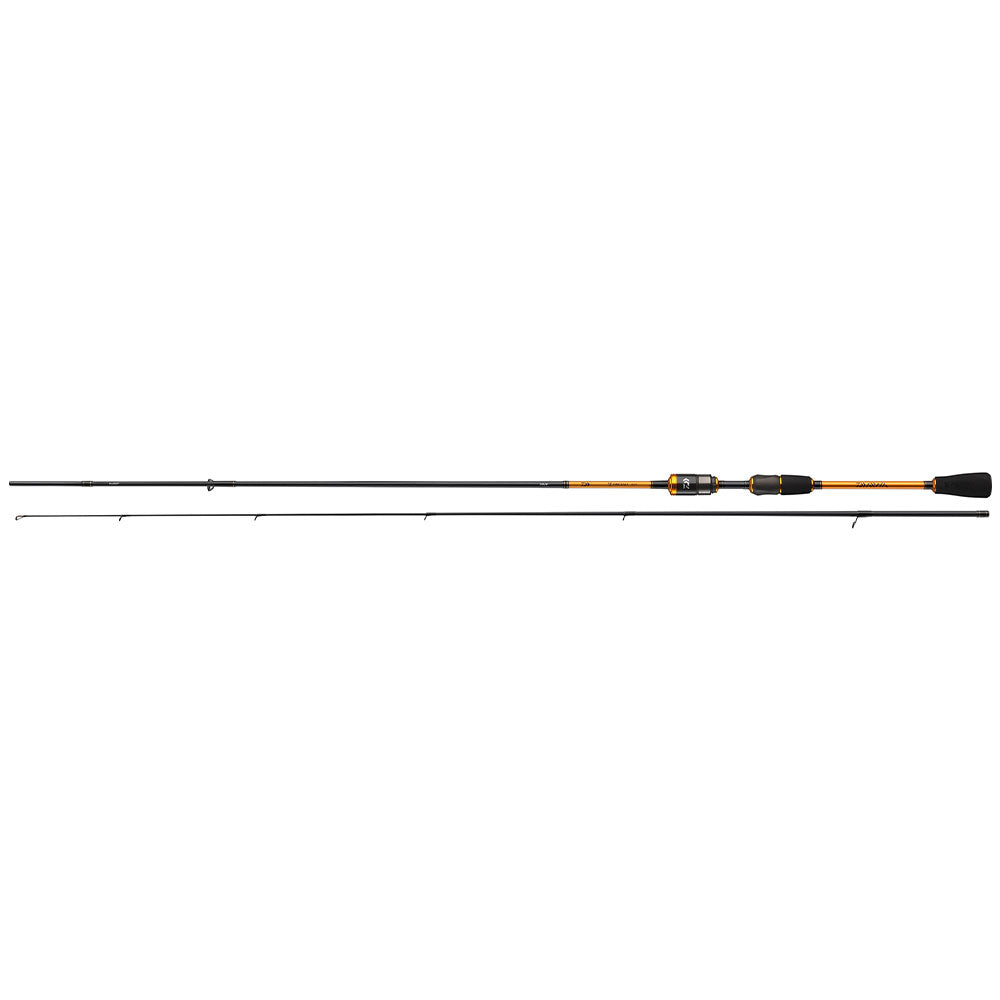
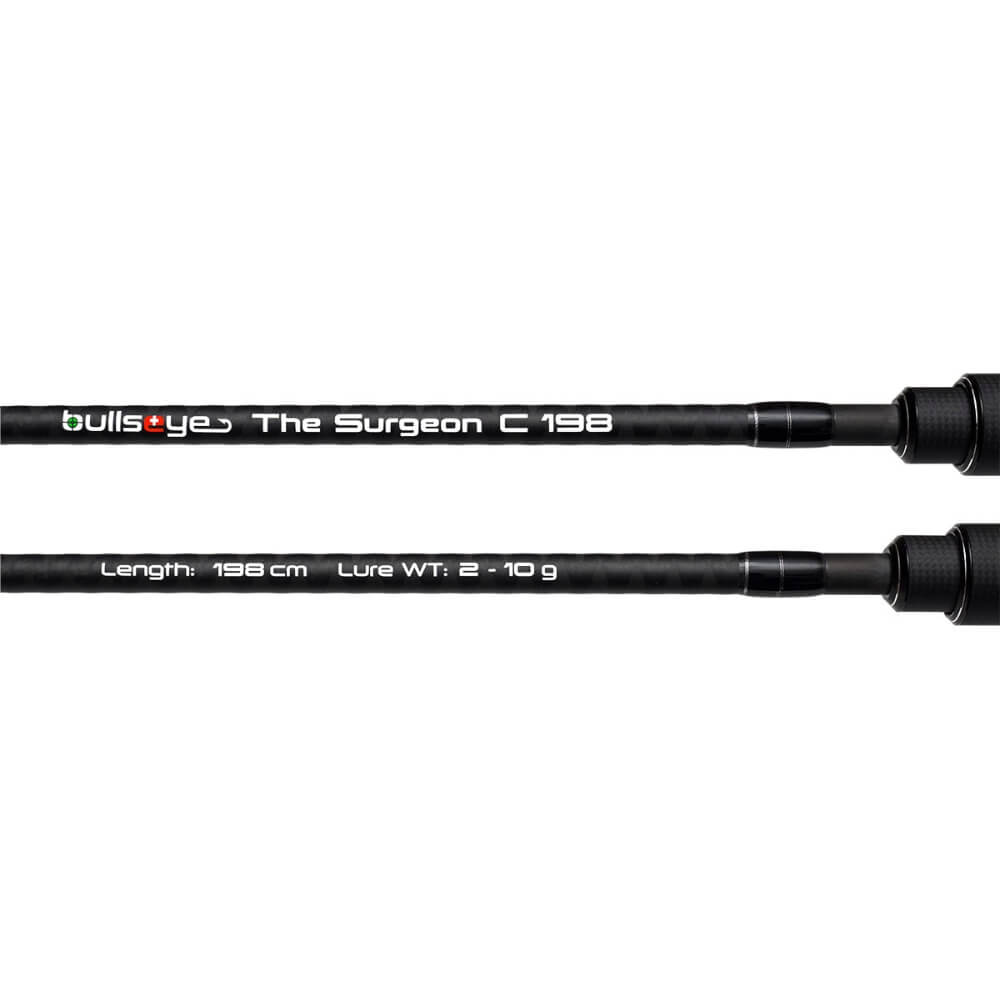
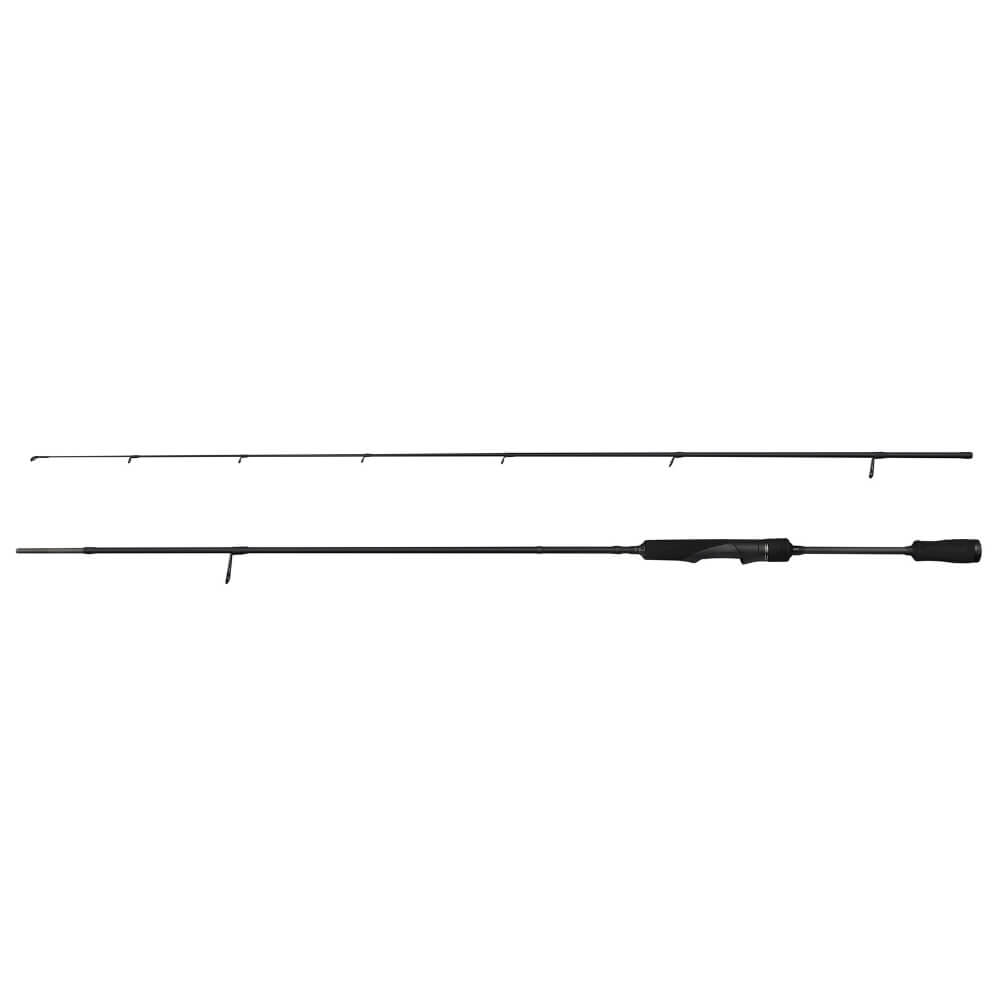
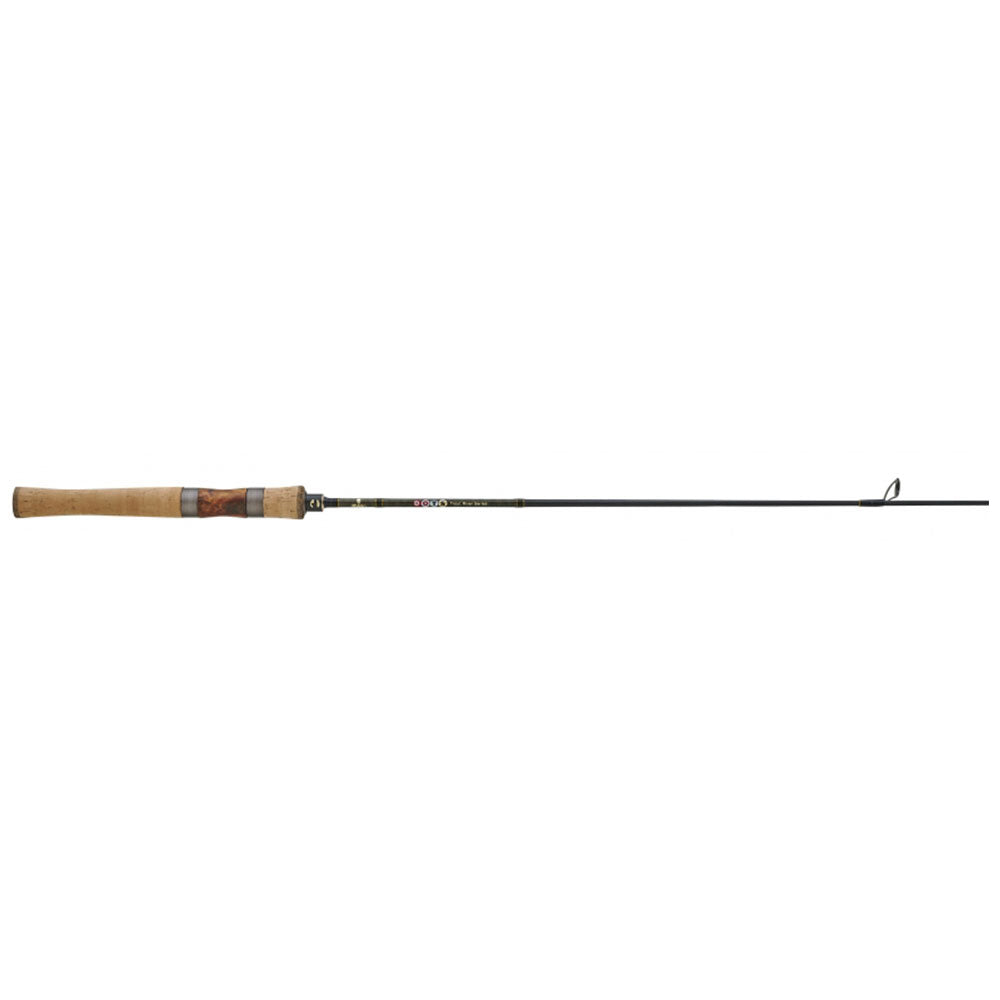
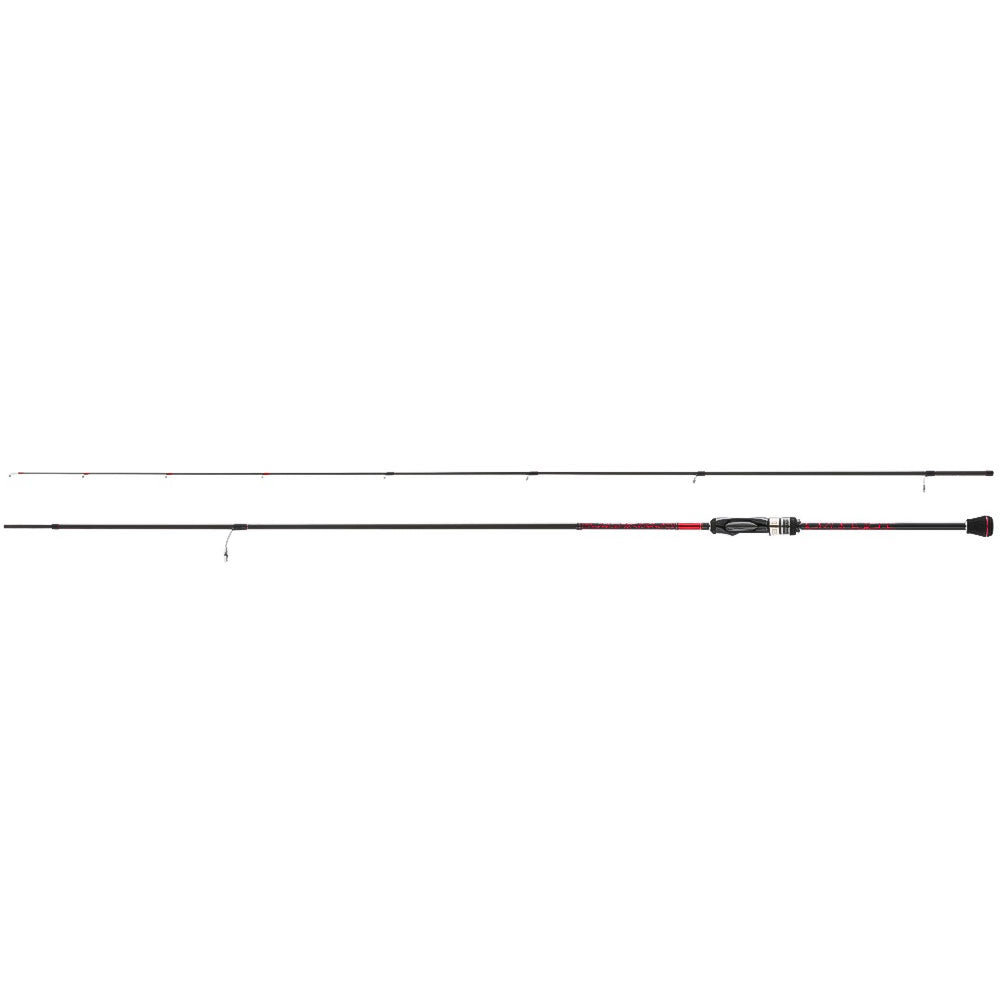
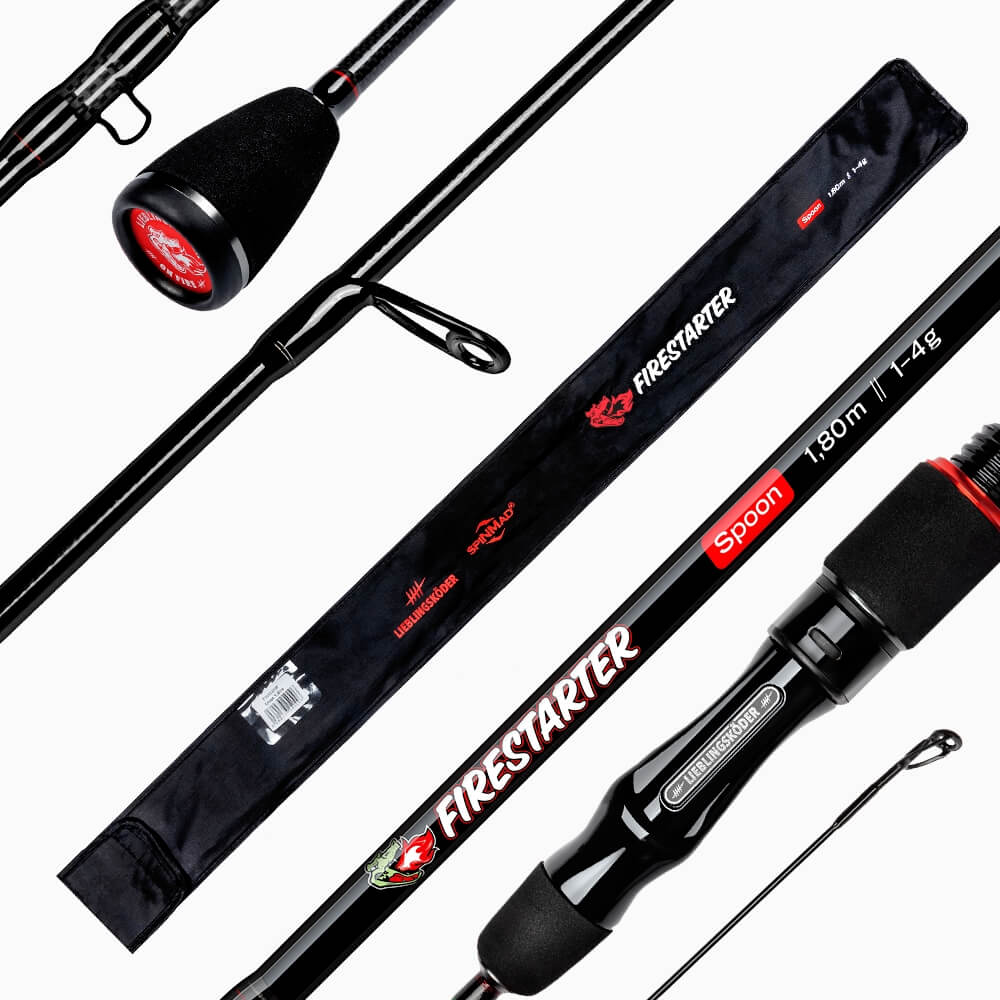
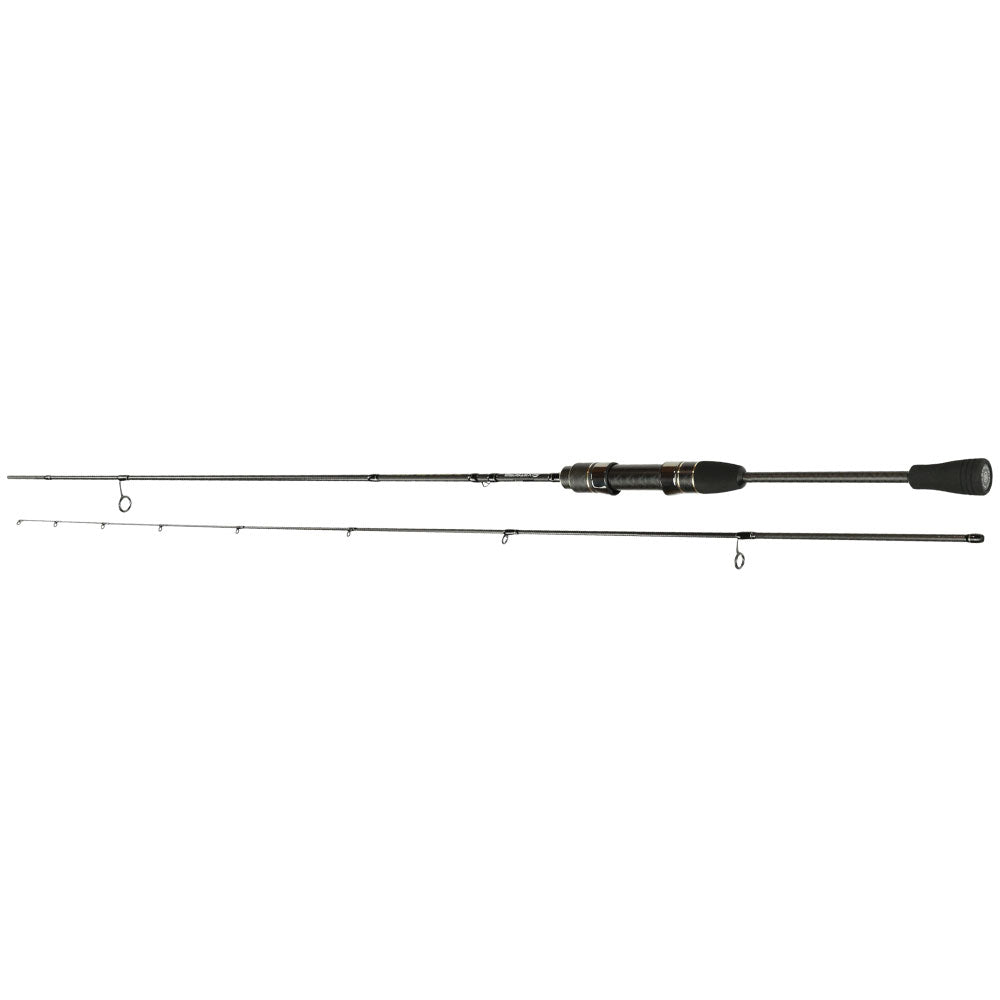
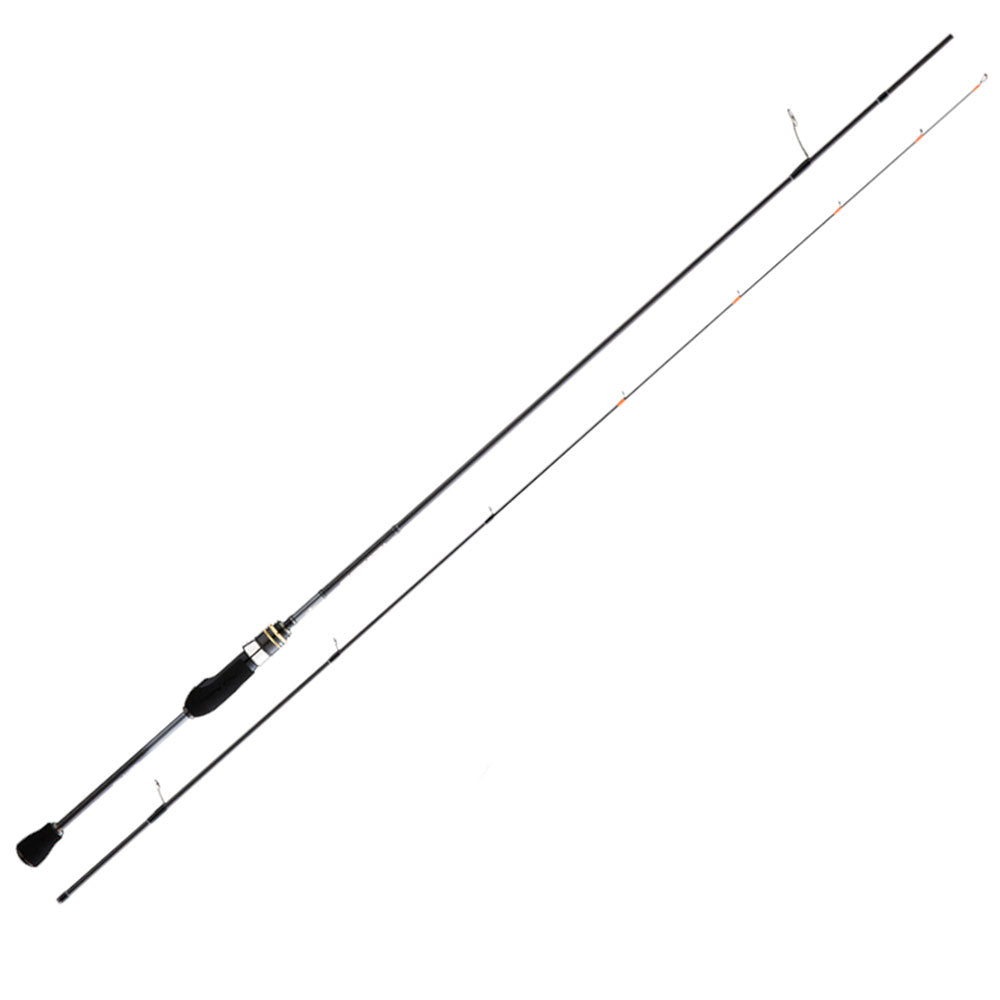
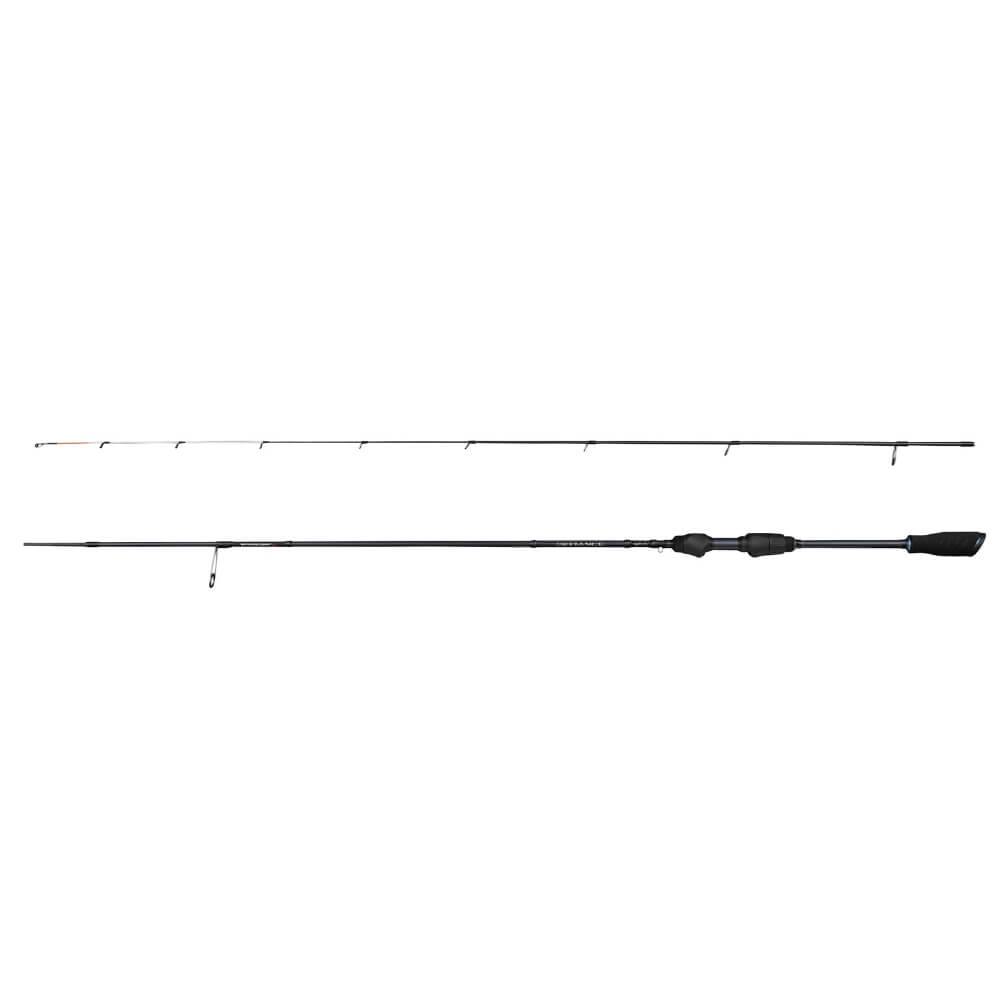
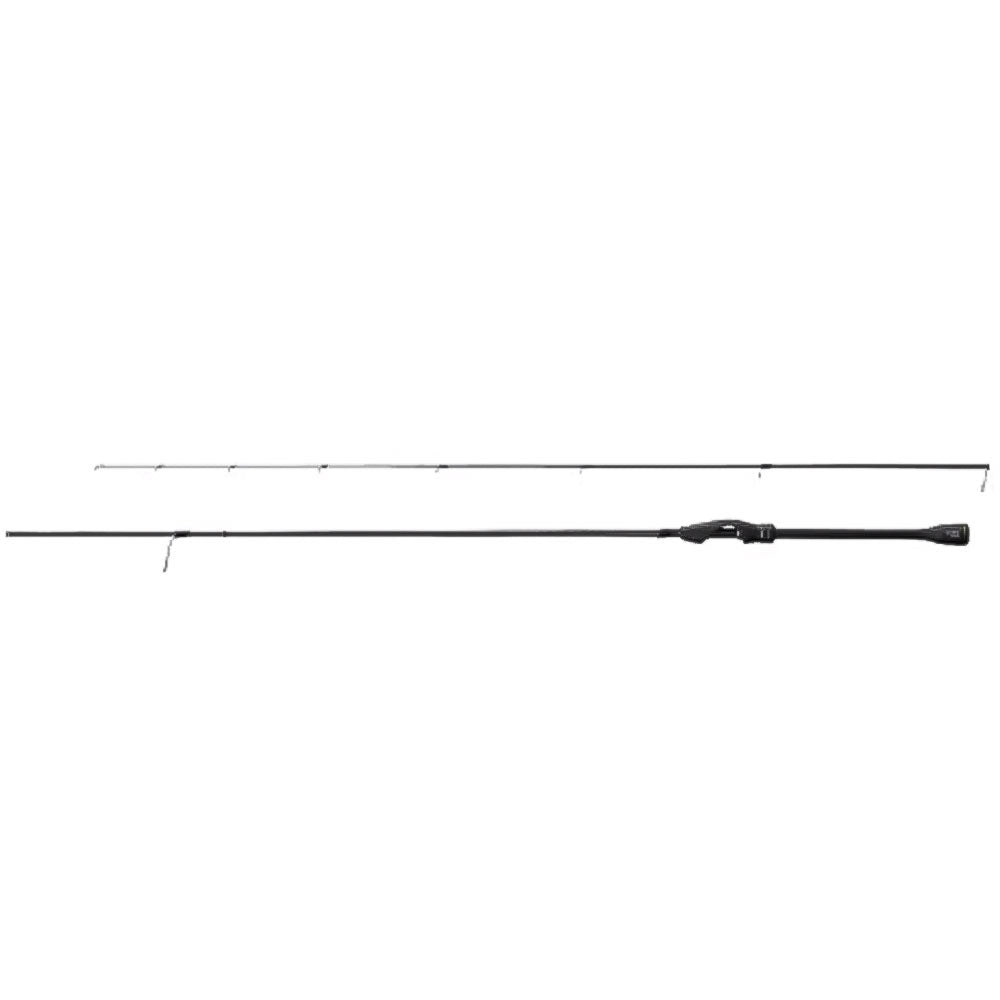
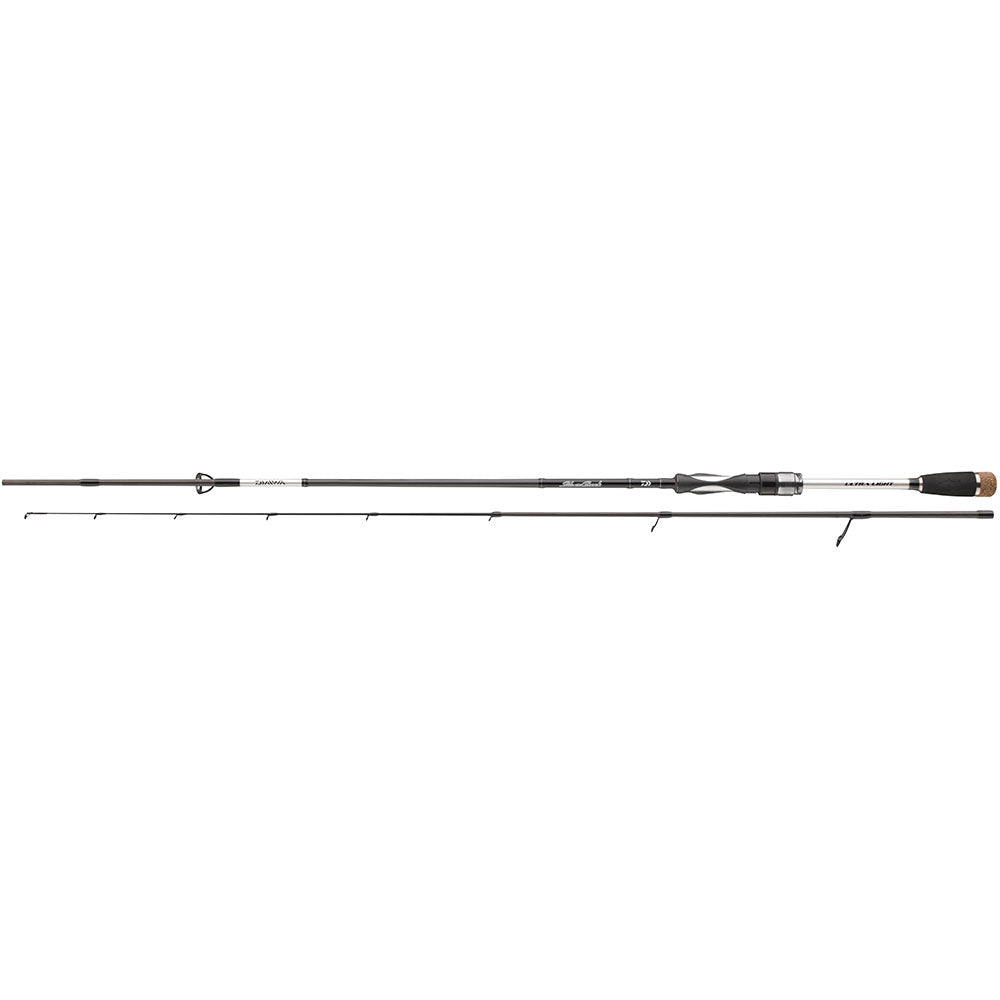
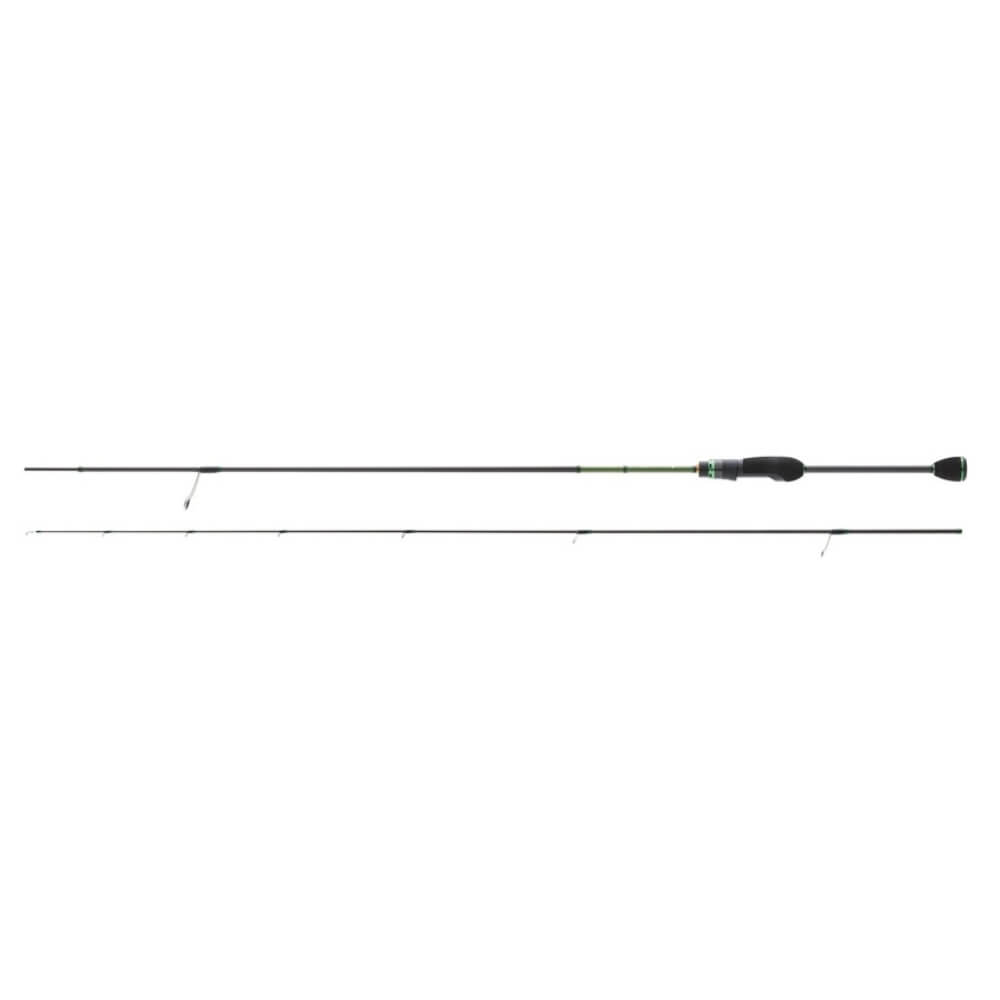
Here you'll find ultralight rods - rods developed specifically for fishing with very light lures. The casting weight of the UL rods tops out at 10-12 g and starts from as little as 1 g. Ideal for waters holding lots of small perch!


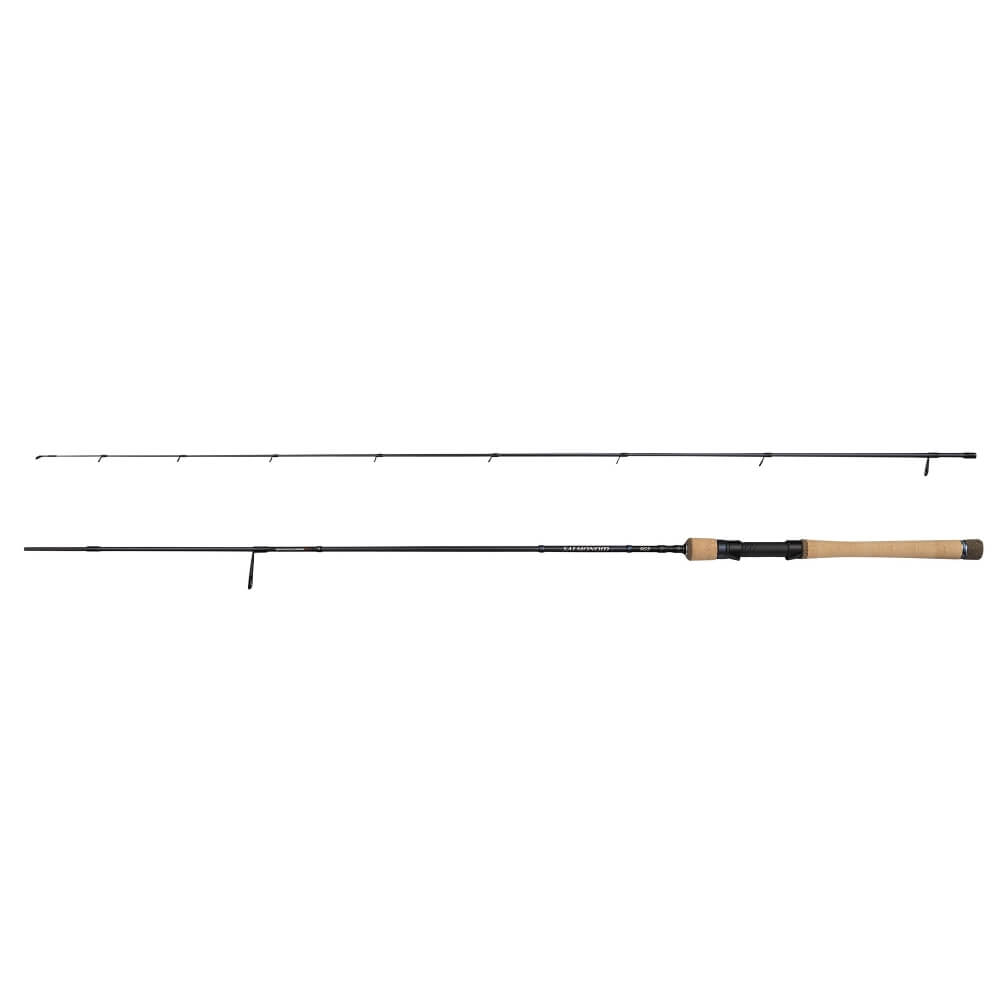
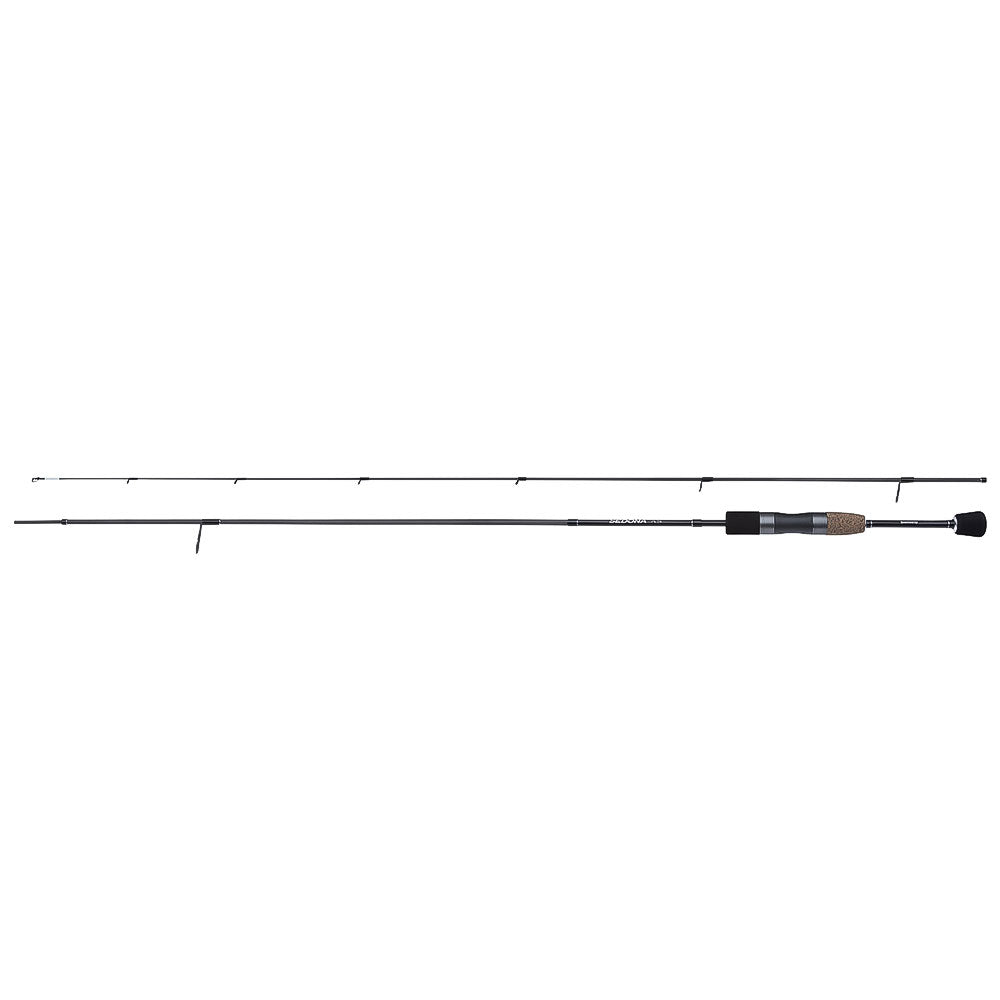


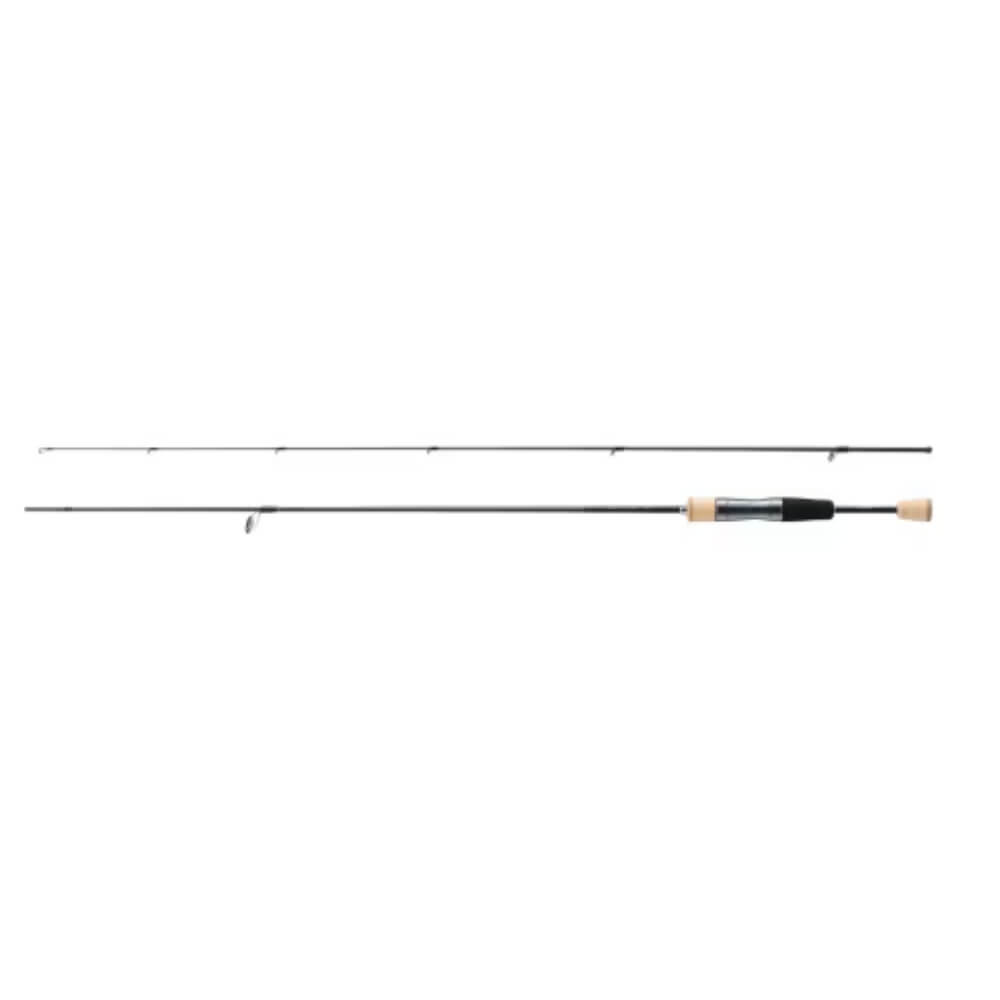












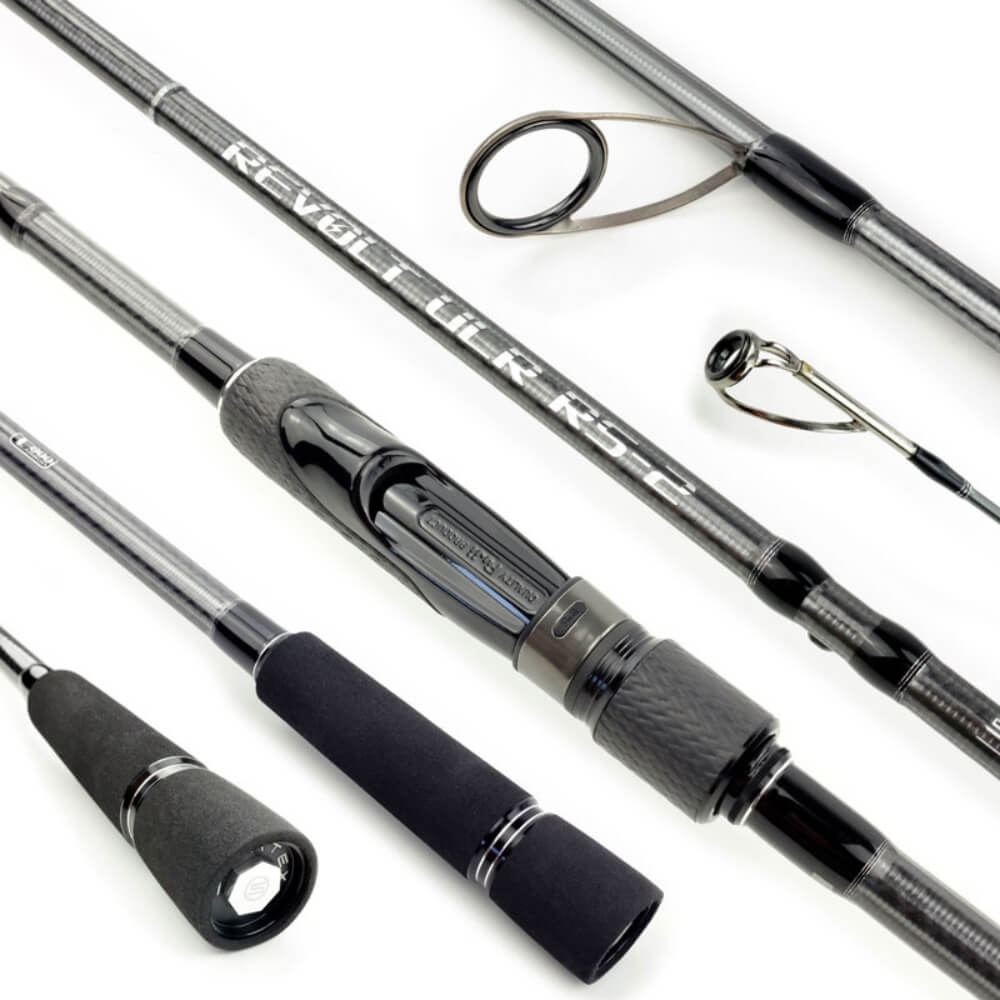




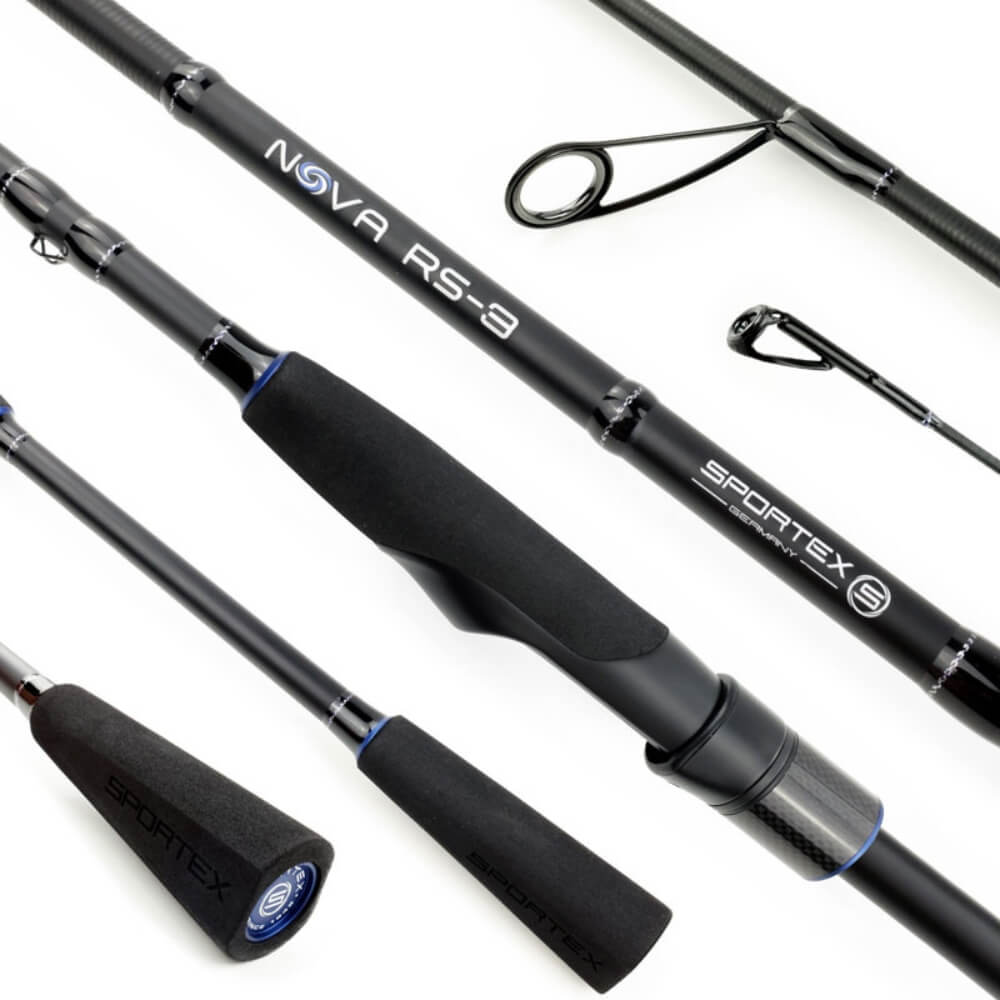



<h2>Buying Guide for Ultralight Rods</h2><p>Lure fishing is becoming more varied all the time, and the challenges keep shifting. Many anglers are still chasing the biggest fish they can find, while others have set themselves the goal of catching fish even in the most difficult conditions - or making the most of limited local opportunities with the lightest tackle possible.</p><p>Whether in fresh water or salt water, there is a growing trend towards <em>ultralight fishing</em> - using the lightest lures, the finest lines, the smallest reels and the most delicate rods to target surprisingly decent fish.</p><p>These ultralight rods need a number of specific properties to be genuinely useful on the water.</p><p>The sections below are intended to help you understand exactly what those properties are and what to look for when buying your first - or next - ultralight rod.</p><p><img src="https://cdn.shopify.com/s/files/1/0548/9197/0669/files/La-Moustique-by-LMAB-SpinnrqBBJNNOyDXsno.jpg" alt="La Moustiqe"></p><h3>Ultralight Rods in General</h3><p>The name gives it away. These rods are designed for use with the <strong>lightest lures</strong> in your box. Light jigs, mini plugs, weightless rigs and insect imitations in the 0.5 to 5 g range are what these slim sticks are built to cast.</p><p><img src="https://cdn.shopify.com/s/files/1/0548/9197/0669/files/Reins-Ring-Craw-Micro-1-5-M.jpg" alt="Micro Köder"></p><p>To cast and work such light lures effectively, an extremely fine tip is essential. Ultralight rods are often - though not always - fitted with a <em>solid tip</em>, meaning a fine tip section made from solid carbon fibre. The overall build of the rod should also be very slender, so that the fine lines these rods demand are not overstressed and so you can still feel those light lures working during the retrieve. At the same time, the rod must have enough backbone to handle bigger fish, because even large pike occasionally take a very small offering.</p><p>Modern ultralight rods weigh around - or even under - 100 g and are very well balanced.</p><h2>The Right Length for Your Ultralight Rod</h2><p>Given the lure weights involved, nobody expects these rods to be long-range weapons. They should therefore be kept relatively short, because excessive length dulls both lure feel and bite detection. The length of your UL rod should fall between 180 and a maximum of 220 cm, with rods between 190 and 210 cm being the most common choice.</p><h2>The Guides</h2><p>On ultralight rods, the guides are a particularly important consideration. Rods with a tip action need more guides towards the tip to support the fine movements of the blank properly. At the same time, the rod should be as light as possible, and the solution here is a set of very small, lightweight guides that save every gram they can.</p><p>Guide frames in titanium and stainless steel, combined with inserts in SIC, SIN, zirconium and Alconite, provide the reliability and performance you need. The best option is the especially light titanium-framed guide with a SIC insert, which in small sizes adds only a few grams to the entire guide set while being completely corrosion-resistant - so the rod can be used in salt water without any concern.</p><p>Tangle-free guides are also a real advantage on ultralight rods. You will recognise them by designations such as <em>Anti-Tangle Guides</em>, CC, Coil-Control, K-Guides or KR-Guides. They prevent wind knots on the cast and can in some cases also protect against a break-off during an unexpected run.</p><h2>Rod Action</h2><p>Most UL rods have a tip action, which is almost unavoidable given the lure weights involved. The tip <strong>must</strong> be extremely sensitive. At the same time, the rod needs enough backbone to handle a <strong>monster perch</strong> or a heavy <strong>trout</strong> in the current with confidence.<br>Where a solid carbon tip is fitted, the action tends to be even more tip-focused than on a tubular tip, which retains a hollow section at the very end.</p><p>Whether you opt for a solid-tip or a tubular-tip rod comes down largely to personal preference.</p><p>Solid tips are generally slightly better suited to the very lightest <strong>soft lures</strong>, while tubular tips offer a more balanced action overall and handle small plugs a little more effectively.</p><h2>The Blank</h2><p>The trend is moving steadily towards the lightest possible rods built from the highest-modulus carbon fibre with the lowest possible resin content.<br>This is especially relevant for ultralight rods, where the aim is maximum stability at minimum weight.<br>It is now possible to build rods that weigh under 100 g at two metres in length and recover extremely quickly after the cast. This improves bite detection markedly and at the same time makes fishing much more enjoyable while giving you confidence during the fight.</p><p><img src="https://cdn.shopify.com/s/files/1/0548/9197/0669/files/blue-bird-reiseruteUWIJbcYY.jpg" alt="Bluebird UL Rute"></p><p>While the blank snaps back to its starting position quickly without prolonged oscillation - which would significantly reduce casting distance at these lure weights - it displays a very even curve under load during the fight. This protects fine braided lines effectively from overstress and also guards against small hooks tearing out. Even so, a modern UL rod is more than capable of handling a metre-long pike if the situation calls for it.</p><h2>The Reel Seat</h2><p>Above all, the reel seat should be light and allow unobstructed contact with the blank. Lure feel is already challenging in the ultralight range, given crosswinds and minimal lure weight, and a bulky reel seat only makes that harder.</p><p>It is important that the reel seat holds fixed spool reels in sizes 1000 to 2500 securely. The foregrip, if one is fitted at all, should be kept very small. The ideal reel seat leaves the blank exposed in the middle, allowing every signal from the lure to reach your hand without interference.</p><p style="text-align: center;"><iframe frameborder="0" src="https://www.youtube.com/embed/M9vB3h5rfP0" width="560" height="315" allowfullscreen=""></iframe></p>