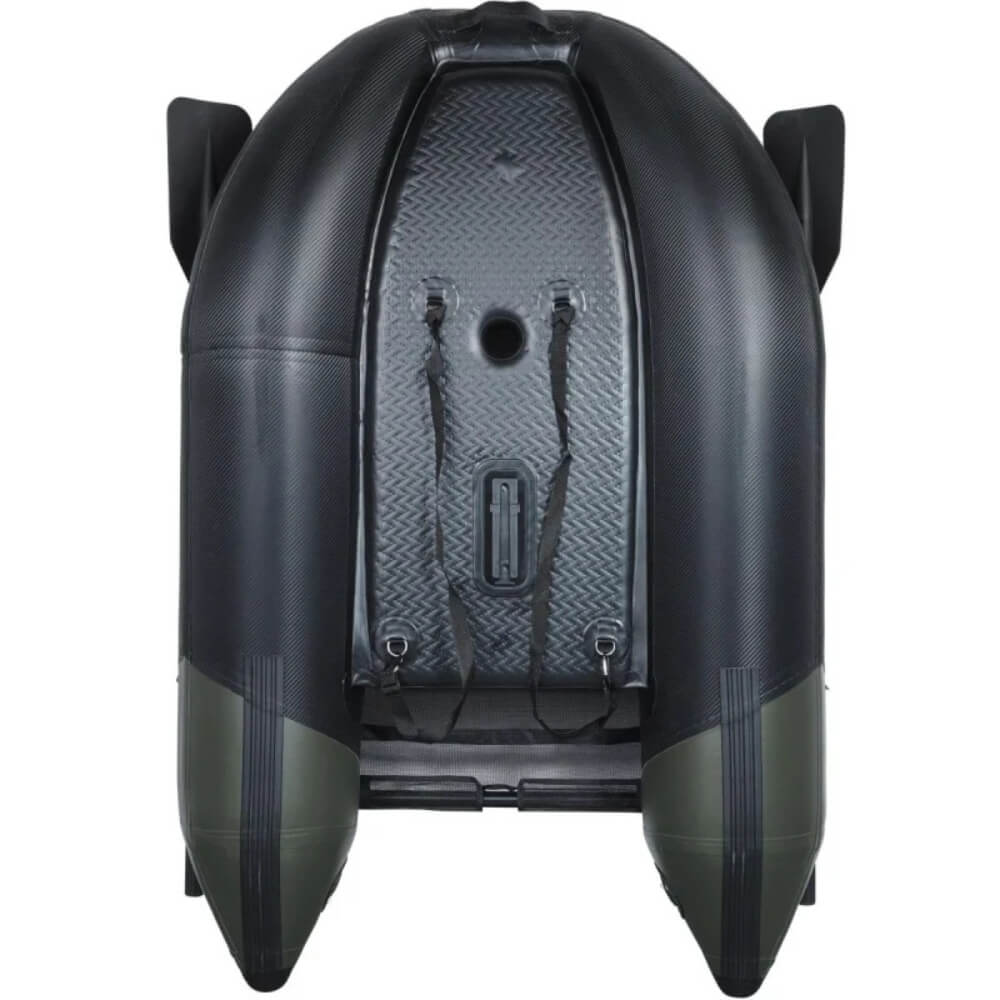
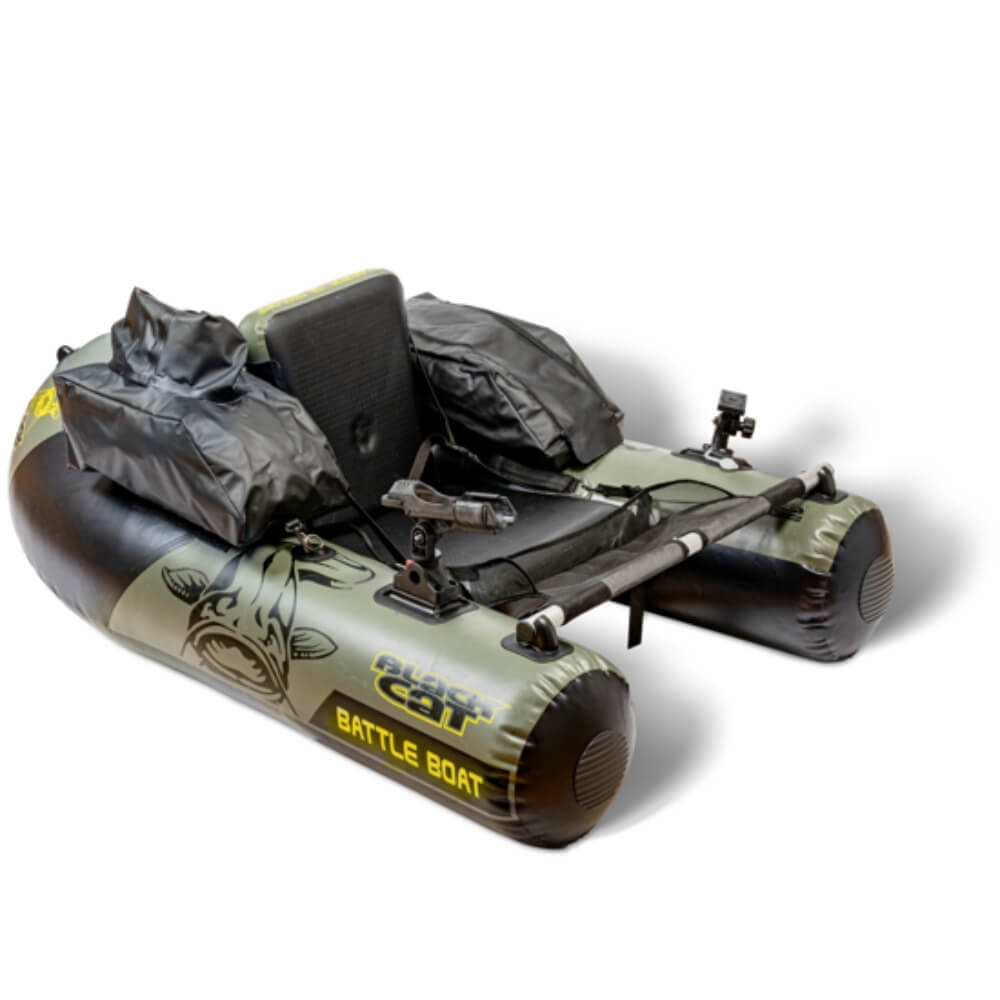
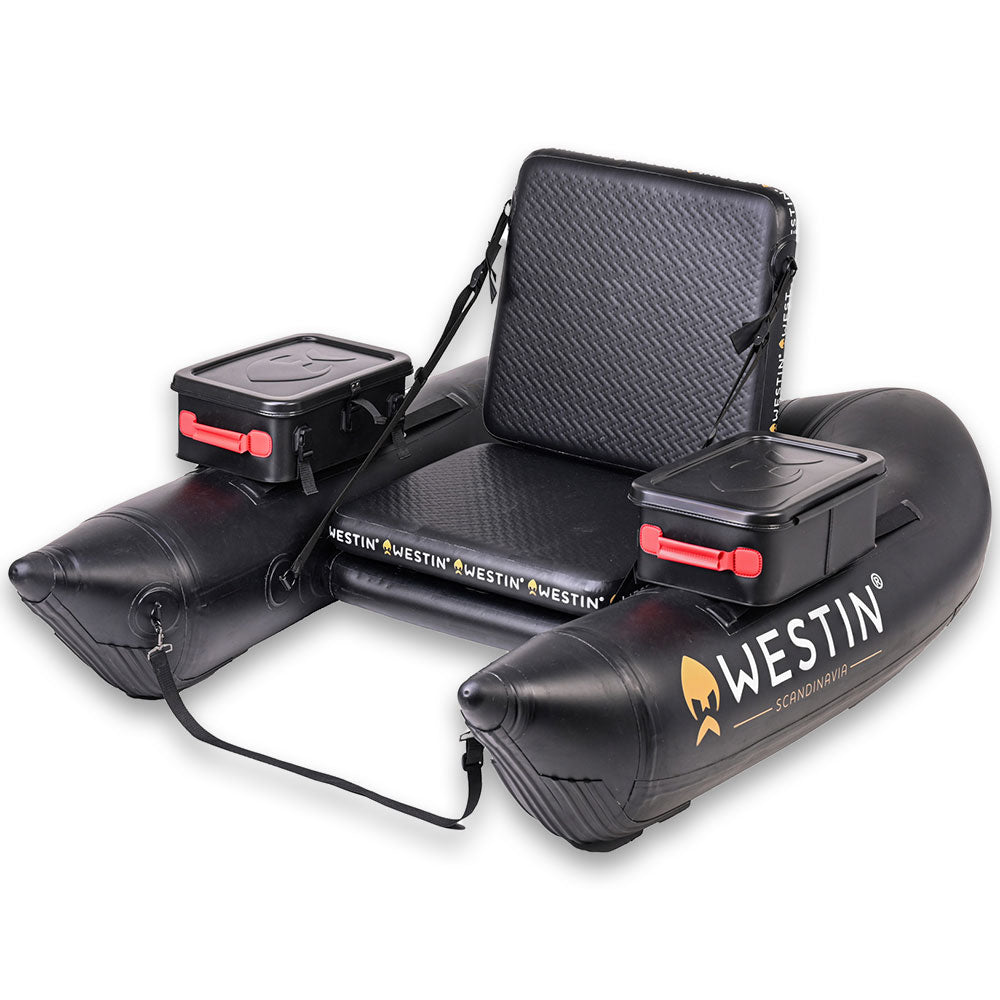
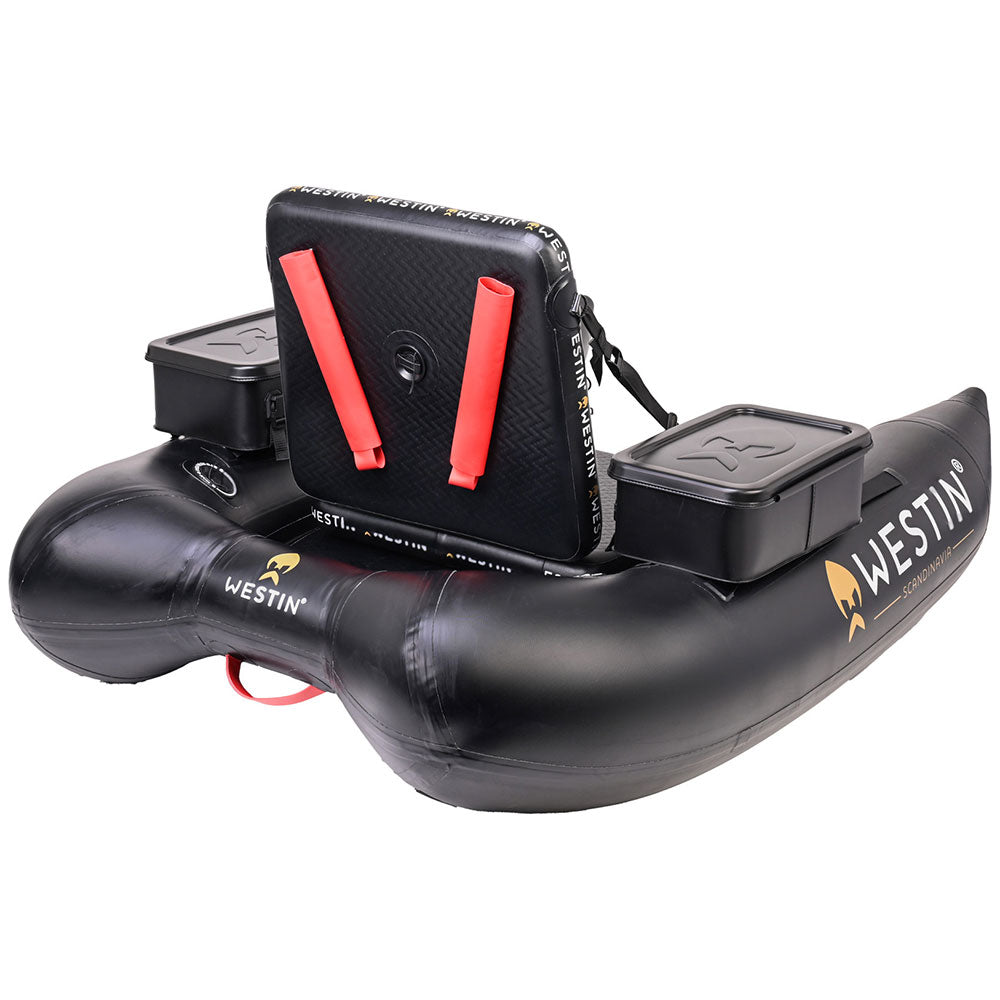
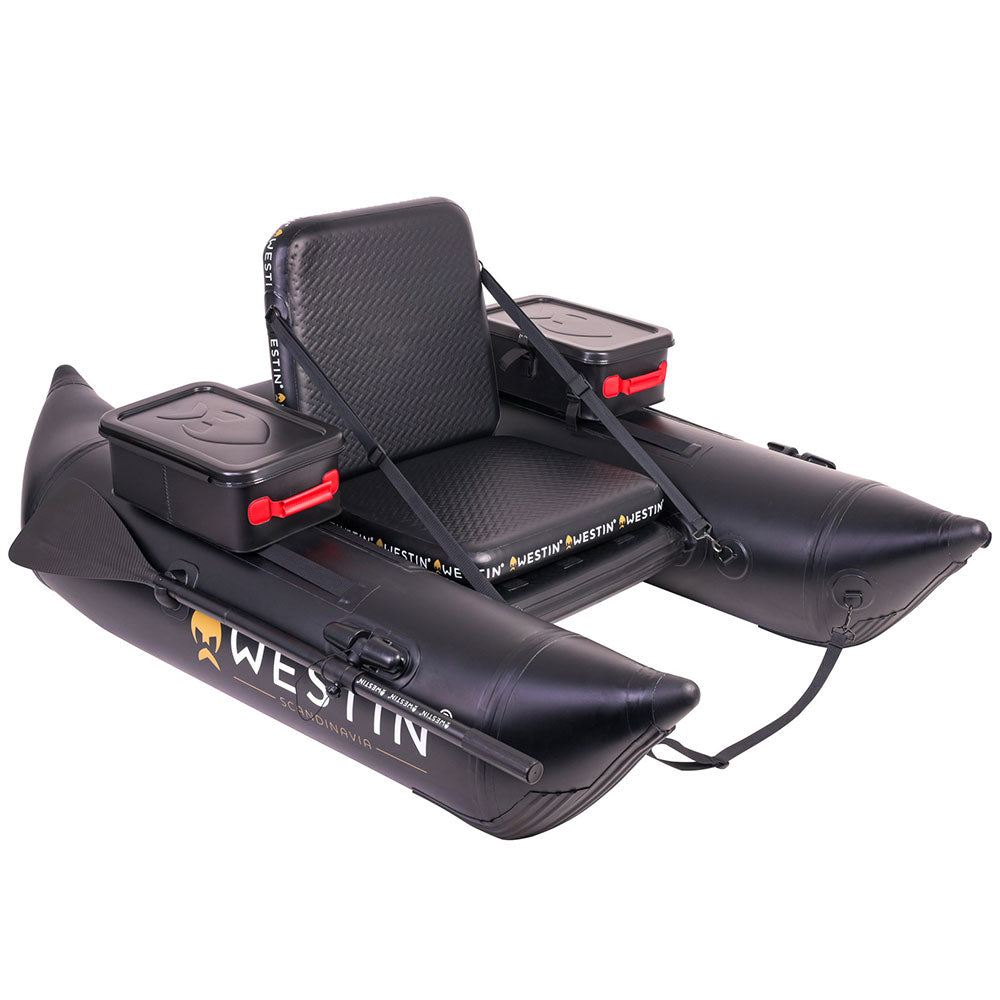
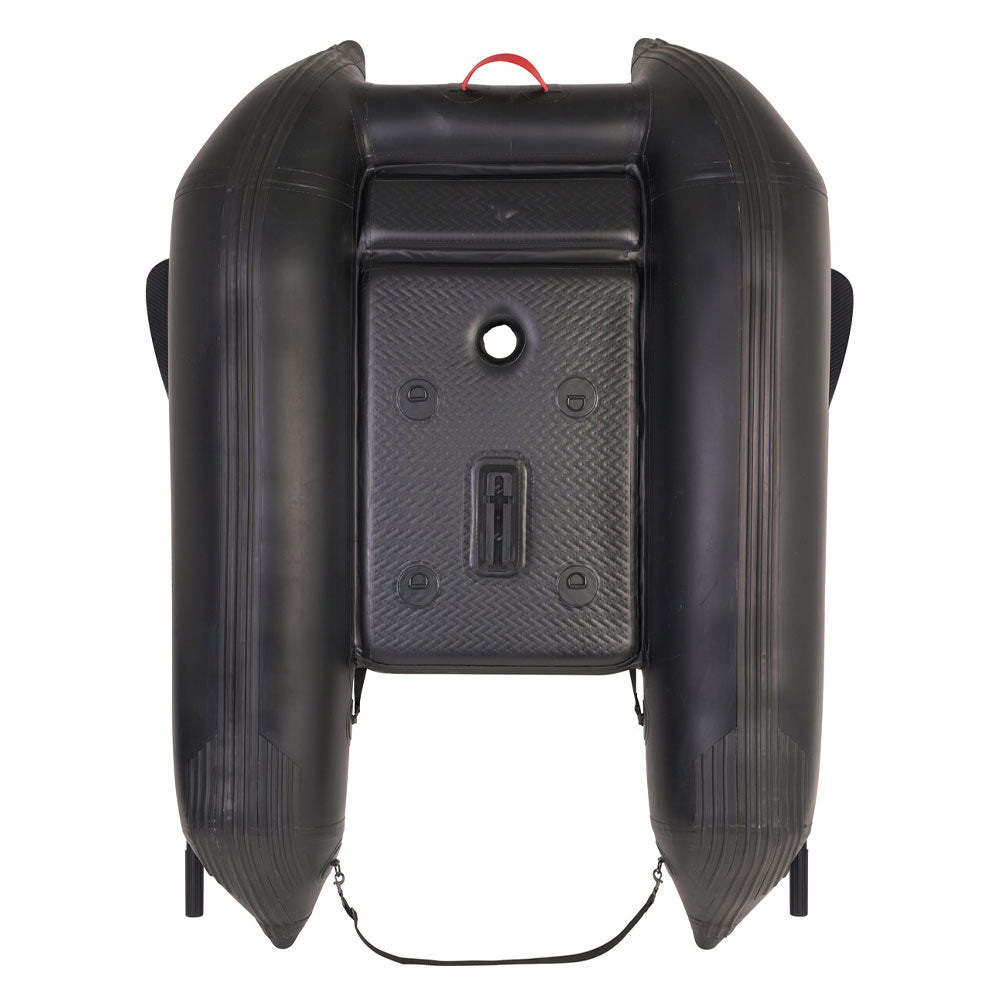
<h2>Buying Guide for Float Tubes</h2><p>Many waters are large, and as a bank angler your options are often very limited. When much of the bank is also densely overgrown, a lot of the best spots become simply unreachable. Not everyone can afford a boat, and getting a kayak to the water in a small car is no easy task. The answer is a float tube.</p><p>These practical craft are easy to transport, straightforward to set up, and light - and where permitted, they take you straight to the fish. No hotspot on the water is off limits, and your chances of getting among the predators increase considerably. You can even reach big predators holding out in open water.</p><p>But what should you look for when buying a float tube? Read through the sections below; they will give you a solid basis for your decision.</p><h3>The Right Shape</h3><p>Float tubes come in several shapes:</p><ul><li>Round</li><li>U-shaped</li><li>V-shaped</li><li>Pontoon boats built like a catamaran</li></ul><p><em>Round and U-shaped boats</em> are rarely offered any more, and for good reason. Round designs are not stable enough to resist tipping, are difficult to steer, and getting into one is something of an acrobatic exercise. U-shaped designs also track poorly and have high water resistance.</p><p><em>Pontoon boats</em> usually come with rigid floats. They are very safe and have low water resistance, but they are susceptible to wind and can be awkward to transport.</p><p>The most widespread and recommended shape is the <em>V-form</em> float tube. It combines relatively low water resistance with good stability, which means you can cover greater distances and carry a decent amount of kit. V-shaped tubes also track reasonably well and manoeuvre easily.</p><h3>The Right Material</h3><p>There are two main construction types for float tube skins. Some models have an outer shell made from Cordura material, inside which the actual air bladders sit to provide buoyancy. These inner chambers are made from PU and are airtight, but less resistant to damage on their own.</p><p>That protection is provided by the Cordura outer shell. 600 or 1000 Cordura material - the higher the number, the more durable the material - is highly tear-resistant, abrasion-resistant and light, giving your tube a robust buoyancy shell. However, the woven structure of Cordura creates slightly more water resistance, making it marginally harder to paddle.</p><p>The second option is a float tube made from <em>inflatable boat material</em>. These have no separate outer shell, as the material itself is both airtight and highly durable. Water resistance is very low and cleaning is easier than with two-layer designs.</p><p>A further advantage of <em>inflatable-boat-style</em> float tubes is that accessories such as fish finder mounts and rod holders can be vulcanised directly onto the material - essentially bonded on permanently - making it easy to customise the tube to your own requirements. Both material types are relatively resistant to hooks, though you should always take reasonable care.</p><h3>Buoyancy</h3><p>Float tubes have different maximum load ratings. As a general rule, more is better. Tubes with higher buoyancy do tend to cost more across the board, so it is worth thinking honestly about your own needs.</p><p>If you are on the lighter side and do not plan to carry a great deal of kit, a tube with a lower load rating may serve you well enough. If you already weigh 100 kg and want to head out with a fish finder, a battery, a 5 kg anchor and additional accessories, you will need a tube with a high load capacity - not least for your own safety.</p><h3>The Build</h3><p>When choosing your float tube, think about what you intend to do with it. Fly fishers should look for the lowest possible profile, as a higher structure will catch the line. If you are less mobile or simply want to cover a lot of water, look for a tube that can take additional oars. These provide extra security on large waters when your legs begin to tire.</p><p>That said, oars can get in the way when fly fishing, as loose line has a habit of catching on them. Oars are not without their drawbacks, so it is worth thinking this through before you buy.</p><h3>The Seat</h3><p>Seats come in different designs:</p><ul><li>Inflatable</li><li>Foam</li><li>Mesh</li></ul><p>Foam seats and inflatable seats both provide additional buoyancy, though inflatable seats are generally more comfortable. Note that seat position varies from model to model. A higher seat position is clearly preferable, as it lifts you further out of the water - which makes a significant difference to warmth, especially in winter. The fin stroke angle also becomes more comfortable.</p><h3>Storage Space and Accessories</h3><p>Every float tube includes some storage for lure boxes, food and an anchor, though on some models space can be tight while others leave you wondering whether you could almost bring a fishing mate along. There is often plenty of room behind the seat, though bear in mind it is not always easy to reach. The side pockets should therefore offer enough space for lures and similar items.</p><p>Finally, it is always worth looking at the optional accessories available. Does the manufacturer offer rod holders and additional mounts? Can an electric motor be fitted? For some anglers that is irrelevant; for others it can be the deciding factor.</p>