









Offset Hooks
Offset hooks are the most popular choice for fishing weedless and snag-free. Thanks to the oversized hook bend, you can rig them in most soft plastics so the point only emerges on the strike.


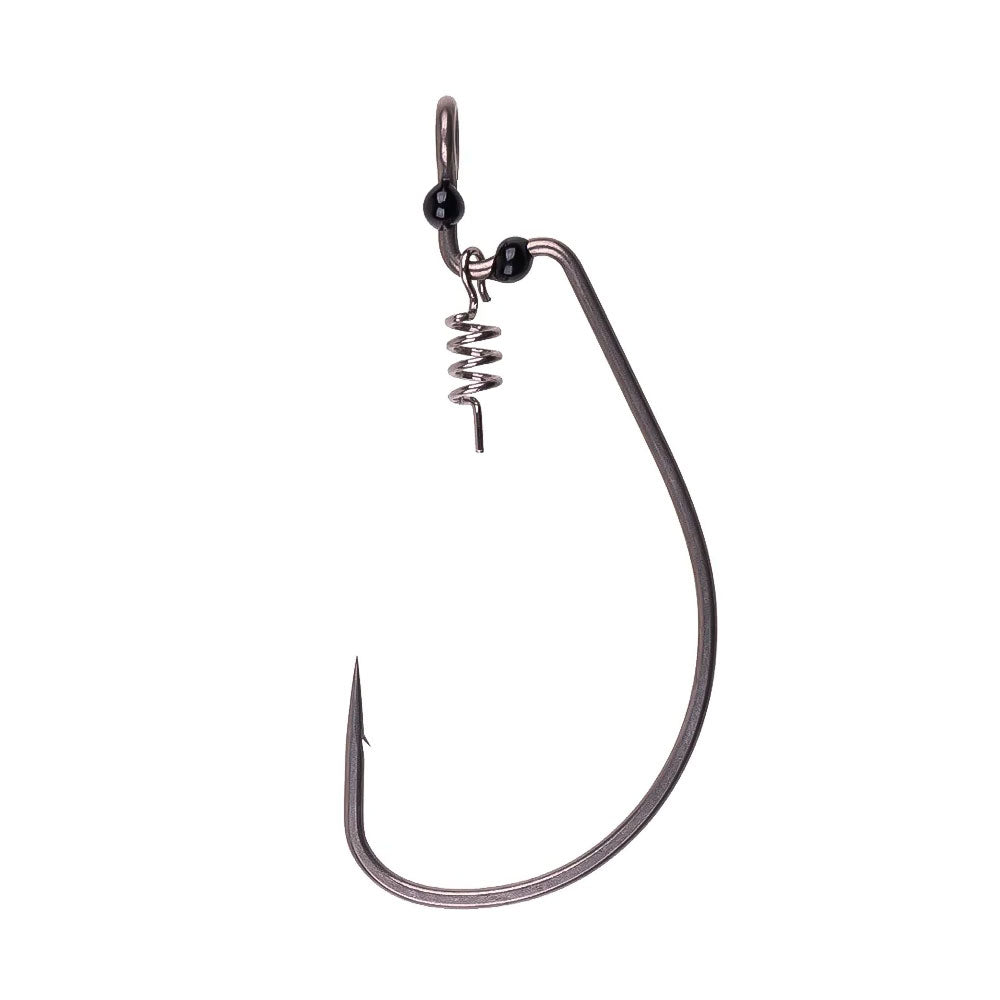

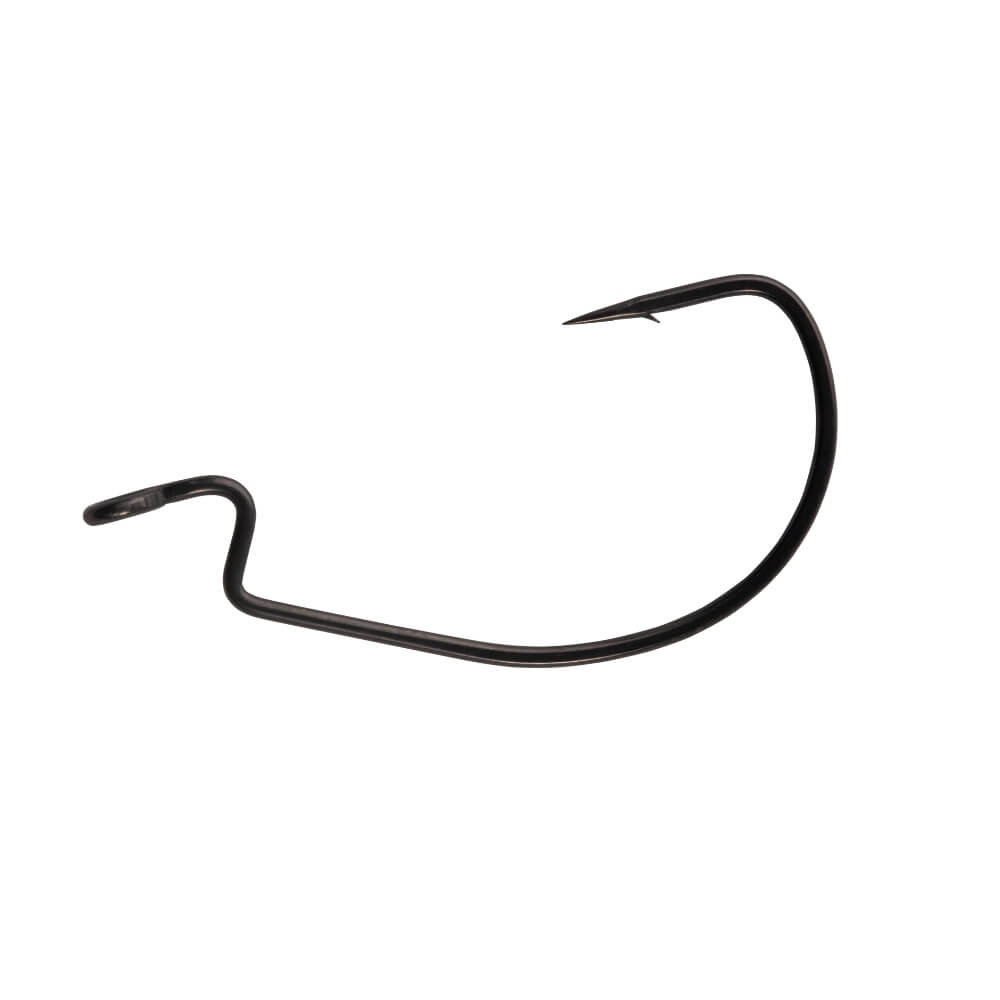


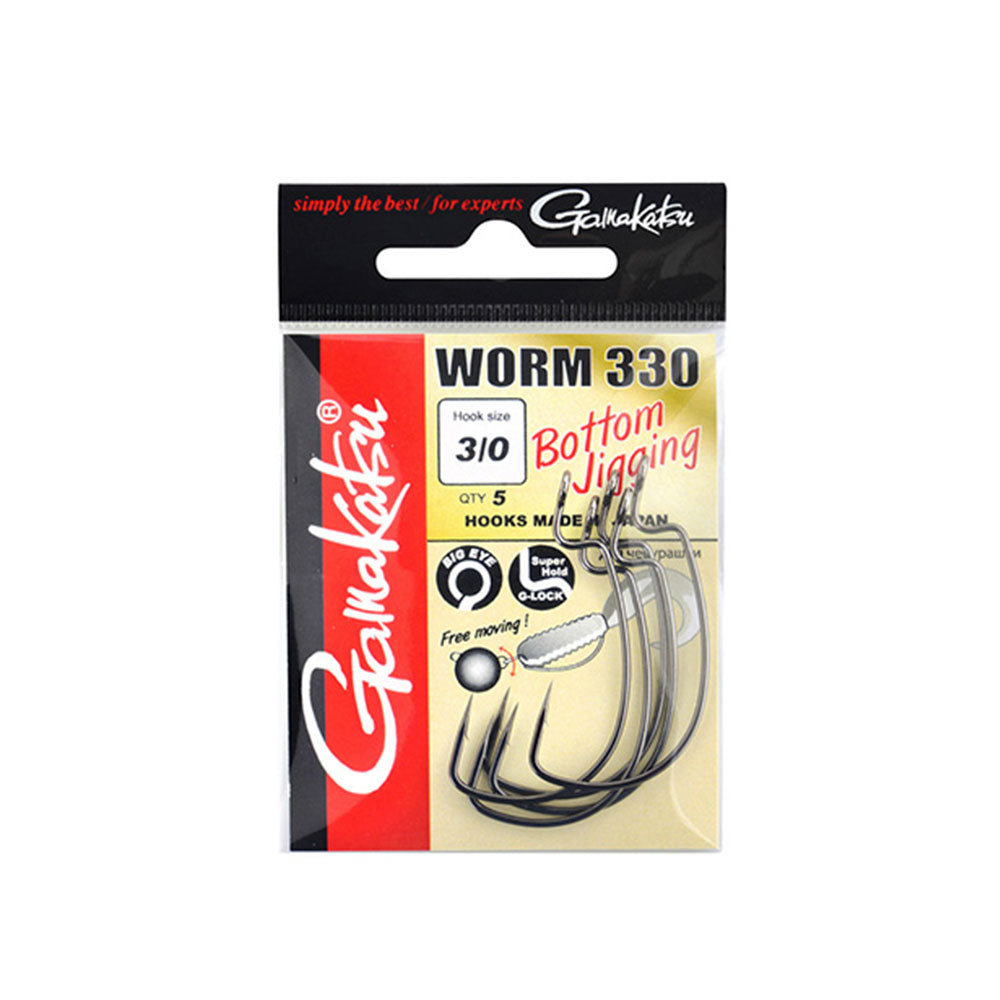

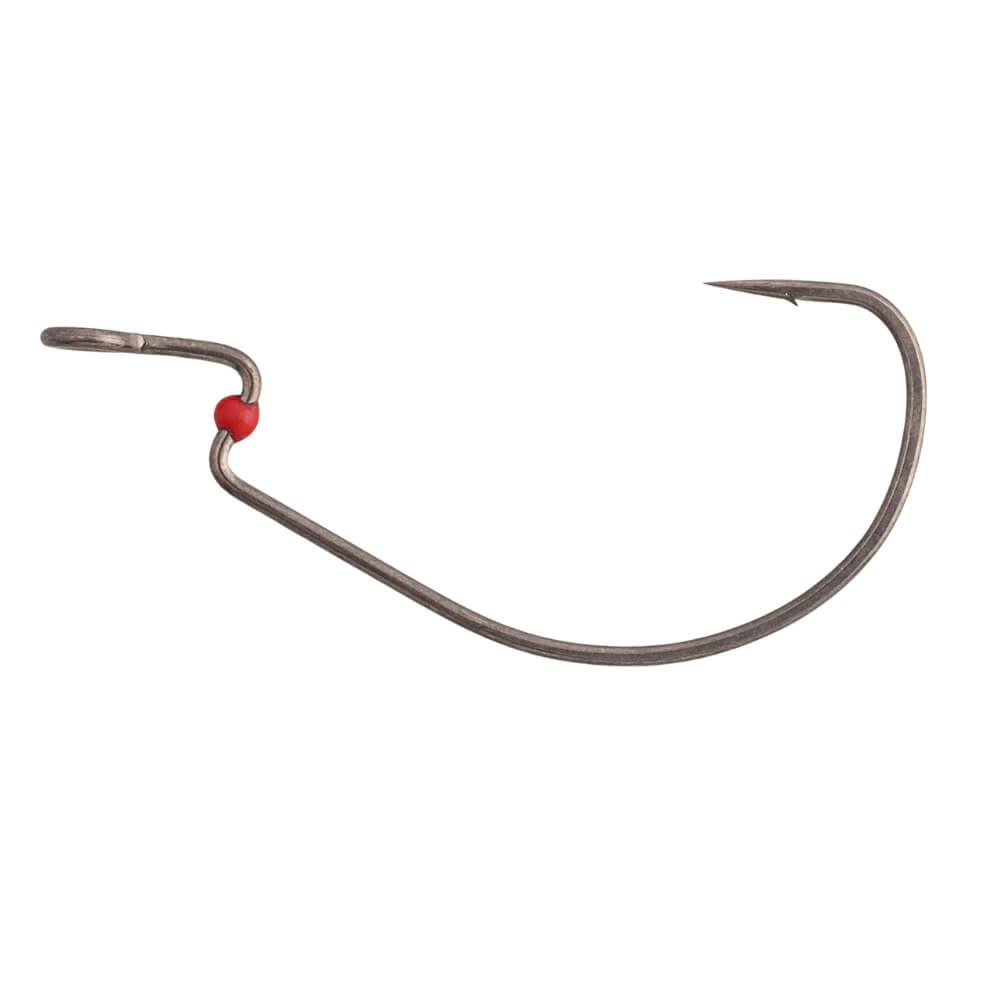


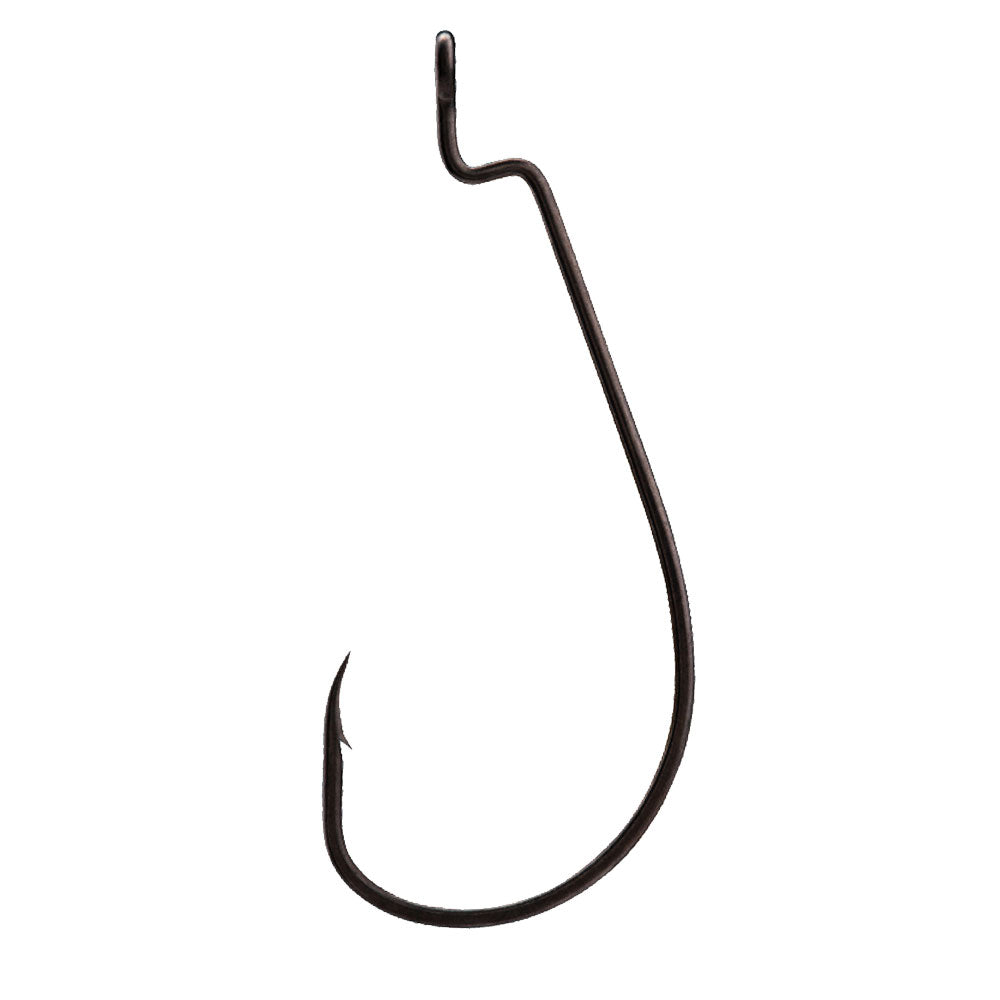


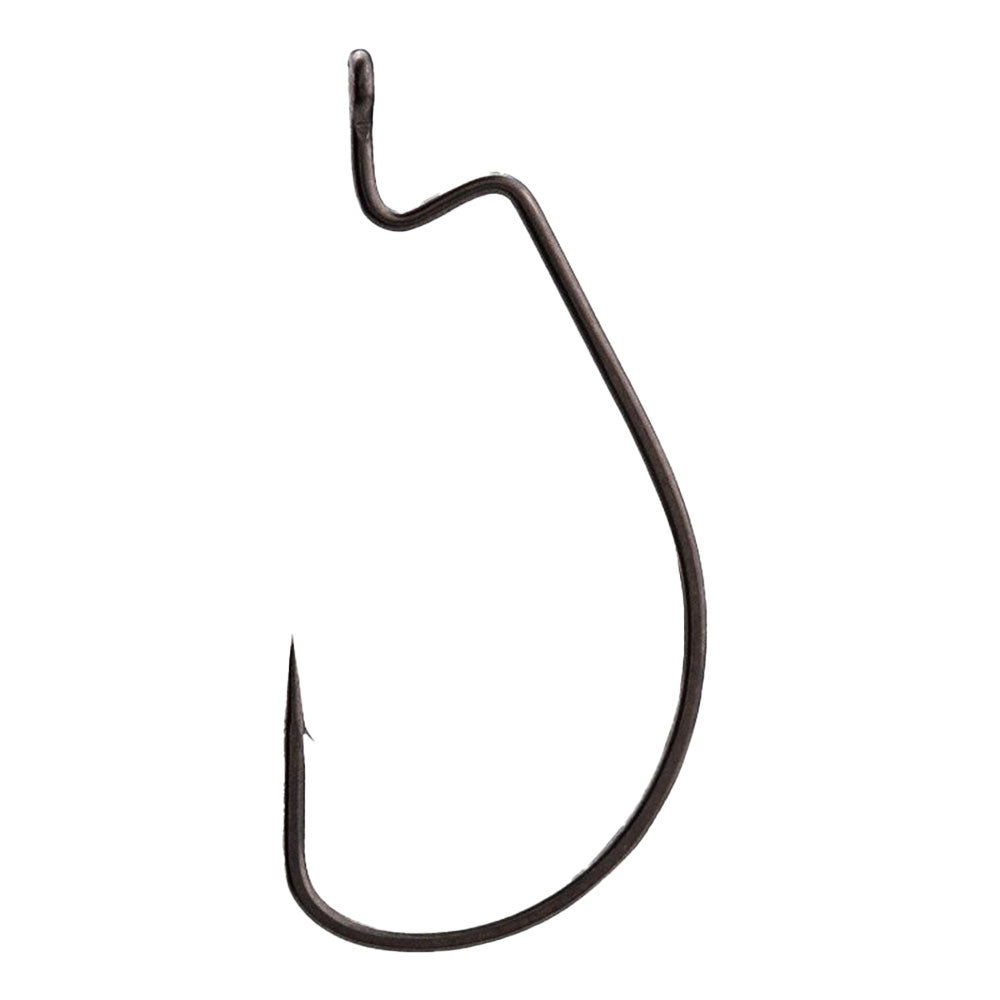
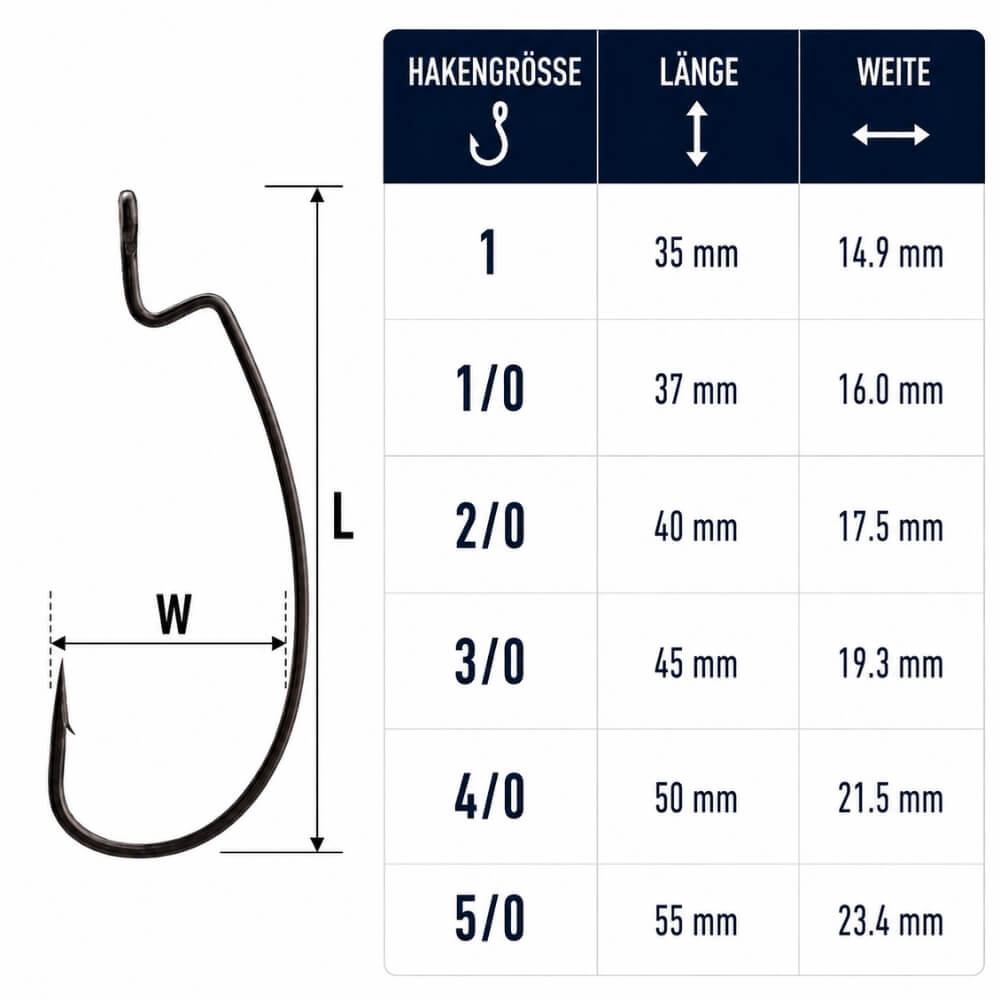
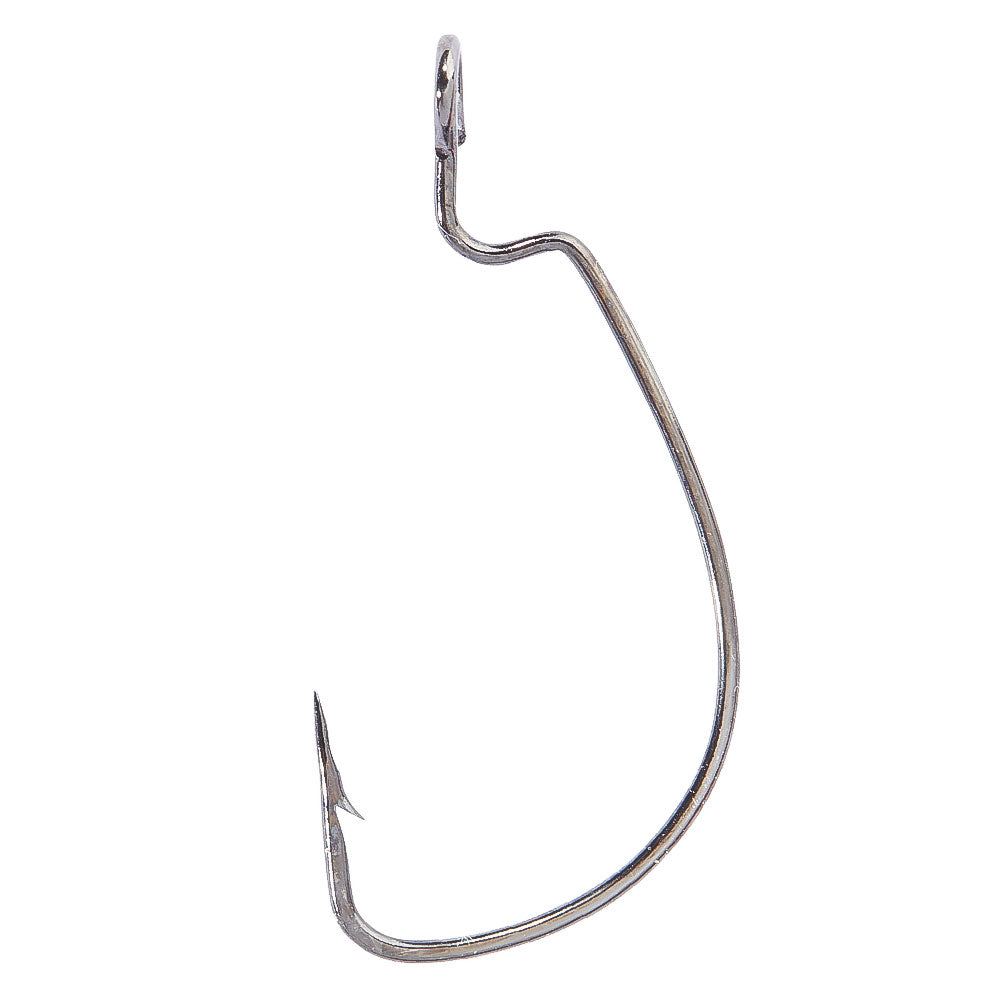
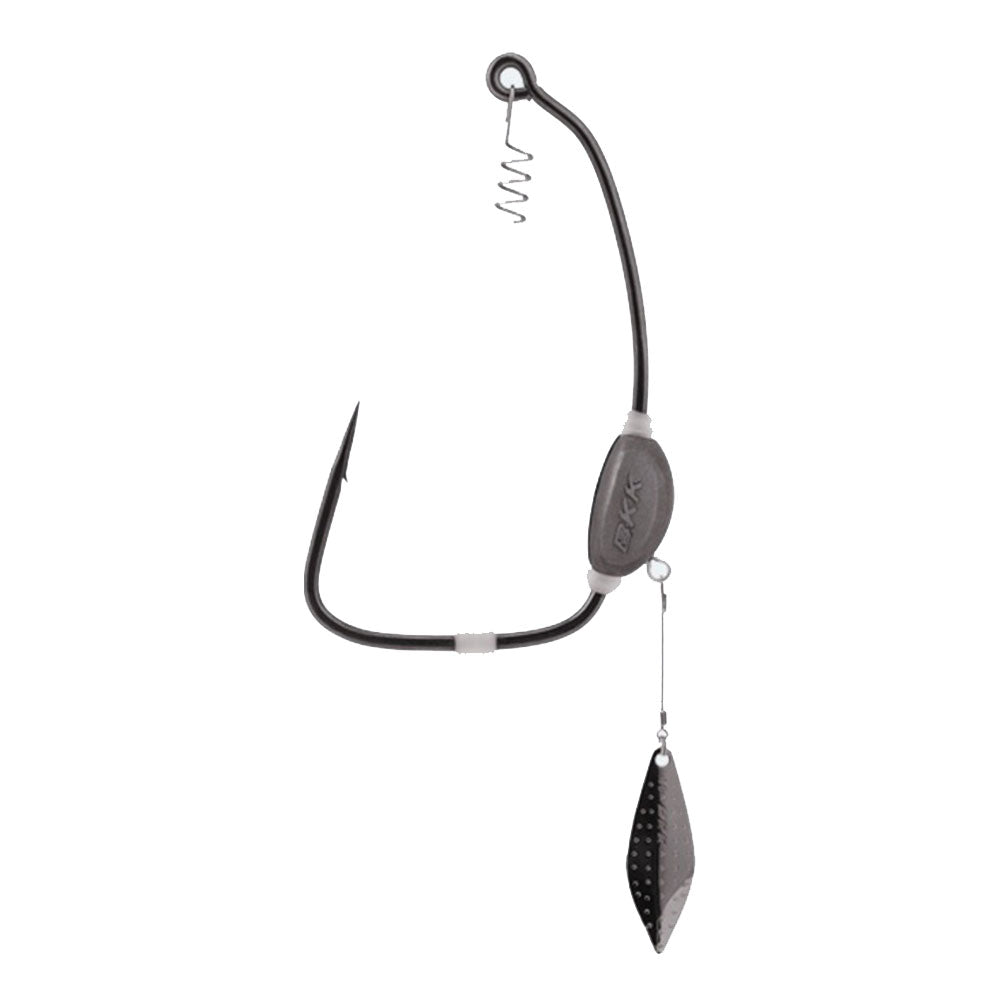

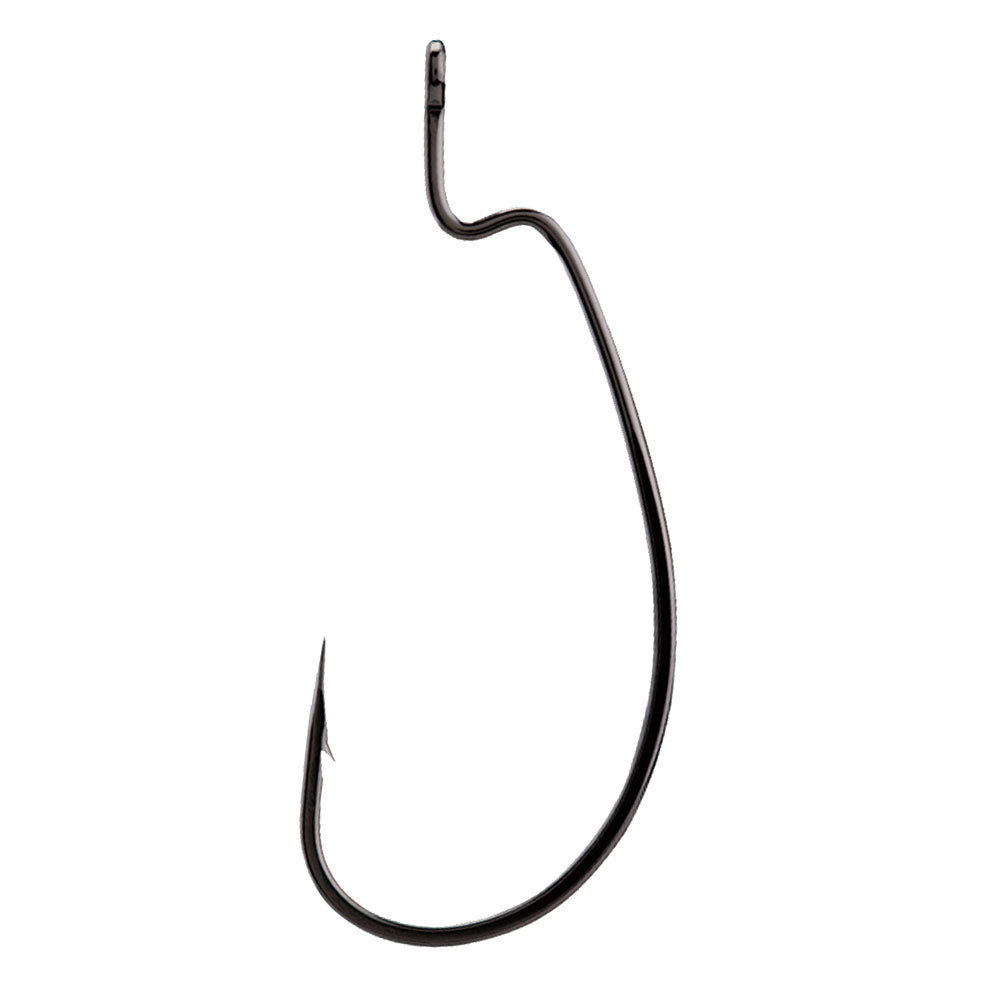


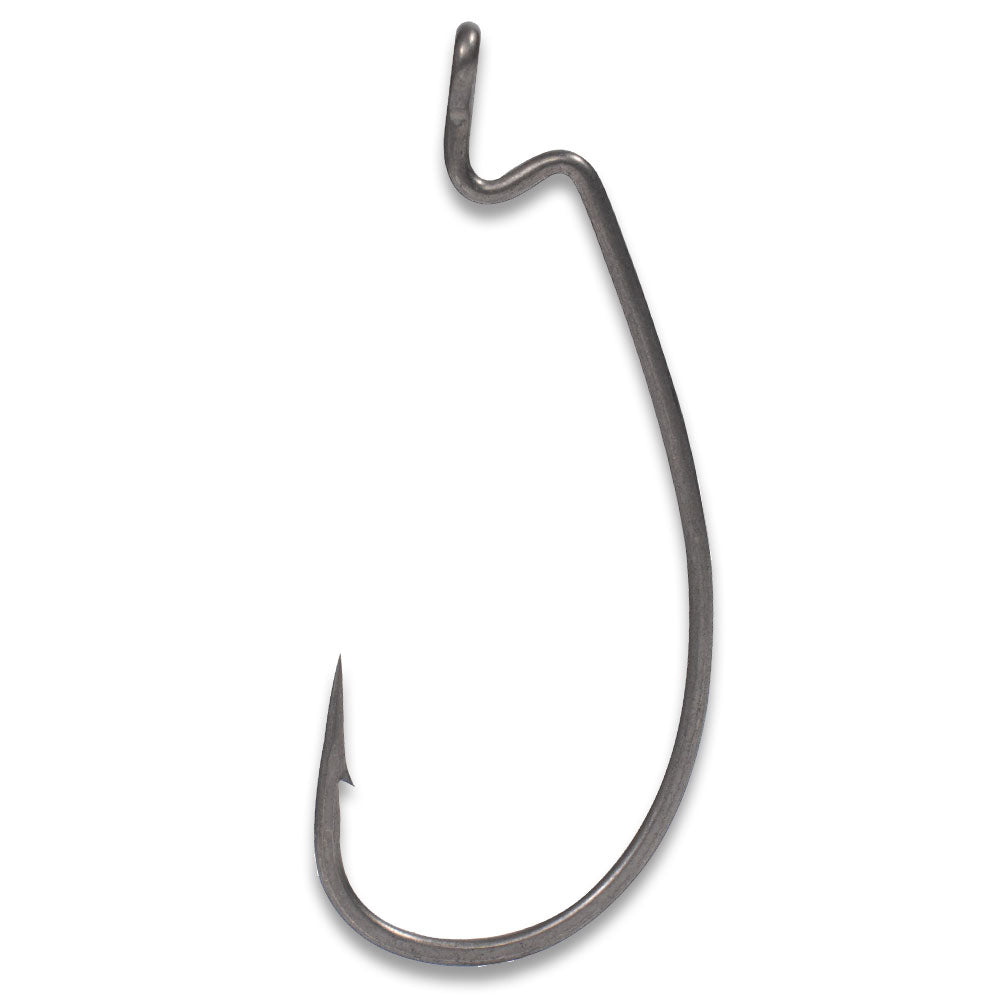
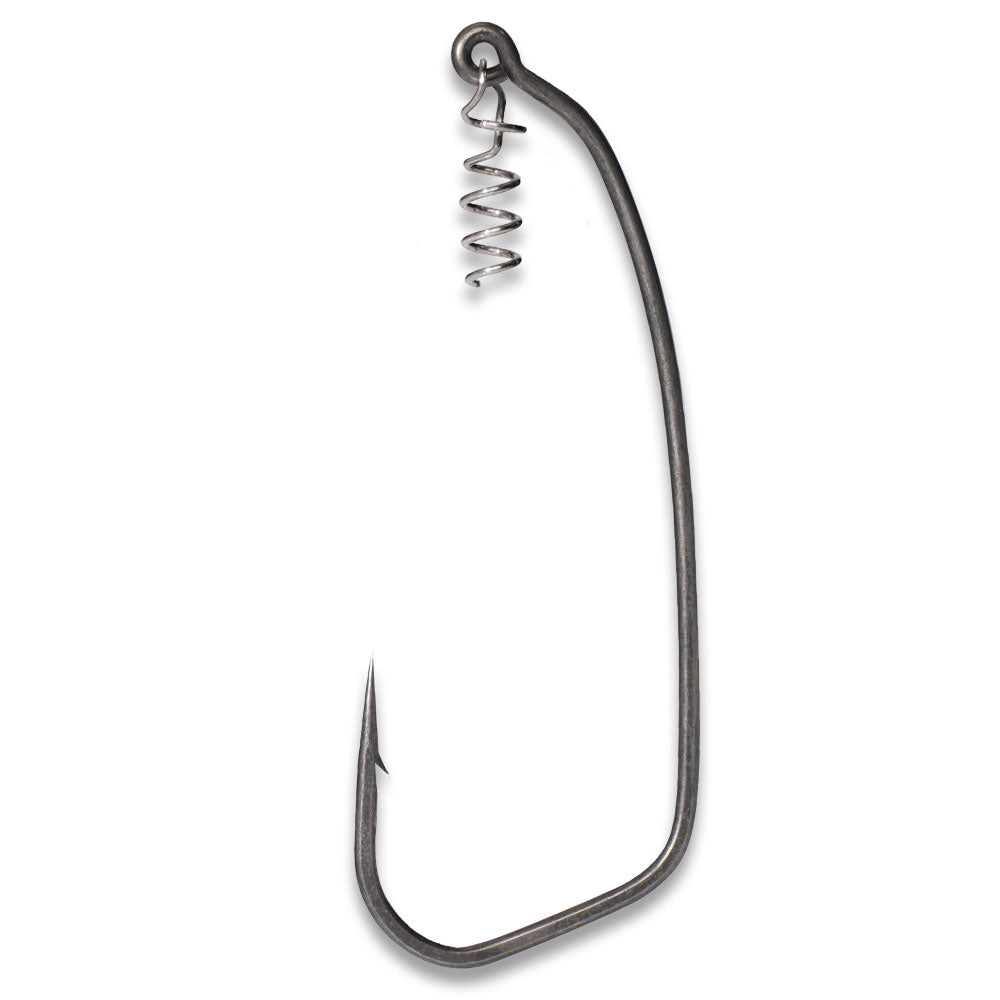
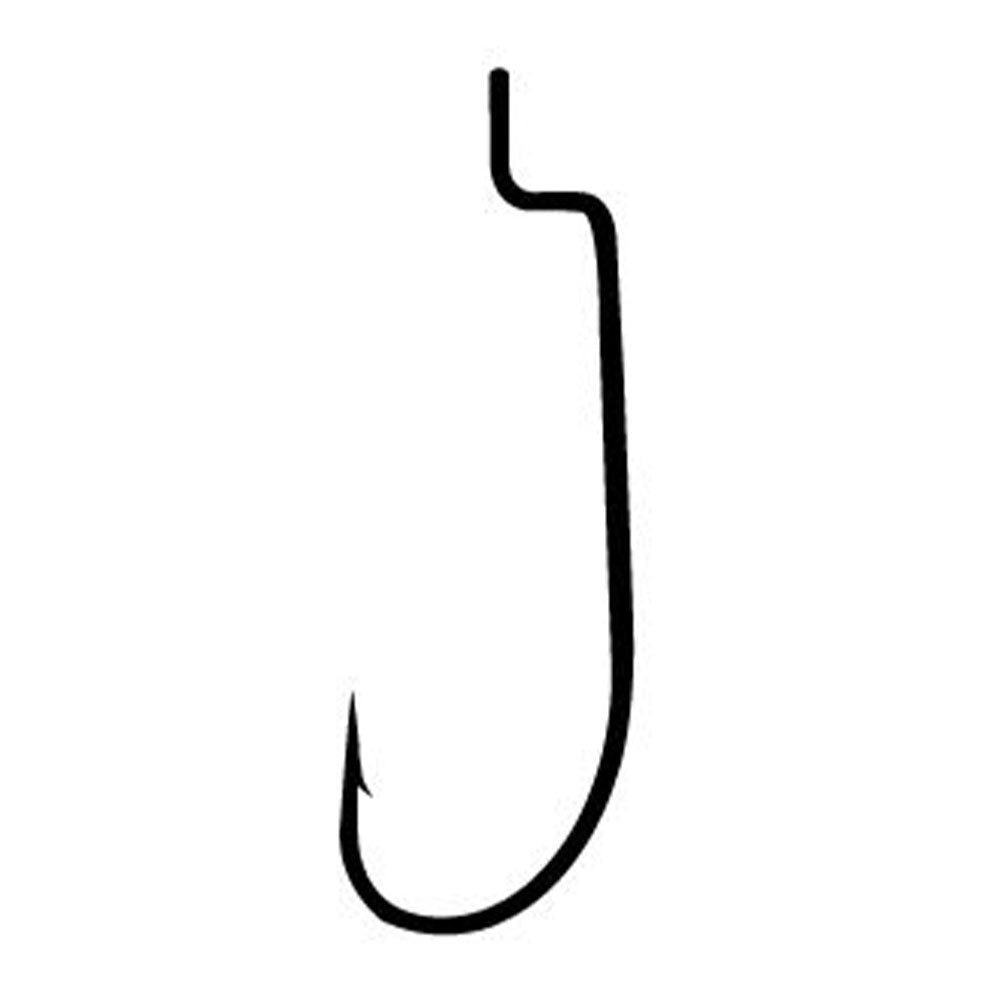

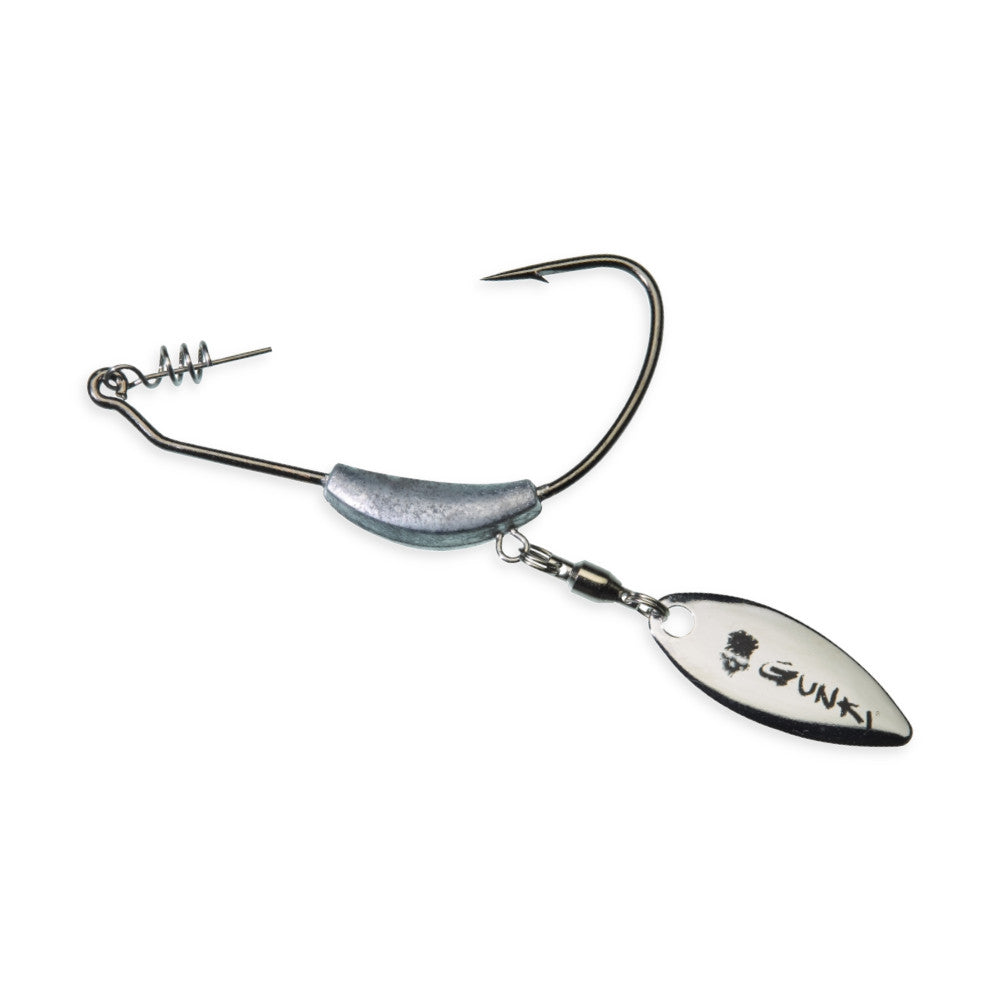
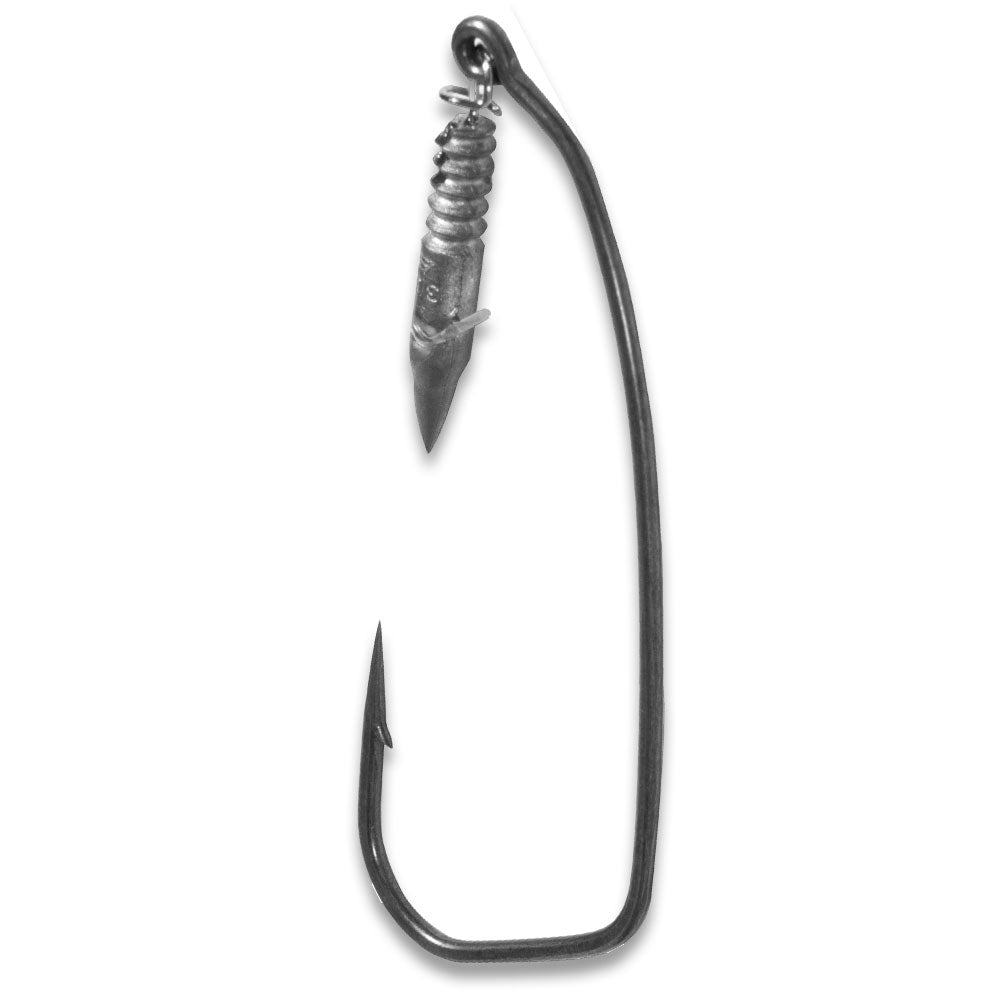


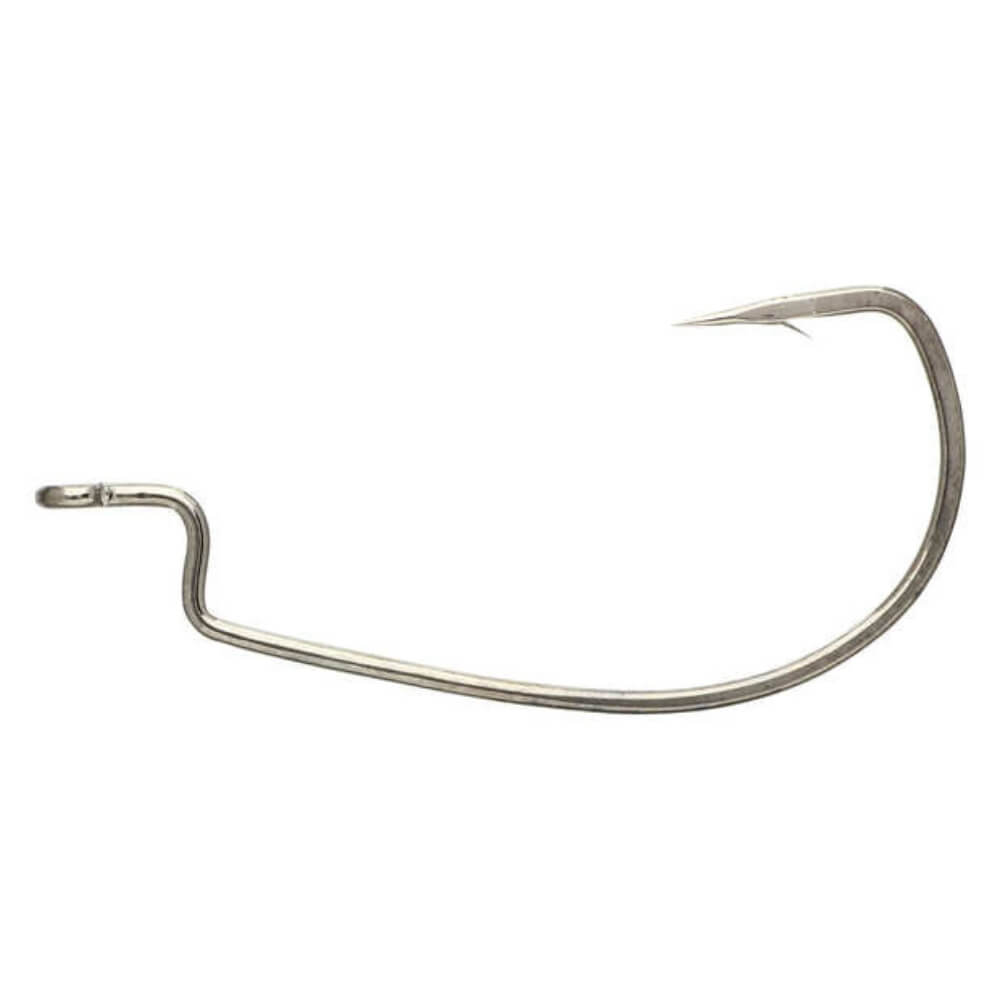
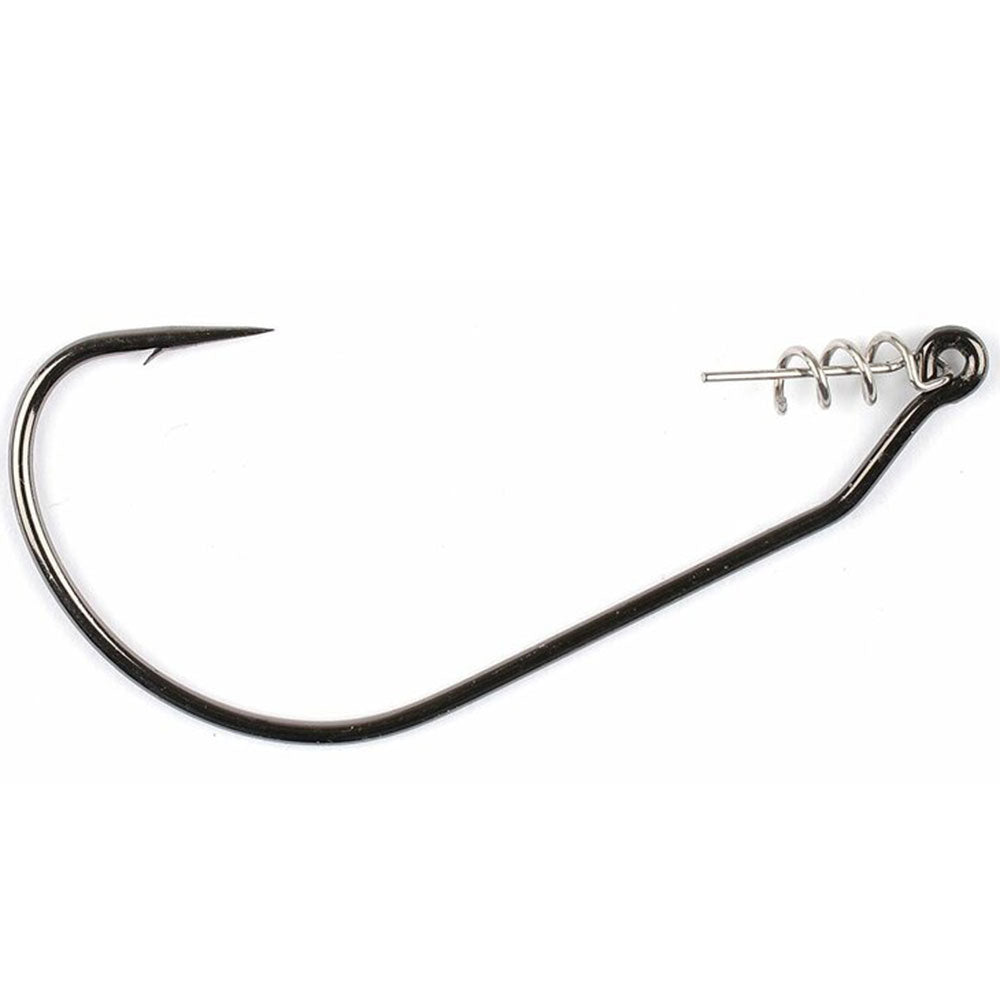




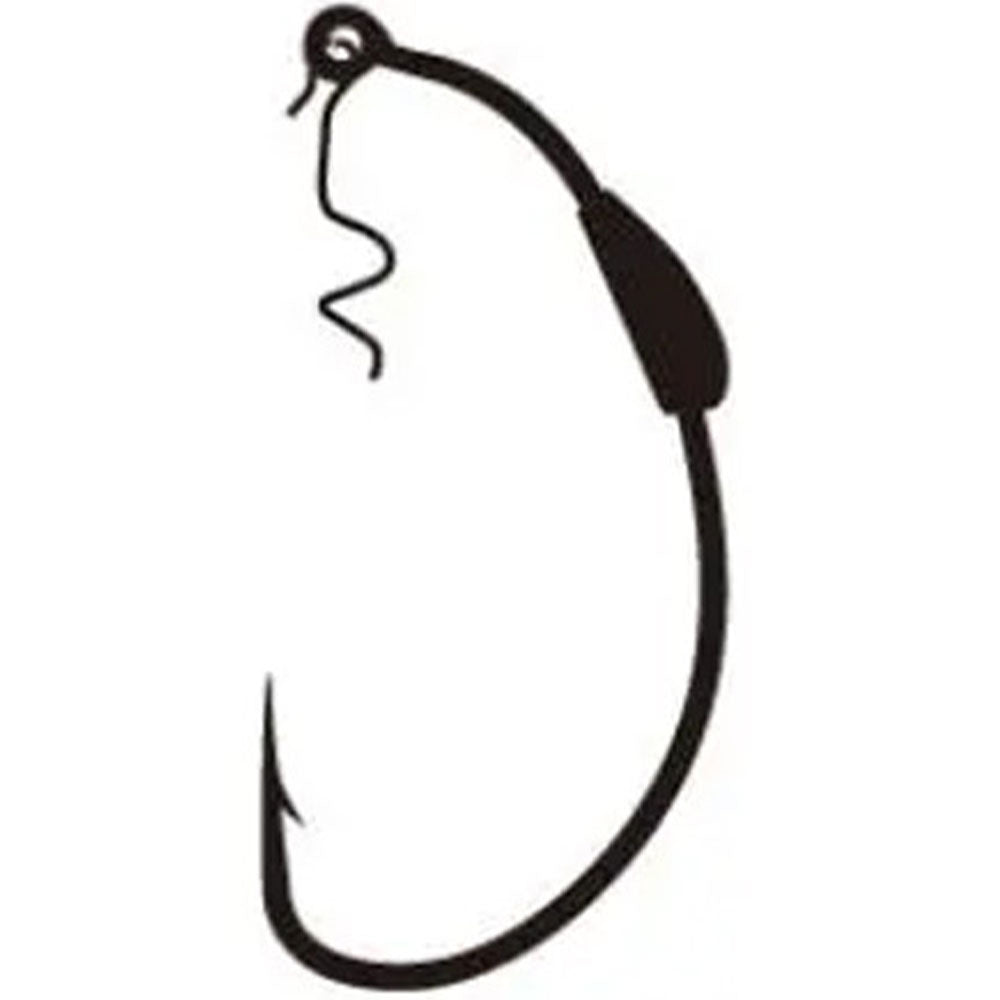
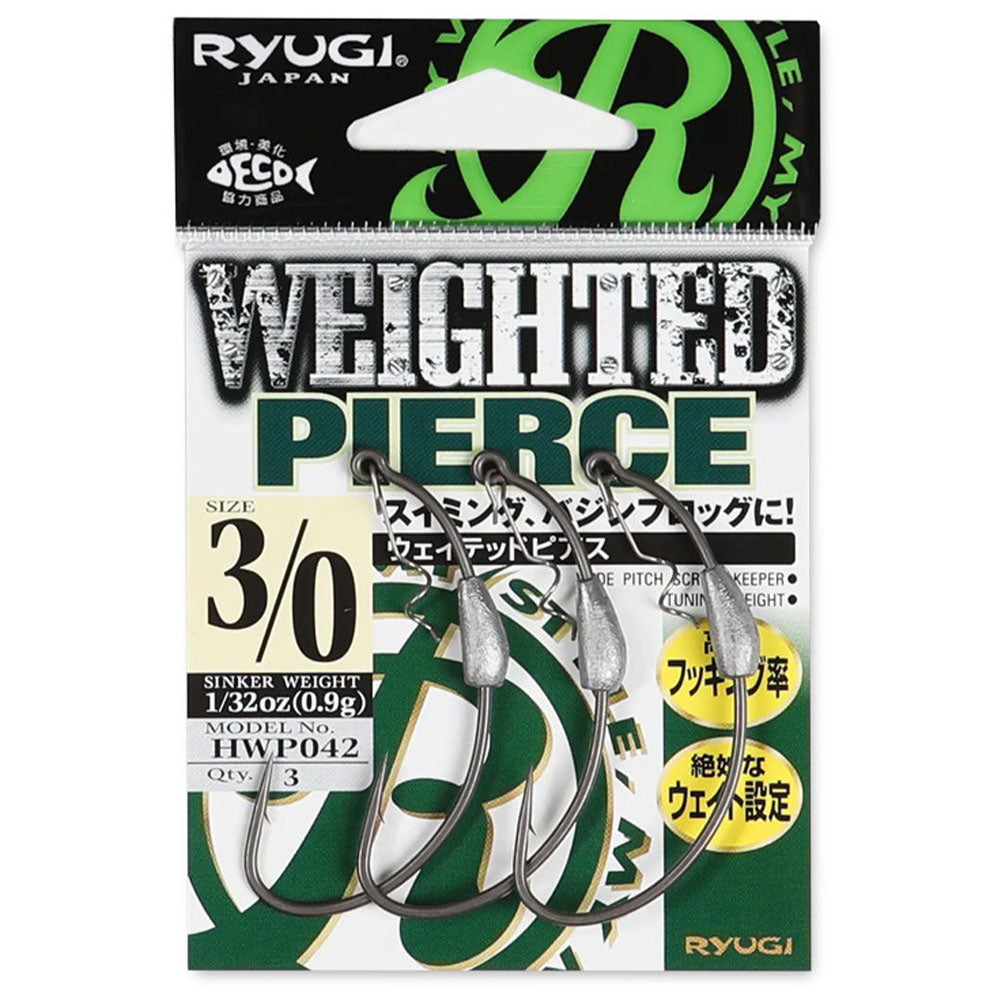

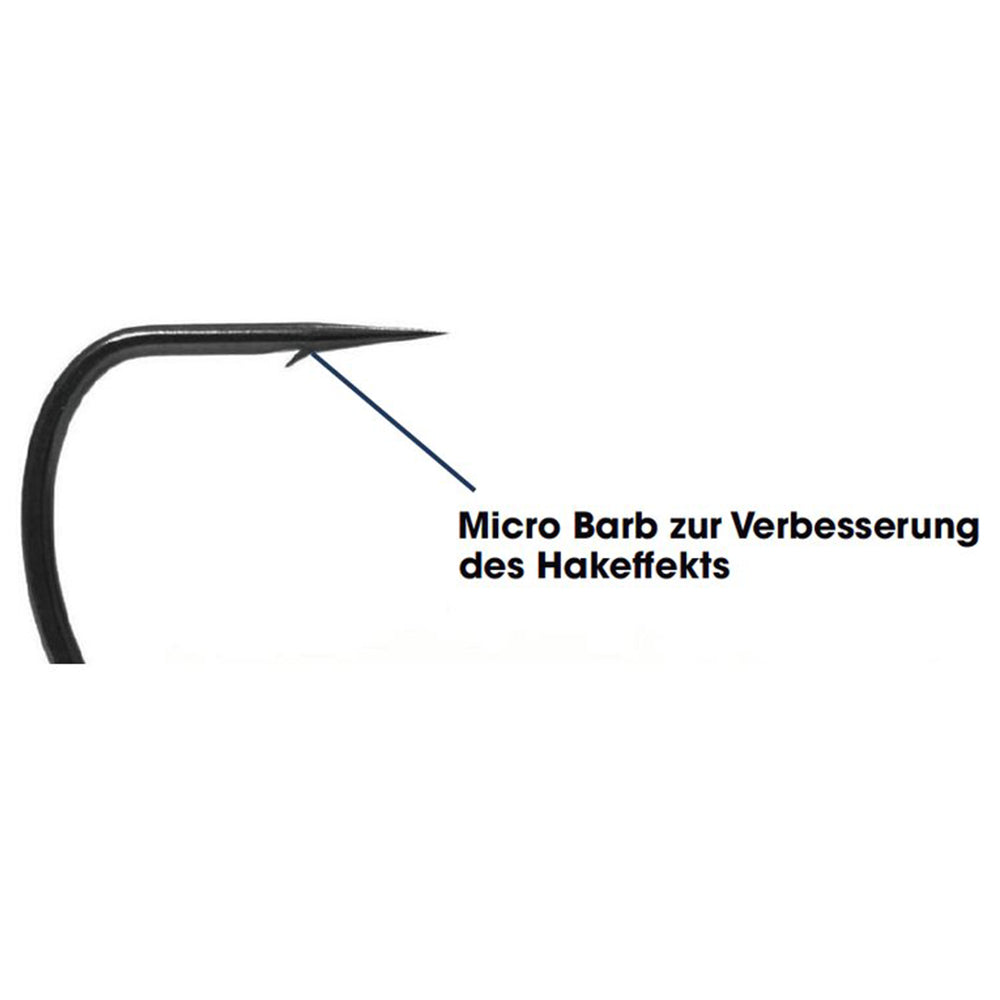
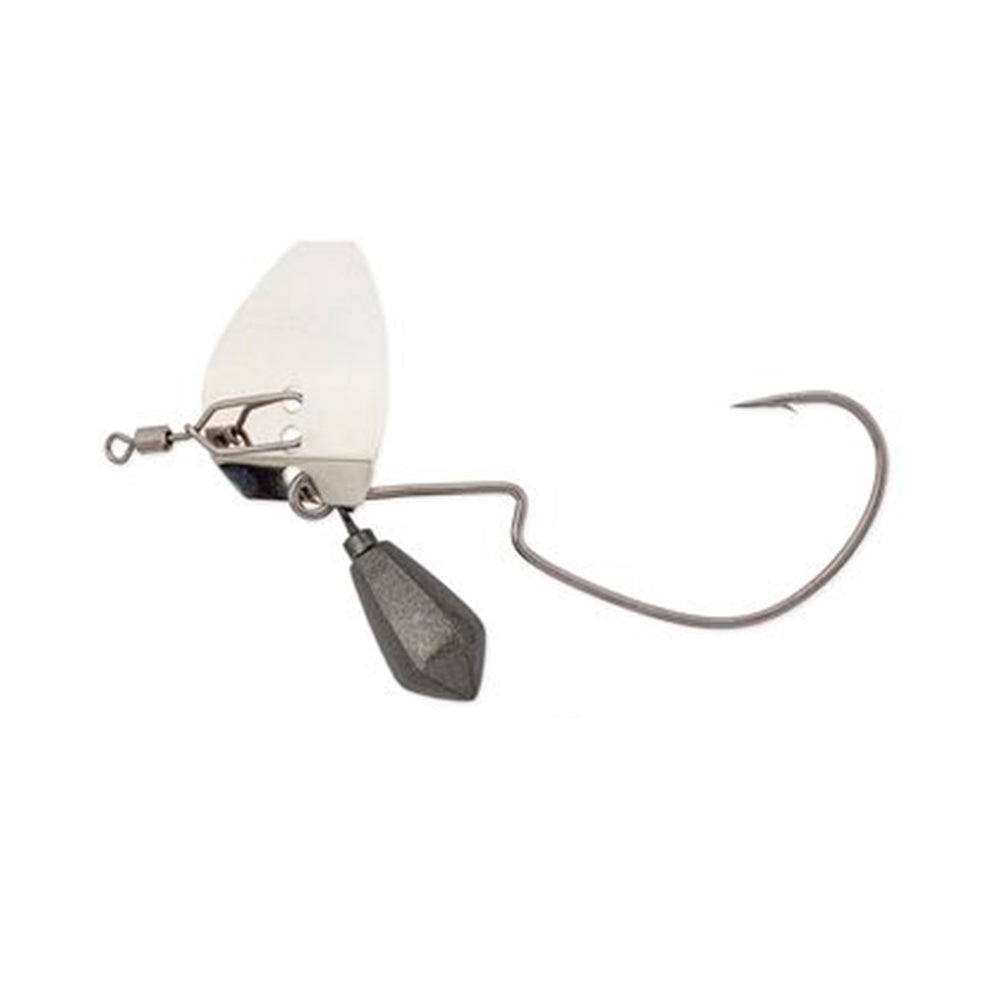


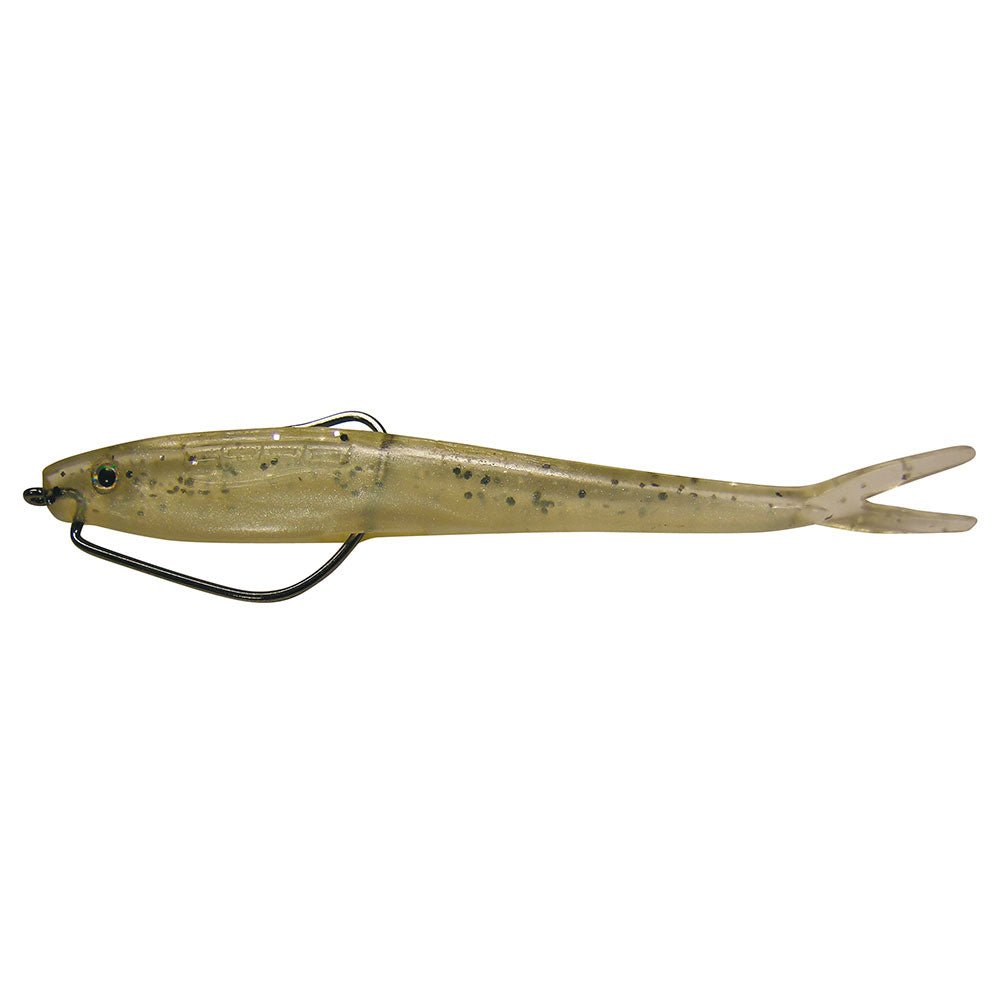


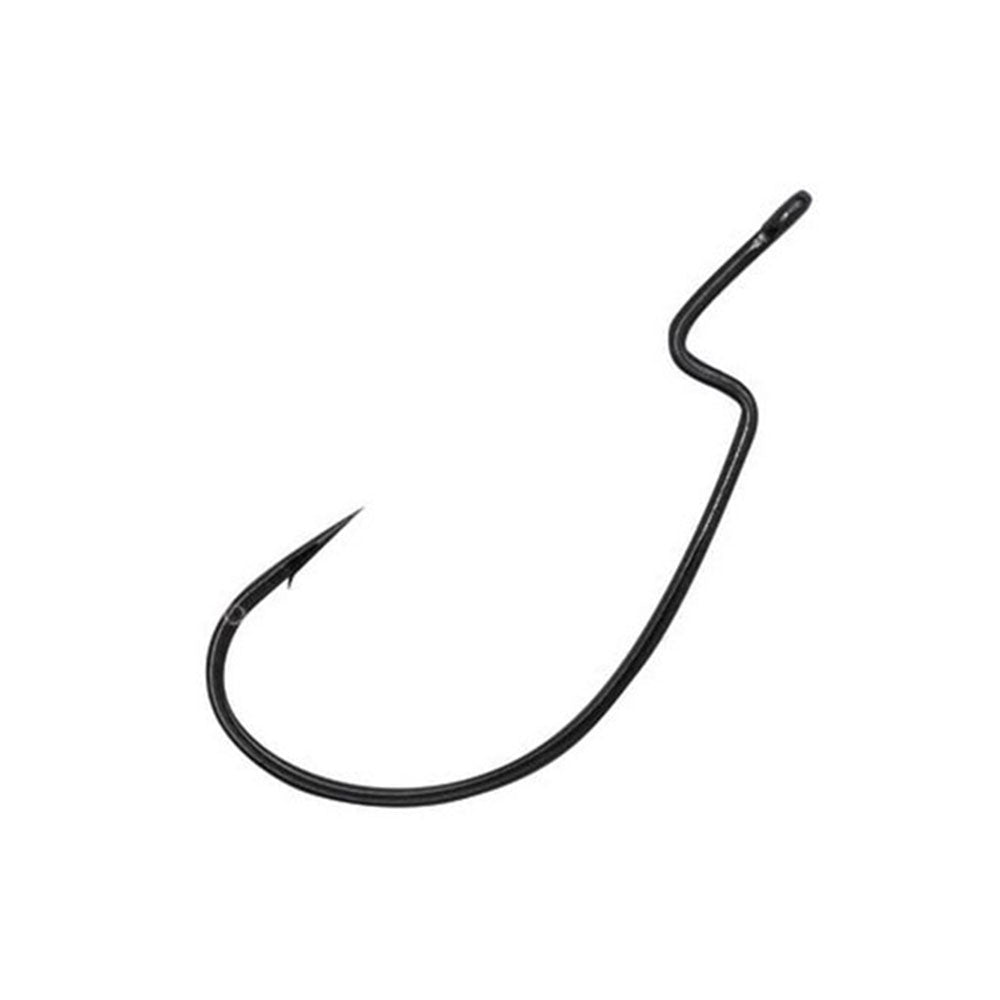

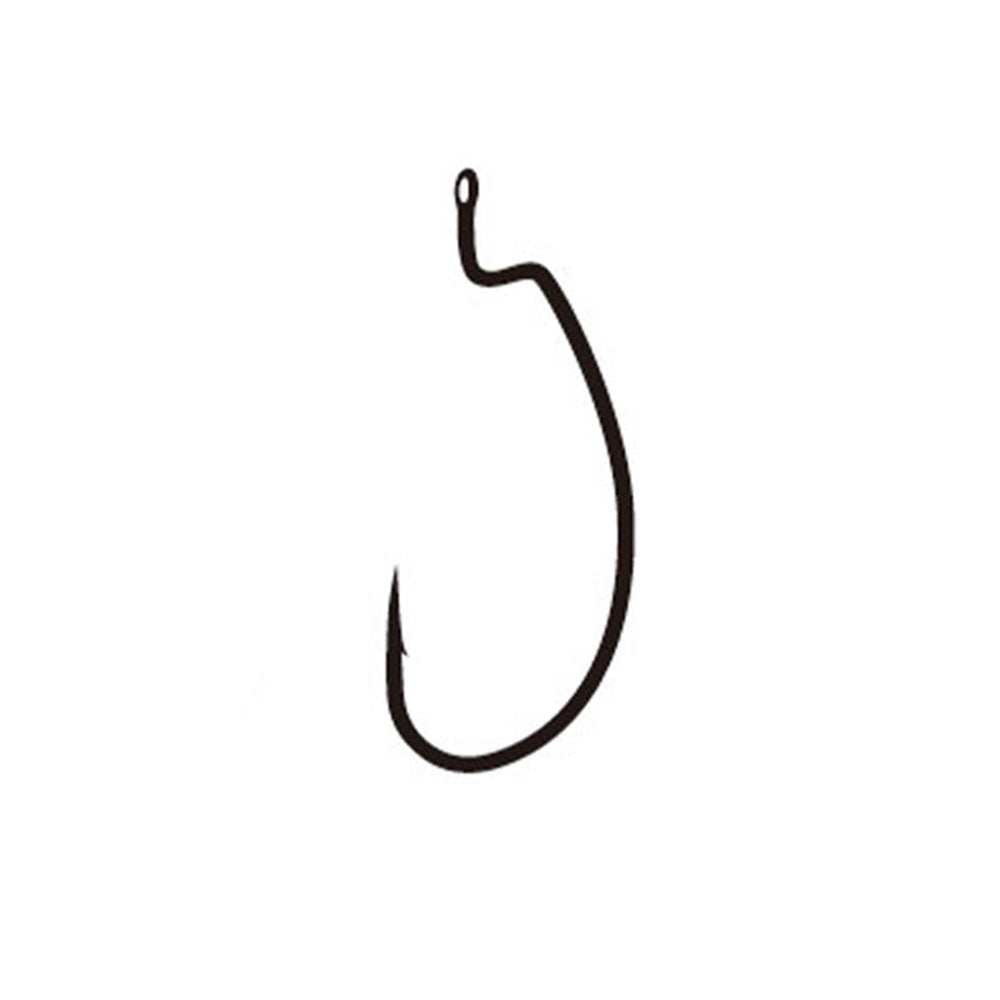

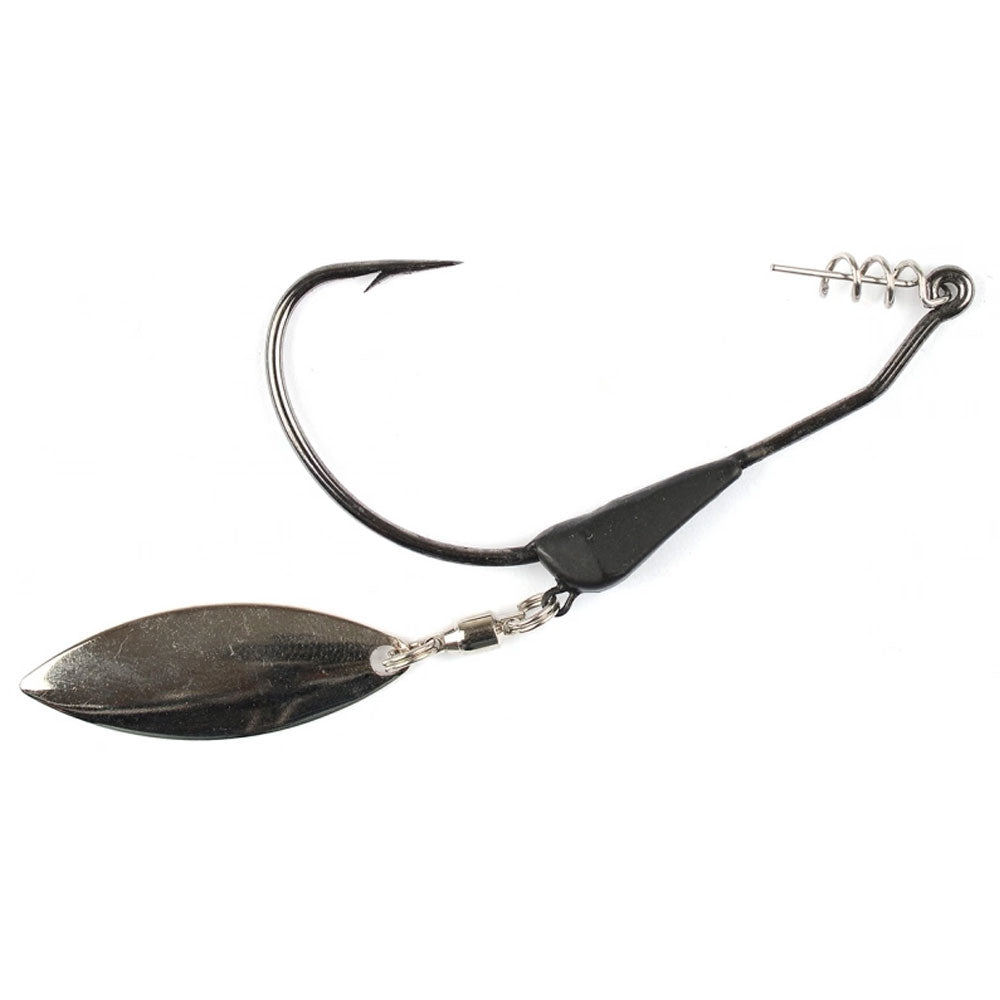
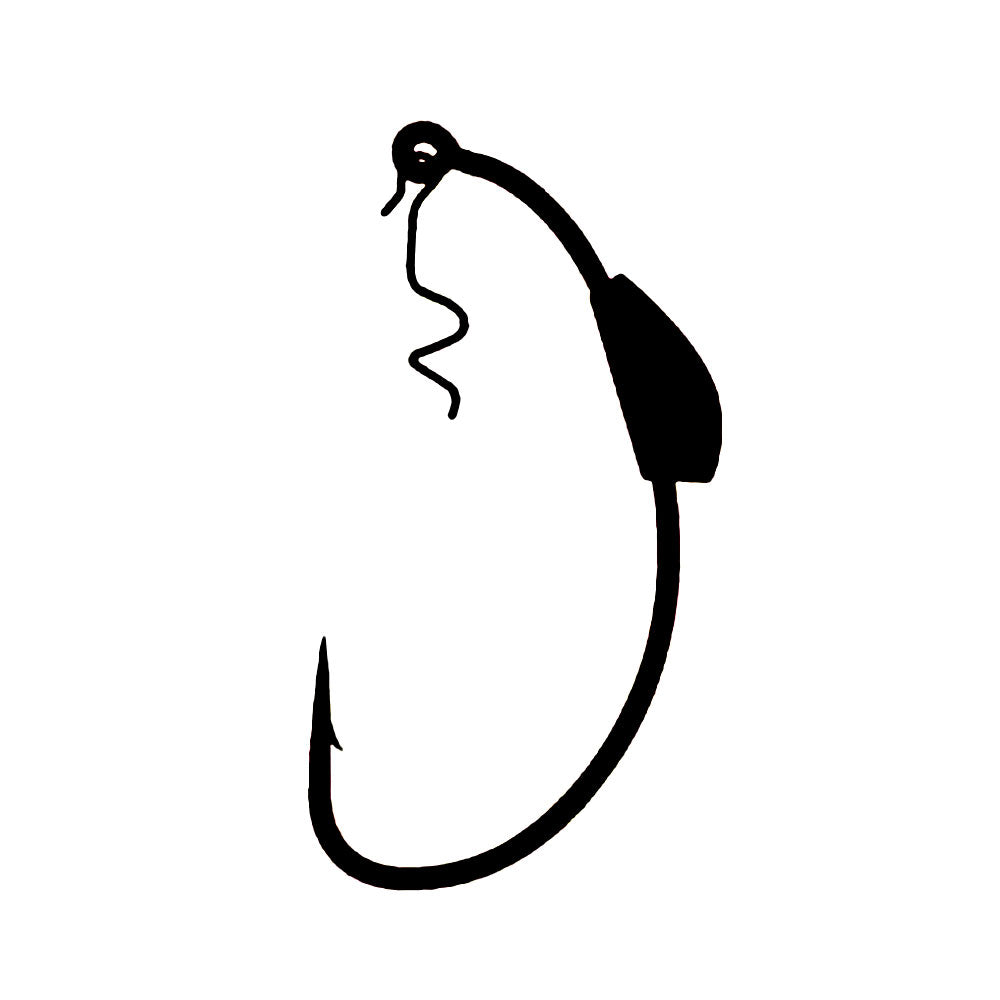
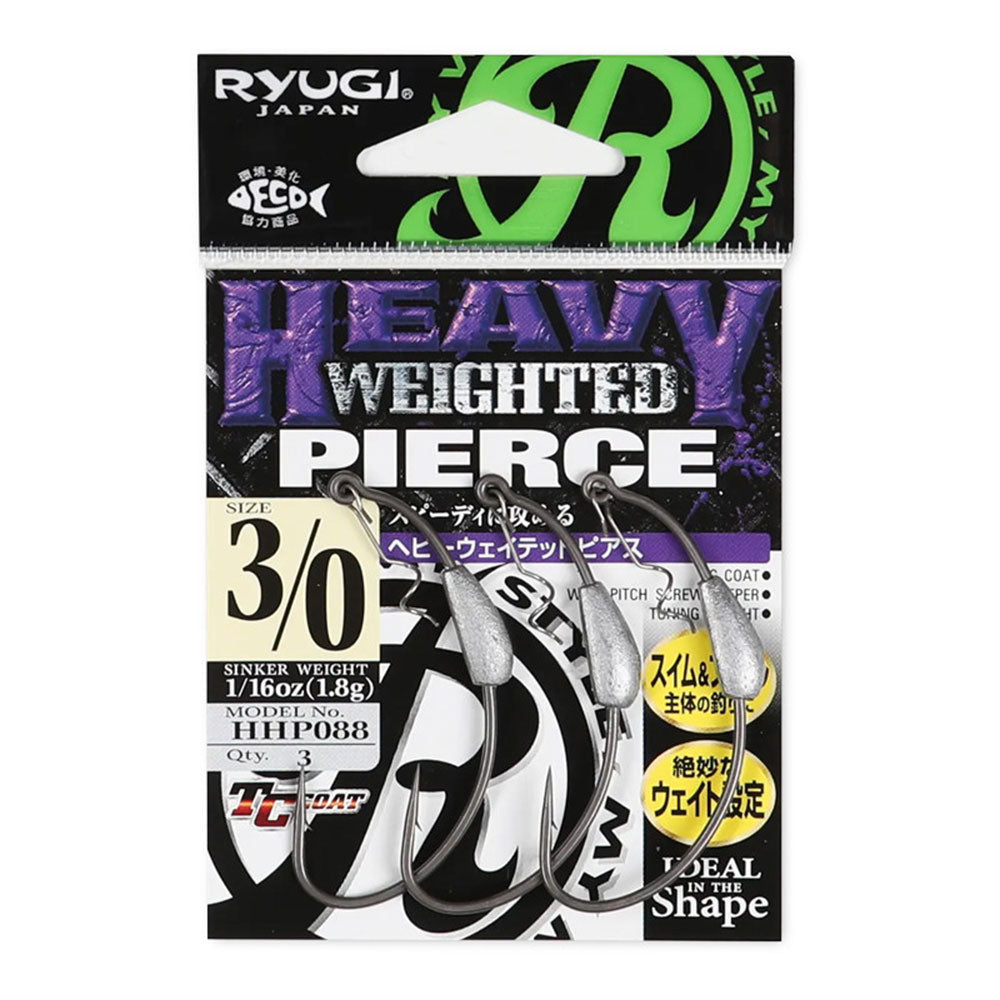
<h2>Buying Guide for Offset Hooks</h2><p>The term <em>offset</em> refers to a bend or kink, and that is precisely the principle behind <strong>offset hooks</strong>. The shank is kinked so that the eye and the point sit in line with each other - unlike on a conventional hook - which means the point is effectively shielded by the eye when pressure is applied. On top of that, the lure is rigged in a specific way that hides the point further. The result is a <strong>weedless</strong>, near-snag-free presentation - a genuine advantage when you are targeting perch in their holding spots.</p><p>There are a few things worth knowing before buying the right offset hook, and we will walk you through them below.</p><h3>Choosing the Right Shape for the Job</h3><p>Offset hooks come in various shapes, with the main differences lying in the curvature of the hook bend. Narrow-gap models are well suited to <strong>worm</strong>-style soft plastics, hugging a slender body closely. For bulkier or more voluminous baits, however, they are not ideal - there simply is not enough clearance between hook and lure for the point to break free reliably on the strike. This is where models with a wider bend, known as <strong>wide-gap hooks</strong>, come into play.</p><p>The length of the shank between the eye and the first kink also matters. Soft jerkbaits need to be balanced carefully on the hook to deliver their darting action to the full. It makes sense to position the hook bend further towards the centre of the lure, and this is easiest with a slightly longer upper shank.</p><p>There are also offset hooks that do not feature a pronounced kink but are instead curved more evenly throughout, while still presenting the eye opposite the point. These are fitted with a small coil spring near the eye that acts as a bait keeper. They are particularly useful for larger lures that can be tricky to rig on a conventional offset shape.</p><h3>Selecting the Right Wire Gauge</h3><p><strong>Offset hooks</strong> are more prone to opening up than conventional hooks - that is simply down to their construction. Keep this in mind when choosing the right hook. <strong>Wire gauge</strong> should be matched to the intended application and the rod you are using. Very light, fine-wire hooks can be necessary to preserve the action of a lure or to rig delicate soft plastics, but fish them on too powerful a rod - particularly with <strong>braid</strong> - and sudden load spikes will open them up. <strong>Forged hooks</strong>, where the wire is flattened along the sides, are stronger than non-forged hooks of the same wire diameter.</p><p>When using heavier tackle and targeting larger fish, opt for a sturdier wire so you do not lose a big, hard-fighting fish during the fight.</p><h3>Hook Coating</h3><p>Coating matters more for offset hooks than for most other types, because offset hooks are frequently used in slow, finesse-style rigs. At low retrieve speeds, predators have all the time they need to inspect a lure closely. An overly visible hook can cause wary fish to refuse the bait on some days, while a subtle flash might actually trigger more bites on others.</p><p>Fortunately, offset hooks are available in a wide range of <strong>coating options</strong>. <strong>Black nickel</strong> is very common, but red and matt black finishes are also available. In recent years, <strong>matt grey coatings</strong> have become increasingly popular; these often incorporate <strong>PTFE</strong>, which improves the hook's glide properties, making it both discreet and easier to set. If you plan to use offset hooks in saltwater, opt for <strong>tinned hooks</strong>.</p><h3>Getting the Size Right</h3><p>Size selection is even more critical for offset hooks than for other types, because the hooking performance depends directly on the hook sitting correctly within the lure. Many soft plastics feature channels or pockets in the belly and back that make it straightforward to identify where the hook should sit. With others, finding the right size takes a little experience.</p><h2>A Final Tip</h2><p>When in doubt, size up rather than down. Soft plastics that were not originally designed for offset hooks can often be prepared with a craft knife so that they work perfectly with an <strong>offset hook</strong>. Simply cut a small pocket or slot into the belly of the lure to give the hook enough clearance to expose the point on the strike.</p>