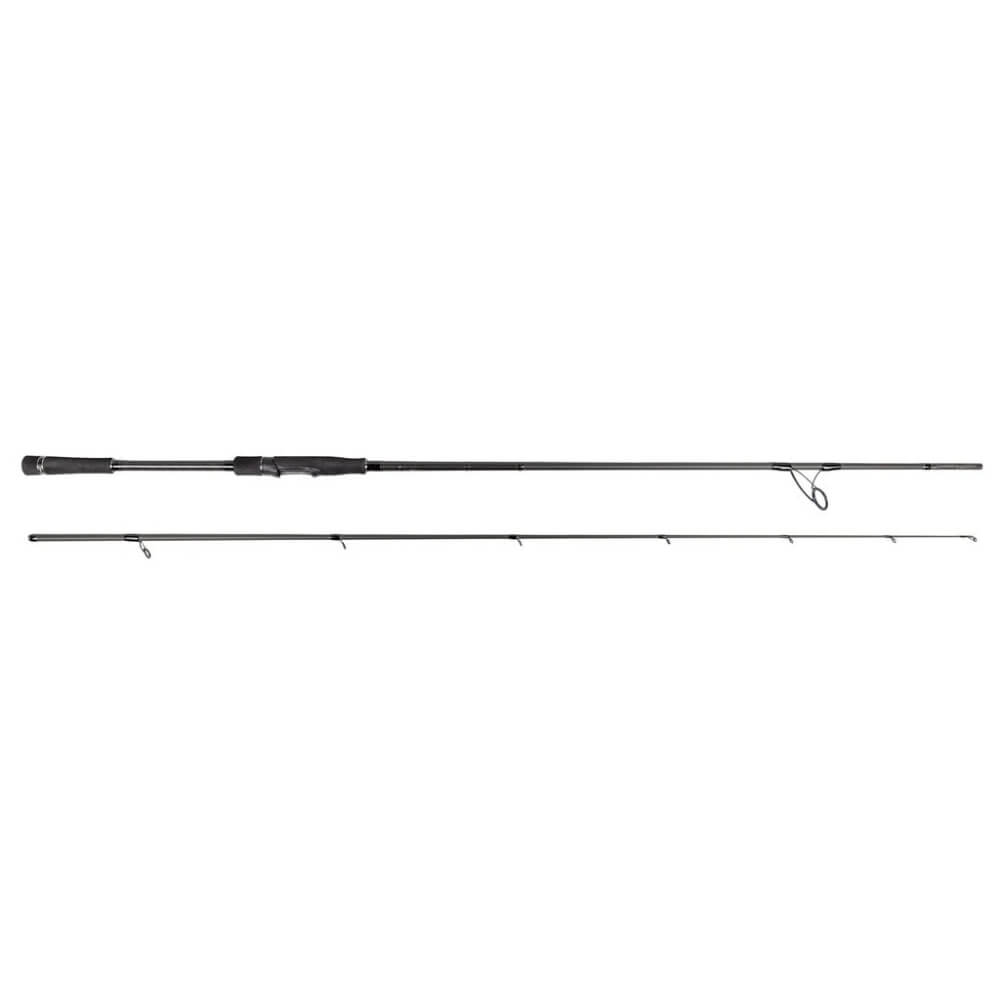
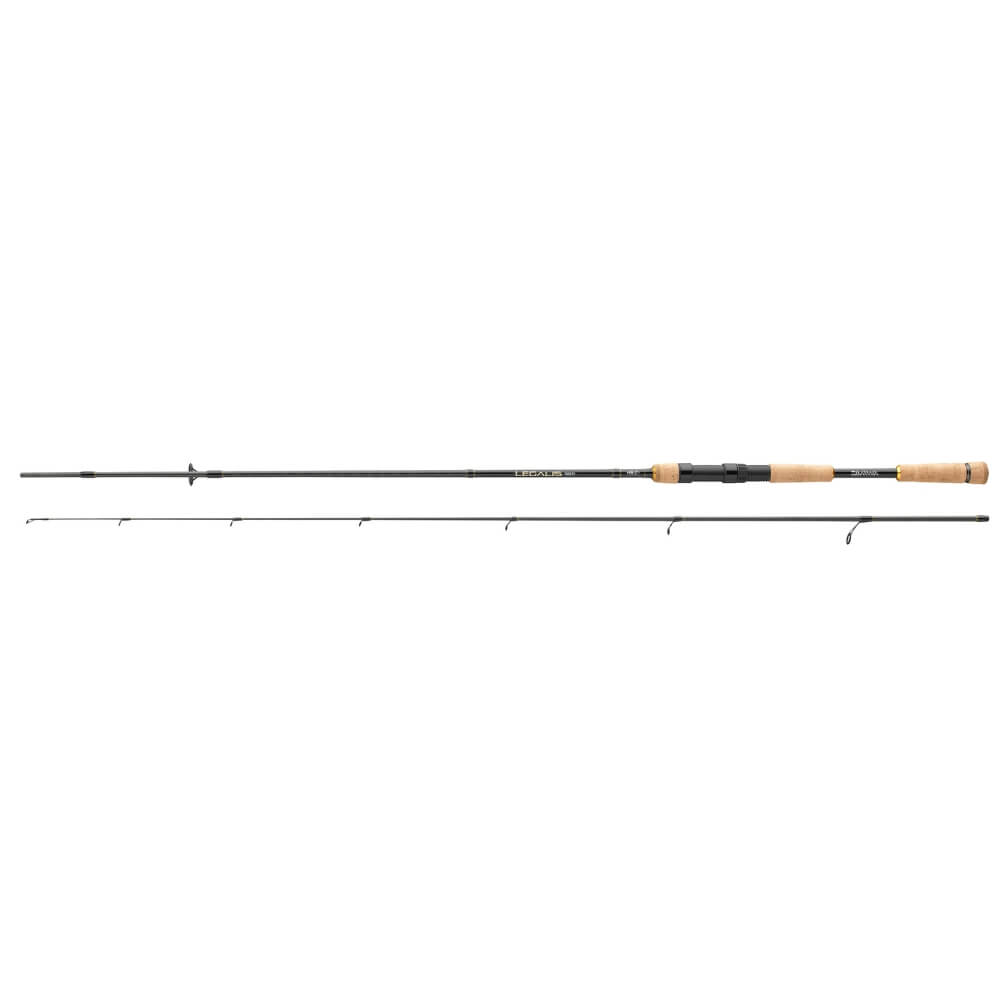
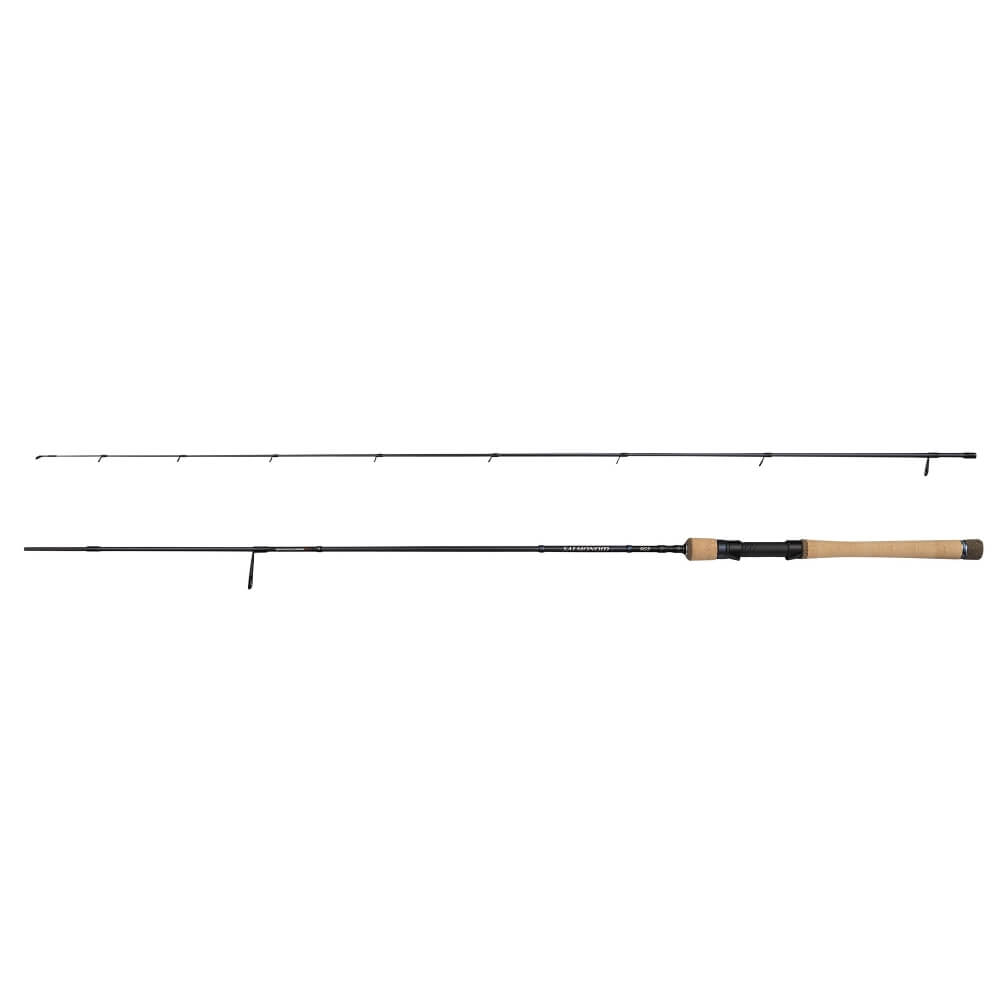
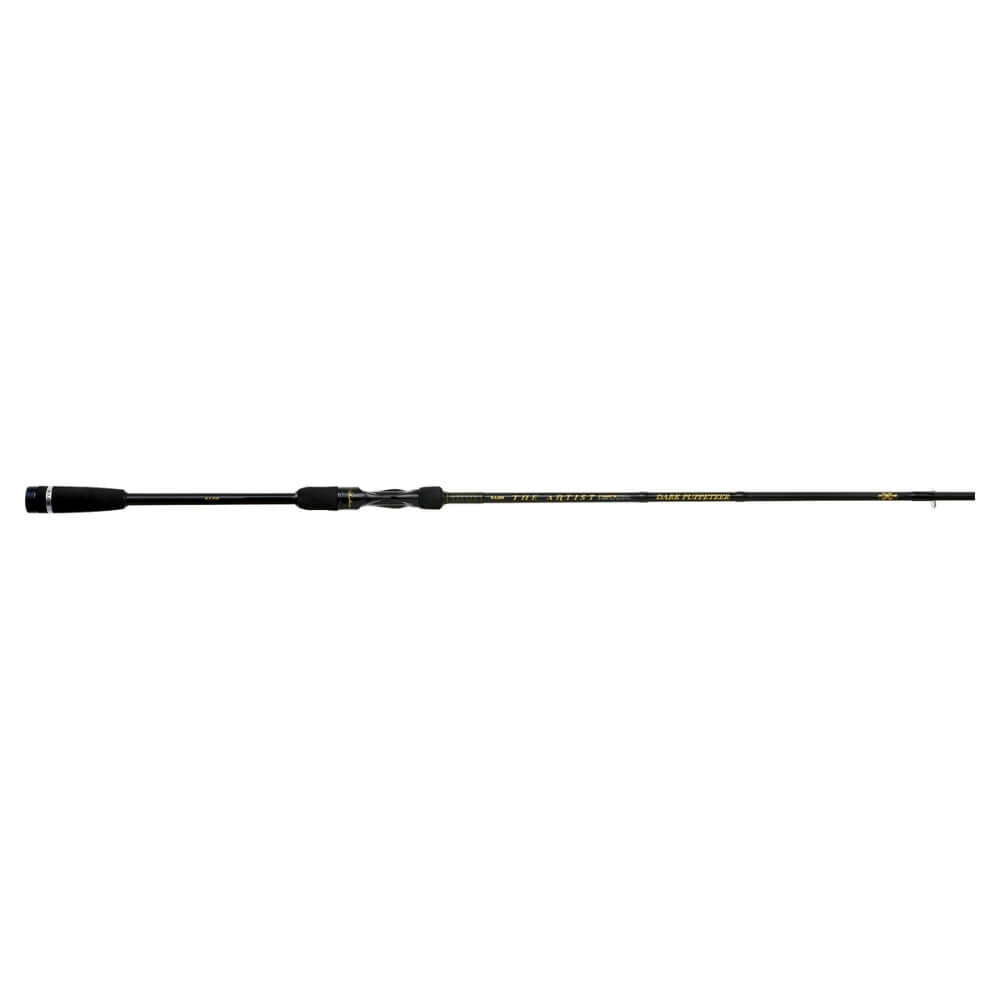
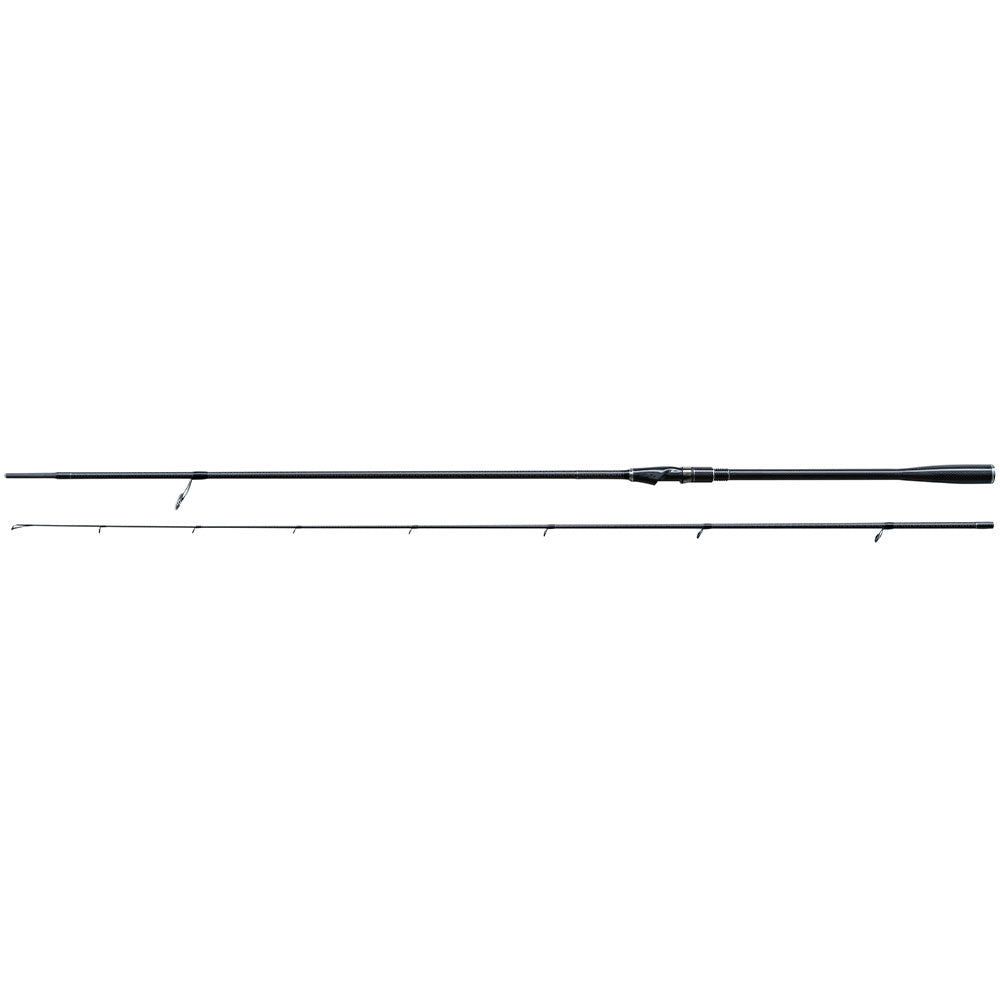
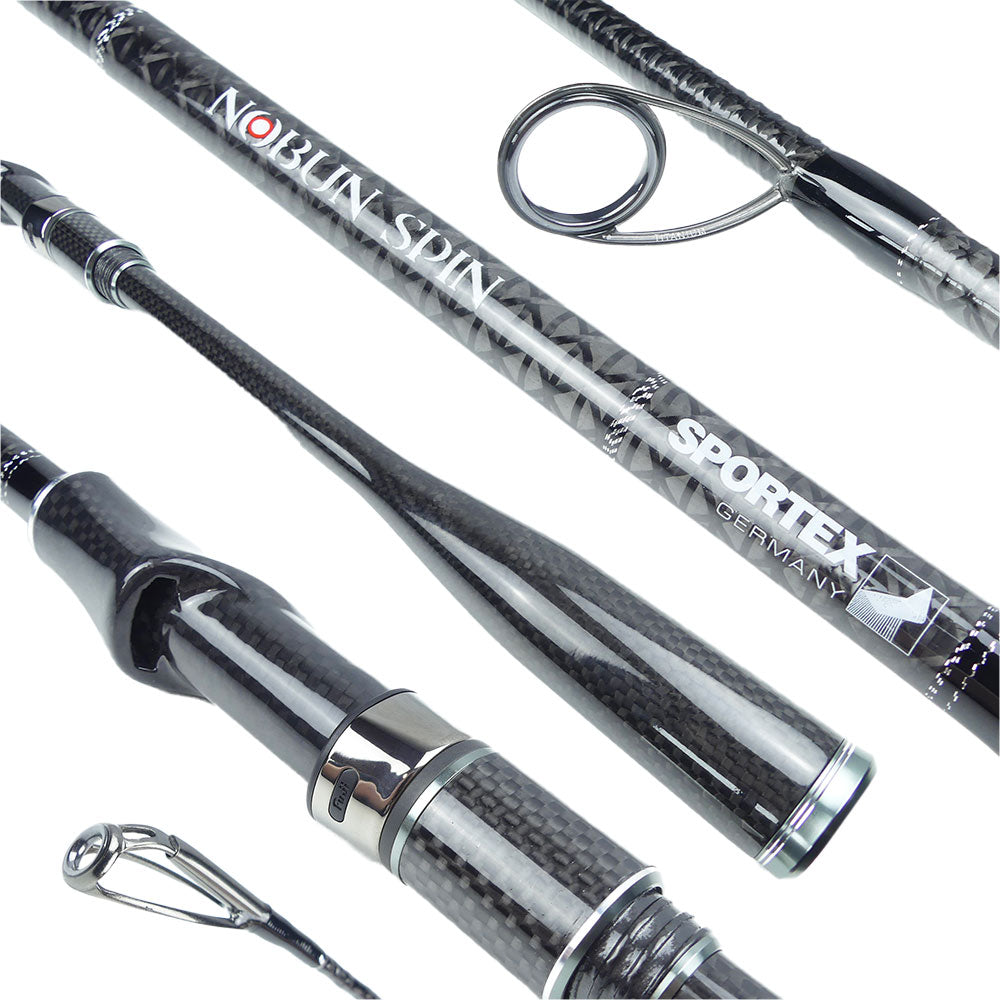
<h2>Rod Buying Guide</h2><p>The history of the fishing rod goes back a very long way. Several hundred years ago people were already using rods, having recognised the advantages over a hand line.</p><p>But what is the primary purpose of a rod? Early fishing lines were made from horsehair, silk, animal skin or gut. Like the nylon lines that followed, they had a certain degree of stretch. Even so, the force of a fish was transmitted directly, and the lack of any buffer frequently caused fish to shake the hook. The reach of a hand line was also very limited. The rod brought the first improvements on both counts.</p><p>Today rods serve a far wider range of purposes: long, accurate casts, precise lure placement, cushioning and leverage during the fight, bite detection and feeling the bottom.</p><p>The demands placed on a rod vary enormously depending on the type of fishing. It is therefore almost impossible to list all the necessary properties for every rod category in one place. The sections below are nonetheless intended to give you useful guidance when choosing your rod.</p><h2>General Information on Fishing Rods</h2><p>Modern rods are made primarily from carbon fibre, sometimes blended with other materials such as fibreglass, aramid or titanium. Pure fibreglass rods are still in use and are experiencing a renaissance in certain areas of fishing.</p><h3>Blank</h3><p>The rod itself - the raw tube - is called the <strong>blank</strong>. Blanks are built up from woven carbon fibre or fibreglass sheets that can vary in quality. The more densely the individual fibres are woven into the sheets, the higher the quality. This is normally expressed in tonnes (e.g. 30 t), though the designation IM is also used.</p><p>Alongside the carbon fibre, a resin is needed to hold the sheets together after they are rolled onto a steel mandrel. The resin used, and in particular the resin content, also determines the quality, weight and character of the finished rod. The finest rods are rolled from <em>prepreg</em> sheets. These sheets are <em>pre-impregnated</em> with nano-resins and are exceptionally strong and light.</p><div><h3>Guides</h3></div><p>Rods come with <strong>guides</strong> and <strong>without guides</strong> in a wide range of configurations. Guideless rods include pole-style rods used for non-predatory species and so-called <em>inline</em> rods used for example in sea fishing, where the line runs through the blank itself with no externally visible guides. Typically only the entry point in the blank and the tip are fitted with a <em>guide</em>. Some manufacturers use a kind of guide spiral to direct the line through the inside of the rod.</p><h3>Reel Seat</h3><p>Pole-style and tenkara rods have no <strong>reel seat</strong>, as no reel is used. All other rods are fitted with a reel seat that holds the reel firmly in position on the rod.</p><p>Reel seats come as <strong>screw-locking seats</strong> in various designs, push-over seats and fold-over seats. Screw-locking seats are by far the most common. Push-over seats are often found on match, fly and coarse rods. Fold-over seats appear mainly on trout rods and occasionally on surf rods. On rods subject to heavy loads, only robust screw-locking seats should be used.</p><p>On most rods the reel seat sits in the middle of the handle. On lighter fly rods, however, it is usually positioned at the end of the grip.</p><h3>Rod Handle</h3><p>The <strong>rod handle</strong> should above all provide a secure grip in the hand. Spinning rods, which are cast repeatedly, are therefore usually fitted with EVA (duplon) or cork grips. On other rod types, minimal grips of shrink tubing or roughened carbon are sometimes used to save weight or for aesthetic reasons.</p><p>The thickness and length of the handle should suit the style of fishing and will to some extent depend on the individual angler's preferences. On long-range casting rods, the distance between the reel seat and the end of the handle plays a significant role and should be matched to the angler's physique so that the rod can be loaded fully on the cast. On some rods the reel seat position can be adjusted for this reason.</p><p>As a general rule, rods designed to cast heavy weights should have a longer lower grip section to provide better leverage. Conversely, rods used from a float tube or kayak should have as short a rear grip as possible, since a longer one can quickly get in the way.</p><h4>The Most Important Rod Types</h4><ul><li>Spinning rod</li><li>Match rod</li><li>Carp rod</li><li>Pole</li><li>Bologna rod</li><li>Boat rod</li><li>Wels catfish rod</li><li>Static fishing rod</li><li>Fly rod</li><li>Trolling rod</li></ul><p>All these <strong>basic rod types</strong> can each be subdivided into many further groups. If you are looking for a rod for a specific target species, simply browse the relevant <strong>target species rods</strong> sections in our shop, where the key properties for those rods are explained in more detail.</p><h4>Rod Category Properties</h4><table><tbody><tr><td><strong>Rod type</strong></td><td><strong>Key properties</strong></td></tr><tr><td>Spinning rod</td><td>Light, fast recovery, quality guides, well balanced, excellent feedback through premium materials and specialist construction</td></tr><tr><td>Match rod</td><td>Light, many small guides, relatively long for casting long rigs, should load well even under light weights</td></tr><tr><td>Carp rod</td><td>Relatively long for distance and control over hard-fighting fish, few large guides for maximum casting distance, optimal loading and tough backbone</td></tr><tr><td>Pole</td><td>As light as possible, very stiff, minimal flex along its length, smooth and easy-fitting joints</td></tr><tr><td>Bologna rod</td><td>Many small guides, very light and stiff, strong backbone</td></tr><tr><td>Boat rod</td><td>Short, powerful, resistant to knocks and impacts, strong backbone, not too heavy</td></tr><tr><td>Wels catfish rod</td><td>Strong backbone, usually a fibreglass content to increase breaking resistance, quality guides, plenty of power, high casting weights</td></tr><tr><td>Static fishing rod</td><td>Long, not too heavy, tough backbone</td></tr><tr><td>Fly rod</td><td>As light as possible with wire guides, parabolic or semi-parabolic fight action, specialist reel seat</td></tr><tr><td>Trolling rod</td><td>Extreme flexibility for pre-loading with downriggers, many small guides, fibreglass content</td></tr><tr><td>Surf rod</td><td>Very long for maximum casting distance, few large guides, casting weights of around 200 g, tip not too stiff for bite detection</td></tr></tbody></table><h3>What Rod Length Is Ideal?</h3><p>The right rod length depends very much on the intended use. In general, greater length is needed for casting long rigs, achieving extreme distances and fishing over waves. Pole rods, Bologna rods and static fishing rods also need to be long, since the lure or bait is not cast but presented precisely at rod tip distance. This also offers significant advantages for drift control in a current.</p><p>Boat rods, on the other hand, should be as short as possible. Long casting distances are not required. Instead, lures need to be controlled directly beneath the boat, sometimes within the cone of a fish finder (on vertical jigging rods). Short rods also have enormous advantages when pumping heavy fish up from depth, reduce the physical effort through a shorter lever, and minimise the risk of breakage when a fish runs under the boat.</p><p><img src="https://cdn.shopify.com/s/files/1/0548/9197/0669/files/rutenaktion.png" alt="Rutenaktion" width="409" height="230"></p><p>Spinning rods should be a length suited to the intended application. Please also read the spinning rod buying guide for more detail.</p><p>Surf rods are designed for extreme long-range casting with heavy weights. The line under tension should also run as far as possible over the breaking waves, for which the extra length is equally beneficial.</p><h3>Casting Weight</h3><p>The casting weight is printed on almost all rods and indicates the lure weight the rod is designed to cast. In most cases it is given in grams, though oz. ratings are common, particularly with Japanese and American manufacturers. One ounce equals 28 grams, so oz. ratings can be converted directly into grams.</p><p><img src="https://cdn.shopify.com/s/files/1/0548/9197/0669/files/wurfgewicht.jpg" alt="Wurfgewicht" width="565" height="217"></p><p>Carp rods and boat rods usually have no printed casting weight. Instead, line classes or test curves are given in pounds (lb). For boat rods, ratings such as 20-50 lb are common. For carp rods you will find, for example, 3 lb, which describes the test curve with 3 lb of weight applied. This figure cannot be converted directly into a casting weight, but experience shows that a 3 lb rod handles dead-weight loads of at least 100 g at full compression.</p><p><strong>Casting weights are recommendations only</strong>. They typically cover a more or less broad range of lure weights. The lower limit represents the weight at which the rod begins to load adequately - that is, at which the lure creates enough flex on the cast to carry it a reasonable distance.</p><p>The <strong>upper casting weight limit</strong> marks the point at which the stress on the rod during a cast reaches its maximum. Since most manufacturers build in a safety margin, you can normally cast at this weight with a full swing without damaging the rod. That said, this is not always guaranteed, so work up to that limit carefully and gradually. Heavier weights than stated can usually still be cast with reduced force if the situation calls for it.</p><p>The optimum casting weight for your rod is often roughly in the middle of the stated casting weight range.</p>