










Save 40%
⭐ Top rated
💚 Lead-free
🏆 Bestseller


💥 NEW


💥 NEW


Save 42%
⭐ Top rated
💚 Lead-free

Save 41%
⭐ Top rated
💚 Lead-free


⭐ Top rated
✨ Variant restocked


💚 Lead-free
⭐ Top rated
💚 Lead-free
🤩 New variant

⭐ Top rated
💚 Lead-free


⭐ Top rated
💚 Lead-free
💚 Lead-free


⭐ Top rated

⭐ Top rated

⭐ Top rated

Save 33%
⭐ Top rated



⭐ Top rated


⭐ Top rated
💚 Lead-free


⭐ Top rated
💚 Lead-free
🤩 New variant


⭐ Top rated


Save 22%
🏆 Bestseller


⭐ Top rated






💚 Lead-free

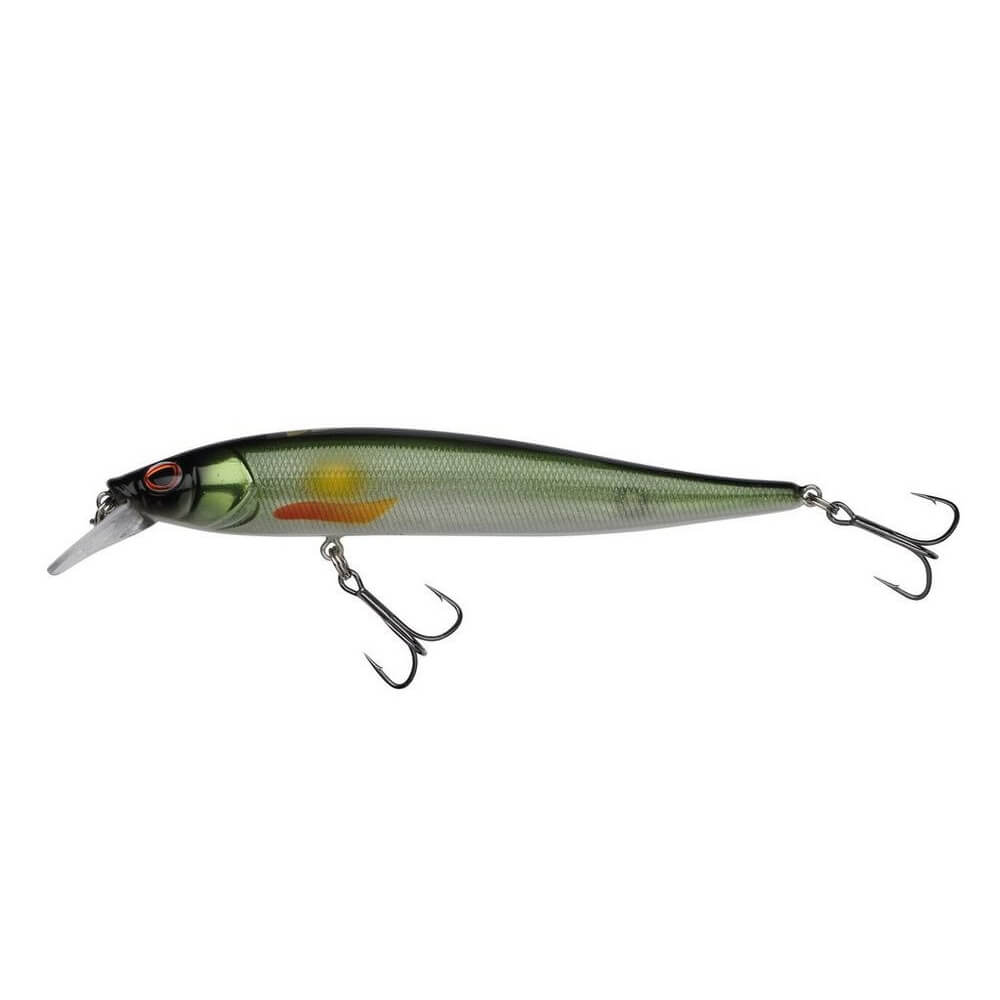

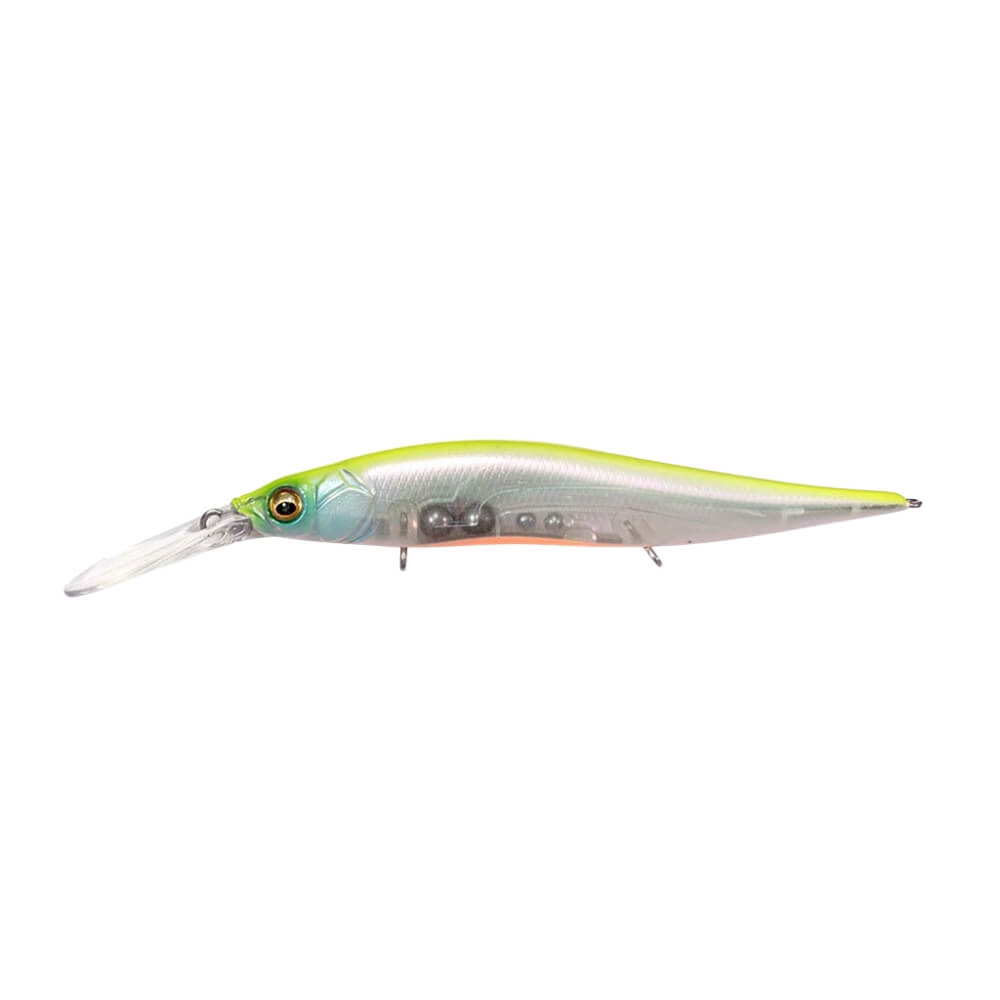
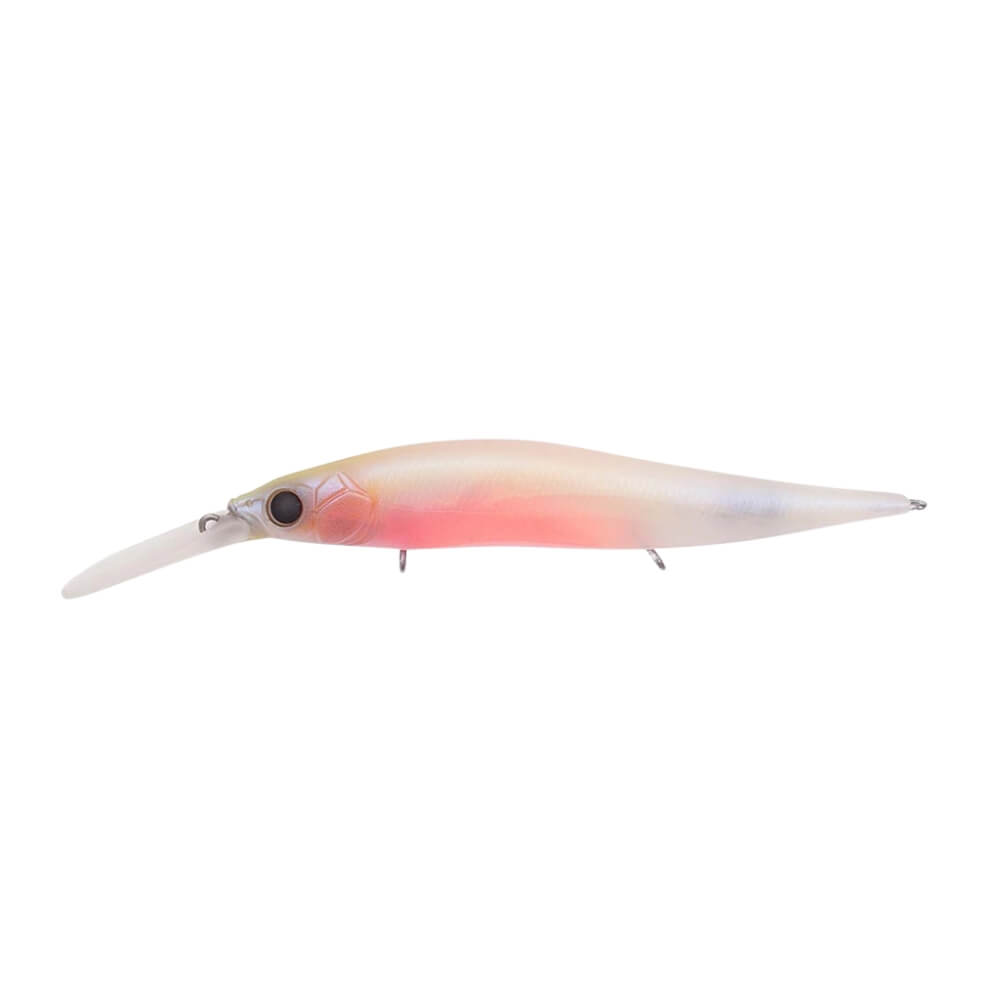

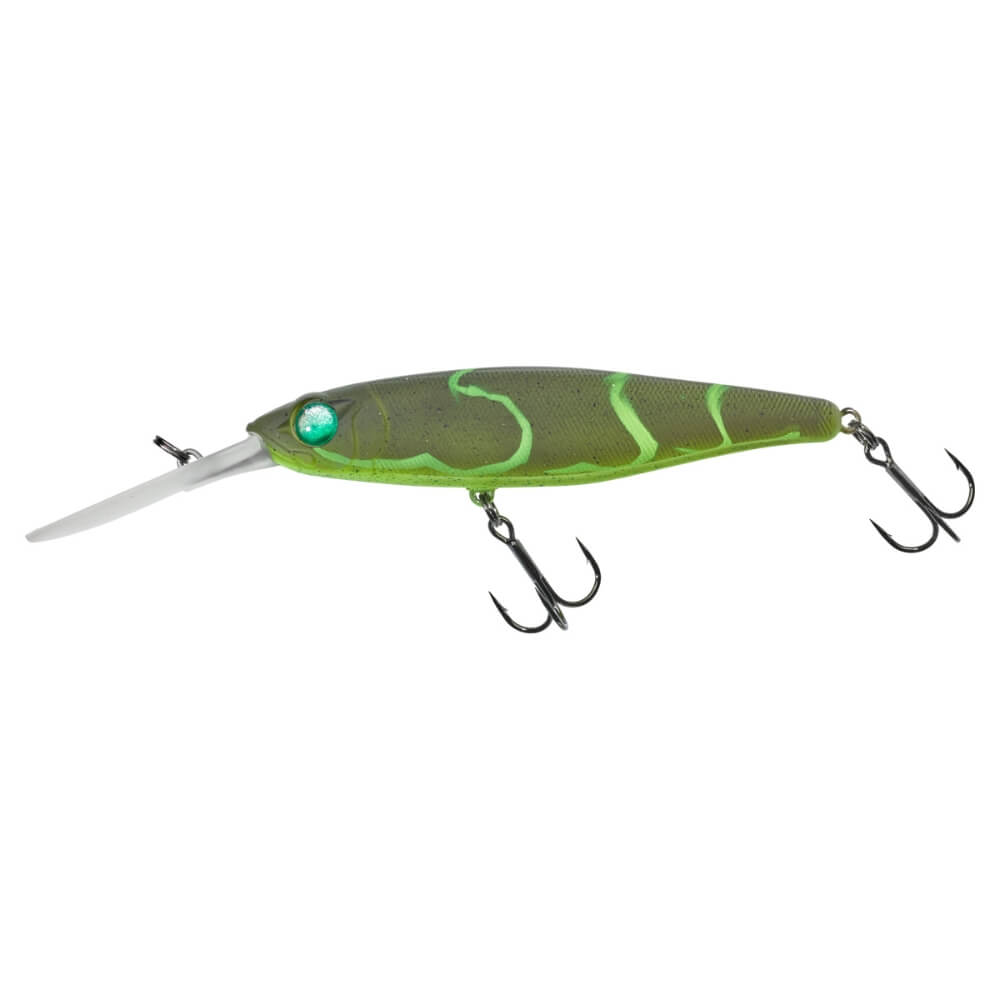
💚 Lead-free


Save 17%
💚 Lead-free


Save 12%

Save 23%



⭐ Top rated


⭐ Top rated


⭐ Top rated


⭐ Top rated



Save 11%


Frequently asked questions
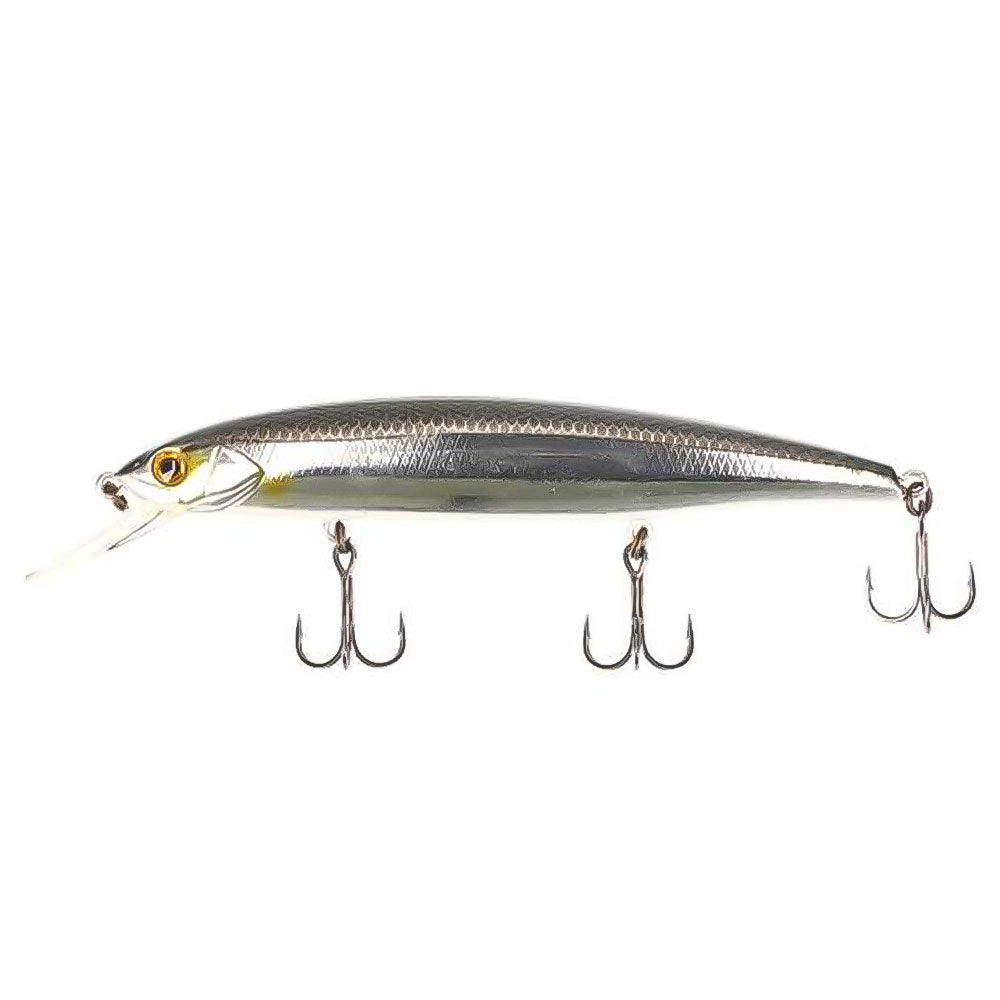
Animate them with sharp, snappy strokes of the rod tip. This causes the lures to dart unpredictably, producing an irresistibly erratic action.
Illex, DUO International, Hybrida, Daiwa and Rapala, among countless others.
Not necessarily. A shorter rod is an advantage - up to around two metres in length. A fast action also helps, since you animate the lures with strokes into the rod tip.
When predators are holding in open water or in the upper layers of the water column and responding to an aggressive, snappy presentation.
Development costs are often high, as these are highly engineered lures. Premium materials are used throughout, and a great deal of hand finishing goes into each one. The upside is that the lures will last a lifetime, as long as you don't lose them.
That depends on the lure. Smaller twitchbaits up to around eight centimetres are excellent for perch and trout. Anything larger is well suited to targeting zander and pike.