










Wire Traces
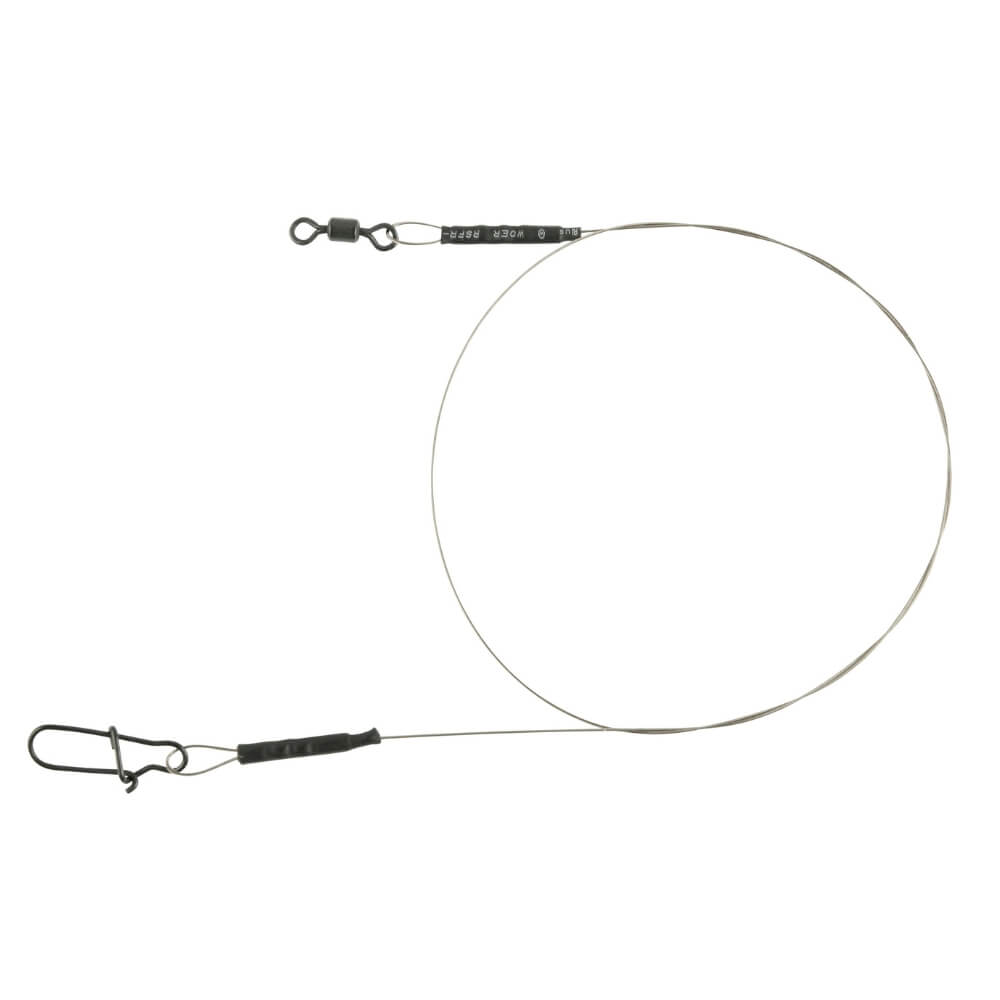
Wire traces are virtually essential for pike fishing. If a large pike takes the lure too deep, regular leader material can be bitten through in no time. That is why experienced anglers swear by steel.
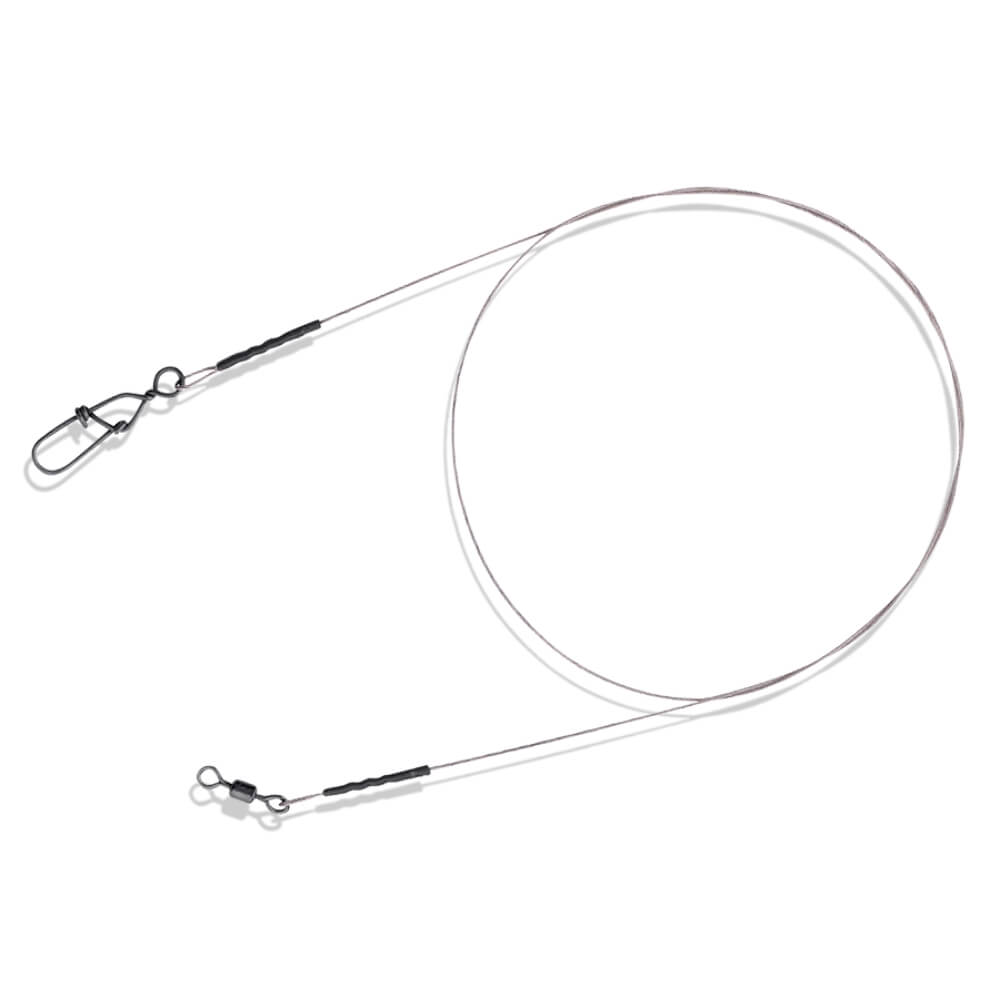


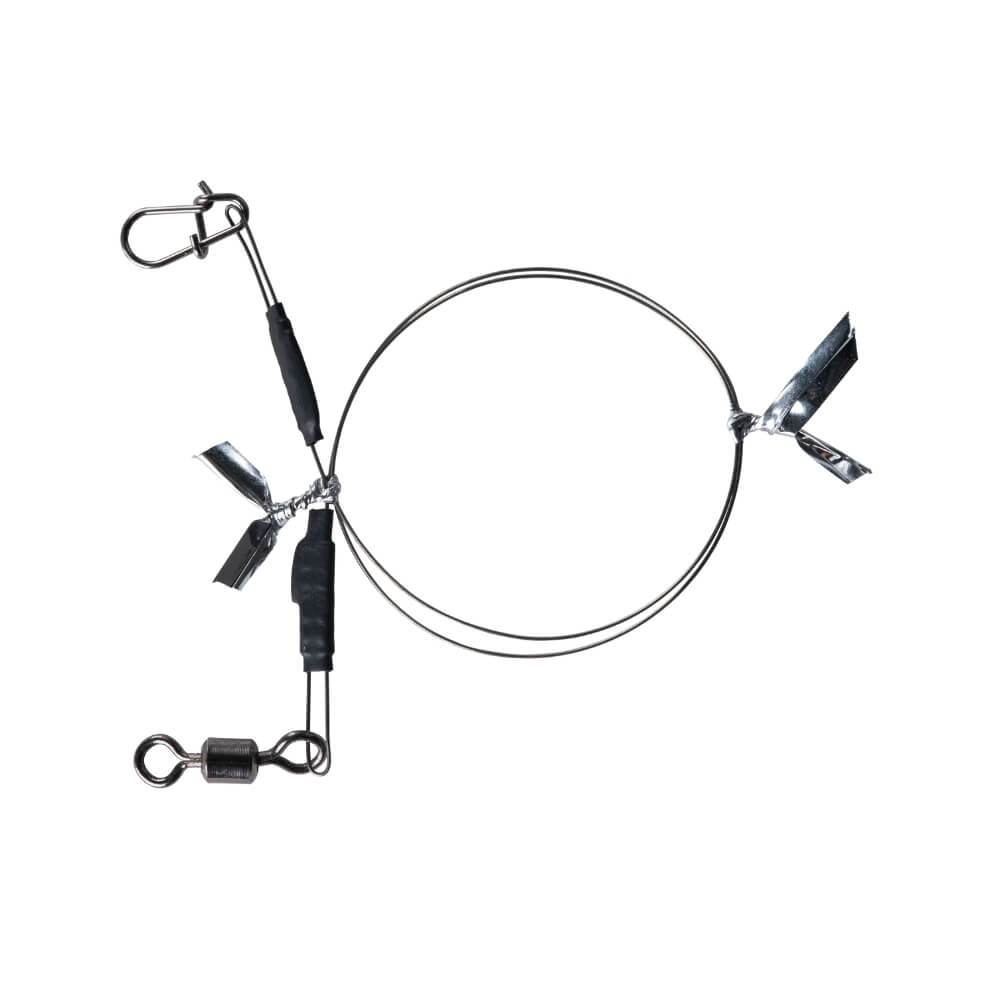



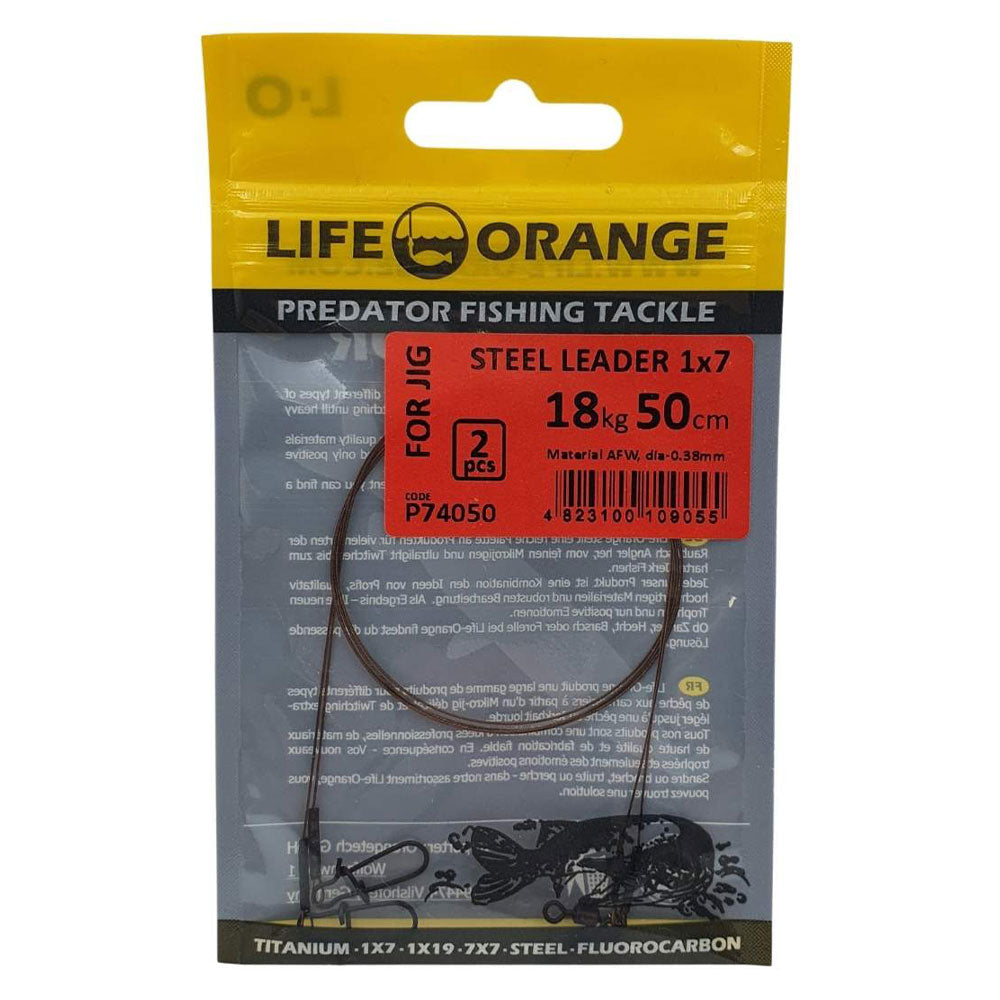





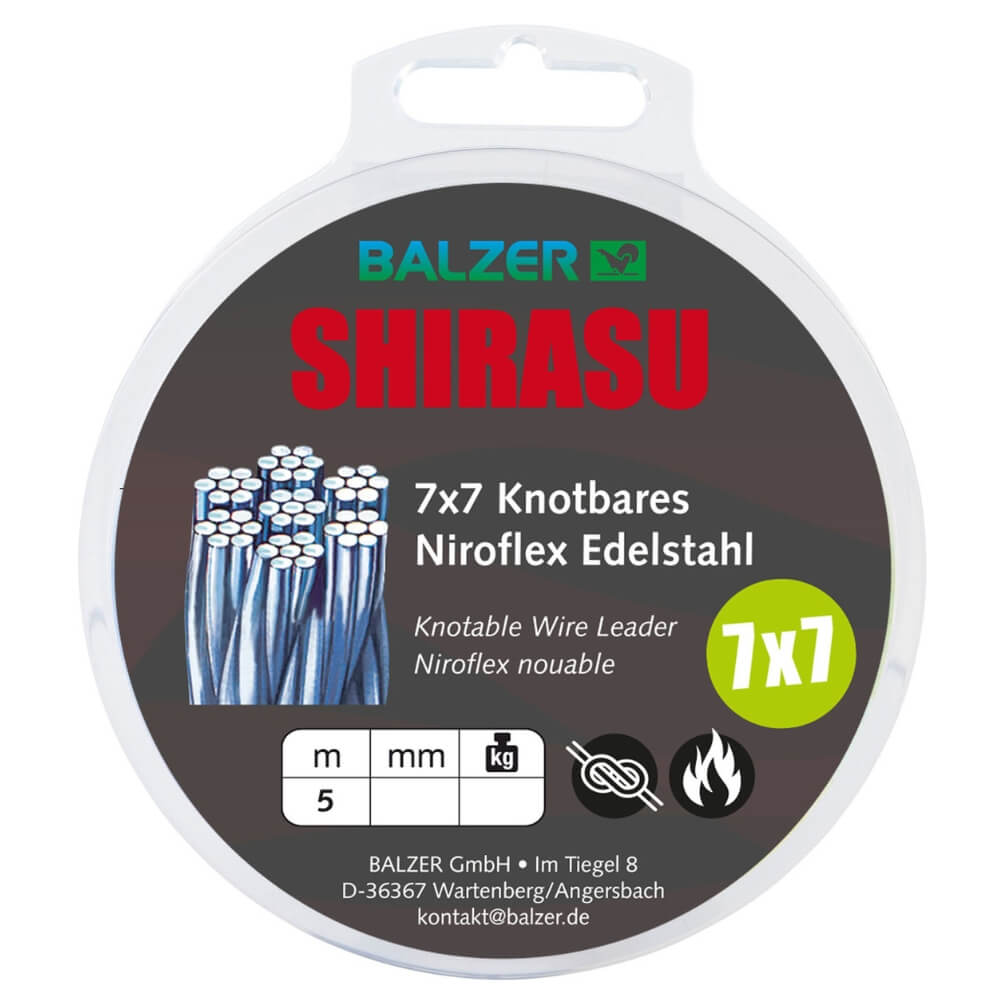
3 variants
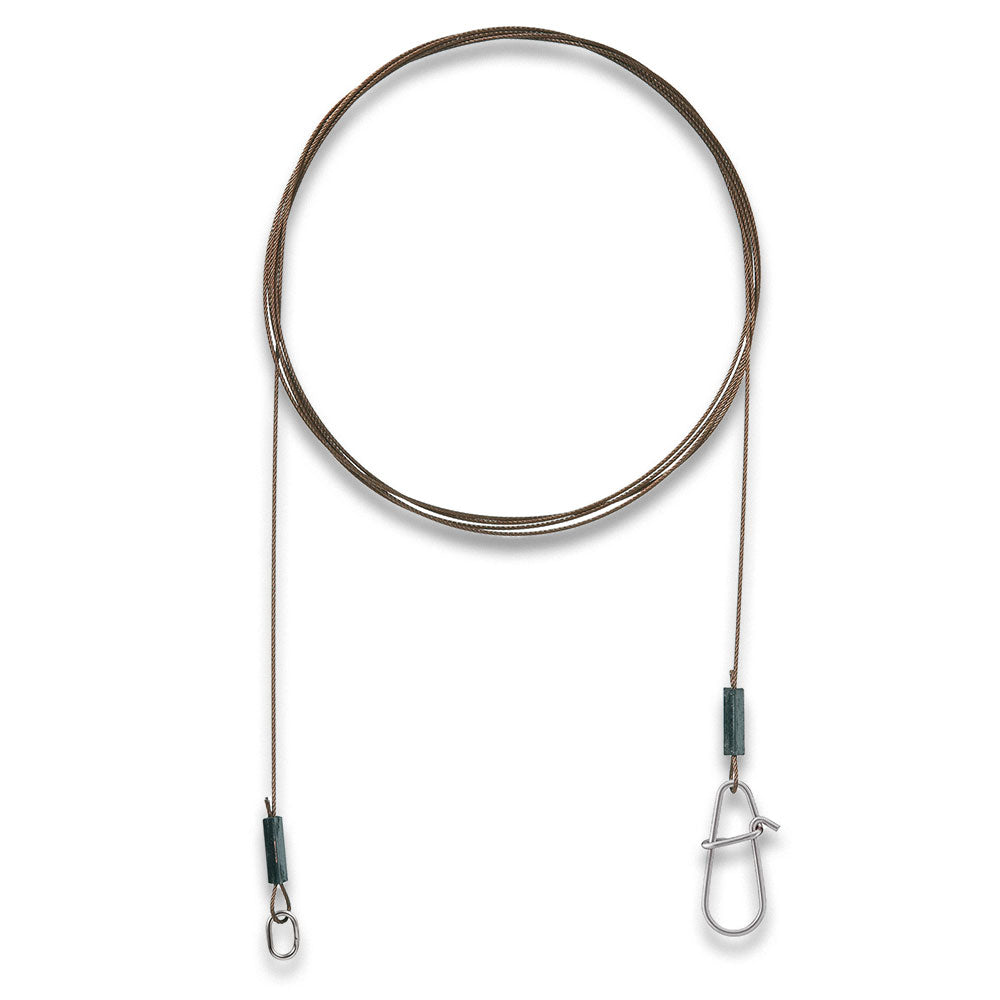


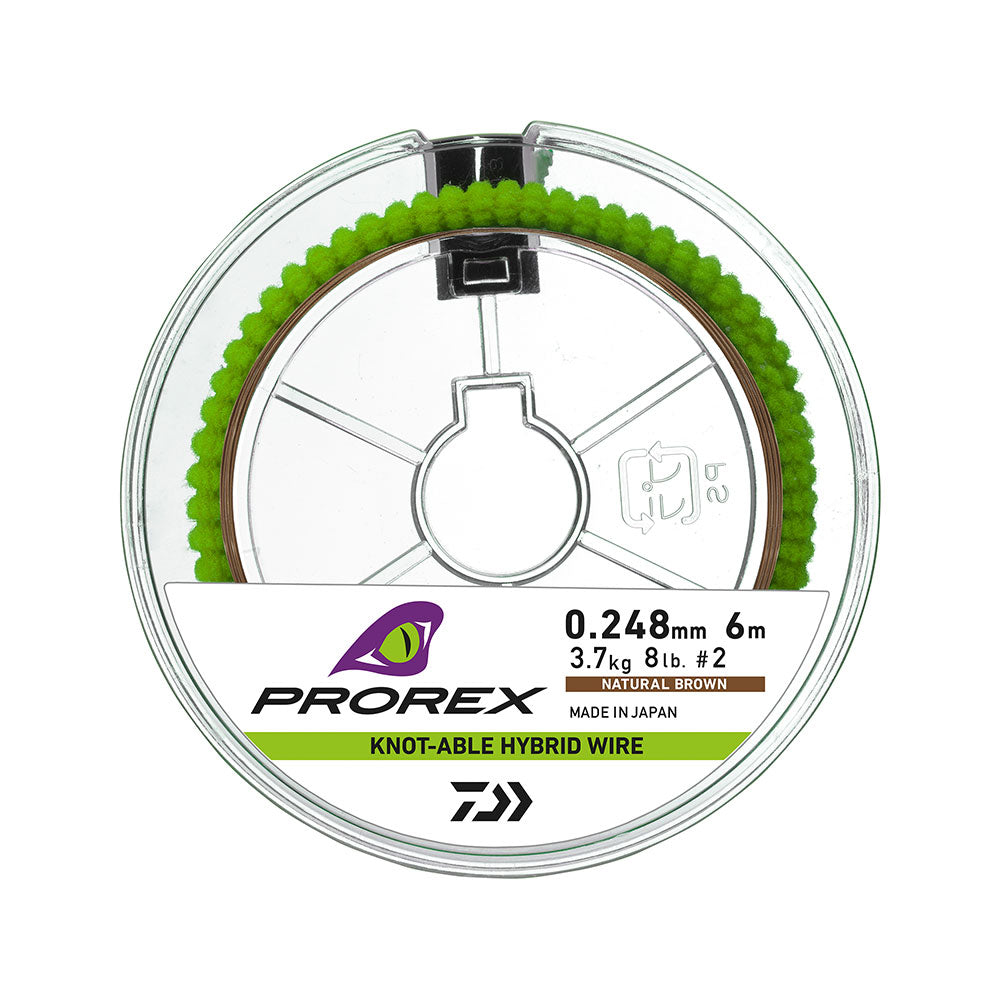


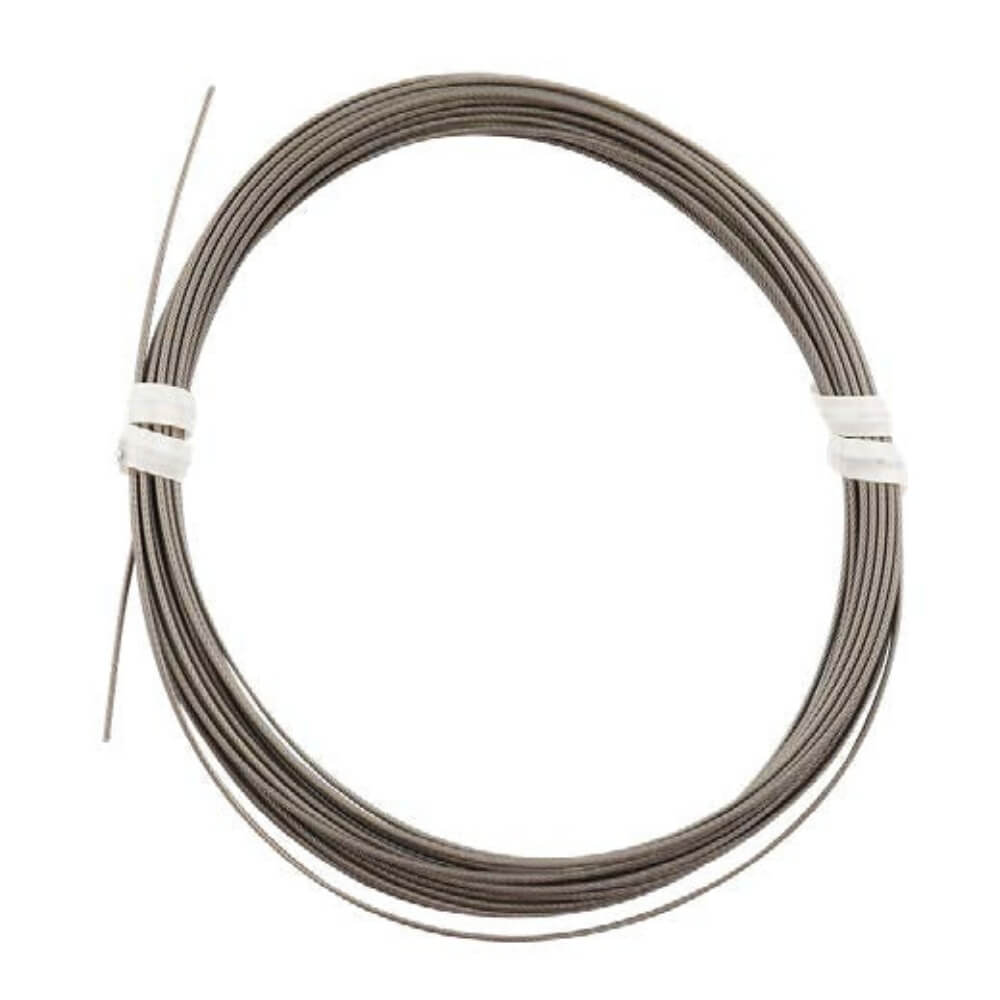

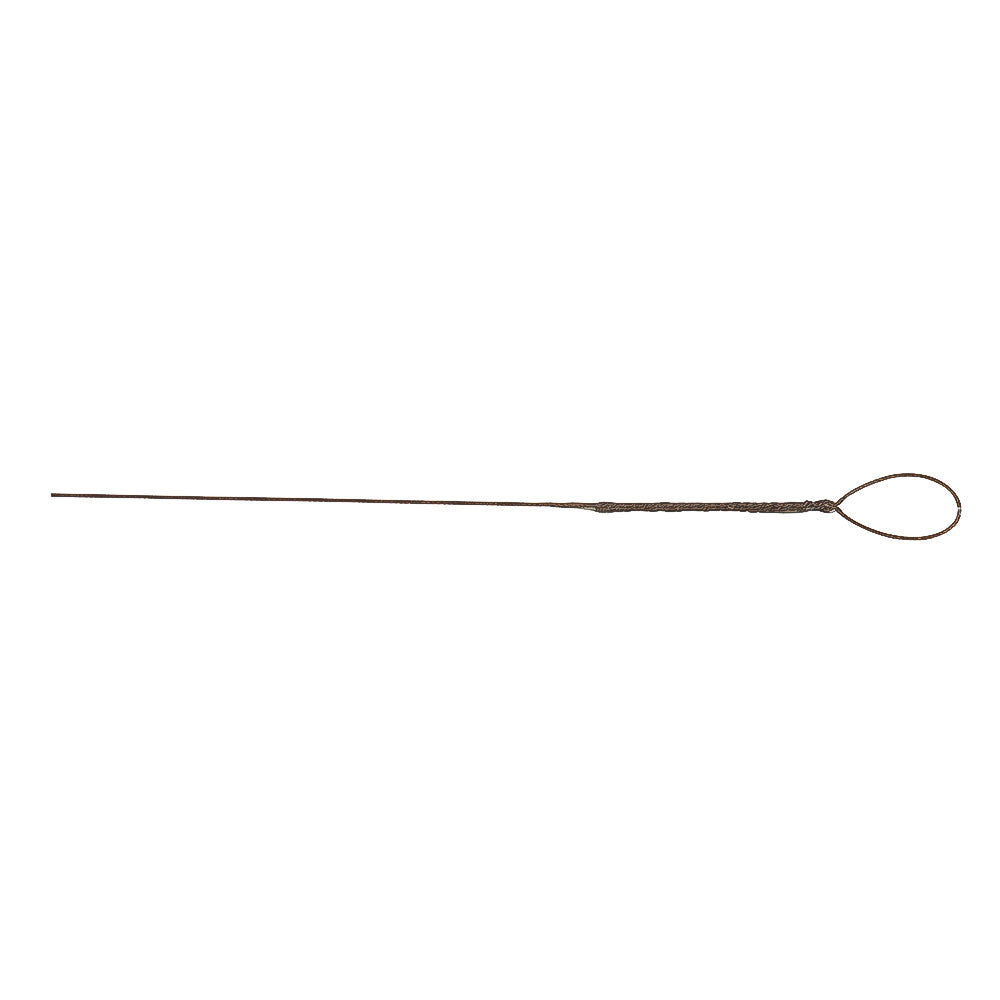
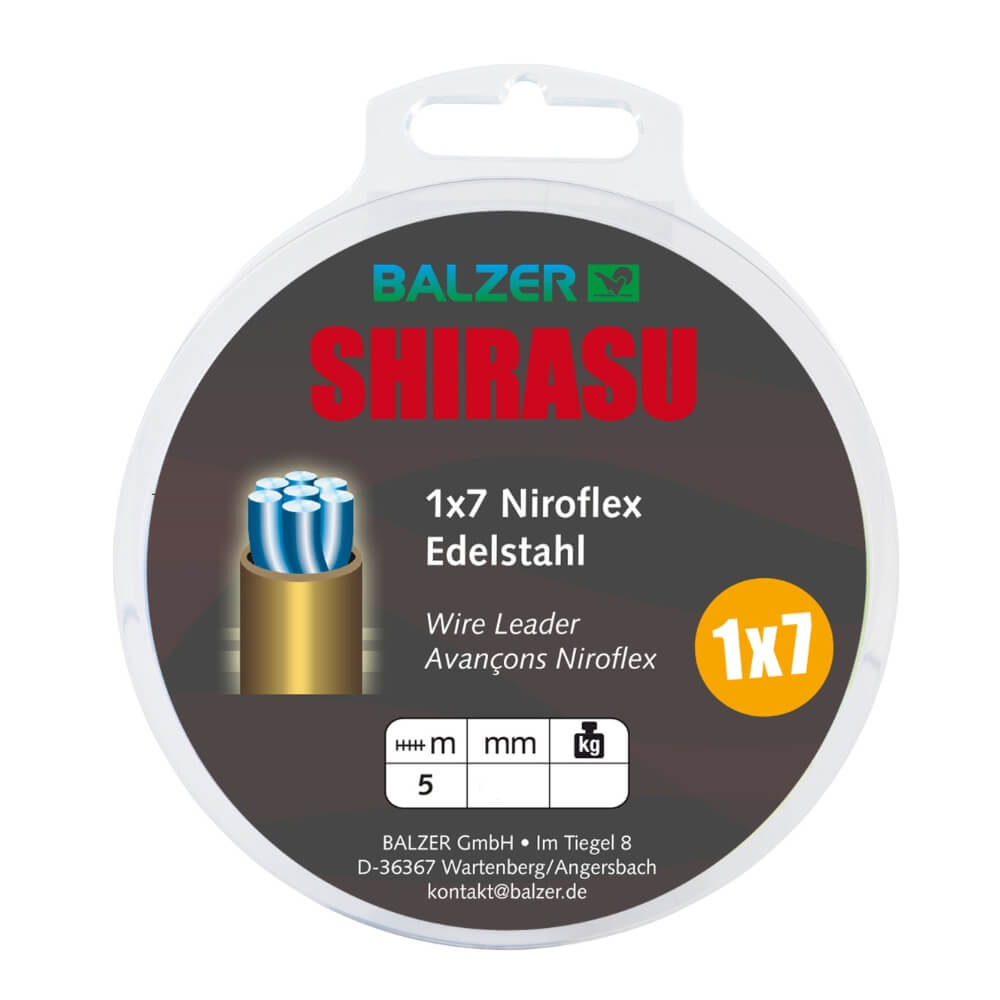
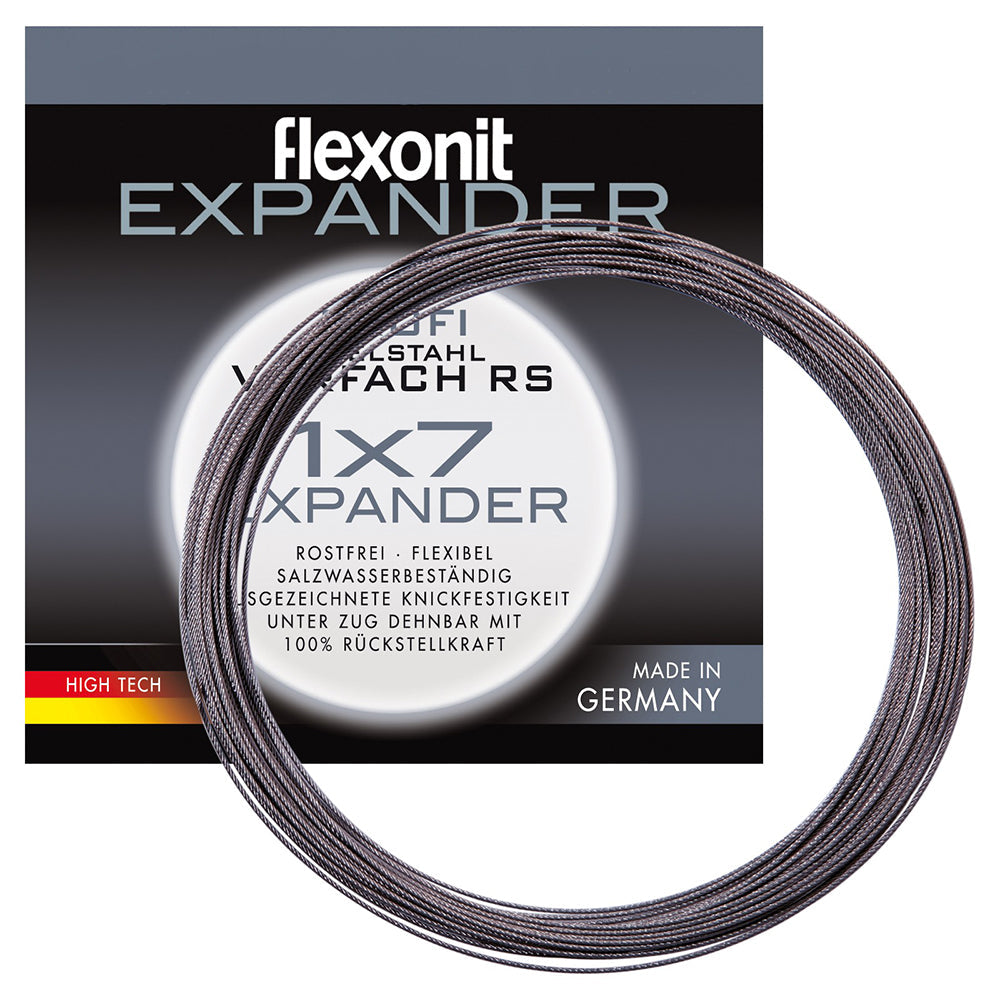
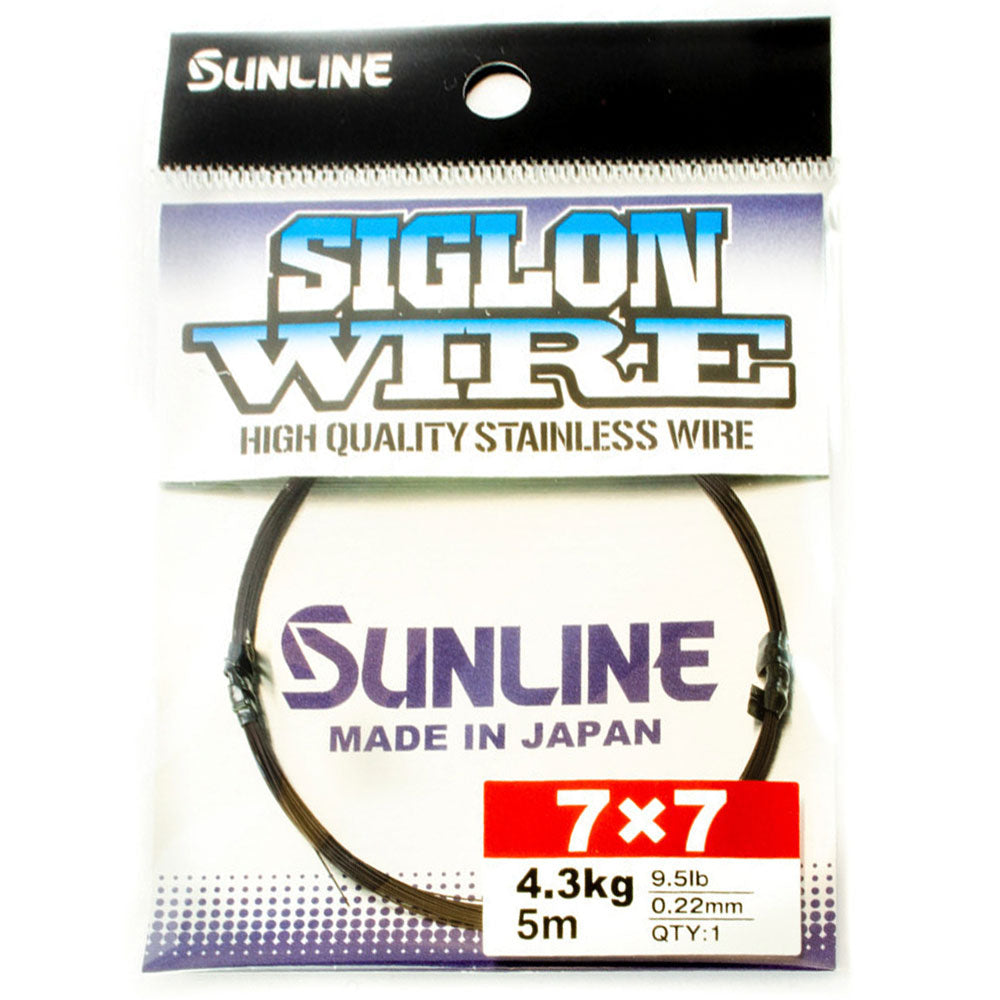

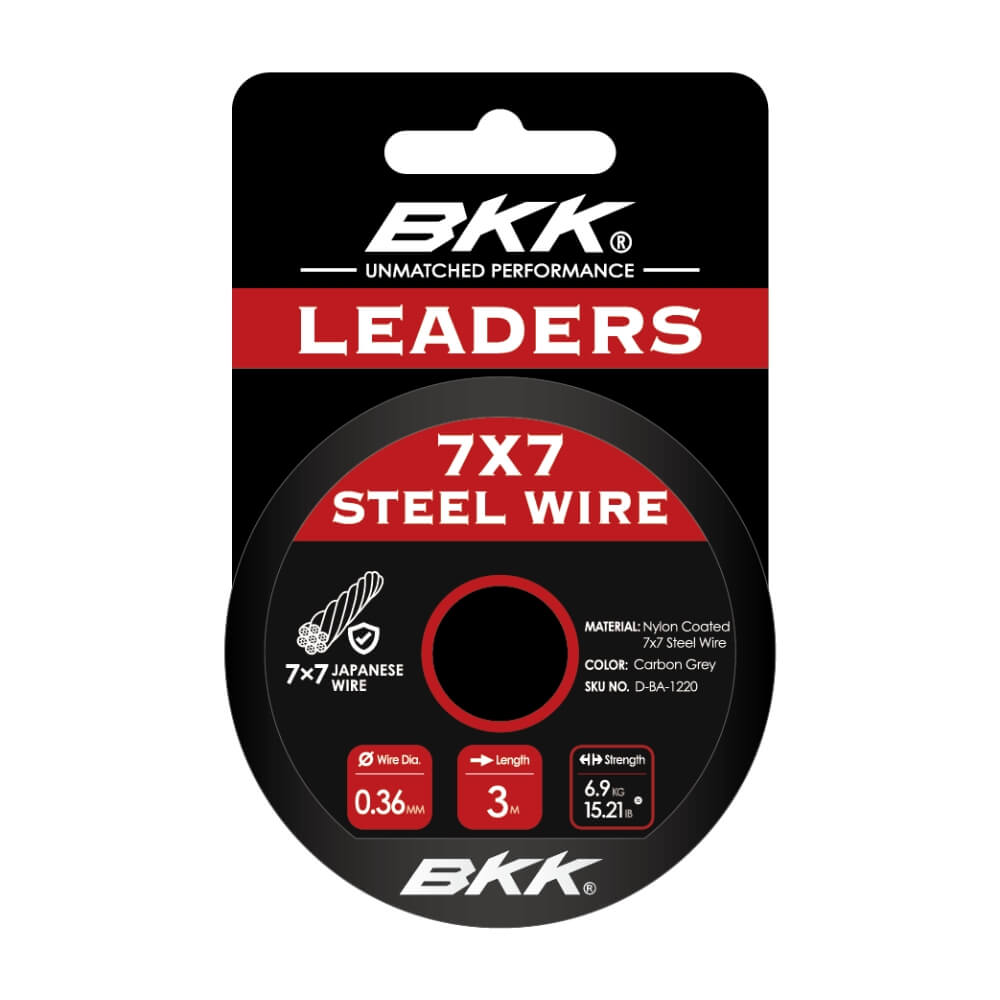

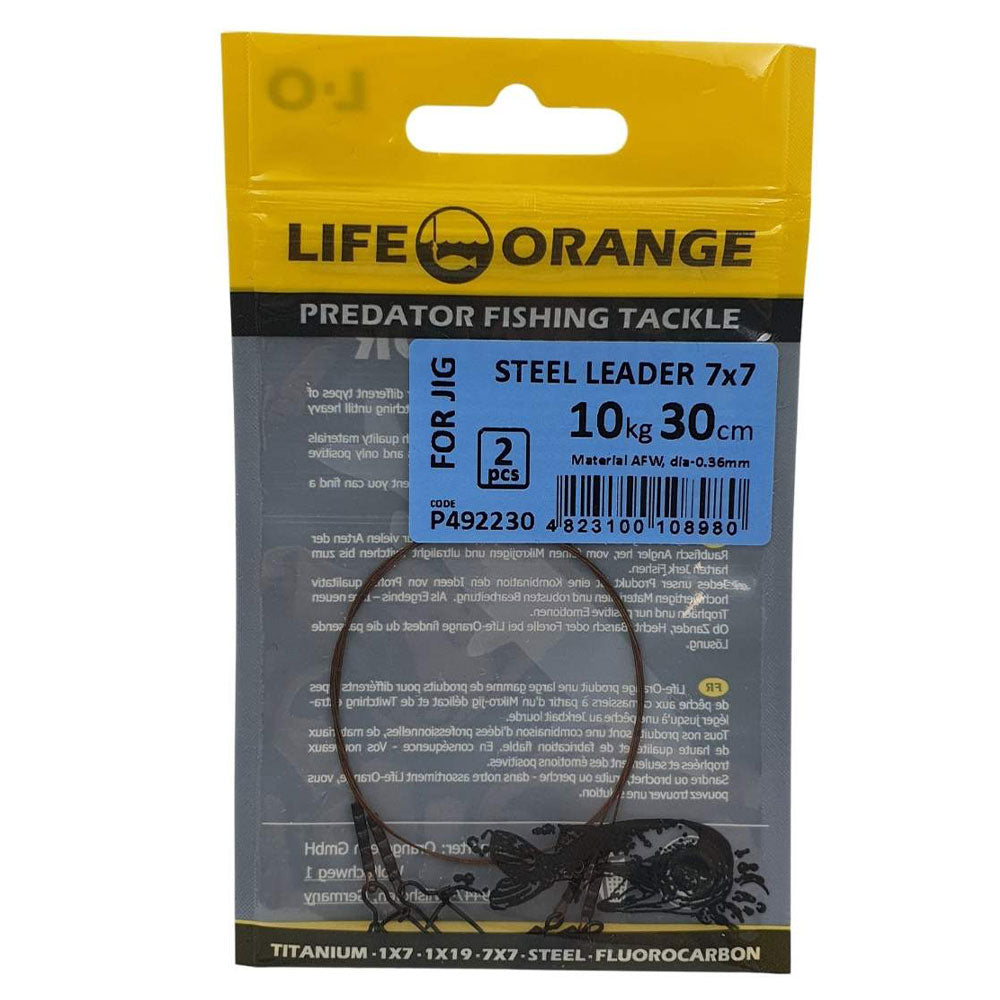

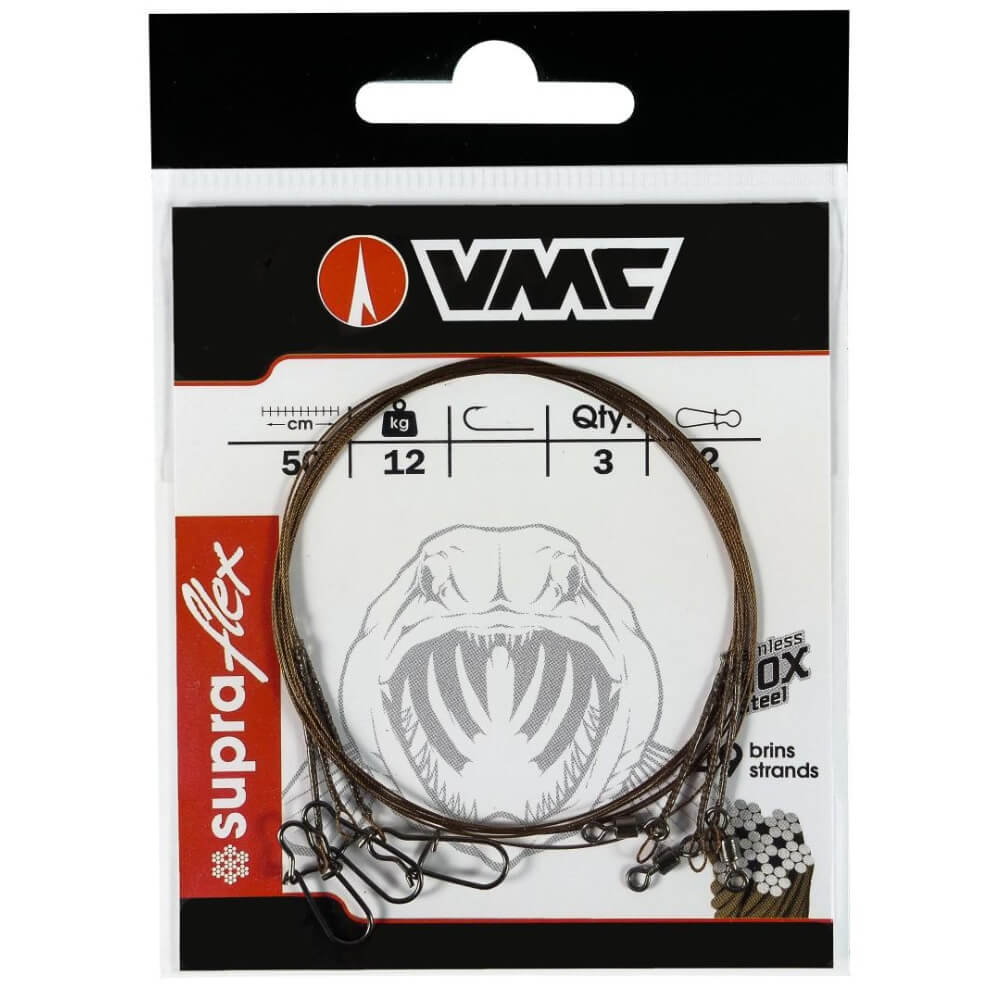


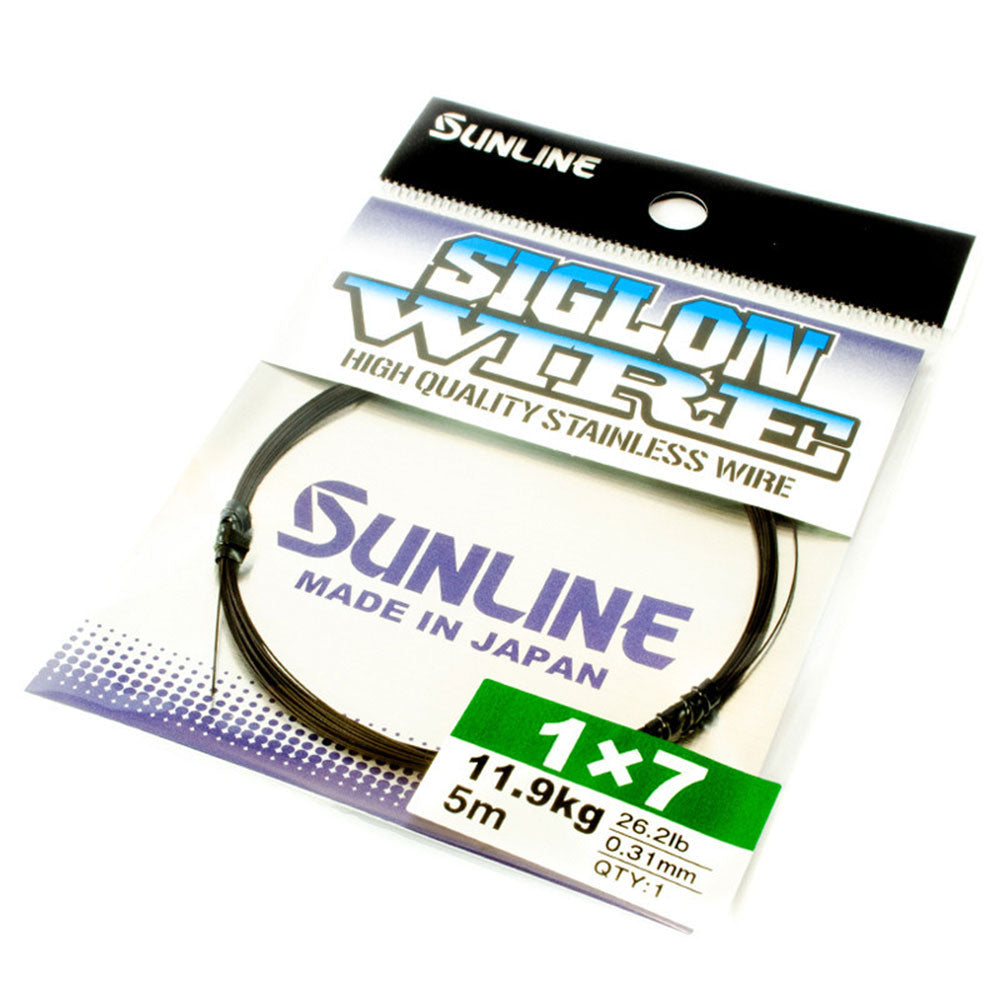
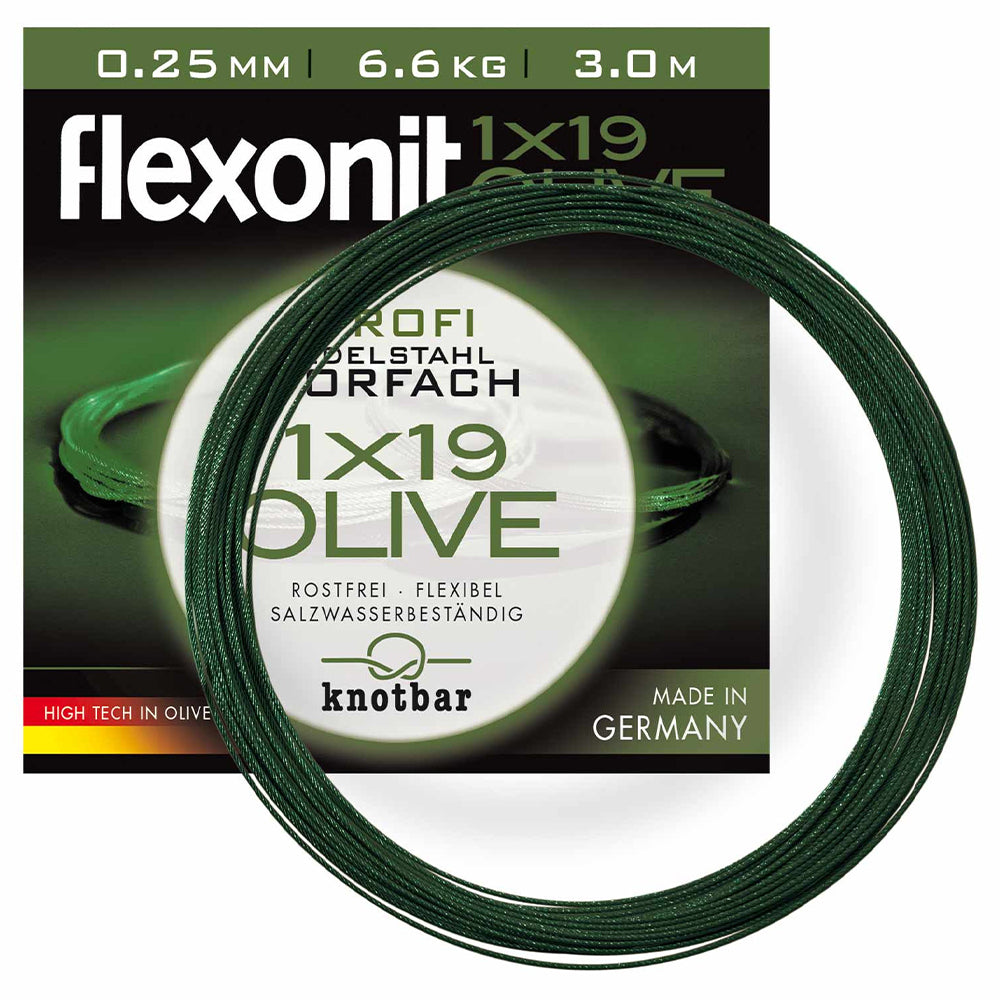
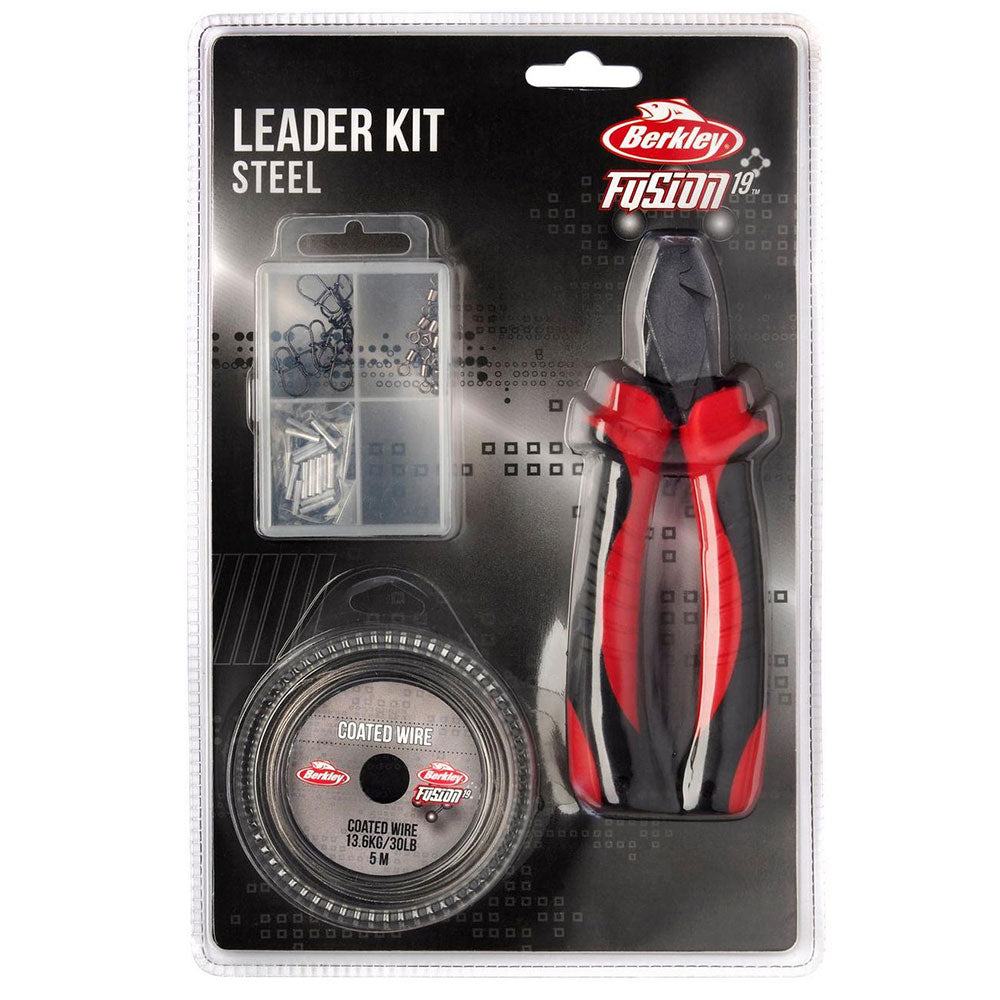


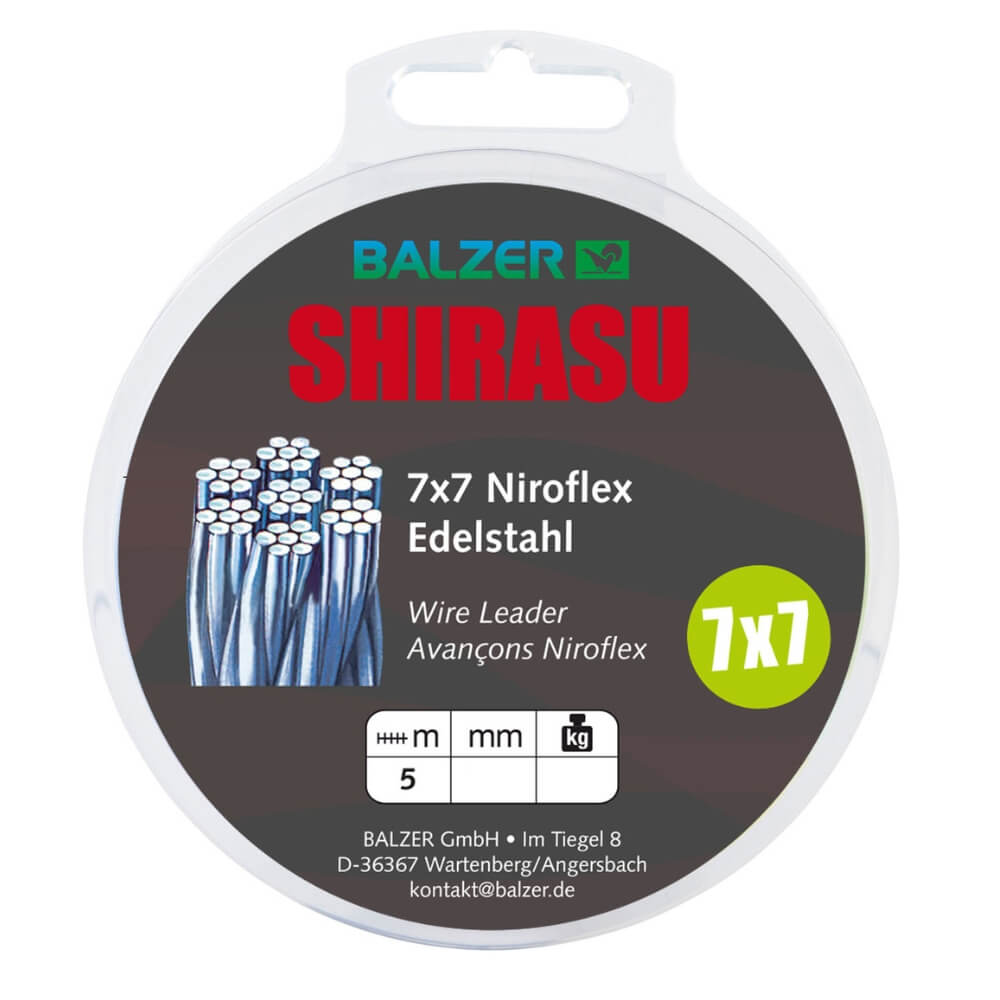


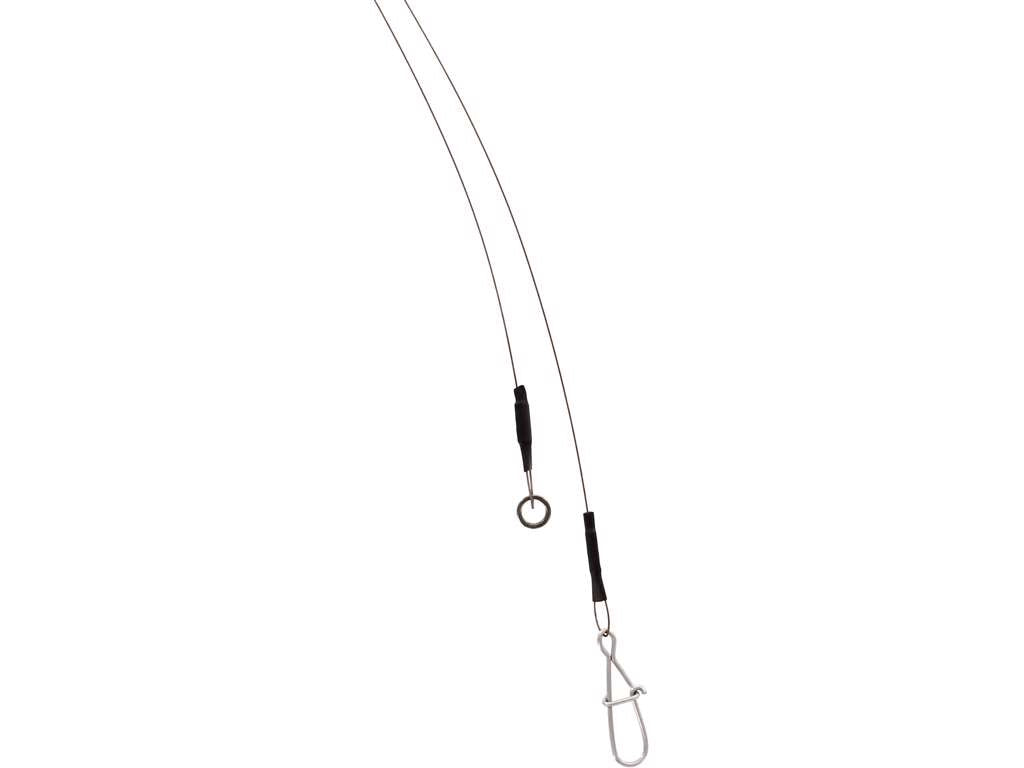


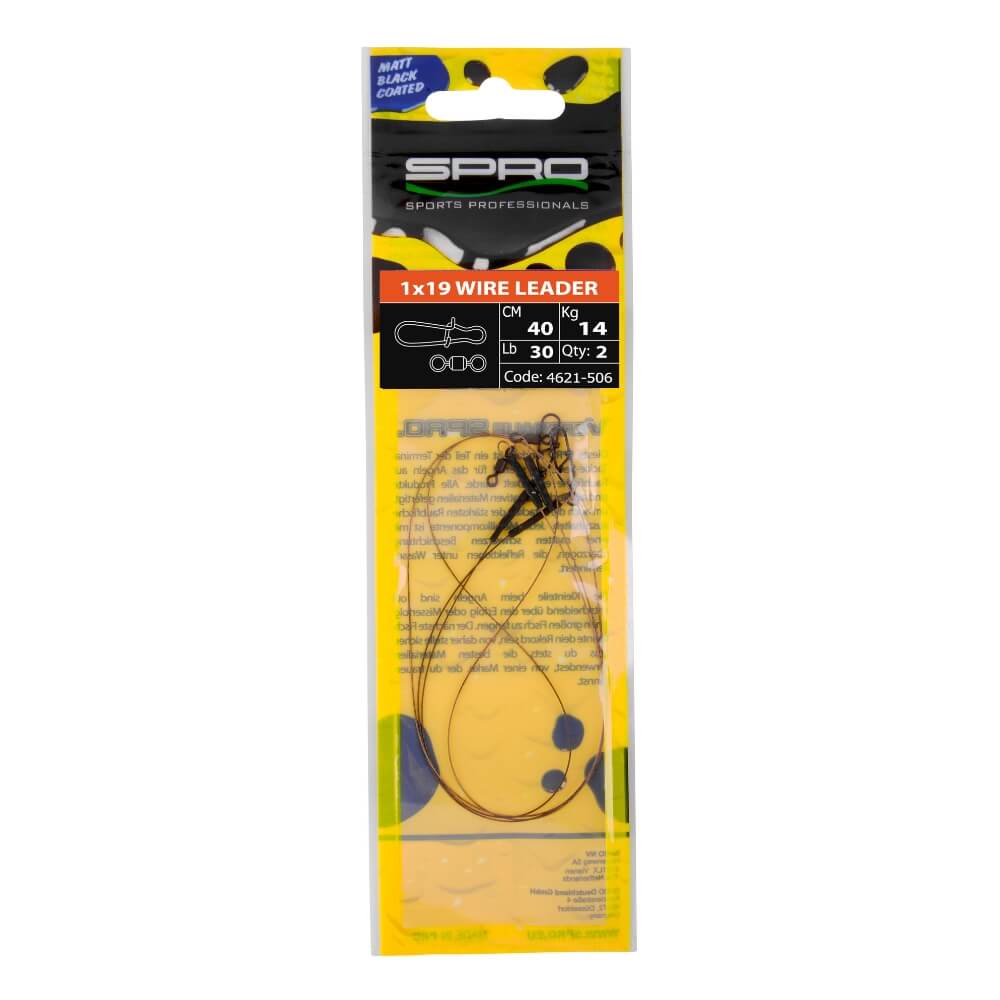
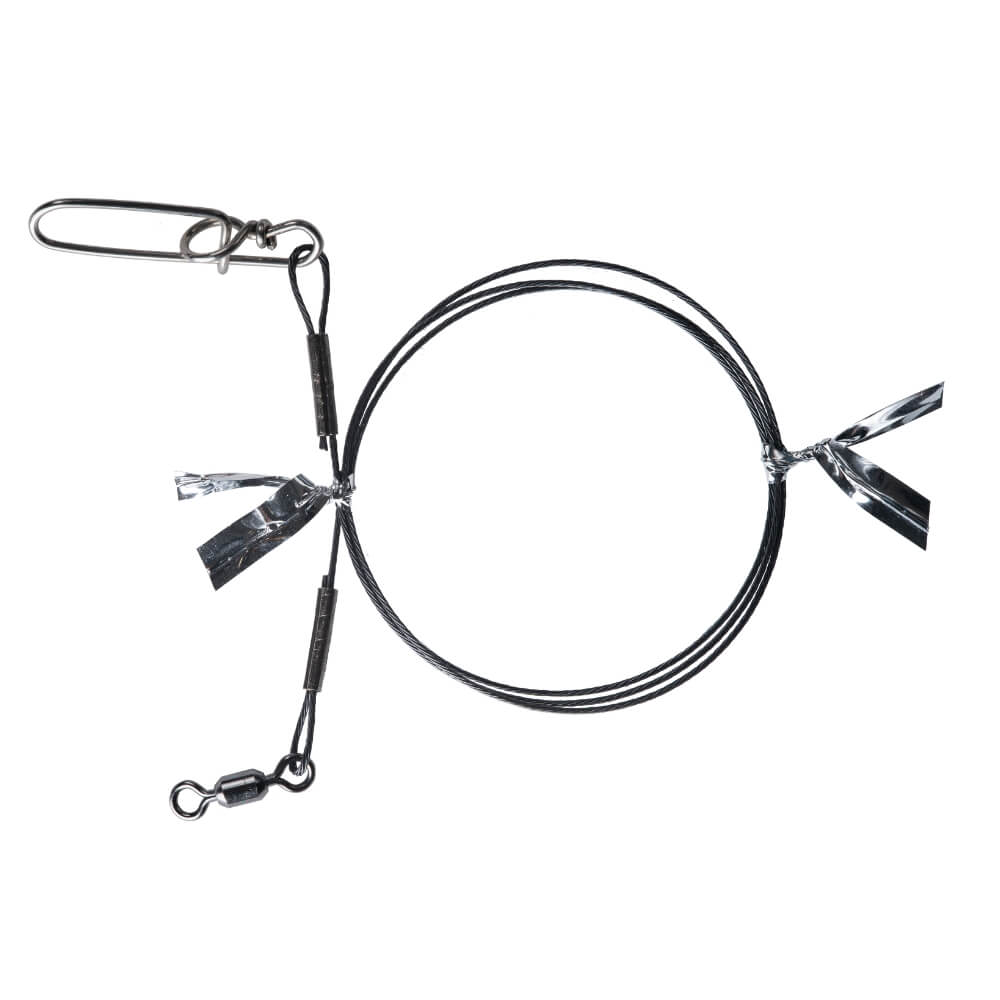
<h2>Hard as Steel: Wire Traces</h2><p>Nobody likes losing fish. When it happens through your own oversight and a fish ends up swimming around with a lure in its mouth, it is not just frustrating - it is also irresponsible.</p><p>If you are targeting predators with sharp teeth, you need to use bite-resistant leader material. Wire traces are one of the most reliable ways to protect yourself against this.</p><p>Steel is not all the same, though, and as with everything in fishing, the options are numerous. To help you make the right choice, we have put together some <strong>useful tips on wire traces</strong> - a brief overview of what to use, when, and why.</p><h3>What Makes Wire Traces Different?</h3><p>Wire traces are available in a range of base materials and constructions.</p><p>As a starting point, almost all wire trace materials are more or less resistant to corrosion. Most will not rust in freshwater use. If you intend to use wire traces specifically in saltwater or brackish water, stainless steel traces are the better option. The type of steel used also affects the colour of the trace. Stainless steel traces have the typical silver finish associated with that material. Most other traces tend to be brownish or greenish, which is often achieved through additional surface treatments or coatings.</p><p>That brings us to the question of <strong>coating</strong>. Traces are available coated and uncoated. Coated traces have an outer sheath of nylon or similar material. They kink less easily than uncoated traces but are considerably stiffer and cannot be knotted - they must be crimped or crimped and swaged. They are particularly well suited for use with lures that are prone to fouling the hooks in the trace, or for building hook rigs for deadbaits.</p><h3>Coated vs Uncoated Wire Traces</h3><p>Uncoated traces are softer and generally less conspicuous, but they kink more easily and need replacing more often. They are a great choice for building stingers - the lure continues to move naturally - or for use ahead of lures whose action is sensitive to stiff leader material.</p><h3>Strand Count</h3><p>There are wire traces made from single-strand steel wire, but these are more akin to spinning bars that were used with jerkbaits in the past and are rarely seen today.</p><p>Modern wire traces are made up of 1 x 7, 1 x 19 or 7 x 7 strands. The braid construction determines the properties. Uncoated, 7 x 7 traces are the softest but also the most expensive.</p><p>1 x 7 traces are more affordable but considerably stiffer than 7 x 7 traces. They are still well suited for many applications, though they kink more easily than 49-strand traces and need to be replaced more frequently.</p><p>19-strand traces sit exactly between the two in terms of properties. They are a popular choice for building deadbait rigs, and stinger systems can also be constructed from them. They kink relatively little.</p><p>49-strand traces are the softest option but also the most expensive. In return, some can be knotted in finer diameters without the need for crimps, which keeps the rig less conspicuous and means you can build rigs on the water without any additional tools.</p>