










Neko Rig
Like the ned rig, the neko rig is a predator rig that works right on the bottom - the soft plastic performs an irresistible, seductive dance that triggers even the most cautious fish into taking.


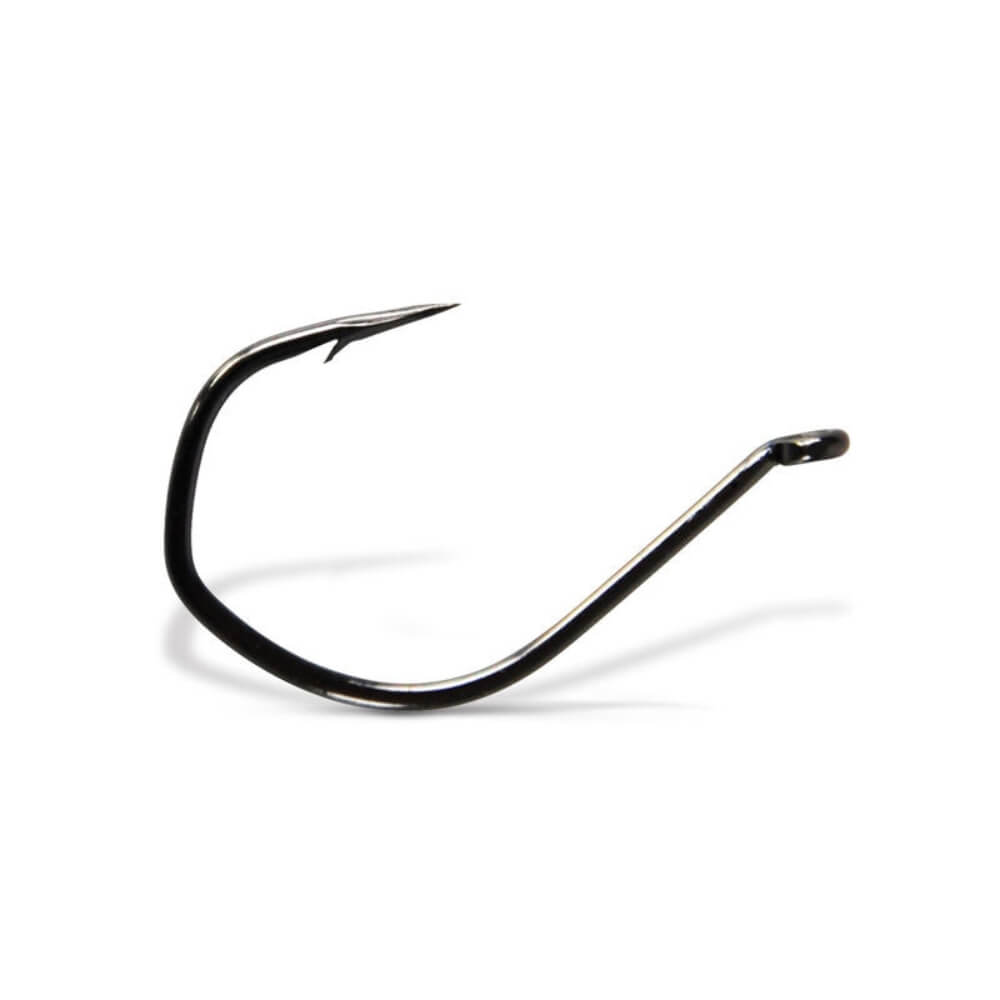
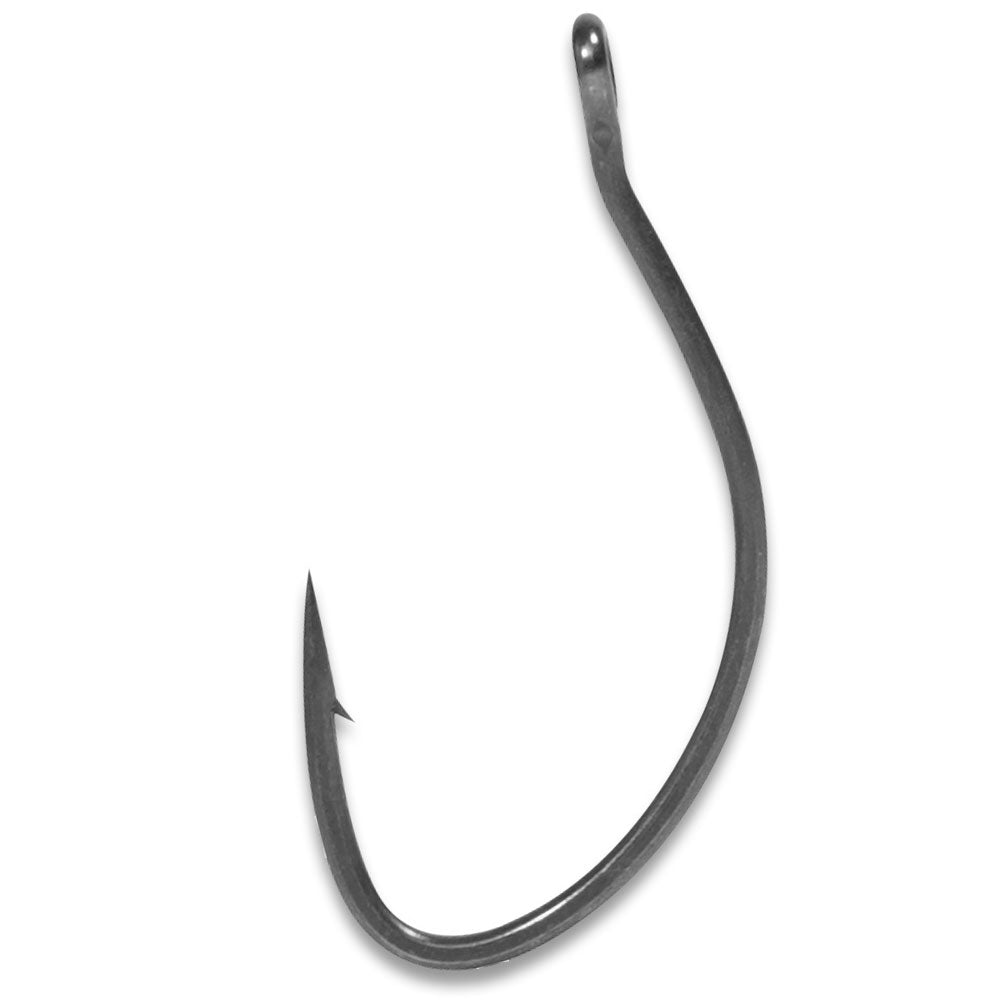


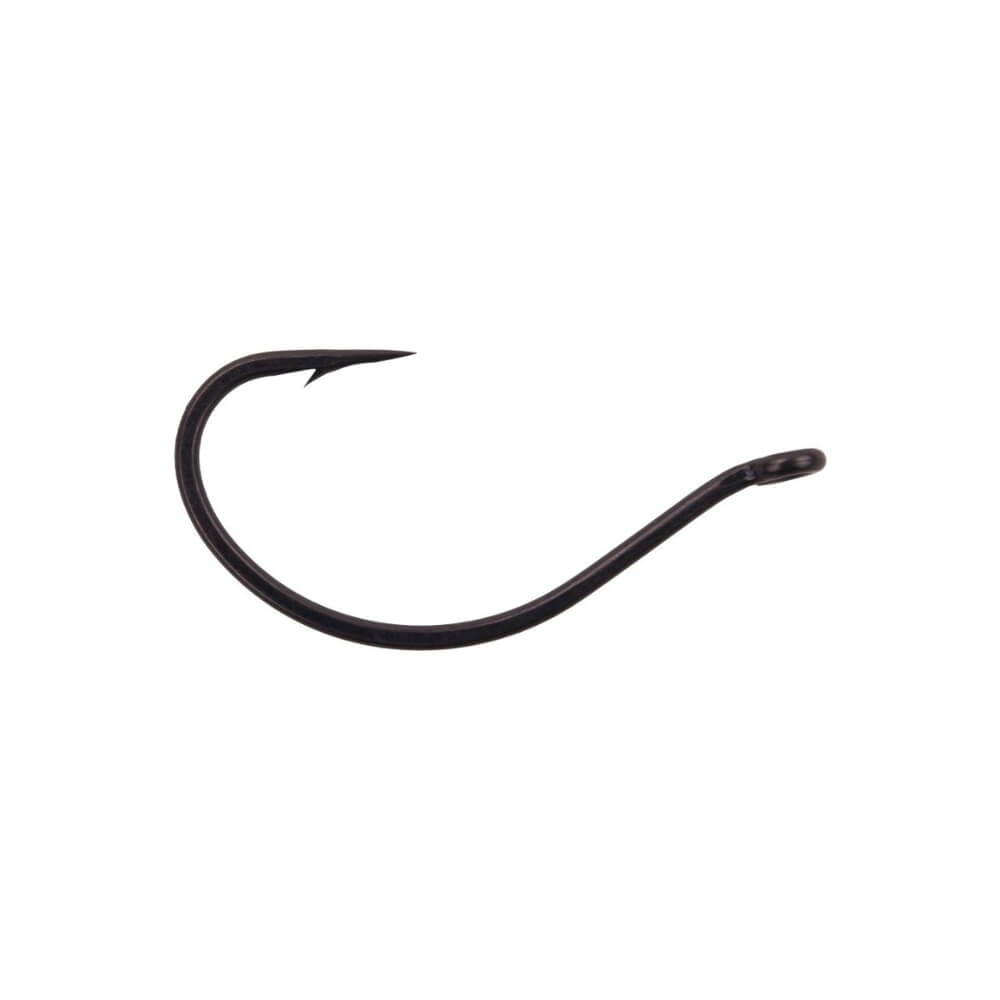


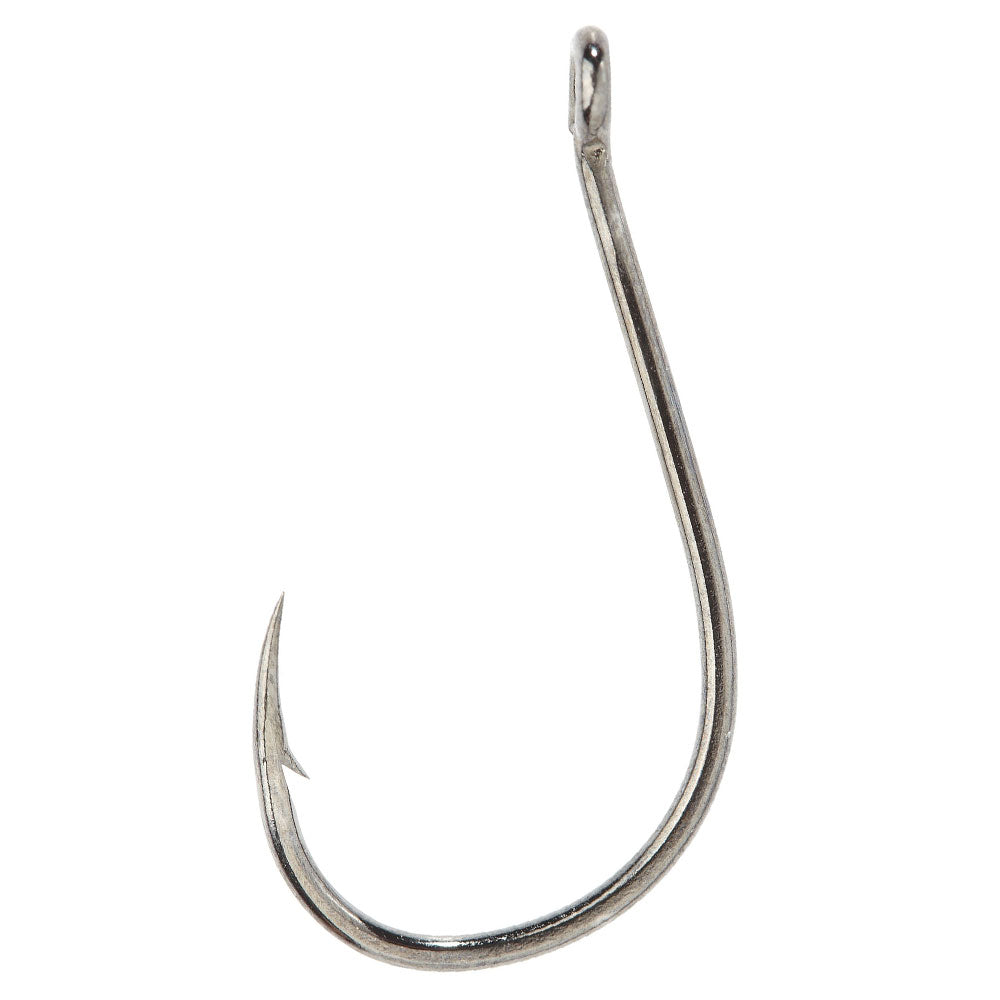
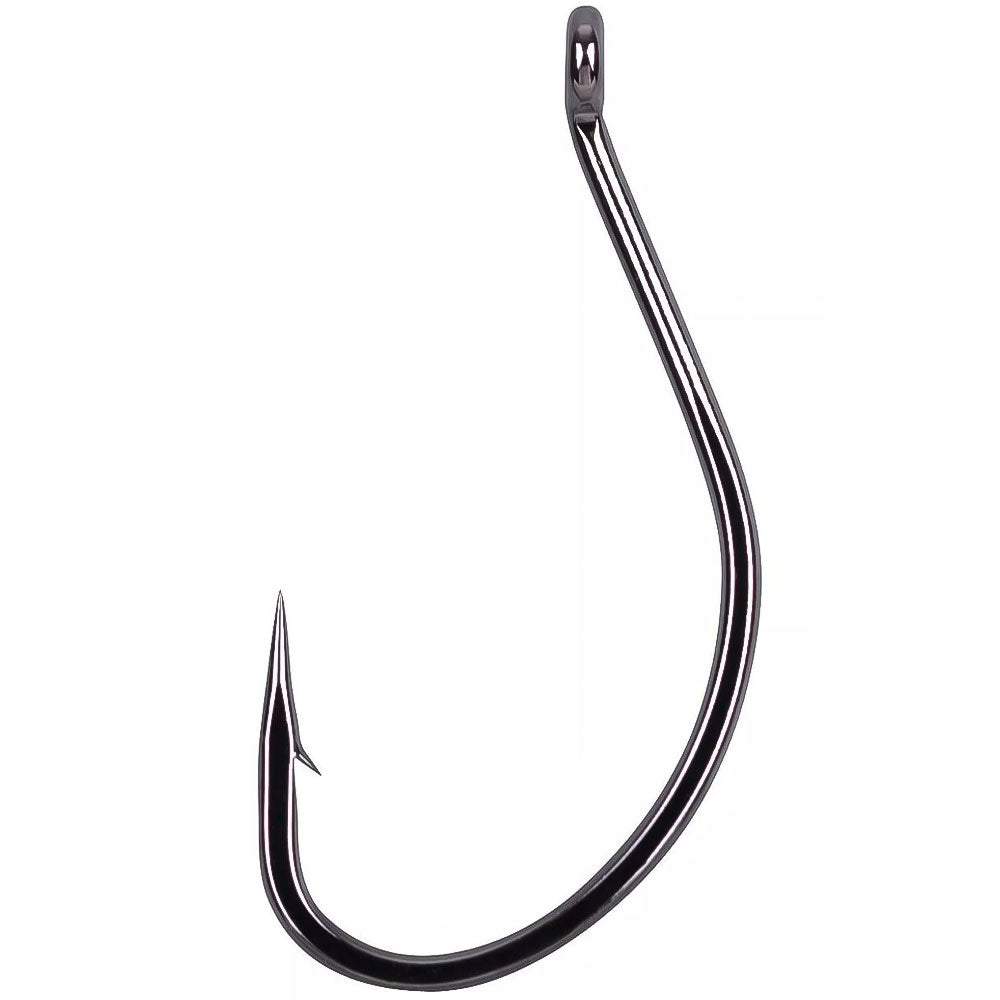

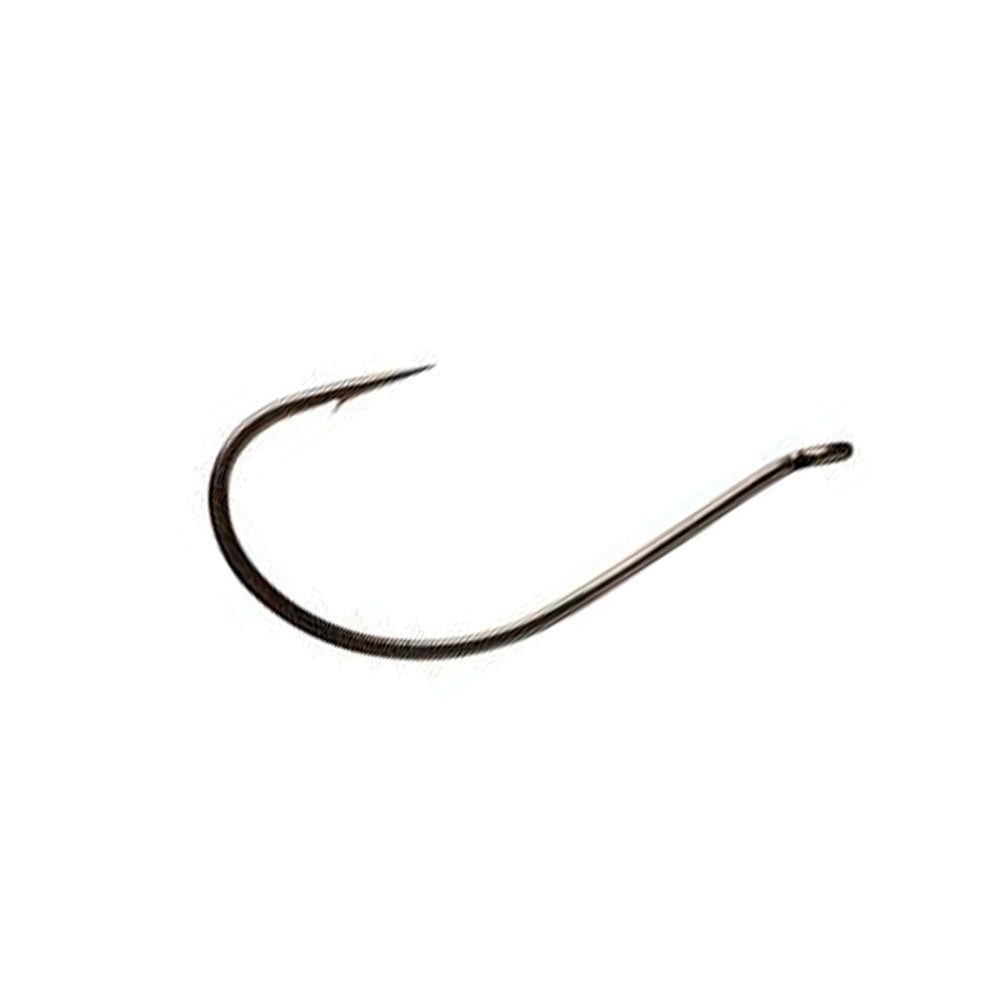
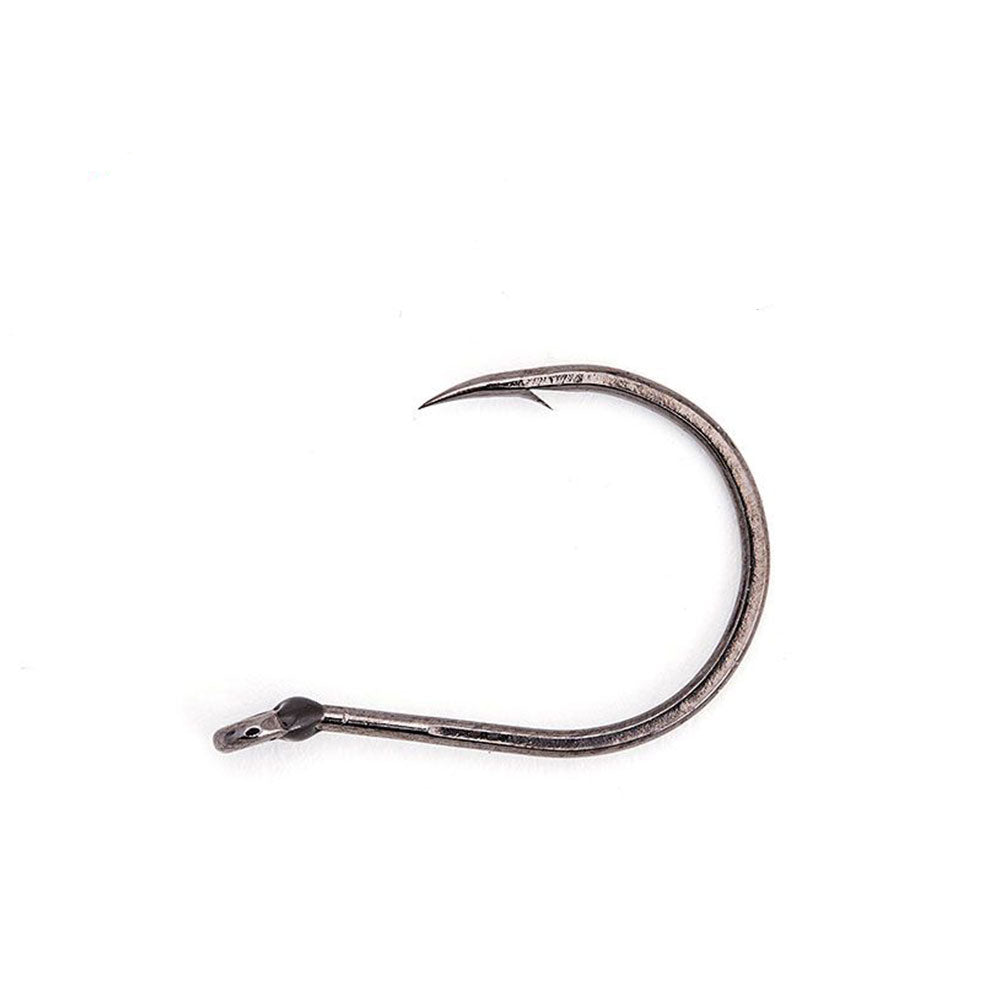

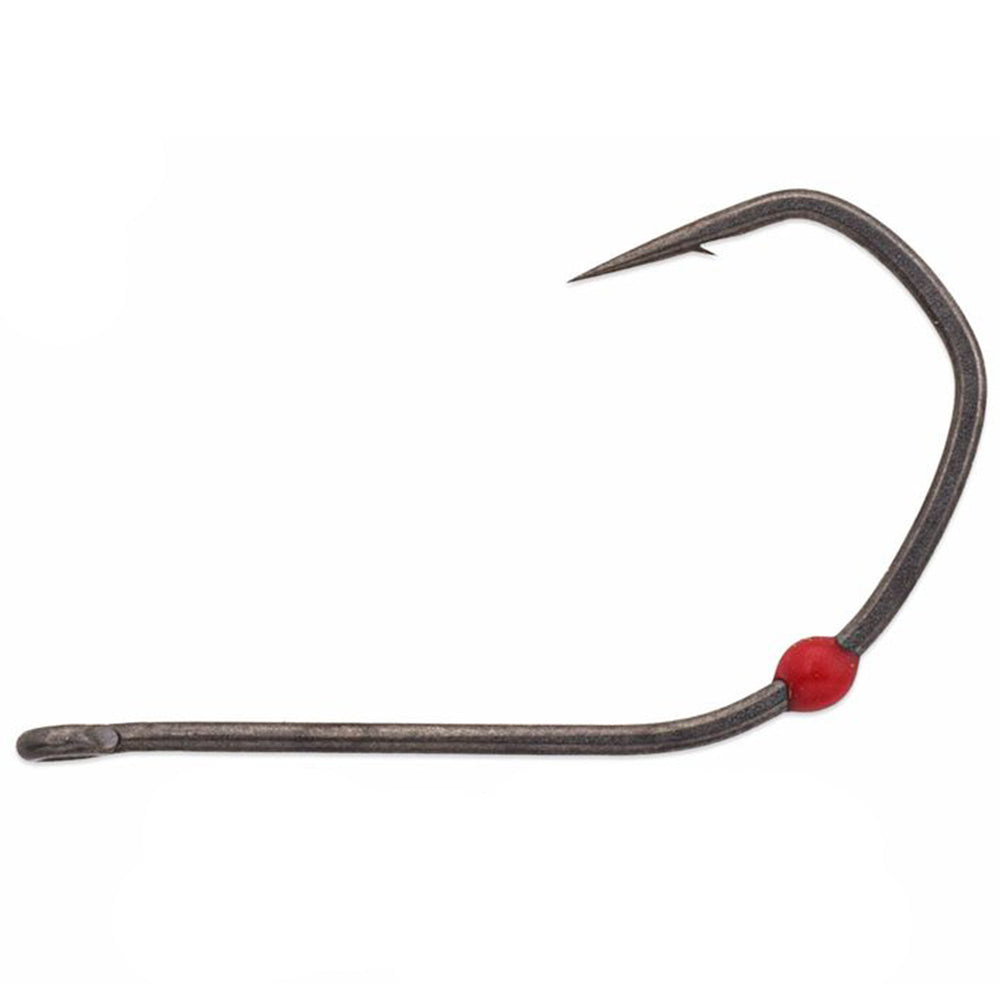
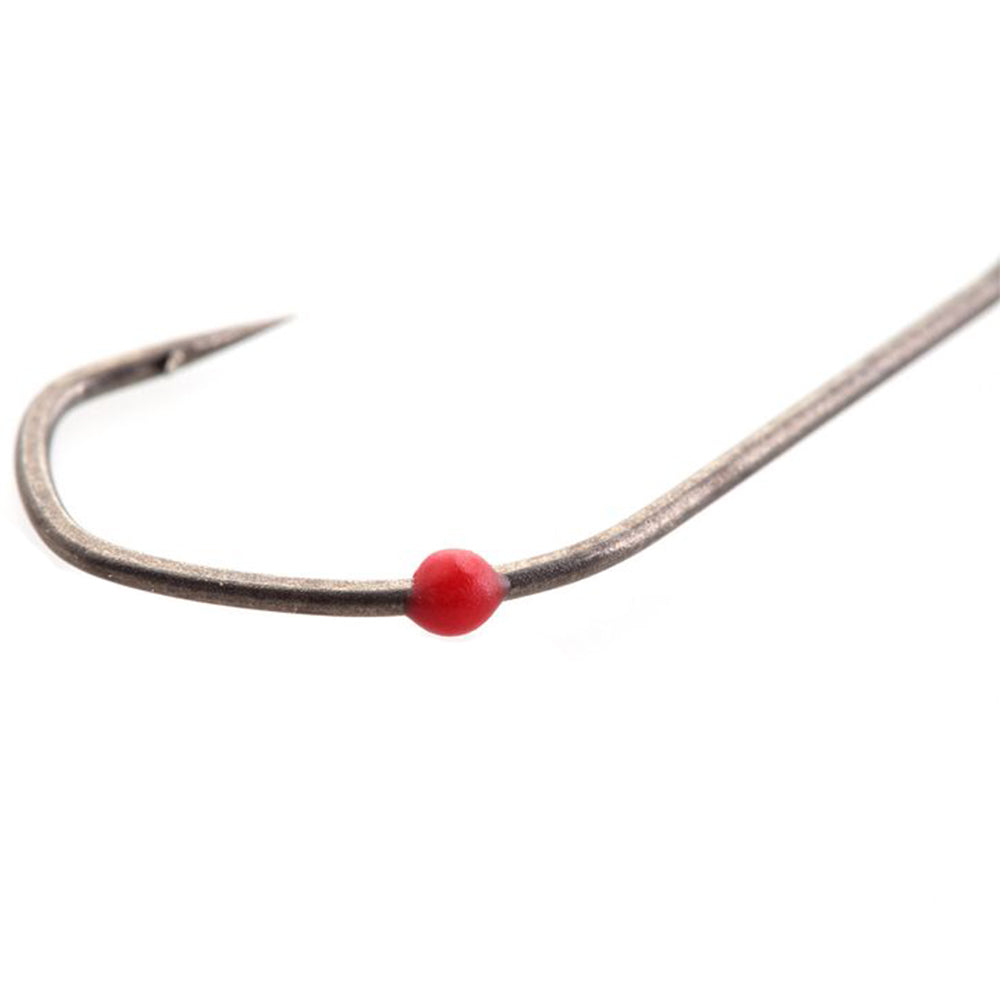
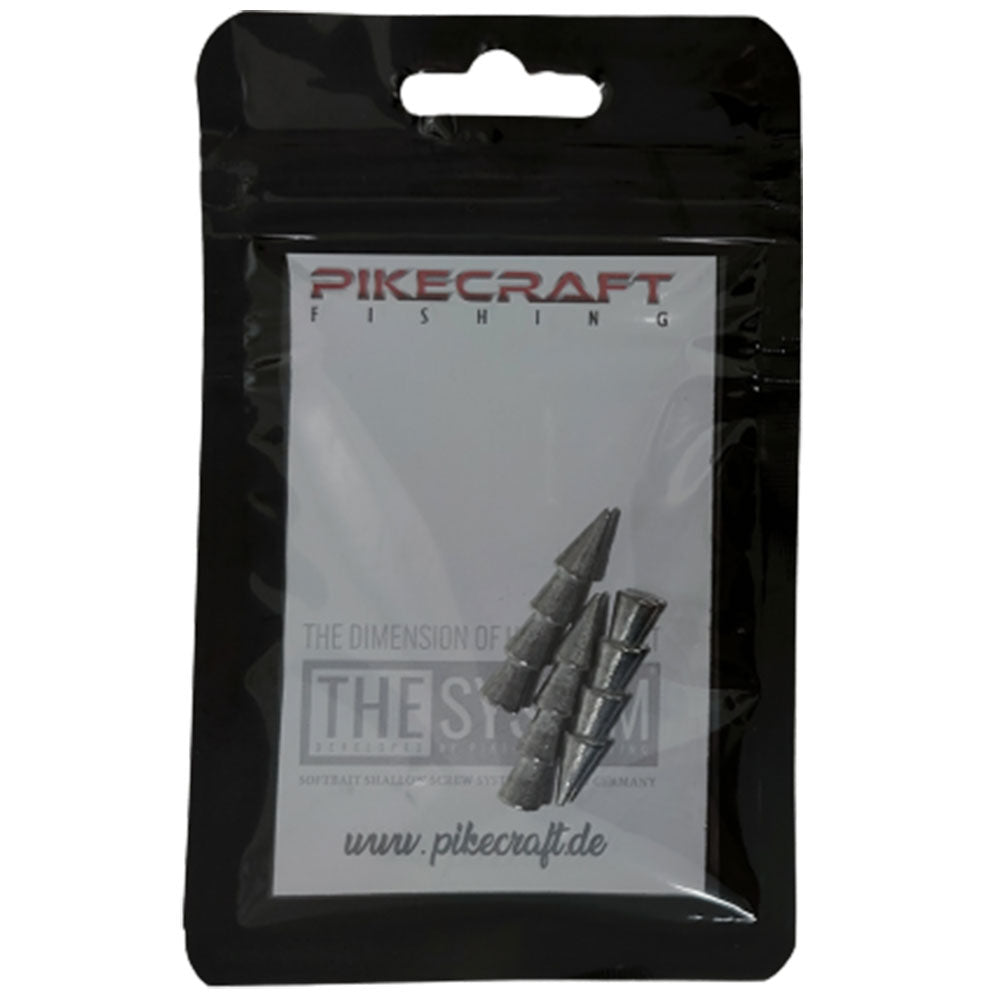

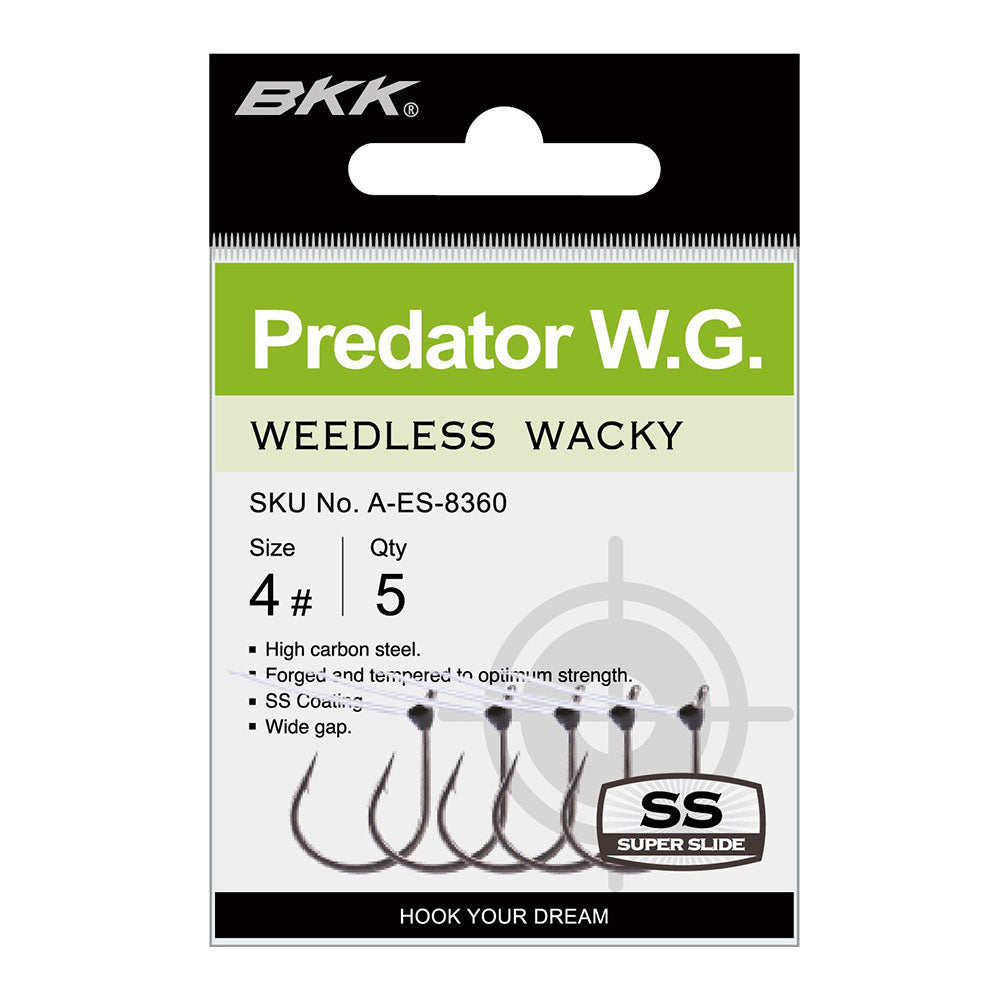


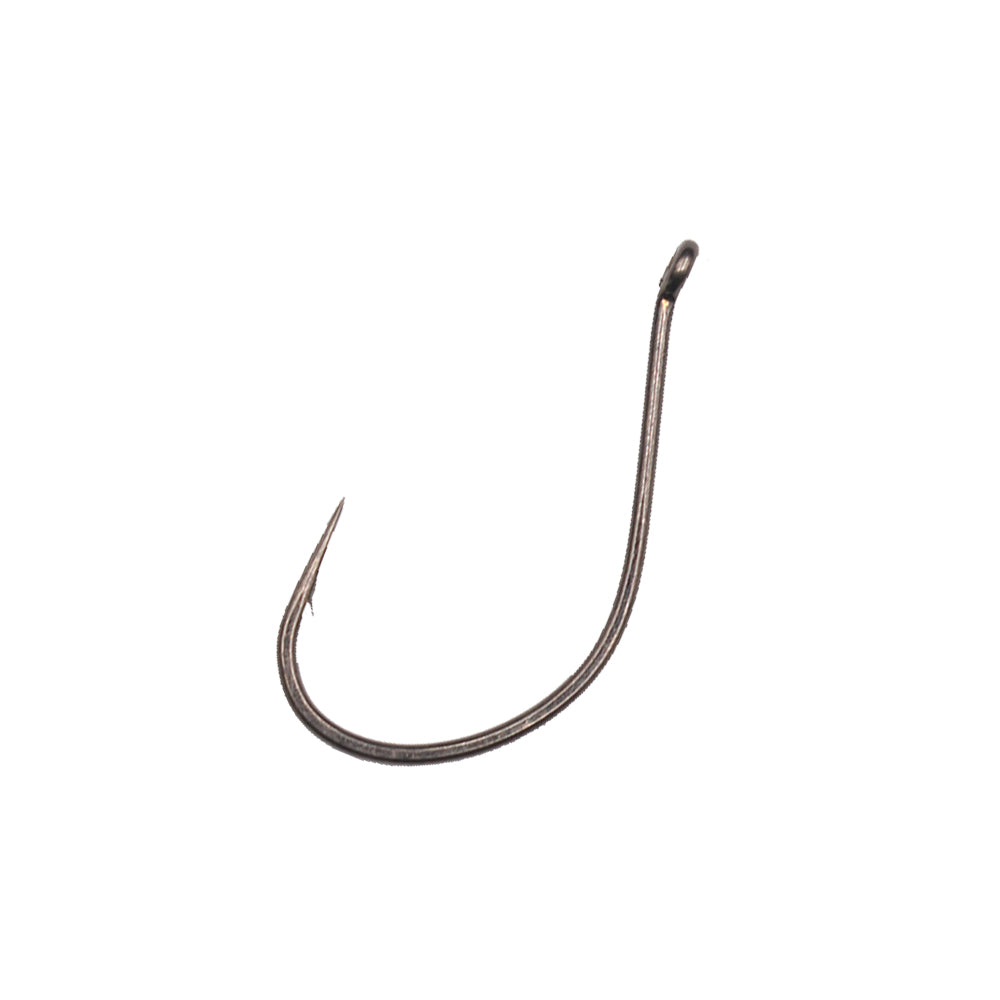

4 variants

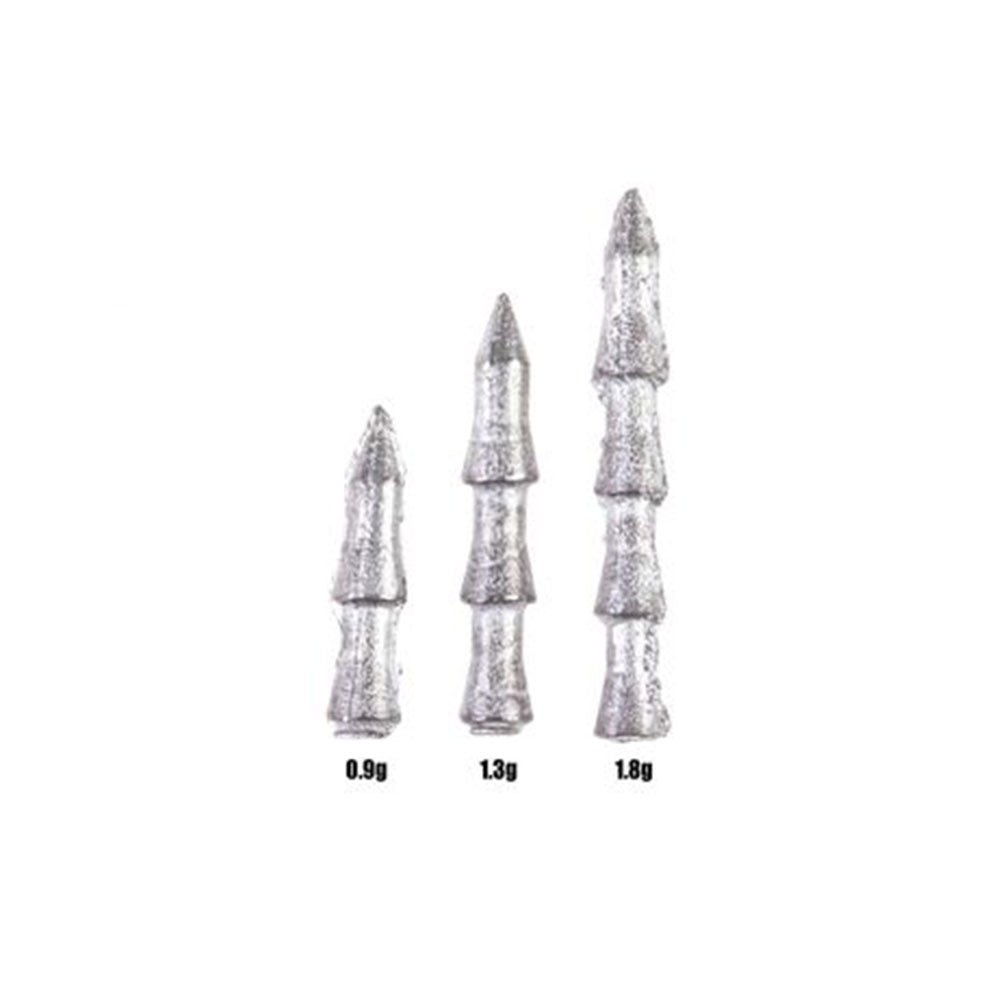
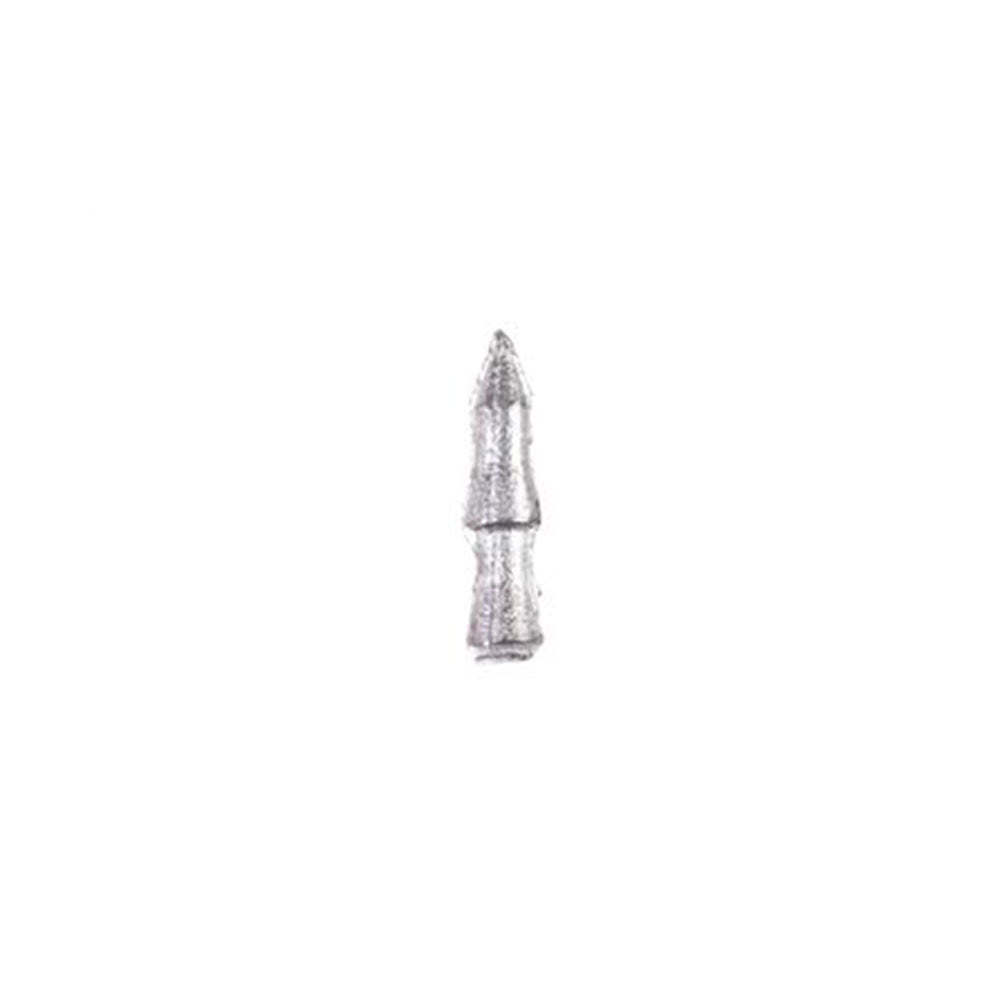
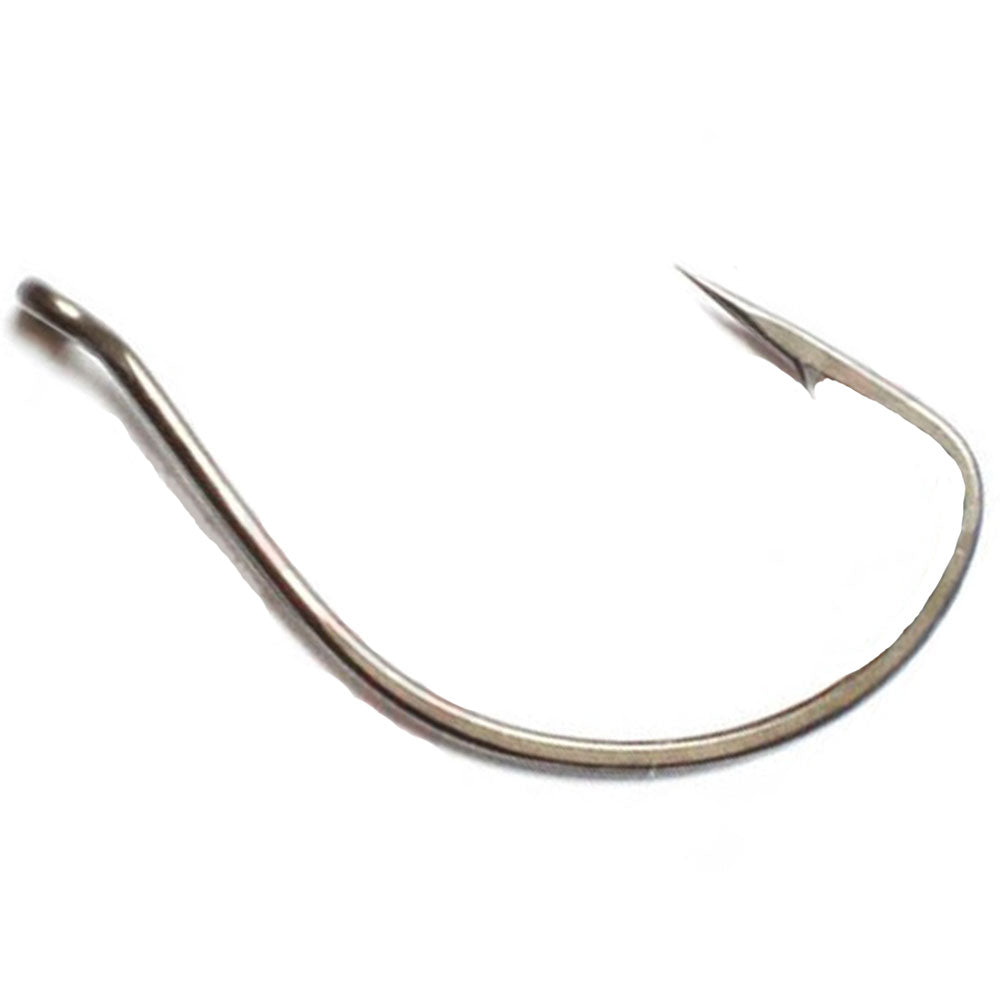
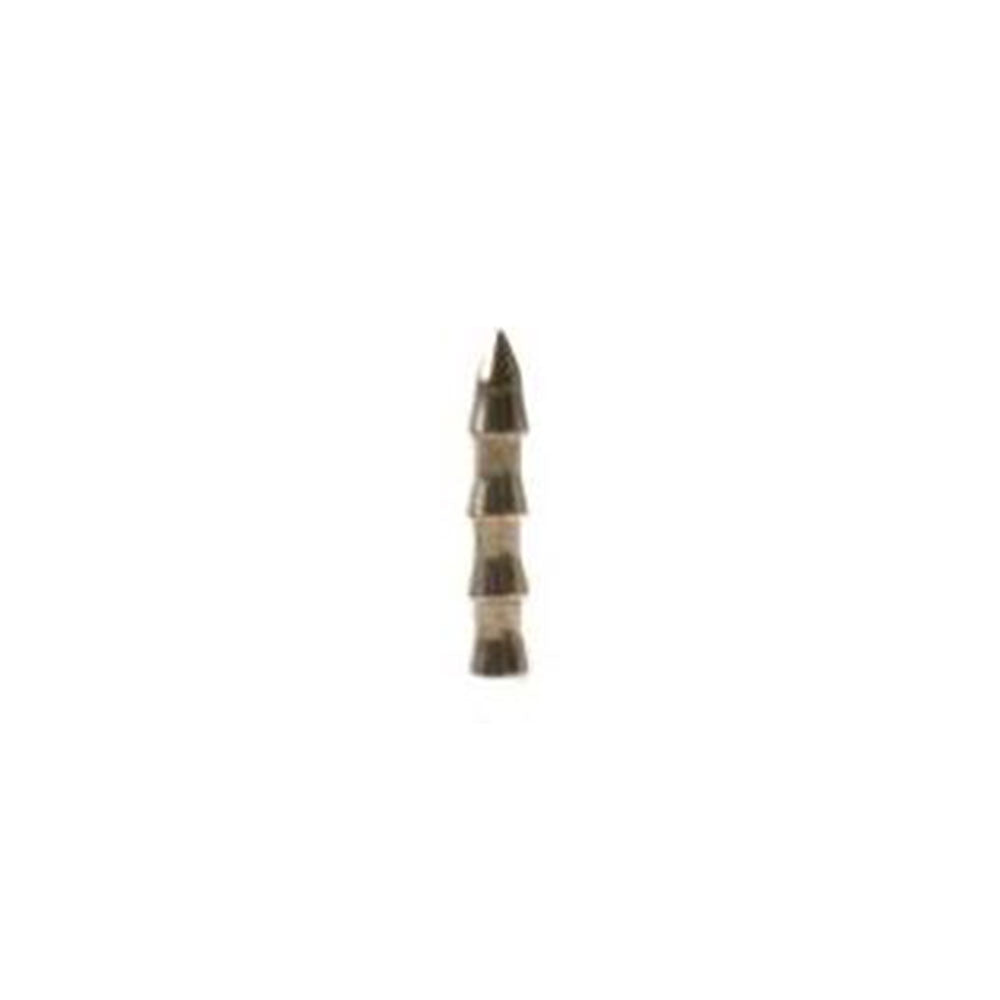
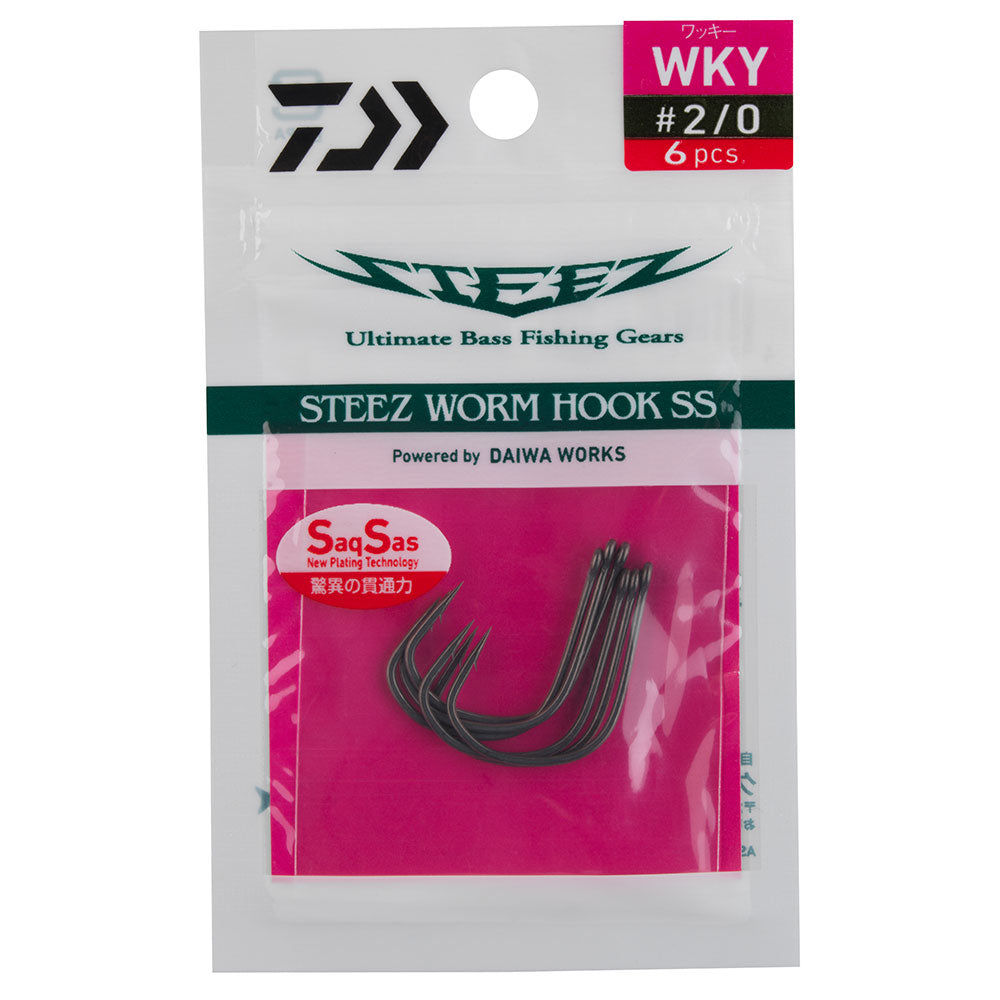
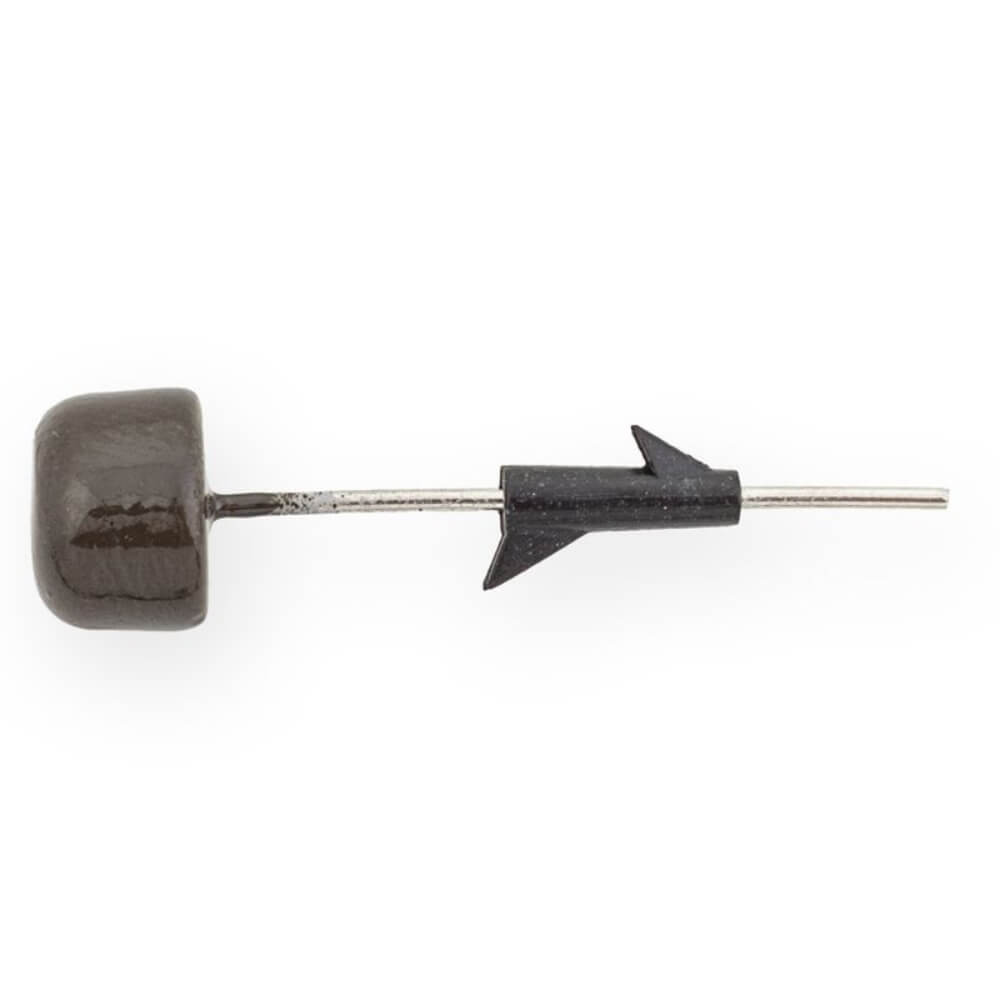
<h2>Neko Rig: What You Need to Know</h2><p>The neko rig has its roots in the wacky rig and is also known as the <em>nail weighted wacky</em>. Both rigs belong to the finesse category. The neko rig is aimed primarily at <strong>fish holding deep on the bottom</strong>. A wacky rig sinks far more slowly by comparison, as it lacks the extra weight at the end of the bait. It was the introduction of small weights that can be freely inserted into the soft plastic that gave the neko rig its full potential. According to legend, the first prototypes were <strong>fished with nails pushed into the baits</strong>. Largemouth bass anglers in the USA wanted to fish the wacky rig effectively in deeper water without having to wait a long time for the bait to sink. The neko rig was born. Many fat largemouth bass have since fallen for this tricky variation, and now perch, zander and pike have proven they love it just as much as their big-bellied American cousins.</p><h3>Working the Neko Rig</h3><p>In practice, you fish the neko rig in a similar way to a cheburashka rig. A jika rig - and, as the name suggests, the wacky rig - are also comparable in use and presentation. The idea is to wait out an initial bite window as the bait sinks. The neko rig descends in a tantalising, spiralling, irregular motion, and small twitches on the line during the fall amplify this effect further. On touchdown, the rig stands up on the bottom: the weighted end of the bait drops to the deck while the opposite end twitches and wobbles enticingly. This is the second hot phase in which a take can happen. Short turns of the reel handle bring the line in, the bait rises, and on the next pause it sinks back towards the bottom.</p><p>A critical tip for presentation is the pause. It is often in those moments when the bait sits completely still that it convinces the most wary predators at the spot to commit. In America this is called <em>dead sticking</em> - the term perfectly describes the motionless phase of neko rig baits. Try it yourself and be surprised by the savage takes you get on a stationary bait.</p><h2>Neko Rig Setup</h2><p>A quality <strong>fluorocarbon</strong> leader increases your chances significantly - this applies to the neko rig just as it does to almost every other rig. Whenever the goal is to present a bait as inconspicuously as possible, fluorocarbon is the first choice. Step one when building a neko rig from scratch is choosing a suitable leader, in this case made from fluorocarbon.</p><p>For centring the hook in the bait you need a hook with a deep, wide gap. Predators typically inhale the bait, and the hook works best when it has enough <em>belly</em> to it. Pike & Perch offers specialist neko rig hooks both with and without a weedguard. A weedguard lets you fish in heavily weeded areas without constantly snagging up.</p><p>Alongside dedicated lure hooks for the neko rig, you will also find a neko rig livebait hook from VMC here. Does that set off a lightbulb moment? The neko rig works brilliantly not only with soft plastics but also with live fat worms and other baits.</p><p>To secure the hook on the bait, a bait band or rubber band is recommended. Direct attachment to the bait is possible too, though it is often counterproductive when it comes to the action of smaller neko rig finesse baits in the water. With a larger soft plastic, a <strong>combination of bait band and piercing the bait</strong> makes most sense - the bait stays firmly in place and the bait band protects the entry points from tearing.</p><h3>From Wacky to Neko Rig</h3><p>A Z-Man Neko ShroomZ Green Pumpkin converts a wacky rig into a neko rig. These popular, modern weights are inserted into the end of the bait and are self-fixing. Unlike the neko rig weights from DEKA and Reins, the Z-Man version is flattened - much like the jig head of a ned rig. This allows the bait to stand upright on the bottom and tempt even the most cautious predator. A neko rig weight inserted into the bait should always be chosen in the correct weight class, and the golden rule here is: go lighter rather than heavier.</p><h3>Choosing the Right Weight</h3><p>When the neko rig is set up correctly and all the components are properly balanced, it should sink relatively slowly while tumblinig enticingly on the way down. With a bit of experience you will quickly spot if you have gone too heavy. If your neko rig sinks very slowly, almost suspending, the additional weight is definitely too light. You will only truly see the difference once you have spent at least a few hours of practical time with the rig.</p><p>The majority of suitable nail sinkers are now made from tungsten. Because tungsten has a higher density than lead, the <em>nails</em> are noticeably smaller and slimmer at the same weight, meaning they can be inserted into thin worms without any trouble. A welcome side effect: tungsten weights are lead-free.</p><h3>How to Build a Neko Rig</h3><p>A short, practical step-by-step guide to building a neko rig:</p><ol><li>Fluorocarbon leader</li><li>Neko rig hook - wide gap, with or without weedguard</li><li>Bait band</li><li>Soft plastic</li><li>Neko rig sinker - specialist weights for the bait end, nail sinker</li></ol><p>Neko rig components</p><p>The most important neko rig components fit into any lure box without a problem. The basic setup also gives you the flexibility to try out many other modern rigs. You may already have everything you need and are simply looking to add a set of neko rig weights.</p><p>The key to the rig is without doubt the sinker. Inserted into the side of the bait, it makes the soft plastic dance and tumble in the water. An asymmetric, erratic action is exactly what you are after - the aim is to imitate an injured creature.</p><p>A good pair of pliers is extremely helpful when inserting the weights or sinkers, and equally so when mounting the baits and sliding the bait bands over them. Pliers give you far better control over the sometimes very small individual components.</p><h2>Insider Tips for the Neko Rig</h2><p>A tip from our team angler: buy a full set of nail sinkers for your neko rigs straight away. Depending on the bait and the situation at the spot, you can swap weights as needed. Having a small selection at hand makes you more adaptable and will likely put more fish on the bank.</p><p>The individual components of the neko rig should of course always be matched to your tackle. A fine, <strong>light rod</strong> combined with a thin line lets a neko rig and its bait perform to their full potential in the water. We are happy to advise you on a well-balanced complete setup with which you can explore all finesse fishing techniques.</p><p style="text-align: center;"> </p><p style="text-align: center;"><iframe frameborder="0" src="https://www.youtube.com/embed/exR0Lp2N-dw" width="560" height="315" allowfullscreen=""></iframe></p>