








Perch Lures
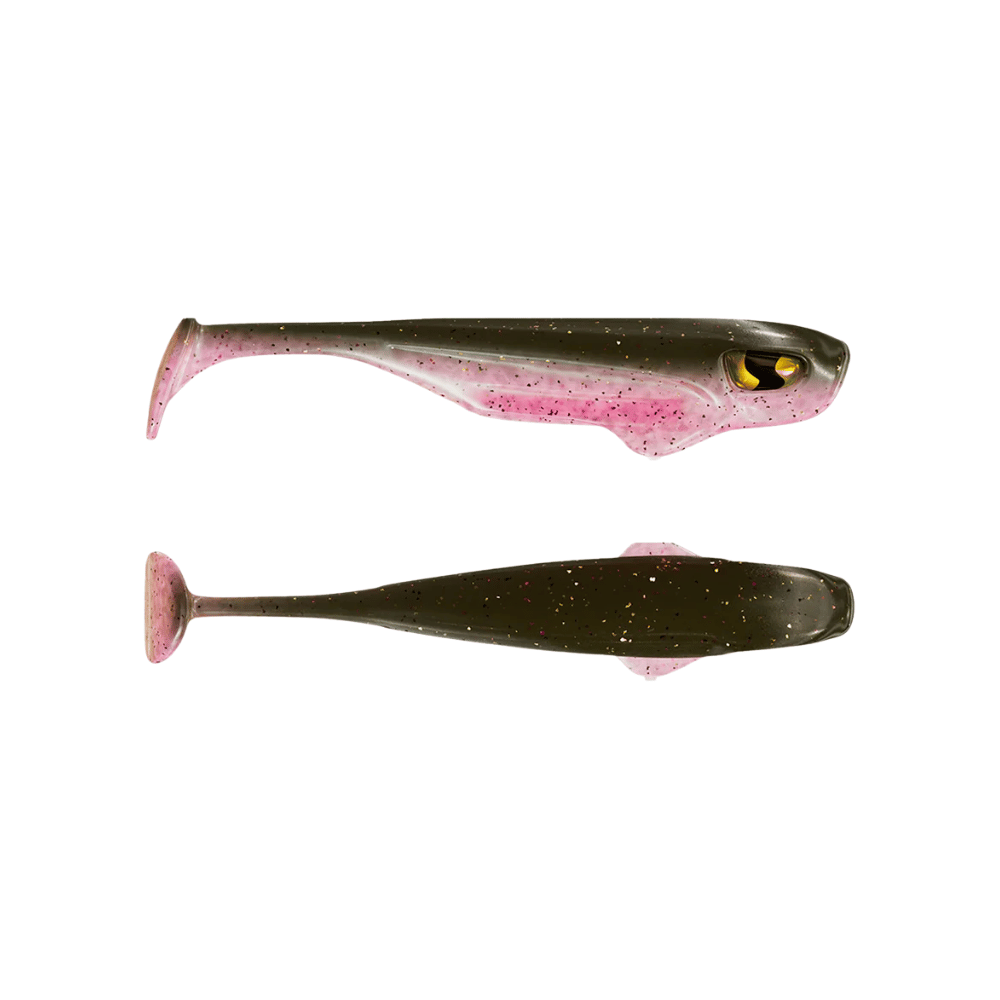
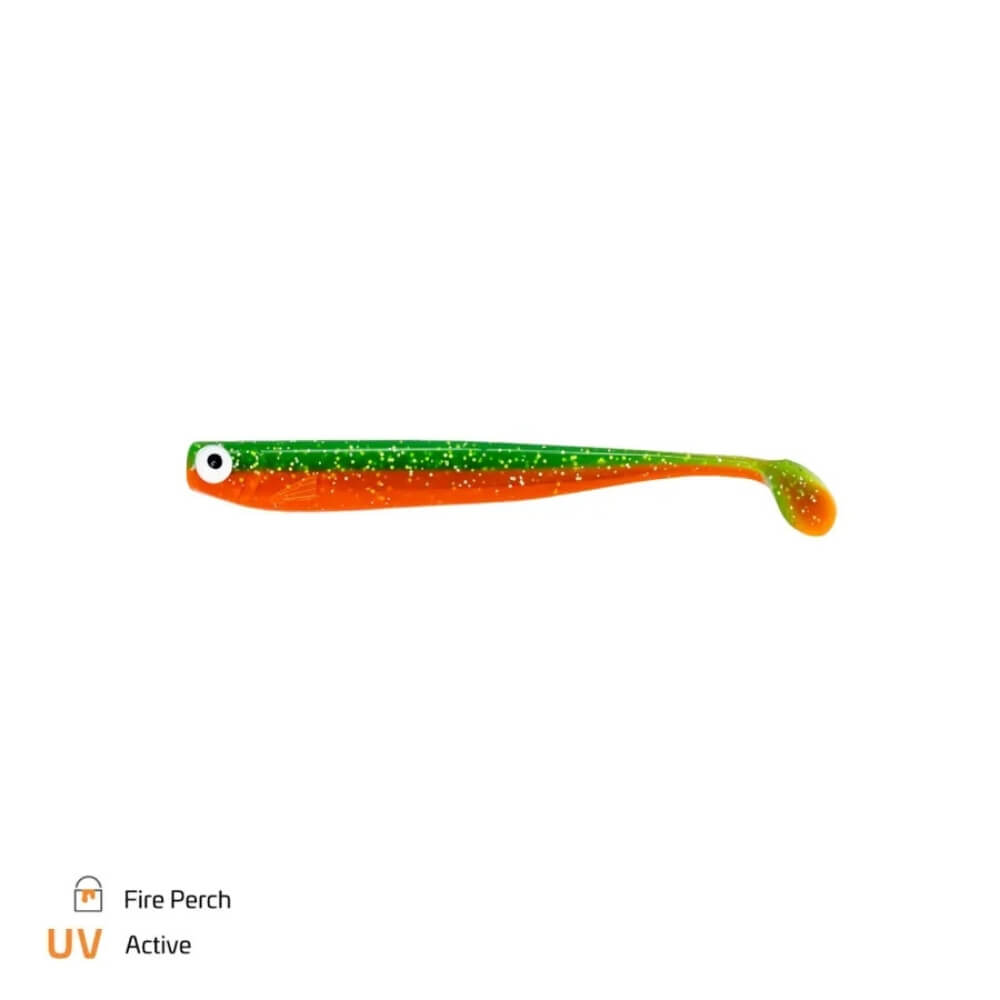
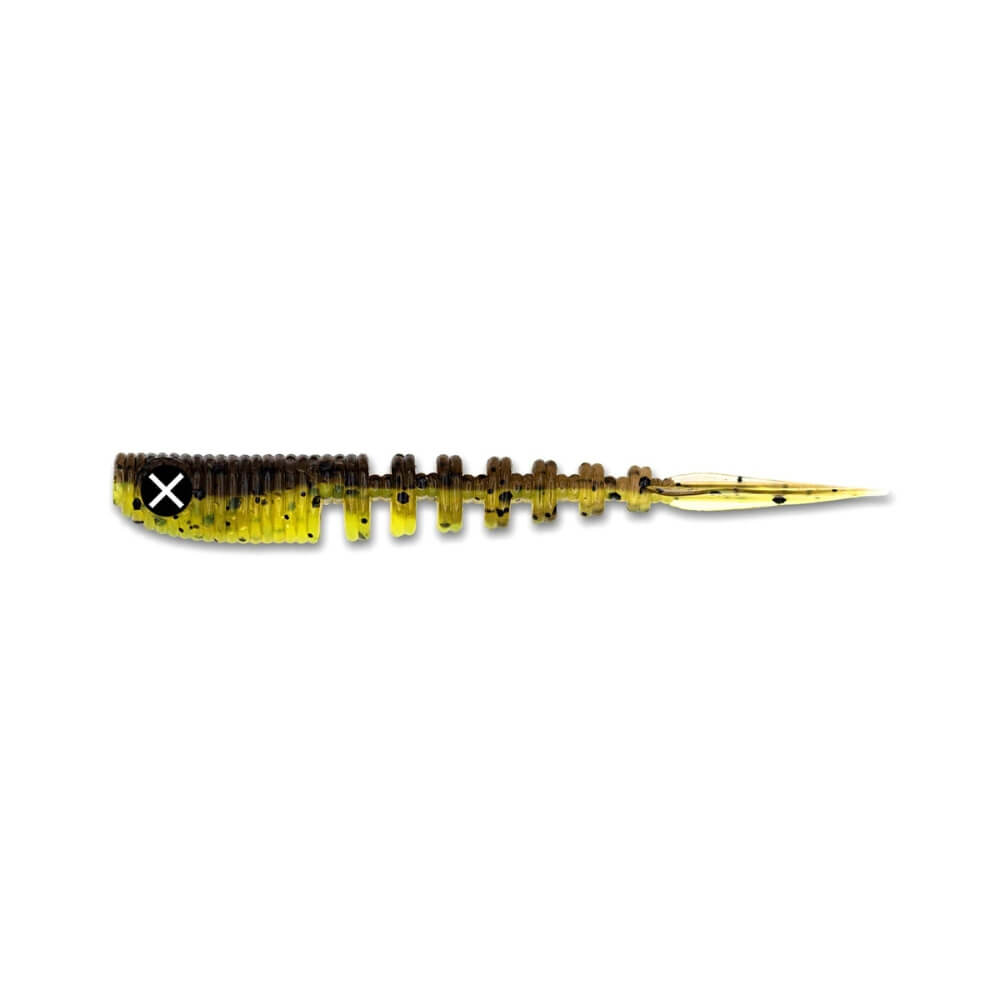
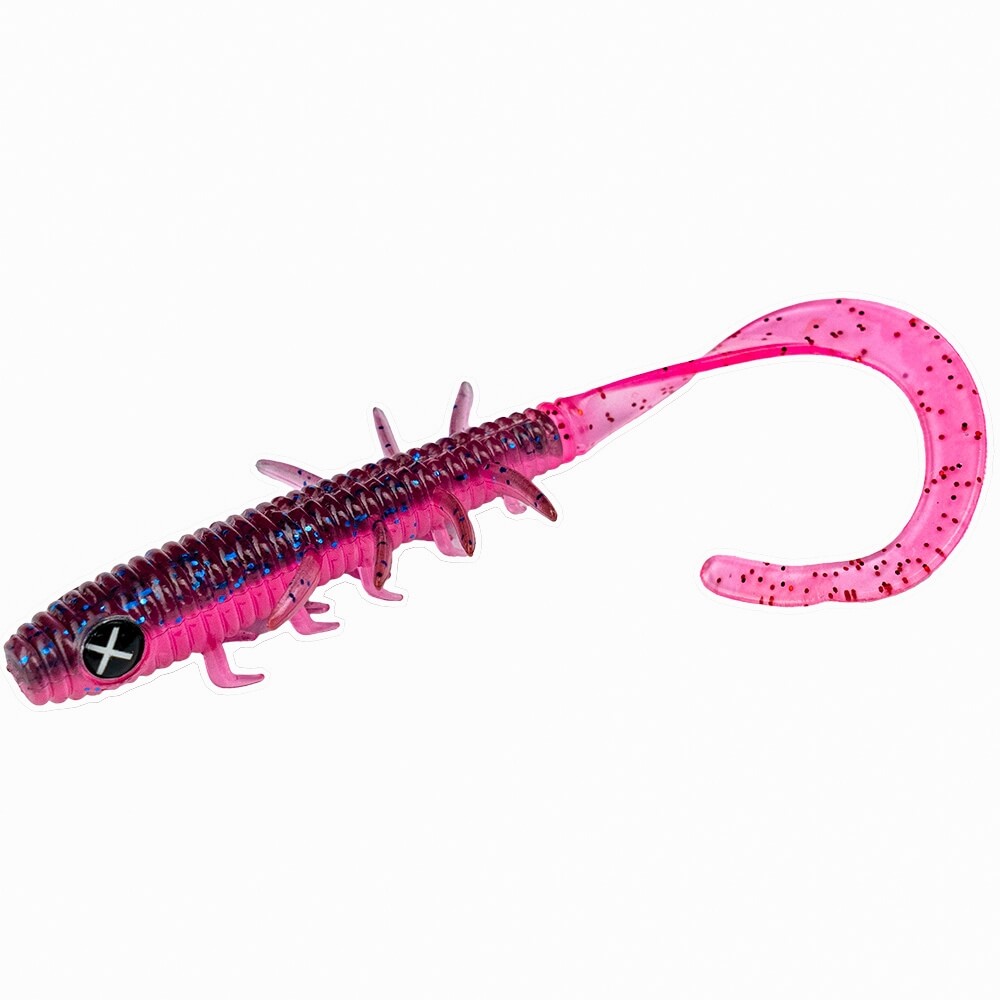
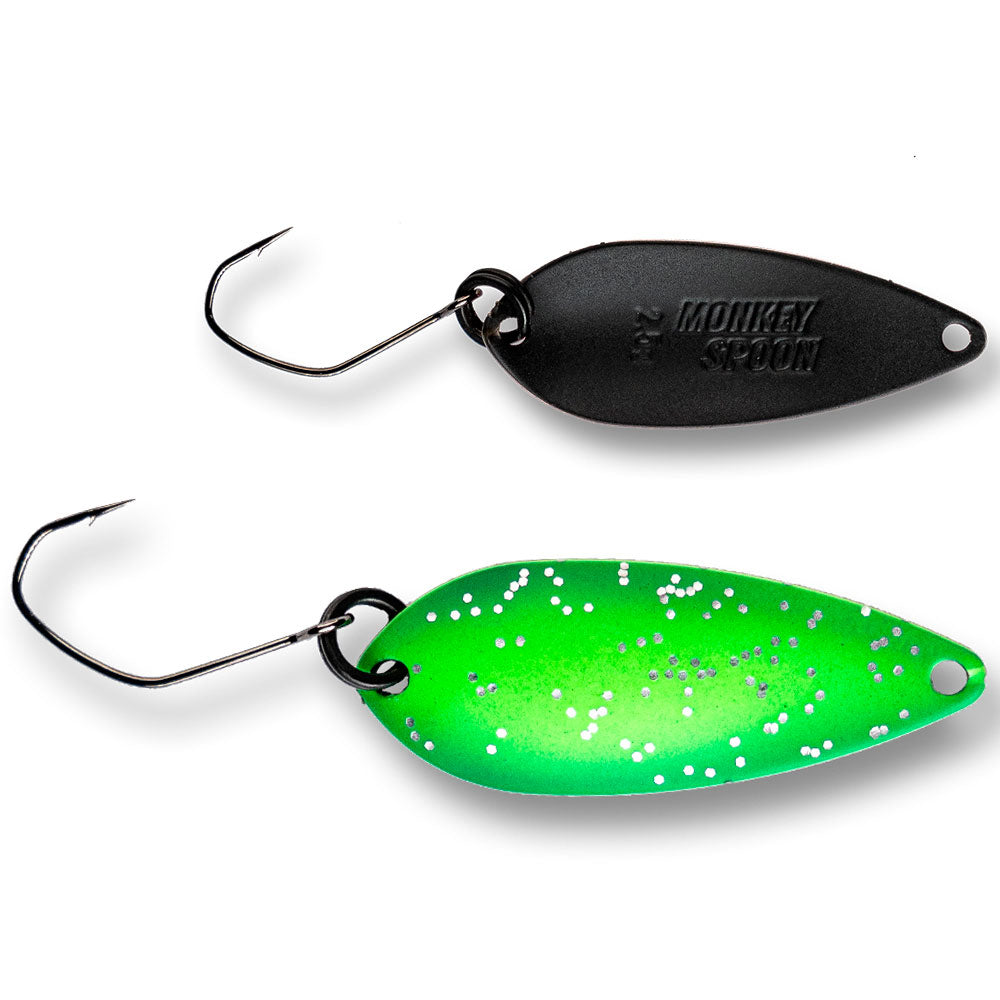
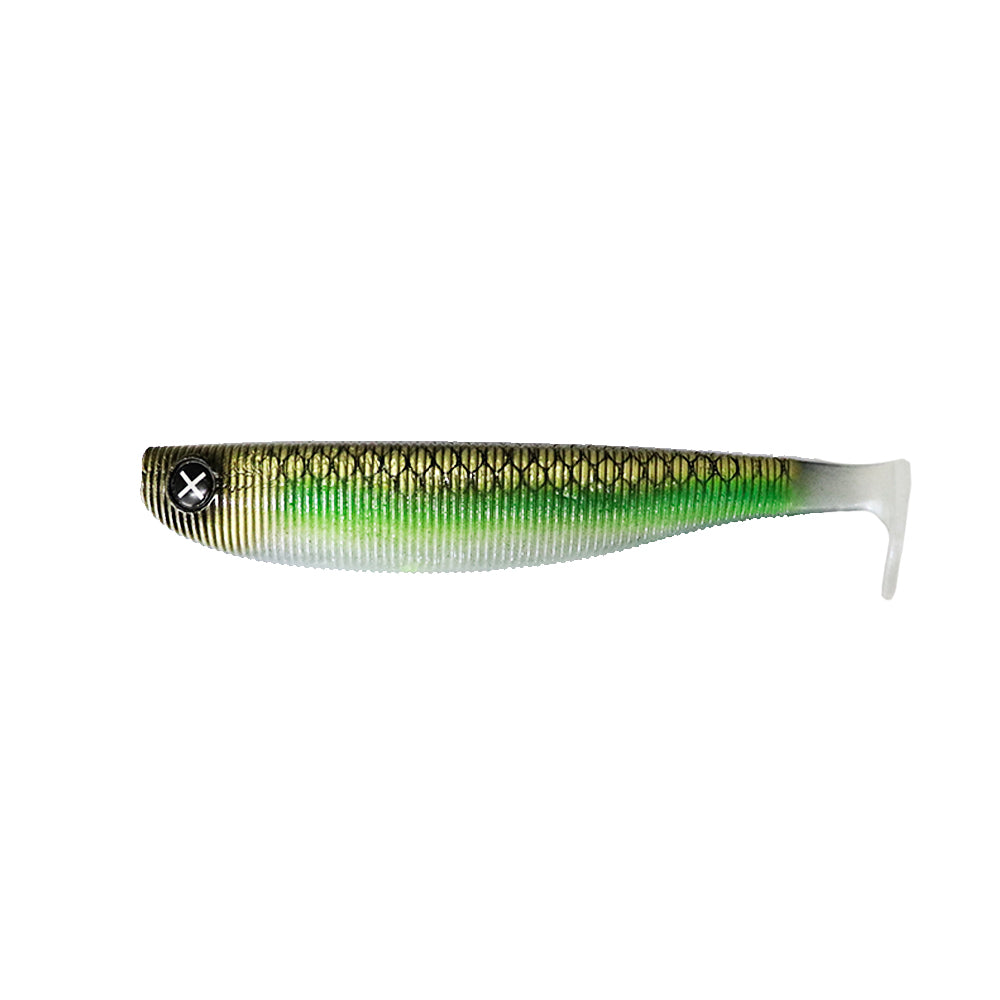
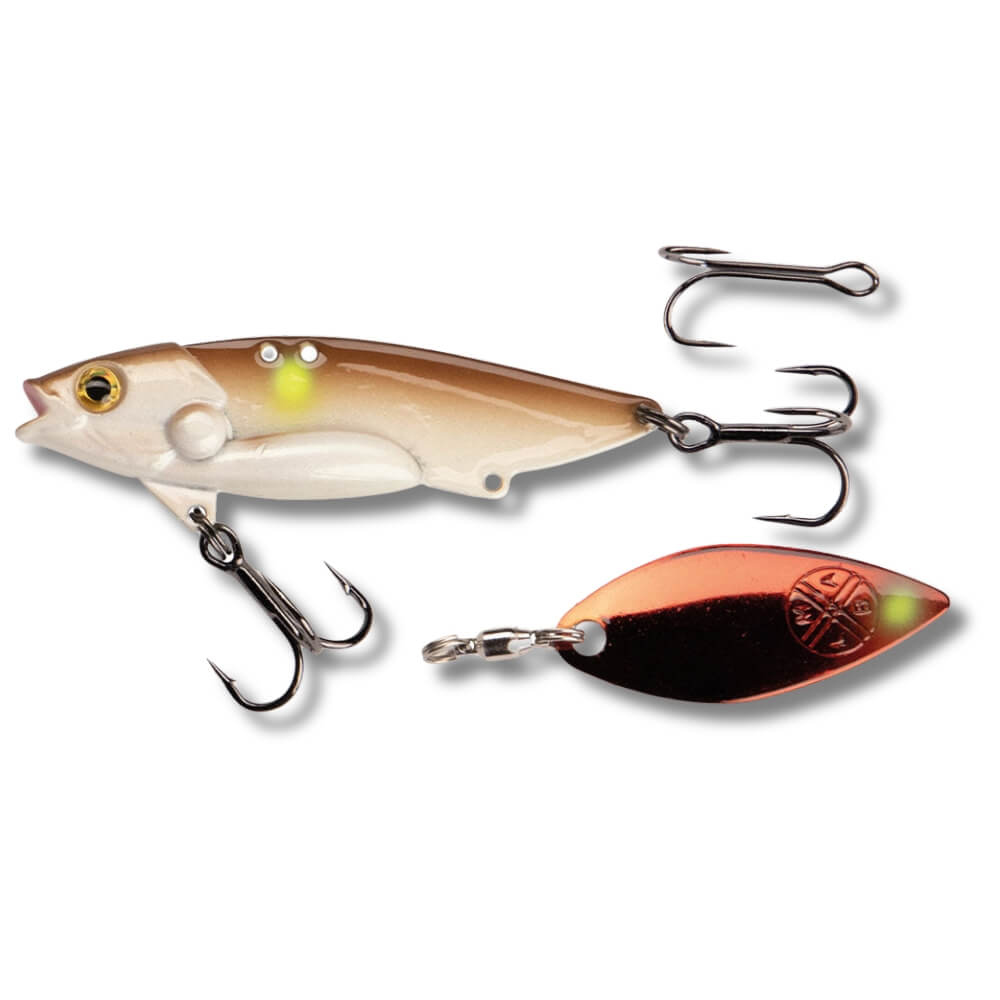
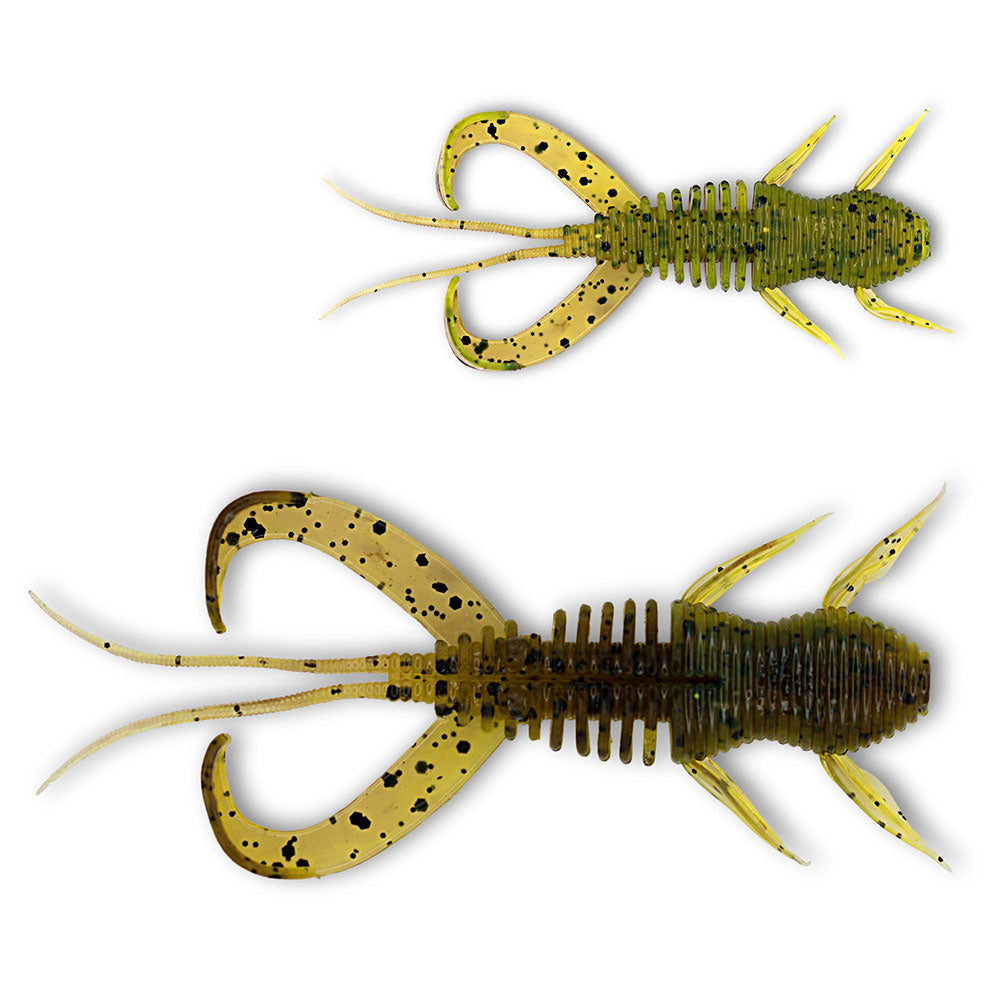
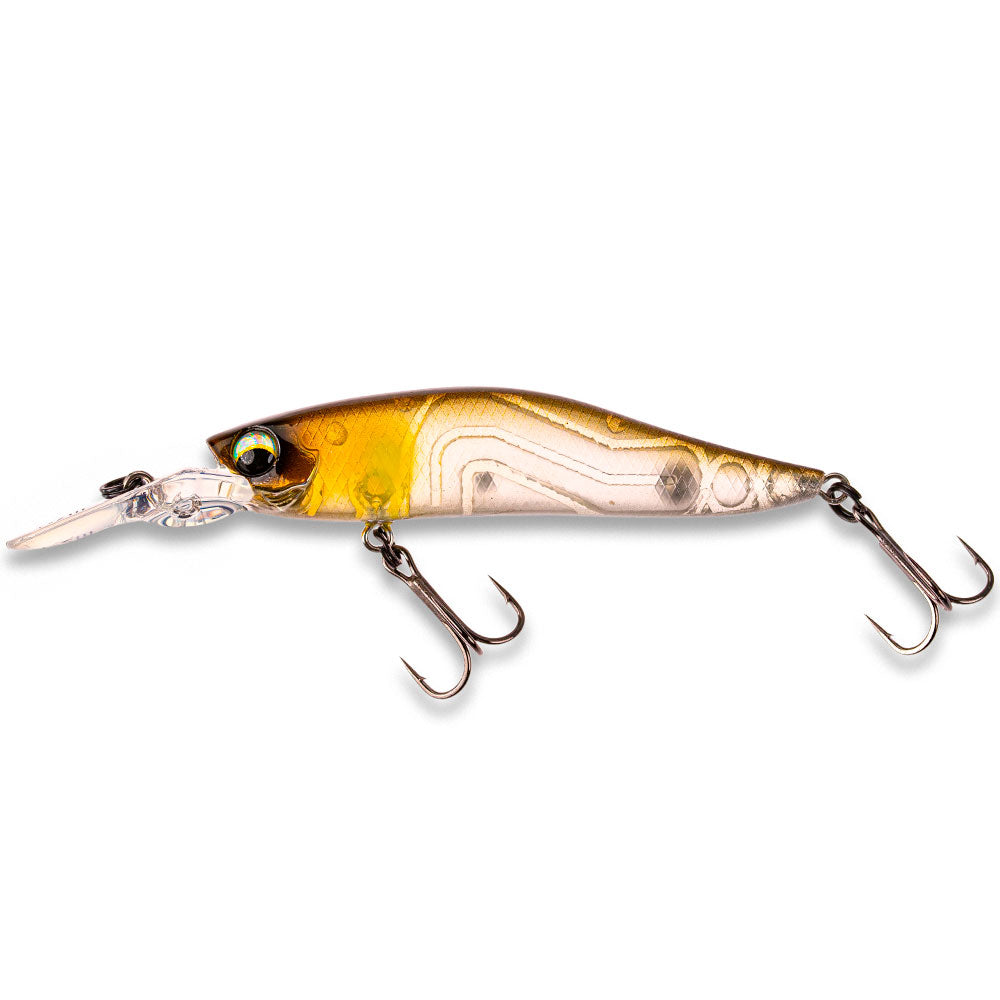
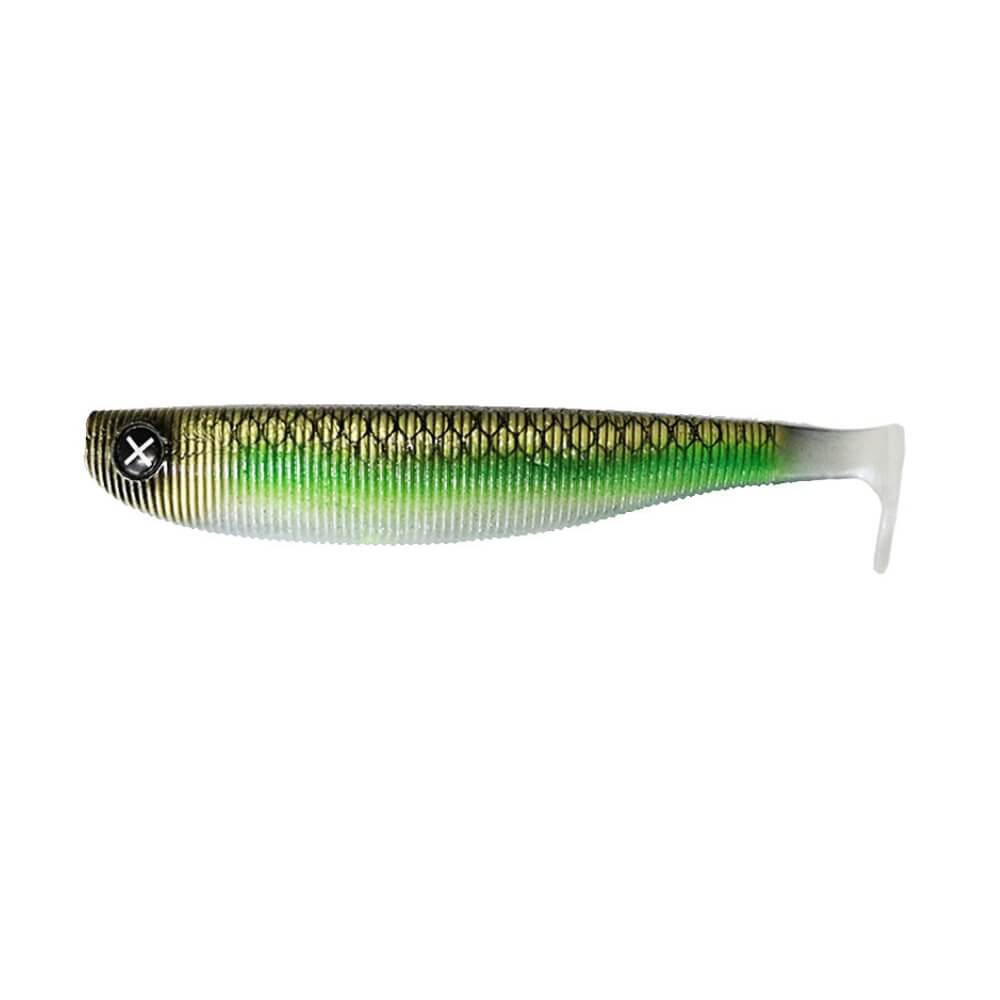
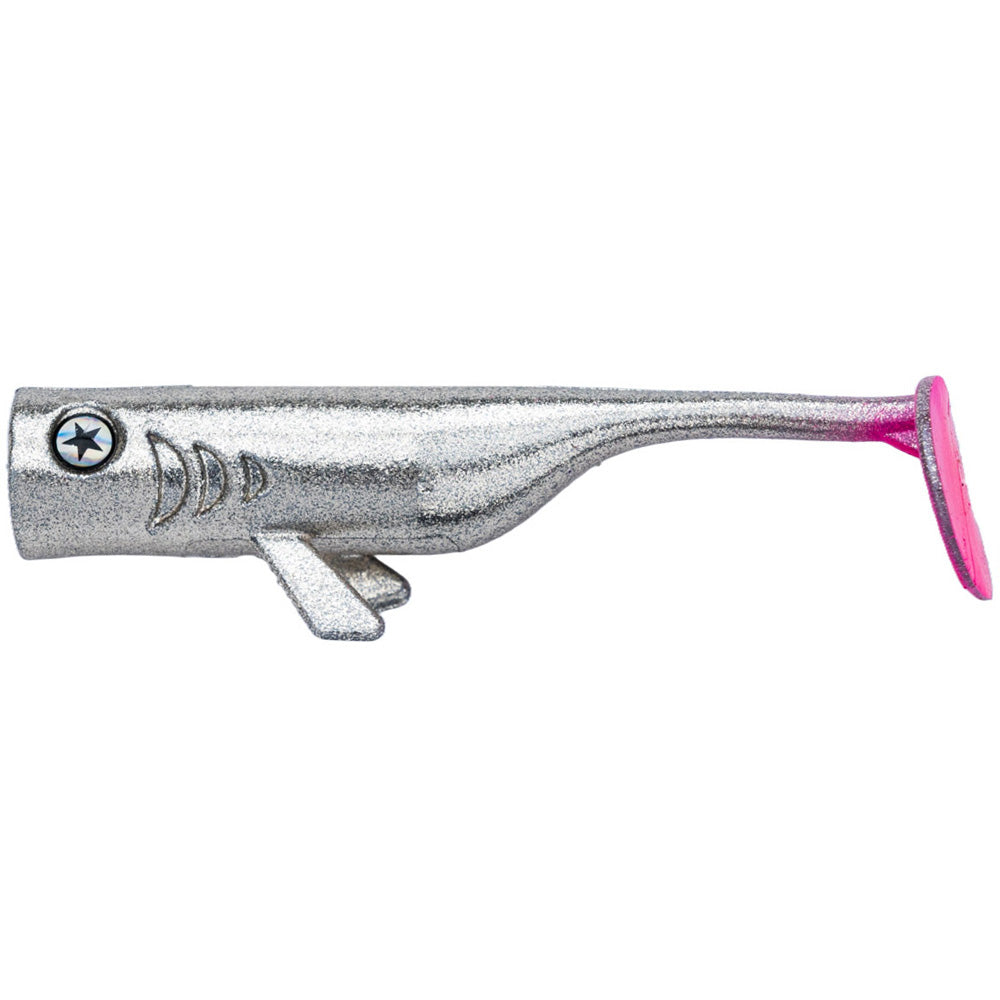
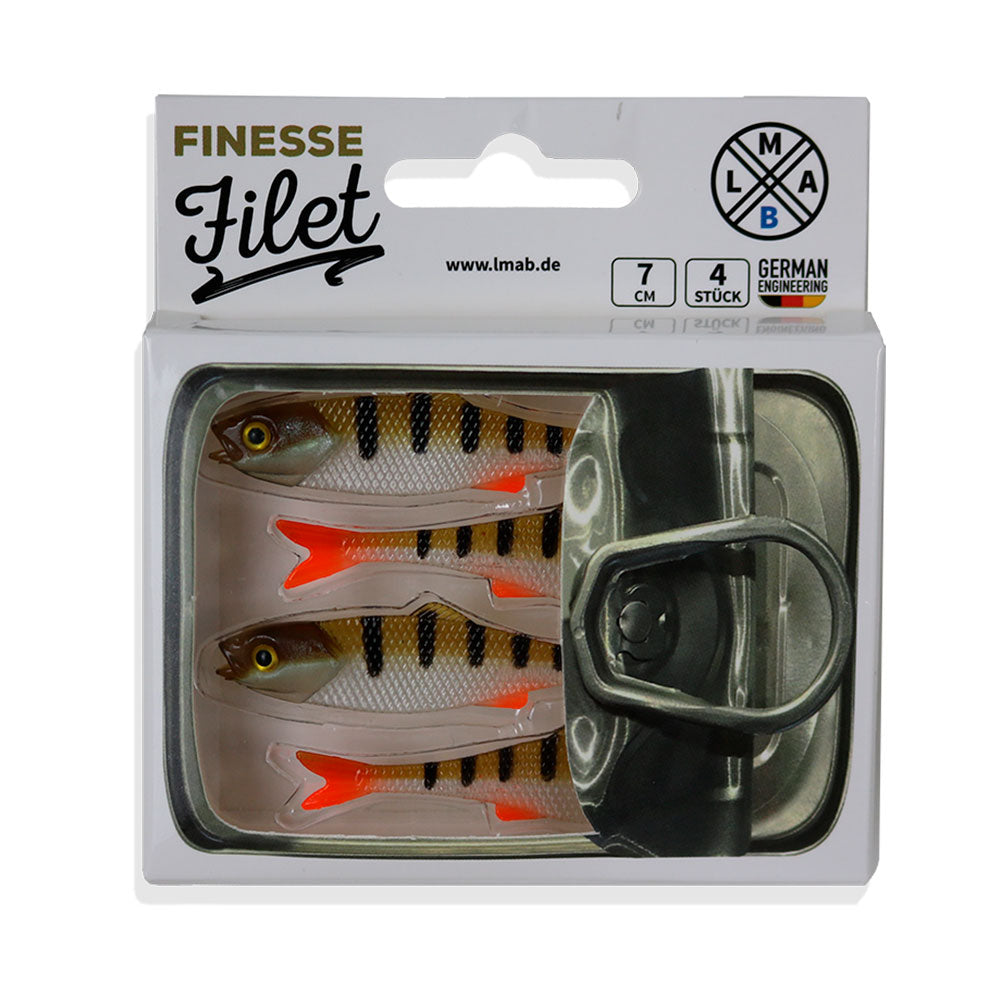
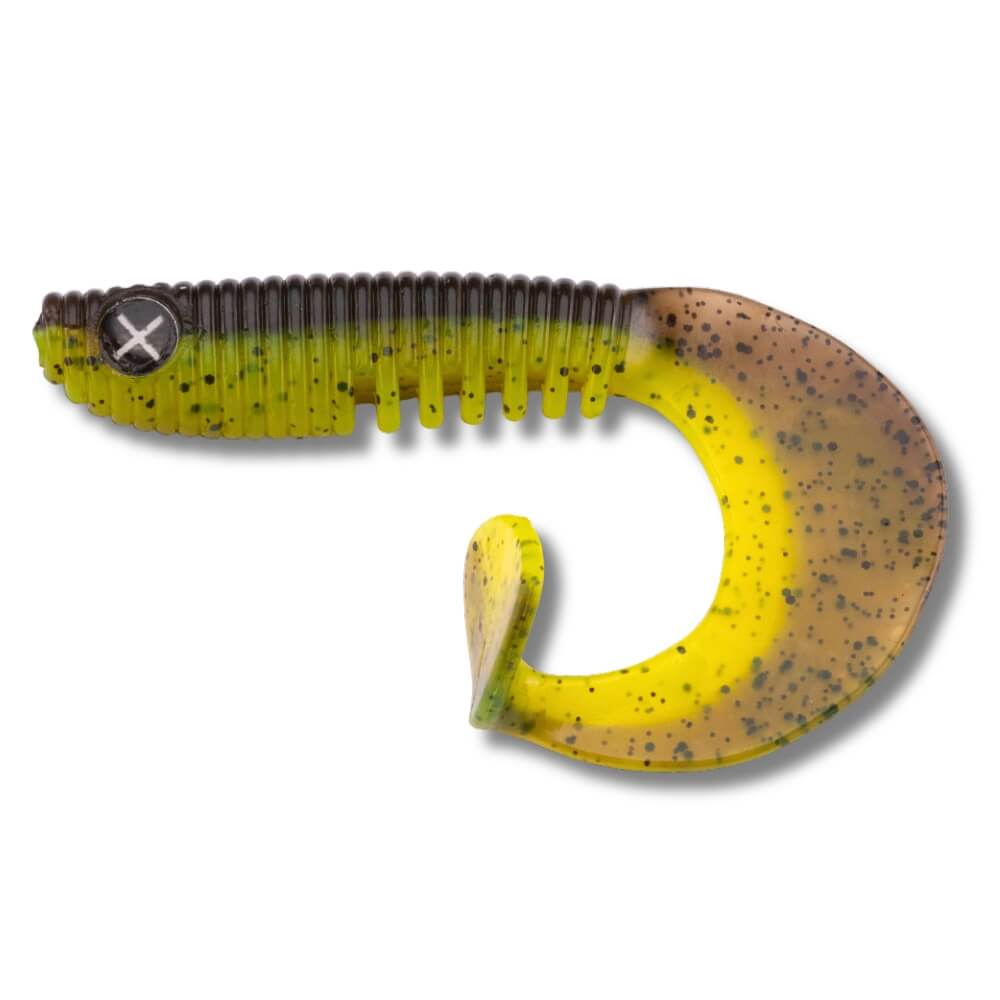
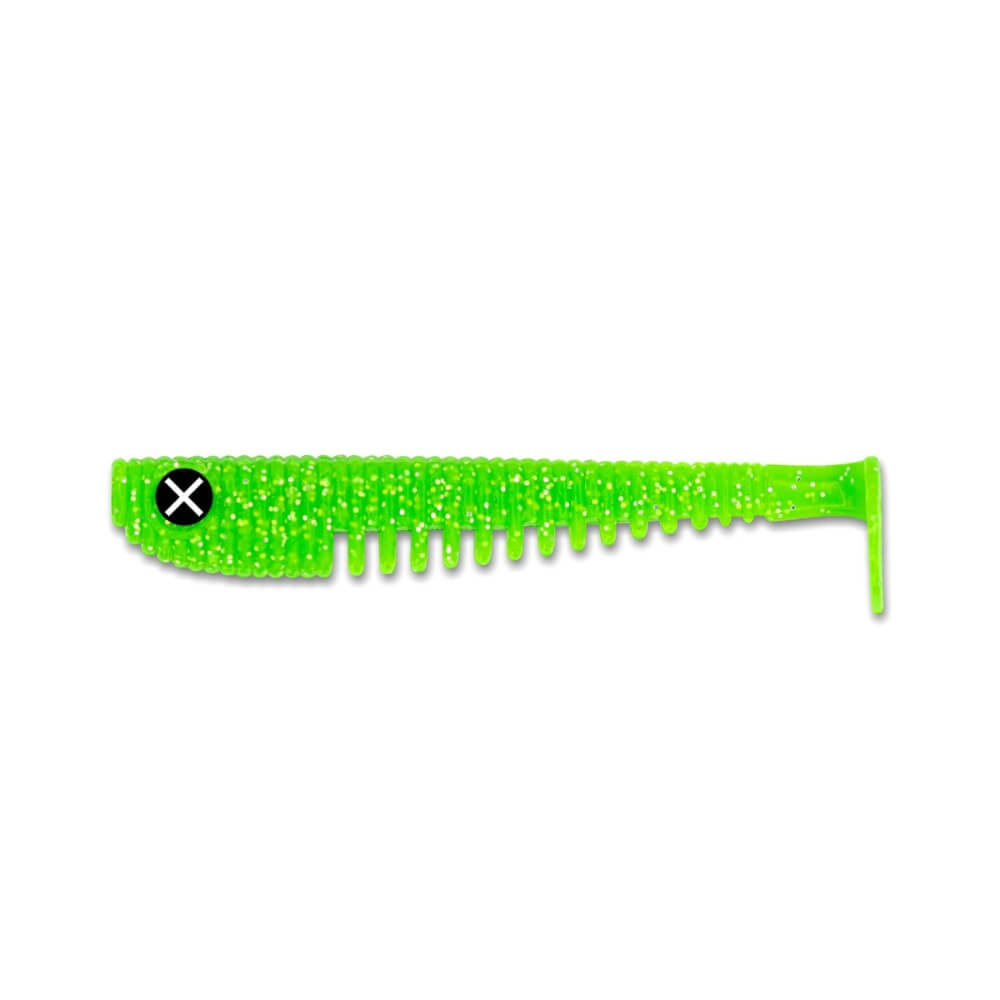
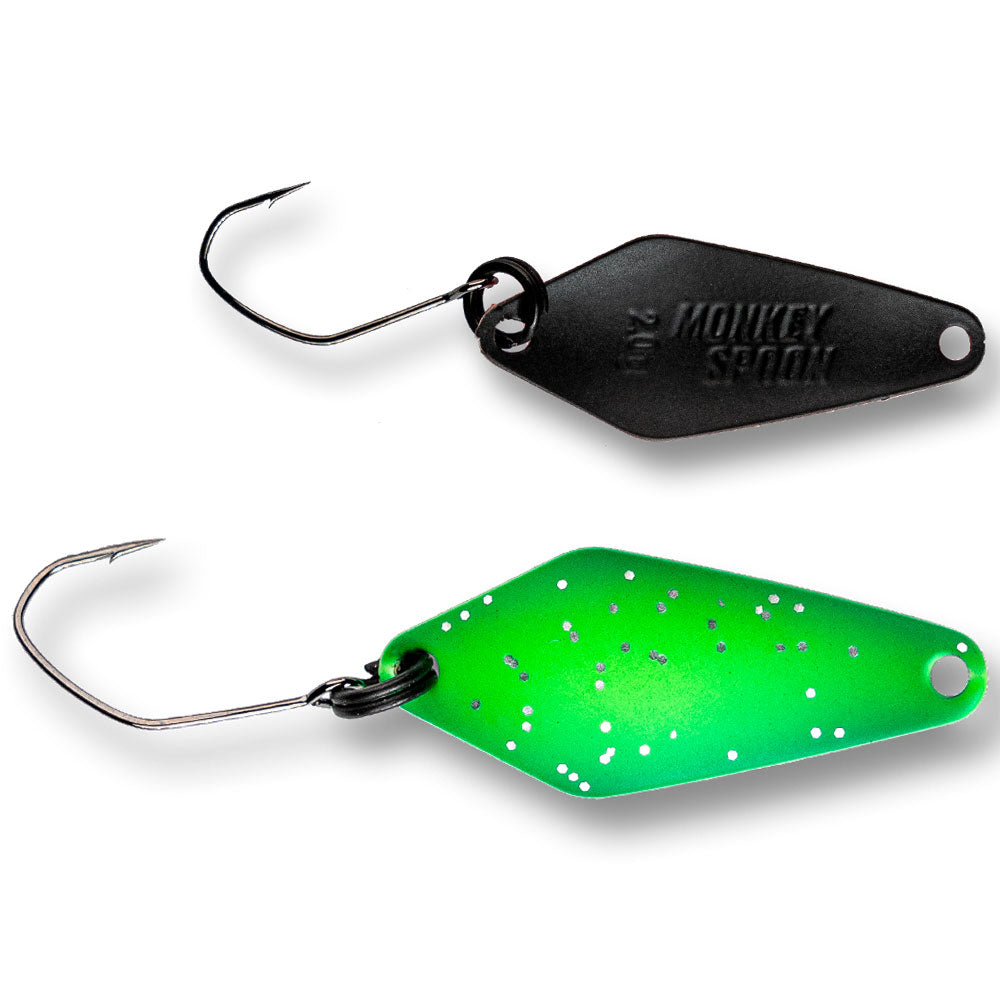
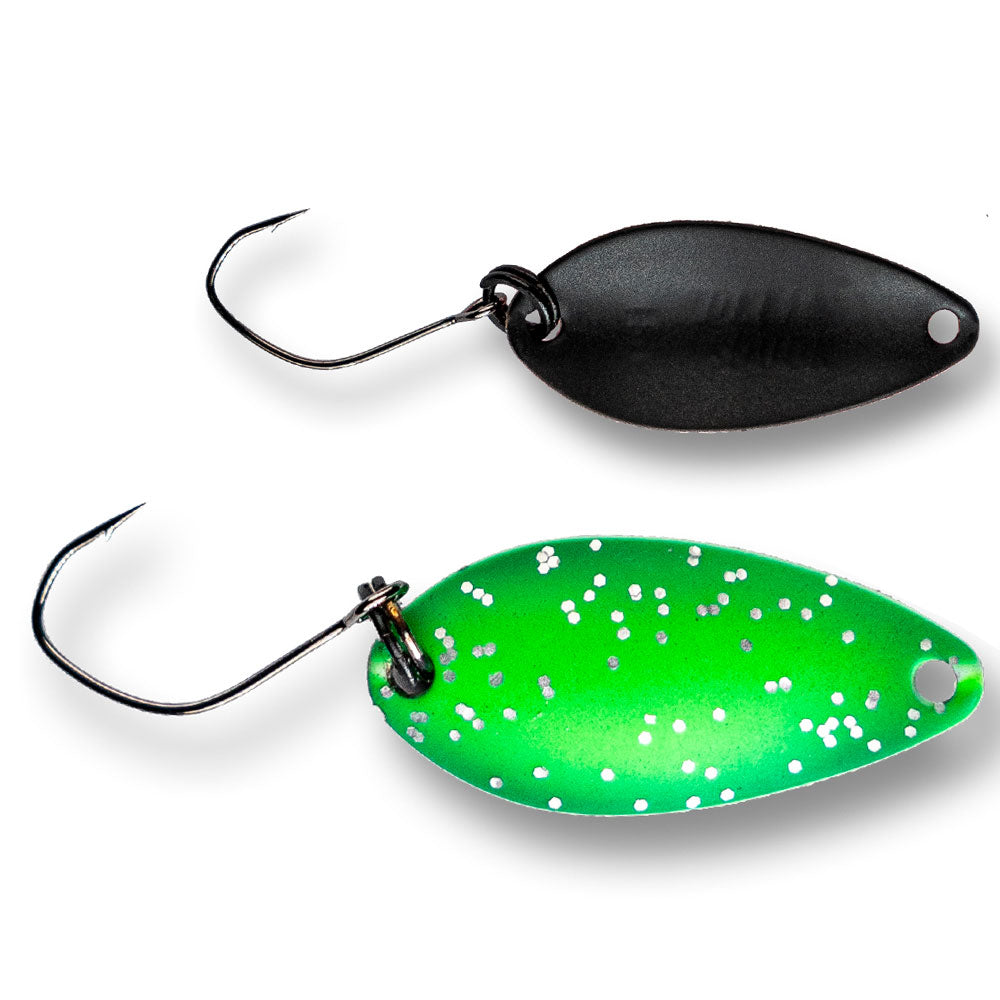
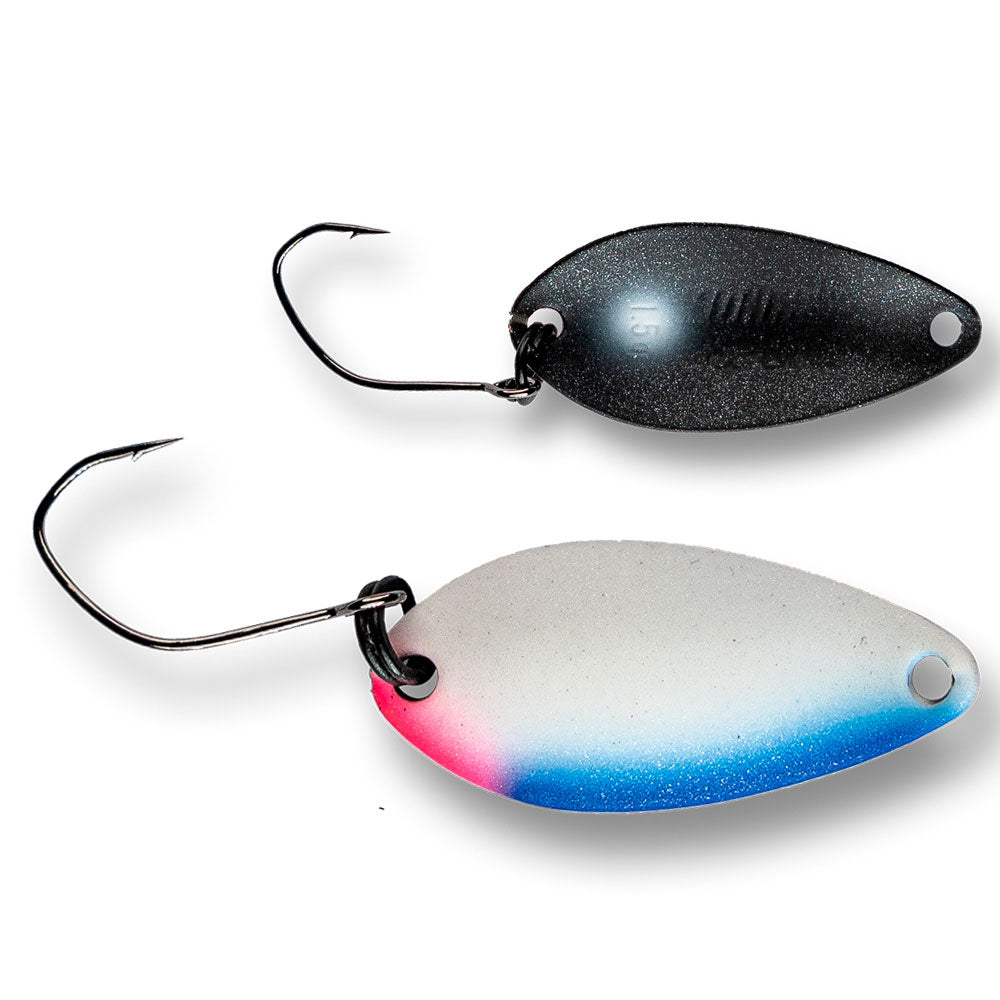
Both soft lures and plugs are excellent choices for targeting striped perch. In our range you will find twitchbaits, shallow- and deep-running plugs, and small shads.






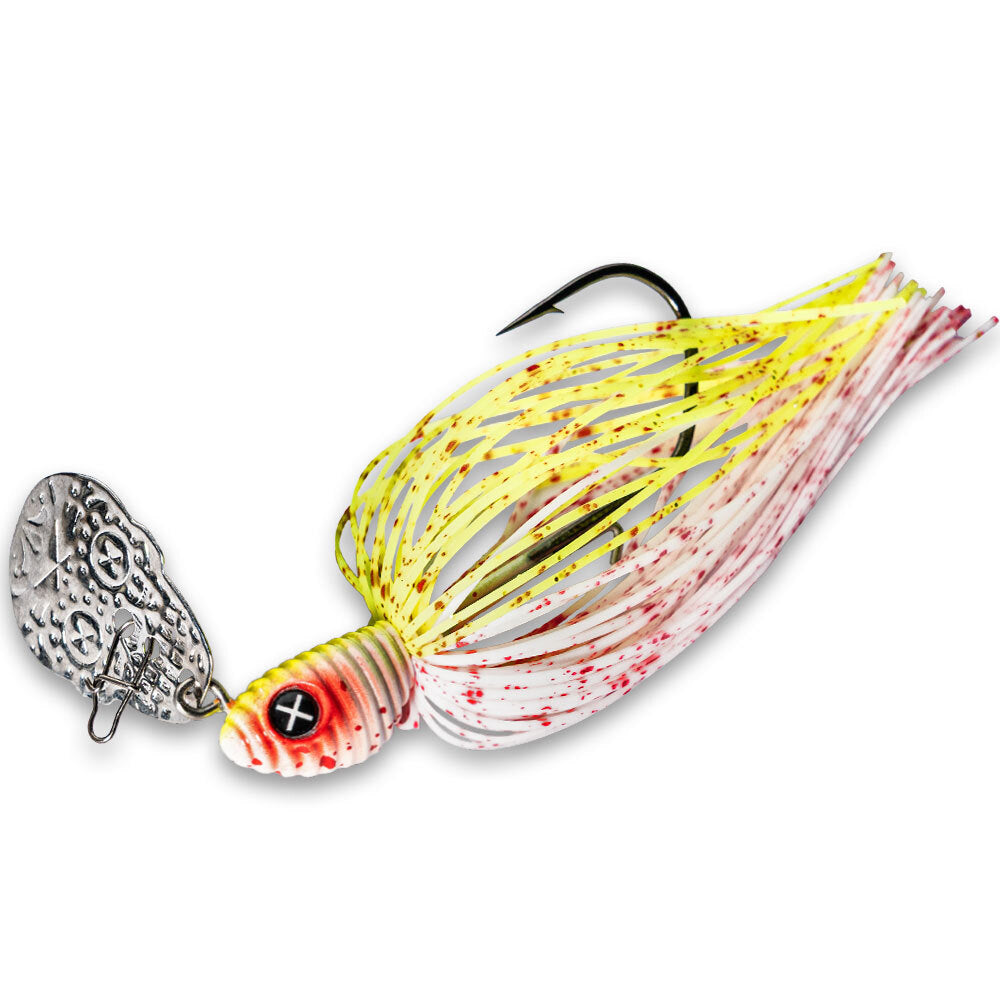
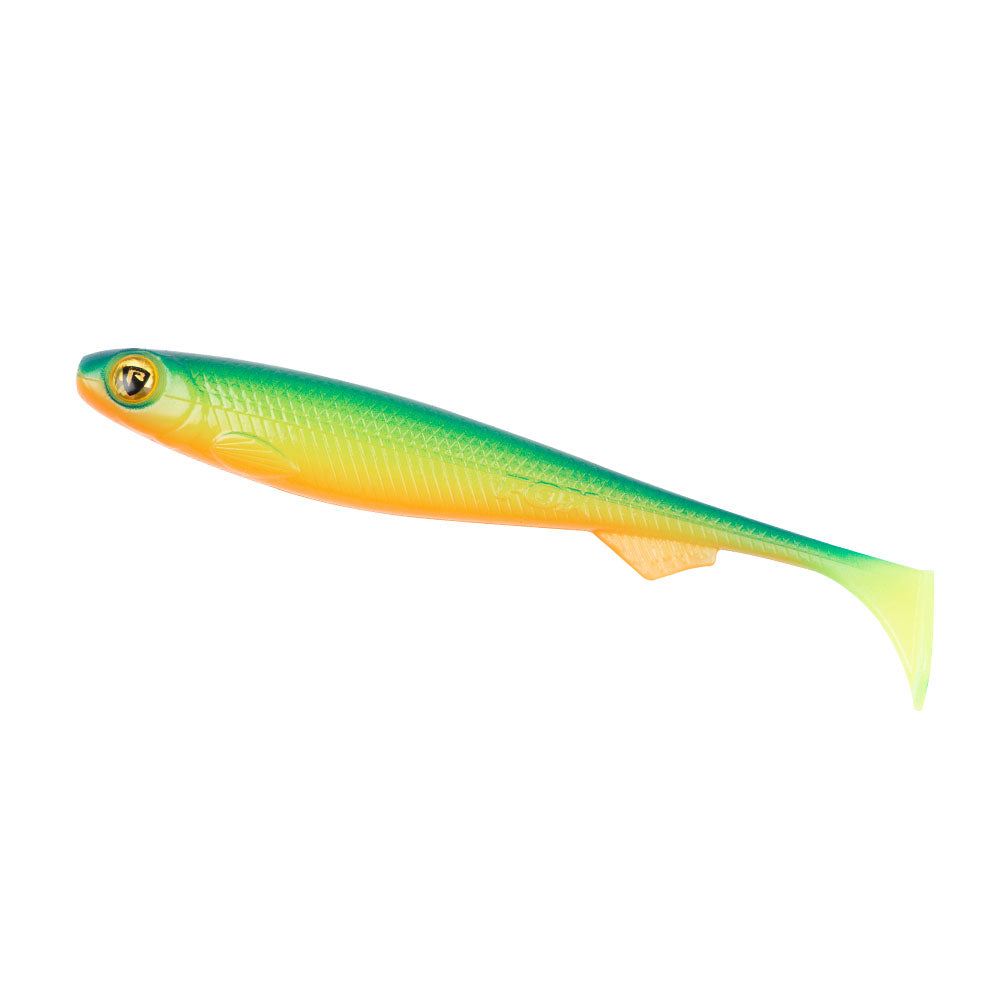


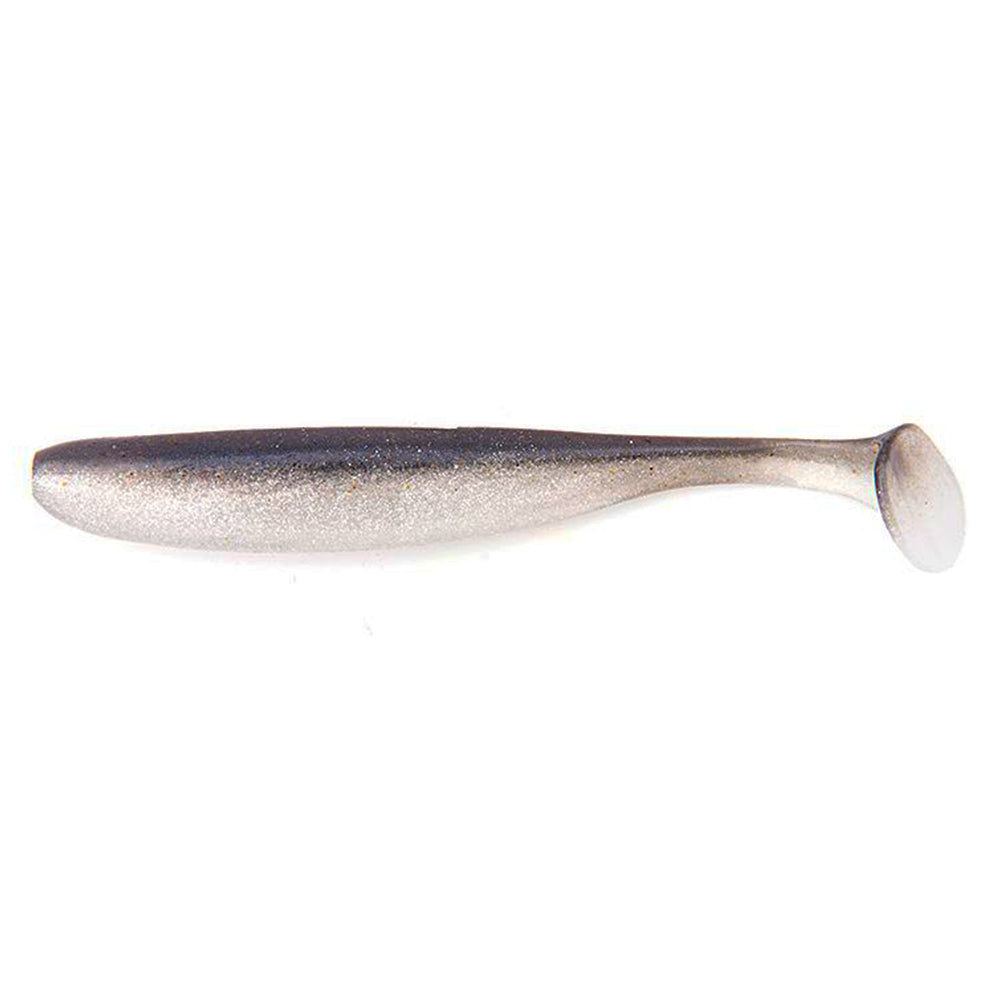


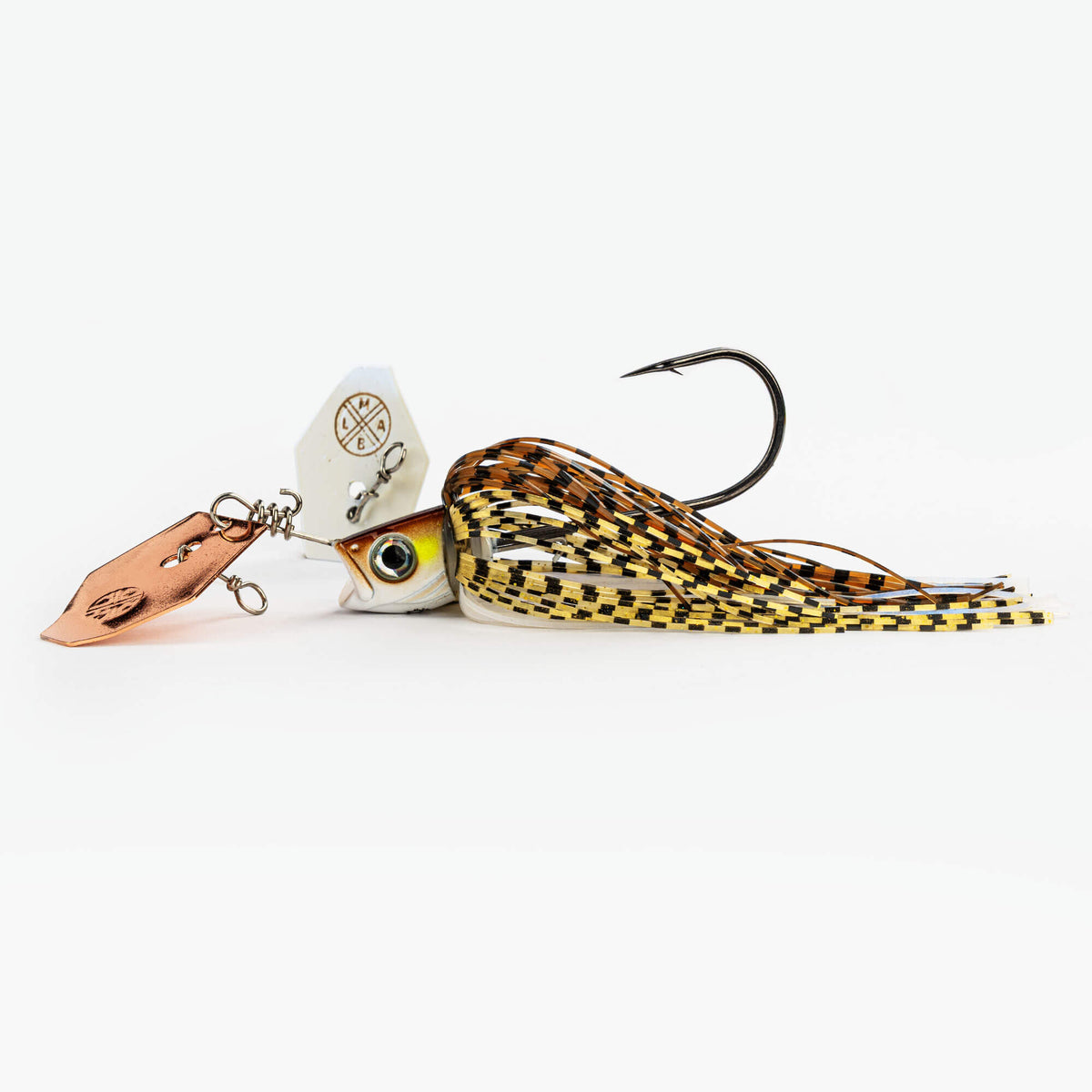

























<h2>Buying Guide: Perch Lures</h2><p>Perch are found in almost every water. These predators typically move in shoals and can be targeted all year round. For many lure anglers they are absolute favourites - strong fighters relative to their size, with lively hunting behaviour and excellent on the table. While smaller and therefore younger fish (a 15 cm perch is on average around 2-3 years old) are usually straightforward to catch, the larger, more experienced individuals are a very different proposition. A 40 cm perch has 15-17 years behind it and has seen a thing or two. The range of perch lures available is almost endless, so this guide aims to give you a clear overview of the main options and where each one works best.</p><h2>Where Do You Find Perch?</h2><p>While it is difficult to make universal statements, there are a few things worth keeping in mind when searching for these striped predators throughout the year:</p><ol><li>Perch love <strong>structure!</strong> Deadwood, drop-offs, underwater humps and jetties are all worth investigating. These features offer the fish both cover and food, and are usually the first spots you should explore at any time of year.</li><li>Perch avoid <strong>bright sunlight!</strong> Overcast and slightly breezy days are ideal, but even in bright conditions you can catch them by focusing on shaded spots under large trees or deeper edges. In the evening or early morning, when the light hits the water at a low angle, perch often move up close to the surface.</li><li>Find the <strong>baitfish!</strong> If you see fry or small fish snapping at insects or moving through weed, perch are usually close by.</li><li>Perch are fairly sensitive to <strong>air pressure!</strong> Rising pressure tends to switch them on and lets you fish shallower with larger lures. A sharp drop in pressure calls for smaller presentations fished deeper and more slowly.</li><li>Perch are <strong>hunters!</strong> Speed will often trigger them, and a brief pause regularly produces the bite.</li></ol><h3>Seasonal Patterns</h3><p>Perch also follow a predictable seasonal cycle:</p><ul><li><strong>Spring</strong>: Depending on water temperature, perch spawn between March and June, depositing their eggs in shallow, vegetated margins. Leave them in peace while they are spawning - they are not feeding at this time anyway. Before and after spawning the fish tend to hold in deeper water close to the spawning areas. Take note in summer of where the weed beds are - those spots will produce perch later on.</li><li><strong>Summer</strong>: In warmer months perch favour shallower water when deep water is close by. They roam widely, and with a bit of luck you can spot them hunting in the early morning or evening, pushing baitfish towards the surface and into the shallows.</li><li><strong>Autumn</strong>: The shallows remain productive well into early autumn, but as water temperatures fall the fish move progressively deeper, feeding and hunting for much of the day.</li><li><strong>Winter</strong>: The deeper layers offer slightly warmer water, so focus your search there, particularly around small rises or other structural features on the bottom.</li></ul><h3>Which Lures for Perch?</h3><p>Once you have found a likely spot, choosing the right lure is the next challenge. As a starting point, match what the perch are currently feeding on - particularly in terms of size and profile. Experience also shows that it is often necessary to change colour or even lure type after a few follows or caught fish.</p><h4>Lure Size</h4><p>In coastal lagoon environments you can fish lures up to 5 inch (around 13 cm) for perch, but elsewhere lures up to 4 inch (around 10 cm) are generally the right size. In spring and when searching for fish, smaller baits of 2-3 inch are a good choice; in summer, autumn and winter - especially when air pressure is higher - lures in the 3.5-4 inch range work well.</p><p>Below you will find a list of perch lure types and where each one excels:</p><table><tbody><tr><td><strong>Lure type</strong></td><td><strong>Applications and tips</strong></td><td><strong>Rigging and hardware</strong></td><td><strong>Example image</strong></td></tr><tr><td><strong>Shads and paddle tails</strong></td><td><p>Effective all year round, especially when perch are actively feeding. Smaller, slender models such as the 3 inch Easy Shiner work very well in spring; later in the year sizes up to around 11 cm and more bulky profiles come into their own.</p></td><td><p>Jig head, Carolina rig, Texas rig, drop shot rig</p><p>Rods with a fast tip action</p></td><td><img src="https://cdn.shopify.com/s/files/1/0548/9197/0669/files/drunk-bait-8cm-lmab-mojito-mike.jpg" alt="Paddletail" width="250" height="250"></td></tr><tr><td><strong>Low- & no-action soft lures</strong></td><td>Soft plastics with a V-tail or pin tail produce fish in two seemingly opposite situations: if you can see perch that are being cautious or simply refusing to bite, try low-action soft lures on finesse rigs. They are equally effective in midsummer when perch want a faster presentation - mount them on a heavy jig head with a narrow profile and twitch them through the mid-water.</td><td><p>Jig head, Carolina rig, Texas rig, drop shot rig</p><p>Rods with a fast tip action</p></td><td><img src="https://cdn.shopify.com/s/files/1/0548/9197/0669/files/7-Fin-S-Fish-Green-Shad-Flash.jpg" alt="Gummifische" width="250" height="250"></td></tr><tr><td><strong>Crabs & creature baits</strong></td><td>Crabs and insect imitations are among the main food sources for perch in almost every water. Insect imitations are particularly effective in the margins during spring and summer, while crab-style lures come into their own in early evening during summer and autumn. If you catch a perch with very red fins or even red-tinged scales on its belly, you can be fairly sure you are dealing with a crab-eater.</td><td><p>Jig head, though primarily finesse rigs (Carolina and Texas rig)</p><p>Rods with a fast tip action</p></td><td><img src="https://cdn.shopify.com/s/files/1/0548/9197/0669/files/Reins-Ring-Craw-Micro-1-5-Cola-Scuppernong.jpg" alt="Krebse & Creature Baits" width="250" height="250"></td></tr><tr><td><strong>Spinner-style lures</strong></td><td>Lures with a spinner blade - spinners and jig spinners - are excellent search lures. They allow you to cover large areas of water quickly and effectively when looking for active fish. Jig spinners in particular, which offer long casts and reach good depths, should be in every perch tackle box.</td><td>For spinners with larger blades use bigger fixed spool reels (size 2000 and above); good swivels are also important to prevent line twist.</td><td><img src="https://cdn.shopify.com/s/files/1/0548/9197/0669/files/SpinMad-Jigmaster-24g-1501TBfQ6aMVxmlkK.jpg" alt="Spinnköder" width="250" height="250"></td></tr><tr><td><strong>Plugs</strong></td><td>Plugs are excellent perch lures in warmer water. Crankbaits and slim minnows with a fast rolling action are especially well suited to searching for fish and provoking reaction strikes when nothing else is working.</td><td>Small plugs should be connected via small snaps or tied direct to the leader. A thin fluorocarbon leader is also needed to let the lures work at their best.</td><td><img src="https://cdn.shopify.com/s/files/1/0548/9197/0669/files/DUO-Realis-Shad-59MR-Komochi-Wakasagi.png" alt="Wobbler" width="320" height="106"></td></tr><tr><td><strong>Poppers</strong></td><td>Surface lures are not only the first choice when you spot perch actively hunting on top. They are also outstanding at low sun in summer and early autumn. You can even work them over weed beds in water of around 2.5 metres, even when the fish are not holding near the surface.</td><td>Most surface lures perform best with very small snaps and a thin fluorocarbon leader.</td><td><img src="https://cdn.shopify.com/s/files/1/0548/9197/0669/files/major-craft-mini-zoner-popper-50-gold-yamame.jpg" alt="Popper" width="250" height="250"></td></tr><tr><td><strong>Jerkbaits</strong></td><td>Hard to believe, but true: pike anglers regularly catch big perch while fishing with jerkbaits. We have had good results with smaller models when targeting summer perch that want a faster, more aggressive presentation - give it a try.</td><td>A stiff fluorocarbon leader is ideal for stopping jerkbaits from rolling over or fouling the line. A fast, stiff rod is also essential.</td><td><img src="https://cdn.shopify.com/s/files/1/0548/9197/0669/files/Savage-Gear-3D-Roach-Jerkster-115-Perch.jpg" alt="Jerkbaits" width="400" height="92"></td></tr><tr><td><strong>Vibration baits</strong></td><td>Vibration baits were developed as search lures and are usually first choice in that role. They are ideal for working drop-offs - jig them like a shad and let them fall back on a tight line. This zigzag presentation produces strong results and lets you cover a lot of water in a short time.</td><td></td><td><img src="https://cdn.shopify.com/s/files/1/0548/9197/0669/files/duo-tide-vib-score-78-ih-mullet.jpg" alt="Vibrationsköder" width="250" height="250"></td></tr></tbody></table>