








Big Bait Rods
Big bait - those two words say it all: this is about presenting predators with genuinely large lures. We are talking about lures over 20 cm in length or exceeding 100 g in weight.


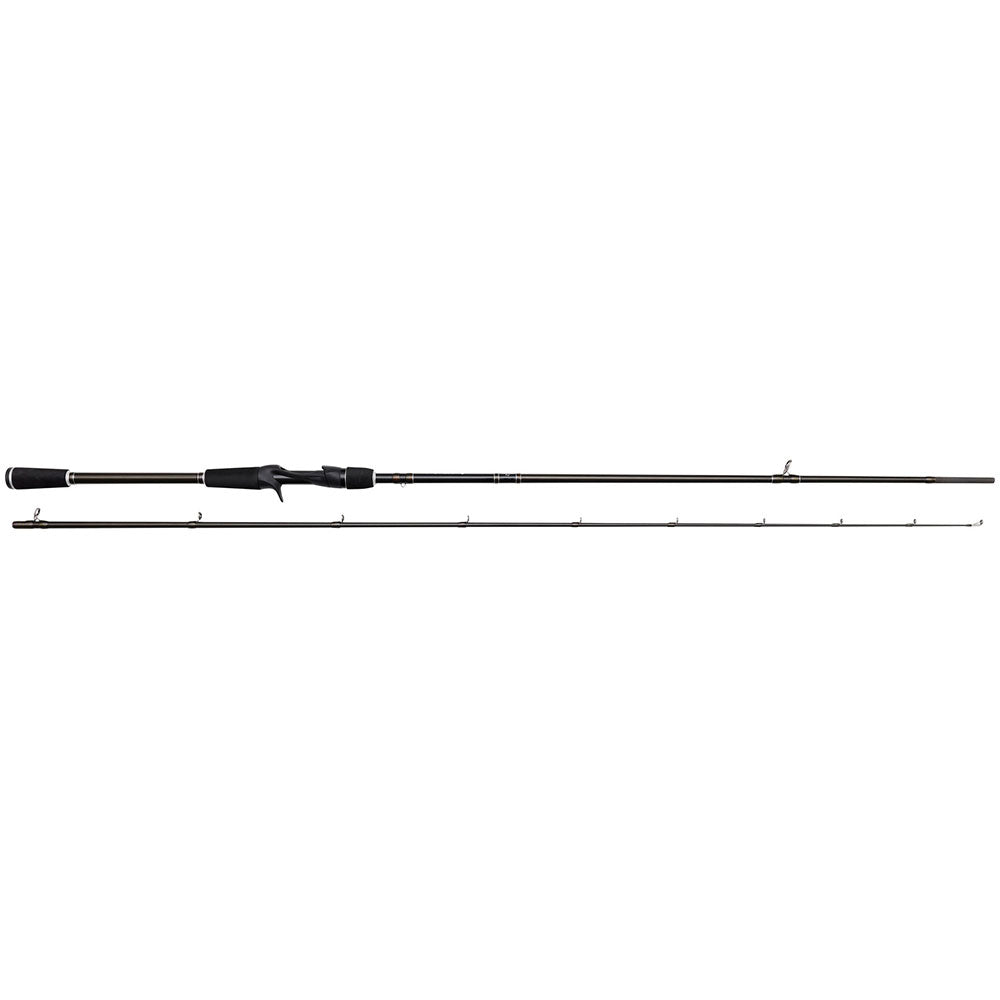

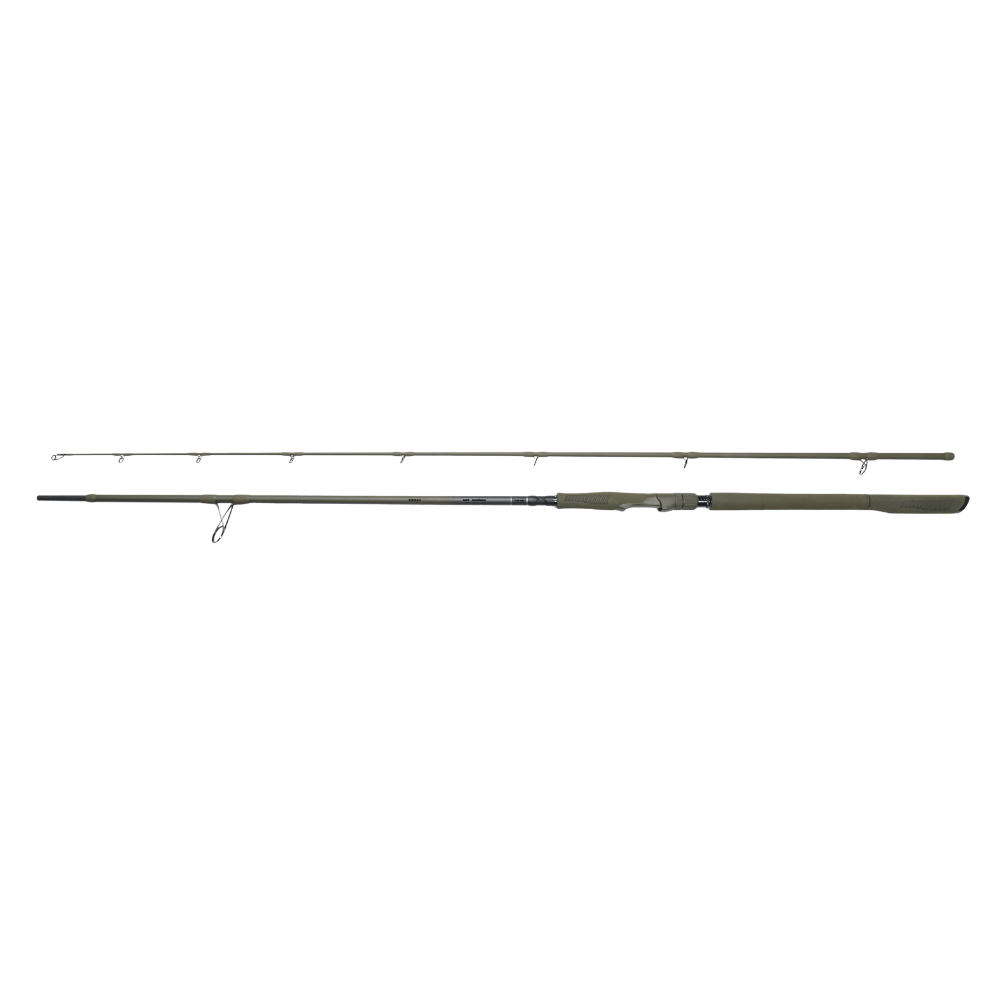


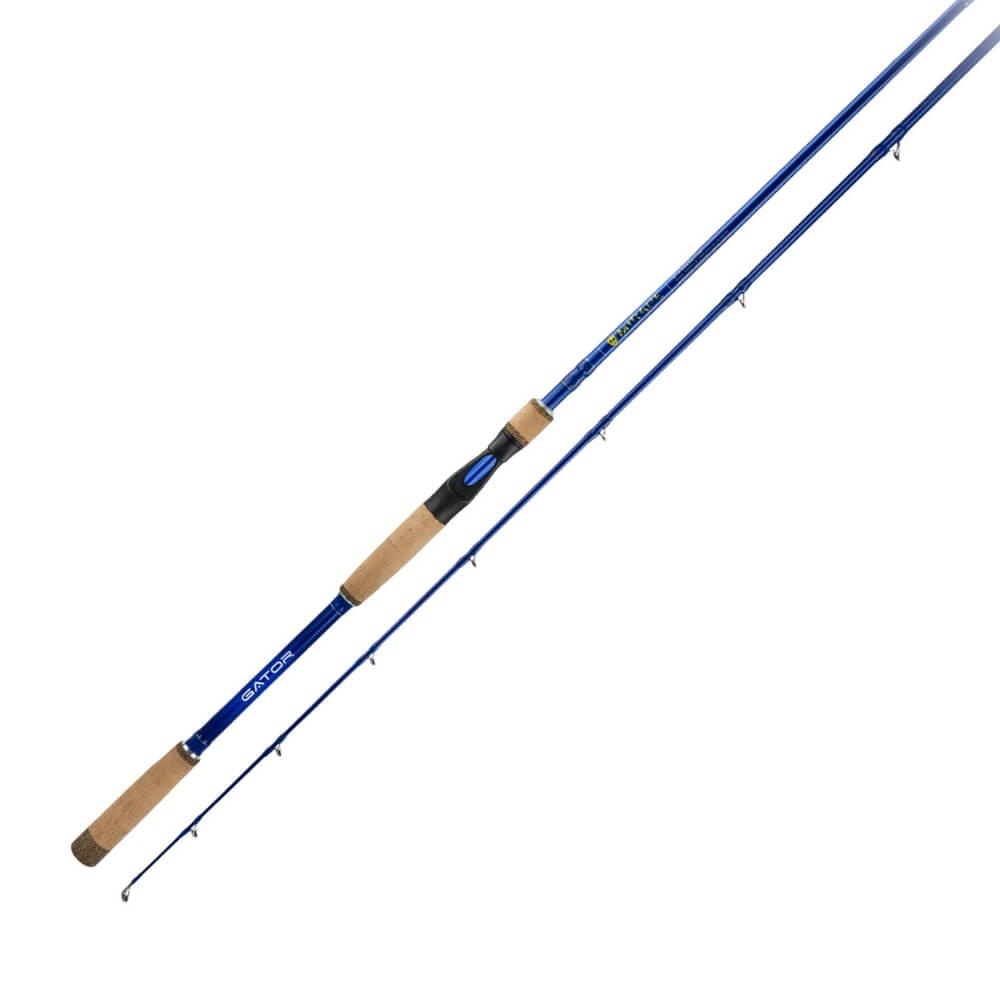

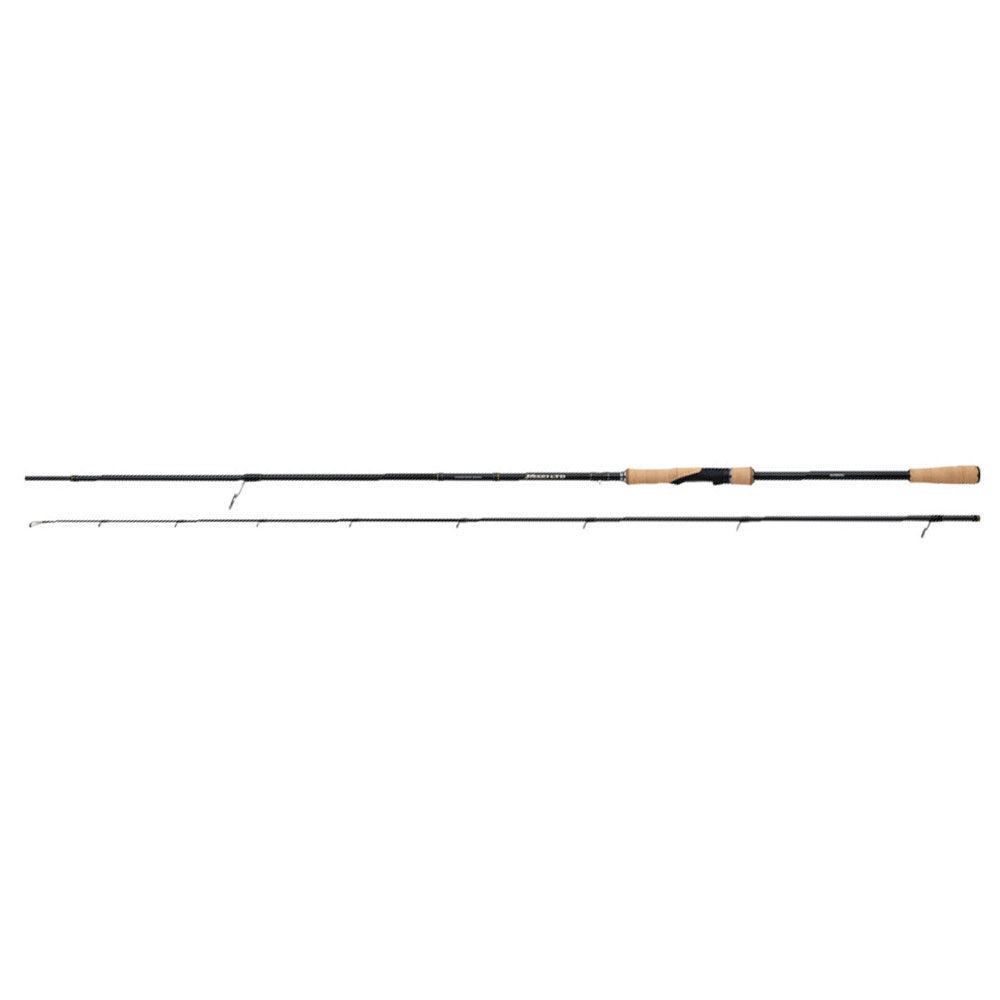
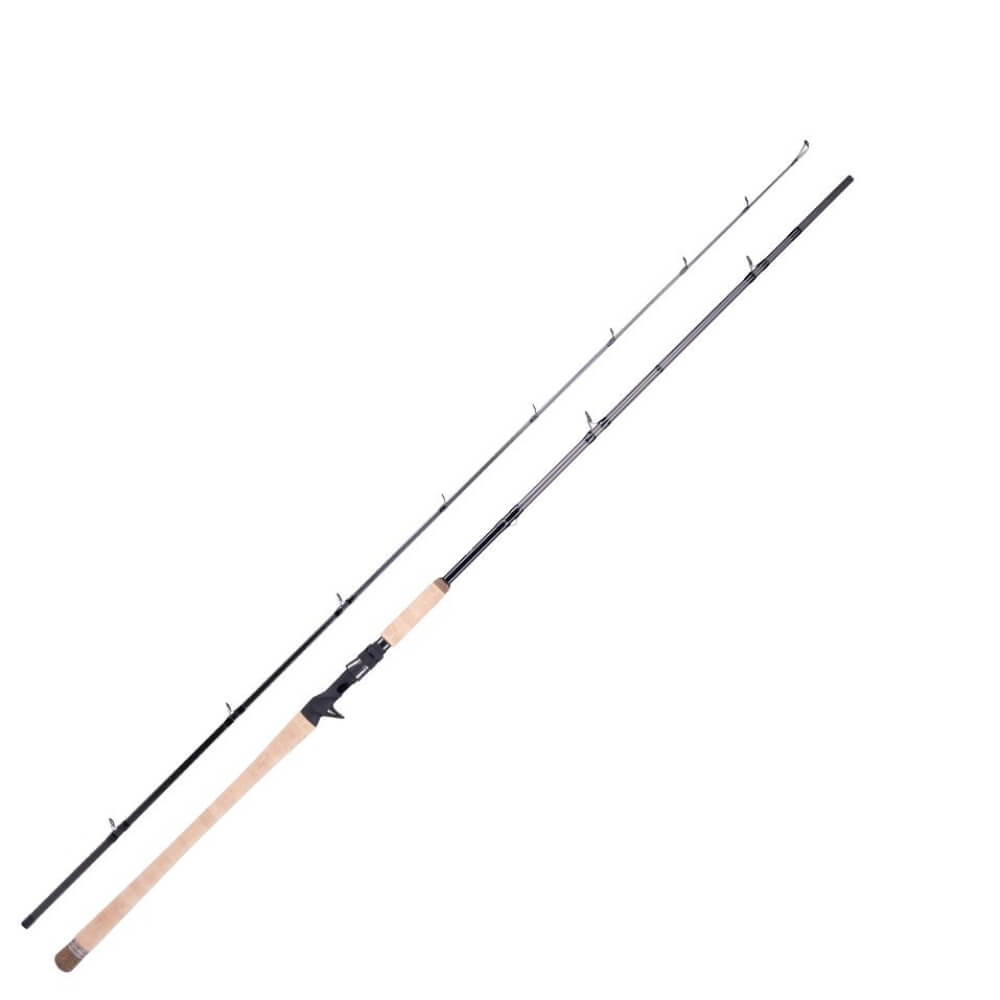








2 variants


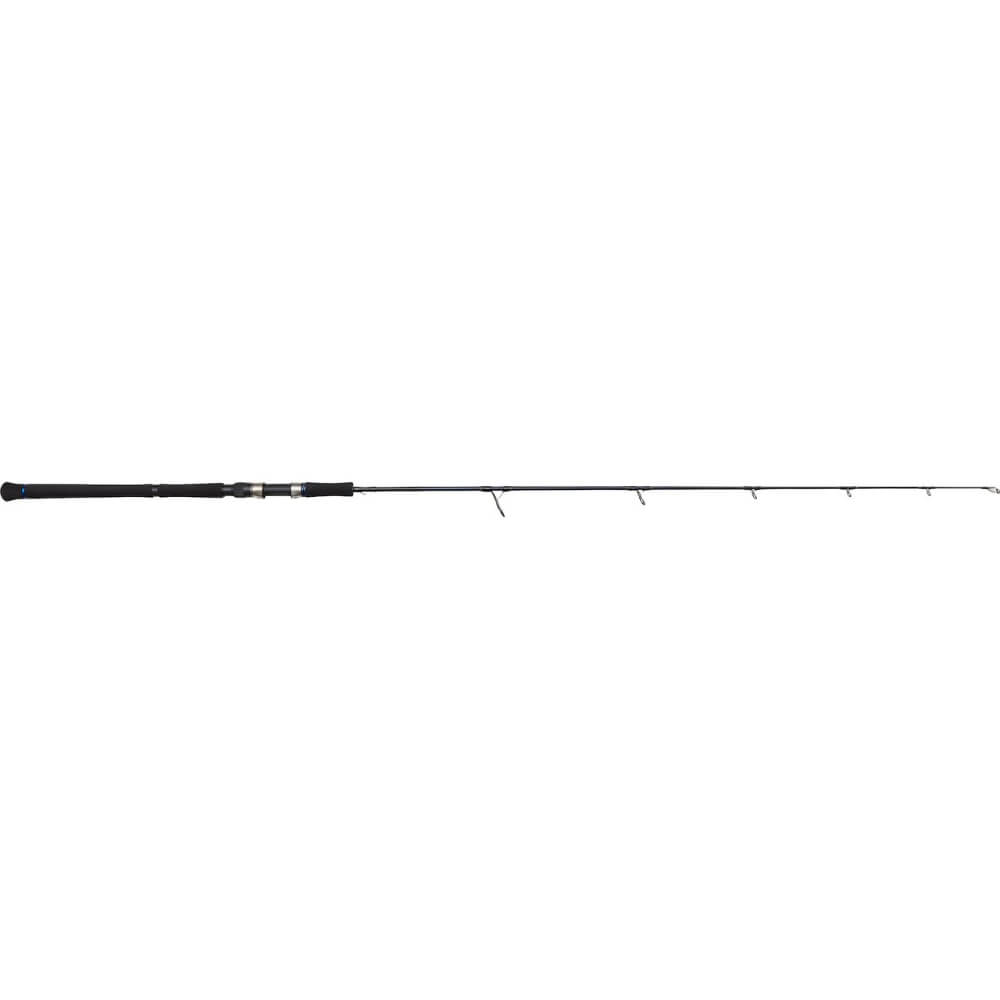

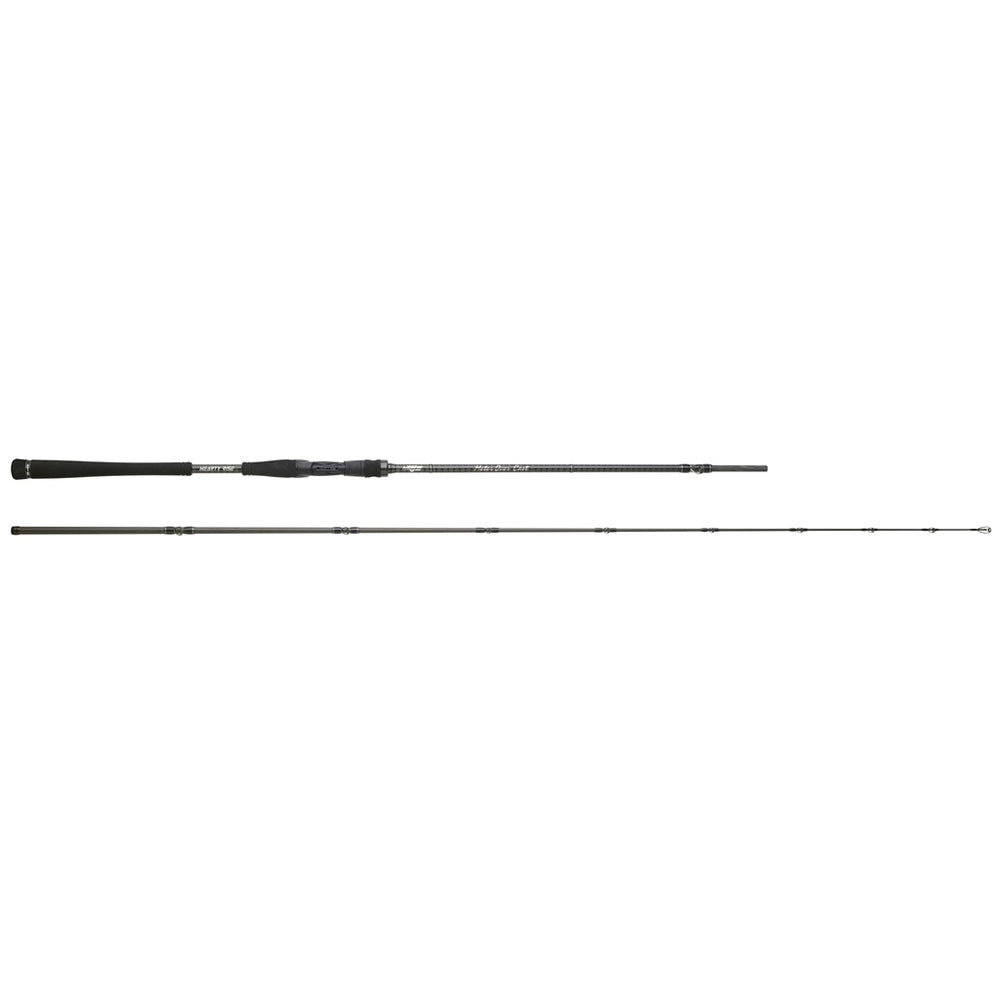

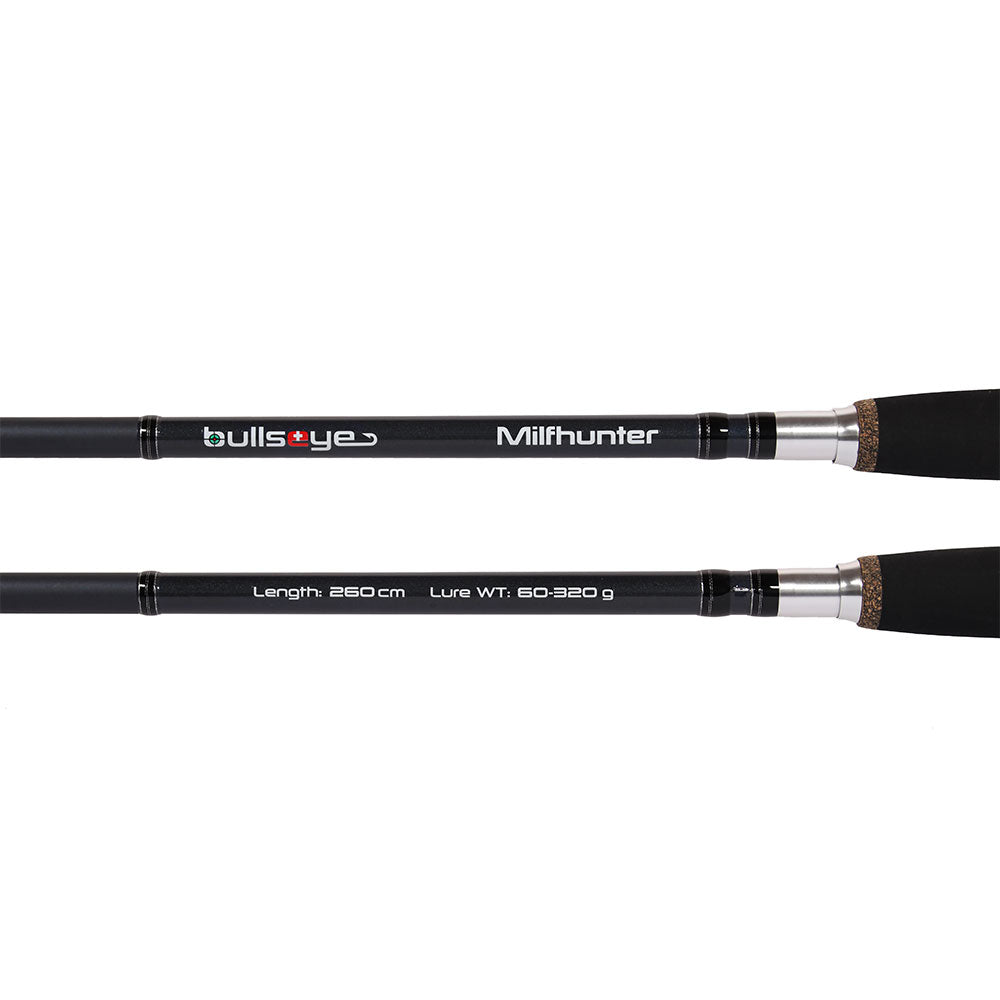


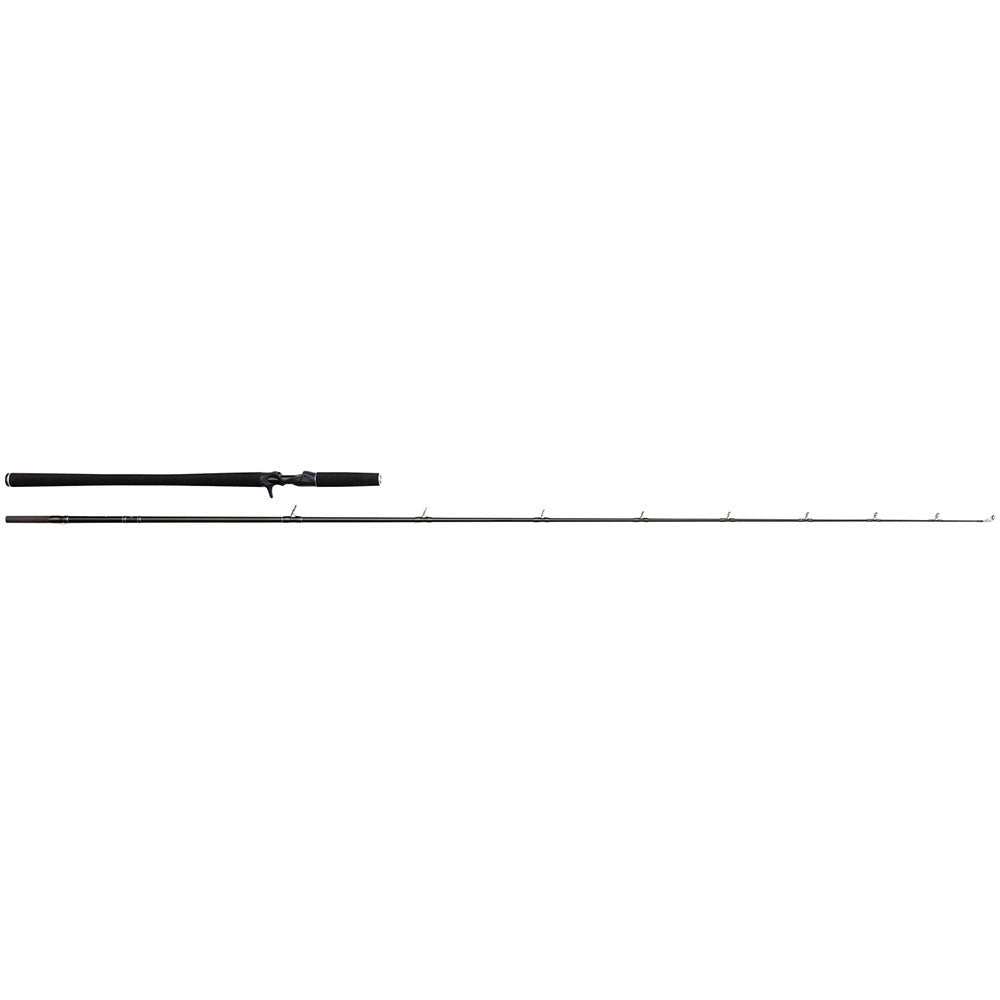


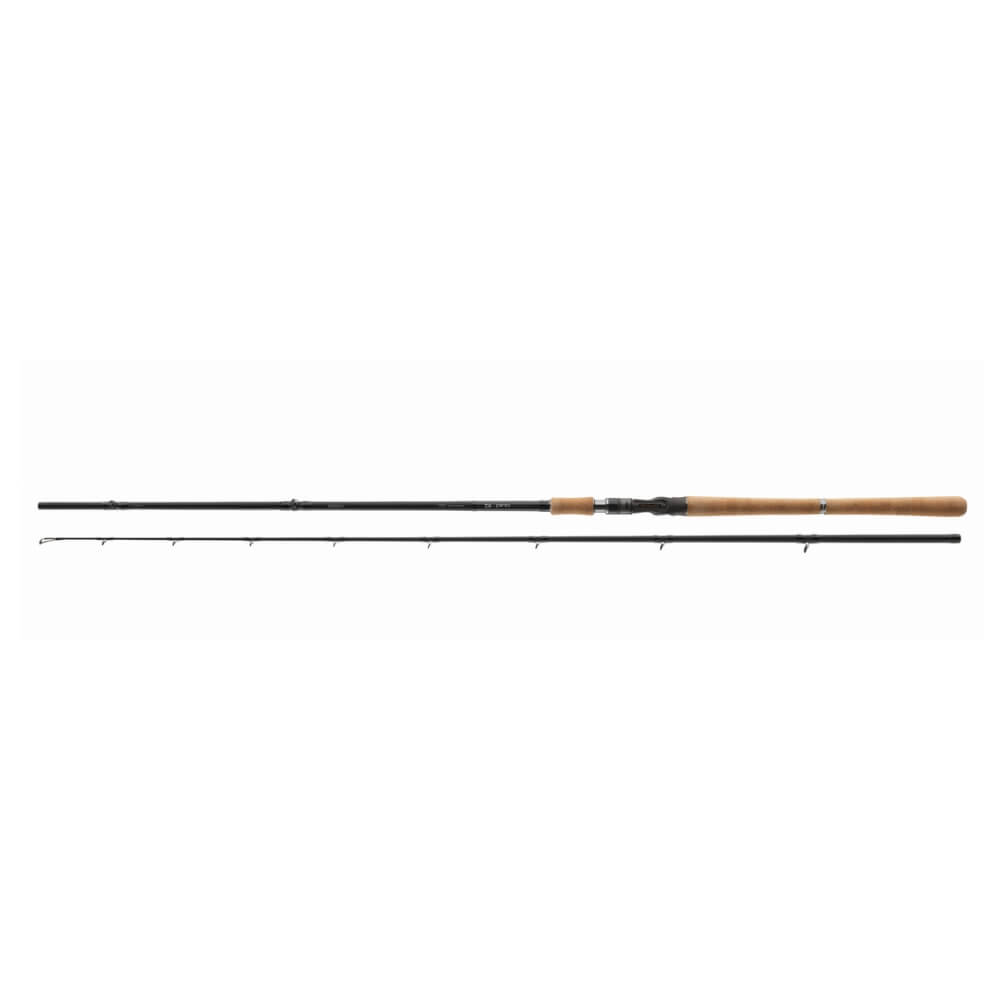


<h2>Advice on Buying and Using Big Bait Rods</h2><p>One thing upfront: when it comes to seriously fishing <strong>large lures</strong> in the weight range between 100 g and over 200 g, the quality of your tackle really starts to matter. You can still get a lure around 100 g airborne with many rods if you are careful. That does not mean you can fish those lures effectively with just any rod. If you want to work regularly with these casting weights, there is no substitute for a rod built specifically for them. At this level, it is no longer about maximum lightness or outstanding sensitivity - it is about backbone, loading, and handling.</p><p>That does not mean all big bait rods are heavy, lifeless clubs. Development has moved on here as well, and modern carbon-fibre materials and manufacturing techniques have made their mark. Rods are now available that can cast lures over 200 g while themselves weighing only a little over 200 g - or even less. The challenge is finding the right balance between strength, casting performance, and quality.</p><h3>Key Considerations for Big Bait Rods</h3><p>First, most big bait rods are designed for baitcasters. The reason is straightforward. Once lures reach a certain weight, fishing them with a <strong>fixed spool reel</strong> becomes unpleasant. Every cast puts enormous strain on your index finger, and the line - usually braid - tends to cut in. Over many hundreds of casts in a day, that is far from comfortable.</p><p>Beyond that, many large lures create substantial resistance under water. <strong>Baitcasters</strong> simply handle this better. By design, they retrieve these powerful lures more smoothly and are at the same time considerably more robust and durable.</p><p>Casting such heavy lures with a baitcaster is not difficult to learn, and the trend among big bait anglers is clearly towards the baitcast combo. That said, anglers who prefer not to use this setup will still find a limited selection of <strong>spinning rods</strong> suited to big bait fishing.</p><h3>What Really Matters</h3><p>Whereas with zander tackle the focus is on maximum sensitivity, this takes a back seat with big bait rods. You will feel the take of a large pike clearly enough, and other properties carry more weight here - properties that to some extent work against sensitivity. Many big bait rods incorporate a proportion of fibreglass. This helps load the stiff blank more smoothly, greatly improves the rod's performance during the fight with large fish, and significantly increases the blank's resistance to breakage. These properties do, inevitably, reduce feedback somewhat. As already mentioned, that is not a real concern here.</p><p>Because pike carry many teeth and can lock a large soft lure firmly between their powerful jaws, big bait rods need a <strong>strong backbone</strong> to move the lure in that vice-like grip on the strike. If the rod is too weak, the strike dissipates and the pike either is not hooked at all or comes off during the fight. This is therefore another important criterion when choosing the right rod.</p><p>With high lure weights, the rod rings are also placed under considerable load. There should be enough rings of good quality - for example from Fuji or Seaguide - to distribute the forces evenly across the blank. The rings should be large enough to allow shock leader knots to pass through without restriction. An adequate inner diameter of the ring inserts is also important when fishing in winter - as is so often the case when pike fishing - since this significantly delays the rings icing up at sub-zero temperatures. The insert material should always be compatible with modern braided lines. If you also want to fish in brackish water, titanium ring frames are worth considering to keep the rings corrosion-free.</p><p>If the rings are also underwrapped to minimise point loads from the ring feet on the blank, the ring setup is ideal for a big bait rod.</p><h3>Length Matters</h3><p>When it comes to length, two measurements are particularly important for a big bait rod:</p><p>1. The overall length should normally fall between 240 and 275 centimetres. This makes casting large, heavy lures considerably easier, especially when a long pendulum ahead of the tip ring is needed because you are fishing with <strong>bite-resistant leaders</strong>.</p><p>2. The rear handle behind the reel seat should ideally be at least 40 centimetres long. This gives you enough leverage to get heavy lures moving, saving effort and sparing your back and shoulder in particular. When working the lure, the long <strong>rear handle</strong> can be tucked comfortably under your arm, which is also far less tiring.</p><h3>The Foregrip</h3><p>Opinion is divided here. For many anglers the foregrip is purely decorative. In <strong>big bait fishing</strong>, however, others find it serves an important purpose. Once the lure is in the water, you can hold the rod by the foregrip, bringing the butt and reel further back. The rod sits balanced in your hand with the butt secured under your arm, which helps delay fatigue. When the bite comes, you can drive the rod powerfully upward from this position to set the hook cleanly. Whether you use this grip or not is a matter of personal preference, but the foregrip certainly does no harm.</p><h3>The Trigger</h3><p>Baitcasting rods come with a trigger grip, which is available in a wide range of shapes and sizes. Big bait rods are paired with large, heavy reels, so the trigger configuration may need to be chosen differently than on a perch rod. Reel seats where the trigger sits behind the hand rather than between the fingers are common here and can be more comfortable in combination with large reels. Personal preference and hand size play a significant role, so no universal recommendation can be given - the only way to find out is to try different options.</p><h3>Casting Weight</h3><p>Big bait rods cover a range of casting weight classes. Some bridge the gap between medium and heavy pike fishing with casting weights up to 100 or 120 g, while others are built specifically for large lures with casting weights up to 170 g, or even for truly oversized baits with casting weights up to 300 g or more. Before buying, think about which lures you will be using regularly and choose the rod to match that range.</p><p>If you still have questions about choosing a big bait rod after reading this, our customer service team will be happy to help. Otherwise - go ahead with the big lures and <strong>tight lines from serious pike</strong>.</p>