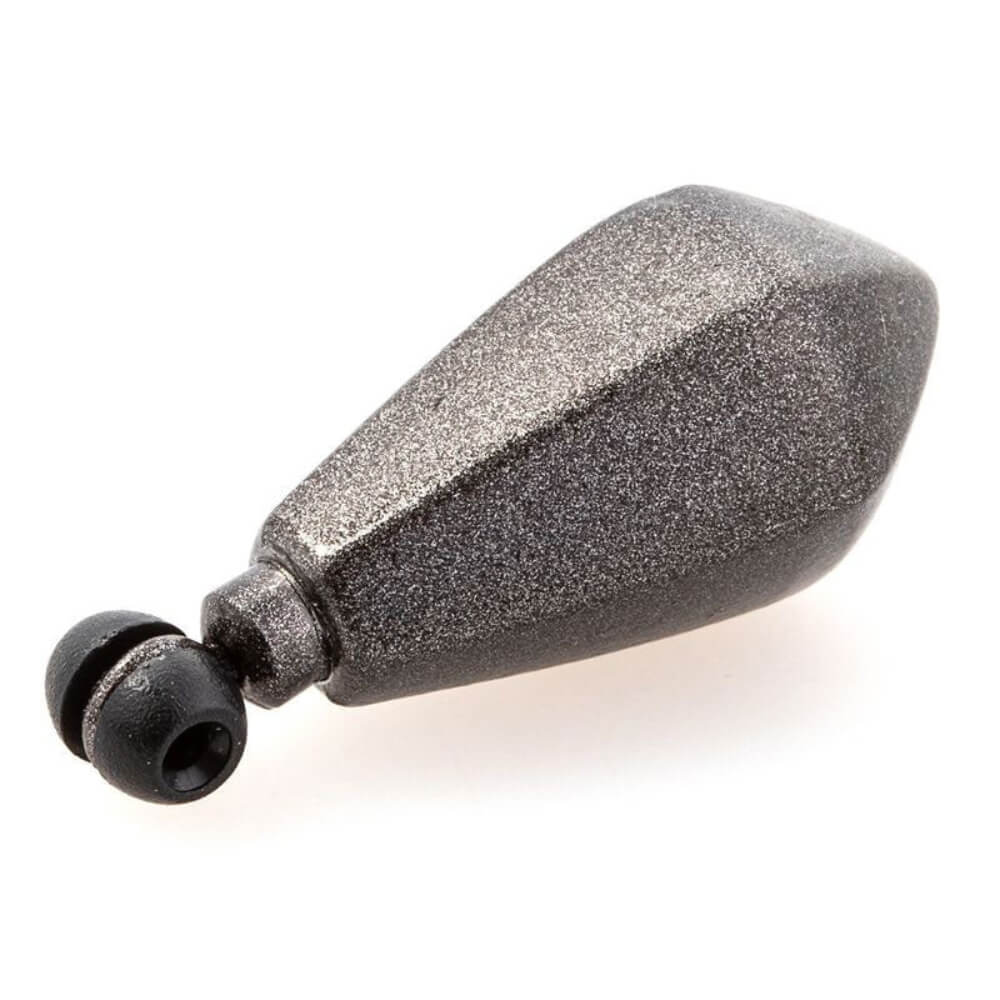
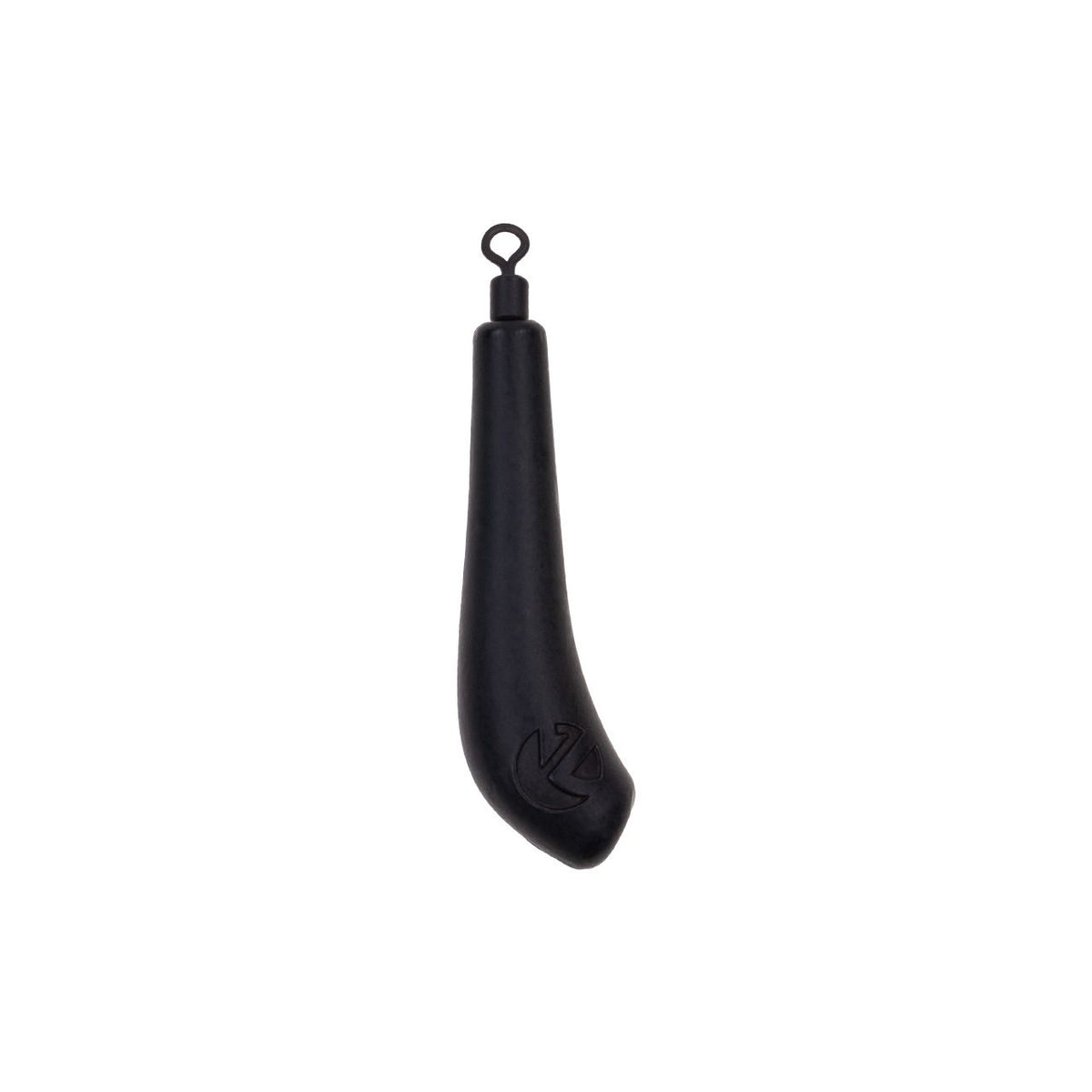
<h2>Buying Guide for Running Weights</h2><p>The old term <em>running lead</em> has largely fallen out of use. Where almost all <strong>fishing weights</strong> were once made from lead, the trend today points firmly towards <strong>tungsten</strong>. Among running weights in particular, you will likely find more <strong>lead-free alternatives</strong> than traditional lead weights. This is partly down to the material properties involved.</p><h3>Properties of Lead Weights</h3><p>Lead weights have a <strong>high density and sink quickly</strong>. They are straightforward to manufacture and relatively inexpensive. On the downside, lead is rather soft and gives <strong>poor feedback on bottom structure</strong>. Lead is also <strong>toxic</strong>, and in an increasing number of countries its use in hunting and fishing is being banned.</p><h3>Tungsten as an Alternative</h3><p>Tungsten weights have an even higher density. At the same weight they are therefore more compact and sink even faster. Tungsten is also very hard, which produces <strong>excellent feedback from the lake bed</strong>. Because tungsten has an extremely <strong>high melting point</strong> and is demanding to work with, tungsten products are considerably more expensive than lead weights. In return, tungsten weights are entirely lead-free.</p><h3>Brass or Steel</h3><p>Alongside lead and tungsten, running weights are also made from <strong>brass and steel</strong>. Both are harder than lead, but have a significantly lower density and are therefore larger at the same weight. Pricewise, they sit in a similar range to lead weights.</p><h2>Variants of Running Weights</h2><ul><li>Bullet weight</li><li>Free-rig weight (stick weight with eye)</li><li>Ball weight</li><li>Black beans</li><li>Pear weight</li></ul><p>The list above is not exhaustive - only the most important types are covered here.</p><h3>Bullet Weights</h3><p>In earlier times there were so-called <strong>walker leads</strong> - running leads with an eye and a <strong>shaped lead body</strong> designed to reduce snags when dragging the rig along the bottom. These weights have now been almost entirely replaced by the more effective bullet weight, a weight shaped like a rifle cartridge. It has a central bore and threads its way through obstacles and weed growth thanks to its streamlined profile. Bullet weights are available with and without a plastic sleeve. On well-finished, carefully deburred weights the sleeve is not necessary.</p><p>Bullet weights are used primarily for Texas and Carolina rigs.</p><h3>Free-Rig Weights</h3><p>Stick weights have an eye or an integrated swivel with eye at the top end and an elongated shape. The line runs through the eye, and these weights are used for free rigs, jika rigs and drop shot set-ups. Their slim profile keeps snags to a minimum, and they influence the lure action like a <strong>roly-poly</strong> - tipping over to the side repeatedly during the retrieve. <strong>Stick weights are available in both lead and tungsten</strong>.</p><h3>Ball Weights</h3><p>Ball weights are now only rarely available. They are simple, centrally bored lead balls used primarily in natural bait rigs.</p><h3>Black Beans</h3><p><strong>Black beans</strong> are a very specific type of tungsten weight. They work in a similar way to a bullet weight but produce a <strong>steeper sink angle</strong> compared to it, which makes them ideal for precise presentations around trees and other <strong>cover</strong> where <strong>pinpoint accuracy</strong> is essential.</p><h3>Pear Weights</h3><p>Pear weights are mostly made from lead and are used mainly by natural bait anglers. There are, however, variants suitable for <strong>free rigs or jika rigs</strong>, and some of these are made from tungsten.</p><p>As you can see, even something as straightforward as a weight has quite a few things worth considering. The overview above should help you find the right running weight for your application.</p>