










Backpacks
A good backpack is worth its weight in gold on long fishing days when you cover a lot of ground. Fishing backpacks are designed specifically for anglers and their needs, giving you exactly what you require at the water.


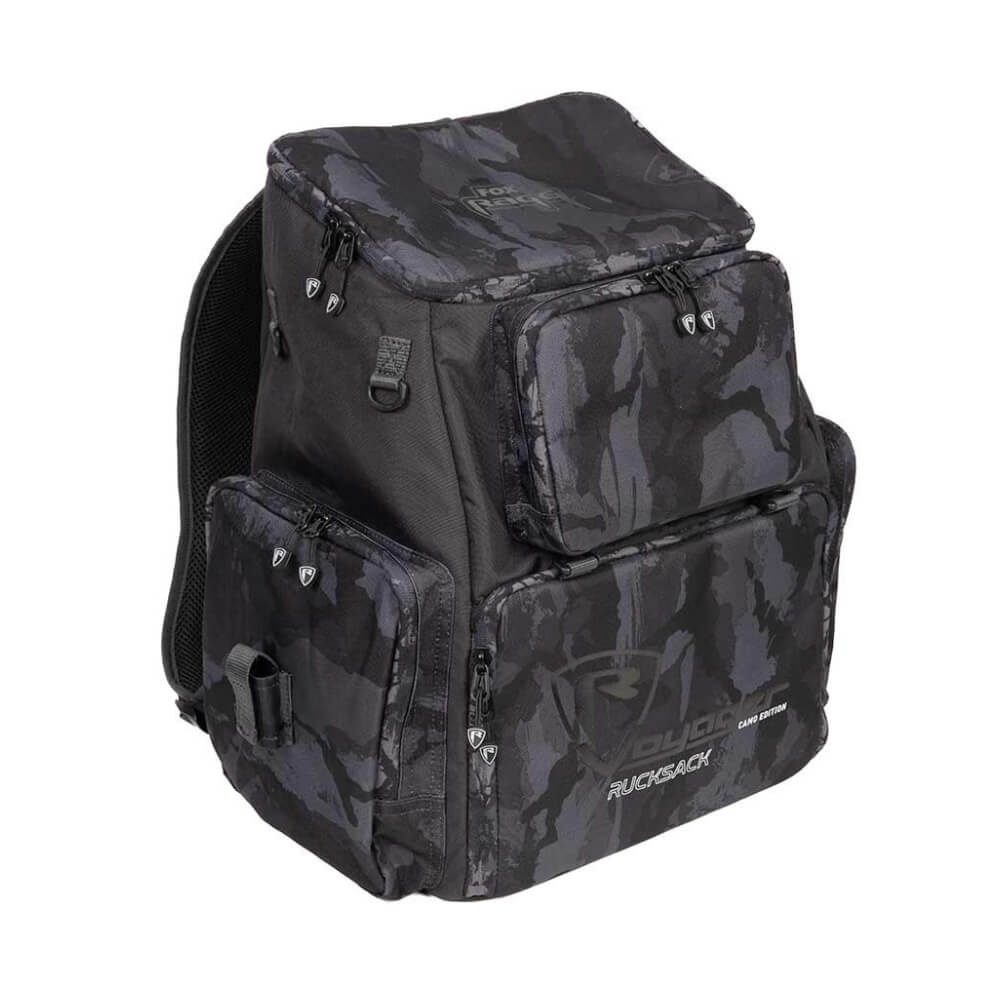


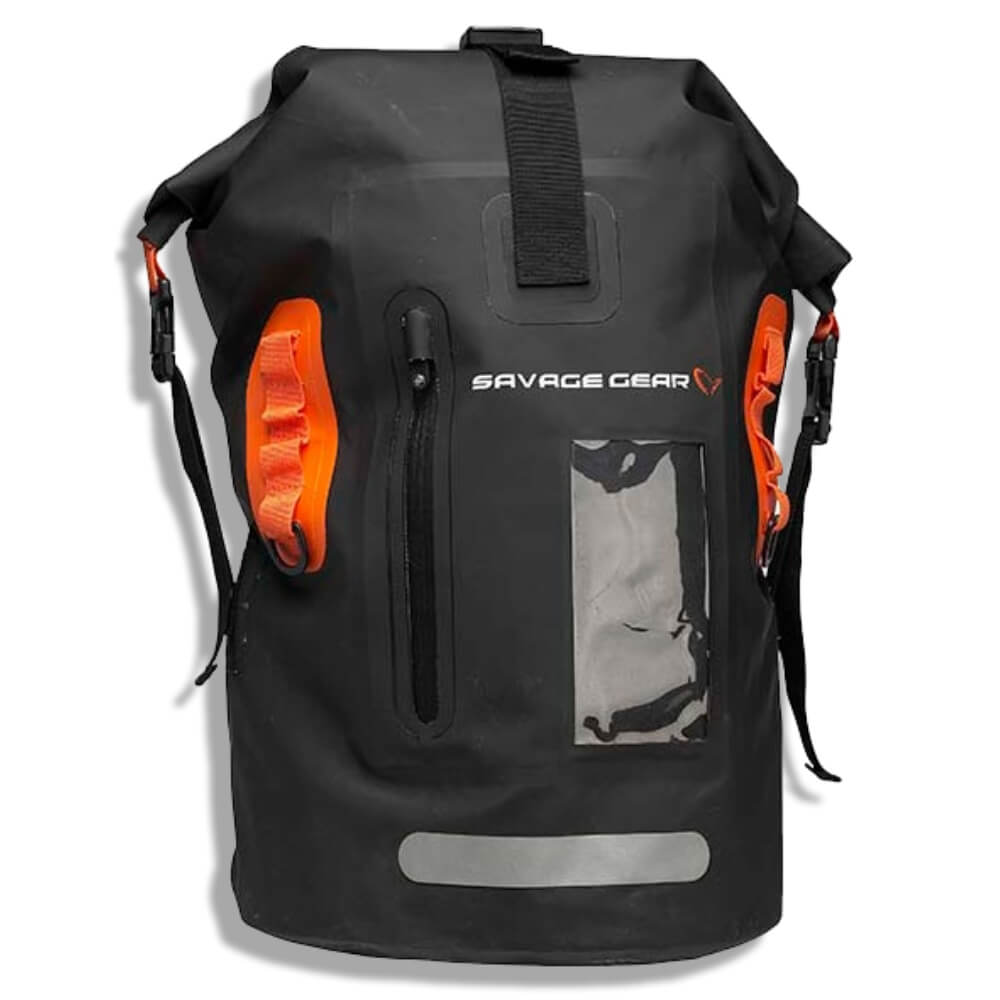


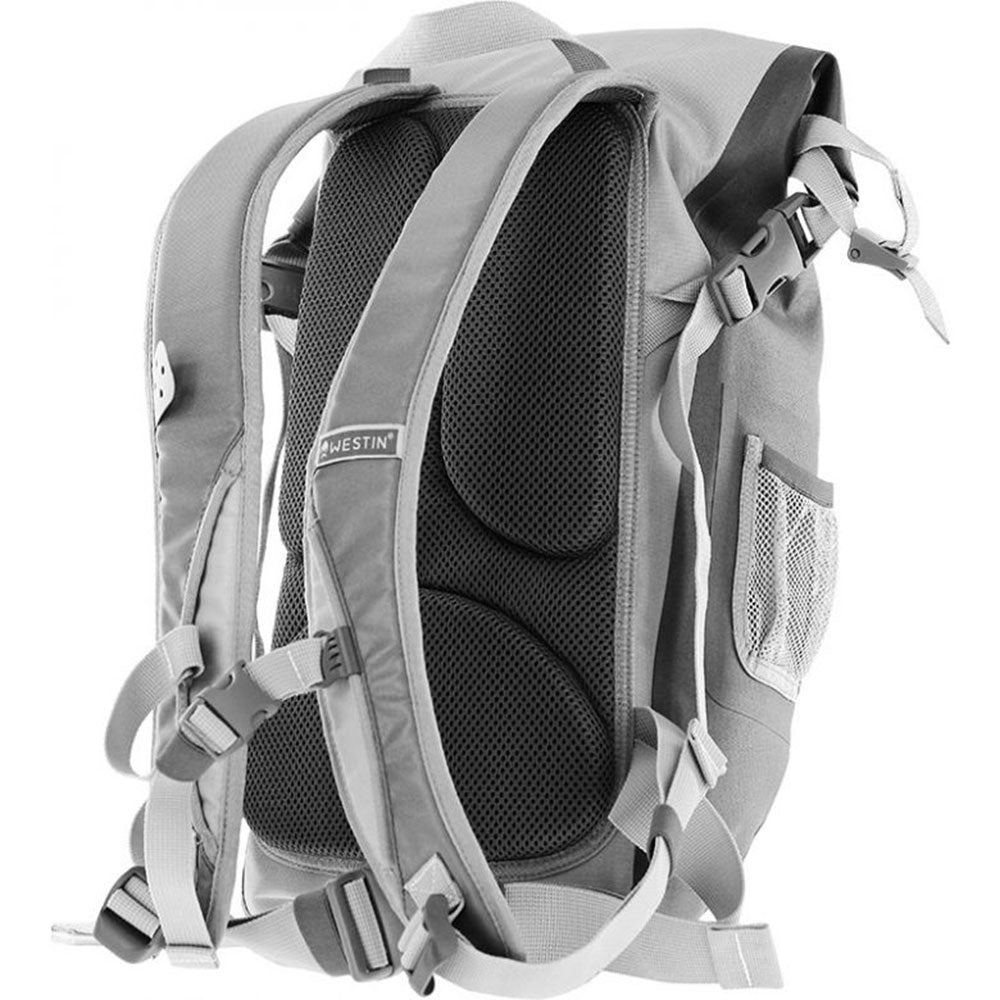


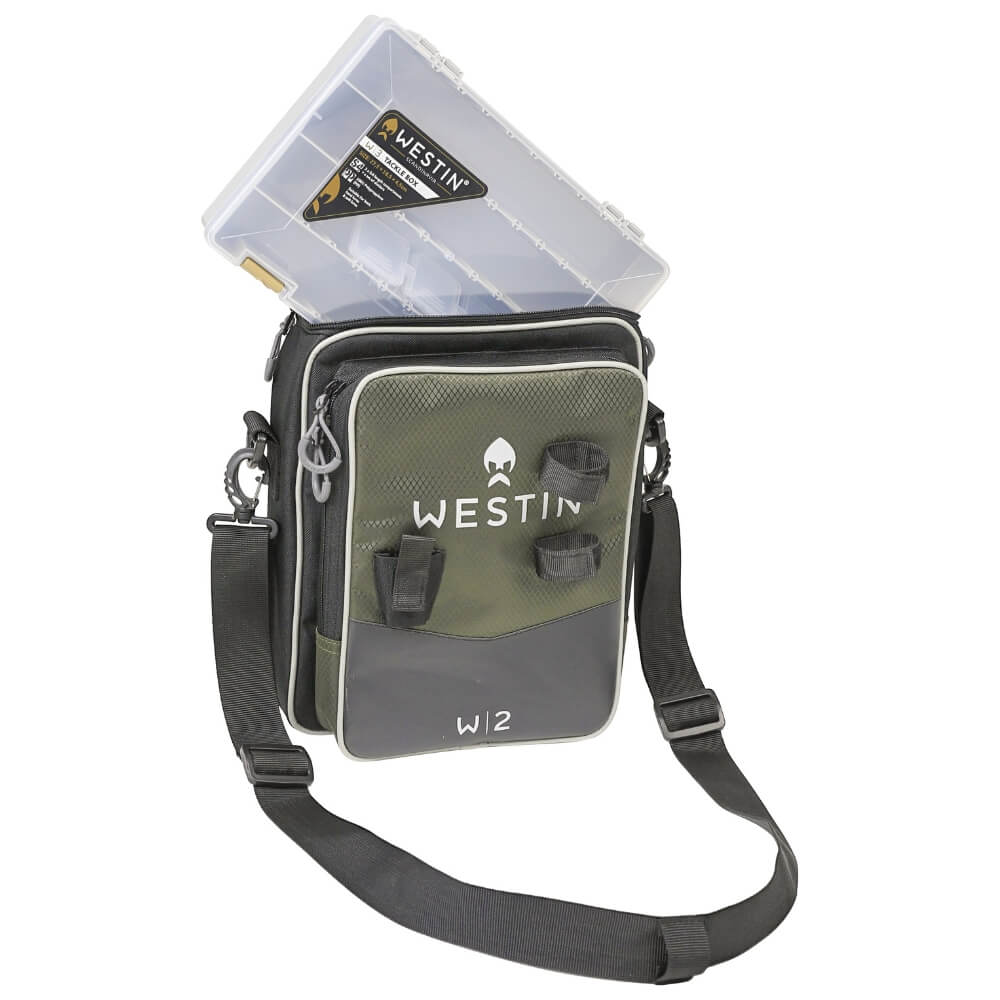


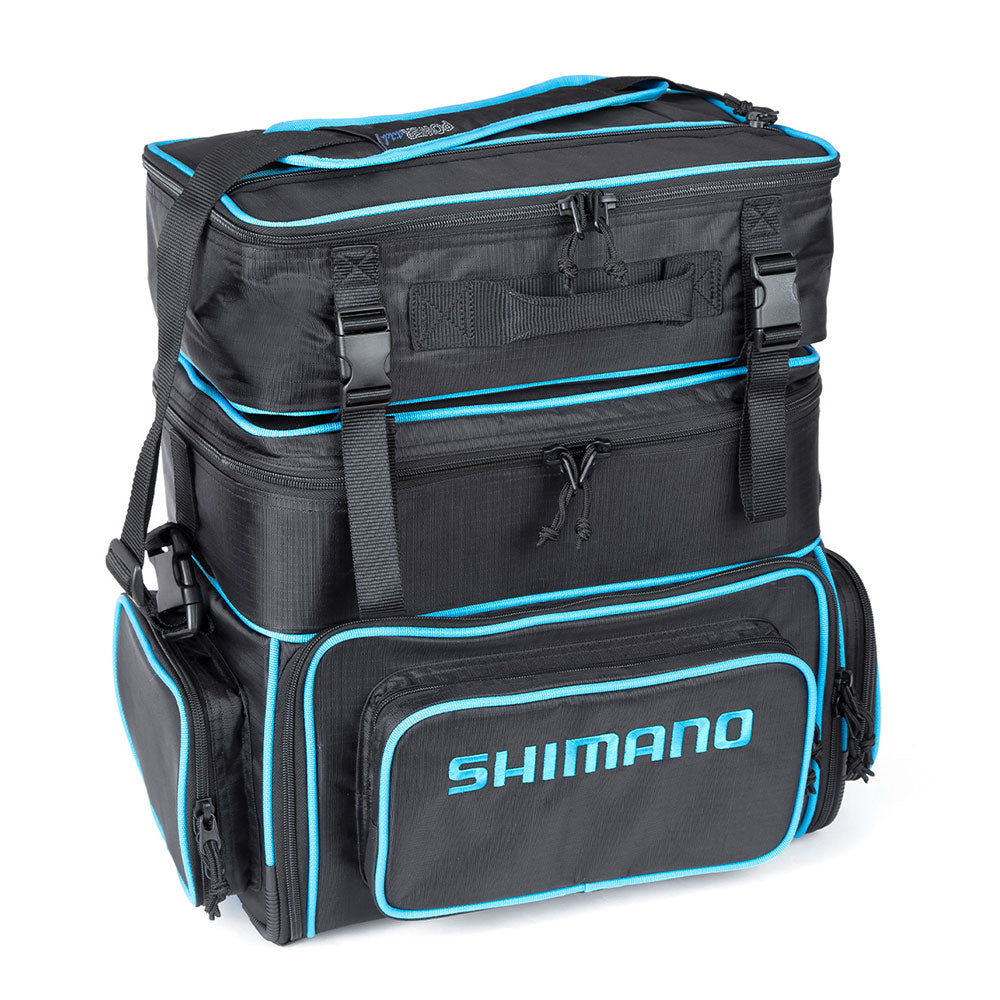

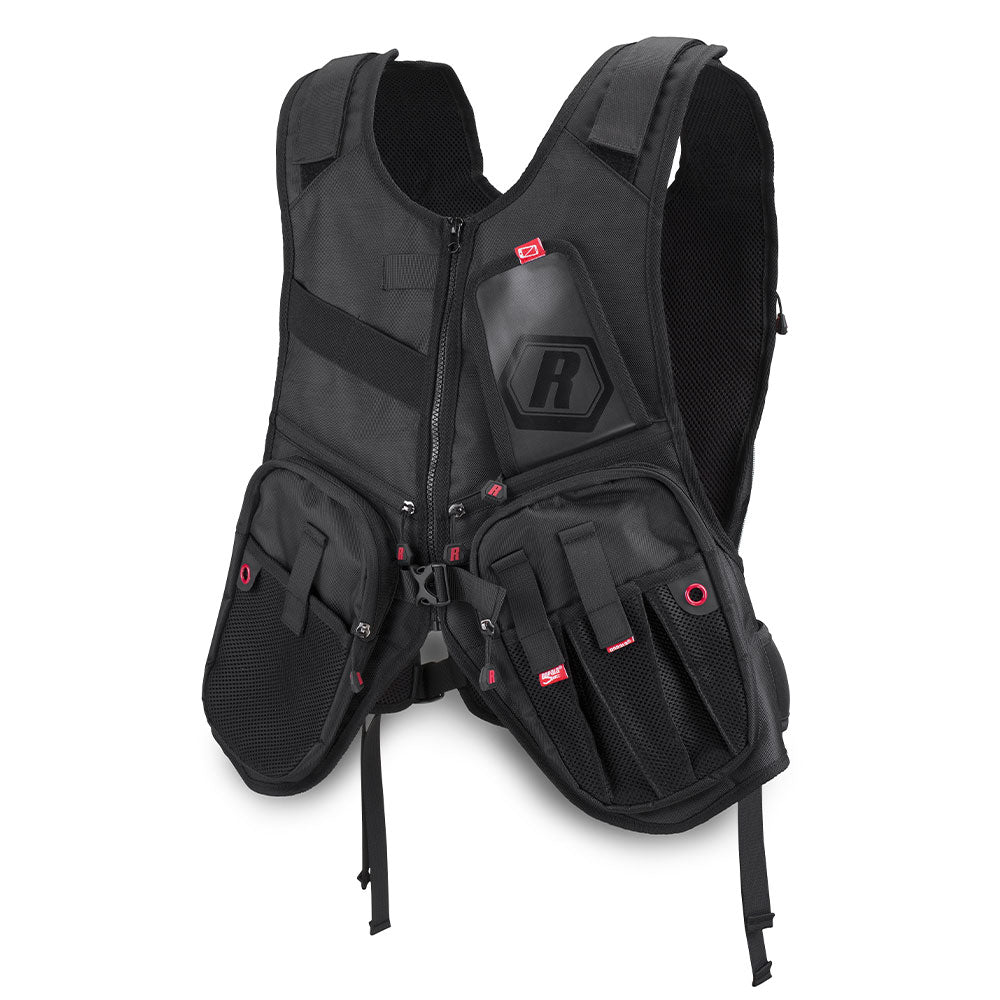


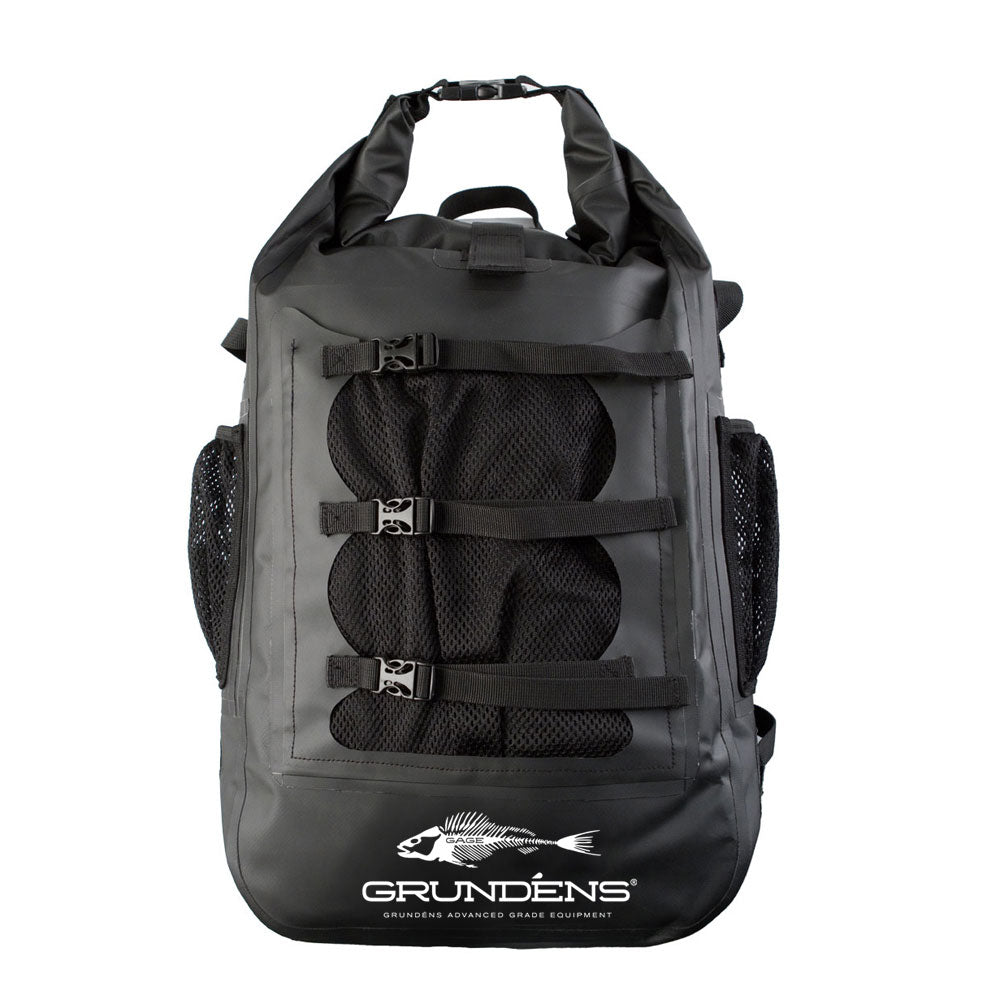
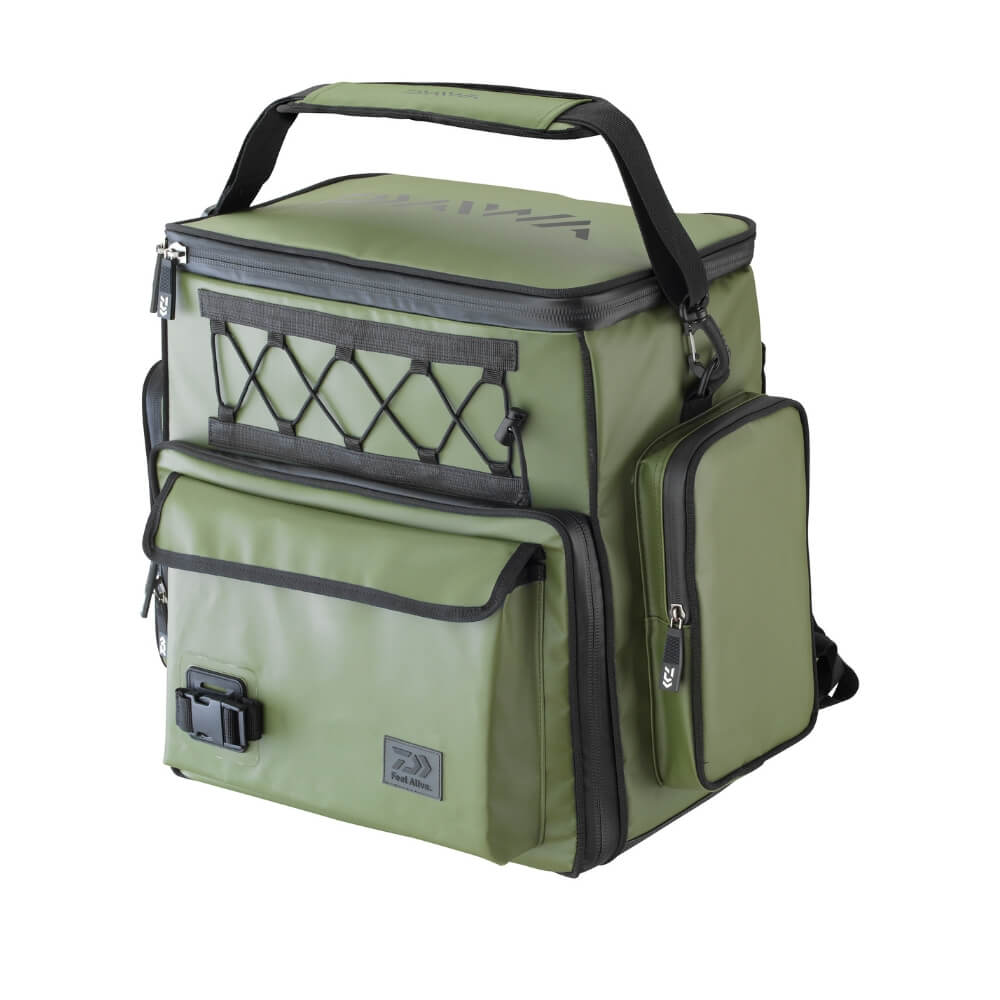


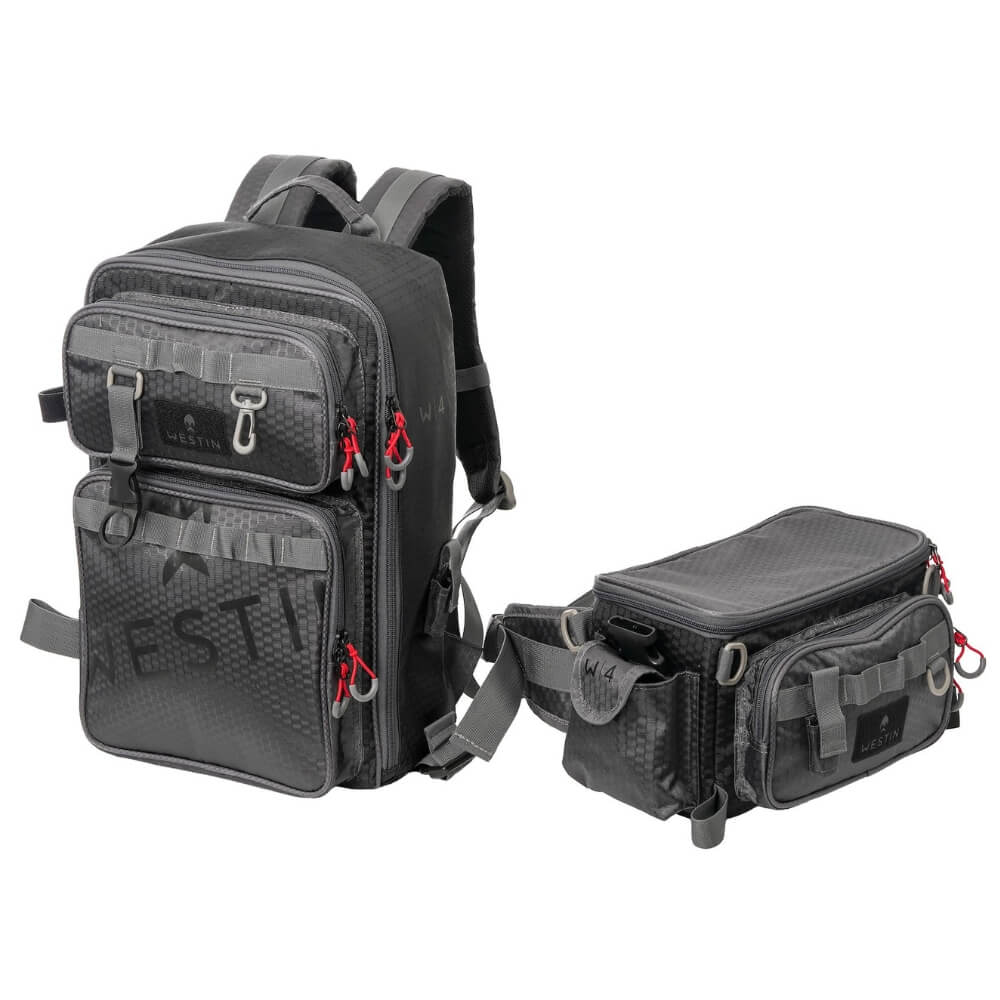
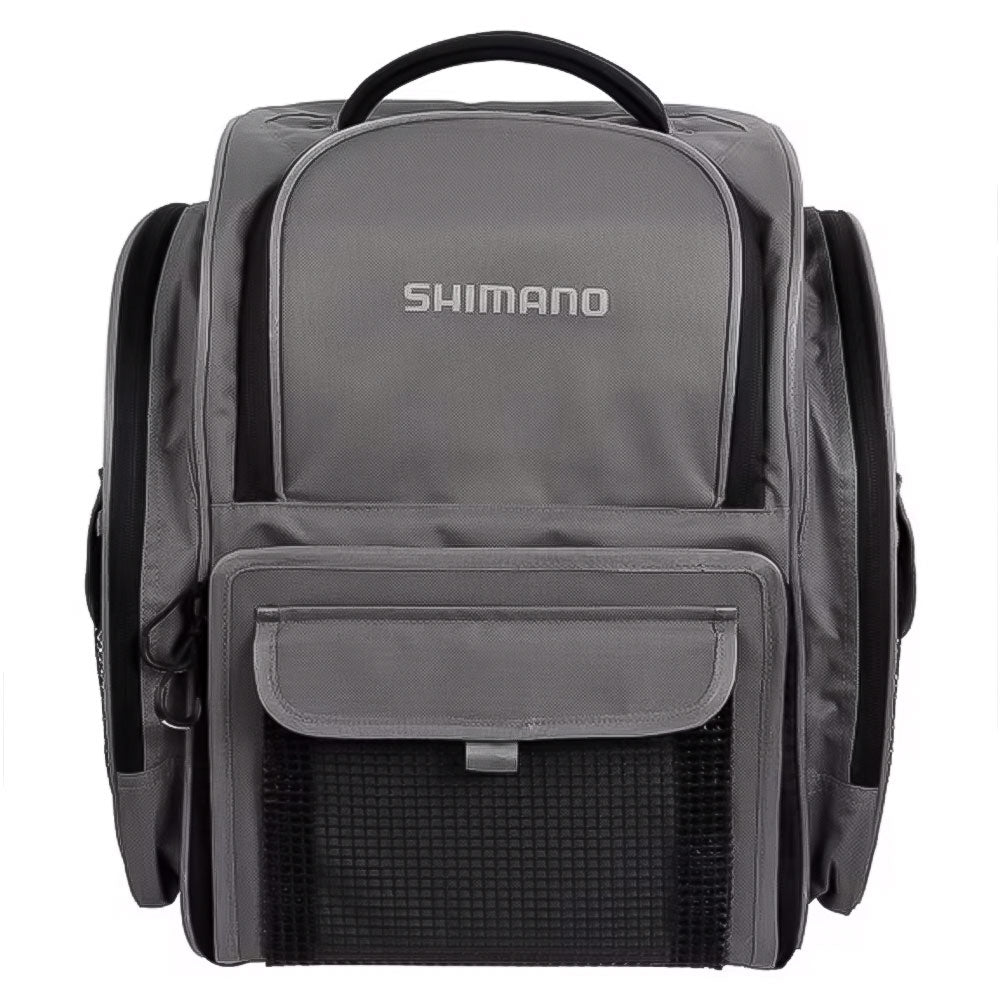


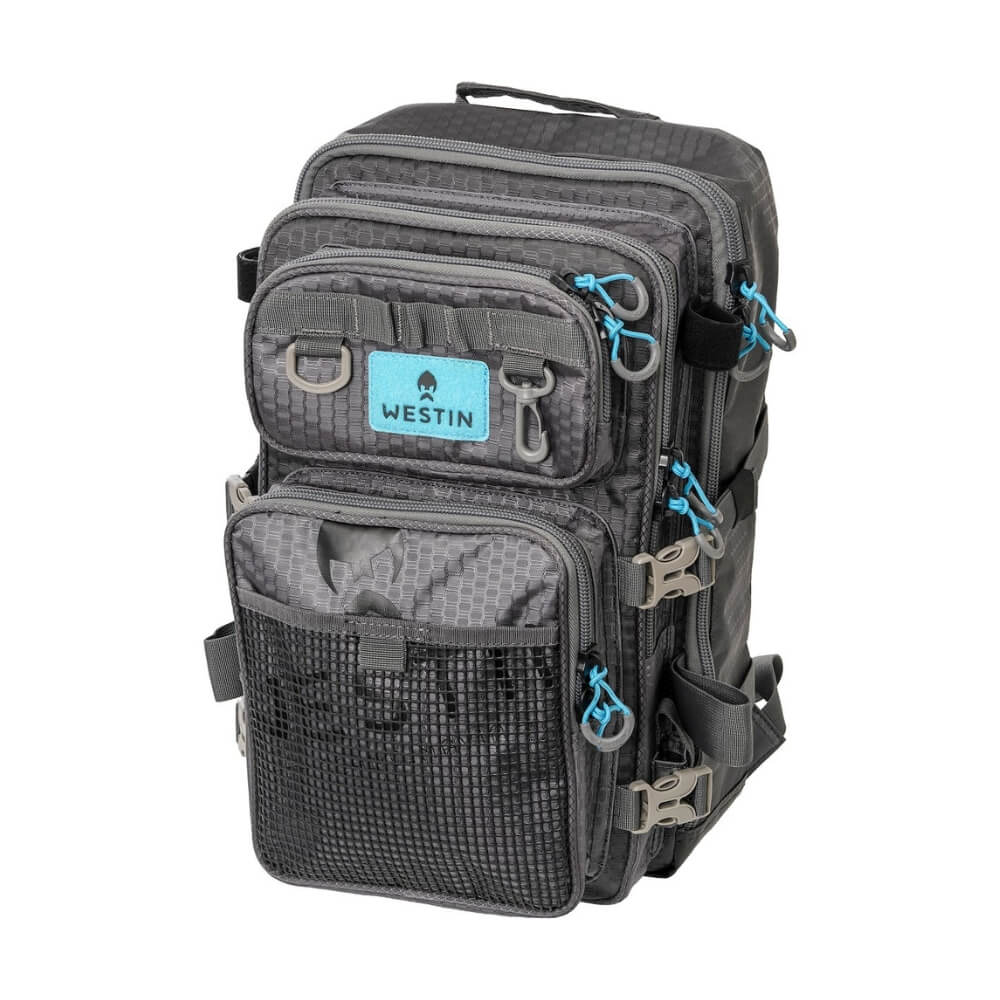
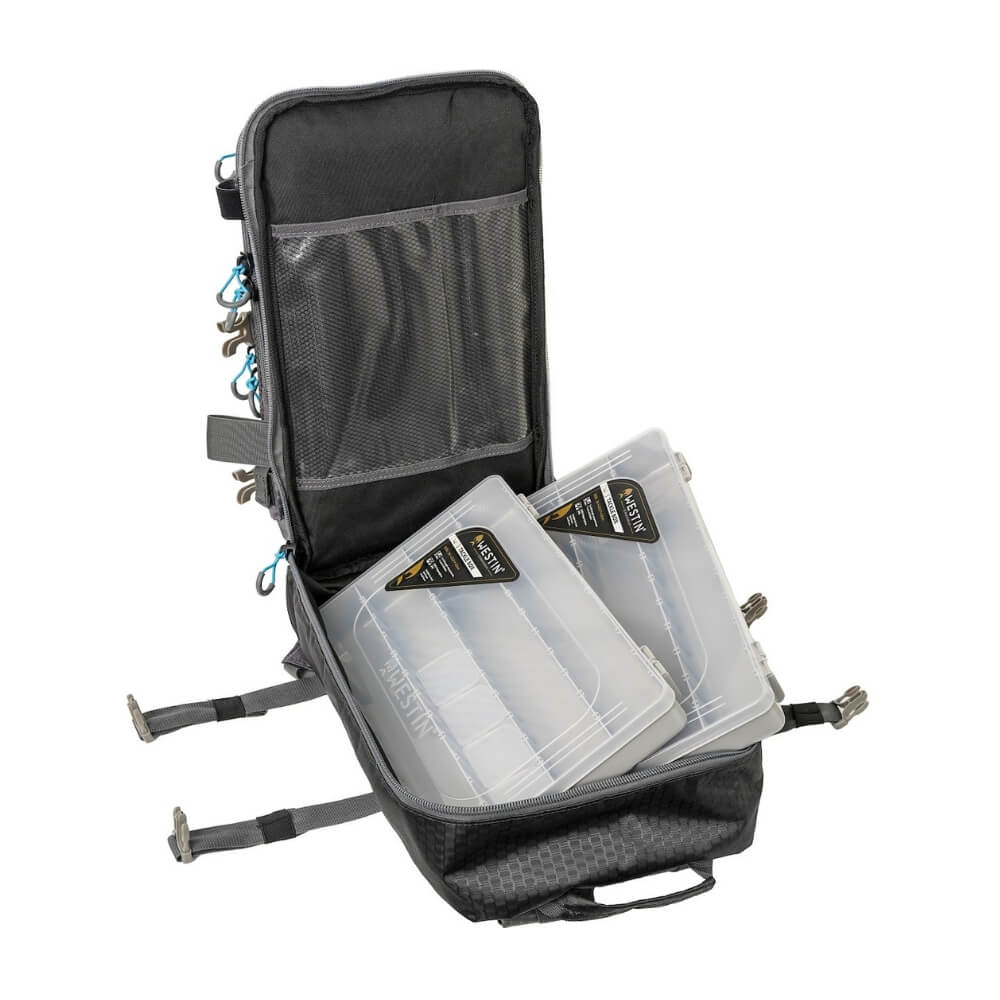


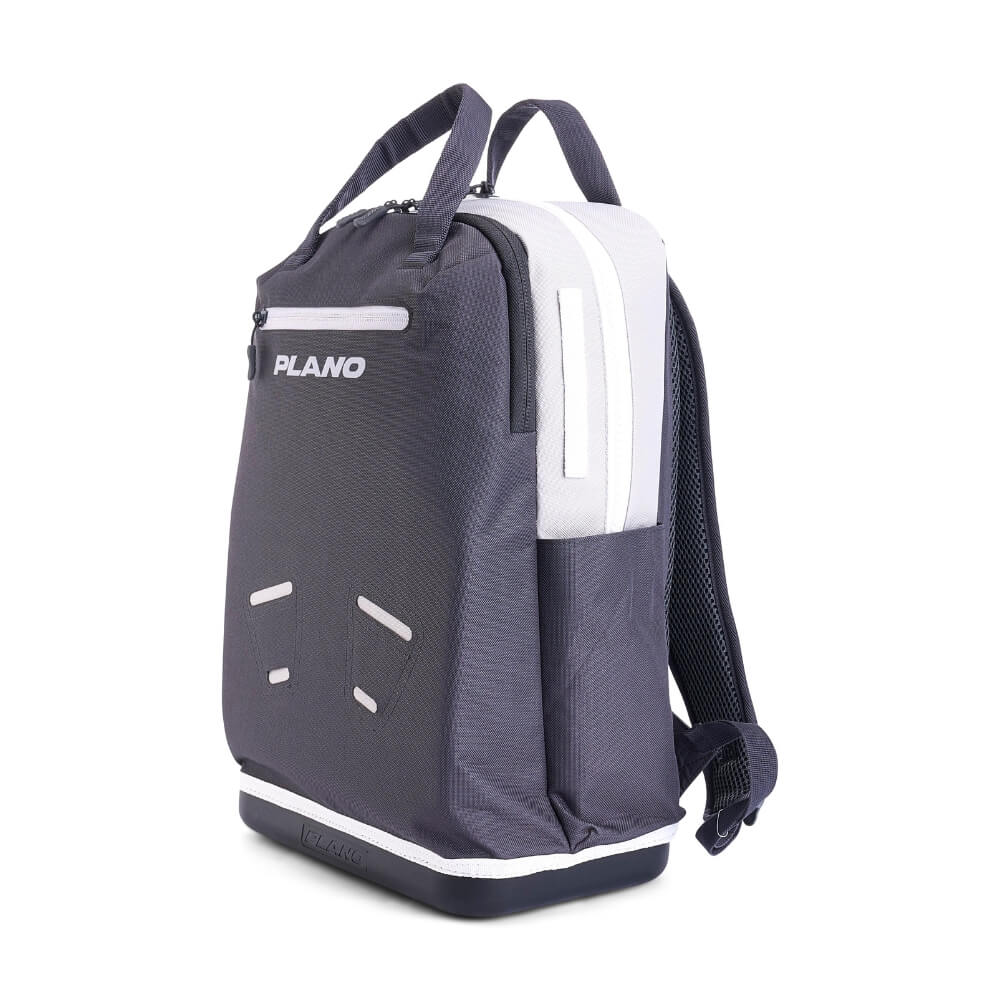
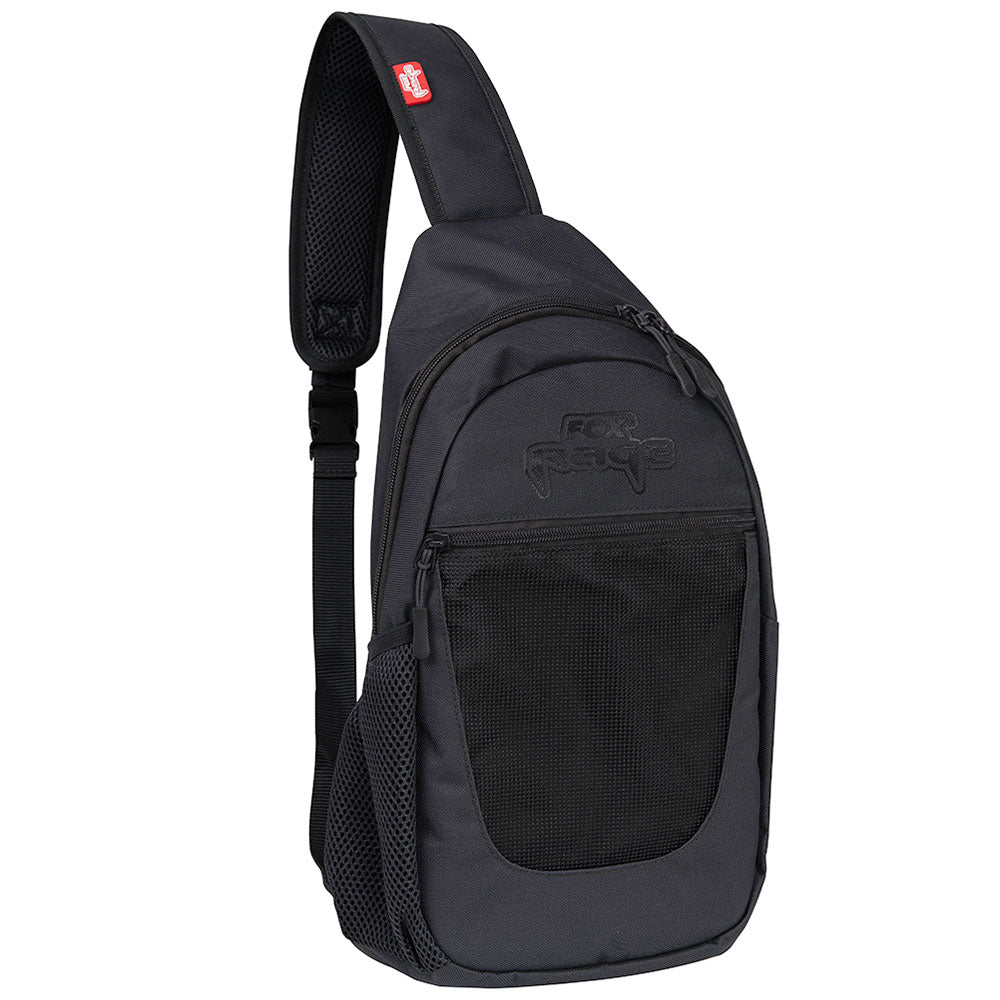

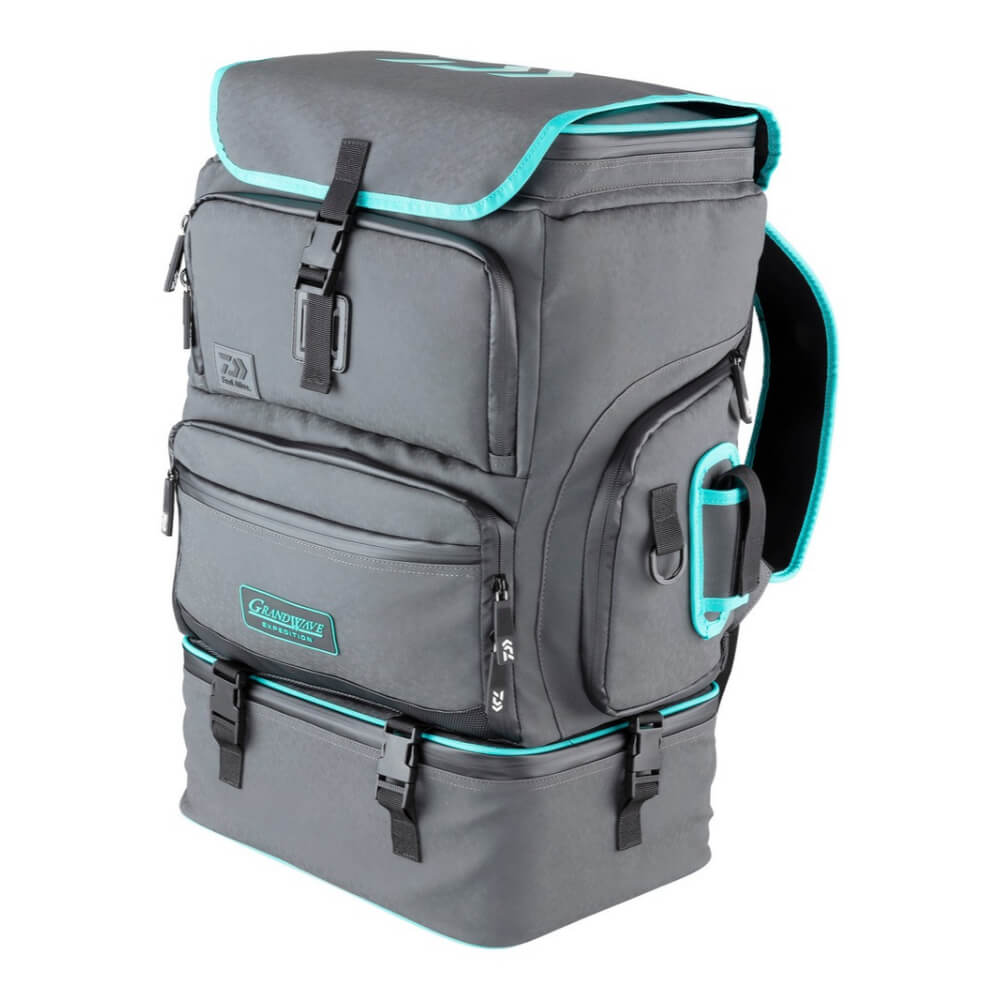
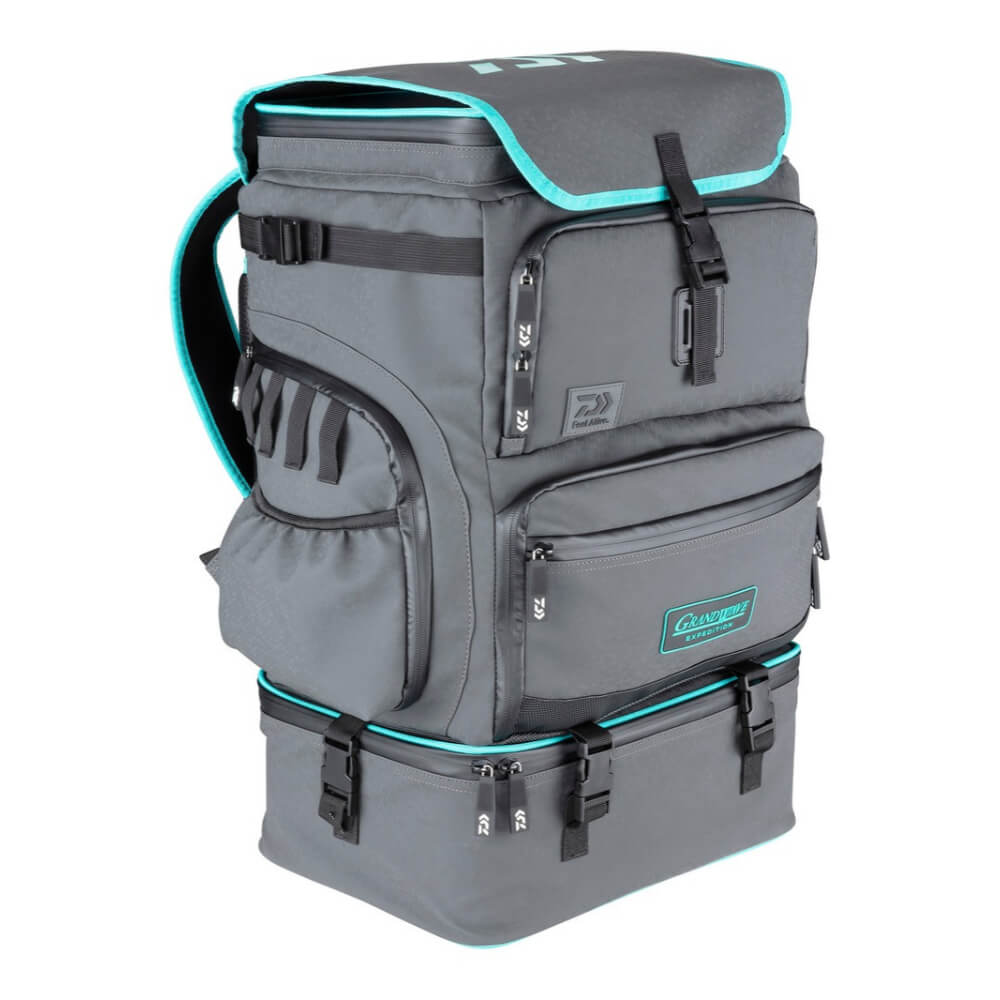
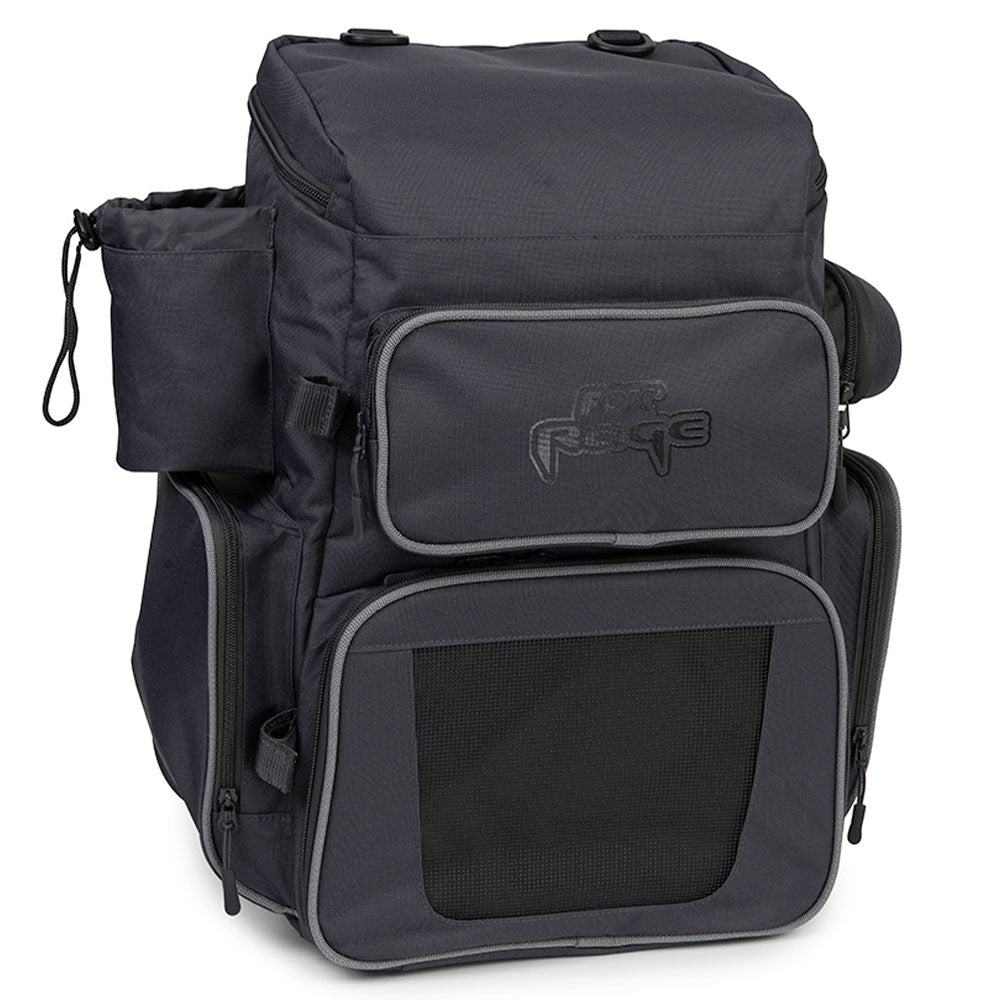

<h2>Buying Guide for Fishing Backpacks</h2><p>Backpacks are a brilliant invention. They let you carry a huge amount of gear over long distances on foot. For anglers, they offer several real advantages. One of the most important is <strong>that a backpack can stay on your back while you fish</strong>, because it does not get in the way when casting or working a lure. This makes backpacks <strong>particularly useful for predator anglers and those who wade</strong>, as they cover a lot of ground and cannot always put their gear down.</p><h3>Key Features of Fishing Backpacks</h3><p>That said, <strong>fishing backpacks</strong> need to meet higher demands than an ordinary rucksack. First and foremost, every compartment must remain accessible when the pack is fully loaded. You need to be able to reach individual tackle boxes or tools without emptying the whole bag. Beyond that, as many organisational options as possible - mesh pockets, separate outer pockets, dedicated storage compartments - help you keep your <strong>extensive fishing tackle</strong> in order. A dedicated slot for a water bottle is always a welcome addition.</p><h4>Material</h4><p>The material of a fishing backpack should be <strong>water-resistant, dirt-repellent and robust</strong>, so it can handle <strong>heavy downpours</strong> without soaking the contents. There are now also <strong>fully waterproof backpacks</strong> available, which are particularly suited to wading anglers. But <strong>bank and boat anglers</strong> benefit from them too - keeping the contents dry even in the heaviest rain or after an accidental dip in the water is always a plus.</p><p>The zips on a fishing backpack should be of the highest quality. They simply get used far more than on any other type of bag, as you have to open and close them every time you make a <strong>lure change</strong>.</p><h4>Light but Stable</h4><p>A full carrying frame like those found on hiking rucksacks is only necessary in rare cases. In most situations it actually gets in the way and adds unnecessary weight. A hip belt, on the other hand, often does a great job of keeping the pack in place and transferring some of the load from your shoulders to your hips.</p><h3>Attachment Options</h3><p>As an angler, you will always have items with you that either do not fit inside the backpack or need to be within quick reach. <strong>External attachment points</strong> for a landing net, pliers or even a rod holder make a real difference. <strong>D-rings</strong> also make it easy to carry essential accessories. Built-in <strong>zipper systems</strong> are extremely convenient and give you instant access to pliers, unhooking tools, scissors and cutters without any risk of them <strong>dropping into the water</strong>.</p><p>Some backpacks already <strong>include matching tackle boxes</strong> in the package. In that case, it is important that these boxes are of good quality and a useful size. If not, it is worth planning ahead before you buy - work out which tackle boxes you want to store inside so you can be sure everything will fit.</p><h3>Key Points at a Glance</h3><ul><li>robust, water-resistant material</li><li>external attachment points</li><li>plenty of separate compartments</li><li>D-rings</li><li>high-quality zips</li><li>optionally fully waterproof</li><li>easy to access</li></ul>