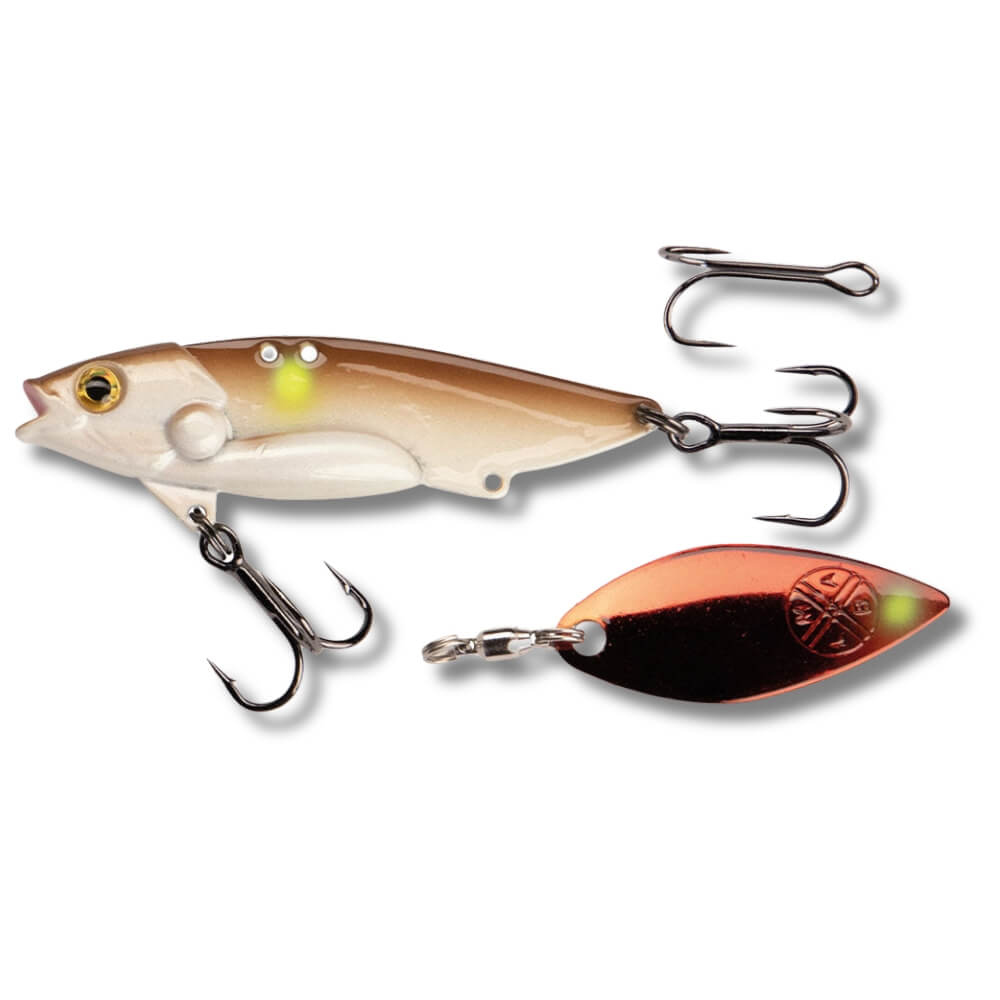
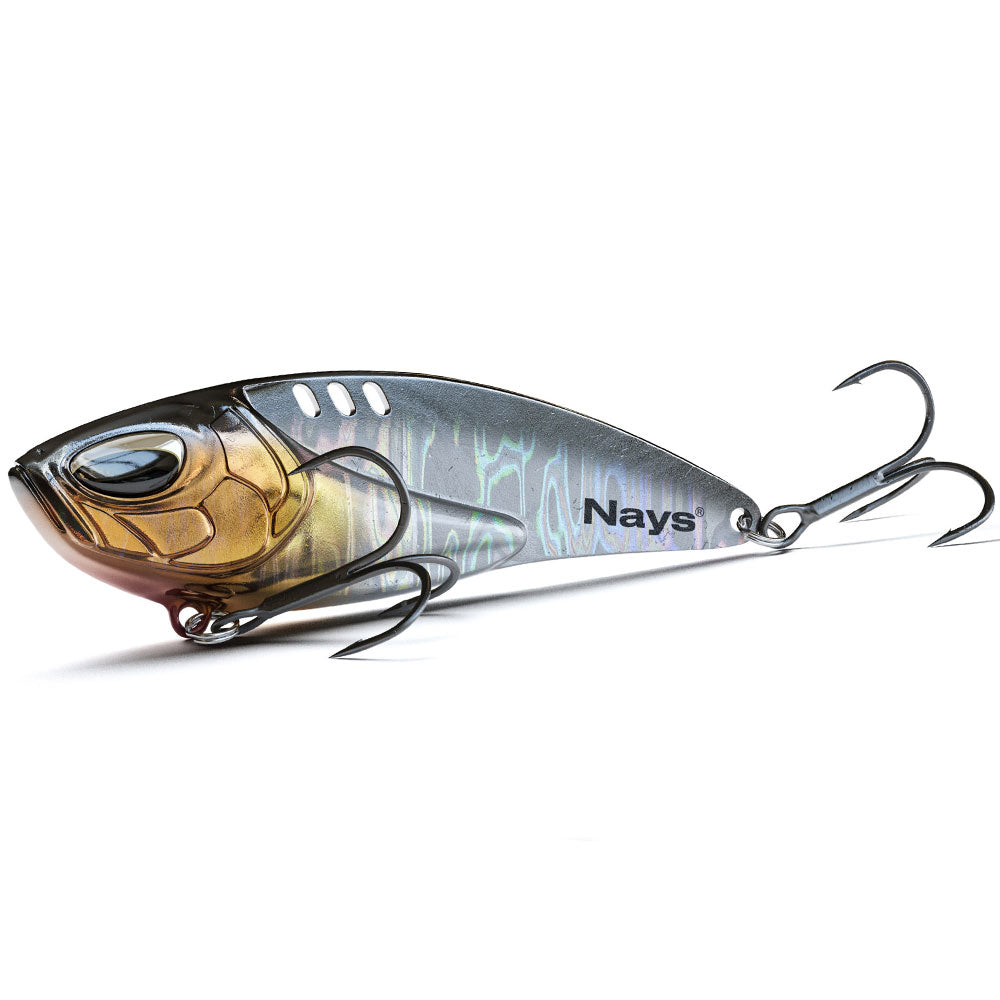
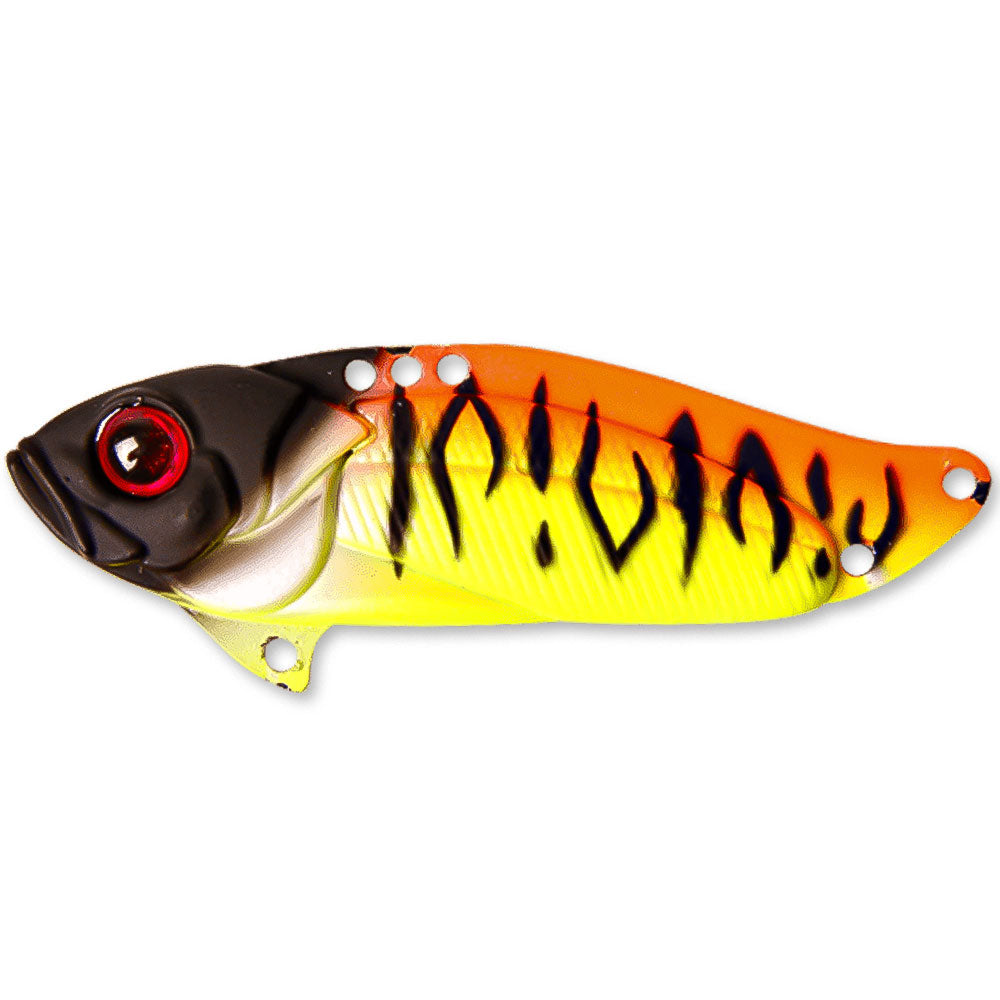
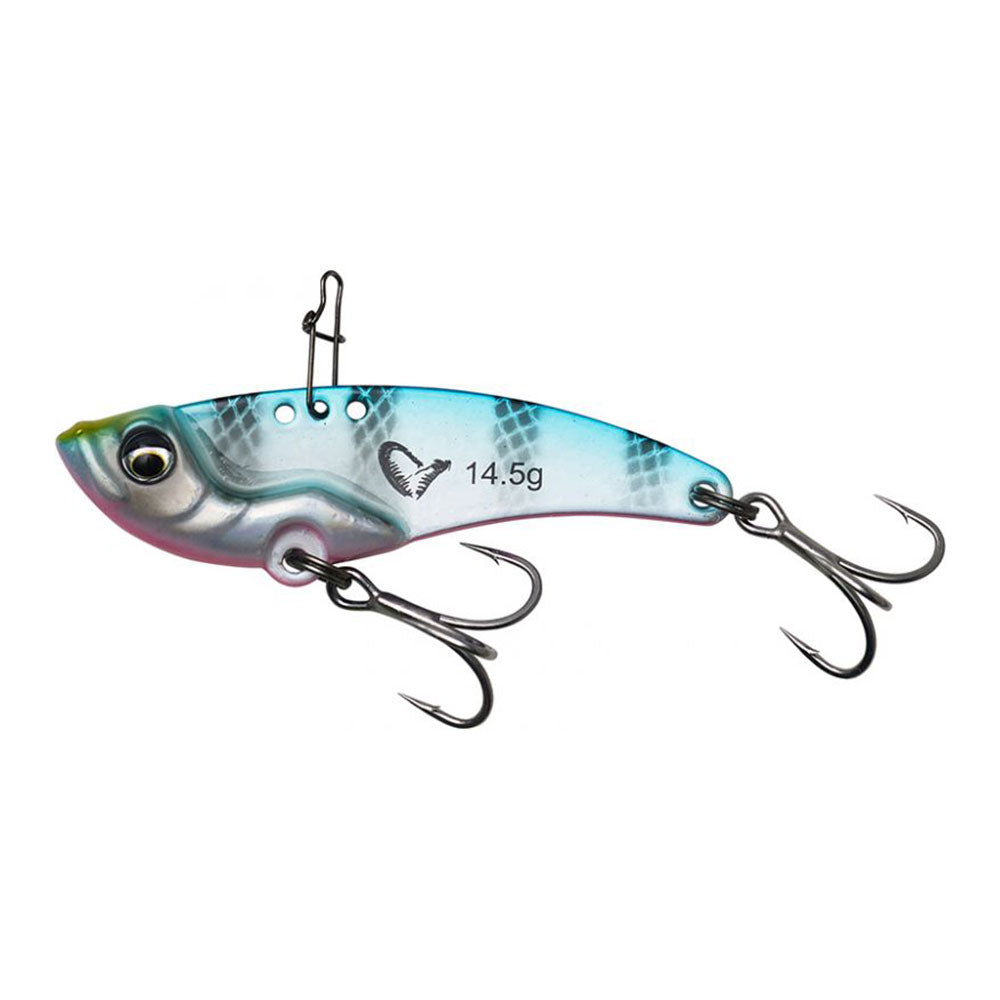
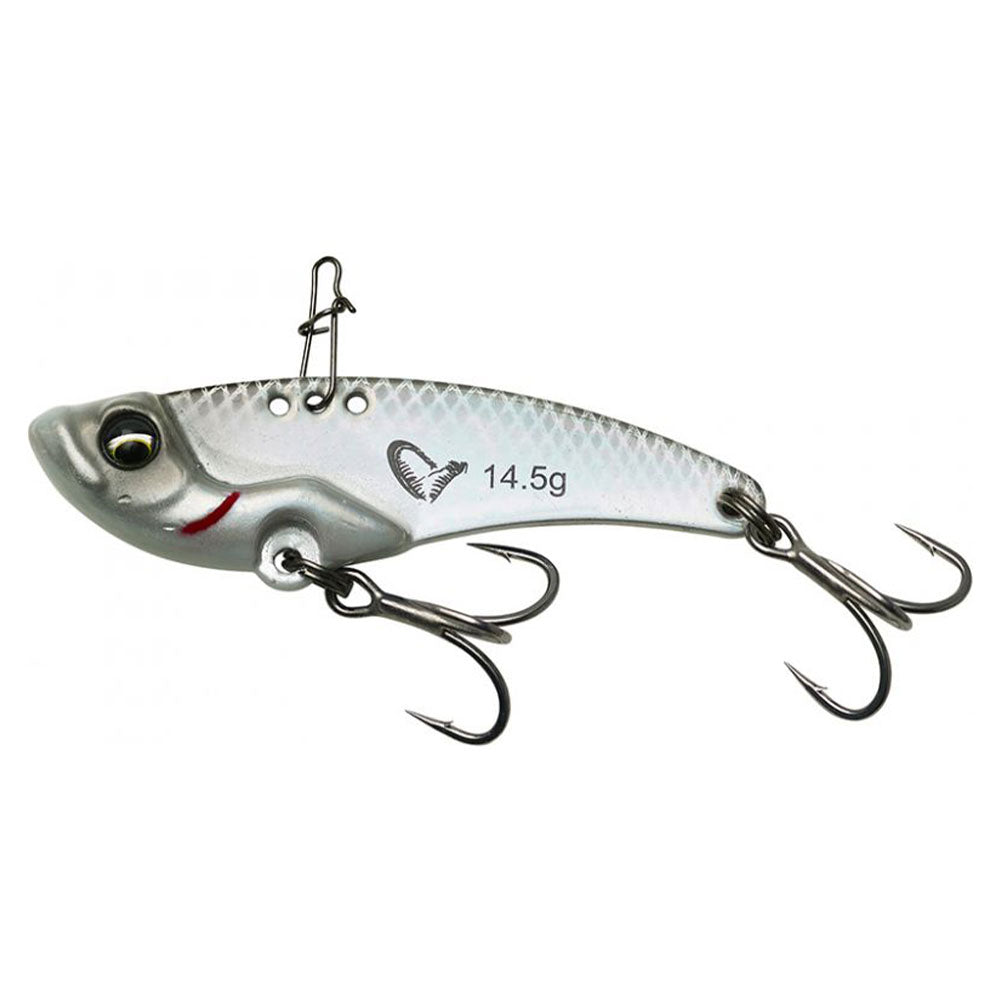
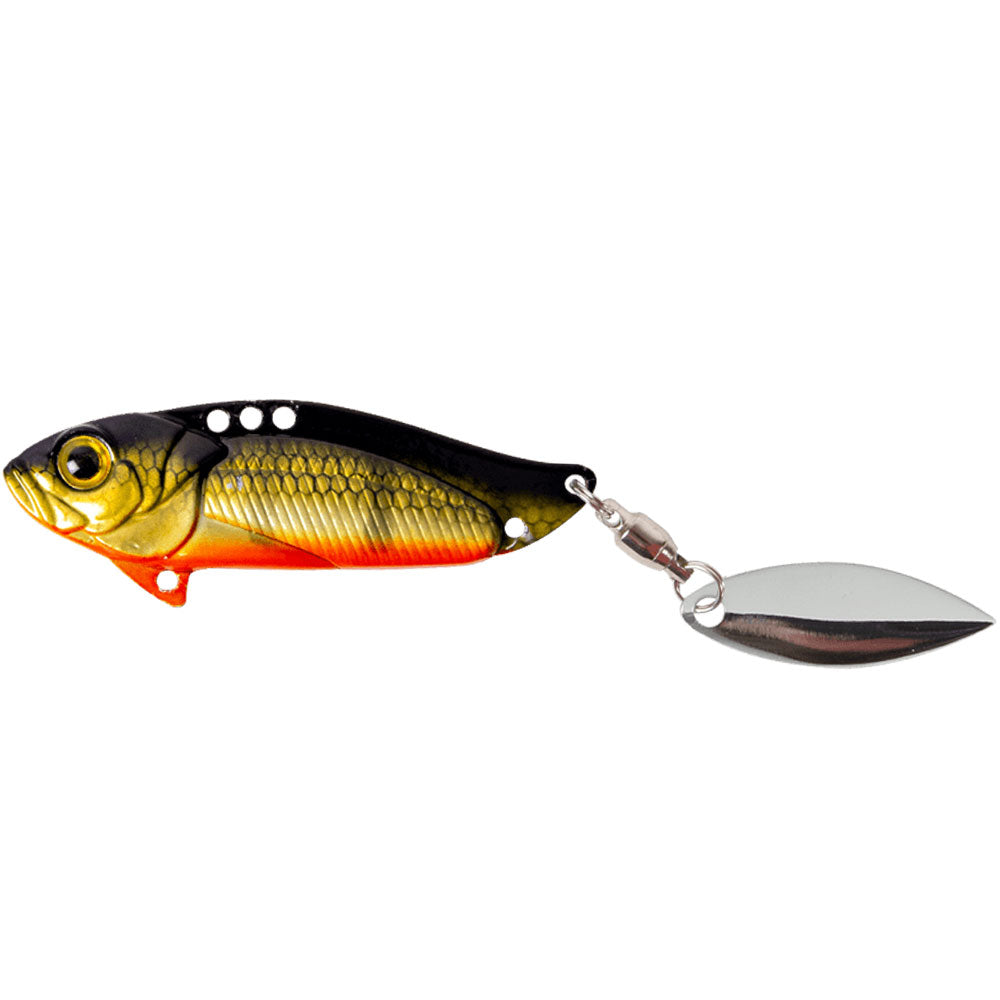
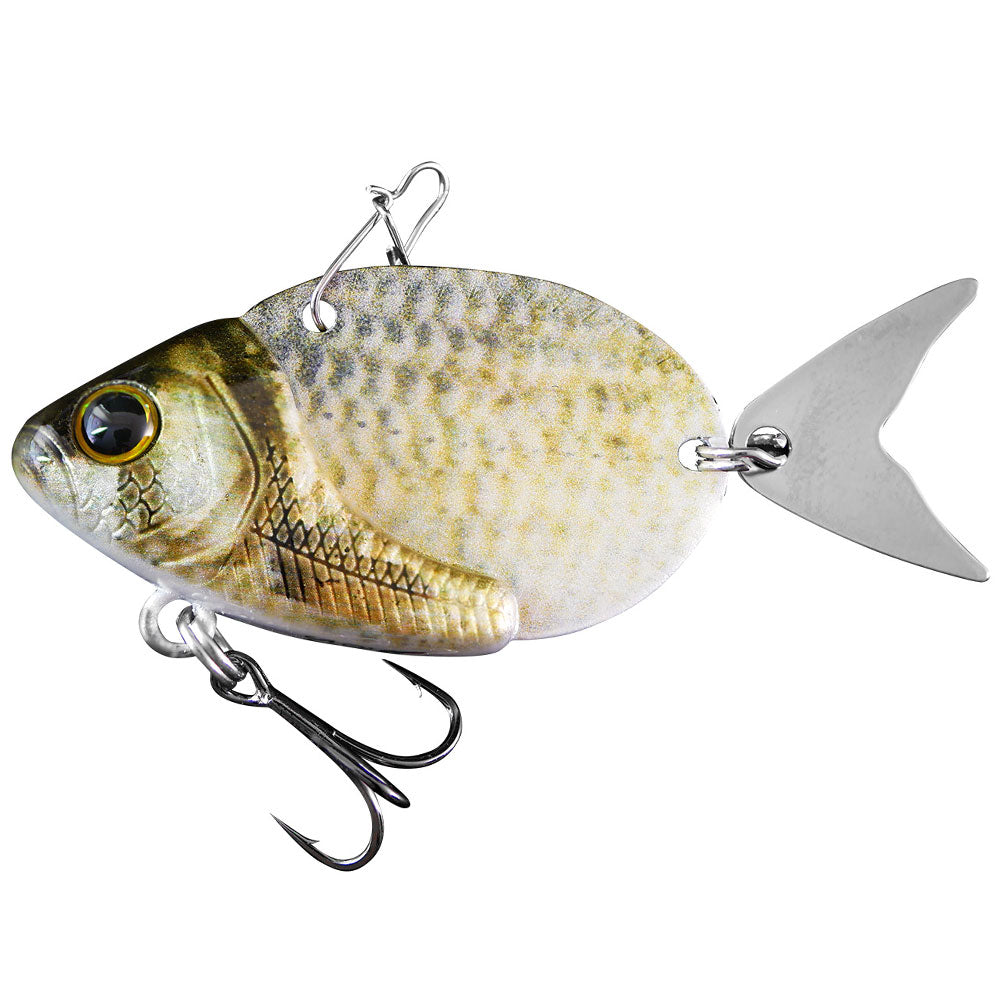
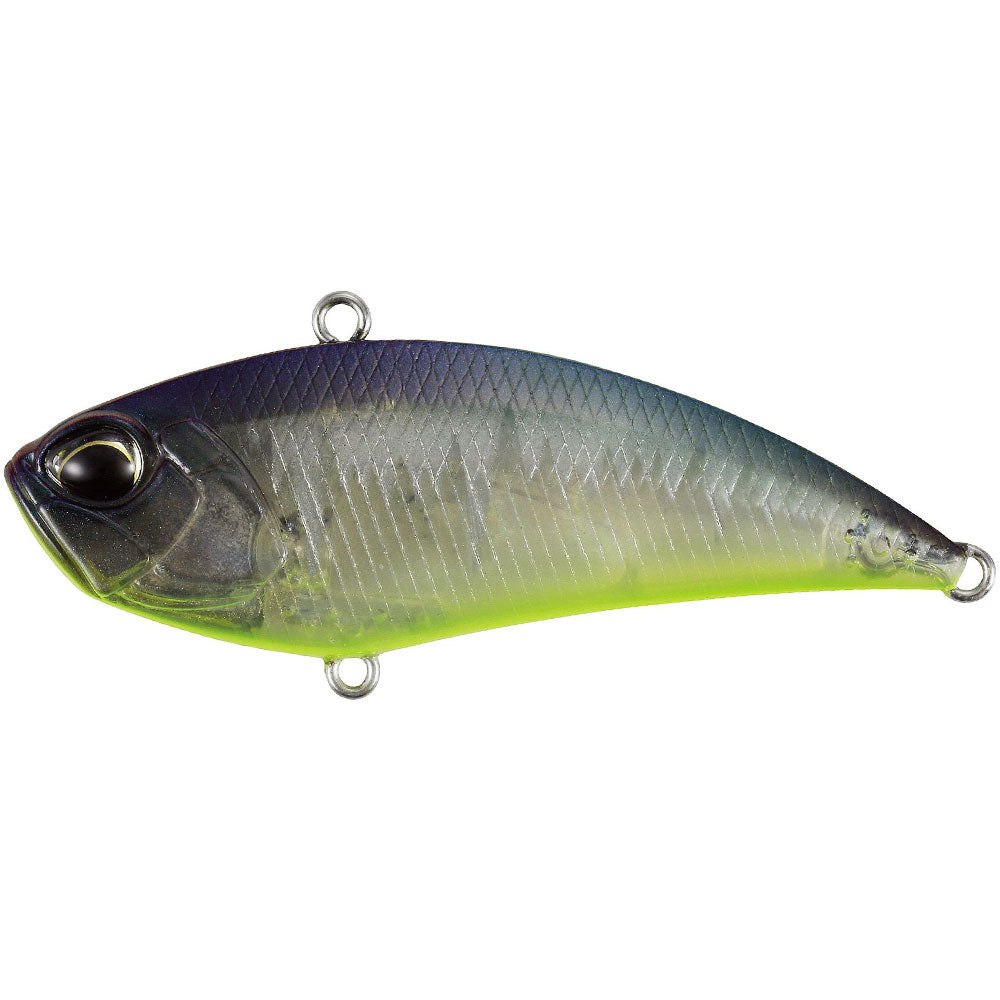
<h2>Buying Guide: Vibration Baits</h2><p>Vibration baits, also known as <em>lipless cranks</em>, have been part of the core line-up of every hard lure manufacturer in the USA for decades. In Europe they still tend to fly under the radar - yet there is no good reason for that, given how effective these lures really are.</p><h2>The Basics of Fishing Vibration Baits</h2><p>Vibration baits typically have a banana-shaped body that tapers sharply towards the tail. The attachment point is located on the top of the lure, and some variants even offer multiple tie-on positions, allowing you to adjust the action.</p><p><img src="https://cdn.shopify.com/s/files/1/0548/9197/0669/files/DUO-Realis-Vibration-62-Red-Tiger.jpg?v=1689154563" alt="Vibrationsköder" width="171" height="71"></p><p>This design seems to put a lot of anglers off, with most assuming these are purely vertical lures. In reality, their primary strength lies in casting them out to cover large areas of water in search of active fish.</p><p>For that style of fishing, these lures offer two clear advantages over the classic plug shape:</p><ol><li>Their compact build allows for very long casts.</li><li>They can be worked at a range of different depths.</li></ol><h2>Target Species and Presentation</h2><p>Vibration baits are generally used from spring through to autumn to target perch, zander and pike. Asp also take them very willingly. That they remain effective on perch even in cold water is made abundantly clear in the video below:</p><p style="text-align: center;"><iframe frameborder="0" src="https://www.youtube.com/embed/gdgvbF7Ax8E?start=339" width="560" height="315" allowfullscreen=""></iframe></p><p>Two retrieves have proven themselves consistently:</p><ul><li><strong>Steady Retrieve:</strong> After casting and letting the lure sink to the desired depth, you simply wind it back at a brisk, even pace, with or without short pauses.</li><li><strong>Rip and Stop:</strong> This method covers a wide depth range and can be used both in mid-water and along the bottom. After the lure has sunk, you work it like a soft lure - ripping it upwards with the rod tip, then letting the rod tip drop and allowing the lure to tumble back down towards the bottom. Bites often come during the fall or right on the bottom, and they tend to be aggressive. A properly set drag is essential here.</li></ul>