










Lipless Crankbaits
Lipless crankbaits - hard lures without a diving lip - go by many names: Vertikalwobbler, Vib-Crank, Rattlebait... Particularly in the USA, they are among the most popular hard lures around.
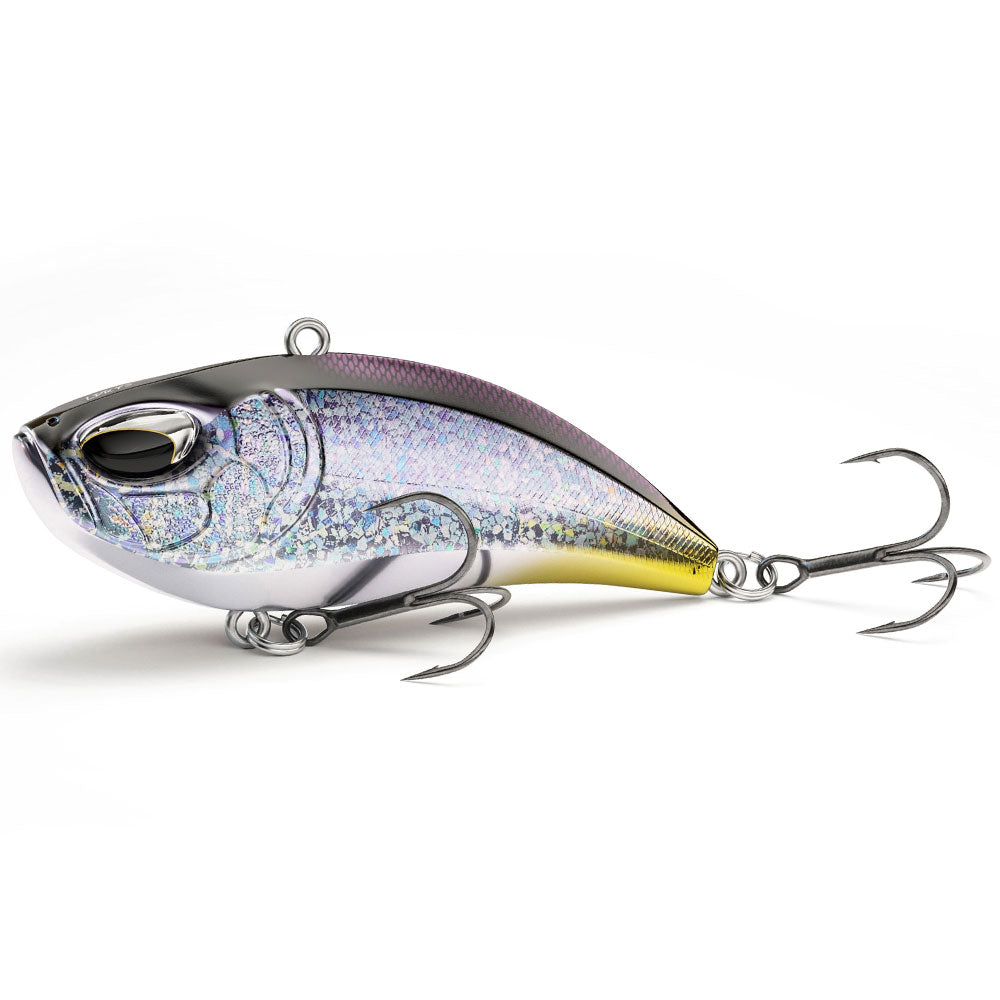


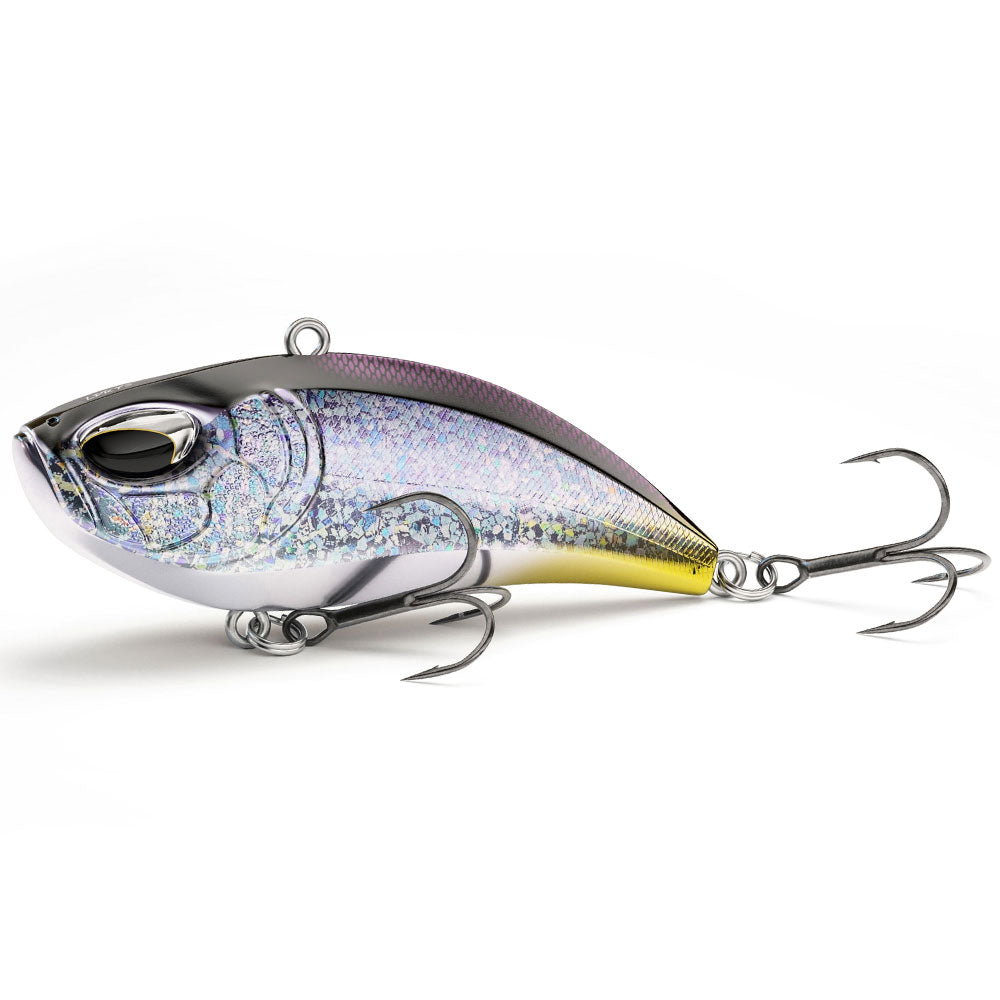


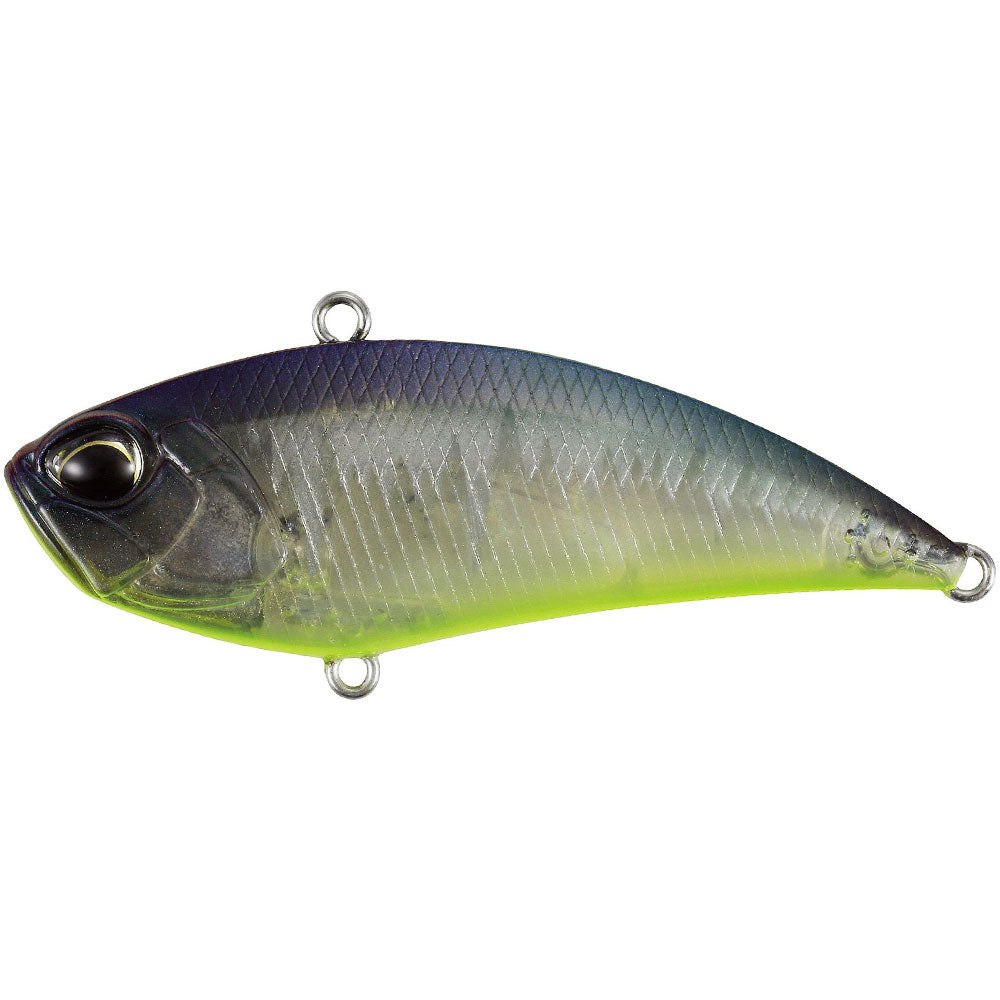


<h2>Frantic Action and Plenty of Noise</h2><p><em>Lipless crankbaits</em> are often serious noise-makers. If you think the absence of a diving lip means less action, think again. On a straight retrieve, these lures produce a <strong>frantic, fluttering action</strong> that puts out <strong>very strong vibrations</strong> - which is probably why they are also known as <em>Vib(ration)-Crankbaits</em>. When you add internal rattles on top of that, you end up with some of the loudest lures in the water. That is very much a feature, because this lure is worked at a fairly brisk pace and is designed to trigger reaction bites - which is why it is so often used as a <strong>searchbait</strong>.</p><h2>Different Retrieve Styles</h2><p>You can work a <em>lipless crankbait</em> in several ways. The simplest is <strong>cast it out, let it sink a little, then wind it back</strong>. That alone is so effective that plenty of anglers have never tried anything else with this lure type. Asp and perch in particular respond well to this style, but pike take it too. Another option is <strong>Stop & Go</strong>: break up the steady retrieve with pauses to let the lure sink. This technique - reminiscent of the way you might work a soft lure along the bottom with a few turns of the reel handle and then let it fall back - is especially effective for perch and zander. Although these lures are at their best in summer and autumn, some lipless cranks can be fished so slowly with this method that they become an interesting option for targeting big perch in winter. The third style is firmly in summer-to-autumn territory, for as long as weed is present. When you work the lure over weed beds, <strong>give the rod a sharp jerk every time it makes contact with the vegetation</strong>. The lure tears free, shoots upwards and draws predators out of the weed. It is widely used in America but still rarely seen in Europe - perhaps an interesting idea for your next session?</p>