










Texas Rig
Originally from the USA, the Texas rig has become a firm fixture in modern lure fishing over here too. This finesse rig is particularly popular among perch and zander anglers.















10 variants




















7 variants
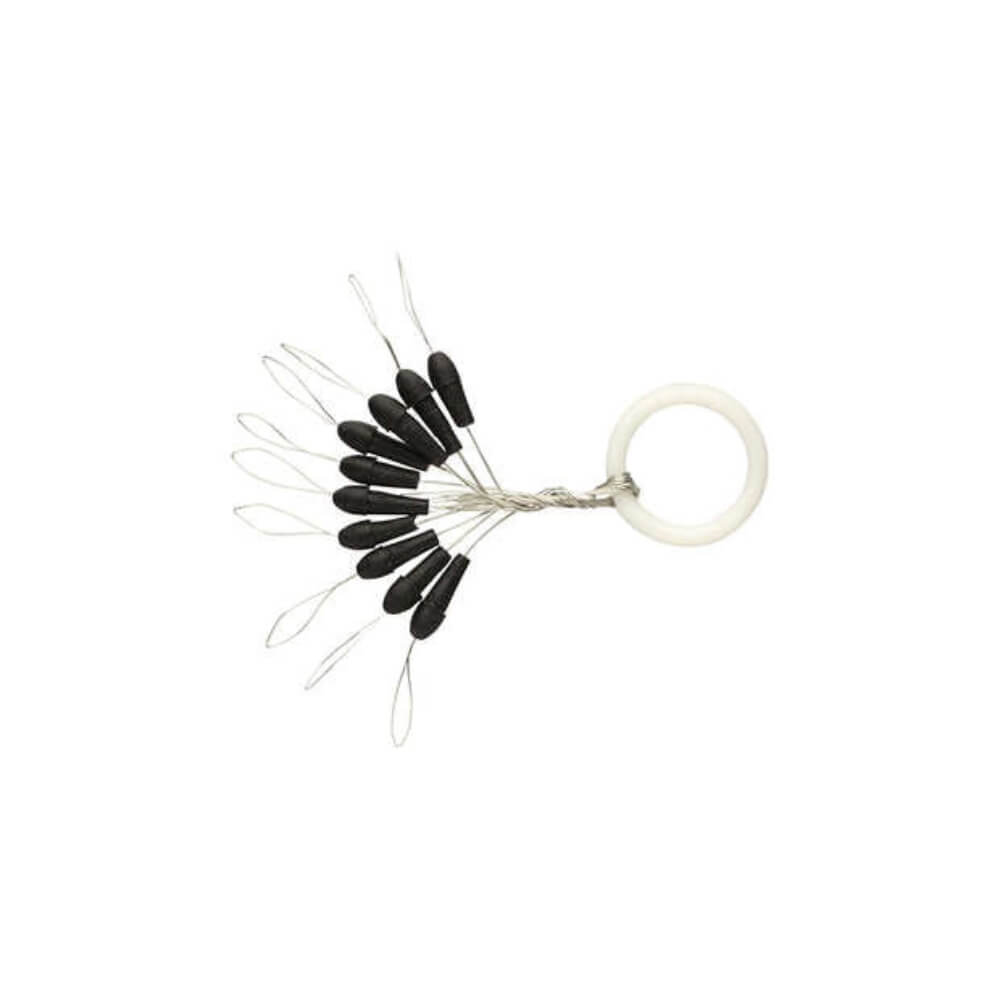
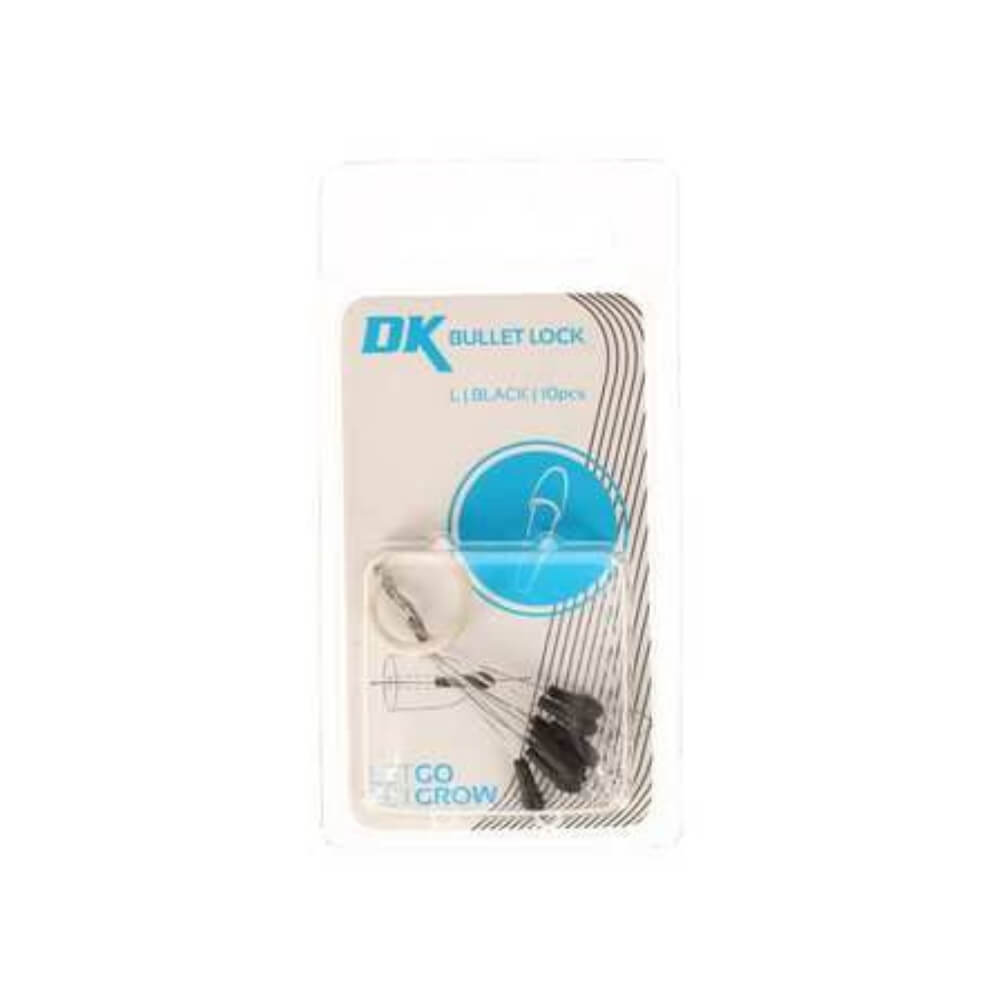
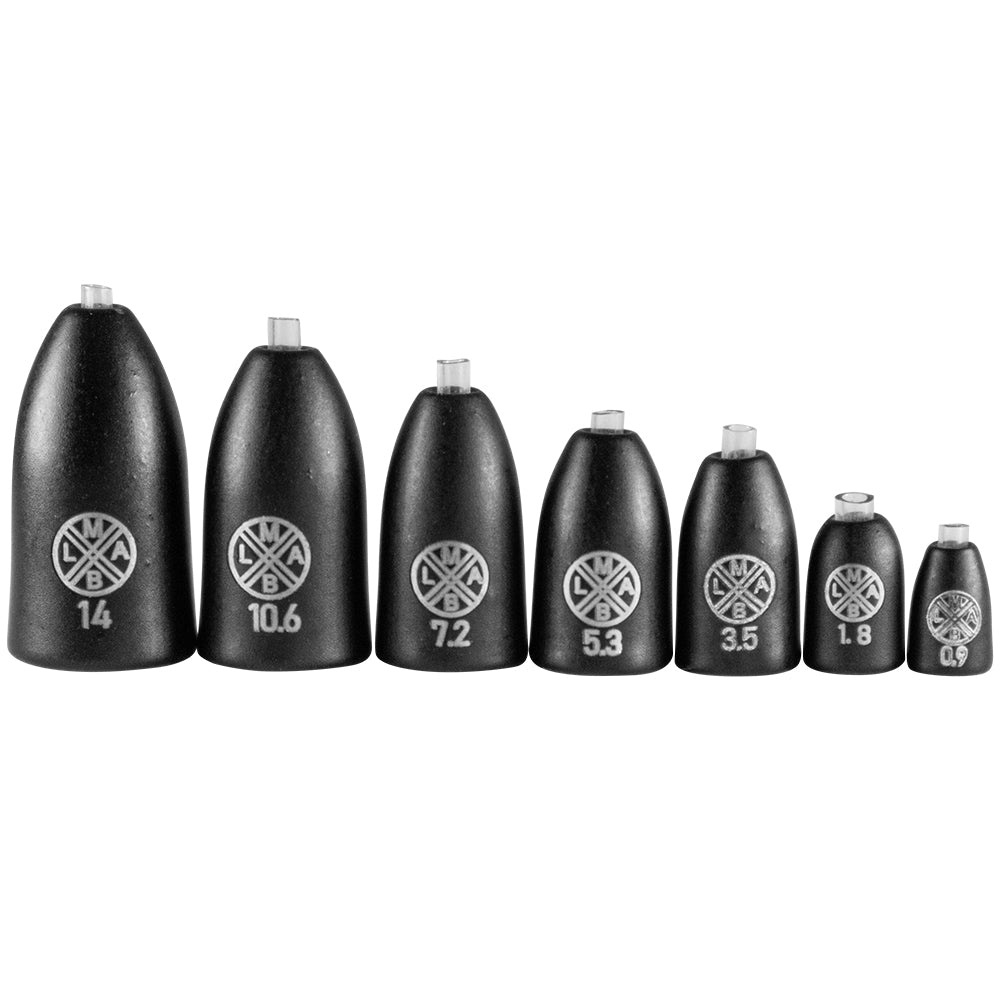
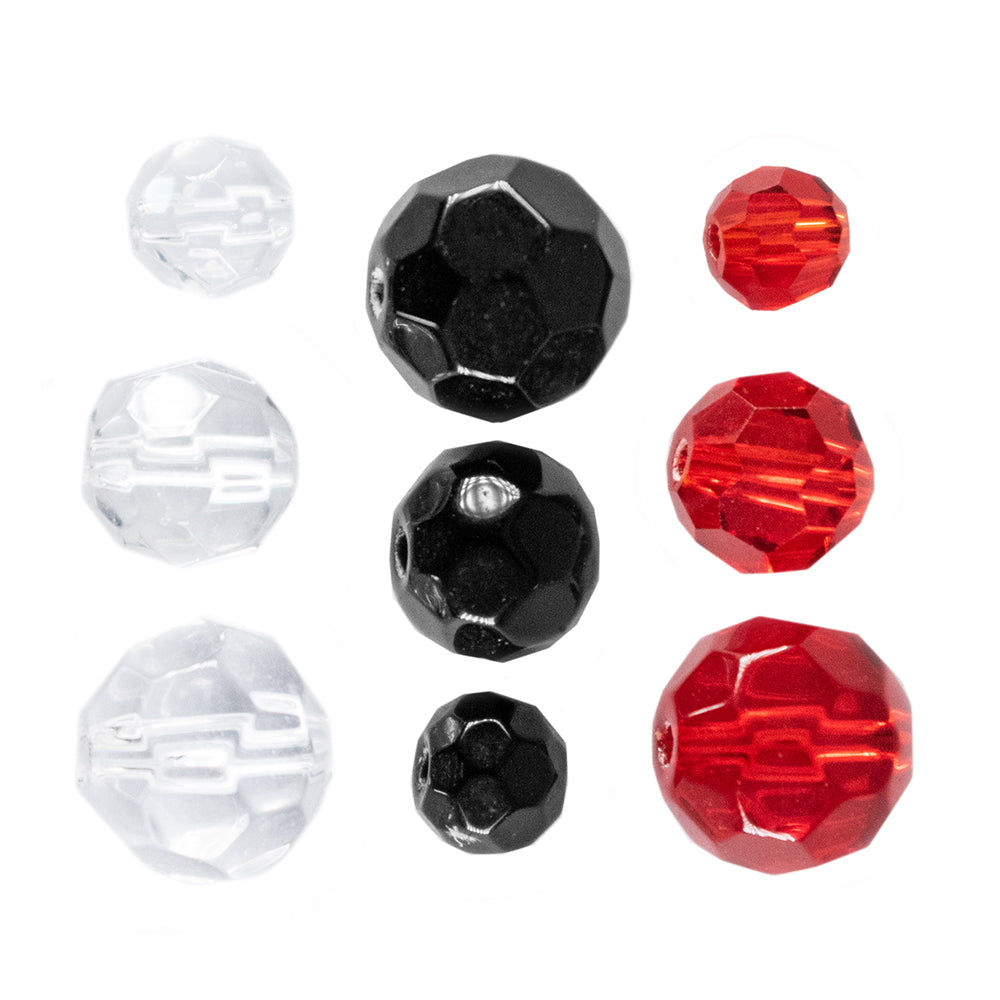
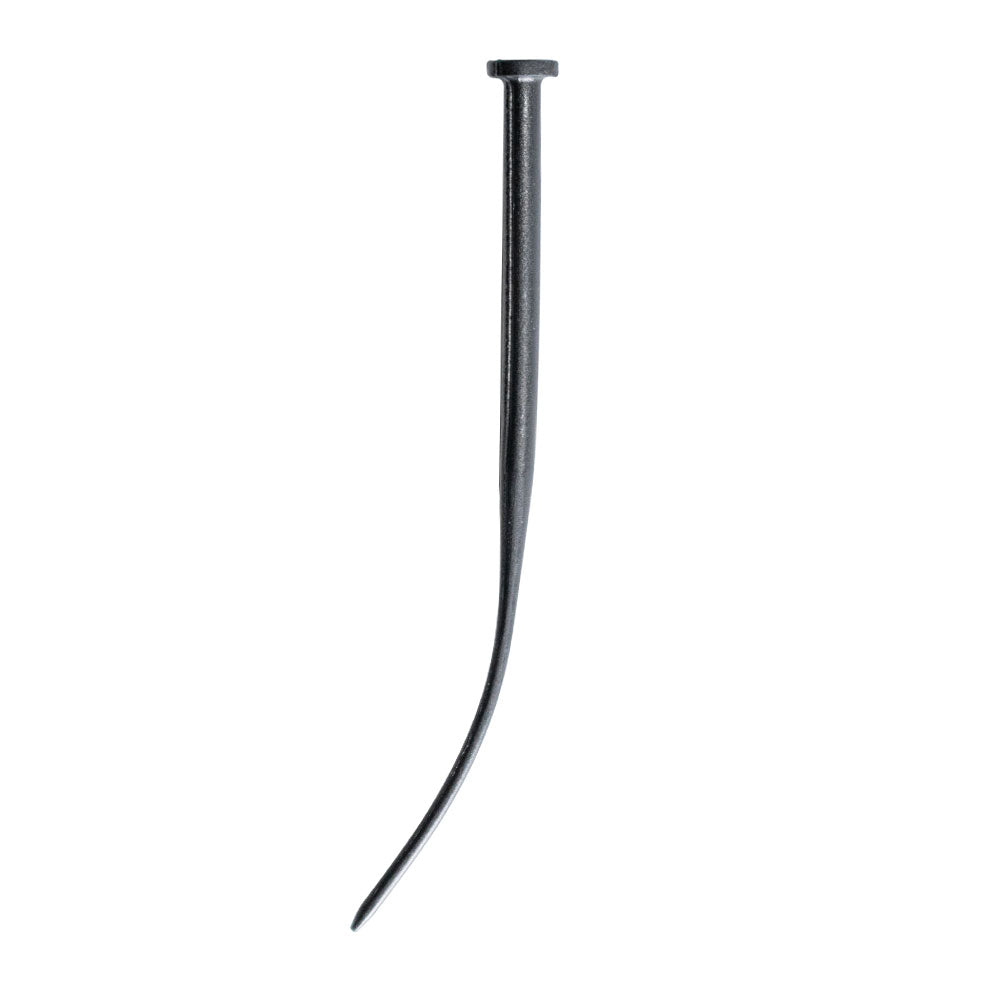
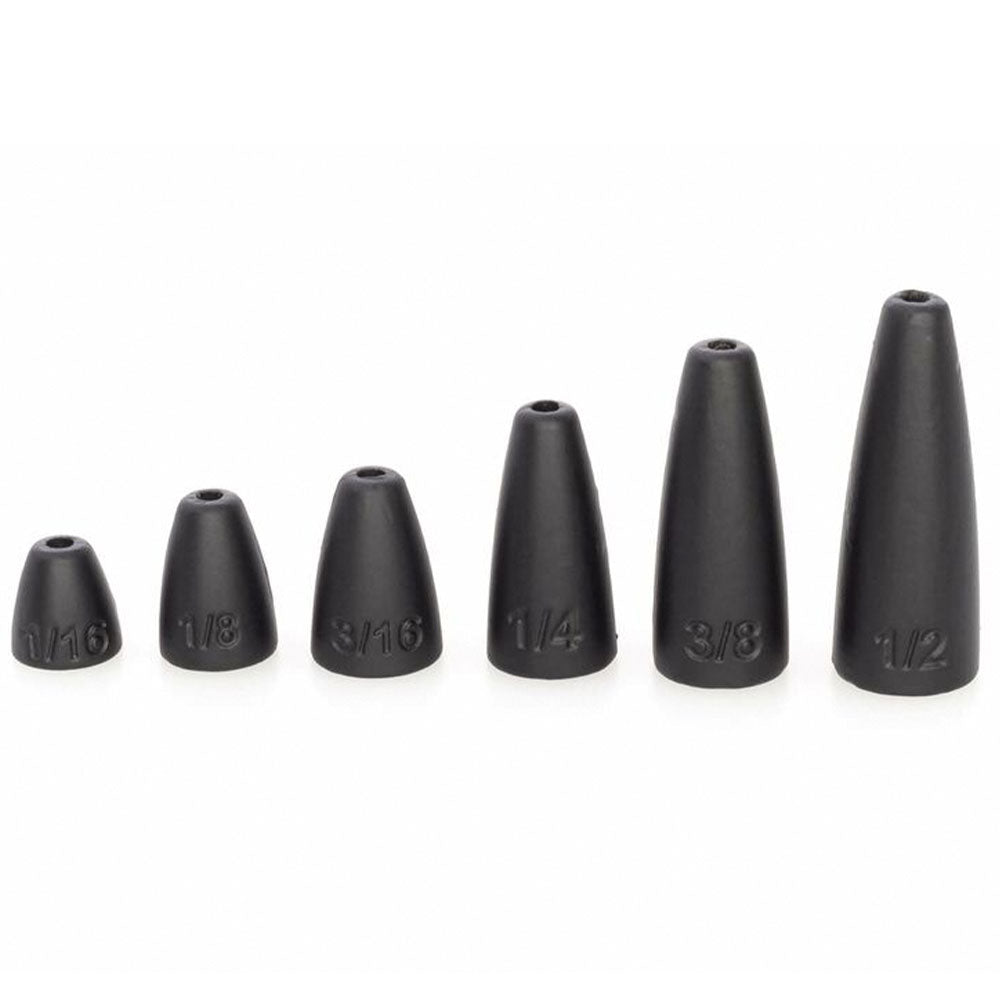
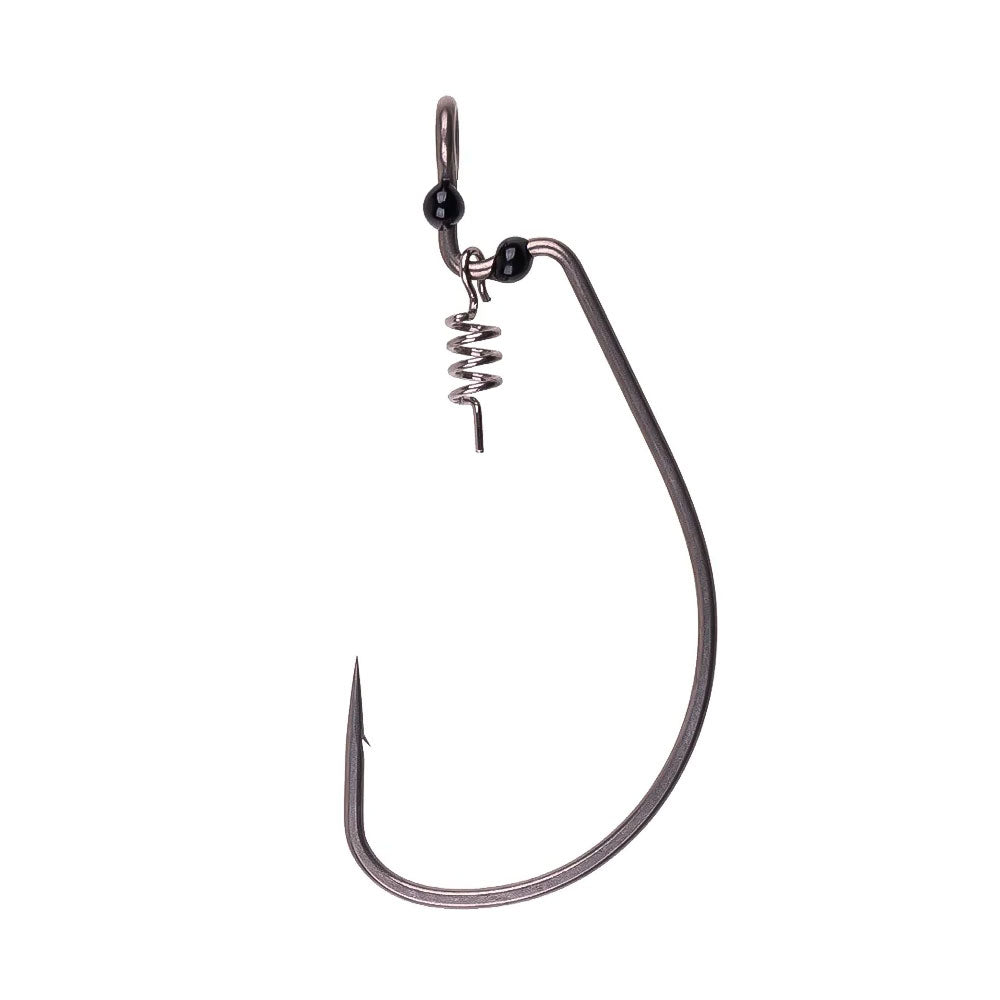
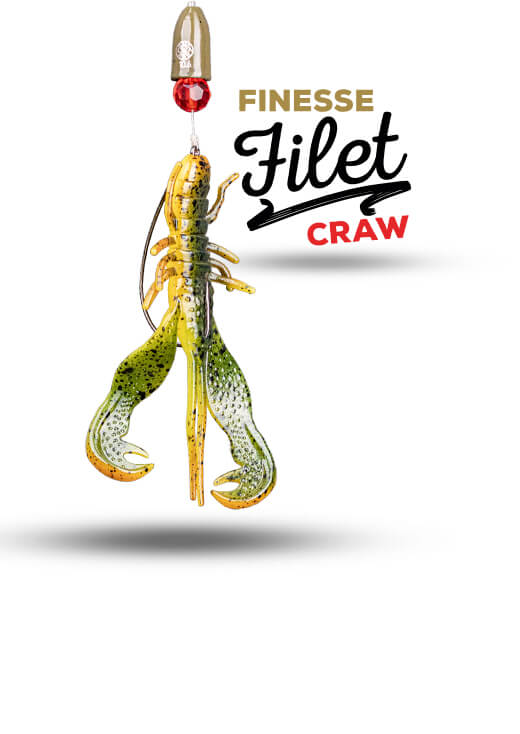
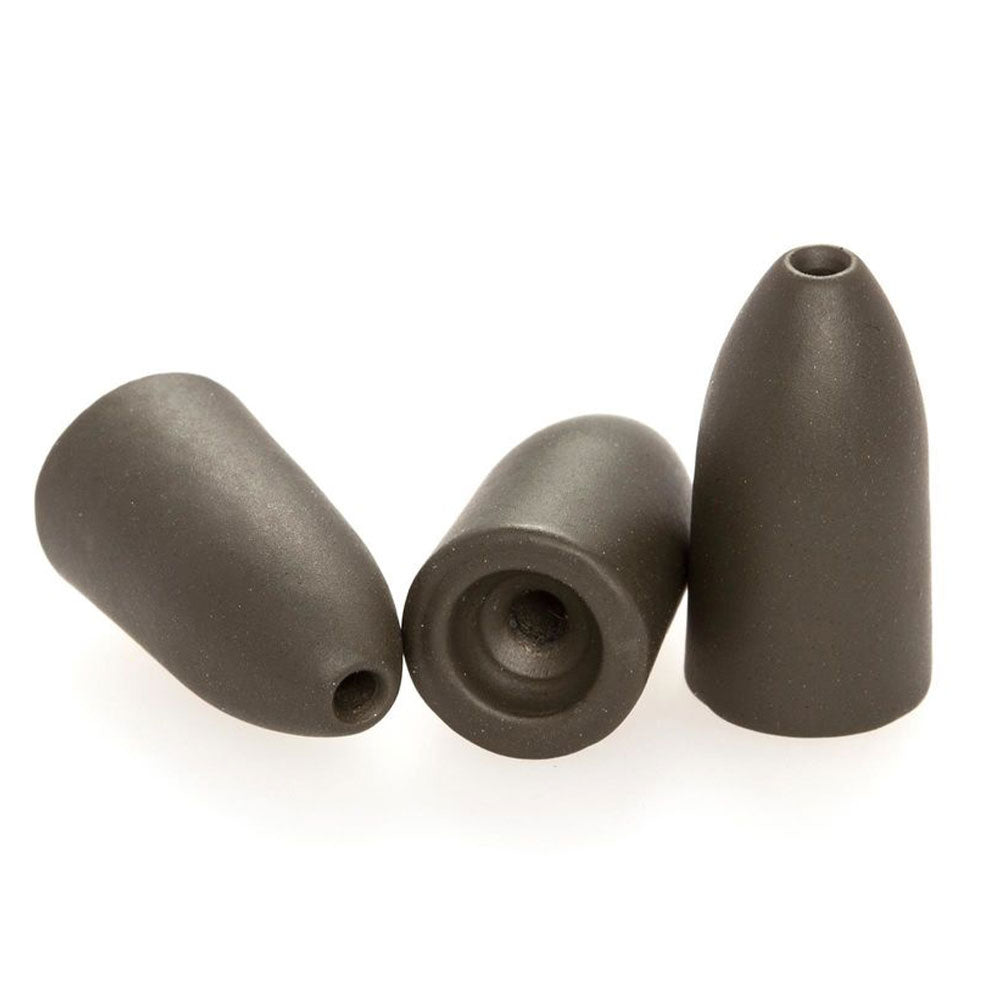
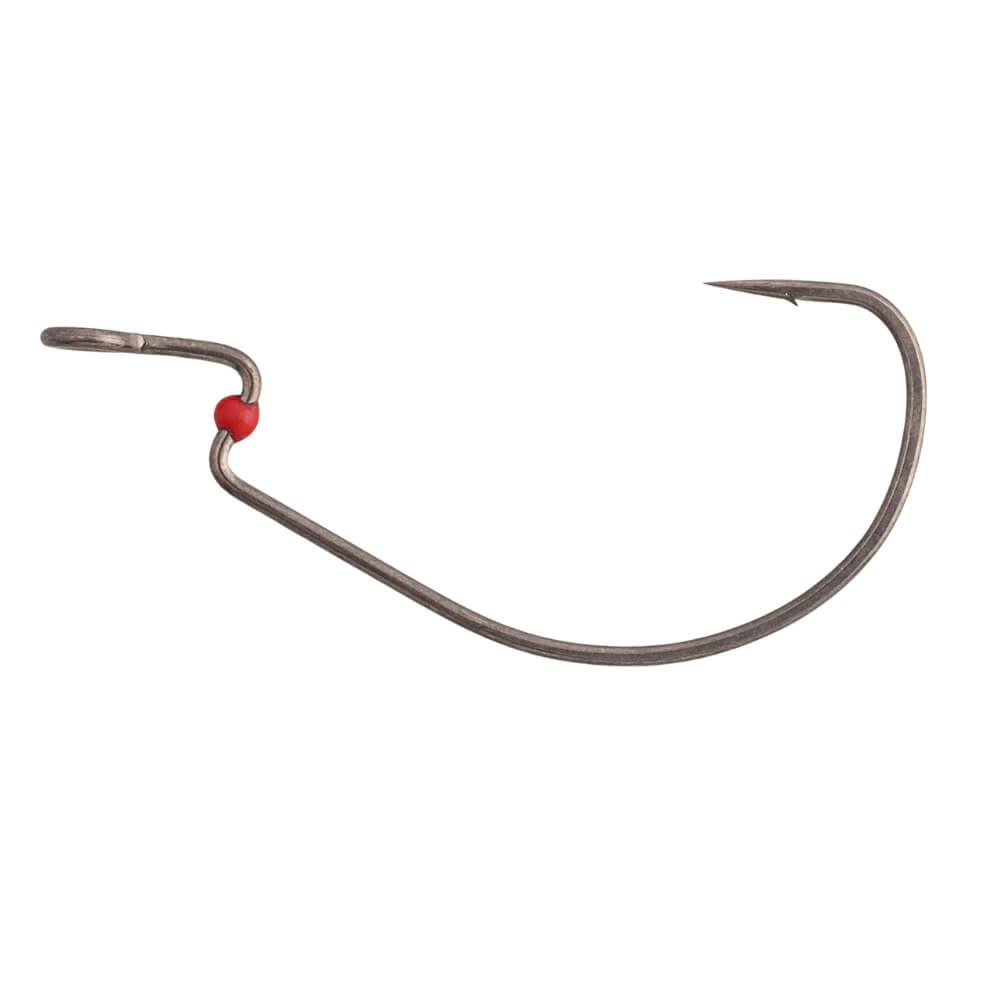
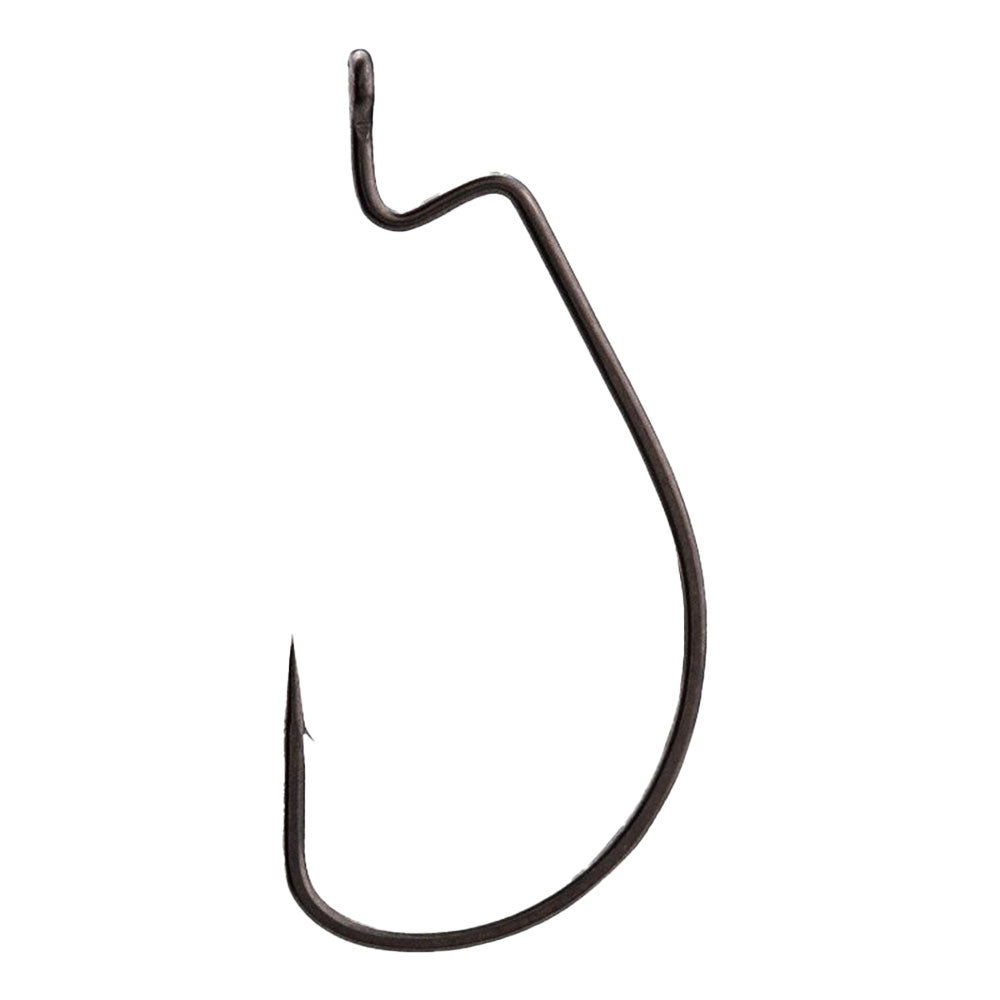
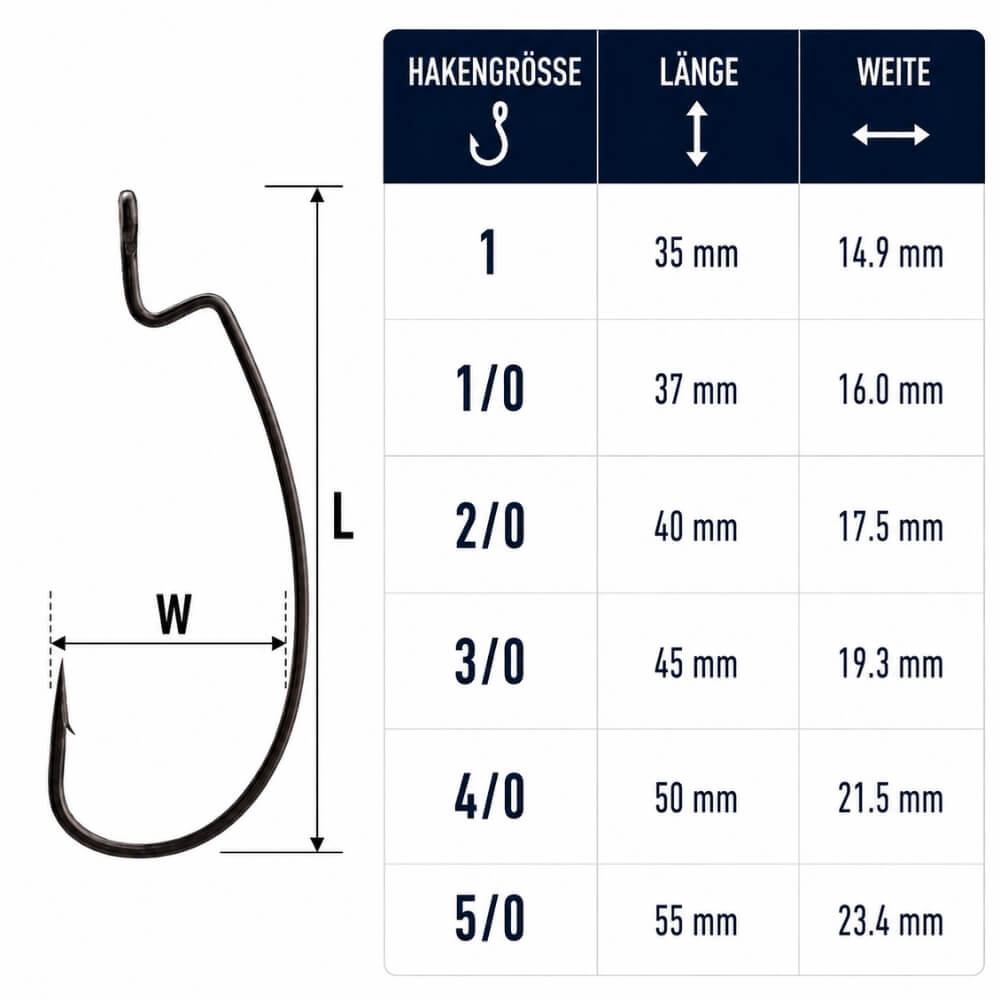
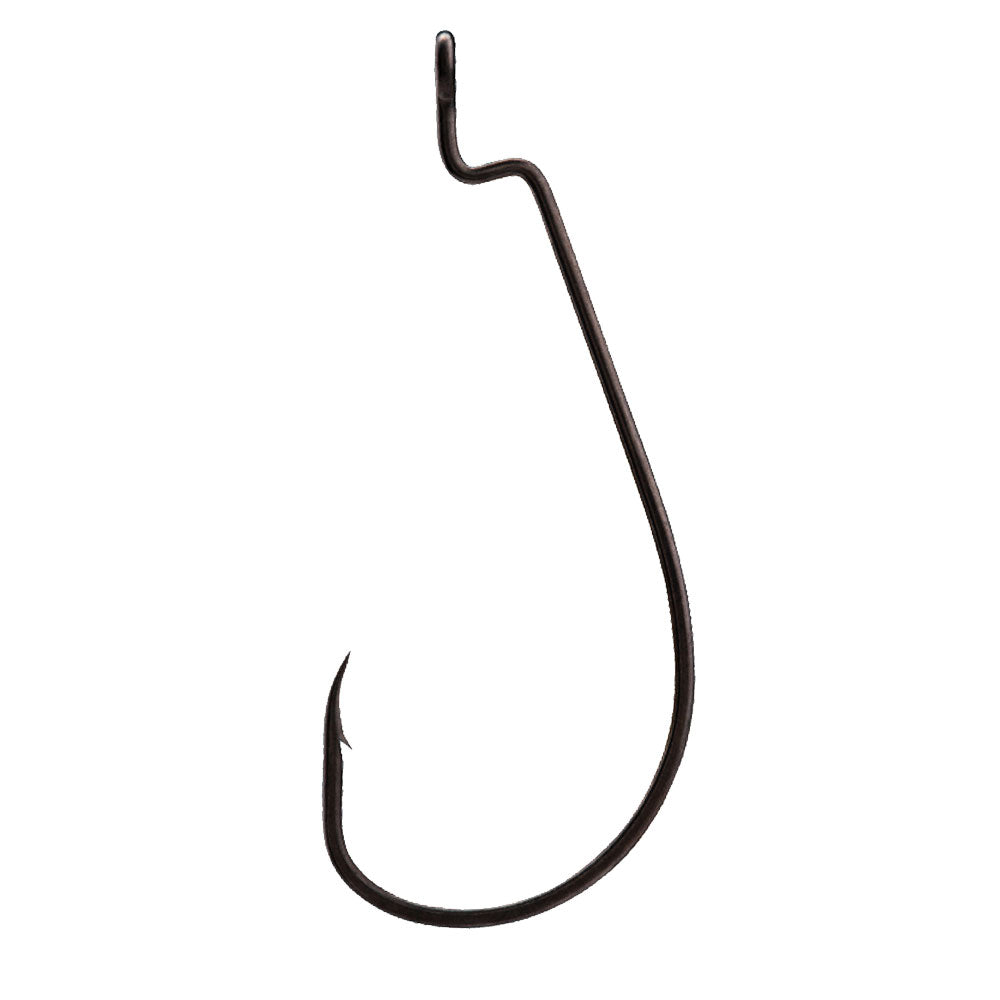
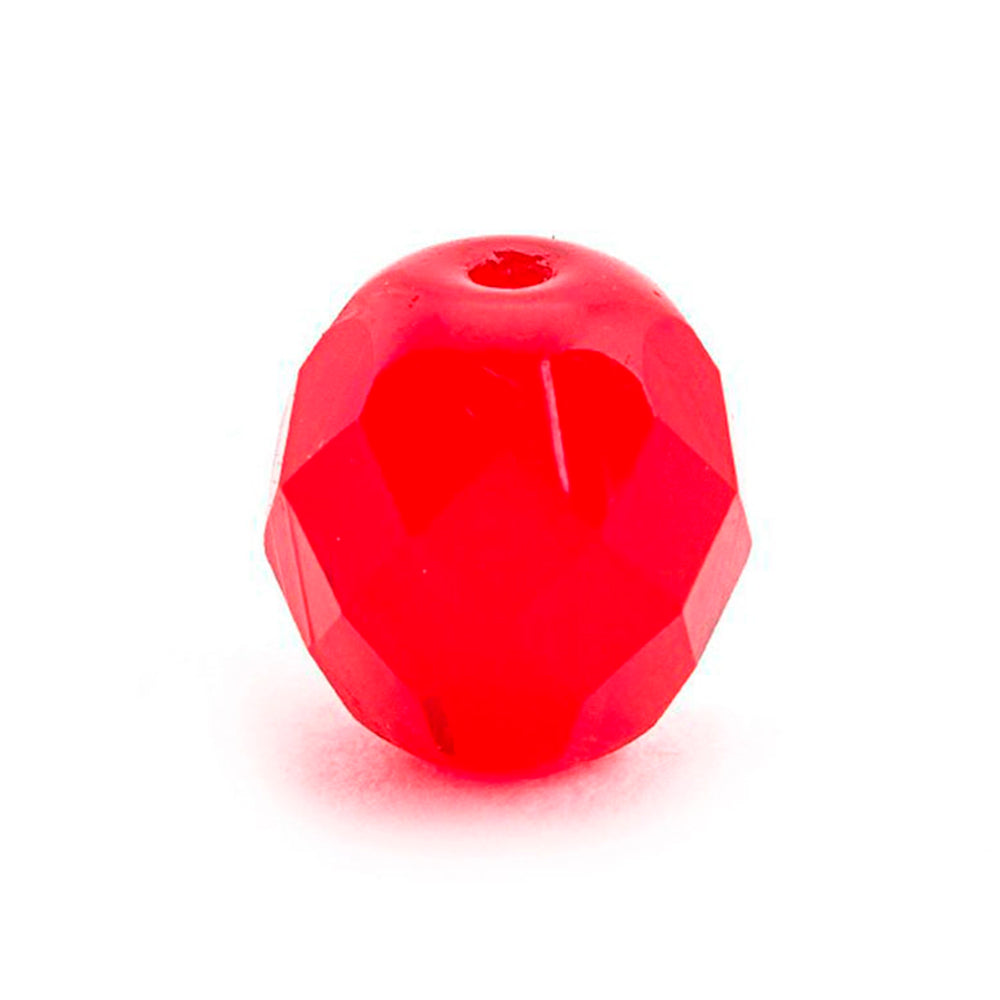
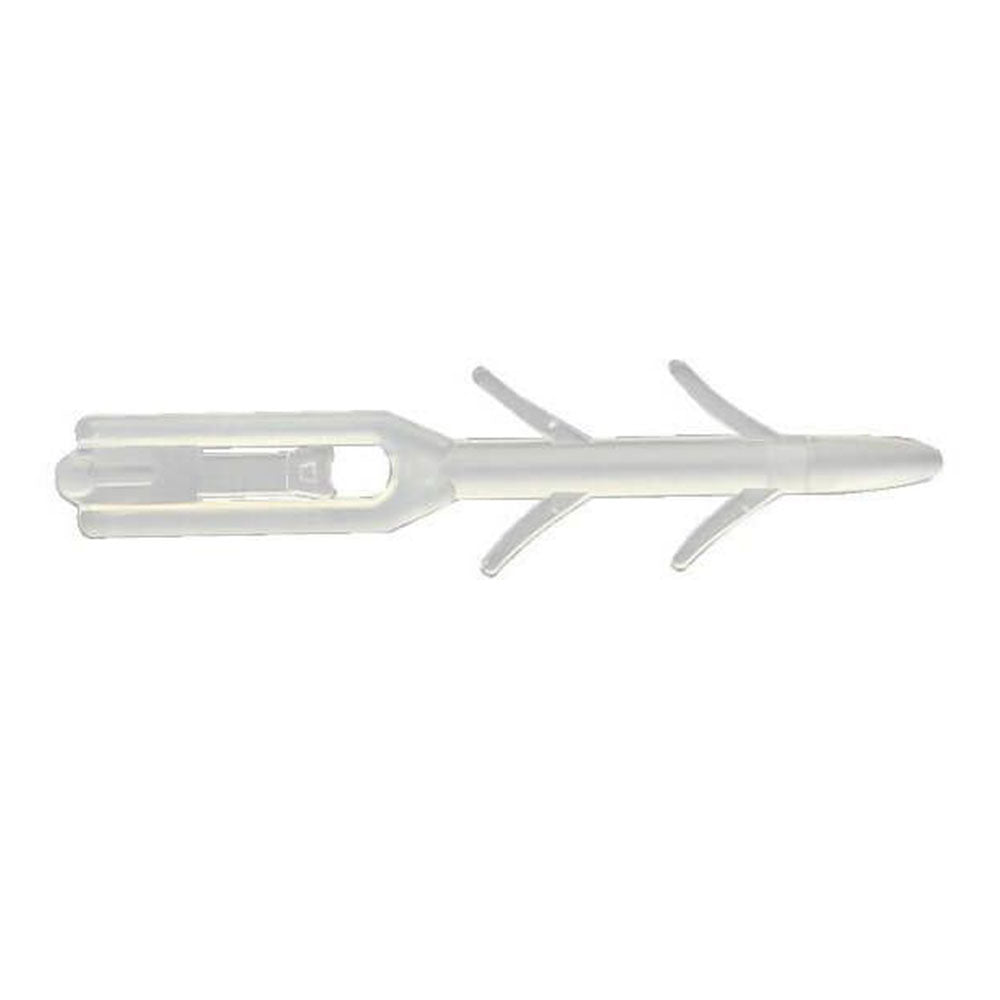
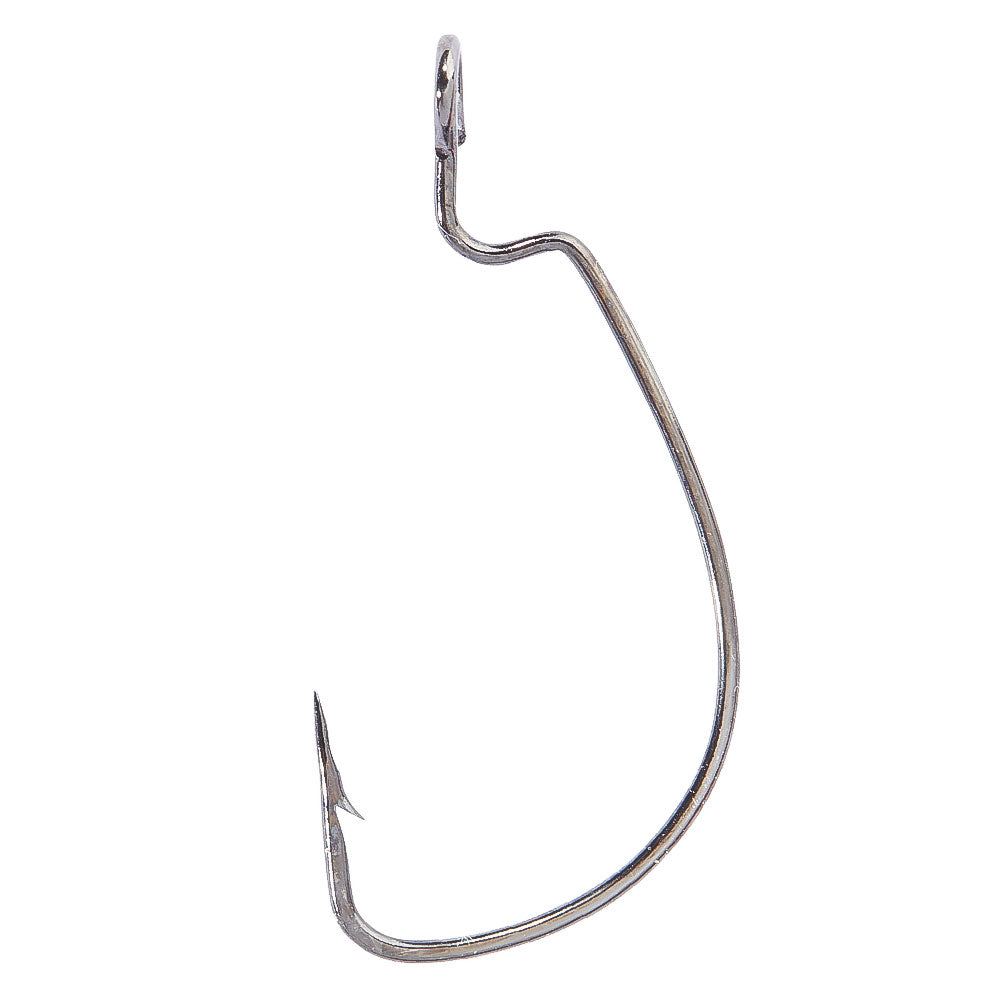
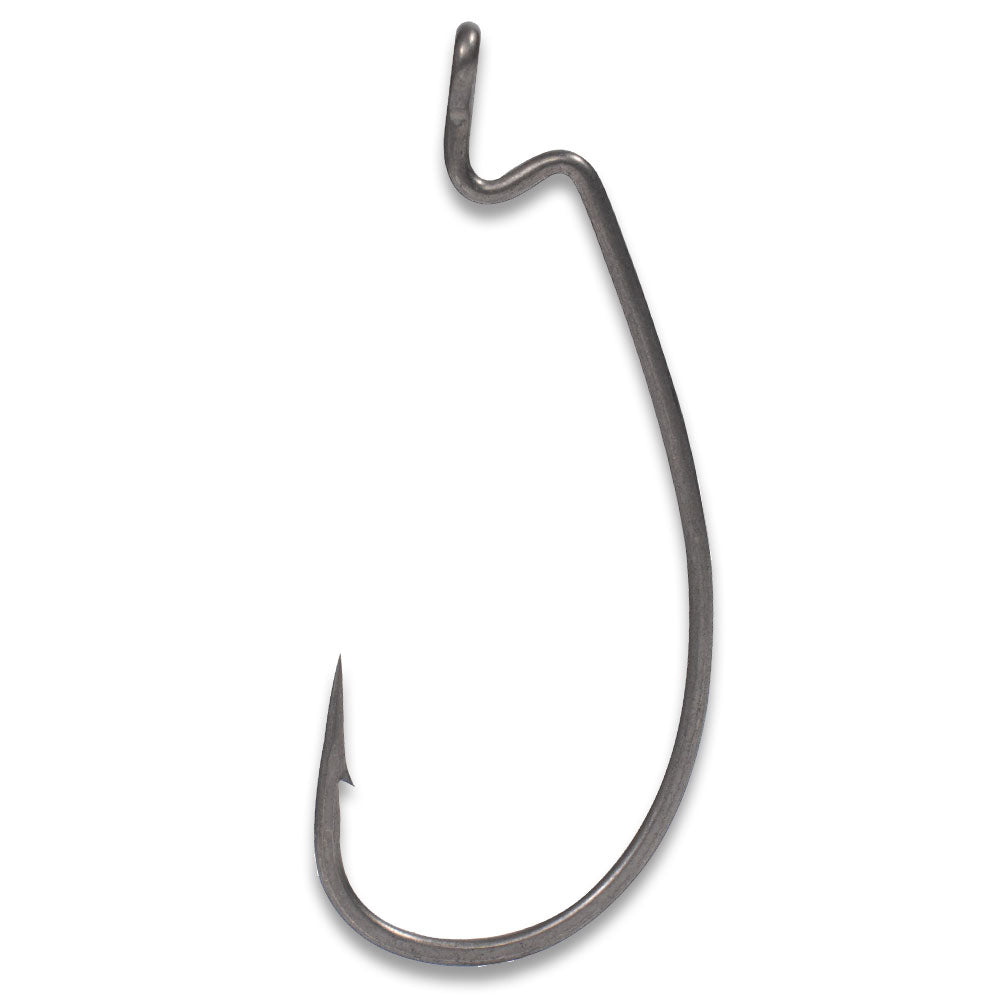
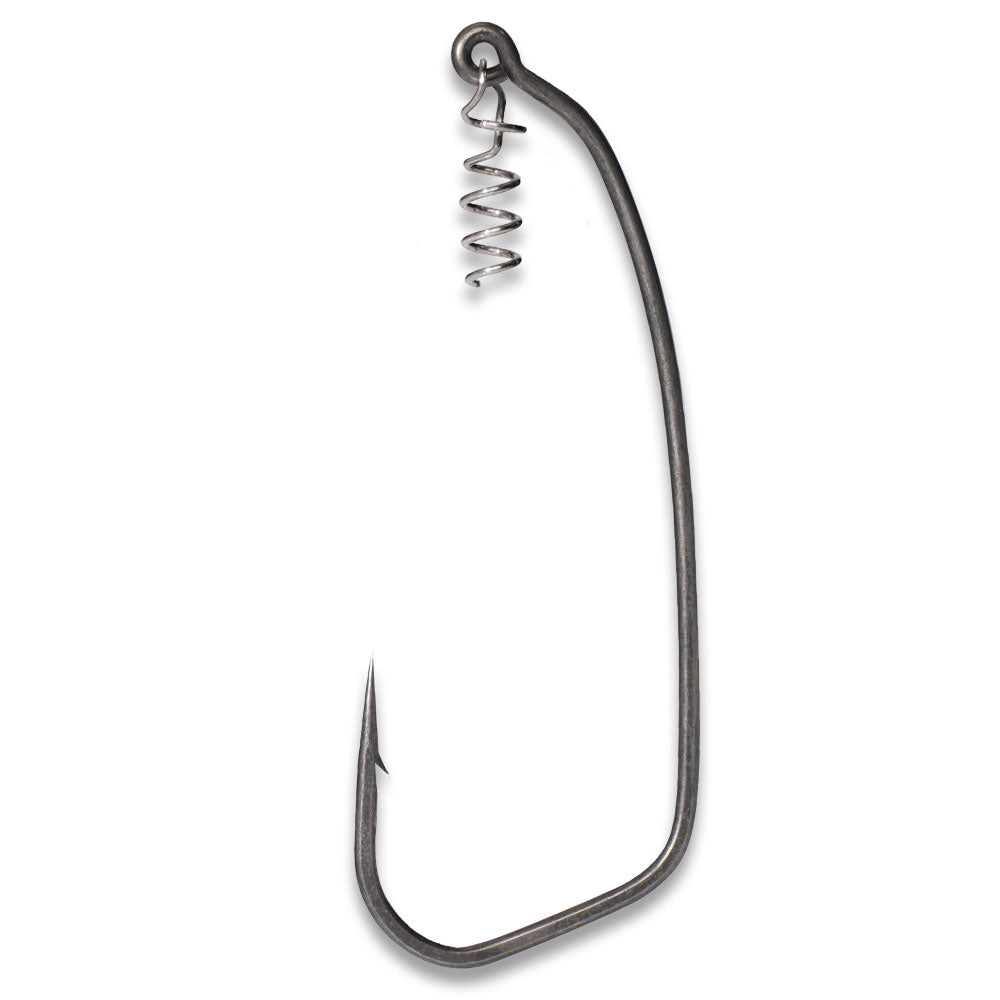
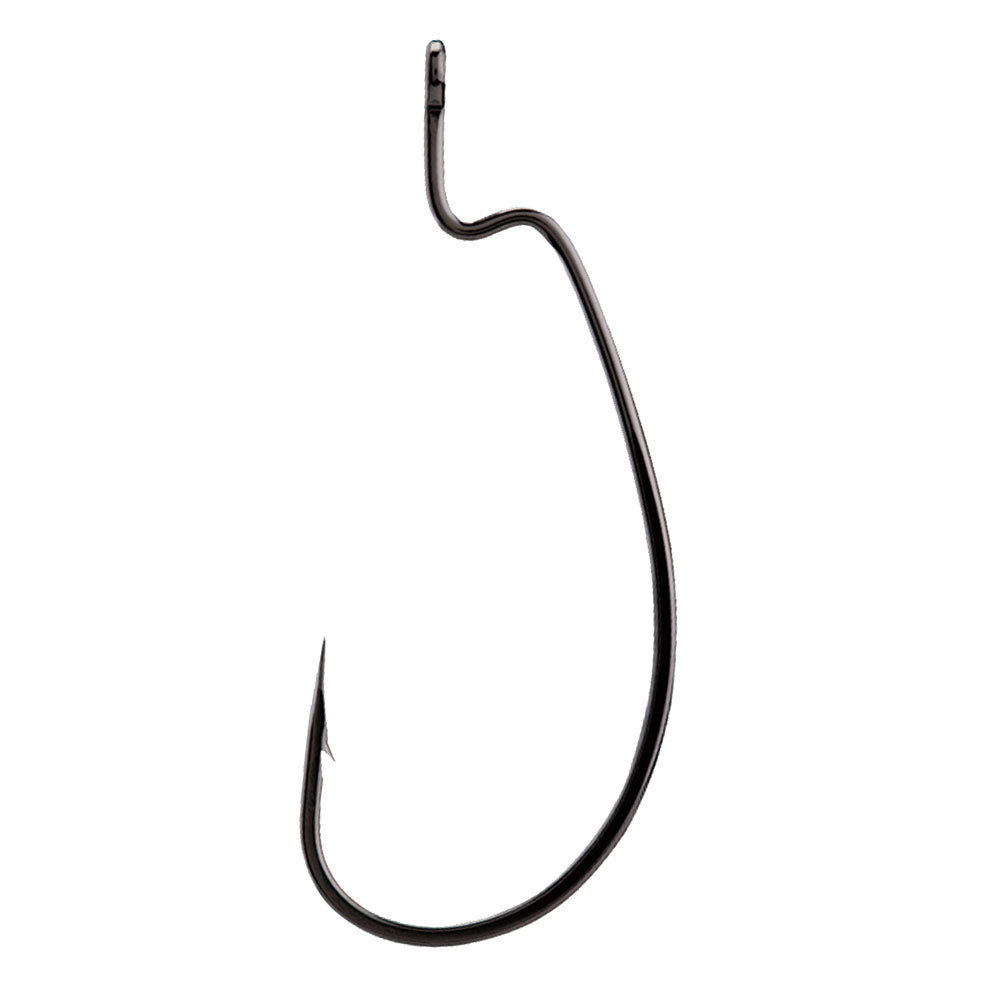
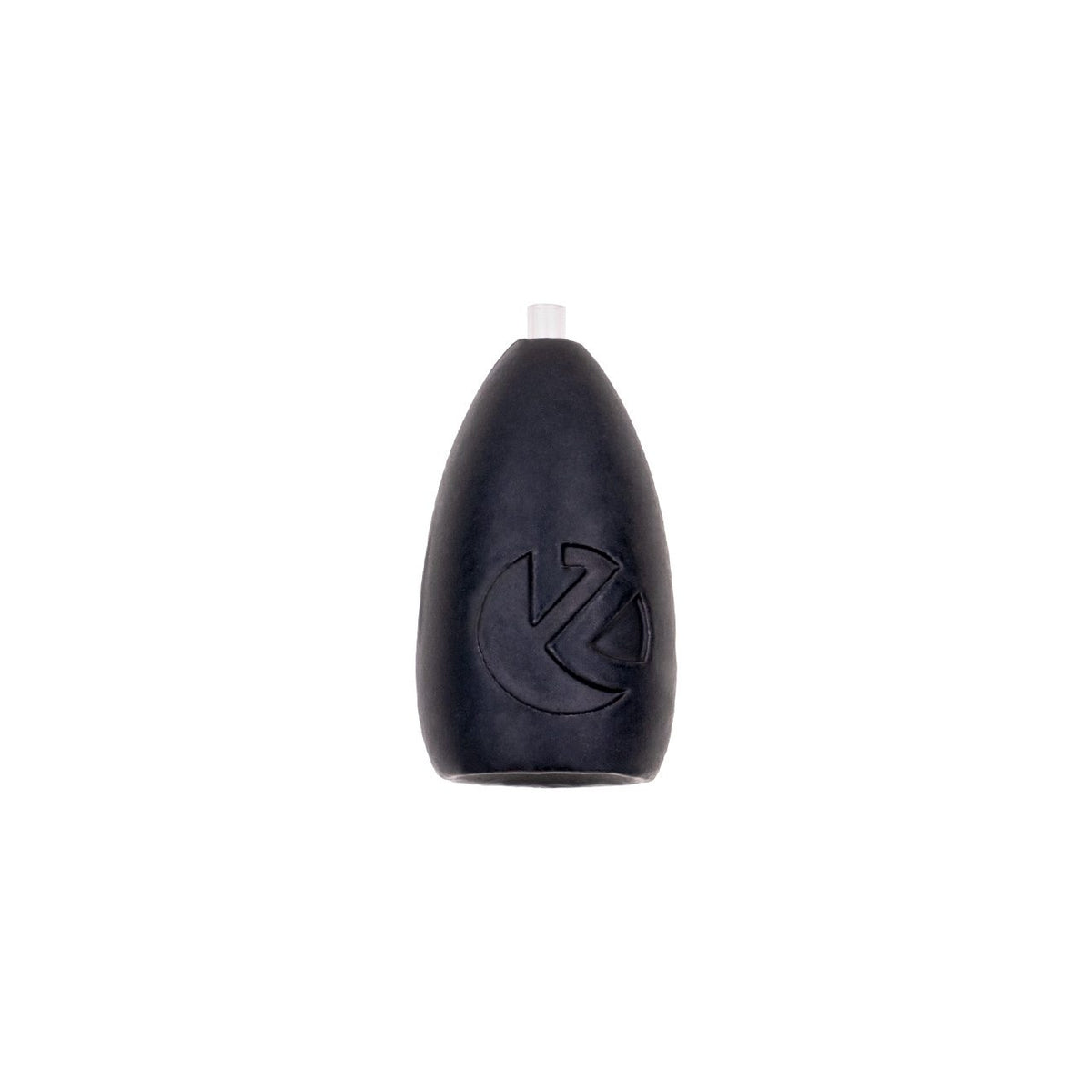
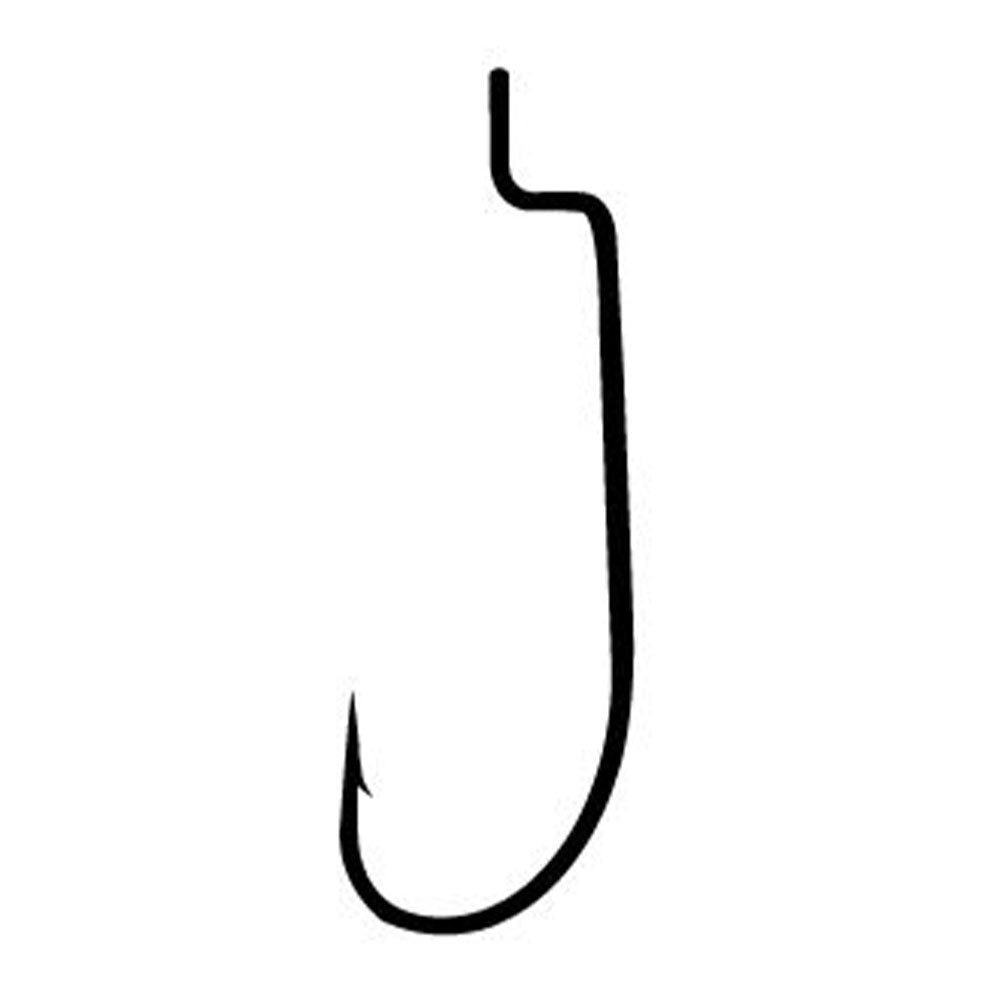
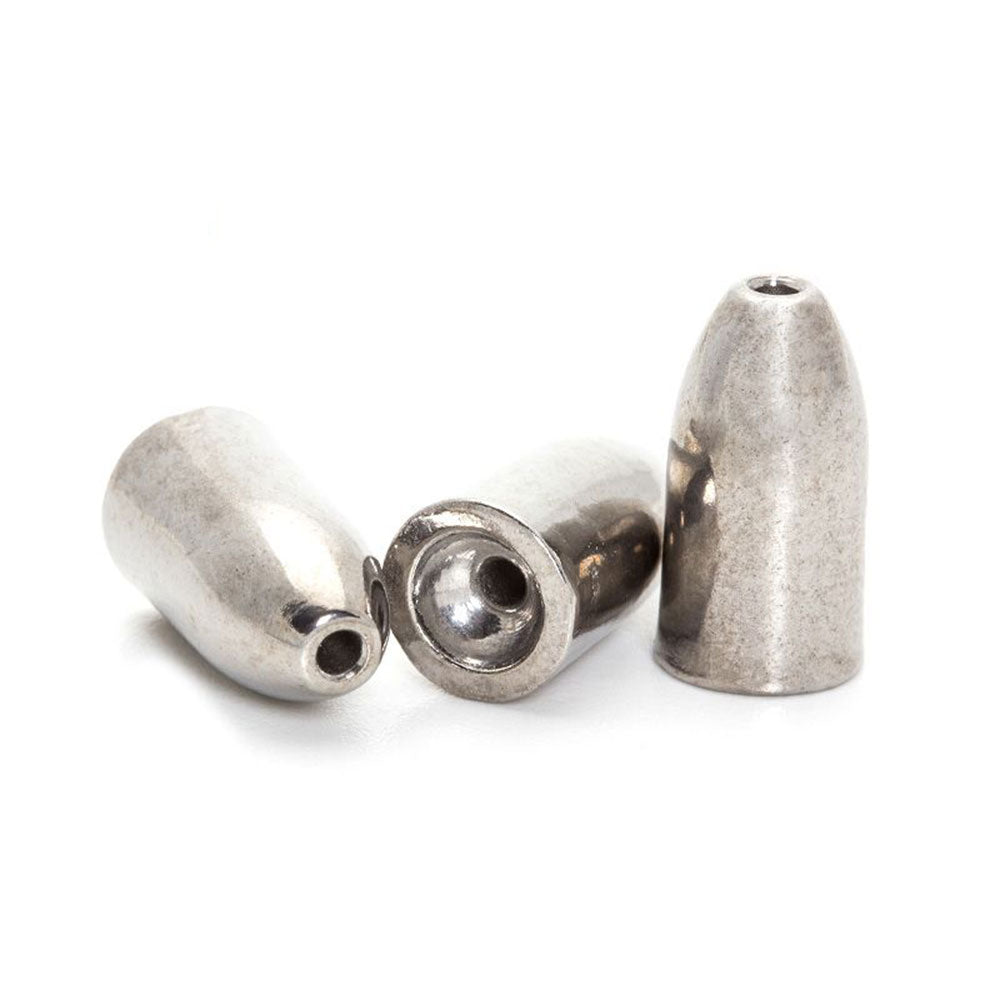
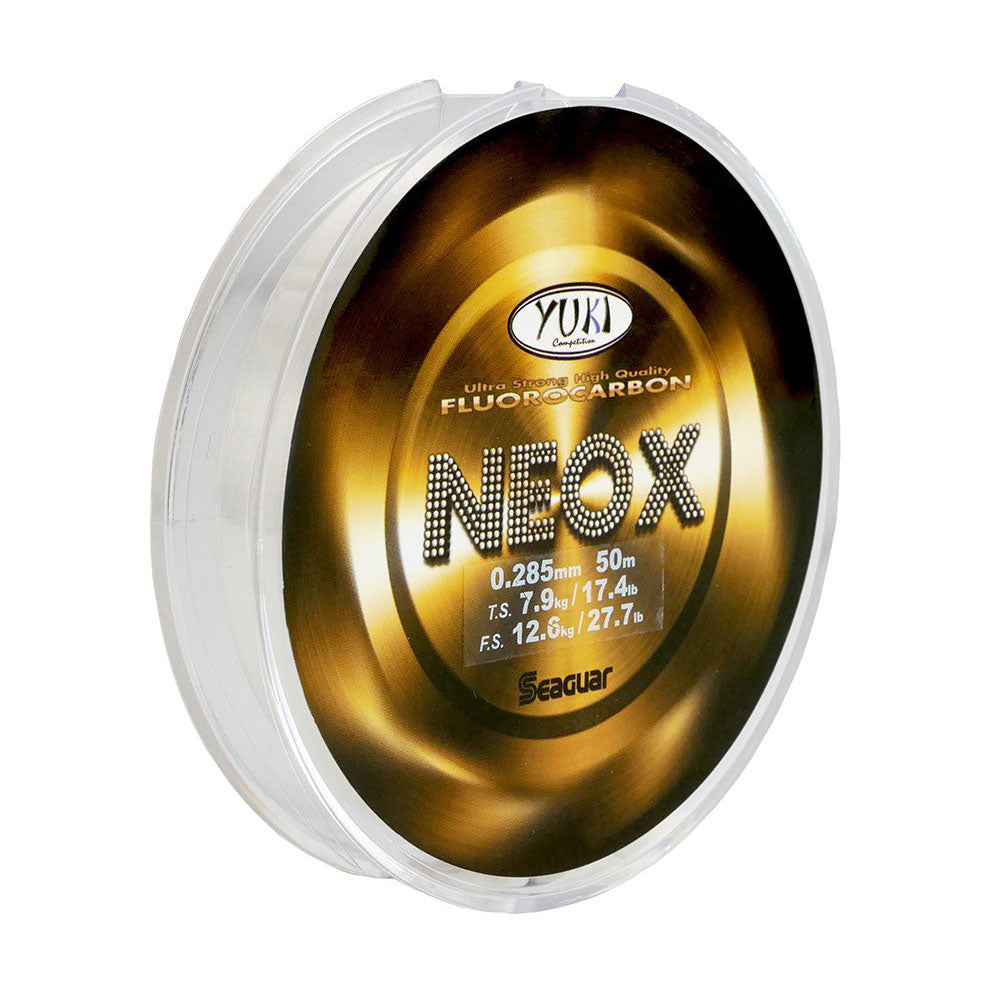
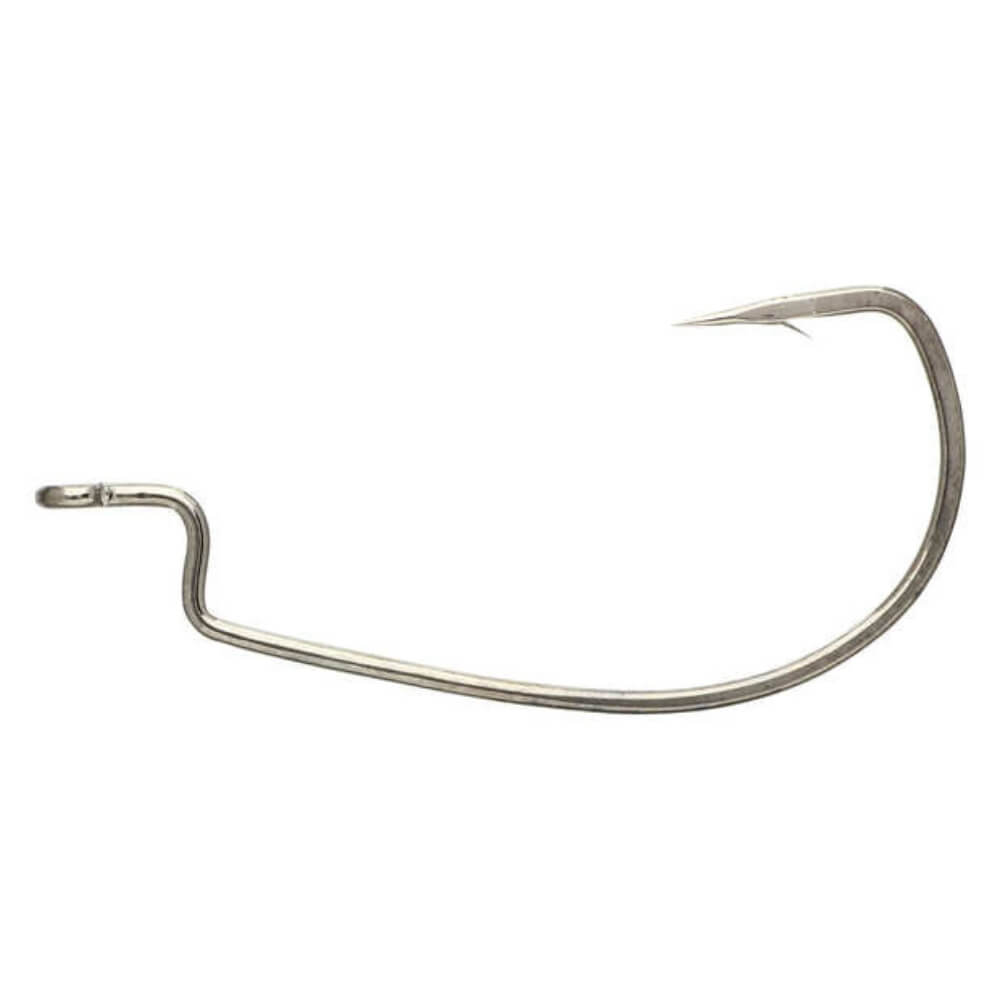
<h2>The Texas Rig</h2><p>The Texas rig (often shortened to T-rig) originally comes from Ohio, where it gained popularity in the 1950s. After causing a stir among <strong>largemouth bass</strong> anglers, demand grew so quickly that production had to be moved to Texas - which is where the rig got its current name.</p><p>Even today, the T-rig offers clear advantages over a standard jig in certain situations. It excels when fishing along the bottom and in snag-heavy areas, but it is also highly effective when fish are being cautious and you are only getting tentative touches on a jig. Because of the <strong>free-running weight</strong> construction with a bead, fish often hook themselves. The bullet weight and bead also provide both visual and audible additional triggers.</p><p>First, let us take a closer look at how such a rig is put together, because you will need a few specific components to fish the T-rig effectively.</p><h3>Lure Choice</h3><ul>When it comes to choosing a lure, there are virtually no limits. You can fish any form of soft plastic on the Texas rig - from standard action shads and worms to pin tails, crab imitations and creature baits. Because this method originally comes from the USA and was used for bass fishing there, crab imitations and creature baits are the first choice for most anglers. That said, it pays to stay flexible, as predators do not always respond equally well to one particular shape. The Texas rig is therefore a versatile tool and can make all the difference, especially on heavily fished waters.</ul><h3>Setup and Required Hardware</h3><p>The Texas rig essentially consists of three components, all threaded onto a <strong>fluorocarbon</strong> line. You can find all the components individually, or pick up the Texas rig bundle, which contains everything you need ready matched to one another:</p><p><strong>The components you need</strong></p><ol><li><strong>Hook</strong>: An <strong>offset hook</strong> is the standard choice here. The keel it creates gives the lure a stable, true action and allows it to be rigged weedless.<br><img src="https://cdn.shopify.com/s/files/1/0548/9197/0669/files/hayabusa-muscle-gape.jpg" alt="Offset-Haken" width="232" height="232"></li><li><strong>Glass bead</strong>: This refracts light underwater and draws the attention of perch in particular. It also protects the knot.<br><img src="https://cdn.shopify.com/s/files/1/0548/9197/0669/files/6-mm-facettierte-glasperlen-ruby-10-stk.jpg" alt="Glasperlen" width="436" height="327"></li><li><strong>Weight</strong>: Weights for T-rigs are <strong>bullet weights</strong> - conical running weights shaped like a bullet. They can be worked through snag-heavy areas with ease, and in combination with the glass bead they produce a clicking sound that provides an additional trigger.</li></ol><h4>More on Weights</h4><p>Bullet weights are available in various materials. Lead versions are affordable and dense, but offer the least feedback on bottom composition and produce the least noise against the bead. Brass or stainless steel weights are noticeably bulkier than lead at the same weight because of their lower density. They sink more slowly and carry a slightly higher snag risk, but both metals are harder than lead, so they produce louder clicks with the bead.</p><p>The <strong>material for bullet weights</strong> that is arguably optimal - though also the most expensive - is tungsten. It has the greatest density and is therefore the smallest at any given weight. This means it sinks fastest, presents the smallest profile to potential snags and gives the best feedback on bottom structure. Tungsten is difficult to machine, which does make tungsten products considerably more expensive.</p><p><img src="https://cdn.shopify.com/s/files/1/0548/9197/0669/files/bullet-weights-black.jpg" alt="Bullet Weights" width="395" height="296"></p><p>All the individual components are available separately, or you can use the Texas rig bundle. We particularly recommend this to anglers who have not yet had any experience with this finesse rig and may feel unsure about selecting individual parts - everything in the bundle is already matched to work together.</p><h3>Rig Construction</h3><p>At the end of your rig sits the hook. Directly above it goes the glass bead, and above that, towards the rod, the weight. Dedicated finesse anglers build the rig straight onto a fluorocarbon main line or a fluorocarbon leader attached to it. If you want to be ready for anything at the water, prefer not to tie rigs bankside, or simply do not know in advance which technique will produce best, you can also prepare T-rigs in advance and pop them in your tackle bag. To do this, take a piece of fluorocarbon roughly 20-30 cm long, tie a swivel at one end and clip it to the snap on your main line, or tie it directly to the main line. This lets you switch quickly between different techniques or rig sizes.</p><p><strong>The image below shows three example T-rigs:</strong></p><p><img src="https://cdn.shopify.com/s/files/1/0548/9197/0669/files/Texasrig.jpg" alt="Texasrig" width="452" height="306"></p><p>As you can see in the image, the middle T-rig features a bullet stopper. This can be used in two ways:</p><ul><li><strong>In front of the glass bead (as shown):</strong> By sliding the stopper towards the rod you can convert the T-rig into a Carolina rig in seconds, giving you a particularly long sink time on the lure.</li><li><strong>Behind the weight:</strong> With the stopper in this position you can control how far the weight and bead can separate from the hook by adjusting its placement. In heavily snagged areas - especially around wood - fix the weight and bead close or directly against the hook. For a longer sink phase and easy lure pick-up, leave the weight a few centimetres of play.</li></ul><h3>Retrieve Techniques</h3><p>Fishing this rig is not at all complicated. You can present your soft plastic in a wide variety of ways. One option is to drag the rig slowly across the bottom, stirring up sediment and piquing the interest of predators. Crab imitations work particularly well with this approach, as crabs naturally hug the bottom and are a favourite food for zander and perch. Another option is to lift the Texas rig off the bottom with a few turns of the reel handle, similar to the <em>Faulenzen</em> technique - as the rig accelerates, the bullet weight strikes the glass bead and produces a click that draws additional attention. On the drop, the weight settles first and the lure flutters enticingly behind it. This longer sink phase gives zander, perch and other predators more time to notice and attack the lure. Finally, the Texas rig can also be fished with classic jigging strokes. This works especially well when predators are responding to an aggressive retrieve and a quick drop, in which case a heavier weight is usually the better choice.</p>