










Rigs
Here you will find all the small components you need for a wide variety of proven and effective rigs.








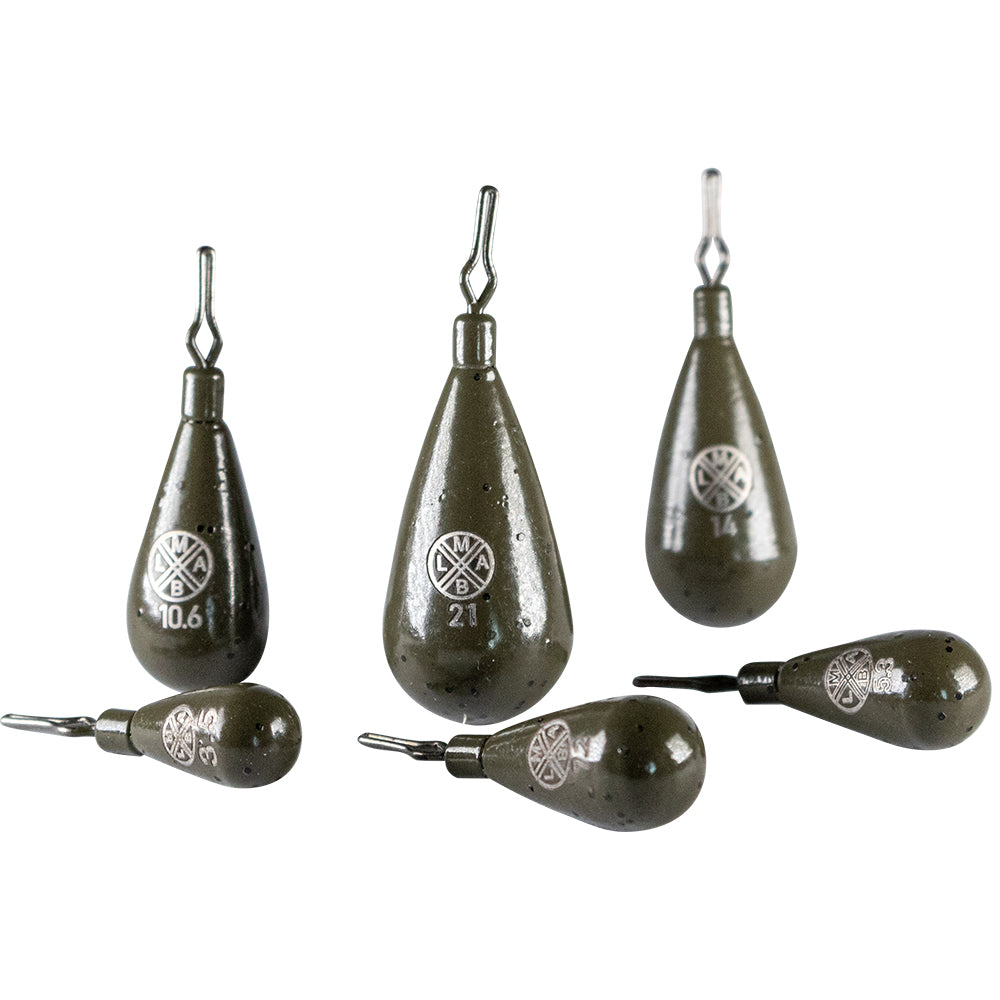

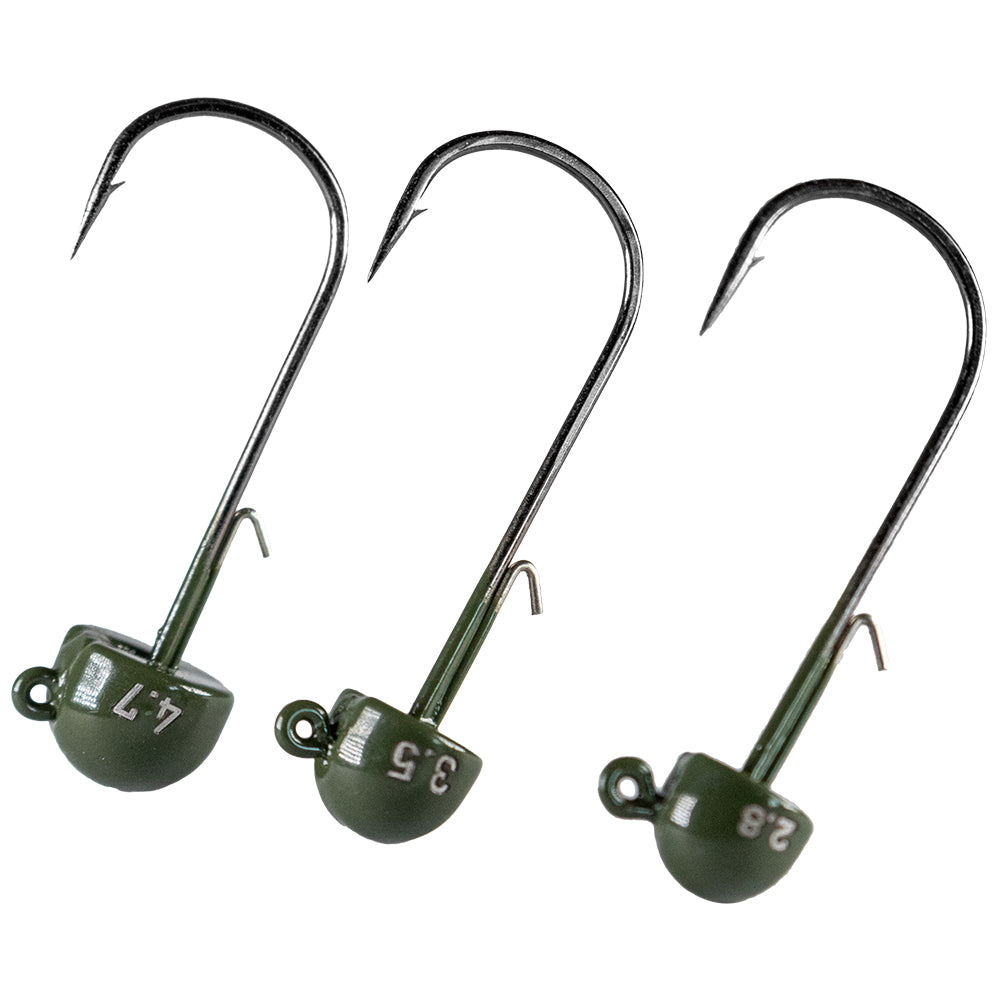

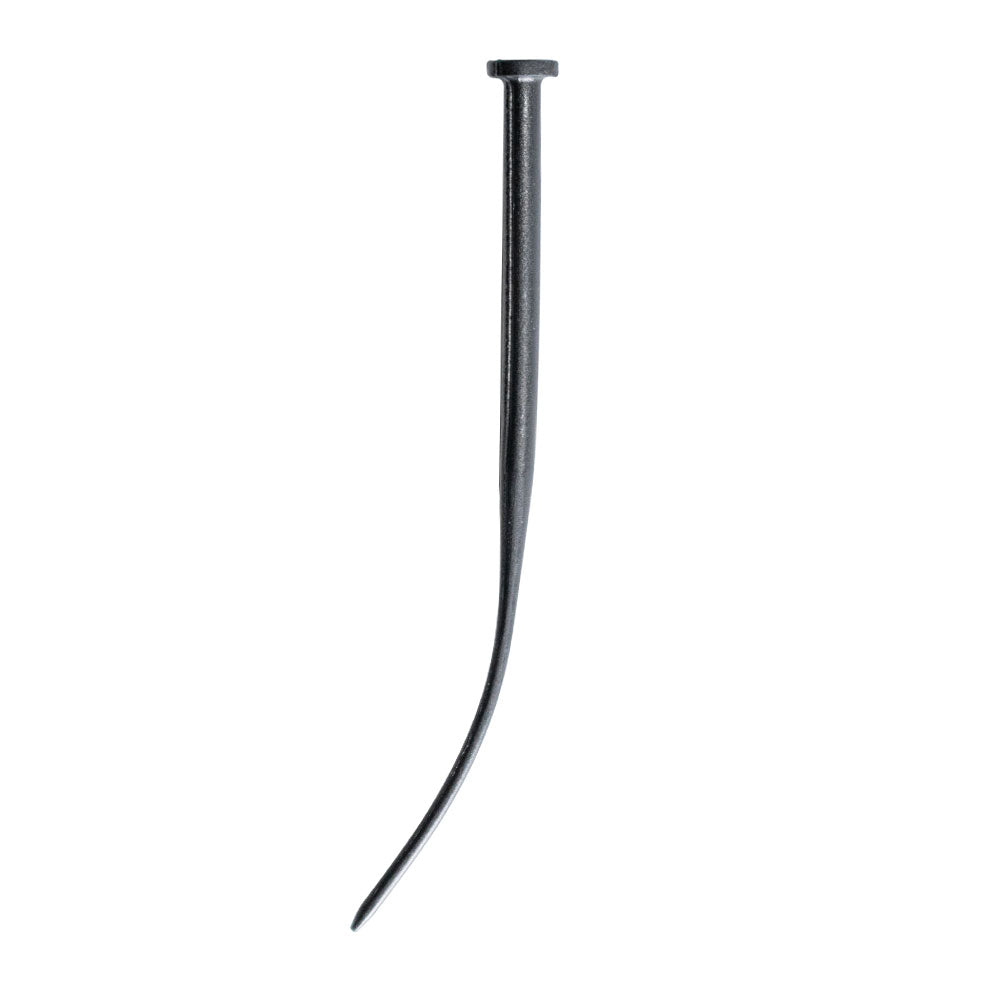

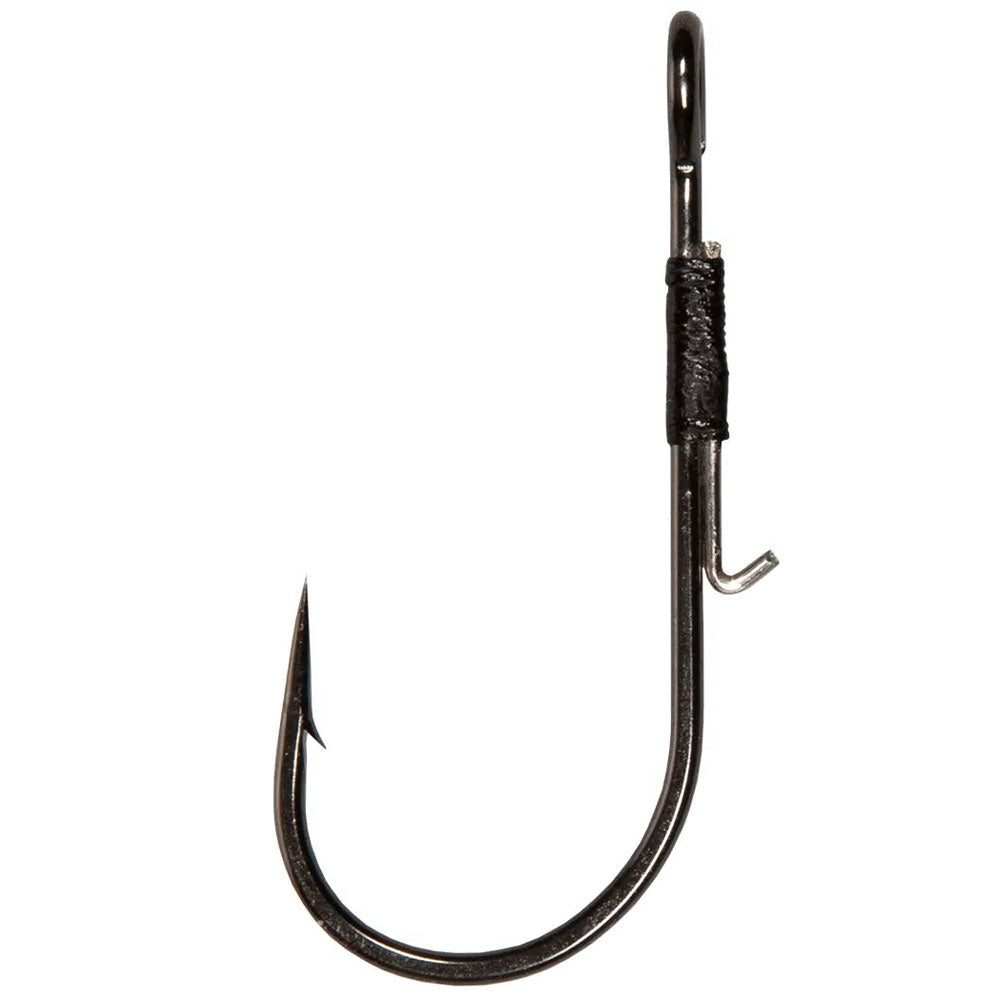












10 variants


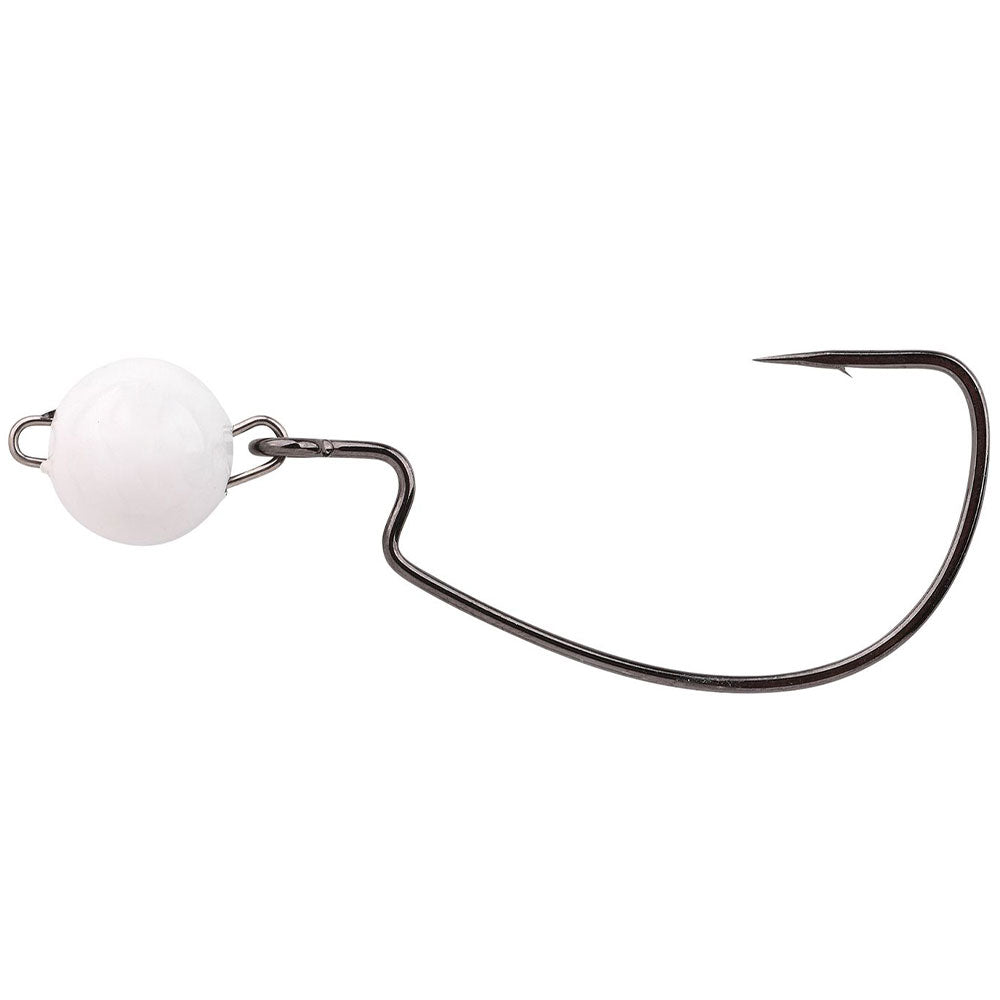

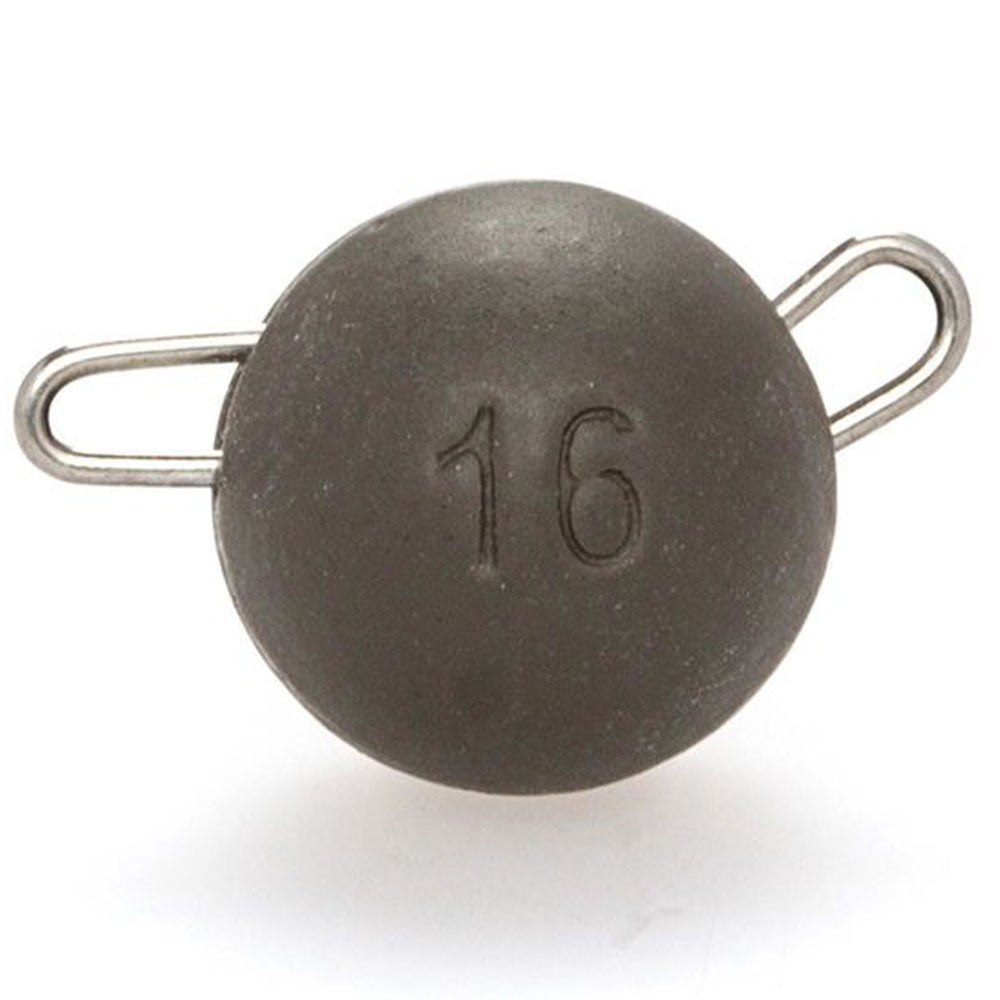
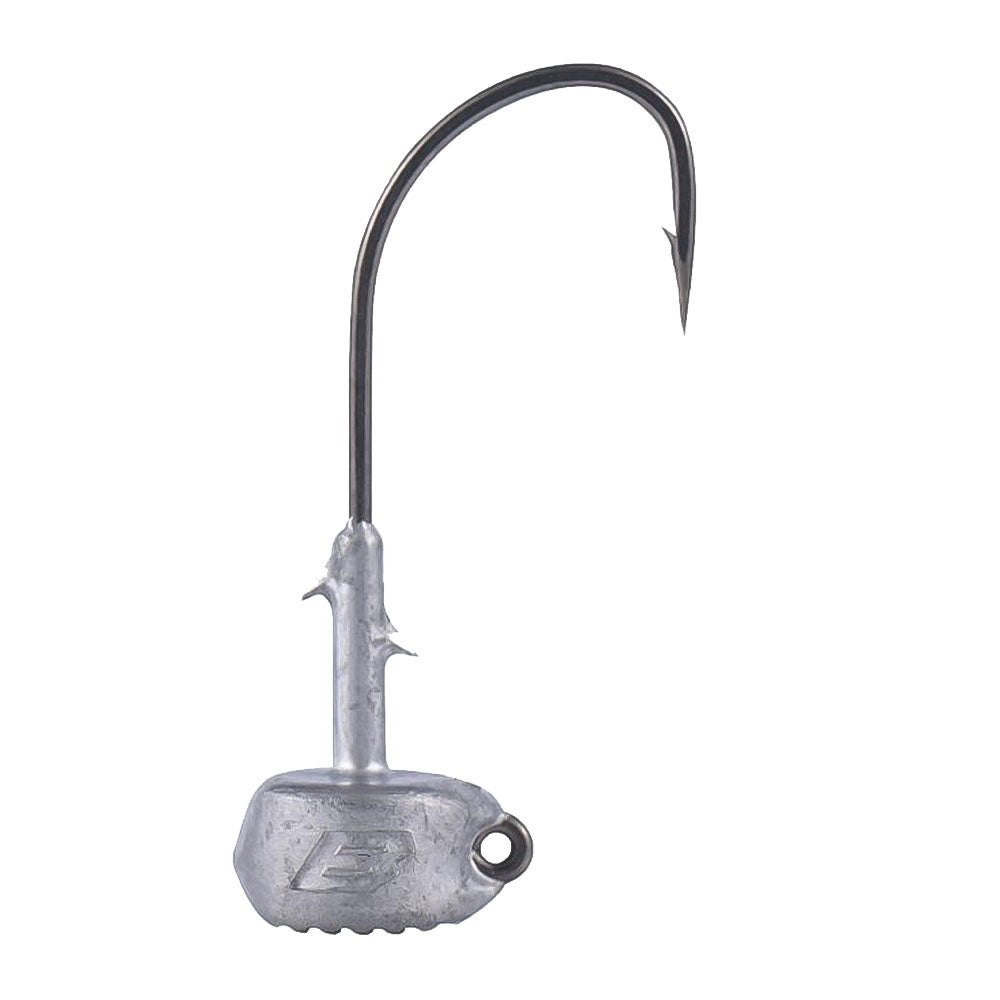
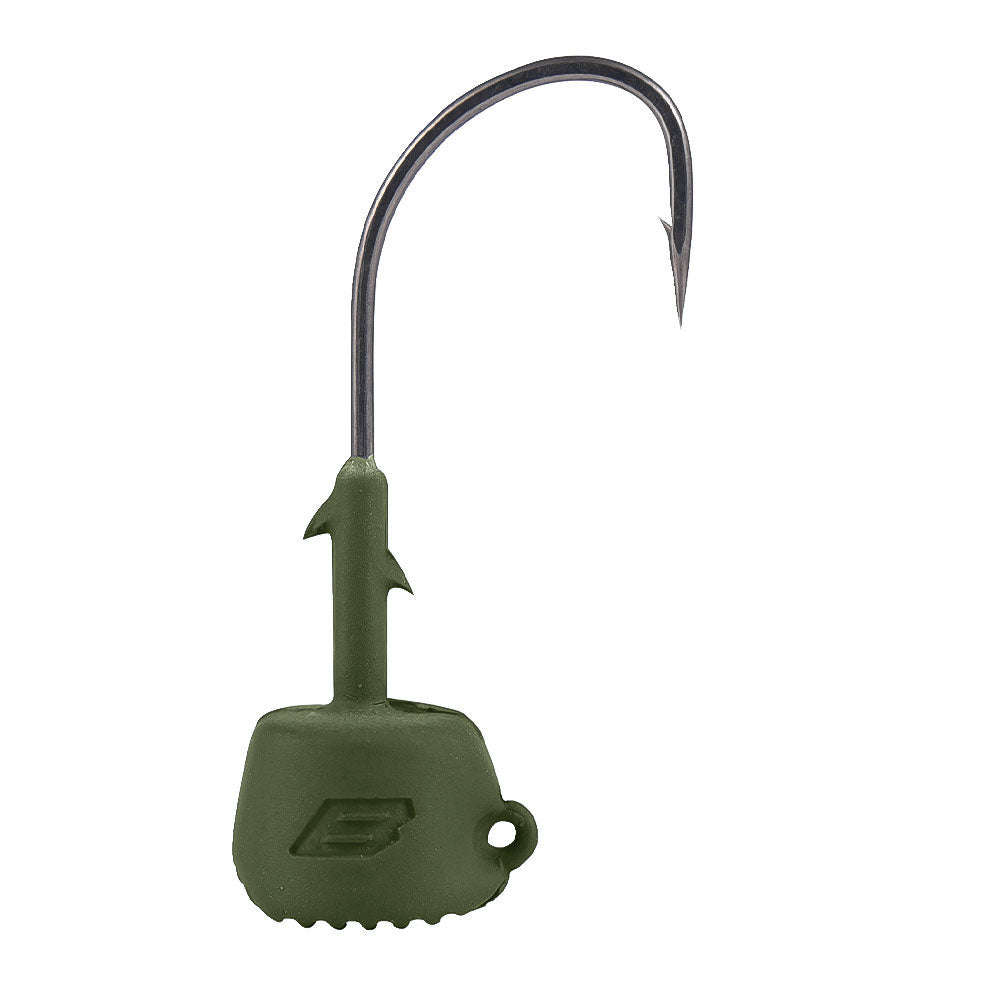

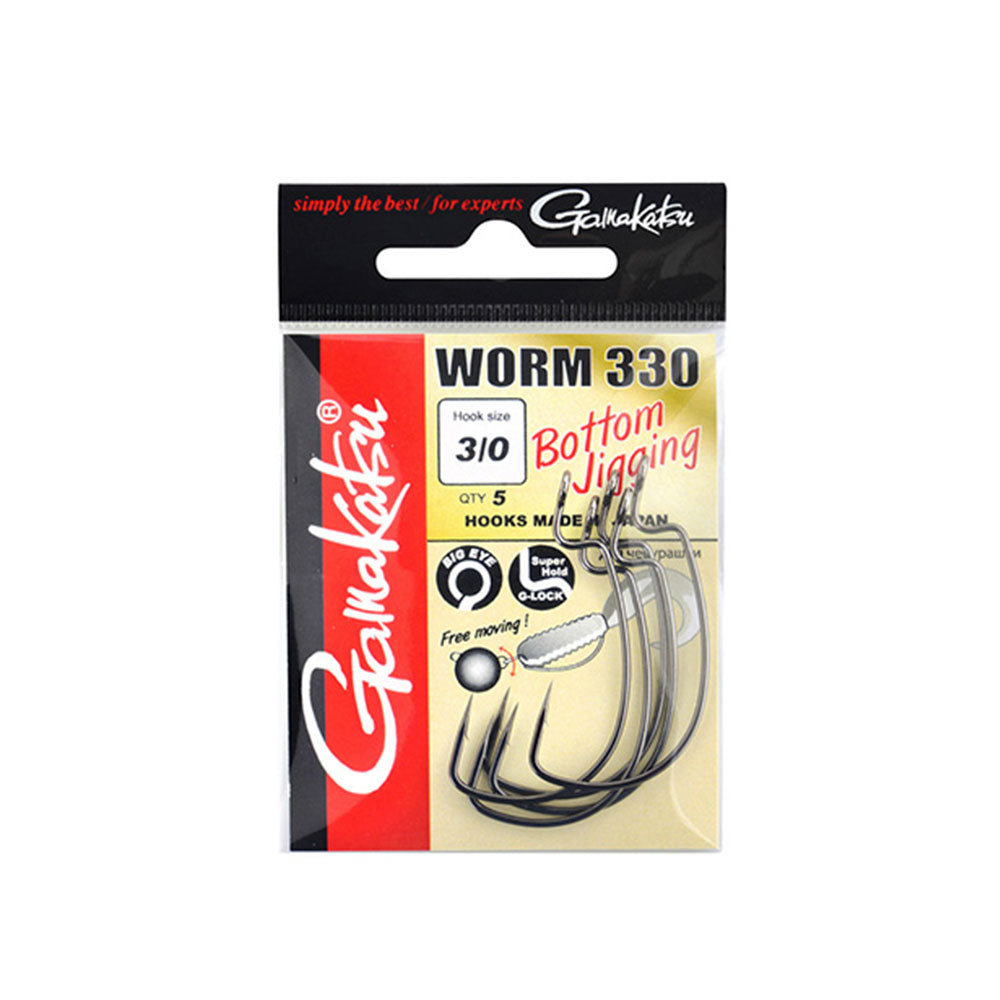

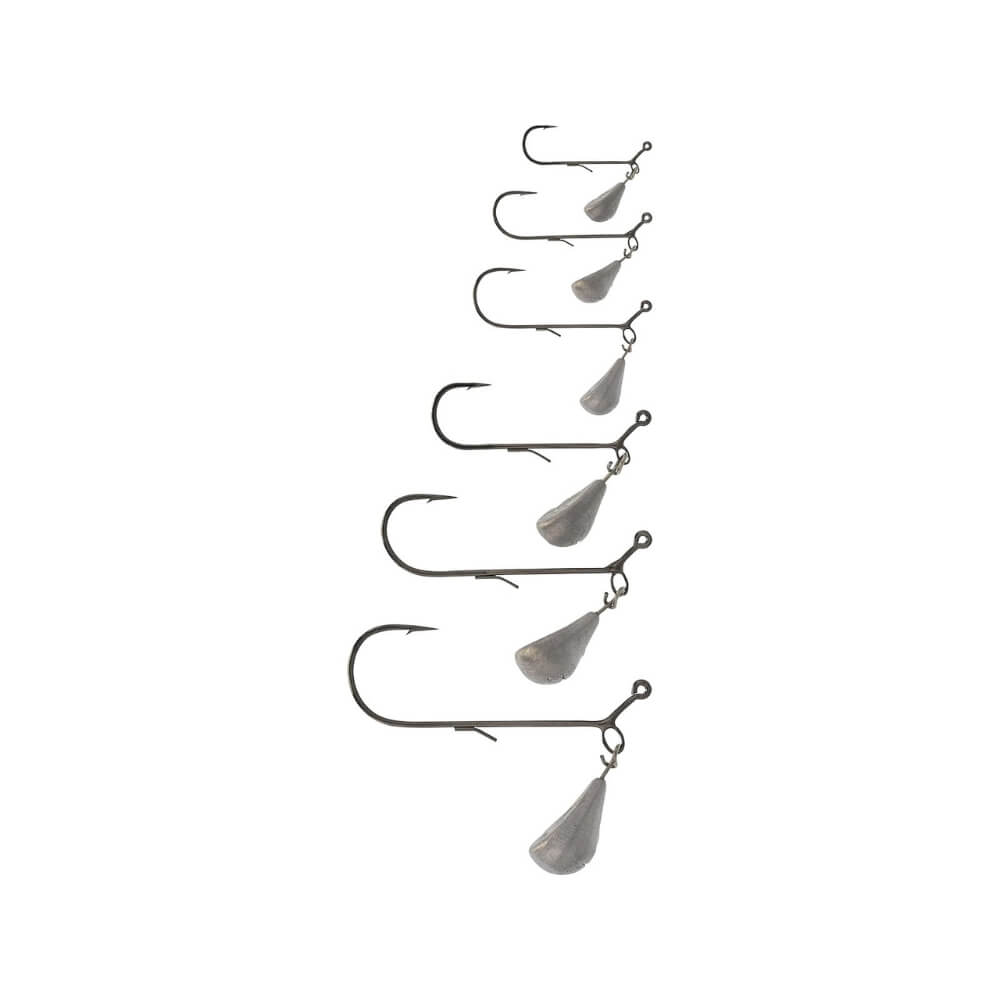
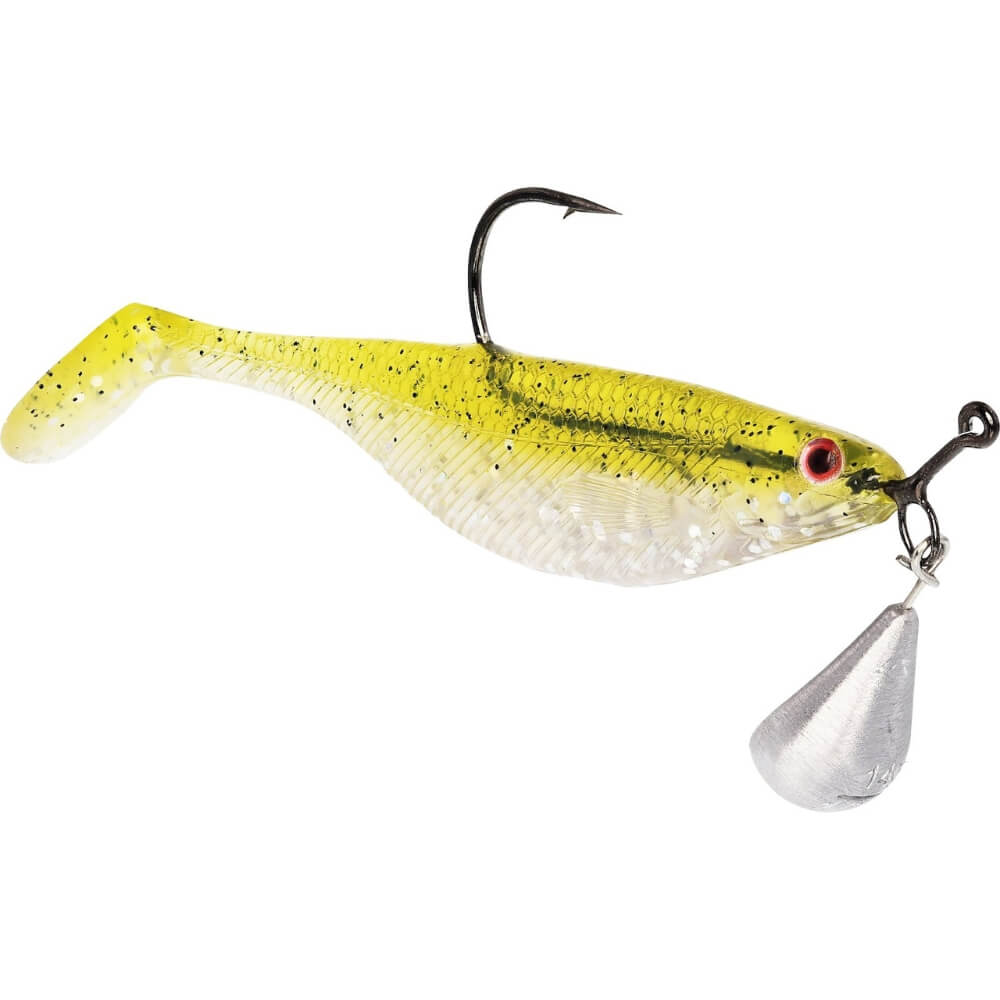


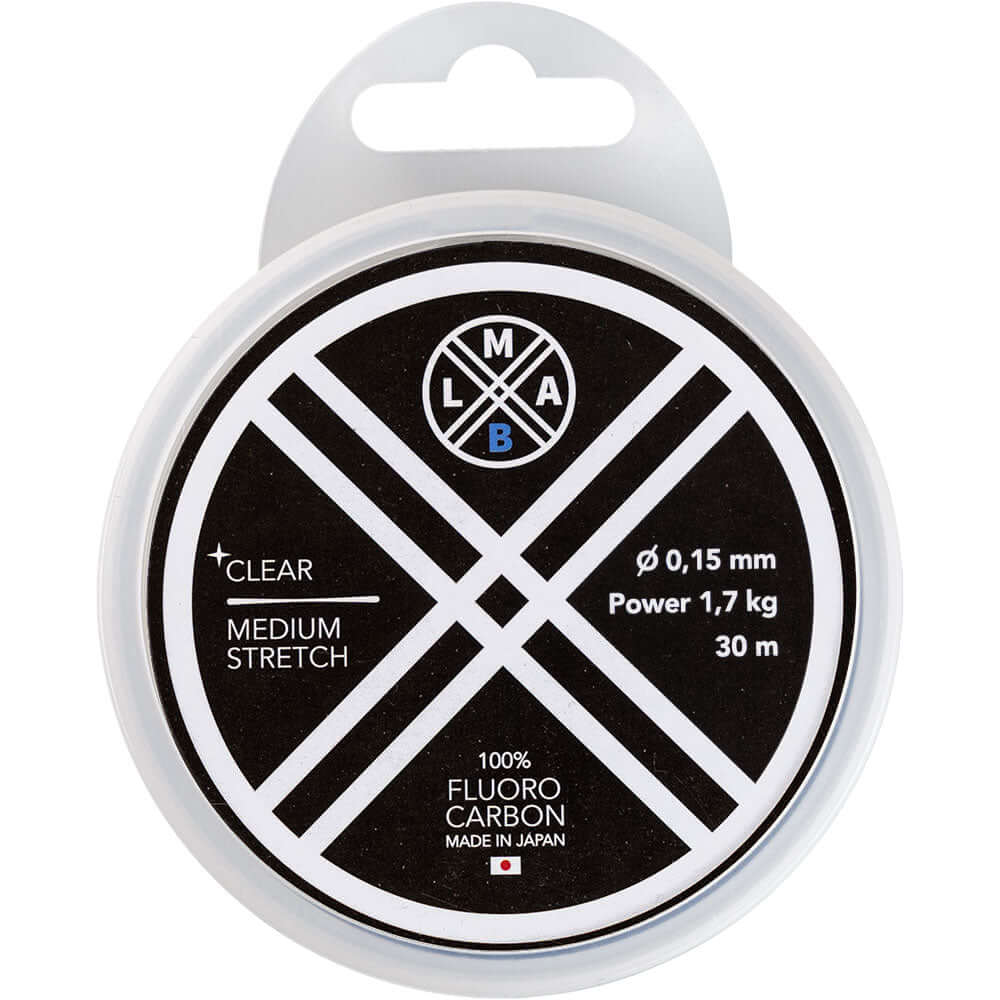
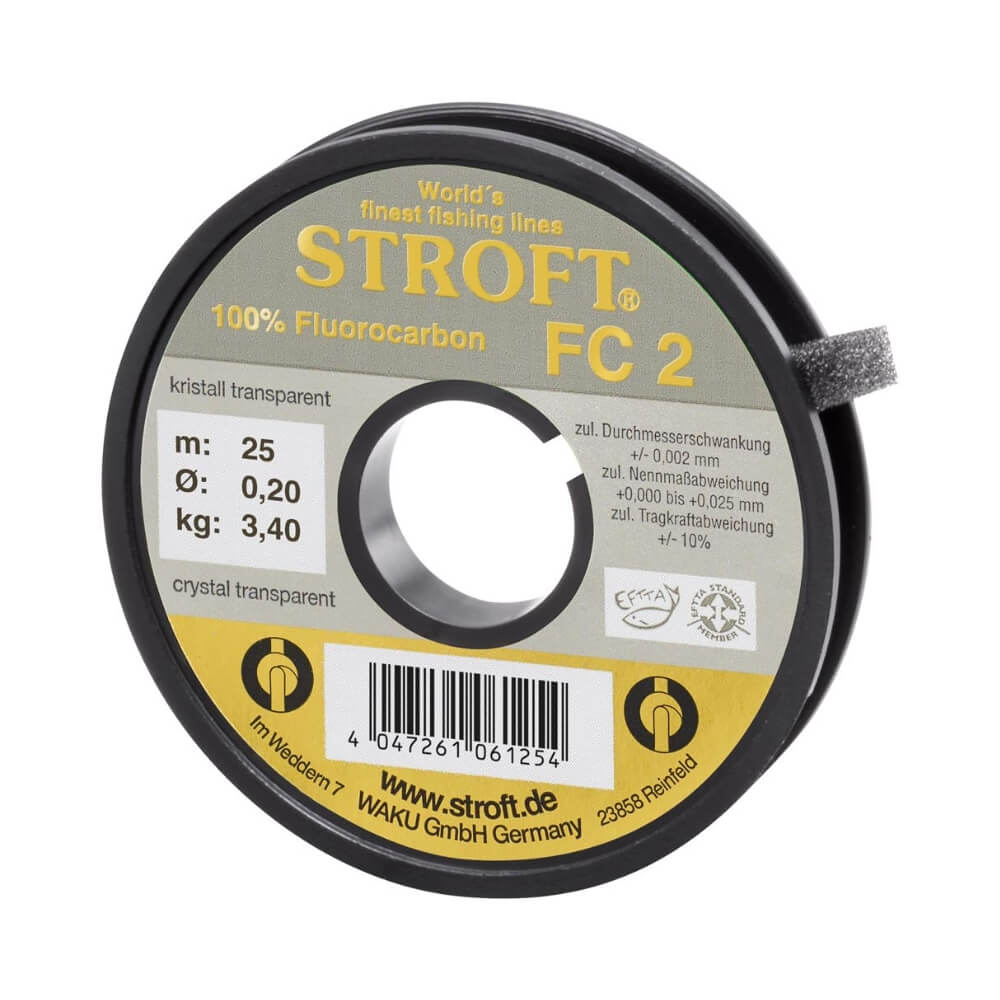
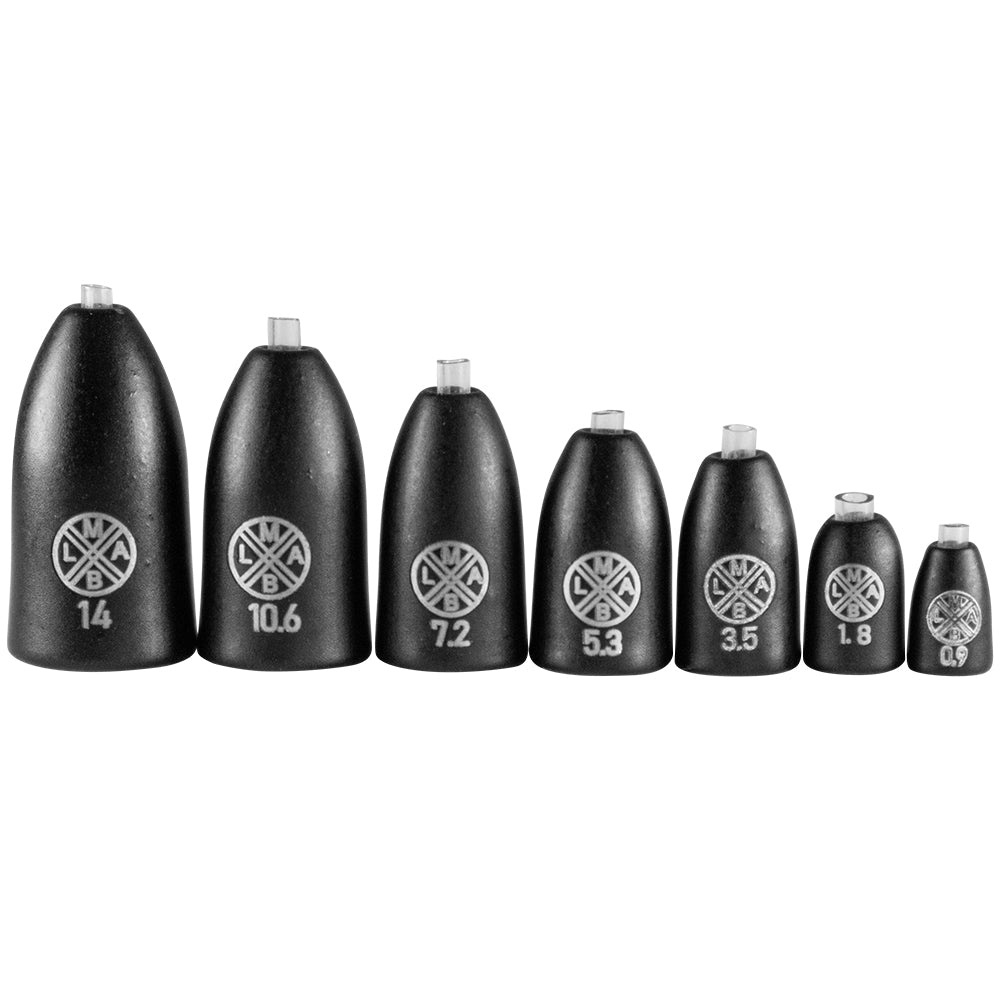
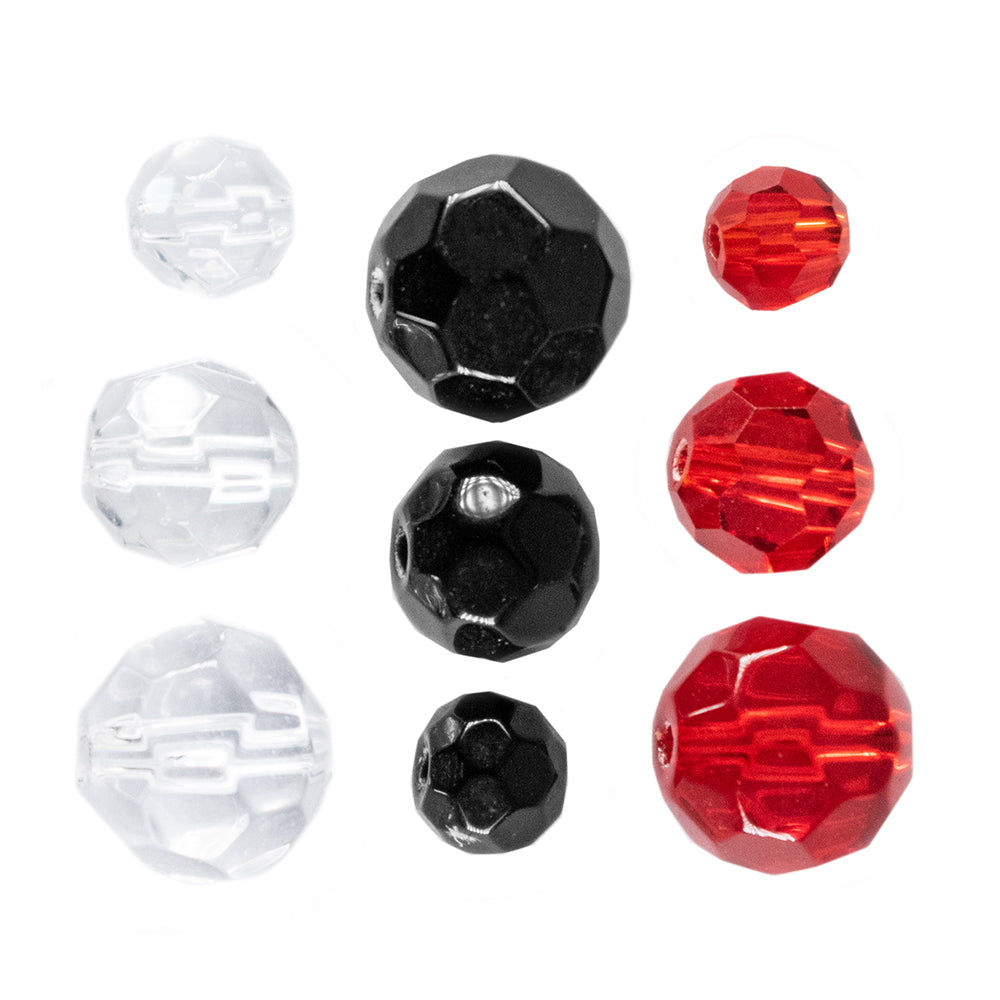
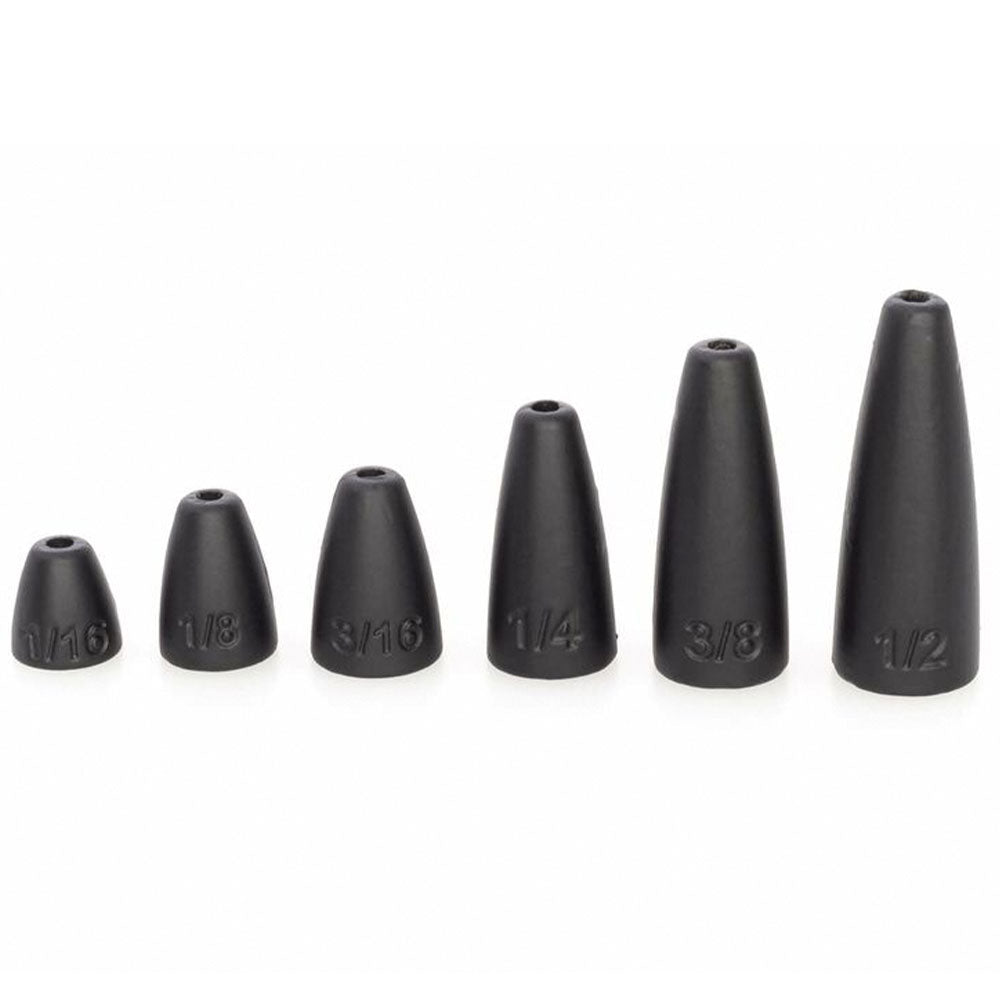
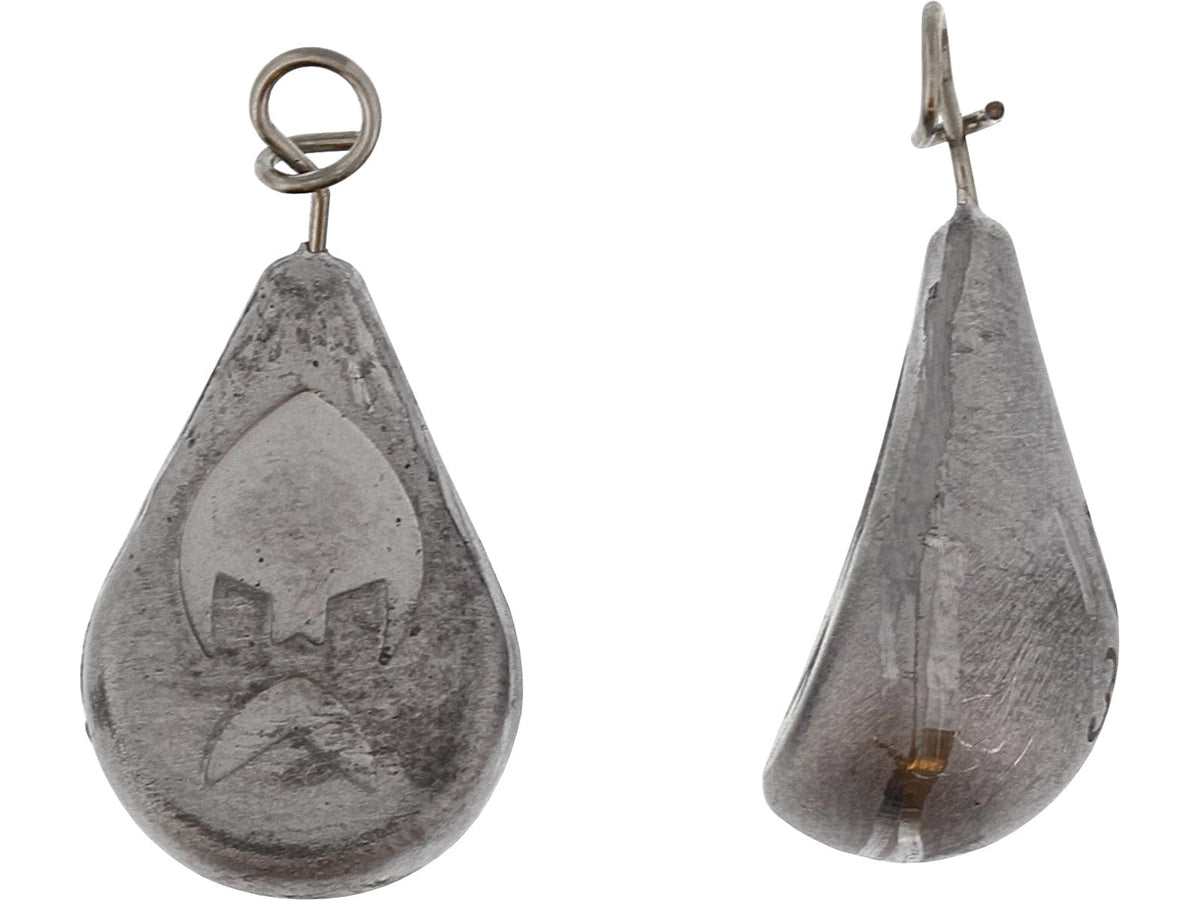
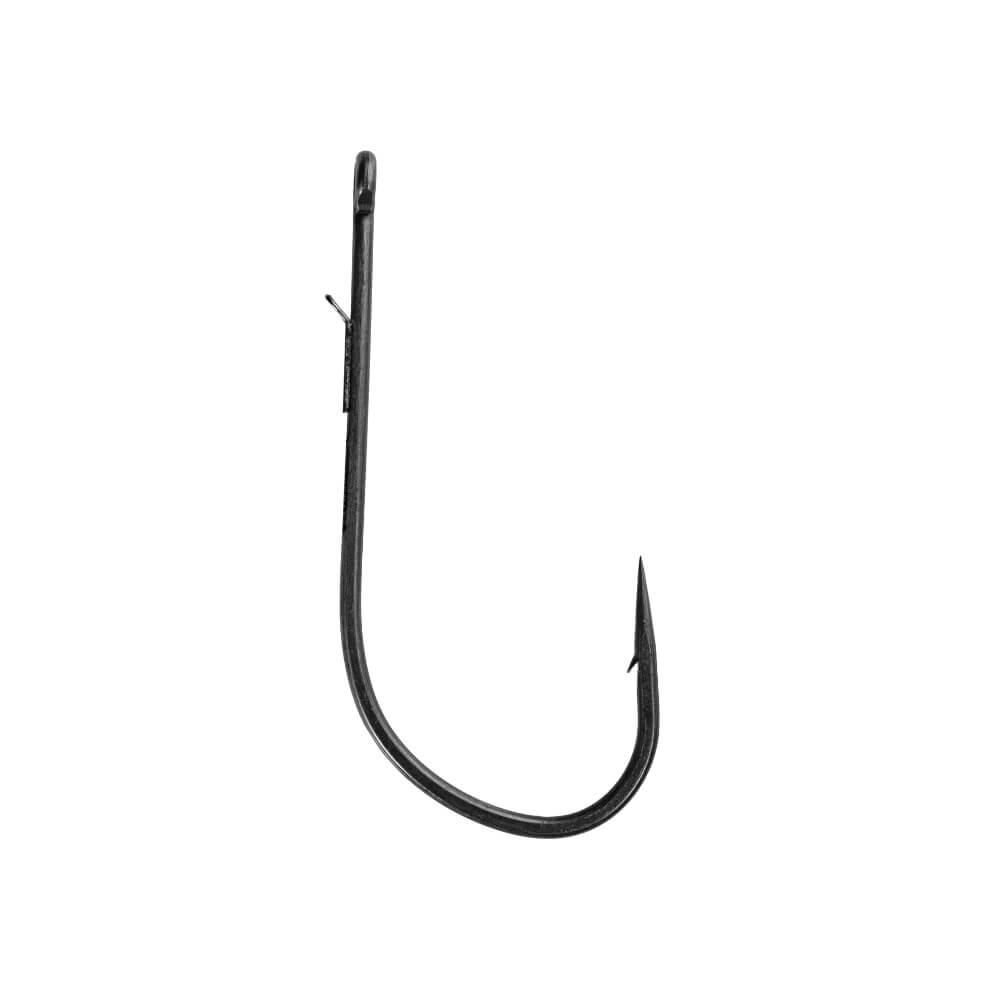
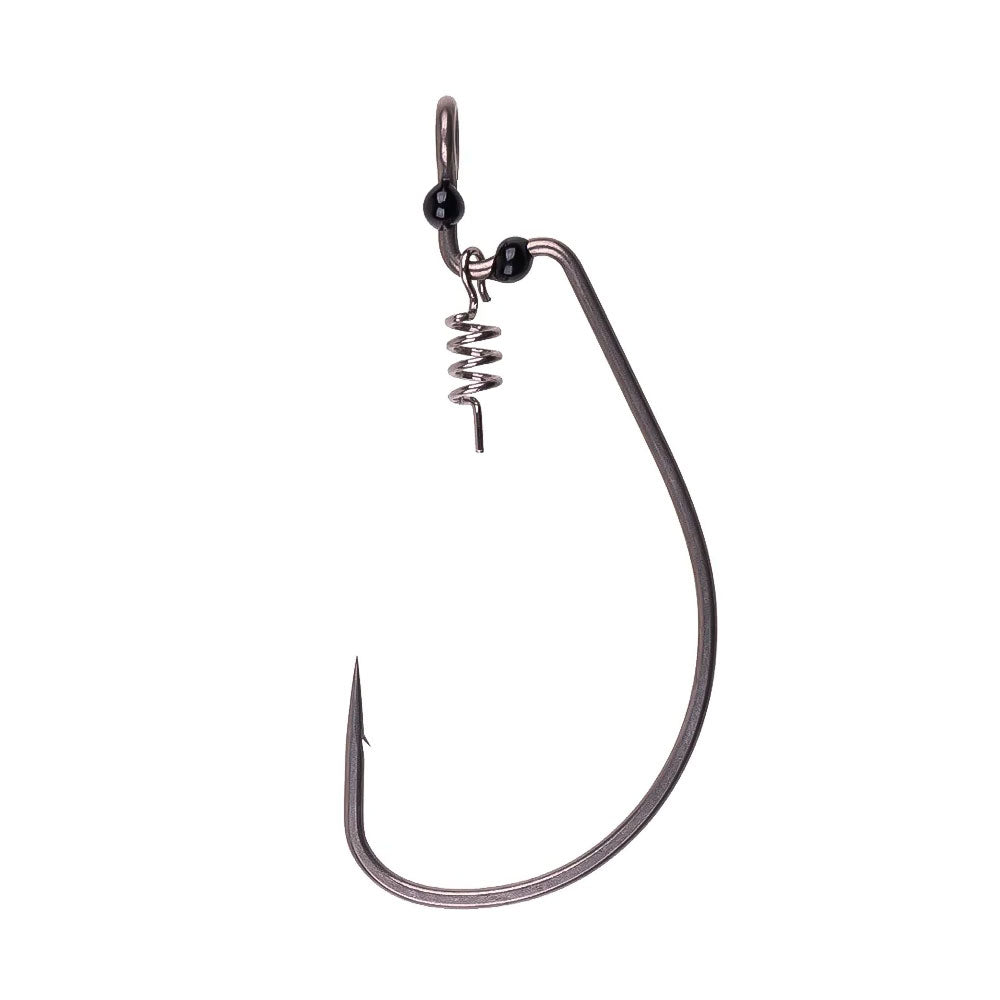
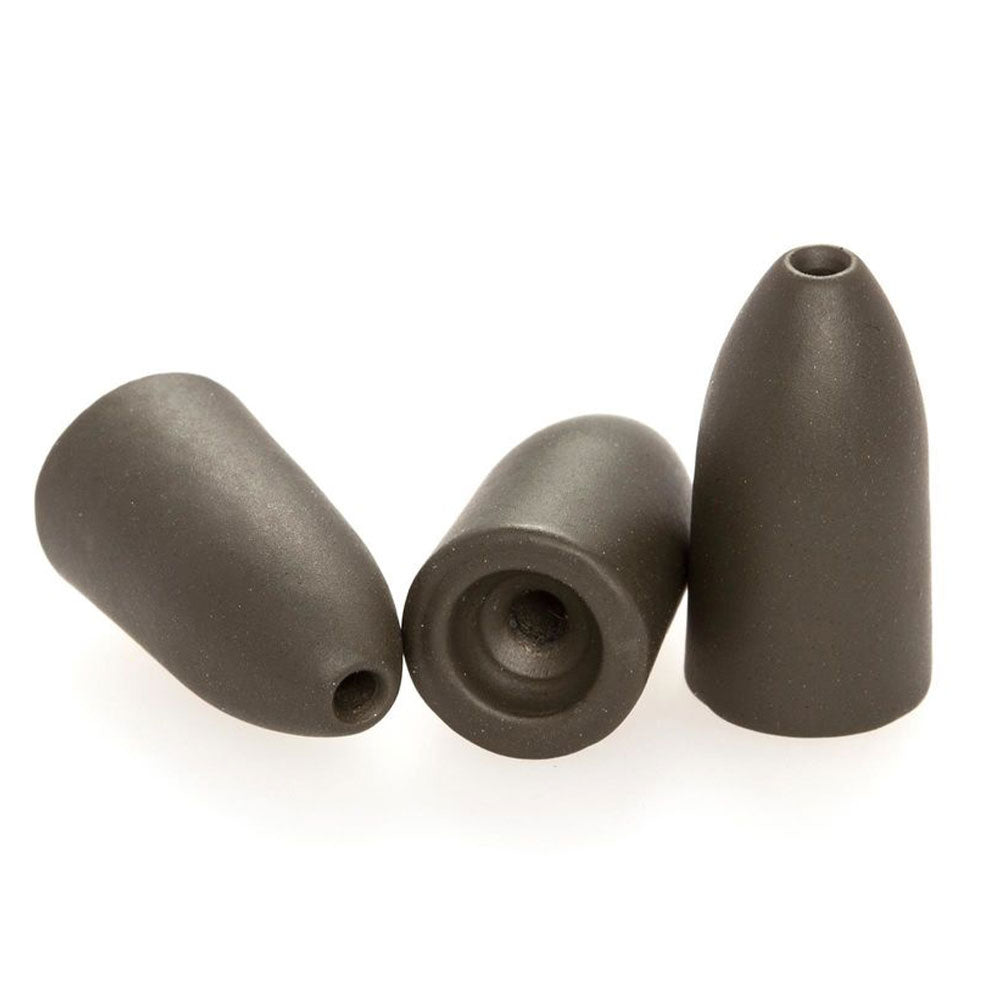
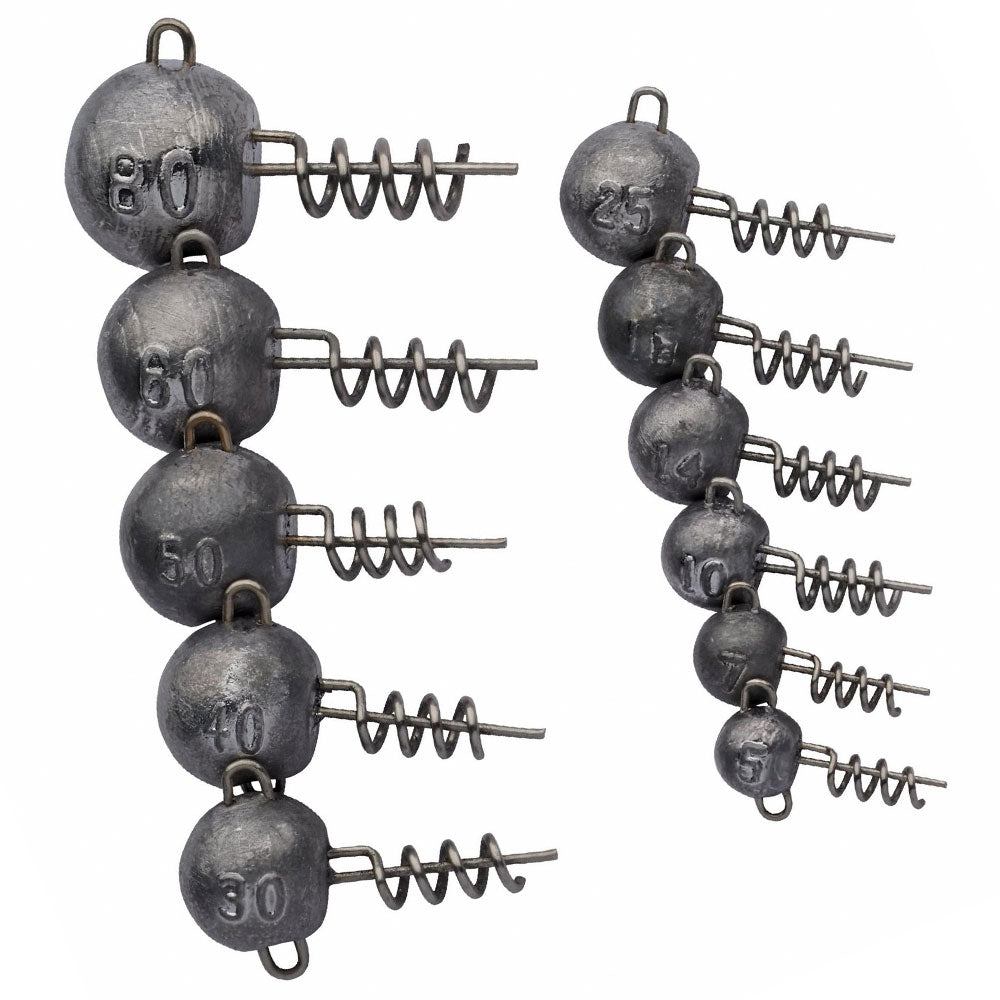
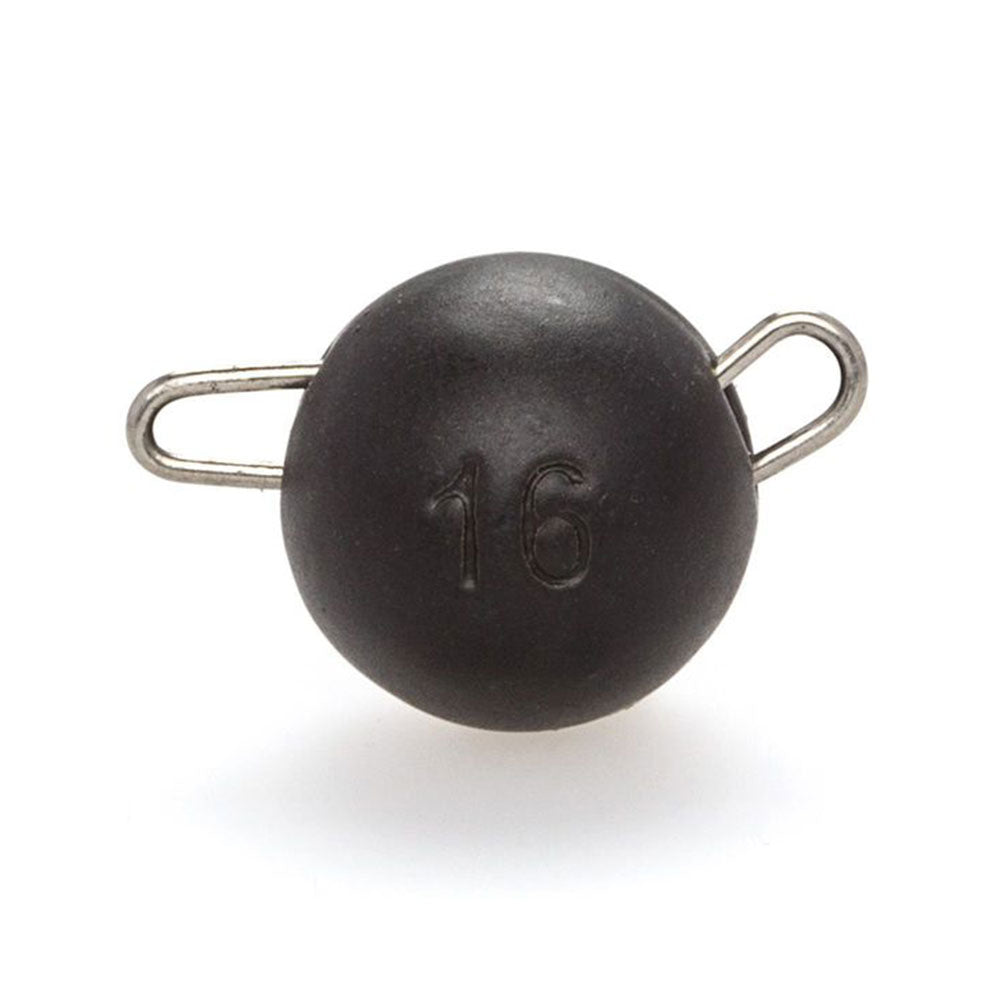
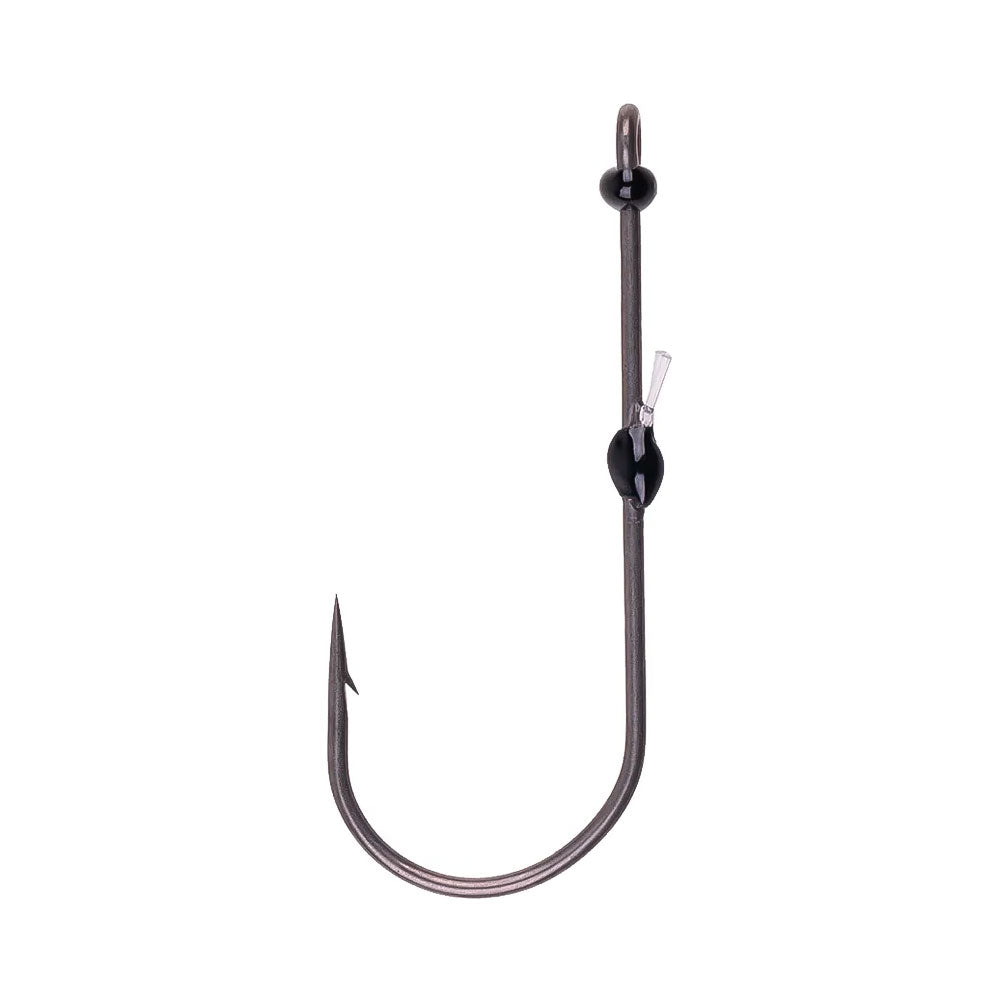
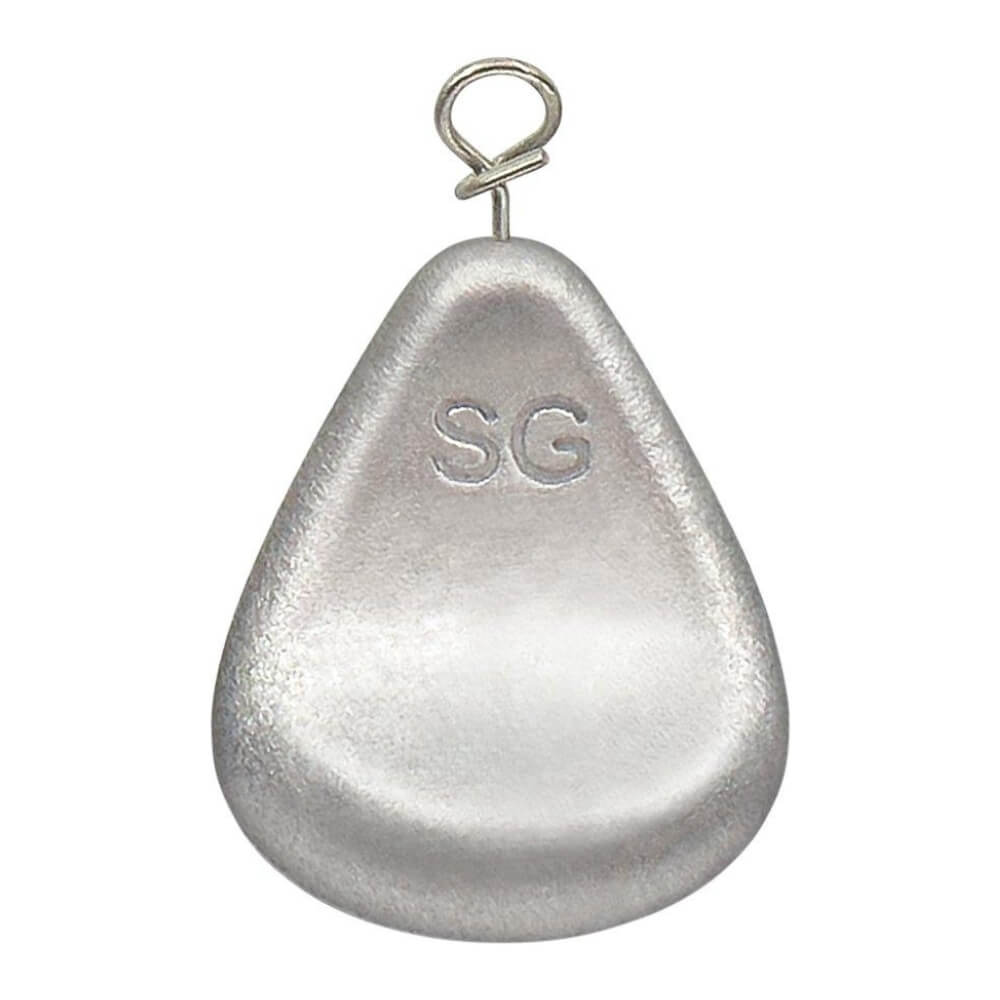
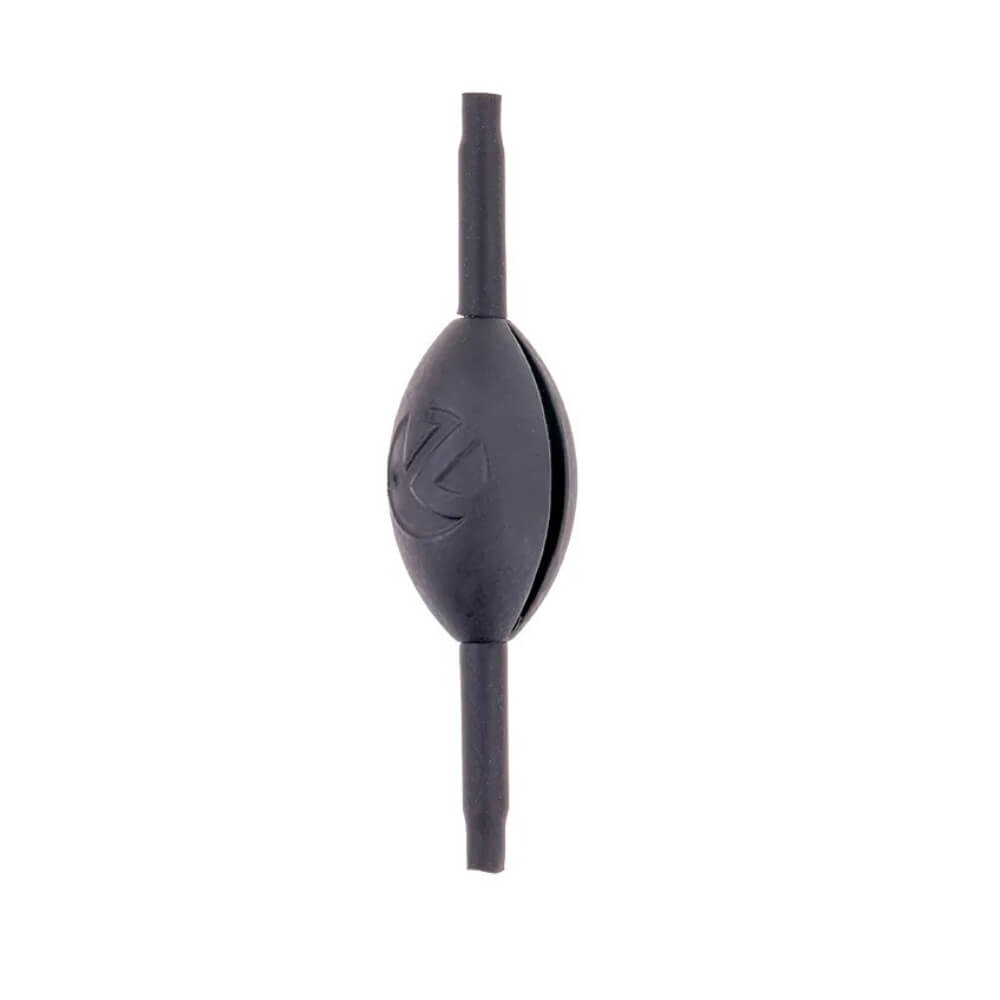
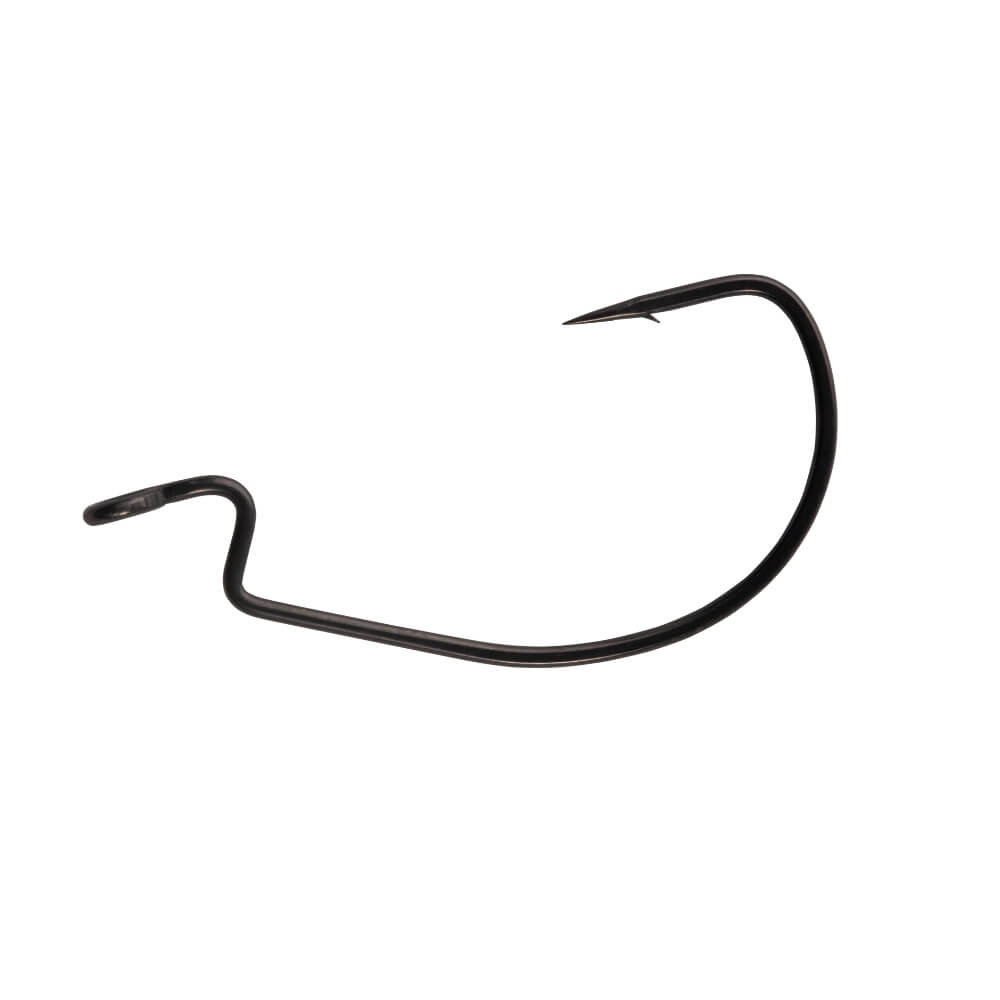
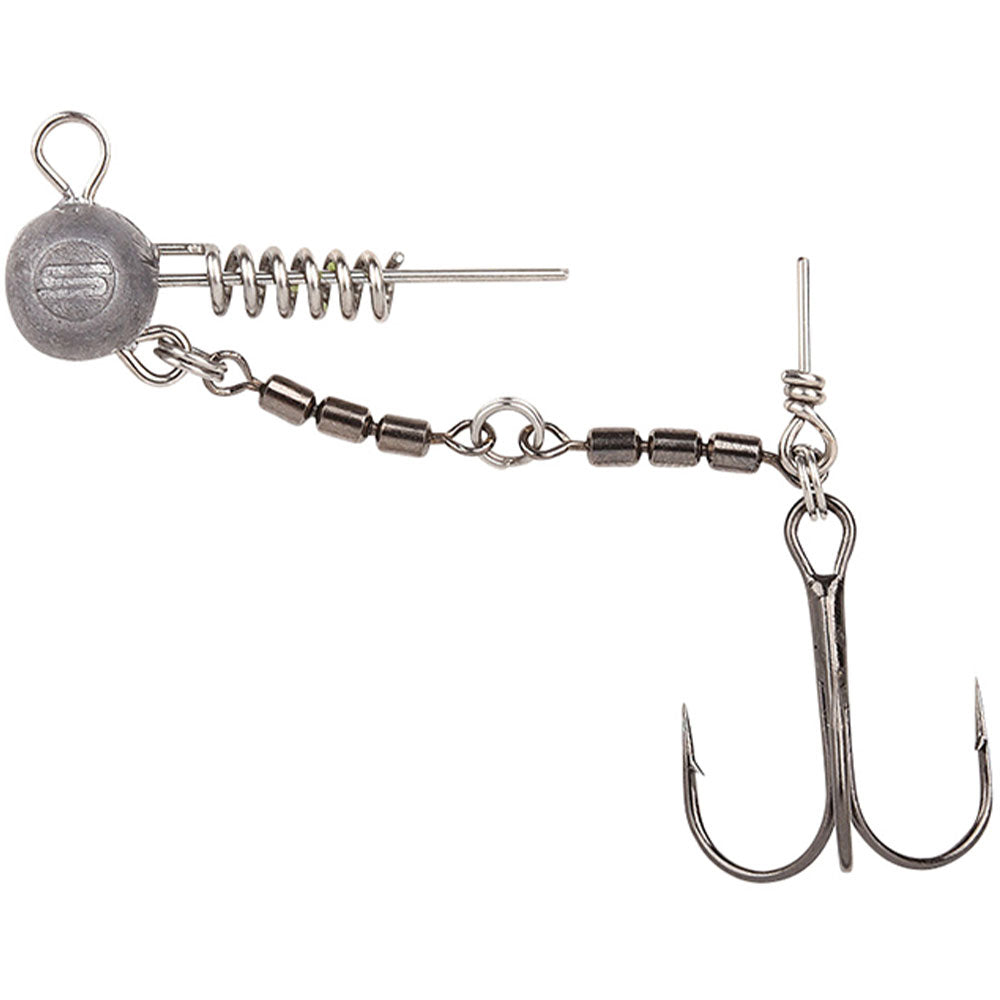
<h2>Finesse Rigs</h2><p>The first finesse rigs were developed in the USA during the 1950s. At that time, fishing legend <em>Nick Creme</em> in Ohio devised a rig for <strong>fishing largemouth bass with worm imitations</strong>. It proved so effective that it was later produced and marketed on a large scale in Texas under the name we use today: the Texas rig, or T-rig. Alongside the Texas rig, the Carolina rig and the drop shot rig have both become firmly established in the domestic perch fishing scene. Each rig has its place and its advantages, yet they are frequently used incorrectly - or not at all. Beyond these three well-known set-ups, several further rigs have emerged as variations. This short guide gives you an overview of the hardware required and the applications of each rig. More detailed information on building them, lure presentation and so on can be found in the individual subcategories.</p><table><tbody><tr><td><strong>Rig</strong></td><td><strong>What do I need?</strong></td><td><strong>Set-up</strong></td><td><strong>Application and advantages</strong></td></tr><tr><td><strong>Texas Rig</strong></td><td><ul><li>Either our complete starter set, or:</li><li>Bullet weight</li><li>Offset hook</li><li>Glass bead</li><li>Fluorocarbon</li><li>Baitholder (optional)</li><li>Texas stopper (optional)</li></ul></td><td>The Texas rig consists of a length of fluorocarbon leader that you either tie directly to your main line or clip in via a snap. In the latter case, the end of the T-rig facing the rod should carry a swivel. Either way, the rig is finished with an offset hook at the business end; thread a glass bead and then a bullet weight onto the line before it (order from the hook outwards: hook, bead, weight).</td><td><p>The T-rig is the first choice when it comes to <strong>fishing around submerged obstacles</strong>. There are two reasons for this: the soft plastic is mounted offset, with the hook point buried, and the compact construction of weight and hook prevents the rig from wrapping around branches and similar cover. The tapered shape of the bullet weight also allows it to slide through obstacles with minimal snagging.</p><p>On top of that, the soft plastic fishes <strong>virtually weightless</strong> on the T-rig, so you can fish it over-weighted and perch can still take it in easily as it slowly settles to the bottom.</p></td></tr><tr><td><strong>Carolina Rig</strong></td><td><ul><li>Either our complete starter set, or:</li><li>Bullet weight</li><li>Offset hook</li><li>Glass bead</li><li>Fluorocarbon</li><li>Baitholder (optional)</li><li>Texas stopper, snap and swivel (optional)</li></ul></td><td>The C-rig consists of a length of fluorocarbon with an offset hook at one end. This is connected via a swivel and a snap to a second length of fluorocarbon, onto which (reading from the hook towards the rod) a bead and a bullet weight are threaded. This second section can be tied directly to the main line or attached to it using a swivel and snap (order: hook on one length of fluorocarbon, swivel, snap, bead, weight).</td><td>The properties of the T-rig shift considerably with the Carolina rig. You can still fish weedless thanks to the offset hook, and the great strength of the C-rig is that the soft plastic always maintains a distance from the weight - depending on the length of the fluorocarbon section - and therefore sinks <strong>in slow motion</strong> to the bottom. This makes it <strong>well accepted even by the most cautious fish</strong>. However, you trade these benefits for reduced snag resistance; in woody cover, for example, the leader can quickly wrap around a branch.</td></tr><tr><td><strong>Drop Shot Rig</strong></td><td><ul><li>Drop shot weight</li><li>Single hook</li><li>Fluorocarbon</li></ul></td><td>The drop shot rig consists of a length of fluorocarbon with a drop shot weight at the end. Above this weight - at whatever height you want your soft plastic to run above the bottom - a hook is attached so that it stands out at a right angle from the line. The rig can again be tied directly to the main line or connected via a swivel and snap.</td><td>The great advantage of the DS-rig is that you can present your soft plastic very slowly at a <strong>defined distance above the bottom</strong>. You can also hold the soft plastic completely still and pick apart hot spots with real precision. As with the other rigs, you can fish it heavily weighted without reducing your strike rate. The DS-rig also works effectively for vertical jigging.</td></tr><tr><td><strong>Wacky Rig</strong></td><td><ul><li>Single hook or micro jig head</li><li>Baitholder</li><li>Fluorocarbon</li></ul></td><td>The wacky rig is essentially a single hook on a fluorocarbon leader, which can be weighted with a jig head or fished unweighted. The soft plastic is hooked through its centre of gravity so that it hangs horizontally in the water.</td><td>This slightly unconventional rig is not suited to long casts or covering large areas of water. Instead, it lends itself to depths of up to around 5 m, where it can be used to <strong>work hot spots very precisely and fish them out effectively</strong>. Animated with a quivering rod tip, the soft plastic drifts almost weightlessly in the water and provokes bites from even the most wary predators.</td></tr><tr><td><strong>Kickback Rig</strong></td><td><ul><li>Drop shot weight</li><li>Single hook</li><li>Fluorocarbon</li></ul></td><td><p>The kickback rig is a variation of the drop shot rig. Here, however, the drop shot weight is mounted on a short side arm, while the soft plastic sits at the end of the leader - in line with the main line.</p></td><td>The kickback rig may look complicated at first glance, but choose the right length for the side arm carrying the weight and you will have no trouble with tangled lines. You fish the K-rig in essentially the same way as a drop shot rig: the heavy weight maintains excellent contact with the soft plastic, which you work close to the bottom with the rod tip. The rig also acts as a self-hooking set-up. Because the distance between the soft plastic and the weight is relatively short, a fish hooks itself shortly after taking the bait, which gives you a very good hook-up rate - yet the soft plastic remains light enough to be taken in easily.</td></tr></tbody></table>