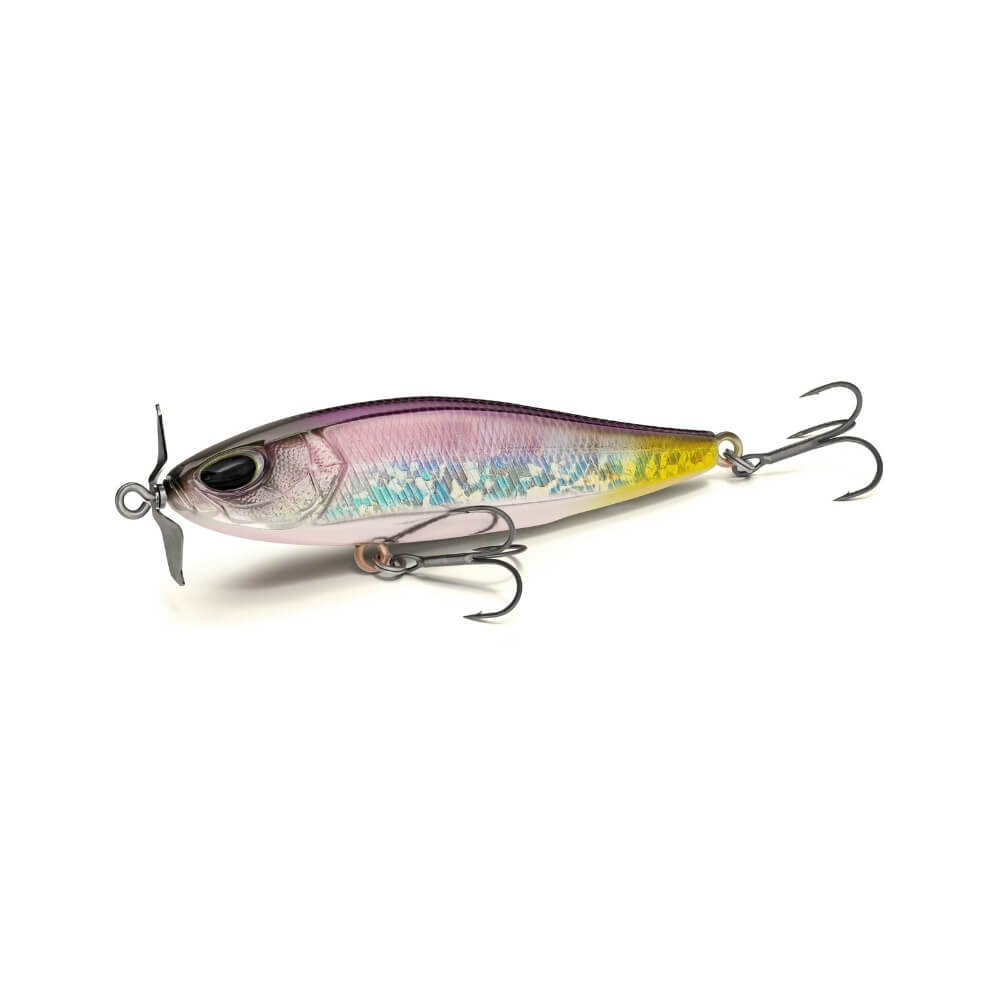
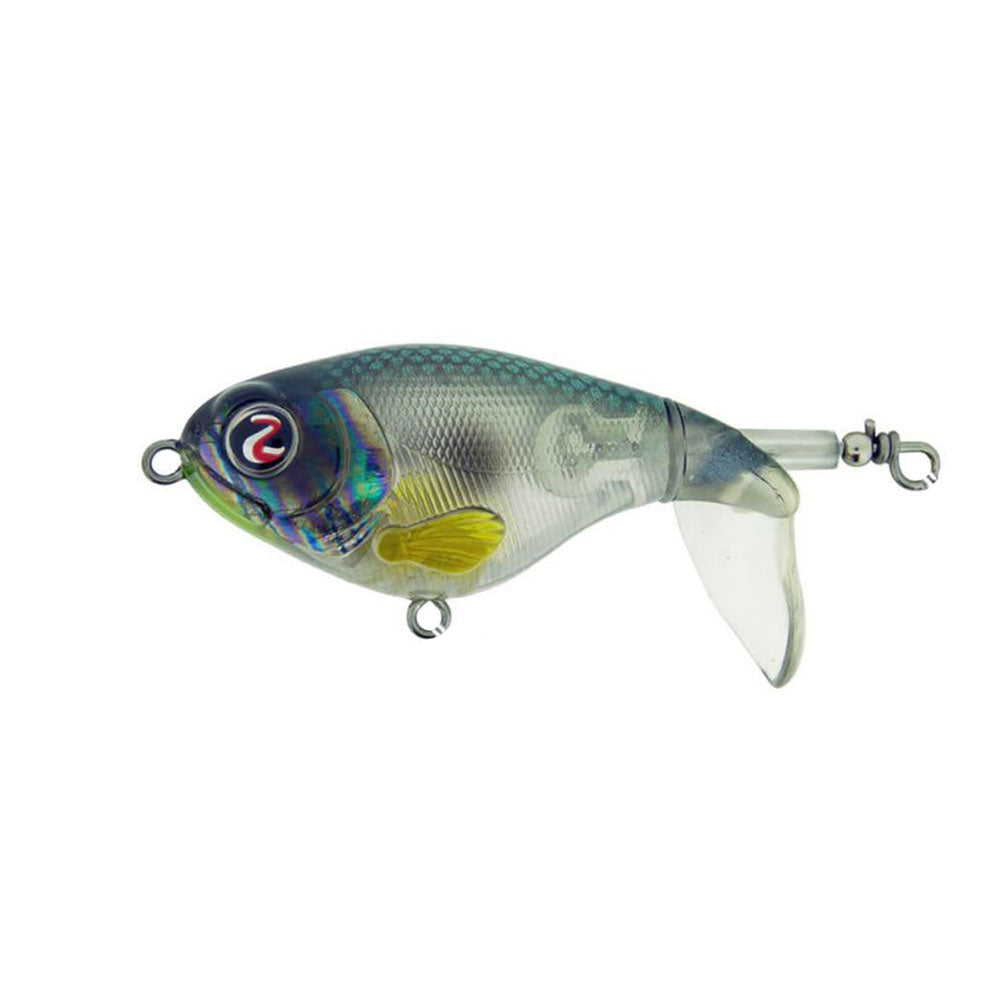
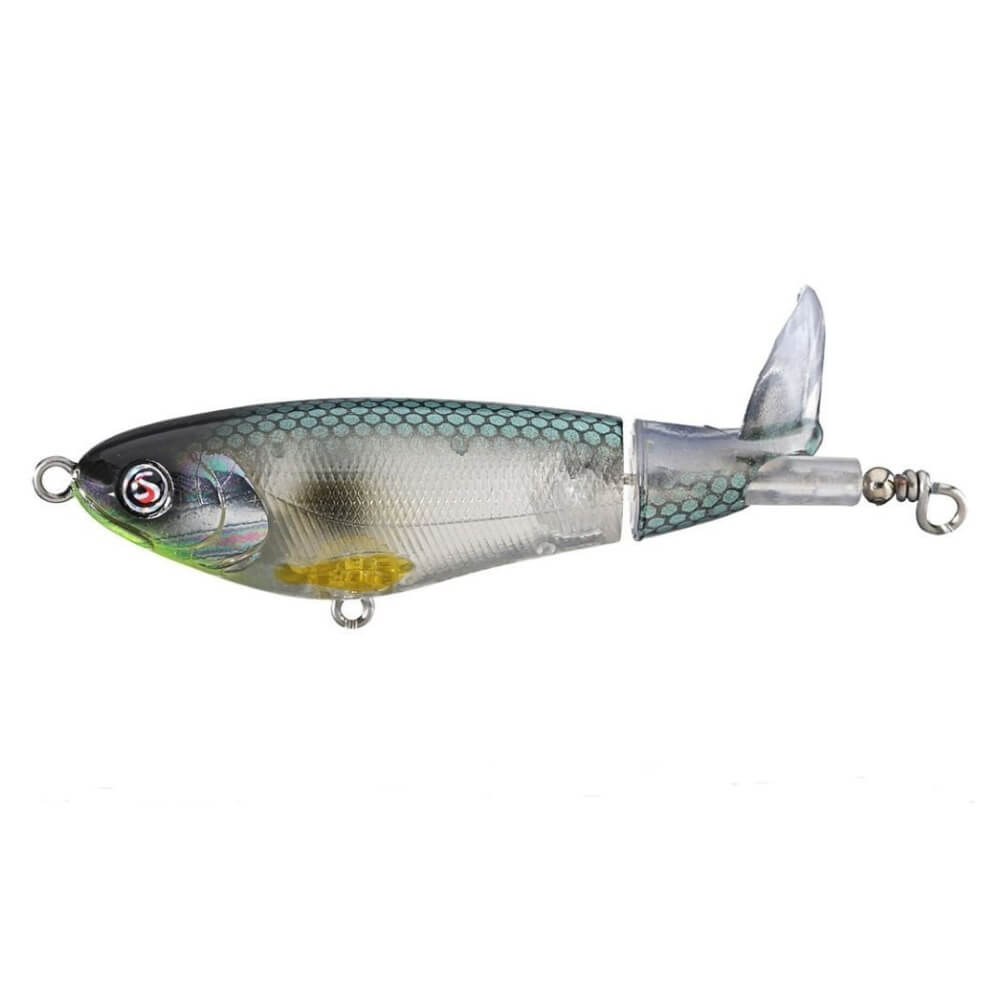
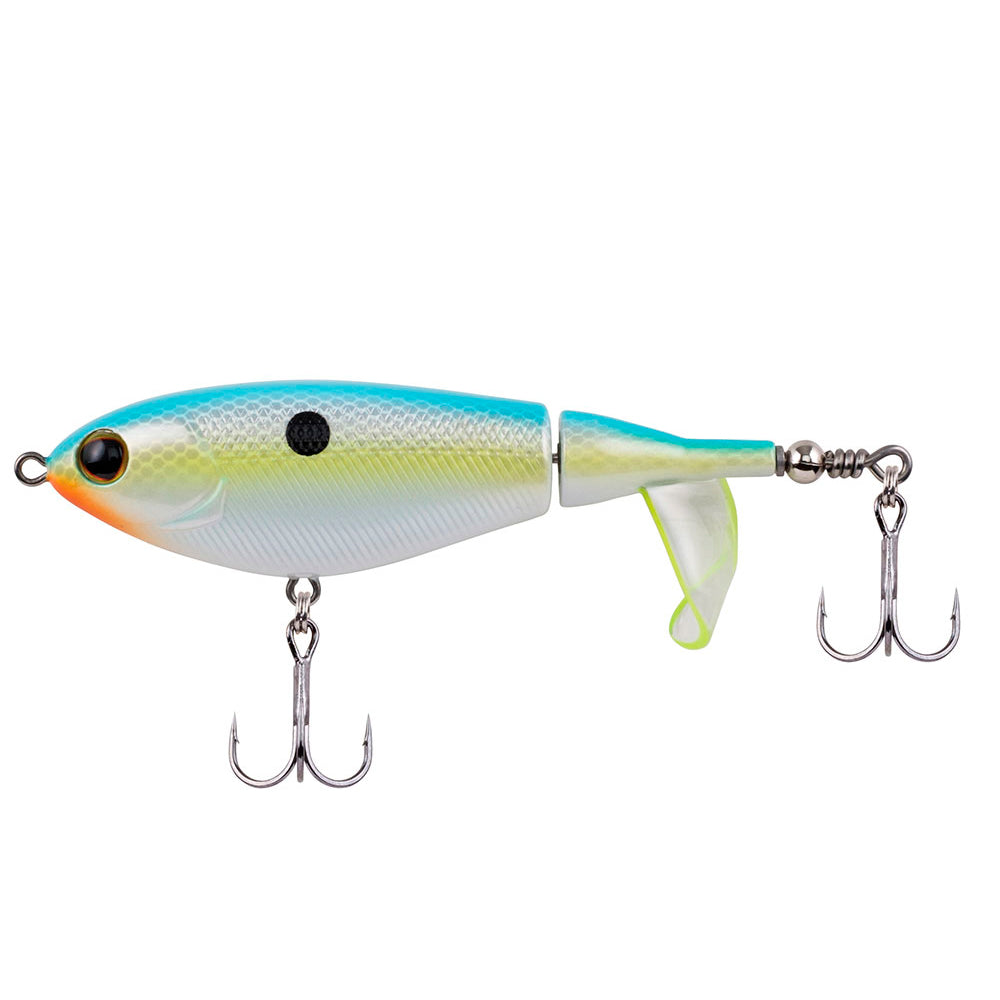
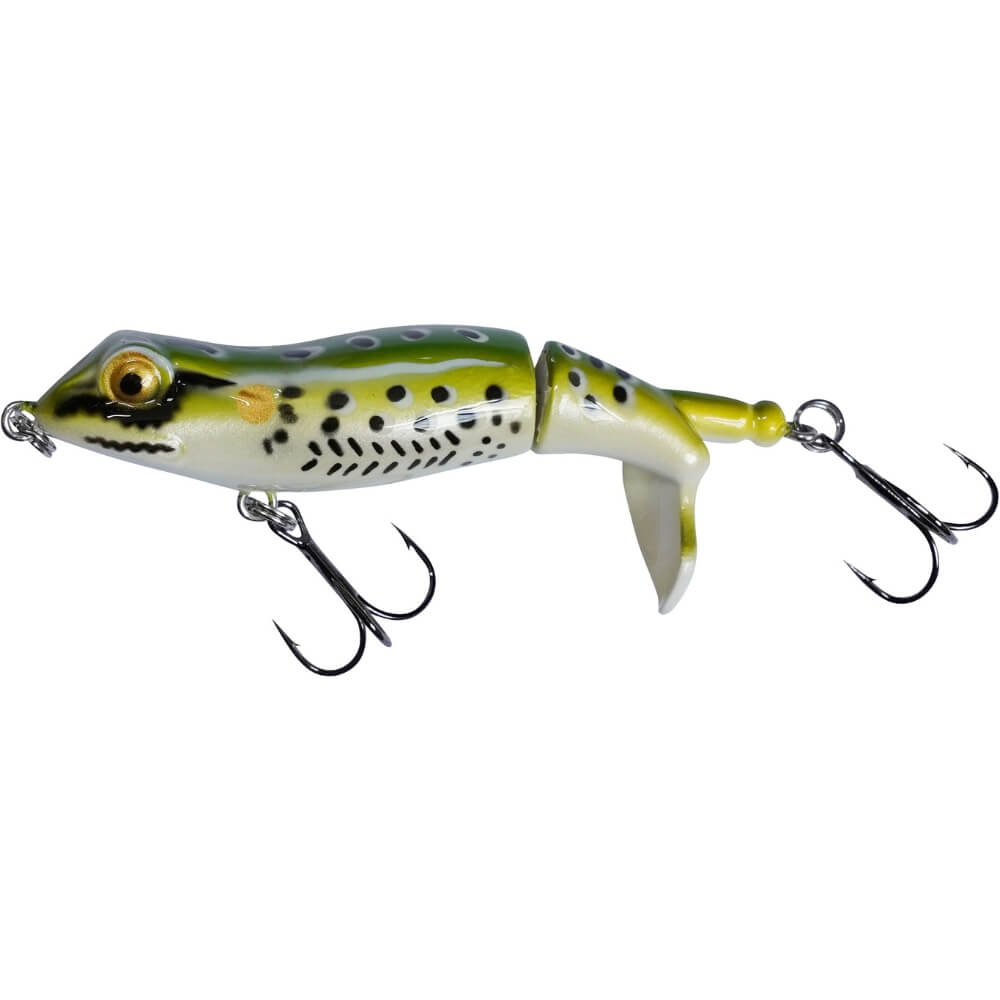
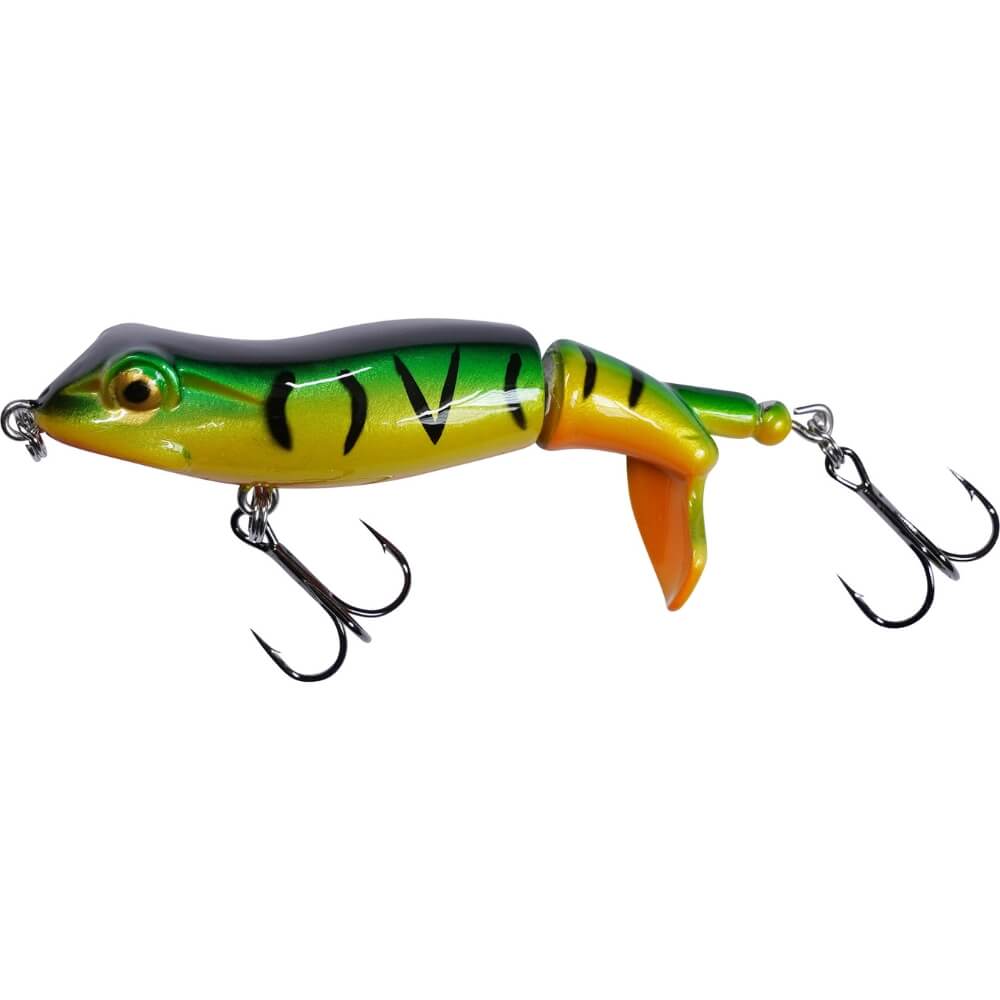
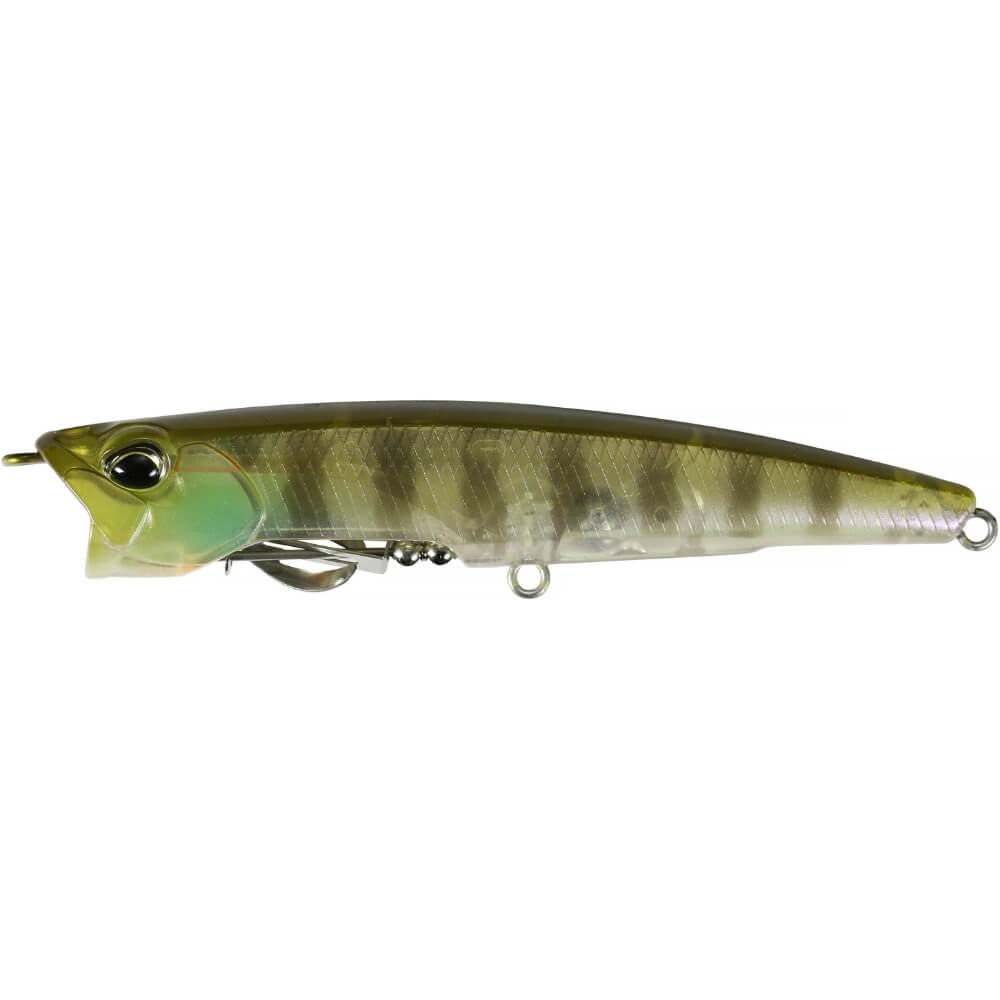
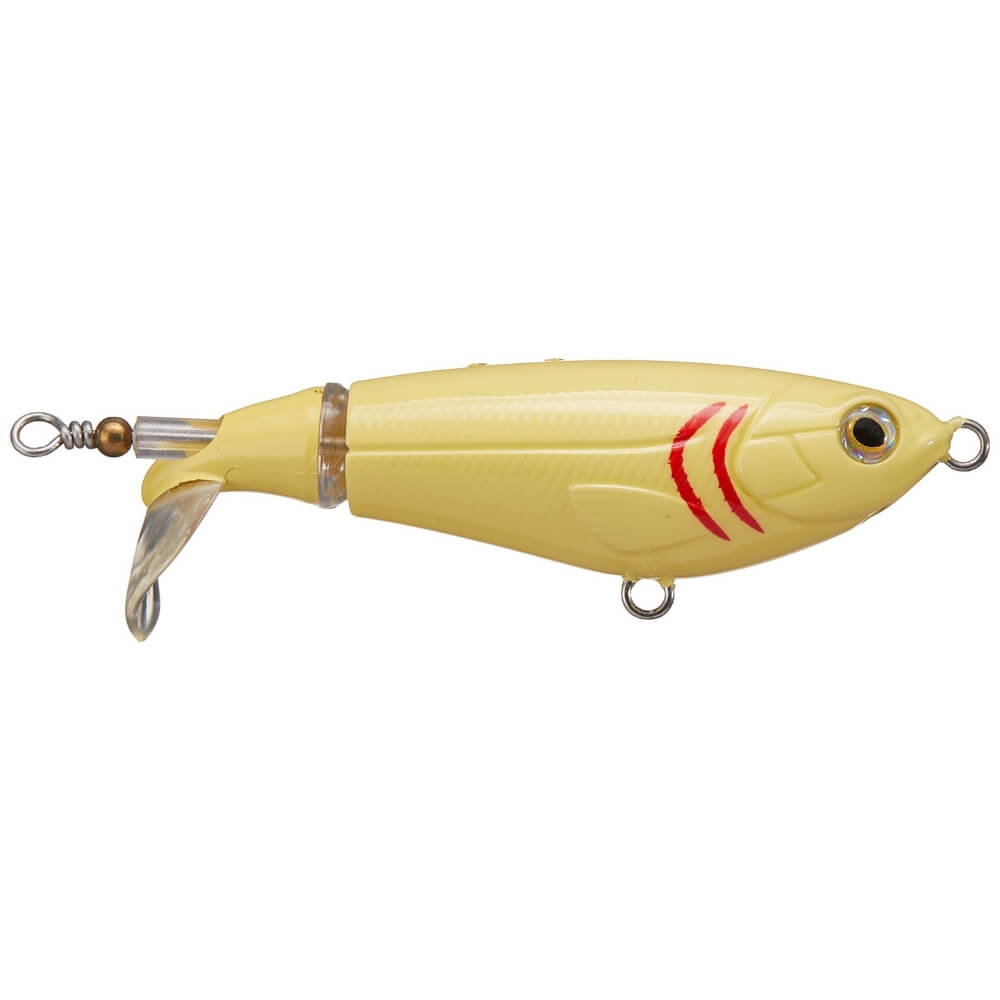
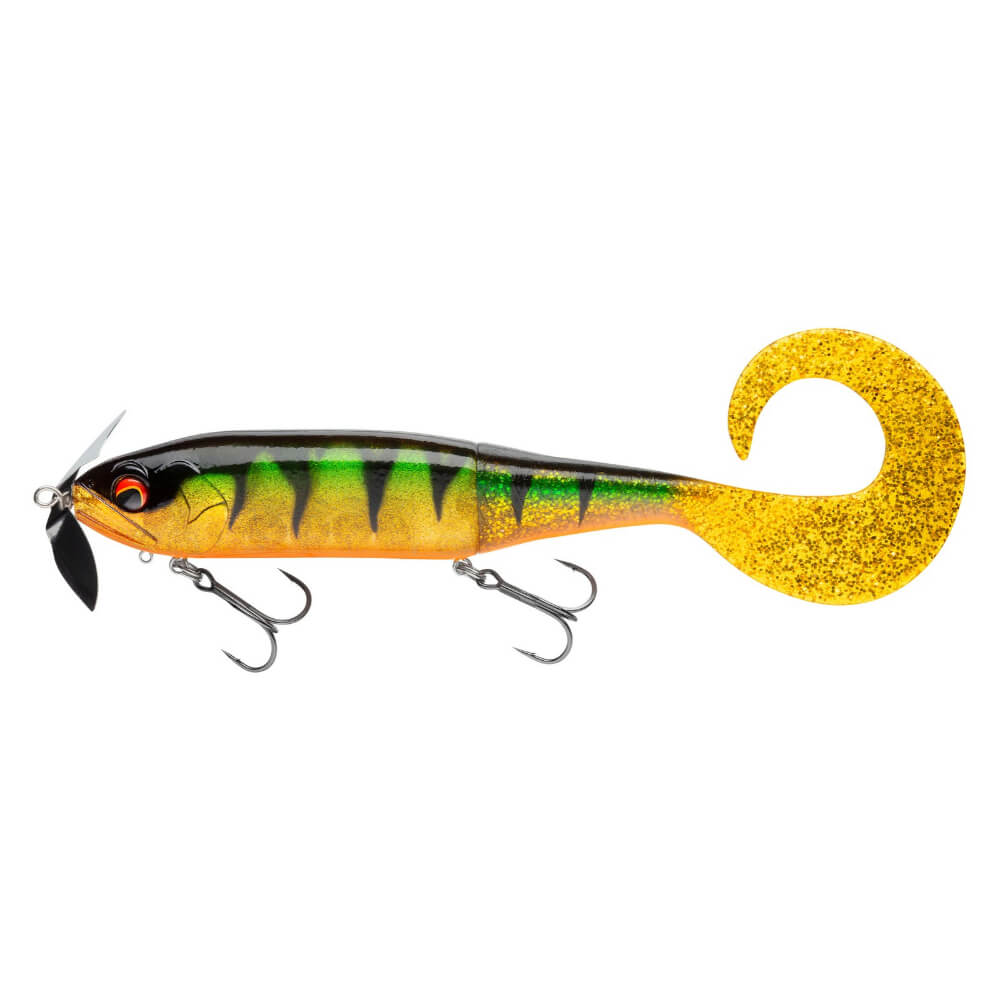
<h2>Buying Guide: Prop Baits</h2><p>Prop baits are cylindrical <strong>hard lures</strong> made from plastic, fitted with one or two propellers and fished on the surface. They make for straightforward fishing and deliver some serious adrenaline rushes!</p><img src="https://cdn.shopify.com/s/files/1/0548/9197/0669/files/River2Sea-whopper-plopper-130-Sardine.jpg" alt="Prop Bait" width="262" height="262"><h2>Where and How to Fish Them</h2><p>This style of <strong>surface lure</strong> - still relatively unknown in many markets - creates a real stir on the surface thanks to a rotating propeller mounted at the rear of the lure. Under tension, the propeller spins and produces a distinctive soundscape along with strong pressure waves and air bubbles. To a predator, this signals an injured baitfish that - in its final moments - is unable to dive and therefore represents an easy meal.</p><p>As a surface lure, a <em>prop bait</em> is ideally suited for working over weed beds, and you can steer it precisely around lily pads or other features with the rod tip. In spring, when predators are still holding close to their spawning areas, these lures make excellent companions for a fishing session. In summer, the early and late hours of the day are prime time for your <em>prop bait</em>. During these periods, small fish are feeding on prey - particularly insects - at the surface, and asp, pike and perch key in on this behaviour. When perch are herding shoals of small fish to the surface and going into a feeding frenzy, prop baits can produce truly memorable sport!</p><h2>Target Species and Retrieve Styles</h2><ul><li><strong>Asp</strong>: asp love chasing fast-moving prey at the surface - exactly what <em>prop baits</em> deliver. They track reliably even at full speed and cast well, putting you within range of feeding asp.</li><li><strong>Pike</strong>: pike are equally happy feeding on the surface. They will sometimes travel considerable distances for a good meal and can be drawn towards a spot by the noise and bubbles a prop bait creates. When targeting pike specifically, it pays to twitch the lure with short sharp rod movements and then let it sit for periods of between 1 and 5 seconds. Be aware, though - too aggressive a retrieve can spook pike!</li><li><strong>Perch and largemouth bass</strong>: perch in particular are enthusiastic surface lure targets in summer and respond well to a steady, brisk straight retrieve. It is not unusual to watch a small group of perch chasing the lure all the way in - extremely exciting fishing!</li></ul><p>In general, it is always worth building pauses into your retrieve and experimenting with different speeds. Depending on the mood of the fish, the approaches described above may need to be adapted. Anglers in the USA, for example, like to incorporate stops in the retrieve and rate prop baits particularly highly during the baitfish spawning period.</p><h2>Tackle</h2><p>As with all surface lures, <strong>short, stiff rods</strong> are the tool of choice here. They give you precise control of the lure on the surface and let you deliver direct twitches when needed. They also maintain the best contact with the lure - timing your strike correctly is something you need to learn when surface fishing. A mid-sized reel is perfectly adequate, and your <strong>line and leader</strong> should naturally be matched to the predators you are targeting. Thanks to the high buoyancy and the propeller, all line types can be used - within the first 30 cm of the retrieve the lure will be running on the surface.</p>