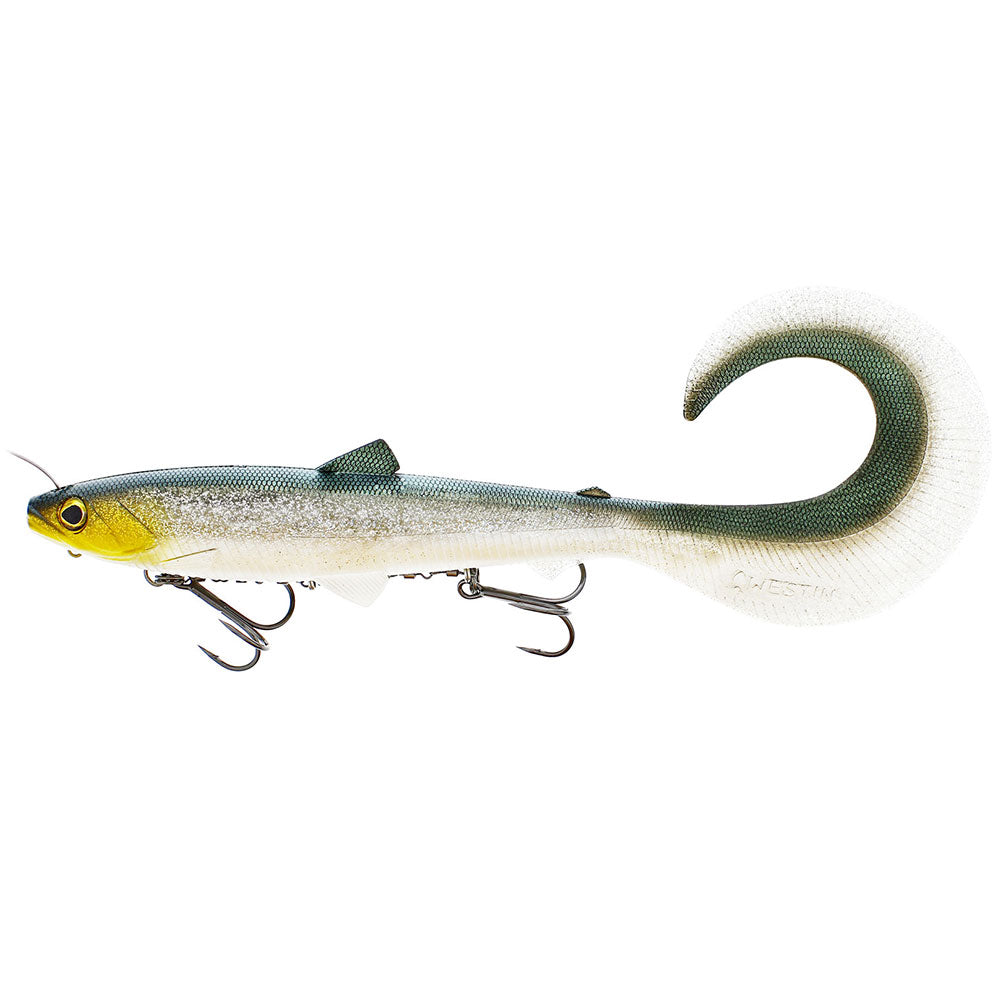
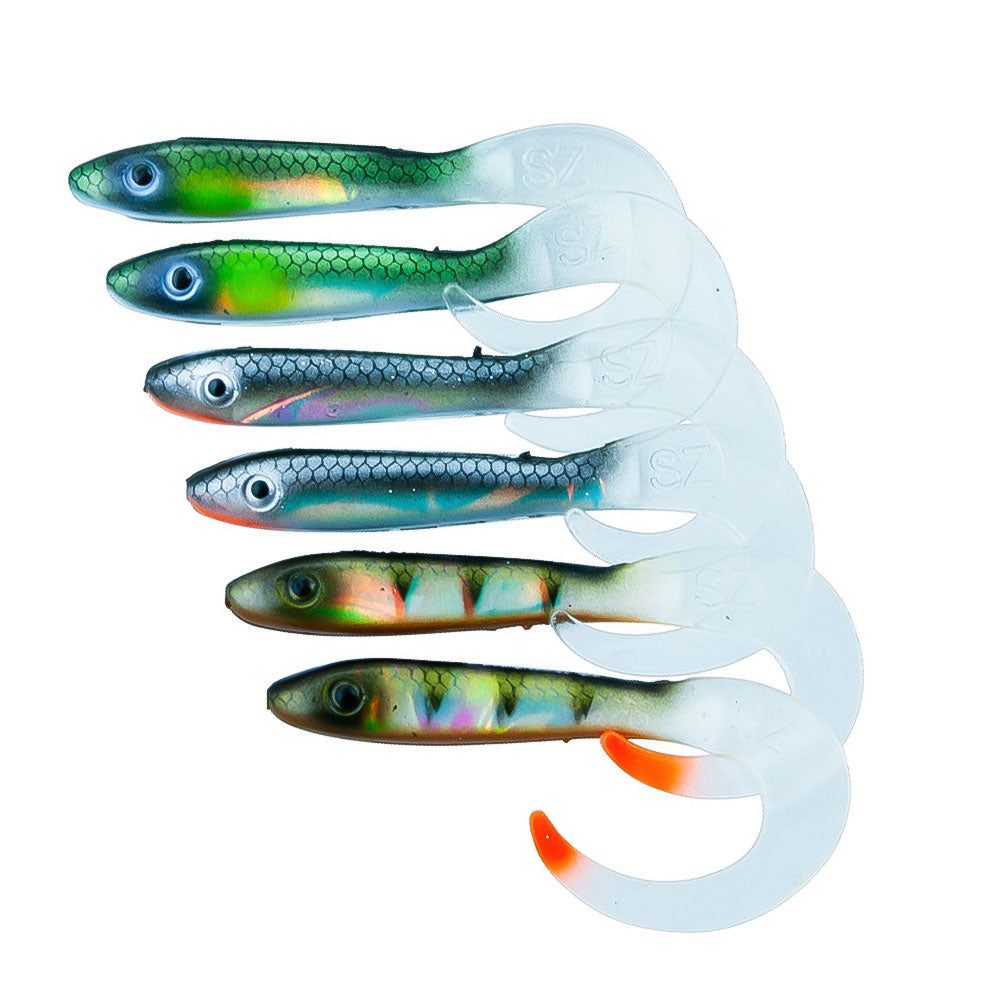
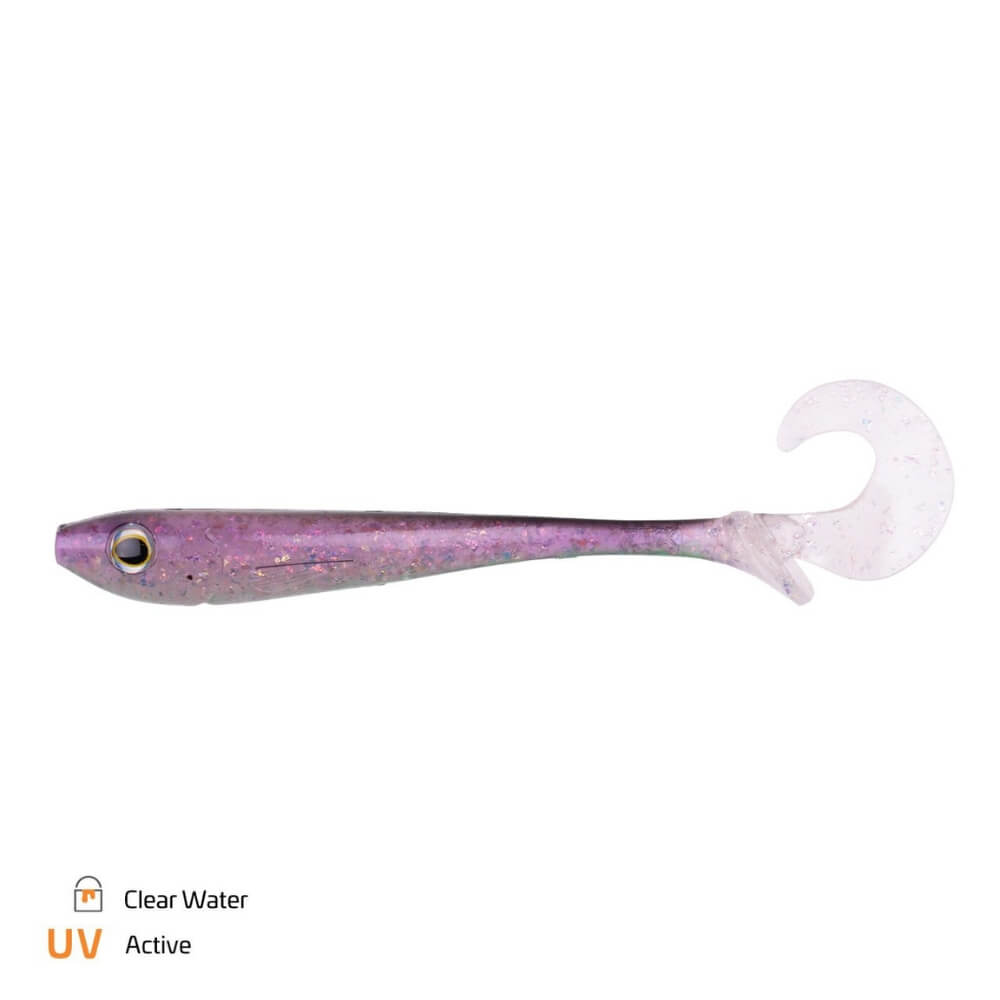
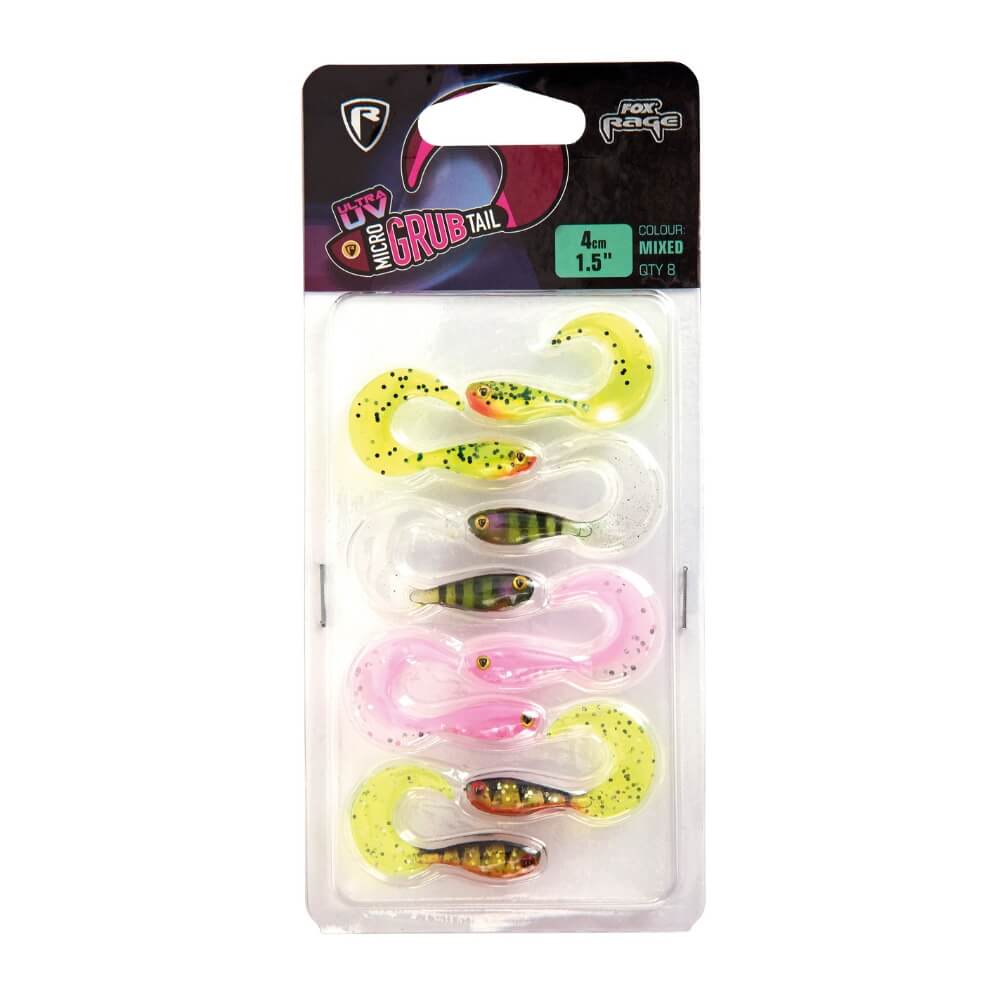
<h2>Buying Guide: Curly Tail Grubs</h2><p>In the early days of soft plastic development, curly tail grubs were the go-to choice for predator anglers. Over time, shads have largely taken that role, and only a handful of anglers now reach for the <strong>curly-tailed grub</strong> as their first choice. Yet the grub has lost none of its fish-catching ability. If anything, most fish encounter this style of lure far less often than a shad, so they tend to be less wary when one comes their way.</p><h2>Design and Construction</h2><p>A classic curly tail grub has a rounded, worm-like body with a flat, semicircular tail that tapers to a point. Under tension that tail wriggles and spins through the water, flashing the body's finish and sending out strong pressure waves that predators detect through their lateral line.</p><p>The grub earns its reputation on two counts: the <strong>high-frequency pressure waves</strong> it produces and the pulsing flash of its finish, both of which make it an outstanding search lure. The body itself remains stable during the retrieve - barely affected by the tail's action - which results in <strong>better bite conversion</strong> than you typically get with a standard shad.</p><p><img src="https://cdn.shopify.com/s/files/1/0548/9197/0669/files/Favorite-Select-Cheater-4-06cm-col-071.jpg" alt="Twister" width="200" height="200"></p><p>A more modern take on the classic design combines the curly tail with a fish-shaped body, blending the traditional grub action with a more natural profile.</p><p><img src="https://cdn.shopify.com/s/files/1/0548/9197/0669/files/Fish-Arrow-Flash-J-Grub-45-112-Inakko-Silver.jpg" alt="Twister am Fischkörper" width="248" height="132"></p><h2>Where to Use Them, Rigs and Presentation</h2><p>You can fish curly tail grubs in almost any situation. The main exception is zander fishing in fast main-channel current, where a shad tends to be the better call. Everywhere else, grubs are excellent for covering large areas of water quickly: <strong>fished on a jig head</strong> and cranked through the layers, short pauses let the grub drop temptingly for a few centimetres while the tail keeps working and slows the fall. Grubs are also superb weed lures. Rigged on an <strong>offset hook</strong> with a Texas or Carolina rig, they become completely weedless, and unlike a shad they won't roll onto their side or keel over during a weightless drop. In light current, a <strong>drop shot rig</strong> is well worth trying: a grub nose-hooked on a drop shot performs beautifully even with the rod tip held still, as the water movement alone animates the tail. This approach works just as well for trout, which will readily attack a small grub.</p><p>Classic jigging or a slow, lazy retrieve both suit the grub perfectly. A steady retrieve is particularly effective for pike, while <strong>jigging or a slow bottom-hopping presentation</strong> is the better choice for perch and zander holding close to the bottom. When fish are reluctant to commit, work the lure as slowly as possible; when they're feeding aggressively, a twitch of the rod tip before each drop tends to produce the best results.</p>