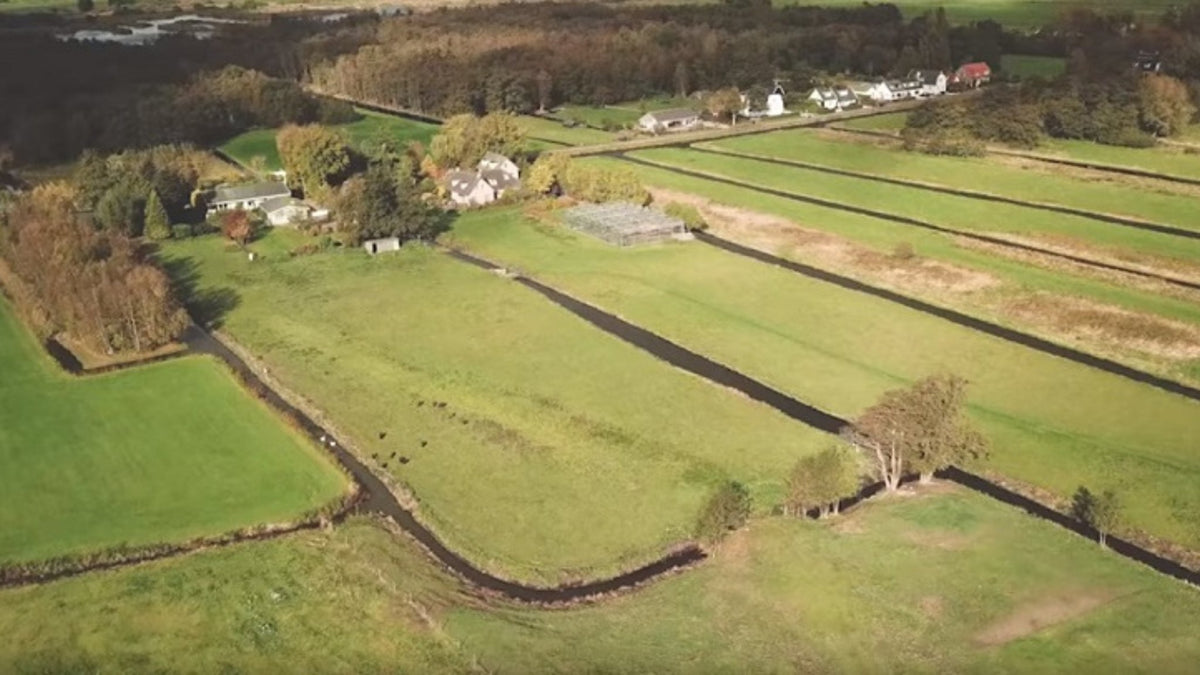
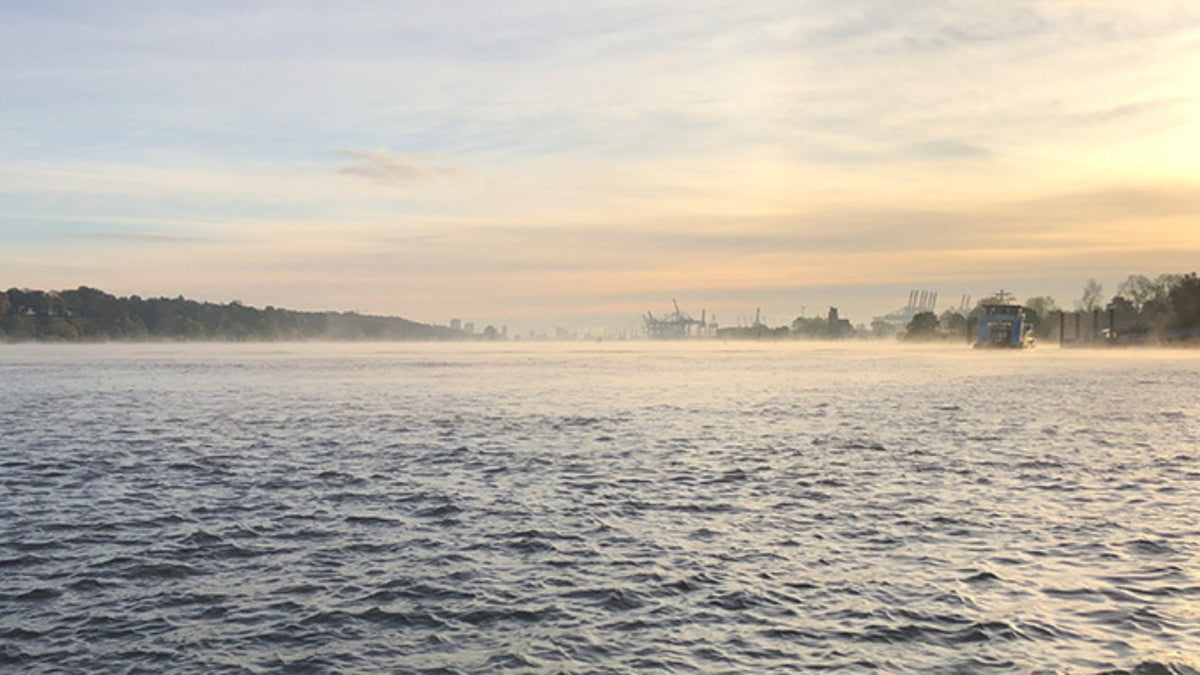
The days of wandering carefree along the drainage ditches of the marshes with a stick and a bit of nylon line are largely behind us. Angling has transformed into an international sport, underpinned by professional worldwide competitions and governed by strict rules. Tactically chosen high-end tackle and meticulous attention to detail when setting up your rig decide success or failure. But above all else, angling is one thing: an absolutely fantastic hobby! It teaches you not just how to handle your tackle and read fish, water and weather — it teaches you to savour a truly special kind of time.
What Puts People Off Angling?
Part of the answer lies in the regulations around fishing permits — often remarkably strict and, at times, bewilderingly complex, particularly in Germany. The rules differ considerably from one federal state to the next. Fisheries law in Germany, which is divided into the individual state fisheries acts, is one of the most sensitively enforced bodies of legislation and violations are taken very seriously.
There is quite a bit to learn and keep in mind on the road to getting your fishing licence. In this article, we are happy to walk you through exactly what that involves, what requirements you need to meet, and what you should pay particular attention to.
Legal Foundations
In Germany, angling is governed in principle by the fisheries act of the respective federal state. To fish legally in Germany, you essentially need the following documents:
-
A valid fishing licence (Fischereischein) → issued after passing the fishing examination or completing a qualification as a fishery worker.
-
A water permit (Gewässerschein) → issued by the so-called holder of the fishing rights.
The holder of the fishing rights is either the owner of the water or a leaseholder, such as an angling club. These clubs typically lease the fishing rights to several waters and then issue fishing permit cards for each of their leased venues.
GOOD TO KNOW:
At such venues, the club's own water rules apply. Make sure you are well informed before purchasing a water permit, as some clubs also require you to carry these rules on you at all times. It makes a much better impression if you are checked by a bailiff.
In addition to the state fisheries act, the following regulations and laws also apply:
-
Federal Species Protection Act (Bundesartenschutzgesetz)
-
Federal Species Protection Regulation (Bundesartenschutzverordnung)
If you breach these laws and regulations — or, for example, fish without a valid licence (known in Germany as 'Schwarzangeln', which constitutes poaching) — you can face substantial fines or even a custodial sentence of up to two years (§293 Nr. 1 und 2 StGB). To ensure compliance with all requirements, clubs and state authorities regularly send bailiffs and fisheries inspectors to the water. They check anglers' documents, conduct and tackle.
TIP:
At many trout fisheries, angling without a full fishing licence is permitted. This gives you a chance to get a feel for things, whether on your own or with company, before committing to the full qualification. Trout fisheries typically offer a range of species to catch, including wels catfish, pike, eel, perch and various trout. It is also a great opportunity to try out different methods and lures. Always check carefully what is and is not permitted at each venue — some trout fisheries, for instance, only allow certain types of lure.
The first step on that journey, however, is the fishing examination itself. We will take you through exactly how to approach it, what options are available to you, and what you need to qualify.
The Fishing Examination
As a general rule: the fishing examination forms the legal basis for angling in Germany and entitles you to apply for your fishing licence (Fischereischein), with which you can then obtain the relevant water permit. The examination varies considerably between federal states — Bavaria and Baden-Württemberg in particular test knowledge in considerable depth and detail. Some states also include a practical element. Once passed, the fishing examination is valid for life!
From What Age Can I Sit the Fishing Examination?
There is no straightforward answer to this question. Like many other aspects, it depends on the federal state. Please check directly with the relevant authority in your state.
In some states, a junior or youth fishing licence can be issued from as young as 8 or 12 years old.
Preparing for the Fishing Examination
The fishing examination is administered by the relevant authorities and associations. It can only be sat in the federal state where you are registered as your primary place of residence (in rare cases, different rules and exceptions may apply). Since it requires comprehensive knowledge — covering areas such as fish biology and fisheries law — a preparatory course is necessary. Think of it like a driving licence: there are lessons, and once you have completed the required hours, you sit the test.
The fishing licence process works in exactly the same way. You attend a course — either online or in person — and then sit the fishing examination. If you opt for an online course, all the necessary materials will be provided for you.
Completing the Preparatory Course Online
The ANGLERSCHMIEDE offers a comprehensive library of learning videos. The team there has worked together with fishing associations and clubs across Germany to make the preparatory course for the fishing examination available online — regardless of which federal state you are in. Extensive materials, all current examination questions, quizzes and much more are available through the ANGLERSCHMIEDE.
Regulations by Federal State
We strongly recommend familiarising yourself with the specific guidelines and regulations that apply in your federal state before you begin.
You will find the link to each federal state below:
Examination Content
Depending on the federal state, there is a theoretical and sometimes a practical component. The core subject areas are always the same. The table below gives you a clear overview:
|
FEDERAL STATE |
SUBJECT AREAS |
EXAMINATION |
|
Hamburg |
- General fish biology - Species-specific fish biology - Water ecology and fish conservation - Animal welfare, nature conservation, environmental protection - Tackle knowledge - Fisheries law |
THEORY: 60 from 400 questions 90 minutes NO PRACTICAL ELEMENT! |
|
Bremen |
- General fish biology - Species-specific fish biology - Water ecology and fish conservation - Animal welfare, nature conservation, environmental protection - Tackle knowledge - Fisheries law |
THEORY: 60 from 360 questions 60 minutes PRACTICAL: |
|
Berlin |
- Fish biology and fish conservation - Care of fishing waters - Fishing tackle and its use - Handling of caught fish - Relevant legal provisions |
THEORY: 60 from 600 questions 60 minutes NO PRACTICAL ELEMENT! |
|
Bavaria |
- Fish biology - Water ecology - Care and conservation of waters and fish stocks - Fishing tackle, practical fishery, handling of caught fish - Relevant legal provisions (in particular fisheries/water law, animal welfare/animal disease legislation) |
THEORY: 60 from 1006 questions 60 minutes NO PRACTICAL ELEMENT! |
|
Baden-Württemberg |
- General fish biology - Species-specific fish biology - Water ecology - Tackle knowledge - Fisheries law |
THEORY: 60 from 835 questions 120 minutes NO PRACTICAL ELEMENT! |
|
Brandenburg |
- Fish biology and fish conservation - Care of fishing waters - Fishing tackle and its use - Handling of caught fish - Relevant legal provisions |
THEORY: 60 from 600 questions 60 minutes NO PRACTICAL ELEMENT! |
|
Hesse |
- General fish biology - Species-specific fish biology - Water ecology - Tackle knowledge - Fisheries law |
THEORY: 60 from 650 questions 180 minutes NO PRACTICAL ELEMENT! |
|
Mecklenburg-Vorpommern |
- General fish biology - Species-specific fish biology (including images of fish, plants and tackle) - Water ecology - Tackle knowledge - Fisheries law |
THEORY: 60 from 1,180 questions 90 minutes NO PRACTICAL ELEMENT! |
|
Lower Saxony |
- General fish biology - Species-specific fish biology (including fish images) - Water ecology and fish conservation - Animal welfare, nature conservation, environmental protection - Fishing methods and tackle knowledge - Fisheries law |
THEORY: 60 from 360 questions 60 minutes PRACTICAL: |
|
Rhineland-Palatinate |
- General fish biology - Species-specific fish biology - Water ecology - Tackle knowledge - Fisheries law, nature conservation, animal welfare |
THEORY: 50 from 880 questions 120 minutes NO PRACTICAL ELEMENT! |
|
North Rhine-Westphalia |
- General fish biology - Species-specific fish biology - Water ecology and fish conservation - Animal welfare, nature conservation, environmental protection - Tackle knowledge - Fisheries law |
THEORY: 60 from 360 questions 60 minutes PRACTICAL: |
|
Saarland |
- General fish biology - Species-specific fish biology - Water ecology - Tackle knowledge - Fisheries law |
THEORY: 60 from 225 questions 120 minutes NO PRACTICAL ELEMENT! |
|
Thuringia |
- General fish biology - Species-specific fish biology - Water ecology - Animal welfare, nature conservation, environmental protection - Tackle knowledge - Fisheries law |
THEORY: 60 from 600 questions 120 minutes NO PRACTICAL ELEMENT! |
|
Schleswig-Holstein |
- General fish biology - Species-specific fish biology (including over 40 species) - Water ecology and fish conservation - Animal welfare, environmental protection, nature conservation - Tackle knowledge - Fisheries law |
THEORY: 60 from 400 questions 90 minutes NO PRACTICAL ELEMENT! |
|
Saxony-Anhalt |
- Fish biology - Water ecology - Tackle knowledge - Fisheries law |
THEORY: 60 from 612 questions 180 minutes PRACTICAL: |
|
Saxony |
- General fish biology - Species-specific fish biology - Water ecology - Tackle knowledge - Fisheries law |
THEORY: 60 from 900 questions 90 minutes NO PRACTICAL ELEMENT! |
|
|
Source: Anglerschmiede.de |
Can You Sit the Fishing Examination Online?
The answer to this one is a clear no. It is not possible to sit the fishing examination online. You must attend a testing authority or the relevant association in person to complete it via a multiple-choice format — either on paper or at a computer terminal. Some federal states also include a practical element.
Finding an Examination Date
Once you have prepared thoroughly, the next step is finding a date for the fishing examination in your area. These dates vary considerably between federal states — some offer them only once a year, others as frequently as once a month. Once you have passed, you can take your certificate of results, your identity document and a passport photo to the relevant fisheries office to have your fishing licence issued.
A fee is charged for the issue of the fishing licence. This varies depending on the federal state and the period of validity.
Here are the fees charged by each federal state for a five-year period of validity:
-
Baden-Württemberg: €65.00
-
Bavaria: €40.00
-
Berlin: €27.00
-
Brandenburg: €40.00
-
Bremen: €64.00
-
Hamburg: €40.00 (first issue included)
-
Hesse: €45.00
-
Mecklenburg-Vorpommern: €58.00 (first issue included)
-
North Rhine-Westphalia: €24.00
-
Lower Saxony: €35.00
-
Rhineland-Palatinate: €35.00
-
Saarland: €56.00
-
Saxony: €34.00 (valid for life)
-
Saxony-Anhalt: €30.00
-
Schleswig-Holstein: €60.00 (first issue included)
-
Thuringia: €37.00
[As of Q4/2018]
What Happens If You Fail the Fishing Examination?
This situation is also handled quite differently depending on where you are. In most cases, you can sit a resit — but check directly with your local authority for the specifics. There may be time restrictions and additional fees. How much these amount to also depends on the authority in question. As a general rule, you will need to pay the full examination fee again (note: the examination fee, not the fee for the preparatory course).
In some federal states, it may also be possible to resit only the section you did not pass. It is worth finding this out as soon as possible so you can book the next available date without delay.
Where Do I Get the Water Permit and Fishing Card?
Once you have your fishing licence, you are nearly ready to head out. All you need now is the relevant water permit for the venue you want to fish.
GOOD TO KNOW:
Alongside a valid fishing licence, you must always carry your permit or fishing card with you. Some clubs also require you to carry the venue rules at all times. Make sure you know exactly which documents you need to have on you before you go. Trust us — you really do not want to be caught short during a check.
You can obtain your permit or fishing card from the relevant club, an angling shop, or the appropriate local authority.
Final Thoughts
All clear? Then there is not much standing between you and your first trip out. Still got specific questions? Drop them in the comments and we will do our best to answer them promptly. If you need more detail, head over to the ANGLERSCHMIEDE — there is a wealth of useful information and tips waiting for you there. Best of luck on your journey to getting your fishing licence,
your Pike & Perch team at pikeandperch.eu