









Electric Motors
An electric motor is these days almost standard kit for boat fishing. Modern models draw very little power and can be networked with a fish finder or controlled via smartphone.






<h2>Buying Guide for Electric Motors</h2>
<p><strong>Electric motors</strong> are a great development for anglers. For one thing, they do away with <strong>extended rowing</strong> - which is healthy enough but can become quite gruelling over long distances, especially in strong wind. For another, electric motors are often permitted on waters where <strong>combustion engines are banned</strong>, so they genuinely <strong>open up new options</strong>. Modern electric motors run quietly, consume little power and are highly reliable. Their propellers cut through weed and deliver solid thrust. Some models even feature <strong>GPS</strong> and can be used as an anchor or to follow pre-set routes.</p>
<p>All of this now comes in a compact, lightweight package.</p>
<h2>What to Look for in an Electric Motor</h2>
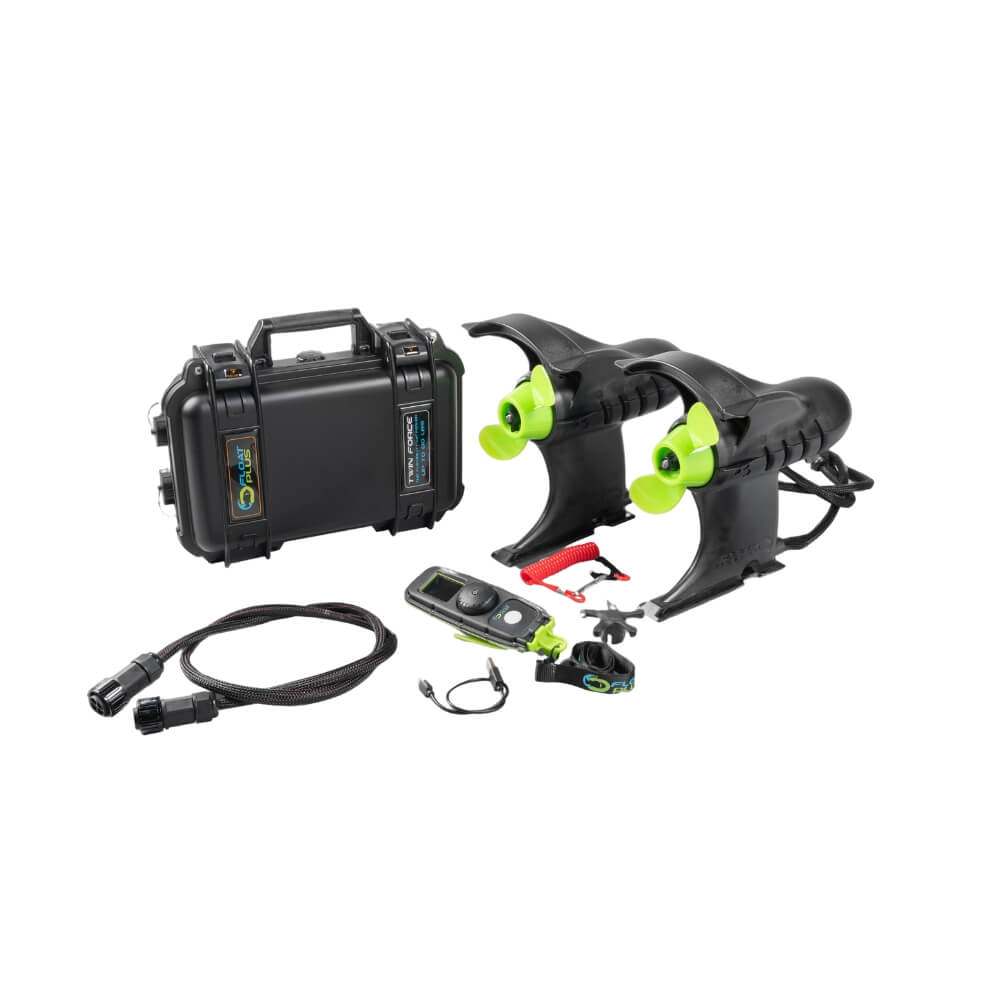
<p>There are, however, a few things worth thinking through before you buy. First, consider exactly <strong>what purpose the motor needs to serve and on which boat</strong>. That determines the level of drive power required. Drive power is expressed as <strong>thrust in pounds</strong>. Motors intended as the primary drive on a larger boat naturally need considerably more thrust than auxiliary drives or motors for <strong>float tubes</strong>.</p>
<h3>Thrust</h3>
<p>Most electric motors today offer thrust between 20 and 100 pounds, and the figure depends on the battery voltage used. Motors up to around 55 pounds run on 12 volts. More powerful models require 24 volts or even 36 volts. There are now also electric motors capable of replacing combustion engines entirely, though these cost a fortune and only make sense where large lakes are to be navigated and <strong>combustion engines are fundamentally banned</strong>. For typical fishing boat use, models up to 100 pounds are sufficient in many situations.</p>
<h3>Batteries</h3>
<p>To have the required voltage available on board, you need the <strong>right number of batteries</strong>. This can be solved in different ways. One or more <strong>12-volt batteries</strong> can be used to achieve multiples of 12 volts, or 24-volt or 36-volt batteries can be used directly. The first option is the most common.</p>
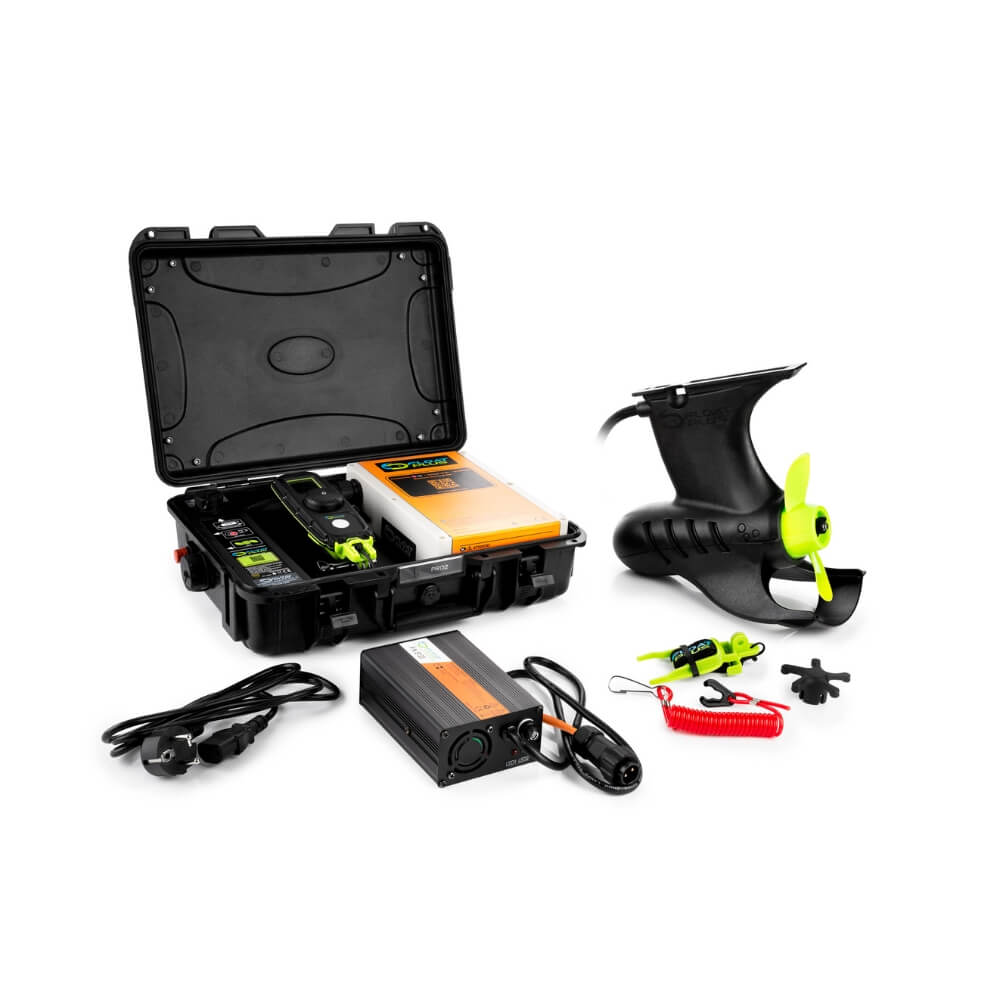
<p>The need to carry suitable batteries already makes clear that a 24-volt motor has no place on a kayak or float tube. Batteries are quite heavy and would overload these lightweight craft - and that level of thrust simply is not necessary on <strong>such vessels</strong>. With a proper boat, however, where you want purely electric propulsion or need to hold position in strong current, 24 or 36 volts is not excessive. After all, you want to make real headway, not crawl along. Extremely lightweight <strong>lithium batteries</strong> are now available - easy to carry, but still costly.</p>
<p>Even standard <strong>AGM batteries</strong> are not cheap, so it is worth drawing up a realistic plan before you buy, covering how motor and batteries will actually be used.</p>
<h3>Trolling</h3>
<p>If you do a lot of trolling, you should opt for a <strong>steplessly variable motor</strong> so you can set <strong>the right trolling speed</strong> in any conditions. If you simply want to get to your spot quickly, this point is less critical.</p>
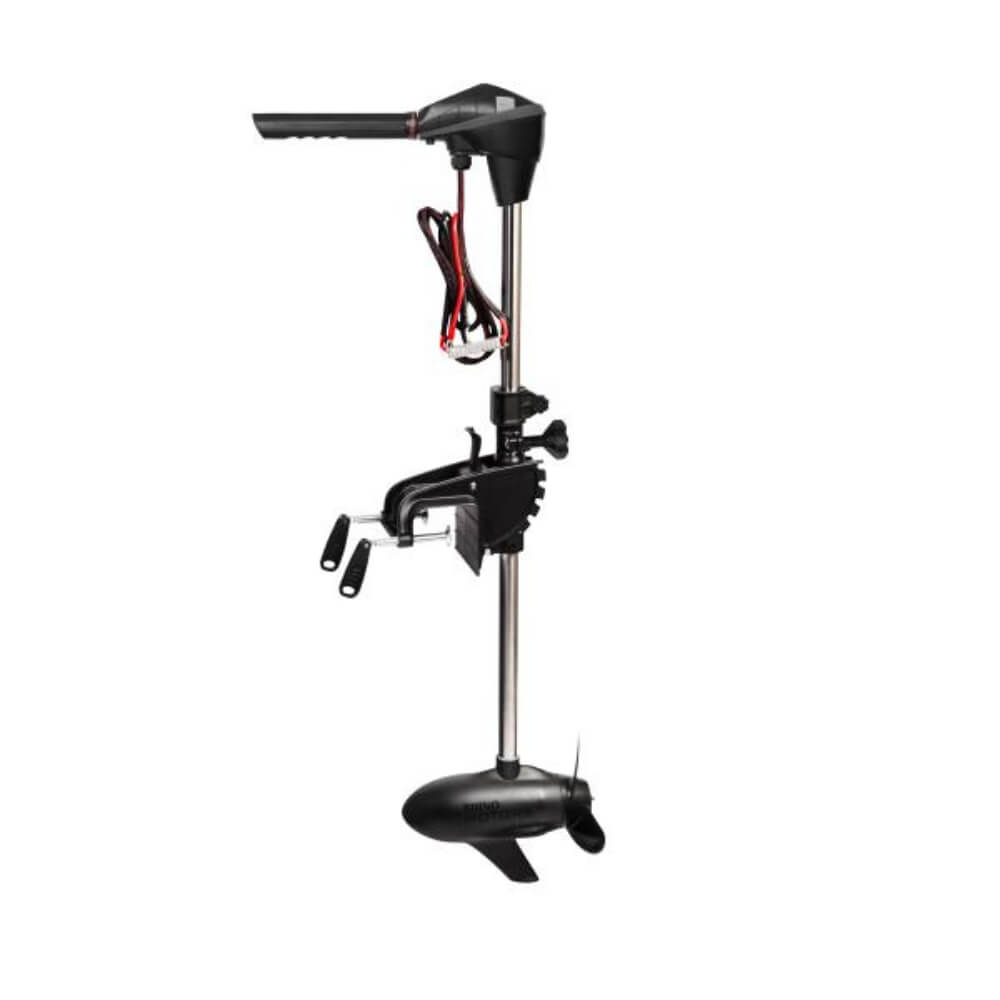
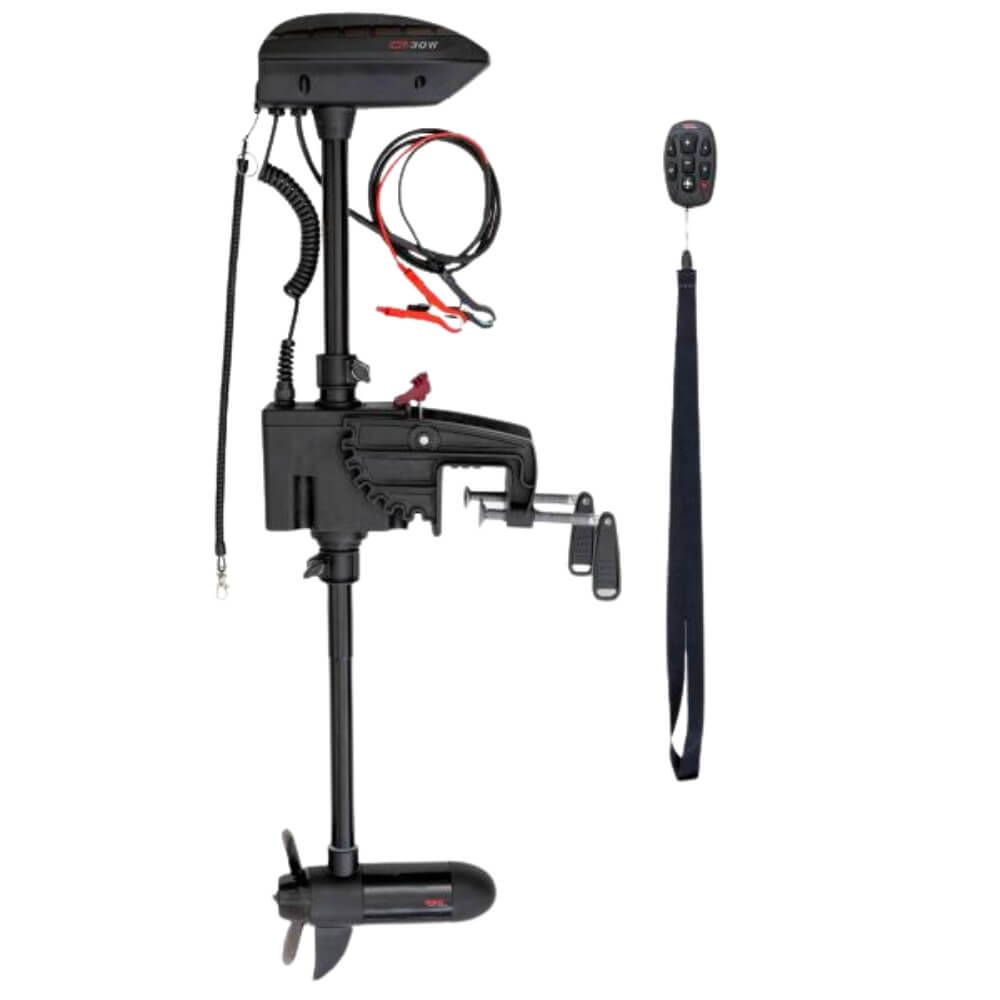
<p>There are <strong>motors with a tiller</strong> and <strong>remote-controlled models</strong>. The latter are particularly popular on float tubes or as <strong>bow-mount motors on bass boats</strong>.</p>