










Leaders & Lines
Your line is the only connection between you and the fish - and these days that connection often hangs by the finest of threads. Modern lines are highly engineered, ultra-thin filaments with remarkable breaking strains.

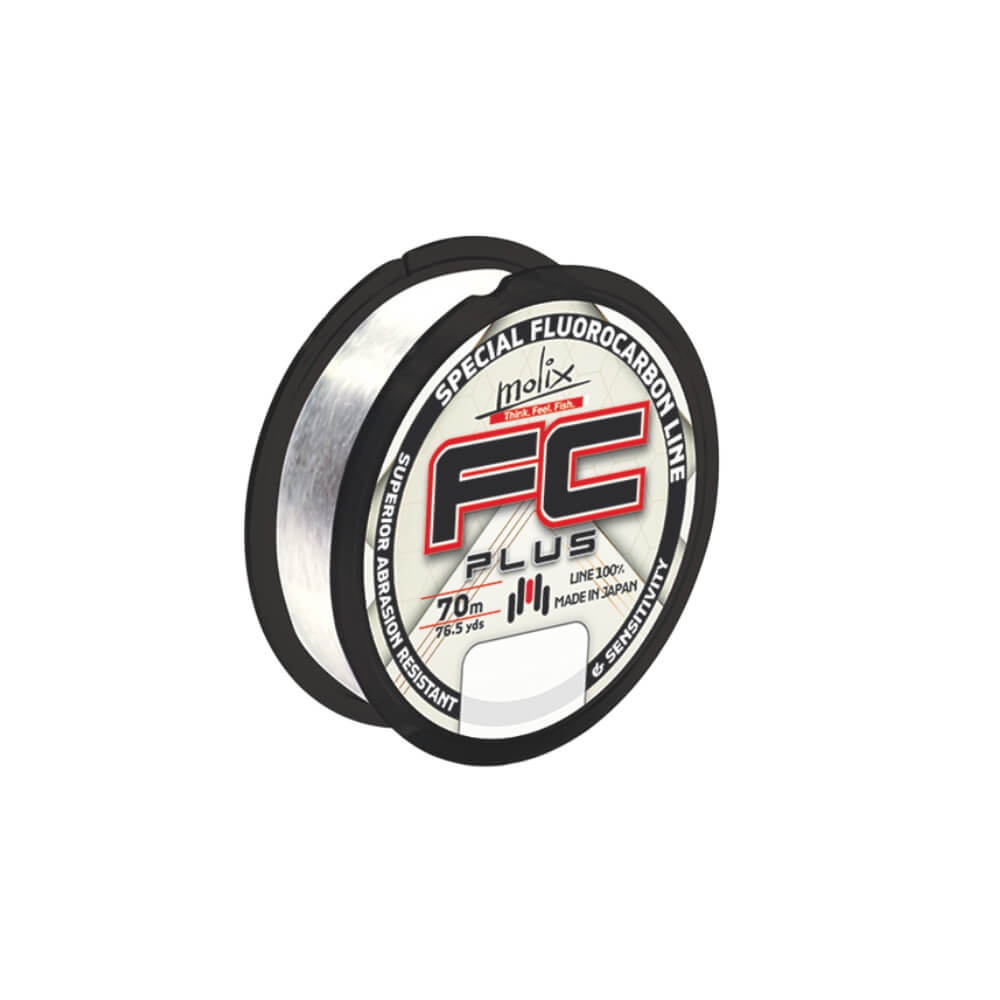
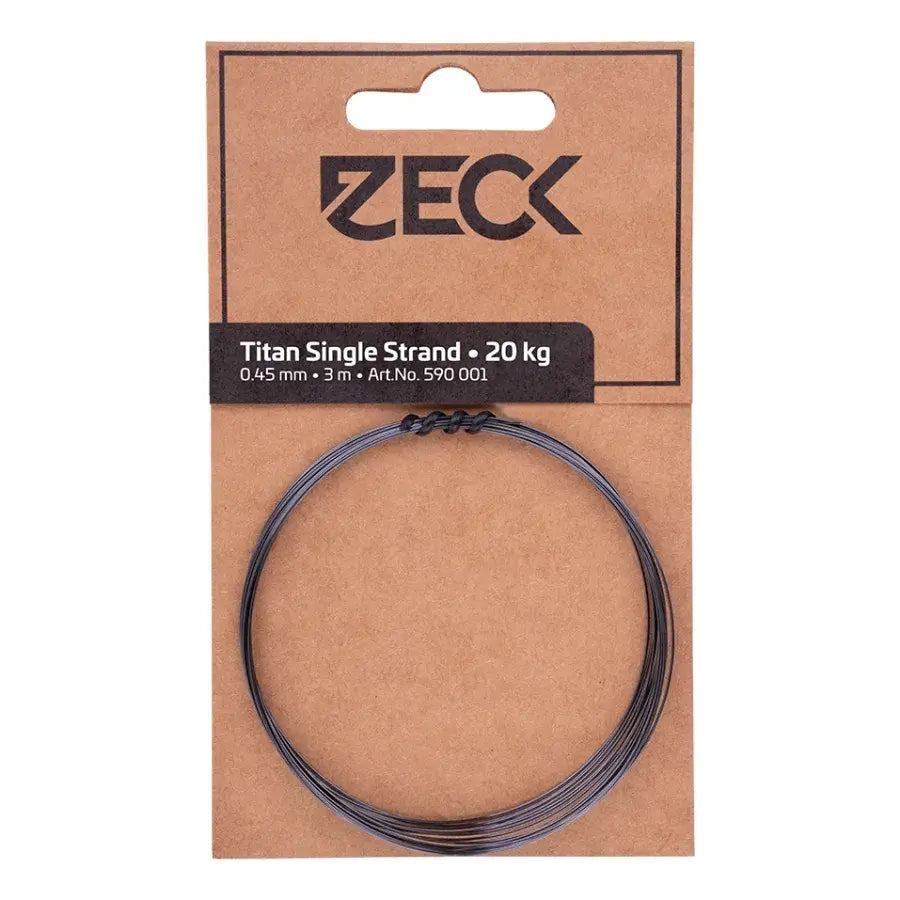

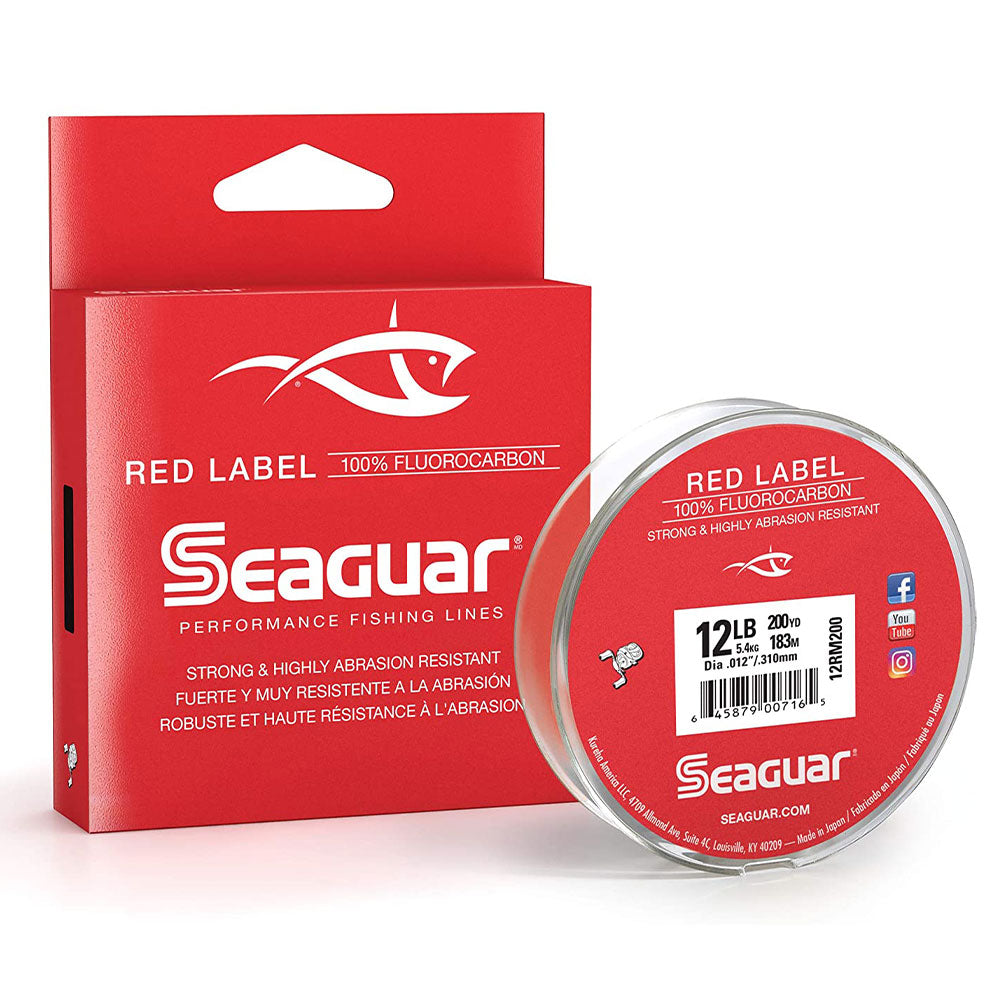
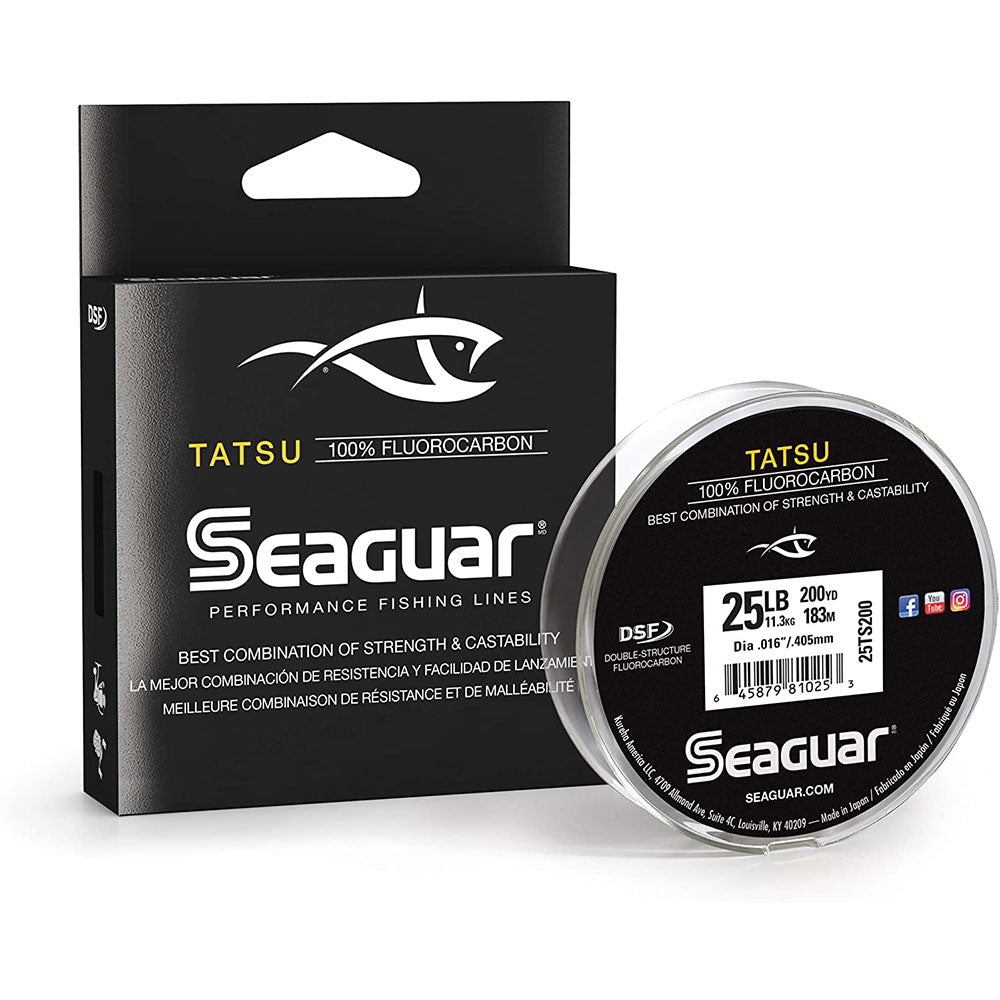

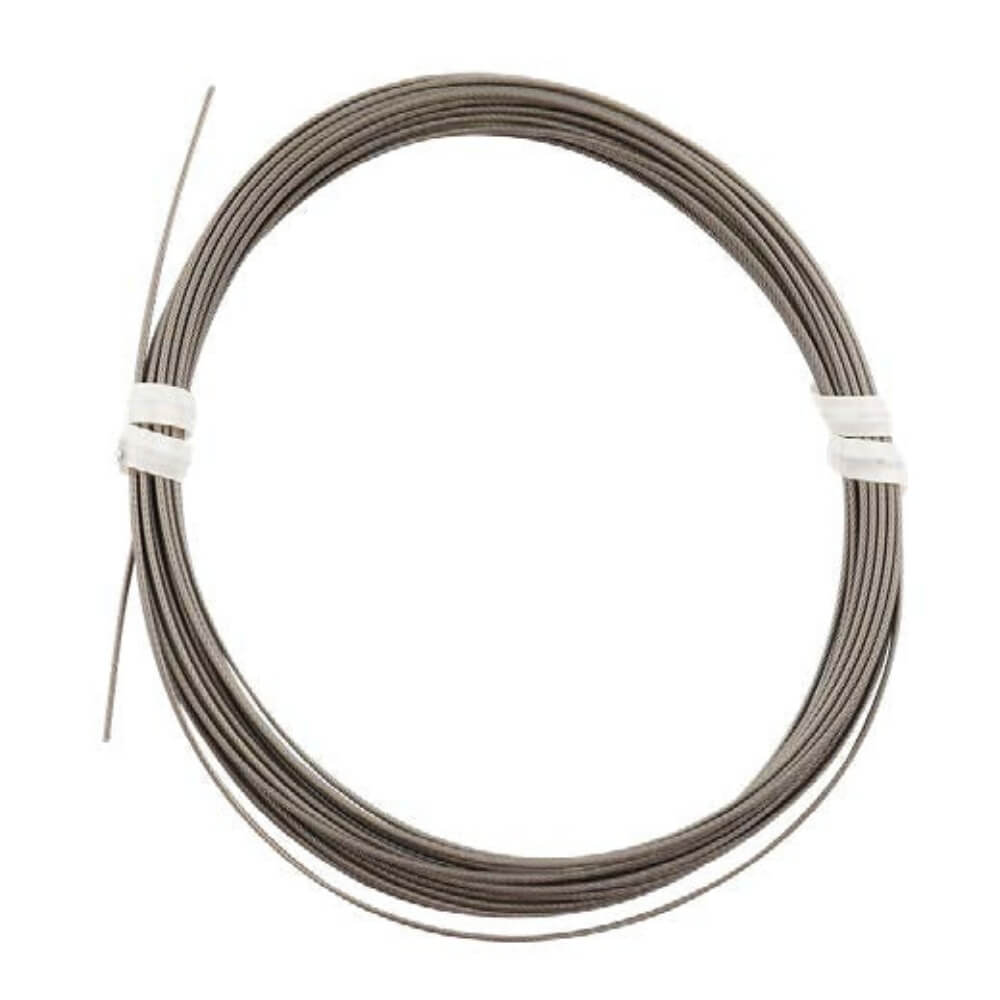


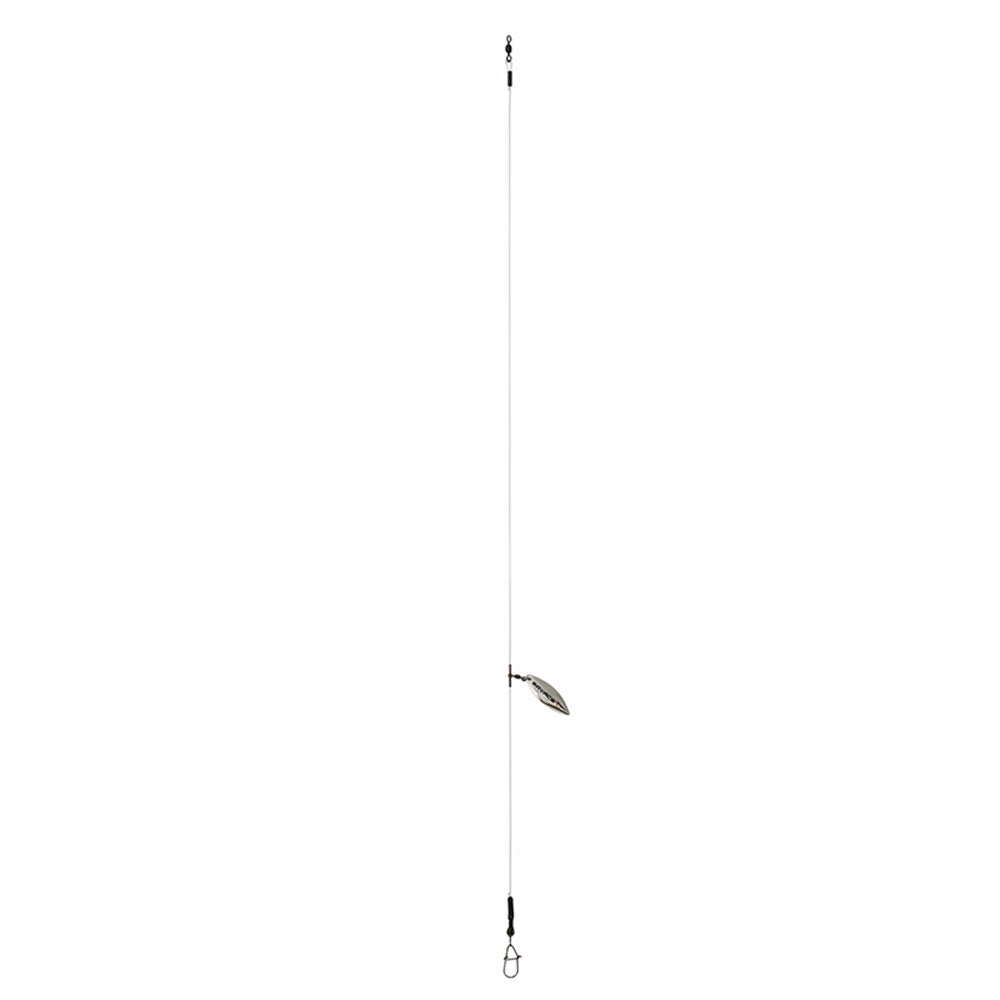

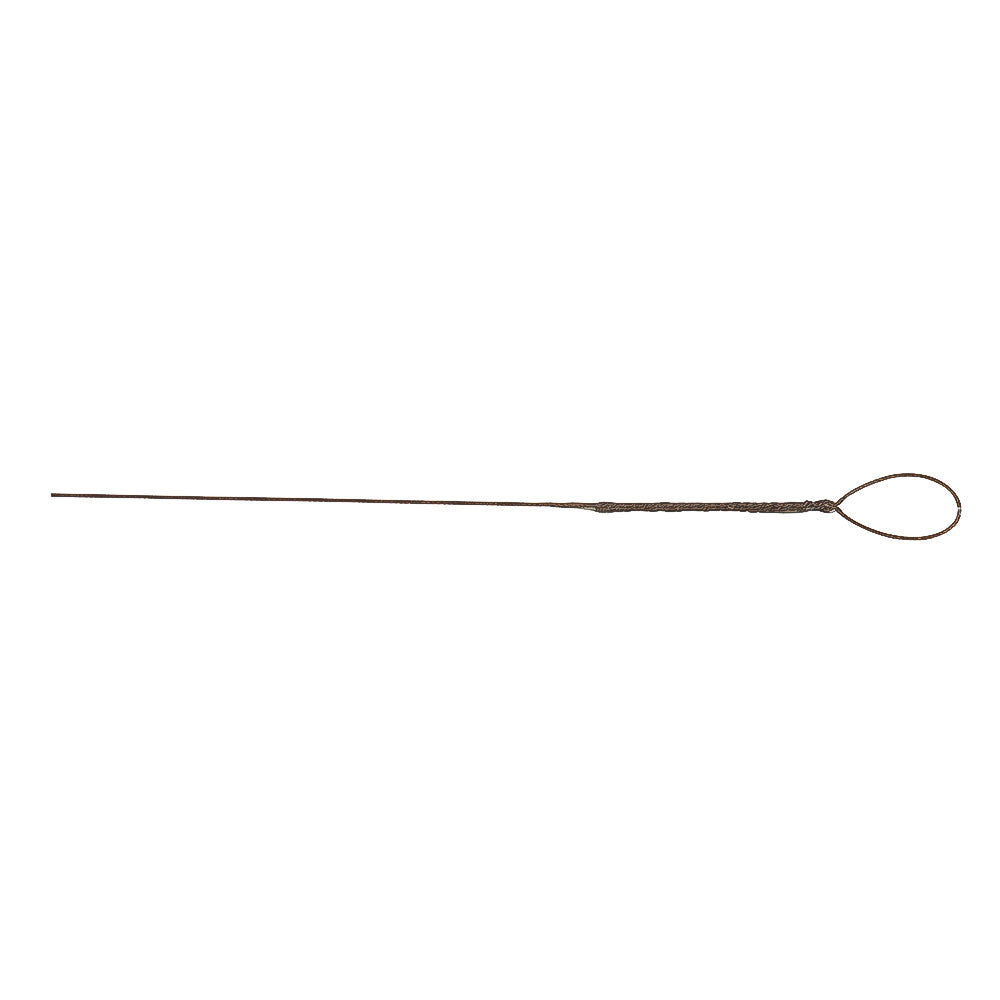
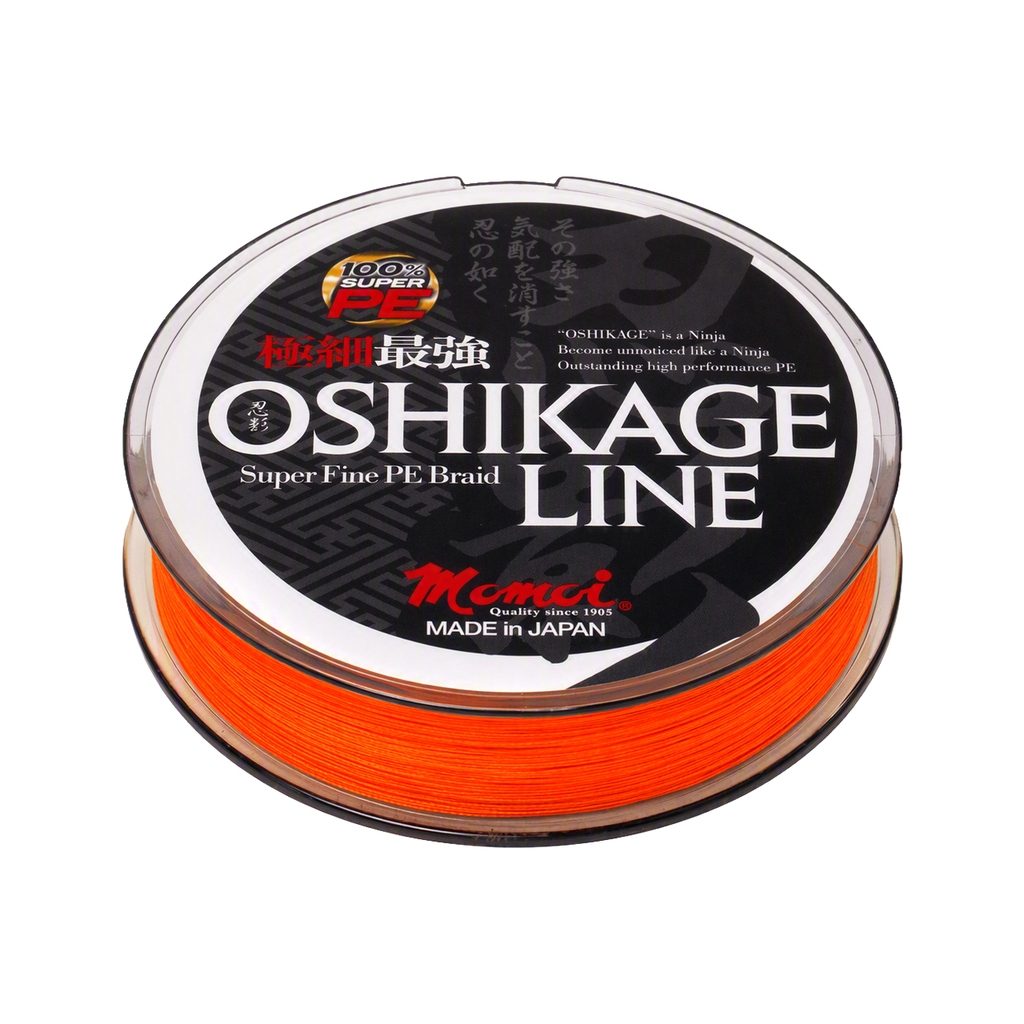
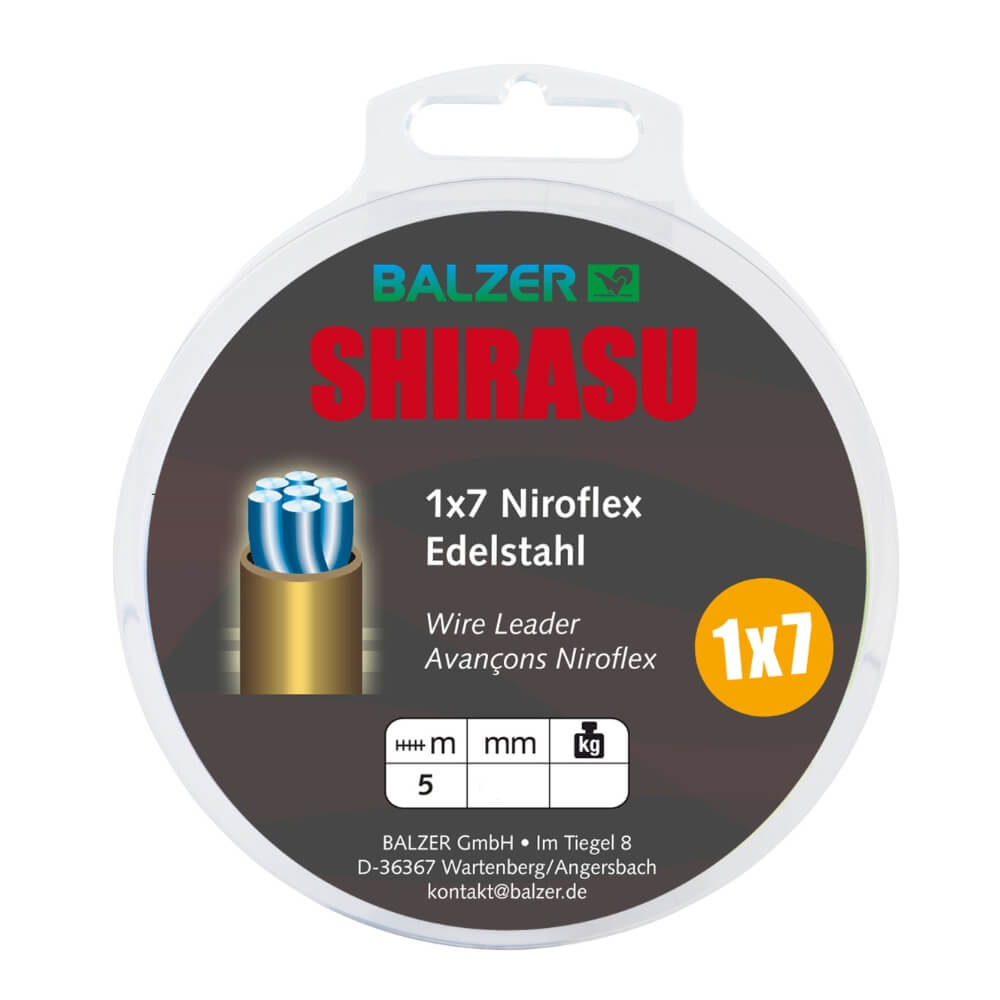
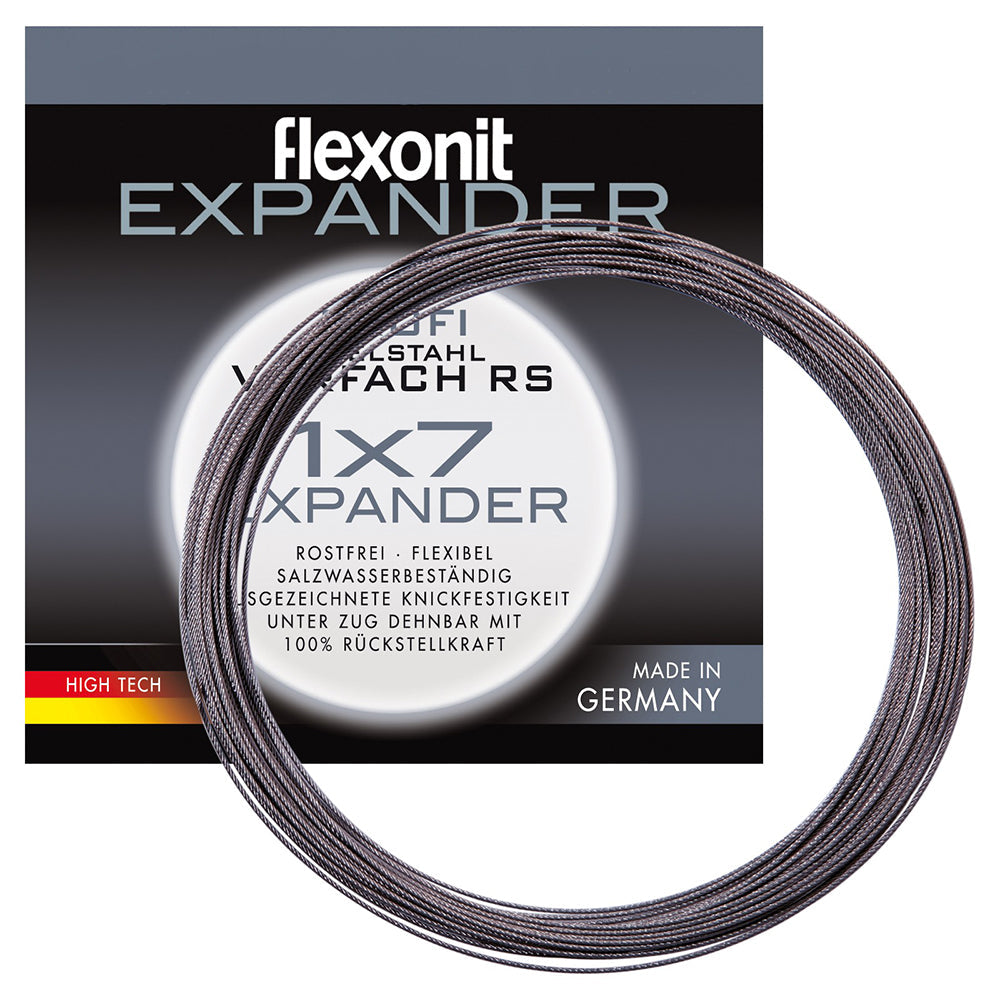

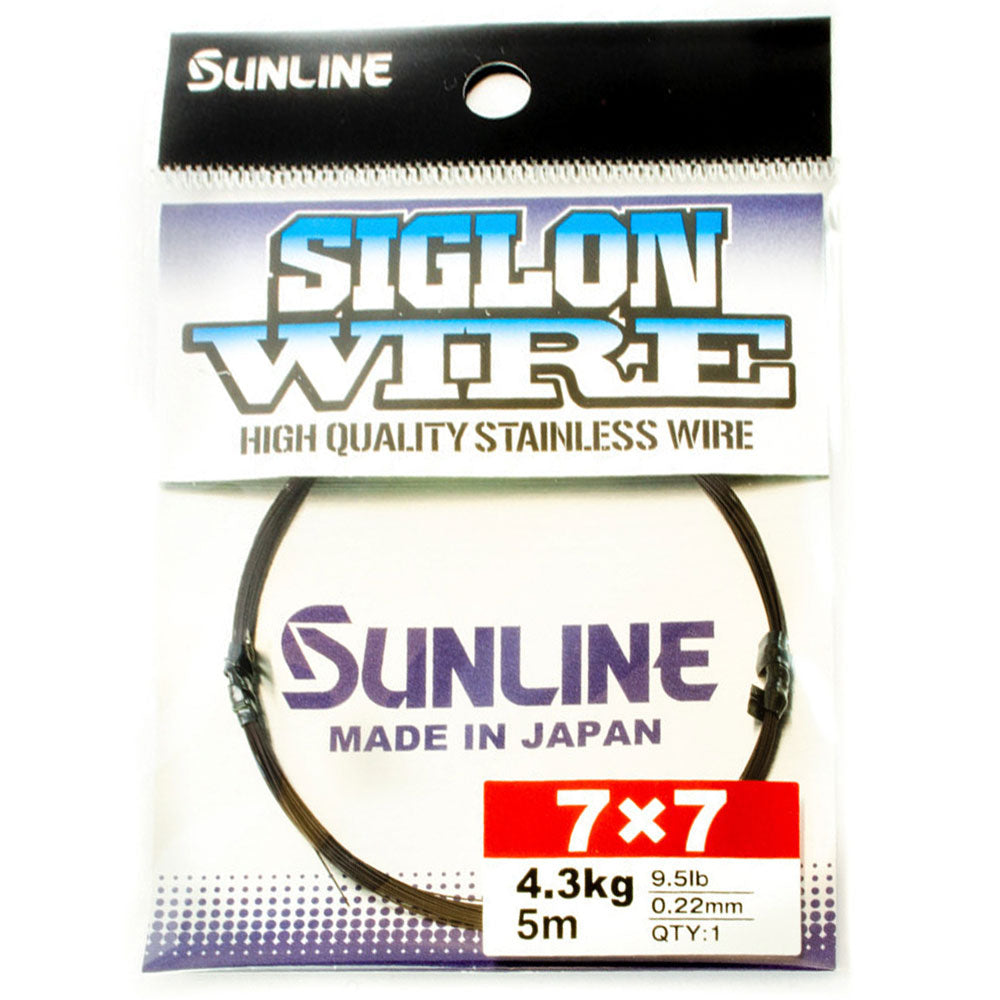


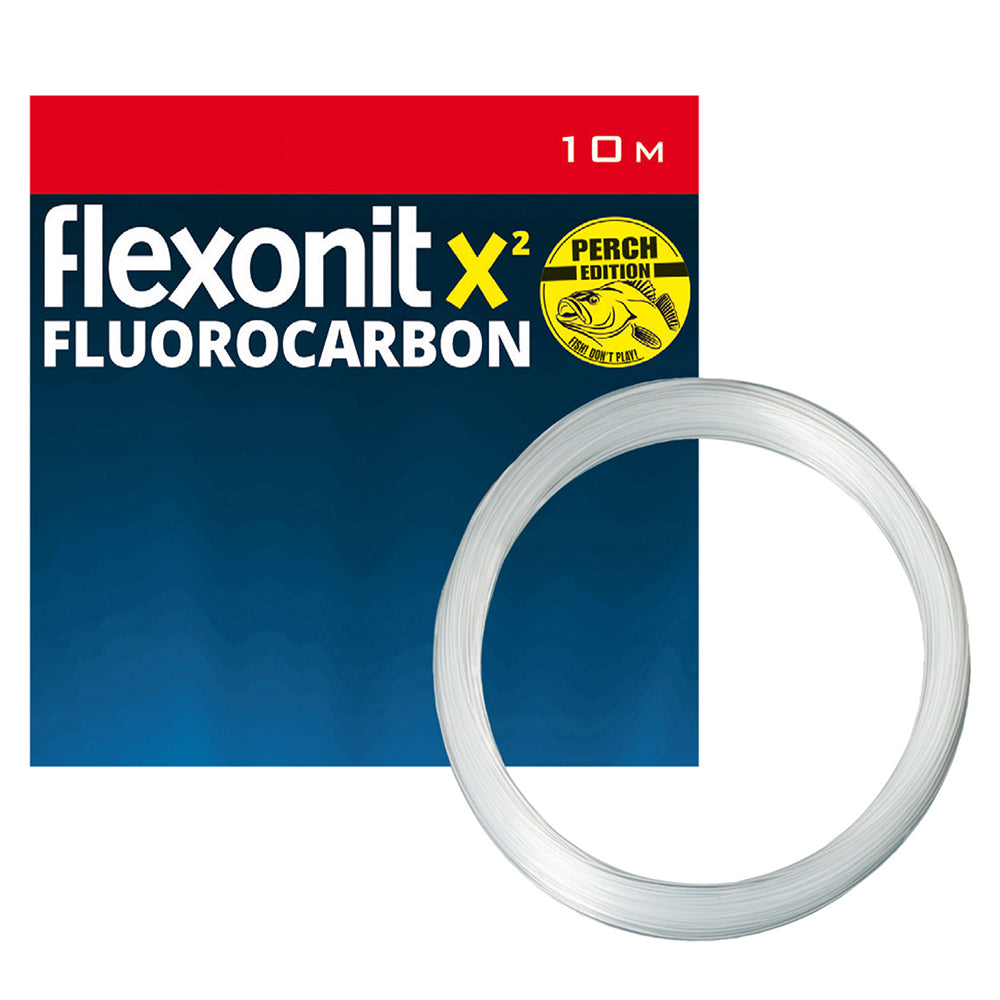
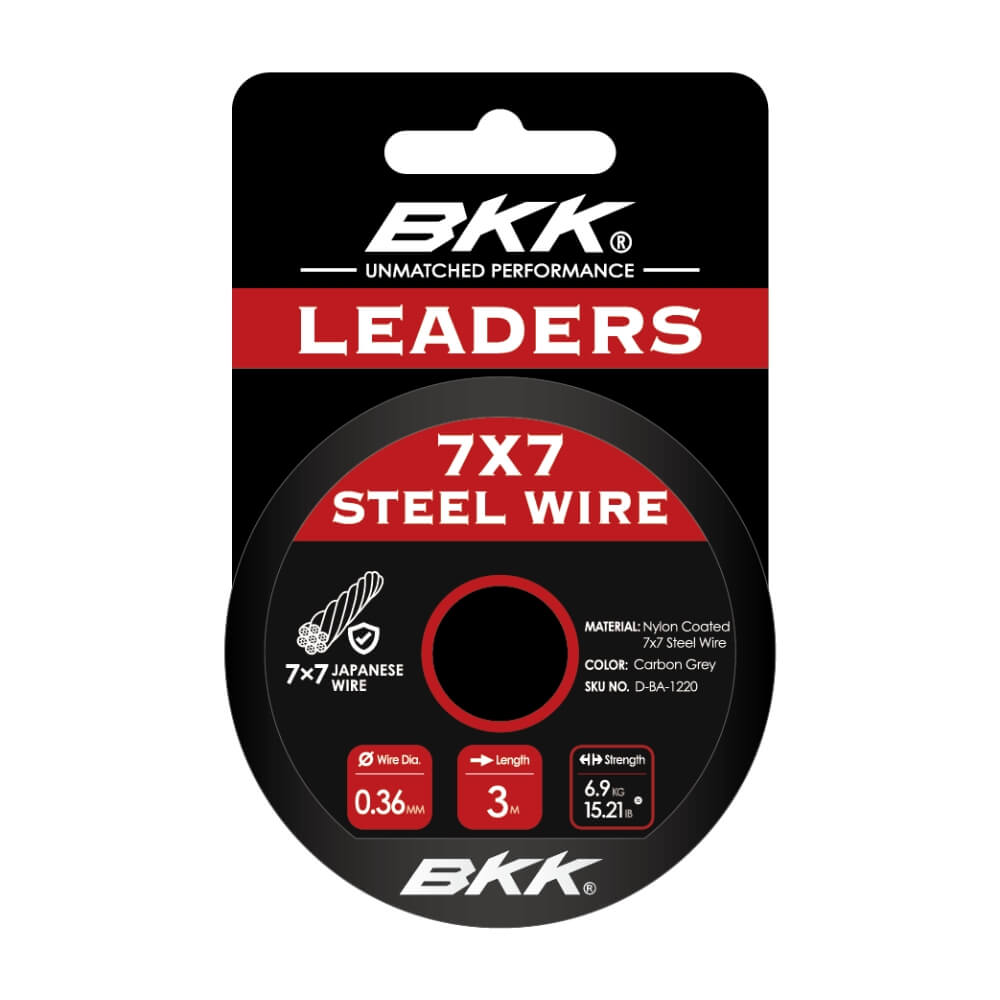

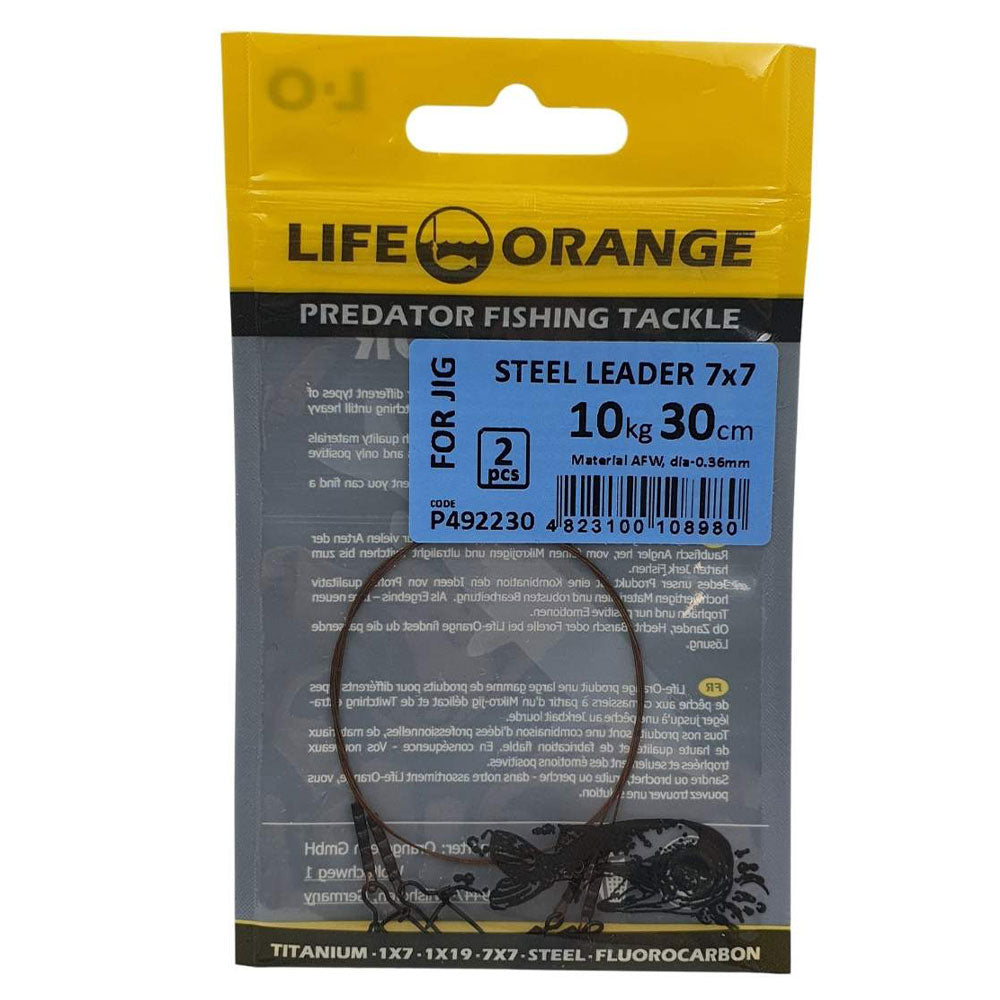

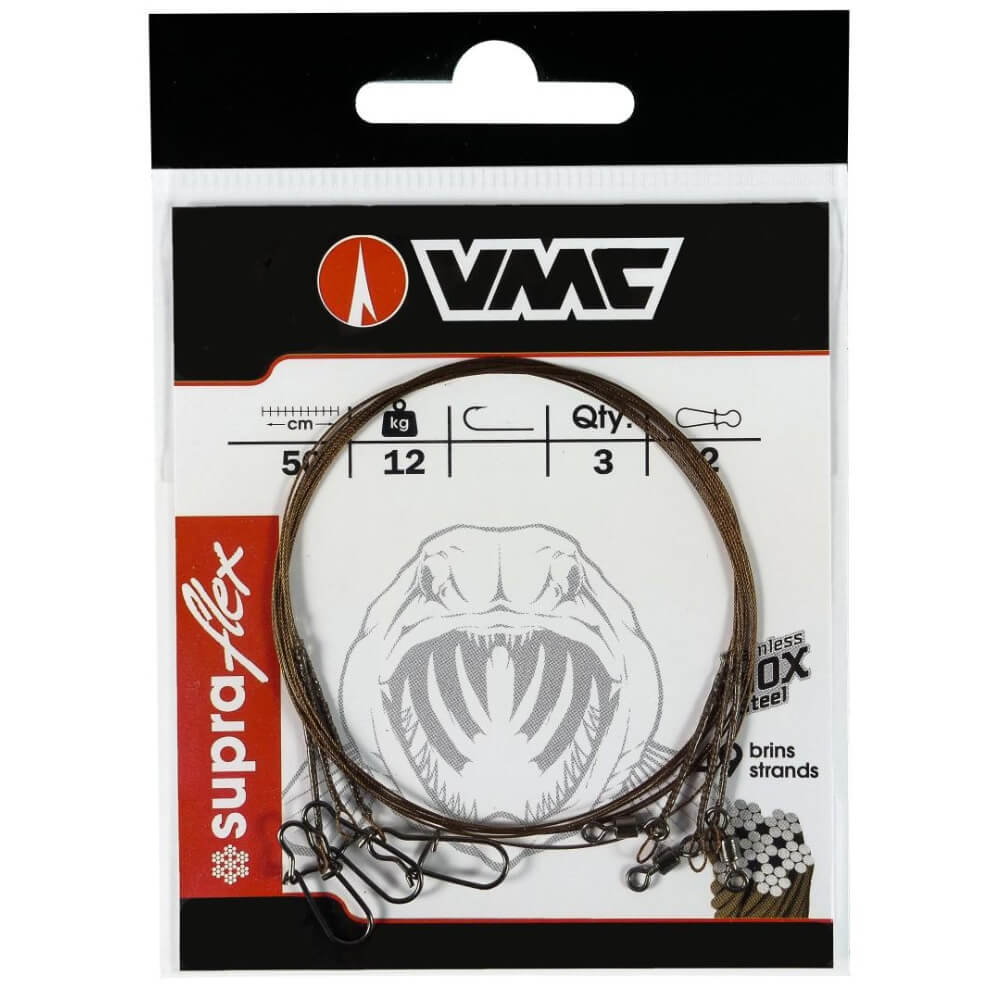


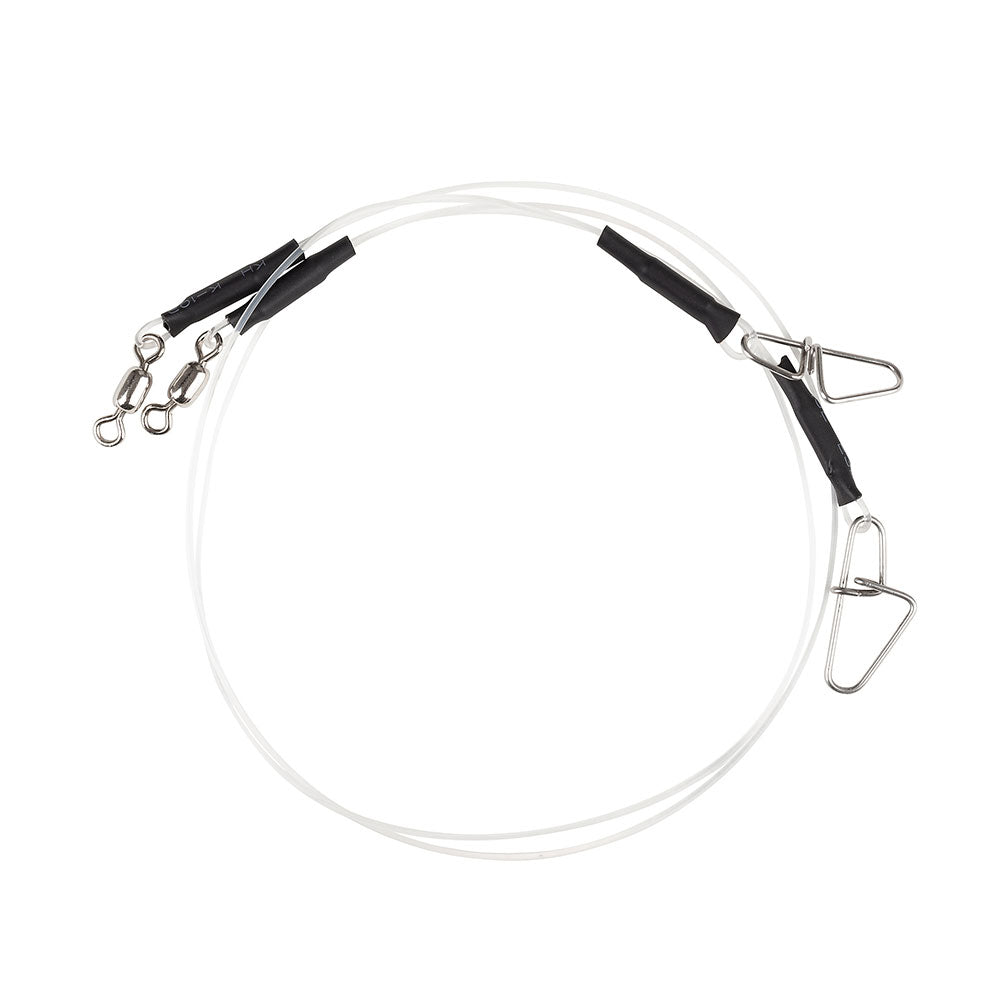
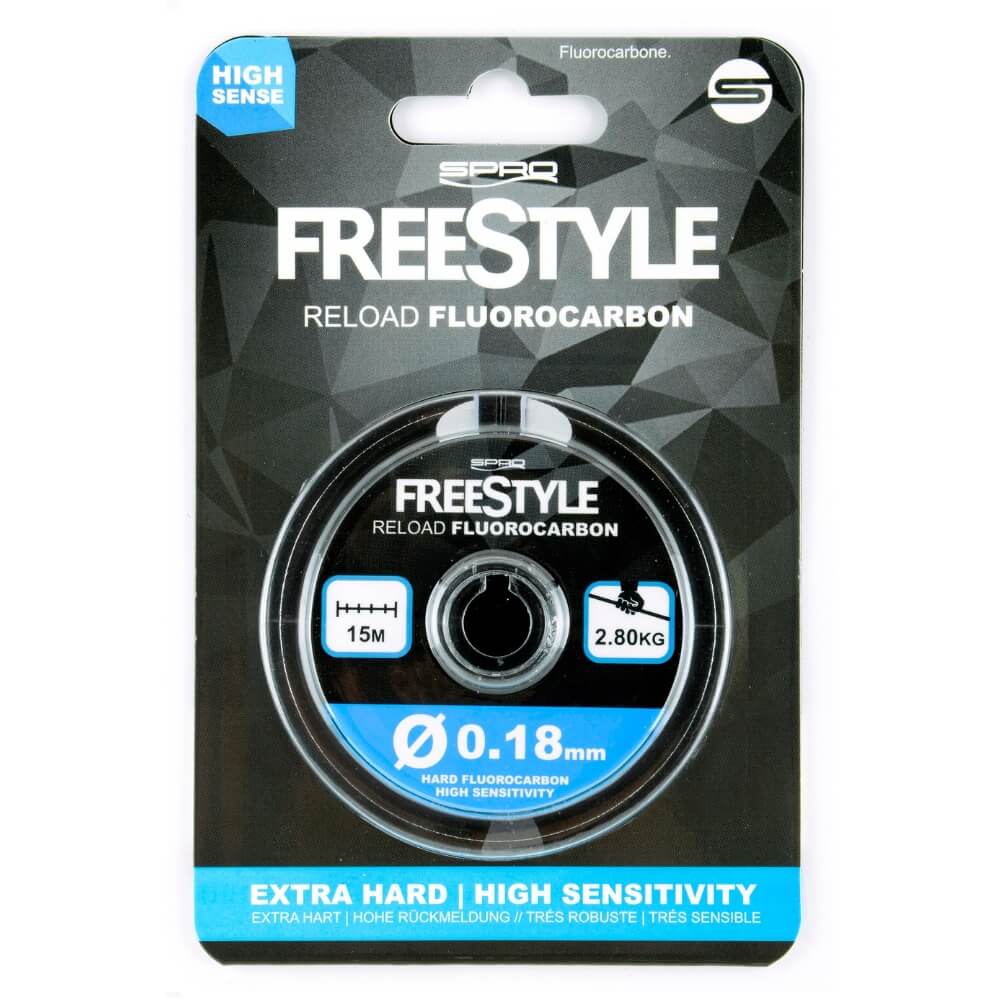

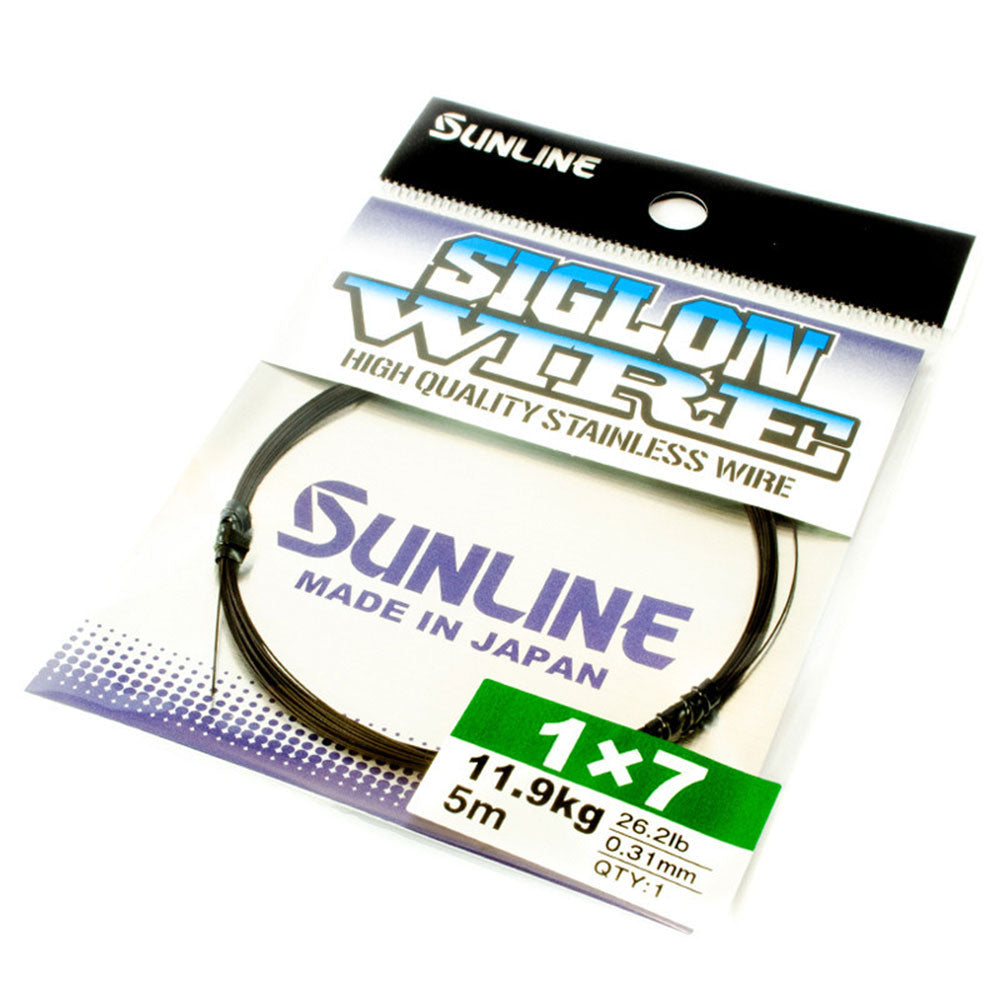

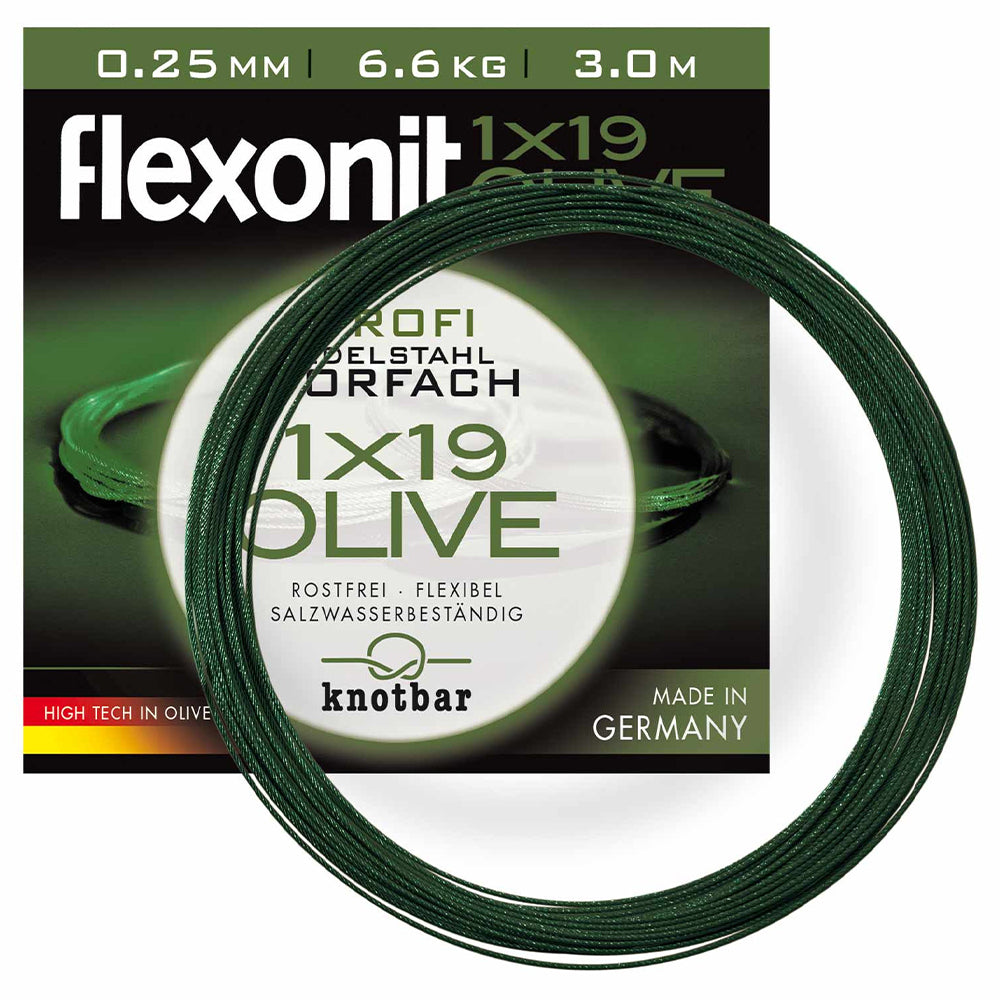
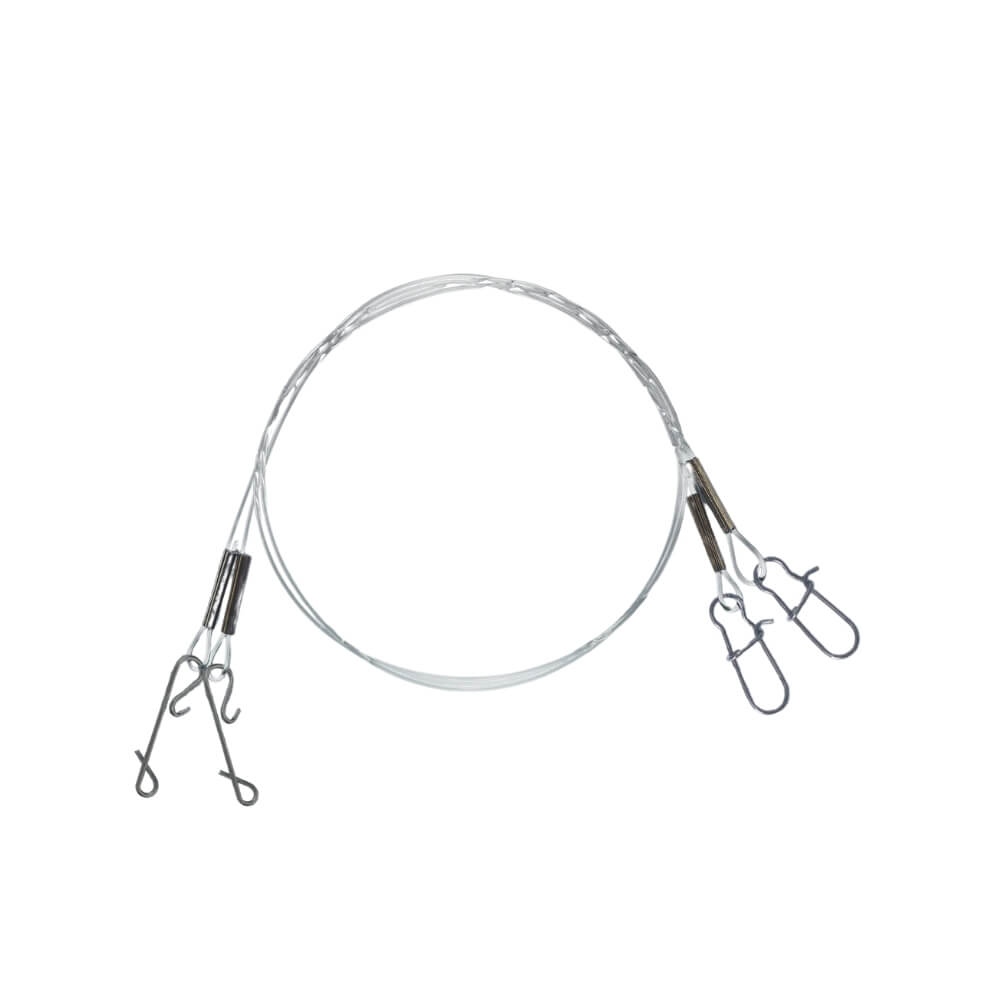

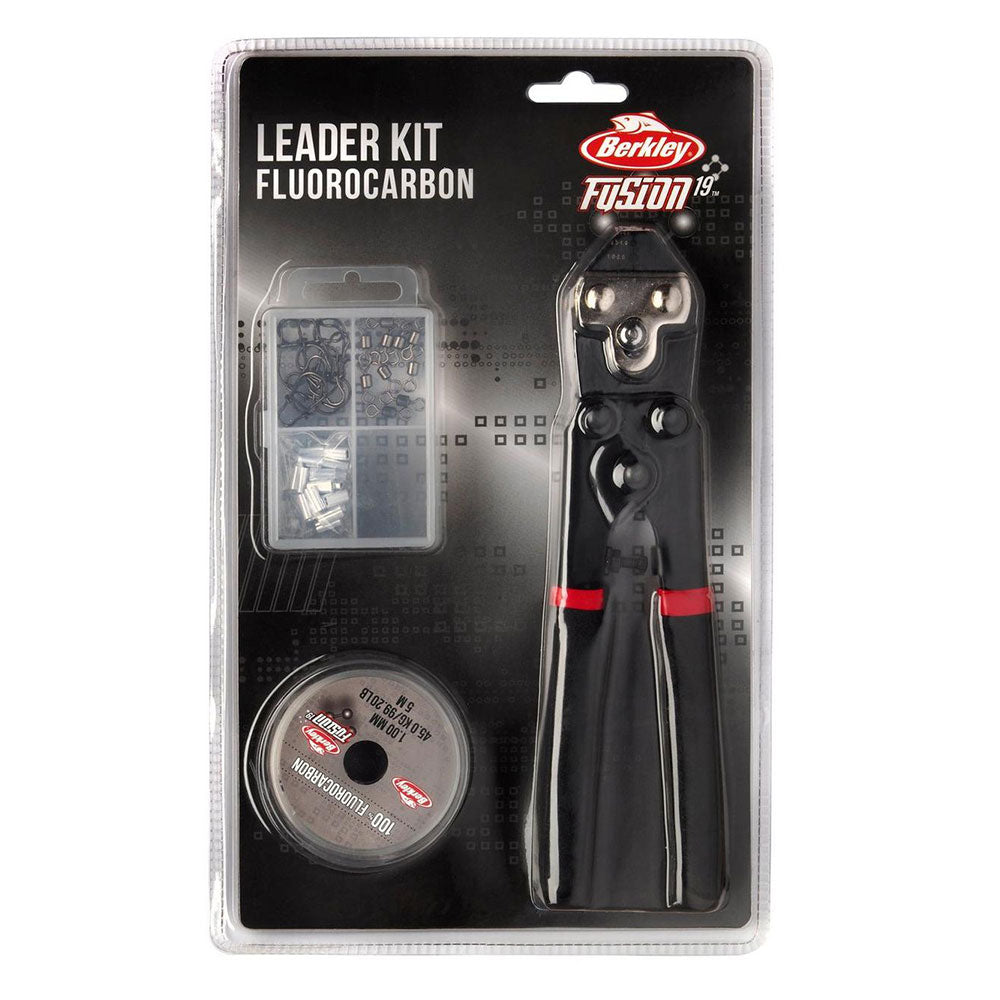
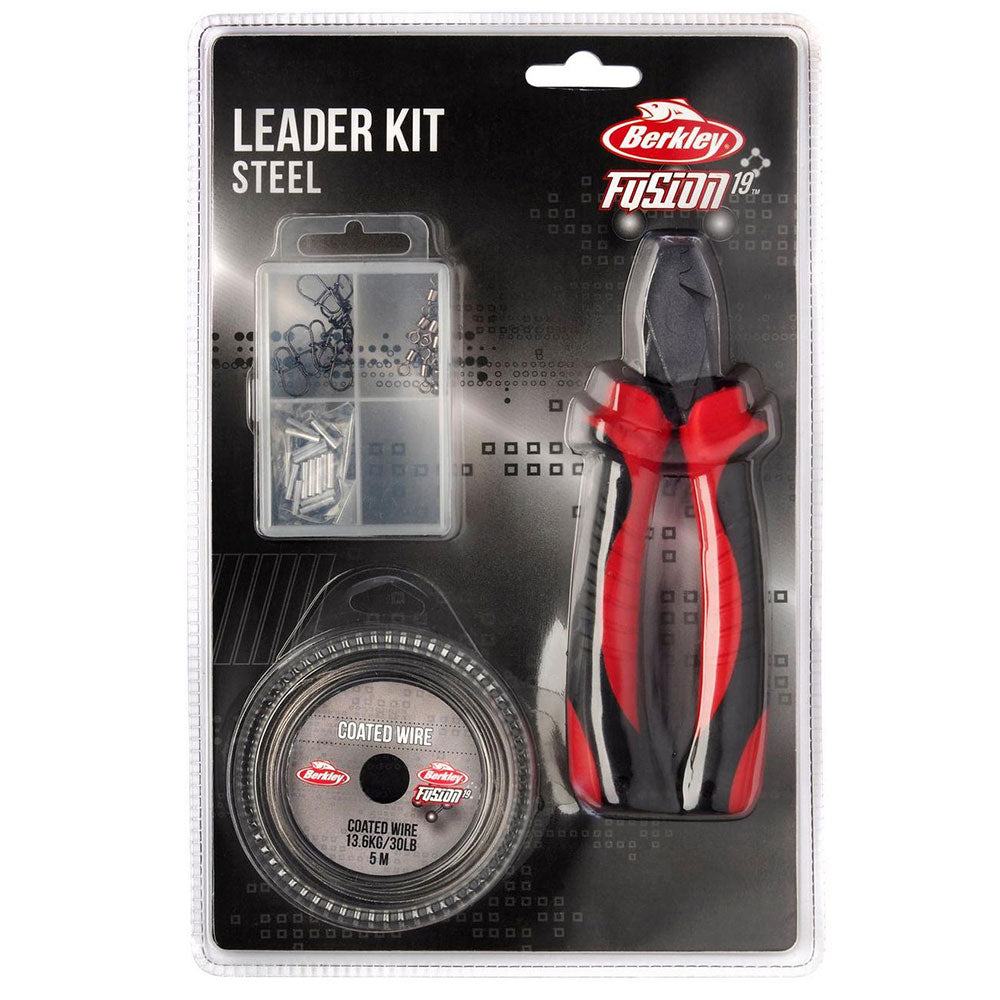

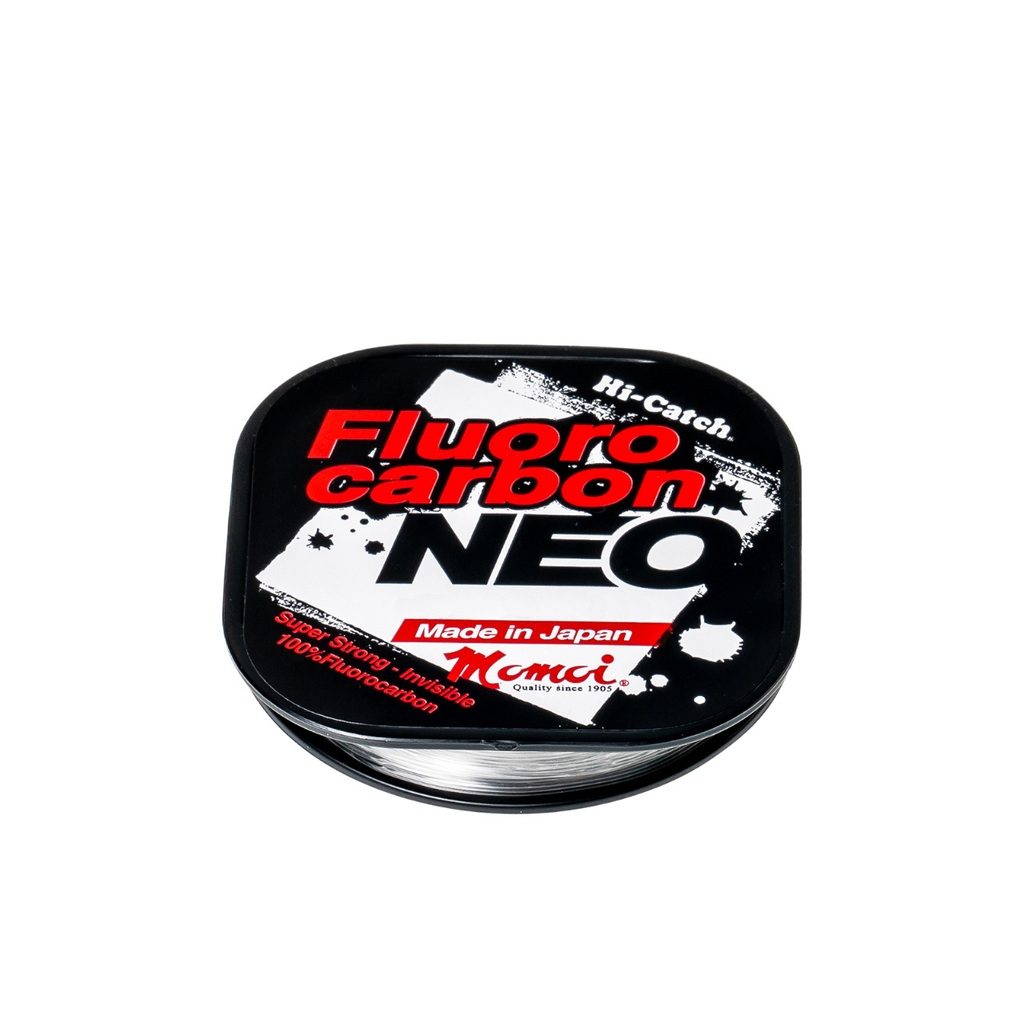


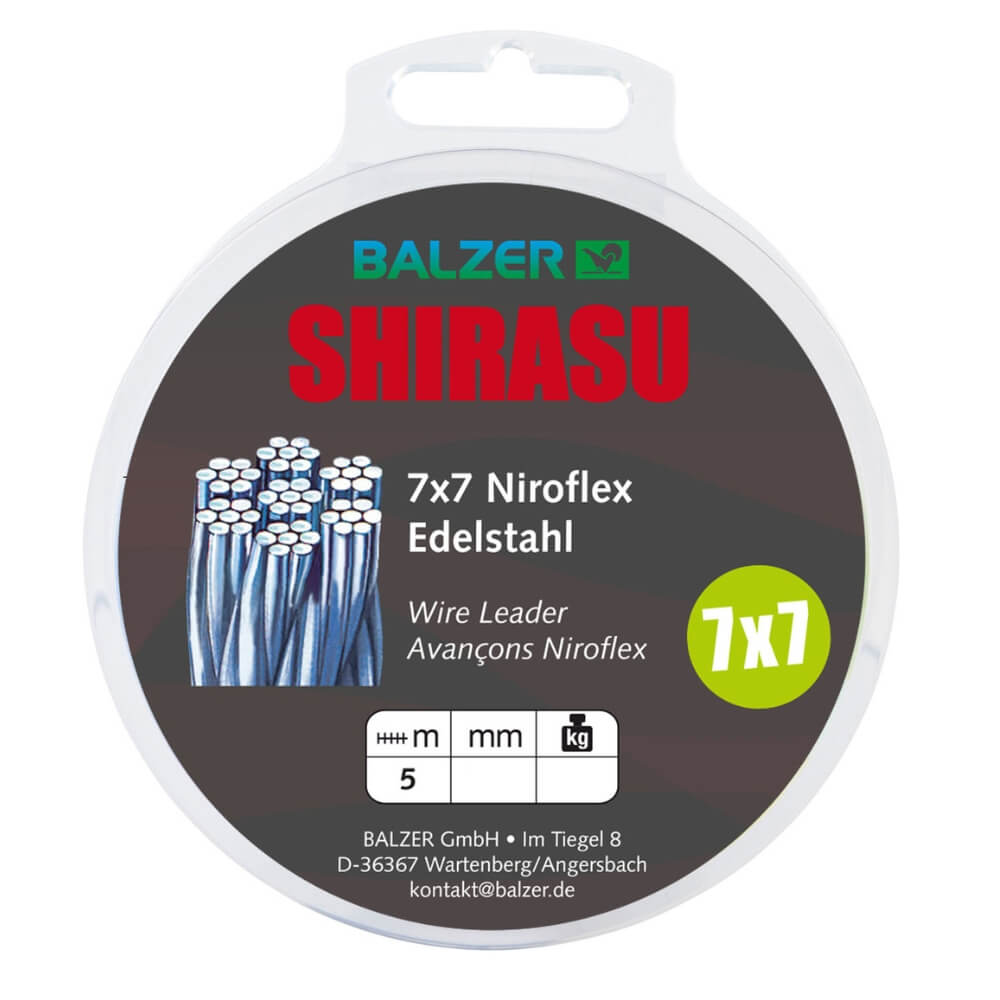


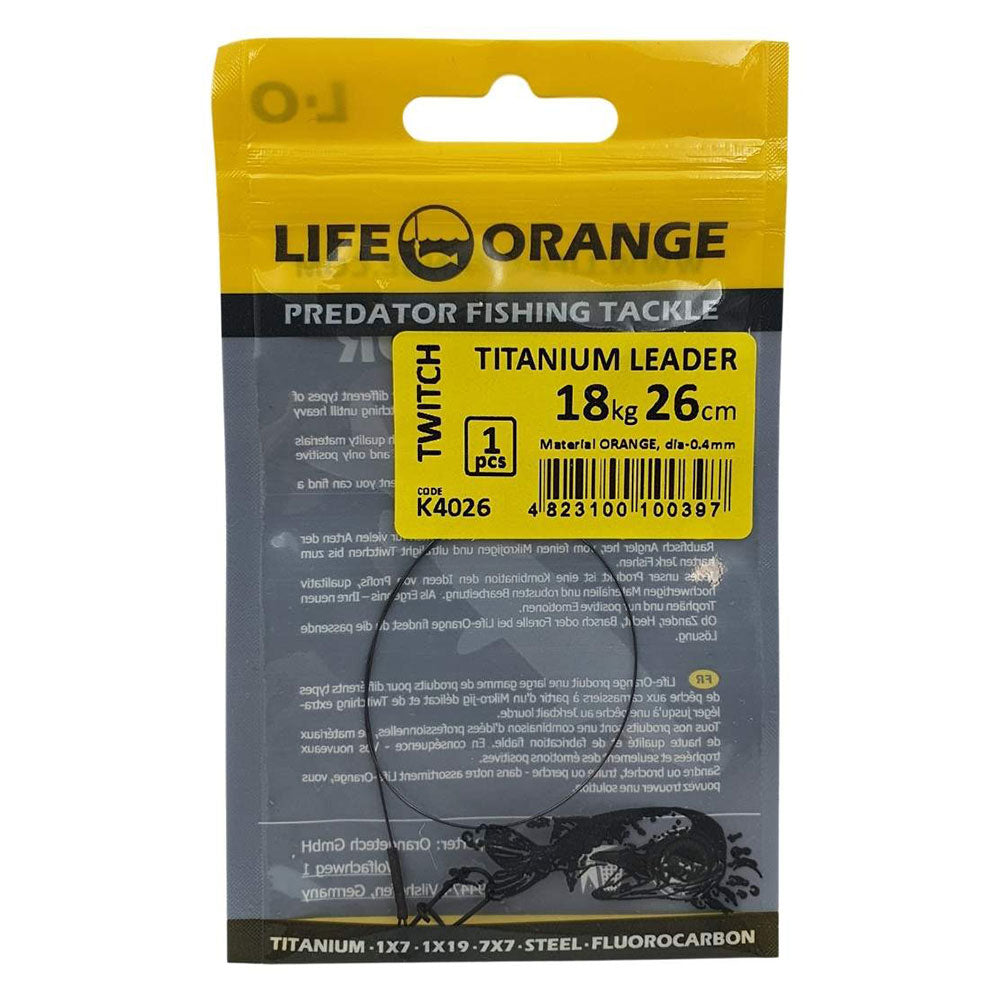
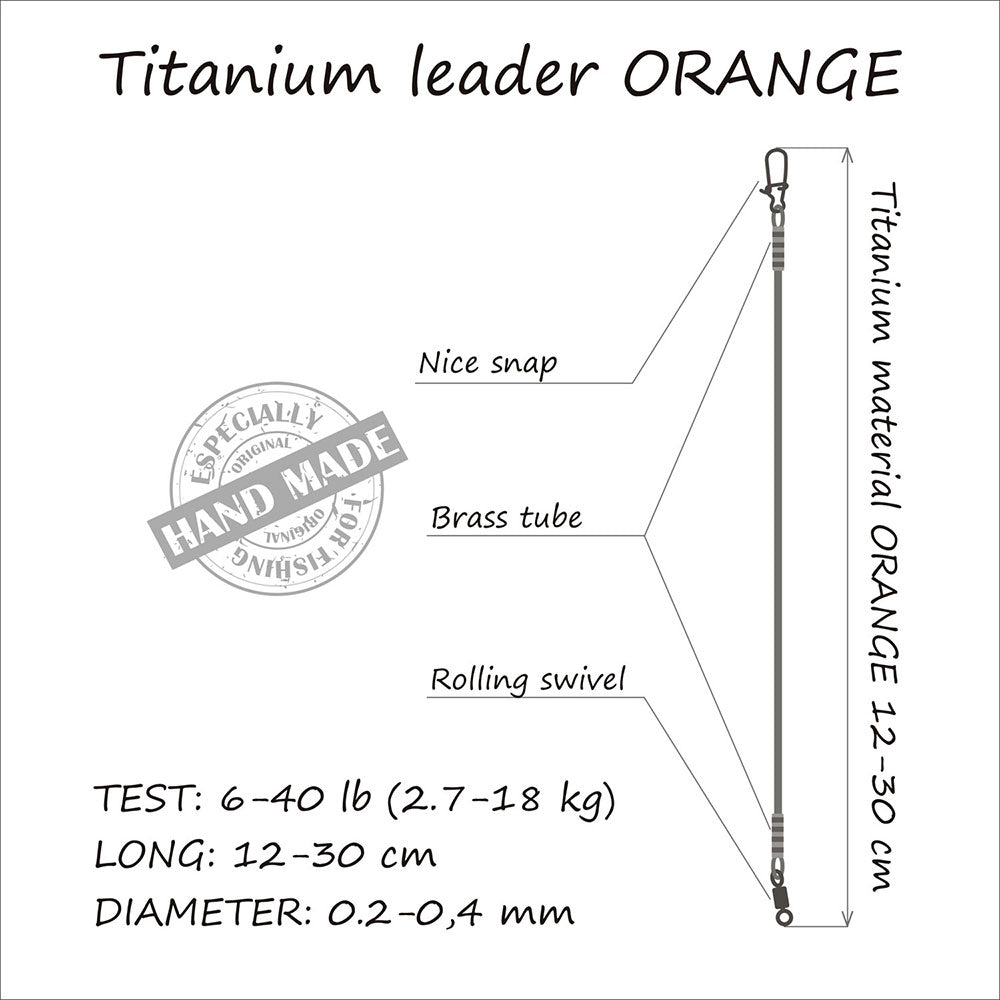
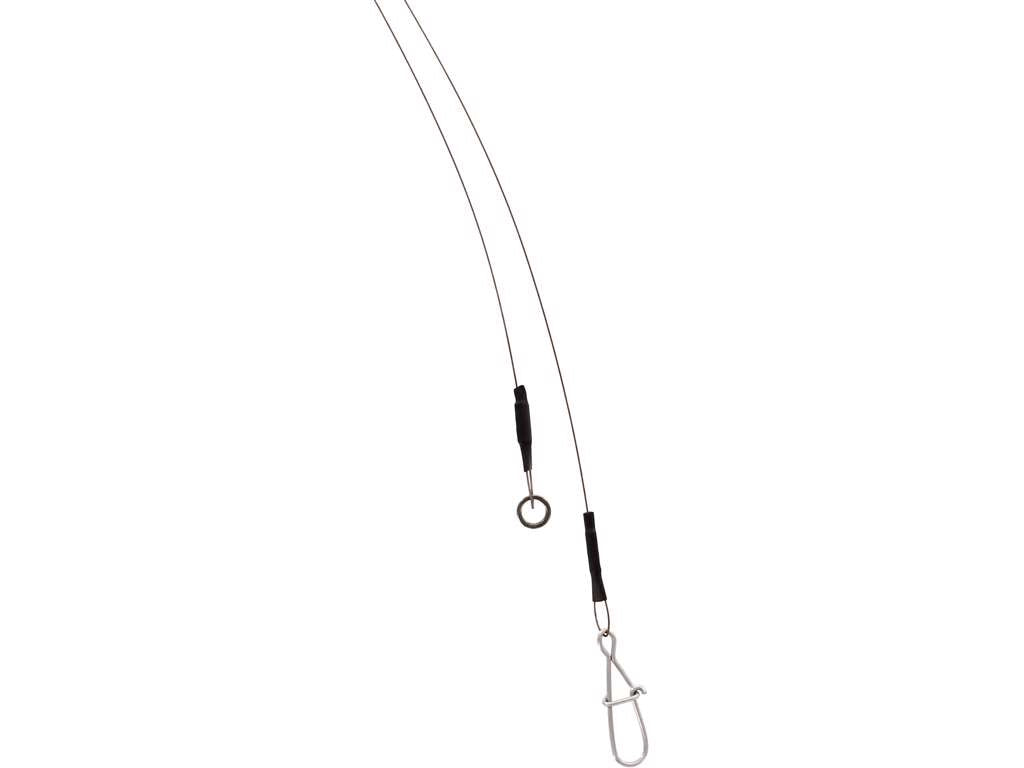


<h2>Buying Guide for Leaders</h2><p>The era of thick <strong>mono</strong> is largely over. Modern <strong>braid</strong> has taken over and brought countless advantages with it. There is, however, one significant drawback: braid is not abrasion-resistant. For that reason, regardless of your target species, you will almost always need a suitable leader material to bridge that gap.</p><p>Finding the right material for the right application is what the following leader material guide is here to help with.</p><h3>Materials and Their Properties</h3><h4>Fluorocarbon (FC)</h4><p>Fluorocarbon is a clear material that resembles mono in appearance, though its properties are quite different.</p><p>It has a higher density than nylon, so <strong>FC sinks faster</strong>. Its refractive index is close to that of water, which means fluorocarbon is theoretically near-invisible underwater. The material is also considerably more abrasion-resistant than nylon and has significantly less stretch. This combination of properties makes it an ideal leader material for line-shy species with only moderate teeth, and it offers adequate protection against mussels and rocks on the bottom.</p><p>In larger diameters from around 0.90 mm, <strong>fluorocarbon</strong> is also suitable as a pike-proof leader material. When buying, make sure you choose leader material made from <strong>100% FC</strong>. Nylon lines with an FC coating are available and work well as main line, but they are a second choice for leaders.</p><h4>Wire Trace</h4><p>A wire trace remains the classic choice for fishing for pike and other hard-toothed predators. There are now many variants available. Wire traces are always constructed from multiple individual strands.</p><p><strong>Common configurations include:</strong></p><ul><li>1x7</li><li>7x7</li><li>1x19</li><li>and further combinations</li></ul><p>The <strong>more strands</strong> there are, the <strong>softer and more flexible</strong> the material. Some of these materials can even be knotted. Fewer strands produce a slightly more robust trace overall, though it is more prone to kinking and needs to be replaced more often.</p><p>Alongside strand count, the base material also matters. Wire traces are available in stainless steel wire, which is particularly suited to saltwater use but comes at a higher price - for freshwater fishing that extra investment is not necessary.</p><p>Some wire traces have a nylon coating, which changes the colour and makes them more resistant to kinking and curling, though also thicker and stiffer. This makes them well suited to large, heavy lures, while thin uncoated traces are better for lighter lures and discreet fishing - for example as a pike safeguard when targeting perch.</p><p>Wire trace material is also excellent for building <strong>stingers</strong>.</p><h4>Titanium</h4><p>Titanium is another leader option. It is available as a <strong>single-strand wire</strong> and as 1x7 multi-strand material. Titanium is lighter than steel, does not kink or curl, and is completely corrosion-resistant. It also has a natural degree of stretch. In principle, titanium is the ideal predator leader - though it is considerably more expensive than steel.</p><p>Because you can use <strong>titanium leaders</strong> for much longer than wire traces, the price difference evens out quickly, and you save yourself the often frustrating task of changing kinked traces at the water.</p><p>When working with titanium single-strand wire in particular, great care is needed. If the material is pinched or kinked over a sharp edge it can fatigue and snap - and unlike steel wire, this happens suddenly rather than gradually.</p><p>Titanium wire can still be knotted even in thicker diameters and, when handled correctly, lasts almost indefinitely. For mini plugs and other lightweight lures, ultra-fine titanium leaders become almost essential wherever pike are a risk.</p><h4>Nylon</h4><p>Nylon still has its place as a leader material. Because it floats - unlike fluorocarbon - it is the right choice for <strong>topwater fishing</strong>. FC cannot be used here, as some surface lures will not run correctly with a sinking leader. Nylon is also the first choice for long buoyant rigs, which would otherwise be pulled down by the weight of fluorocarbon.</p><p>For dry fly fishing, nylon is also by far the better leader material.</p><h4>Braid</h4><p>Braid is of course also used as a leader material. Carp and wels catfish anglers use different types.</p><p>Carp anglers use thick, coated or sinking-material <strong>braided lines</strong> over the final centimetres of the rig to present boilies tangle-free and as discreetly as possible.</p><p>Wels catfish and predator anglers use Kevlar braids to stand up to the fine brush-like teeth of catfish and similar species while keeping the leader highly flexible.</p>