










Baitcaster Reels
Baitcaster reels are a modern take on the classic multiplier reel, developed specifically for casting and working lures. They take a little practice to master - but once you get the hang of it, they are tremendous fun.
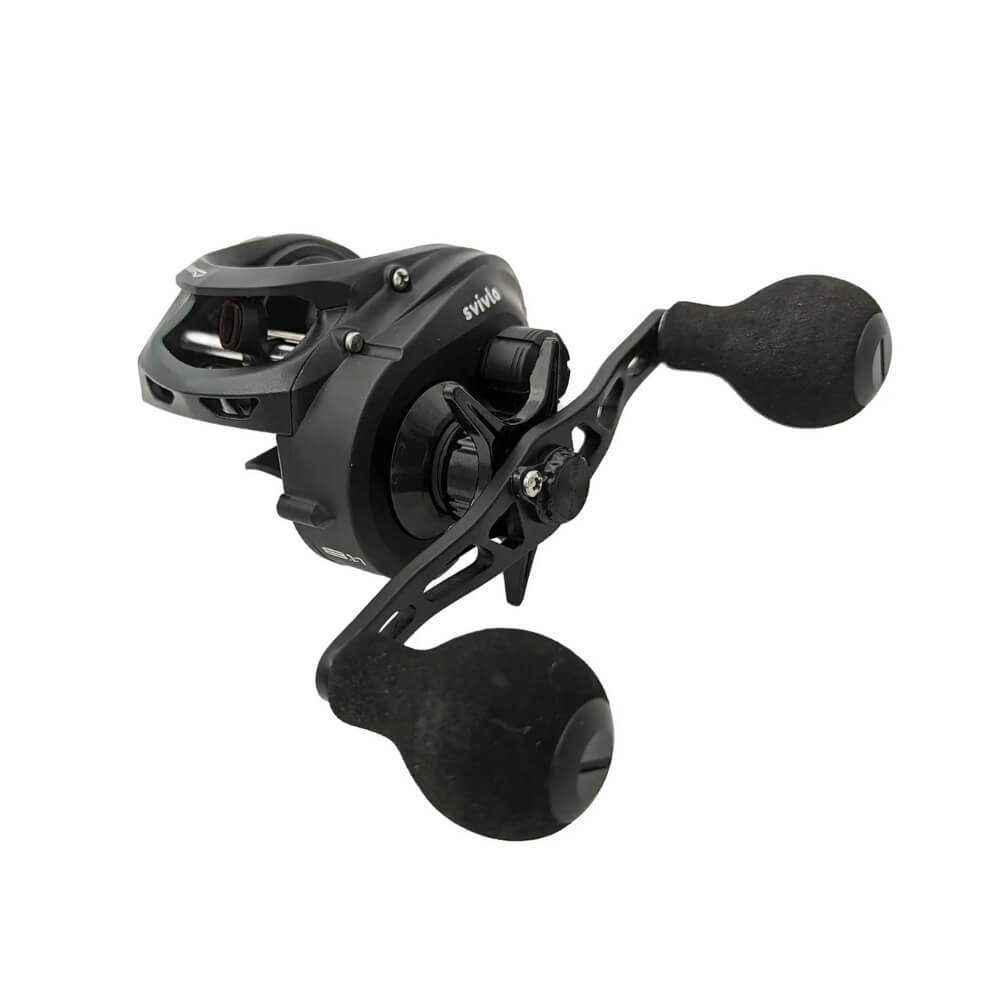

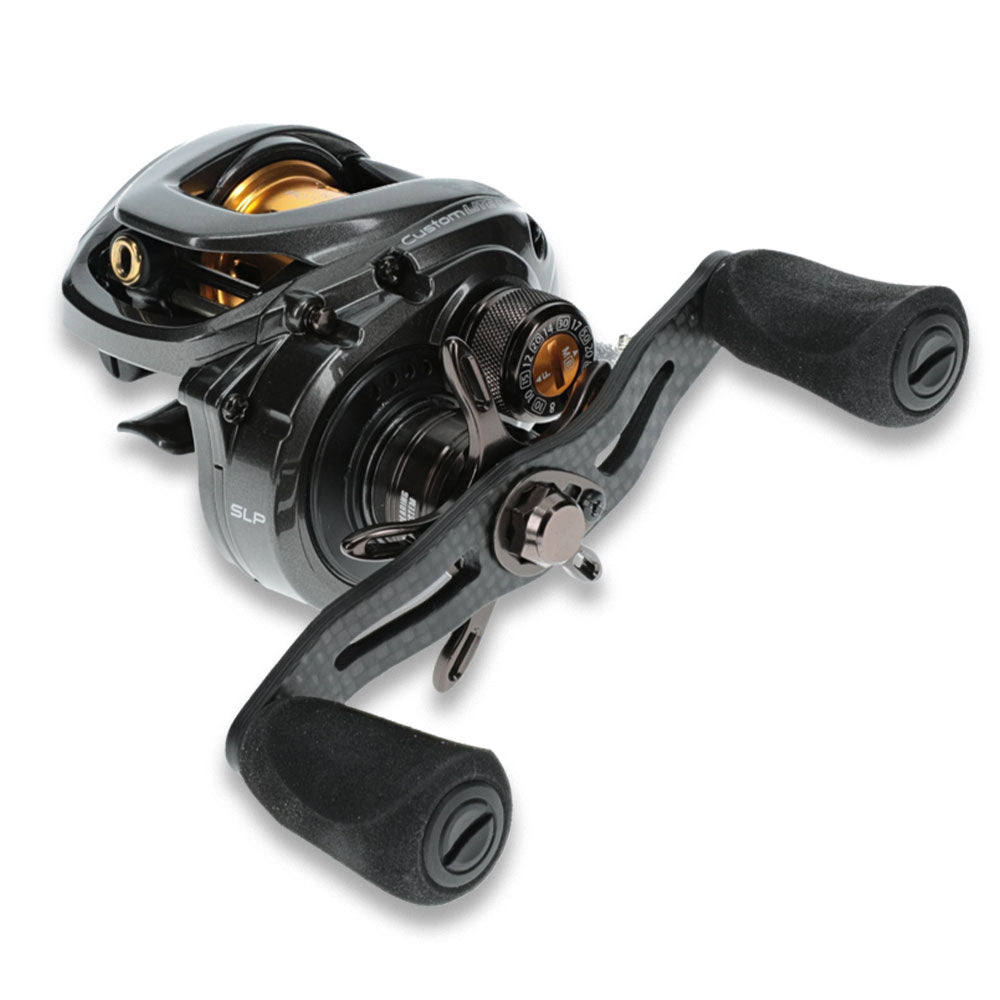

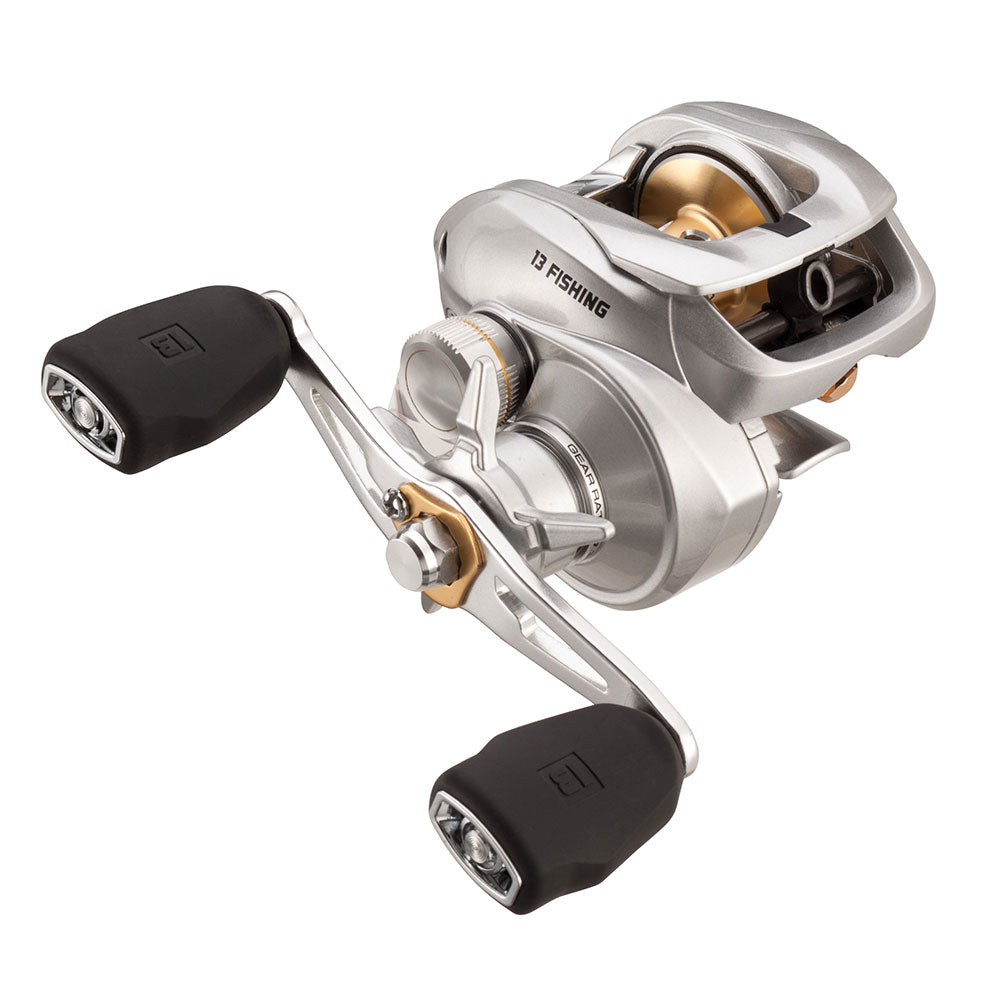

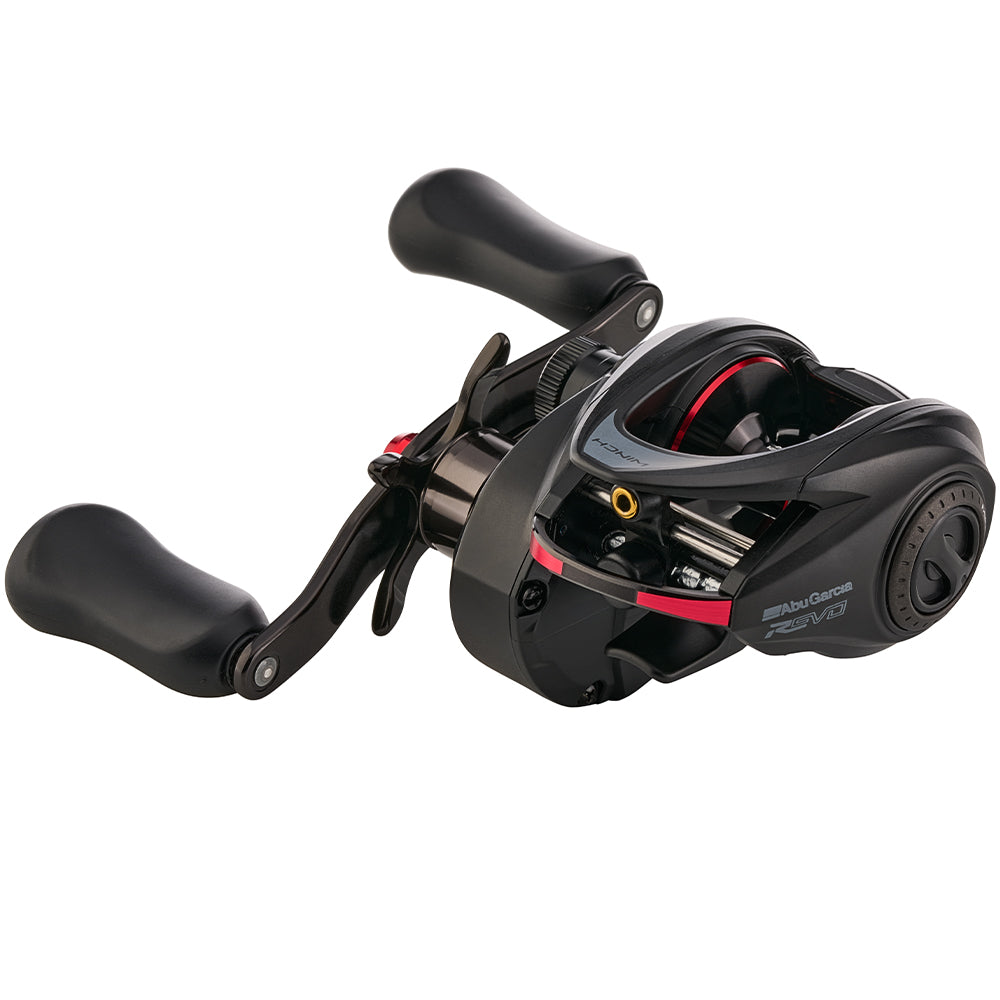

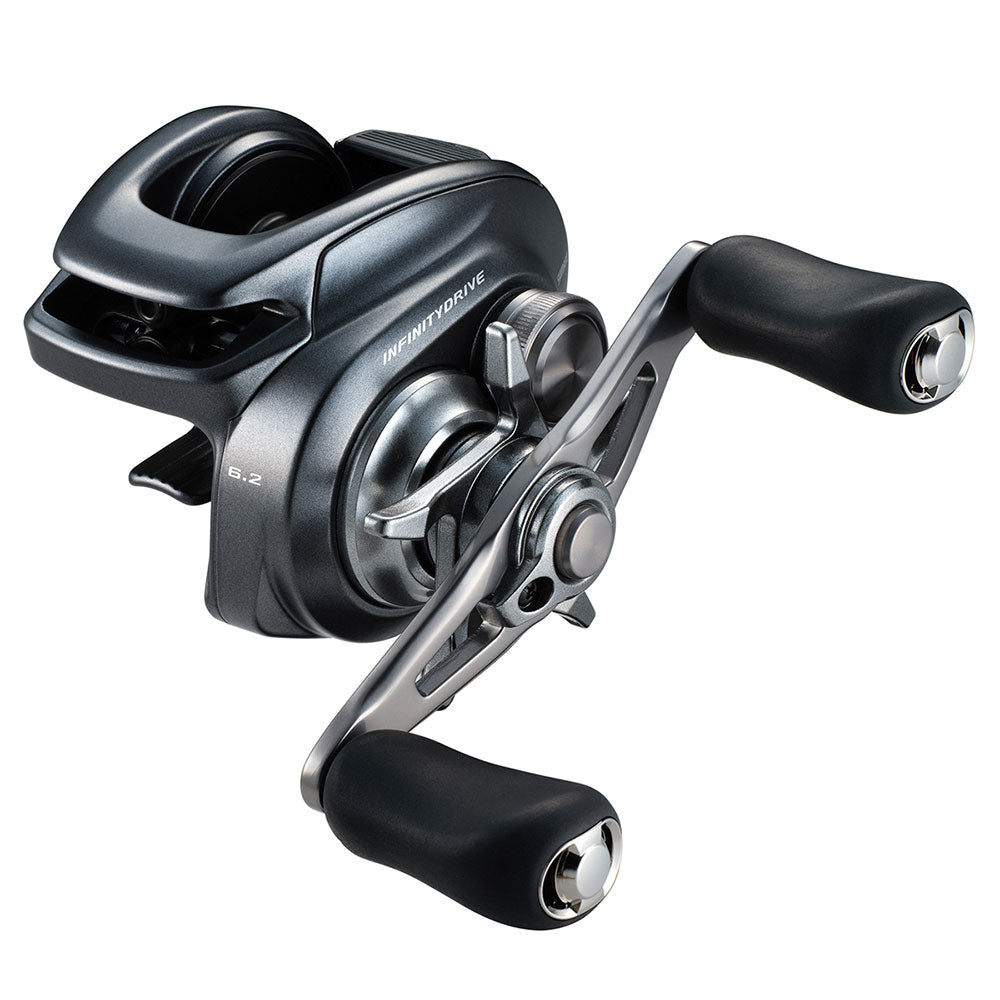
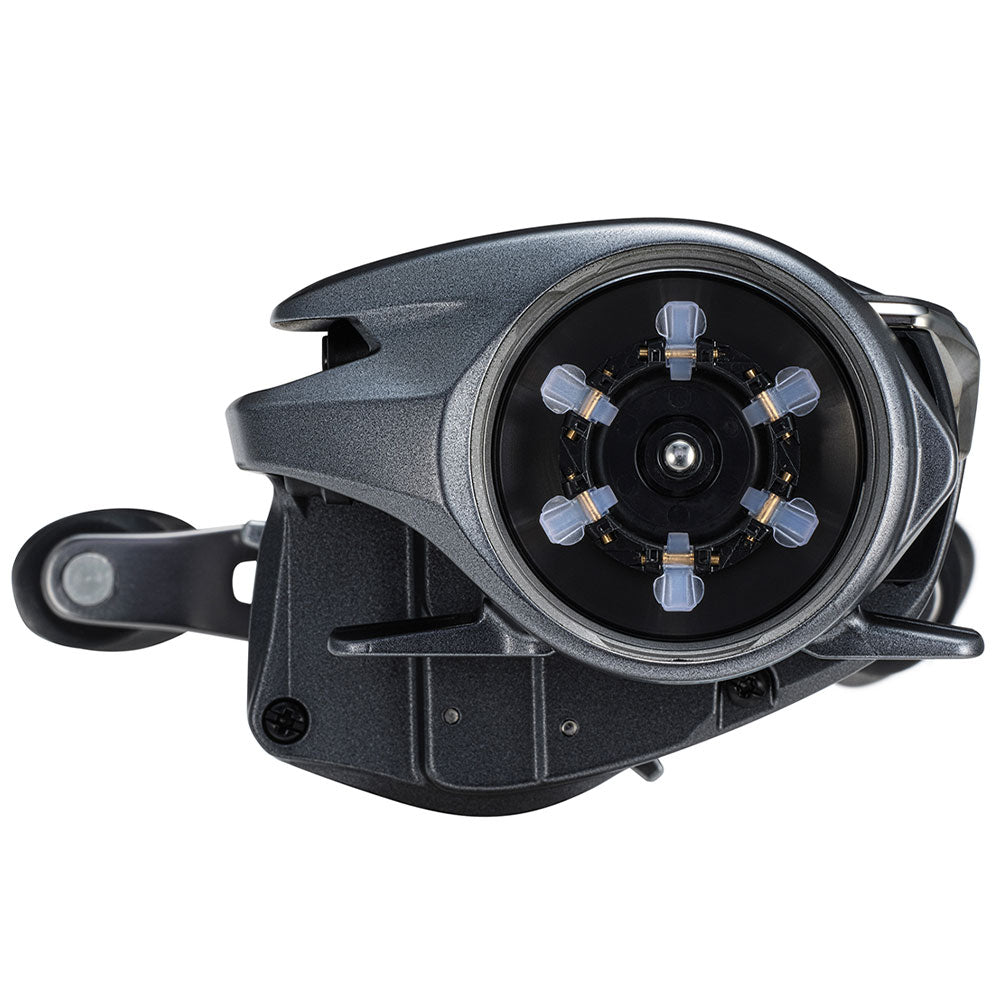
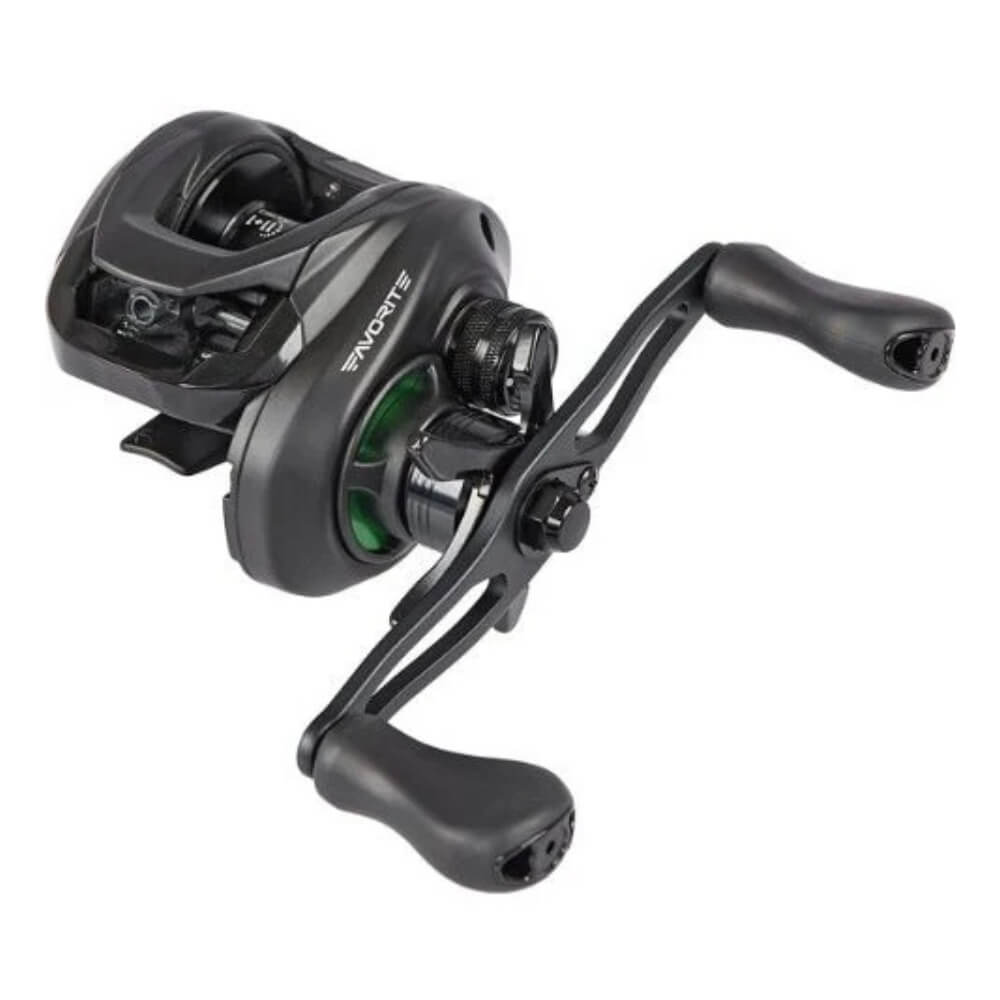

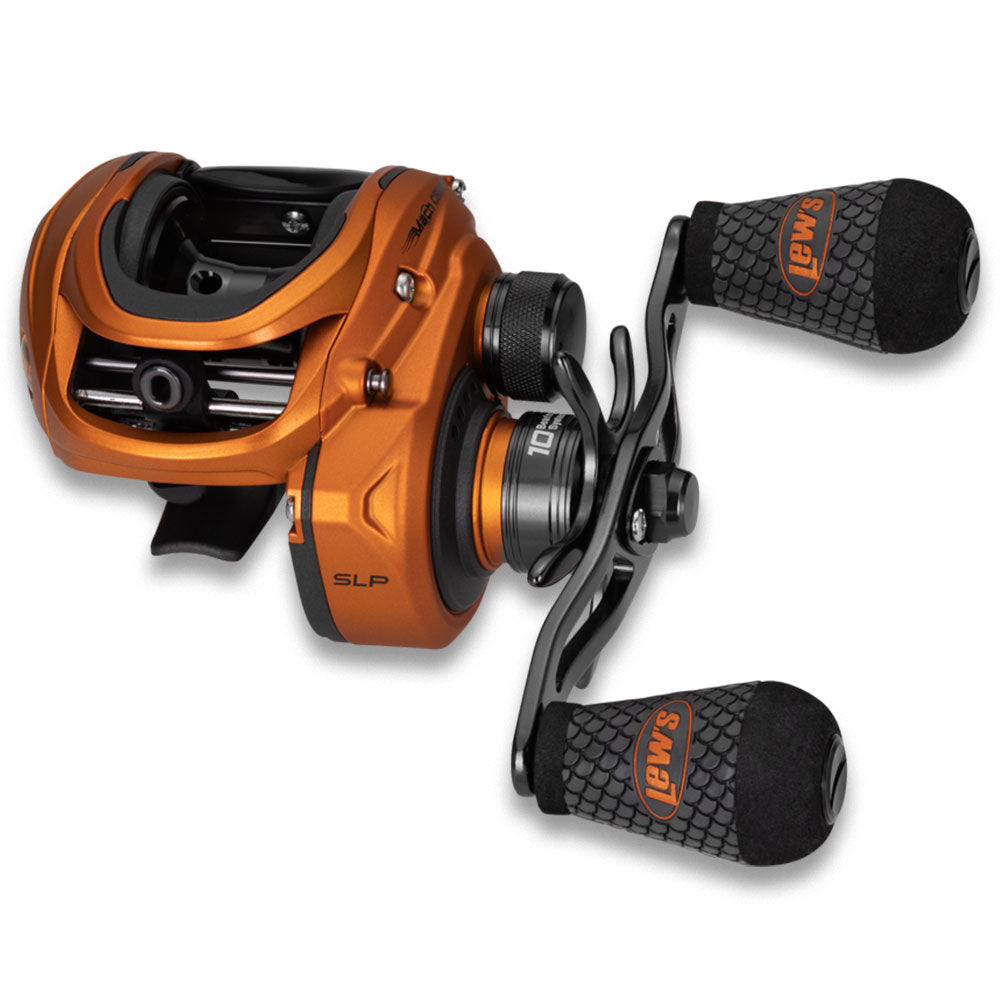
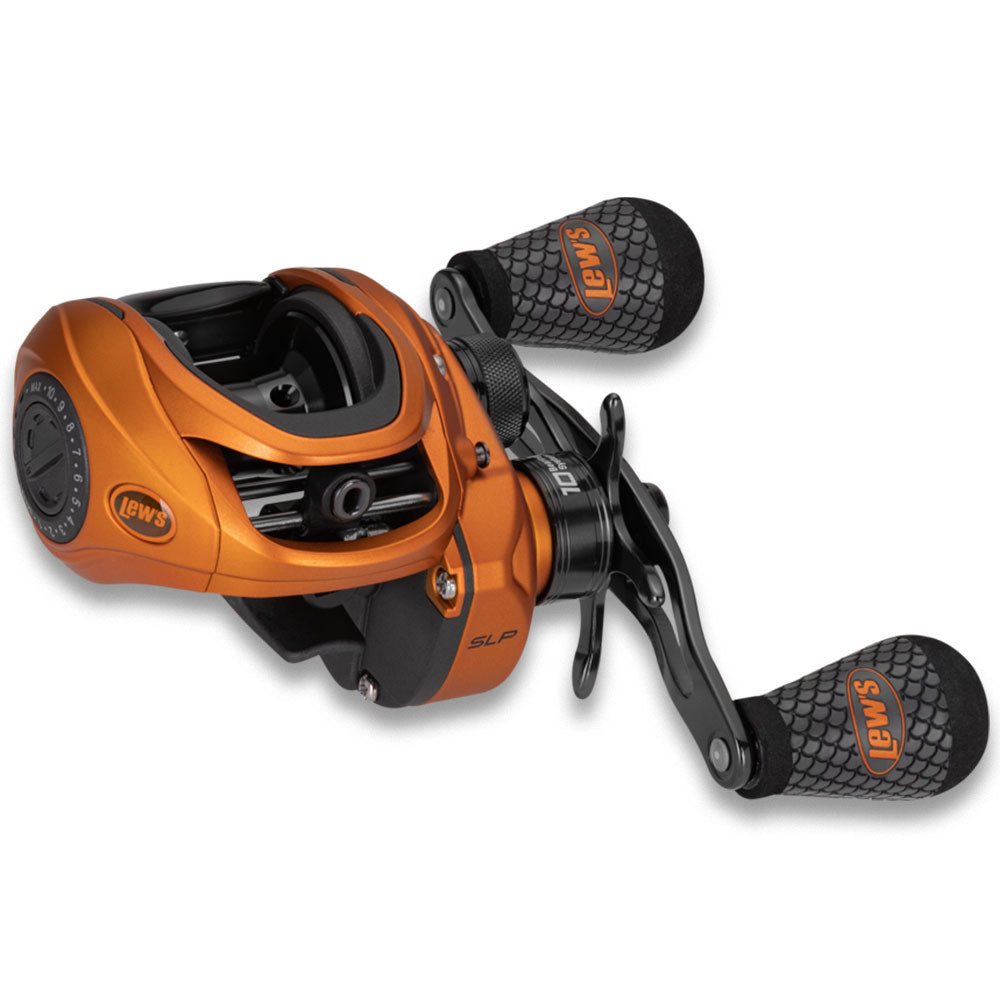
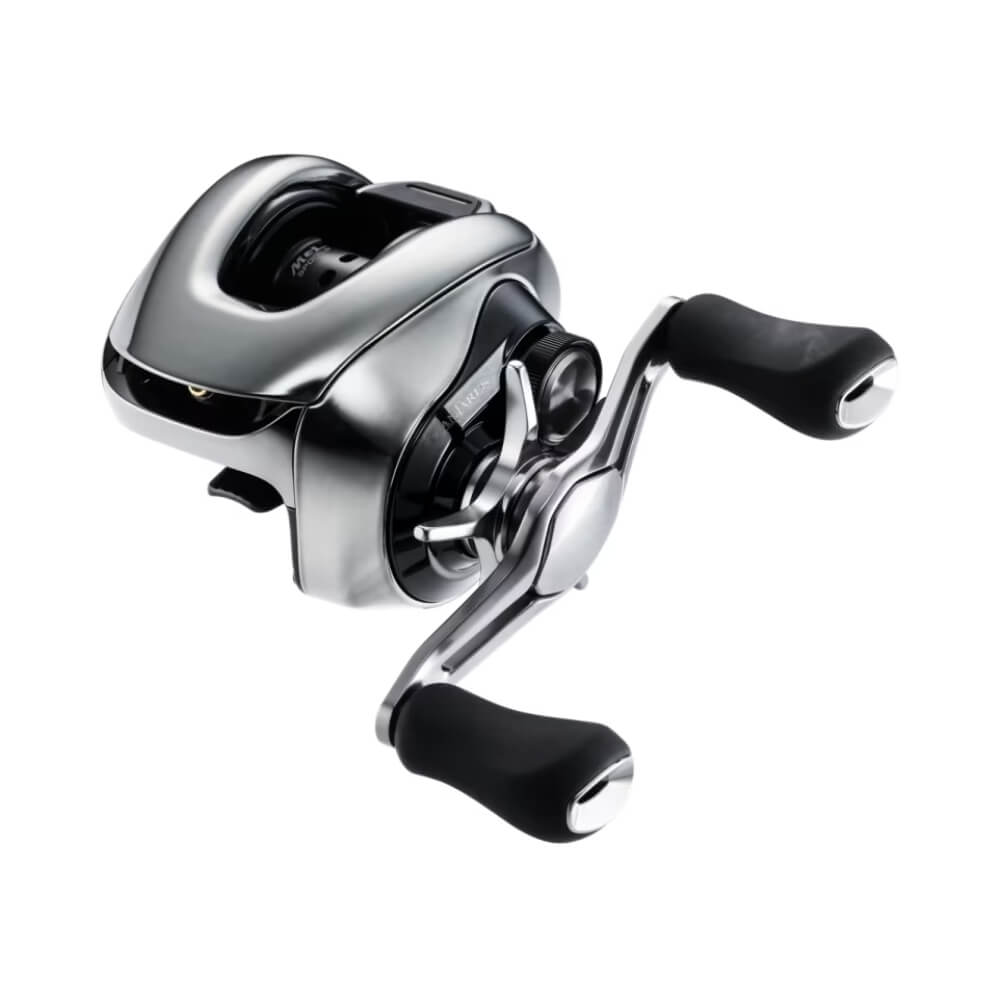
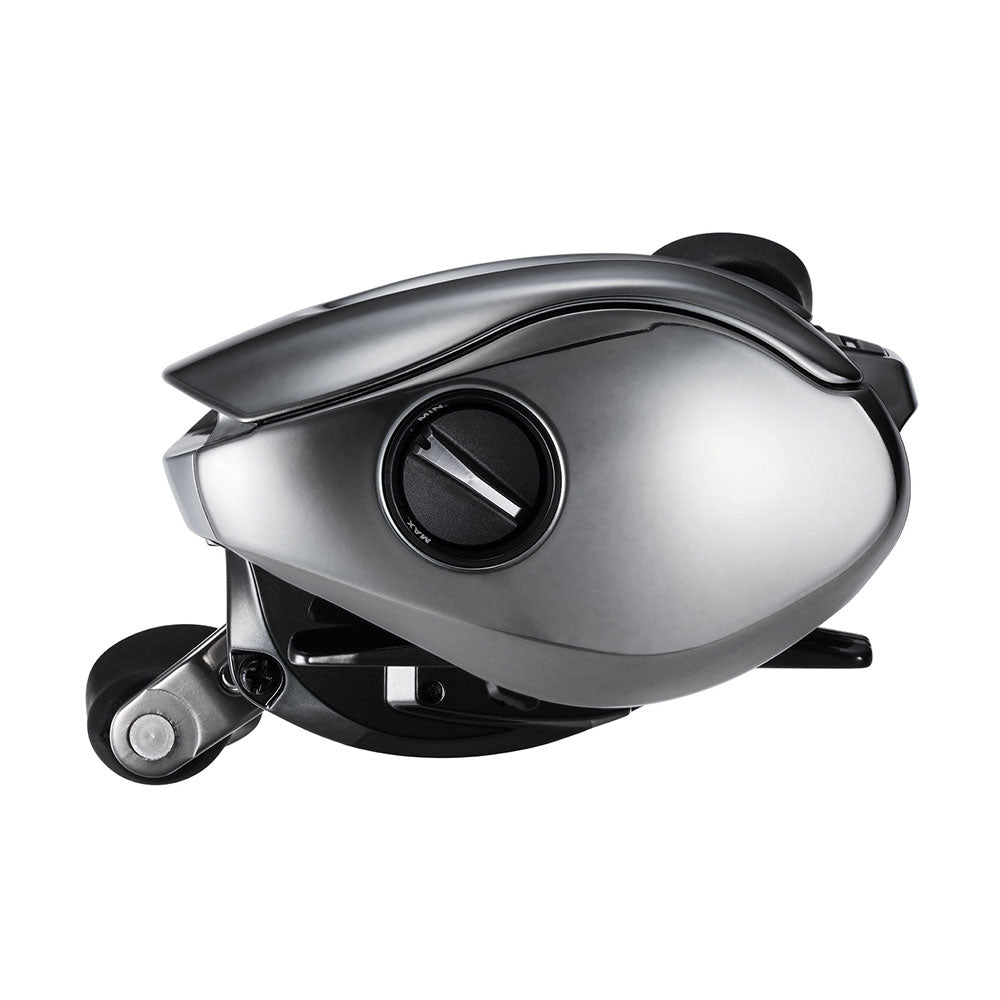
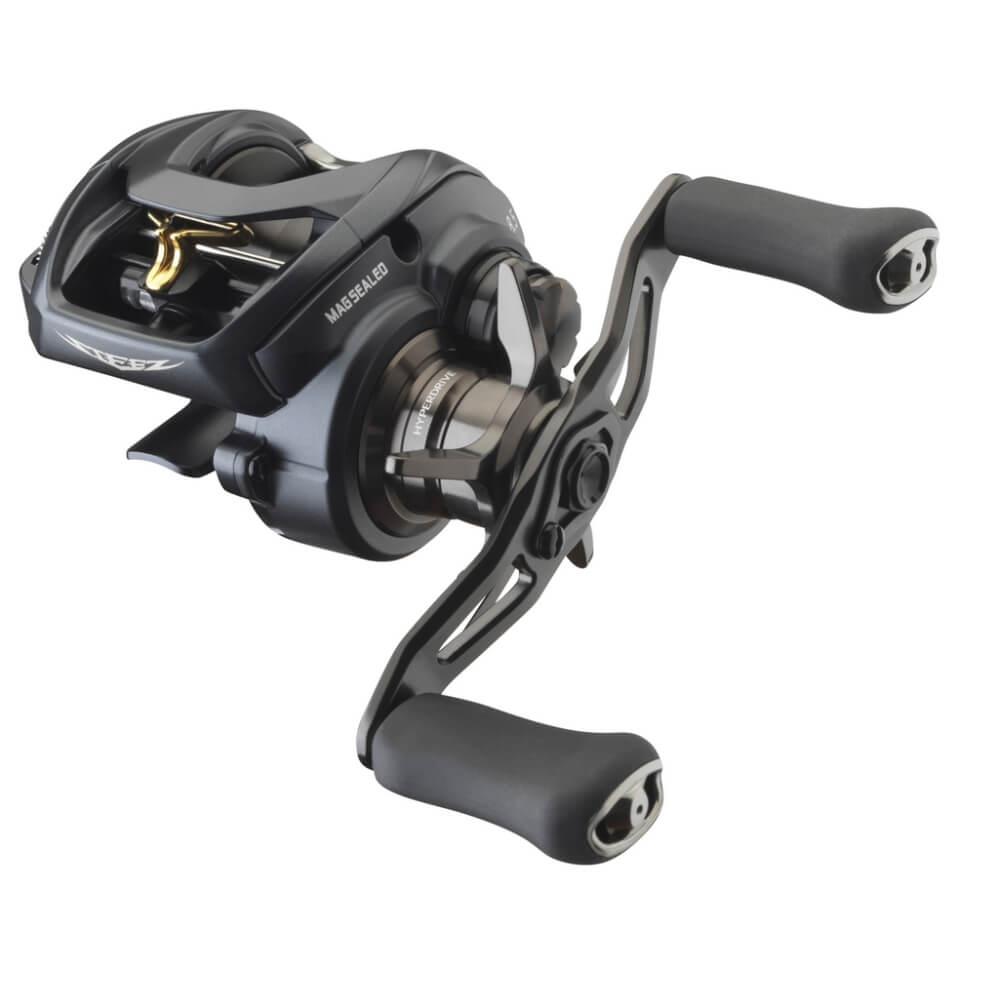


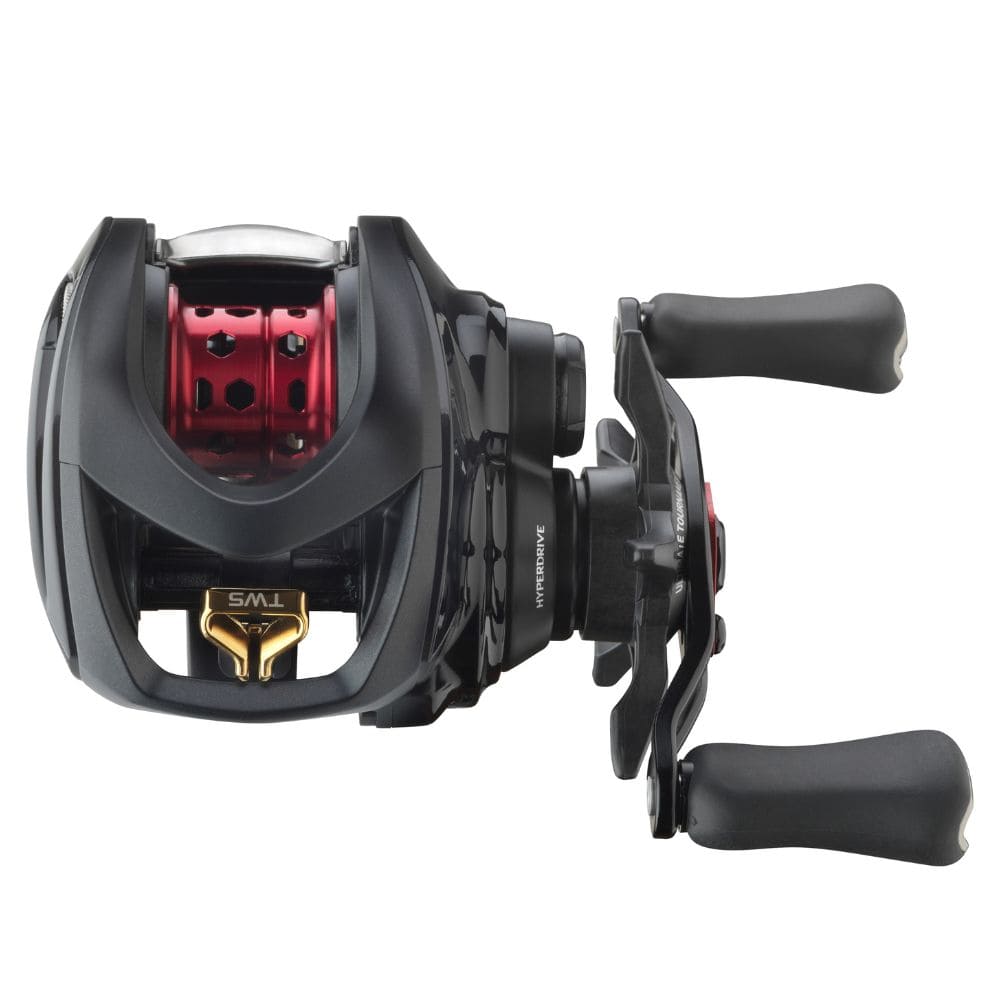

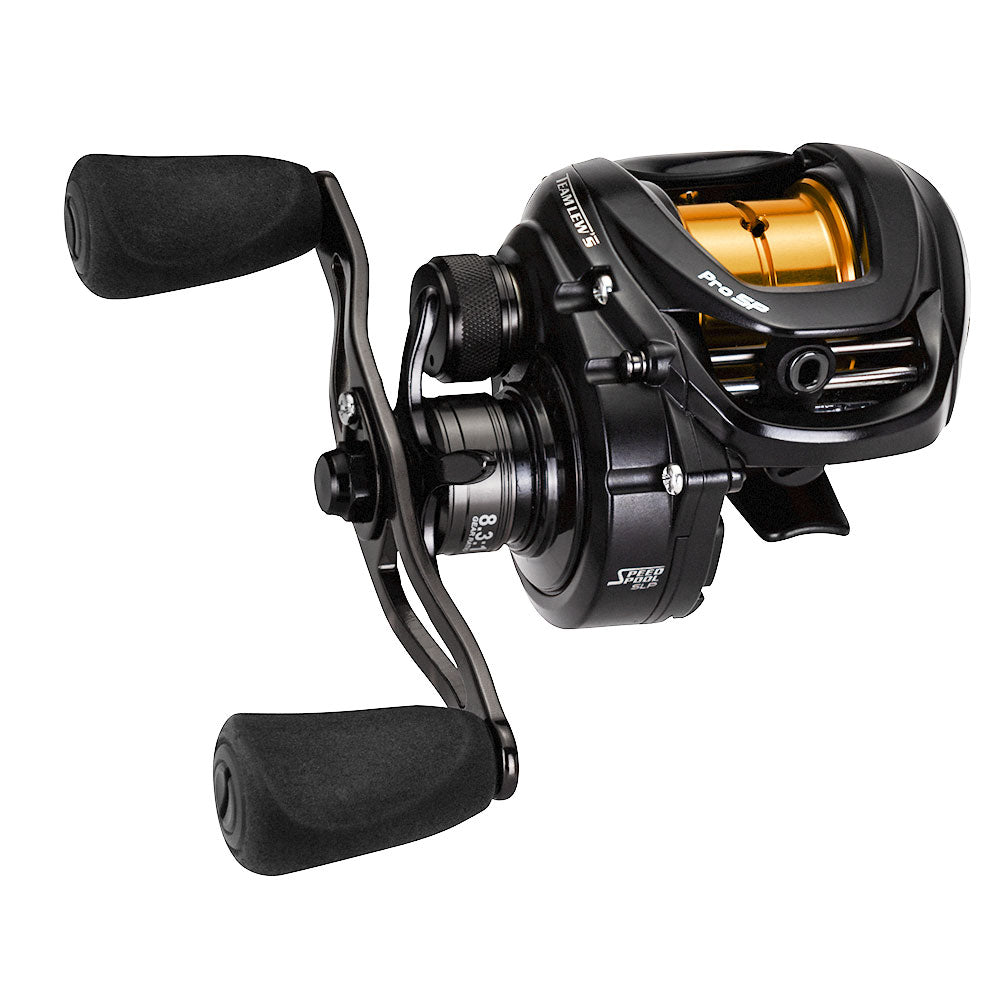


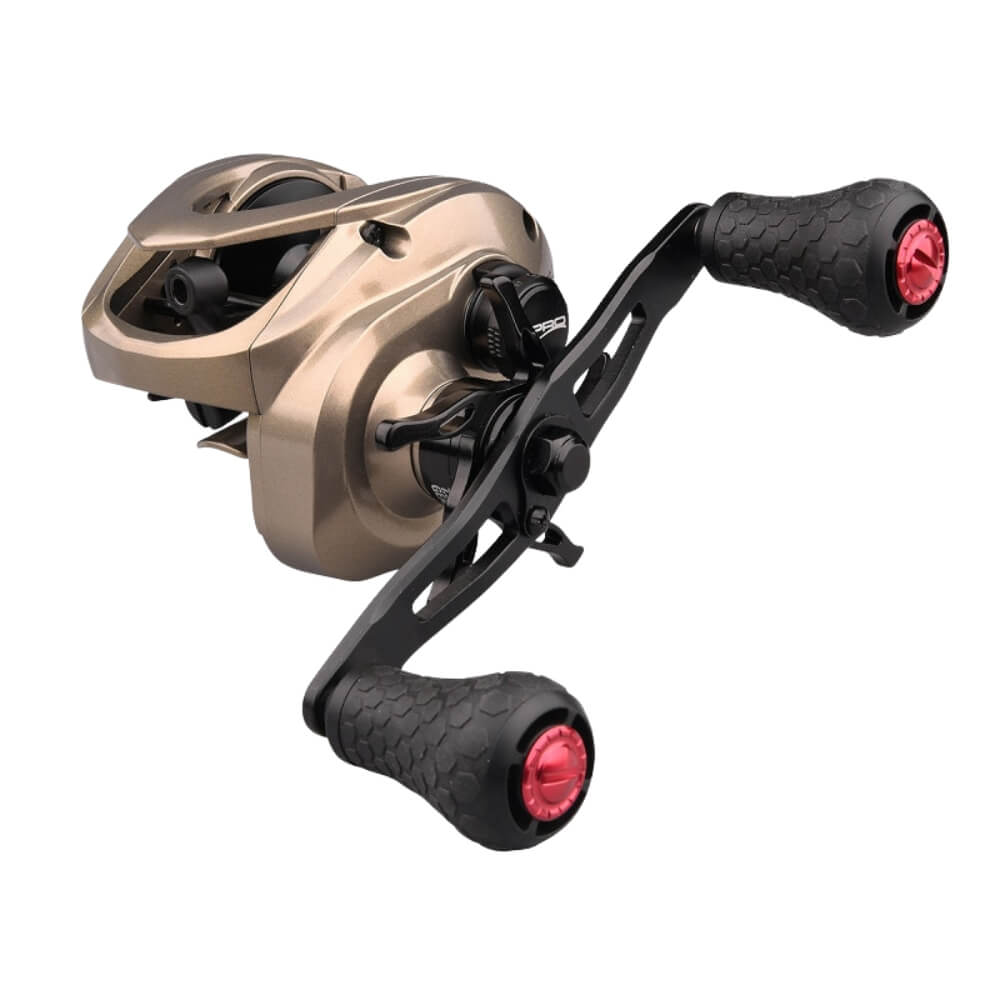


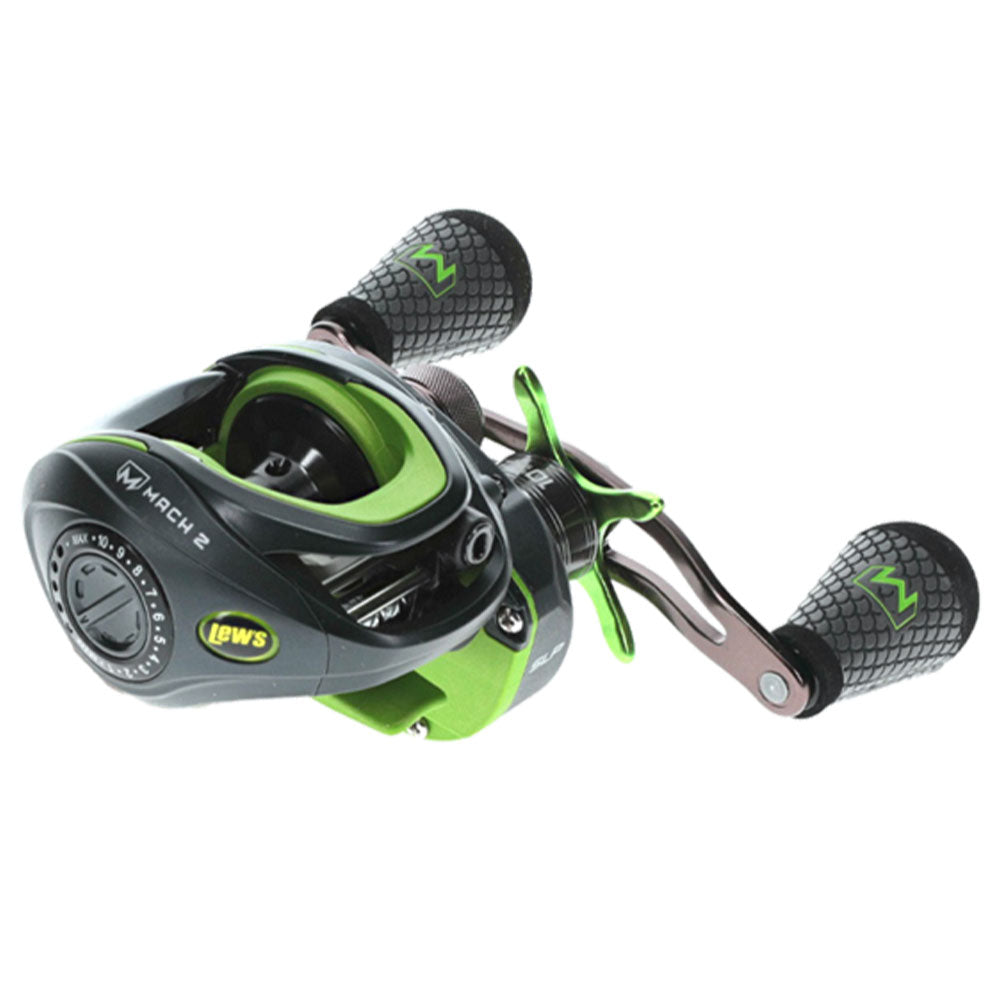


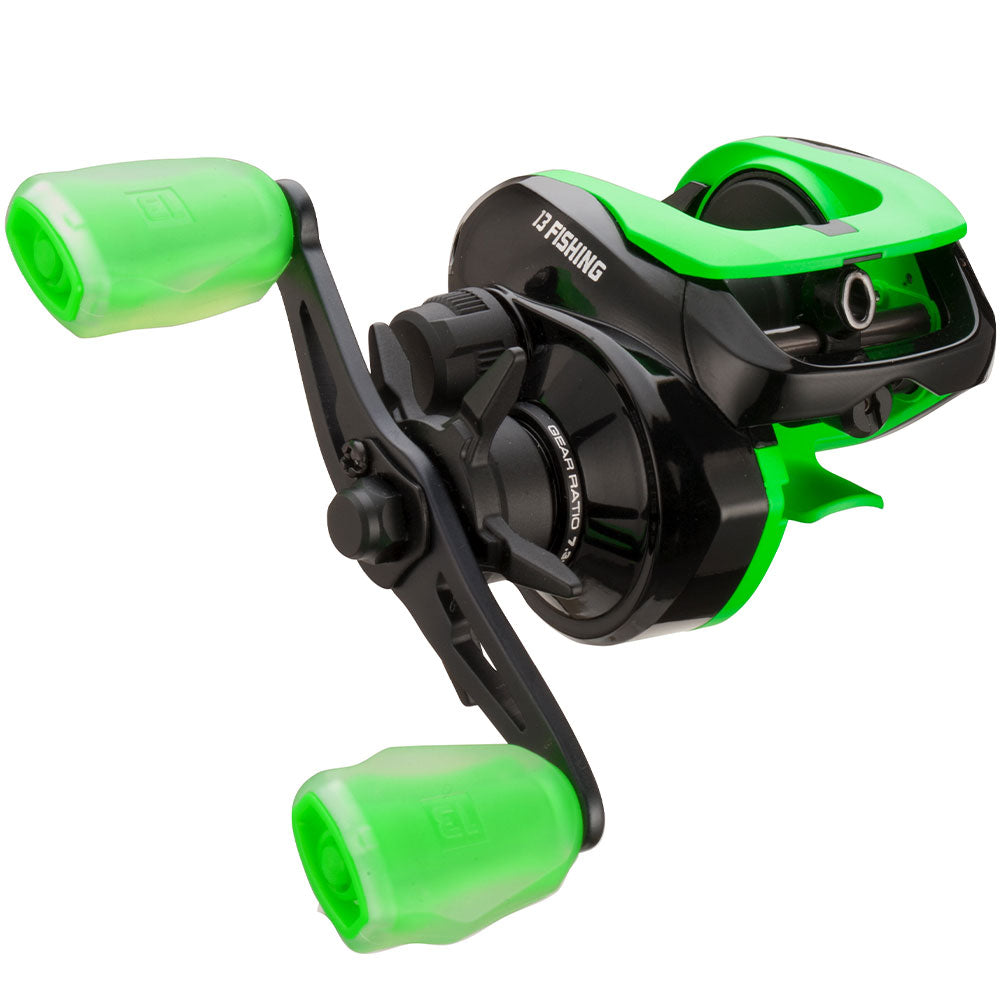

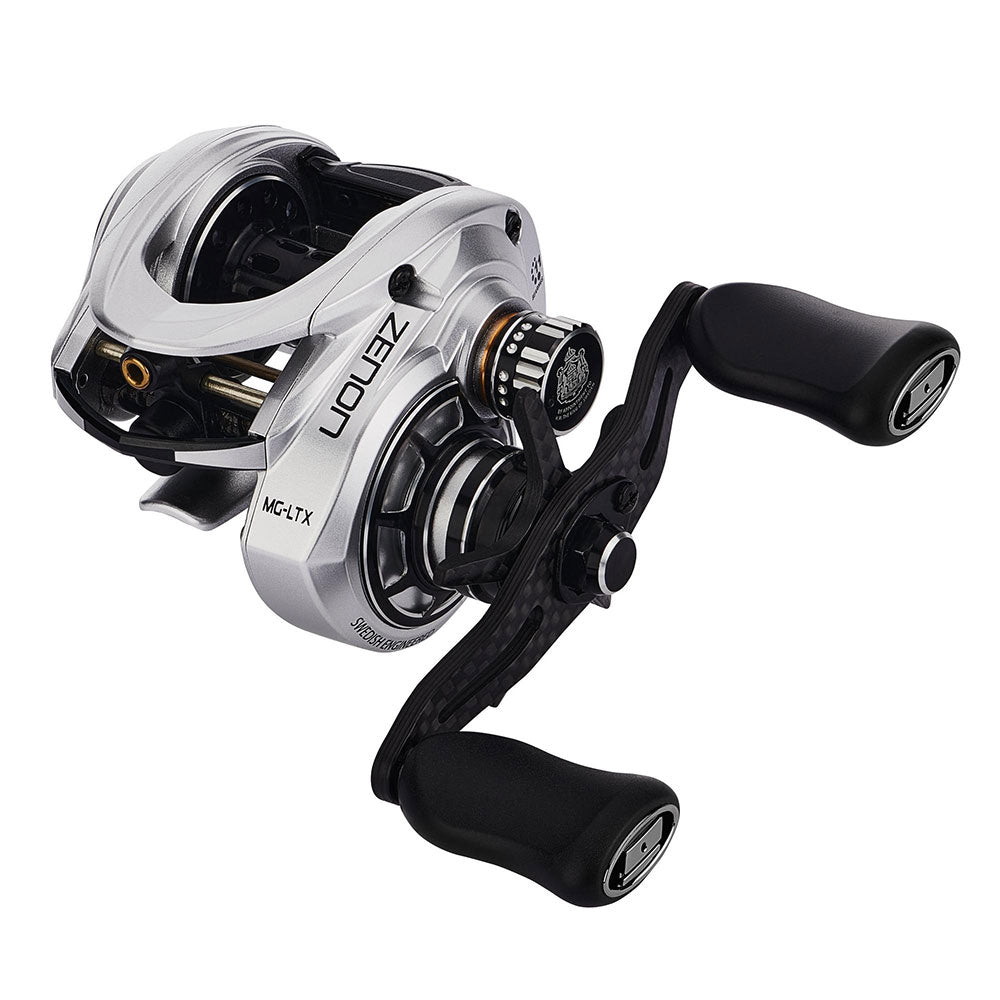


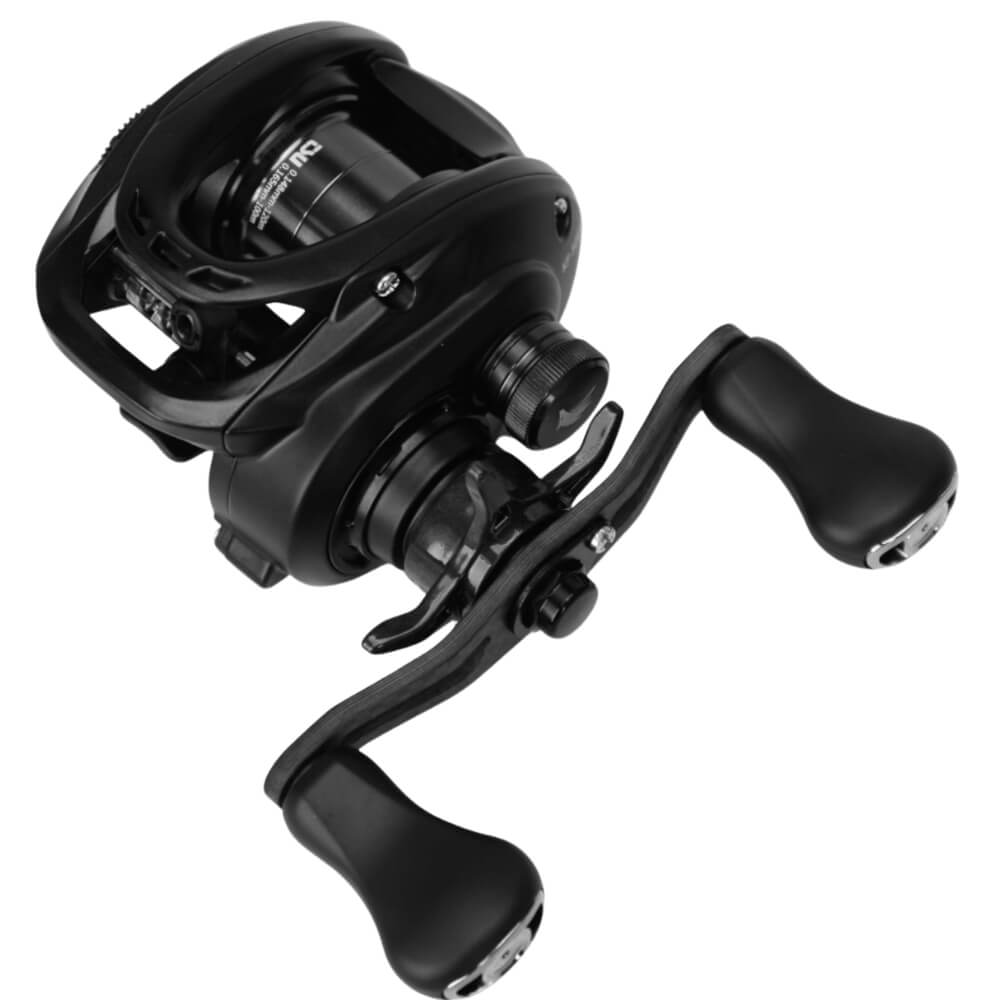
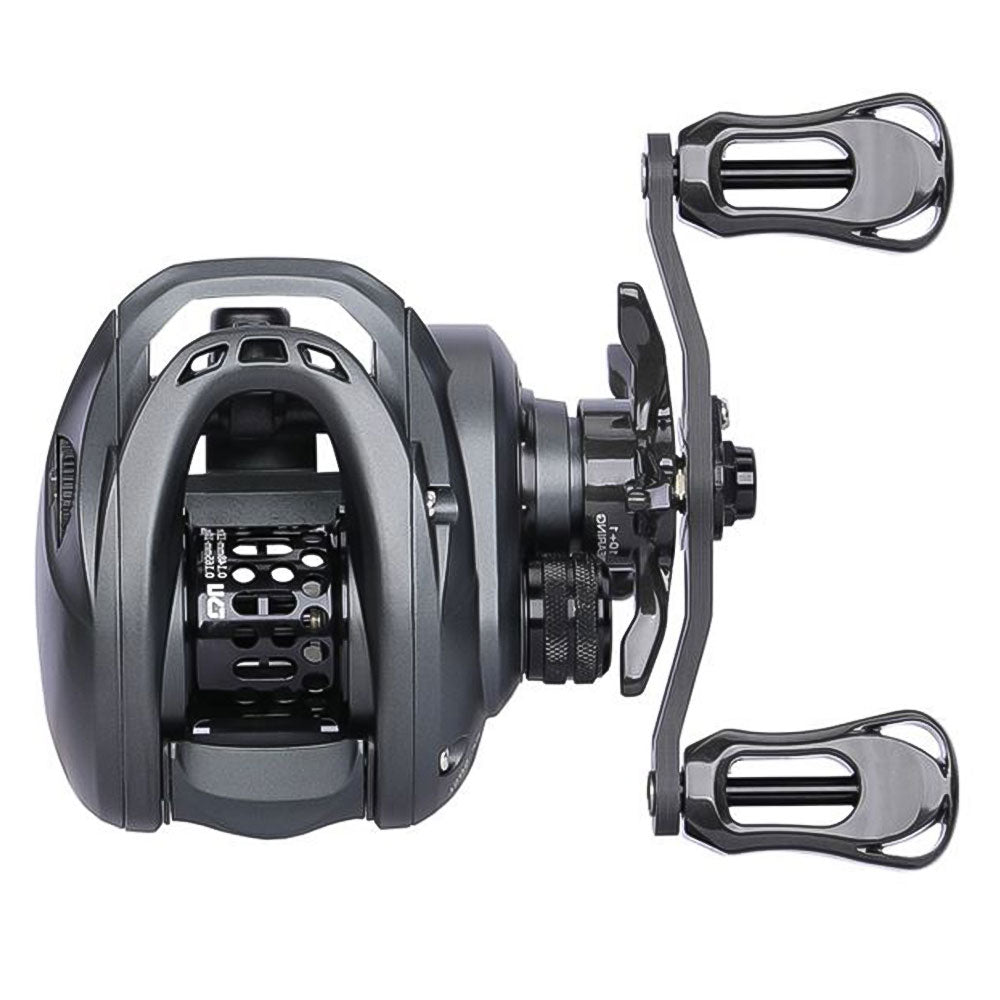
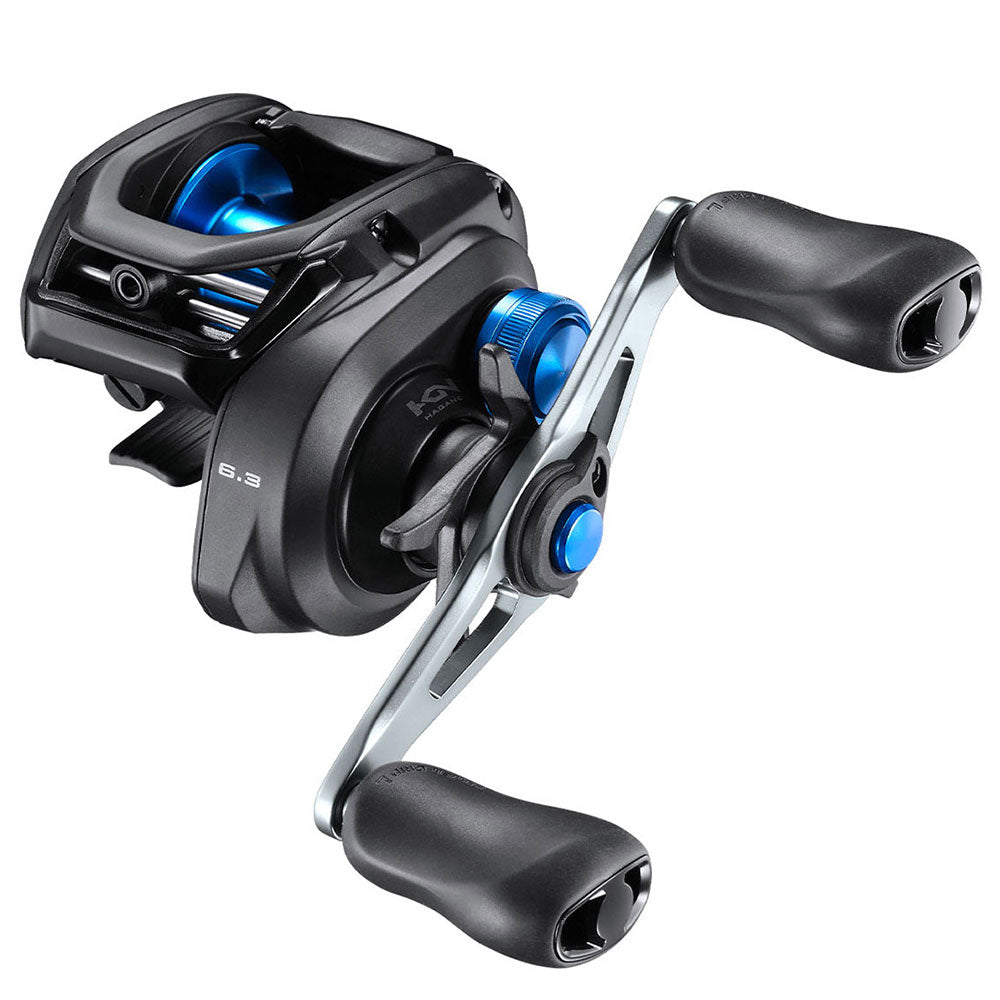
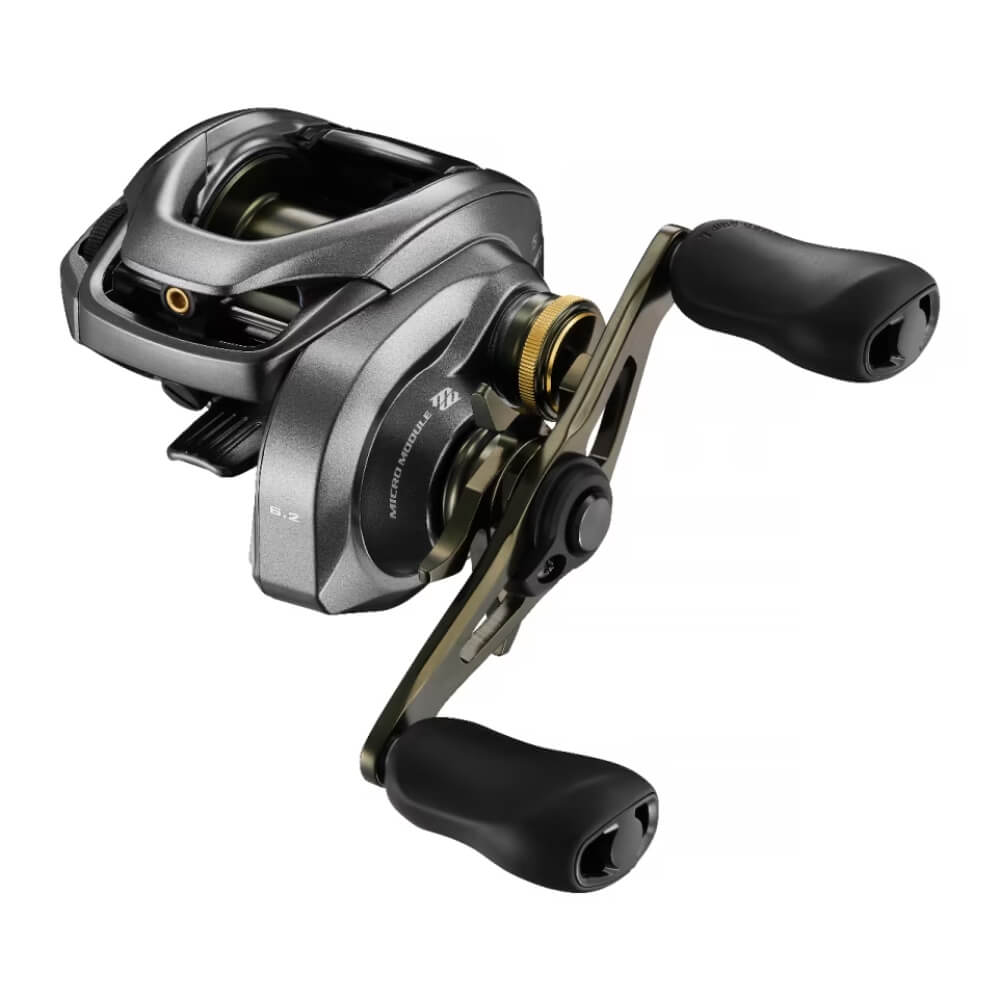


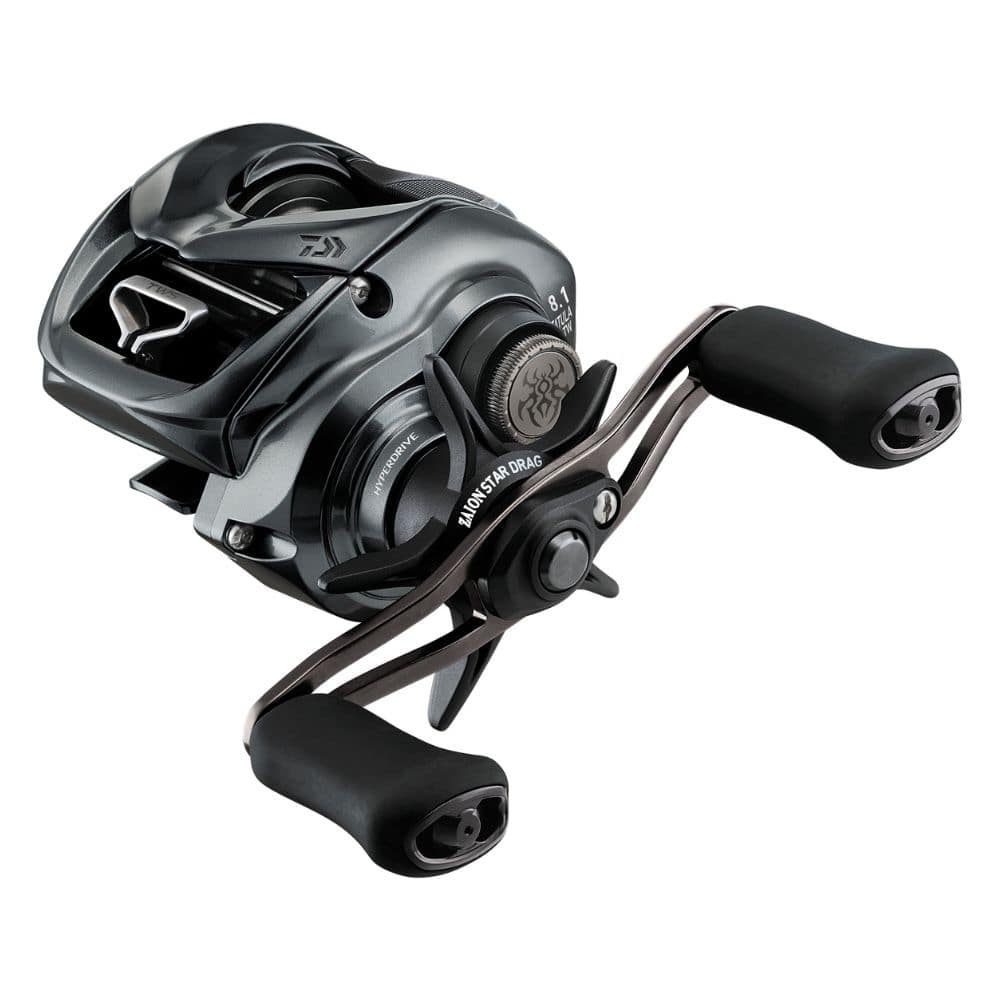


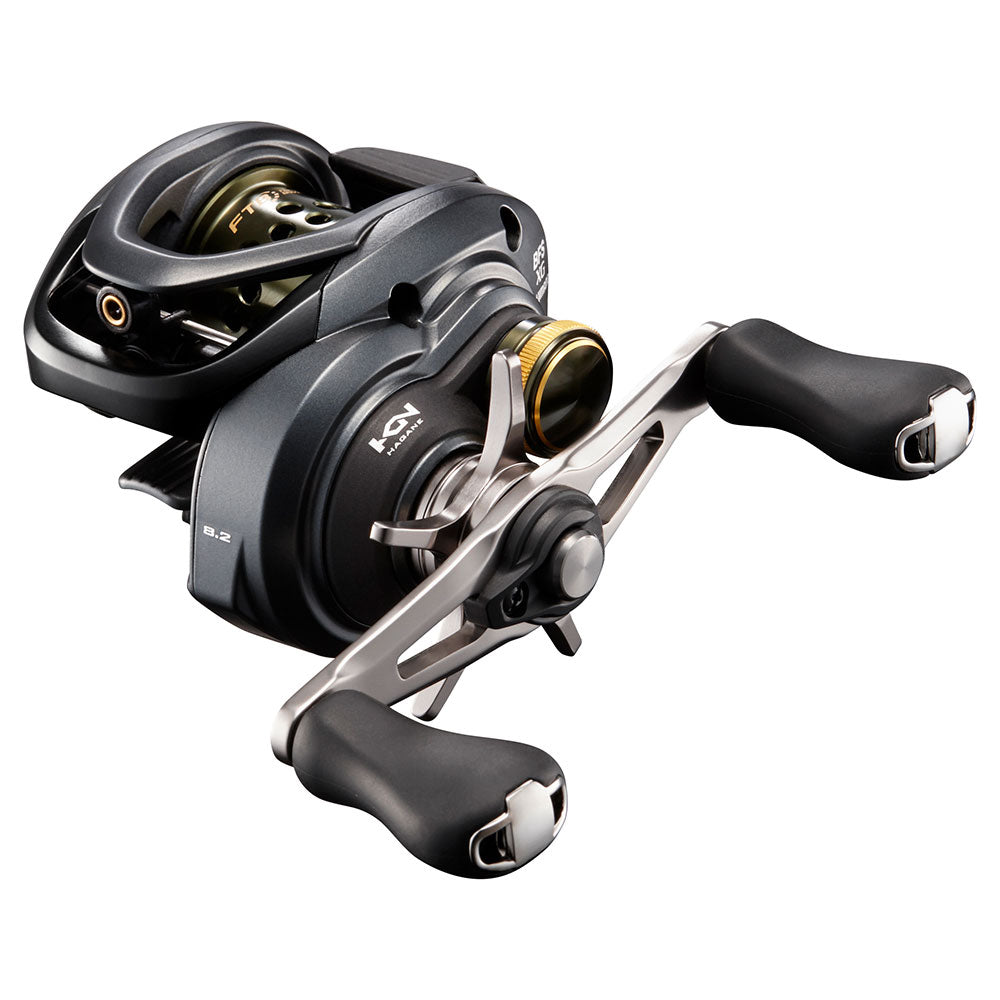
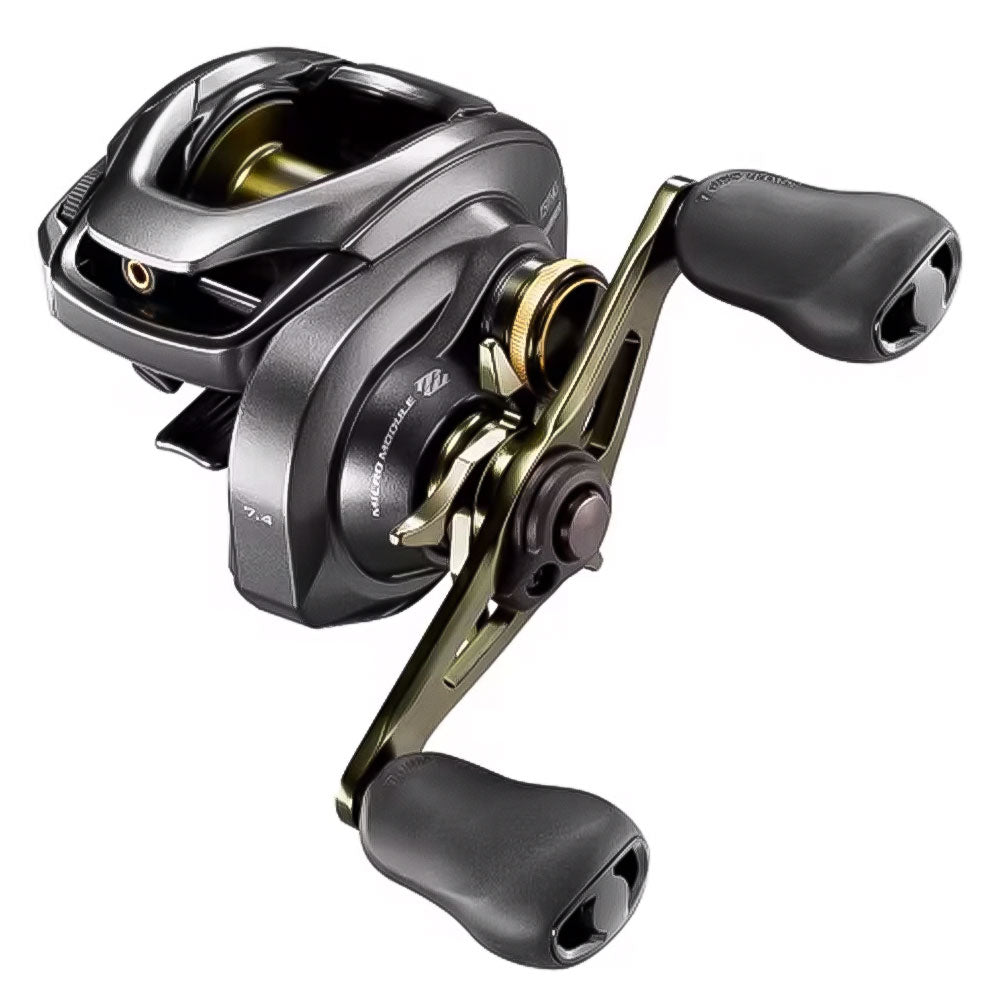
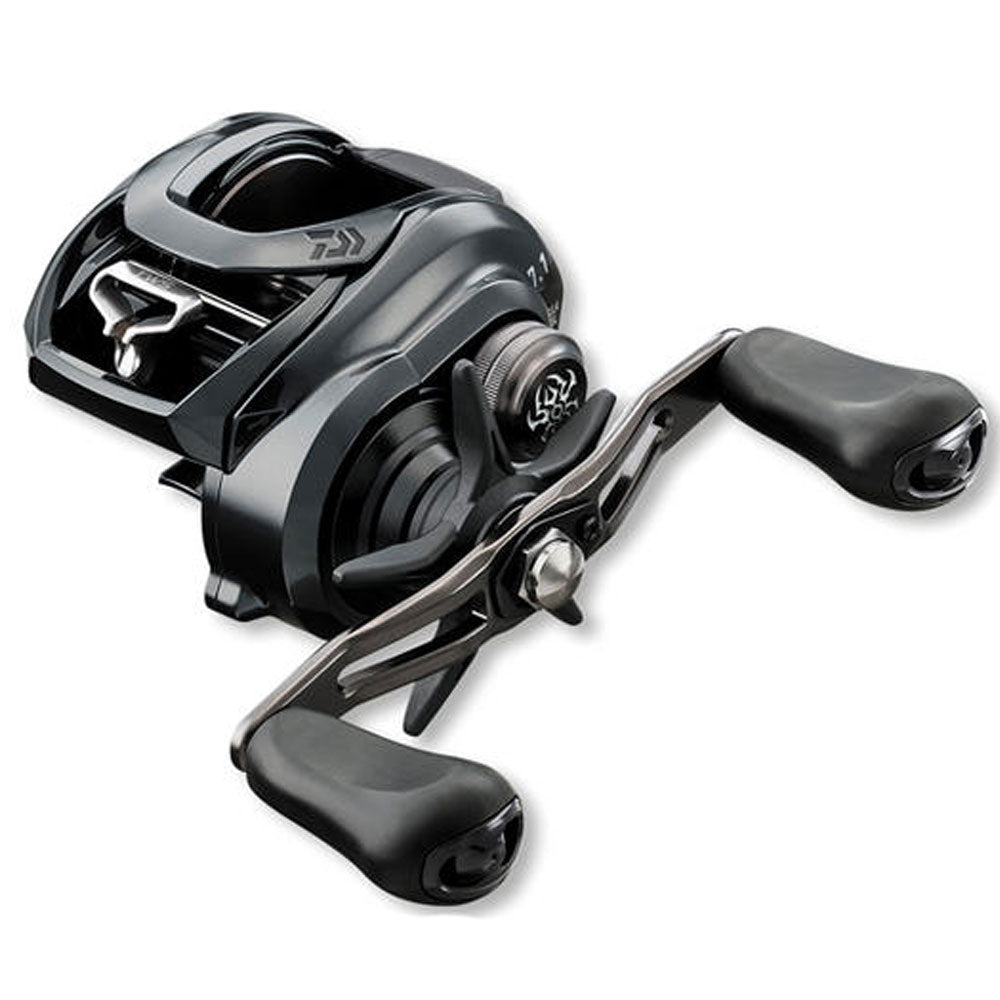
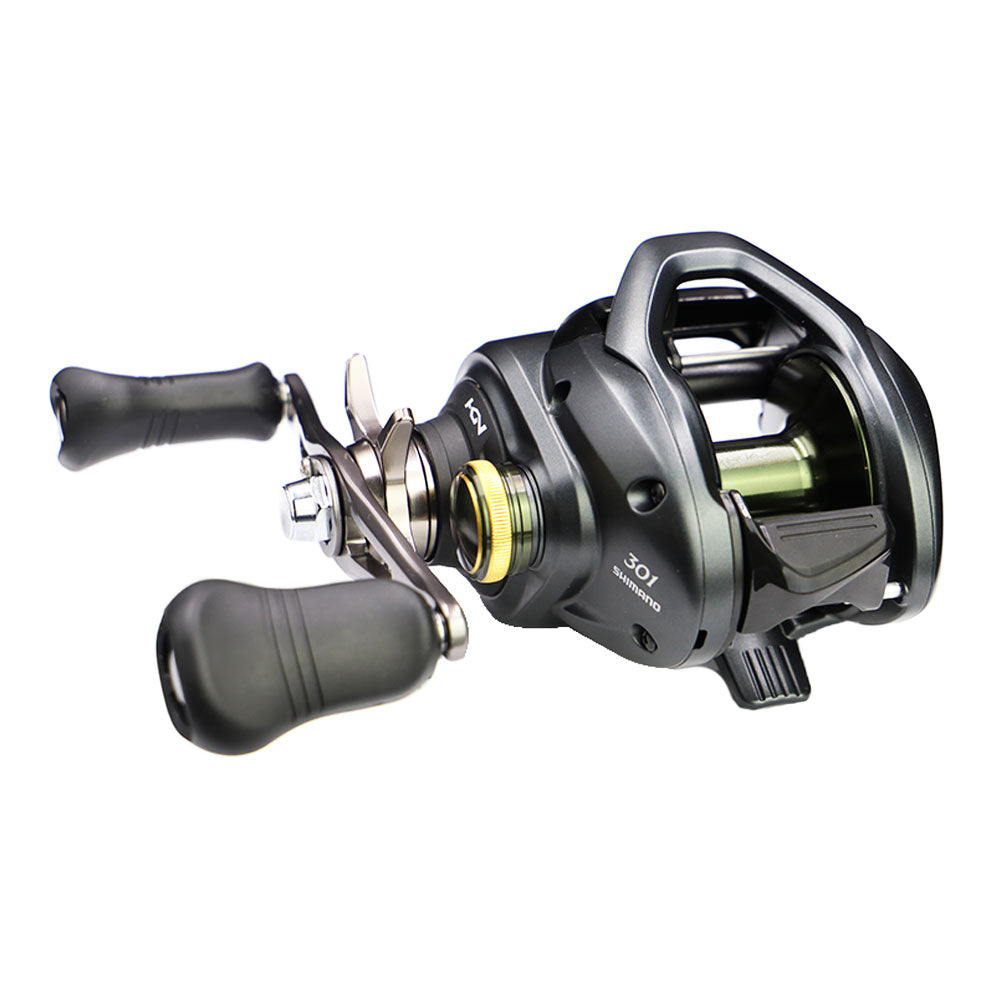
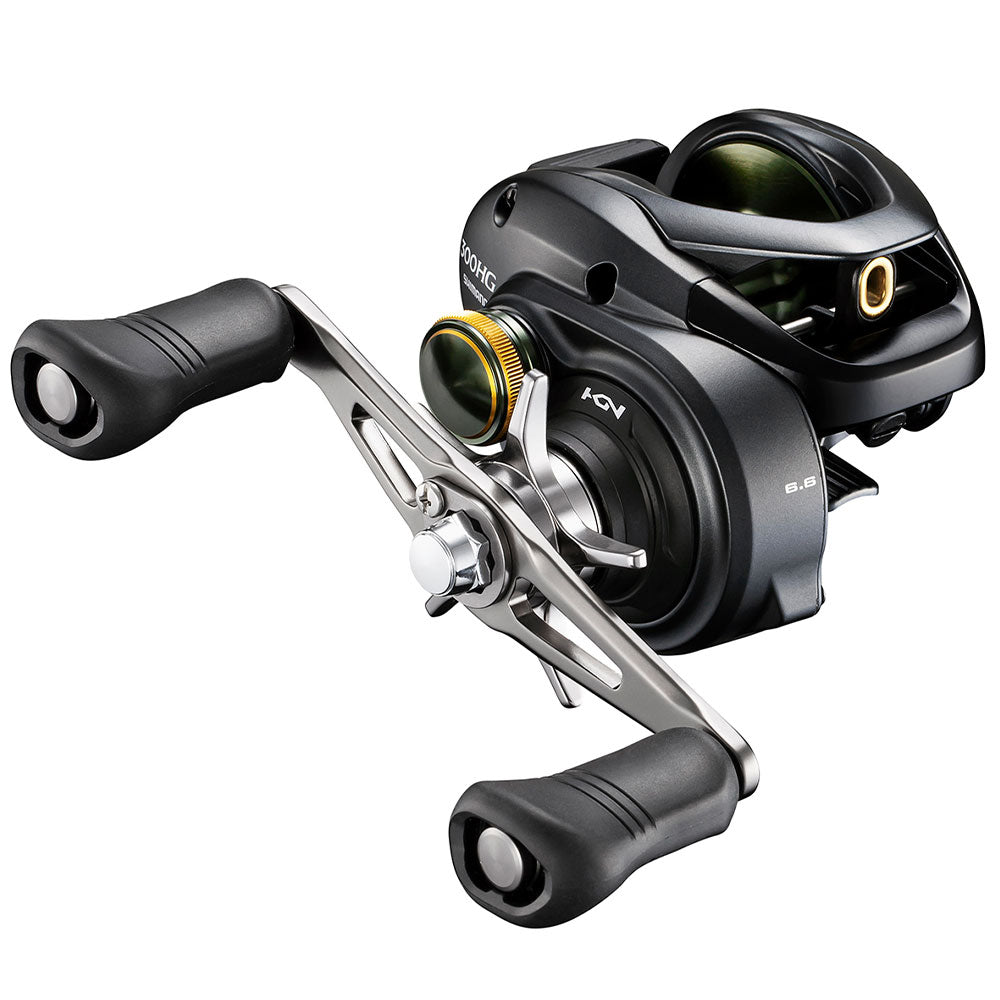


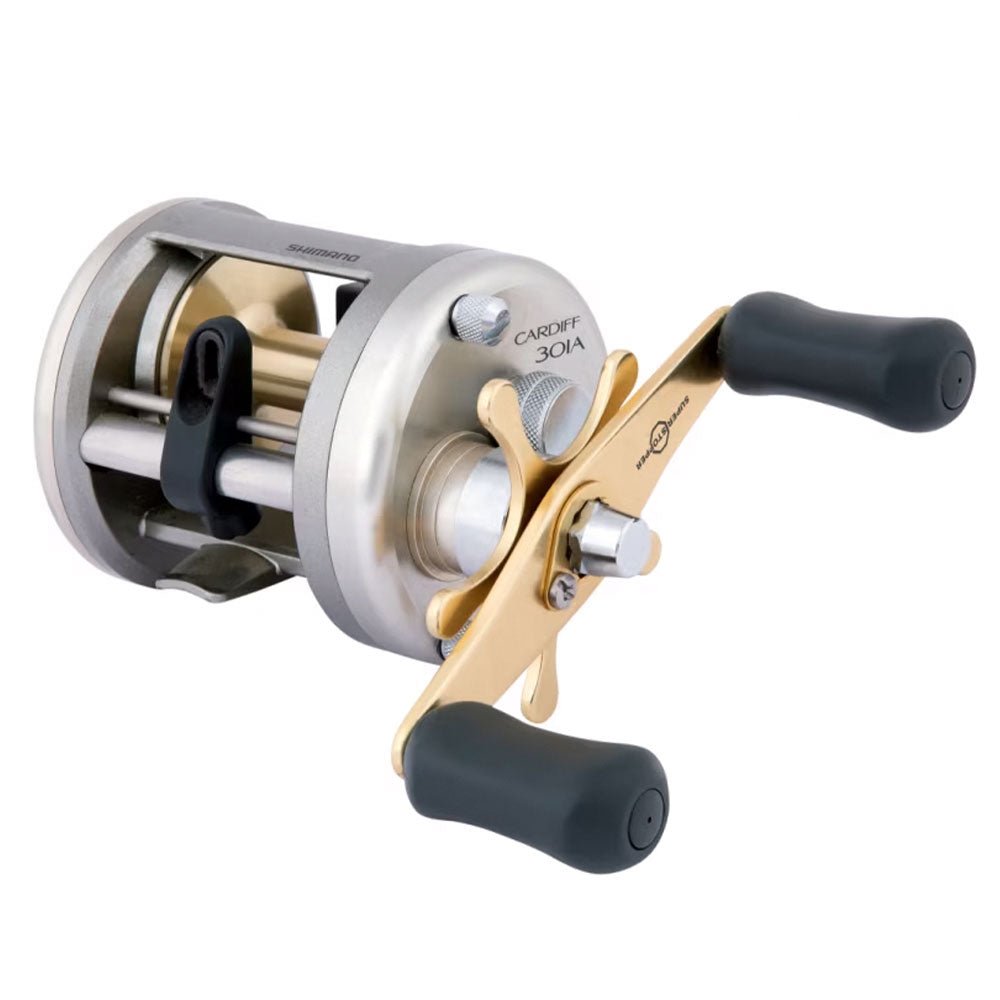

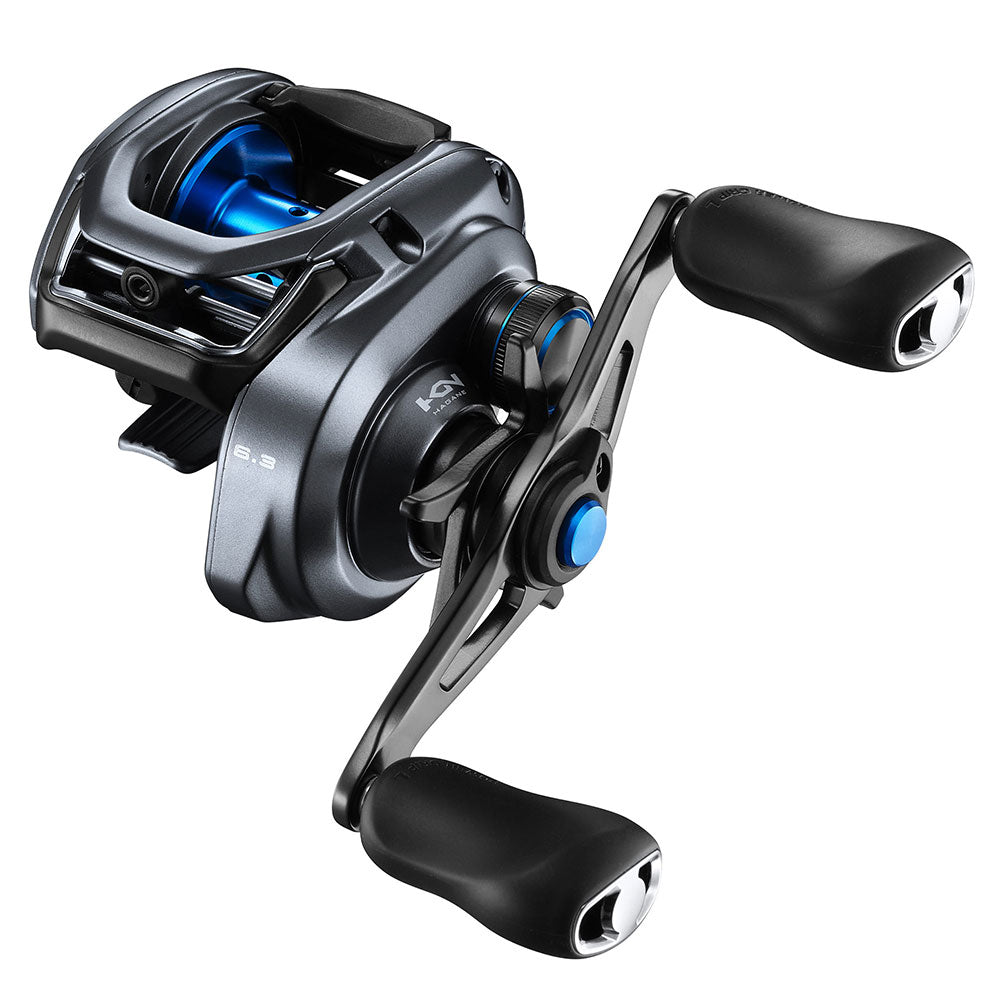


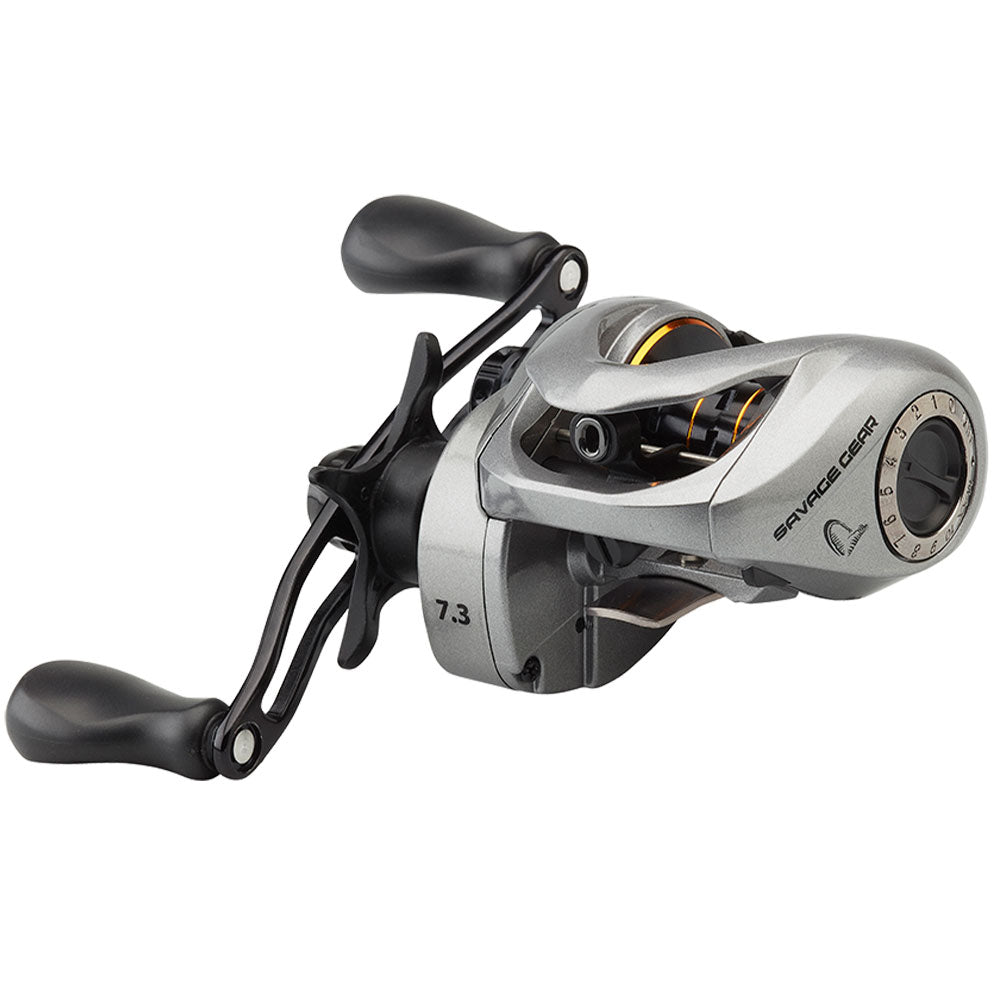


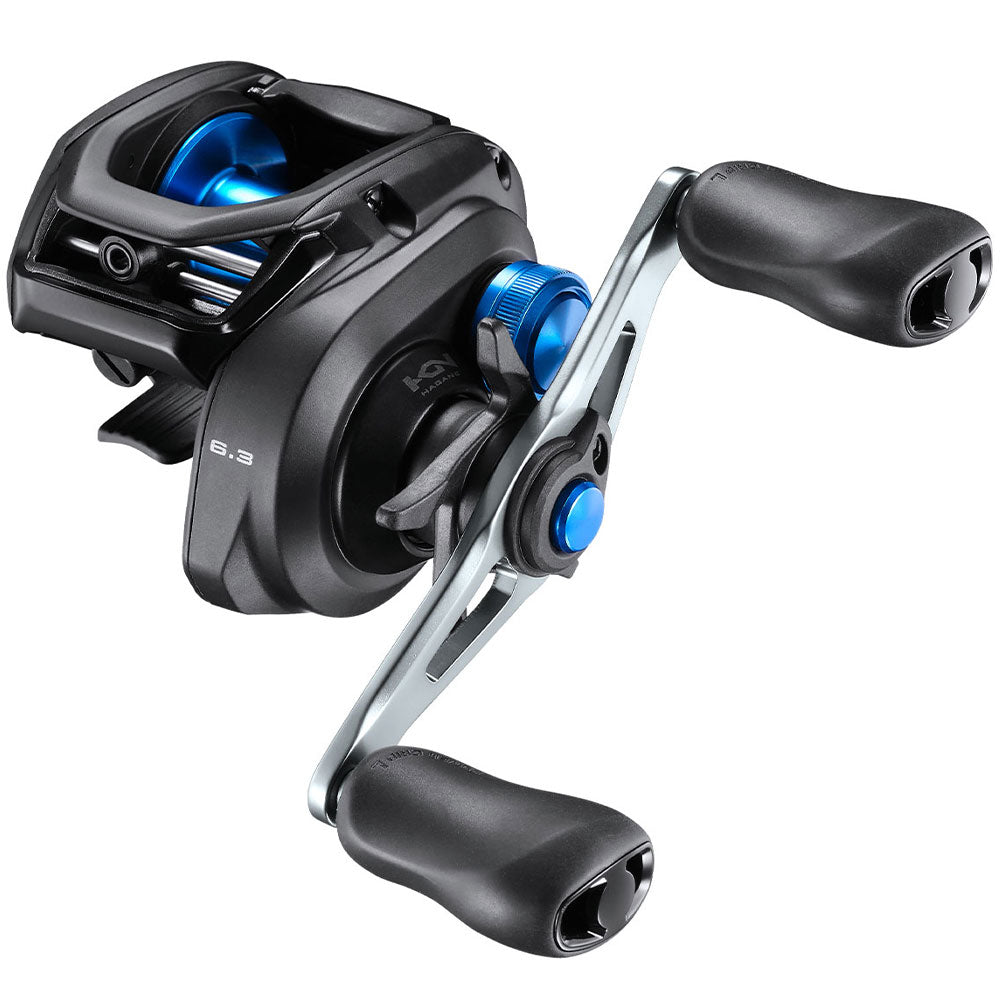

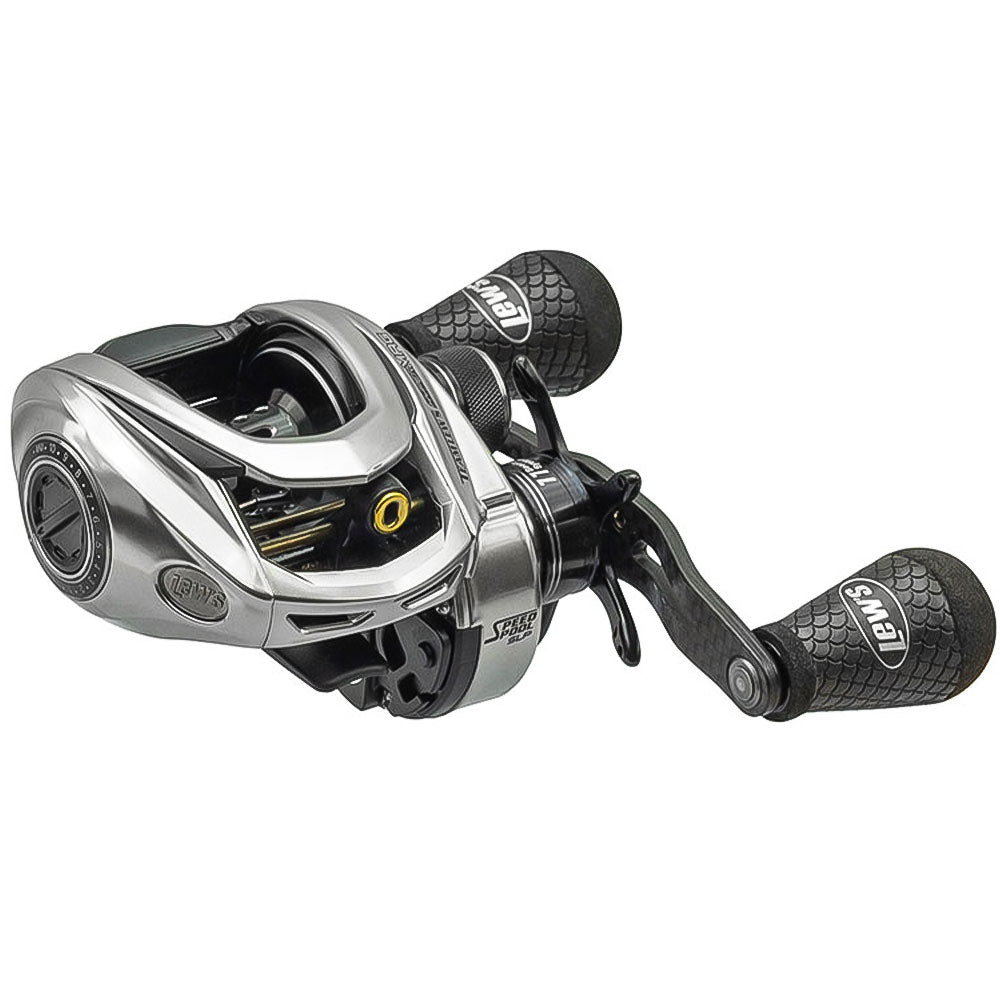

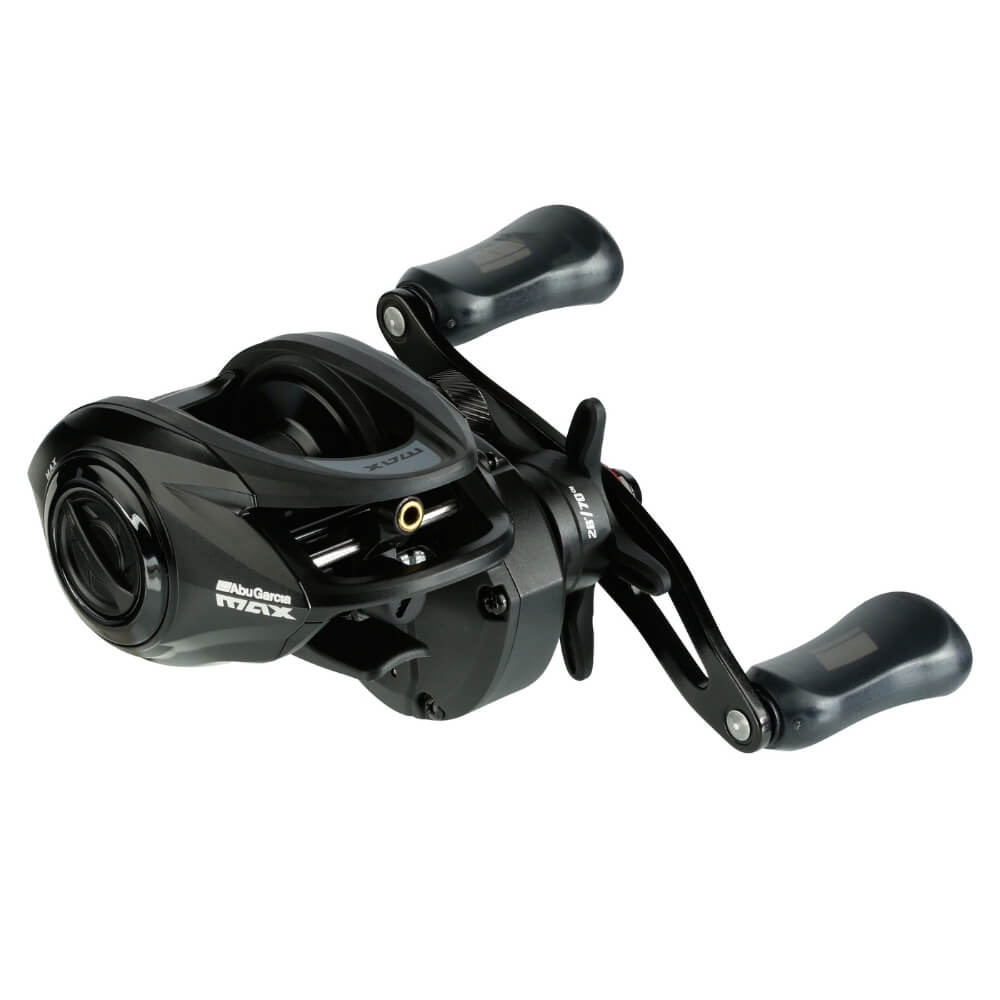
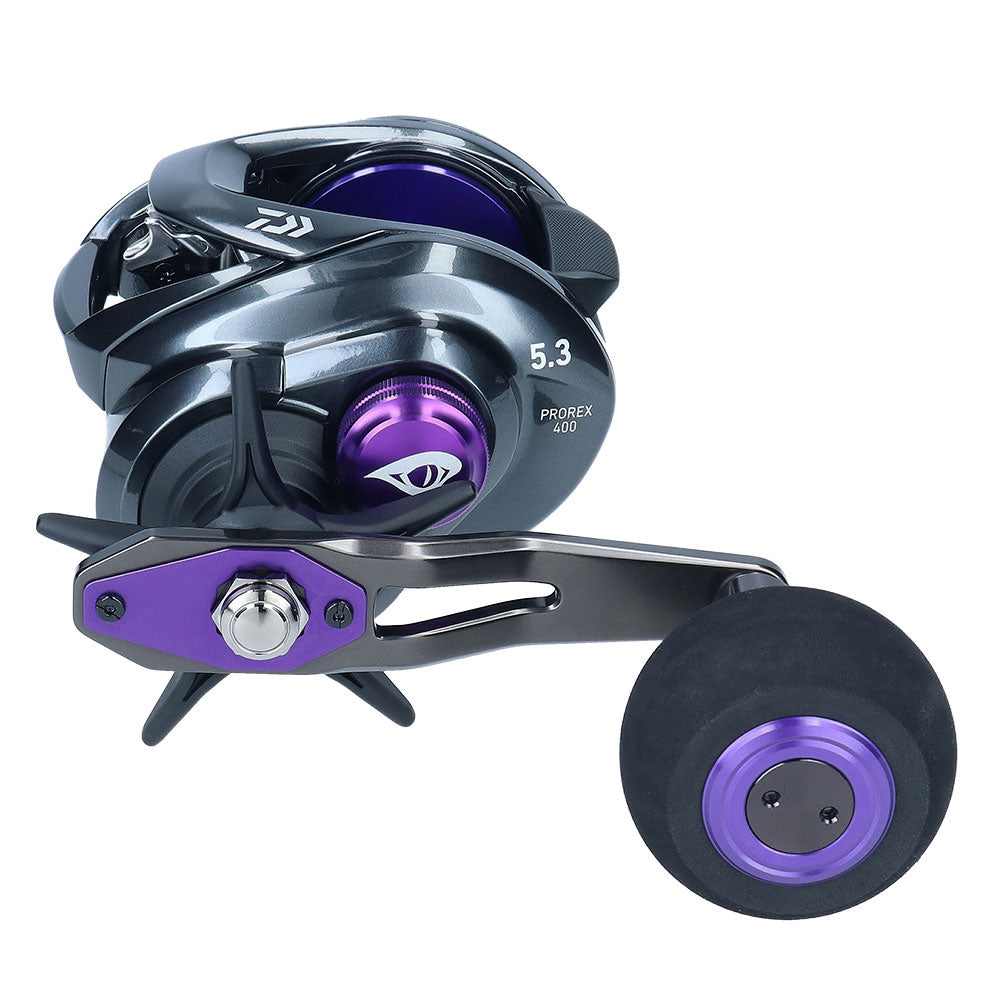

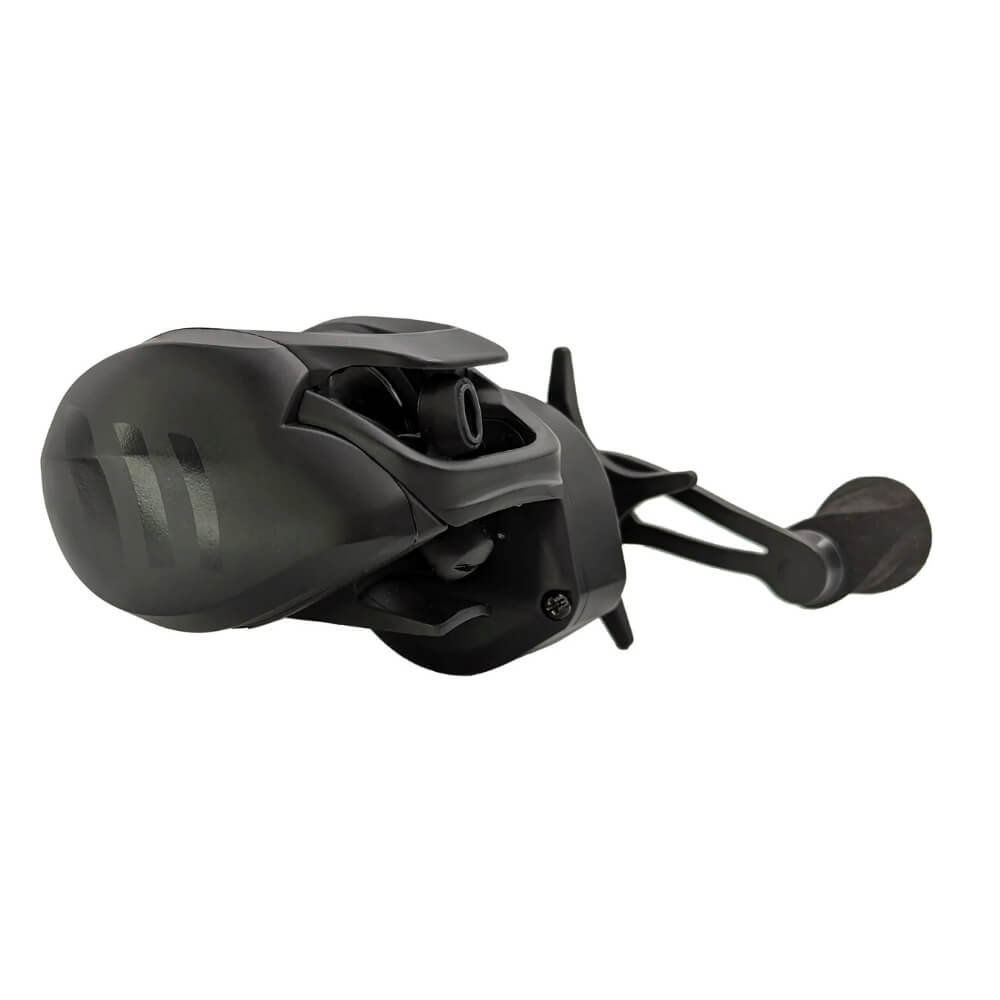


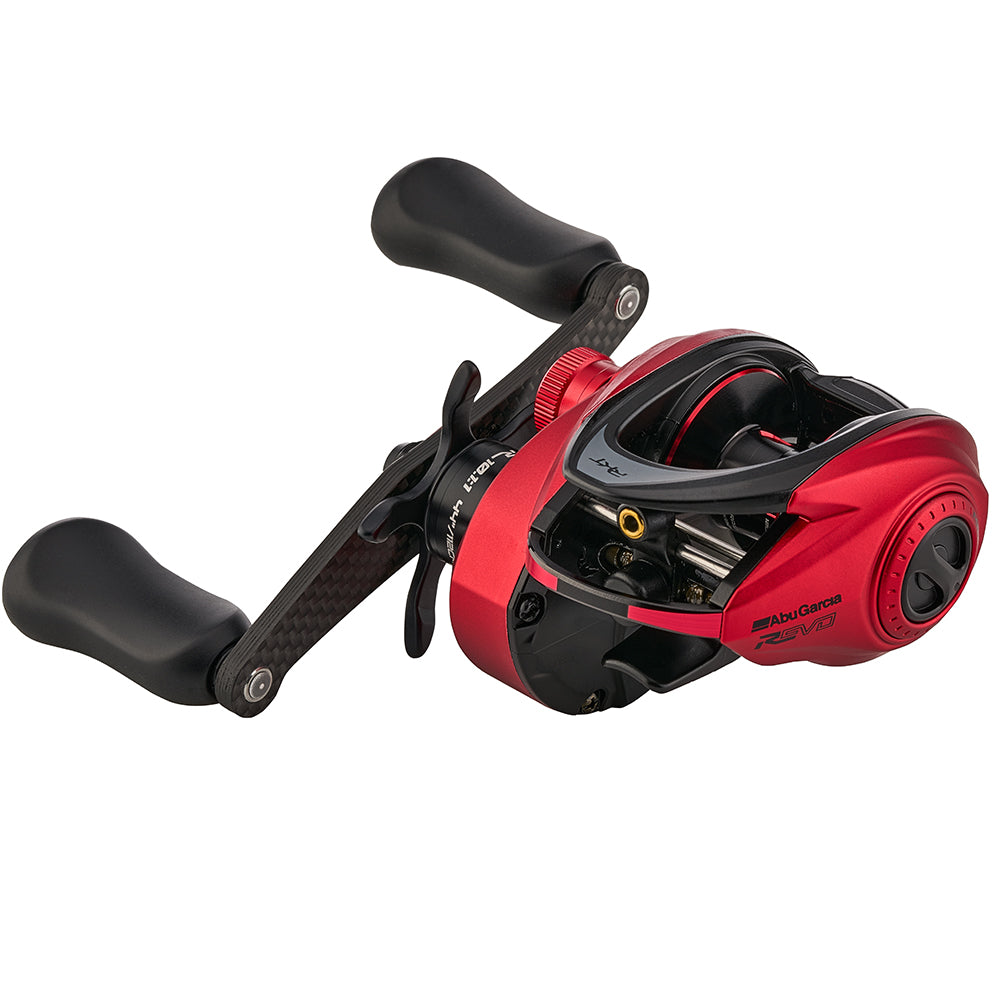

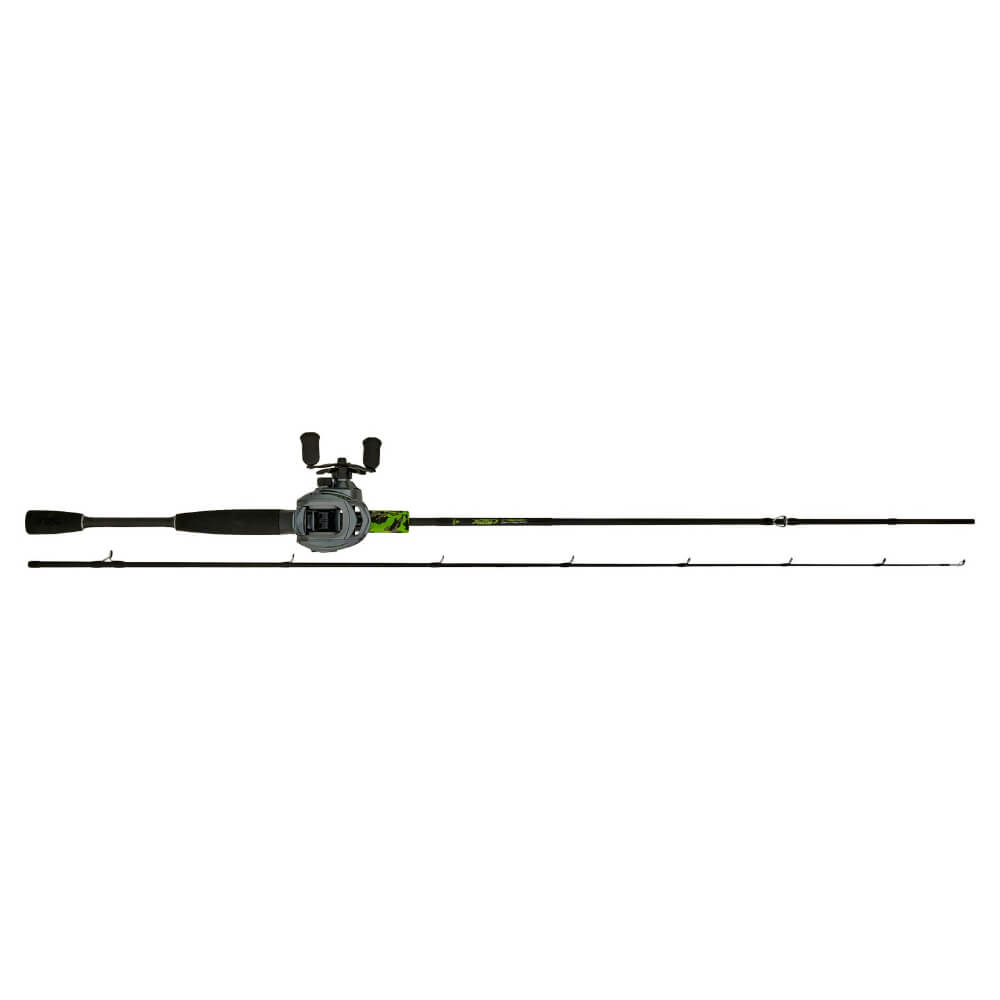

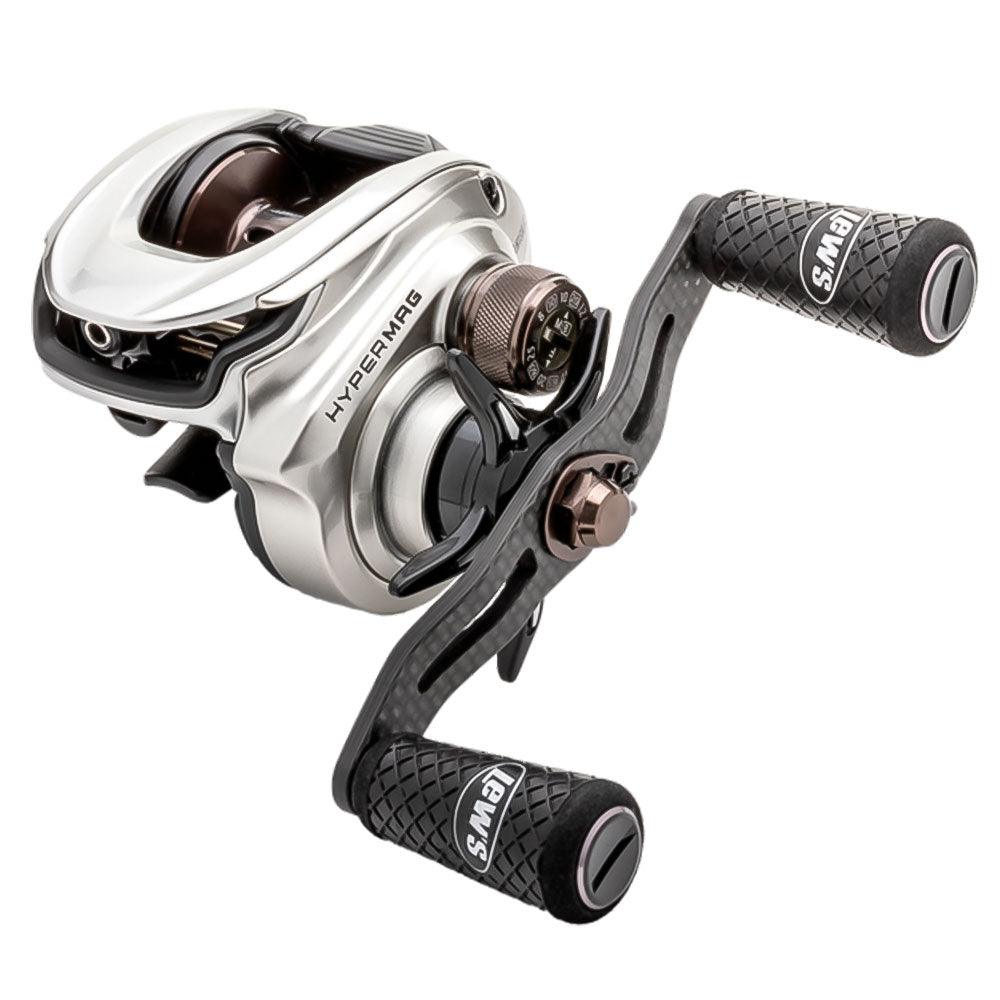

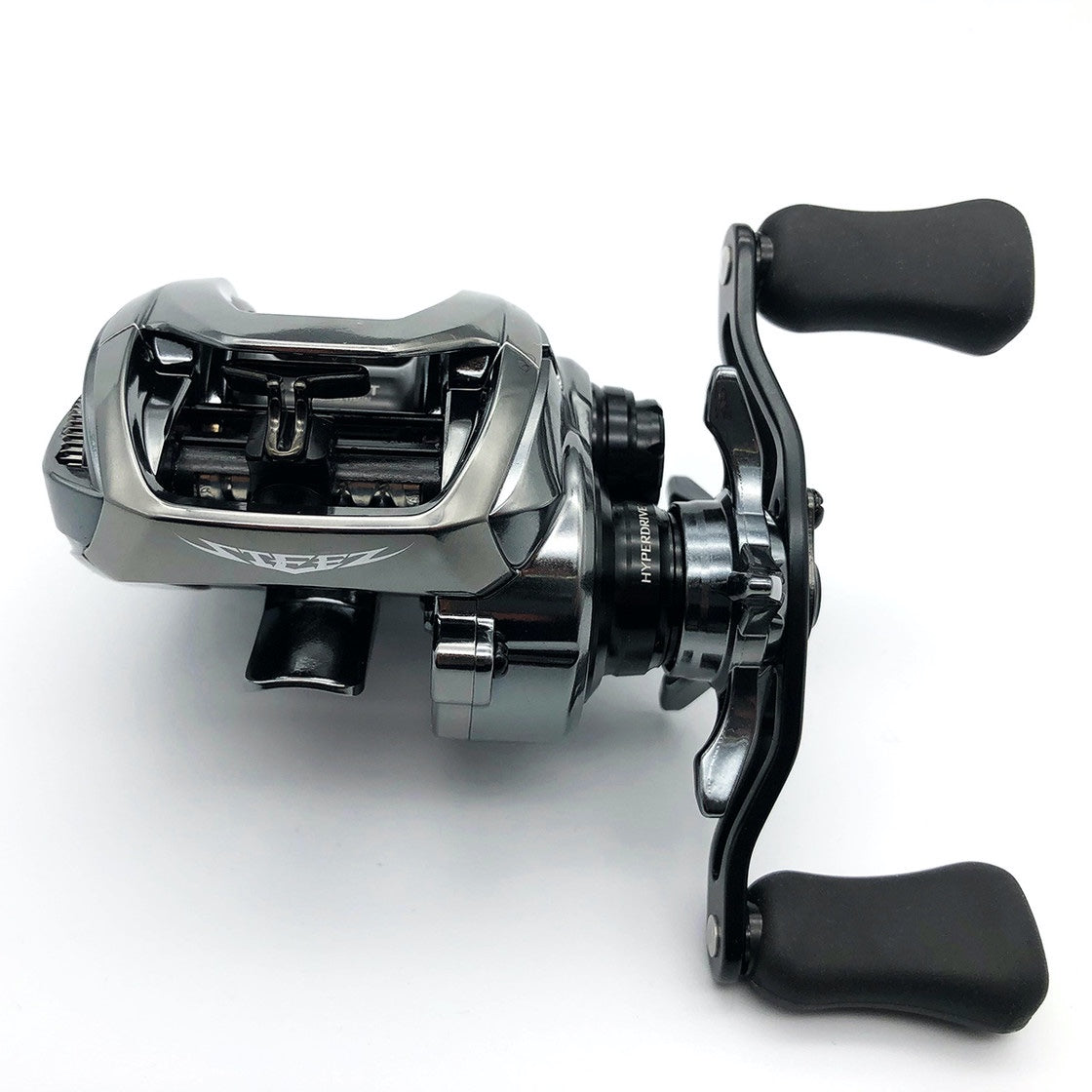


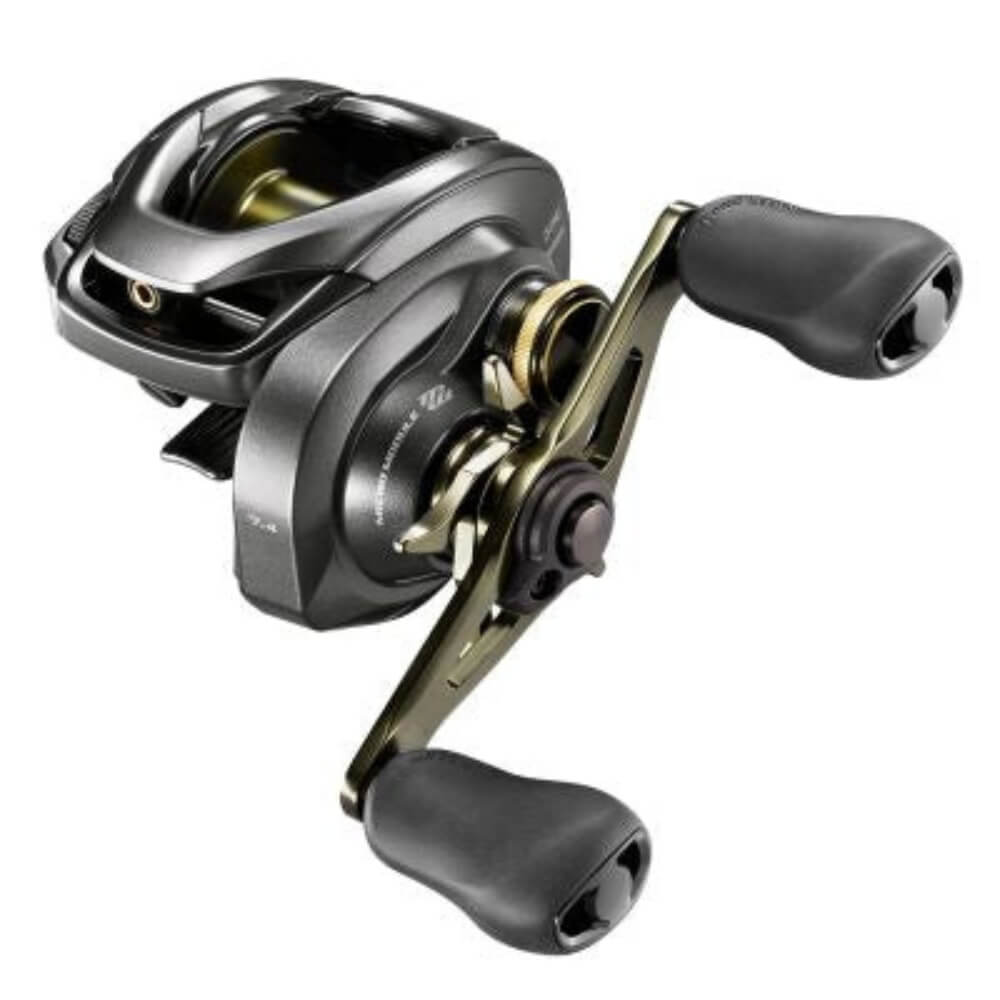
<h2>Buying Guide for Baitcaster Reels</h2><p>Baitcaster reels are a fascinating and highly versatile subject. Hugely popular in the USA, they have by now firmly established themselves here too - and for good reason.</p><p>Fishing with these small, technical marvels is <strong>incredible fun once you have put in the essential practice</strong>, and in certain situations they offer decisive advantages over fixed spool reels. Thumb contact with the spool lets you control the lure throughout its flight and stop it precisely on demand, giving you unrivalled casting accuracy and allowing you to pick apart even heavily vegetated bank areas. A baitcaster also releases only as much line as the lure actually pulls behind it during the cast. With lures that do not fly particularly well - such as plugs - a fixed spool reel can sometimes cause the bait to tumble and tangle in the line. An empty cast is annoying enough on its own; when the subsequent retrieval of the tangled lure has also spooked a cautious fish, the frustration is complete. Thanks to the <strong>controlled line release when casting with a baitcaster</strong>, minnow-style lures almost never tumble, meaning you can fish considerably more efficiently overall.</p><p>Fishing with a baitcaster is also fast and relaxed, because you never have to flip the bail arm. One press of the thumb bar and you are ready to cast. This advantage makes vertical jigging with a baitcaster noticeably more pleasant than the same technique with a fixed spool reel, as depth control via the thumb bar is far quicker and more precise.</p><p>Because baitcaster reels have a rotating spool that must be set in motion during the cast, there is quite a lot to consider when buying one in order to find the right reel for your specific purpose. Casting weight limits are, by design, narrower than those of fixed spool reels, and there is no single baitcaster that suits every lure type and weight.</p><h2>Left-Hand or Right-Hand Model</h2><p>Unlike fixed spool reels, baitcaster reels <strong>cannot be converted between right-hand and left-hand operation</strong>. You therefore need to check at the time of purchase whether you are right- or left-handed. Reels for right-handed anglers (where you crank with the left hand) are often identified by a 1 in the size designation - for example, 51 for right-handed anglers and 50 for left-handed anglers (as used by Shimano and many Abu Garcia models). Alternatively, an L or LH in the name indicates that the reel is cranked with the left hand.</p><p>Pay close attention when choosing a baitcaster - the notes below are intended to make finding your ideal reel a little easier.</p><h2>The Right Reel Size</h2><p><strong>Baitcaster reels are available in a range of sizes:</strong></p><ul><li>50</li><li>70</li><li>100</li><li>150</li><li>200</li><li>300</li><li>400</li></ul><p>Unfortunately, reels from so many different manufacturers and in such varied designs are now available that this simple size classification no longer tells the whole story. Some manufacturers - such as Shimano and parts of the Daiwa range - still use these designations, but with many others the model name no longer gives an automatic indication of reel size. There is nothing for it but to read the product descriptions carefully and pay close attention to the line capacity figures and, where given, the spool weight.</p><p>Before choosing your baitcaster, think about which lures you want to fish on which line. As a rule, manufacturers size the line capacity of their reels so that it points naturally towards a sensible working range for a given category of lure.</p><h2>Spool Weight</h2><p>Spool weight is one of the most important criteria when choosing a baitcaster. Lighter spools are easier to set in motion and require less lure weight to do so, but they do not keep spinning as long as heavier ones. Baitcasters intended for ultralight lures should therefore have the lightest spools possible so that casting remains effortless. Heavier spools need more weight to overcome their inertia, but once spinning they carry on longer under their own momentum - which has a very positive effect on casting distance with heavier lures. The heavier the lures, the heavier the spool can be. Properly balanced and set up, this allows genuinely long casts with well-flying lures.</p><p>So-called <em>Bait Finesse Reels</em> feature particularly light and shallow spools with low line capacity, designed to cast and work the full range of light lures effectively. At present, the lowest spool weights on BFS reels are around 7 g. The line capacity of such spools is deliberately kept low, as excessive amounts of line can raise the spool weight to the point where light lures can no longer be cast sensibly.</p><p>With reels that have a larger line capacity, bear in mind that a lot of line - especially heavy fluorocarbon - adds weight, which can increase spool inertia and make lighter lures harder to cast. You should therefore only spool a baitcaster with as much line as is genuinely useful and necessary for the fishing you intend to do.</p><h2>Spool Diameter (Outer and Core Diameter)</h2><p>Alongside spool weight, spool diameter also plays a role. The ratio of outer diameter to inner diameter - combined with spool width - determines line capacity. These values also influence how the spool rotates. A spool with a large core has more of its mass shifted towards the outside, making it harder to set in motion than one with a smaller core. At the same time, it releases more line per revolution and therefore does not need to spin as fast. The physical relationships involved are fairly complex to explain, and in practice they are only relevant in the ultralight range, as with higher lure weights the line capacity quickly becomes the decisive factor.</p><h2>The Cast Control Brakes</h2><p>Baitcaster reels are always fitted with at least 2, or even 3, cast control brakes that intervene at different phases of the cast to prevent the spool from overrunning. This is necessary because without them the spool continues to spin at the same speed even as the lure slows down - whether due to headwind or simply as it reaches the end of its flight.</p><p><strong>In broad terms, there are 4 different types of cast control brake:</strong></p><ul><li>The centrepin brake, also known as the friction brake</li><li>The magnetic brake</li><li>The centrifugal brake</li><li>The digital braking system</li></ul><p>Some of these braking systems can be adjusted from the outside without opening the side plate of the reel. Others are less convenient and require you to open the reel during a session in order to re-tune the system when switching lures.</p><p><strong>Explanation:</strong></p><ul><li>The <strong>centrepin brake</strong> is found on virtually every baitcaster and is recognisable as a knurled knob on the gear side of the reel. It applies pressure to the spool shaft, and the amount of pressure can be adjusted according to lure weight. This brake acts consistently throughout the entire cast.</li><li>The <strong>magnetic brake</strong> works by means of an inductive magnetic field between the spool and the braking unit, slowing the spool in proportion to its rotational speed. It acts primarily in the early phase of the cast, when the spool is spinning fastest, to prevent an overrun immediately after the initial acceleration. Various inductive braking systems are in common use, each intervening in the cast to a different degree. This can produce very forgiving reels that are stress-free to cast but may not be outright distance champions, or genuine long-casting machines that in return demand a little more concentration and the occasional thumb touch during the cast.</li><li>The <strong>centrifugal brake</strong> uses blocks, arms or sliders that are thrown outwards as the spool rotates and then rub against a dedicated braking surface inside the housing to generate braking force. Unlike the magnetic brake, this is a purely mechanical system. The centrifugal brake also acts primarily in the early phase of the cast at peak revolutions and eases off as the cast progresses. Numerous variations have become established, and here too there are differences in forgiveness and casting distance between reels.</li><li>The <strong>digital braking system (DC)</strong> is an inductive electronic system that continuously adjusts braking force throughout the cast. It works very reliably but is also relatively expensive. However, in combination with well-flying lures it enables exceptional casting distances and is described by many fans as virtually idiot-proof.</li></ul><p>The choice of braking system depends partly on your personal casting style. Some anglers get on better with magnetic systems, others prefer mechanical ones. The braking systems from different manufacturers also differ from one another, so it is worth trying out various reels with friends before buying in order to establish your own preferences.</p><p>Some reel manufacturers combine magnetic and mechanical braking systems in a single reel, giving it a total of 3 cast control brakes.</p><h2>The Star Drag</h2><p>Modern baitcaster reels are fitted with a star drag. Unlike fixed spool reels, this usually does not click - though there are increasingly more exceptions. These drags are often equipped with carbon washers, allowing high drag pressures and smooth, jerk-free operation. The star drag is, in essence, the fighting drag of the baitcaster reel.</p>