









⭐ Top rated
🔥 Trending now
🏆 Bestseller


Save 43%
⭐ Top rated
🏆 Bestseller

Save 14%
🔥 Trending now
✨ Variant restocked

💥 NEW


Save 43%



⭐ Top rated
✨ Variant restocked

⭐ Top rated
✨ Variant restocked


🤩 New variant

Save 37%
⭐ Top rated
✨ Variant restocked


⭐ Top rated
✨ Variant restocked
✨ Variant restocked


✨ Variant restocked


⭐ Top rated
✨ Variant restocked

✨ Variant restocked

✨ Variant restocked


Save 17%
⭐ Top rated
✨ Variant restocked


✨ Variant restocked

Save 29%
⭐ Top rated
✨ Variant restocked

✨ Variant restocked


Save 29%
✨ Variant restocked


Save 30%
Clearance


✨ Variant restocked

✨ Variant restocked



✨ Variant restocked


Save 43%
✨ Variant restocked
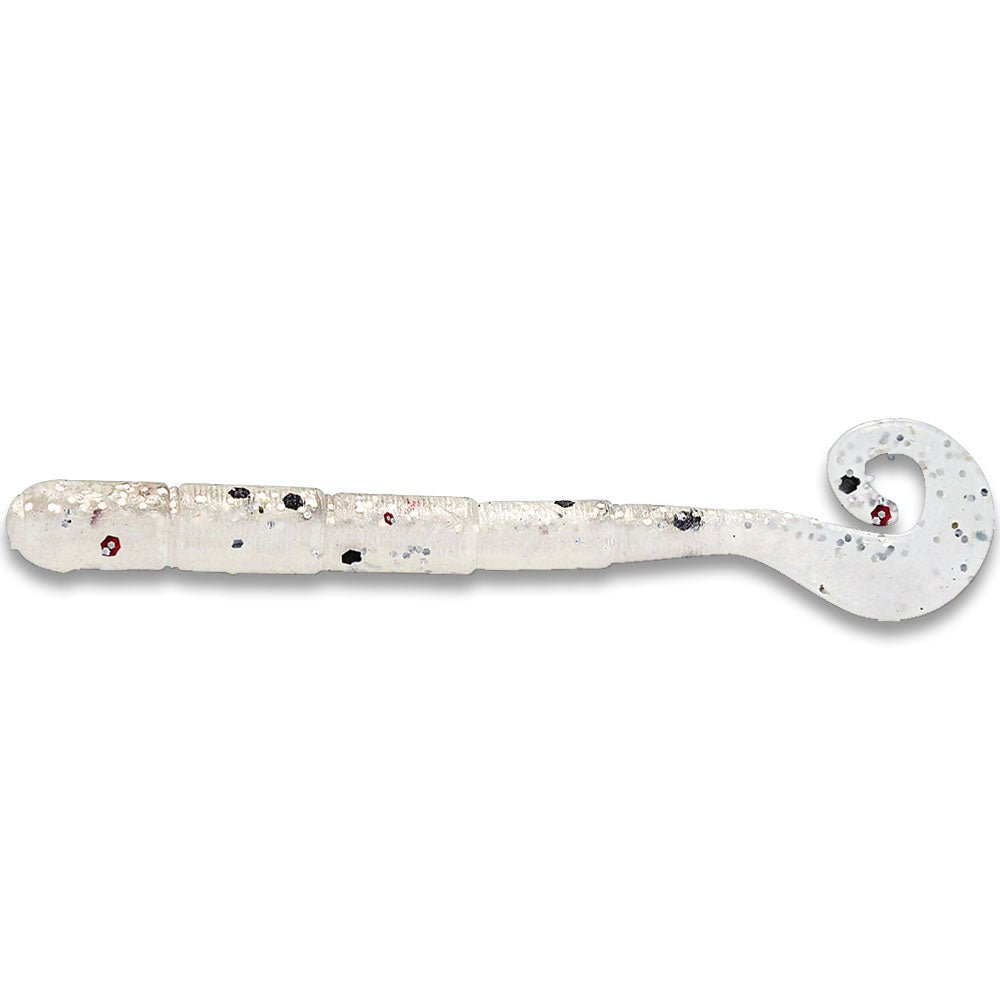
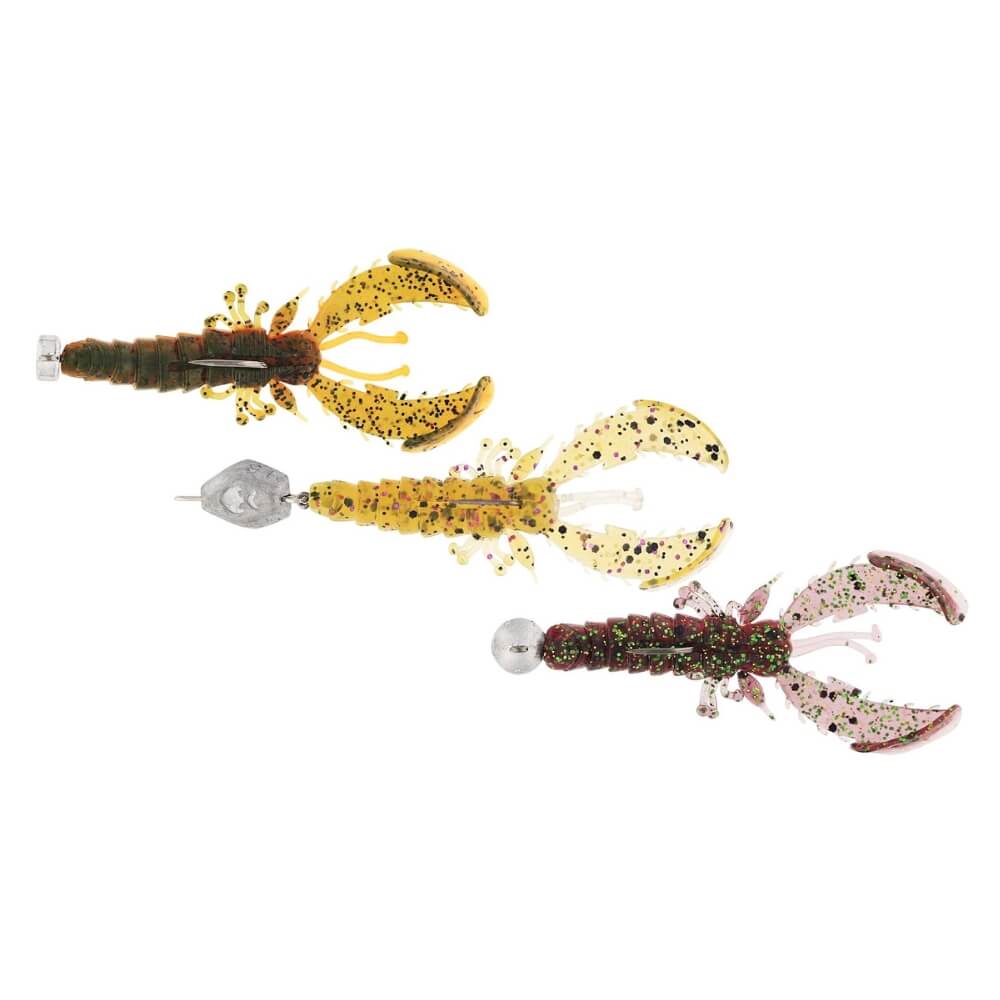
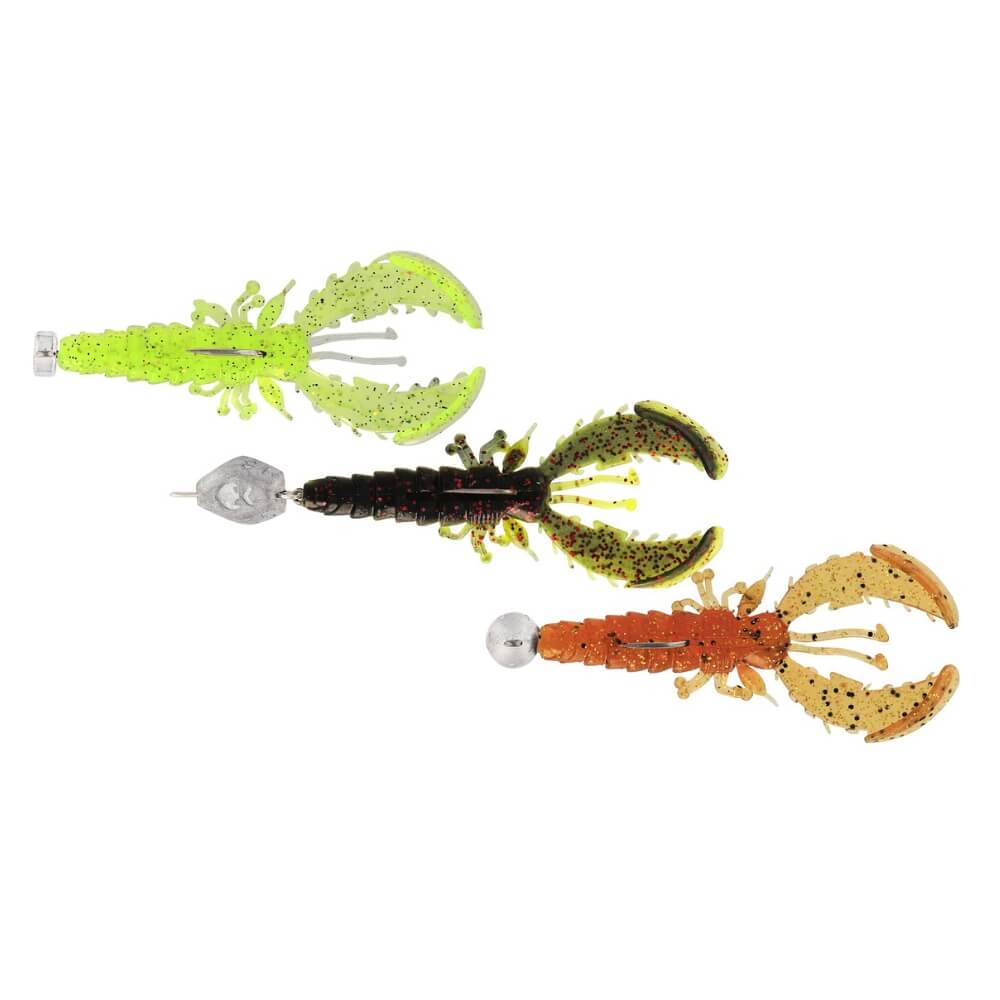
Save 40%
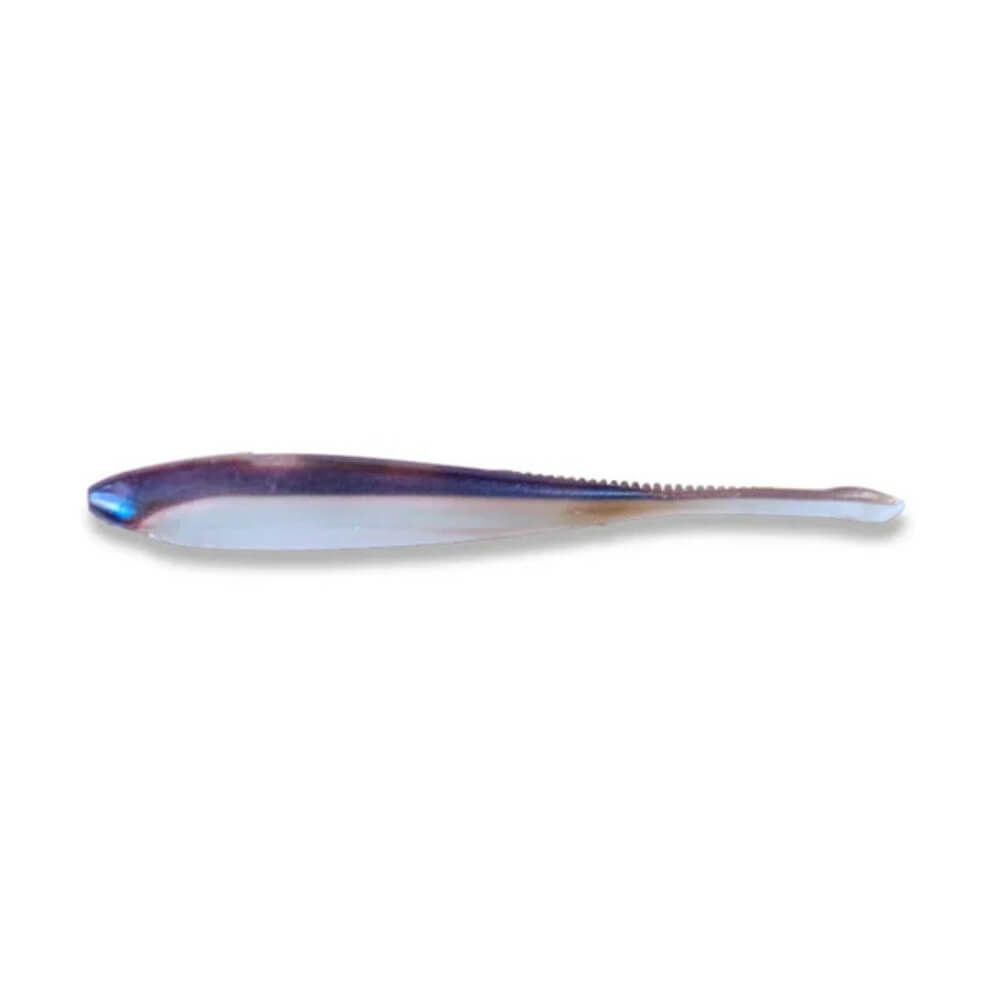
Save 30%


Save 37%


Save 14%



Save 33%


💫 Back in stock


Save 33%

💫 Back in stock


Save 30%



Sold out


Sold out


Sold out


Sold out💥 NEW

Frequently asked questions
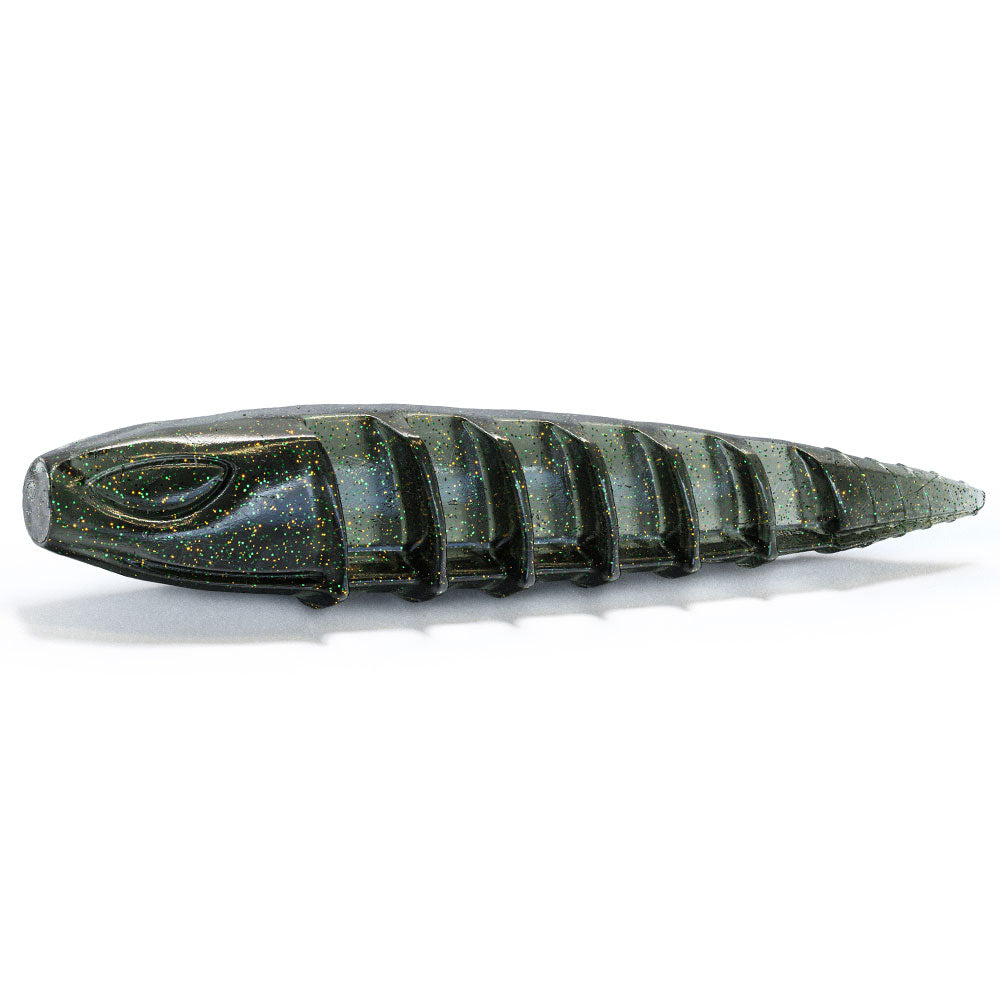
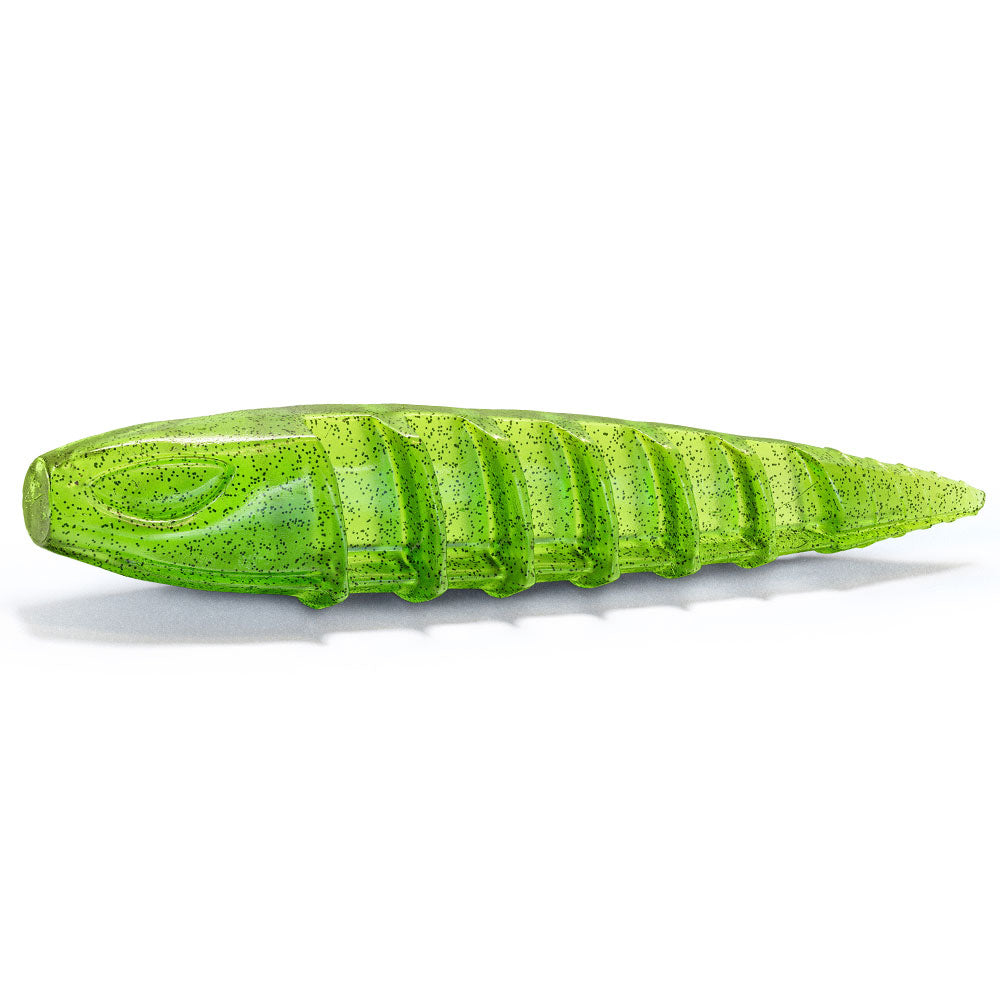
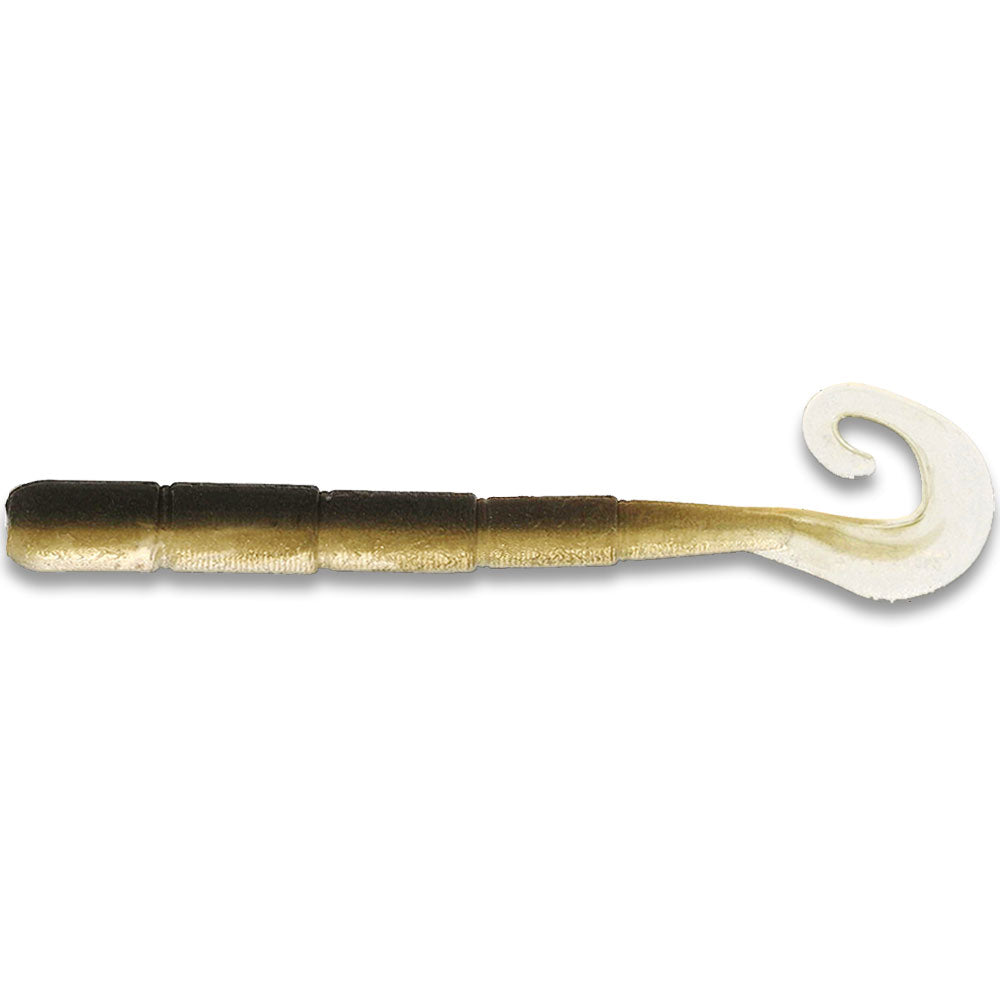
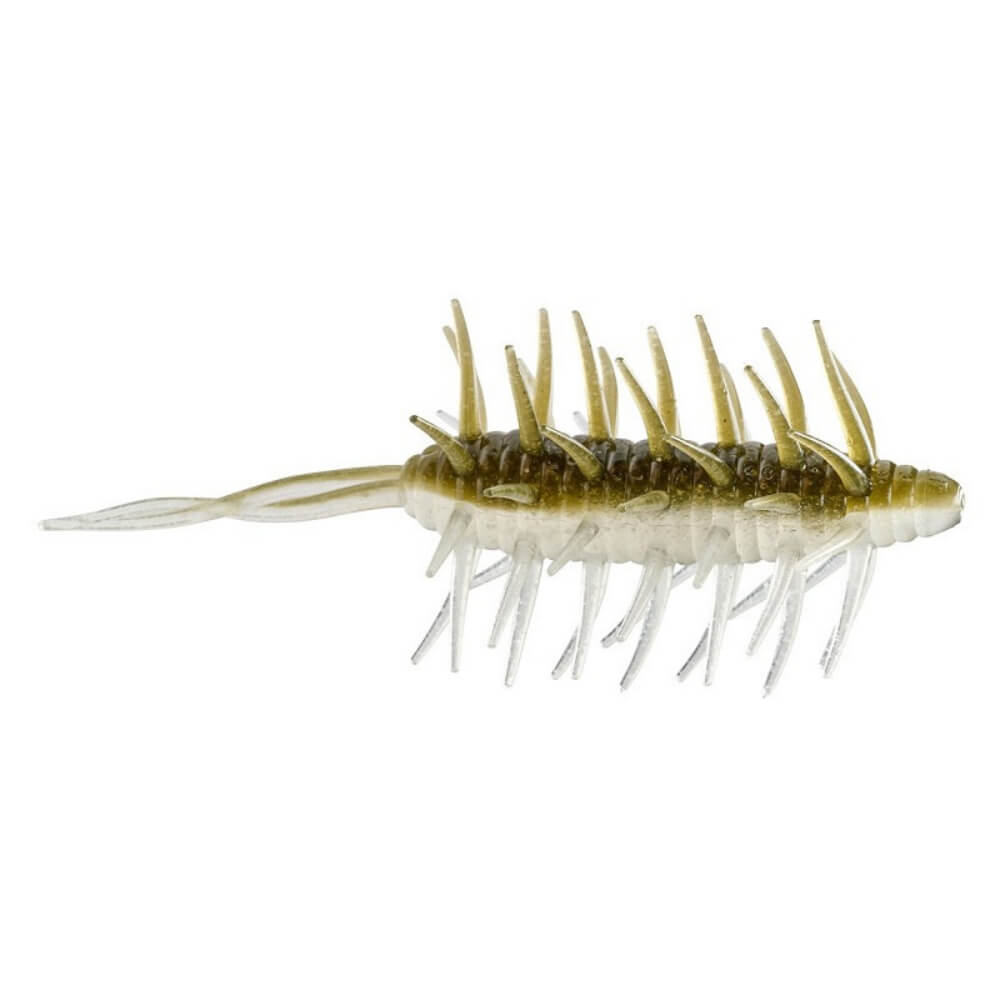
They are made from a buoyant soft plastic mix, so they float upright rather than sinking into silt. They have very little inherent action and are typically sausage-shaped or worm-like.
A sensitive rod is essential to get the best out of the subtle action of ned rig lures. Bites are often very tentative, and a rod that is too heavy will cause you to miss them.
American angler Ned Kehde was the first to use this rig successfully, and it was named after him.
Good contact with the lure is important, so fluorocarbon is the first choice - it has very little stretch and sinks. Braid also works very well.
Ned heads are a specific type of stand-up jig head. They have a mushroom-shaped head, a relatively large hook and usually a small baitholder. Paired with the right lure, they hold the rig upright on the bottom.