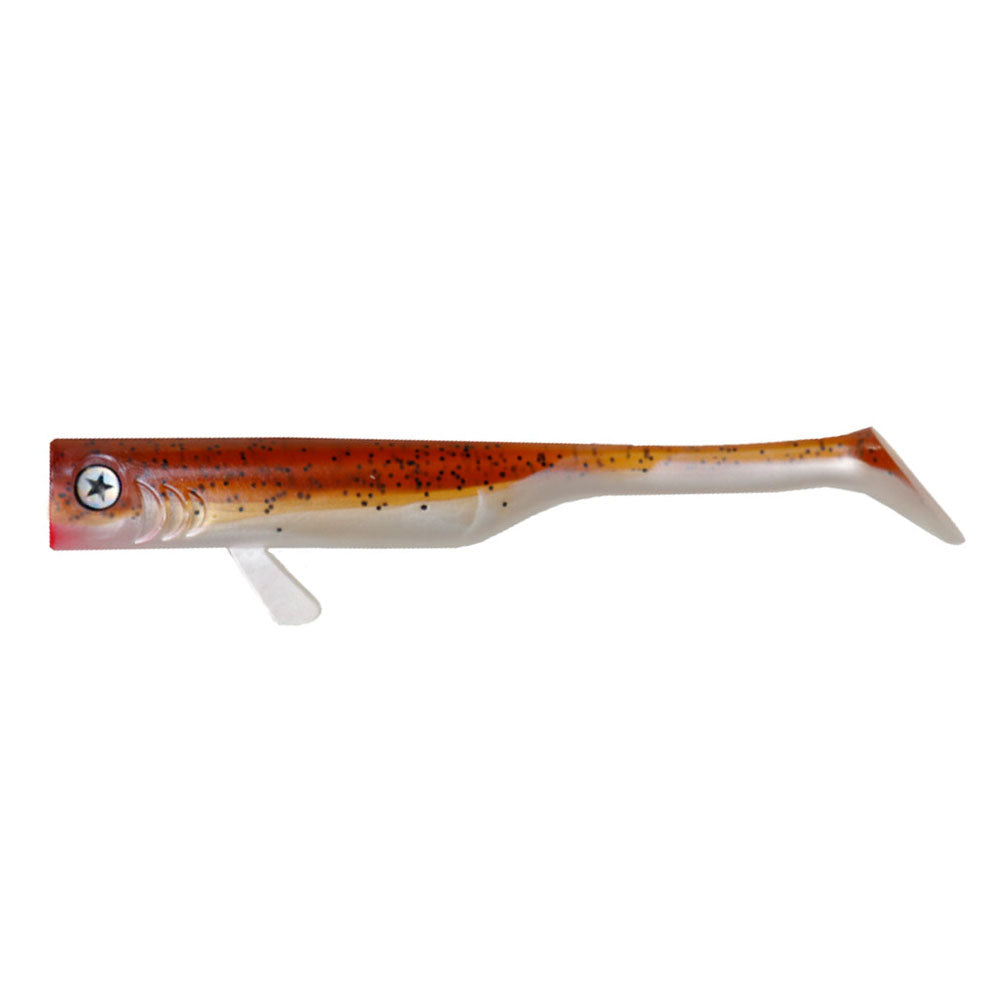
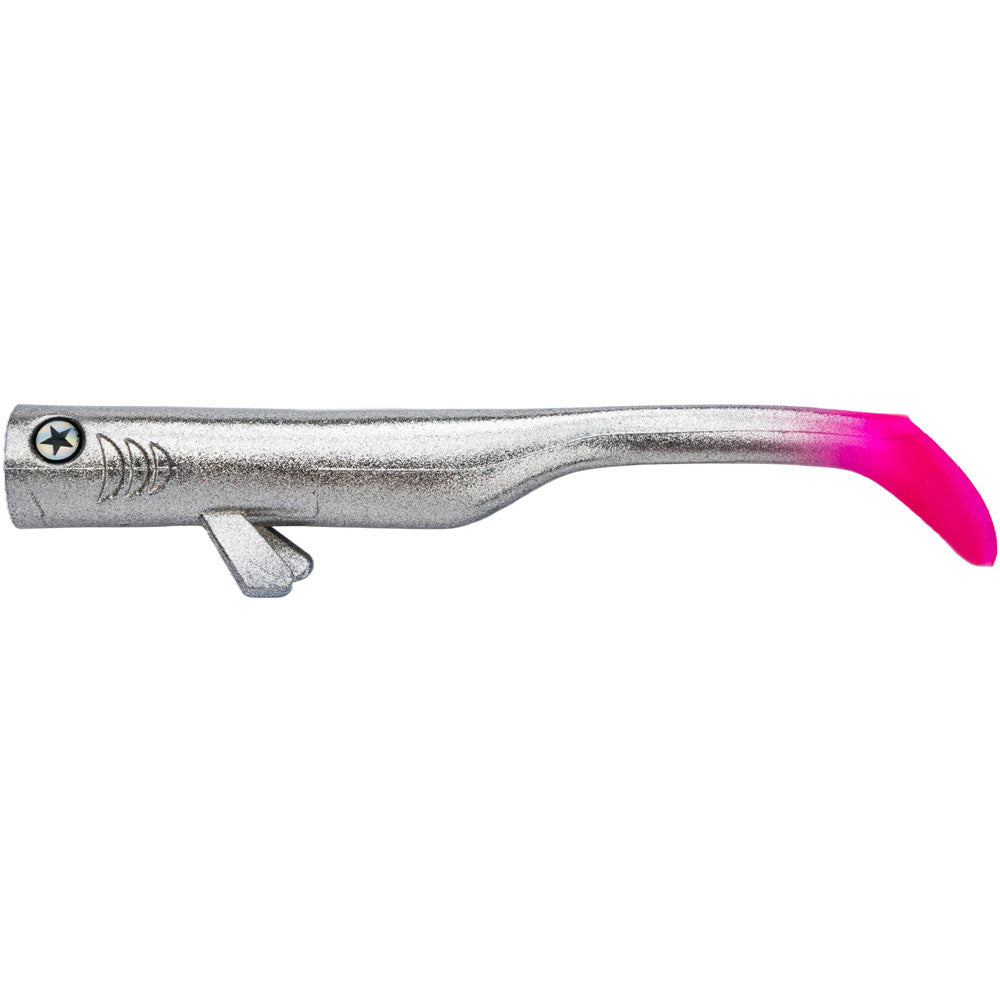
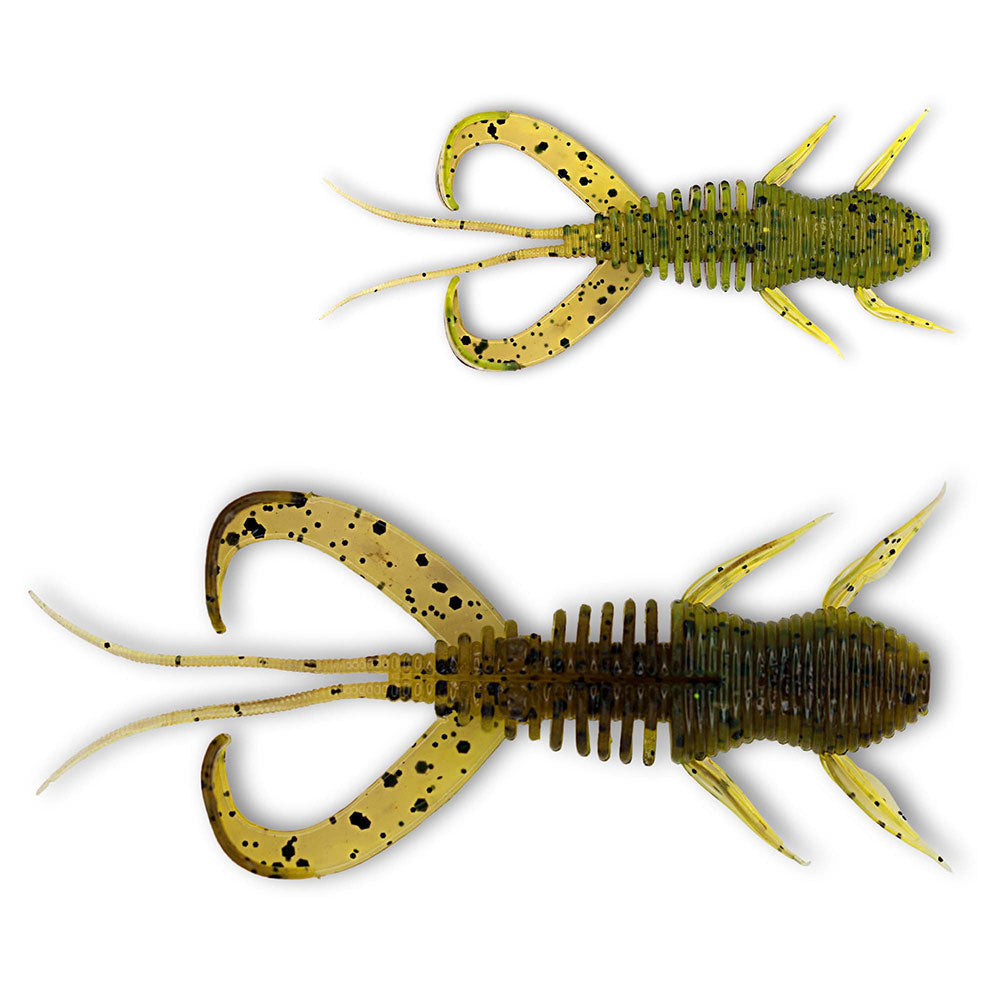
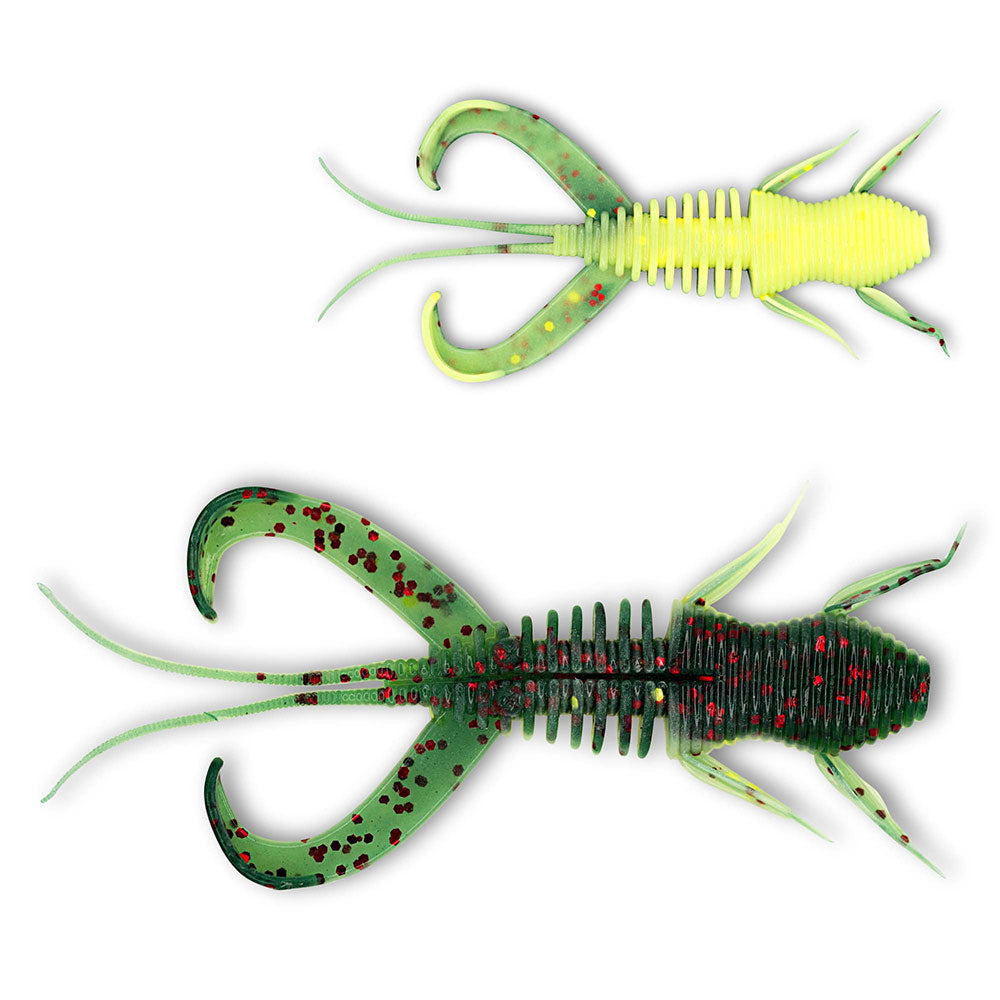
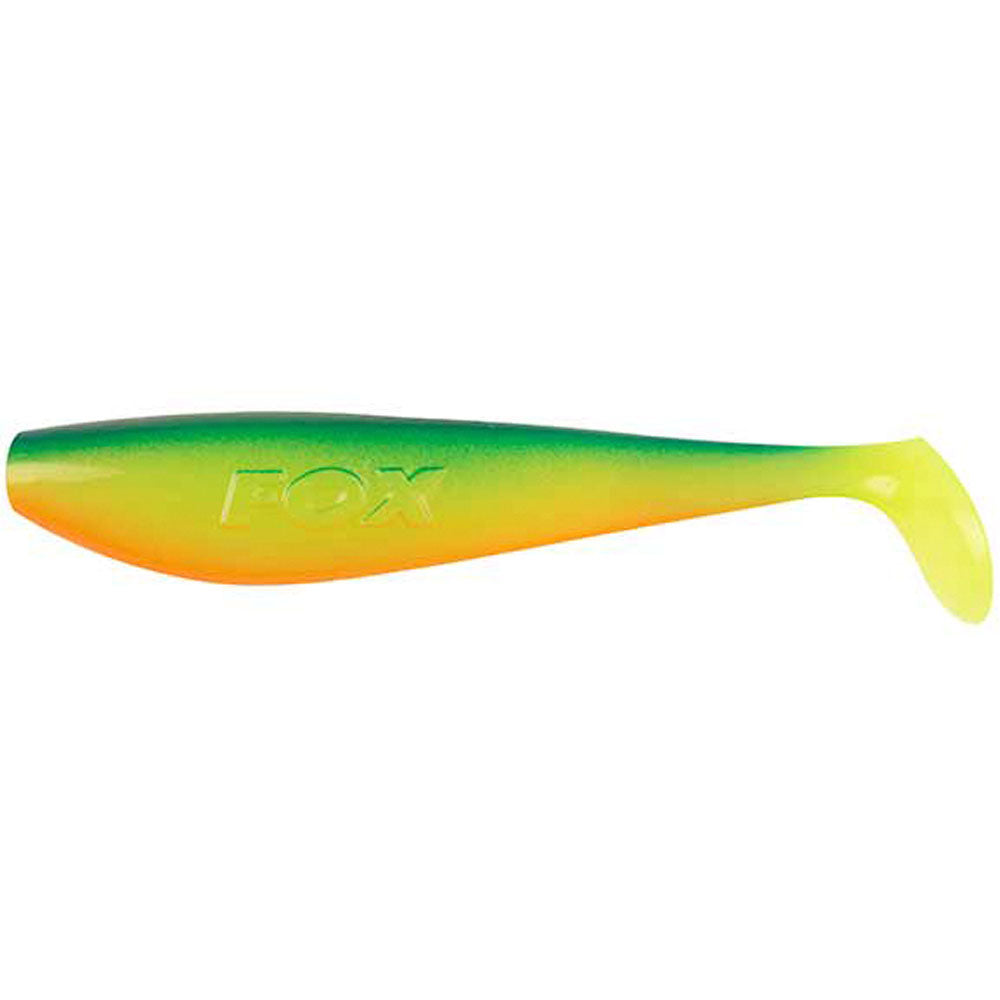
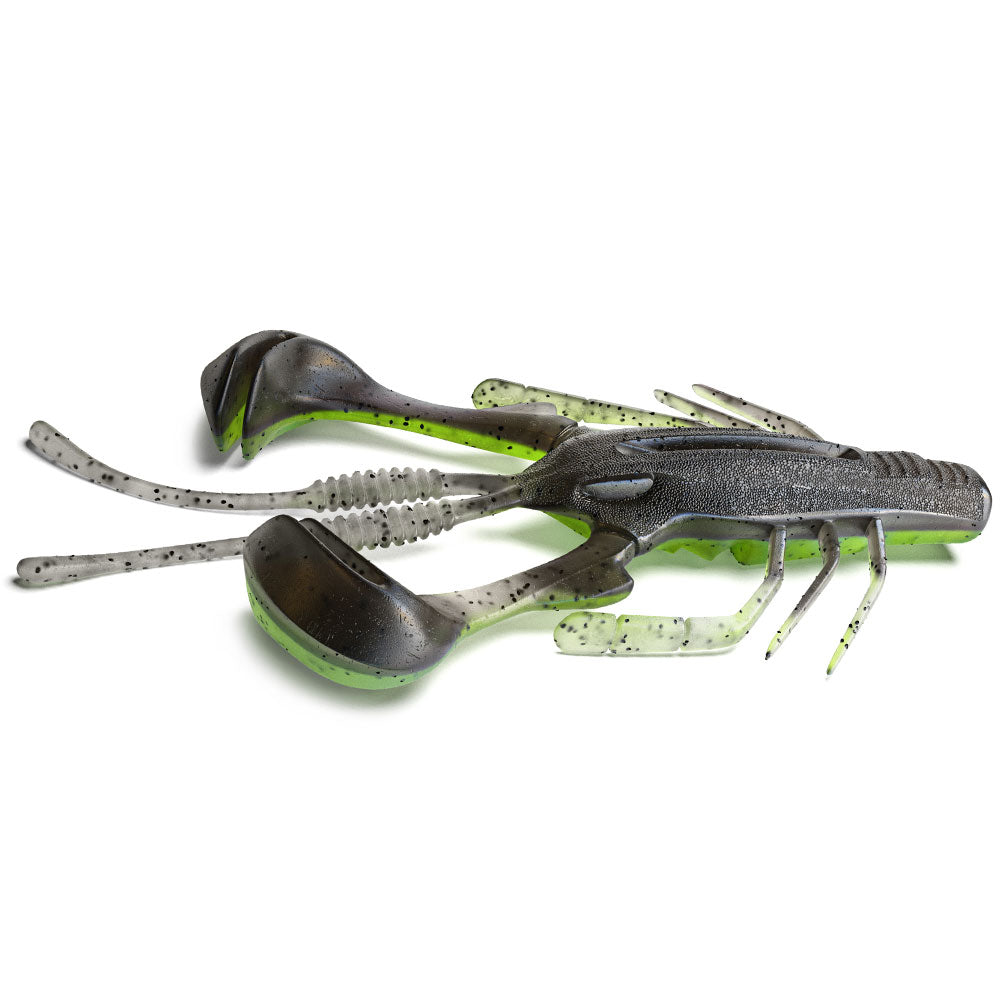
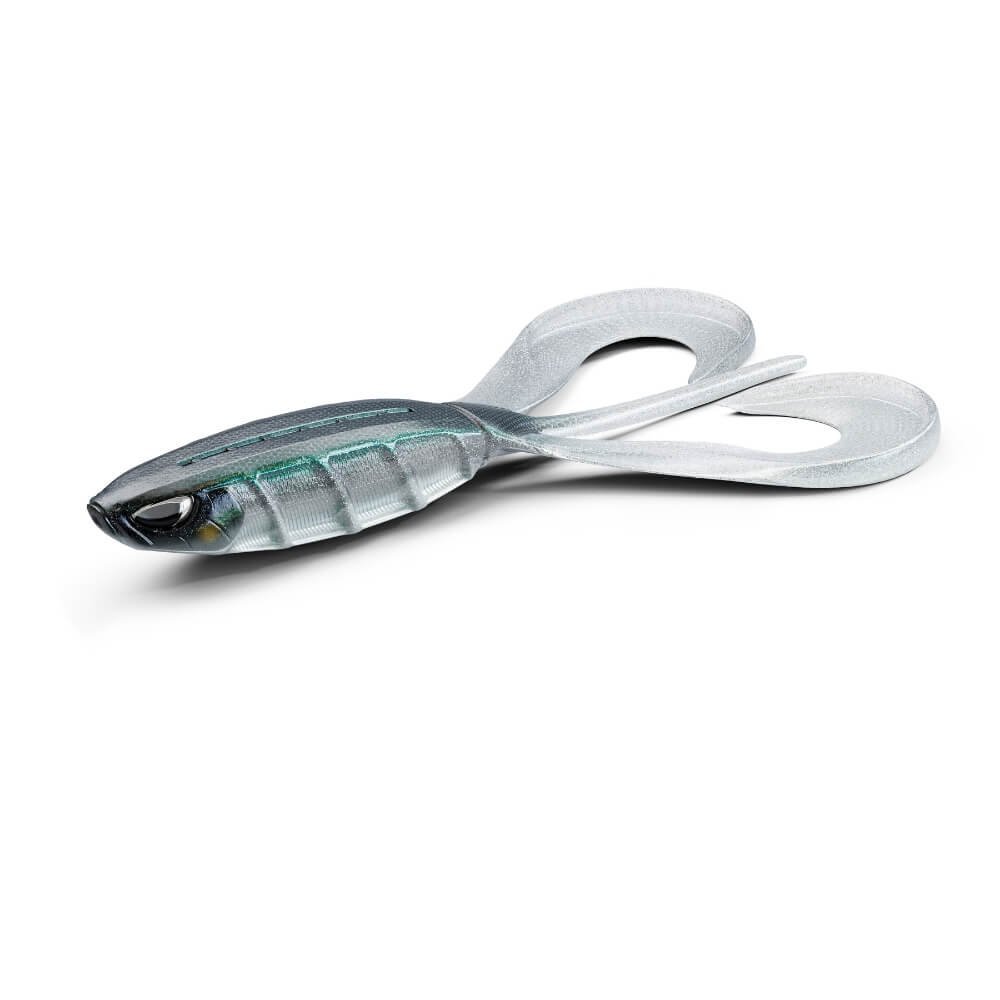
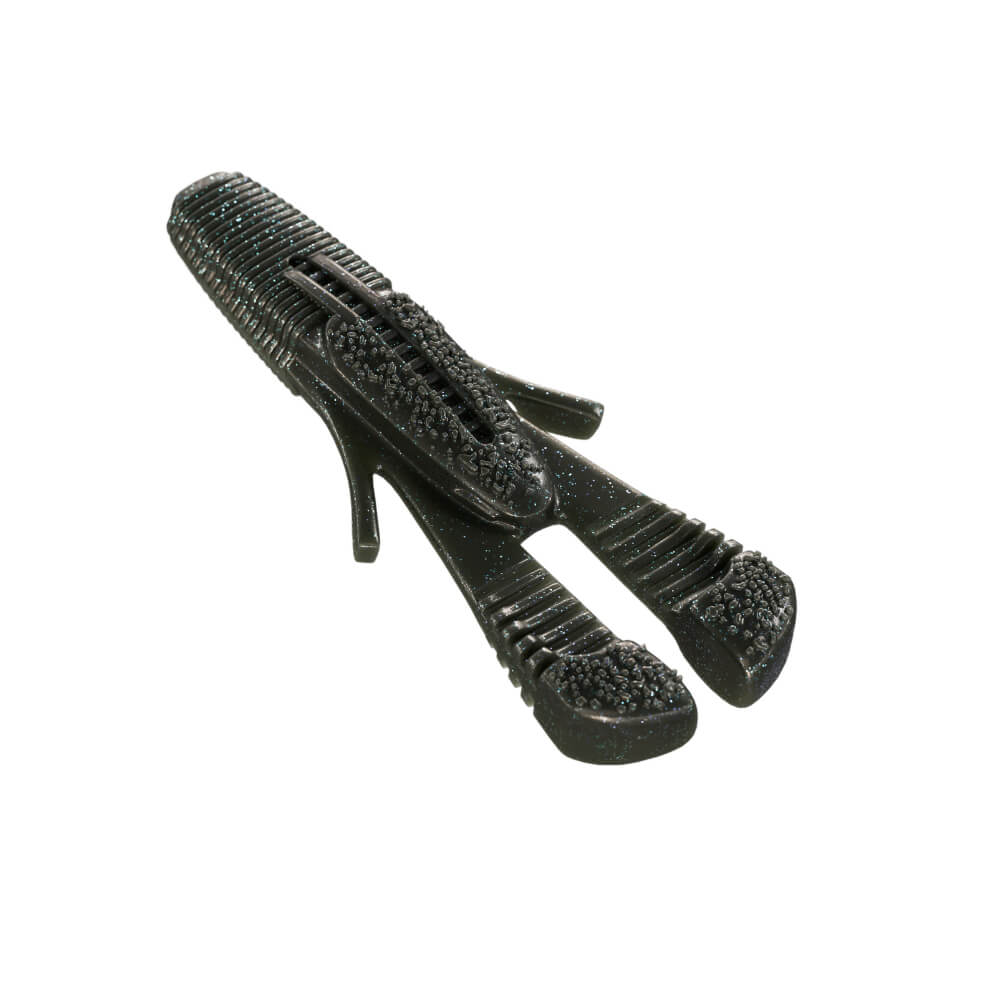
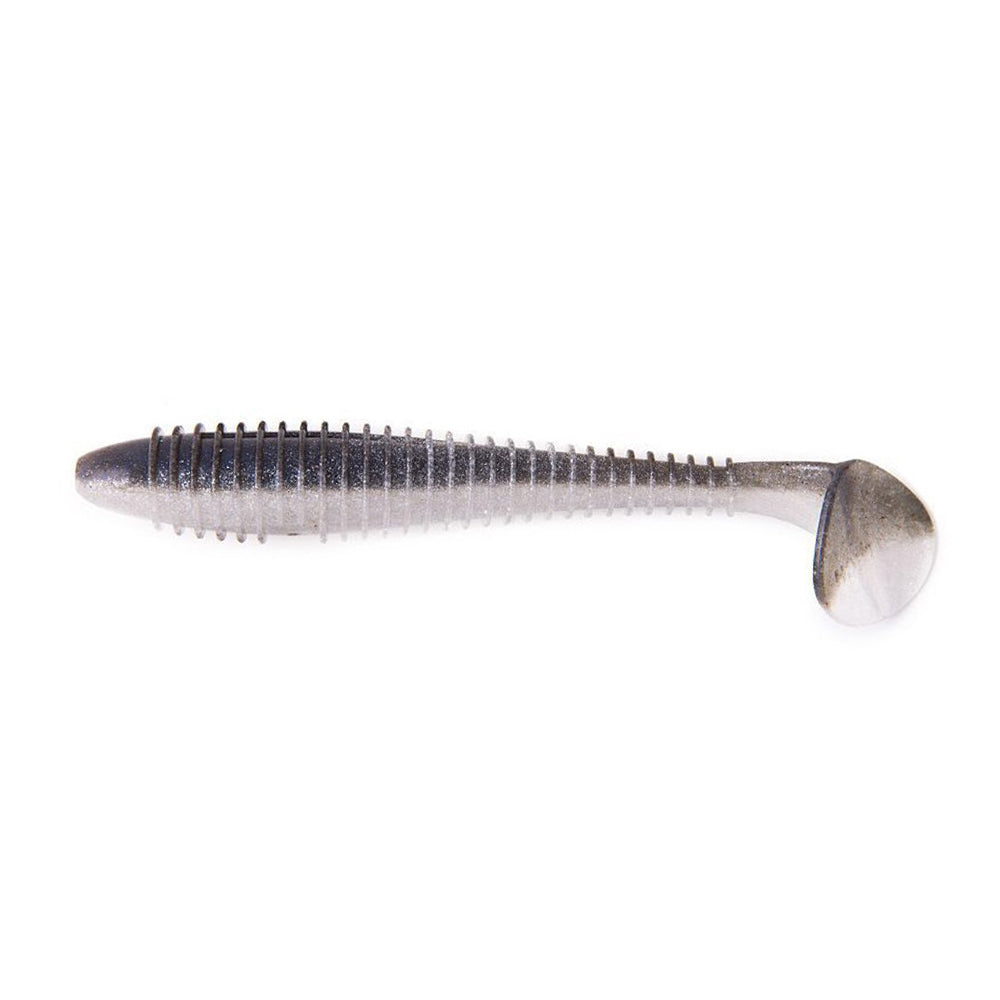
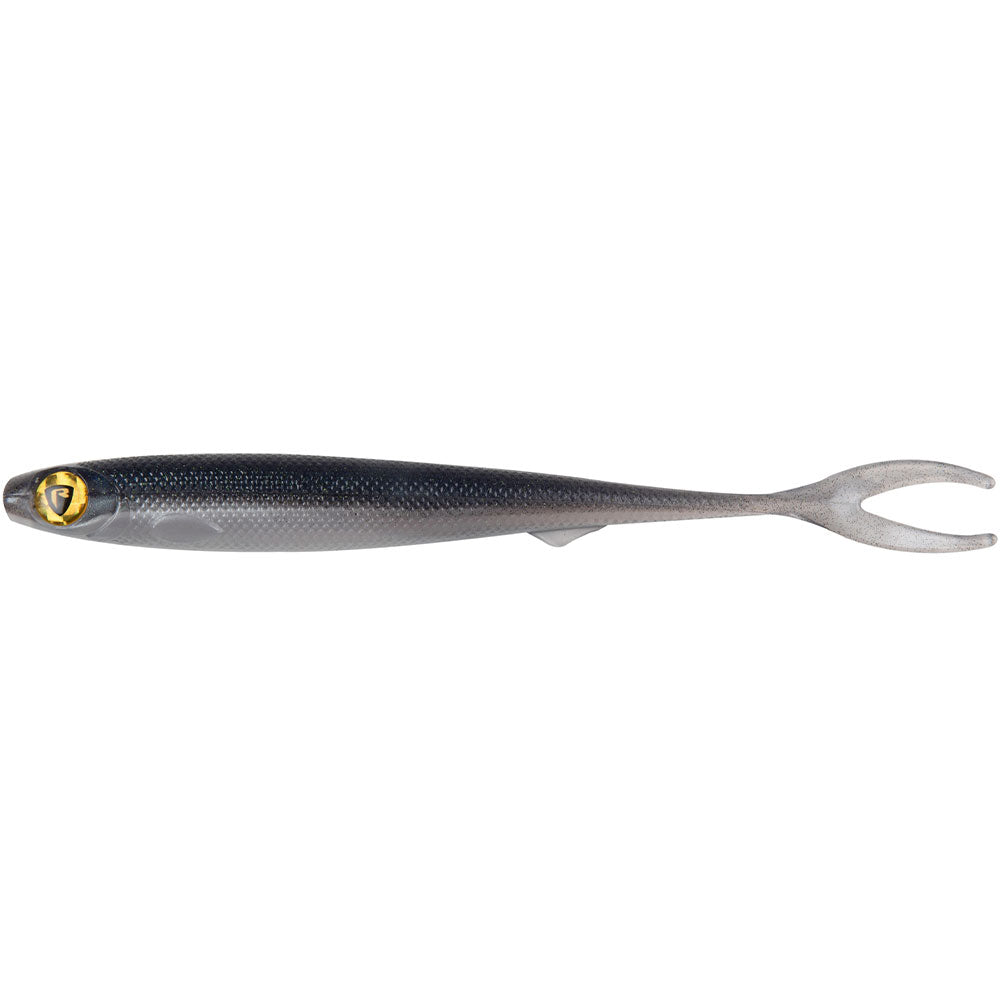
<h2>Buying Guide: Soft Plastics</h2><p>Although it is hard to imagine lure fishing without soft plastics today, they are a relatively modern addition to the world of <strong>artificial lures</strong>. Modern manufacturing processes and materials have led in recent years to an unparalleled variety of lure shapes, covering almost every conceivable situation on the water and virtually every target species.</p><h2>Advantages of Soft Plastics</h2><p>One significant advantage of soft plastics is that they are <strong>comparatively affordable</strong> alongside other lure types. As a result, most anglers build up a sizeable collection of different sizes, shapes and colours in their lure boxes. Alongside different rubber compounds, finishes and sizes, the soft plastic market spans highly realistic and more abstract imitations of insects, fish, crayfish and other prey.</p><p>The variety you have when fishing soft plastics is further increased by the fact that this lure type can be presented on a wide range of <strong>rigs</strong>. This means you are not only equipped for different depth ranges, but can also react to predatory behaviour, baitfish behaviour or the obstacles at your spot.</p><h2>Applications & Choosing the Right Lure</h2><p>Most shapes on the soft plastic market have been developed with particular target species, seasons or water types in mind, yet many of them can be used far more broadly if you know how. A brief overview of the different soft plastic shapes, their applications and primary target species is given below; more detailed information can be found in the individual subcategories. With all soft plastics, a good starting point is to think about the main prey of your target species, or to present a lure that looks like an easy and worthwhile meal. The lure does not need to be an exact copy of that prey - a rough match in size, colour or shape is often enough. Many soft plastics also allow you to imitate the behaviour of the natural prey.</p><h3>Overview Table</h3><table><tbody><tr><td><strong>Lure Shape</strong></td><td><strong>Application</strong></td><td><strong>Example</strong></td></tr><tr><td>Shad</td><td>The go-to soft plastic for all predators. Small models (up to around 8 cm) work well for trout, while perch will also take shads up to 12 cm, especially during the colder months. Zander (7 to around 16 cm) happily take larger shads, and the really big sizes are more selectively aimed at pike or wels catfish. You can of course catch these larger predators on smaller lures too, particularly in spring, but matching the size lets you fish more selectively. There are also different action profiles ranging from <em>high action</em> to <em>no action</em>, depending on the tail shape.</td><td> <img src="https://cdn.shopify.com/s/files/1/0548/9197/0669/files/drunk-bait-8cm-lmab-champagner-steffi.jpg" alt="Gummifisch Beispiel" width="200" height="200"></td></tr><tr><td>Crayfish</td><td>Rubber crayfish are a popular alternative prey item for predators - highly nutritious and found in almost every water. Particularly in summer and autumn, crayfish imitations can produce outstanding sessions for perch, largemouth bass, zander and pike. Takes on these lures tend to be extremely aggressive, as predators want to deal with these well-armed crustaceans in a single strike.</td><td> <img src="https://cdn.shopify.com/s/files/1/0548/9197/0669/files/Reins-ring-craw.jpg" alt="Gummikrebs zum Angeln" width="155" height="166"></td></tr><tr><td>Insect Imitations</td><td>Ideal companions for fishing trips in spring and summer, when insects are buzzing both above and below the surface. Insects represent an easy, protein-rich meal for predators and are a particularly welcome snack for perch, trout and largemouth bass - though pike will also take these lures readily.</td><td> <img src="https://cdn.shopify.com/s/files/1/0548/9197/0669/files/55112-3D-PVC-Mayfly-5cm-Black.jpg" alt="Insektenimitat zum Angeln" width="200" height="200"></td></tr><tr><td>Worm</td><td><p>Globally renowned as a lure for largemouth bass, worms also catch trout and perch throughout the year. They present beautifully on all finesse rigs with <strong>ultralight tackle</strong> and show real movement underwater.</p></td><td> <img src="https://cdn.shopify.com/s/files/1/0548/9197/0669/files/Westin_bloodteez.jpg" alt="Gummiwurm zum Angeln" width="248" height="68"></td></tr><tr><td>Curly Tail Grub</td><td>A classic among <strong>action soft plastics</strong> is undoubtedly the curly tail grub. The curly tail slows the lure's sink rate and generates strong pressure waves through its propeller-like movement in the water - something that perch, trout, pike, largemouth bass and zander find hard to resist.</td><td> <img src="https://cdn.shopify.com/s/files/1/0548/9197/0669/files/twister-grub.jpg" alt="Twister (Grub)" width="360" height="120"></td></tr><tr><td>Creature Bait</td><td>Creative designs that often feature multiple appendages, making them resemble crayfish, insects or entirely different prey items - all generating plenty of attention underwater. They are top lures for largemouth bass, perch and zander.</td><td> <img src="https://cdn.shopify.com/s/files/1/0548/9197/0669/files/Reins-G-Tail-Twin-Grub-3-Watermelon-Seed.jpg" alt="Creature Bait Angelköder" width="267" height="200"></td></tr></tbody></table>